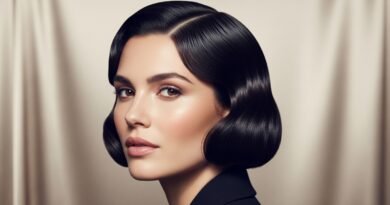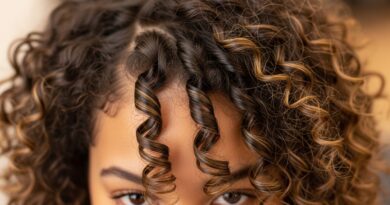
From Flat Roots To Lifted Volume Using Techniques That Work On Fine Hair
Hey friend! If you’ve got fine hair, you already know the struggle: you wash, dry, style, and by noon your roots look flat and sad. It’s not a character flaw and it’s not your hair’s fault. Fine hair just needs a different playbook, and once you learn it, everything changes.
The good news? Volume is totally doable. I’ve tested every trick, product, and technique so you don’t have to. From blow drying upside down to finding the right cut for your texture, this post is packed with practical things that actually work for fine strands. If I can do it, you absolutely can too.
Grab your hairbrush and give me a few minutes. By the end, you’ll have a simple routine for lifted, bouncy hair that lasts all day. No fluff, no gimmicks, just real results. Let’s get that volume back, friend.
Why Fine Hair Feels Flat (and Why It’s Not Your Fault)

Fine hair has less density per strand, so gravity wins way too easily. Add humidity, heavy products, or a rough pillowcase and your roots give up before lunch. It’s not a character flaw, and it’s not your fault. It’s just how fine hair works.
Here’s the encouraging part: flat roots are fixable. You don’t need a dramatic haircut or expensive salon visits. You just need a few simple techniques that work with your hair type. This post covers all of them, step by step, so you can finally get that bounce.
The Real Culprits Behind Flat Roots
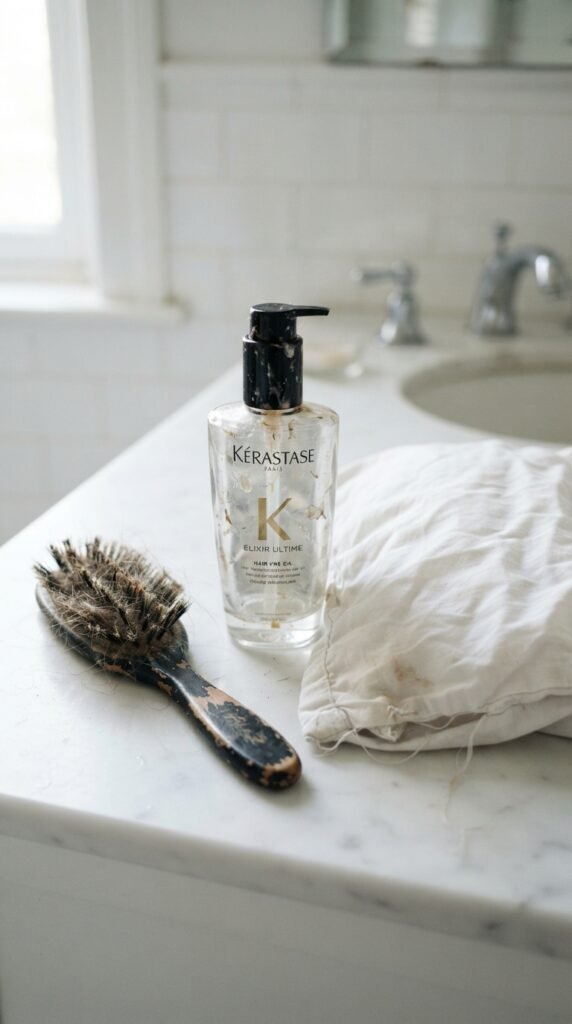
Before we fix the problem, let’s find what’s causing it. These are the sneaky things that flatten fine hair:
- Heavy creams and oils that coat the strand
- Silicone-based serums that build up fast
- Brushing too much after hair dries
- Skipping dry shampoo on day two
- Sleeping on a cotton pillowcase
Once you spot these, you can swap them for lighter options. Small changes make a huge difference when your hair is fine.
Start With The Right Shampoo Routine
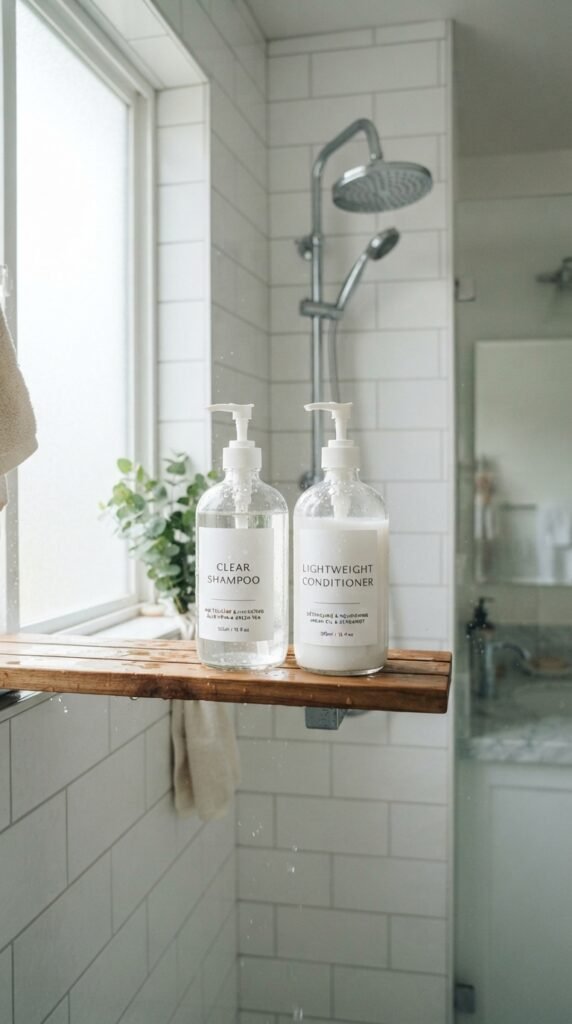
Your volume starts in the shower. Look for a volumizing shampoo that says “sulfate-free” or “clarifying” on the label. Sulfates strip hair, which sounds good, but they actually leave fine strands dry and limp. A gentle, clarifying formula keeps the scalp fresh without weighing hair down.
Two things to keep in mind:
- Wash at the roots, not the ends
- Condition only the middle to the ends
Don’t skip conditioner entirely, though. Fine hair still needs moisture. Just keep it away from your scalp. And if your hair is extra fine, try washing every other day. Your natural oils will help with lift. It makes a bigger difference than you’d think.
How To Blow Dry For Instant Lift

This is the trick that changed my hair life: flip your head upside down and blow dry your roots first. The heat sets the hair in the opposite direction of gravity, which means instant lift at the scalp.
- Towel dry hair gently, no rubbing
- Flip head down and aim the dryer at roots
- Use your fingers to tousle while drying
- Flip back and finish with a cool shot
The cool air sets the style and locks in the lift. It takes two extra minutes but the payoff is huge.
The Brush That Changes Everything
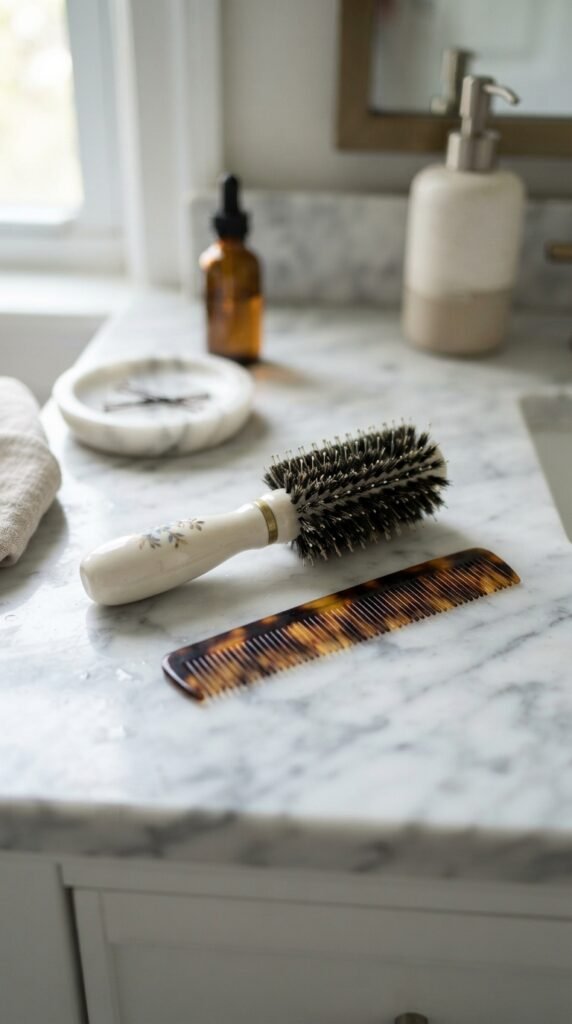
Not all brushes are created equal. For fine hair, skip the giant paddle brush. It pulls roots flat and doesn’t give you any lift. Instead, grab a small round brush with boar bristles or a small ceramic barrel.
The smaller the barrel, the more tension you get, which means more bend at the root. Use it to lift sections while blow drying, then wrap each section around the brush for a smooth curve. It’s the closest thing to a salon blowout at home.
One tip: don’t over-brush. Once your hair is dry, use your fingers to shape it. Brushing fine hair too much kills volume fast.
Mousse vs. Root Spray: What Actually Works?
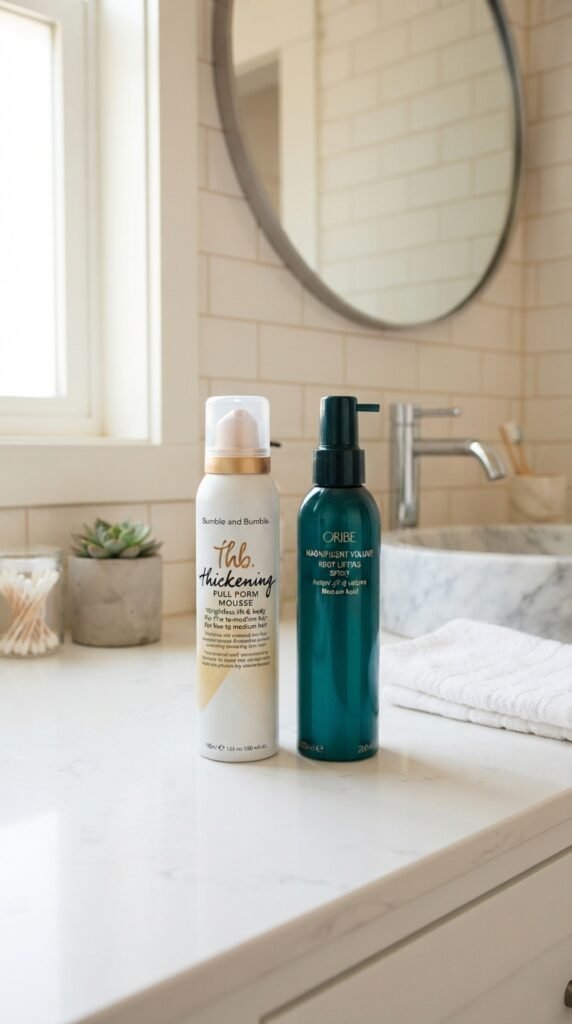
Both can work, but they do different things. Root spray targets the base, mousse builds all-over body. For fine hair, I usually suggest mousse first, then a root spray only where you need extra lift.
- Mousse: apply to damp hair, focus on roots
- Root spray: apply directly to the scalp area
- Volume powder: use a little, it’s strong
Don’t layer all three. Pick one, see how your hair responds, then adjust. Less is definitely more with fine hair. Too much product equals crunchy, flat hair that drops by noon.
Dry Shampoo: Your Secret Weapon

Dry shampoo isn’t just for second-day hair. It’s a volume tool for day one. Spray it at your roots right after styling and it absorbs any extra oil while giving grip and texture. That grip helps your roots stand up instead of lying flat.
Here’s the secret: apply it before your hair gets oily, not after. A quick spray at the roots, let it sit for 30 seconds, then massage it in with your fingertips. Flip your head over and shake gently to release the excess. Instant volume that actually lasts.
The “Upside Down” Trick That Never Fails

You already learned to blow dry upside down. Now take it further. Once your hair is fully dry, flip it forward again and spray a little hairspray at the roots. Let it set for 10 seconds, then flip back. The lift is immediate.
This works because your roots get a chance to dry in the opposite direction of where they naturally fall. When you flip back, they have no choice but to stay lifted. Keep a travel-size hairspray in your bag and you can fix flat roots anywhere.
Sectioning For Serious Volume
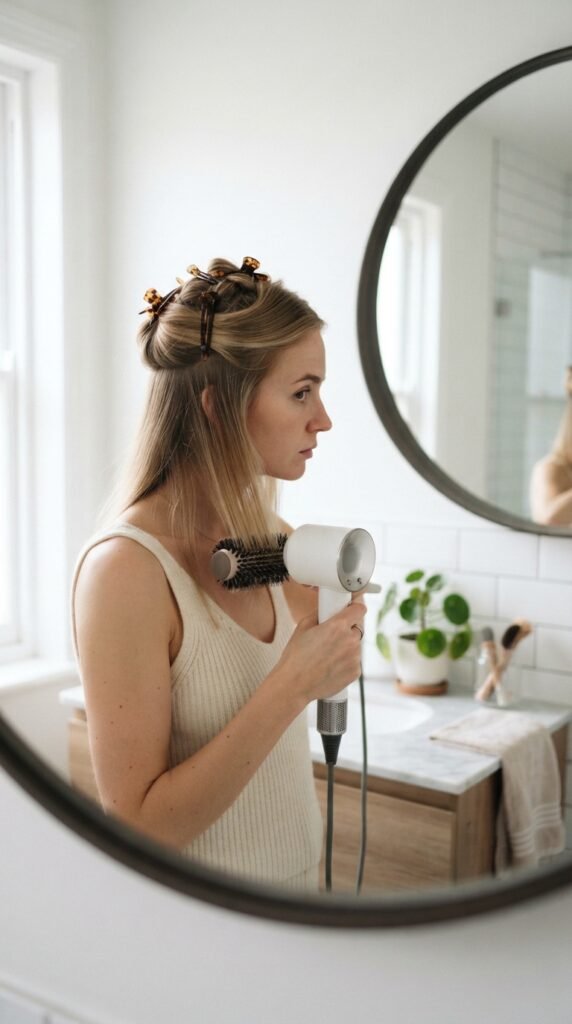
When you dry your hair all at once, the top layers flatten the bottom. Sectioning changes everything. It sounds like a salon move, but it takes just two extra minutes.
- Divide hair into four sections: bottom, middle, top, crown
- Clip each section away
- Dry and style the bottom first
- Work up, lifting each section with a brush
This way, every layer gets its own lift and you’re not fighting gravity across the whole head. The crown section is the most important, so give it the most attention. It carries the volume you see from the front.
Hot Tools: What Temperature Works Best
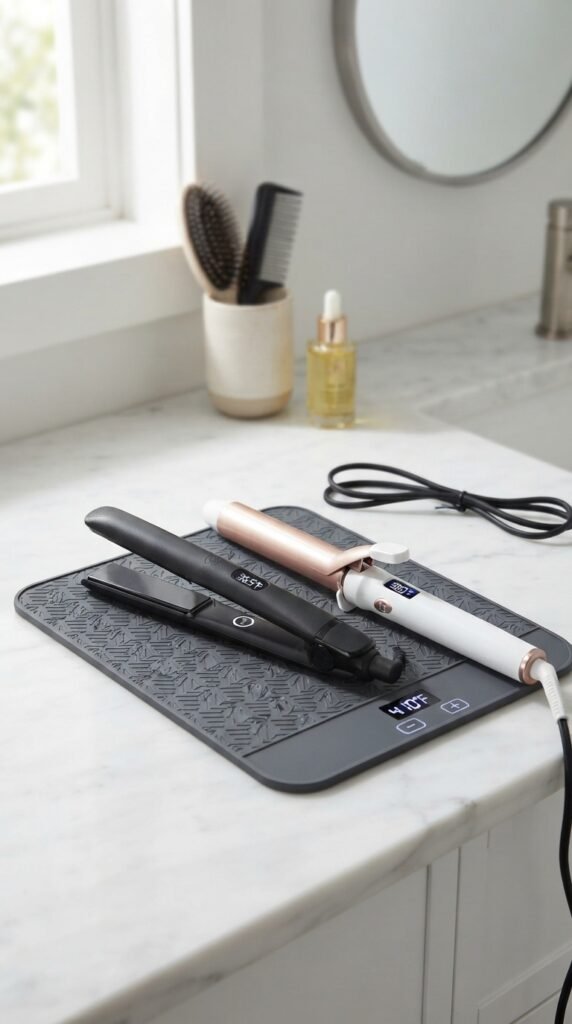
Heat is your friend, but only at the right temperature. Fine hair doesn’t need 400 degrees. In fact, anything above 350 can damage fine strands and make them fall flat faster. Keep your tools between 300 and 350 degrees.
At the roots, use a curling wand or a flat iron for a quick bend. Flat curls at the root give the illusion of density. Just don’t clamp too long on one section, it can crimp the hair. A quick move is enough. And always, always use a heat protectant.
Teasing Without The “Crimped” Look
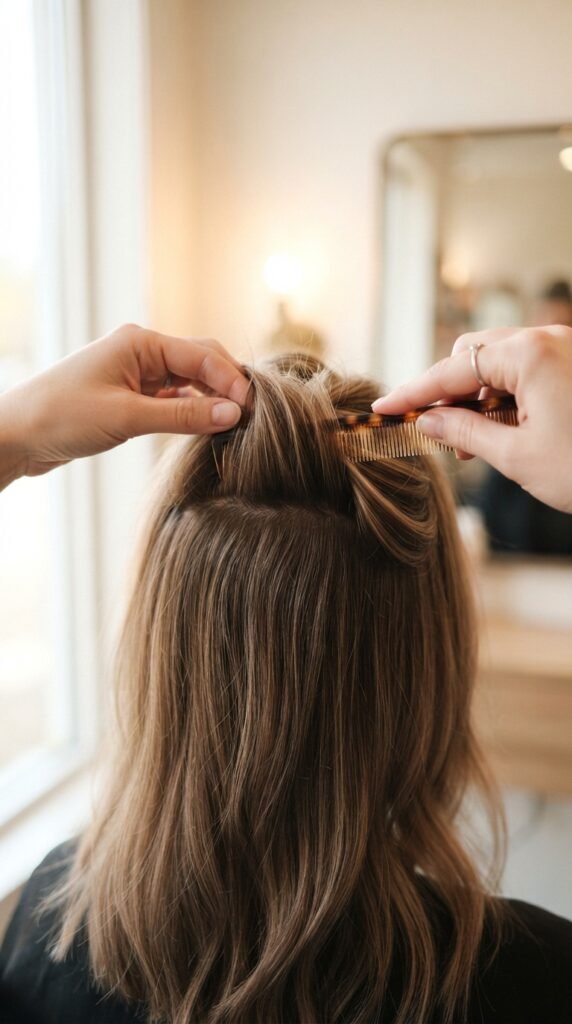
Teasing gets a bad reputation because most people do it wrong. The key is to tease the underside, not the top layer, and to do it gently. That keeps the outside of your hair smooth while adding body underneath.
- Take a one-inch section at the crown
- Comb it up, then backcomb softly 2-3 times
- Gently push the hair upward with the comb
- Smooth the top layer with a brush
Done right, this looks natural and not at all like an 80s flashback. Cover the teasing area with a light hairspray to lock in the lift.
The Part Line Rule (and How To Break It)
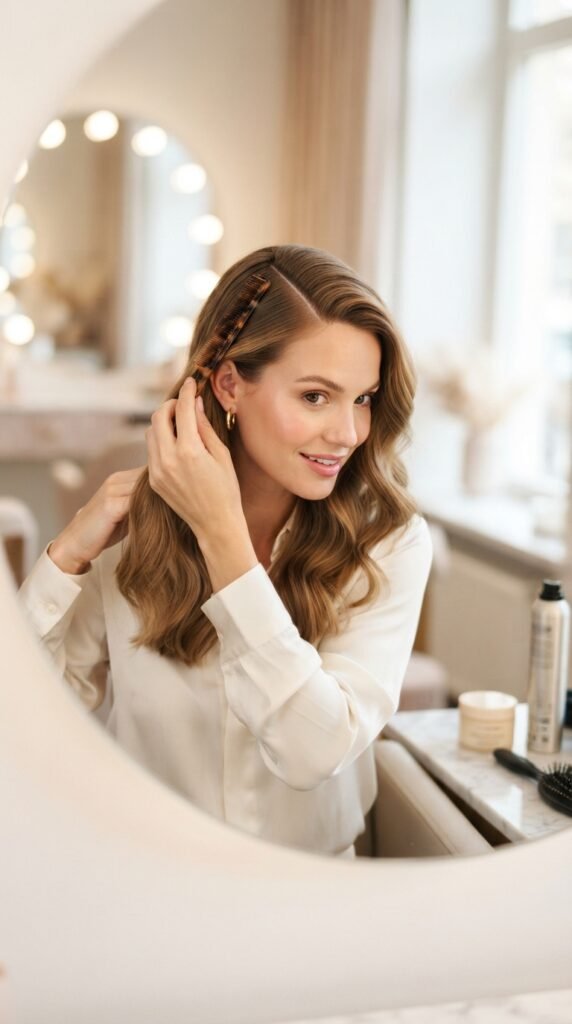
A straight middle part can flatten fine hair because it presses everything down the middle. Switching your part to a deep side part instantly adds visual height at the crown.
You don’t have to commit to one side forever. Change your part every few days. A bathroom mirror with a wide-tooth comb is all you need. While hair is damp, comb to the new side and blow dry with a round brush. The roots will stay lifted longer.
If you can’t part away, try a zigzag part with a fine comb. It breaks the line and keeps hair from lying flat against your scalp.
Volume That Lasts All Day (Even In Humidity)

Humidity is the enemy of fine hair. But a few tricks can keep your lift intact. First, use a texture powder or a dry shampoo with starch. It absorbs moisture before it reaches the root. Second, finish with a flexible hold hairspray, not a stiff one.
Here’s my all-day sequence: mousse at damp roots, blow dry upside down, cool shot at the crown, dry shampoo after styling, and a light hairspray finish. That might sound like a lot, but it takes 10 minutes and keeps hair alive for 8-plus hours. Bring dry shampoo for touch-ups if you need it.
The Best Cuts For Fine Hair In 2026

Some cuts give fine hair a head start. In 2026, the trend list is full of options that work beautifully with fine strands. You don’t need tons of layers that thin out the ends. You need strategic shaping that creates density at the crown.
- Blunt cuts for solid ends
- Soft layers at the crown only
- Face-framing pieces for movement
- Asymmetrical styles for visual weight
Ask your stylist for a cut that removes weight from the middle and keeps the ends fuller. That’s the secret to fine hair looking thicker instantly.
The Quiet Luxury Bob: Perfect For Fine Hair

If there’s one haircut that screams old money while also saving fine hair, it’s the quiet luxury bob. This cut sits right at the jaw or slightly below and uses a simple, blunt line to create the illusion of density.
Stylists love this cut for fine hair because it doesn’t rely on layers that can fall flat. It’s all about strong, clean edges. You can style it sleek or add a bend at the ends for soft movement. Either way, the cut itself does most of the heavy lifting.
It’s polished, timeless, and completely on-trend as a top 2026 hairstyle.
The Asymmetrical Lob: Why It Works

The asymmetrical lob is the ultimate problem-solver for fine hair. One side is slightly longer than the other, and that imbalance creates instant visual interest. It tricks the eye into seeing more volume and movement than there actually is.
It is also one of the easiest cuts to style. Let your hair air dry, add a small amount of mousse, and mess it up with your fingers. If you want extra lift, hit the roots with a quick blow dry. The cut’s natural texture does the rest.
Look for a lob that grazes your collarbone or sits just above your shoulders, then let your stylist trim the shorter side to hit your chin. Looks amazing on fine hair.
Romantic Goth Hairstyles For Fine Hair

Romantic goth hairstyles are having a serious moment, and they’re surprisingly fine-hair friendly. Think soft, dark waves with volume at the crown. The extra root lift balances the darker, heavier color that can sometimes drag fine hair down.
To get the look, curl sections away from your face in loose waves, then brush them out gently. Add a root spray before curling for lasting lift. A spritz of texturizing spray keeps the romantic vibe without looking costume-y.
This style works especially well with the vampire haircut trend, because the combination adds drama while keeping fine hair light.
The Hime Cut: Bold But Volume-Friendly
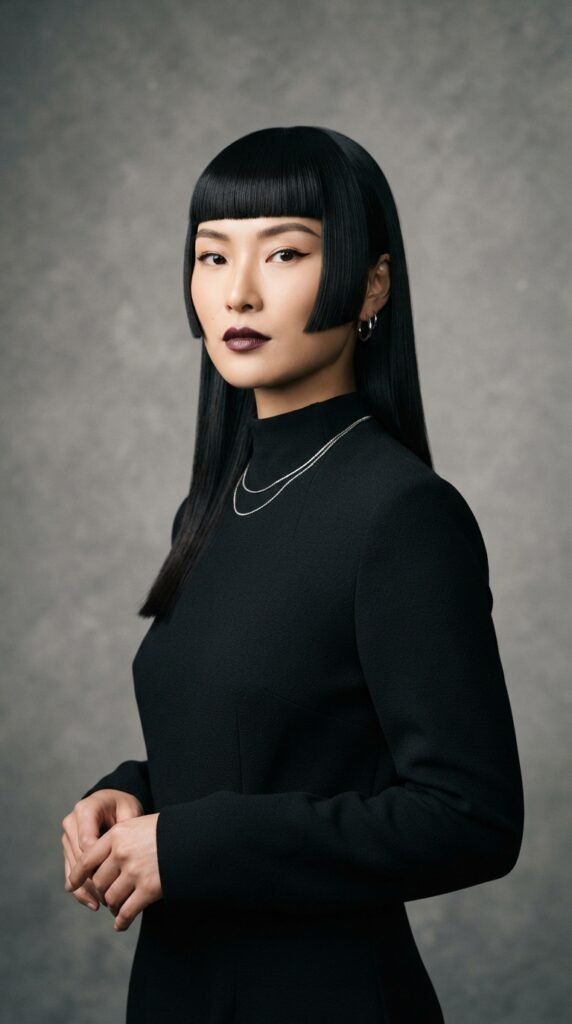
The hime cut is bold, yes, but it’s also a brilliant choice for fine hair. It features blunt cut fringe and straight sides, which give fine strands a much thicker appearance. There’s no wispy layering that makes thin hair look thinner.
It’s also super easy to style. Wash, blow dry straight, and you’re done. If you want a softer vibe, add loose waves at the ends only. The key is keeping the line clean and sharp.
For 2026, the hime cut is showing up on runways, and it pairs beautifully with the glitchy glam hair trend for an edgy modern twist.
Vampire Haircut and Glitchy Glam Hair Trends

The vampire haircut is all about sharp, face-framing shape. It uses dramatic lengths around the face, which give fine hair a stronger silhouette. Meanwhile, glitchy glam hair plays with glossy, almost pixel-like shine that makes strands look healthier and more dense.
To combine both trends, ask for a cut with shorter face-framing pieces and longer back layers. Style with a shine spray and a flat iron for a very sleek finish. The gloss catches the light and makes fine hair look full.
It’s a dramatic, editorial vibe, but it’s actually very low-maintenance. You’ll love it.
Old Money Hair: Effortless Volume

Old money hair is basically the definition of quiet luxury. It’s smooth, polished, and full at the roots, never crisp or stiff. Think of a model with a center part and a gentle wave that starts halfway down. It says classic, not trendy.
For fine hair, old money styles work well because they rely on movement, not on heavy layers. Use a curling wand on medium heat to create soft bends, then brush them out and tuck one side behind your ear. Add a tiny bit of shine serum on the ends only.
This is the kind of hair that feels expensive without trying hard.
Overnight Volume Hacks (No Heat)

You can wake up with volume, too. No heat required. Here’s what I do:
- Sleep on a silk pillowcase, it reduces friction
- Put hair in a loose high ponytail with a scrunchie
- Add a little texture powder before bed
- Braid hair loosely for gentle waves
In the morning, take out the scrunchie, flip your head upside down, and shake. Your roots will have natural lift from the night’s position. It’s not as dramatic as a blowout, but it’s effortless and healthy for fine hair.
Products To Avoid With Fine Hair
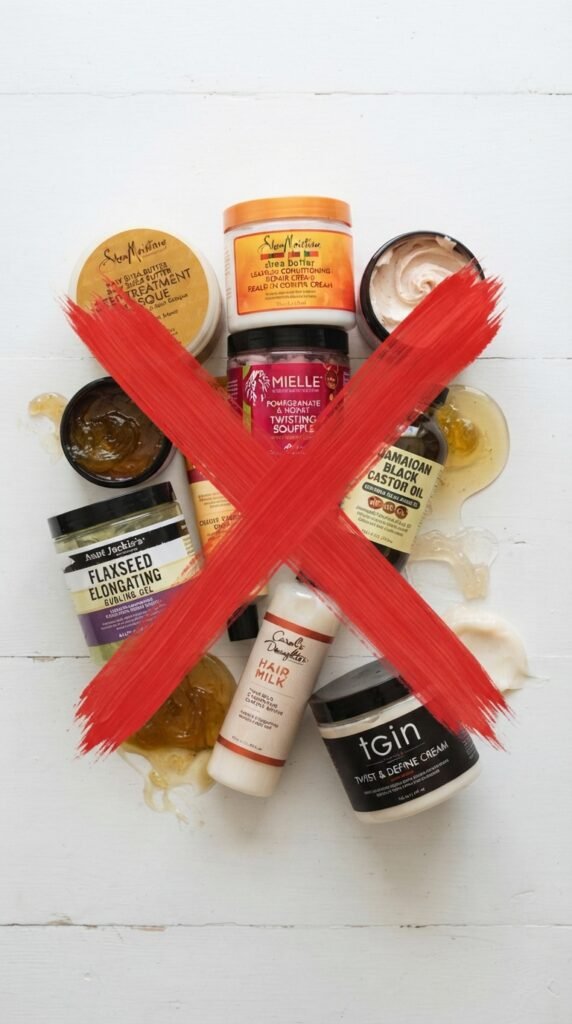
Not every product is your friend. Some of them are volume killers in a fancy bottle. Avoid these:
- Thick butters and waxes
- Silicone-heavy serums
- Oil-based hair masks
- Heavy overnight leave-in creams
Instead, look for water-based formulas, lightweight mousses, and sprayable leave-ins. Check the label. If silicone is in the first five ingredients, it’s probably too heavy. A simple switch to lightweight products can transform how your hair holds volume throughout the day.
Quick Fixes For Second-Day Hair

Second-day hair can be either your best friend or your worst enemy. With fine hair, it often falls flat overnight. Here’s your quick fix routine:
- Spritz dry shampoo at the roots
- Wait 30 seconds, then massage it in
- Flip your head upside down and shake
- Use a curling wand to refresh the bends
If the hair at the front is flat, tease the crown area just a little. Smooth the top layer with a brush or your palm. You’ll be out the door in five minutes.
When To See A Stylist For A Custom Cut
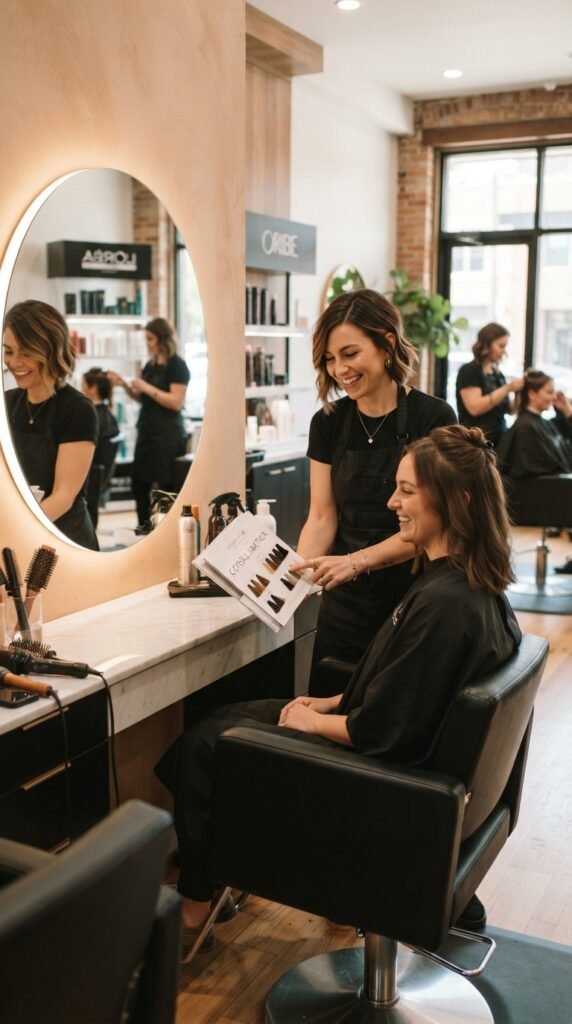
Sometimes, the best volume strategy is a professional one. If your hair still falls flat no matter what you do, it might be time to visit a stylist for a custom cut. They can remove weight and shape your hair specifically for fine texture.
Ask about a “volume cut” that adds interior texture and removes bulk without thinning the ends. Mention the styles you love from 2026 hairstyles, whether it’s the quiet luxury bob or the vampire haircut, and let them adapt it to your hair.
It’s an investment, but a good cut makes every day easier.
A Few Last Thoughts From Me
Friend, flat roots are the easiest thing to fix once you know the right tricks. You don’t need 10 products or an hour in front of the mirror. You just need the right routine and a cut that flatters fine hair. Start small. Pick one or two tips from this post and try them this week.
Your hair will thank you, and so will your confidence. Some mornings you’ll wake up, flip your hair upside down, and smile at that new bounce. That is the best feeling.
Save this post to Pinterest so you have it when you need it. And tell me in the comments: which volume trick are you trying first? I read every single comment and I’d love to hear how it goes.