Turf, Sticks and Spring Sun: 34 Hairstyles for a Lacrosse Game That Hold Through Sprints, Checks and Goggles
A lacrosse field is one of the hardest places to wear your hair well. You are sprinting the length of the turf, dodging checks, ducking under a stick and sweating in the spring sun, all while goggles or a helmet press on everything you have styled. That is why hairstyles for a lacrosse game are a practical choice, not just a pretty one: the right style keeps your vision clear, survives the running, the contact and the heat, and still looks good in the photos from the sideline.
A good lacrosse hairstyle does three things at once. It anchors the hair so it cannot slip under goggles or a helmet, it keeps the front layers back so you can track the ball, and it is easy to fix in the few minutes at half-time. Braids, low buns and ponytails tucked low do this best, because they hold at several points and sit flat under headgear instead of fighting it.
This guide starts with the field-side thinking: how turf, sun and sweat affect your hair, how to fit a style under goggles or a helmet, which products hold through four quarters, and what works for each hair length. Then it gives you 34 styles for players and fans, for short, medium and long hair and every texture, from a full game on the field to front-row seats with a cold drink. Pick one, practise it once at home, and walk onto the field knowing your hair is already sorted.
Turf, Sun and Sweat: What Lacrosse Does to Your Hair
Outdoor lacrosse is played in sun, wind and dust, and your hair takes all of it. The sun dries the lengths, sweat dampens the roots, and turf dust clings to anything loose. Add a helmet or goggles, and the friction at the hairline lifts flyaways, so hair that looked smooth at home can look fuzzy and flat by the second quarter.
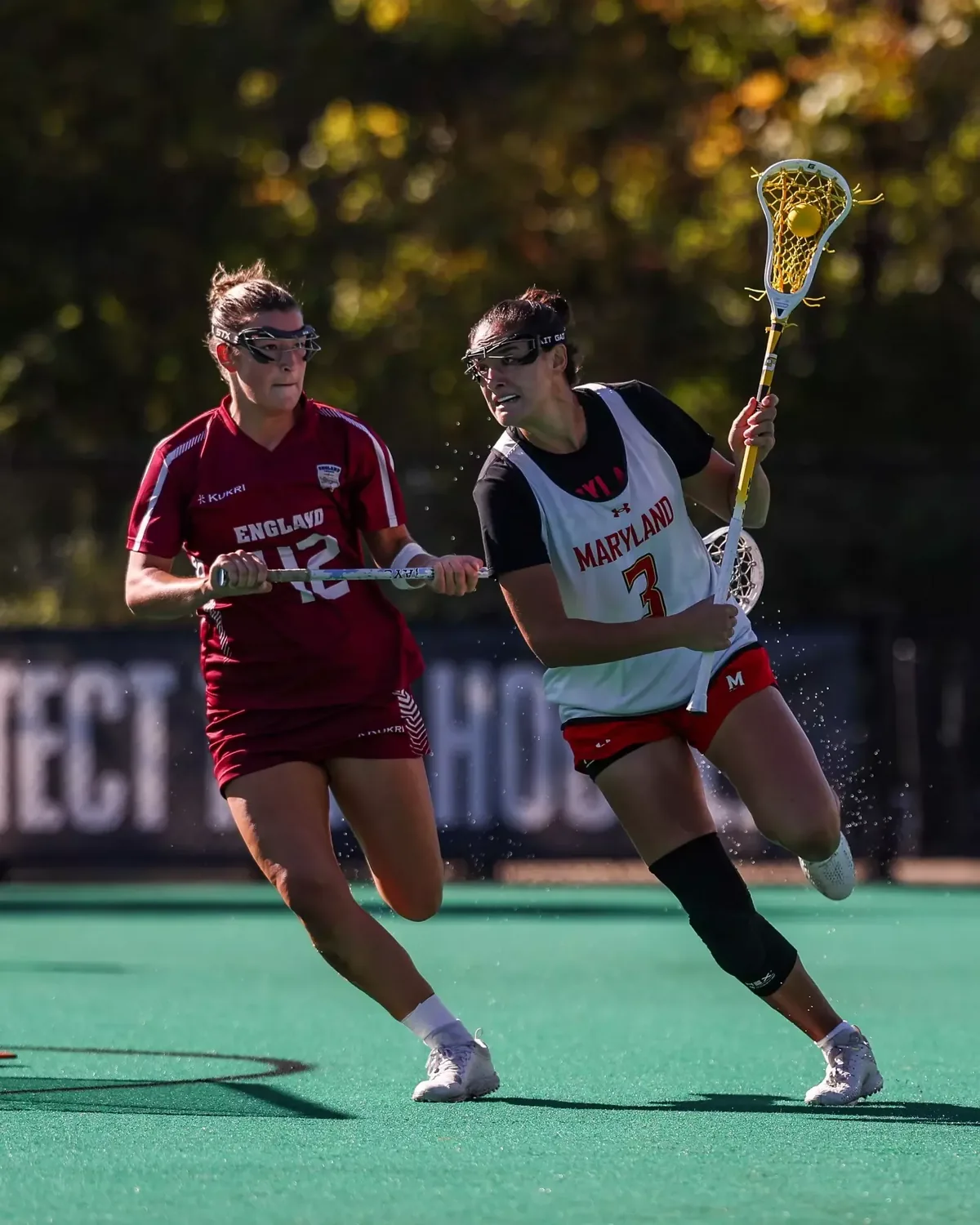
Best for: everyone heading to an outdoor game, especially fine or dry hair, and anyone who wears goggles or a helmet for hours. If your hair goes frizzy the moment you step onto the turf, this is your starting point.
How to style: start with a light leave-in conditioner or a drop of hair oil on the lengths before you style, and keep the roots clean so the style grips. A little smoothing cream on the hairline tames flyaways without weighing the hair down.
What to ask: ask your stylist for a cut that holds its shape under headgear, with layers that tuck behind the ears, so the sun, sweat and helmet do not undo the style in the first quarter.
Goggles and Helmets: Fitting Hair Underneath
Goggles and helmets change everything about a hairstyle. Anything bulky on top of the head pushes the goggles up or makes the helmet sit too high, and anything at the nape gets crushed into a tangled knot. The styles that work are low, flat and close to the head: low ponytails, low buns and braids that lie flat.
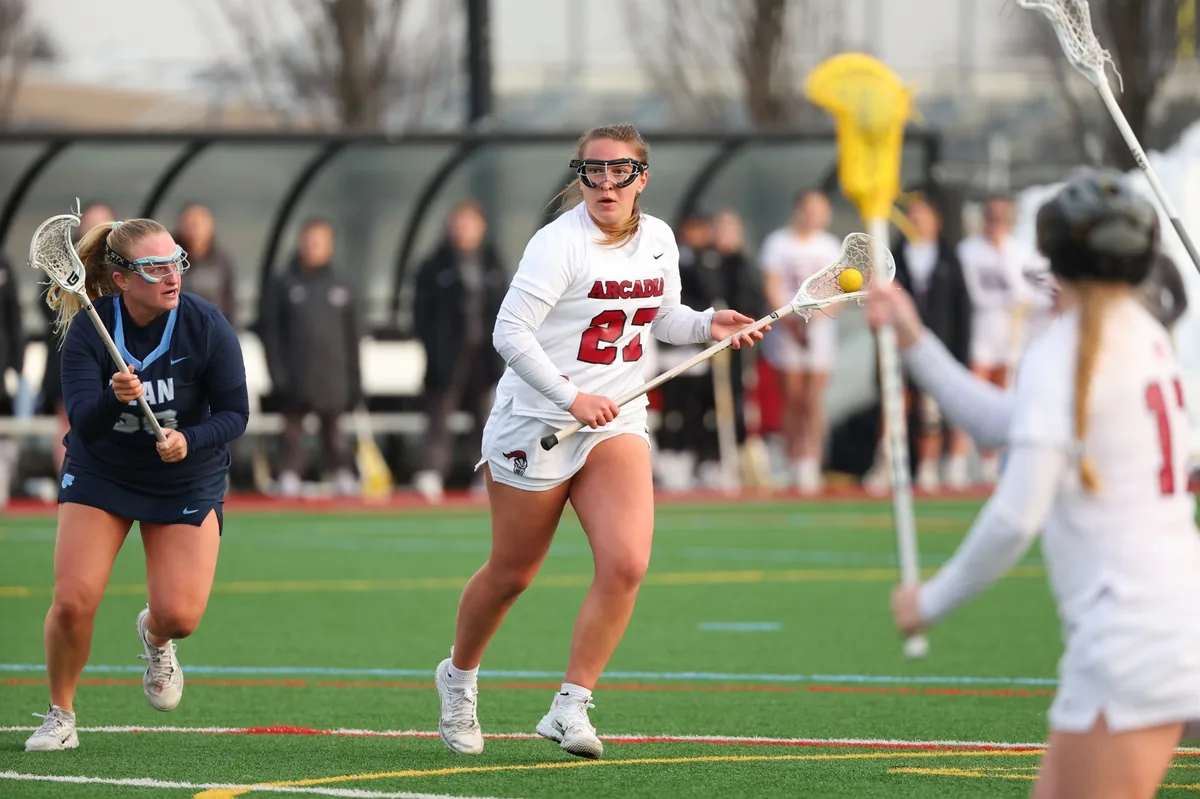
Best for: players who wear goggles or a helmet, and fans who wear a cap or visor all game. If your goggles ever slide down because your bun is in the way, the fix is placement, not a tighter strap.
How to style: keep the bulk at the nape or below the crown, never on top. Wear a low ponytail or a braid that sits flat against the skull, and check the fit with your goggles on before you leave home.
What to ask: ask your stylist for a style that sits flat at the crown, so goggles or a helmet fit over it without pressure points or a lopsided fit.
Players vs Fans: Picking the Right Style
Players and fans need different things from their hair. A player needs a style that cannot move at all: no swinging ends, nothing in the eyes, nothing a goggle strap can catch. A fan needs a style that survives sitting, standing, cheering and a sunny walk to the car, and that still looks good in photos.
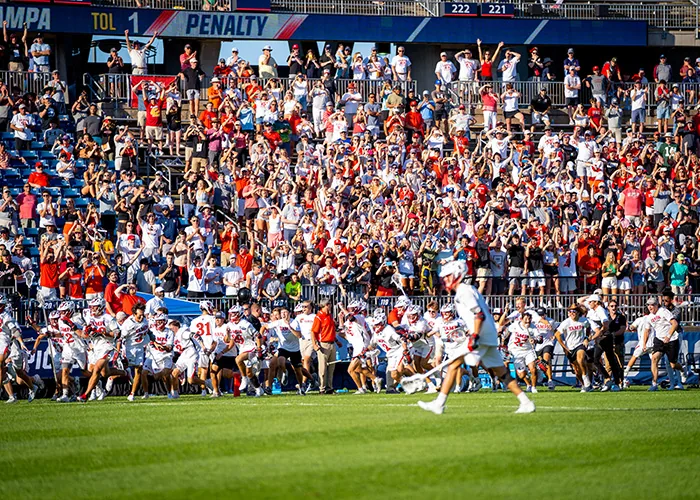
Best for: players, who should choose braids, tight buns and low ponytails, and fans, who can wear looser styles such as half-up looks, soft waves and braided pigtails. Pick for the job you are actually doing that day.
How to style: if you are playing, braid or bun everything and test it with a few sprints and head turns at home. If you are spectating, choose a style with a little movement and a cap or headband to hold the front back.
What to ask: ask your stylist which version suits your seat: a locked-down braid for the field, or a softer half-up style for the stands.
Sweat-Proof Products That Hold Through Four Quarters
The field gives your hair two opposite problems at once: sweat under goggles or a helmet, and frizz from sun and wind. The products that work are the ones that hold without stiffness: a strong-hold gel for the hairline, a light pomade for flyaways, and a flexible hairspray to finish.
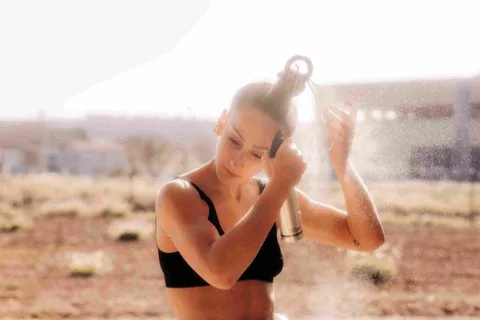
Best for: players who sweat under a helmet, and fans whose hair goes frizzy the second the sun hits it. A pea-sized amount is usually enough; more product just makes the hair sticky.
How to style: smooth gel along the hairline with a toothbrush or a small brush, add a drop of oil to the ends to fight frizz, and finish with a light mist of hairspray held a handspan away from the head.
What to ask: ask your stylist for a gel that holds through sweat but brushes out easily, so you are not fighting residue the morning after the game.
Hair by Length: Short, Medium and Long on the Field
Hair length decides what the field will do to your style. Short hair is the easiest: it fits under any goggles or cap, needs almost no anchoring, and a headband is usually all it takes. Medium hair needs a low ponytail or a braid to stop the ends flipping out under a collar. Long hair needs the most anchoring, because it swings, catches on jersey straps and gets crushed under a helmet.
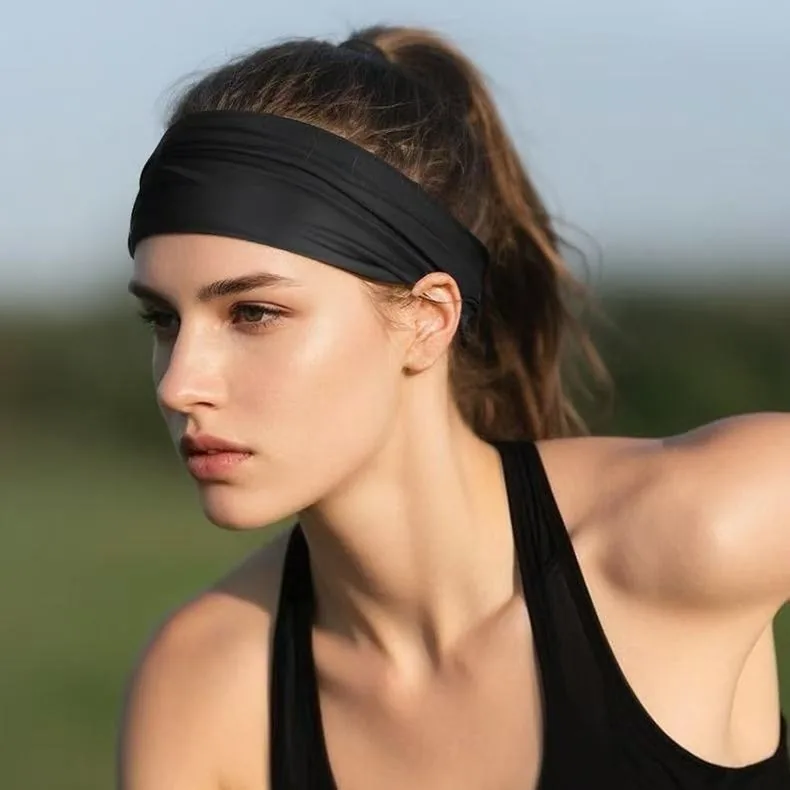
Best for: short hair, which suits a headband and a little texture spray; medium hair, which suits low ponytails and braids; and long hair, which suits braids and buns that keep every length contained.
How to style: short hair: add a headband and smooth the sides. Medium hair: gather it low and pin the ends. Long hair: braid it first, then bun or ponytail the braid so nothing swings free.
What to ask: ask your stylist for a length-appropriate plan: a headband trick for a pixie, a low braid for a lob, or a full braid-and-bun for long hair.
Braids vs Buns vs Ponytails on the Field
Braids, buns and ponytails each solve a different field problem. Braids are the most secure: they lock the hair flat and cannot swing loose. Buns are the neatest under headgear, because they sit low and flat. Ponytails are the fastest, but they swing, so they work best when they sit low or when a braid runs into them.
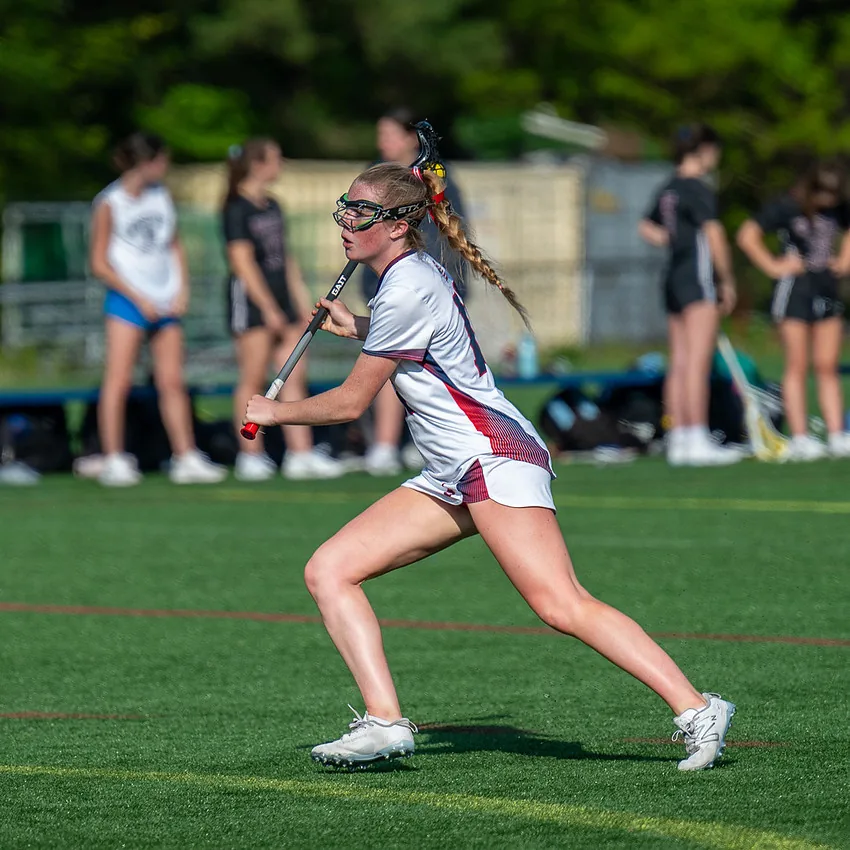
Best for: braids for players and long games, buns for headgear-wearers and polished looks, and ponytails for fans and quick game-day styling. Many of the best field styles combine two of them.
How to style: choose a braid if you need all-day hold, a bun if you need a flat fit under goggles, and a ponytail if you need speed. For the best of both, braid into a ponytail or a bun.
What to ask: ask your stylist which anchor suits your hair type: braids for thick hair that slips out of elastics, buns for fine hair that needs pinning, ponytails for a fast, sporty look.
Team Colours and Game-Day Accessories
A lacrosse game is the one place where team colours in your hair are not too much. A ribbon, a scrunchie or a headband in your team’s colours turns a plain ponytail into a game-day look, and it costs nothing. The trick is to keep it simple: one colour accent, not five, so the style still looks like a hairstyle and not a costume.
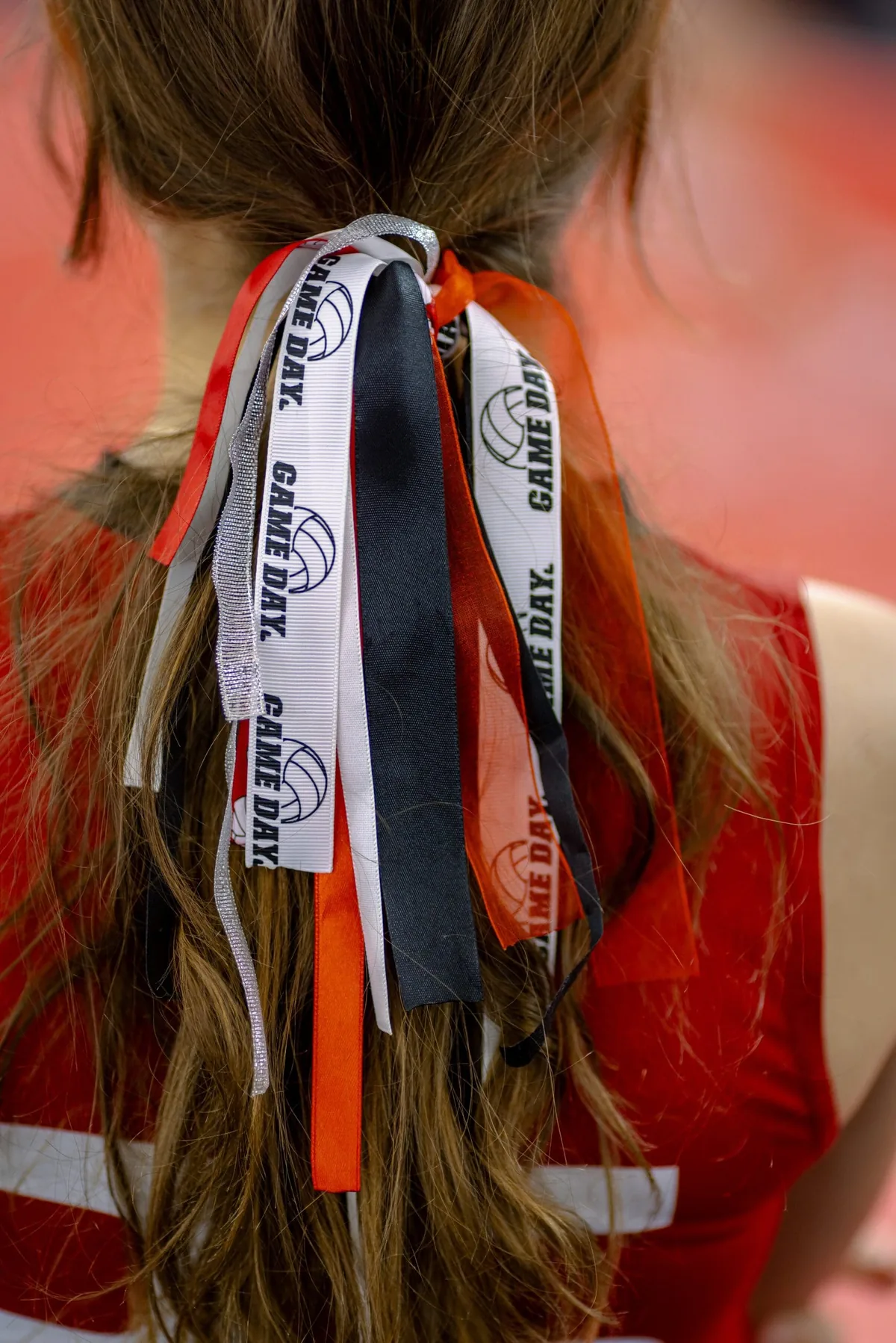
Best for: fans who want to show team spirit, and anyone heading to a rivalry game or a playoff afternoon. A coloured scrunchie or ribbon also doubles as a spare elastic.
How to style: tie a team-coloured ribbon around a ponytail base, swap a plain elastic for a scrunchie in team colours, or add a thin headband that matches your jersey.
What to ask: ask your stylist for a ribbon or accessory that matches your team’s colours and sits securely, so it does not slide out when you cheer.
Half-Time Fixes and the Post-Game Refresh
You get one short break in a lacrosse game, and that is all the time you need to rescue your hair. The most common problems are a loosened ponytail, a flat goggle dent and flyaways from sweat. A small kit in your pocket or bag fixes all three: two spare elastics, three bobby pins and a travel-size smoothing cream.
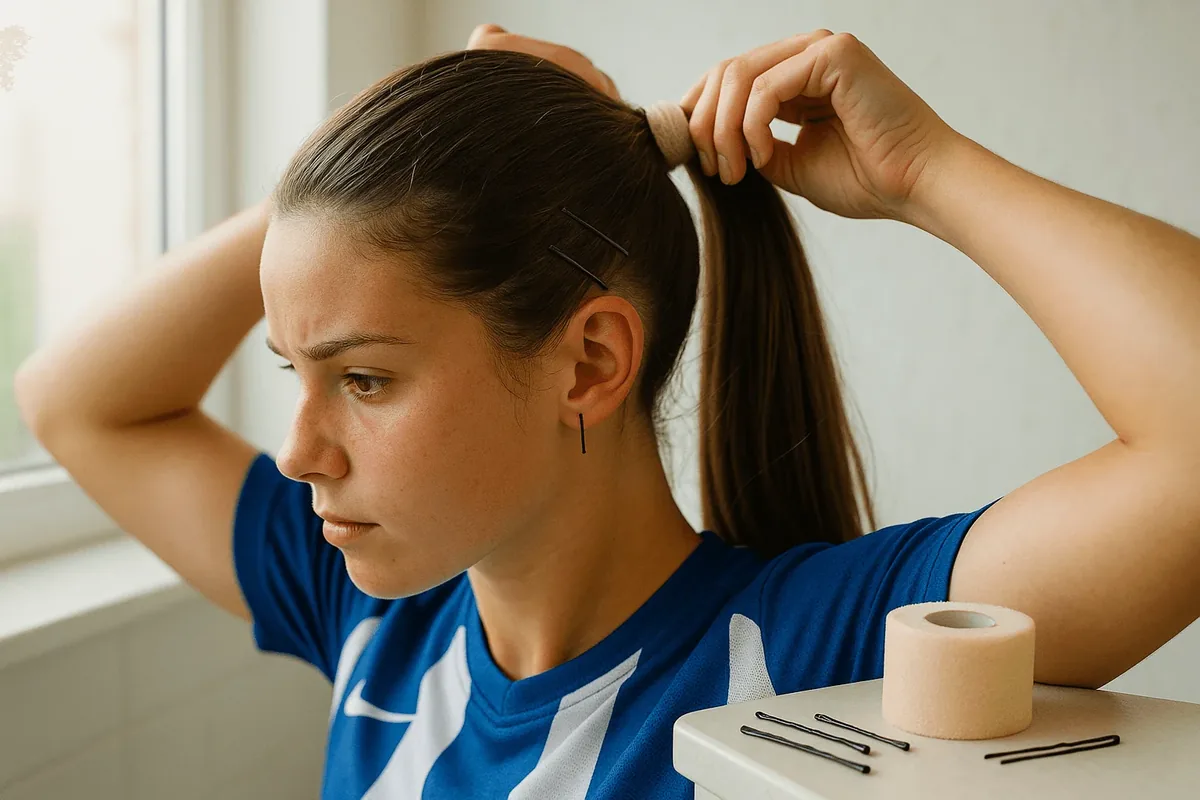
Best for: everyone at a live game, especially fans in caps and players coming off the field. Keep the kit in a jacket pocket so you are not digging through a bag in the stands.
How to style: at half-time, re-tighten the ponytail at the base, smooth the hairline with a little cream, and re-pin any loose strands. After the game, shake the hair out at the roots, add a little dry shampoo, and let it fall naturally.
What to ask: ask your stylist for a style that survives a quick re-tighten, with no pins hidden where they will dig in under goggles.
High Ponytail for Sprinting
The high ponytail is the fastest field hairstyle there is, and it is built for running. Pull the hair up to the crown, anchor it with a strong elastic, and the lengths stay clear of your shoulders and your stick. It keeps the front back while you sprint, and it shakes out nicely the moment the game ends.
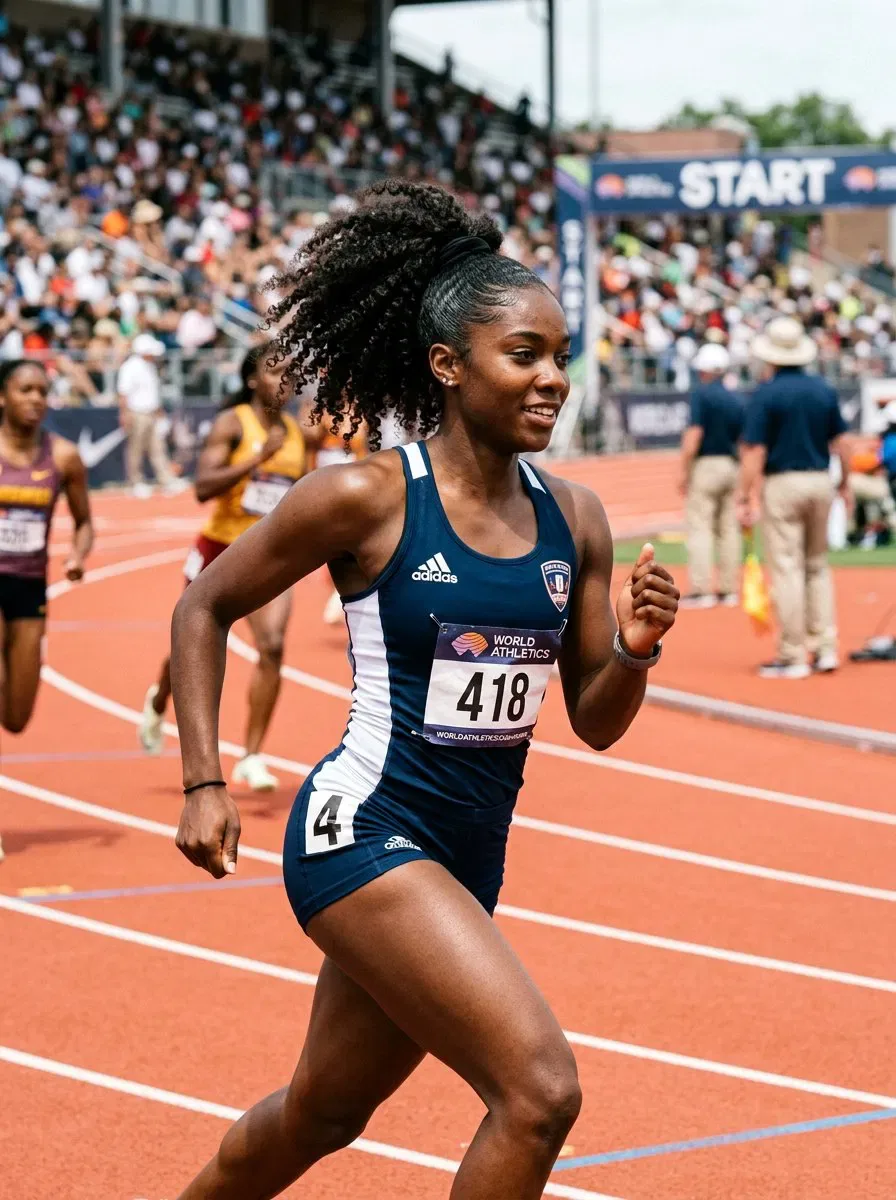
Pros: It takes a minute, stays clear of the face while sprinting, and works with a cap or visor.
Cons: It can bounce and swing on a full-field sprint, and it may loosen by the fourth quarter.
Who it suits: Fans and midfielders with medium to long hair who want speed and a sporty look.
How to style: Brush the hair up to the crown, secure it with a thick elastic, and wrap a small strand around the base. Smooth the hairline with gel so nothing escapes while you run.
Double Dutch Braids
Double Dutch braids are the most secure style you can wear to a lacrosse game. The braids lock the hair flat from the hairline to the ends, so nothing moves when you sprint, dodge a check or celebrate a goal. They sit flat under goggles, slide easily under a cap, and still look sharp in the post-game photos.
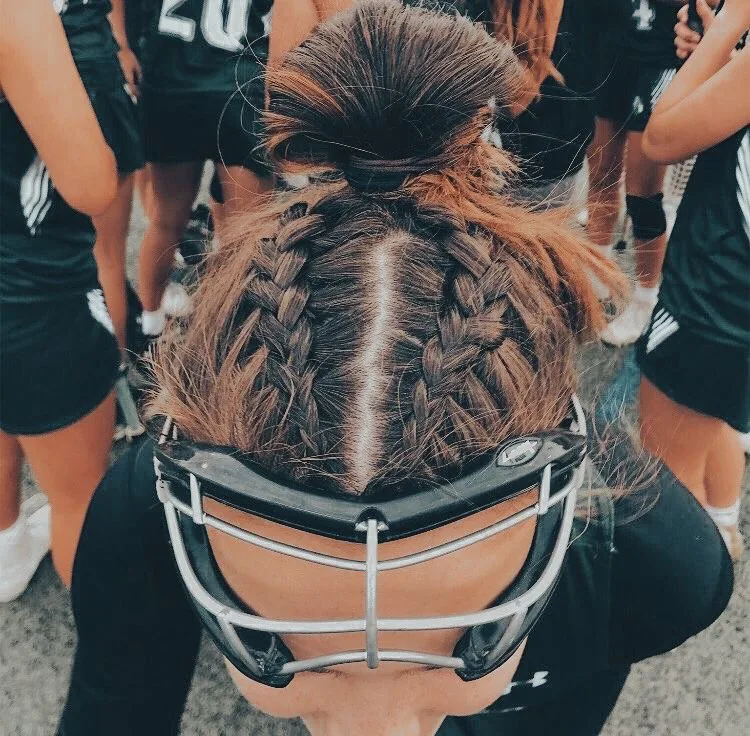
Pros: They do not move at all during play, they fit flat under goggles, and they last the whole game.
Cons: They take time to braid well, and tight braids can feel uncomfortable under a helmet strap.
Who it suits: Players, long games and tournament days, and fans with long or thick hair who hate touching their hair mid-game.
How to style: Part the hair down the middle and Dutch-braid each side from the hairline to the nape, then finish as regular braids and secure with small elastics. Tuck the ends under and pin them, or leave them loose above the shoulders.
Low Sleek Bun
A low sleek bun is the quiet, professional field choice. It sits at the nape, so it never bounces when you move, never catches on a collar, and fits under goggles or a helmet without a bump. Gel keeps the hairline smooth through the sun and the crowd, and the style looks polished from the first whistle to the last.
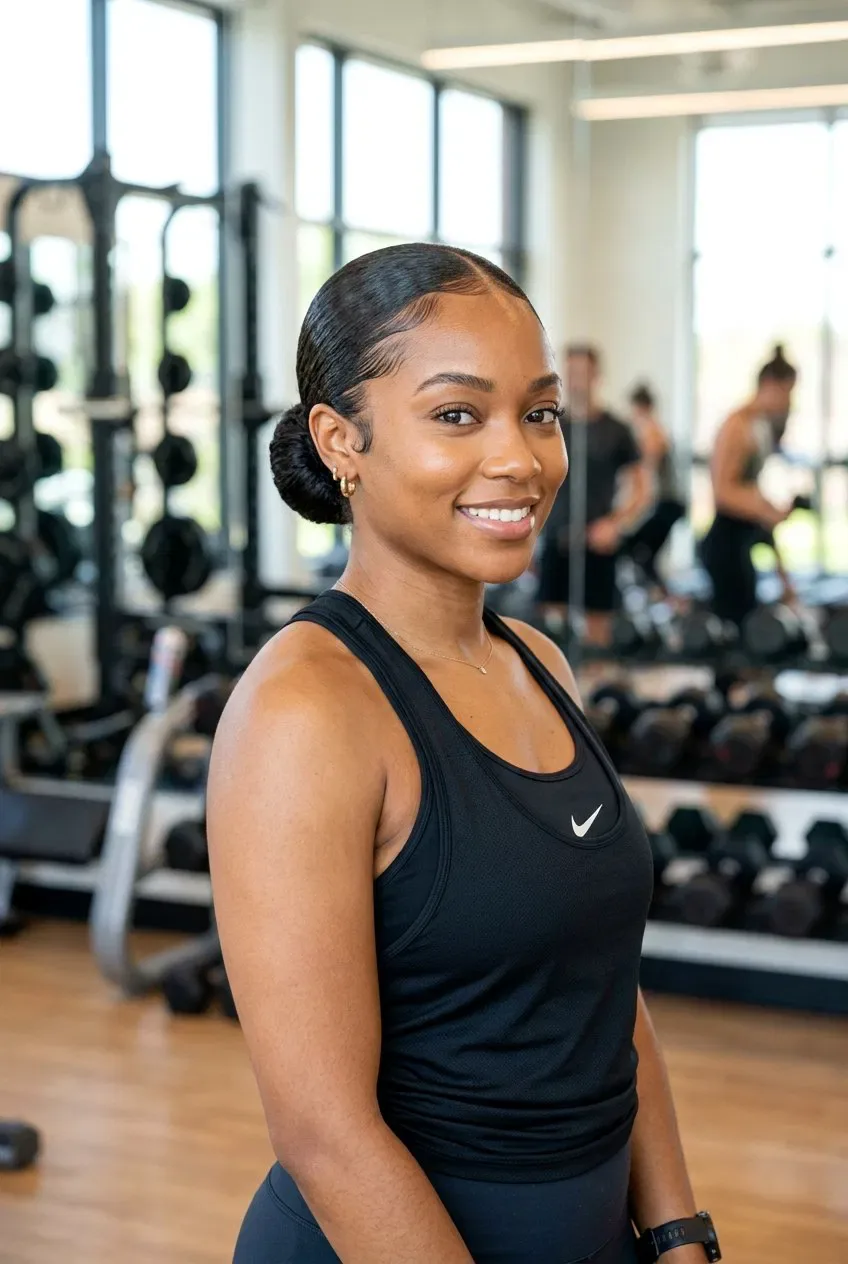
Pros: It never bounces, fits flat under any headgear, and photographs beautifully in the sun.
Cons: It needs gel and pins to stay sleek, and it can feel too neat for a casual fan look.
Who it suits: Players on the bench, coaches, and fans who want a clean, polished look. It suits medium to long hair.
How to style: Brush the hair back into a low ponytail at the nape, twist it into a bun and pin it flat. Smooth the hairline with gel and finish with a light mist of hairspray.
Bubble Braid Ponytail
The bubble braid ponytail is the fun one: a high ponytail divided into puffs with elastics, giving you a bold, sporty look that still holds up on the field. The elastics along the length stop the ponytail swinging, and each bubble adds volume without any heat styling.
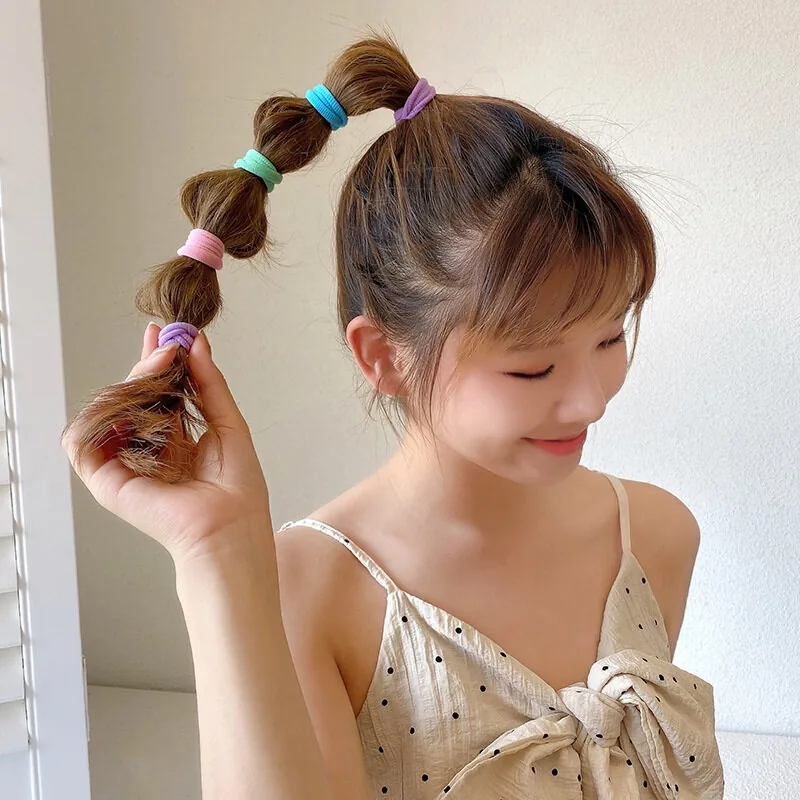
Pros: It looks bold and playful, the elastics stop the ponytail swinging, and it is easy to build.
Cons: It uses a lot of elastics, and the bubbles can flatten if they are pulled too tight.
Who it suits: Fans who want a standout game-day look, and players with long hair who want their ponytail controlled.
How to style: Gather the hair into a high ponytail, then add elastics every few inches down the length. Gently pull each section wider to form a bubble, and finish with a team-coloured elastic at the end.
French Braid Into a Low Ponytail
A French braid that runs into a low ponytail gives you the best of both styles: the braid locks the crown flat under goggles, and the ponytail keeps the lengths together for sprinting. It is one of the most reliable game-day styles, and it looks neat from every angle in the stands.
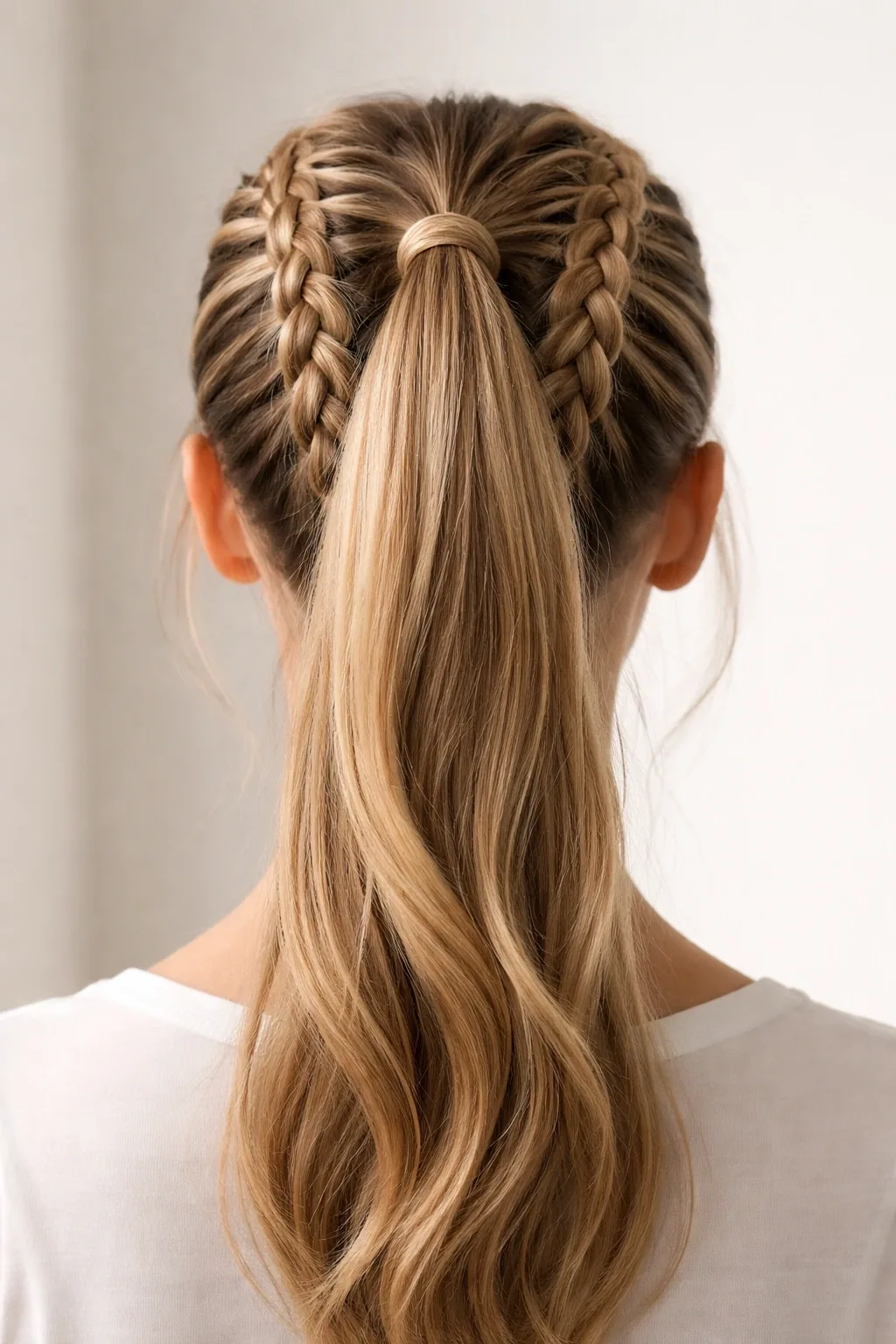
Pros: It holds the crown flat, controls the lengths, and survives a full game of running.
Cons: It needs some braiding skill, and the ponytail can still swing on a fast break.
Who it suits: Players who want a braid without the full commitment of double braids, and fans with medium to long hair.
How to style: French-braid from the hairline down to the nape, then gather the rest into a low ponytail and secure it. Smooth the sides with a little gel and tug the braid edges gently for volume.
Cornrows Under a Helmet
Cornrows are the ultimate helmet-proof style. Braided tight to the scalp, they sit completely flat, cannot catch on a strap, and need no fixing at all during the game. They also protect the hair from sun and sweat, and they last well beyond game day.
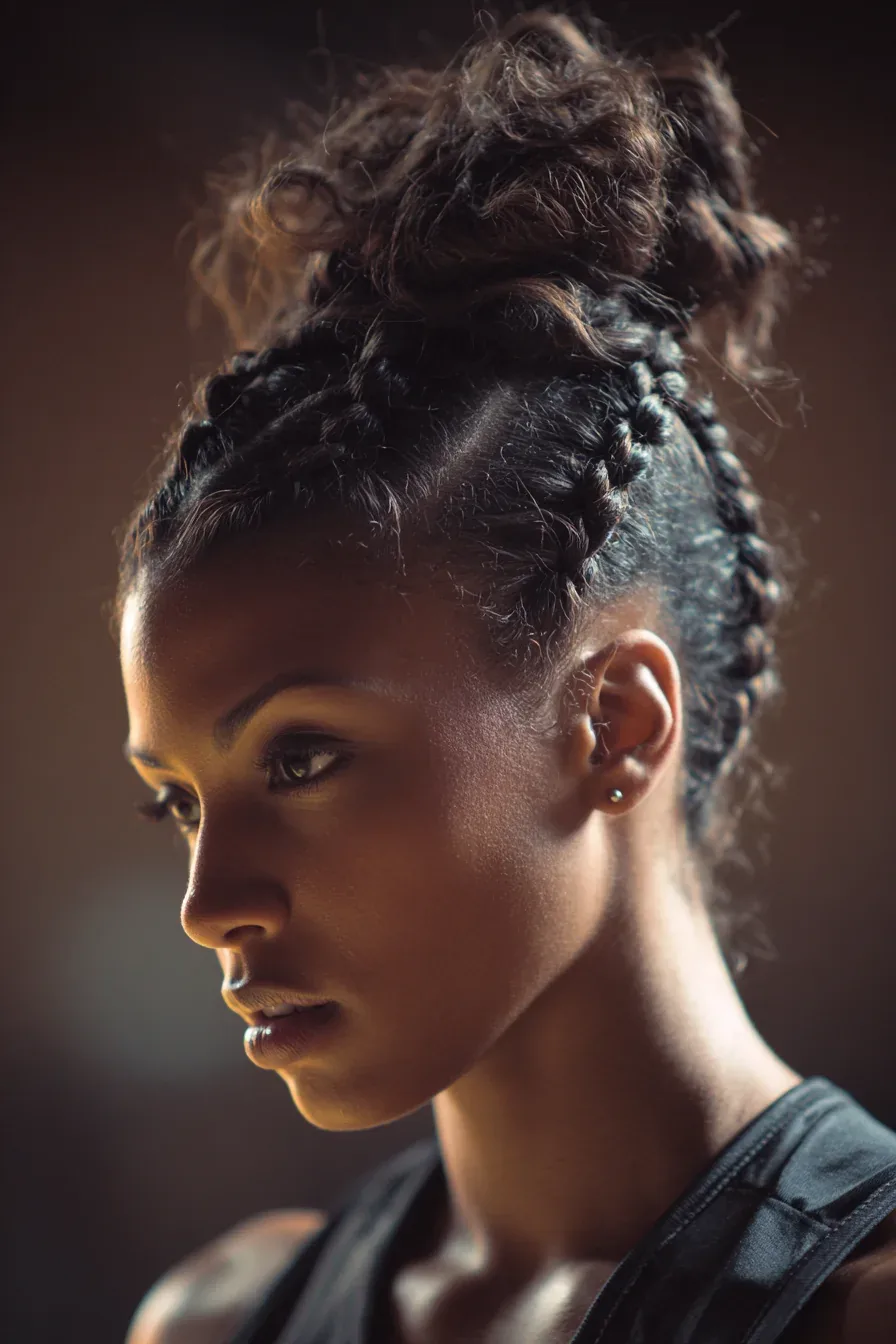
Pros: They sit perfectly flat under helmets, need zero mid-game fixing, and protect the hair.
Cons: They take a long time to install, and tight rows can feel sore for the first day.
Who it suits: Players who wear a helmet every game, and anyone with textured hair who wants a style that lasts the whole tournament.
How to style: Part the hair into neat rows and cornrow each one from the hairline to the nape, securing the ends with small elastics. Gather the ends into a low bun or leave them loose below the collar.
Slicked-Back Low Ponytail
The slicked-back low ponytail is the cleanest way to keep every strand out of your face. Gel smooths the hairline flat, the ponytail sits low at the nape, and nothing can fall forward while you run or bend for a ground ball. It looks sharp with a jersey and even sharper in photos.
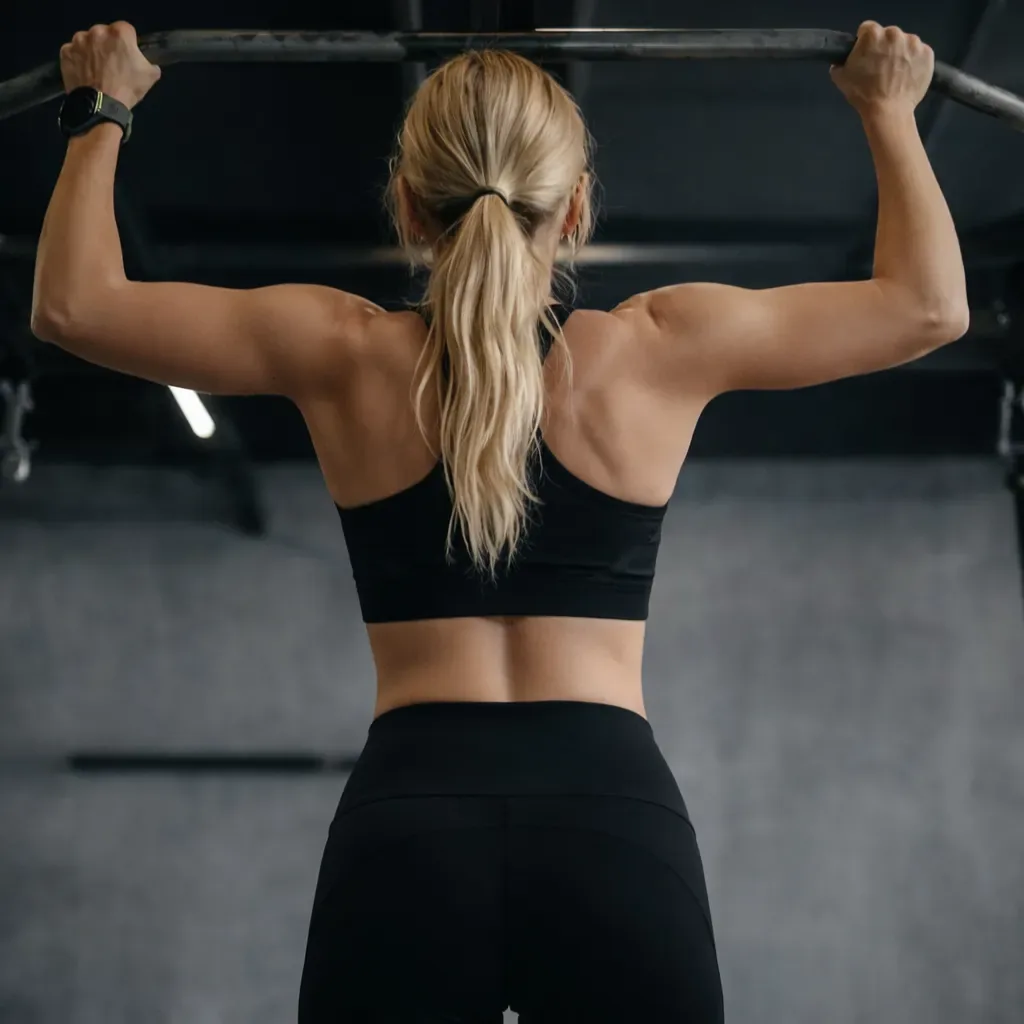
Pros: It keeps every strand back, fits under any headgear, and looks polished with minimal effort.
Cons: It needs gel to stay slick, and it can show scalp if the hair is very fine.
Who it suits: Players who need a clear eyeline, and fans who want a sleek, no-fuss look that lasts all afternoon.
How to style: Brush the hair back with gel, gather it low at the nape and secure it with a strong elastic. Wrap a strand around the base and smooth any flyaways with a toothbrush and a little more gel.
Braided Crown
A braided crown wraps the hair around the head like a halo, keeping everything off the neck and out of the face. It is elegant enough for a team photo and secure enough for the stands, and it keeps long hair completely contained on a windy day at the field.
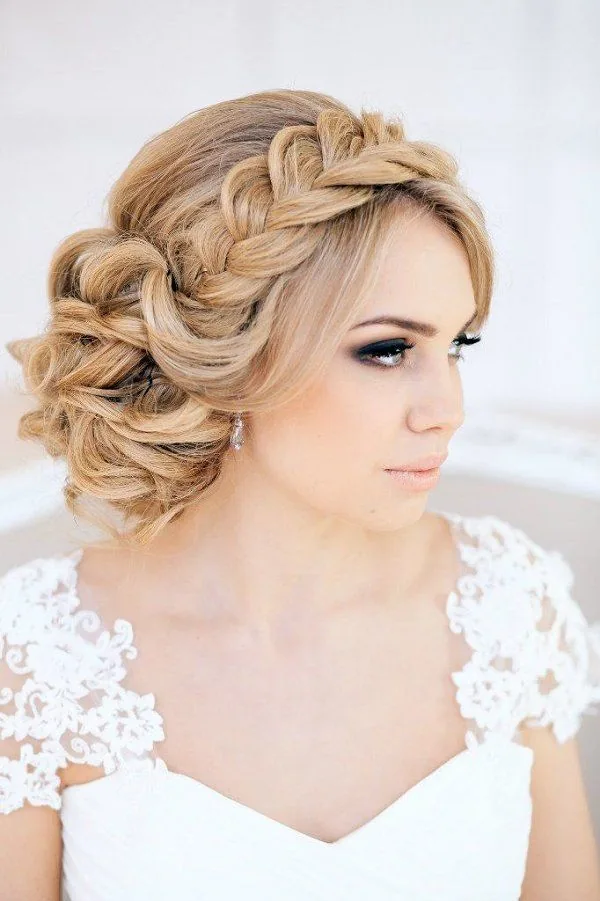
Pros: It keeps long hair fully contained, looks elegant, and holds up in wind.
Cons: It takes practice to braid evenly around the head, and it is too delicate for full-contact play.
Who it suits: Fans with long hair, team photos, and anyone who wants an elegant look that still survives the wind.
How to style: Braid two sections from behind each ear, then cross them over the crown and pin them in place. Tuck the ends under and finish with pins and a light mist of hairspray.
Half-Up Top Knot
The half-up top knot takes the front layers out of your face and leaves the rest of the hair down, so you get the best of both worlds. The knot sits high enough to stay clear of goggles, and the loose lengths look relaxed and pretty in the stands.
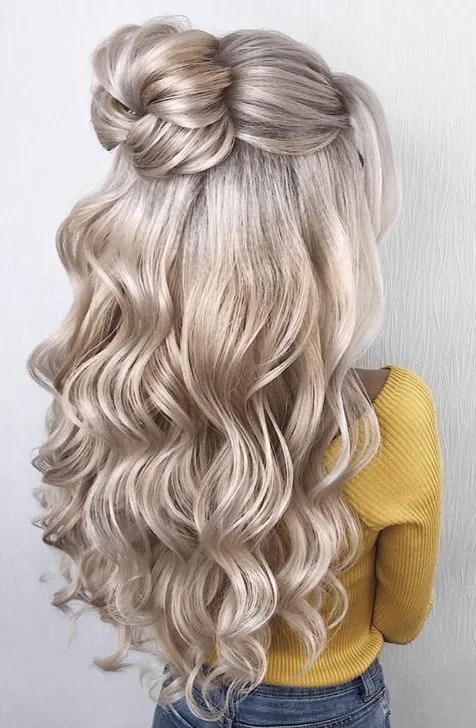
Pros: It is quick, keeps the front back, and looks soft and relaxed for fans.
Cons: The loose lengths can blow around in wind, and the knot can loosen if it is not pinned well.
Who it suits: Fans with medium to long hair who want a relaxed look, and players warming up before the game.
How to style: Gather the top half of the hair at the crown, twist it into a small knot and pin it. Leave the rest down, add a little texture spray, and smooth the front with your fingers.
Fishtail Braid
The fishtail braid looks intricate but it is really just two sections woven together, and it holds beautifully through a game. It keeps long hair in one neat plait that does not swing much, and it looks more detailed than a regular braid in photos from the sideline.
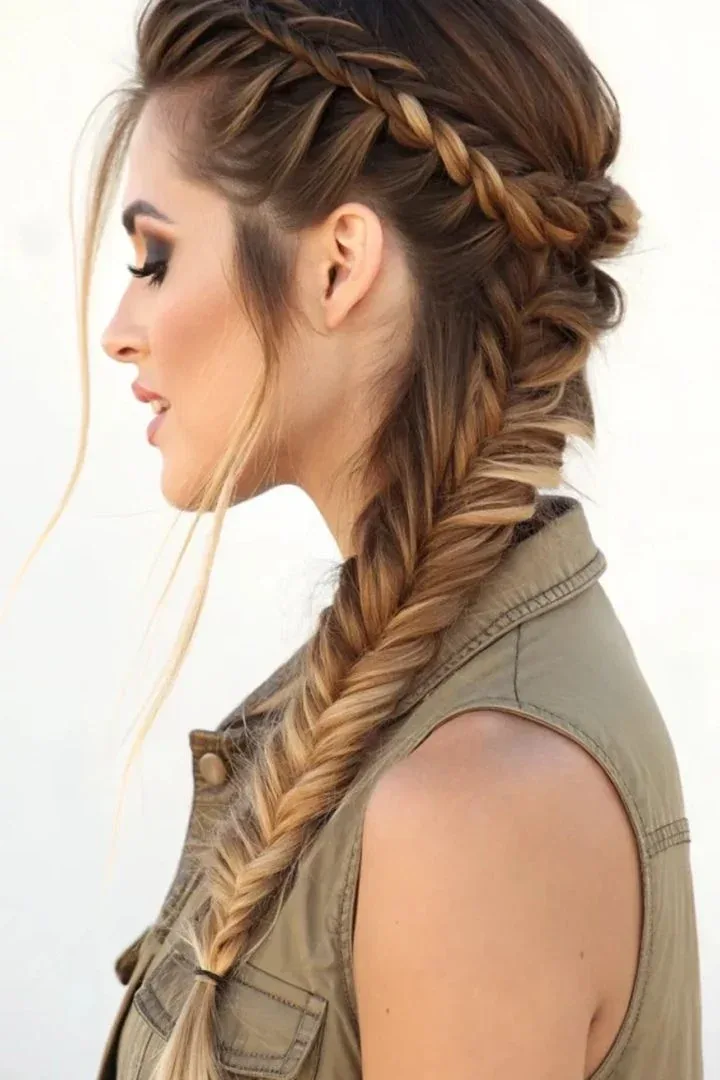
Pros: It looks detailed and pretty, holds long hair in one plait, and survives running well.
Cons: It takes longer than a regular braid, and it can loosen at the ends if not secured tightly.
Who it suits: Fans and players with long hair who want a braid with a little more detail than usual.
How to style: Split the hair into two sections and weave small pieces from each side across to the other, working down to the ends. Secure with a small elastic and gently pull the braid wider for fullness.
Rope Braid Ponytail
A rope braid ponytail twists two strands around each other into a tight, rope-like plait that barely moves. It is quicker than a three-strand braid, it holds through sprints and checks, and it looks neat and sporty with a jersey.
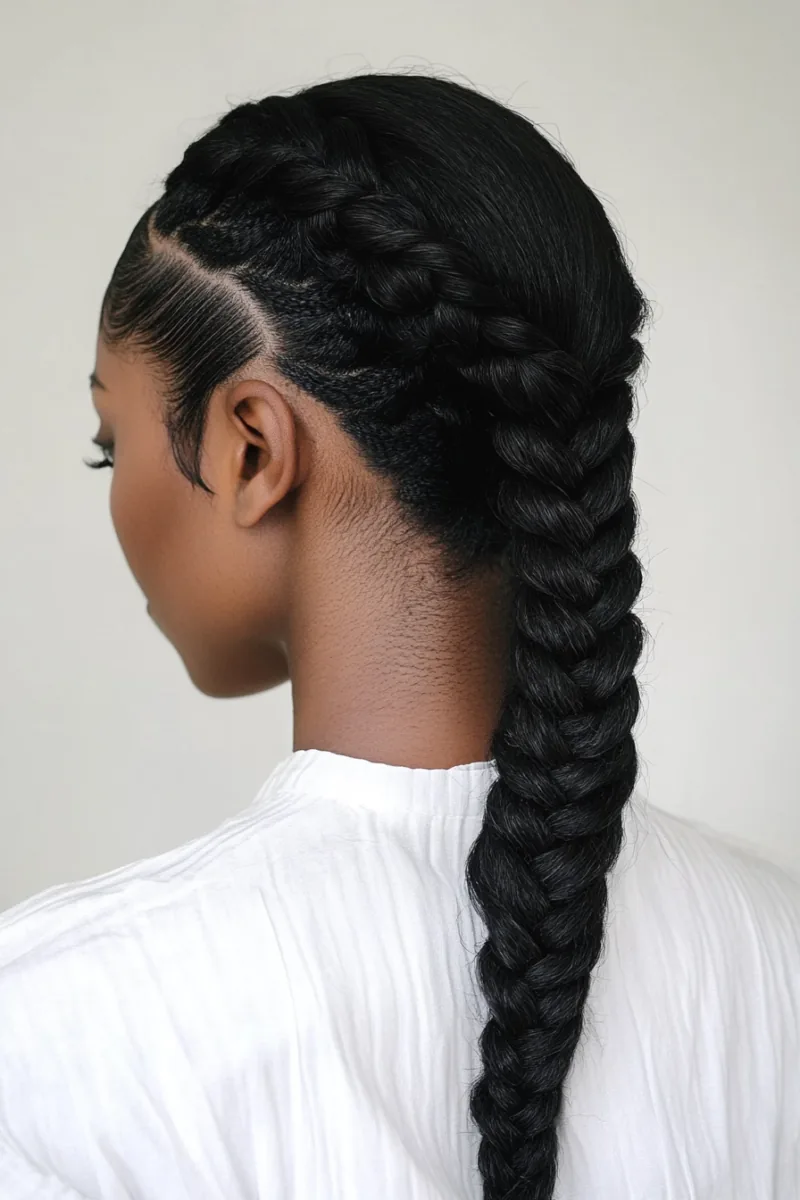
Pros: It is quick to build, very secure, and looks neat and sporty.
Cons: It can unravel at the ends if the elastic slips, and it suits longer hair best.
Who it suits: Players with long hair who want a fast braid, and fans who like a tidy, sporty ponytail.
How to style: Gather the hair into a ponytail, split it into two sections and twist each one the same way, then wrap them around each other in the opposite direction. Secure the end tightly with a small elastic.
Curly Pineapple Updo
The curly pineapple updo gathers curls high on the head so they stay off the neck and out of the face while keeping their shape. It is the easiest way to wear curls to a game: nothing is pulled straight, the curls stay bouncy, and the style takes about a minute.
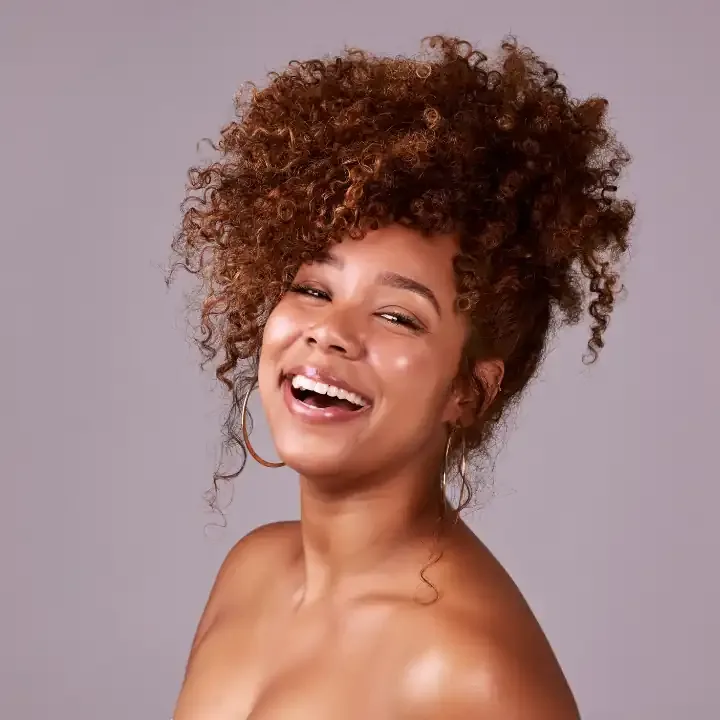
Pros: It protects curls, keeps them off the neck, and takes about a minute to build.
Cons: It can bounce a lot while running, and it needs a soft scrunchie so the curls are not crushed.
Who it suits: Players and fans with curly hair who want their curls up and out of the way without straightening them.
How to style: Flip the head forward, gather the curls loosely at the very top and secure with a soft scrunchie. Let the curls fall forward naturally and pin back any pieces that fall into the eyes.
Two-Strand Twists
Two-strand twists are a protective style that also happens to be perfect for game day. Each twist locks the hair down, they sit flat under a helmet, and they look neat for days, so you can wear them to practice all week and the game on the weekend.
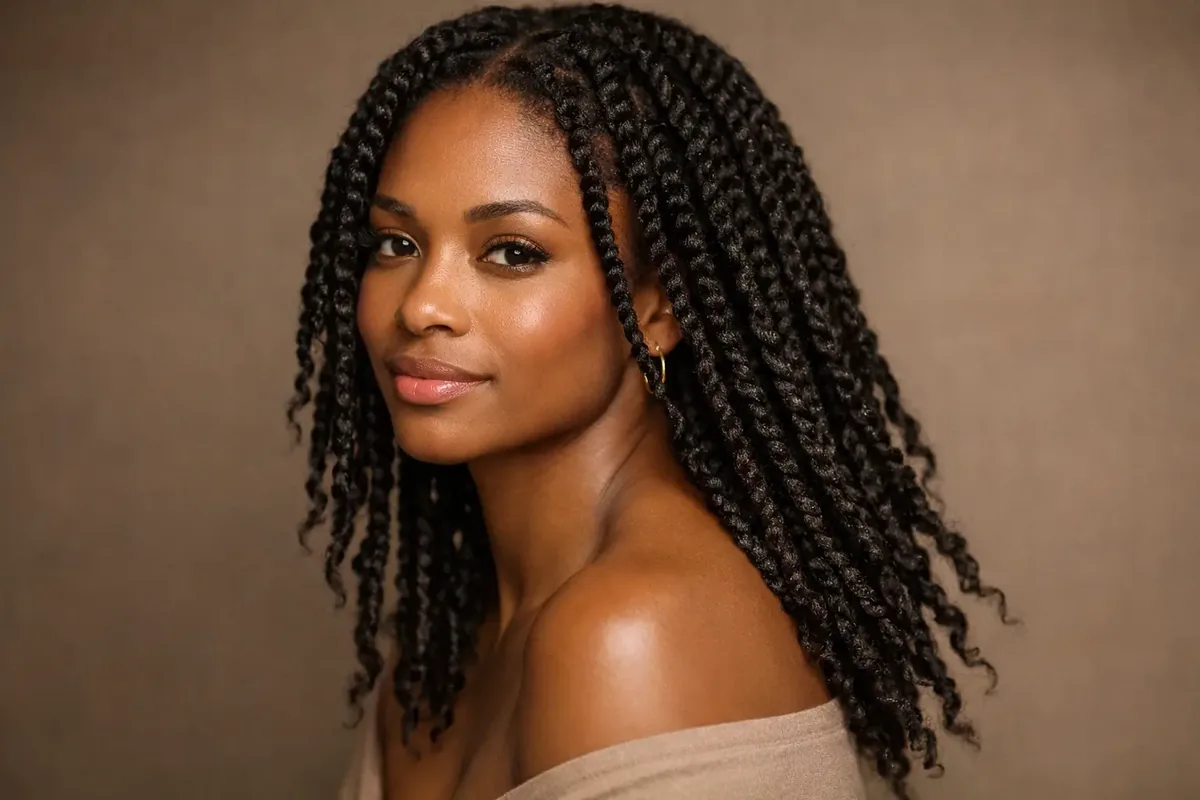
Pros: They sit flat under headgear, protect the hair, and last for days.
Cons: They take a while to install, and they need a little oil to stop the ends frizzing.
Who it suits: Players with textured hair who want a long-lasting style, and fans who want a neat, low-maintenance look.
How to style: Part the hair into small sections, split each one in two and twist the strands around each other to the ends. Secure with a tiny elastic or a little gel, and finish with a drop of oil for shine.
High Puff
The high puff is the boldest curly style on the field: curls gathered high into a full, round puff that stays off the neck and frames the face. It is quick, it celebrates natural texture, and it holds its shape through cheering, running and the spring sun.
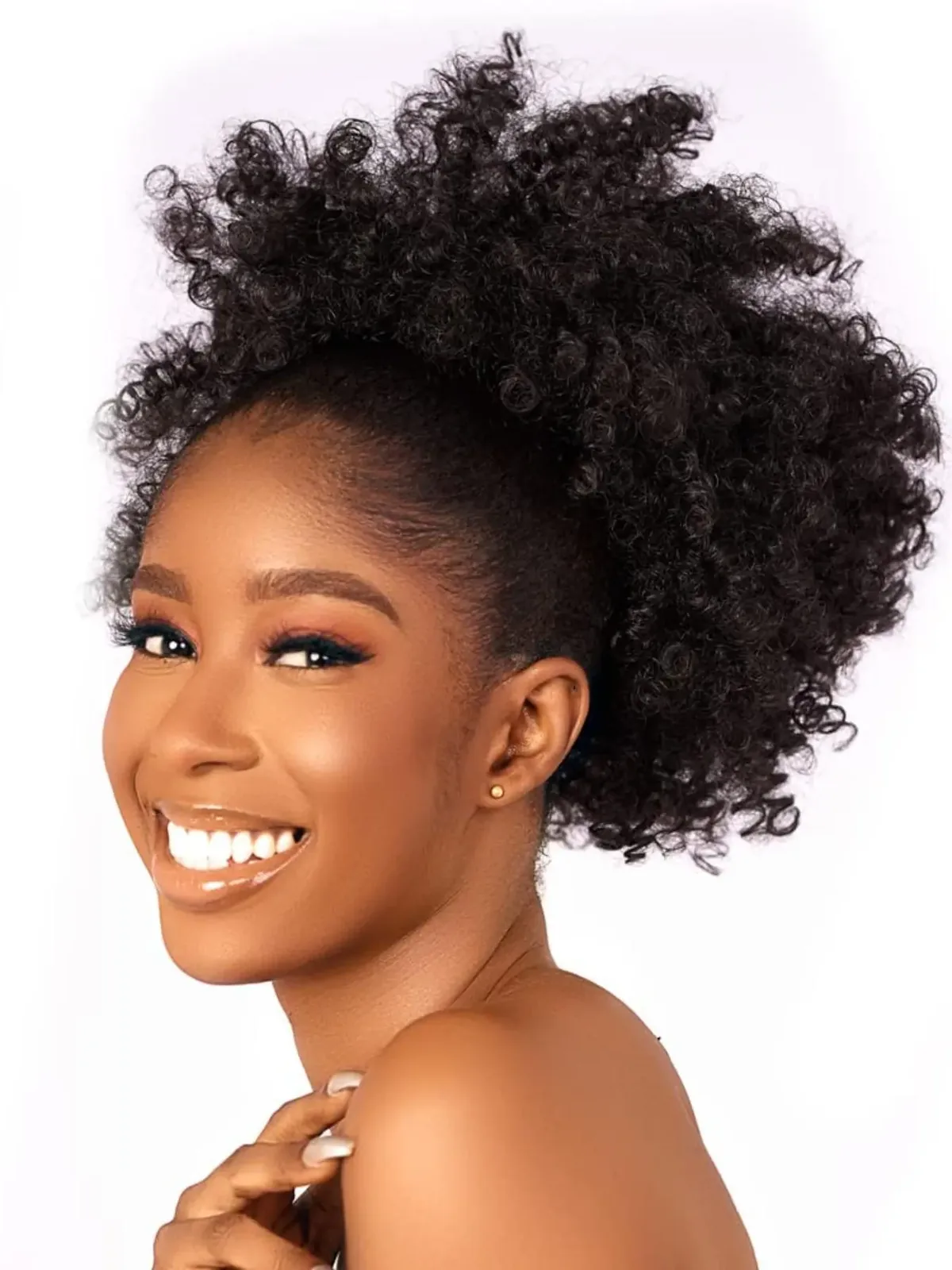
Pros: It is fast, celebrates natural curls, and keeps hair off the neck.
Cons: It can catch the wind and needs a strong band to stay high through a full game.
Who it suits: Players and fans with curly or coily hair who want a big, confident style that takes minutes.
How to style: Gather the curls high with a wide band or a soft scrunchie, leaving the puff full and round. Smooth the edges with gel and a brush, and pin back any curls that fall toward the eyes.
Low Twisted Ponytail
A low twisted ponytail takes a plain ponytail and gives it a twist, literally: two sections twisted together before they are gathered low. It looks more finished than a basic ponytail, it holds better while running, and it suits almost every hair type.
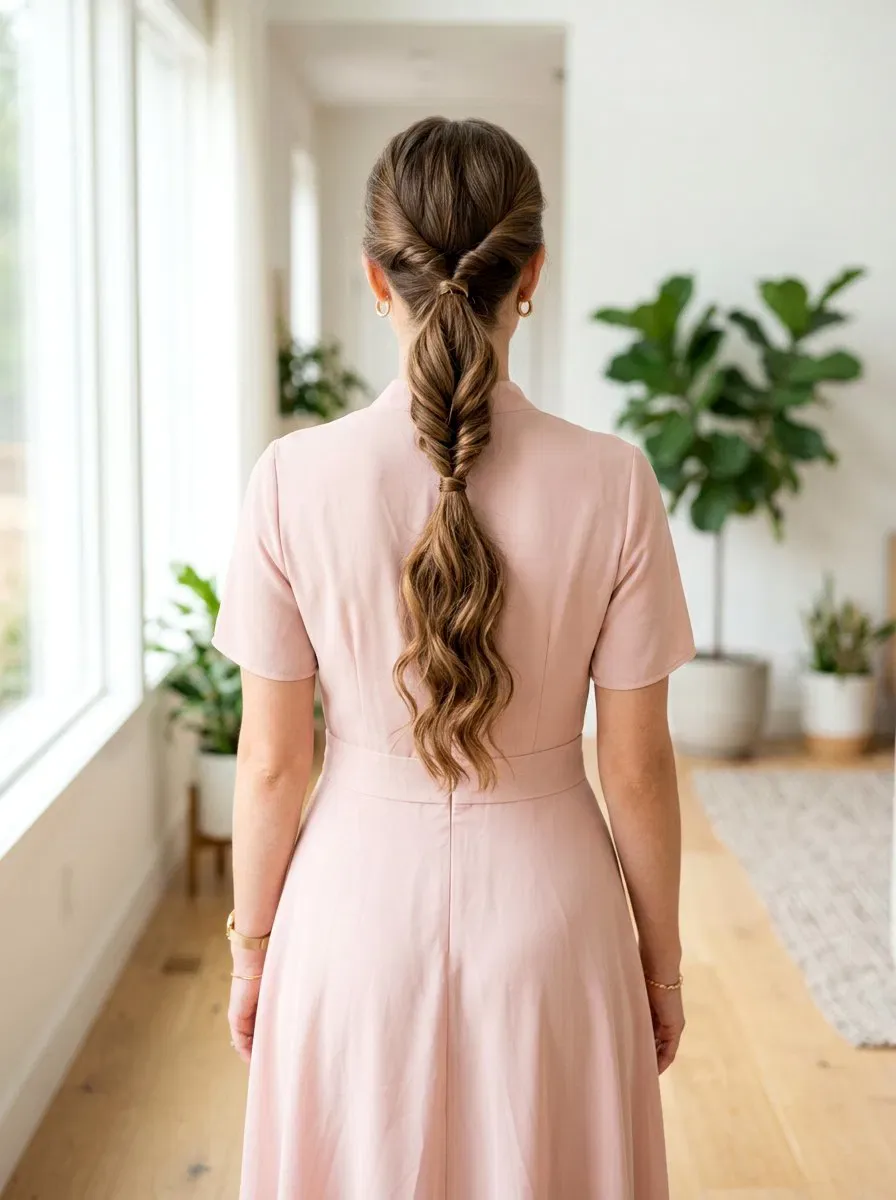
Pros: It looks more polished than a plain ponytail, holds well, and suits most hair types.
Cons: It can loosen if the twists are not pinned, and it needs a little more time than a basic ponytail.
Who it suits: Fans who want a polished but easy look, and players with medium hair who want extra hold.
How to style: Part the hair and twist a section from each side toward the back, then gather everything into a low ponytail. Secure with an elastic, wrap a strand around the base and pin the twists in place.
Chunky Single Braid
The chunky single braid is the simplest secure style there is: one big braid down the back that keeps every length together. It does not swing much, it cannot come undone easily, and it looks great with a jersey, a cap or a pair of goggles pushed up on the head.
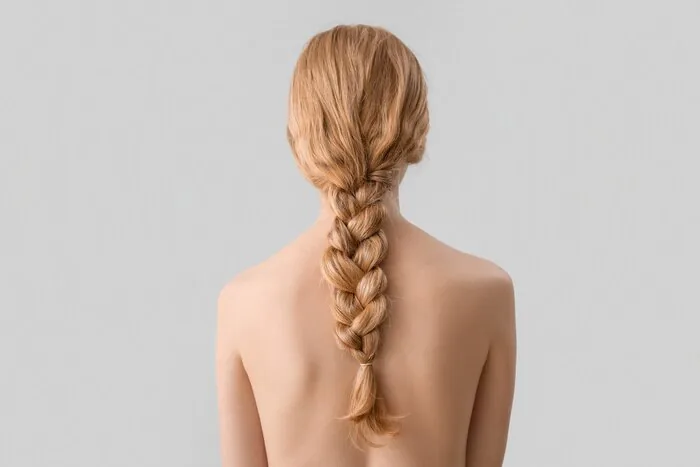
Pros: It is simple, very secure, and keeps all the hair in one place.
Cons: It can feel heavy on very thick hair, and it needs long hair to look chunky.
Who it suits: Players with long hair who want maximum security with minimum effort, and fans who like a classic braid.
How to style: Brush the hair back, split it into three large sections and braid down to the ends. Secure with a strong elastic, then gently pull the braid edges wider for a chunky look.
Messy Low Bun
The messy low bun is the relaxed field choice: a loose bun at the nape that looks effortless but still keeps the hair out of the way. It is the fastest bun to build, it survives a cap or a headband, and it looks better slightly undone, which is lucky on a windy day.
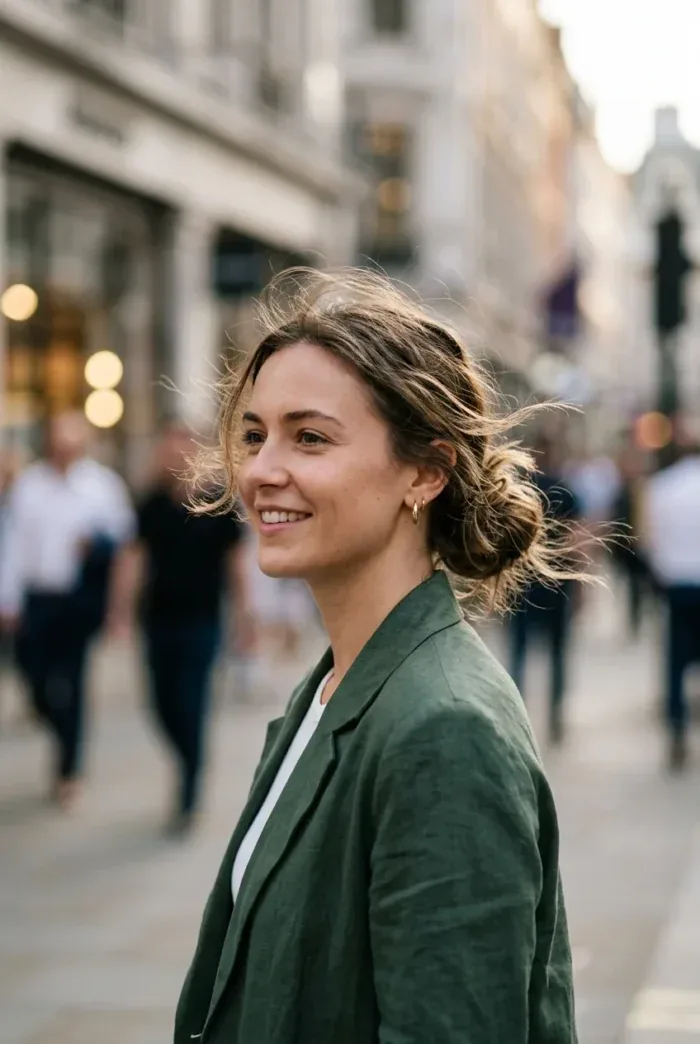
Pros: It is fast, looks effortlessly relaxed, and actually improves when it loosens a little.
Cons: It can fall apart during hard running, and it needs pins to survive a full game.
Who it suits: Fans who want a relaxed, pretty look, and players on the bench or warming up.
How to style: Gather the hair low, twist it loosely into a bun and pin it with a few bobby pins. Pull out a couple of face-framing pieces and finish with texture spray.
Braided Pigtails
Braided pigtails split the hair into two braids that sit over the shoulders, keeping everything balanced and completely out of the way. They are playful, they hold through sprints, and they are one of the best styles for younger players and fans who want a fun game-day look.
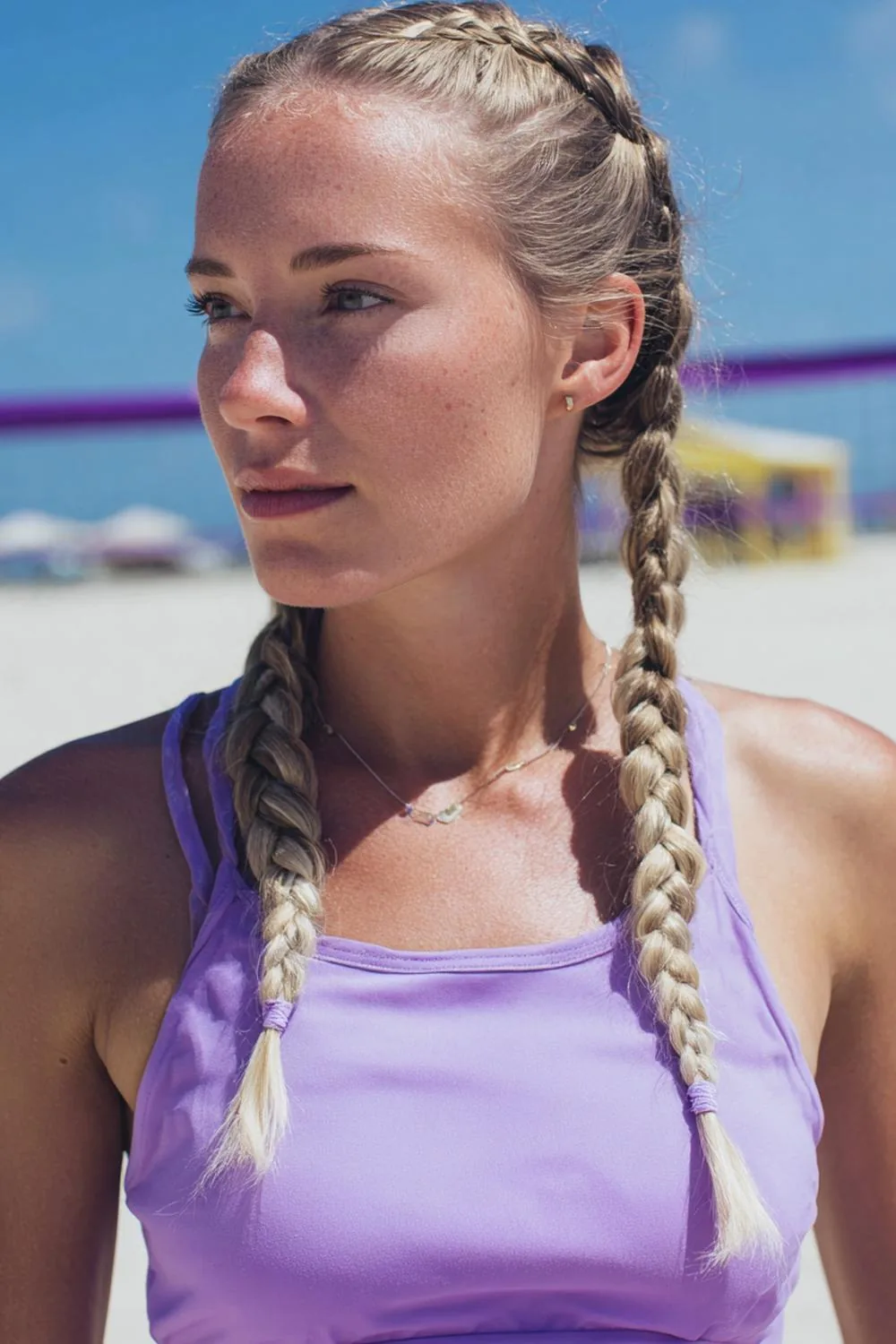
Pros: They hold through sprinting, keep hair balanced on both sides, and look playful and fun.
Cons: They take twice the braiding time, and they can feel young for a polished fan look.
Who it suits: Younger players, fans with long hair, and anyone who wants a fun, symmetrical game-day style.
How to style: Part the hair down the middle and braid each side from the hairline down, securing the ends with small elastics. Add a team-coloured ribbon to each braid for extra spirit.
Sleek Middle-Part Low Bun
A sleek middle-part low bun is the most polished style you can wear to the field. The centre part keeps the hairline symmetrical, gel smooths everything flat, and the low bun sits neatly at the nape under any cap or goggles. It looks intentional and put-together from every angle.
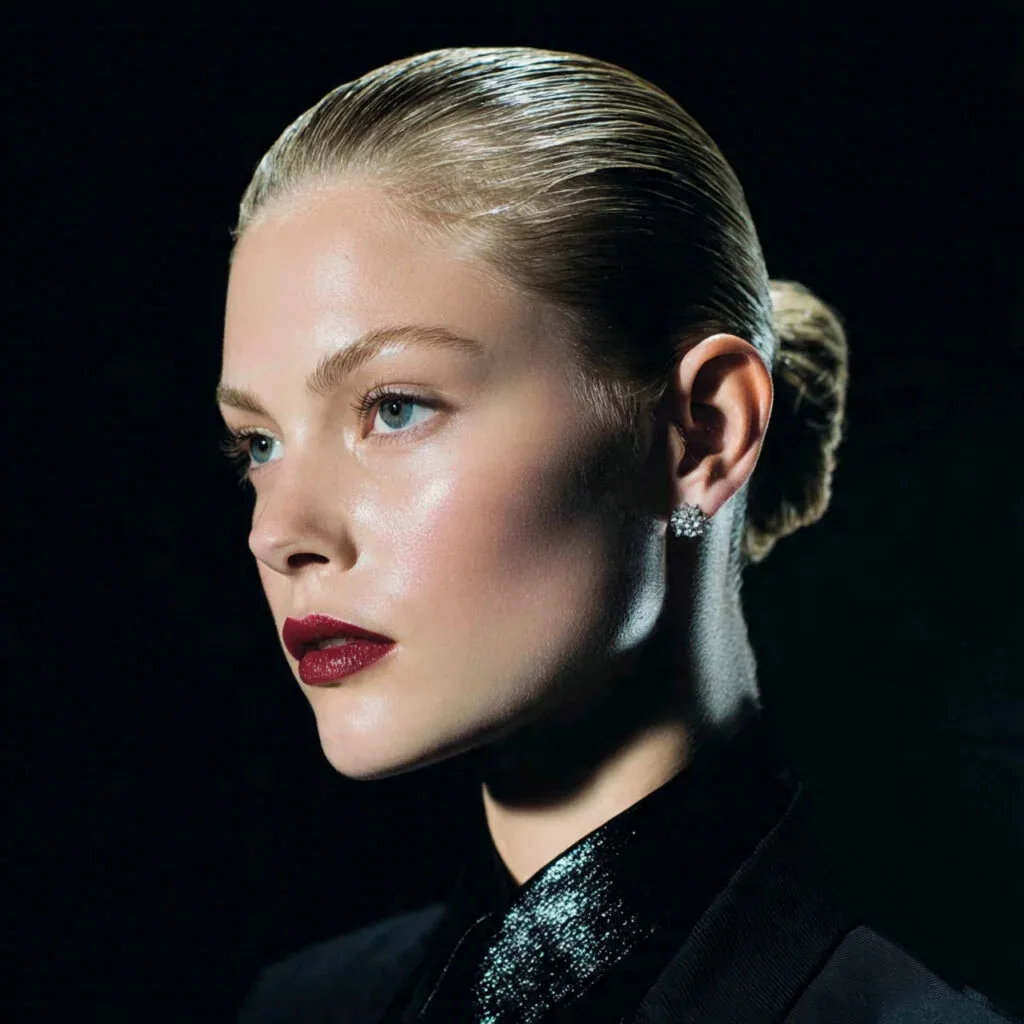
Pros: It looks extremely polished, stays flat under headgear, and photographs beautifully.
Cons: It needs gel, a comb and patience to get the part perfectly straight.
Who it suits: Fans who want a refined look, coaches, and players who like a neat, professional style.
How to style: Part the hair down the middle with a comb, brush it smooth and gather it low. Twist into a bun, pin it flat, and smooth the hairline with gel.
Curly High Ponytail With a Headband
A curly high ponytail with a headband keeps curls up, back and out of the goggles while letting them bounce freely. The headband holds the front layers in place, the ponytail keeps the curls off the neck, and the whole look takes two minutes.
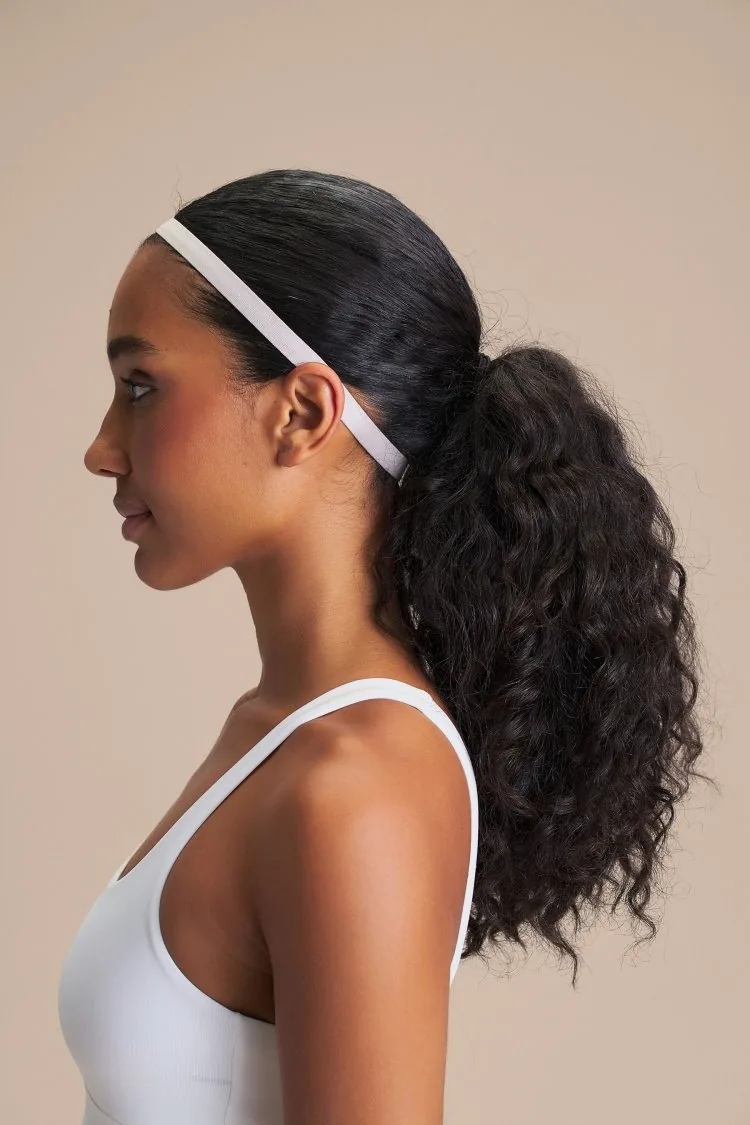
Pros: It keeps curls controlled but bouncy, the headband stops front pieces falling, and it is very quick.
Cons: The ponytail can bounce while sprinting, and the headband can slip if it is too loose.
Who it suits: Players and fans with curly hair who want their curls up but still full and lively.
How to style: Gather the curls high and secure with a soft scrunchie, then slide a wide sport headband into place. Fluff the curls at the crown and pin back any pieces near the eyes.
Faux-Hawk Braid
The faux-hawk braid runs a single braid down the centre of the head, giving you a bold, edgy line that stays flat and secure. It keeps the sides smooth, the crown controlled, and it looks fierce with a jersey, which is exactly the point on game day.
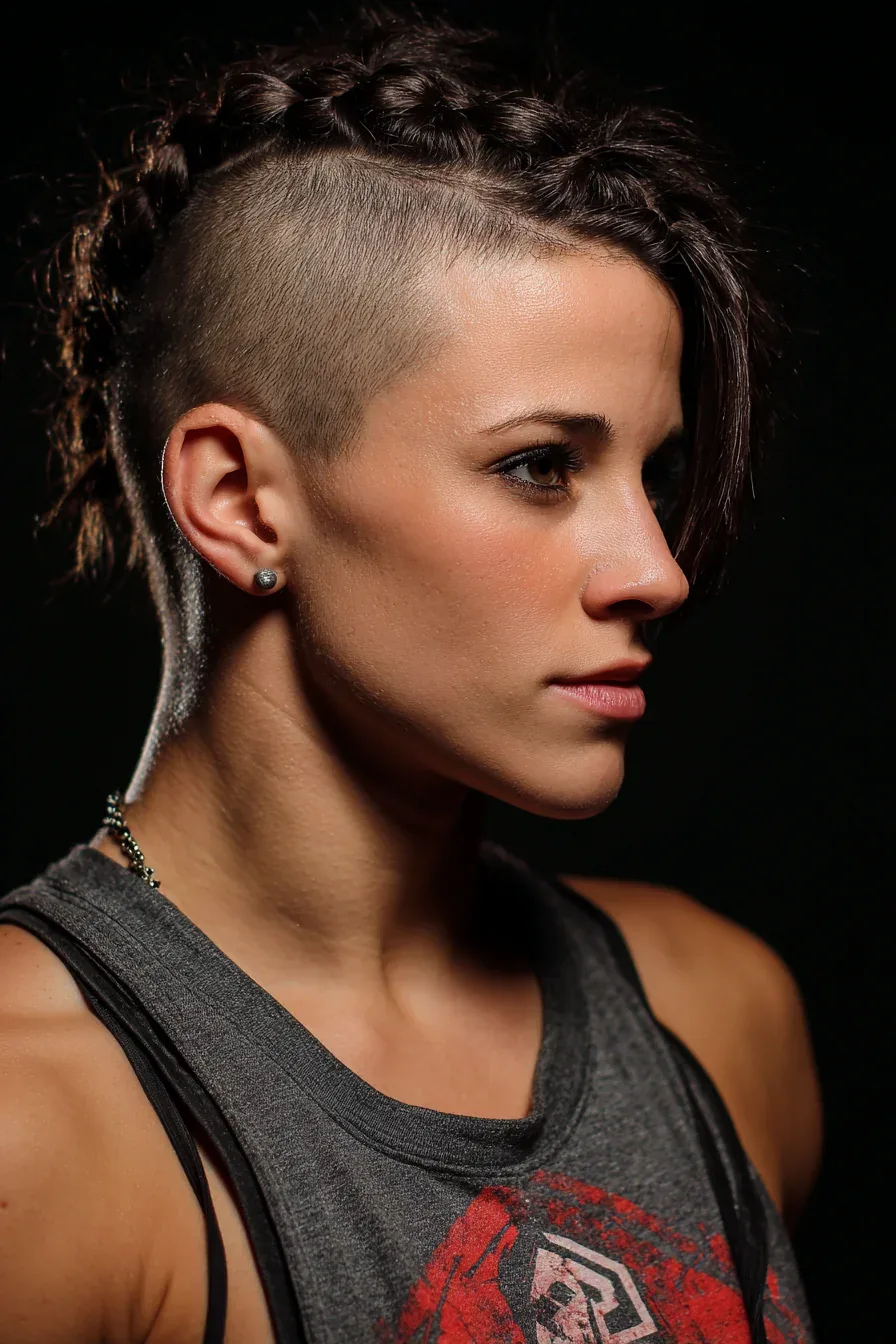
Pros: It looks bold and sporty, keeps the crown flat, and holds through hard play.
Cons: It needs braiding skill down the centre, and it can feel too edgy for a quiet fan look.
Who it suits: Players who want a statement style, and fans who like an edgy, athletic look.
How to style: Braid a wide section down the centre from the hairline to the nape, keeping the sides smooth and pinned. Secure the end, then gently pull the braid wider for height.
Low Braided Bun
A low braided bun starts with a braid and ends with a bun, so you get double security: the braid locks the lengths, and the bun pins everything flat at the nape. It is one of the most reliable styles for a long, hot game, and it looks neat from the first whistle to the last.
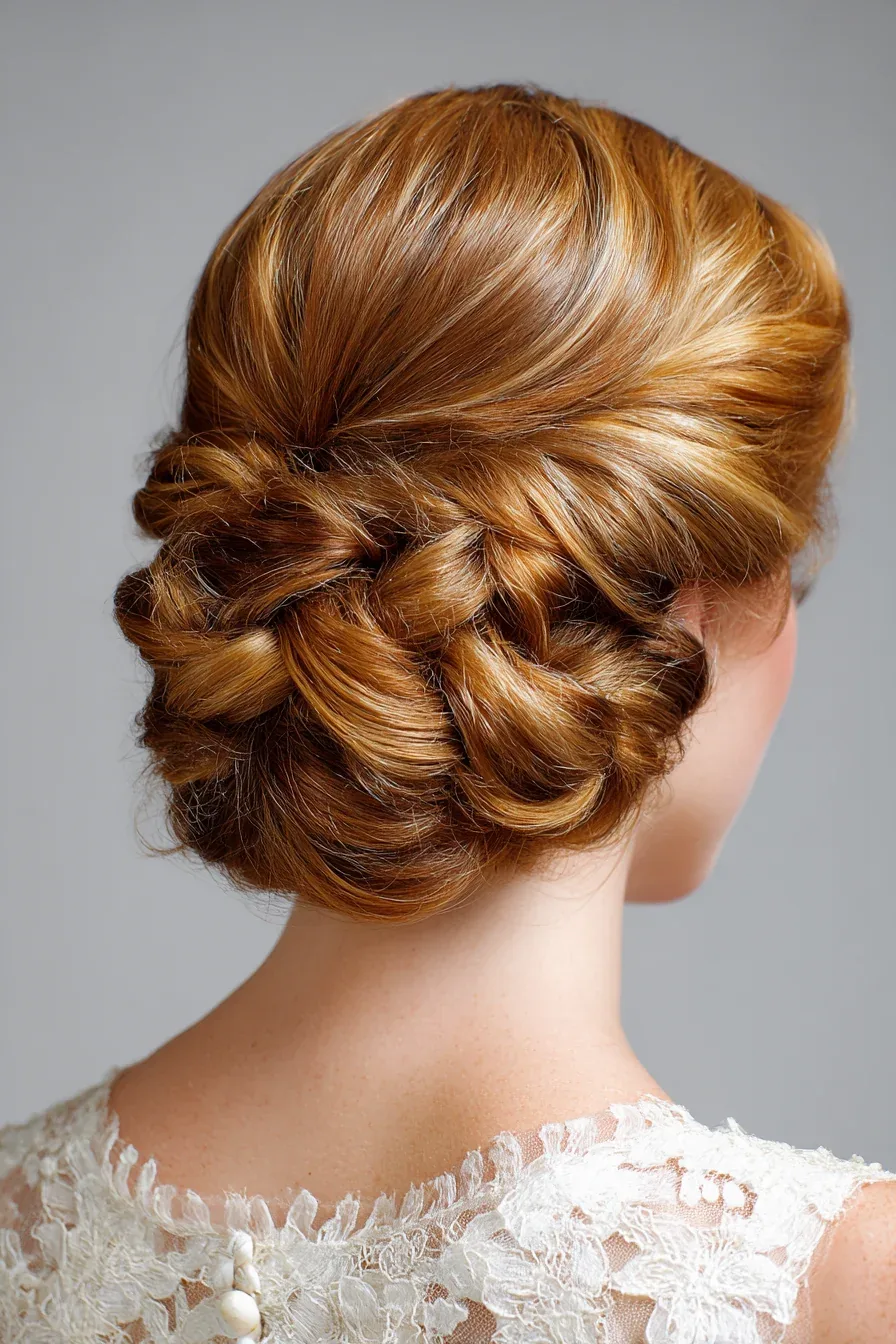
Pros: It is doubly secure, sits flat under headgear, and lasts through heat and sweat.
Cons: It takes more time than a plain bun, and it needs pins to keep the bun flat.
Who it suits: Players who need a style that will not move, and fans with long hair who want a neat updo.
How to style: Braid the hair into a single plait, then coil it into a low bun at the nape and pin it flat. Smooth the hairline with gel and finish with hairspray.
Side Braid Over One Shoulder
A side braid swept over one shoulder keeps the hair contained while letting it show, which makes it a great fan style. It stays out of the way when you turn to cheer, it photographs well, and it works with a cap or a jersey without any fuss.
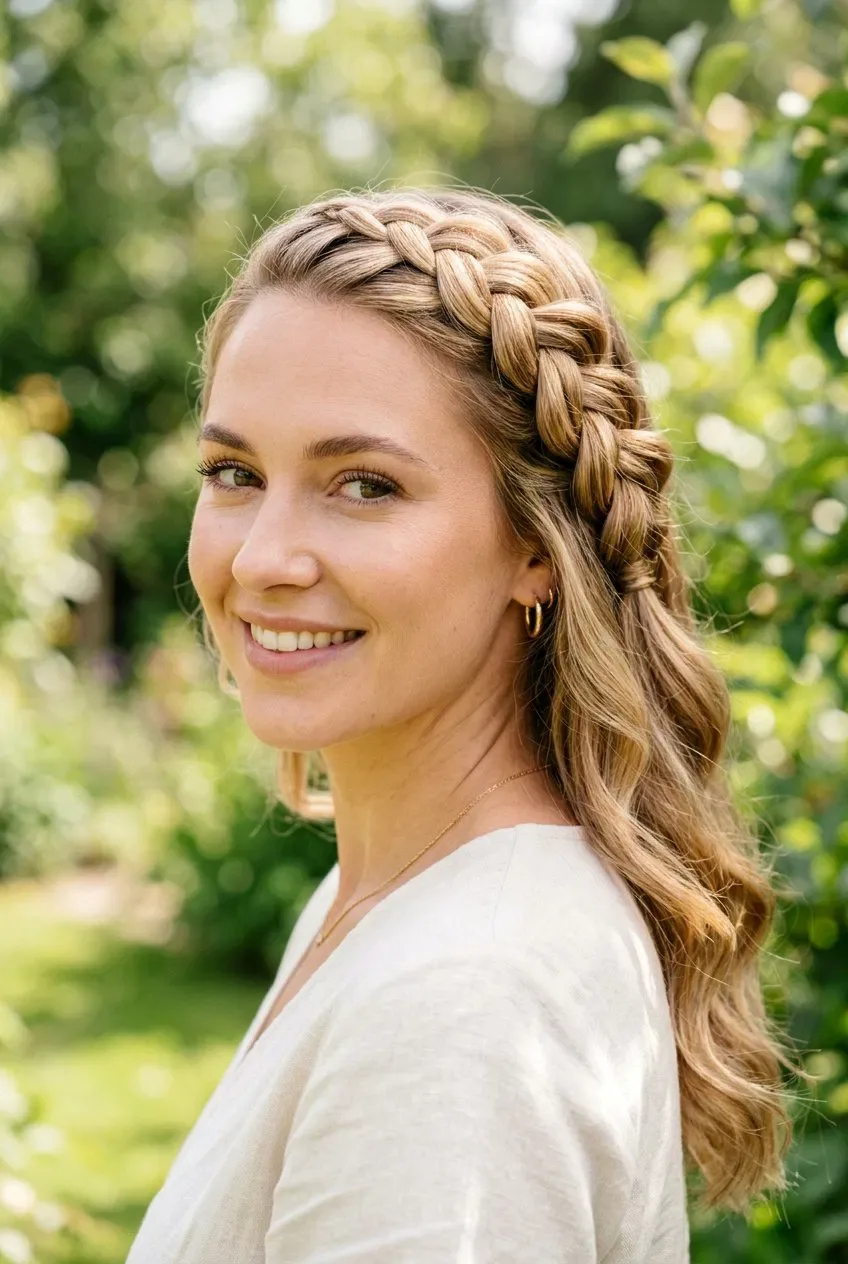
Pros: It looks pretty and relaxed, keeps hair to one side, and works with any game-day outfit.
Cons: It can slip forward while running, and it is not secure enough for full-contact play.
Who it suits: Fans with long hair who want a pretty, relaxed look, and players on the sideline.
How to style: Sweep all the hair over one shoulder and braid it loosely from behind the ear down. Secure with an elastic, pull the braid wider for softness, and pin back the opposite side.
Loose Waves With a Sport Headband
Loose waves with a sport headband are the easiest fan hairstyle of all: soft waves, a headband to hold the front back, and nothing else to worry about. The headband does the work of keeping your vision clear, and the waves look great in the sun all afternoon.
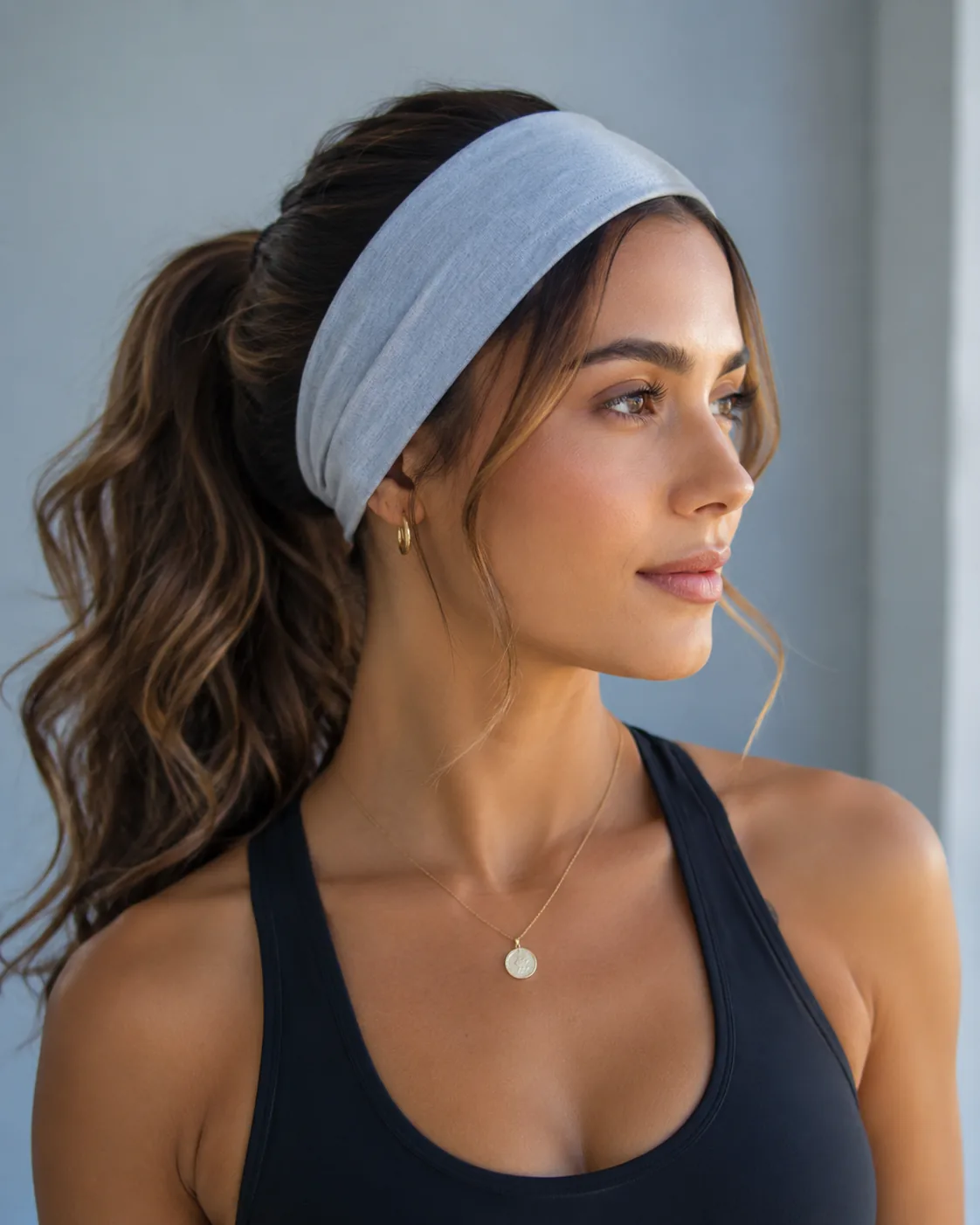
Pros: It is effortless, looks soft and pretty, and the headband keeps the front back.
Cons: The waves can frizz in humidity, and the style will not survive hard play.
Who it suits: Fans with wavy or medium hair who want a relaxed, pretty look for the stands.
How to style: Add loose waves with a curling iron or braid the hair damp overnight, then slide a wide sport headband into place. Shake the waves out and finish with a little texture spray.
Box Braids in a Low Bun
Box braids gathered into a low bun give you a protective style and a game-day updo in one. The braids are already secure, the bun keeps them off the neck and under a helmet, and the style lasts for weeks, so game day is just one more day it looks good.
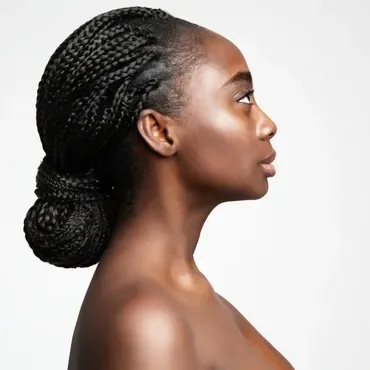
Pros: It protects the hair, lasts for weeks, and the bun keeps everything contained.
Cons: It takes hours to install, and a low bun of braids can feel heavy.
Who it suits: Players with box braids who want them up and out of the way, and fans who want a long-lasting protective style.
How to style: Gather the braids low at the nape, twist them into a bun and pin it securely. Smooth the edges with gel and a brush, and tuck the ends under.
Short Pixie With a Headband
A short pixie with a headband is the lowest-maintenance style on the field. There is almost nothing to come loose, the headband holds the front back, and the whole look takes seconds. It fits under any goggles or cap, and it looks sharp and sporty.
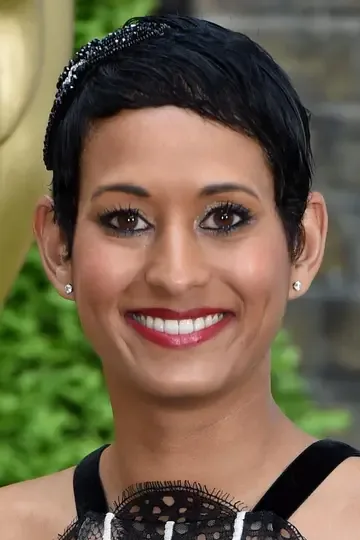
Pros: It takes seconds, cannot come loose, and fits under any headgear.
Cons: It offers little sun protection for the scalp, and styling options are limited.
Who it suits: Players and fans with short hair who want a fast, no-fuss style that just works.
How to style: Add a little texture spray, smooth the sides with your fingers, and slide a thin sport headband into place. Keep a spare headband in your bag in case the first one slips.
Double Buns (Space Buns)
Double buns, or space buns, split the hair into two high buns that sit above the ears and stay put through anything. They are playful, they keep the hair completely off the neck, and they are a favourite for team spirit days and rivalry games.
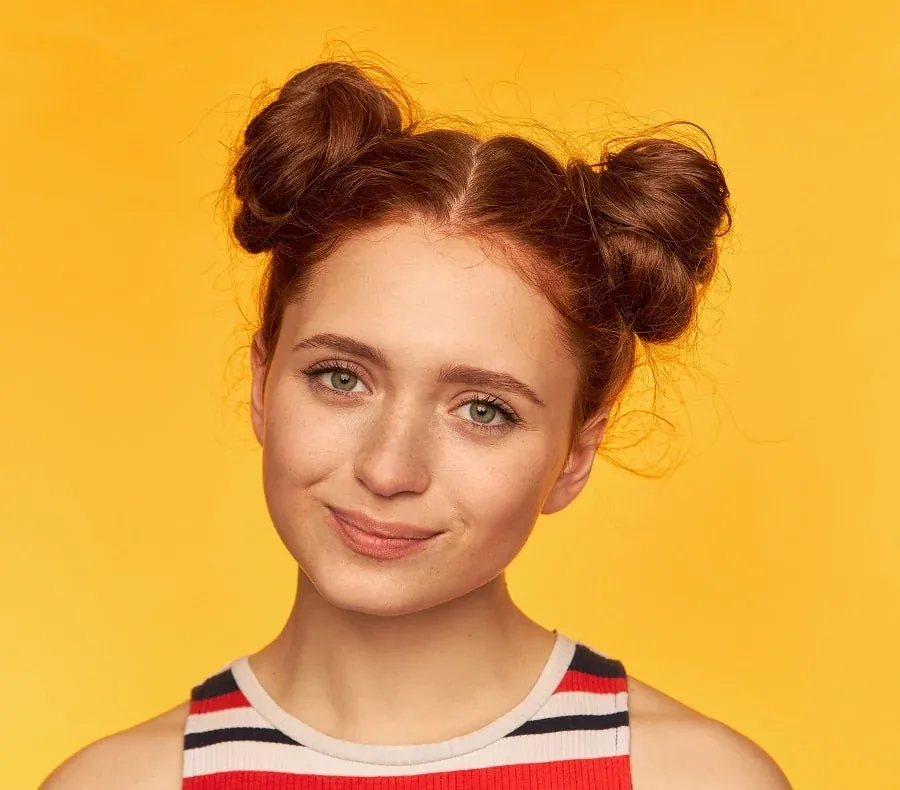
Pros: They are playful and fun, keep hair fully off the neck, and hold well.
Cons: They need enough hair for two full buns, and they can look too playful for a formal fan look.
Who it suits: Fans who want a fun game-day look, younger players, and anyone heading to a rivalry game.
How to style: Part the hair down the middle, gather each side high and twist into a bun, pinning each one securely. Add team-coloured scrunchies and smooth the hairline with gel.
French Twist Low Updo
A French twist is the elegant answer to game day: the hair is rolled up the back of the head and pinned into a sleek, vertical twist. It keeps every strand contained, it looks refined in the stands, and it survives a cap or a headband without a bump.
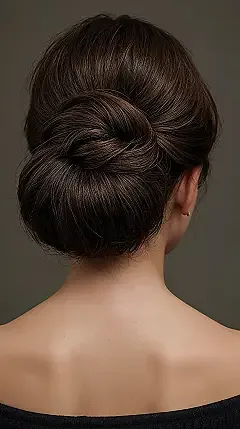
Pros: It looks elegant and refined, keeps all the hair contained, and holds for hours.
Cons: It needs pins and practice, and it can loosen if it is not secured well.
Who it suits: Fans who want an elegant look, coaches, and anyone heading to a team dinner after the game.
How to style: Gather the hair low, twist it upward along the back of the head and pin it into place with long pins. Smooth the sides with gel and finish with hairspray.
Bubble Ponytail With a Team Ribbon
A bubble ponytail tied with a team ribbon is the loudest show of team spirit you can wear in your hair. The bubbles give the ponytail shape and hold, and the ribbon in your team’s colours turns a sporty style into a proper game-day statement.
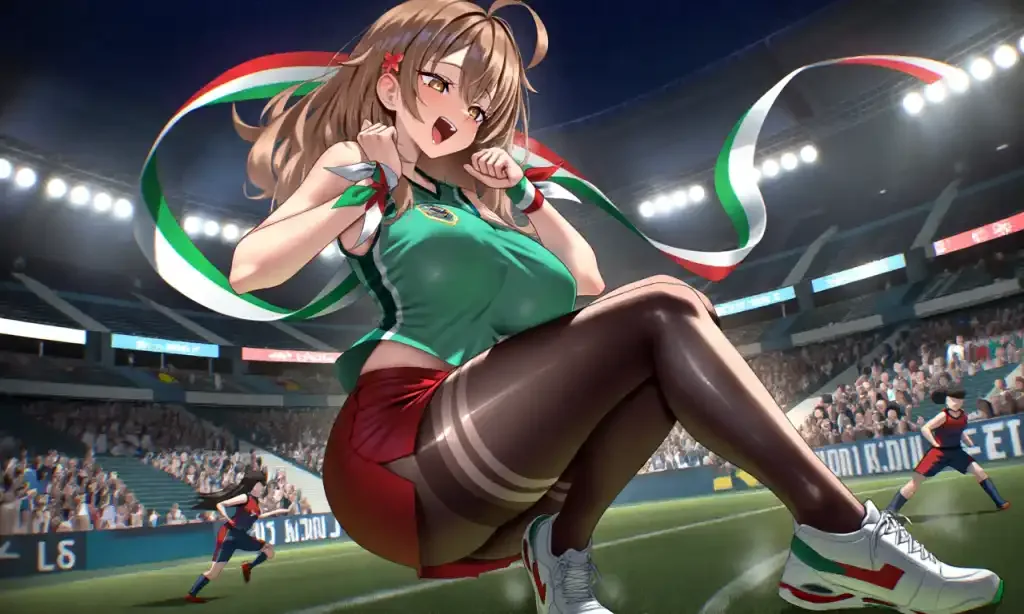
Pros: It shows team spirit, the bubbles stop the ponytail swinging, and it photographs brilliantly.
Cons: It uses several elastics and a ribbon, and the ribbon can slip if it is not tied tightly.
Who it suits: Fans at rivalry games and playoffs, and players who want a fun look for team photos.
How to style: Build a bubble ponytail with elastics down the length, then tie a team-coloured ribbon around the base in a firm bow. Double-knot it so it survives cheering.
Low Side Ponytail
A low side ponytail is the relaxed cousin of the classic ponytail: gathered low and swept to one side, it keeps the hair out of the way without pulling it tight. It looks soft and pretty, it works with a cap, and it is kind to hair that is tired of high ponytails.
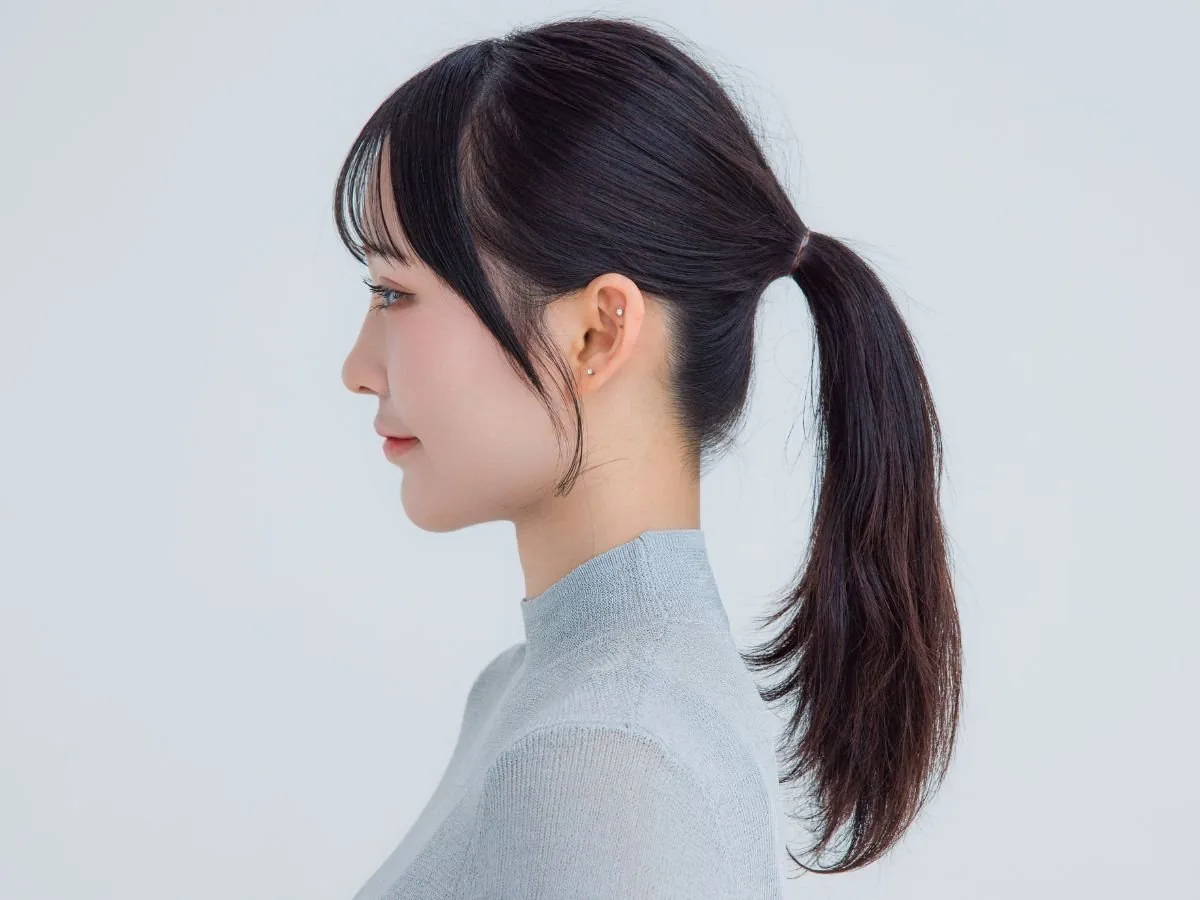
Pros: It is gentle on the hair, looks soft and relaxed, and takes a minute.
Cons: It can swing forward while running, and it is not secure enough for hard play.
Who it suits: Fans who want a soft, easy look, and players on the bench who want their hair down but controlled.
How to style: Sweep the hair to one side, gather it low behind the ear and secure with a soft elastic. Loosen a few pieces around the face and finish with a little smoothing cream.
Braided Headband Half-Up
A braided headband half-up style braids a thin section across the hairline like a headband, then leaves the rest of the hair down. It keeps the front layers out of your eyes without any accessories, and it looks delicate and pretty in the sun.
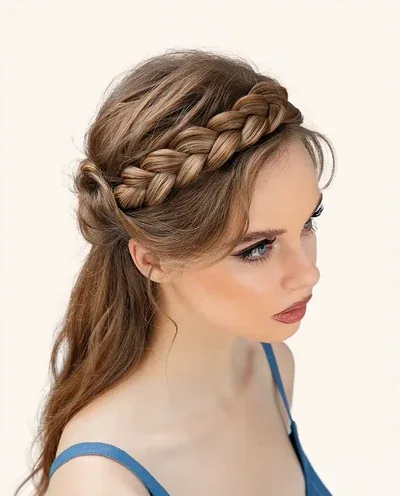
Pros: It keeps the front back with no accessories, looks delicate, and works on most lengths.
Cons: The braid can loosen in wind, and it needs pins to stay in place all afternoon.
Who it suits: Fans with medium to long hair who want a pretty half-up look, and players warming up.
How to style: Braid a thin section from behind one ear across the hairline to the other side and pin it. Leave the rest of the hair down and add a little texture spray.
High Bun With a Braided Base
A high bun with a braided base starts with a braid around the bun’s foundation, so the bun is anchored from every side. It sits high enough to stay clear of a collar, it never bounces loose, and it looks polished from the stands.
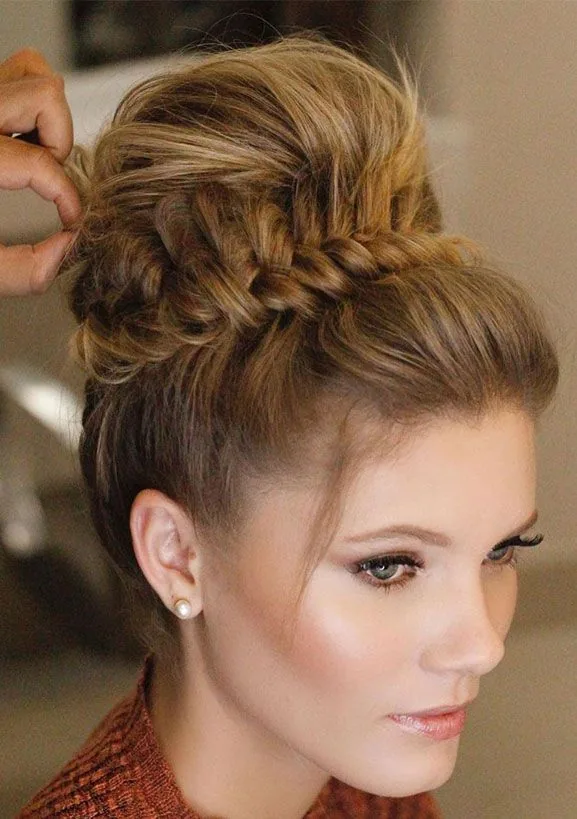
Pros: It is very secure, keeps hair high and clear, and looks polished.
Cons: It takes a few extra minutes, and a high bun can press against a helmet.
Who it suits: Players who want a high, secure bun, and fans who like a tall, polished updo.
How to style: Braid a section around the base of a high ponytail, then twist the rest into a bun and wrap the braid around it. Pin everything securely and smooth the hairline.
Wavy Lob With a Sweatband
A wavy lob with a sweatband is the perfect medium-length game-day style: the waves give it movement, the sweatband holds the front back and soaks up sweat, and nothing needs pinning. It is sporty, pretty and completely fuss-free.
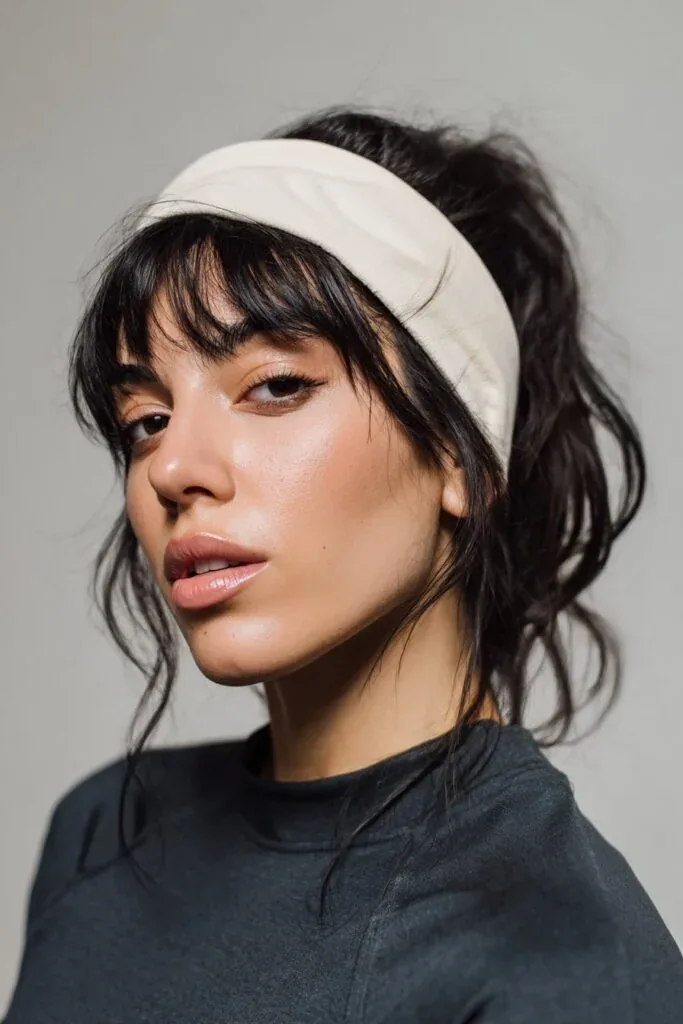
Pros: It is fuss-free, the sweatband manages sweat and flyaways, and it suits medium hair perfectly.
Cons: It will not survive hard play, and the waves can fall flat in humidity.
Who it suits: Fans with a lob or medium-length hair who want a sporty, relaxed look for the stands.
How to style: Add soft waves with a curling iron or overnight braids, then slide a wide sweatband into place. Shake the waves out and finish with texture spray.
Top Knot With Face-Framing Braids
A top knot with face-framing braids keeps the bulk of the hair high and secure while two thin braids soften the face. It is the best of both worlds: a knot that will not move, and braids that keep the front layers from falling into your eyes while you cheer.
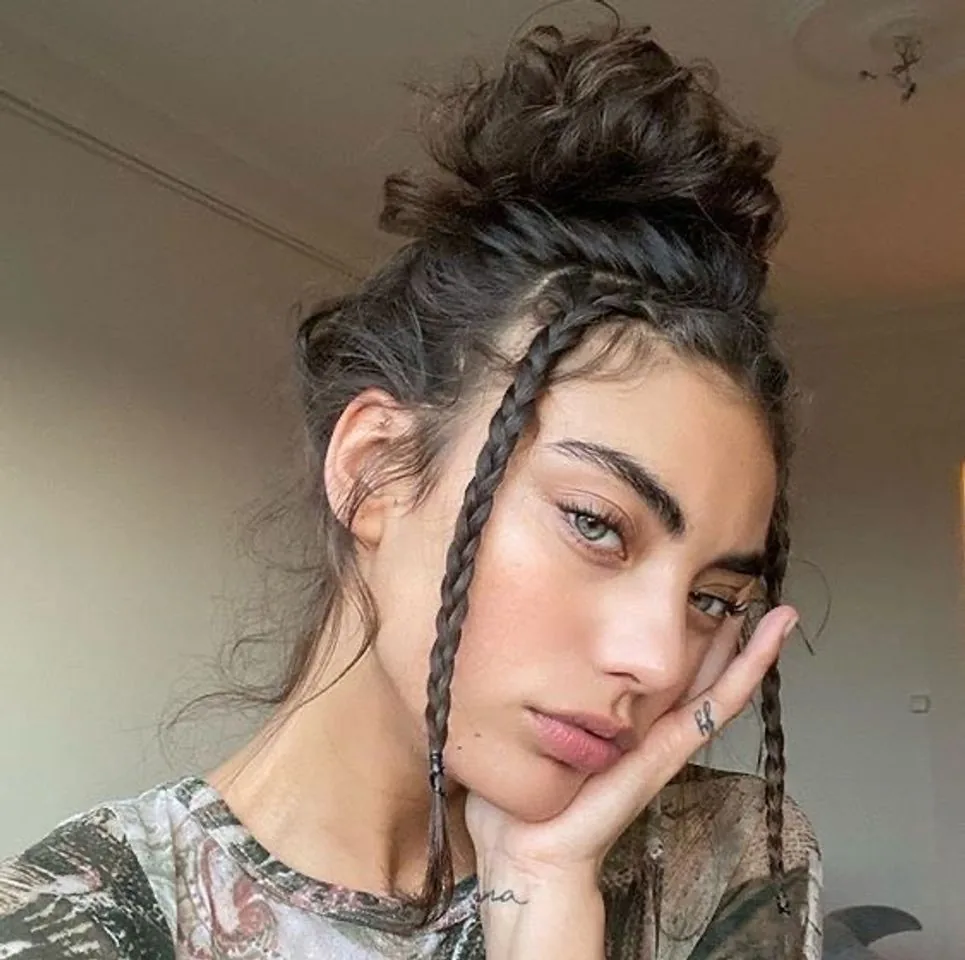
Pros: It is very secure, the braids control the front layers, and it looks stylish.
Cons: It takes a few minutes longer than a plain top knot, and the braids need pinning.
Who it suits: Fans who want a stylish updo, and players with long hair who want the front controlled.
How to style: Leave two thin sections at the front, gather the rest into a high top knot and pin it. Braid each front section back toward the knot and pin the ends under.
What is the best hairstyle for playing lacrosse?
Double Dutch braids are the best hairstyle for playing lacrosse, because they lock the hair flat from the hairline to the ends and fit under goggles and helmets. Cornrows and a low braided bun are just as secure if you want an alternative that will not move during a full game.
Can I wear my hair down to a lacrosse game?
You can wear your hair down if you are a fan, especially with a headband or a braided headband to hold the front back. If you are playing, wear it up: loose hair falls into your eyes, catches on sticks and gets in the way when you sprint.
How do I keep my hair out of my goggles?
Choose a style that sits flat at the crown, such as low ponytails, low buns or braids, and keep the bulk at the nape. Smooth the hairline with gel before you put your goggles on, and test the fit at home so the strap sits over flat hair, not a bump.
Will a helmet ruin my hairstyle?
A helmet will flatten any style with volume on top, but it will not ruin a low, flat style. Braids, low buns and low ponytails come out of a helmet looking almost the same as they went in, and taking a braid out after the game gives you soft waves with no extra styling.
What hairstyle survives sprinting and sweating?
Braids survive sprinting and sweating best, because they hold at several points and cannot swing loose. Double Dutch braids, cornrows and a French braid into a low ponytail all stay put through four quarters, especially with gel at the hairline and a strong elastic.
How do I stop flyaways in wind on the field?
Smooth a pea-sized amount of gel or pomade along the hairline with a toothbrush, and finish with a light mist of hairspray. A headband or a braid at the front also stops flyaways before the wind can lift them.
What should fans wear in their hair to a lacrosse game?
As a fan, wear a style that survives sitting, standing and cheering: a low ponytail, a braid, a half-up style or a bun under a cap. Add a team-coloured ribbon, scrunchie or headband if you want to show team spirit without overdoing it.
Can short hair work for lacrosse?
Yes, short hair works very well for lacrosse: it fits under any goggles or helmet, cannot fall into your eyes, and needs almost no styling. Add a sport headband to hold the front back and a little texture spray for grip, and you are done.
What is the quickest hairstyle for a lacrosse game?
A high ponytail or a messy bun is the quickest hairstyle for a lacrosse game, and both take about a minute. For a little more hold, braid the hair first and then gather it into a ponytail, which takes two minutes and lasts the whole game.
How do I fix helmet hair after a lacrosse game?
Shake the hair out at the roots with your fingers, add a little dry shampoo or texture spray, and smooth the hairline with a drop of cream. If you wore a braid, taking it out after the game gives you soft waves with no extra styling.
Final Whistle: Pick Your Field Style and Enjoy the Game
The best hairstyles for a lacrosse game are the ones you forget about once the whistle blows. Whether you choose double Dutch braids for the field, a low sleek bun under a cap, or a team-ribbon bubble ponytail in the stands, the rule is the same: anchor the hair, keep the front out of your eyes, and pick a style that fits under whatever you are wearing on your head.
Try your style once at home before game day, with the goggles or cap you will actually wear. Sprint, turn your head and shake it out. If nothing moves, you have found your field style. Then all that is left is the game itself: the sun on the turf, the crowd, the roar when your team scores, and a photo from the sideline where your hair looks as good as the afternoon felt.