Long Layers: The Cut That Works for Every Hair Type
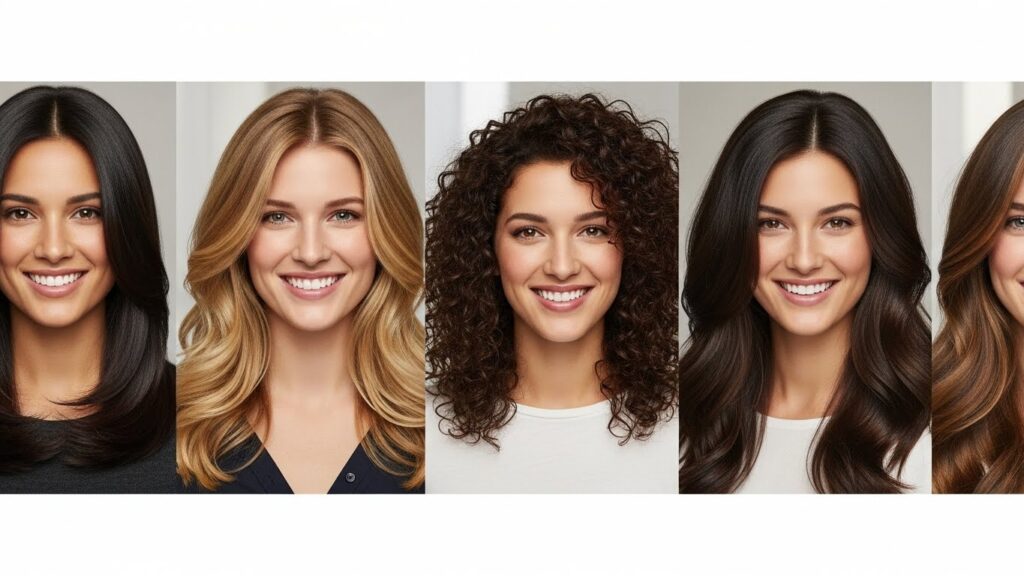
In the ever-evolving world of hair trends, where styles come and go with the seasons, one haircut has consistently held its ground as a timeless, flattering, and remarkably adaptable choice: the long layered cut. It’s the secret weapon of stylists and the go-to request for clients seeking change without sacrificing length. But what makes this cut so enduringly popular? The answer lies in its incredible versatility. Unlike many trend-driven styles that favor a specific texture or density, long layers are a universal language of style, expertly tailored to speak to the unique needs of every hair type.
What Exactly Are Long Layers?
Before we explore their magic, let’s define the cut. Long layers involve cutting different sections of your hair at varying lengths while maintaining an overall long silhouette. The layers are seamlessly blended into one another, removing weight and creating internal shape without shortening the hair’s appearance drastically. Think of it as architectural detailing for your hair—the foundation is length, but the layers add dimension, light, and flow.
It’s crucial to distinguish this style from uniform “all-one-length” hair or shorter, more drastic layered looks. The goal here is enhancement, not transformation. A skilled stylist will consider your hair’s natural fall, growth patterns, and texture to place layers where they will have the most impact, whether that’s framing the face, boosting volume at the crown, or releasing curl definition.
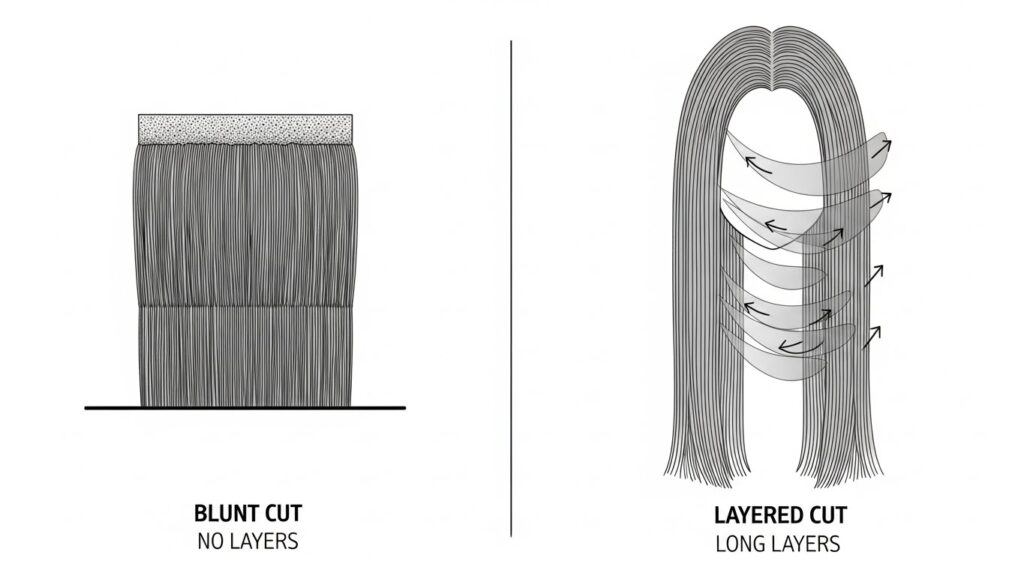
The Science of Layers: Why They Work Universally
The universal efficacy of layers boils down to basic geometry and physics. Hair without layers tends to fall as a single, heavy unit. This weight can pull curls straight, flatten roots, and create a triangular shape on thick hair. By introducing varying lengths, you strategically remove mass from specific areas.
This weight redistribution allows hair to move more freely, creates space for volume at the roots, and lets light reflect off multiple surfaces (the ends of each layer) rather than just one. This light reflection is key to that coveted “dimensional” look. Essentially, layers work with your hair’s natural properties to solve its specific challenges, making them as effective for fine, limp strands as they are for dense, coarse ones.
Long Layers for Fine or Thin Hair
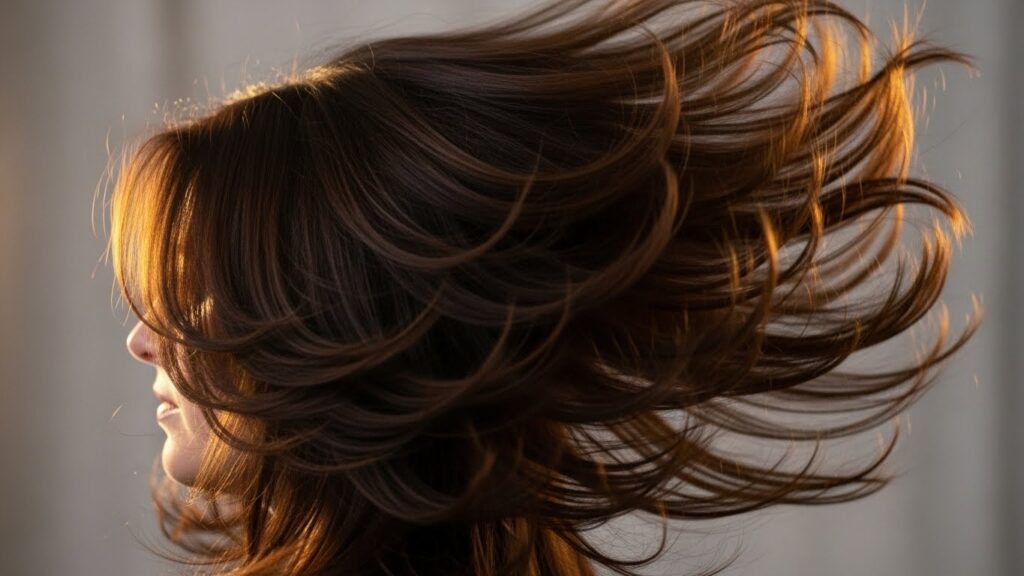
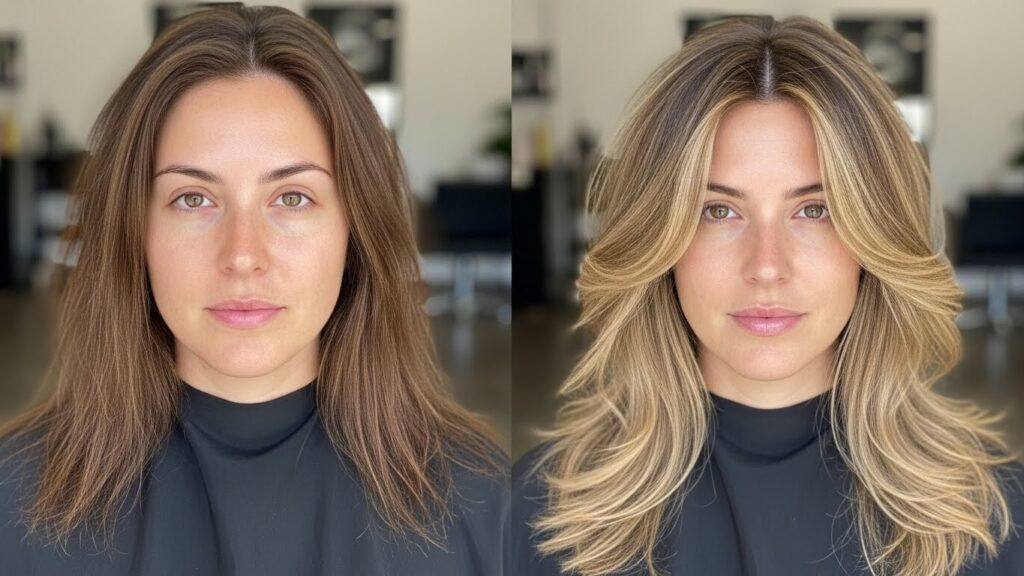
Many with fine hair fear layers, thinking they will reduce volume. This is a myth—when done correctly, the opposite is true. Blunt, one-length cuts on fine hair can often look skimpy and cling to the scalp. Long, soft layers remove just enough weight to allow the hair to lift at the root, creating an illusion of fullness and body.
The key is in the cutting technique—often, point cutting or feathering is used to create wispy, seamless ends that add texture without sacrificing density. Face-framing layers also draw attention upward, adding a sense of volume around the face. The result is hair that looks thicker, more dynamic, and far from flat.
Long Layers for Thick or Heavy Hair
For those blessed with abundant hair, the challenge is often management and shape. A thick, blunt cut can become a heavy, triangular “pyramid” shape. Long layers are a game-changer for bulk reduction. They remove internal weight, helping to tame volume into a more wearable, streamlined shape.
Layers prevent hair from appearing overwhelming and can significantly reduce drying and styling time. They introduce movement and flow, turning a solid mass of hair into a cascading, soft look. For very thick hair, stylists might use deeper layer placement to ensure the cut looks cohesive and not overly layered.
Long Layers for Straight Hair
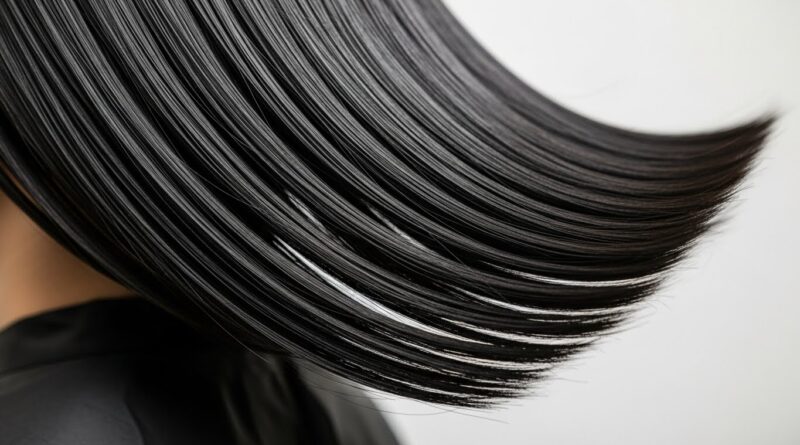
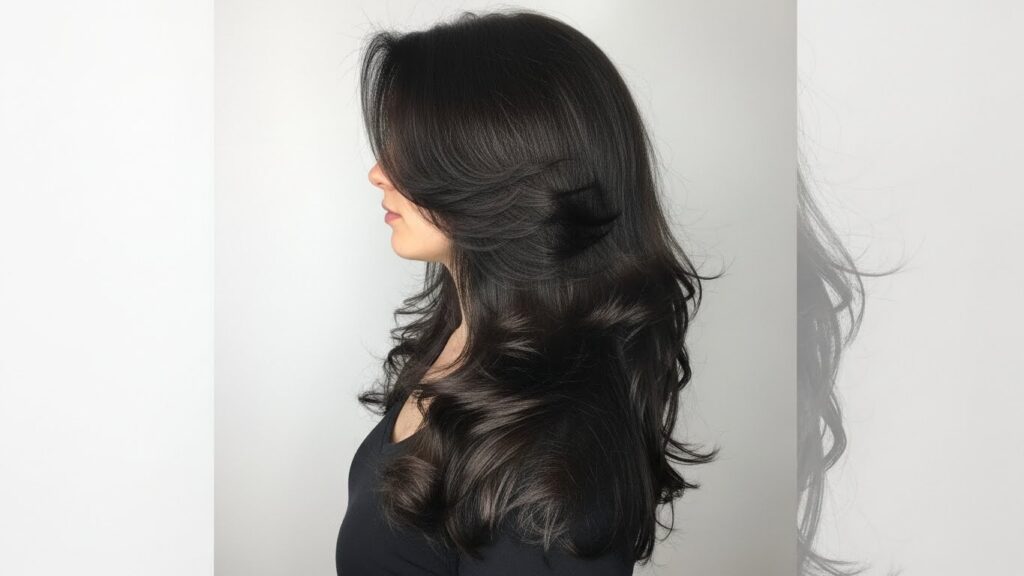
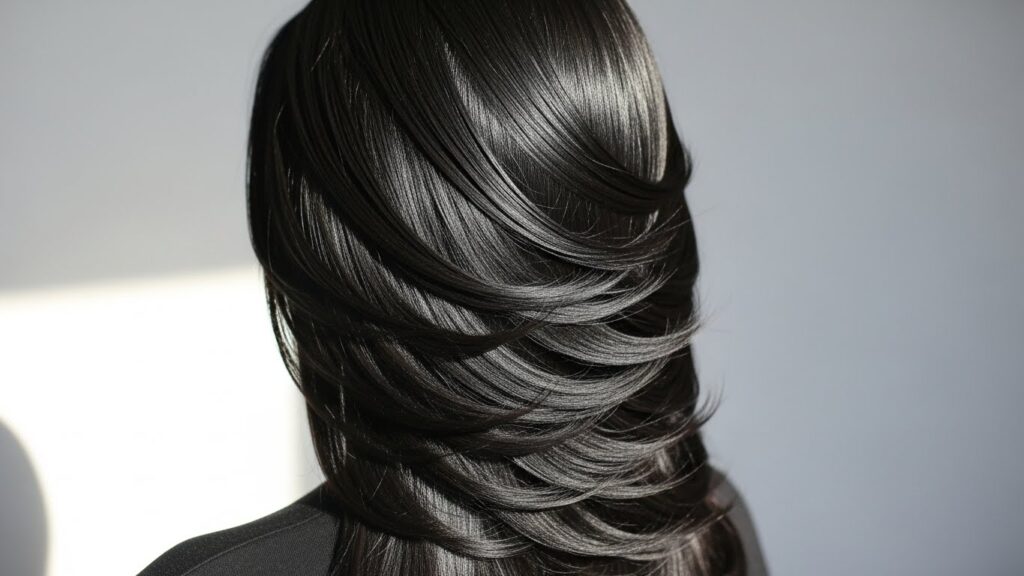
Straight hair can showcase the precision and beauty of a layered cut like no other texture. Without waves or curls to naturally create dimension, straight hair relies on the cut itself for interest. Long layers introduce angles and subtle shifts in length that break up the monotony of a straight fall.
They create a beautiful, fluid line that moves with you, adding a touch of sophistication and edge. Whether you prefer a sleek, sharp look or a piecey, textured style, layers provide the architecture. They also prevent straight hair from looking limp or helmet-like, giving it a modern, lived-in feel.
Long Layers for Wavy and Curly Hair
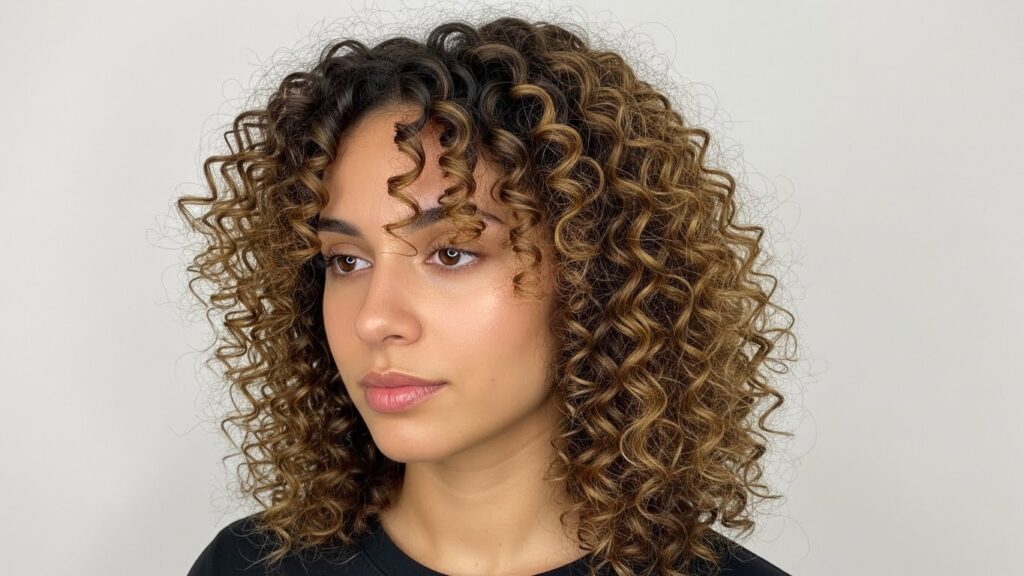
This is where long layers truly sing. Curly and wavy hair has natural volume and pattern, but it can often become weighed down or lose its shape as it grows. Layers are essential for defining and enhancing your natural curl pattern. By removing weight, layers allow curls to spring up with more vitality and bounce from root to tip.
They help distribute volume more evenly, avoiding the dreaded “poofy triangle” shape (wide at the bottom, flat on top). For wavy hair, layers encourage the formation of loose, romantic waves. For tighter curls and coils, they promote definition, reduce bulk, and help shape the hair into a beautiful, rounded silhouette. The cut must be done dry or via curl-by-curl techniques to perfect the shape.
Customizing Your Long Layers: The Consultation is Key
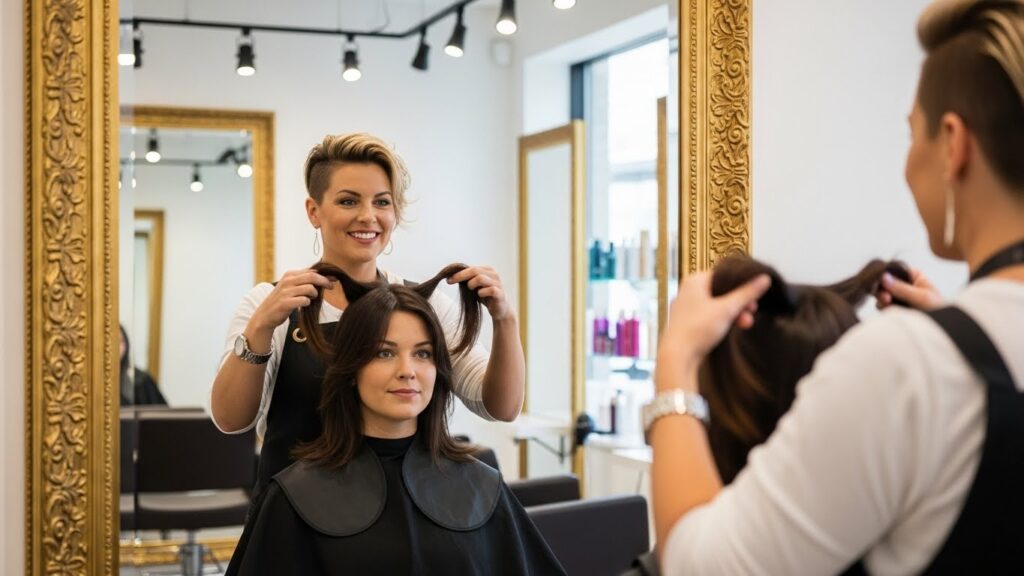
To unlock the full potential of long layers, communication with your stylist is non-negotiable. The phrase “long layers” is a starting point, not a prescription. You must discuss your hair type, daily routine, and desired level of maintenance. Be specific about your lifestyle. Do you air-dry? Do you need a cut that looks good with minimal styling?
Mention if you want dramatic face-framing pieces, subtle internal layers for volume, or a combination. Bring photos, but be open to your stylist’s professional advice on what will work best with your unique hair texture, density, and face shape. This collaborative approach ensures your layers are perfectly personalized.
Styling and Maintaining Your Layered Look
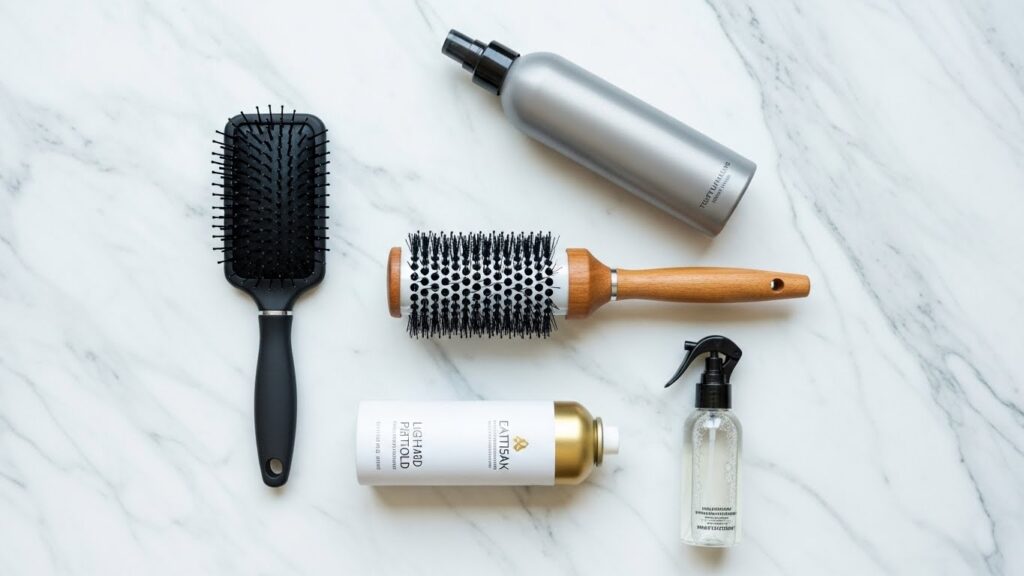
The beauty of long layers is their low-maintenance nature, but a little styling goes a long way. For added volume, blow-dry with a round brush, lifting at the roots. To emphasize texture, use a texturizing spray or sea salt spray on damp hair and scrunch. For a sleek look, a flat iron can glide over layers to create a smooth, graduated line.
Maintenance trims are vital. To keep the shape intact and prevent split ends from traveling up the different layer lengths, schedule a trim every 10-12 weeks. This preserves the cut’s integrity and ensures your hair continues to look healthy and dynamic. Use lightweight products that won’t weigh down your layers and consider a volumizing mousse or root lifter for extra oomph.
Conclusion: The Timeless Choice for Dynamic Hair
In a landscape of fleeting fads, the long layered haircut stands as a testament to intelligent, personalized design. It is not a one-size-fits-all cut, but a one-framework-fits-all philosophy. It respects and enhances individuality, solving the core challenges of each hair type while delivering on the universal desires for movement, shape, and vitality.
Whether your hair is a whisper-fine thread or a voluminous cascade of curls, long layers offer a path to a more confident, beautiful, and manageable you. So, the next time you’re in the salon chair contemplating a change, consider the power of layers. It’s more than a haircut; it’s the ultimate tool in your beauty arsenal, ready to reveal the very best version of your hair.