Wash, Go, Done: Low Maintenance Hairstyles for Women Who Hate Fussing With Their Hair
Low maintenance does not mean boring, and it does not mean a five-minute styling routine. It means something simpler and more useful: a cut that still looks good when you do almost nothing to it. Wash it, let it air-dry, forget about it — and when you catch your reflection at lunchtime, it still looks like a haircut, not like a bad hair day that got away from you.
That is the test every cut in this guide had to pass. Not how it looks straight out of the salon, with a round brush and a stylist’s hands, but how it behaves on a normal morning, two months after the appointment, with no heat and no fuss. These 41 cuts are chosen for how they grow out, air-dry and hold up between trims, across fine, thick, wavy and curly hair.
What Makes a Cut Low Maintenance?
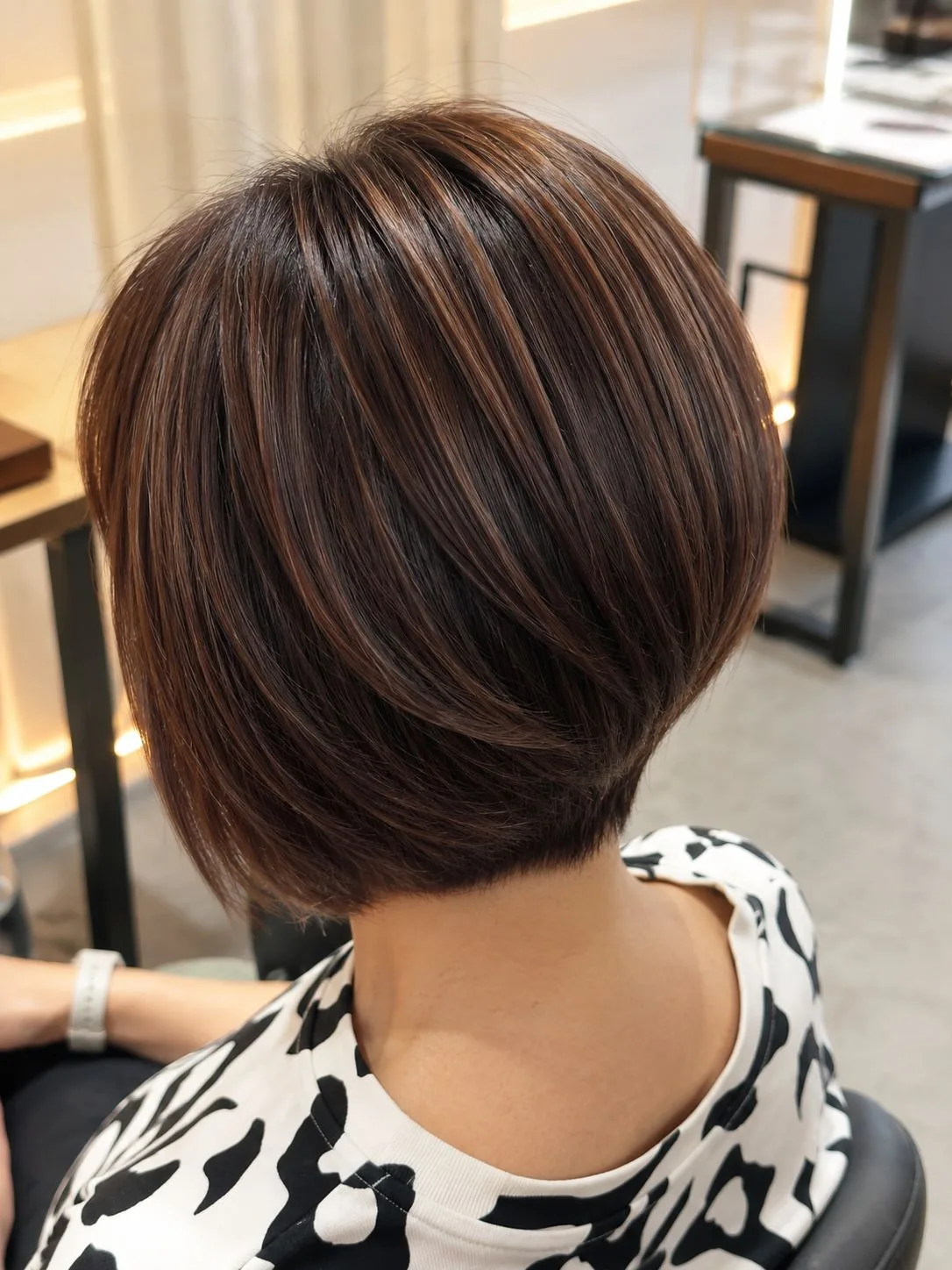
Low maintenance is not a styling trick, a product, or a five-minute morning routine. It is a property of the cut itself. A truly low maintenance cut still looks good when you do almost nothing to it — when it air-dries, when it is two weeks past its trim, and when you have not touched a straightener in a month.
The test is simple: wash it, let it dry on its own, and look in the mirror. Does the shape hold? Do the ends fall where they should? Does it look intentional rather than unfinished? Cuts that pass that test share a few traits — soft, blended lines instead of razor-sharp edges, layers that follow your natural texture instead of fighting it, and a length that forgives a few centimetres of growth. Everything in this guide is judged against that test, not against how good a cut looks straight out of the salon chair.
Air-Dry Friendly Cuts: Let Your Hair Do the Work

An air-dry friendly cut works with the way your hair dries, not against it. Straight hair needs a cut with enough weight to lie flat and enough layering to stop it looking limp; wavy hair needs layers that let the wave form instead of dragging it straight; curly hair needs a cut shaped dry, curl by curl, so the shape survives the shrink as it dries.
The air-dry test is the most honest check you can run on a new cut. On wash day, scrunch out the water, add nothing or almost nothing, and leave it alone. If the result looks like a deliberate style, the cut is doing its job. The cuts below were chosen because they pass this test for real women on real mornings — not because they photograph well under salon lighting.
Grow-Out Friendly Cuts: The Shape That Lasts

A grow-out friendly cut is one that still looks like a haircut eight weeks later. Blunt, geometric shapes are the worst offenders here: a sharp bob grows into a triangle, a precise fringe grows into your eyes, and a graphic pixie loses its shape within three weeks. Soft, blended cuts do the opposite — the layers simply get longer, the shape stays recognisable, and nobody can tell whether you had a trim last week or last month.
The secret is in the edges. Feathered ends, point-cut layers and face-framing pieces that taper gradually all grow out invisibly, because there is no hard line to lose. When your stylist asks how long you want to go between appointments, answer honestly — a cut designed for twelve weeks looks very different from one designed for four.
Low Maintenance by Hair Type: Fine, Thick, Wavy and Curly

Fine hair goes limp under too many layers, so low maintenance for fine hair means fewer, longer layers and a cut with enough weight to hold its shape. A blunt edge at the bottom gives the illusion of thickness, and the cut should need nothing more than a wash and a shake. Thick hair has the opposite problem: too much weight makes it triangular, so internal layers that remove bulk without shortening the outside are what keep it easy.
Wavy hair is the easiest of all to make low maintenance, because the wave supplies the texture for free — long layers are often all it needs. Curly hair needs the most skill at the cutting stage and the least effort afterwards: a dry cut that respects each curl pattern, then nothing but water and a little cream.
Trims: How Often Is Really Needed?
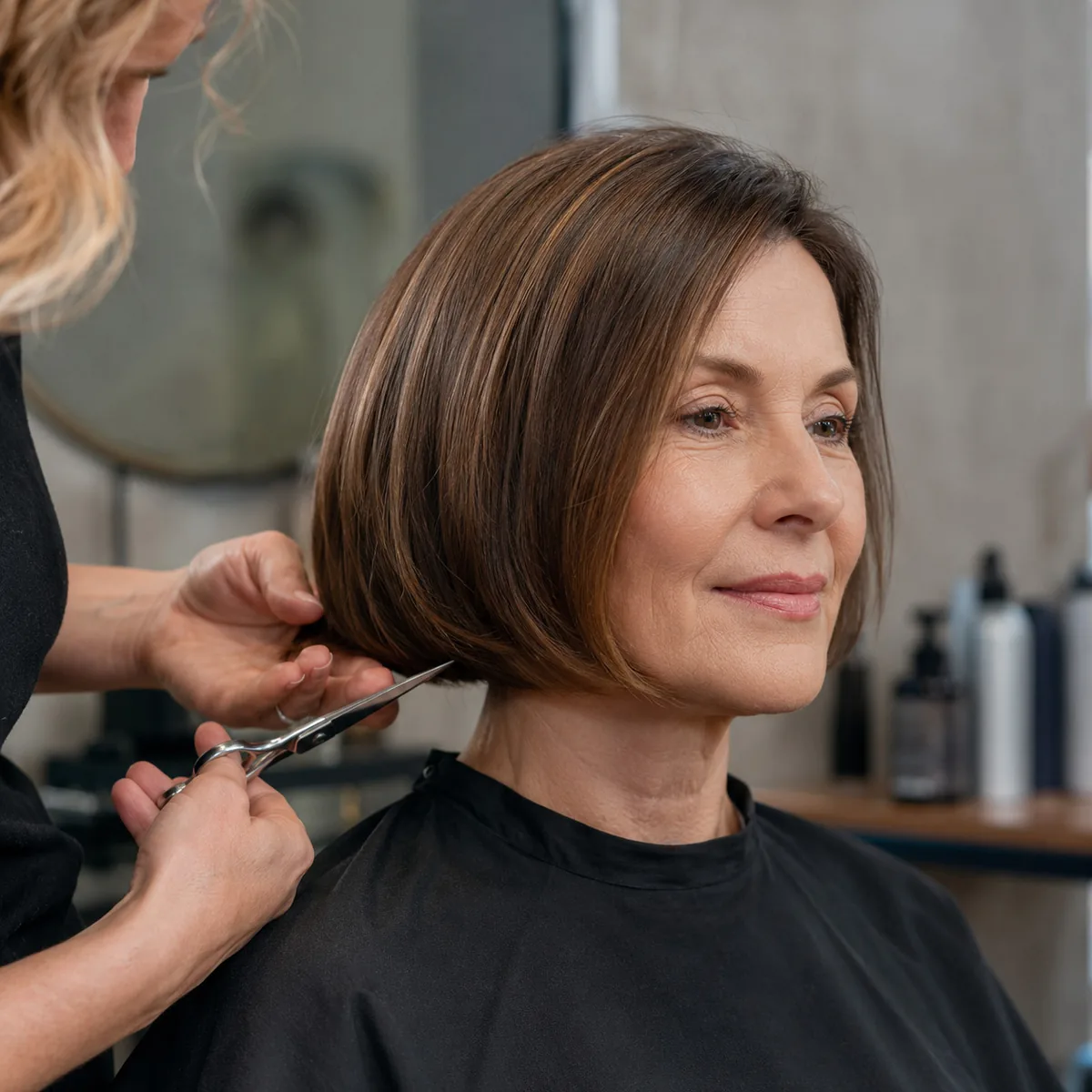
Most women trim far more often than their cut requires, and far less often than a blunt fringe requires — both directions waste money. A soft layered cut or a long one-length cut genuinely needs a trim only every ten to twelve weeks, mainly to remove split ends before they travel up the hair shaft. A lob or midi cut holds its shape for about eight weeks. Short, textured cuts are the exception: a pixie or a sharp bob starts losing its shape after four to six weeks.
The honest rule is to trim when the shape tells you to, not when the calendar does. If the ends look thin, if the layers have merged into one heavy mass, or if the cut no longer falls the way it did on day one, it is time. If it still looks good, it is not.
Products: The Fewer the Better

A low maintenance cut should not need a shelf of products to function. In fact, the number of products a style demands is a good measure of how low maintenance it really is. The ideal routine is a shampoo that suits your scalp, a conditioner for the ends, and at most one styling product — a leave-in cream for curls, a drop of oil for dry ends, or a little dry shampoo for second-day roots. Anything beyond that is compensating for a cut that does not suit your hair.
This is also where money quietly leaks away. A bottle of styling cream that lasts three months costs less than a shelf of half-used serums, mousses and sprays bought in hope.
Low Maintenance Colour That Grows Out Well
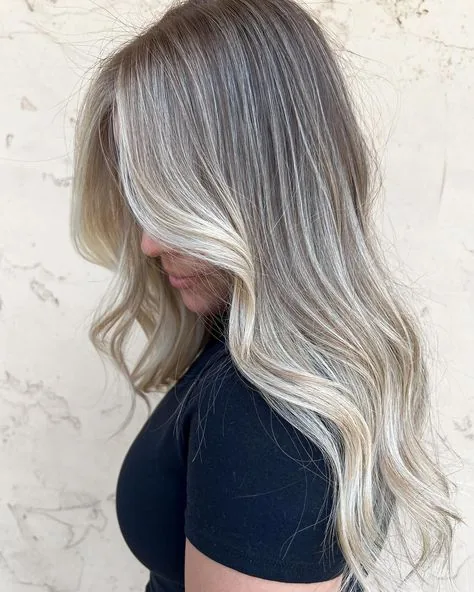
Colour can undo a low maintenance cut in one appointment if it needs root touch-ups every four weeks. The low maintenance colours are the ones that grow out invisibly: balayage and lived-in highlights that start away from the root, soft face-framing ribbons, glossing that enhances your natural shade, and grey blending that works with the grey instead of covering it. With these, the grow-out looks like a deliberate gradient rather than a mistake.
The rule is simple — the further the colour starts from your scalp, the longer you can ignore it. A full root-to-tip colour needs a touch-up every four to six weeks; a balayage can go four to six months. Your hairdresser should be able to show you what the colour will look like at three months, not just on day one.
When Low Maintenance Goes Wrong
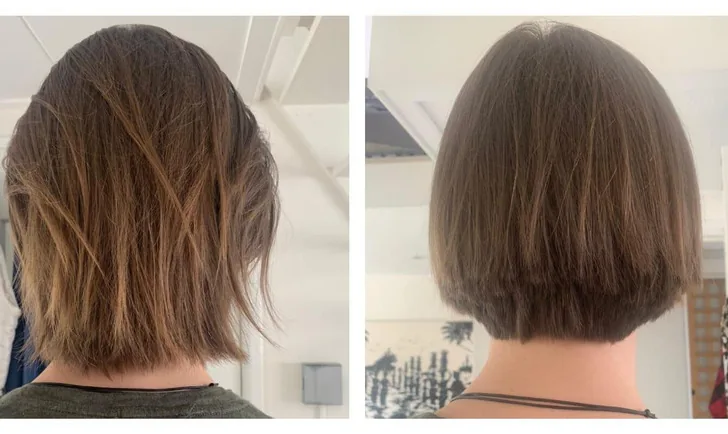
Low maintenance goes wrong when it becomes no maintenance at all. A cut that grows out well still needs the occasional trim, a colour that grows out well still needs gloss or toner now and then, and hair that air-dries beautifully still needs washing and conditioning. Skipping everything for a year does not give you an effortless look — it gives you split ends, a heavy shape and a colour that has faded to something nobody chose.
The other failure is choosing a cut that is low maintenance for someone else. A wash-and-go pixie is only wash-and-go if your hair is straight and cooperative; on strong curls it can be the highest maintenance cut of all. The warning signs are easy to spot: you are spending more time fighting your hair than you did before the cut, or you are reaching for the straightener every morning.
1. Long Layers With Face-Framing Pieces
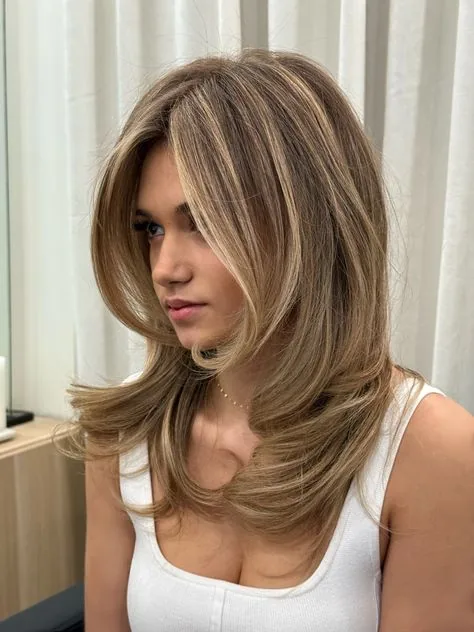
Upkeep: low. This is the default low maintenance cut for long hair, and it earns that status honestly. Long layers keep the weight moving, the face-framing pieces give the front some shape, and there is no fringe to trim and no sharp line to lose. A trim every ten to twelve weeks is plenty, and the daily routine is a wash and a shake.
Grow-out: excellent, and the air-dry test is a pass — the layers fall into place on their own, and the face-framing pieces dry into a soft sweep without any heat. The quick verdict: if you want long hair that looks styled without being styled, start here. The only common mistake is asking for too many short layers, which can make the ends look thin; keep the layers long and the shape stays full.
2. The Classic Lob

The classic lob sits between the chin and the collarbone, and that length is doing most of the low maintenance work for you. It is short enough to dry quickly and long enough to tie back on a bad hair day, which is a combination no shorter cut can offer. Upkeep is a trim every eight weeks, and on most hair types the morning routine is nothing at all.
Grow-out behaviour is forgiving: a lob grows into a midi cut, which is itself a good haircut, so there is no awkward stage to survive. Air-dried, it falls into a soft, slightly bent shape that looks deliberate.
3. Blunt Bob That Grows Into a Lob

A blunt bob sounds like a high maintenance choice, and a graphic one is. But a soft blunt bob — cut straight across with the ends slightly softened — is one of the smartest low maintenance bets, because its grow-out is a lob, and its grow-out after that is a midi cut. You are effectively buying three haircuts for the price of one.
The air-dry test depends on your texture: straight and wavy hair will see the blunt line fall cleanly, while curly hair should ask for the ends point-cut so the shape does not puff out. Upkeep: a trim every eight weeks keeps the line crisp, and you can stretch it to ten if you do not mind a slightly longer version. The verdict: the rare short cut that gets better as it grows.
4. Shoulder-Length One-Length Cut
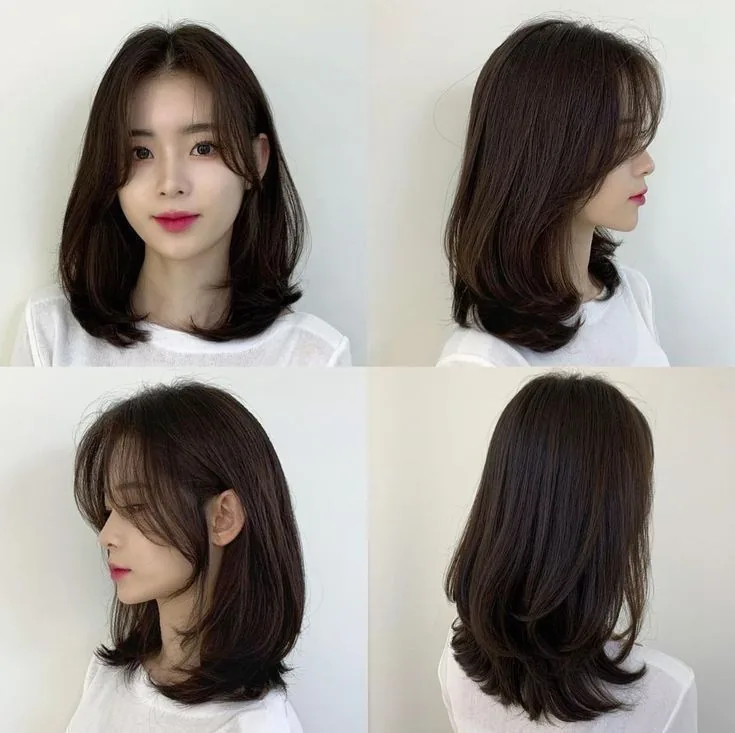
One length, no layers, no fringe — it sounds almost too simple, and that is exactly the point. With no layers to grow out unevenly and no shape to lose, a one-length shoulder cut looks the same at week one and week ten, just a little longer. It is the lowest maintenance cut in this guide for straight and slightly wavy hair.
Air-drying is a genuine pass: the weight of the hair pulls it straight, and the blunt ends give it a finished look with zero effort. The trade-off is movement — one-length hair can look heavy and flat, especially on fine hair. The fix is a barely-there bevel at the very ends, not layers. Cost and time: the cheapest cut to maintain, with trims every ten to twelve weeks and a two-minute morning.
5. Soft Shag

The soft shag is built on texture, and texture is what makes a cut look good without styling. Choppy layers throughout, a little volume at the crown, and ends that taper rather than ending in a hard line — the whole cut is designed to look slightly undone, which means a bad hair day just looks like the style. Upkeep is a trim every eight to ten weeks.
Grow-out is kind: the layers simply get longer and the shag becomes a longer shag. The air-dry test is one of the best in this guide — scrunch in a little cream, or nothing at all, and the layers do the rest.
6. Curtain Layers on Long Hair

Curtain layers are long, face-framing layers that part in the middle and sweep to each side, and on long hair they are the closest thing to a fringe without the fringe’s upkeep. There is nothing to trim every three weeks and nothing that grows into your eyes — the layers just get longer and keep framing your face. Upkeep: a trim every ten to twelve weeks.
The air-dry test is a pass on wavy and straight hair alike, because the parting gives the front a natural direction to fall. The quick verdict: this is the low maintenance answer to wanting face-framing without committing to bangs. One warning — curtain layers cut too short turn into a fringe in disguise, so ask for the shortest piece to reach at least the cheekbone.
7. Textured Pixie That Grows Out Softly
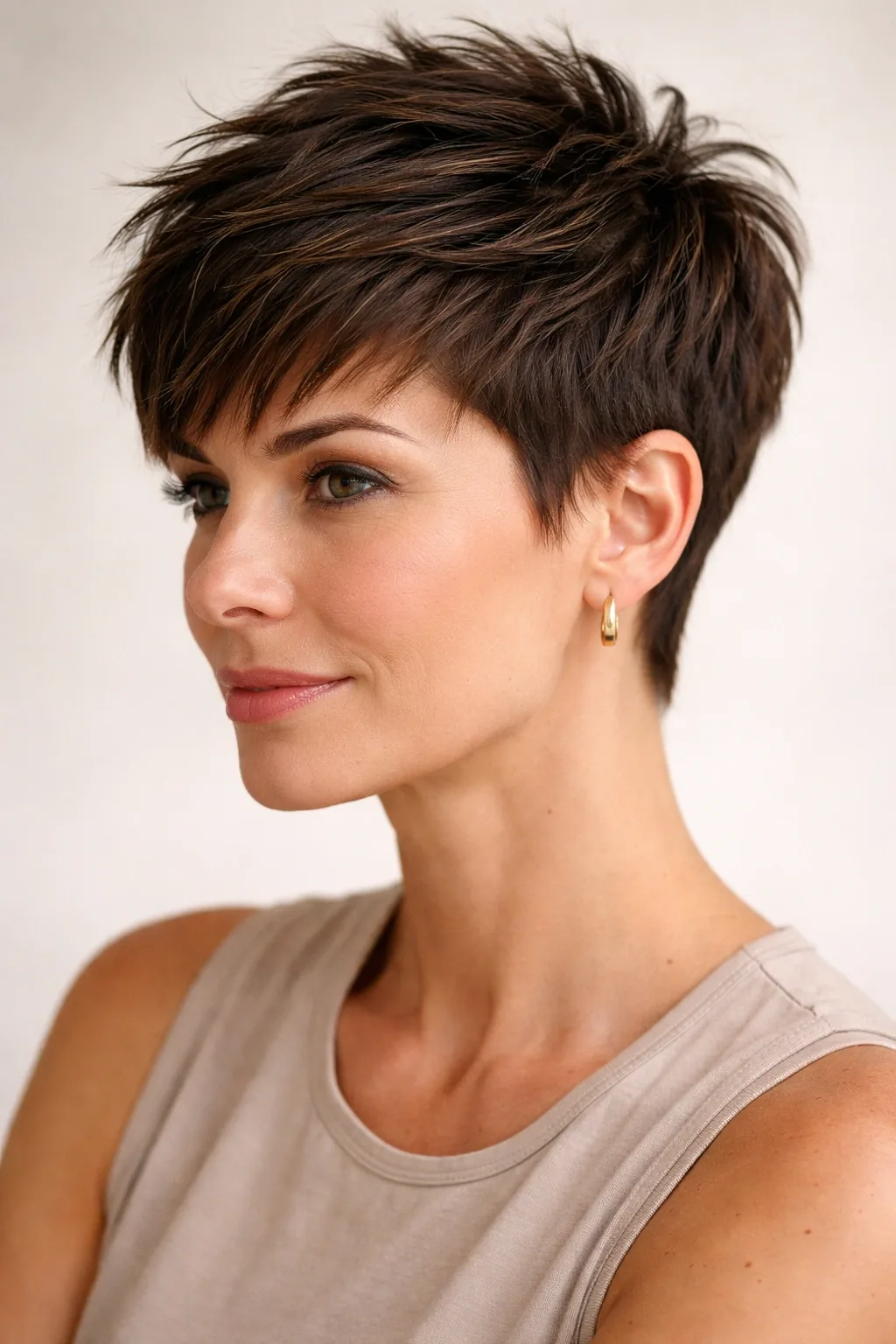
Most pixies are high maintenance, but a textured pixie cut with longer pieces on top and soft, tapered sides is the exception. The texture gives it movement, so it does not need daily styling, and the longer top means the grow-out is a pixie-bob rather than an awkward in-between. Upkeep: a trim every six weeks, which is more often than a long cut but less than a sharp pixie.
Air-dried, it needs a pea-sized amount of styling cream and a quick tousle — under a minute. The common mistake is cutting the sides too short and too blunt, which makes the grow-out obvious within three weeks. Ask for soft tapering instead. Who should avoid it: anyone who wants to go months between appointments — a pixie, even a soft one, is not a twelve-week cut.
8. Long Blunt Cut With Subtle Layers
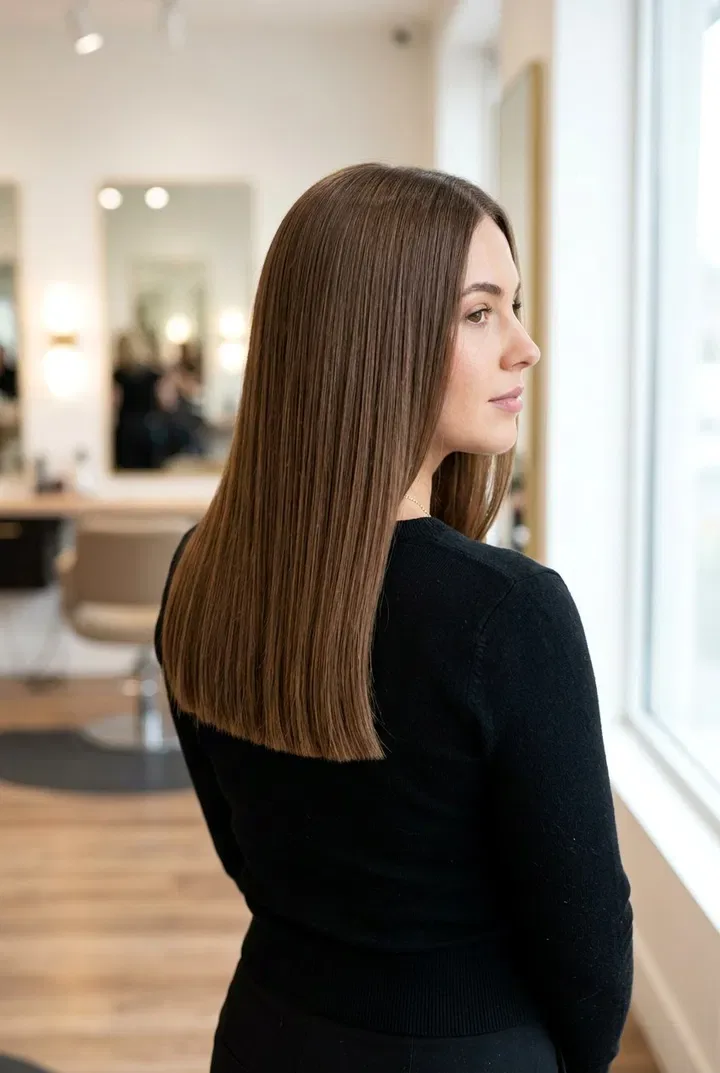
This cut keeps the thick, full look of a one-length long cut and hides just two or three long layers inside it to stop the ends looking heavy. The result is long hair that swings instead of dragging, with a blunt bottom edge that makes the hair look thicker than it is. Upkeep is low: trims every ten to twelve weeks, mostly to keep split ends away.
Grow-out behaviour is excellent, because the layers are so long they barely register as layers — the cut just gets longer. The air-dry test is a pass on straight hair, where the weight does the work, and a partial pass on wavy hair, where the ends may need a scrunch of cream. The verdict: the best low maintenance choice if you love long hair and hate thinning ends.
9. Midi Cut With Invisible Layers

Invisible layers are cut inside the hair, so the outside looks one-length while the inside has movement and lightness. On a midi cut — falling between the shoulders and the chest — that means a shape that looks polished with no visible layering to grow out unevenly. Upkeep: a trim every eight to ten weeks, and the morning routine is a wash and a brush.
The air-dry test is a genuine pass, because the internal layers stop the cut going triangular as it dries. Cost: a standard cut price, with no special products needed afterwards — which is the whole point.
10. French Bob

The French bob is chin-length, slightly curved under, with a soft, undone finish — and its low maintenance secret is that it is supposed to look a little imperfect. There is no sharp line to maintain and no fringe demanding weekly attention, so the cut survives a few extra weeks of growth without looking neglected. Upkeep: a trim every six to eight weeks.
Grow-out is graceful: it becomes a soft bob, then a lob, and each stage looks intentional. Air-dried, it needs only a quick scrunch and it falls into its curved shape. Who should avoid it: very thick hair, where a French bob can puff out into a triangle unless the ends are thinned inside. Ask your stylist to remove bulk from underneath, not from the outline.
11. Butterfly Cut
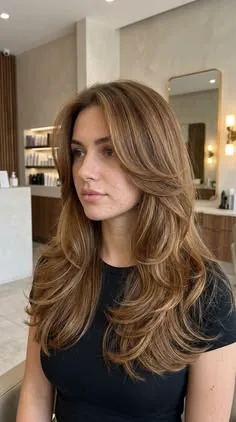
The butterfly cut layers short, face-framing pieces over long lengths, so the hair looks short from the front and long from the back. It is low maintenance in a surprising way: the short layers around the face dry quickly and frame it without heat, while the long lengths underneath just need washing. Upkeep: a trim every ten weeks, with the face layers dusted a little more often if you like them crisp.
The air-dry test is a pass on wavy hair, where the layers encourage the wave, and a decent pass on straight hair, where the face pieces need a quick flick with the fingers while damp. The verdict: a good choice if you want the look of a short cut without giving up your length — but be honest with yourself, because the top layers do need that thirty seconds of direction each morning.
12. U-Shaped Long Cut
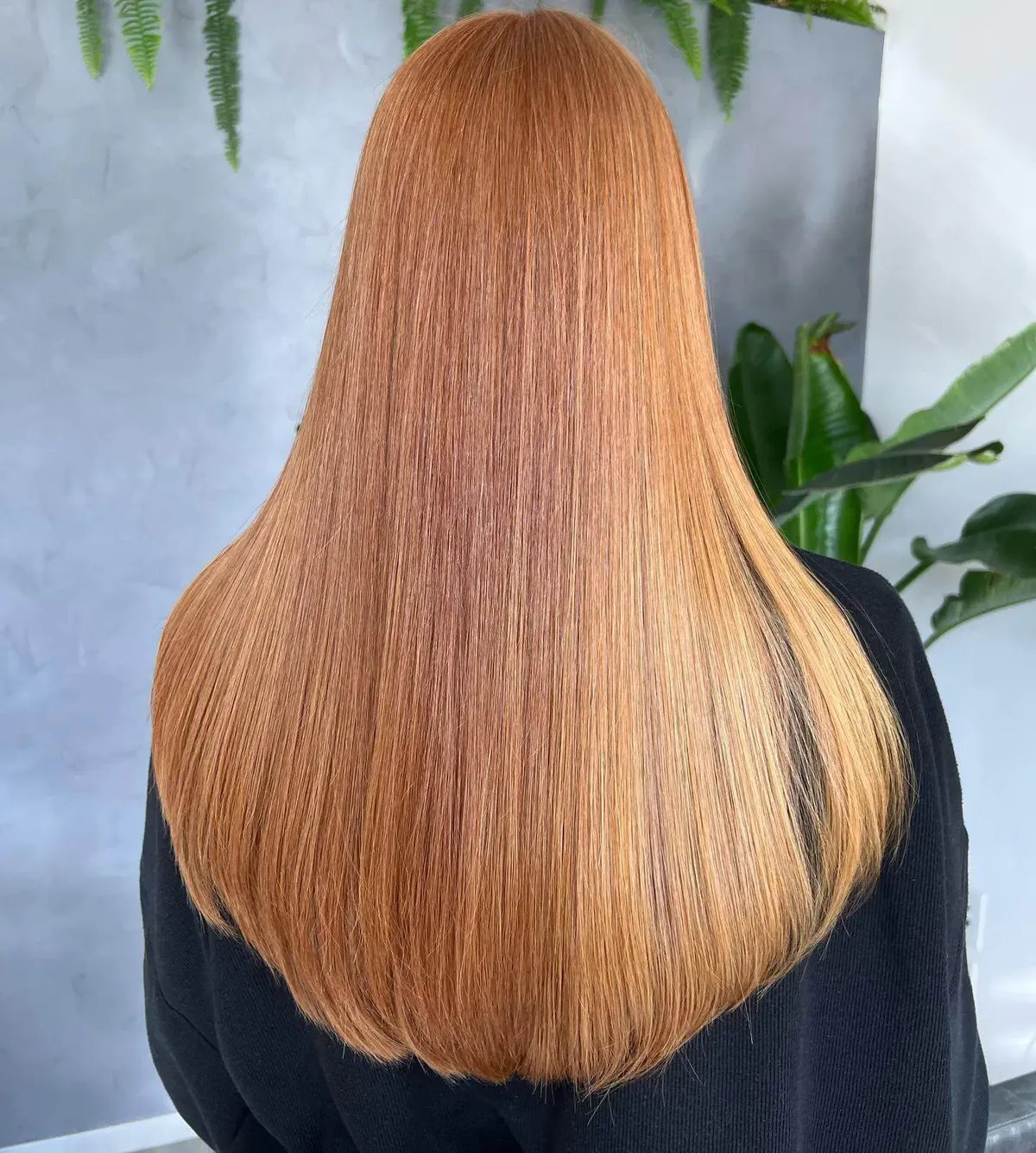
A U-shaped cut is longer in the middle and shorter at the sides when seen from behind, and that shape is doing quiet low maintenance work: the layers at the sides keep the front from looking heavy, while the long centre keeps the overall length. Upkeep is a trim every ten to twelve weeks, and there is nothing to style — the shape is in the cut, not in the styling.
Grow-out is invisible, because the U-shape just gets deeper and longer. The air-dry test is a pass: the hair falls into its U-shape on its own, and the ends look deliberate rather than straggly. Who should avoid it: very fine hair, where the U-shape can make the ends look sparse — a straighter bottom edge holds up better on fine hair.
13. V-Shaped Long Cut
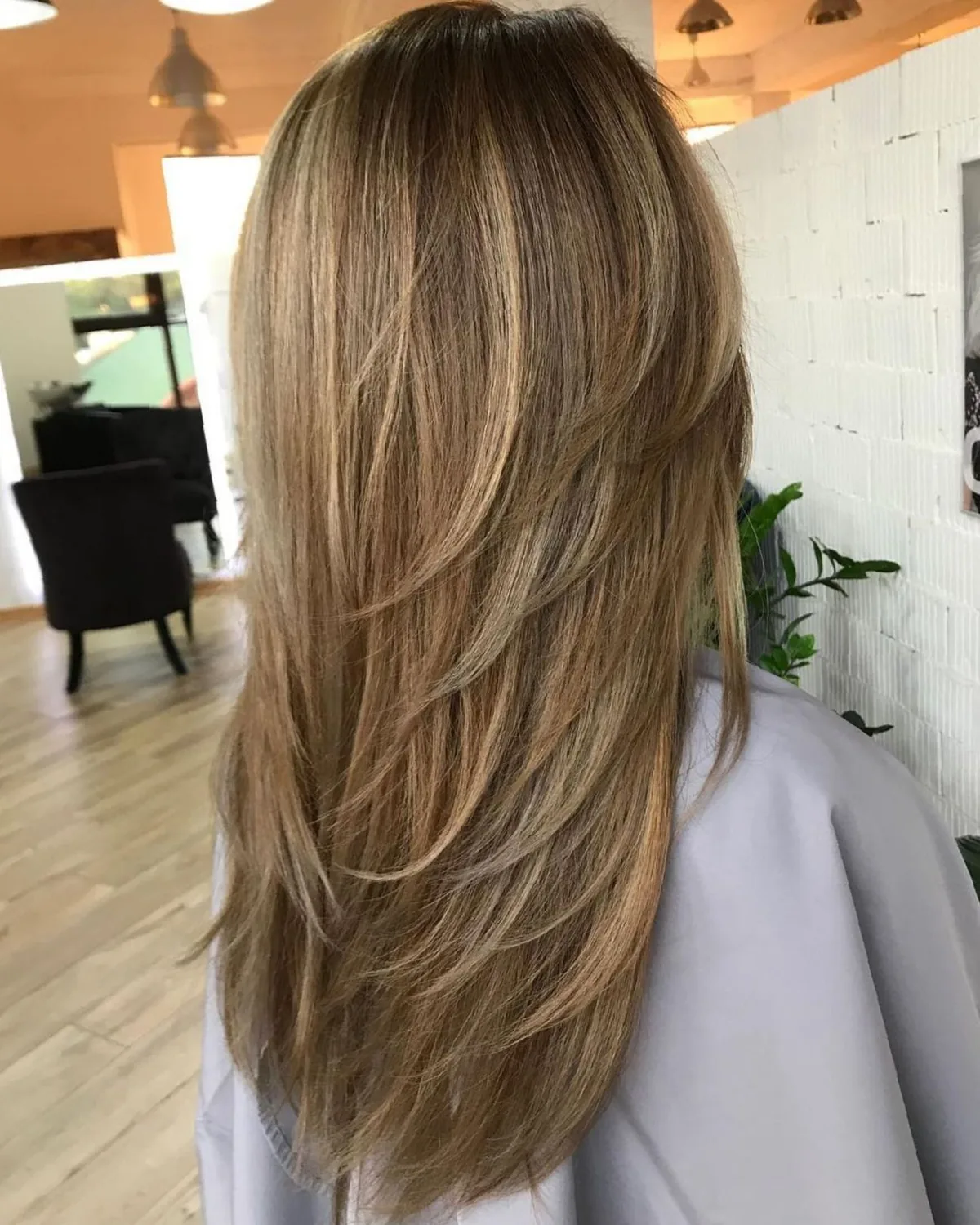
The V-shaped cut takes the U-shape a step further, with a more pointed finish at the back. It suits thick hair particularly well, because the tapering removes weight from the ends without visible layering, and it makes long hair look intentionally shaped rather than simply uncut. Upkeep: trims every ten to twelve weeks.
Air-dried, the V-shape falls cleanly on straight and wavy hair, though curly hair should be careful — the point can look uneven as curls shrink at different rates. The quick verdict: choose the V over the U if your hair is thick and you want the ends to feel lighter; choose the U if your hair is fine and you want the ends to look fuller. Both grow out without drama.
14. Choppy Bob

A choppy bob is cut with textured, uneven ends instead of a straight line, and that unevenness is its low maintenance superpower: there is no perfect edge to lose, so growth is invisible for weeks. Upkeep is a trim every eight weeks, and the daily routine is a scrunch of texture spray or nothing at all.
The air-dry test is one of the strongest in this guide — the choppy ends dry into a piecey, deliberate texture that looks styled when it is not. Pros: fast drying, forgiving grow-out, and a cut that hides second-day hair better than a sleek bob ever will.
15. Wavy Lob

The wavy lob is a lob cut to work with natural wave, not against it — the layers are placed so the wave forms where it wants to, and the length is kept long enough that the wave does not spring the cut up too short. Upkeep: a trim every eight weeks, and the morning routine is a wash, a scrunch, and done.
Grow-out behaviour is kind, because the wave hides a centimetre of growth better than straight hair ever could. The air-dry test is a clear pass — this cut is practically designed for it. Who should avoid it: nobody, really, though pin-straight hair will not get the wave for free and may need a quick braid the night before for texture.
16. Curly Shag
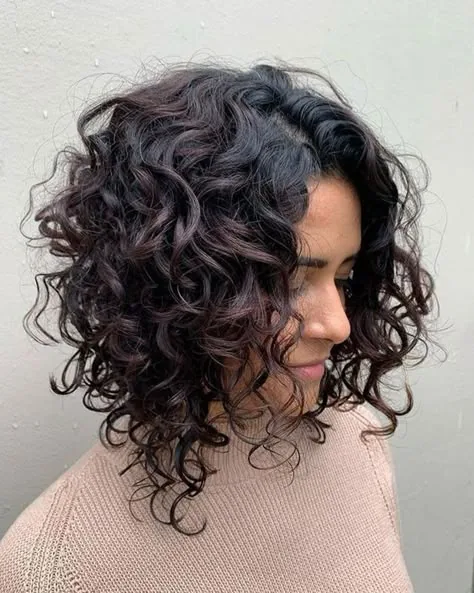
A curly shag gives curls what they need most: room. Shorter layers on top create volume, longer layers underneath keep the length, and the whole shape is cut dry, curl by curl, so the result you leave with is the result you wake up with. Upkeep: a trim every ten to twelve weeks — curly cuts hold their shape longer than straight ones.
The air-dry test is the whole point of this cut: wash, add curl cream, let it dry, and the shag does the rest. The mistake to avoid is letting anyone cut it wet and straight, because curls shrink as they dry and a wet cut will end up far shorter than planned. The verdict: the lowest maintenance cut in this guide for curly hair, and the one that most rewards finding a curly-hair specialist.
17. Layered Pixie-Bob (Bixie)

The bixie sits between a pixie and a bob — longer than a pixie, shorter than a bob — and that in-between length is exactly why it is low maintenance. It is long enough to tuck behind the ears and short enough to dry in minutes, and the layered shape means it does not need daily styling to look finished. Upkeep: a trim every six to eight weeks.
Grow-out is gentle: a bixie grows into a bob, which is a proper haircut in its own right, so there is no awkward stage. Air-dried, it needs a little cream and a tousle. Who should avoid it: very thick hair, where the bixie can puff out — ask for internal thinning to keep the shape flat where it should be flat.
18. Graduated Bob
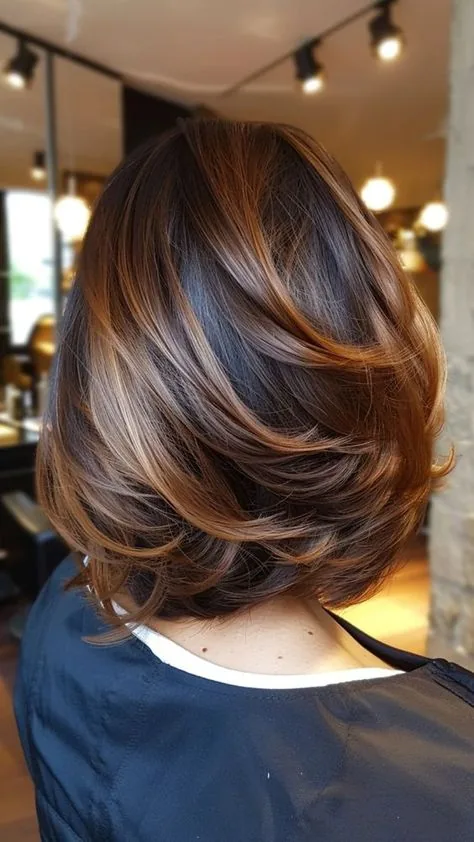
A graduated bob is stacked shorter at the back and longer at the front, which gives it a shape that holds itself up without styling. The stacking creates volume at the back, so the cut looks full even when you do nothing to it. Upkeep: a trim every six to eight weeks to keep the graduation from growing out heavy.
The air-dry test is a pass on straight and wavy hair — the shape dries into itself. The verdict: low daily maintenance, moderate salon maintenance — a fair exchange if you love the shape.
19. Air-Dry Wavy Layers

This cut is designed backwards from the air-dry result: the stylist cuts your hair dry, watching where the wave falls, and places long layers only where the wave needs help. There is no blow-dry in the salon to hide behind, which is exactly how it should be — the cut you see is the cut you will live with. Upkeep: a trim every ten weeks.
Grow-out is excellent, because long layers on wavy hair just get longer and wavier. The daily routine is the shortest in this guide: wash, scrunch out the water, leave it alone. The common mistake is adding a fringe to this cut — a fringe needs daily work, and it breaks the whole no-effort promise. Keep the front long and let the wave frame your face.
20. Long Layers With a Curtain Fringe

A curtain fringe is the one fringe that belongs in a low maintenance guide, because it is long, parted, and designed to blend into the layers around it. The fringe pieces reach the cheekbones, so they never poke your eyes, and they grow out into face-framing layers rather than into an awkward stage. Upkeep: the fringe needs a dusting every six to eight weeks, the rest of the cut every ten to twelve.
The air-dry test is a pass: the parted fringe falls to each side on its own, especially on wavy hair. Who should avoid it: anyone who wants a fringe they never have to think about at all — even a curtain fringe needs that occasional dusting. The verdict: the only fringe worth having if you hate fussing, and the easiest one to grow out if you change your mind.
21. Soft A-Line Bob
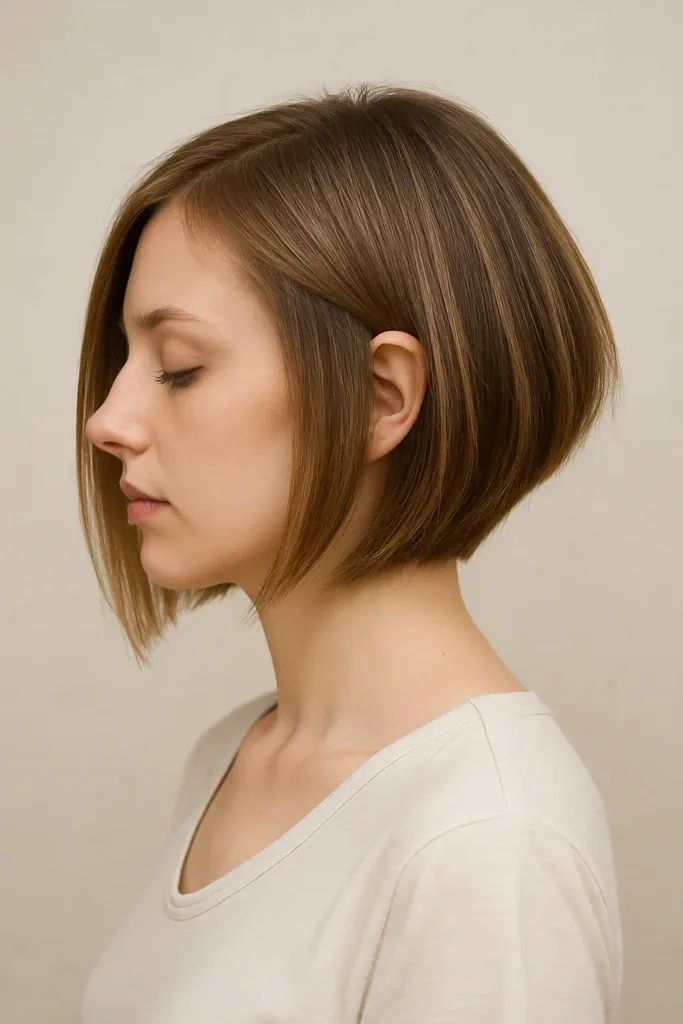
The soft A-line bob is shorter at the back and longer at the front, but with the angles softened so the shape is gentle rather than graphic. That softness is what makes it low maintenance: there is no sharp line to lose, and the grow-out is a longer bob that still looks deliberate. Upkeep: a trim every eight weeks.
Air-dried, it falls into its A-line shape with a quick finger-comb while damp. The pros are a cut that flatters most face shapes and dries fast; the cons are that very curly hair can push the front pieces up, so ask for the front to be cut a touch longer if your hair curls. Cost and time: a standard bob appointment and a two-minute morning.
22. Textured Lob

A textured lob takes the classic lob and cuts texture into the ends, so the hair looks tousled even when it is not. The texture is the styling — it gives the cut movement that a blunt lob only gets from a blow-dry. Upkeep: a trim every eight weeks, and the daily routine is a scrunch of salt spray or nothing.
Grow-out behaviour is forgiving, because textured ends hide growth better than blunt ones. The air-dry test is a pass on wavy hair and a partial pass on straight hair, where the texture may need a little product to show. The verdict: choose the textured lob over the classic lob if your hair is straight and you want movement without heat; choose the classic if your hair already has natural wave.
23. One-Length Pixie
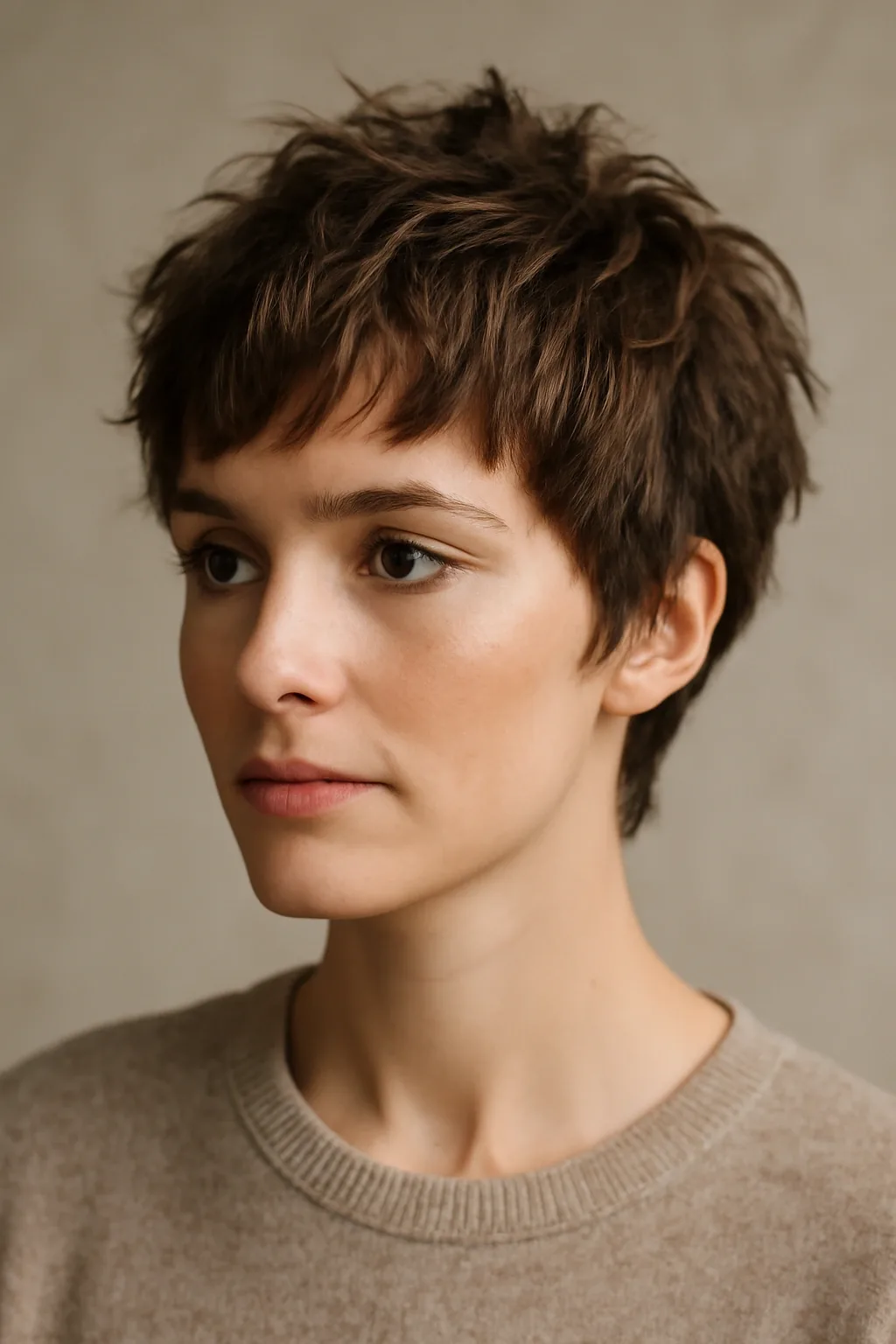
A one-length pixie with no fussy layering is wash-and-go in the truest sense — if your hair is straight or slightly wavy. There is no shape to style into place and no layers to arrange; you wash it, towel it, and walk out. Upkeep is the catch: a trim every four to five weeks, because a pixie shows growth fast.
The air-dry test is a pass for straight hair and a fail for strong curls, where a one-length pixie can spring into a shape nobody asked for. The honest verdict: the lowest daily maintenance and the highest salon maintenance in this guide — perfect if you love the salon and hate the mirror, the wrong choice if it is the other way round.
24. Long Shag With Curtain Bangs

The long shag with curtain bangs is the shag for women who want the texture without going short. The layers run through the length, the curtain bangs frame the face, and the whole cut is built to look good slightly messy — which means it looks good on a day when you did nothing. Upkeep: a trim every eight to ten weeks.
Grow-out is kind, because the layers and the curtain bangs both blend into longer lengths. The air-dry test is a strong pass on wavy and curly hair, where the texture does the work. The common mistake is cutting the shag too short on top, which can make the crown look puffy; keep the top layers long and the shape stays balanced.
25. Rounded Bob

A rounded bob curves gently under at the ends, giving it a soft, polished shape that holds itself without a round brush. The curve is cut in, not styled in, which is the difference between low maintenance and high maintenance. Upkeep: a trim every six to eight weeks to keep the curve from growing out straight.
The air-dry test is a pass on straight hair, where the weight pulls the curve into place. Grow-out is a soft bob, then a lob — no awkward stage. Who should avoid it: very fine hair, where the rounded shape can look flat at the roots; ask for a little internal layering at the crown if your hair is fine. The verdict: the most polished-looking low maintenance bob in this guide.
26. Collarbone Cut (Clavicut)
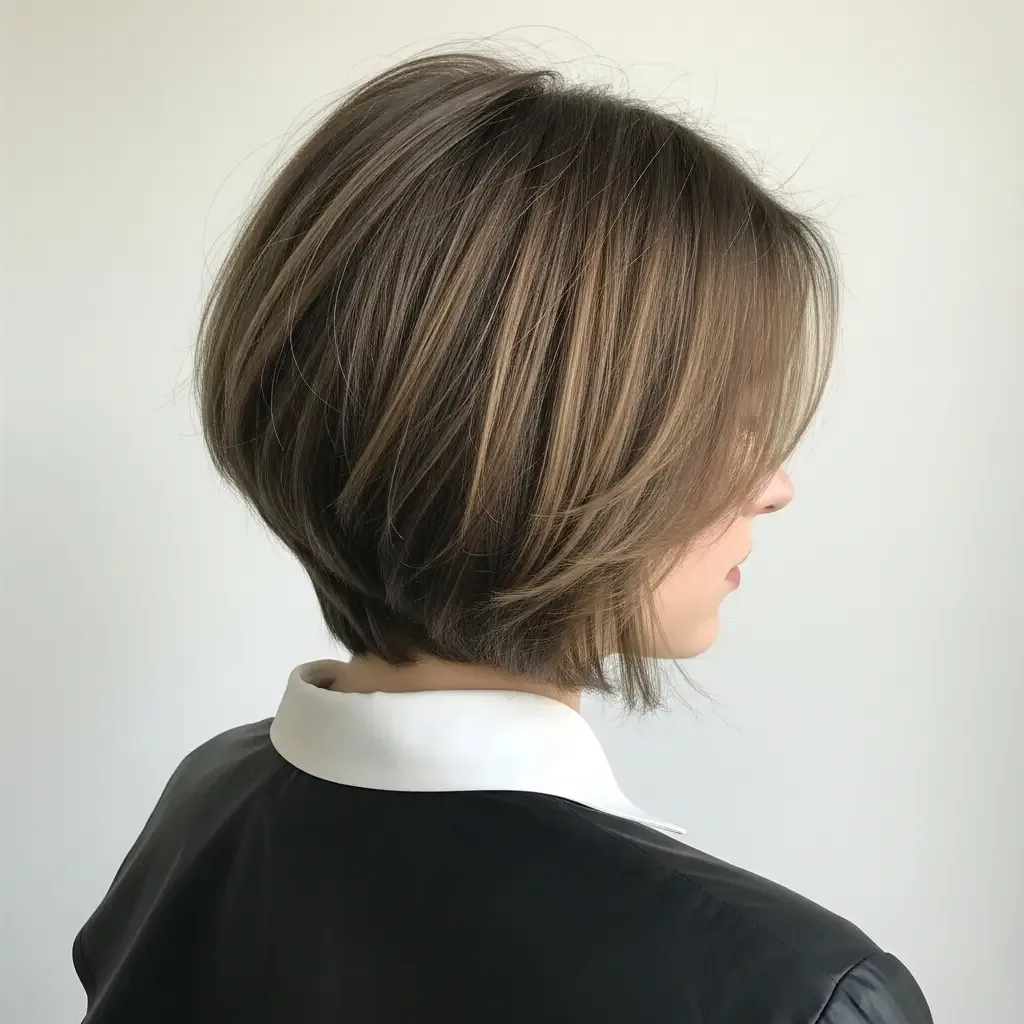
The clavicut ends exactly at the collarbone, and that length is a sweet spot: long enough to tie up, short enough to dry in minutes, and heavy enough to fall straight without styling. Upkeep is a trim every eight to ten weeks, and the morning routine is a wash and a brush — or a low ponytail on the days you cannot be bothered.
Grow-out behaviour is excellent: a clavicut grows into a midi cut, which is another good haircut. The air-dry test is a pass on straight and wavy hair alike. The quick verdict: if you cannot decide between a bob and long hair, this is the answer — it gives you both, with the upkeep of neither. The only warning is for curly hair, where the collarbone length can spring up to a bob; ask for it cut dry.
27. Feathered Mid-Length Cut
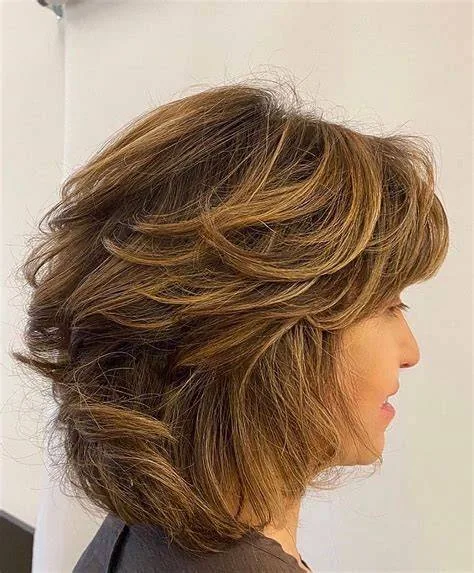
Feathered ends taper into soft, wispy points instead of ending in a hard line, and on a mid-length cut that softness does two things: it makes the hair move, and it makes growth invisible. There is no blunt edge to lose, so the cut looks the same at week two and week ten. Upkeep: a trim every ten weeks.
The air-dry test is a pass — feathered ends dry into a soft, flicked shape without heat. This cut is particularly kind to mature faces, because the softness around the ends is gentler than a blunt edge. Who should avoid it: very thick hair, where feathering can make the ends look thin; ask for the feathering to stay light and the weight to stay in the cut.
28. Internal Layers for Thick Hair
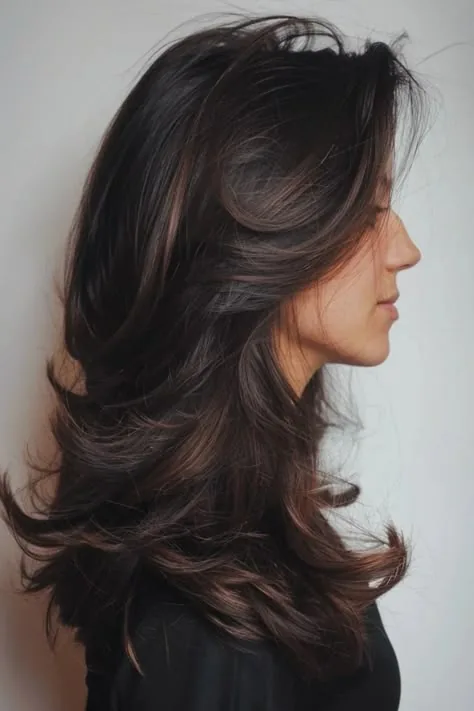
Thick hair’s low maintenance problem is not length, it is weight. Internal layers — cut underneath the top layer of hair — remove bulk without changing the outline, so the hair lies flat instead of puffing into a triangle. Upkeep: a trim every ten to twelve weeks, and the daily routine is a wash and a brush.
Grow-out is excellent, because the internal layers are invisible from the outside — the cut just gets longer. The air-dry test is the real test here: before internal layers, thick hair air-dries into a wide triangle; after them, it falls straight.
29. Short Shaggy Pixie

A short shaggy pixie keeps the pixie’s ease and adds the shag’s forgiveness: choppy layers on top, soft texture around the ears, and no hard lines anywhere. Because the cut is meant to look tousled, it does not need daily styling to look right — a little cream and a shake is the whole routine. Upkeep: a trim every five to six weeks.
Grow-out is softer than a sharp pixie’s, because the layers blend into a longer pixie and then a bixie. The air-dry test is a pass on straight and wavy hair. Who should avoid it: anyone who wants a pixie they can ignore for two months — even a shaggy one shows growth by week six. The verdict: the pixie for women who hate fussing but do not mind the salon.
30. Wavy Shag

The wavy shag is the shag in its natural habitat. The layers are placed to let the wave form, the ends are textured so the wave does not get weighed down, and the whole cut is designed to be scrunched and left alone. Upkeep: a trim every eight to ten weeks, and the morning routine is water, a little cream, and patience while it dries.
The air-dry test is the best in this guide — this cut is built for it. Grow-out is gentle, because wavy layers just get longer and wavier. The common mistake is over-layering, which can make the ends look thin on fine wavy hair; keep the layers long and few. Cost and time: one of the cheapest cuts to live with, because the wave supplies the styling for free.
31. Face-Framing Layers for Thick Hair

Thick hair often gets cut with layers all through it, which can make it look thinner than it is and harder to manage. Face-framing layers are the low maintenance alternative: the bulk stays, the length stays, and only the front pieces are layered, so the face is framed and the hair still feels thick. Upkeep: a trim every ten to twelve weeks.
The air-dry test is a pass — the front pieces dry into a soft sweep and the rest of the hair falls under its own weight. Grow-out is invisible, because the face layers simply get longer. The verdict: the best choice for thick-haired women who want a change without losing their hair’s best feature, which is its thickness.
32. Light Layers for Fine Hair
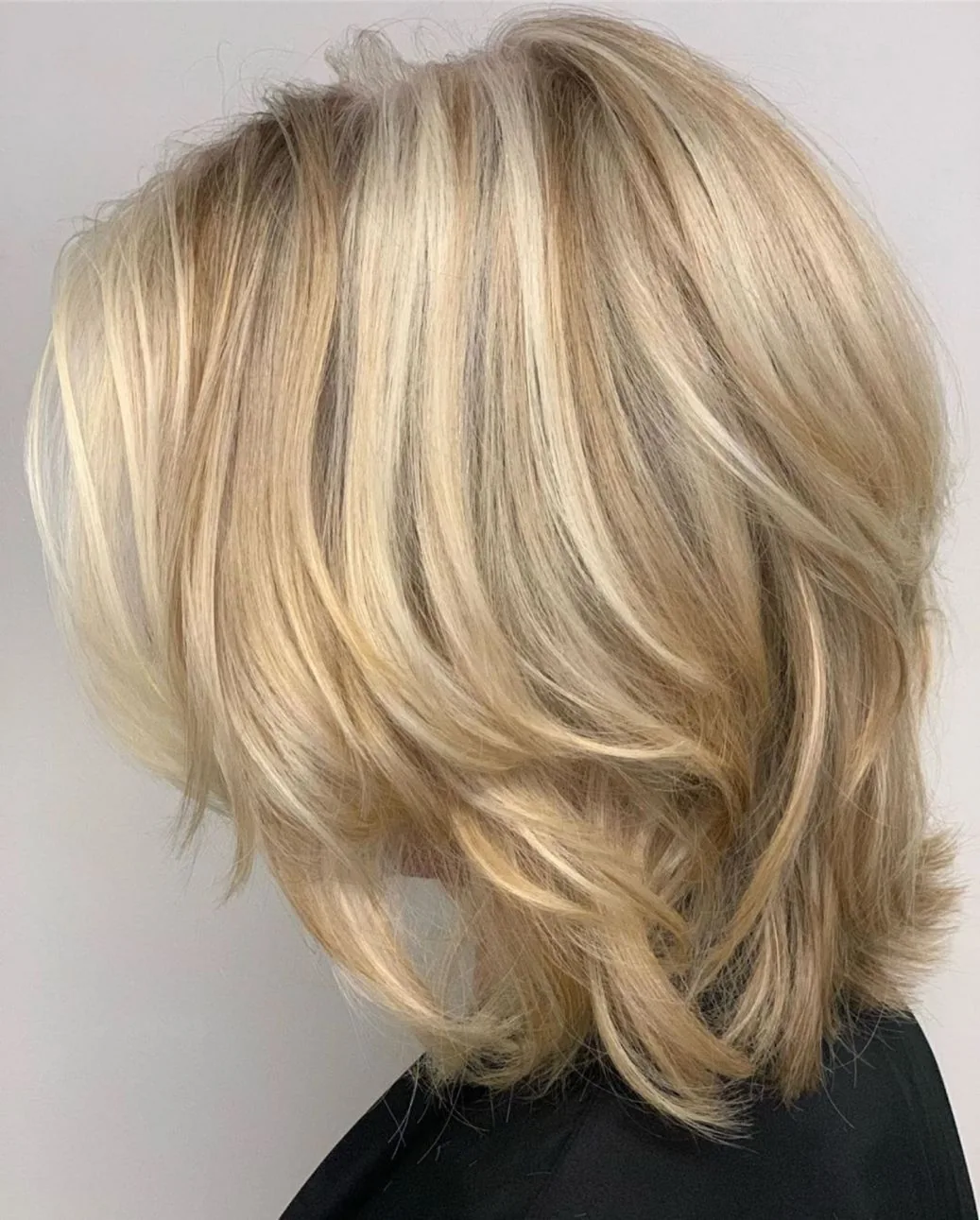
Fine hair needs the opposite of what most layered cuts offer: fewer layers, longer layers, and a blunt bottom edge that makes the ends look full. Light layers — two or three long ones, cut to add movement without removing weight — give fine hair shape without stealing its volume. Upkeep: a trim every eight to ten weeks to keep the ends looking thick.
The air-dry test is a pass, because the weight of the hair pulls it straight and the blunt ends look finished. The mistake to avoid is asking for ‘lots of layers for volume’ — on fine hair, lots of layers usually means thin ends and a cut that looks worse, not better. The quick verdict: if your hair is fine, less layering is more low maintenance, and more flattering too.
33. Curly Lob
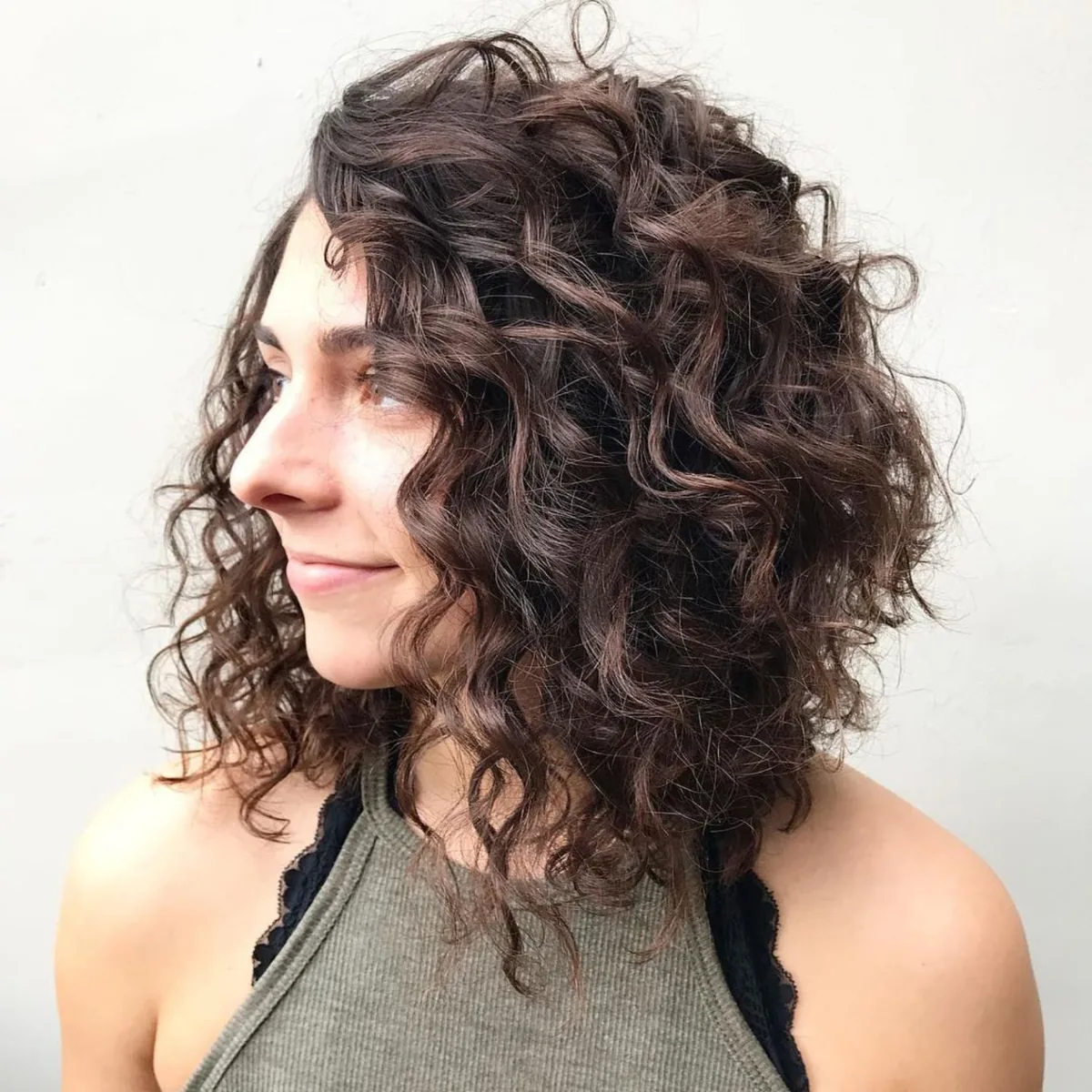
A curly lob is a lob cut dry, curl by curl, at a length that survives the spring of the curls. The key is cutting it longer than the target — curls shrink as they dry, and a lob cut wet can end up a bob by lunchtime. Upkeep: a trim every ten to twelve weeks, which is generous for a short cut, because curly shapes hold well.
The air-dry test is the entire point: wash, add curl cream, let it dry, and the lob holds its shape. Grow-out is a curly midi cut, which is itself a good look. The verdict: the most practical short cut for curly hair, and the one that asks the least of you each morning.
34. Soft Wolf Cut

The wolf cut — part shag, part mullet — sounds like the opposite of low maintenance, but the soft version is surprisingly easy to live with. The layers are long and blended rather than choppy, the top is not too short, and the whole shape is designed to look lived-in. Upkeep: a trim every eight to ten weeks.
Air-dried, it needs a scrunch of texture spray and nothing else; the layers do the styling. Grow-out is kind, because a soft wolf cut just becomes a longer shag. The warning is to avoid the extreme version — a very short top and very long back is a high maintenance shape that needs constant styling. Ask for the soft version, and the cut stays on your side.
35. Sleek Midi Bob

The sleek midi bob falls between the chin and the shoulders, with a clean, straight outline and almost no layering. Its low maintenance secret is weight: the hair is heavy enough to fall straight on its own, so it does not need a flat iron to look sleek. Upkeep: a trim every eight weeks to keep the line clean.
The air-dry test is a pass on straight hair, where the weight does the work, and a partial pass on wavy hair, where the ends may flip. Grow-out is a midi cut, then long hair — no awkward stage. Who should avoid it: very curly hair, where a sleek outline will not hold without heat. The verdict: the most polished low maintenance cut here, for hair that is already mostly straight.
36. Textured Crop
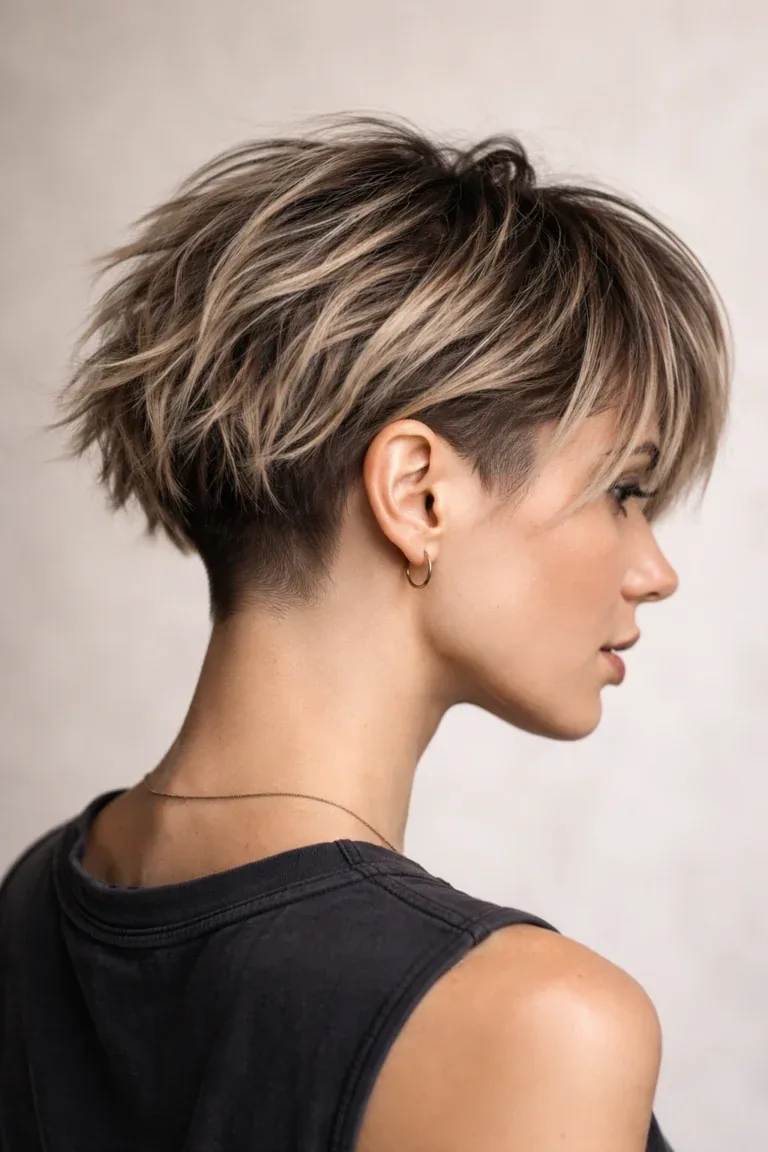
A textured crop is short all over, with choppy, piecey layers on top that give it movement without needing a comb. It dries in minutes, it needs no brush, and the texture hides the fact that you did nothing to it — which is the whole point. Upkeep: a trim every five to six weeks, because short cuts show growth quickly.
The air-dry test is a pass: towel-dry, add a little wax or cream, tousle, done. Grow-out is a pixie, then a bixie, so the stages are all real haircuts. The common mistake is cutting the crop too uniform, which makes it look like a helmet; the texture is what saves it. The verdict: the fastest morning in this guide, traded for the most frequent salon visits.
37. Long Layers With No Bangs

No fringe, no face-framing pieces, just long layers through long hair — this is the most honest low maintenance cut of all, because there is nothing in it that needs attention. The layers keep the hair moving, the length keeps it versatile, and the grow-out is simply longer hair. Upkeep: a trim every twelve weeks, mostly for split ends.
The air-dry test is a pass on every hair type, because there is nothing in the cut that can dry the wrong way. Cost and time: the cheapest cut to maintain in this guide, and the one most women come back to after trying everything else.
38. Shoulder-Length Cut With Soft Ends

Soft ends are the opposite of a blunt edge: the very tips are thinned and tapered, so the cut finishes in a gentle, feathered line instead of a hard one. On a shoulder-length cut, that softness means the hair moves, the grow-out is invisible, and the shape never looks harsh. Upkeep: a trim every ten weeks.
Air-dried, the soft ends fall into a natural, slightly flicked shape. The verdict: choose soft ends over a blunt edge if your hair is thick or wavy and you want the cut to feel lighter; choose the blunt edge if your hair is fine and you want the ends to look thicker. Either way, this is a cut that asks almost nothing of you and gives back a finished look.
39. Air-Dry Curly Cut
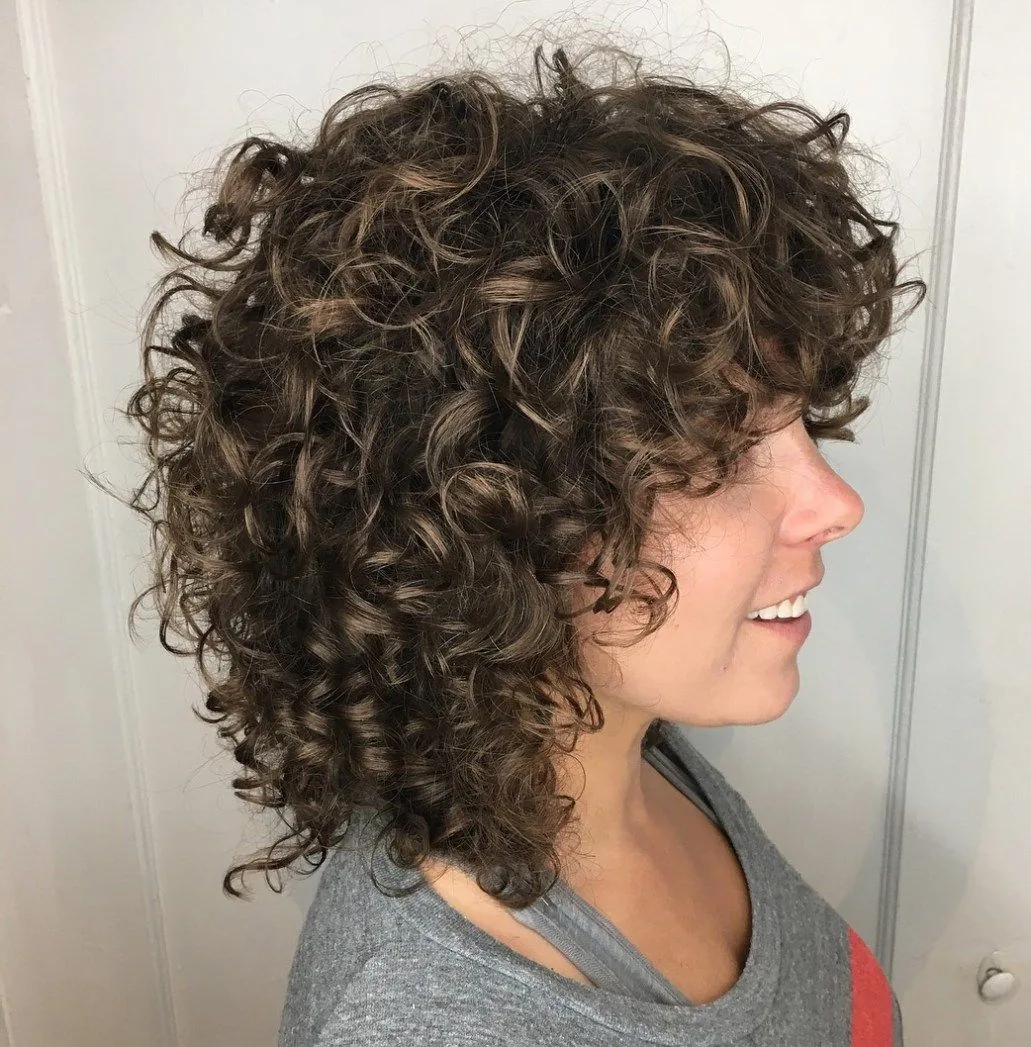
An air-dry curly cut is not a style, it is a method: the stylist cuts your hair dry, curl by curl, watching how each curl falls, and shapes the whole head around your natural pattern. The result is a cut that looks the same wet and dry, because it was designed for the dry result. Upkeep: a trim every twelve weeks — curly cuts hold their shape longest of all.
The daily routine is the shortest in this guide for curly hair: water, curl cream, leave it alone. The mistake to avoid is the wet cut, which is how most curly haircuts go wrong — a curl cut wet will shrink and change shape as it dries. The verdict: if you have curls and you have never had a dry cut, this one change will do more for your mornings than any product ever has.
40. Grown-Out Pixie Transition Cut

Growing out a pixie is famously awkward, but a transition cut makes it manageable: the back and sides are kept neat while the top is left to grow, and soft layers blend the two lengths together. The result looks like a deliberate short cut at every stage, not like a pixie you gave up on. Upkeep: a tidy-up every six weeks while it grows.
The air-dry test is a pass, because the soft layers fall into place without styling. The quick verdict: this is the cut to ask for if you are growing out a pixie and you are tempted to give up — it buys you the months you need, and it looks good while it does it. The common mistake is cutting the top too short to ‘even it out’; patience and blending are what get you through.
41. Grey-Blending Long Layers
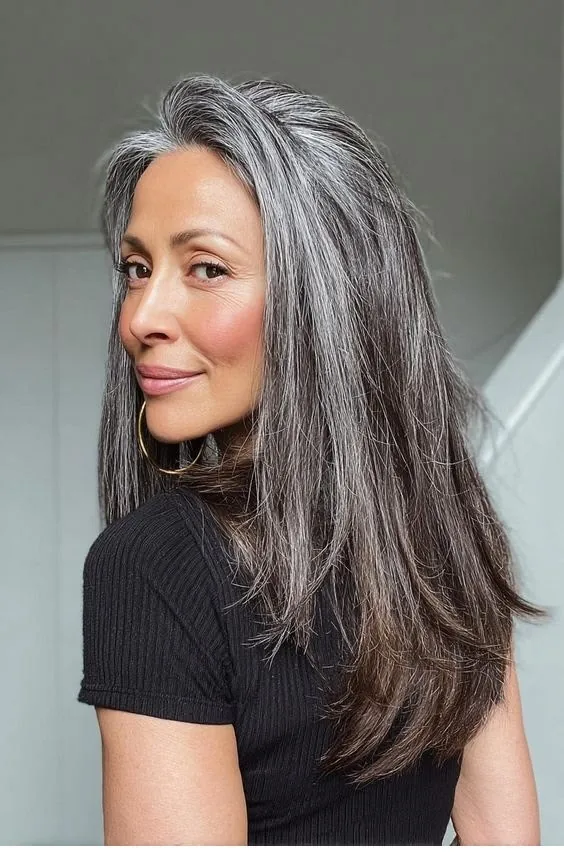
Grey-blending long layers are the lowest maintenance colour and cut combination in this guide. The colour works with your grey instead of covering it, the layers are long and soft, and the whole look is designed to grow out without a visible line — because there is no line to grow out. Upkeep: a trim every ten to twelve weeks, and a gloss or toner every few months if you want it.
The air-dry test is a pass, and the grow-out is the best in this guide, because grey blending is designed to be grown out. The verdict: if you are tired of root touch-ups every four weeks, this is the exit.
What is the most low maintenance haircut for women?
Long layers with face-framing pieces are the most low maintenance haircut for most women, because they air-dry well, grow out without an awkward stage, and need a trim only every 10 to 12 weeks. A classic lob is the best short-to-medium option for the same reasons.
How do I know if a haircut will air-dry well?
A haircut will air-dry well if it is cut for your natural texture — dry-cut for curly hair, long layers for wavy hair, and enough weight to lie flat for straight hair. Ask your stylist to show you the cut air-dried in the salon, not blow-dried, before you decide.
How often should I trim a low maintenance haircut?
Long layered cuts need a trim every 10 to 12 weeks, lobs and midi cuts every 8 weeks, and pixies and short textured cuts every 4 to 6 weeks. Trim when the shape tells you to — thin ends or a lost shape — not just because the calendar says so.
Which haircut grows out the best?
Soft, blended cuts grow out best: long layers, curtain layers, one-length cuts and soft shags all look good for months because they have no hard line to lose. Sharp bobs, blunt fringes and graphic pixies grow out worst, because their shape depends on a precise edge.
Is a pixie cut low maintenance?
A pixie is low maintenance in the morning — wash and go in under a minute — but high maintenance at the salon, needing a trim every 4 to 5 weeks. A textured pixie with longer pieces on top grows out more softly than a sharp one, but no pixie is a months-between-appointments cut.
Can low maintenance haircuts work for curly hair?
Yes, and curly hair often benefits most, because a dry cut shaped curl by curl needs almost no daily styling — just water and curl cream. Curly shags, curly lobs and air-dry curly cuts all hold their shape for 10 to 12 weeks between trims.
What is the lowest maintenance hair colour?
Balayage and grey blending are the lowest maintenance colours, because they start away from the root and grow out as a gradient rather than a line. They can go 4 to 6 months between appointments, while a full root-to-tip colour needs a touch-up every 4 to 6 weeks.
Do low maintenance haircuts need products?
A truly low maintenance haircut needs at most one styling product — a leave-in cream for curls, a drop of oil for dry ends, or dry shampoo for second-day roots. If a cut needs three or more products every morning just to look presentable, the cut does not suit your hair.
How do I ask my stylist for a low maintenance cut?
Tell your stylist how often you honestly want to visit the salon, how much time you will spend styling each morning, and whether you air-dry. A good stylist will then choose a shape that fits those answers — soft layers, a forgiving length, and no fringe that needs weekly trims.
What should I avoid if I want low maintenance hair?
Avoid blunt fringes, sharp geometric bobs, and any cut that only looks good blow-dried straight. Also avoid full root-to-tip colour if you hate salon visits, and avoid cutting curly hair wet — it shrinks as it dries and the shape changes completely.
Conclusion
Low maintenance is not a styling trick, and it is not a product. It is a property of the cut — soft lines that grow out invisibly, layers that follow your natural texture, and a length that forgives a few extra weeks between appointments.
So take the test with you to the salon: tell your stylist how often you will honestly visit, how many minutes you will honestly spend each morning, and whether you air-dry. Then choose the cut that fits those answers, not the one that fits someone else’s hair. Give it two weeks to settle, give it one honest air-dry, and if it passes, you have found your low maintenance cut — wash, go, done.