Why the Modern Shag Haircut Works for Almost Every Woman
Day-two hair is the real test of a haircut. A good shag haircut passes it. You wake up, shake your hair out, add a little texture spray, and it already looks styled — a bit messy in the right places, soft around the face, and full of movement. That is the whole appeal of the modern shag haircut for women.
Unlike a blunt cut that falls flat the moment it loses its blow-dry, a shag is built from layers. Shorter layers on top give lift, longer layers underneath give length, and choppy ends give texture. The result is a cut that works with your natural hair instead of fighting it, whether your hair is straight, wavy, curly, fine or thick.
In this guide you will find 30 shag haircut variations, from a classic long shag to a shaggy pixie, a curly shag and a soft grown-out shag. Each one comes with honest pros and cons and a simple maintenance note, so you can pick the version that fits your hair type and your real morning routine — not just the salon photo.
The Shag, Explained in Plain English

A shag is a layered haircut, not one single style. The stylist cuts layers at different lengths through the hair, with the shortest layers around the crown and face and longer layers underneath. That mix is what creates volume on top, movement through the lengths, and ends that flick out instead of hanging in one heavy line.
Most modern shags also include some kind of fringe — curtain bangs, wispy bangs or a soft full fringe — because short face-framing pieces are part of the look. You do not have to have bangs to have a shag, but they are what give it that relaxed, lived-in feel.
How the Modern Shag Differs From the 1970s Original
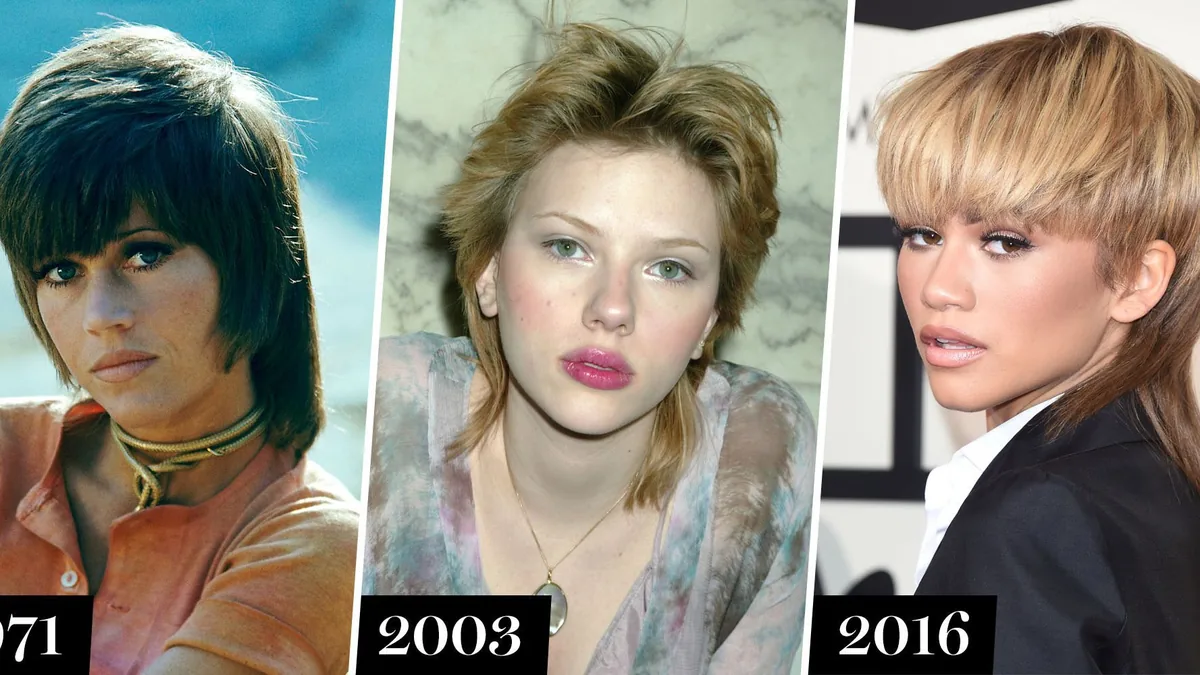
The 1970s shag was bold and heavily feathered, with lots of short, choppy layers and a very strong fringe. It looked great on stage, but it could be hard to grow out and even harder to wear to the office. The modern shag keeps the texture and movement but softens everything.
Today’s version uses longer layers, softer ends and more blending, so the cut grows out gracefully and suits more hair types. Think of it as the same idea with the edges taken off: still textured, still effortless, but much easier to live with day to day.
Picking a Shag for Your Face Shape
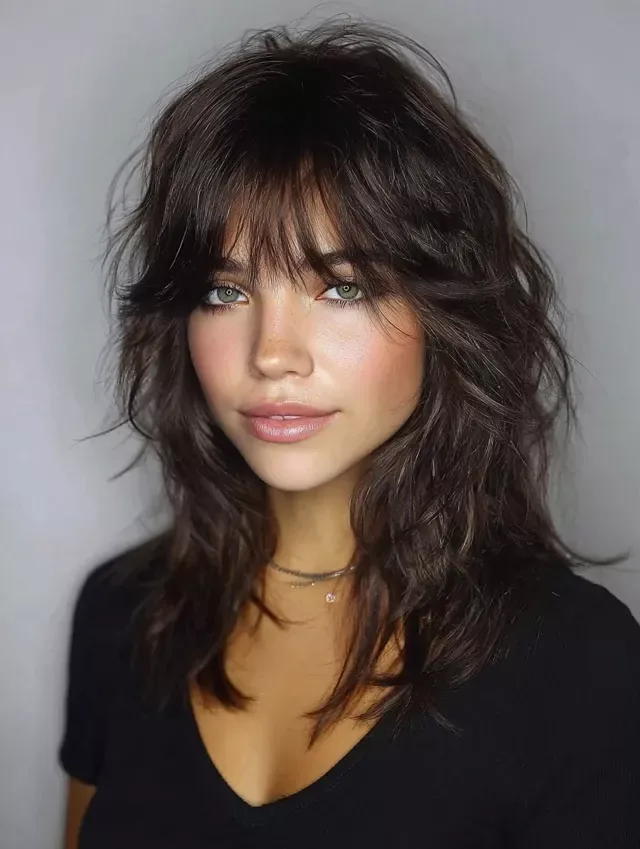
A shag is flexible, which is why it suits so many face shapes — the trick is where the shortest layers fall. For a round face, keep face-framing layers below the chin so they lengthen rather than widen. For a long face, a fringe and layers around the cheekbones help balance the length.
For a square face, soft, rounded layers work better than sharp, stair-step pieces at the jaw. For an oval face, almost any shag length works, so choose by hair type and styling time instead. Bring photos of your own face shape, not just the model’s, to your appointment.
Shag Cuts for Fine vs Thick Hair
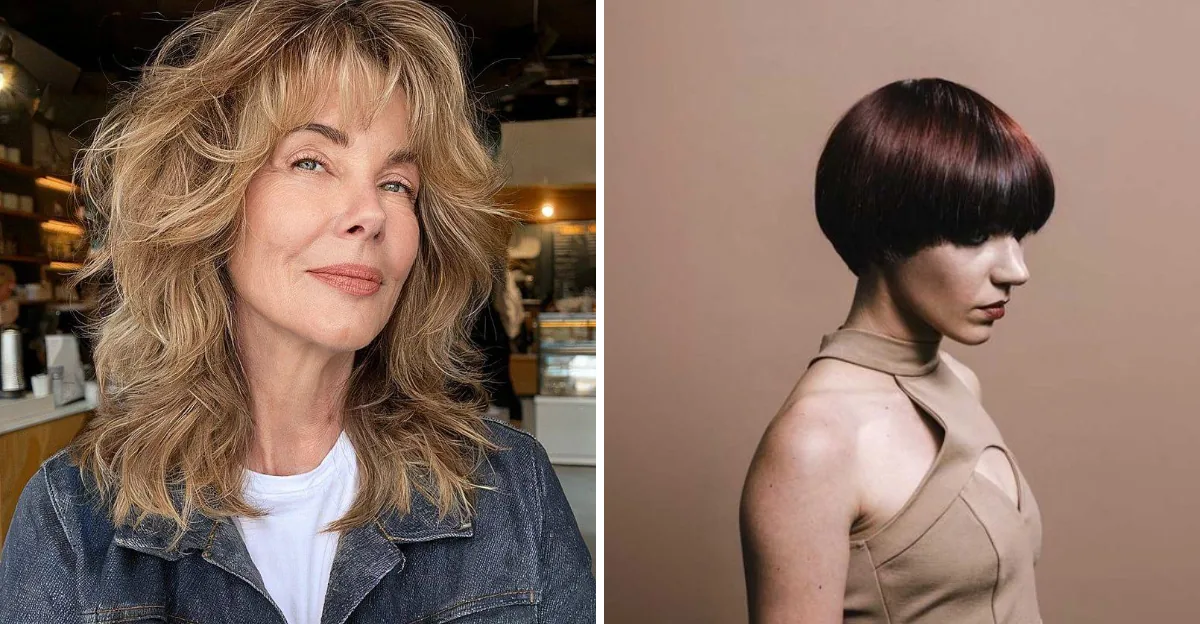
Fine hair and thick hair need opposite kinds of shag. Fine hair needs fewer, longer layers placed carefully, so the cut adds movement without taking away the little fullness you have. Too many short layers can make fine hair look thinner, especially at the ends.
Thick hair needs the opposite: more internal layering to remove weight and bulk, so the hair moves instead of sitting like a triangle. If your hair is thick, ask for layers that thin from the inside, and be ready for a cut that actually feels lighter the moment you leave the salon.
Layers, Bangs and Fringe Options
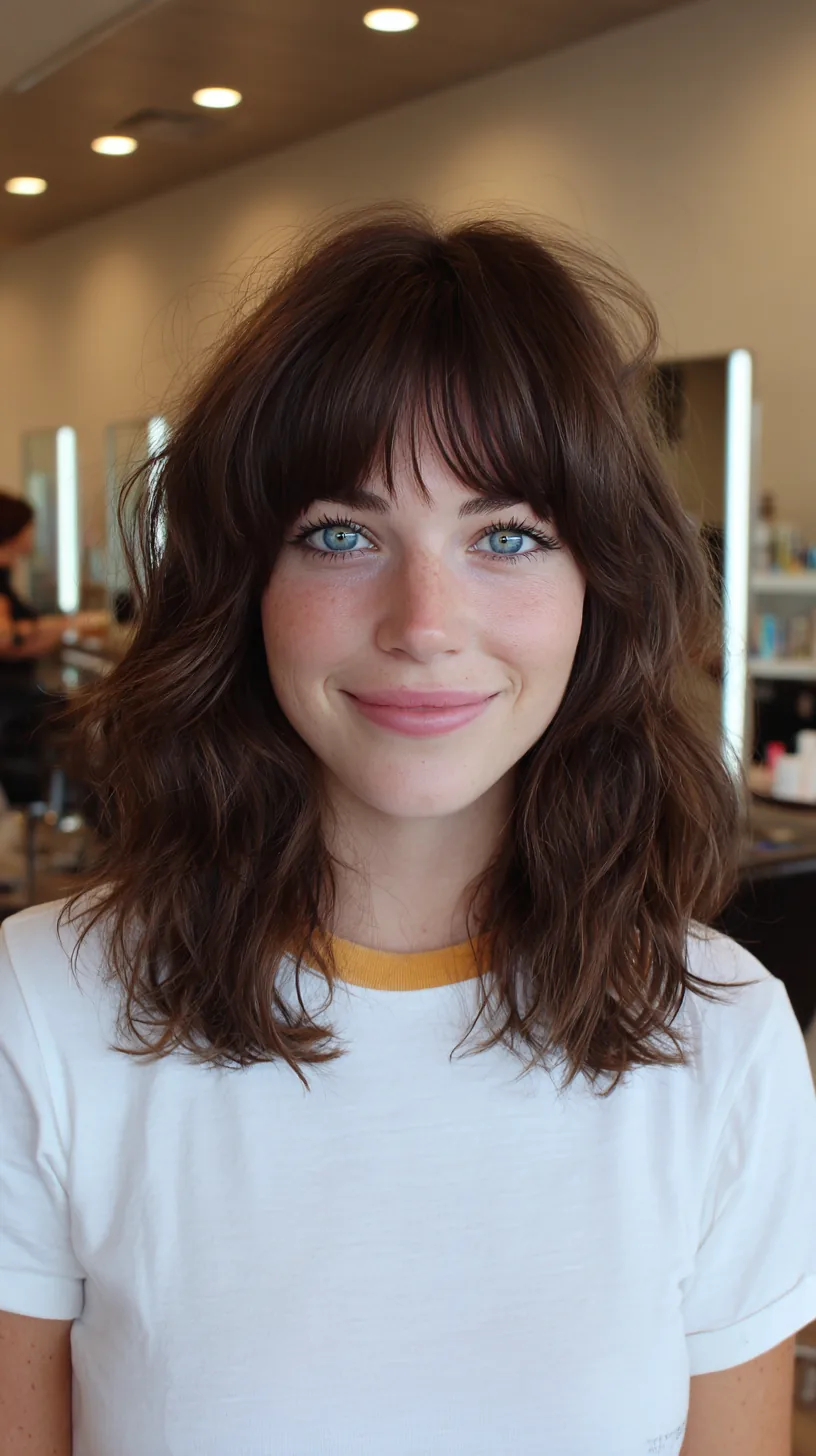
Layers and fringe are the two decisions that change a shag most. Short, choppy layers give a bold, edgy finish; long, soft layers give a gentle, grown-out feel. Curtain bangs blend into the layers and grow out easily, while wispy bangs are lighter and easier to style on busy mornings.
A full fringe makes the strongest statement but needs the most upkeep, and bottleneck bangs — short in the middle, longer at the sides — sit neatly between the two. If you are unsure, start with longer curtain bangs. Your stylist can always cut them shorter at your next visit.
Colour Ideas That Show Off Shag Layers
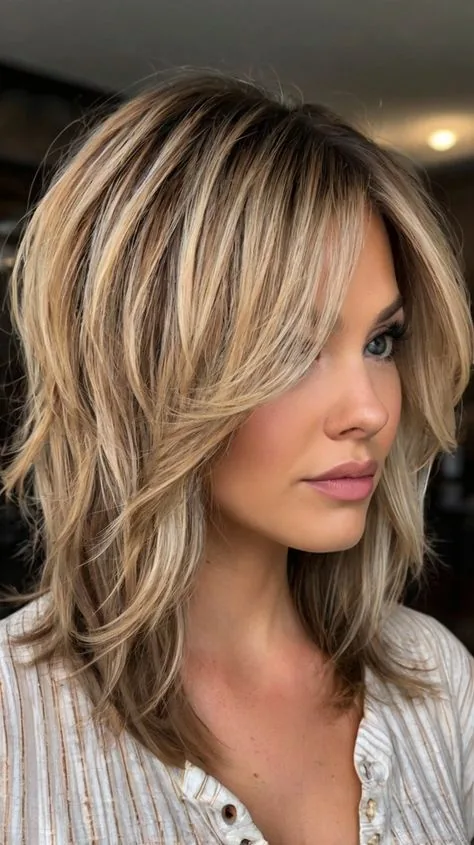
Layered cuts show colour beautifully because every layer catches the light differently. Balayage is the easiest win: hand-painted highlights through the mid-lengths and ends make the layers visible without a harsh root line. Face-framing highlights do the same job around the face.
Warm caramel, honey and copper tones add softness to a shag, while cool ash or espresso tones make the texture look sharper. If you want low maintenance, keep the colour close to your natural shade and ask for a lived-in blend, so regrowth looks intentional rather than overdue.
How Often to Trim a Shag
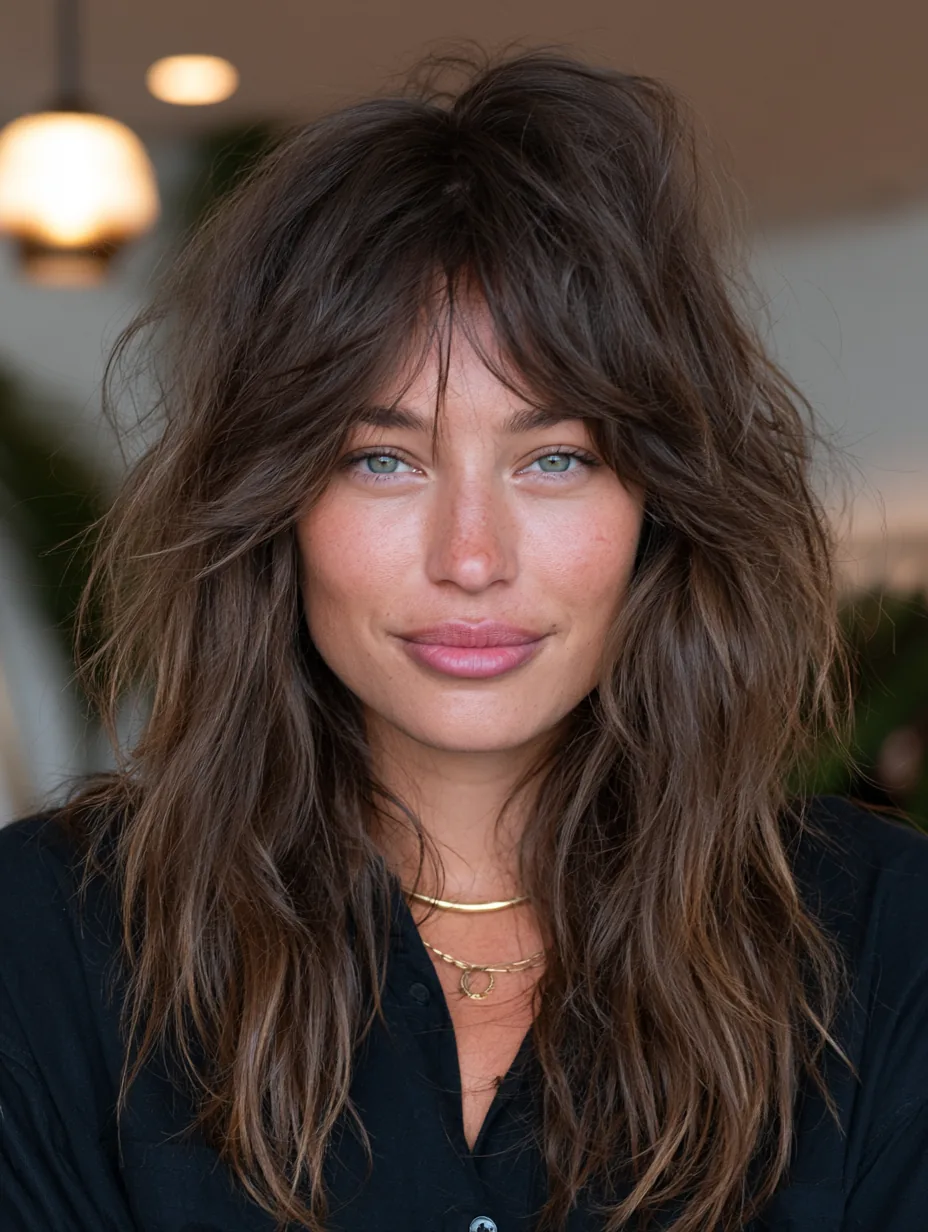
A shag is forgiving, but it still needs trims to keep its shape. Most medium and long shags need a trim every 8 to 10 weeks. Short shags and shaggy pixies need one every 5 to 7 weeks, because short layers lose their shape faster. Bangs usually need a light tidy every 3 to 4 weeks, and many salons offer a free fringe trim between cuts.
The good news is that a shag grows out better than a blunt cut. Between trims it just gets softer and longer, which is exactly the grown-out look many people want. If you are stretching the gap, use a little texture spray and let the ends do their thing.
Shag Styling Kit: What You Actually Need
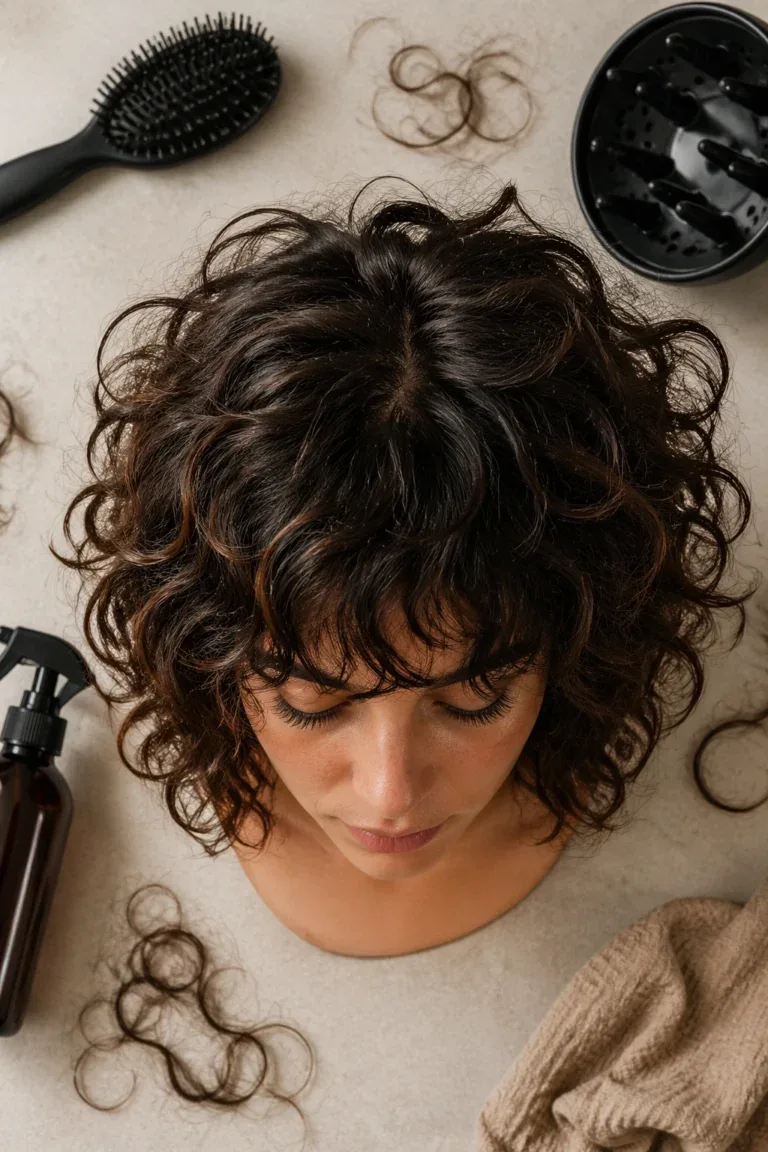
You do not need a drawer full of products for a shag. The essentials are a light texture spray or sea-salt spray, a small amount of styling cream or pomade for the ends, and a heat protectant if you use a wand or dryer. A diffuser helps curly and wavy shags, and a round brush helps smoother versions.
What you can skip: heavy oils that flatten layers, strong-hold gels that make texture look stiff, and daily full heat styling. A shag looks best a little undone, so the goal is to enhance what your hair does naturally, not to force it into a perfect shape every morning.
1. Classic Long Shag
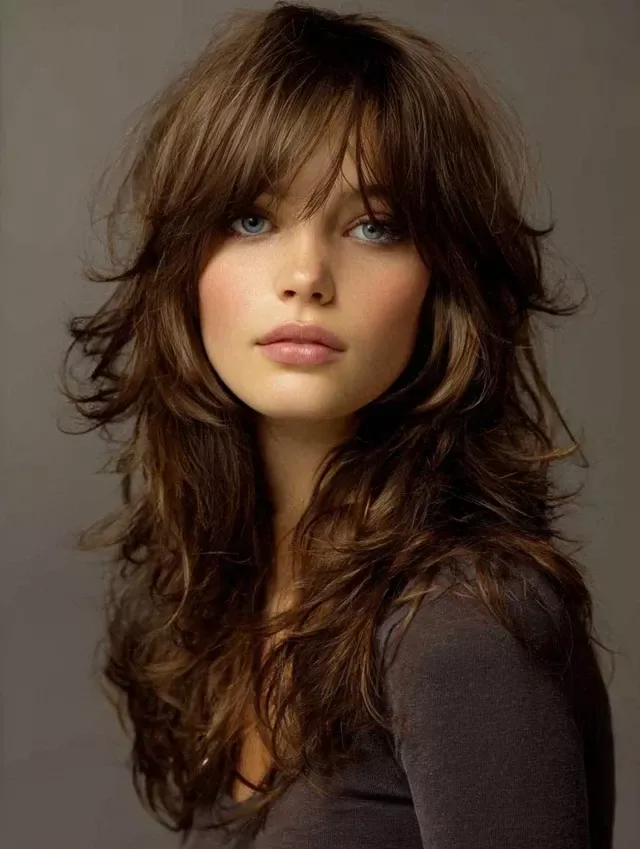
The classic long shag keeps length past the shoulders while adding layers through the crown and face. It is the easiest entry point into shag haircuts, because you keep the length you love and simply gain movement, lift and texture that a one-length cut cannot give.
It suits straight and wavy hair best, and it is especially good if you like to wear your hair down most days but want it to look styled without a full blow-dry.
Pros:
- Keeps long length while adding real movement.
- Looks good air-dried or roughly blow-dried.
- Grows out gracefully between salon visits.
Cons:
- Can look heavy at the ends if layers are cut too long.
- Needs some texture product or waves can fall flat.
Maintenance: Trim every 8 to 10 weeks to keep the layers fresh. Daily effort is low: rough-dry or air-dry, scrunch in texture spray, and leave it alone.
2. Shaggy Bob
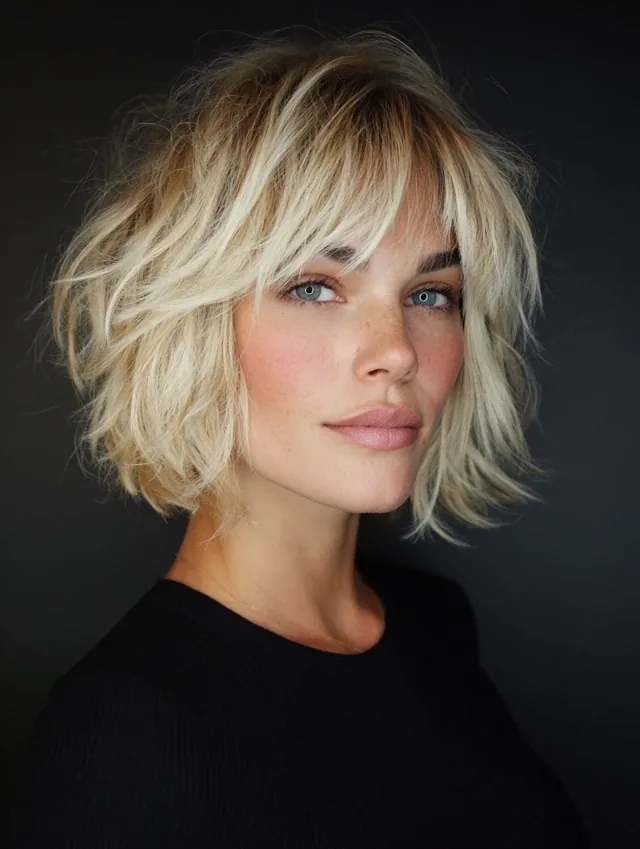
A shaggy bob takes a chin-to-jaw-length bob and breaks it up with choppy layers and textured ends. Instead of a neat, boxy shape, you get a soft, piecey bob with movement — a modern, relaxed take on a classic short cut.
It is a great choice if you want short hair but find blunt bobs too severe or too hard to style. The layers do most of the work, so even a quick dry looks intentional.
Pros:
- Short, fresh and full of movement.
- Easy to style in under ten minutes.
- Suits straight, wavy and lightly curly hair.
Cons:
- Needs trims more often than longer shags.
- Can puff up in humidity without a smoothing cream.
Maintenance: Trim every 6 to 7 weeks. Daily effort is low to medium: blow-dry roughly with a brush or diffuse, then piece out the ends with a dab of cream.
3. Midi Shag with Curtain Bangs
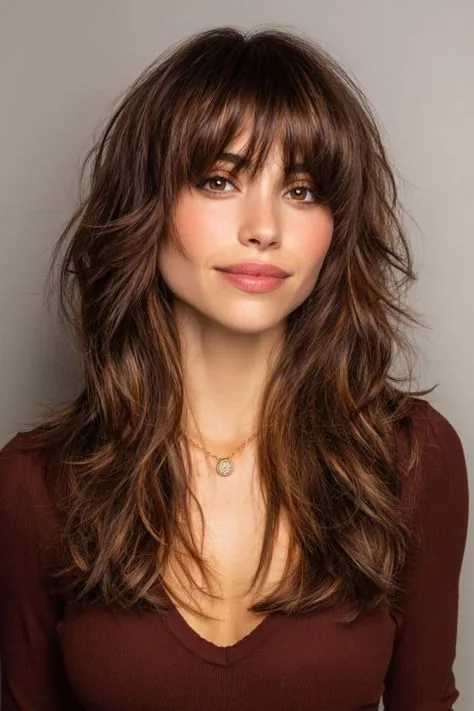
This is the shag most people picture: shoulder-to-collarbone length, soft layers, and curtain bangs that part in the middle and sweep to each side. It frames the face gently and blends the fringe into the rest of the cut.
It works on almost every hair type and face shape, which is why stylists recommend it so often. If you only try one shag, this is the safest, most flattering place to start.
Pros:
- Curtain bangs flatter most face shapes.
- Medium length is versatile for tying up or wearing down.
- Grows out very well.
Cons:
- Curtain bangs need a quick blow-dry to sit right.
- Can look flat on very fine hair without root lift.
Maintenance: Trim every 8 weeks, with a fringe tidy every 3 to 4 weeks. Daily effort is low: dry the bangs forward then sweep to each side, and add texture spray through the lengths.
4. Curly Shag
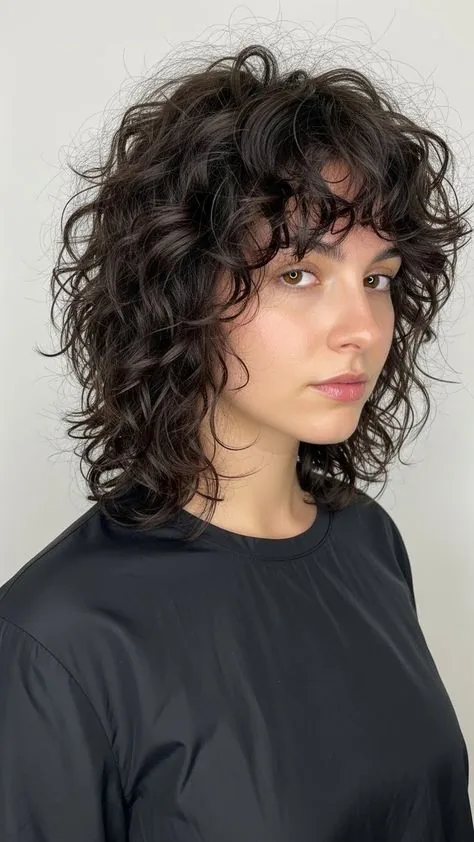
A curly shag is cut to work with curl pattern, not against it. Layers are kept longer than in a straight-hair shag so curls fall in a rounded shape instead of springing up into a triangle, and the crown gets enough layering for lift without frizz.
It is best cut dry or on naturally dried curls, so your stylist can see how each curl actually falls. The result is defined, bouncy curls with shape — not a shapeless mass of hair.
Pros:
- Gives curls shape, lift and definition.
- Reduces the heavy triangle shape.
- Looks great air-dried.
Cons:
- Must be cut by someone experienced with curly hair.
- Can shrink up noticeably as it dries, so length planning matters.
Maintenance: Trim every 10 to 12 weeks, ideally on dry curls. Daily effort is low: apply curl cream to wet hair, scrunch, diffuse or air-dry, and do not brush dry curls.
5. Wavy Shag

A wavy shag is made for natural waves. Layers encourage the wave pattern, remove weight that pulls waves straight, and let the hair fall in soft, tousled pieces instead of one flat sheet.
It is the lowest-effort shag of all if your hair already waves. On good days you may need nothing more than a scrunch of cream and a few minutes of air-drying.
Pros:
- Enhances natural waves beautifully.
- Very low daily effort for wavy hair.
- Looks deliberately tousled, not messy.
Cons:
- Waves can go frizzy in humidity without cream.
- Straight-haired wearers will need a wand to fake the wave.
Maintenance: Trim every 8 to 10 weeks. Daily effort is low: scrunch wave cream into damp hair, diffuse on low heat or air-dry, and finish with a light spray.
6. Shag for Fine Hair
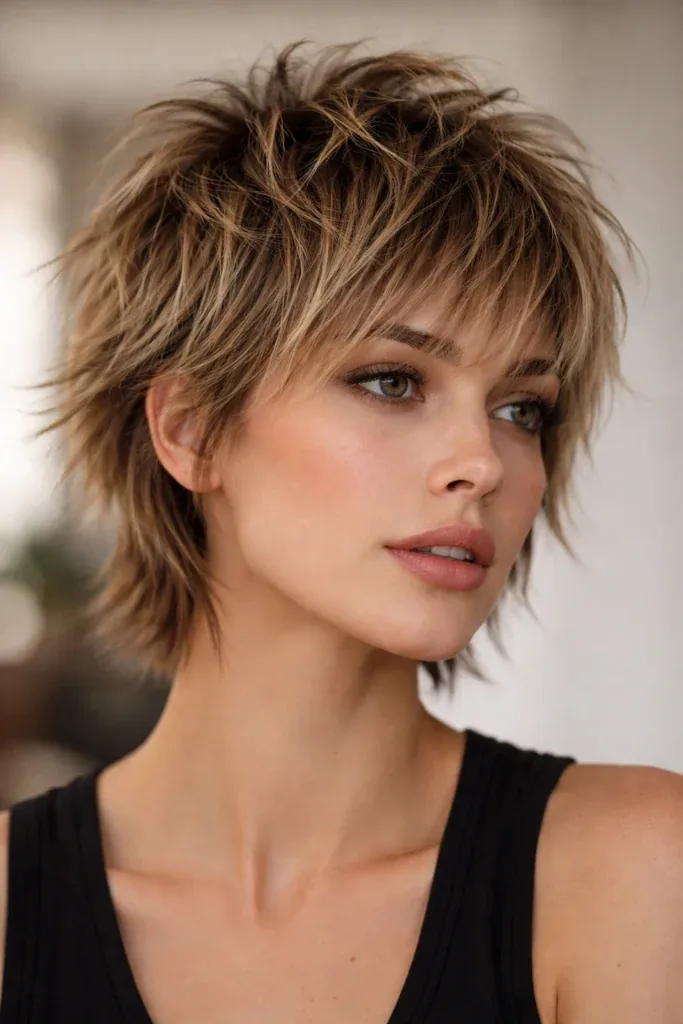
A fine-hair shag uses fewer, longer layers and a soft, textured perimeter. The aim is movement without removing fullness — the layers create the illusion of thickness, while the ends are kept blunt enough to look full rather than wispy.
It suits fine, straight or lightly wavy hair, and it is a good fix if your hair always looks flat in a one-length cut but you are scared of layers thinning it out further.
Pros:
- Adds movement and the look of fullness.
- Keeps ends looking thick, not wispy.
- Easy to style with root lift spray.
Cons:
- Too many short layers can make fine hair look thinner — ask for restraint.
- Needs root product for lasting volume.
Maintenance: Trim every 7 to 8 weeks to keep ends full. Daily effort is low to medium: lift roots while drying, use a light volumising spray, and avoid heavy oils.
7. Shag for Thick Hair
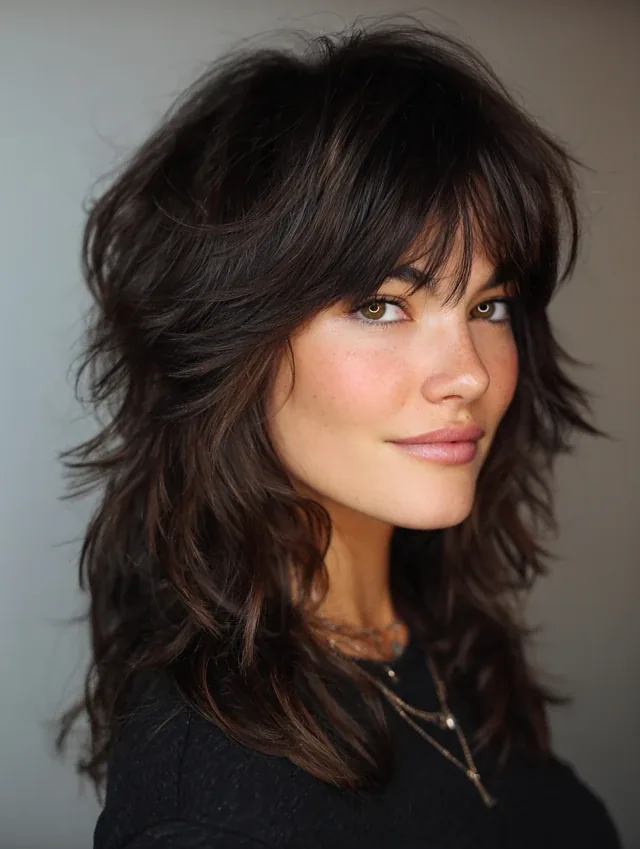
A thick-hair shag uses internal layers to take weight out from inside the hair, so the outside shape stays smooth while the bulk disappears. The result feels lighter, dries faster, and moves instead of sitting in one solid block.
If your hair takes forever to dry, puffs up, or feels heavy on your neck, this is the version to ask for. It is transformative for thick hair in a way a simple trim never is.
Pros:
- Removes bulk and weight without losing length.
- Cuts drying time noticeably.
- Stops the triangle shape thick hair often gets.
Cons:
- A bad layering job can leave thick hair looking choppy — choose your stylist carefully.
- May need a smoothing cream to keep frizz down.
Maintenance: Trim every 8 to 10 weeks. Daily effort is medium: use a smoothing or texturising cream, rough-dry or diffuse, and let the layers fall naturally.
8. Shaggy Pixie
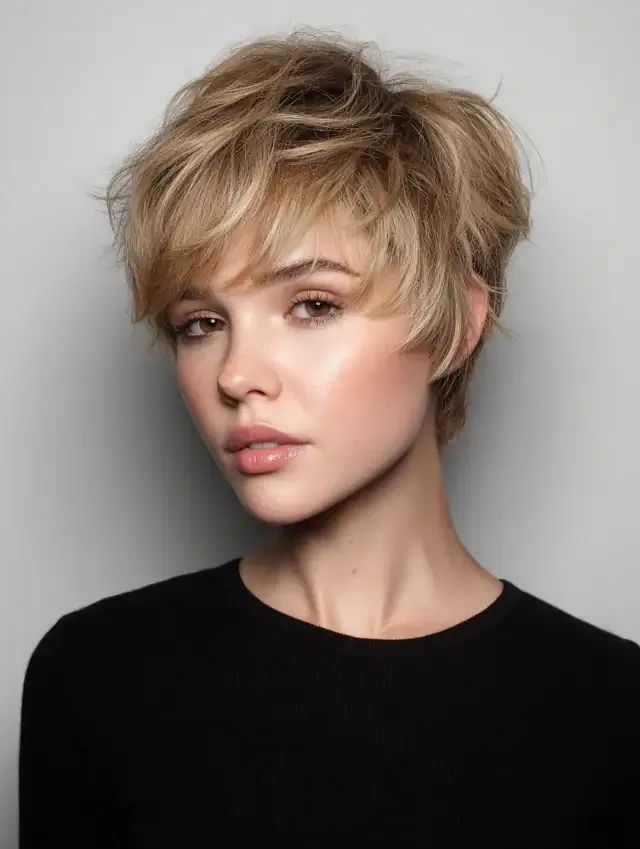
A shaggy pixie keeps the short length of a pixie but adds longer, piecey layers on top and around the face. It is softer and more textured than a neat pixie, with a fringe that can be swept, tousled or worn forward.
It suits confident short-hair wearers who want edge without severity, and it works well on straight and wavy hair that holds a little texture.
Pros:
- Bold, modern and very low on daily styling time.
- Longer top layers keep it soft, not severe.
- Shows off cheekbones and eyes.
Cons:
- Needs the most frequent trims of any shag.
- Growing it out takes patience and regular reshaping.
Maintenance: Trim every 5 to 6 weeks. Daily effort is very low: rub in a little pomade or wax, tousle, and go.
9. Wolf-Cut Shag
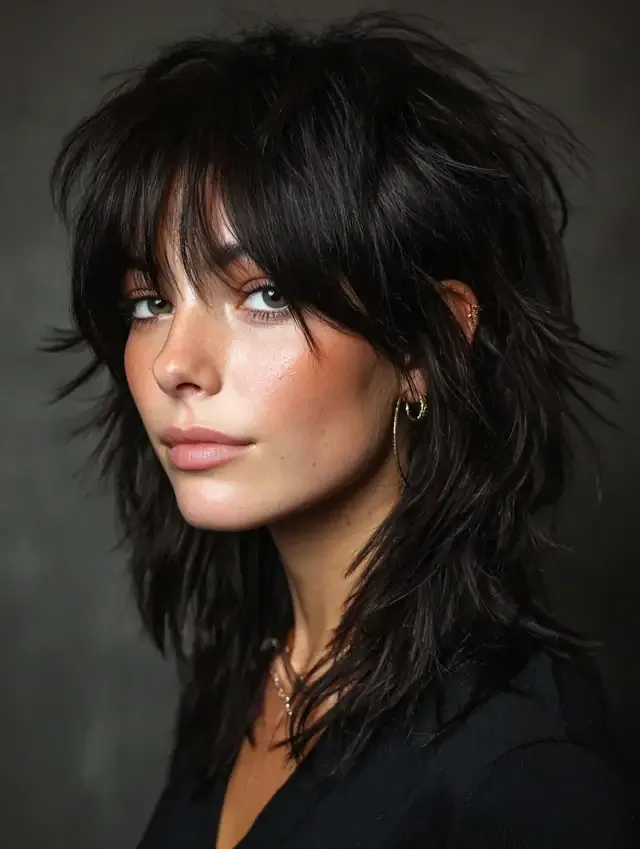
The wolf-cut shag is the bolder cousin of the classic shag: shorter, choppier layers on top, longer lengths underneath, and lots of texture. It gives a deliberately wild, rock-inspired silhouette that still reads as a shag rather than a mullet.
It suits thick and wavy hair best, where the volume supports the shape, and it is ideal if you like an edgy, statement cut rather than a subtle one.
Pros:
- Maximum volume and texture.
- A strong, fashionable statement cut.
- Great for thick and wavy hair.
Cons:
- Too bold for very conservative workplaces.
- Short top layers can be hard to tie back neatly.
Maintenance: Trim every 6 to 8 weeks to keep the top layers defined. Daily effort is low to medium: diffuse or rough-dry, scrunch in texture cream, and piece out the ends.
10. Wispy-Bang Shag
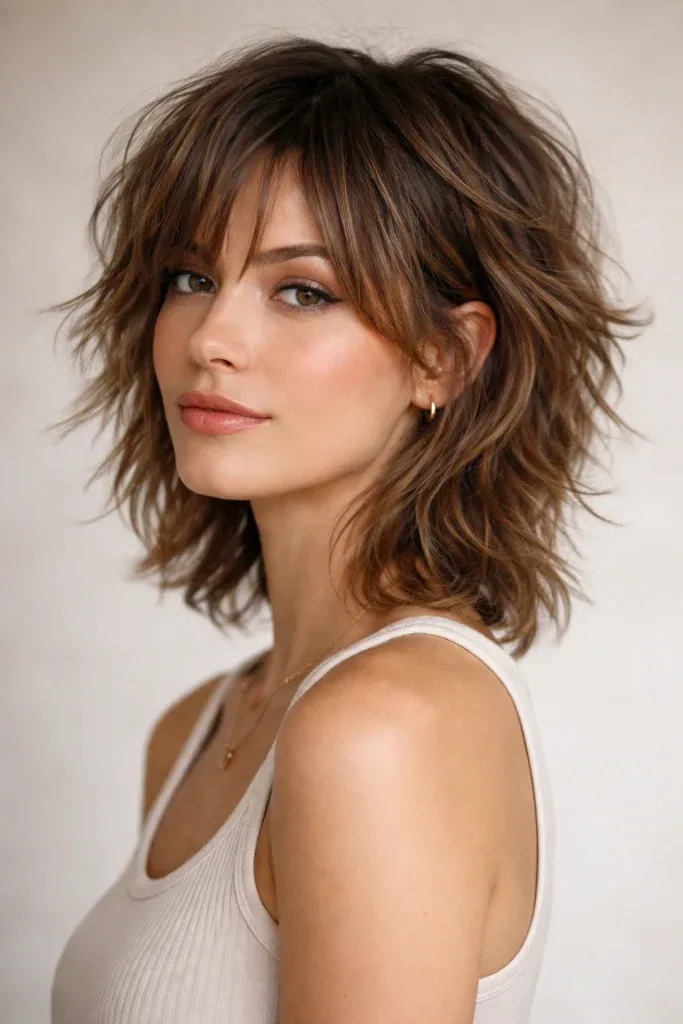
A wispy-bang shag pairs layered texture with a light, see-through fringe. The bangs soften the forehead without hiding it, and they blend gently into the face-framing layers on each side.
It is a good first fringe if you have never had bangs, because wispy bangs are forgiving, easy to sweep aside on bad days, and grow out without an awkward stage.
Pros:
- Softens the forehead without a heavy fringe.
- Easy to grow out and easy to sweep aside.
- Suits most face shapes.
Cons:
- Fine wispy bangs can separate on oily scalps.
- Needs a quick dry or they can sit flat.
Maintenance: Trim every 8 weeks, with bang tidies every 3 to 4 weeks. Daily effort is low: blow-dry bangs quickly with fingers or a small brush, then add texture spray.
11. Full-Fringe Shag
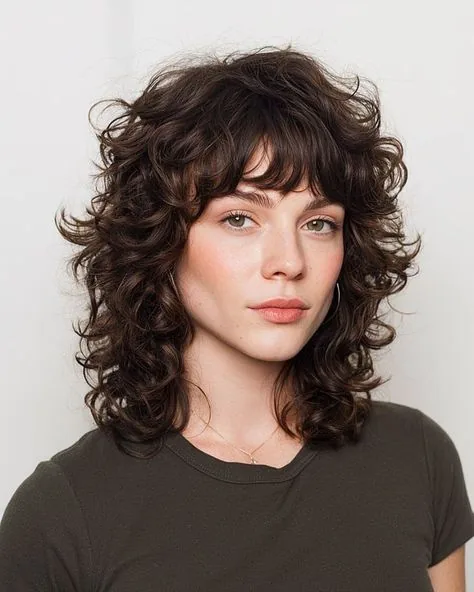
A full-fringe shag combines a straight-across fringe with textured layers. The contrast is the point: a defined fringe on top, soft choppy movement underneath. It gives a retro, fashion-forward feel with a modern, softer cut underneath.
It suits oval and long faces especially well, and straight or slightly wavy hair that holds a fringe neatly. If your forehead is broad, a softer, slightly feathered full fringe works better than a thick, heavy block.
Pros:
- Strong, stylish and eye-catching.
- Frames the eyes beautifully.
- Works well with straight and wavy hair.
Cons:
- Highest-maintenance fringe option.
- Can look heavy on round faces if cut too thick.
Maintenance: Trim the fringe every 3 to 4 weeks and the cut every 7 to 8 weeks. Daily effort is medium: dry the fringe straight with a brush, then texture the lengths.
12. Shaggy Lob

A shaggy lob is a long bob — collarbone length — with shag layers and textured ends. It is the perfect middle ground: short enough to feel fresh and modern, long enough to tie up, and layered enough to move.
It suits almost everyone, which is why it is one of the most requested salon cuts. If you are growing out a bob or cutting down long hair, this is the natural meeting point.
Pros:
- Versatile length that still ties up.
- Flattering on most face shapes and hair types.
- Easy to style both smooth and tousled.
Cons:
- Can lose shape quickly if layers are too short.
- Needs texture product to avoid looking like a plain lob.
Maintenance: Trim every 7 to 8 weeks. Daily effort is low: rough-dry, add texture spray, and twist a few pieces for definition.
13. Feathered Shag
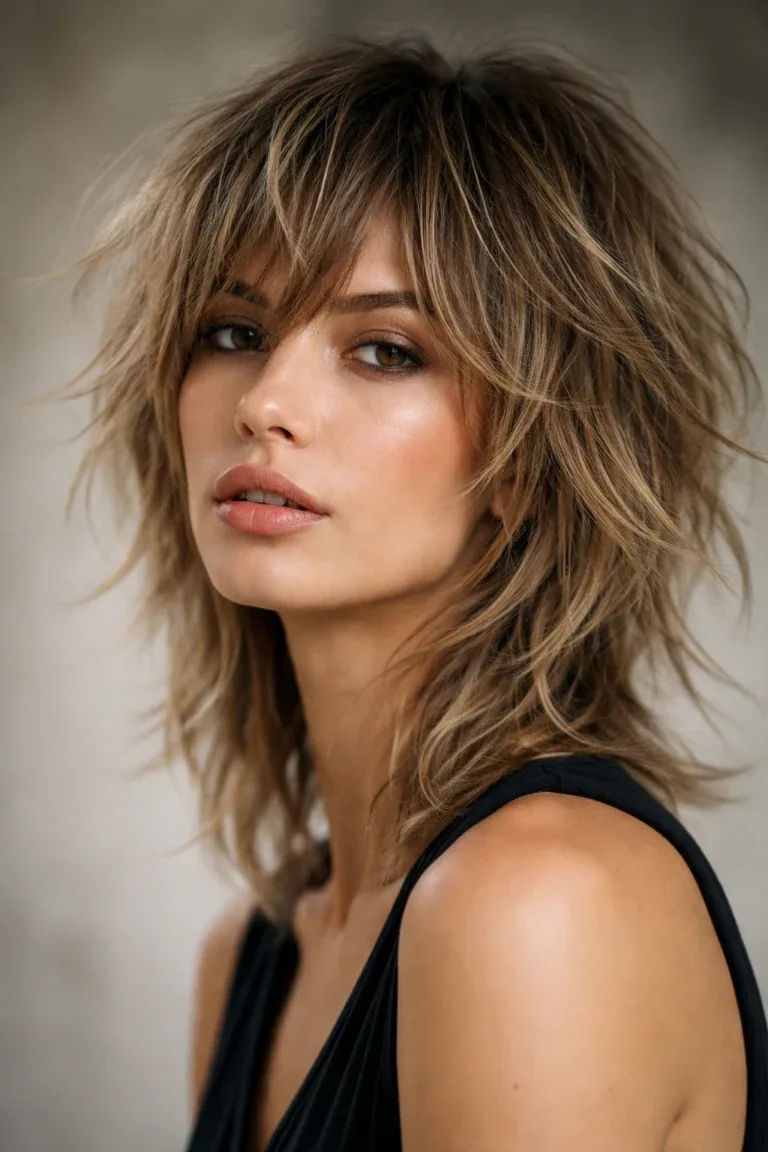
A feathered shag uses finely tapered layers that flick softly away from the face, like classic feathered hair but with a modern, softer finish. The ends are light and airy rather than blunt, so the hair moves and catches light.
It suits straight and slightly wavy hair, and it is a lovely option if you like a polished shag that still looks soft rather than choppy or edgy.
Pros:
- Light, airy movement around the face.
- Looks polished yet relaxed.
- Grows out very softly.
Cons:
- Feathering needs a blow-dry or brush to show properly.
- Can look dated if layers are cut too short and flippy.
Maintenance: Trim every 8 weeks. Daily effort is medium: blow-dry face layers outward with a round brush, then finish with a light spray.
14. Razor-Cut Shag
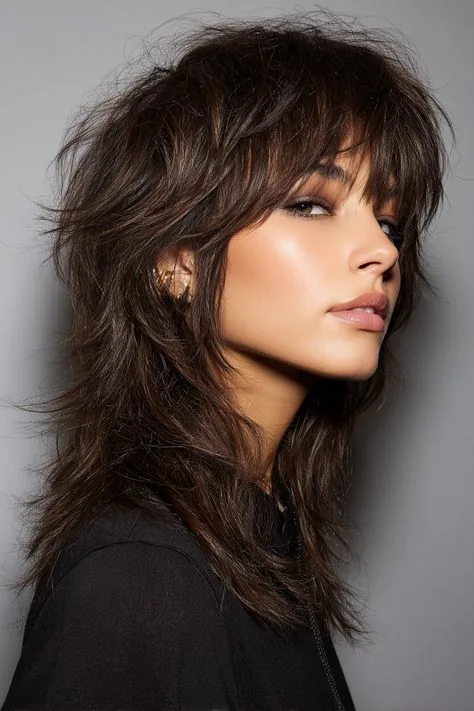
A razor-cut shag is shaped with a razor rather than scissors, which gives softer, more feathered ends and a deliberately piecey texture. It is the shag to choose if you want maximum texture and a slightly undone, lived-in edge.
It suits medium to thick hair best. Very fine hair should approach it carefully, because razor cutting can thin the ends further if overdone.
Pros:
- Softest, most piecey ends of any shag technique.
- Excellent texture for medium and thick hair.
- Very lived-in, low-effort finish.
Cons:
- Not ideal for very fine or damaged hair.
- Needs a stylist skilled with a razor — a bad job shows.
Maintenance: Trim every 8 weeks. Daily effort is low: air-dry or rough-dry, add a little cream to the ends, and avoid over-brushing.
15. Face-Framing Shag

A face-framing shag puts the shortest layers right around the face, starting at the cheekbones and falling past the jaw. Those pieces draw attention to your eyes and cheekbones and soften the outline of the face.
It suits every length, from bob to long, and it is the best shag variant if you want the cut to flatter your face specifically rather than just add general texture.
Pros:
- Draws attention to eyes and cheekbones.
- Softens the face outline beautifully.
- Works at any length.
Cons:
- Face pieces need occasional styling or they can fall flat.
- Too-short face layers can widen a round face — keep them below the chin.
Maintenance: Trim every 8 weeks. Daily effort is low to medium: dry face pieces forward and slightly inward, then add a touch of cream for definition.
16. Choppy Textured Shag

A choppy textured shag leans into the messiness: short, uneven layers, piecey ends and lots of separation. It is the most deliberately undone shag, and it suits people who like their hair to look like they have just come back from the beach.
It works best on wavy and thick hair that holds texture naturally. On very straight, fine hair it will need product and a little scrunching to hold the choppy finish.
Pros:
- Maximum texture and piecey separation.
- Very forgiving — it is meant to look undone.
- Great for wavy and thick hair.
Cons:
- Can look messy rather than styled if overdone.
- Needs product to hold texture on straight hair.
Maintenance: Trim every 7 to 8 weeks. Daily effort is low: scrunch texture spray or cream into damp or dry hair and leave it alone.
17. Soft, Grown-Out Shag
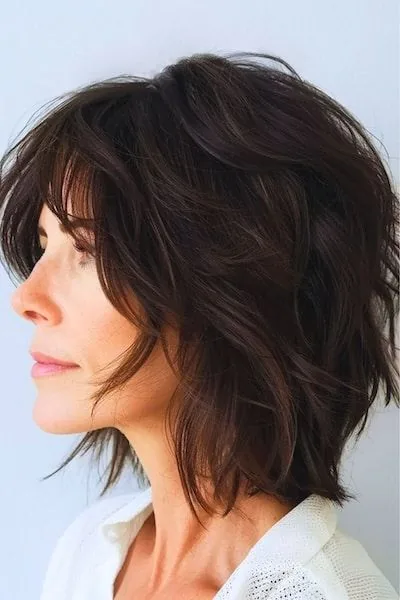
A soft grown-out shag is what a shag becomes when the layers are kept long and blended: gentle movement, soft ends, and no sharp steps. It is the quietest shag — less rock star, more effortlessly put together.
It suits anyone who loves the idea of a shag but works in a setting where a choppy cut might feel too much, and it is the best version for growing out any layered cut.
Pros:
- Subtle, office-friendly shag texture.
- Best grow-out of any shag version.
- Suits all hair types.
Cons:
- Less dramatic than a classic shag — not for statement seekers.
- Can look like ordinary layers if cut too softly.
Maintenance: Trim every 9 to 10 weeks. Daily effort is very low: air-dry or rough-dry, add a light cream, and go.
18. Side-Swept Bang Shag
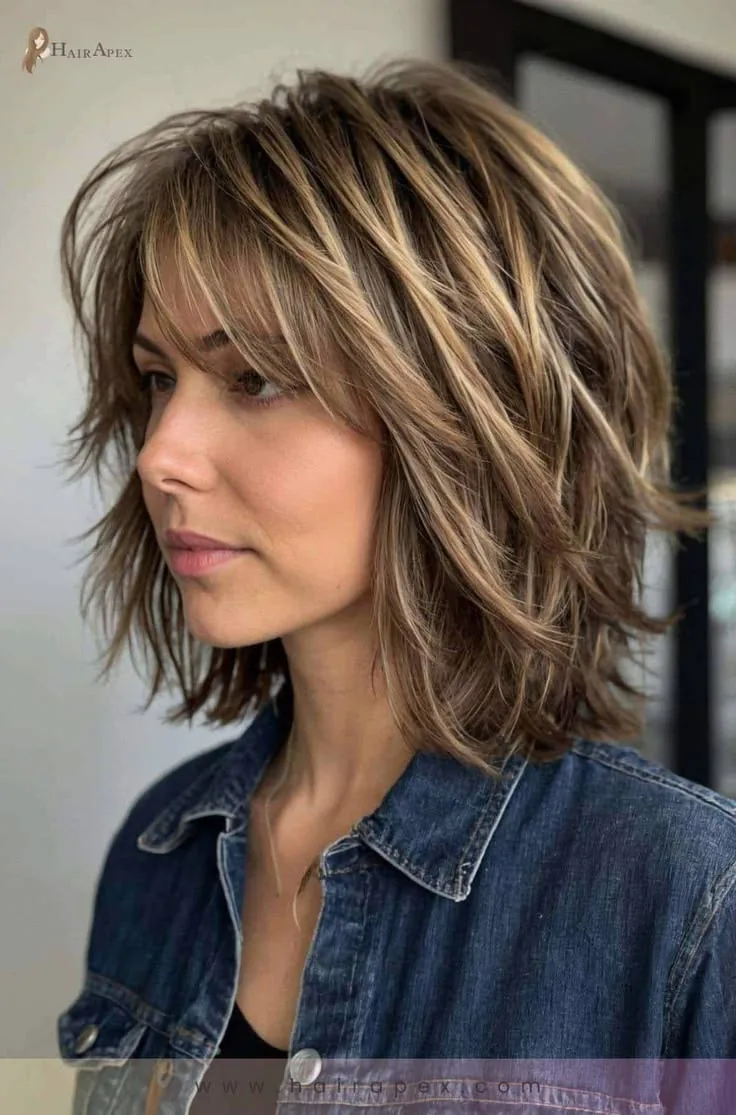
A side-swept bang shag pairs layered texture with a long fringe swept diagonally across the forehead. The diagonal softens the face, adds asymmetry, and gives the shag a polished, feminine finish.
It suits square and round faces especially well, because the sweep breaks up symmetry, and it is easy to wear if you do not want a centre-part fringe.
Pros:
- Diagonal fringe softens and slims the face.
- Easy to style and easy to grow out.
- Polished without losing texture.
Cons:
- Needs a quick blow-dry to sweep neatly.
- Can fall into the eyes if cut too long.
Maintenance: Trim every 8 weeks, with fringe tidies every 4 weeks. Daily effort is low: blow-dry the fringe to one side with a brush, then texture the lengths.
19. Modern Shaggy Mullet
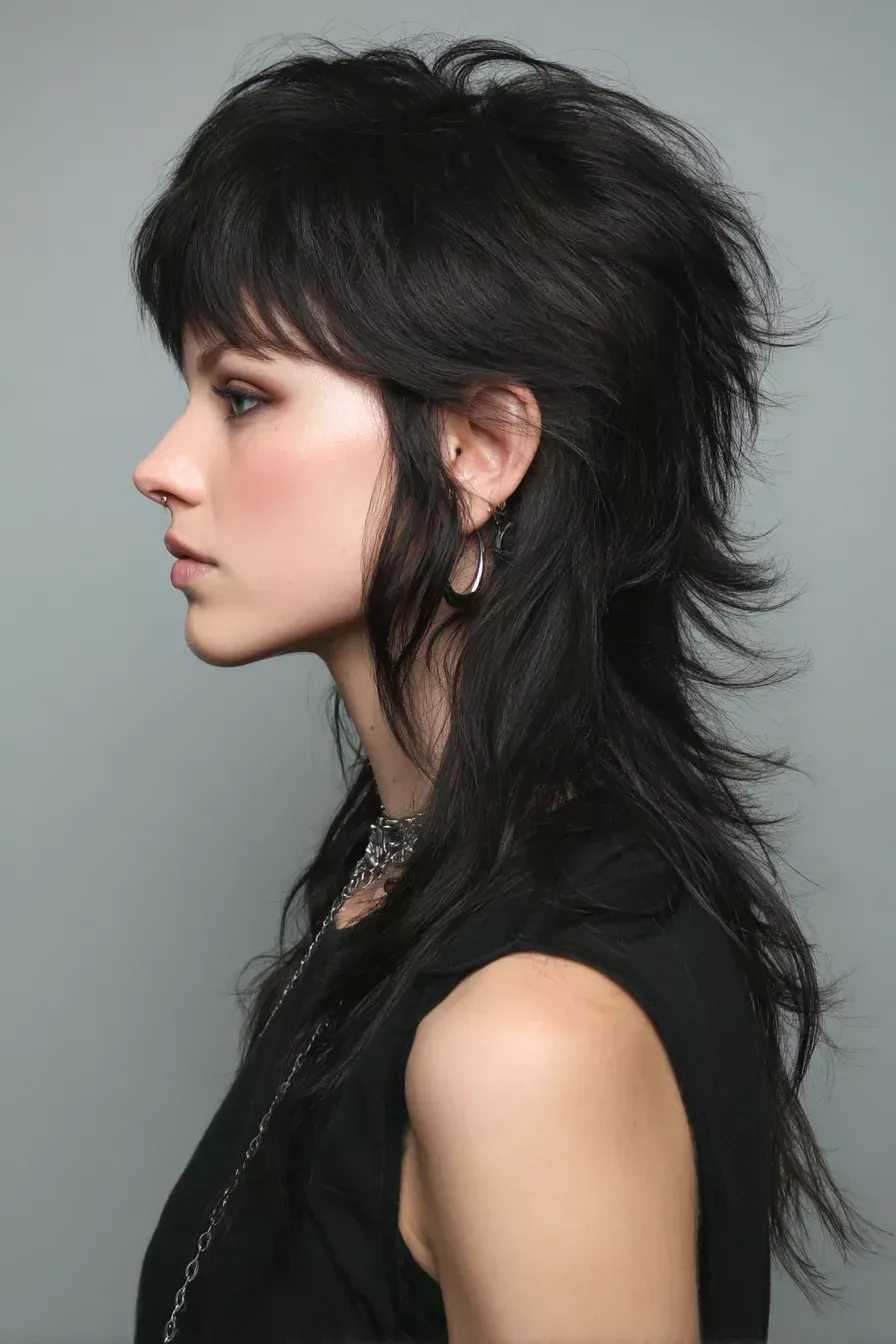
The modern shaggy mullet is a shag taken further: shorter layers and fringe at the front, longer length at the back, but blended far more softly than the 1980s original. It is edgy, fashion-forward and unmistakably a statement.
It suits thick and wavy hair, and people who like to stand out. If you are unsure, ask for a soft version first — your stylist can always take it shorter at the next visit.
Pros:
- Bold, fashionable and full of personality.
- Great volume on top with length at the back.
- Suits thick and wavy hair.
Cons:
- The boldest shag here — not for everyone.
- Growing it out evenly takes time.
Maintenance: Trim every 6 to 7 weeks to keep the shape. Daily effort is low to medium: texture spray, rough-dry, and piece out the front layers.
20. Shag for Straight Hair

Straight hair can look flat in a shag unless the layers are cut to create movement on their own. This version uses shorter crown layers for lift, textured ends for separation, and a little product to stop the hair falling in one straight sheet.
It suits straight hair that holds a bend when styled, and it is a good way to get volume without curling your hair every morning.
Pros:
- Adds lift and movement to straight hair.
- Can be styled smooth or tousled.
- Low daily effort with the right product.
Cons:
- Needs texture spray or the layers can fall flat.
- Very straight, slippery hair may need light heat styling.
Maintenance: Trim every 8 weeks. Daily effort is low to medium: rough-dry with root lift, add texture spray, and bend a few ends with a straightener if needed.
21. Shag with Bottleneck Bangs
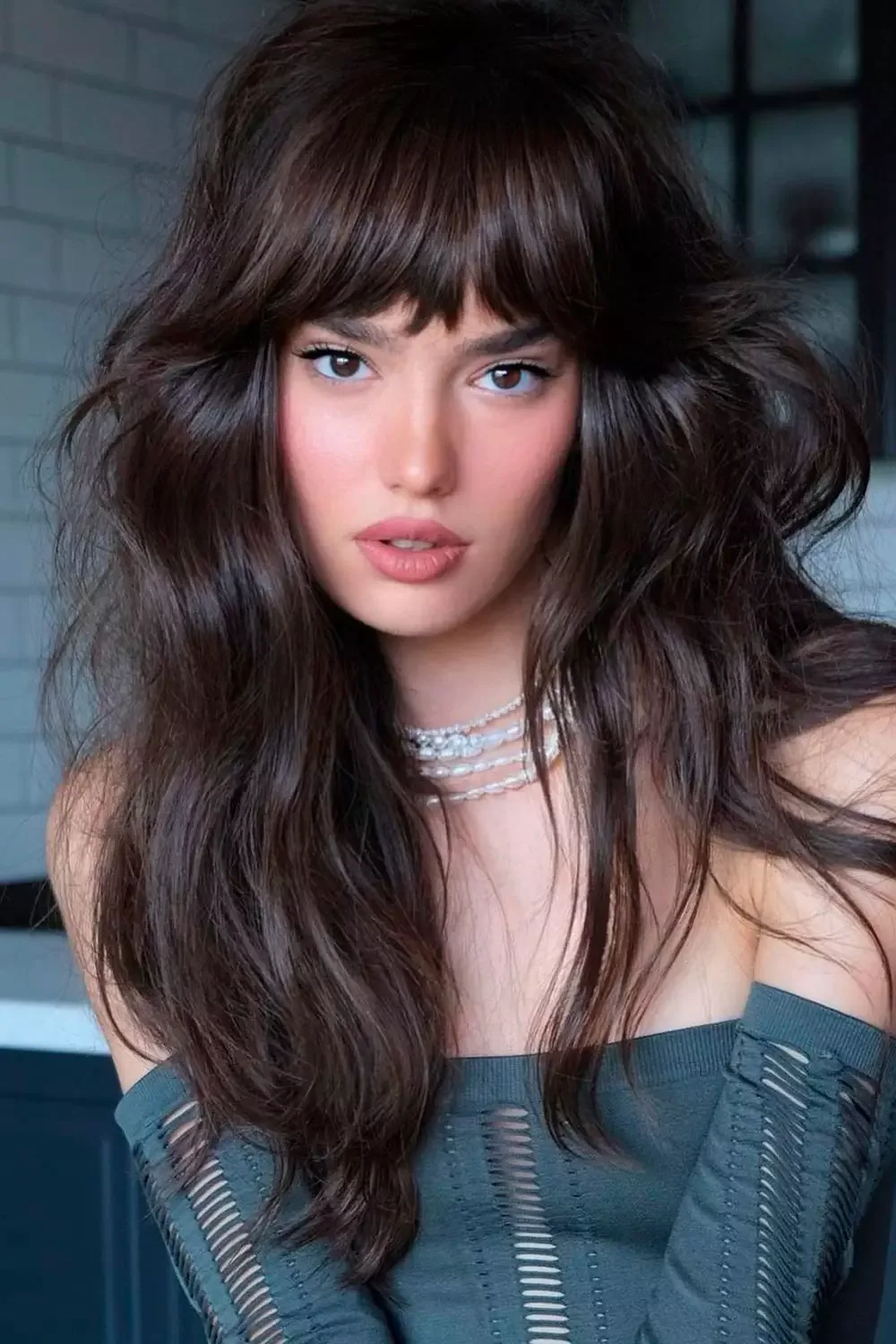
Bottleneck bangs are short and narrow in the middle and longer at the sides, like the neck of a bottle. Paired with a shag, they frame the eyes and cheekbones and blend seamlessly into the face layers.
They suit oval, long and heart-shaped faces well, and they are a softer alternative to a full fringe — present enough to notice, light enough to live with.
Pros:
- Flattering, face-framing fringe shape.
- Blends beautifully into shag layers.
- Softer and easier than a full fringe.
Cons:
- Needs regular fringe trims to keep the shape.
- Can be tricky to style if your hairline is very strong.
Maintenance: Trim the bangs every 3 to 4 weeks and the cut every 8 weeks. Daily effort is low: dry bangs forward, sweep the longer sides out, and texture the rest.
22. Shag with Micro Bangs
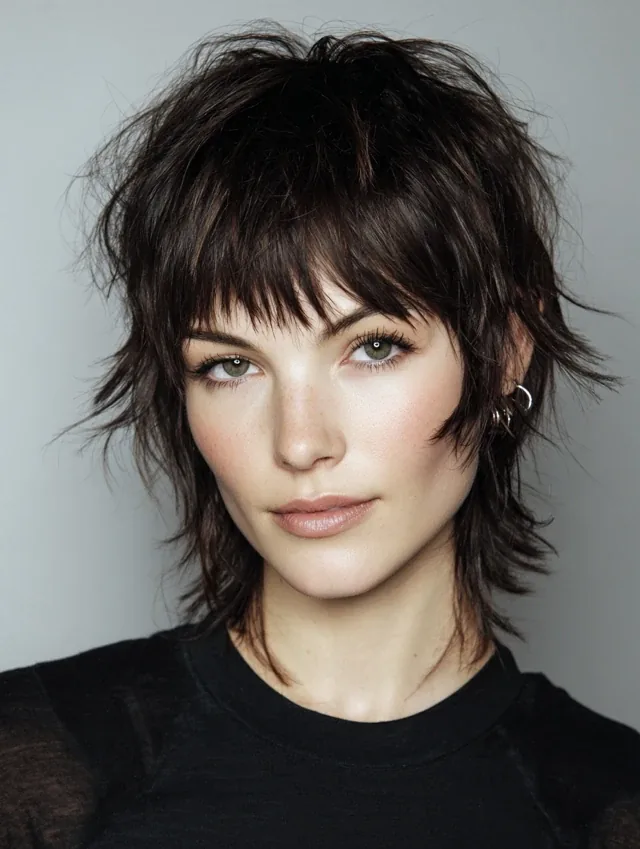
Micro bangs sit well above the eyebrows and give a shag a bold, editorial edge. Combined with textured layers, they create a striking, fashion-forward look that draws all attention to the eyes.
This is a commitment cut, not a casual one: micro bangs suit oval and long faces best, and they need confidence to wear. Try clip-in or faux micro bangs first if you are unsure.
Pros:
- Bold, editorial and unforgettable.
- Opens up the face and highlights the eyes.
- Pairs strikingly with textured layers.
Cons:
- Highest-commitment fringe — grows out awkwardly.
- Does not suit every face shape or workplace.
Maintenance: Trim bangs every 2 to 3 weeks and the cut every 7 to 8 weeks. Daily effort is medium: dry bangs straight, keep them neat, and texture the lengths.
23. Shag for Women Over 50

A shag for women over 50 is usually a softer, medium-length version: layers that add lift at the crown, face-framing pieces that soften the face, and ends that move rather than hang heavily. It is youthful without trying too hard.
It suits fine or thinning hair especially well, because the layers create the look of fullness, and it is easy to style on mornings when time is short.
Pros:
- Adds lift and the look of fullness.
- Softens the face without a severe cut.
- Very easy daily styling.
Cons:
- Overly short, choppy layers can look too edgy — ask for soft layers.
- Needs regular trims to avoid a shapeless grow-out.
Maintenance: Trim every 7 to 8 weeks. Daily effort is very low: volumising spray at the roots, rough-dry, and a dab of cream on the ends.
24. Shag for a Round Face
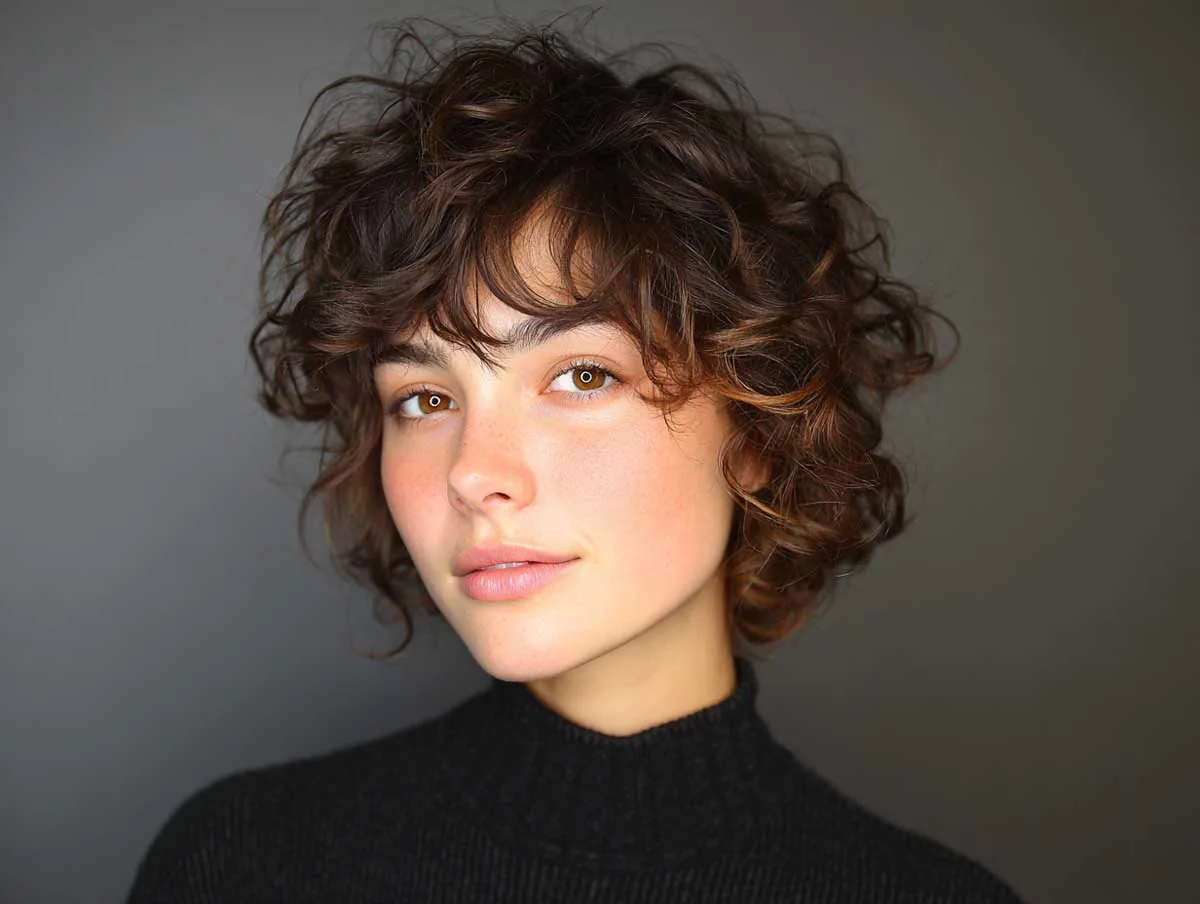
A shag for a round face keeps face-framing layers below the chin and adds height at the crown. That combination lengthens the face visually instead of widening it, which is the key difference from a generic shag.
It suits round faces at medium and long lengths best. Short, wide layers at cheek level should be avoided, because they add width exactly where you do not want it.
Pros:
- Lengthens a round face when layers start below the chin.
- Crown volume balances the shape.
- Soft and flattering, not severe.
Cons:
- Short cheek-level layers can widen the face.
- Needs crown lift or the shape can fall flat.
Maintenance: Trim every 8 weeks. Daily effort is low to medium: lift the crown while drying, keep face pieces long, and add texture spray.
25. Shag with an Undercut Nape
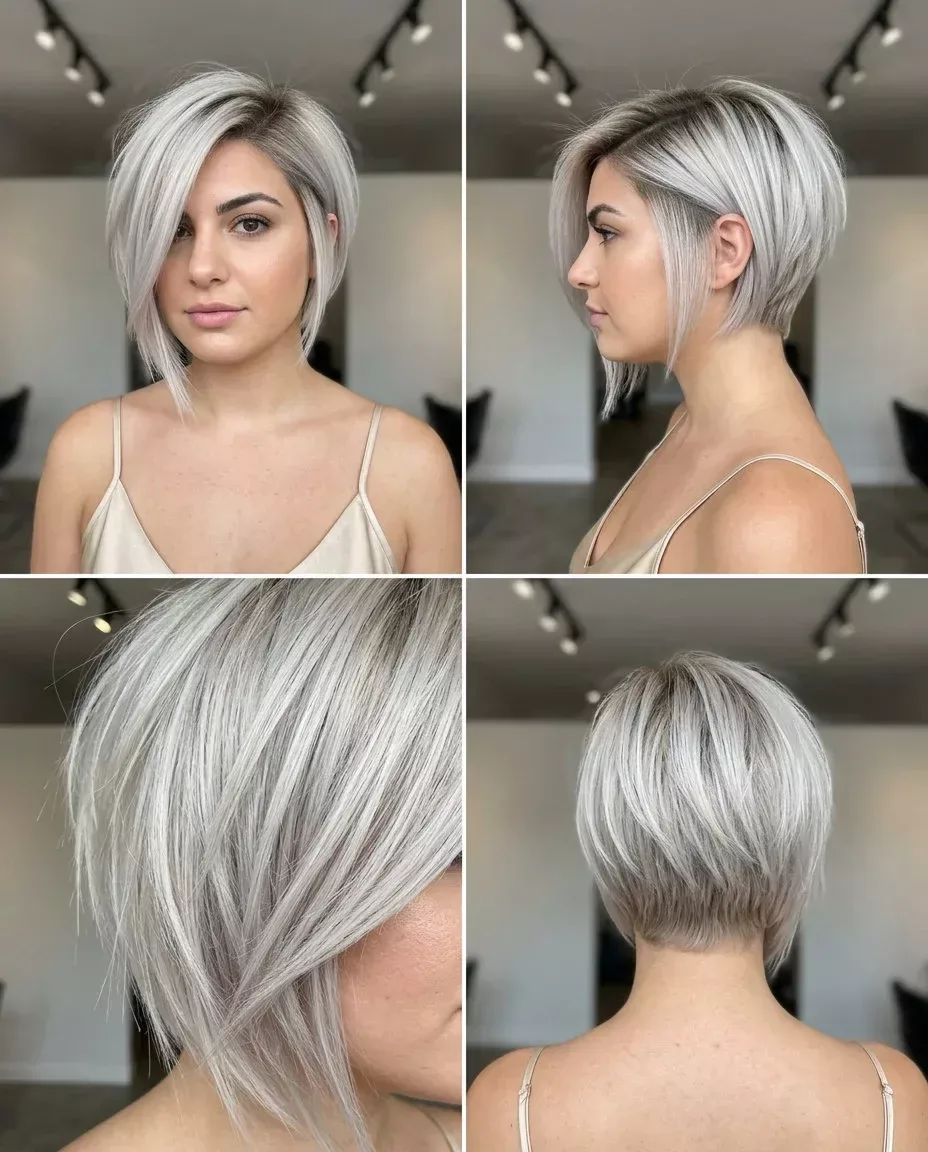
A shag with an undercut nape keeps the layered, textured top and sides but removes bulk underneath at the nape. Hidden when hair is down, it shows when hair is tied up — and it makes thick hair dramatically lighter and cooler.
It suits thick, heavy hair and anyone who ties their hair up often. It is a practical hidden detail, not a shaved-head statement, unless you ask for it to be more visible.
Pros:
- Removes hidden bulk and weight.
- Cooler in summer and faster to dry.
- Invisible when hair is worn down.
Cons:
- Needs upkeep shaves every 3 to 4 weeks to stay neat.
- Growing out the undercut takes patience.
Maintenance: Trim the cut every 7 to 8 weeks and tidy the nape every 3 to 4 weeks. Daily effort is very low: style the shag as usual.
26. Bedhead Tousled Shag
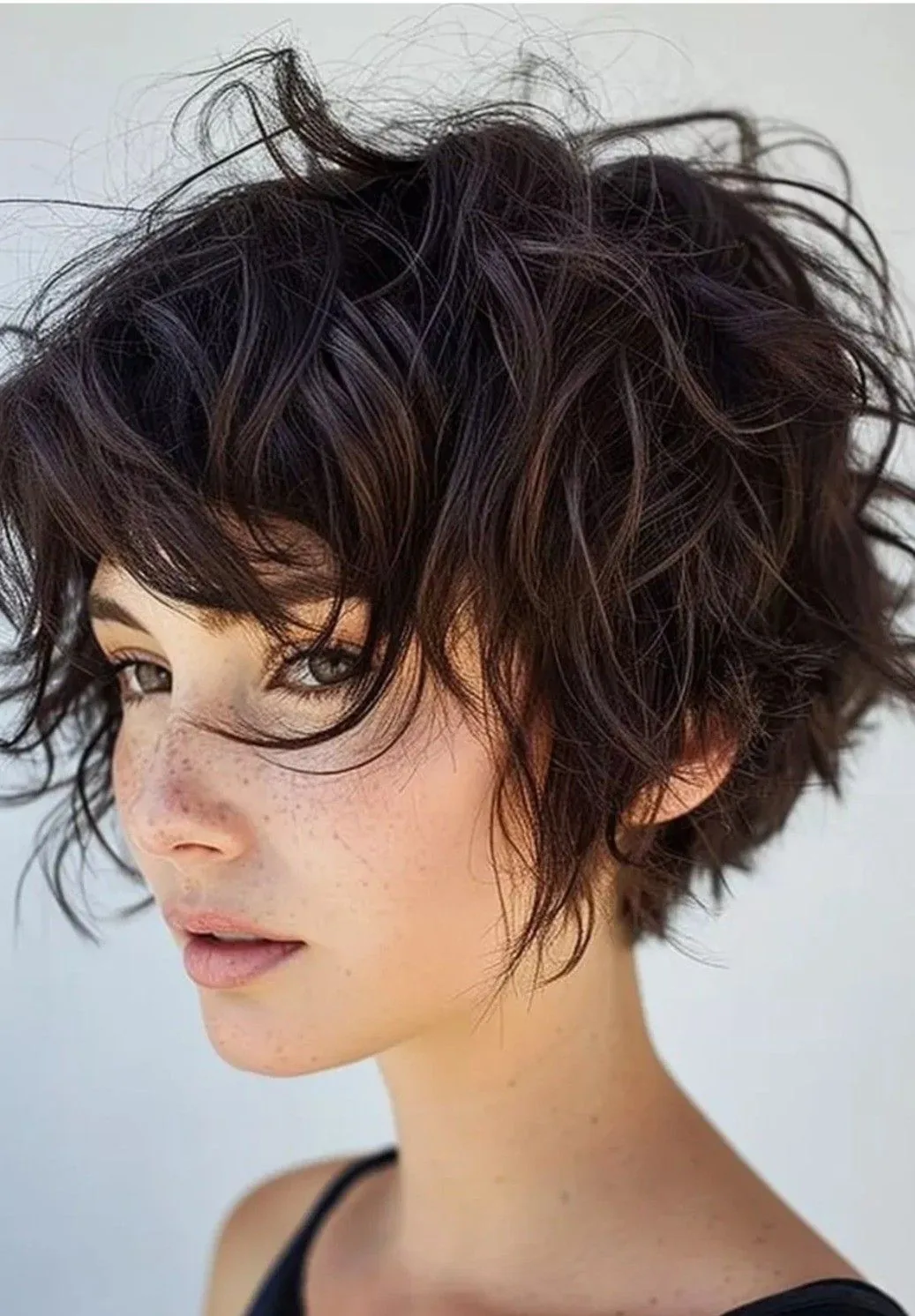
A bedhead tousled shag is styled to look like you have just woken up with great hair: soft waves, separated ends, and no perfect parting. The cut itself does the work, with layers that fall in different directions on purpose.
It suits wavy and medium-textured hair best, and people who hate spending more than five minutes on their hair in the morning.
Pros:
- The ultimate five-minute hairstyle.
- Looks intentionally undone, not unfinished.
- Perfect for wavy, medium-textured hair.
Cons:
- Can cross into actually messy without a little product.
- Straight hair needs a wand or braid waves to get the texture.
Maintenance: Trim every 8 weeks. Daily effort is very low: spray texture into dry hair, scrunch, shake out, and go.
27. Shag with Caramel Balayage
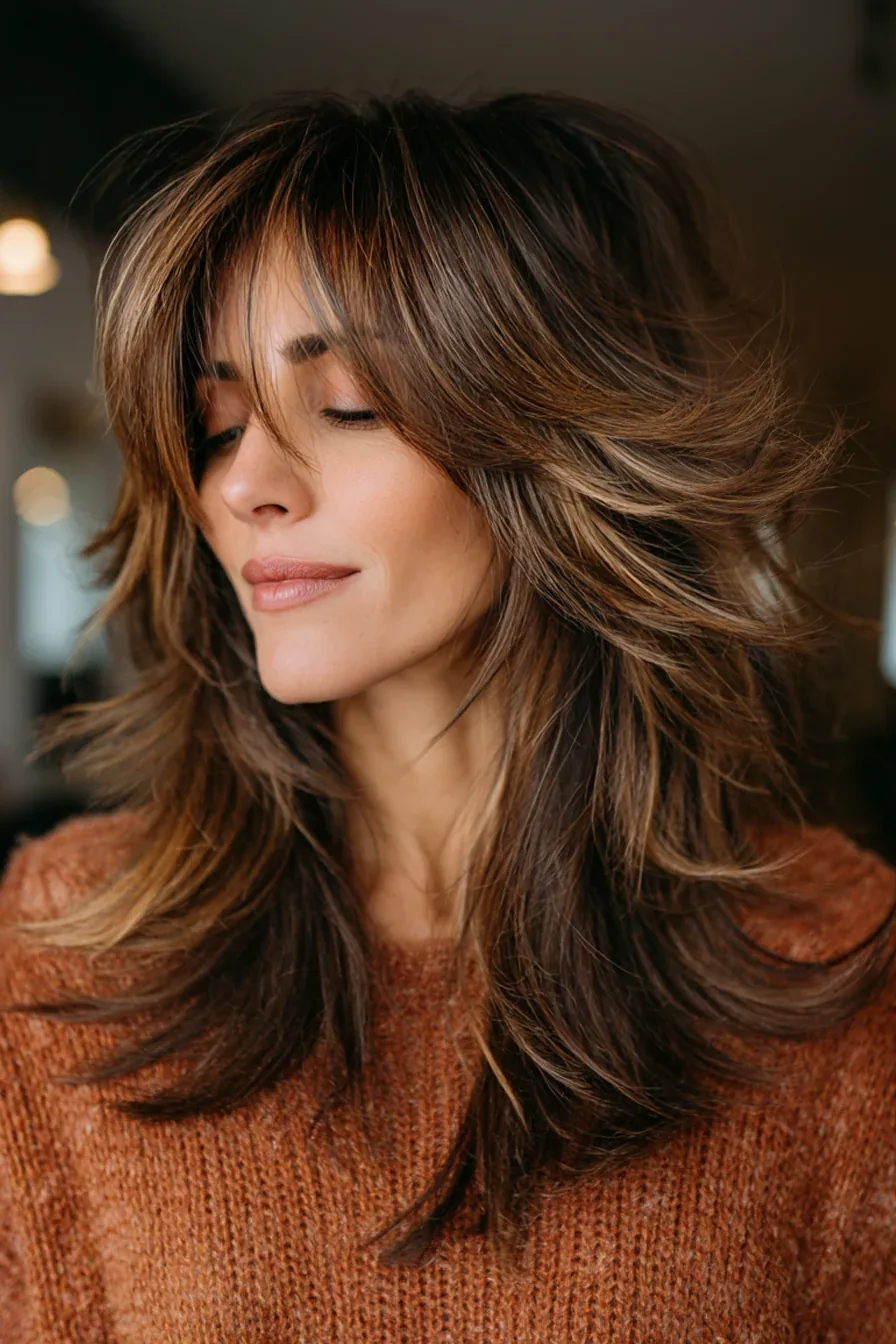
Caramel balayage on a shag paints warm, golden tones through the mid-lengths and ends, so every layer catches the light. The colour makes the layers visible in a way a single solid colour never can.
It suits medium and dark brown hair best, and it is a low-maintenance colour choice because balayage grows out softly without a harsh root line.
Pros:
- Makes every layer visible.
- Warm tones soften the whole cut.
- Low-maintenance colour grow-out.
Cons:
- Colour appointments add cost and time.
- Warm tones fade and may need a toner every 8 to 12 weeks.
Maintenance: Trim every 8 to 10 weeks; refresh balayage every 3 to 4 months. Daily effort is low: style as for any shag, and use colour-safe shampoo.
28. Shag with a Deep Side Part
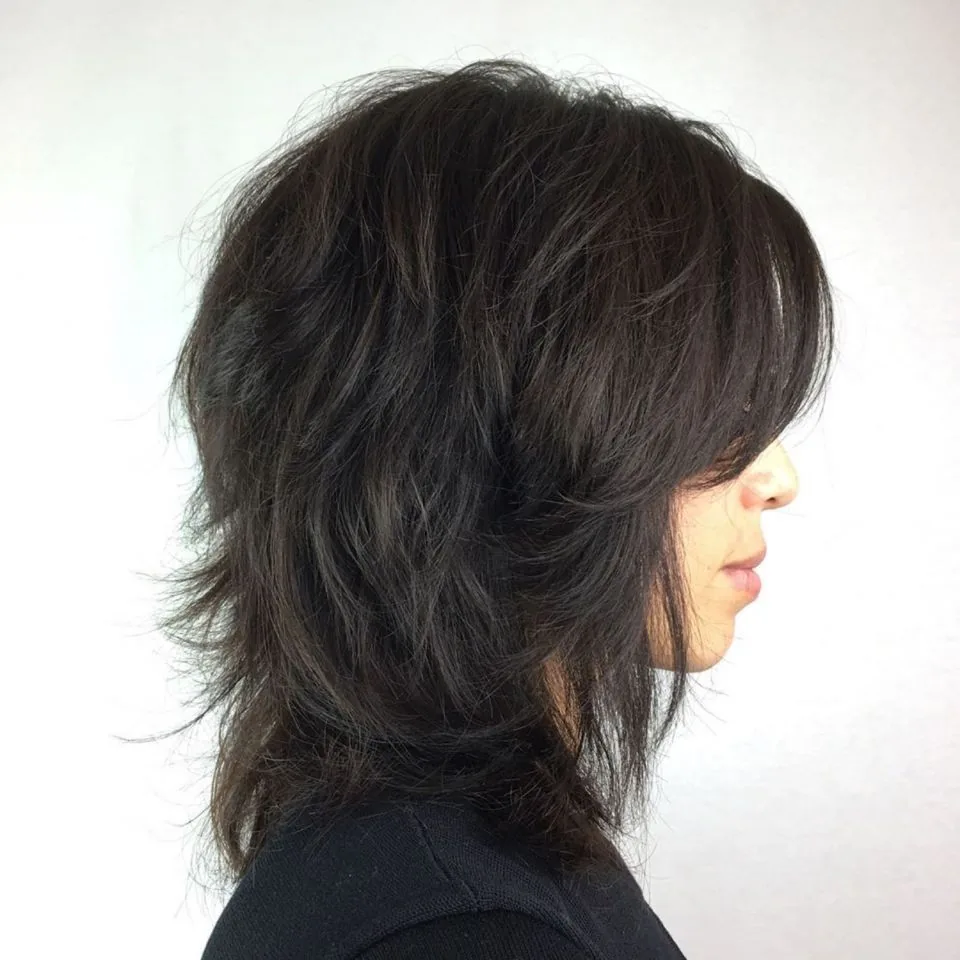
A deep side part changes a shag completely: sweeping most of the hair to one side adds volume, asymmetry and a glamorous sweep that a centre part cannot give. The layers fall in a cascade on the heavy side.
It suits most face shapes and is a great evening or occasion version of a shag, though it works just as well every day if you like a side part.
Pros:
- Instant volume and glamorous sweep.
- Flatters most face shapes.
- Easy to switch back to a centre part.
Cons:
- Heavy side can fall flat without root lift.
- Part needs setting while damp or it drifts back.
Maintenance: Trim every 8 weeks. Daily effort is low to medium: part deeply while damp, lift roots on the heavy side, and add texture spray.
29. Swoopy Layer Shag
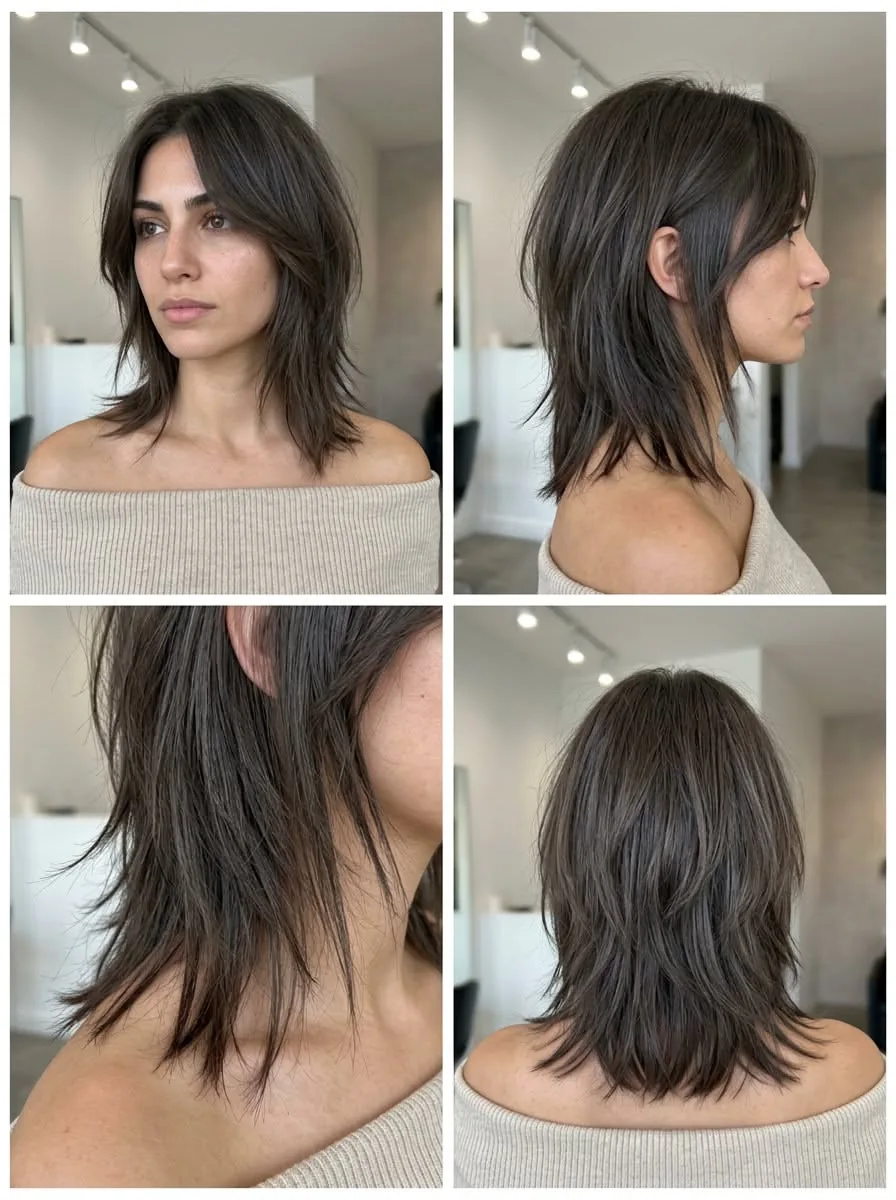
A swoopy layer shag uses long, curved layers that sweep softly around the face and flick gently at the ends. It is smoother and more polished than a choppy shag, with movement that looks brushed rather than tousled.
It suits straight and slightly wavy hair, and people who want shag movement with a sleeker, more put-together finish.
Pros:
- Smooth, polished movement.
- Flattering curved layers around the face.
- Works well for work and occasions.
Cons:
- Needs a round brush or blow-dry to show the swoop.
- Less texture than a choppy shag.
Maintenance: Trim every 8 weeks. Daily effort is medium: blow-dry with a round brush, curving layers outward and inward, and finish with a light spray.
30. Shoulder-Length Shag with Flipped Ends

A shoulder-length shag with flipped ends keeps the length at the shoulders and lets the layered ends flick outward. The flip gives a playful, retro finish that makes a medium cut look anything but boring.
It suits straight and slightly wavy hair, and it is a great choice if you want a shag that still looks neat and bouncy rather than tousled.
Pros:
- Bouncy, playful flipped finish.
- Neat enough for work, fun enough for weekends.
- Medium length is easy to manage.
Cons:
- Flips need a brush or straightener to hold.
- Can flip too much in humidity without spray.
Maintenance: Trim every 7 to 8 weeks. Daily effort is medium: blow-dry ends outward with a round brush or flick with a straightener, and set with spray.
What is a shag haircut for women?
A shag haircut for women is a layered cut with shorter layers on top, longer layers underneath, and textured ends. It creates volume, movement and a lived-in finish, and it usually includes some kind of fringe or face-framing layers.
Is a shag haircut low maintenance?
Yes, a shag is one of the lowest-maintenance cuts. It is designed to look good air-dried or roughly blow-dried, and it grows out softly. Short shags need trims every 5 to 7 weeks, while medium and long shags need one every 8 to 10 weeks.
Does a shag haircut suit fine hair?
Yes, if the layers are kept longer and fewer. A fine-hair shag adds movement and the look of fullness without thinning the ends. Ask your stylist for soft, long layers and avoid too many short, choppy layers.
Does a shag haircut suit curly hair?
Yes, a curly shag is one of the best cuts for curls, because layers give curls shape and stop the triangle effect. It should ideally be cut on dry curls, with layers kept long enough that curls fall in a rounded shape.
What is the difference between a shag and a wolf cut?
A wolf cut is a bolder, choppier version of a shag, with much shorter layers on top and longer length underneath. A classic shag is softer and more blended, while a wolf cut is deliberately wilder and more statement-making.
Can older women wear a shag haircut?
Absolutely. A softer, medium-length shag adds lift at the crown and fullness for fine or thinning hair, and it is very easy to style. Keep the layers soft rather than extremely choppy for the most flattering result.
Do I need bangs with a shag haircut?
No, bangs are not required, but they are part of the classic shag look. Curtain bangs are the easiest starting point because they blend into the layers and grow out well. Wispy bangs are a lighter, lower-commitment option.
How do I style a shag haircut at home?
Start with damp hair, add texture spray or styling cream, and rough-dry or diffuse. Scrunch the lengths, piece out the ends with a little cream, and leave it slightly undone. Avoid over-brushing, which flattens the layers.
How often should I trim a shag haircut?
Most medium and long shags need a trim every 8 to 10 weeks. Short shags and shaggy pixies need one every 5 to 7 weeks, and bangs need a tidy every 3 to 4 weeks. Between trims, a shag simply grows softer.
Will a shag haircut work if I have straight hair?
Yes, but choose a version with shorter crown layers for lift and textured ends for separation, and use a texture spray. Straight hair may need a little heat styling — a quick bend with a straightener or wand — to hold the movement.
Conclusion
The modern shag haircut works for almost every woman because it is not one rigid style — it is a way of cutting hair that adapts to your texture, your length and your morning routine. Pick the version that matches your hair type, keep the layers soft if you want low maintenance, and let the cut do the work on day two as well as on salon day.
Save a photo of your favourite shag from this guide, take it to your stylist, and talk through the layers, fringe and trim schedule before the first cut. Which shag haircut will you try next? Tell us in the comments, and share this guide with a friend who wants a cut that looks good without trying too hard.