Frizz Is Not the Enemy: Calmer, Prettier Hairstyles for Frizzy Hair That Work With Your Texture
Frizz is not a flaw, and it is not a sign that you are doing something wrong. Frizz happens when dry hair reaches for moisture in the air, when the hair cuticle is lifted by damage or rough handling, and when curls and waves are brushed out of their natural pattern. In other words, frizz is your hair doing exactly what hair is supposed to do — it is just doing it at an inconvenient moment, usually on a humid day when you wanted a smooth finish.
The good news is that the right cut and style can make frizz far easier to live with, without hours of straightening or a cupboard full of products. This guide brings together 37 hairstyles for frizzy hair, from long layers and curly cuts to humidity-proof updos, plus practical guides on what causes frizz, how to dry it, and which products genuinely help. Each style explains why it works for frizz, the common mistake to avoid, and how much upkeep it really needs, so you can pick something that fits your real mornings.
What Causes Frizz — and What Actually Helps
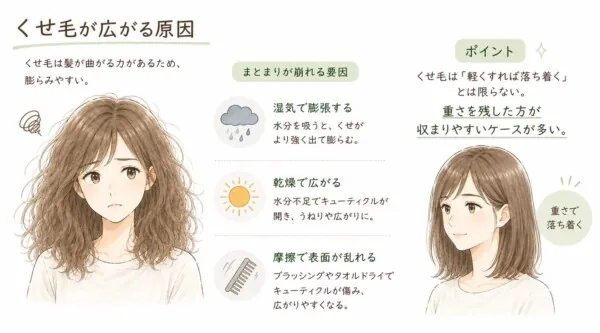
Frizz has three main causes, and knowing which one is yours changes everything. First, dryness: hair that lacks moisture absorbs humidity from the air and swells, which lifts the cuticle and creates that halo of flyaways. Second, damage: heat, colour, rough brushing and tight elastics roughen the cuticle so it cannot lie flat. Third, disruption: brushing dry curls or waves breaks up their natural clumps, turning defined texture into a cloud.
What actually helps is surprisingly simple: moisture sealed in while hair is still damp, gentle handling instead of vigorous towel-drying, and a cut that lets your natural texture fall where it wants to. You do not need to fight frizz into submission. You need to give it less reason to appear, and a shape that looks good even when a little frizz shows up — because on a truly humid day, a little will, and that is fine.
Cuts That Reduce Frizz: Layers, Blunt Ends and Texture
There is no single best cut for frizzy hair, because the right cut depends on your texture. Long layers help thick, wavy and curly hair because they remove weight that pulls curls down and then springs them out unevenly. Blunt ends help fine, frizzy hair because a solid edge looks fuller and seals the ends, so there is less wispy breakage to fly away.
Textured ends sit in between: they soften a blunt line and stop a cut looking heavy, but too much texturising on already frizzy hair can create short, flyaway pieces. The rule to take to your stylist is this: layers for weight and movement in thick hair, a blunt or lightly textured edge for fine hair, and a dry cut for curls so the stylist can see exactly where each curl falls.
Drying Methods That Prevent Frizz Before It Starts
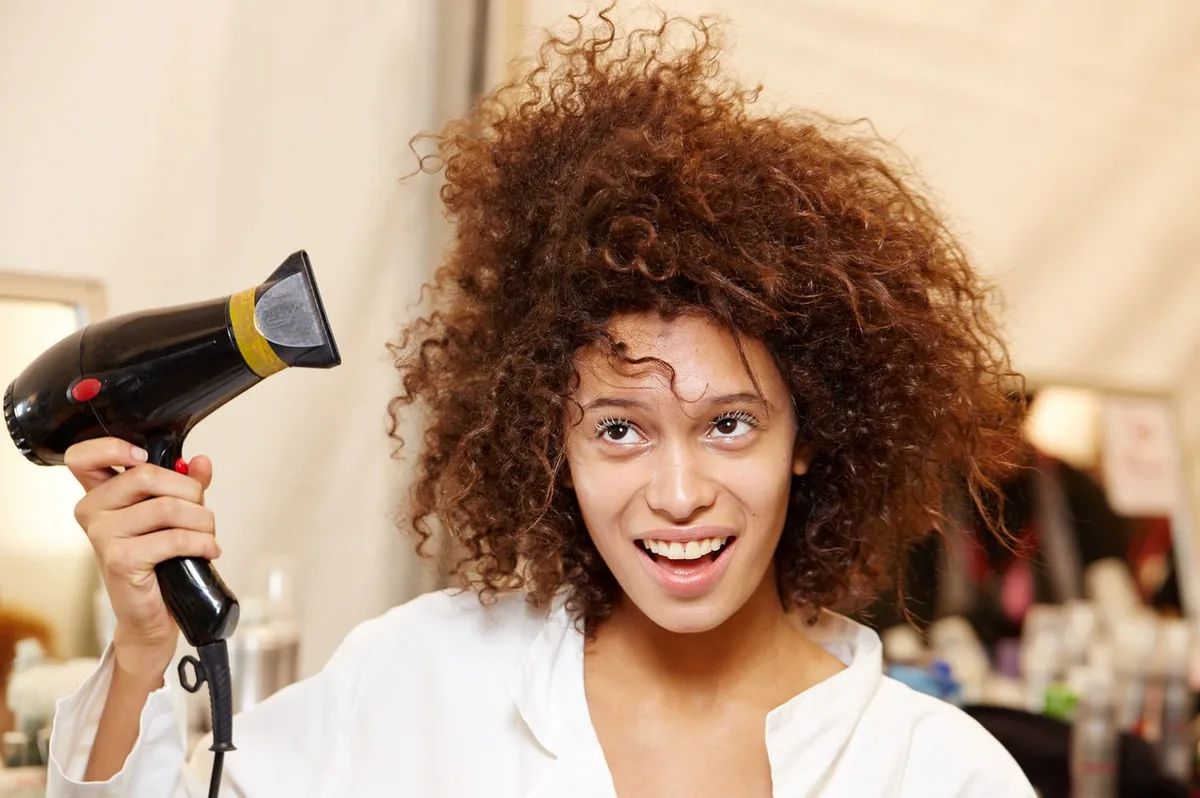
Most frizz is decided in the first ten minutes after washing. Rubbing with a regular towel roughens the cuticle and breaks curl clumps, so swap it for a microfibre towel or an old cotton T-shirt and squeeze or scrunch instead of rubbing. Apply leave-in conditioner or curl cream to soaking-wet hair, not half-dry hair, so moisture is locked in before the cuticle has a chance to lift.
Then choose your drying method deliberately. Diffusing on low heat with the dryer still, rather than waving it around, keeps curls intact. Air-drying works beautifully if you leave hair alone once product is in — touching it while it dries is one of the biggest frizz triggers. If you blow-dry straight, use a round brush, medium heat, and finish with a cool shot to close the cuticle.
Humidity-Proof Styling for Damp, Sticky Days
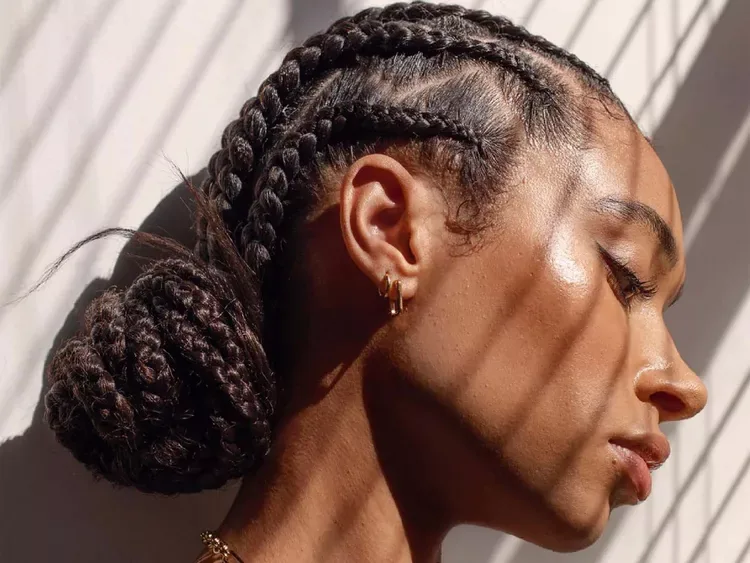
Humidity-proof styling is not about stronger hold; it is about sealing hair before humidity gets in. A light oil or serum over your usual cream on damp hair acts as a barrier, and styles that keep hair contained — braids, buns and twists — give humidity less loose hair to swell. Loose, open styles on a humid day will always frizz more, no matter what product you use.
On a high-humidity day, pick a style that improves as it loosens: a braid that softens into waves, a bun with soft pieces that curl a little, or defined curls that can be refreshed with water and a drop of cream. Trying to keep a sleek blowout perfectly smooth through a humid afternoon is a losing battle, and it is not worth the frustration.
1. Long Layers That Let Curls Fall Heavy
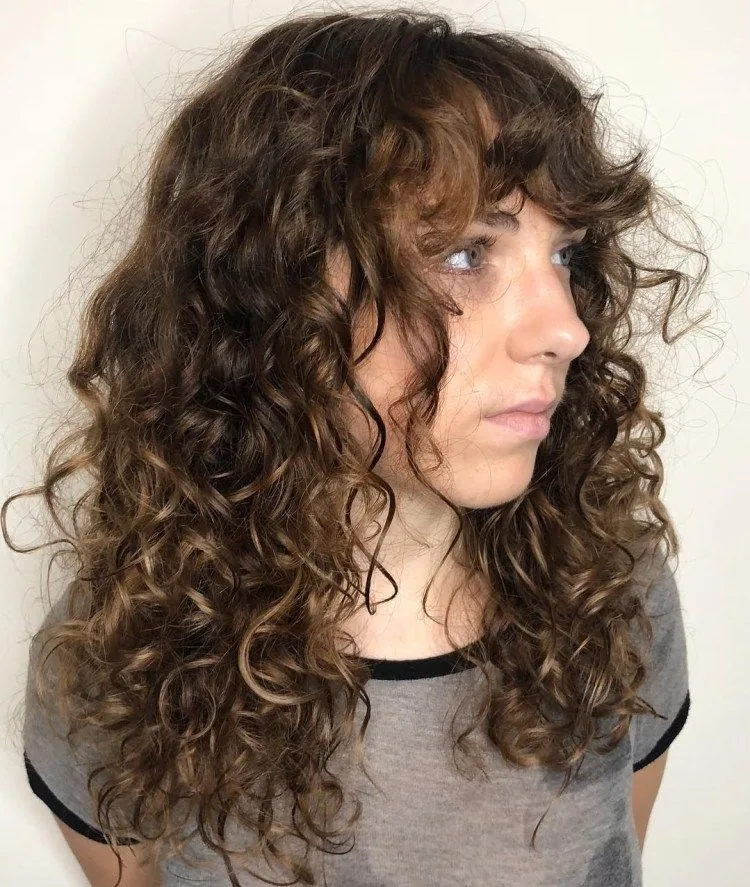
Long layers remove just enough weight from thick, frizzy hair so curls and waves can fall in soft, heavy lengths instead of puffing out into a triangle. The longest length stays past the shoulders, which keeps the shape calm and grounded.
Why it works for frizz: Why it works for frizz: Weight pulls texture down, so curls stretch out a little and frizz has less lift to spring into. Layers also stop the dreaded triangle shape, where hair is flat on top and wide at the bottom.
Common mistake to avoid: Common mistake to avoid: Cutting layers too short on top, which removes the weight that was keeping frizz down and creates a frizzy halo around the crown.
Maintenance: Maintenance: Trim every 10 to 12 weeks. Style with curl cream on wet hair and diffuse or air-dry, about 15 minutes.
Quick verdict: Quick verdict: The safest, most forgiving cut for thick frizzy hair — start here if you are unsure.
2. Blunt Midi Cut That Seals the Ends
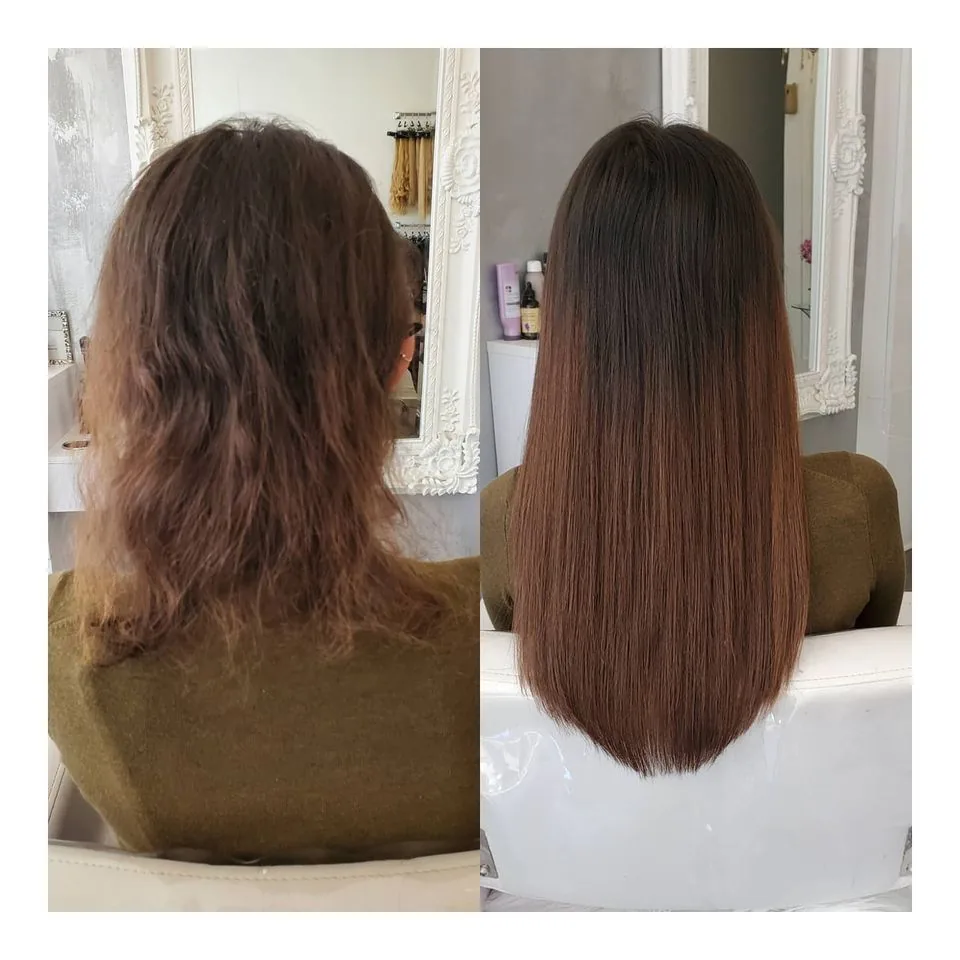
A blunt midi cut, ending between the chin and shoulders with a clean, even edge, gives fine frizzy hair a solid outline. Without wispy, layered ends to fly away, the whole cut looks thicker, smoother and more deliberate.
Why it works for frizz: Why it works for frizz: A blunt edge weighs the ends down and leaves fewer short pieces to escape. It also makes flyaways less noticeable, because the outline of the cut is strong.
Common mistake to avoid: Common mistake to avoid: Thinning the ends heavily at the salon, which undoes the whole point of the blunt edge and brings back wispy frizz.
Maintenance: Maintenance: Trim every 6 to 8 weeks to keep the edge crisp. Blow-dry smooth or air-dry with a little serum, 10 minutes.
Quick verdict: Quick verdict: Best blunt option for fine or medium frizzy hair that goes wispy with layers.
3. Textured Lob With Soft Ends
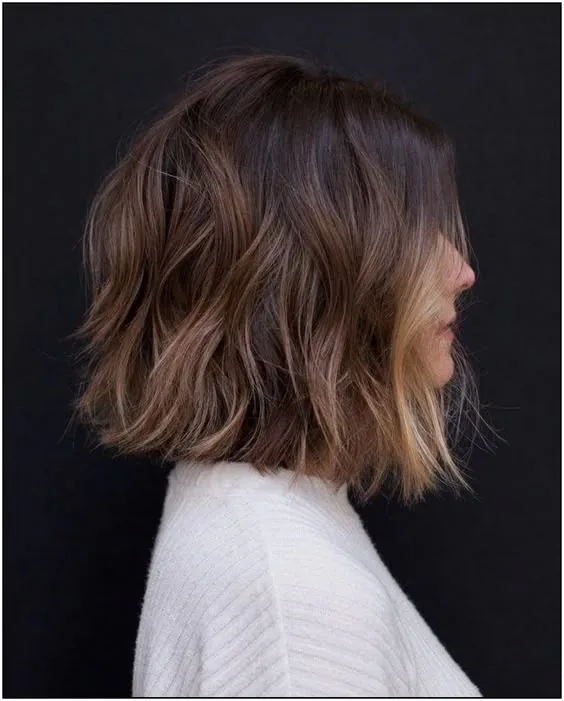
A textured lob ends around the collarbone with soft, broken-up ends rather than a hard line. It is long enough to weigh frizz down, but the texture keeps it from looking heavy or boxy.
Why it works for frizz: Why it works for frizz: The length gives weight, while soft ends stop the cut forming a solid shelf that frizz can puff out from. It looks good slightly undone, which is exactly how frizzy hair naturally dries.
Common mistake to avoid: Common mistake to avoid: Over-texturising with thinning scissors, which creates short flyaway pieces all through the ends.
Maintenance: Maintenance: Trim every 8 weeks. Scrunch in texturising cream and air-dry, or blow-dry with a round brush, 10 minutes.
Quick verdict: Quick verdict: A great everyday middle ground — polished enough for work, relaxed enough for real hair.
4. Curly Shag With Rounded Layers
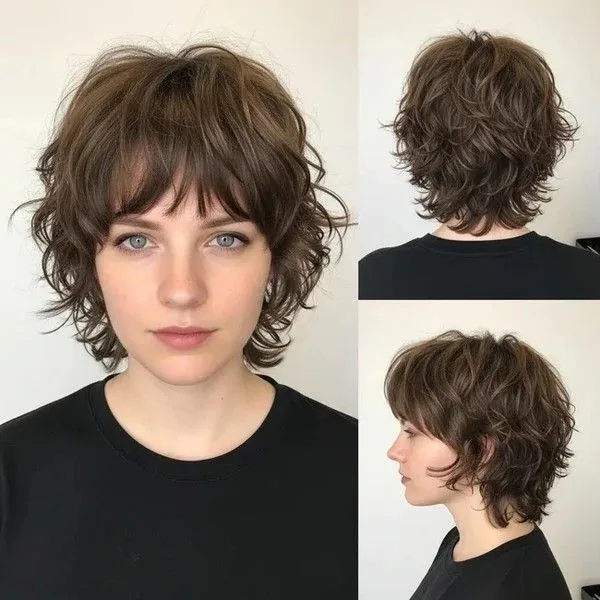
A curly shag uses rounded, layered shapes to give curls room to spring up without turning into one big cloud. The layers are cut to follow the curl pattern, so each curl has space and the overall shape stays round and soft.
Why it works for frizz: Why it works for frizz: Rounded layers distribute volume evenly instead of letting it all gather at one level, which is what makes frizzy curls look shapeless. The shag shape also embraces texture rather than fighting it.
Common mistake to avoid: Common mistake to avoid: Cutting a shag wet and straight, then being surprised when it springs up much shorter and frizzier once dry.
Maintenance: Maintenance: Ask for a dry curly cut and trim every 10 to 12 weeks. Curl cream and diffusing, 15 to 20 minutes.
Quick verdict: Quick verdict: Ideal if you love volume and want your curls to look intentional, not accidental.
5. Wavy Bob With Air-Dried Texture
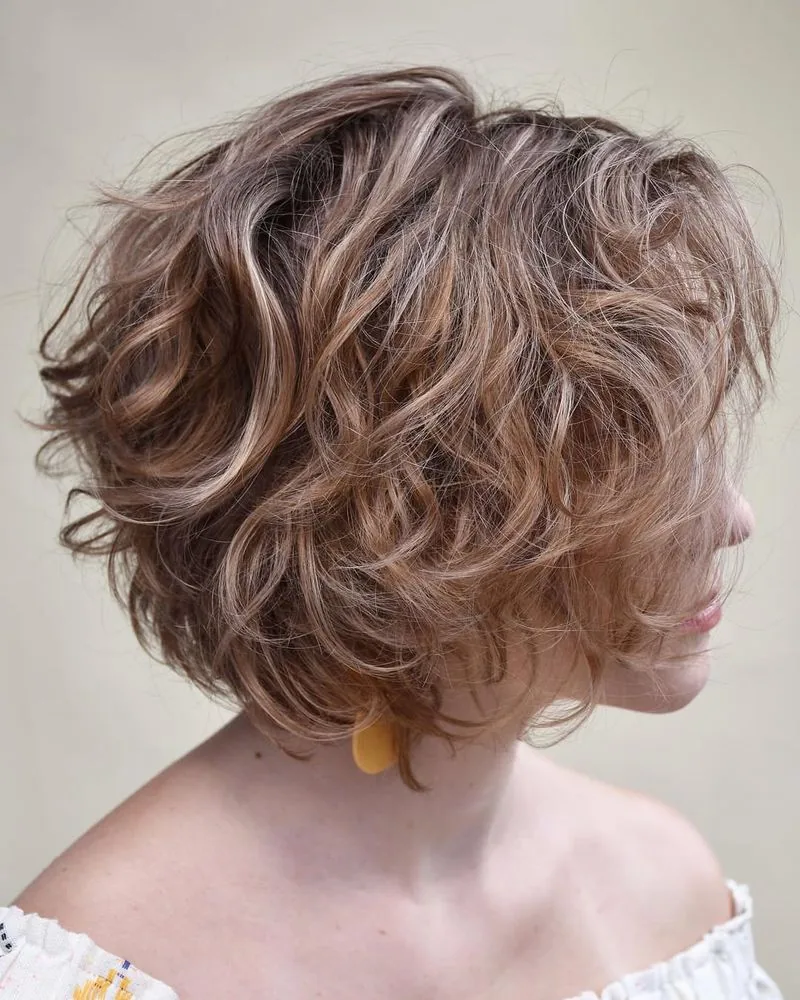
A wavy bob that ends around the jaw or just below it, cut to work with your natural wave, turns air-drying from a frizz risk into the whole point. Waves are left to form on their own, with a little cream to keep them defined.
Why it works for frizz: Why it works for frizz: Because the style is designed around air-dried texture, a little frizz reads as natural wave rather than as a failed blow-dry. The bob length also keeps waves bouncy instead of dragging them flat.
Common mistake to avoid: Common mistake to avoid: Brushing the bob out once dry, which breaks waves into frizz. Finger-comb only, or use a wide-tooth comb on wet hair.
Maintenance: Maintenance: Trim every 6 to 8 weeks. Wash, apply cream, scrunch and leave alone, about 5 minutes of hands-on time.
Quick verdict: Quick verdict: Low effort, high charm — perfect if you hate heat styling.
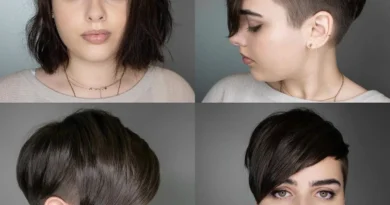
6. Pixie With a Longer Top for Wavy Frizz
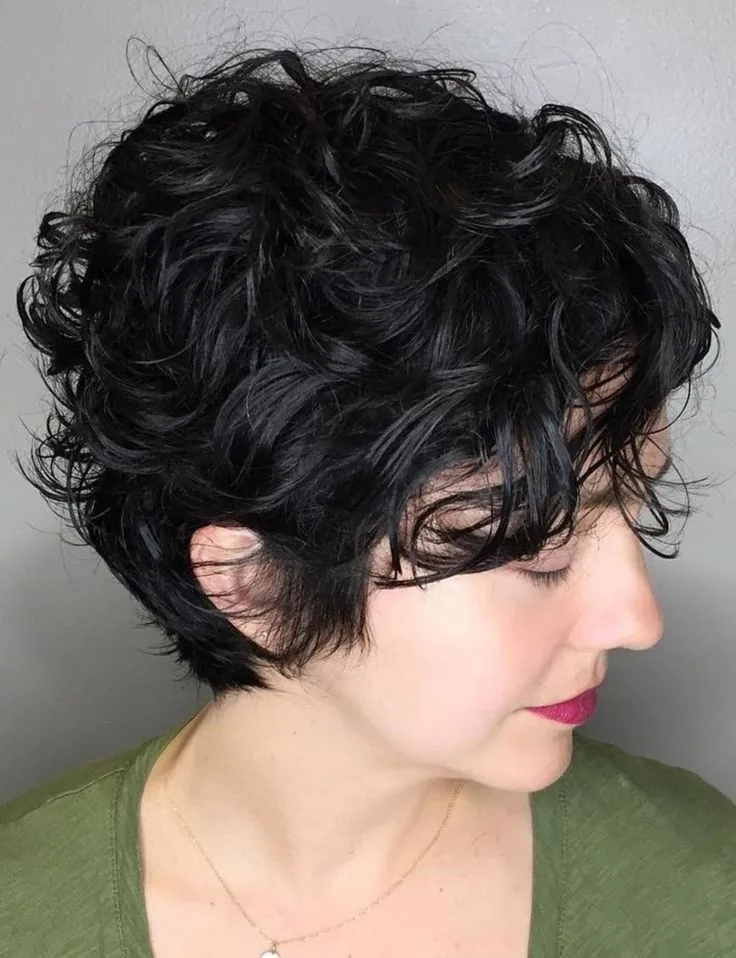
A pixie with a longer, textured top and shorter sides lets wavy, frizzy hair show its texture where it looks best — on top — while the sides stay neat. The contrast gives shape without needing a smooth finish.
Why it works for frizz: Why it works for frizz: Short sides remove the bulk that puffs out, and a longer top gives waves a place to curl naturally. There is simply less hair to frizz, and what texture remains looks styled.
Common mistake to avoid: Common mistake to avoid: Cutting the top too short as well, which leaves no length for waves to form and can make frizz look like a halo.
Maintenance: Maintenance: Trim every 4 to 5 weeks. A dab of wax or cream on damp hair, 5 minutes.
Quick verdict: Quick verdict: Bold, easy and surprisingly forgiving — great if you are ready for short hair.
7. Curtain Bangs With Frizzy Waves
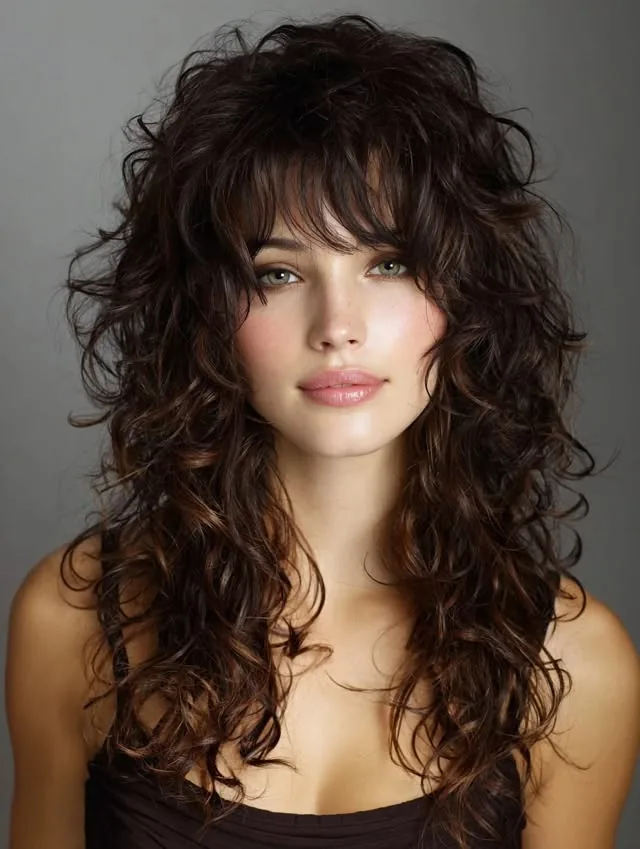
Curtain bangs that part in the middle and sweep to each side soften the face and give frizzy waves a frame. They work best when they are cut a little longer than you think, so they can curl and move without springing up too short.
Why it works for frizz: Why it works for frizz: Bangs draw attention to the eyes and break up the front hairline, where frizz is most noticeable. Longer curtain bangs also blend into waves instead of sitting apart from them.
Common mistake to avoid: Common mistake to avoid: Cutting curtain bangs too short on curly or wavy hair, where shrinkage makes them jump up far higher than expected.
Maintenance: Maintenance: Bang trims every 4 to 6 weeks. Twist each side around your finger while damp and let them air-dry.
Quick verdict: Quick verdict: A gentle way to change your look without losing length — just keep them long.
8. Side-Swept Fringe for Puffy Hair
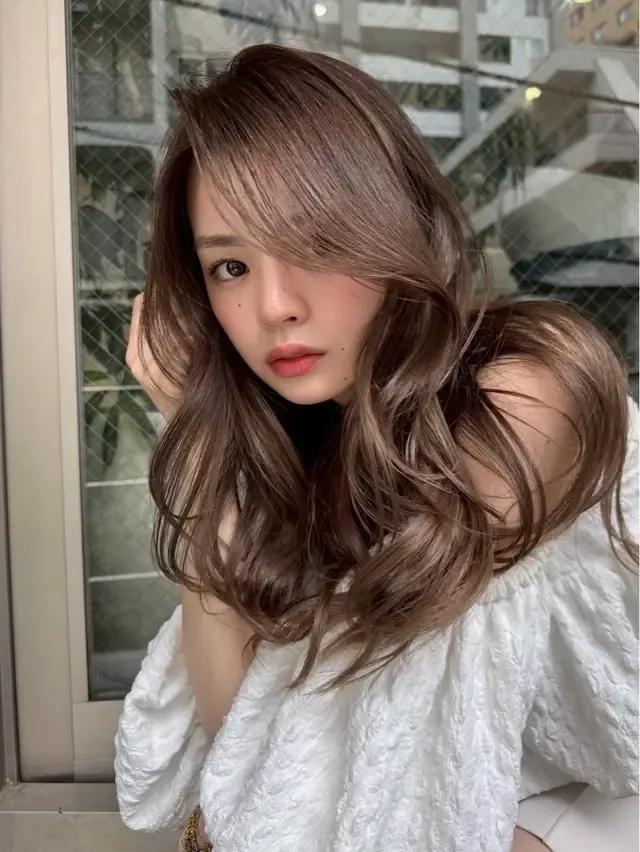
A side-swept fringe sweeps diagonally across the forehead and blends into longer layers, which tames the puffy, wide feeling that frizzy hair can get at the front. It adds direction where frizz usually adds chaos.
Why it works for frizz: Why it works for frizz: A diagonal line breaks up volume and gives the eye a direction to follow, instead of a wall of puffy texture. It also keeps front pieces controlled without needing them to be perfectly smooth.
Common mistake to avoid: Common mistake to avoid: Cutting a blunt, straight-across fringe on very frizzy hair, which can puff up into a separate shelf above the rest of the hair.
Maintenance: Maintenance: Trim every 4 to 6 weeks. Blow-dry to one side with a round brush or finger-style damp, 5 minutes.
Quick verdict: Quick verdict: Good for thick, puffy hair that needs a sense of direction at the front.
9. Face-Framing Layers for Thick Frizzy Hair
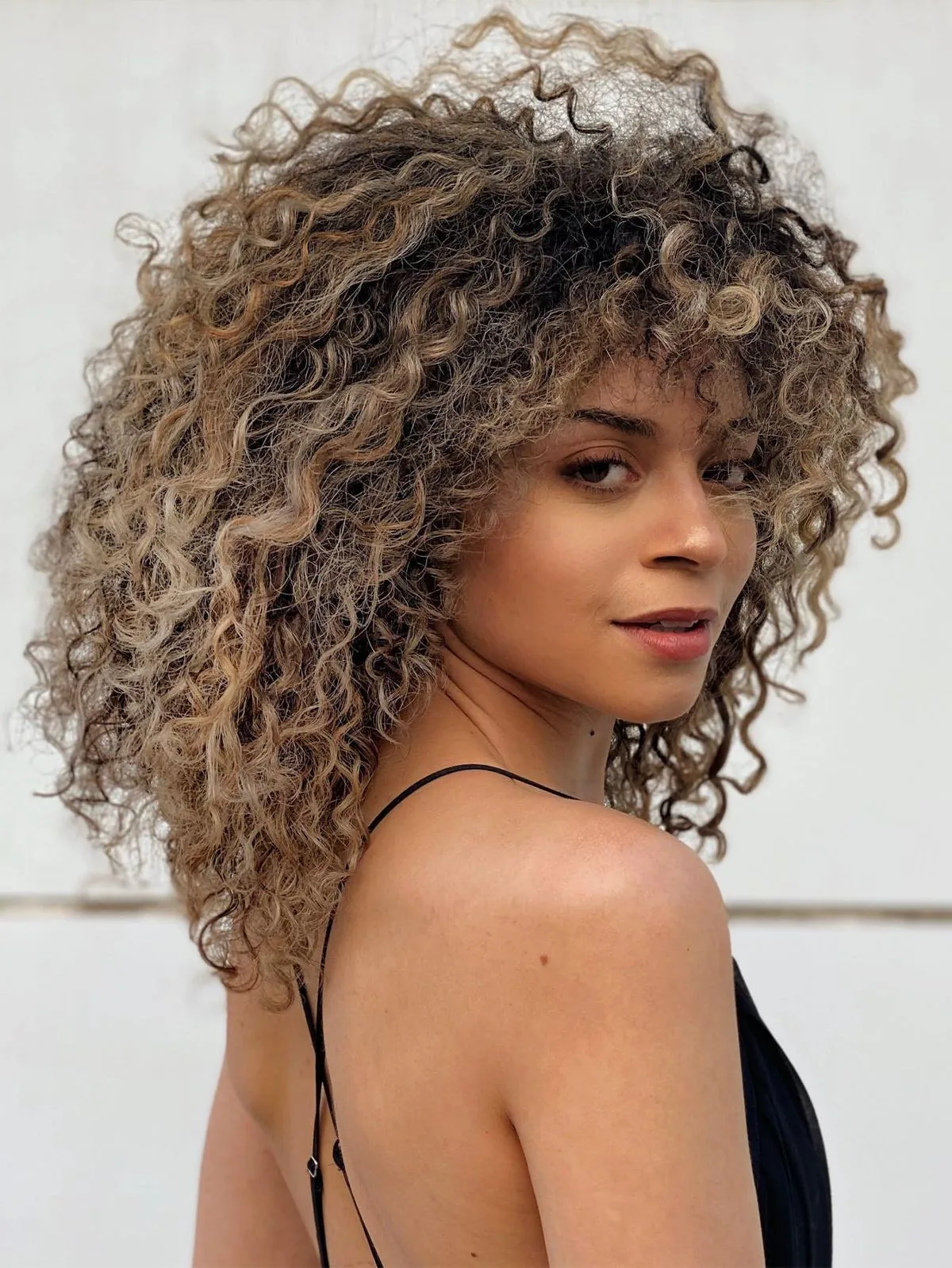
Face-framing layers that start at the cheekbone and fall past the chin give thick, frizzy hair movement around the face without removing its overall weight. They open up the face while the bulk of the hair stays long and heavy.
Why it works for frizz: Why it works for frizz: Shorter pieces around the face curl and move freely, while the long back keeps weight that calms frizz. The framing also stops thick hair from forming a curtain that hides the face.
Common mistake to avoid: Common mistake to avoid: Cutting framing layers that end at chin level and curl inward, which can add puffiness right where you least want it.
Maintenance: Maintenance: Trim every 8 to 10 weeks. Style framing pieces with a round brush or by twisting them while damp.
Quick verdict: Quick verdict: The easiest upgrade to long frizzy hair — it changes the face without changing the length.
10. Feathered Layers for Fine Frizzy Hair
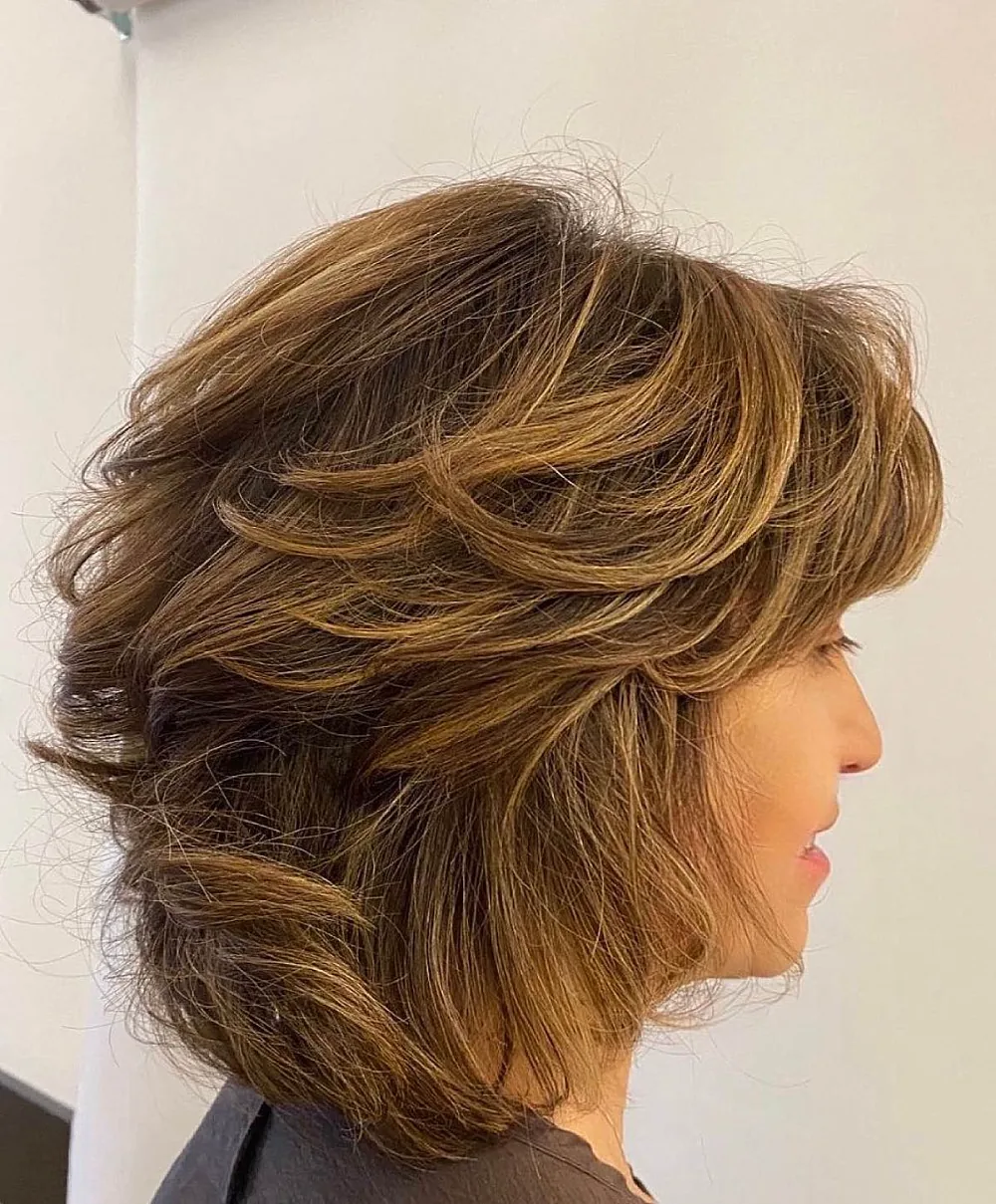
Feathered layers taper softly through fine, frizzy hair, giving it movement without removing too much weight. Unlike heavy layering, feathering keeps the ends looking full while still breaking up the outline.
Why it works for frizz: Why it works for frizz: Feathering softens the edges where fine hair tends to go wispy, and the light movement distracts from flyaways. It avoids the thin, see-through ends that chunky layers can create in fine hair.
Common mistake to avoid: Common mistake to avoid: Over-layering fine hair, which thins the ends and makes frizz more obvious, not less.
Maintenance: Maintenance: Trim every 8 weeks. Lightweight leave-in and a little serum on the ends, 10 minutes.
Quick verdict: Quick verdict: Best layered option for fine hair — soft movement without losing fullness.
11. Defined Curly Cut, Cut Dry
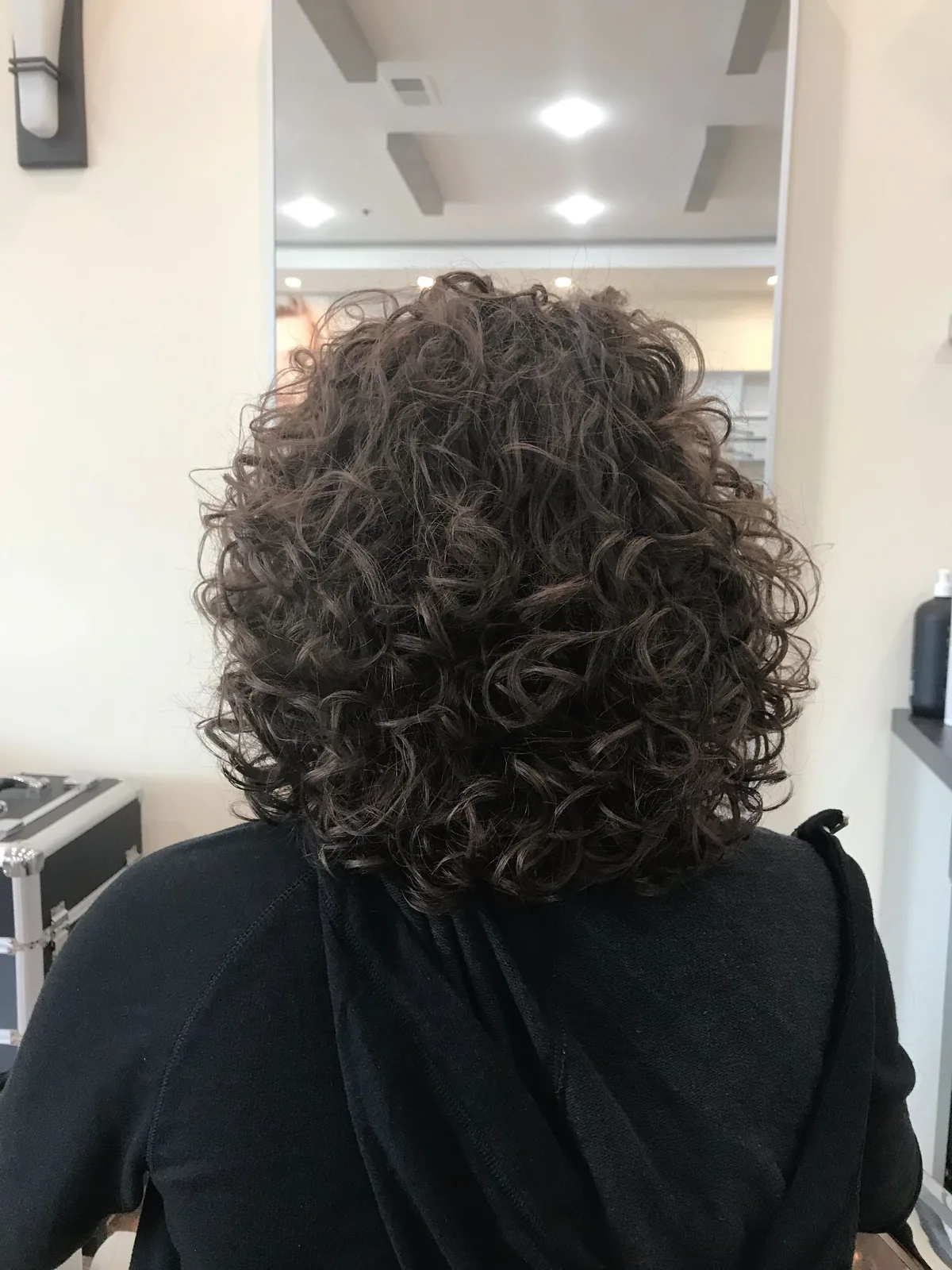
A curly cut done on dry, styled hair lets the stylist see exactly where each curl falls and how much it shrinks. The result is a shape that works with your real curl pattern, not with a straightened guess at it.
Why it works for frizz: Why it works for frizz: Cutting curl by curl prevents the uneven lengths that cause some curls to frizz out while others lie flat. A shape cut to your actual pattern holds its definition for much longer between washes.
Common mistake to avoid: Common mistake to avoid: Getting a curly cut on wet, combed-out hair, which hides shrinkage and can leave the cut far shorter and frizzier than planned.
Maintenance: Maintenance: Trim every 10 to 12 weeks. Wash-and-go with curl cream and gel, diffuse on low, 20 minutes.
Quick verdict: Quick verdict: Worth seeking out a curly specialist for — it transforms how predictable wash days feel.
12. Long Hair With Internal Layers

Internal layers remove bulk from inside long, thick, frizzy hair without shortening the outside length. The hair still looks long, but it moves more freely and dries faster, both of which reduce frizz.
Why it works for frizz: Why it works for frizz: Removing hidden bulk stops thick hair from trapping heat and moisture underneath, which is a major frizz trigger. Lighter hair also falls more evenly instead of puffing out in sections.
Common mistake to avoid: Common mistake to avoid: Internal layering done too aggressively near the surface, which creates short flyaway pieces that stick out of the lengths.
Maintenance: Maintenance: Trim every 10 to 12 weeks. Air-dry or diffuse with cream, 15 minutes.
Quick verdict: Quick verdict: Perfect if you love long hair but hate how heavy and puffy it gets.
13. Shoulder-Length Cut With Blunt Ends
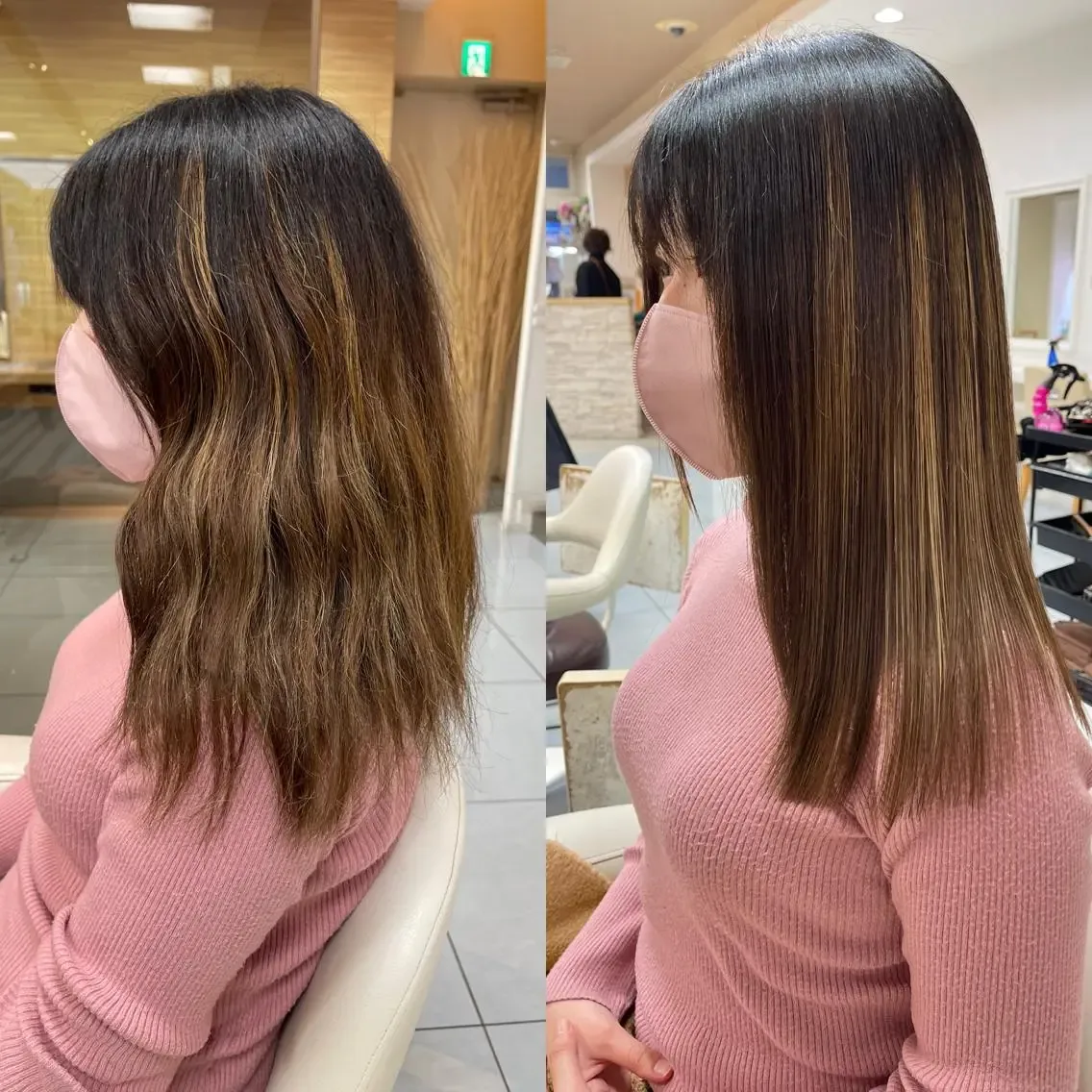
A shoulder-length cut with blunt ends is a practical, flattering length for frizzy hair: long enough to weigh frizz down, short enough to dry quickly and style without exhaustion. The blunt edge keeps the outline clean.
Why it works for frizz: Why it works for frizz: Shoulder length is a sweet spot — the hair has enough weight to calm frizz, but not so much length that the ends dry out and split, which causes more frizz over time.
Common mistake to avoid: Common mistake to avoid: Letting the ends go too long between trims, when split ends start to fray and frizz upward.
Maintenance: Maintenance: Trim every 8 weeks. Serum on damp ends, blow-dry or air-dry, 10 minutes.
Quick verdict: Quick verdict: The reliable, low-drama length that suits almost every frizzy texture.
14. Wolf Cut for Frizzy Thick Hair
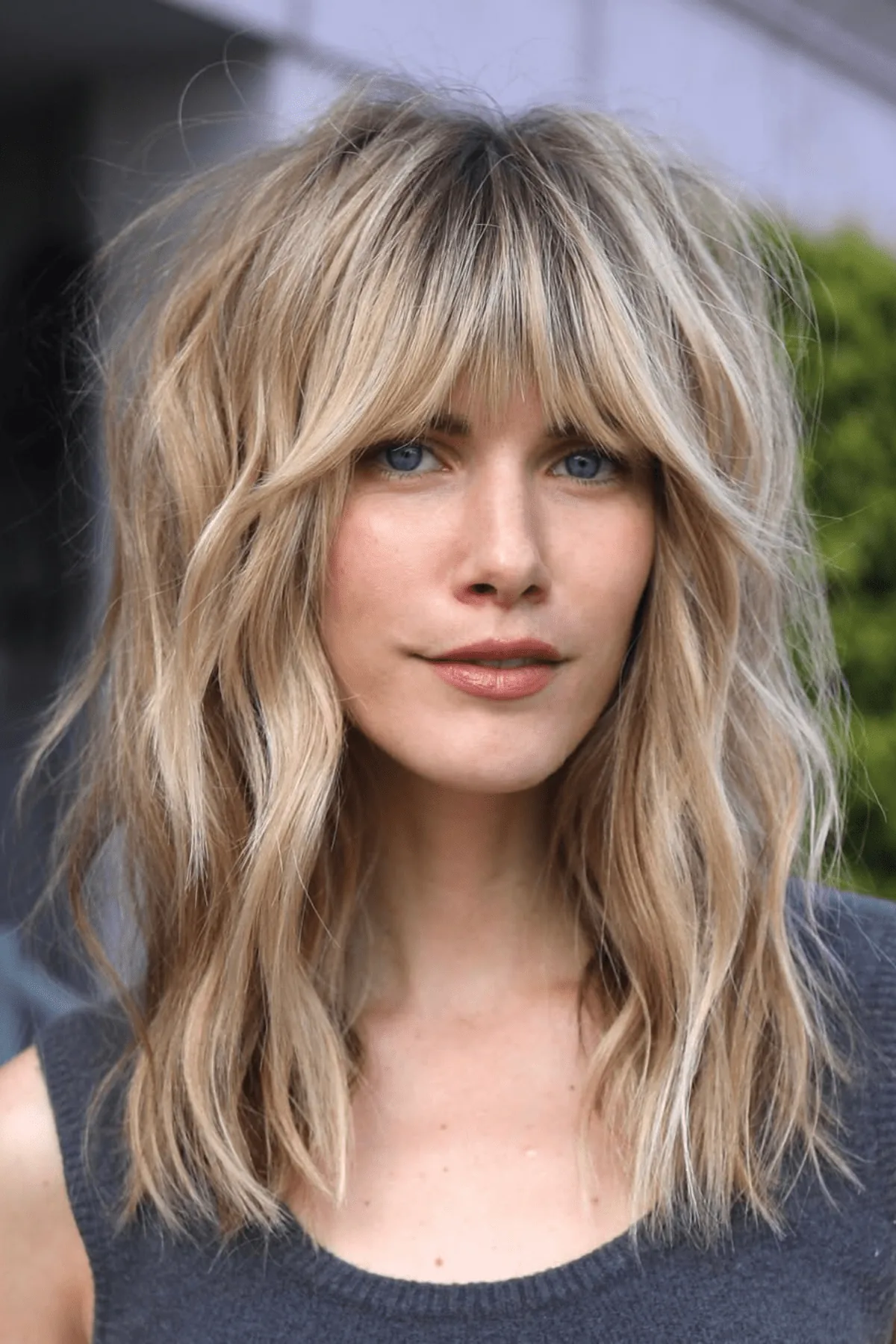
A wolf cut combines shaggy layers on top with longer lengths below, which suits thick, frizzy hair because it turns volume into a deliberate shape. The top has lift and texture, the lengths stay long enough to stay calm.
Why it works for frizz: Why it works for frizz: Instead of trying to flatten volume, the wolf cut organises it — short layers on top, long layers below — so frizz reads as texture and movement rather than as mess.
Common mistake to avoid: Common mistake to avoid: Cutting the top layers too short on very curly hair, where they can shrink into a frizzy pouf that disconnects from the lengths.
Maintenance: Maintenance: Trim every 8 to 10 weeks. Scrunch with cream and diffuse, 15 minutes.
Quick verdict: Quick verdict: Fun and modern, best for thick hair that already has plenty of volume.
15. Butterfly Layers for Frizzy Long Hair
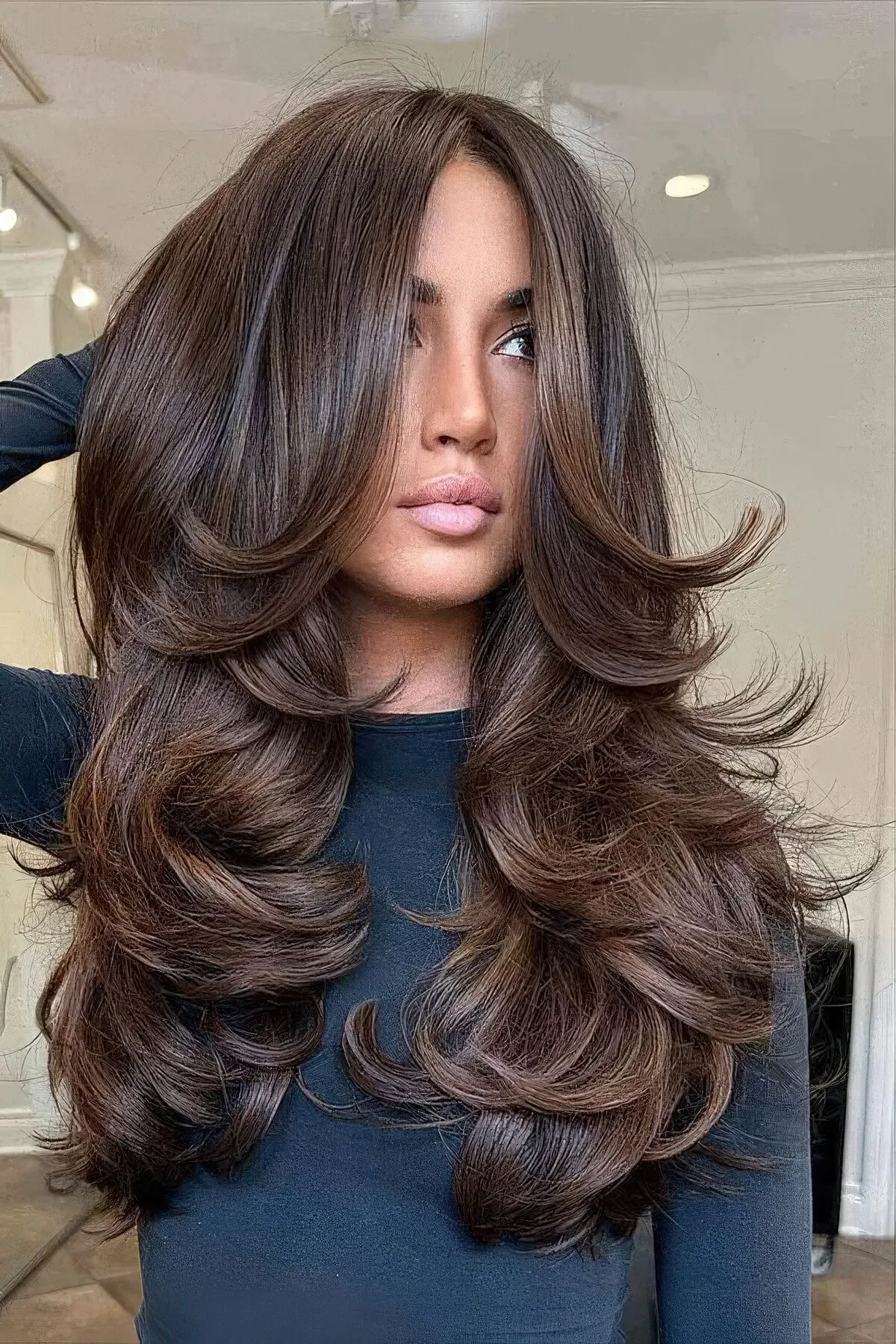
Butterfly layers keep long hair looking long from the back, while shorter, face-framing layers at the front give movement and bounce. For frizzy long hair, this gives shape without sacrificing the weight that keeps frizz calm.
Why it works for frizz: Why it works for frizz: The long back layer anchors the style, so front layers can move and curl without the whole cut puffing up. It also adds volume at the crown where long frizzy hair often goes flat.
Common mistake to avoid: Common mistake to avoid: Cutting the front layers too short, which removes the anchor effect and lets the front frizz out separately from the back.
Maintenance: Maintenance: Trim every 10 weeks. Blow-dry front layers with a round brush, or scrunch and air-dry, 15 minutes.
Quick verdict: Quick verdict: A pretty, face-opening cut for long frizzy hair that still feels long.
16. Loose Low Bun for Frizz Days
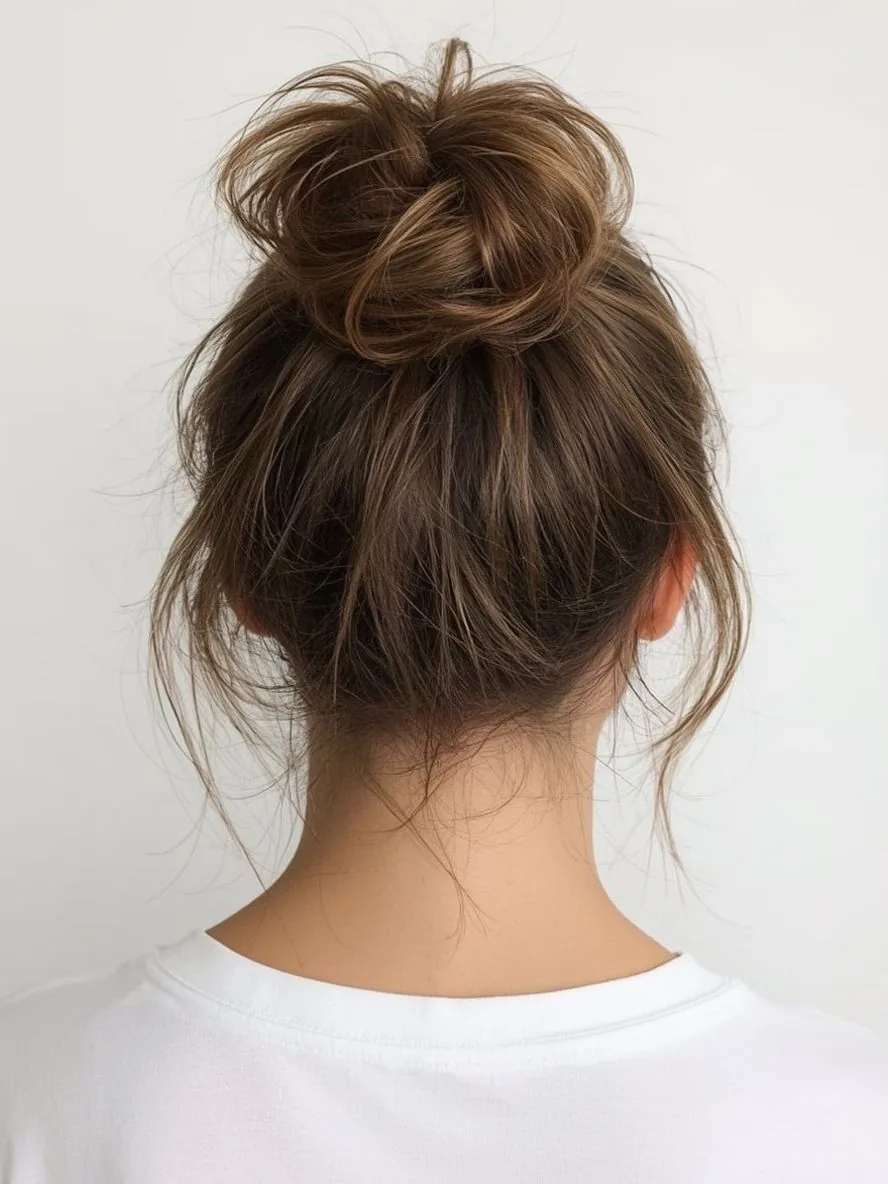
A loose low bun, gathered softly at the nape with a few pieces left out, is the classic frizz-day rescue. It looks elegant precisely because it is not trying to be sleek, so any softness around the face reads as intentional.
Why it works for frizz: Why it works for frizz: Containing most of the hair removes the surface area humidity can attack, while looseness means new frizz blends in instead of ruining a smooth finish.
Common mistake to avoid: Common mistake to avoid: Pulling the bun tight and sleek first, then watching frizz escape all around it — looseness from the start looks better and lasts longer.
Maintenance: Maintenance: No cut needed. Five minutes, a scrunchie or pins, and a little cream on the front pieces.
Quick verdict: Quick verdict: The five-minute fix every frizzy-haired person should have in their back pocket.
17. High Messy Bun With Soft Pieces
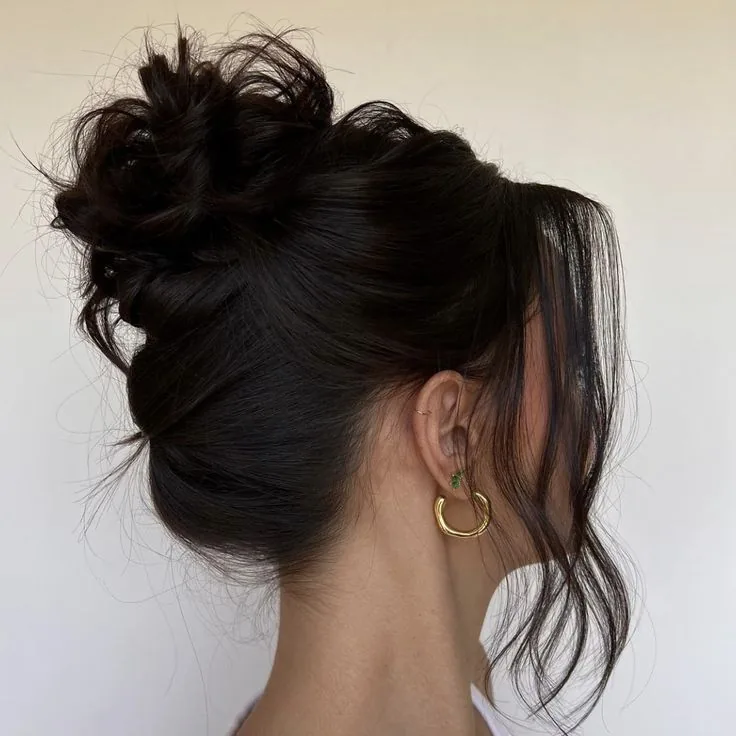
A high messy bun piles frizzy texture on top of the head, where volume is an advantage, and leaves soft pieces around the face. It turns the very thing that frustrates you — volume — into the style itself.
Why it works for frizz: Why it works for frizz: Height and texture are the point here, so frizz adds to the look instead of fighting it. Pulling hair up also keeps it off the neck on hot, humid days.
Common mistake to avoid: Common mistake to avoid: Scraping hair back tightly before bunning it, which creates tension at the hairline and makes escaping frizz look messy rather than soft.
Maintenance: Maintenance: No cut needed. Five minutes with a scrunchie and a few pins.
Quick verdict: Quick verdict: Fast, flattering and honest — it works with frizz, not against it.
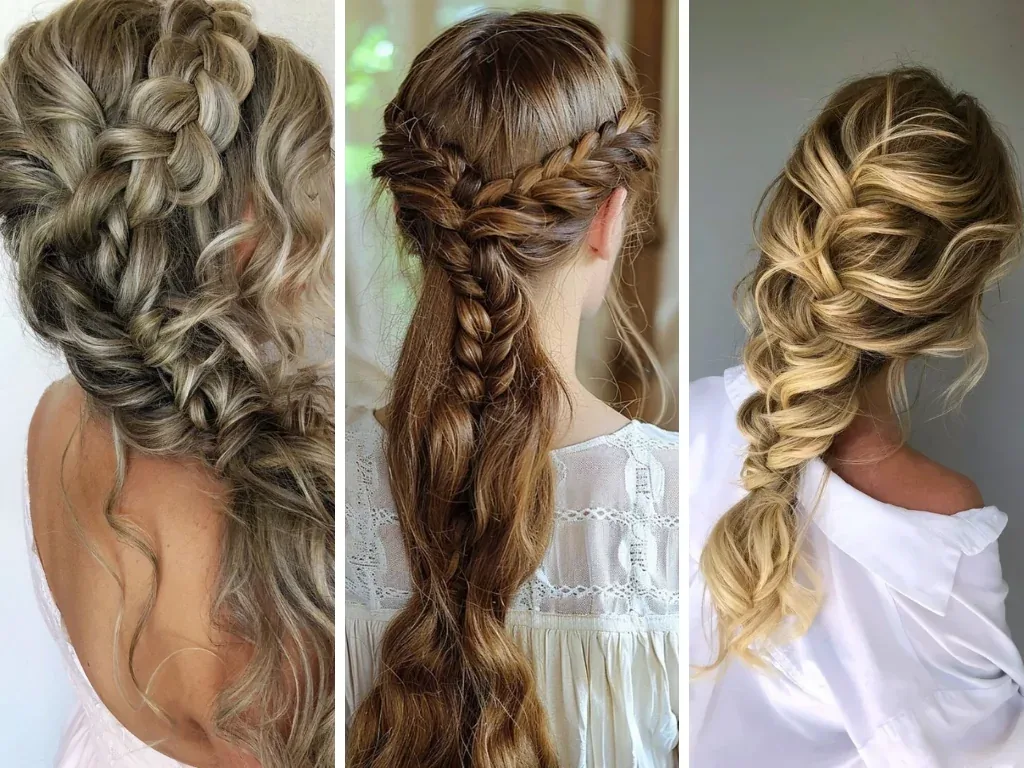
18. Loose Side Braid Over One Shoulder
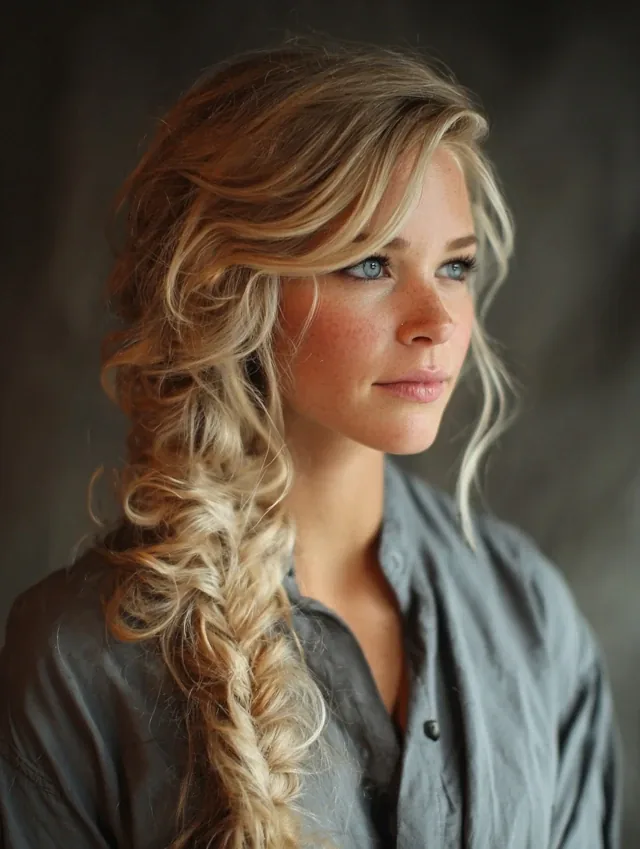
A loose side braid sweeps frizzy hair to one side and contains it in a soft plait, with a few pieces pulled out for softness. As the day goes on and the braid loosens, it only looks more relaxed and pretty.
Why it works for frizz: Why it works for frizz: Braiding keeps hair contained and protected from humidity, while the loose tension means frizz blends into the braid texture instead of standing out against smooth hair.
Common mistake to avoid: Common mistake to avoid: Braiding too tightly on dry, frizzy hair, which can snap strands and create more flyaways along the braid.
Maintenance: Maintenance: No cut needed. Braid on slightly damp hair with a little cream, 5 to 10 minutes.
Quick verdict: Quick verdict: Beautiful on humid days, and it leaves soft waves when you take it out.
19. French Braid Crown for Humidity
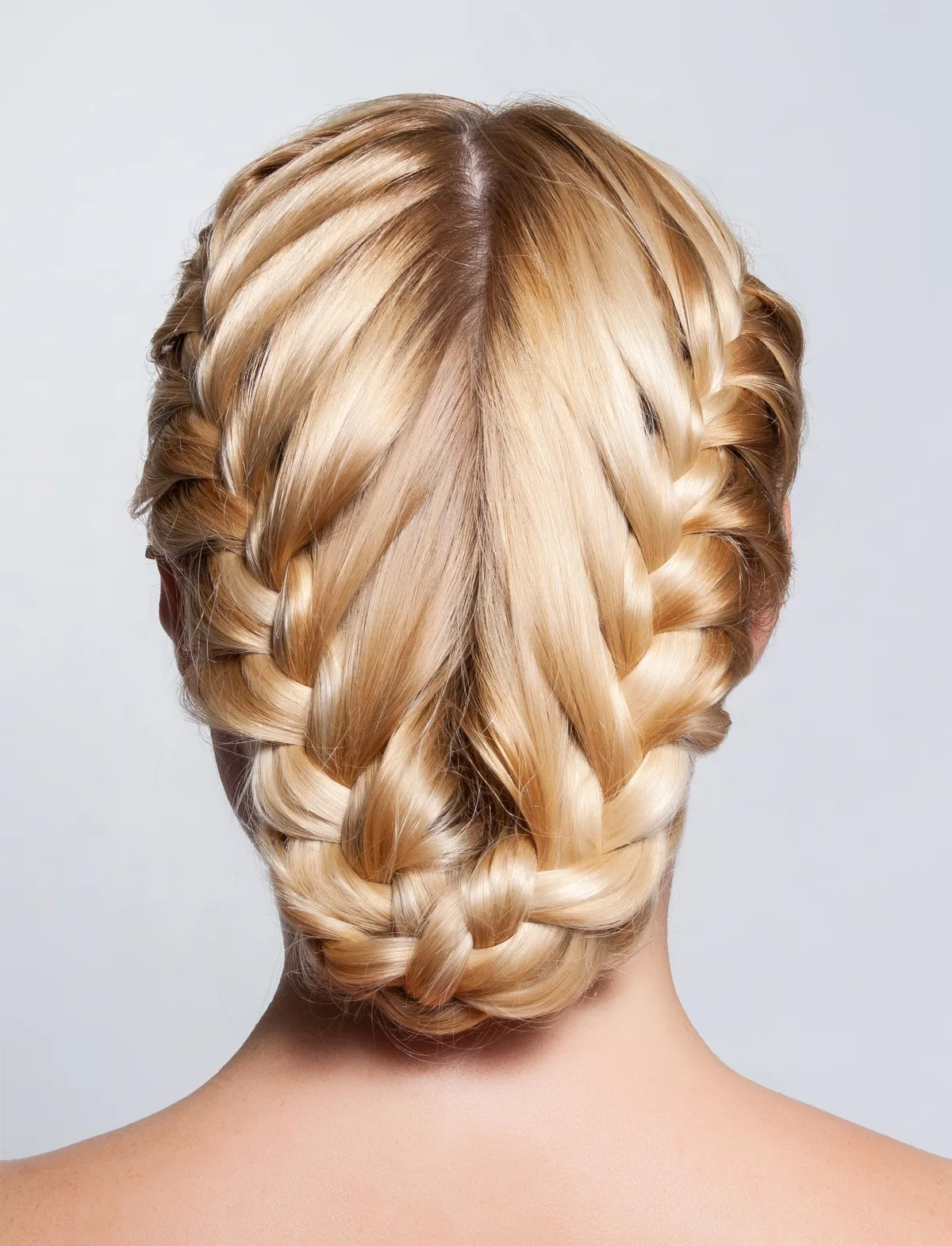
A French braid worked around the crown keeps frizzy hair completely contained and off the face, while looking polished and intentional. It is one of the most humidity-proof styles there is, because almost no hair is left loose to swell.
Why it works for frizz: Why it works for frizz: The braid structure locks hair in place, so humidity has very little loose hair to affect. Any softness that escapes reads as romantic texture around a neat braid.
Common mistake to avoid: Common mistake to avoid: Starting the braid on completely dry, unprepped hair, which makes it slip and frizz out quickly. A little cream on damp hair helps it hold.
Maintenance: Maintenance: No cut needed. Ten to fifteen minutes, best on second-day hair with a little texture.
Quick verdict: Quick verdict: The most reliable humid-day style — worth learning even if braiding feels tricky at first.
20. Half-Up Claw Clip for Wavy Frizz
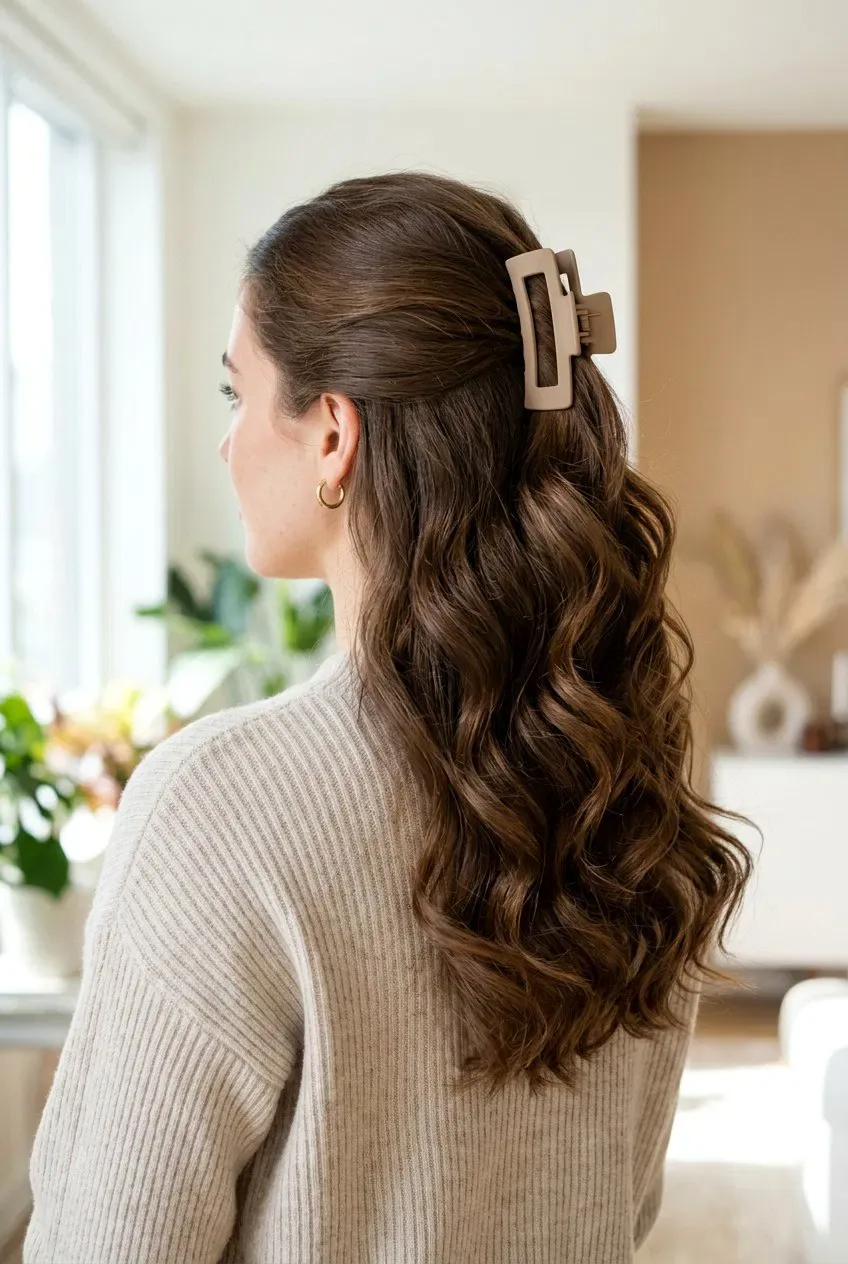
A half-up claw clip pulls the top section of wavy, frizzy hair back and lets the rest fall free. It controls the front and crown, where frizz shows most, while keeping the lengths and waves on display.
Why it works for frizz: Why it works for frizz: The clip contains the frizziest area — the crown and front — and the loose lengths below look intentionally wavy. It also adds a little lift at the top, which flatters the face.
Common mistake to avoid: Common mistake to avoid: Clipping hair back too tightly, which flattens the crown and pushes frizz out around the clip.
Maintenance: Maintenance: No cut needed. Two minutes with a claw clip, plus a little cream on the front pieces if needed.
Quick verdict: Quick verdict: The easiest everyday style for wavy frizzy hair — keep a clip in your bag.
21. Low Ponytail, Smoothed Only at the Front
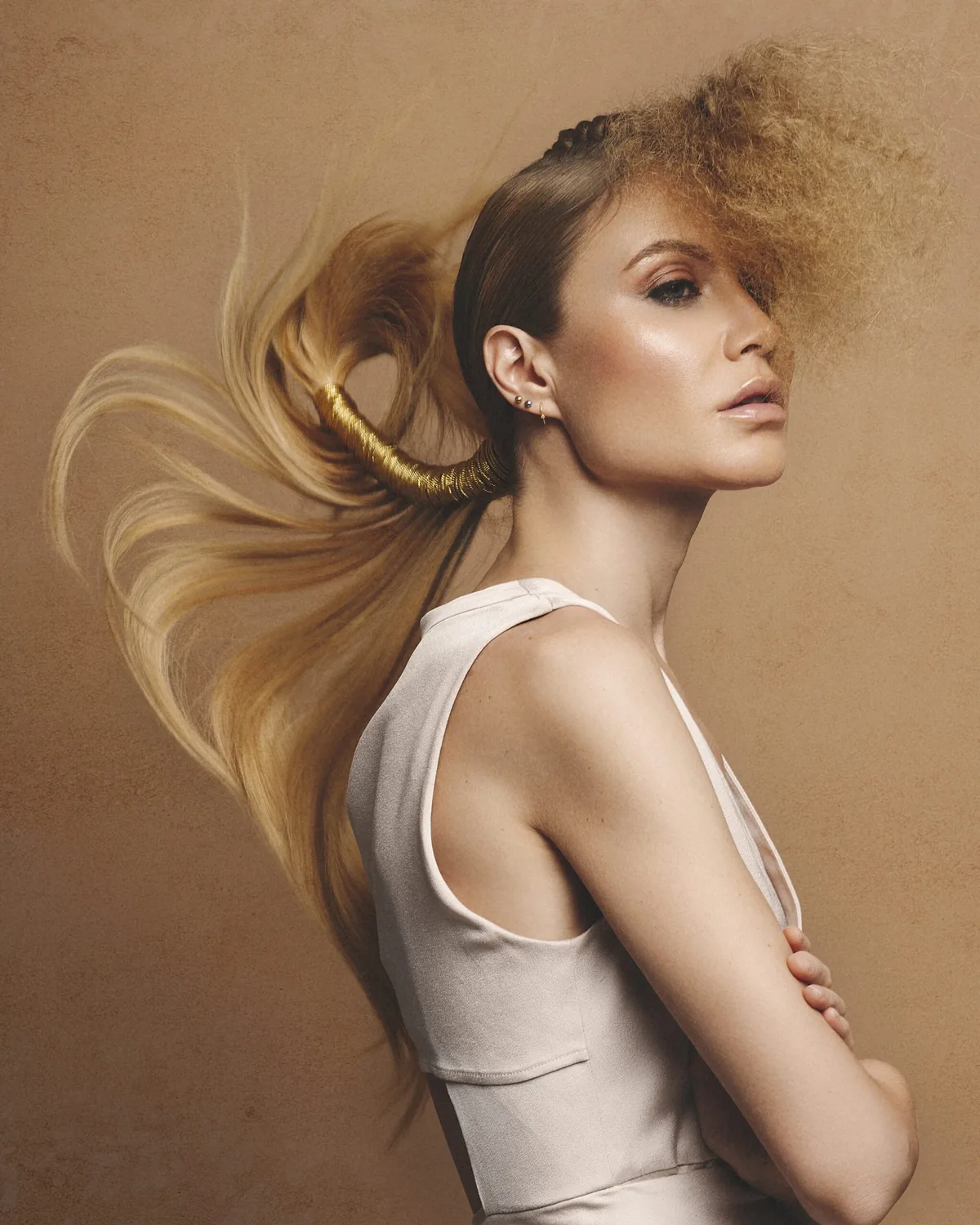
A low ponytail where only the front pieces are smoothed, and the tail itself is left textured, gives a polished look without demanding a perfectly smooth finish. The tail can be wavy, curly or frizzy — it all looks deliberate.
Why it works for frizz: Why it works for frizz: You only need to control a small area, the front, instead of the whole head, so the style is achievable in minutes and stays looking good as texture returns.
Common mistake to avoid: Common mistake to avoid: Trying to smooth the entire ponytail with a straightener, which takes ages and frizzes up again in humidity anyway.
Maintenance: Maintenance: No cut needed. Five minutes, a scrunchie, and a little serum smoothed over the front pieces.
Quick verdict: Quick verdict: Smart for work or school — polished where it matters, relaxed everywhere else.
22. Top Knot With Natural Texture
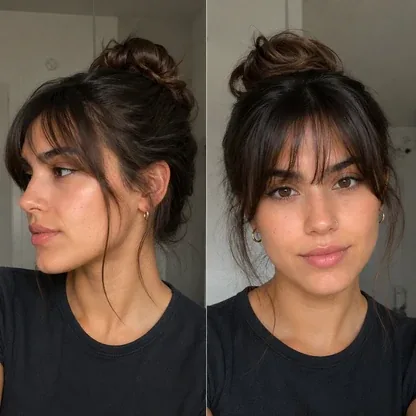
A top knot that embraces natural texture — twisted loosely and pinned, rather than smoothed flat — turns frizzy volume into height and shape. It is quick, cool on hot days, and looks styled without any heat.
Why it works for frizz: Why it works for frizz: The knot is supposed to look textured, so frizz contributes to the shape instead of spoiling it. Hair is also fully off the neck and face, which helps on humid days.
Common mistake to avoid: Common mistake to avoid: Using a tight elastic repeatedly in the same spot, which can break frizzy, dry hair over time. Rotate the position and use a scrunchie.
Maintenance: Maintenance: No cut needed. Five minutes, a scrunchie and pins.
Quick verdict: Quick verdict: The hot-day hero — fast, cool and genuinely flattering.
23. Twisted Updo for Thick Frizzy Hair
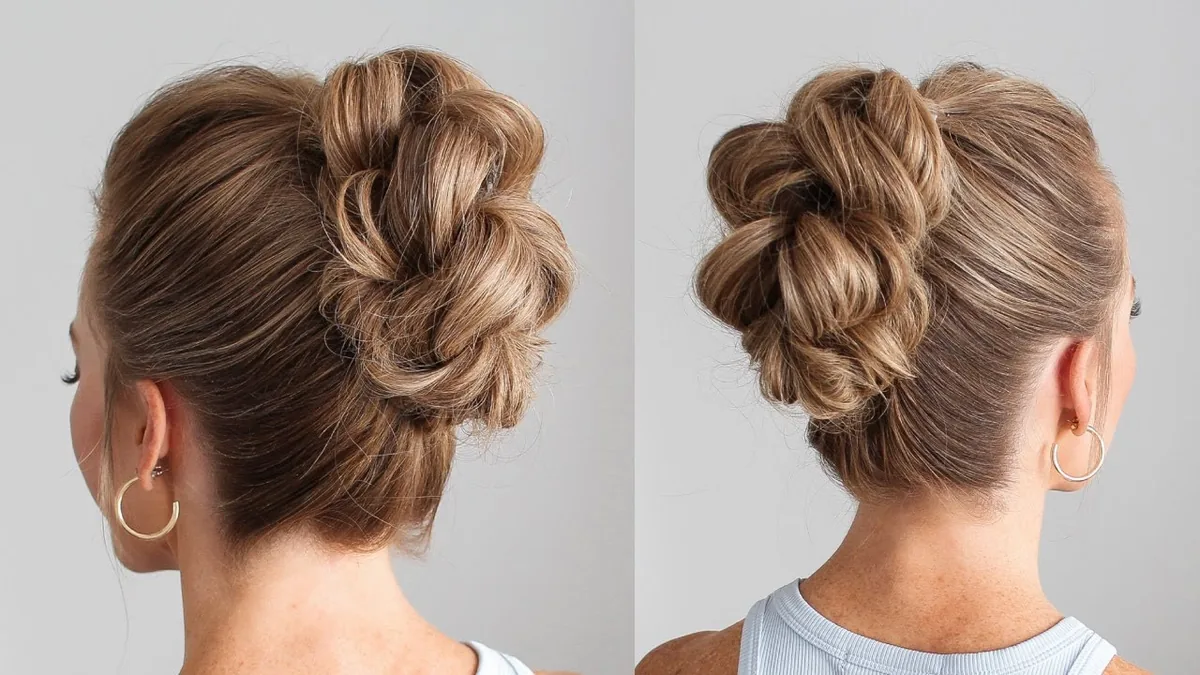
A twisted updo divides thick, frizzy hair into two or three loose twists, then pins them up softly. Twists contain bulk better than a single bun, and they create a beautiful, textured shape.
Why it works for frizz: Why it works for frizz: Twisting compresses frizz into a defined shape, so volume becomes structure. The updo also keeps thick hair from sitting heavily on the neck in heat.
Common mistake to avoid: Common mistake to avoid: Twisting sections too tightly, which can cause breakage in dry, frizzy hair and makes the updo look severe rather than soft.
Maintenance: Maintenance: No cut needed. Ten minutes, pins, and a little cream on damp hair first.
Quick verdict: Quick verdict: Elegant enough for occasions, easy enough for a bad hair day.
24. Beach Waves, Humidity-Proofed

Beach waves made with a light hold cream and a sea-salt or texture spray, then left alone, are naturally humidity-friendly because they are already textured. The waves are supposed to be a little undone, so humidity just adds to the effect.
Why it works for frizz: Why it works for frizz: The style’s texture hides frizz completely — a flyaway is just another wave. Sealing with a light cream on damp hair also gives humidity less dry hair to swell.
Common mistake to avoid: Common mistake to avoid: Over-wanding every section into perfect curls, then watching humidity turn them into frizz. Looser waves last better.
Maintenance: Maintenance: Trim every 8 to 10 weeks. Twist sections around a wand or braid overnight, 15 minutes or overnight.
Quick verdict: Quick verdict: The rare style that actually gets better in coastal, humid air.
25. Defined Wash-and-Go Curls
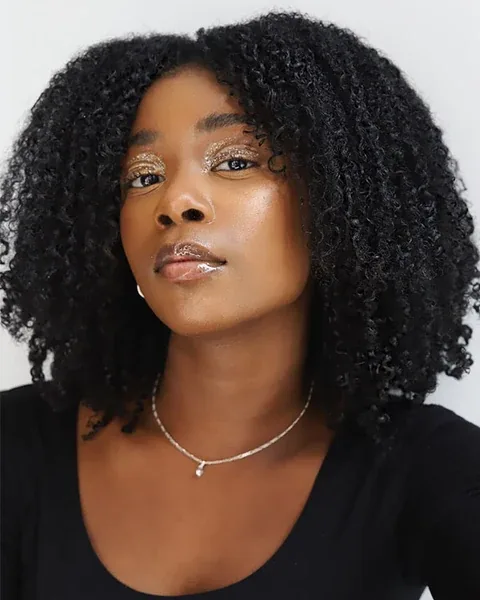
A wash-and-go for curly, frizzy hair means applying curl cream and gel to soaking-wet hair, scrunching to encourage clumps, and then leaving hair completely alone until dry. The result is defined curls with far less frizz than combing or touching would give.
Why it works for frizz: Why it works for frizz: Wet styling locks each curl clump in place before frizz can form, and gel creates a cast that protects curls while they dry. Once the cast is scrunched out, curls stay defined for days.
Common mistake to avoid: Common mistake to avoid: Touching curls while they dry, which breaks the gel cast early and turns definition straight back into frizz.
Maintenance: Maintenance: Trim every 10 to 12 weeks with a curly cut. Wash-and-go takes 20 minutes, then refresh with water and cream on later days.
Quick verdict: Quick verdict: The gold standard for curly frizz — it takes practice, but it pays off every wash day.
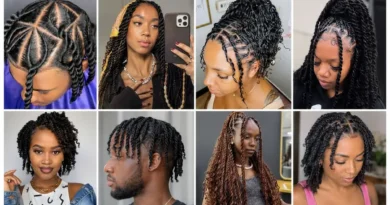
26. Twist-Out for Natural Curls
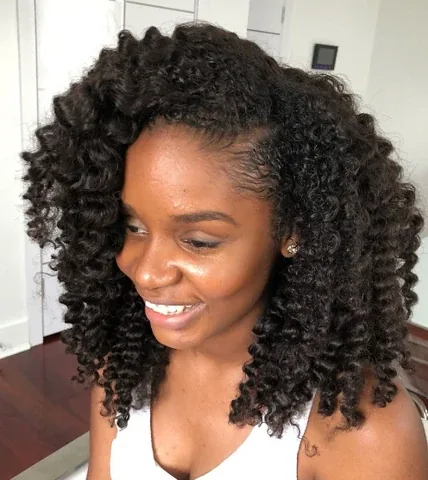
A twist-out, where damp hair is twisted into sections, left to dry, then unravelled, gives natural curls stretched, defined waves with much less frizz than air-drying loose. The twists set a pattern that holds for days.
Why it works for frizz: Why it works for frizz: The twist pattern organises curls into larger, smoother clumps, so individual strands are less likely to fly away. Stretching the curl also reduces shrinkage-related puffiness.
Common mistake to avoid: Common mistake to avoid: Unravelling twists before they are fully dry, which breaks the set and brings frizz straight back.
Maintenance: Maintenance: No cut needed, though a shaped cut helps. Twisting takes 20 to 30 minutes, then the style lasts 3 to 5 days.
Quick verdict: Quick verdict: Excellent for natural hair that frizzes when left to dry loose.
27. Braid-Out Waves for Wavy Hair
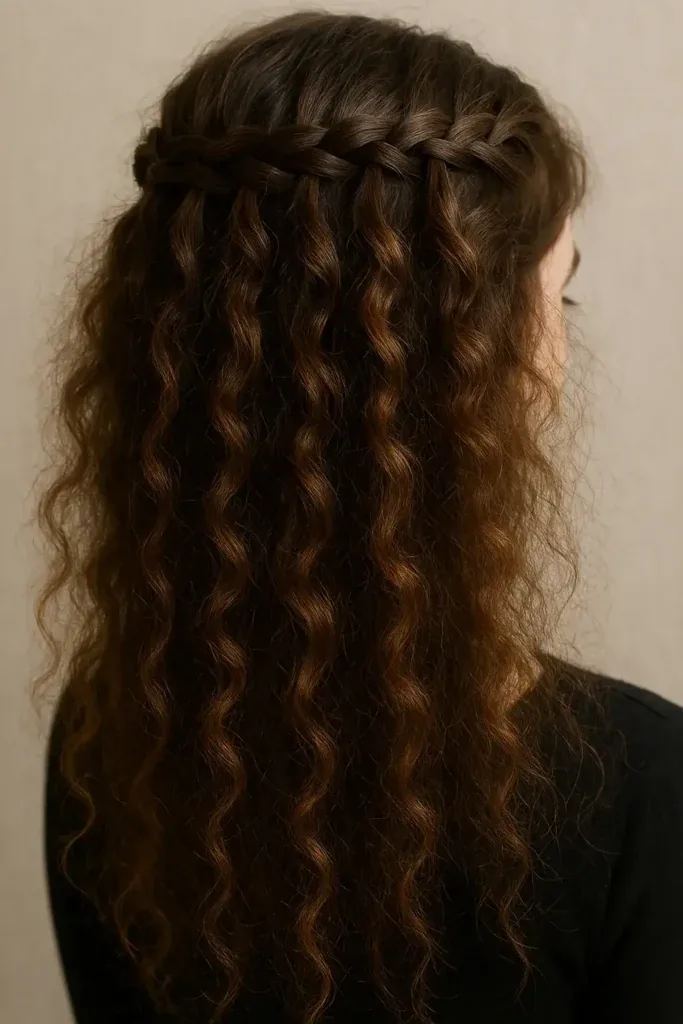
A braid-out, where damp hair is braided loosely overnight and unravelled in the morning, gives wavy, frizzy hair soft, even waves without any heat. The braid pattern replaces random frizz with a consistent wave.
Why it works for frizz: Why it works for frizz: Braiding while damp sets the hair into a smooth wave pattern as it dries, so strands dry in formation instead of flying free. A little oil on the hands while unravelling keeps new frizz down.
Common mistake to avoid: Common mistake to avoid: Braiding hair that is too wet and tight, which can leave it damp for too long and create a musty smell or uneven waves.
Maintenance: Maintenance: No cut needed. Braid in the evening, 10 minutes, and unravel in the morning.
Quick verdict: Quick verdict: The best heat-free waves for frizzy hair — set it and sleep on it.
28. Smooth Blowout With a Round Brush
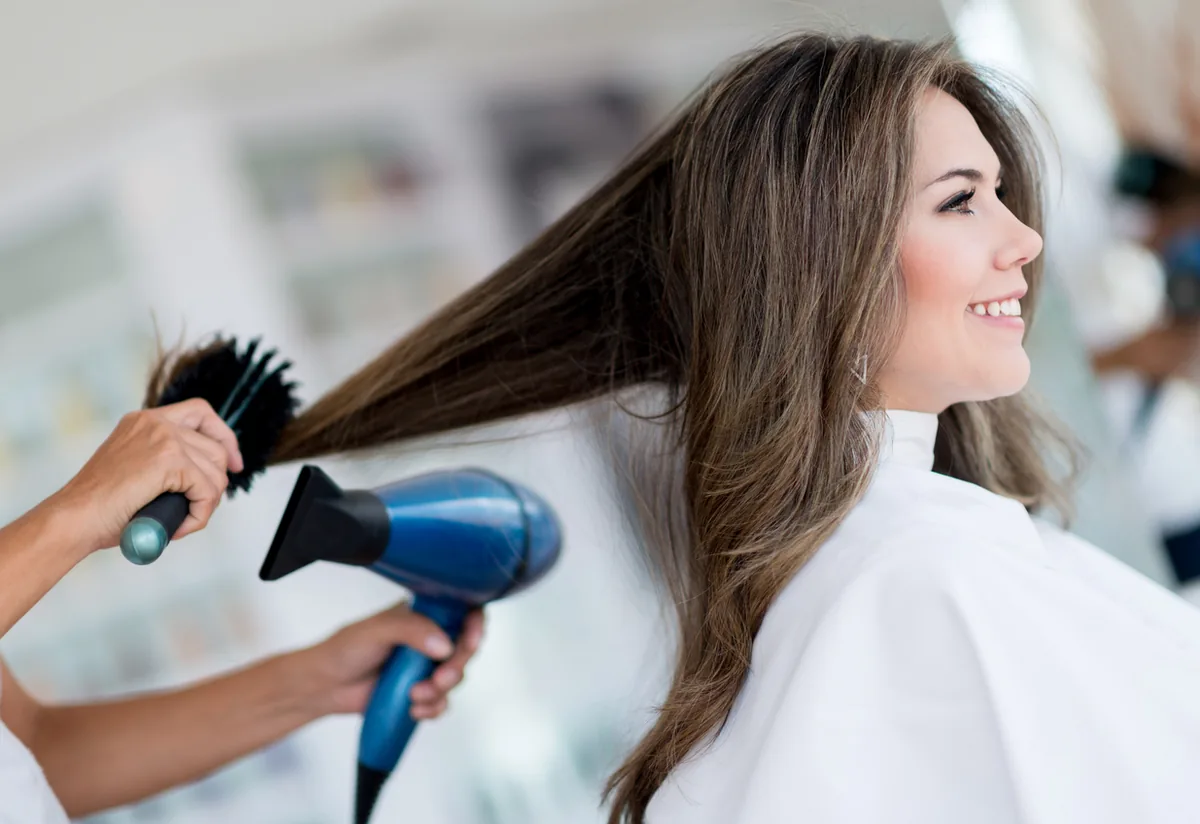
A smooth blowout using a round brush, medium heat and a heat protectant gives frizzy hair a sleek finish that can last, provided hair is properly prepped with leave-in conditioner and dried in sections. It is the occasion style, not the everyday default.
Why it works for frizz: Why it works for frizz: Drying hair smooth while it is still damp, with tension from the brush, closes the cuticle in a smooth position. A cool shot at the end locks that smoothness in.
Common mistake to avoid: Common mistake to avoid: Blow-drying on high heat without protectant, or drying hair that is already half-dry and frizzy — the cuticle is already lifted by then.
Maintenance: Maintenance: Trim every 8 weeks. Blowout takes 20 to 30 minutes and lasts 2 to 3 days with a silk pillowcase.
Quick verdict: Quick verdict: Lovely for special occasions — just do not rely on it daily, or heat damage will increase frizz long-term.
29. Sleek Low Chignon for Occasions
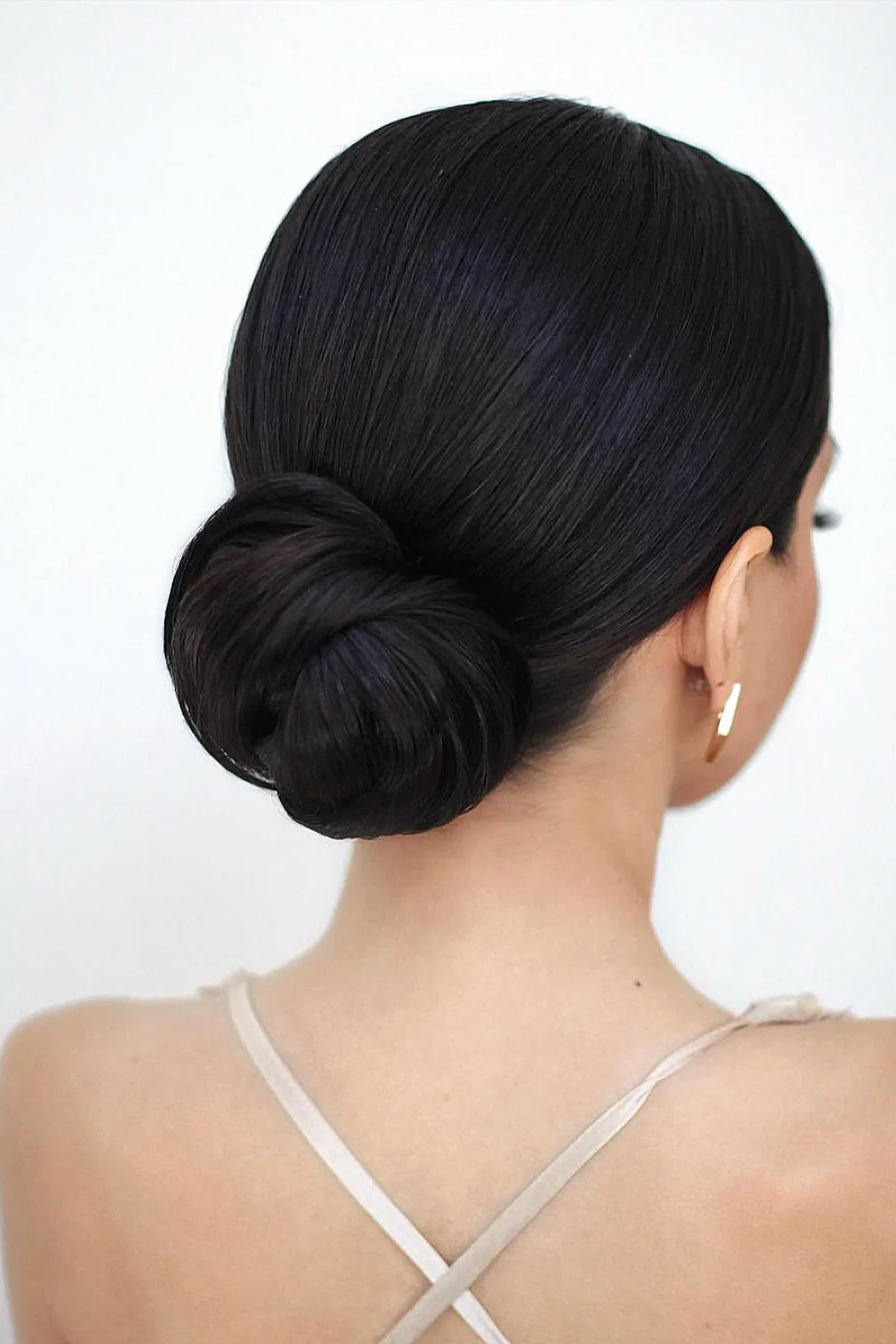
A sleek low chignon gathers hair softly at the nape and twists it into a neat, low knot, with the front smoothed just enough to look polished. It is elegant for weddings and work events, and it hides a multitude of frizz sins.
Why it works for frizz: Why it works for frizz: Almost all hair is contained, so humidity has little to work on, and the low, soft shape means any escaping texture looks romantic rather than messy.
Common mistake to avoid: Common mistake to avoid: Scraping hair back with a fine brush on dry hair, which creates breakage and flyaways. Smooth damp hair with cream instead.
Maintenance: Maintenance: No cut needed. Ten to fifteen minutes, pins, and a light-hold spray.
Quick verdict: Quick verdict: The occasion updo that actually survives a humid evening.
30. Pineapple Updo for Curly Hair Overnight and Out
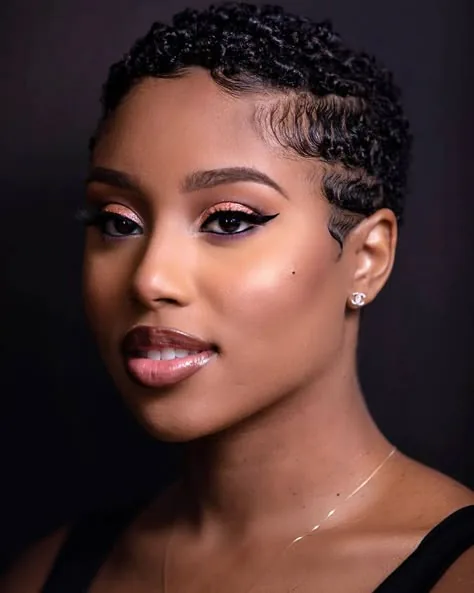
A pineapple updo piles curls loosely on top of the head with a scrunchie, keeping curls from being crushed overnight and creating a fun, high style by day. It protects curl definition while looking deliberately playful.
Why it works for frizz: Why it works for frizz: Curls are kept in their clumps and off the pillow, so they do not get flattened and frizzed overnight. By day, the high pile turns curl volume into a feature.
Common mistake to avoid: Common mistake to avoid: Using a tight elastic for the pineapple, which dents curls and breaks strands. A loose silk scrunchie is essential.
Maintenance: Maintenance: No cut needed. One minute to gather, and it doubles as overnight curl protection.
Quick verdict: Quick verdict: Two jobs in one — daytime style and nighttime curl saver.
31. Double Buns for Textured Hair
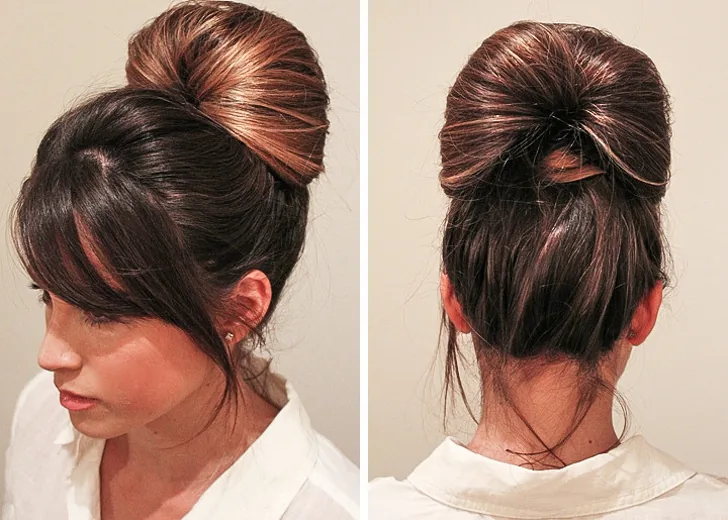
Double buns divide frizzy, textured hair into two soft buns, one on each side, which contain volume evenly and look playful and intentional. They work especially well on thick or curly hair that would overwhelm a single bun.
Why it works for frizz: Why it works for frizz: Splitting hair in two halves the bulk each bun must contain, so neither bun has to be pulled tight. Texture in each bun looks deliberate and fun.
Common mistake to avoid: Common mistake to avoid: Parting hair unevenly or pulling one side tighter than the other, which makes the style look lopsided rather than playful.
Maintenance: Maintenance: No cut needed. Ten minutes, two scrunchies and pins.
Quick verdict: Quick verdict: Playful, practical and great for festivals, workouts or hot days.
32. Headscarf-Wrapped Style for Frizz Protection
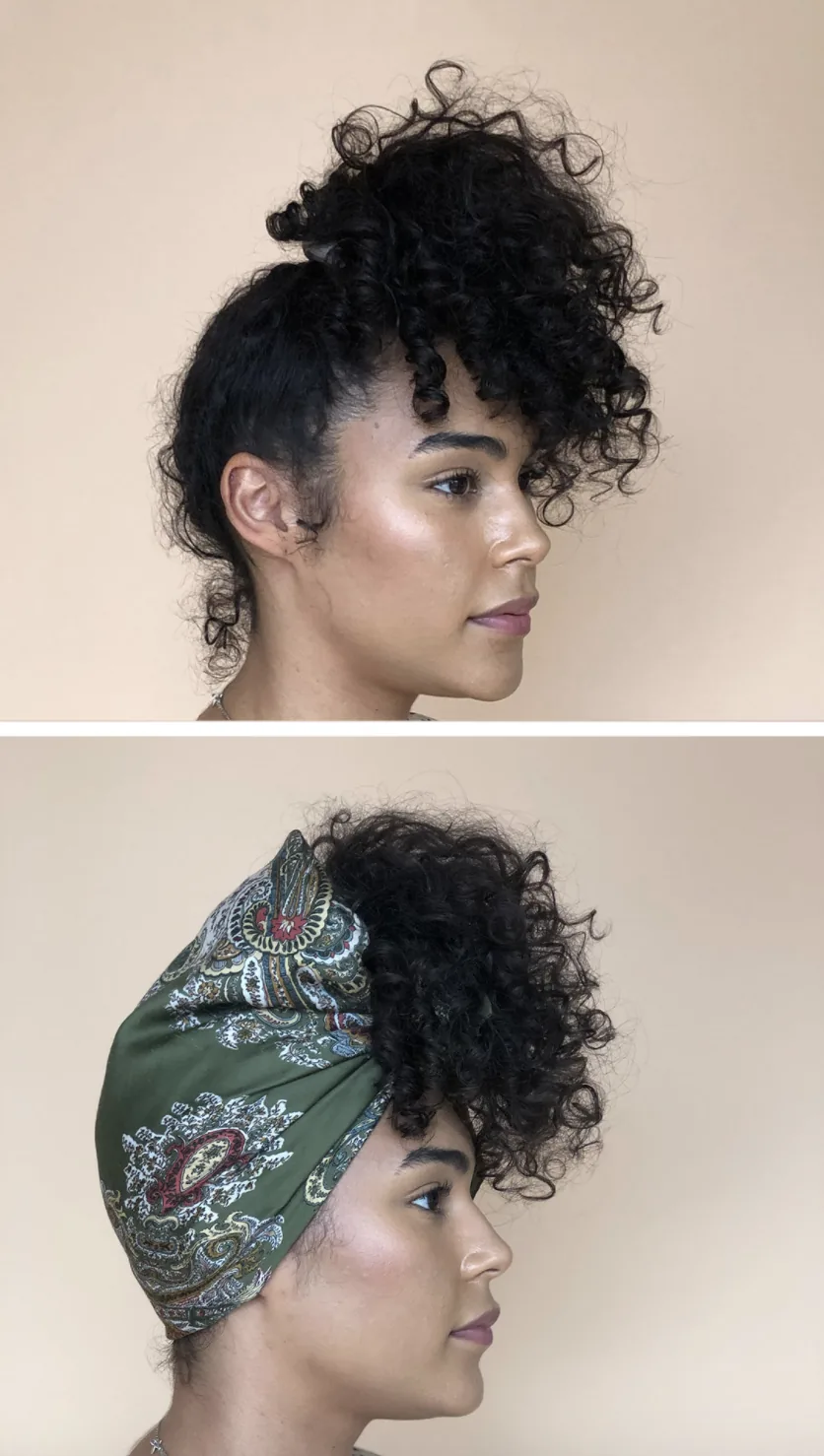
A headscarf-wrapped style, where a silk or satin scarf is tied over the crown or as a band, protects frizzy hair from humidity and friction while adding colour and style. It is both a fashion choice and genuine hair care.
Why it works for frizz: Why it works for frizz: Silk and satin reduce friction, which is a major frizz cause, and the scarf covers the crown where frizz is most visible. It also protects hair from wind and humidity on the go.
Common mistake to avoid: Common mistake to avoid: Tying a cotton scarf too tightly, which absorbs moisture from hair and creates friction — silk or satin is the point.
Maintenance: Maintenance: No cut needed. Five minutes to tie, and the scarf can be reused daily.
Quick verdict: Quick verdict: Stylish protection — especially useful on the worst humidity days.
33. Curly Bob With Volume on Top
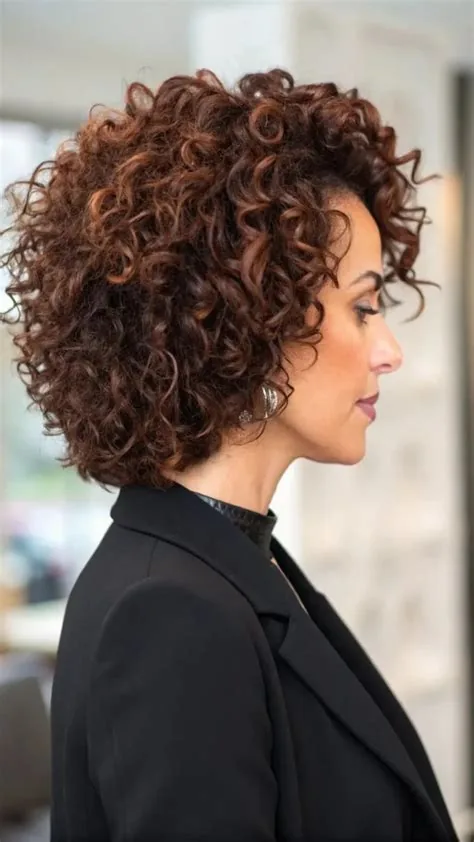
A curly bob cut to sit around the jaw with volume on top gives curls a rounded, bouncy shape that embraces frizz as fullness. The bob length keeps curls springy instead of dragging them down.
Why it works for frizz: Why it works for frizz: The shape is built around volume, so frizz adds to the intended fullness rather than spoiling a sleek shape. Shorter lengths also mean curls dry faster and more evenly.
Common mistake to avoid: Common mistake to avoid: Cutting a curly bob straight and wet without accounting for shrinkage, which can leave it far shorter than intended.
Maintenance: Maintenance: Trim every 8 to 10 weeks with a curly cut. Curl cream and diffusing, 15 minutes.
Quick verdict: Quick verdict: Joyful and bouncy — ideal if you like your curls big and visible.
34. Medium Shag With Bangs for Frizzy Waves
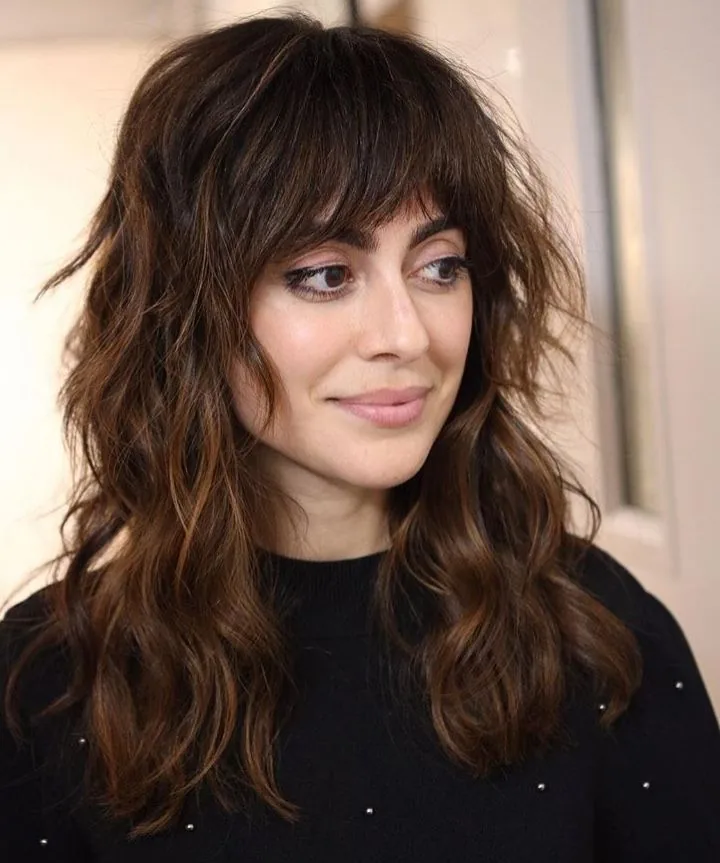
A medium shag with bangs layers wavy, frizzy hair through the mid-lengths and adds a soft fringe, creating movement everywhere. The shaggy texture means no part of the cut needs to lie perfectly flat.
Why it works for frizz: Why it works for frizz: Every layer is textured, so frizz blends into the cut’s intended roughness. Bangs also break up the front, where frizz is usually most obvious.
Common mistake to avoid: Common mistake to avoid: Cutting bangs too short on wavy hair, where they shrink up and separate from the rest of the shag.
Maintenance: Maintenance: Trim every 8 weeks. Scrunch with cream and air-dry or diffuse, 15 minutes.
Quick verdict: Quick verdict: Effortlessly cool — the cut that makes frizz look like a styling choice.
35. Long Wavy Layers With Curtain Bangs
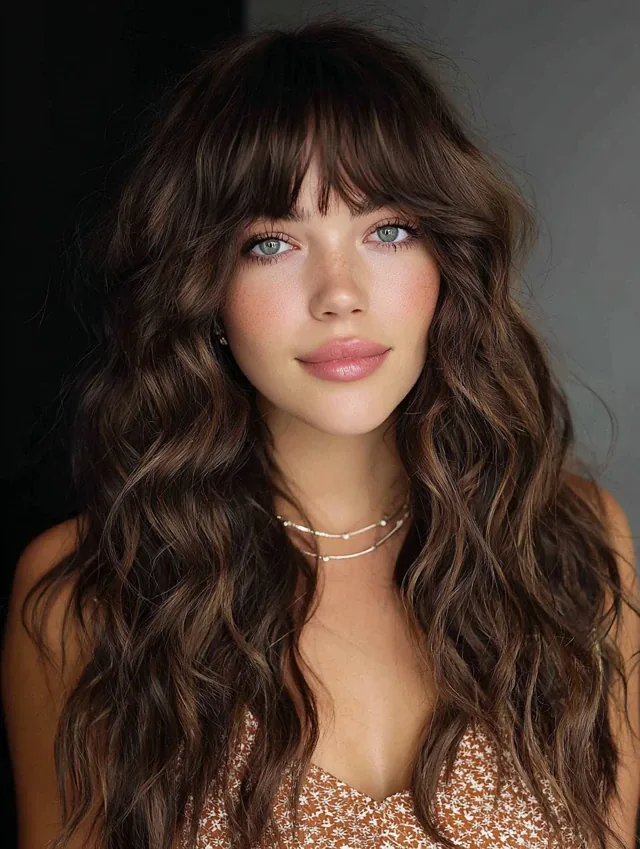
Long wavy layers with curtain bangs combine the calming weight of long hair with a soft, face-framing fringe. Waves fall in long, heavy lengths, and the bangs open up the face.
Why it works for frizz: Why it works for frizz: Long layers keep the bulk of the hair heavy and calm, while curtain bangs give the front movement and softness. The combination looks polished even when waves are a little wild.
Common mistake to avoid: Common mistake to avoid: Over-layering the lengths, which thins long wavy hair and lets the ends frizz out instead of falling heavily.
Maintenance: Maintenance: Trim every 10 weeks. Cream on wet hair, scrunch and air-dry, 15 minutes.
Quick verdict: Quick verdict: A romantic, low-maintenance long style that flatters most wavy textures.
36. Short Curly Crop With Tapered Sides
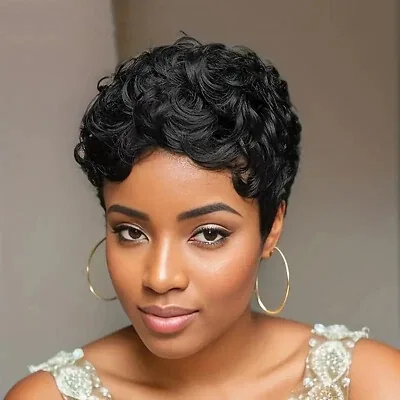
A short curly crop with tapered sides keeps curls on top, where they look best, and neatens the sides and back. It is a confident, easy style that needs very little daily work.
Why it works for frizz: Why it works for frizz: Tapering removes the sides where frizz often puffs out sideways, while curls on top are free to be textured. Less hair overall means less frizz to manage.
Common mistake to avoid: Common mistake to avoid: Tapering too high on very tight curls, which can leave the top looking disconnected from the sides.
Maintenance: Maintenance: Trim every 4 to 6 weeks to keep the taper neat. Curl cream on damp hair, 5 minutes.
Quick verdict: Quick verdict: Sharp, simple and liberating — especially good in hot, humid weather.
37. Overnight Braid Waves, Heat-Free
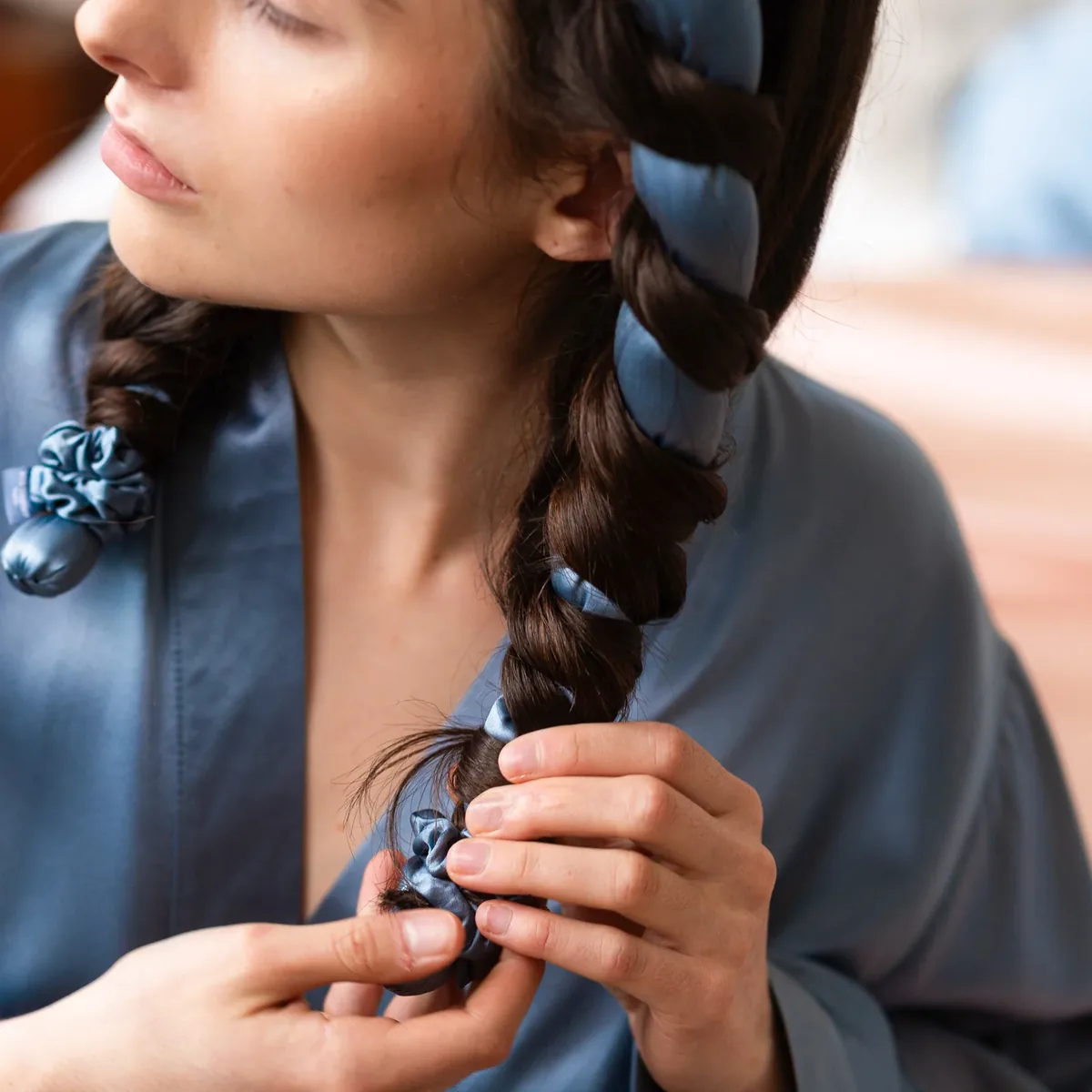
Overnight braid waves, made by braiding damp hair into two loose braids before bed, give frizzy hair soft, heat-free waves by morning. It is the gentlest way to get a styled look, because it uses no heat at all.
Why it works for frizz: Why it works for frizz: Hair dries in a set wave pattern overnight, so strands are organised instead of free to frizz. No heat means no heat damage, which keeps long-term frizz lower.
Common mistake to avoid: Common mistake to avoid: Unravelling braids while hair is still damp, or brushing the waves out, both of which turn defined waves straight back into frizz.
Maintenance: Maintenance: No cut needed. Ten minutes in the evening, unravel and finger-comb in the morning.
Quick verdict: Quick verdict: The kindest style in this guide — no heat, no fuss, and lovely waves.
Products That Help vs Products That Are Just Hype
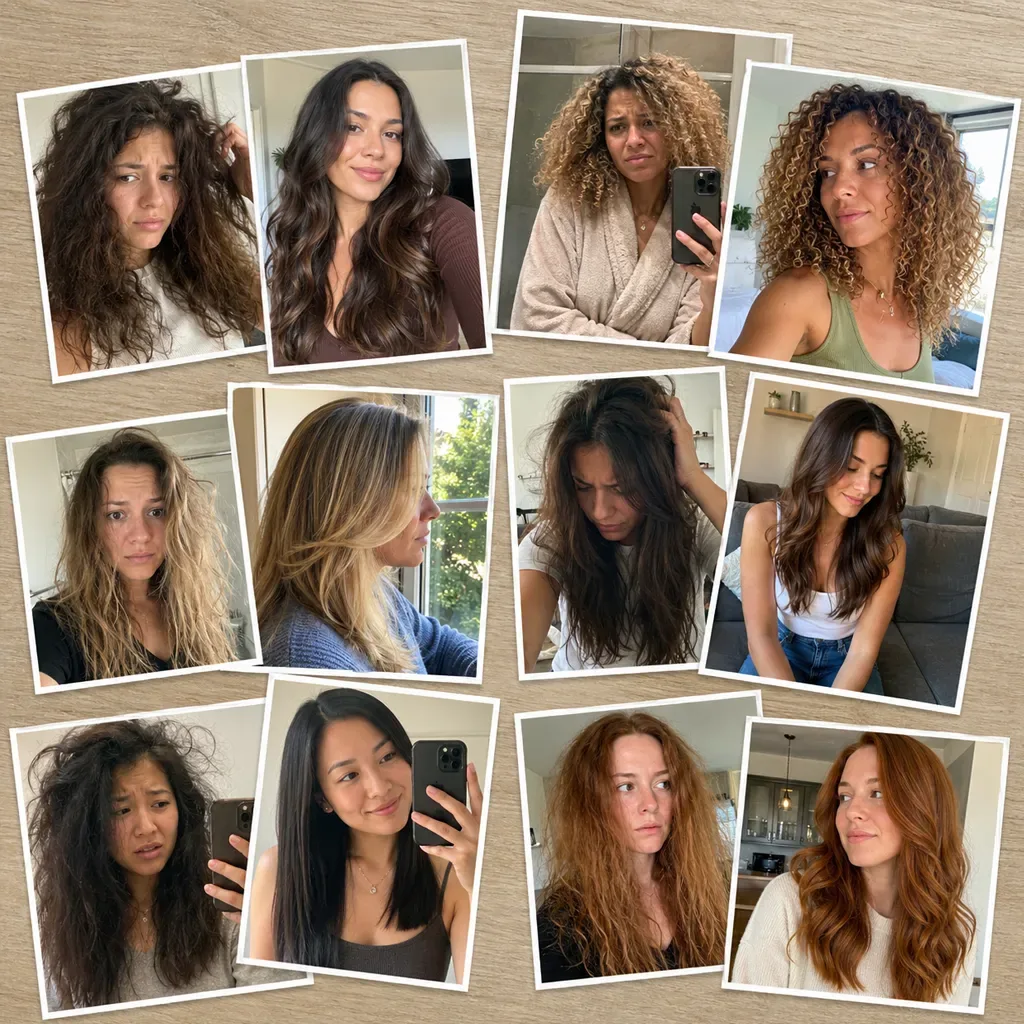
The products that genuinely help frizz are the boring ones: a moisturising shampoo and conditioner, a leave-in conditioner, and one sealing product such as a light oil, serum or gel, used on damp hair. Together they hydrate, smooth the cuticle and lock moisture in. That combination, used consistently, beats any single miracle product.
The hype to be sceptical of includes expensive anti-frizz sprays used on dry hair, which mostly sit on the surface and wear off in humidity, and heavy butters on fine hair, which weigh it down without actually smoothing it. More product is not better either — too much leaves hair sticky and dull, which can look just as unruly as frizz. Start with less, on wet hair, and add only if you need it.
Updos That Hide Frizz on Bad Hair Days
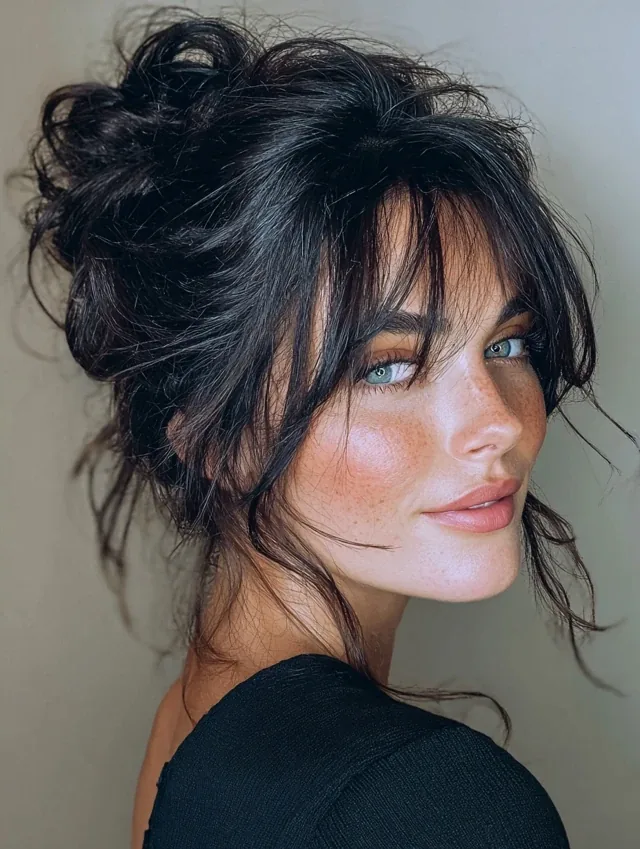
Everyone has bad frizz days, and an updo is the kindest rescue. The trick is to work with the texture instead of smoothing it away: a loose bun, a braid or a twist already looks intentional with a little volume and softness, so frizz reads as texture rather than mess. Smoothing everything flat first, then watching it puff up again, is what makes a bad hair day feel worse.
Keep a few tools ready for these days: a claw clip, a silk scrunchie, a few bobby pins and a small bottle of water or leave-in spray. Dampen the front pieces lightly, smooth them with a little cream, pin the rest loosely, and leave two soft pieces out at the face. The result looks deliberately relaxed, and it takes five minutes.
Colour and Frizz: What to Know Before You Colour
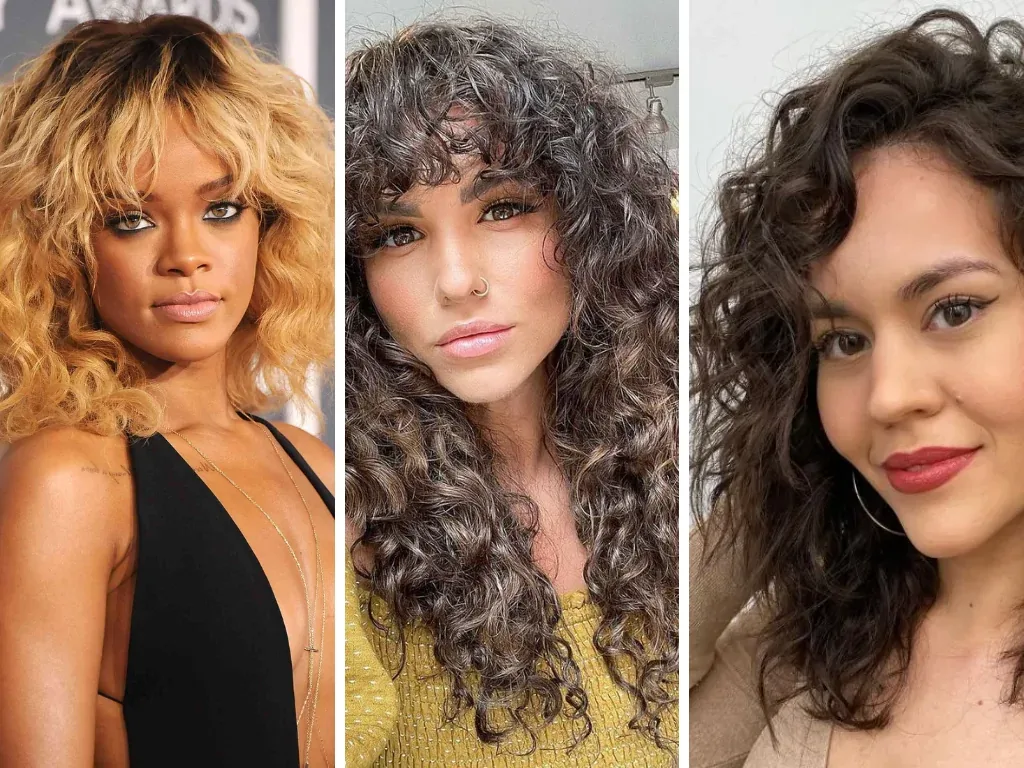
Colour can make frizz worse, because lightening and repeated colouring lift the cuticle and dry hair out. That does not mean you must give up colour — it means you should protect hair around it. Balayage and root shadows are gentler than all-over bleach, because less hair is lightened and regrowth is softer, and a gloss or toner between appointments adds shine and seals the cuticle.
After colouring, frizz care matters even more: use colour-safe, moisturising products, wash a little less often, add a weekly deep-conditioning mask, and be extra gentle when detangling wet, coloured hair. If your hair is already very dry and frizzy, tell your colourist before the appointment so they can adjust the strength and timing rather than pushing for a shade your hair cannot comfortably hold.
Common Mistakes That Make Frizz Worse
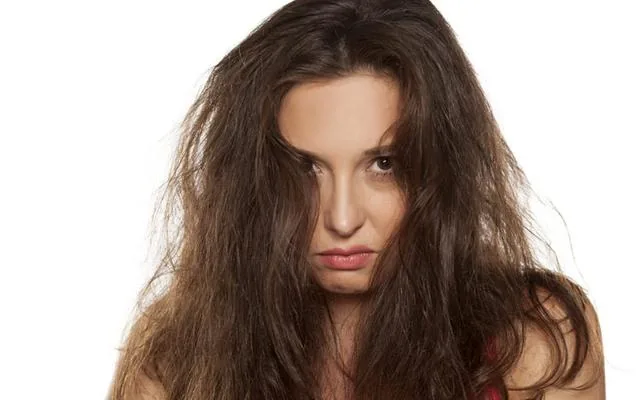
The most common frizz mistakes are all habits, not hair faults. Brushing dry curls or waves, towel-drying roughly, touching hair constantly while it dries, skipping conditioner, using very hot water, and straightening damp hair all lift the cuticle or break up texture. Each one is easy to change, and changing just one or two often makes a visible difference within a week.
Another mistake is chasing a perfectly smooth finish every day. Constant high-heat straightening dries hair further, which creates more frizz the next day, and the cycle repeats. Give hair rest days with air-dried texture, braids or updos, and save heat styling for occasions. Your hair will be calmer on the days you do straighten it, because it will be healthier overall.
What is the best hairstyle for frizzy hair?
The best hairstyle for frizzy hair is one that works with your natural texture instead of fighting it. Long layers for thick hair, a blunt midi cut for fine hair, a dry curly cut for curls, and loose braids or buns on humid days are all reliable starting points.
What haircut reduces frizz the most?
A cut that matches your texture reduces frizz most: long layers remove puffy weight from thick hair, blunt ends seal fine hair, and a dry curly cut shapes curls so they fall evenly. No single cut works for every texture, so tell your stylist about your frizz, not just your desired length.
How can I stop my hair going frizzy in humidity?
Apply leave-in conditioner and a sealing oil or serum to soaking-wet hair, dry it gently without touching it, and choose a contained style such as a braid or bun on very humid days. Humidity affects dry, unsealed hair most, so sealing moisture in while hair is wet is the key step.
Should I brush frizzy hair?
Do not brush dry curly or wavy frizzy hair, because brushing breaks up curl clumps and creates frizz. Detangle with a wide-tooth comb or your fingers on wet, conditioned hair, and finger-comb only once it is dry.
Is it better to air-dry or blow-dry frizzy hair?
Both can work if done gently. Air-drying with cream on wet hair and no touching suits wavy and curly hair best. Blow-drying smooth with a round brush, medium heat and a cool finish suits straight or wavy hair that wants a sleek result. Rough towel-drying and high heat without protectant make frizz worse either way.
What products actually help frizzy hair?
A moisturising shampoo and conditioner, a leave-in conditioner, and one sealing product such as a light oil, serum or gel, used on damp hair, help most. Expensive anti-frizz sprays on dry hair and heavy butters on fine hair are usually less effective than this simple combination.
Does colouring make frizzy hair worse?
Yes, colouring, especially lightening, can make frizz worse because it lifts the cuticle and dries hair out. Gentler options such as balayage, plus deep conditioning and colour-safe products afterwards, help keep coloured frizzy hair smoother.
Can I wear my frizzy hair up without it looking messy?
Yes, loose updos look best on frizzy hair. A loose low bun, a braid, a twist or a claw-clip half-up style all look intentional with a little texture, whereas a tightly scraped-back style tends to frizz out around the edges and look messier.
How often should I wash frizzy hair?
Most frizzy hair does better washed two to three times a week rather than daily, because frequent washing strips natural oils and increases dryness. On non-wash days, refresh with water and a little leave-in conditioner instead of re-washing.
Will cutting my hair short reduce frizz?
Short hair can reduce frizz if the cut suits your texture, such as a pixie with a longer top or a curly bob, because there is less hair to frizz. But a short cut that fights your natural texture can frizz more, so choose a short style designed for waves or curls, not one that needs daily straightening.
Conclusion
Frizz is normal. It happens to straight, wavy and curly hair, in humidity, after damage, and simply because hair is dry and reaching for moisture. None of that makes your hair bad, difficult or in need of fixing — it just means your hair needs a cut and a routine that work with it, not against it.
Start with one change: a cut that matches your texture, gentler drying, product on wet hair, or a go-to humid-day updo. You do not need all of them at once. Pick the style in this guide that fits your mornings, give it a couple of weeks, and notice how much calmer your hair feels when it is not being fought every day. Frizz will still appear sometimes — and when it does, you will have a braid, a bun or a beautiful wave to welcome it into.