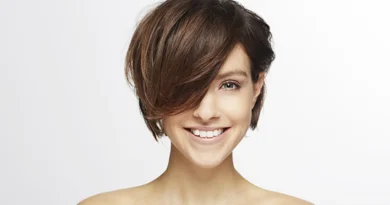
Why the Side Part Still Wins: 36 Hairstyles for Women Who Want Instant Polish
The side part is the oldest trick in hairstyling, and it refuses to go out of fashion. Every few years someone declares it dead — the middle part is back, the side part is over — and every few years the side part quietly wins again, because it does something no other parting does: it gives your hair a direction. One sweep across the forehead, and a cut that looked ordinary suddenly looks styled.
This guide starts with eight short guides — how to find your natural part, side parts for thin and thick hair, keeping a part in place all day, side parts with bangs, growing a part out, tools and products, mistakes to avoid, and side parts for special occasions — then walks through 36 side part hairstyles for women, from bobs and lobs to pixies, waves, braids and updos, matched to different face shapes, hair types and occasions. Whether you have worn a side part for years or you are switching from a middle part for the first time, there is a version here that fits.
How to Find Your Natural Part (and Why It Matters)
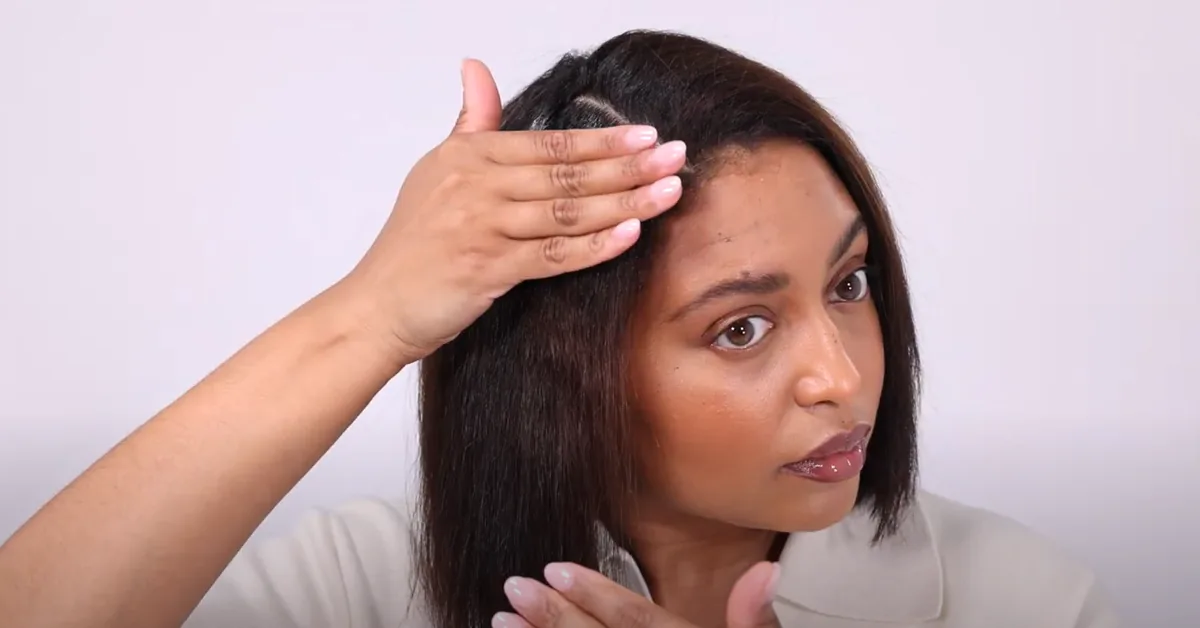
Your hair already has a part — it just may not be the one you have been forcing. The natural part is the line where your hair falls on its own, decided by the direction your hair grows from the crown, called the whorl. To find it, wash your hair, comb it straight back while it is wet, then let it fall forward without touching it. Where it splits on its own is your natural part, and it is usually a side part, not a middle one.
Working with that natural line instead of against it is the easiest styling win there is. Hair parted where it wants to part lies flatter at the roots, holds its shape longer, and needs less product and heat to behave. If your natural part sits far to one side, a deep side part will look effortless on you; if it sits closer to the centre, a soft off-centre part gives you the same polish with even less effort.
Side Part for Thin Hair vs Thick Hair: What Changes
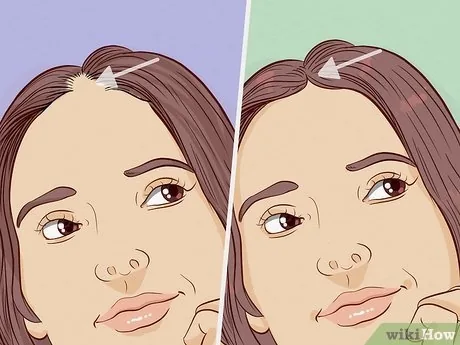
A side part does different jobs depending on how much hair you have, and the styling changes with it. On thin or fine hair, the side part is a volume trick: sweeping most of the hair to one side creates a heavy, full-looking sweep on top, while the smaller side stays neat. The trick is to part while the hair is damp, blow-dry the roots upward on the heavy side, and keep the ends light so the sweep does not collapse by lunchtime.
On thick hair, the side part is a control trick. All that weight swept to one side can turn into a heavy curtain, so the cut matters more than the styling — long layers or thinning through the ends keep the heavy side moving instead of sitting like a slab. Pairs well with: a texturising spray on thick hair, a root-lifting mousse on fine hair. Face-shape note: the lift a side part gives at the crown flatters round faces, while the soft diagonal suits square faces.
How to Keep a Side Part in Place All Day
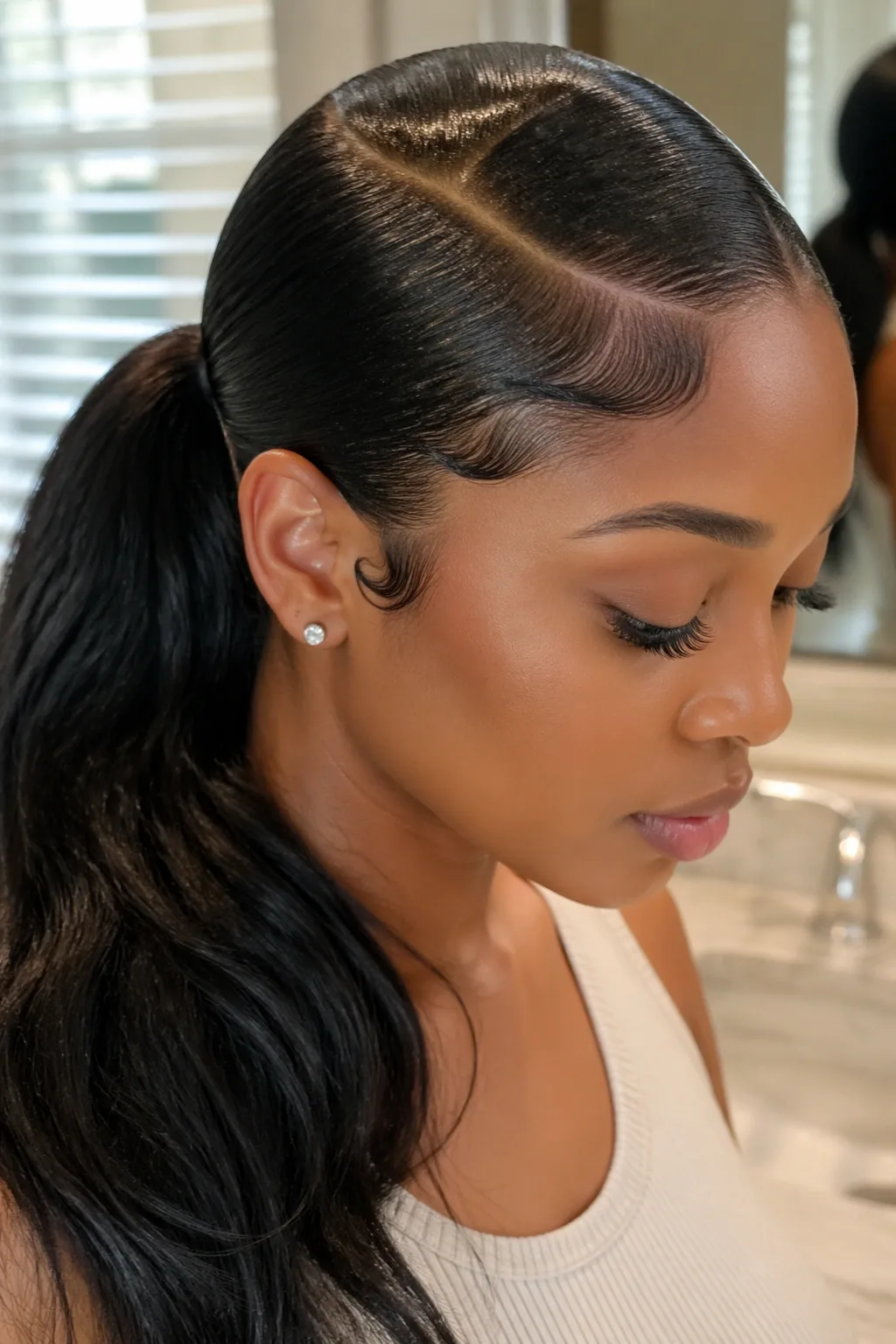
A side part that slides back to the middle by midday usually fails at the roots, not the ends. The fix starts in the shower: part your hair while it is still damp, because wet hair is the only time the roots will happily learn a new direction. Blow-dry the roots on the heavy side forward and across, against the direction they want to fall, and they will hold the part for hours. A round brush helps, but even your fingers and a dryer on medium heat will do it.
For the rest of the day, two small tools do the heavy lifting. A bobby pin tucked flat behind the ear on the smaller side anchors the part invisibly, and a light-hold hairspray misted from a distance — never sprayed close, which makes hair stiff — keeps flyaways down. Common mistake: re-parting dry hair with a comb all day. Every re-part fights the roots; set the part once, pin it, and leave it alone.
Side Part With Bangs: Which Fringe Works Best

A side part and bangs are natural partners, because the part already creates a diagonal line across the forehead and the fringe just continues it. Side-swept bangs are the easiest match — they are cut long, they blend into the heavy side, and they grow out without an awkward stage. Curtain bangs work too, though they soften the asymmetry a little; they suit women who want the polish of a side part without a hard diagonal across the face.
What to ask your stylist for: bangs that start at the part, not at the centre of the forehead, so the fringe flows in the same direction as the sweep. Best for: women with a high forehead or a long face, where the diagonal fringe visually shortens the forehead. Who should avoid it: very curly hair, where a side-swept fringe can spring up and sit higher than planned — in that case, keep the bangs longer and heavier.
Growing Out a Side Part — or Switching Your Part Entirely
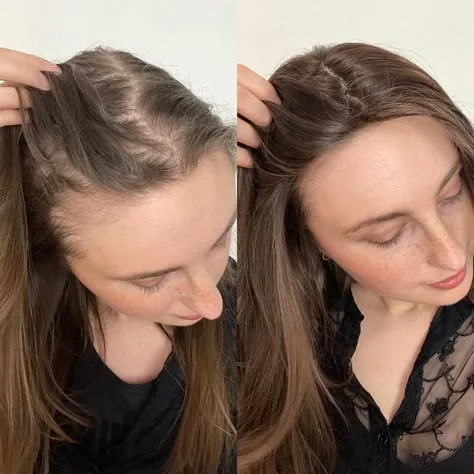
Switching your part feels harder than it is, because your roots have spent years trained in one direction. The honest timeline is about two weeks of deliberate effort before the new part starts to hold on its own. Part the hair in the new place while it is wet every single wash, blow-dry the roots in the new direction, and use a clip or a bobby pin to hold the part while the hair dries — the drying stage is when the roots set.
If you are growing out a side part toward a middle part, expect a messy middle week where neither part looks right, and that is normal. A headband, a few face-framing layers, or a half-up style carries you through it. Pairs well with: a fresh trim, because lighter ends are easier to retrain than heavy ones. Quick verdict: switching parts costs two weeks of patience and saves you from a haircut you do not actually want.
Tools and Products for a Perfect Side Part
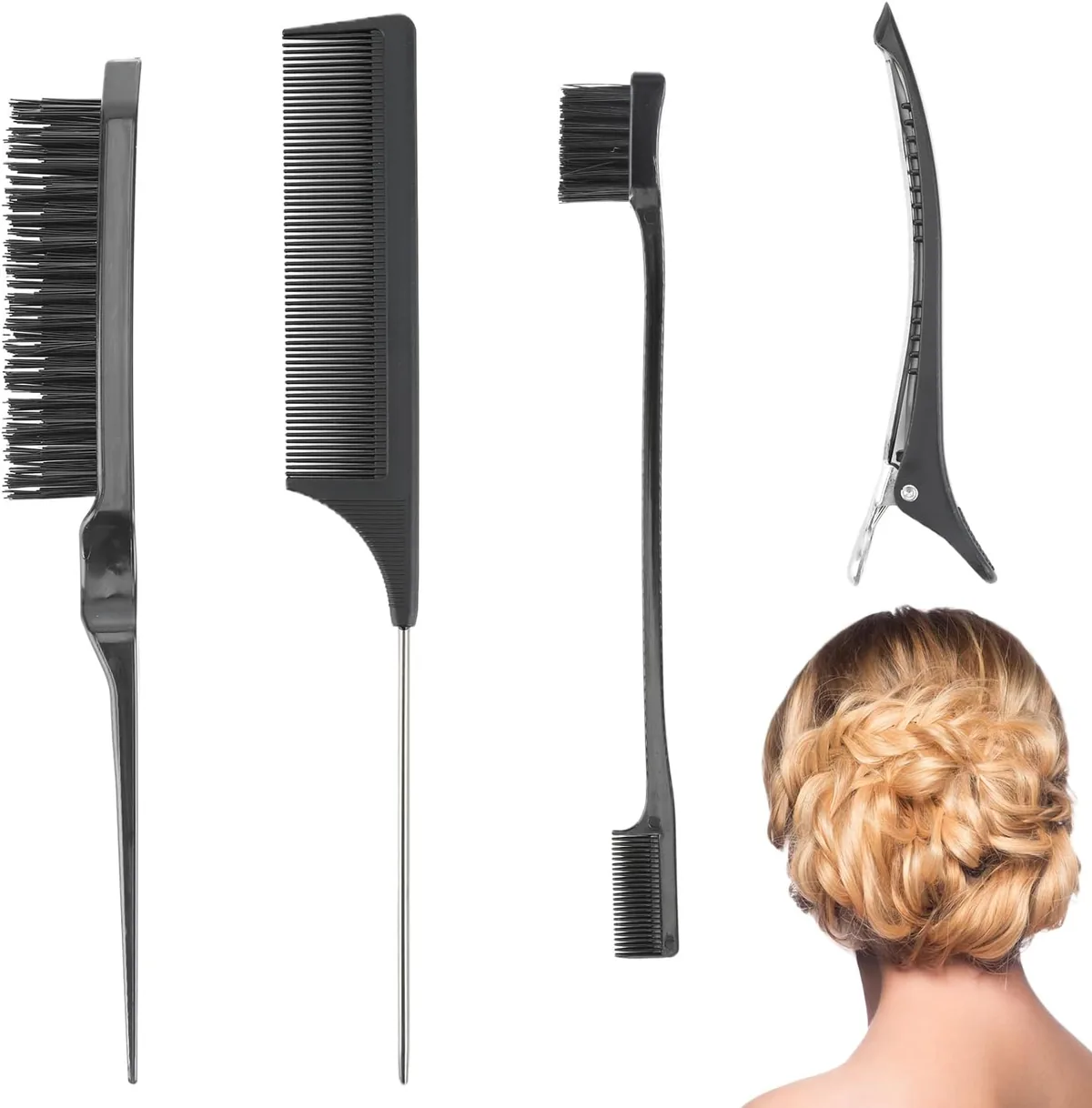
You do not need a drawer full of gadgets for a side part — you need four things, and you probably own three of them. A tail comb gives you a clean, straight part line in seconds, which matters more than people think: a wobbly part makes the whole style look unfinished. A round brush or a paddle brush shapes the sweep. A blow dryer with a nozzle aims the heat at the roots so the part sets. And a light-hold hairspray or a pea-sized amount of styling cream finishes it.
On product, less is more. A root-lifting mousse at the crown is the one product worth buying if your side part falls flat; a shine serum on the ends is the one worth buying if your hair looks dull. Skip heavy waxes and oils at the roots — they weigh the sweep down and make the part look greasy by afternoon. Cost and time: the whole routine takes five minutes once the part is trained, and none of these products needs to be expensive.
Side Part Mistakes to Avoid
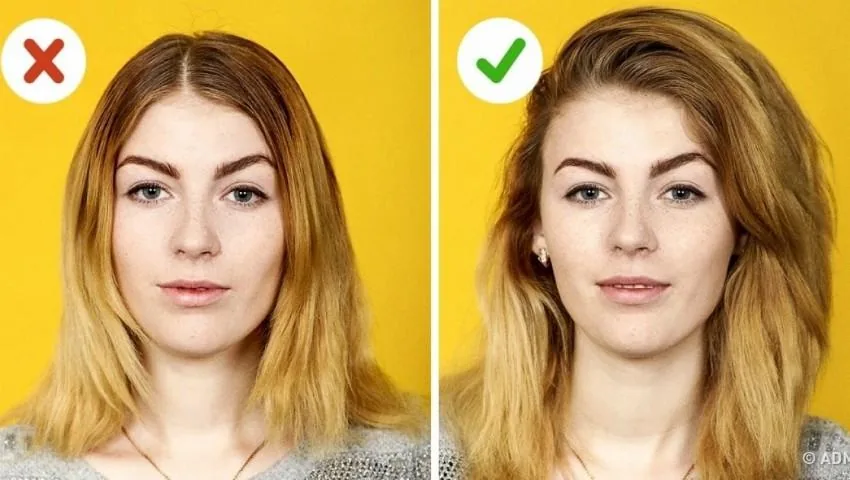
The most common side-part mistake is parting in the same place every day for years. Roots get trained flat along that line, the hair thins visually at the part, and the style loses its volume. Moving the part even a centimetre to either side every few weeks keeps the roots lifting and the part looking fresh — it is the cheapest volume trick in this whole guide.
Other mistakes are easy to fix once you see them. Parting too deep on a round face can make the heavy side overwhelm the face; a softer, shallower part balances it. Blow-drying the sweep flat against the head kills the volume the part is supposed to create — dry the roots upward instead. And using too much product on the heavy side turns a polished sweep into a stiff helmet. When in doubt, use half the product you think you need.
Side Part Hairstyles for Special Occasions
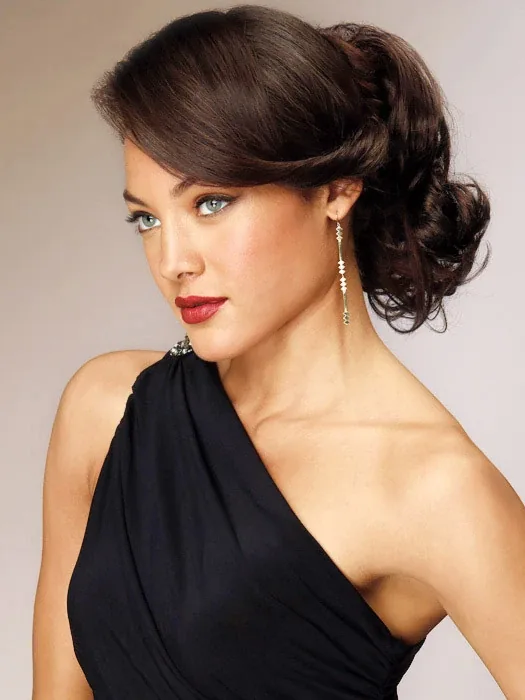
For weddings, galas and formal evenings, the side part is the quiet choice that photographs beautifully — it gives the hair a direction, frames one side of the face, and leaves the other side open for earrings. The classic move is a deep side part with Hollywood waves on the heavy side and the smaller side tucked behind the ear or pinned with a sparkly clip. It works on long hair, lobs and even bobs, which is why stylists reach for it so often.
For a special occasion, set the part a little deeper than usual — the extra depth reads as drama in photos. Prep with a volumising mousse at the roots, curl the heavy side away from the face, and finish with a flexible-hold spray so the waves move instead of freezing. Pairs well with: a low chignon, a side braid, or a sleek low ponytail, all of which start from the same deep part.
1. The Classic Deep Side Part
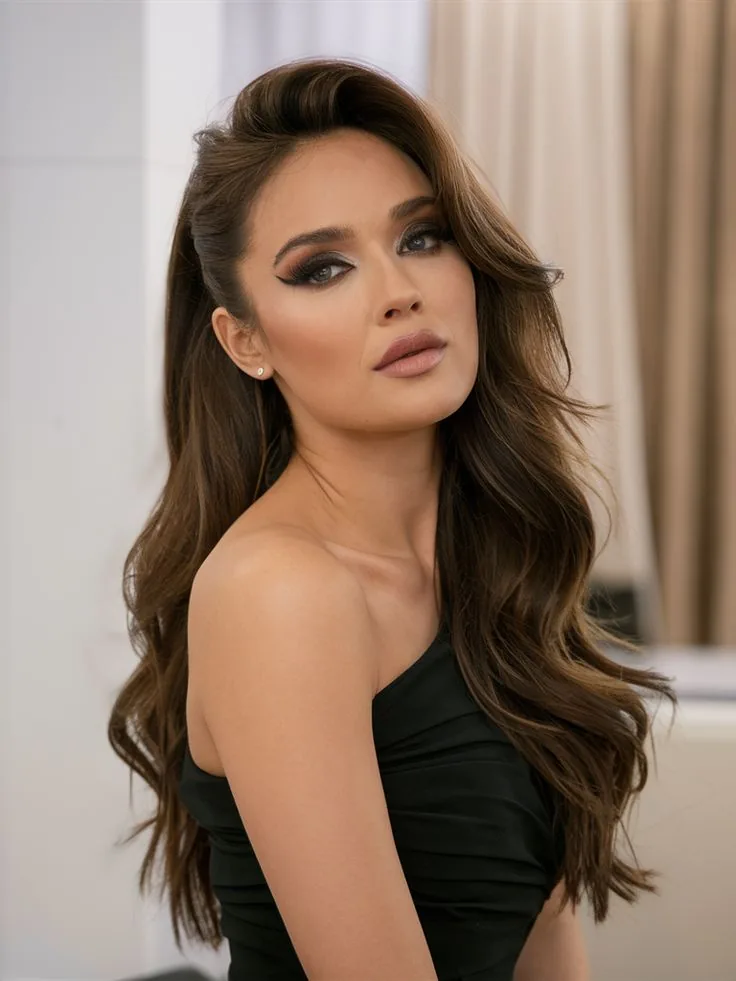
The classic deep side part is the simplest style on this list and the one everything else builds on. Parted high on one side — roughly above the arch of the eyebrow — it sweeps most of the hair across the forehead in one long, polished line. It instantly makes long hair look styled rather than just long, and it is the reason the side part has survived every trend cycle: it takes thirty seconds and looks like you tried.
Best for: long and medium hair, straight and wavy textures, and anyone who wants maximum polish for minimum effort. How to style: part with a tail comb while the hair is damp, blow-dry the roots upward on the heavy side, and smooth the ends with a brush. Face-shape note: the diagonal sweep lengthens round faces and softens square jawlines.
2. The Side Part Bob
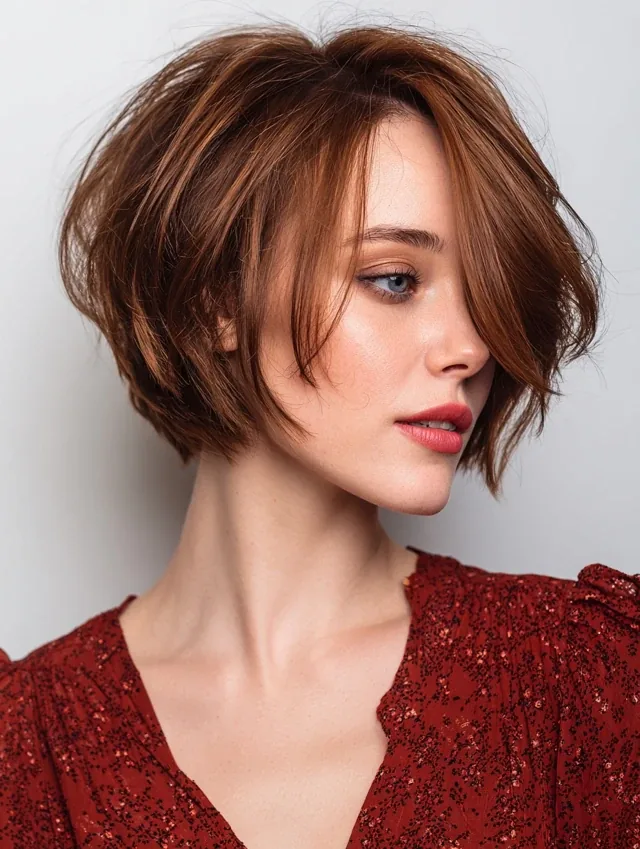
A side part bob is the bob for women who find a centre-parted bob a little severe. The deep part breaks the symmetry, adds volume on one side, and gives the chin-length cut a soft, swinging movement that a middle part cannot. It is chic without trying, it works at the office and at dinner, and it is one of the easiest short styles to grow out.
Best for: straight and slightly wavy hair, oval and heart-shaped faces. How to style: blow-dry with a round brush, sweeping the heavy side across, and tuck the smaller side behind the ear for a clean line. What to ask your stylist for: a bob that ends at the jaw with the back cut very slightly shorter, so the side part gets natural lift.
3. The Side Part Lob
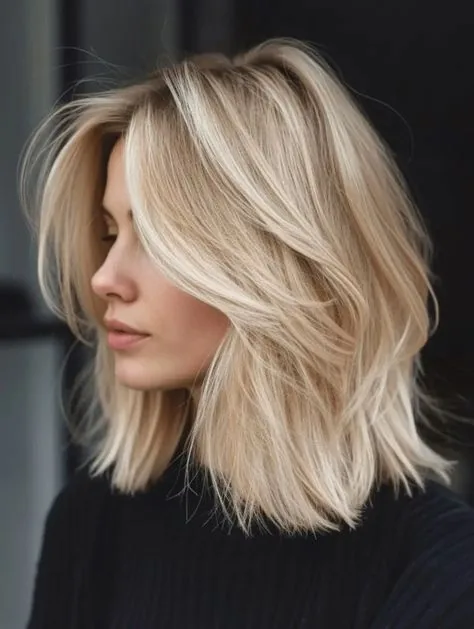
The side part lob — a long bob that falls between the chin and the shoulders — is the most forgiving length in this guide. Long enough to tie back, short enough to stay light, and the side part gives it a shape that a centre part never does. The heavy sweep adds volume at the crown, the ends fall soft around the collarbone, and the whole thing survives a bad hair day better than almost any other cut here.
Pairs well with: subtle highlights through the heavy side, which catch the light as the hair moves. How to style: air-dry with a little mousse for soft waves, or blow-dry smooth for a polished finish. Maintenance is light — a trim every seven to eight weeks — and the grow-out is gentle.
4. Long Side Part Layers
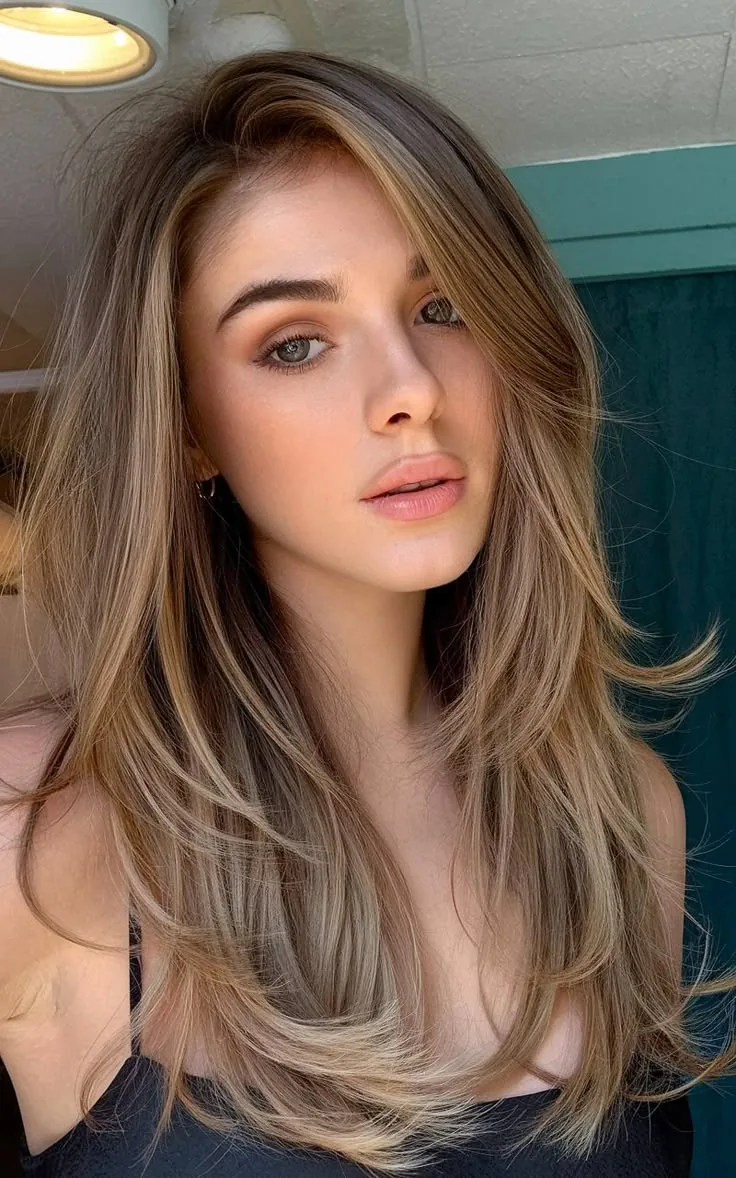
Long hair with a side part and face-framing layers is the look that makes people ask who does your hair. The part creates the direction, the layers starting at the cheekbones keep the length from dragging the face down, and the heavy sweep gives long hair a shape instead of a curtain. It suits women whose hair is thick enough to carry the length and who like their hair down most days.
Best for: thick and medium hair, oval and long faces. How to style: blow-dry the layers away from the face with a round brush so they flick outward. What to ask for: long layers that start at the cheekbones and melt into the lengths, with no hard line anywhere. Maintenance: trims every eight weeks and a weekly mask keep long side-parted hair looking expensive.
5. The Side Part Pixie
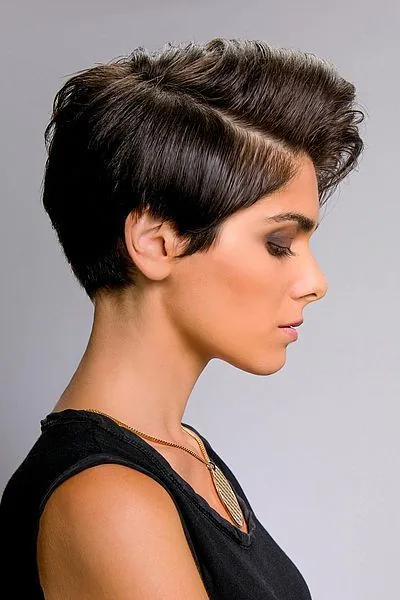
A side part pixie is short hair with a sweep: clipped short at the back and sides, longer on top, with the top swept to one side in a deep part. The asymmetry makes the pixie feel soft and feminine instead of severe, and it shows off the cheekbones and eyes beautifully. It is the pixie for women who want short hair that still has a style to it, not just a length.
Best for: oval and heart-shaped faces, and women who love a wash-and-go routine. How to style: a pea-sized amount of styling cream through damp hair, swept to the heavy side with your fingers — two minutes, no brush needed. Pairs well with: bold earrings or a red lip, since the short cut leaves the face completely open.
6. Side Part With Curtain Bangs
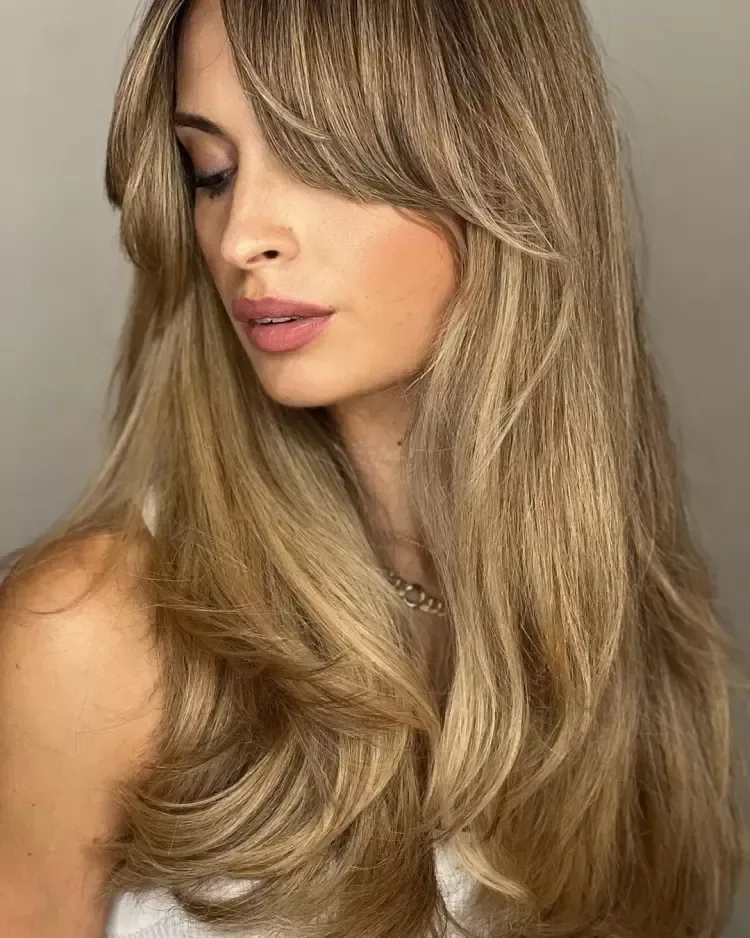
Curtain bangs and a side part sound like a contradiction — curtain bangs are usually centre-parted — but the combination works beautifully when the part sits just off-centre. The bangs split softly across the forehead, one side slightly longer than the other, and blend into face-framing layers. The result is the softest version of a side part: polished, but never severe.
Best for: long and round faces, where the soft split shortens the forehead, and women growing out a fringe. How to style: blow-dry each side of the bangs away from the face with a round brush. Common mistake: cutting the bangs too short — curtain bangs need length to fall properly, so keep them at cheekbone length or longer.
7. Side Part With Side-Swept Bangs
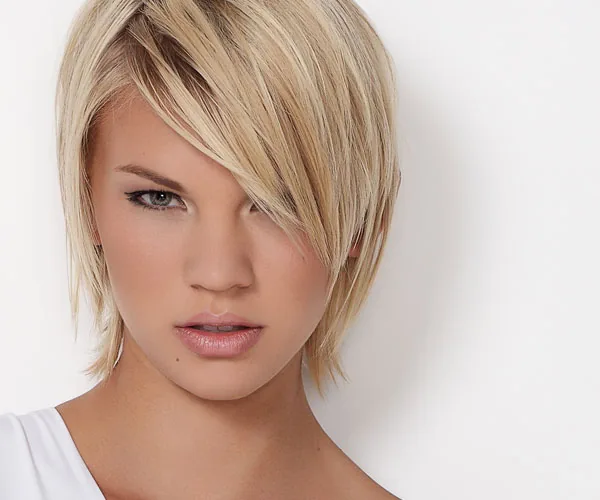
Side-swept bangs are the fringe that was made for a side part. Cut long and angled, they start at the part and sweep across the forehead in the same direction as the rest of the hair, so the whole style reads as one continuous line. They cover a high forehead, soften a strong brow, and grow out more gracefully than any other fringe — they just get longer and blend into the layers.
Best for: women with a high forehead, square faces, and anyone who wants bangs without the commitment of a blunt fringe. How to style: blow-dry the bangs across the forehead with a round brush, then let them fall. What to ask for: bangs that reach the cheekbone when swept across, so they never poke you in the eye.
8. The Side Part Shag
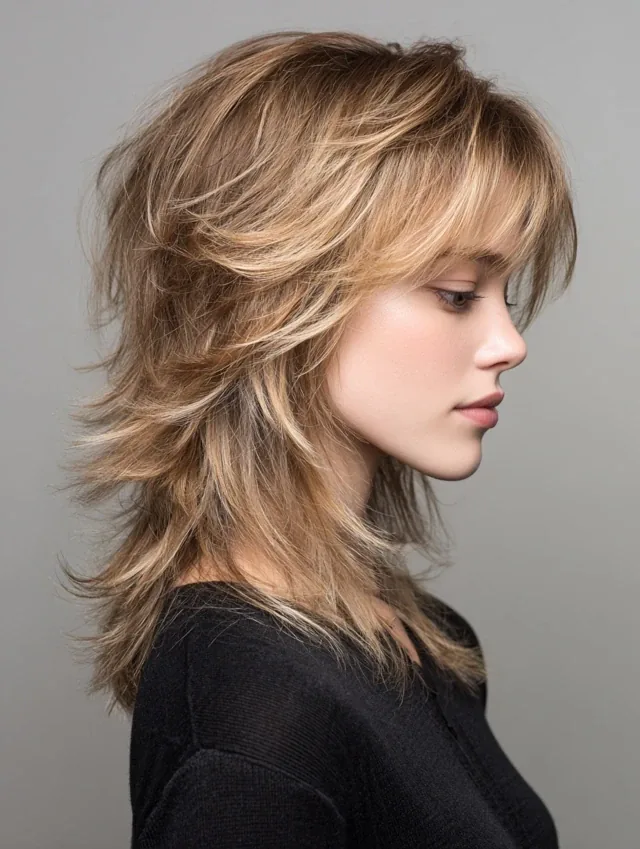
A side part shag is texture with a direction. The shag’s choppy layers and feathered ends give the hair movement, and the deep part gives that movement a shape — everything sweeps to one side instead of falling in every direction. It is the cut for women who like their hair to look a little undone but still intentional, and it works on straight, wavy and curly hair alike.
Best for: wavy and straight hair with natural texture, and round or square faces that benefit from the shag’s height at the crown. How to style: scrunch texturising spray into damp hair and let it air-dry. Pairs well with: a lived-in colour like balayage, which the shag’s layers show off beautifully.
9. The Side Part Wavy Bob
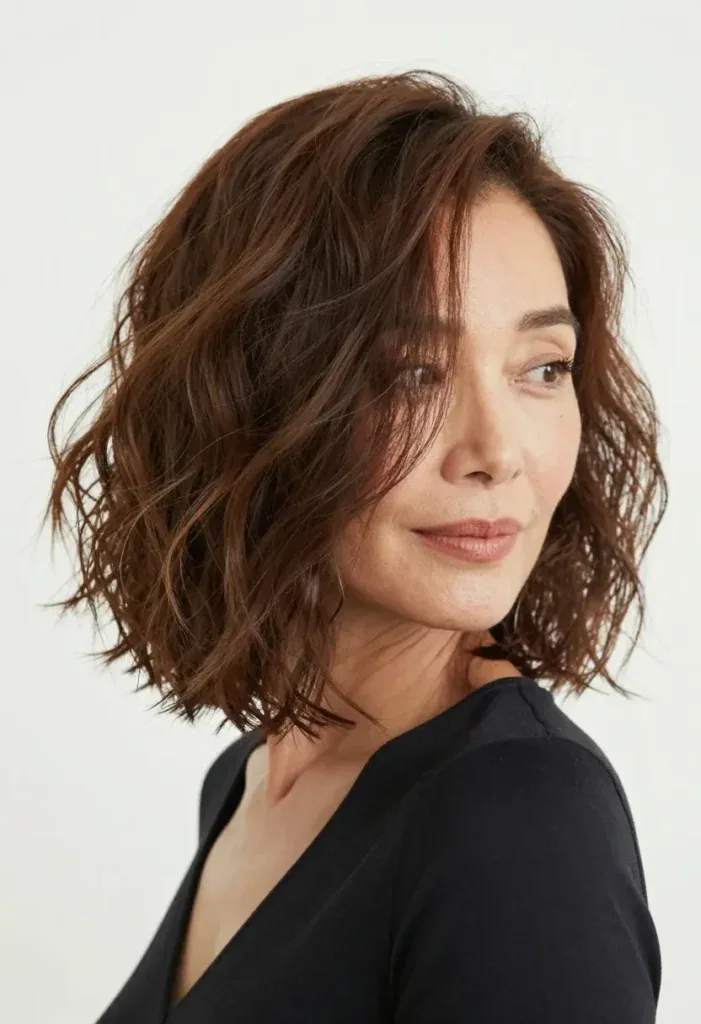
A wavy bob with a side part is the bob that does the styling for you. The waves give the bob body, the side part gives it asymmetry, and the combination looks effortless in a way a straight bob cannot match. It suits women whose hair kept its natural wave, and it hides a growing fringe, a bad hair day and a missed trim better than any straight cut.
Best for: naturally wavy hair, and women who want a bob without the daily straightening. How to style: scrunch mousse or curl cream through damp hair and let it air-dry, or diffuse for more volume. Face-shape note: the diagonal part and the waves together add length to round faces.
10. The Sleek Straight Side Part
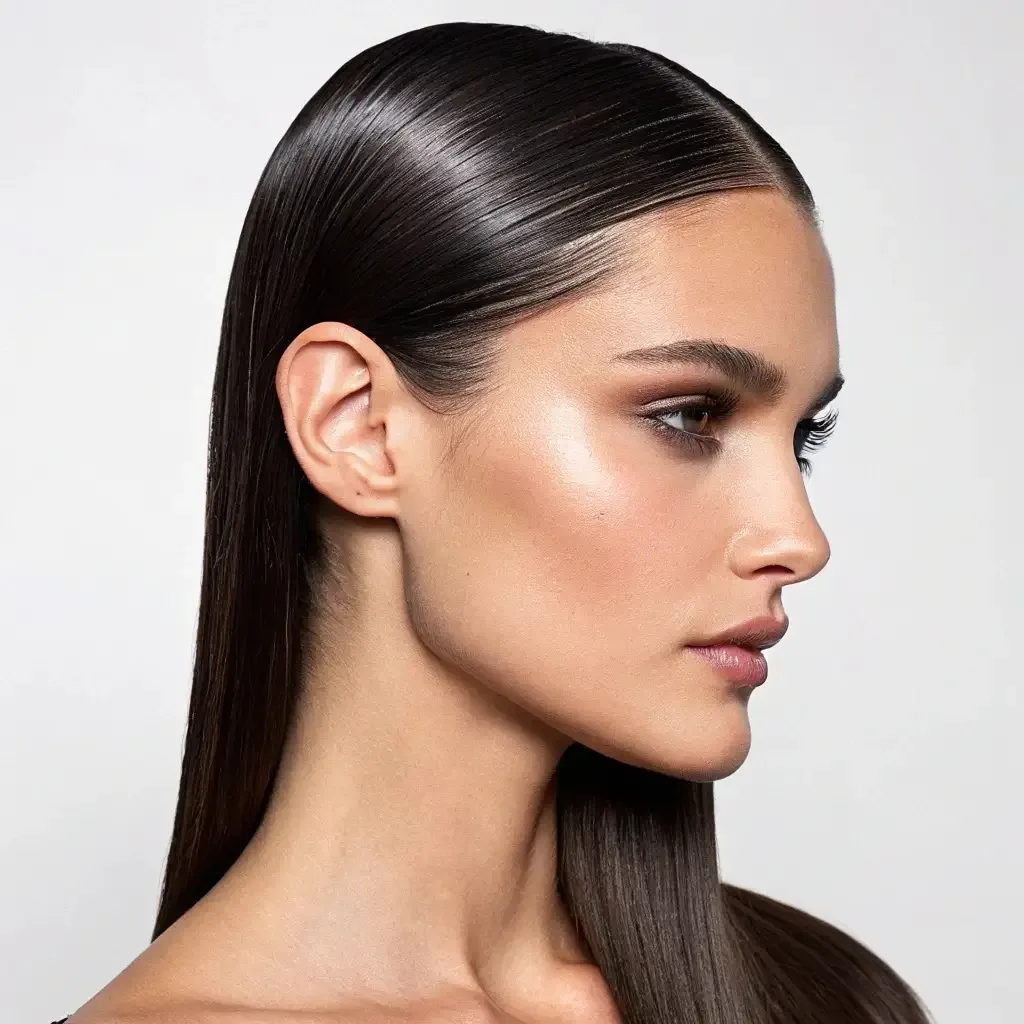
Sleek, straight hair with a deep side part is the most polished look in this guide — a smooth, shining fall of hair with one clean diagonal line across the forehead. It reads as expensive and deliberate, and it is the style to reach for when you need to look put together in minutes. The catch is condition: straight hair shows every split end, so regular trims are not optional.
Best for: straight and straightened hair, oval faces, and formal occasions. How to style: blow-dry smooth with a paddle brush, then run a straightener over the top layer only. Common mistake: skipping heat protectant — a hot iron on unprotected hair dulls the shine this style depends on.
11. Side Part on Curly Hair
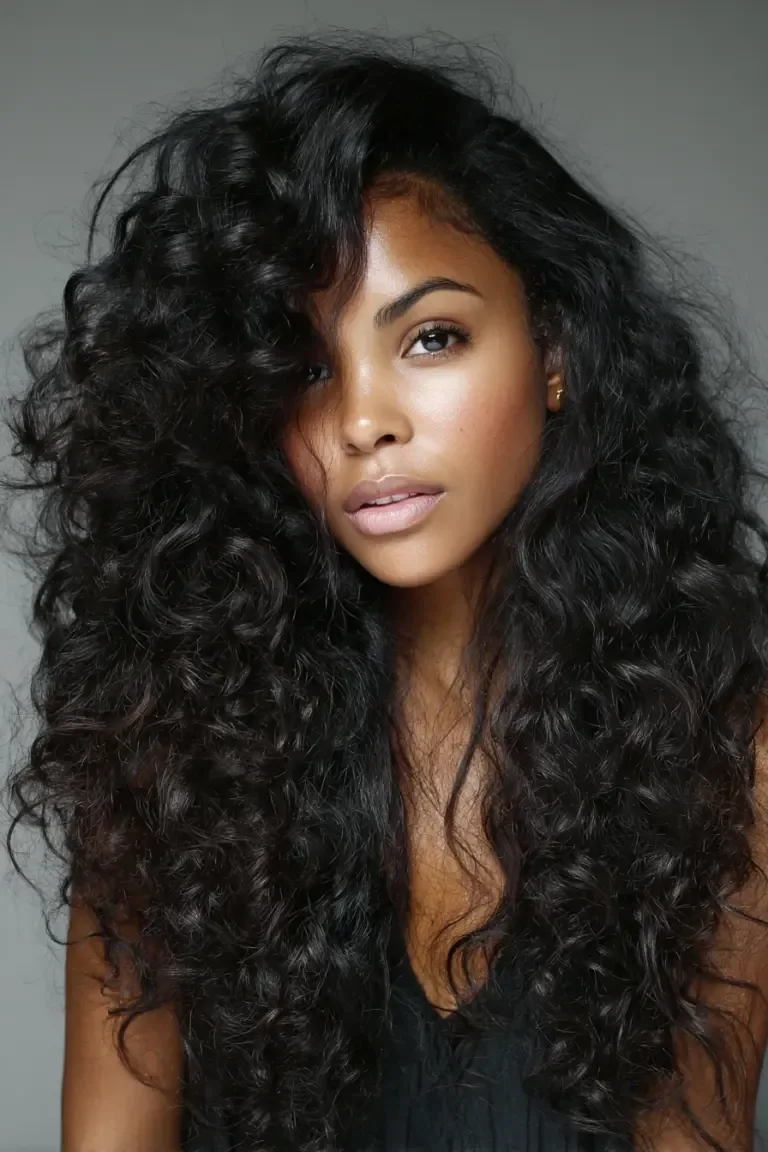
A side part on curly hair changes the whole shape of the curls: instead of falling symmetrically, the curls pile up on the heavy side in a dramatic, voluminous sweep, while the smaller side stays neat. It is one of the most striking ways to wear curls, and it works because the part gives curly hair a direction instead of letting it expand in every direction at once.
Best for: naturally curly and coily hair with enough length for the sweep to fall. How to style: part while the hair is wet, apply curl cream, and let the curls dry without touching them — touching curls while they dry creates frizz. Face-shape note: the volume on one side balances a long face beautifully.
12. Side Part for Thick Hair
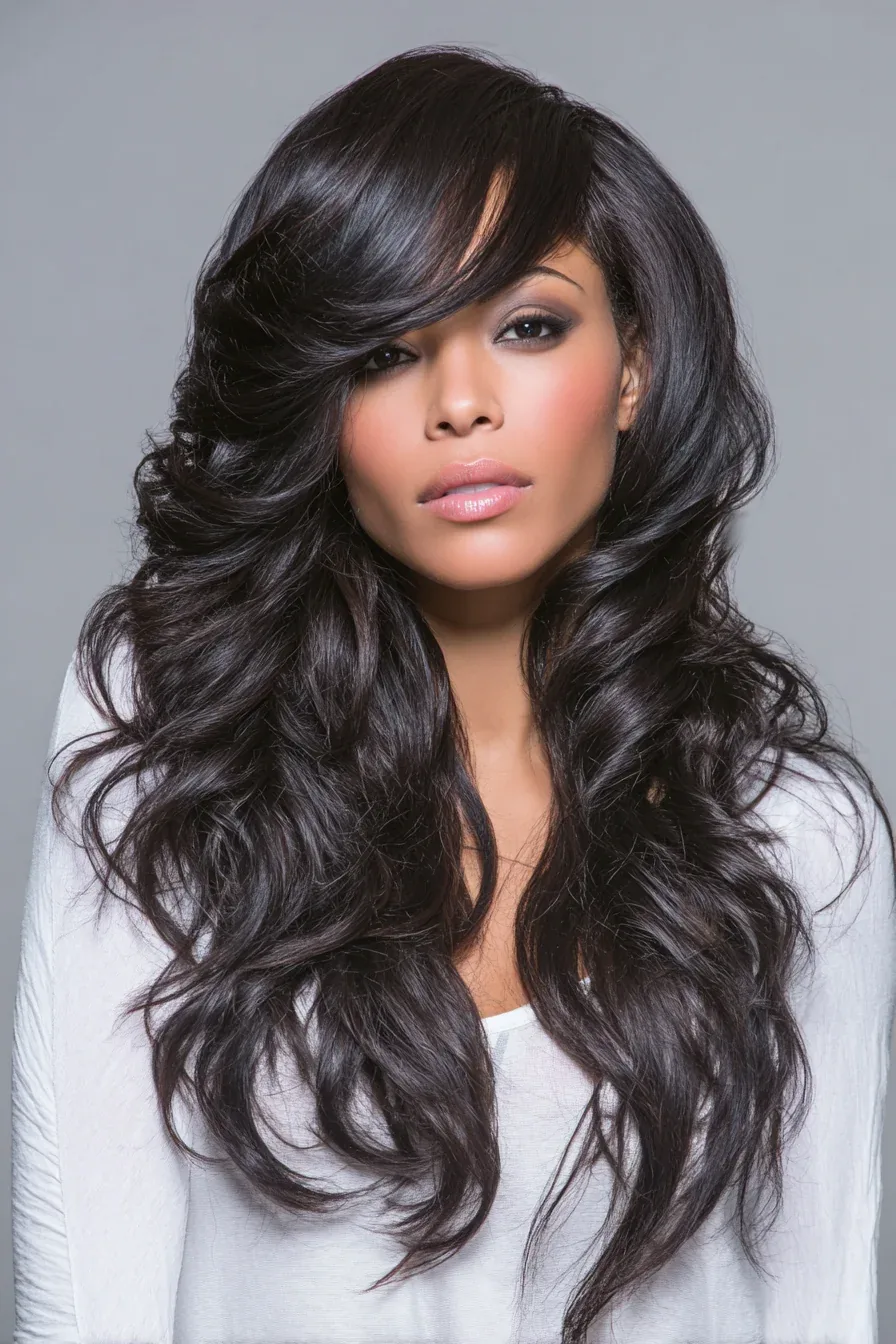
Thick hair and a side part are a natural match, because the part tames the volume instead of fighting it. Sweeping most of the hair to one side gives thick hair a shape and a direction, and long layers through the heavy side keep it moving instead of sitting like a heavy curtain. It is the easiest way to make thick hair look styled rather than just big.
Best for: thick, heavy hair that overwhelms a centre part. How to style: ask for long, blended layers and thinning through the ends, then blow-dry the heavy side smooth. What to avoid: one-length cuts on thick hair with a side part, which can look triangular. Pairs well with: a texturising spray to keep the ends light.
13. Side Part for Fine Hair
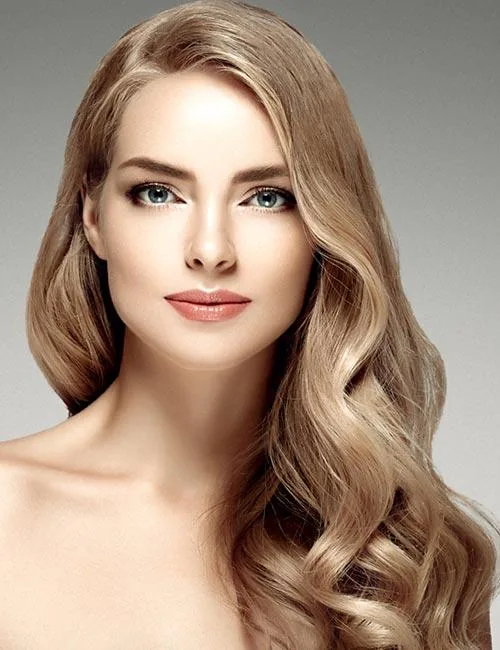
On fine hair, a side part is a volume trick first and a style second. Sweeping most of the hair to one side creates a heavy, full-looking section on top, and the roots on the heavy side lift more easily than they ever would in a centre part. The key is keeping the ends light — heavy ends drag fine hair flat, and a side part cannot save it.
Best for: fine and thin hair, and anyone whose centre part always looked flat. How to style: part while damp, apply root-lifting mousse at the crown, and blow-dry the roots upward. What to ask for: long, blended layers only — short choppy layers can make fine hair look thinner.
14. Side Part With Highlights
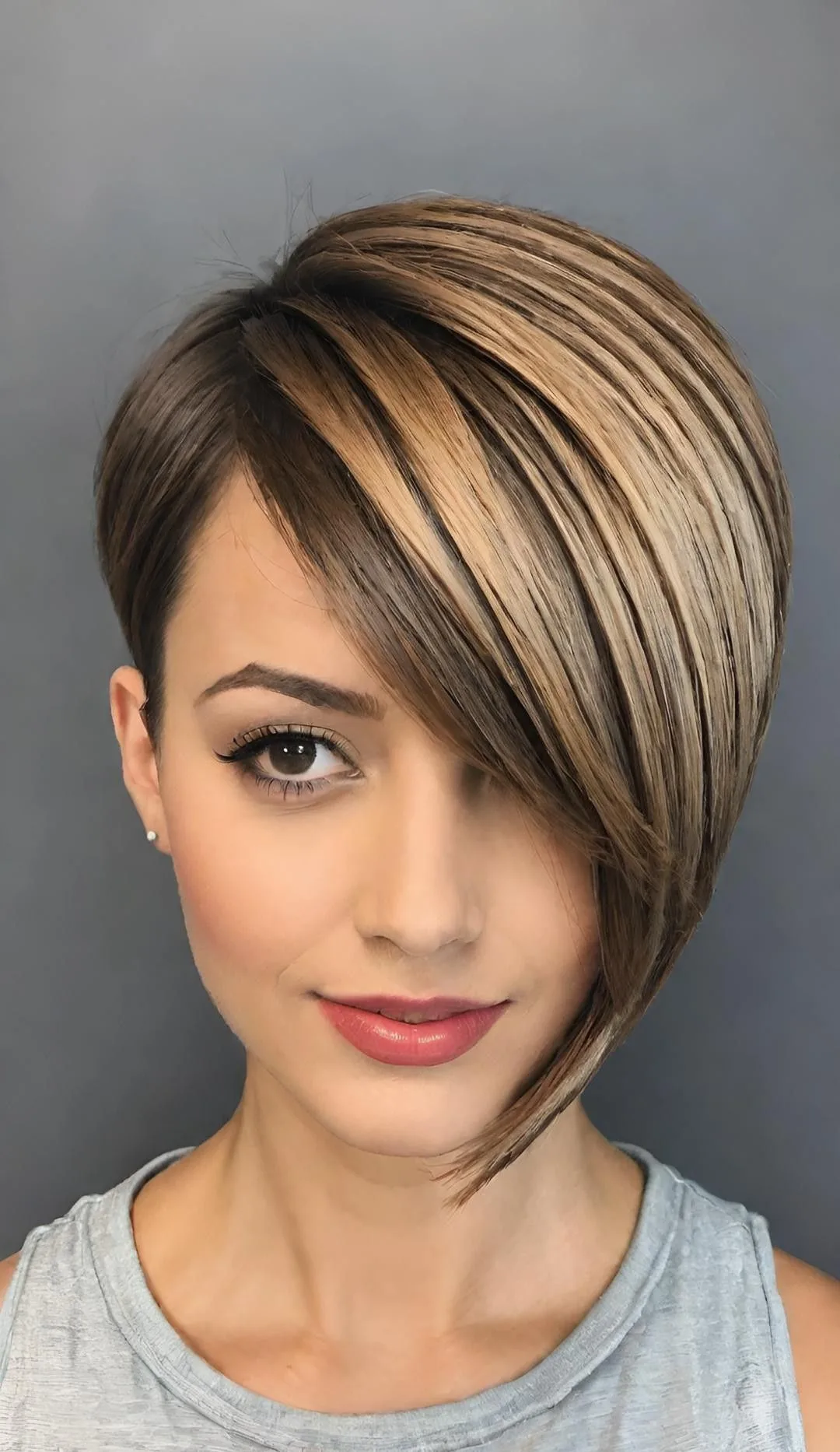
Highlights and a side part are made for each other, because the sweep moves the highlighted pieces across the face where the light catches them. A few face-framing highlights on the heavy side brighten the whole face, while the smaller side stays darker and adds contrast. It is a low-commitment way to make a side part look like a colour decision, not just a parting decision.
Best for: brown and dark blonde hair that needs brightness without a full colour change. How to style: keep the highlights fine and blended — chunky highlights fight the soft diagonal of the part. Maintenance: a gloss every eight weeks keeps the highlights from turning brassy.
15. Side Part Balayage
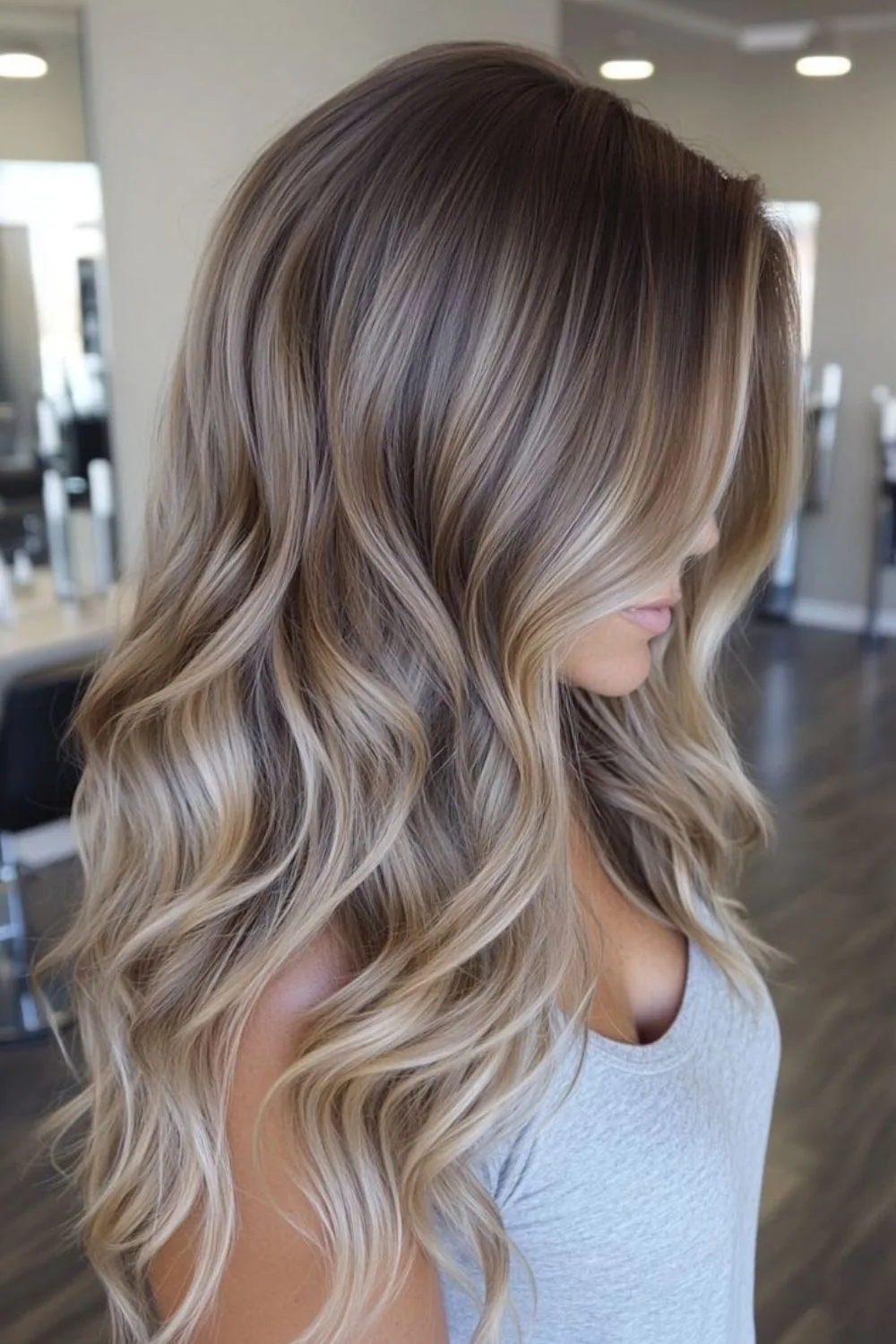
Balayage painted through a side part follows the sweep: the lighter pieces fall where the hair falls, so the colour looks like it grew that way. The heavy side carries most of the lightness, the smaller side stays deeper, and the contrast between the two sides gives the whole style dimension. It is the colour technique that makes a side part look expensive.
Best for: long and medium hair, and women who want dimension without the upkeep of foils. Cost and time: a balayage session costs more than a cut, but the grow-out is gentle — there is no hard line to maintain, so you can go months between appointments. Pairs well with: long layers and soft waves.
16. The Side Part Low Ponytail
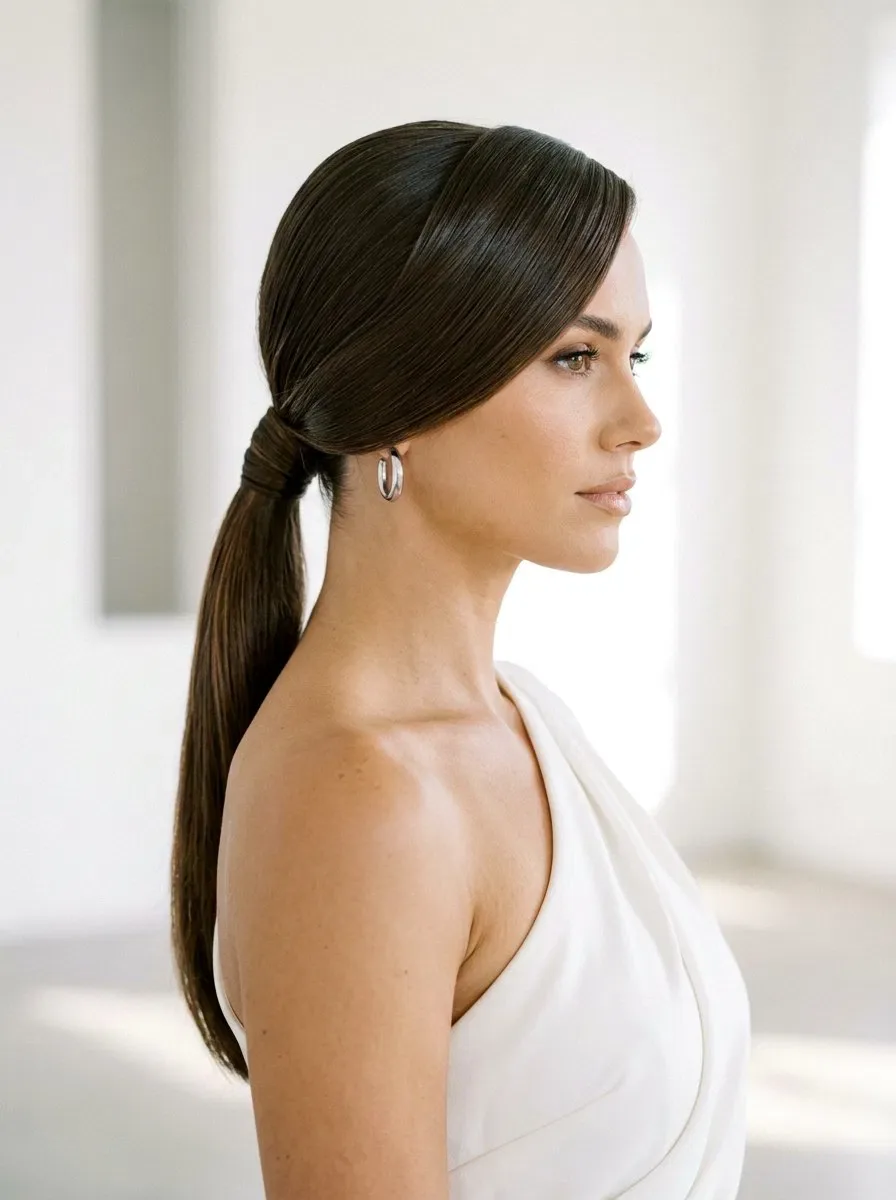
A low ponytail with a side part is quiet luxury in hair form: understated, polished, and endlessly wearable. The deep part gives the simple ponytail a direction, the sweep across the forehead softens the face, and wrapping a strand around the elastic hides the join. It is a favourite for offices, interviews, and any day you want to look put together without trying hard.
Best for: long and medium hair, straight and wavy textures. How to style: part deeply, smooth the hair back, tie it low, and wrap a small strand around the elastic. Time needed: three minutes. Face-shape note: the sweep flatters round faces by adding a diagonal line.
17. The Side Part High Ponytail
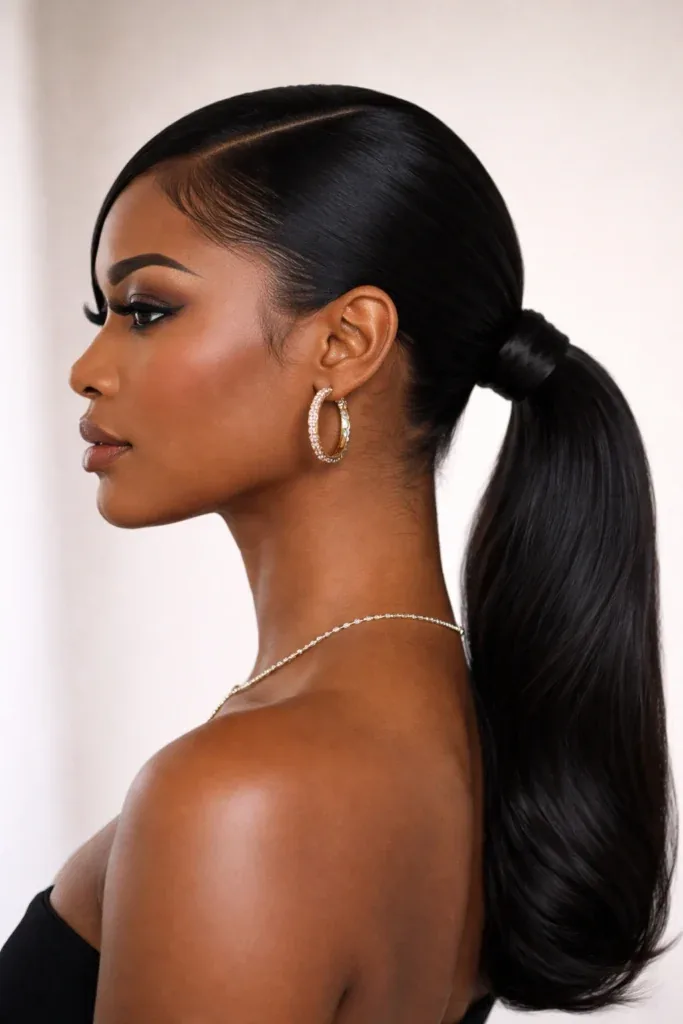
A high ponytail with a side part lifts everything up and back while keeping the soft sweep across the forehead — the best of both worlds. The ponytail gives height and energy, the side part keeps the front from looking severe, and the combination works for workouts, busy mornings and evenings out alike. It suits straight and wavy hair best.
Best for: oval and heart-shaped faces, and days when you need hair completely off your neck. How to style: part first, then gather the hair high, smooth the front with a brush, and wrap a strand around the elastic. Common mistake: pulling it drum-tight — a slightly loose ponytail with a soft sweep looks far more polished.
18. The Side Part Messy Bun
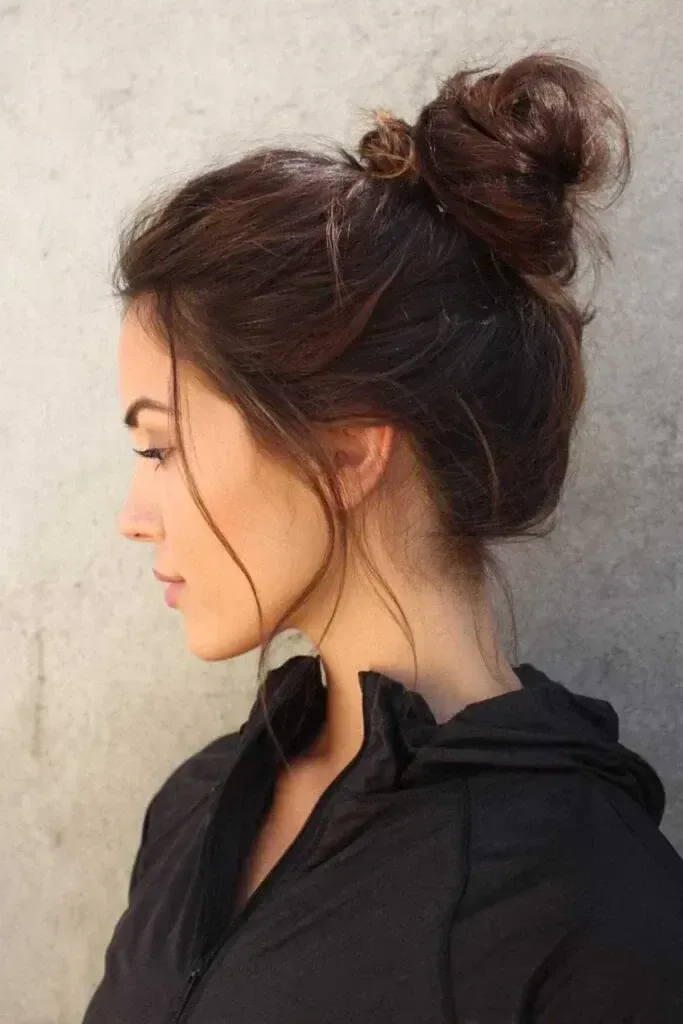
A messy bun with a side part is the unofficial uniform of relaxed, put-together women everywhere — and the part is what makes it look deliberate instead of accidental. The deep part gives the bun a direction, a few loose pieces on the heavy side soften the face, and the whole thing takes three minutes. It is the style for busy mornings, work-from-home days and second-day hair.
Best for: medium and long hair, and anyone who lives in a bun anyway. How to style: part deeply, gather the hair into a loose bun, secure it, and pull out a few face-framing strands on the heavy side. Pairs well with: a bold earring, since the bun and the part leave the face open.
19. The Side Part Low Chignon
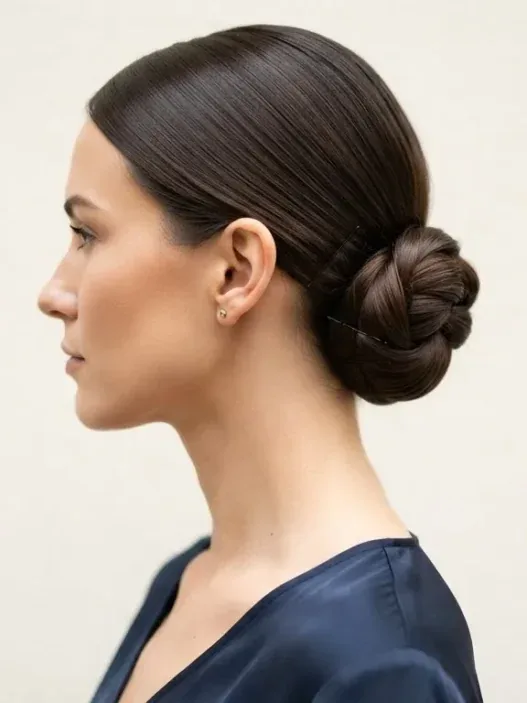
A low chignon with a side part is the most elegant way to wear your hair up, and the part is what elevates it from a bun to a style. The deep sweep across the forehead, the soft knot at the nape, and a few loose pieces around the face — it suits weddings, work events, and any day you need to look polished without trying hard. It works on medium to long hair.
Best for: weddings, formal events, and all face shapes. How to style: part deeply, gather the hair low, twist it into a soft knot and pin, then pull a few face-framing pieces loose. Time needed: five minutes. Quick verdict: the easiest formal hairstyle on this list, and the one most likely to survive the whole evening.
20. Side Part Half-Up Half-Down
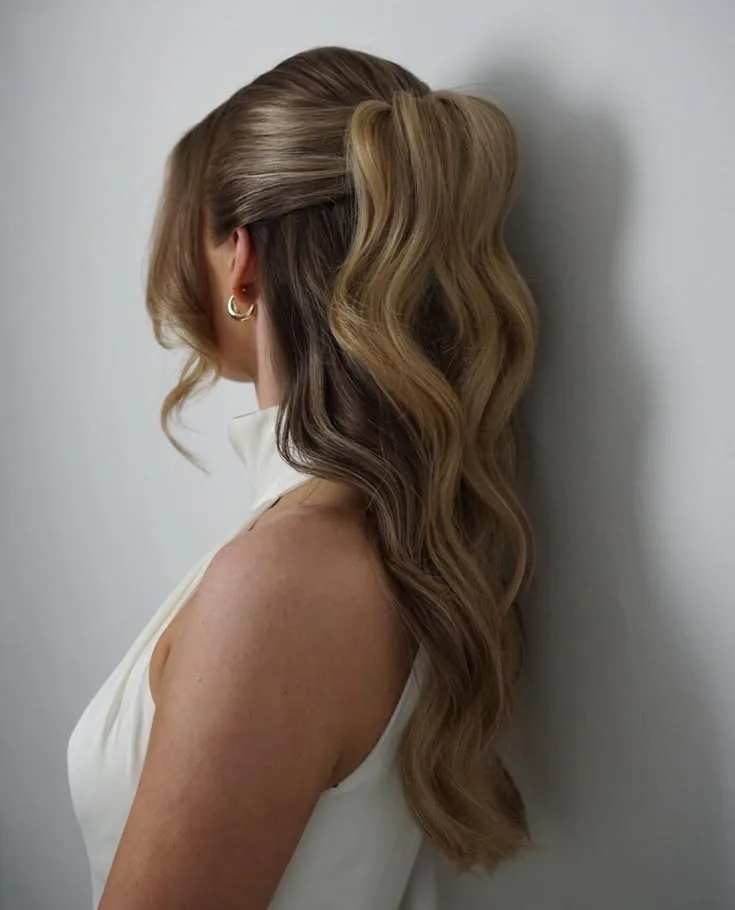
A half-up style with a side part gives you the best of both worlds: hair off your face, length still showing, and a soft, polished front. The part gives the half-up section a direction, and the loose length underneath shows off the sweep. It works for weddings, work and weekends, and it suits every length from a lob down.
Best for: long and medium hair, and days when you cannot decide between up and down. How to style: part deeply, twist or gather the top section back and pin it where it meets, then let the rest fall loose. Pairs well with: soft waves through the loose length, which echo the sweep of the part.
21. The Side Part Braid
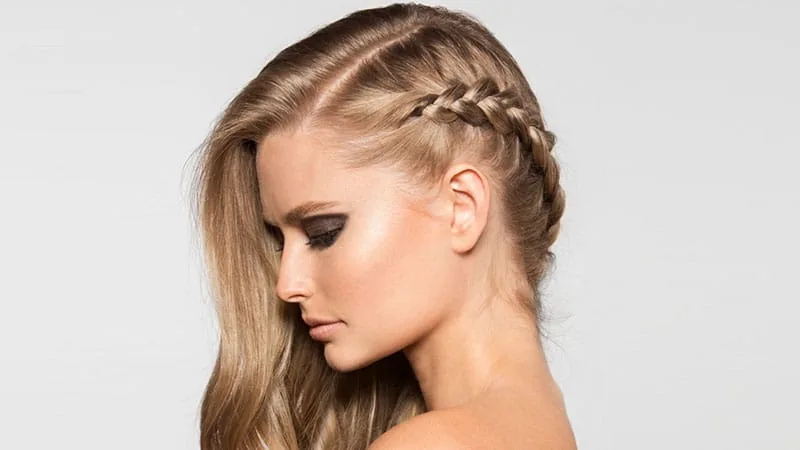
A side braid that starts from a deep side part is practical and pretty at once: the part gives the braid its direction, the braid follows the sweep across the forehead and down over one shoulder, and the whole style keeps hair contained for hours. It suits workouts, travel days and long afternoons, and it works on any hair long enough to braid.
Best for: long hair, and women who want a style that survives a whole day intact. How to style: part deeply, braid from the heavy side across and down, and pull the braid gently to loosen it. Time needed: five minutes with practice. Face-shape note: the diagonal braid line flatters round faces.
22. Side Part With Face-Framing Layers
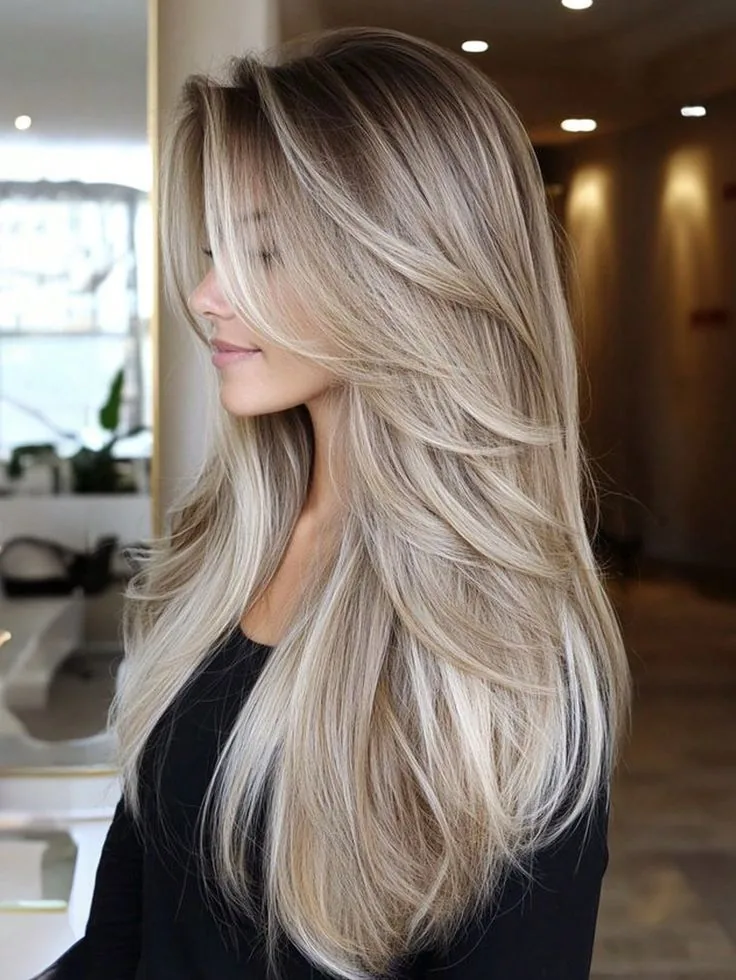
Face-framing layers and a side part belong together, because the layers start where the part ends: at the cheekbones, melting into the lengths, with no hard line anywhere. The part creates the sweep, the layers continue it down the face, and the combination keeps long hair from dragging the face down. It is the style to end a long-hair debate with.
Best for: long and medium hair, oval and long faces. How to style: blow-dry the layers away from the face with a round brush so they flick outward. What to ask for: layers that start at the cheekbones and get longer toward the ends. Maintenance: trims every eight weeks keep the layers from going stringy.
23. Side Part for a Round Face
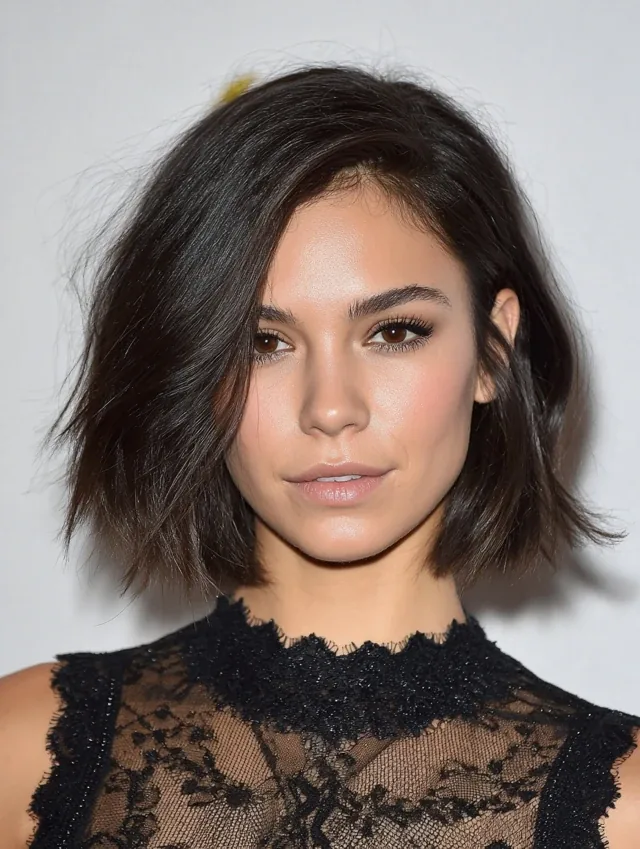
For a round face, a side part is the single easiest flattering trick in hairstyling. The diagonal sweep breaks up the symmetry of a round face, the volume on the heavy side adds height, and the longer pieces on one side visually lengthen the face. A centre part does the opposite — it mirrors the roundness — which is why so many women with round faces instinctively prefer a side part.
Best for: round faces, especially with a bob, lob or long layers. How to style: part deeply, above the arch of the eyebrow, and keep the heavy side long — chin length or longer. What to avoid: a shallow part close to the centre, which reads almost like a middle part and loses the lengthening effect.
24. Side Part for a Square Face
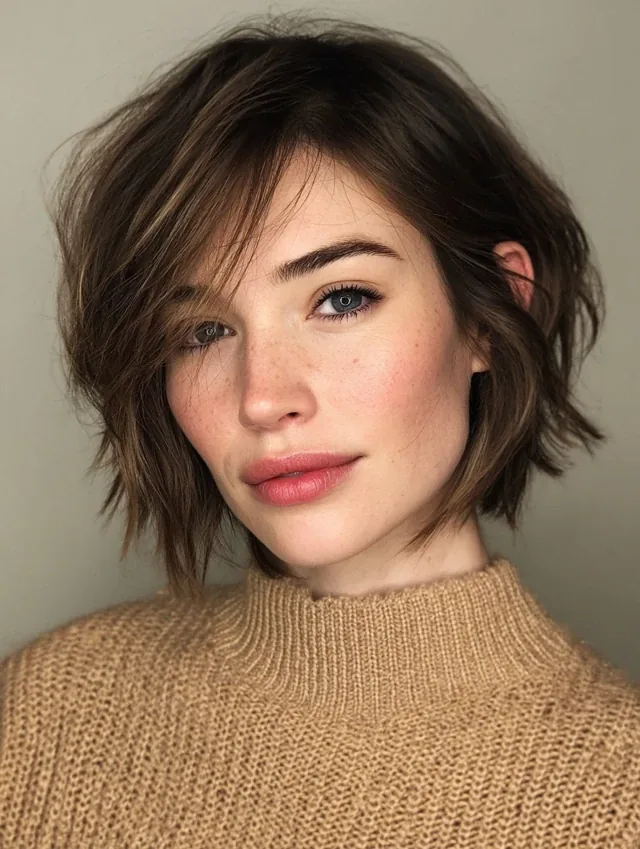
A square face has a strong jawline and a broad forehead, and a side part softens both. The diagonal sweep breaks the horizontal line of the forehead, the soft layers around the jaw soften its angles, and the asymmetry stops the face from looking boxy. It is the parting that stylists reach for first when a client with a square face wants to look softer without changing her cut.
Best for: square faces, with soft waves or layers around the jaw. How to style: keep the sweep soft — a hard, slicked side part can look severe on a square face. Pairs well with: curtain bangs, wispy layers, and a lob that ends below the jaw.
25. Side Part for an Oval Face
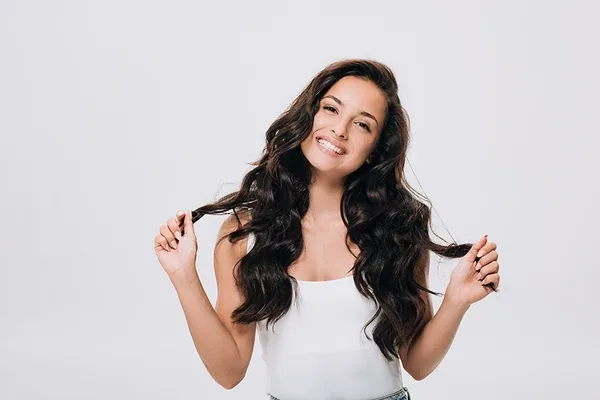
An oval face can wear almost any part, which is both a gift and a trap — the freedom makes it easy to pick a style that clashes with your texture instead of your face. A side part on an oval face is about adding interest rather than fixing anything: the diagonal sweep gives a balanced face a focal point, and the volume on one side stops a long oval face from looking flat.
Best for: oval faces, with any length from a pixie to long layers. How to style: any depth works, so choose by mood — a deep part for drama, a soft off-centre part for everyday. Face-shape note: if your oval face is on the long side, keep the heavy sweep at cheekbone length or longer to add width.
26. Side Part for a Heart-Shaped Face
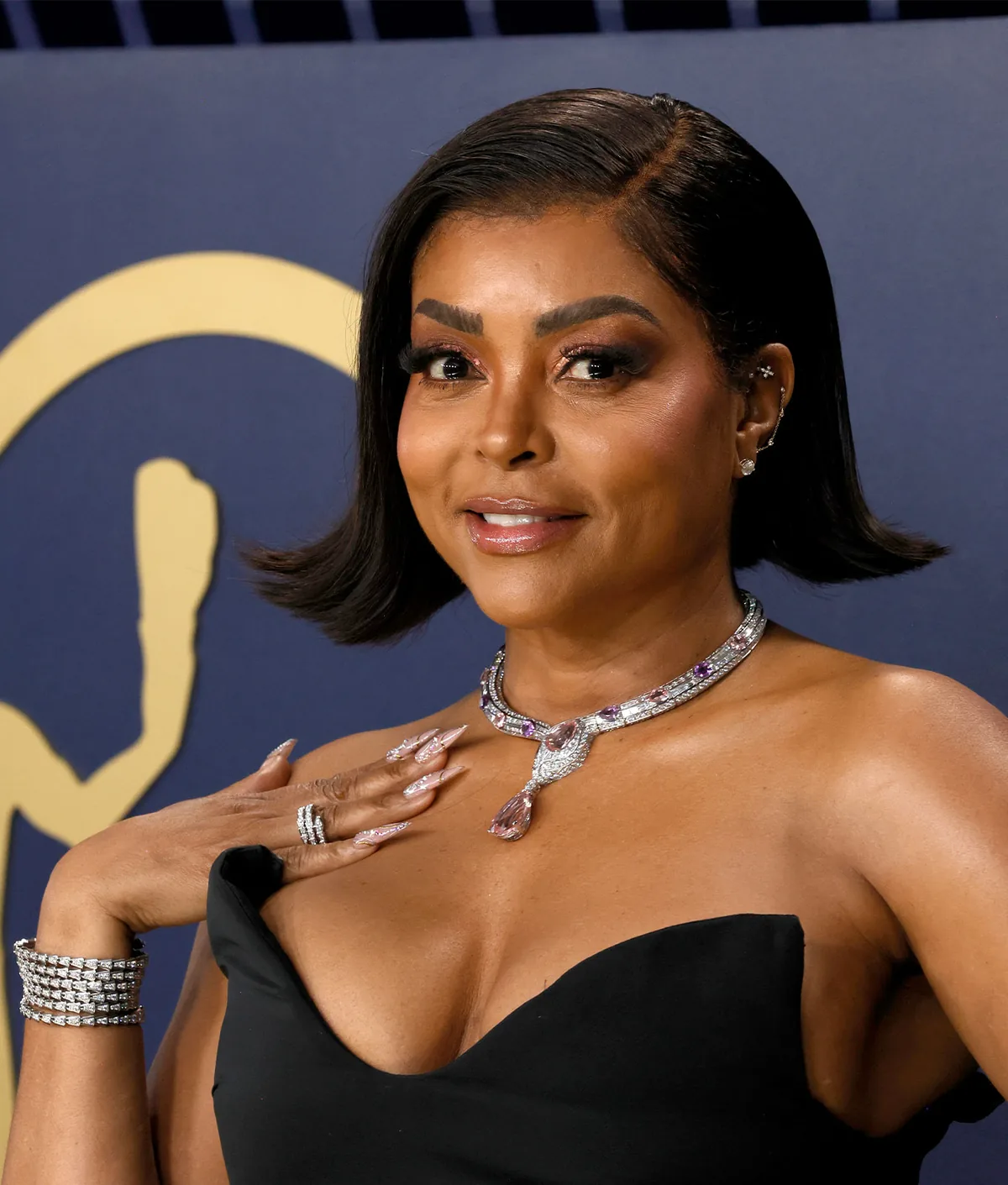
A heart-shaped face — wider at the forehead, narrower at the chin — suits a side part beautifully, because the sweep covers part of the forehead and the volume at the sides balances the narrower chin. A chin-length bob or a lob with a side part is the classic pairing: the width at the jaw fills out the lower face, and the diagonal part keeps the forehead from dominating.
Best for: heart-shaped faces, with bobs, lobs and chin-length cuts. How to style: keep the ends full around the jaw rather than tucked behind the ears. What to avoid: a very deep part with a lot of volume on top, which can exaggerate the width of the forehead.
27. Side Part for a Long Face
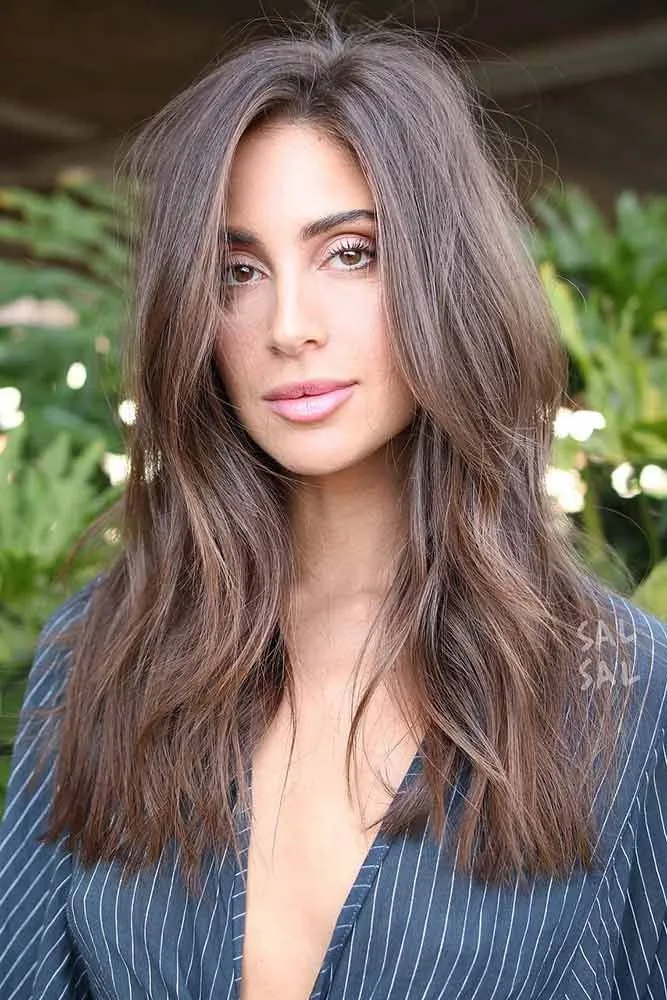
For a long face, a side part works best when it adds width rather than height. A soft, shallow side part with waves or curls at the sides visually widens the face, while side-swept bangs shorten the forehead — together they take the length out of a long face without a dramatic cut. The key is keeping the volume at the sides, not at the crown.
Best for: long faces, with bobs, waves and side-swept bangs. How to style: part just off-centre, add waves through the mid-lengths, and let the bangs sweep across. Common mistake: a very deep part with a lot of crown volume, which makes a long face look even longer.
28. Side Part Wedding Hairstyle
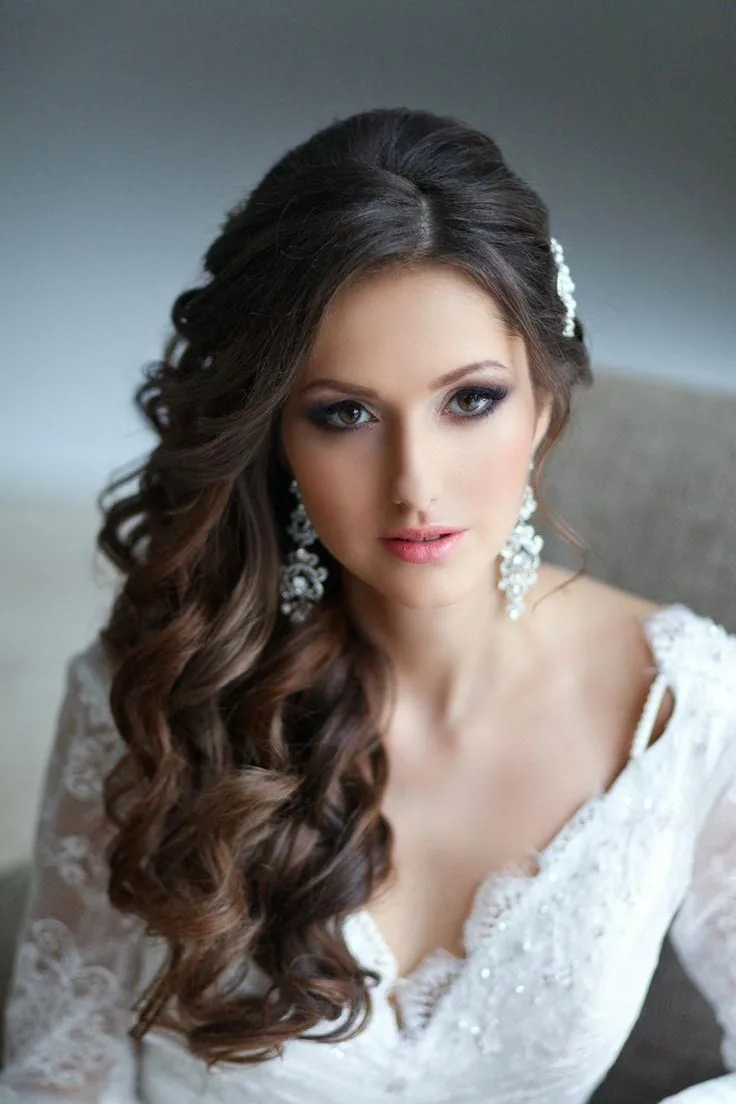
Brides choose a side part for the same reason stylists do: it photographs beautifully. The diagonal sweep frames one side of the face, leaves the other side open for earrings, and gives the hair a direction in every photo — from the ceremony to the first dance. It works with a veil, a tiara, or a flower crown, and it suits long hair, lobs and updos alike.
Best for: brides and wedding guests, and anyone who will be photographed all day. How to style: set the part a little deeper than usual, curl the heavy side into soft waves, and pin the smaller side back with a decorative clip. Pairs well with: a low chignon, a side braid, or loose Hollywood waves.
29. Side Part for Work and the Office
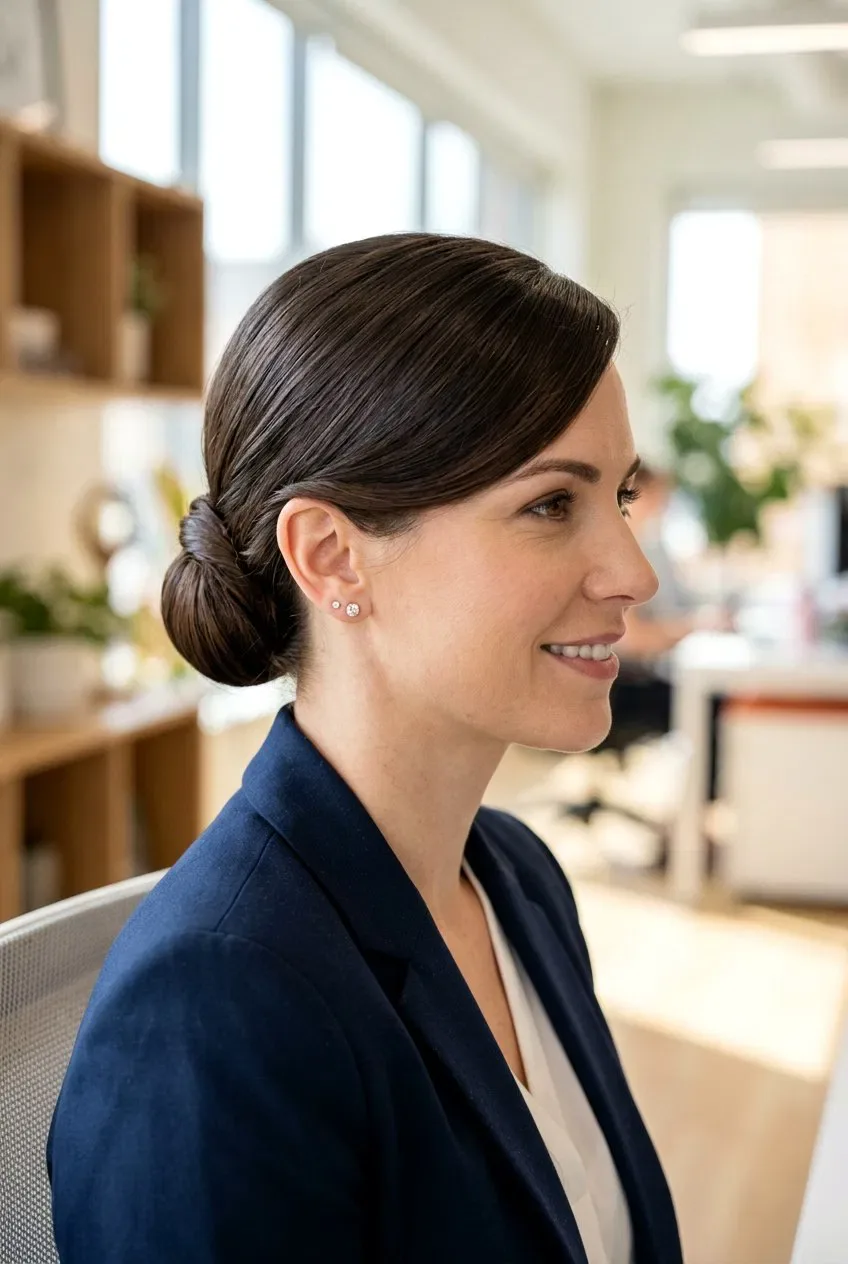
For the office, the side part is the professional’s shortcut: it makes any cut look intentional, it keeps hair out of your face during a long day, and it reads as polished without looking overdone. A side part lob or a low ponytail with a side part are the two safest office choices — neat, low-maintenance, and appropriate in every workplace from a law firm to a startup.
Best for: professional settings, and women who need a style that lasts from 9 to 5. How to style: blow-dry smooth, tuck the smaller side behind the ear, and finish with a light-hold spray. Quick verdict: if you only learn one office hairstyle, make it a side part lob — it does the work of a blowout in half the time.
30. Side Part Beach Waves
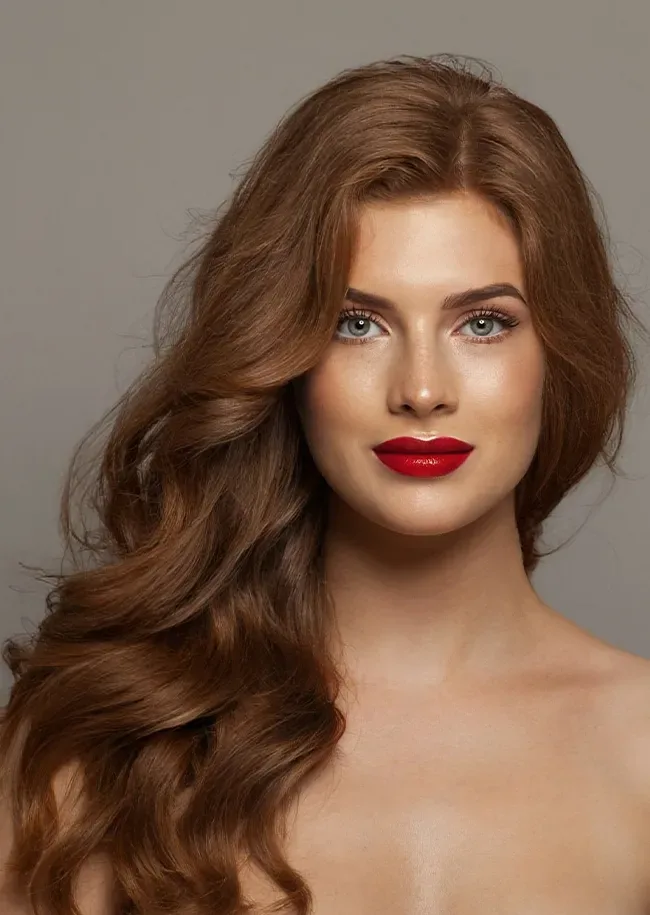
Beach waves with a side part are summer in a hairstyle: relaxed, textured, and a little bit undone, but with a direction. The part keeps the waves from looking random, the salt-spray texture keeps the hair from looking flat, and the combination works on any length from a lob to long hair. It is also one of the most forgiving styles on this list, because the whole look is built on imperfection.
Best for: holidays, weekends, and anyone who wants a side part that looks good slightly messy. How to style: scrunch salt spray through damp hair and let it air-dry, or twist sections around a curling wand for more definition. Pairs well with: sun-lightened ends, which the waves show off.
31. The Side Part Voluminous Blowout
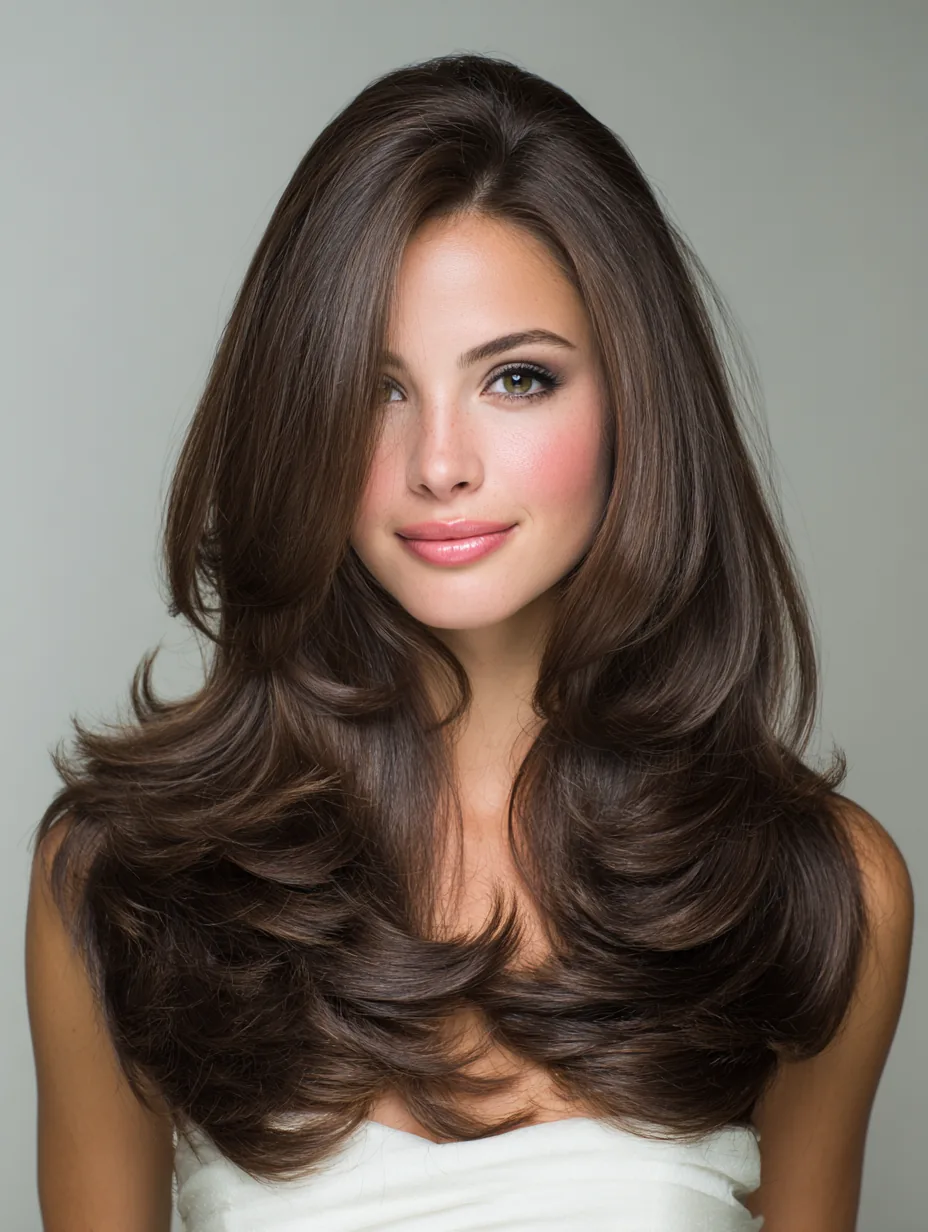
A voluminous blowout with a side part is pure glamour: big, bouncy hair with a deep diagonal sweep that looks like a salon visit. The part creates the volume — all that hair swept to one side lifts at the roots — and the blowout gives it a finish that lasts for days. It is the style for nights out, events, and any day you want maximum impact.
Best for: thick and medium hair, straight and wavy textures. Cost and time: a full blowout takes twenty to thirty minutes at home, so save this for occasions. How to style: blow-dry the roots upward on the heavy side with a large round brush, then set the sweep with a velcro roller for five minutes.
32. The Side Part Asymmetrical Bob
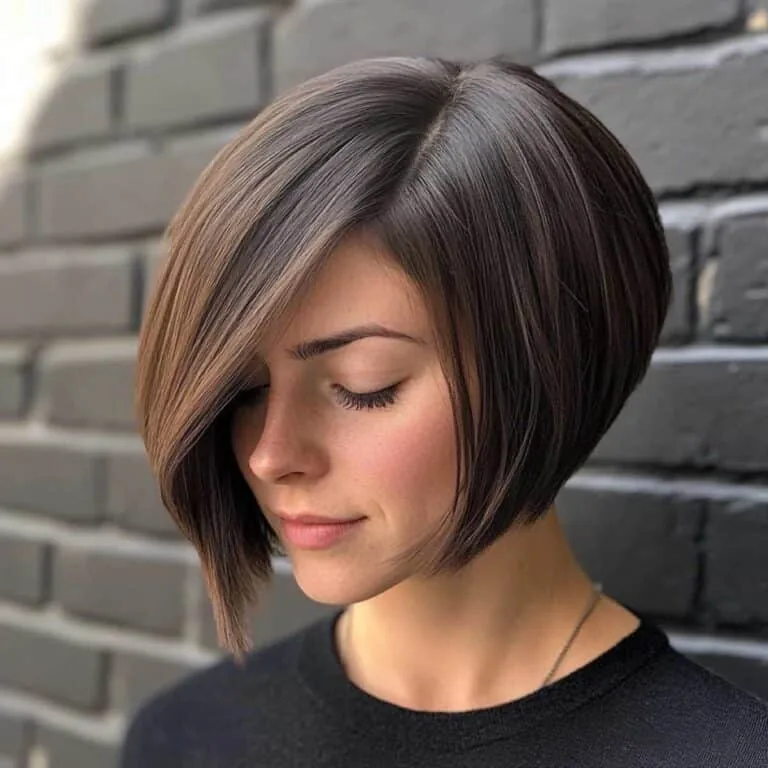
An asymmetrical bob — one side longer than the other — with a side part is the edgiest cut on this list, and the part is what makes it work. The longer side sweeps across the face in a dramatic diagonal, the shorter side shows off the jaw, and the imbalance creates movement that a symmetrical bob cannot. It is a modern, confident cut for women who want their hair to look like a fashion choice.
Best for: straight hair, oval and heart-shaped faces. Pros: striking, modern, and it photographs beautifully. Cons: the asymmetry needs a confident cut and trims every five weeks to hold the line. Who should avoid it: anyone who prefers symmetrical, low-maintenance styles.
33. The Side Part A-Line Bob
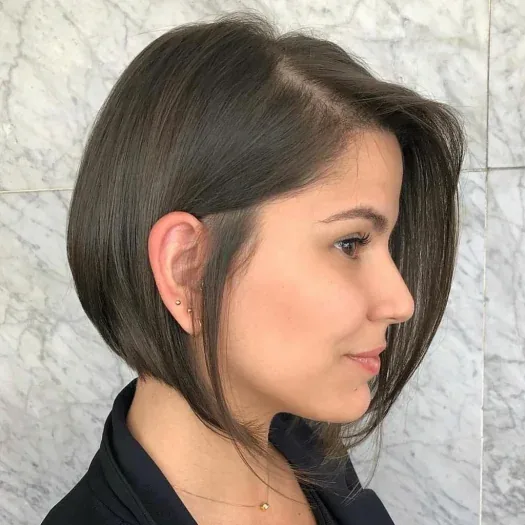
An A-line bob — shorter at the back, longer at the front — with a side part gives the classic cut a diagonal twist. The part adds volume on one side, the longer front pieces frame the face, and the shorter back keeps the cut light. It is a brilliant choice for women whose hair is thick enough to hold a line but who find a one-length bob too heavy.
Best for: thick and medium hair, and women who want a bob with a shape. How to style: blow-dry smooth with a round brush, turning the front pieces slightly under. Maintenance: trims every five to six weeks to keep the diagonal crisp. Face-shape note: the angle draws the eye forward along the jaw, which flatters most faces.
34. Side Part Hollywood Waves
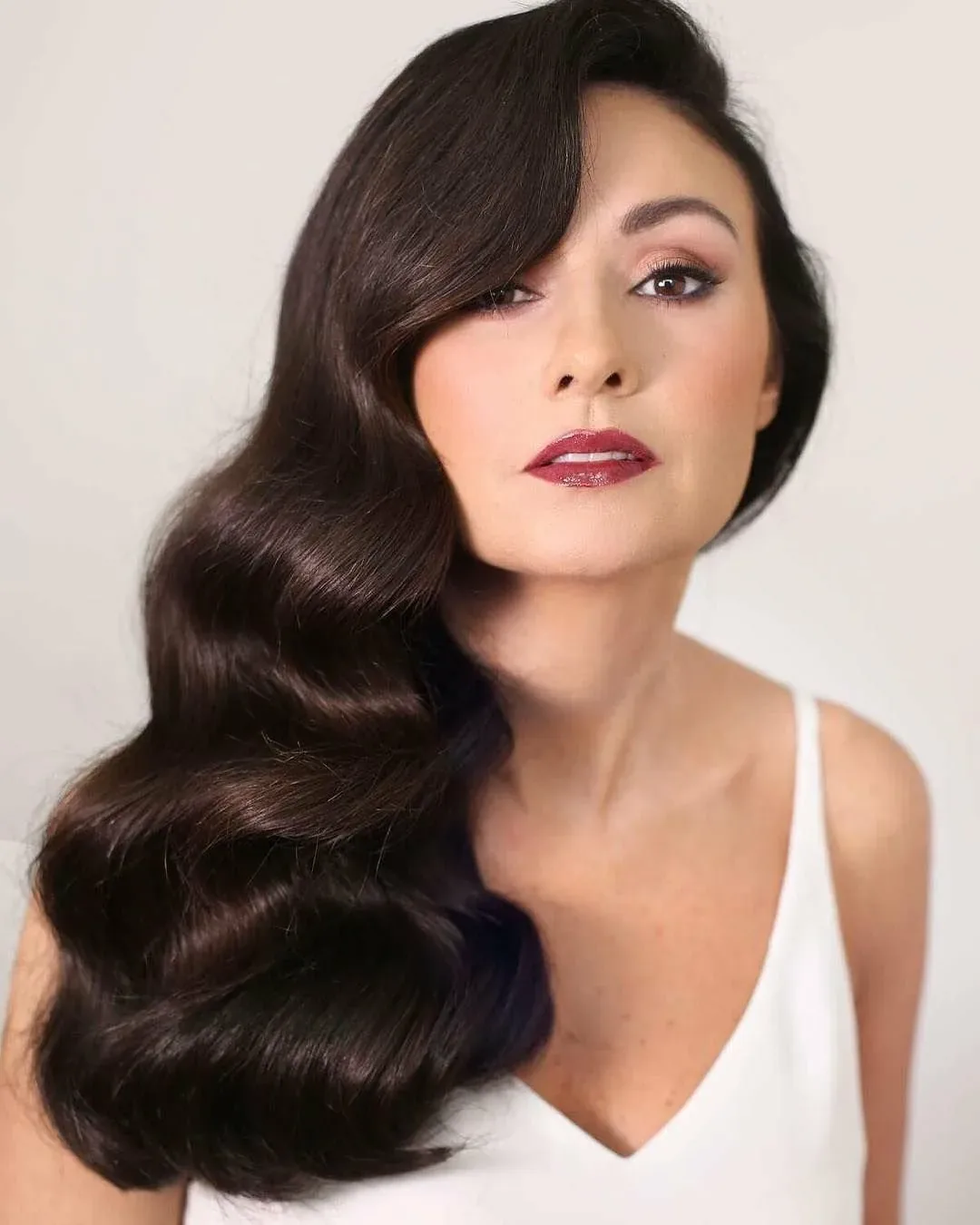
Hollywood waves with a deep side part are old glamour, and they still stop a room. The waves are uniform, glossy and brushed out soft, the deep part gives them a dramatic sweep across the forehead, and the whole style reads as red-carpet even when you are just going to dinner. It is the most formal version of a side part, and the one most worth learning for special occasions.
Best for: formal events, long and medium hair, and women who love vintage glamour. How to style: curl all sections in the same direction, let them cool, then brush them out into soft waves and set with a flexible-hold spray. Time needed: thirty minutes — this is a treat, not a routine.
35. The Side Part Bixie
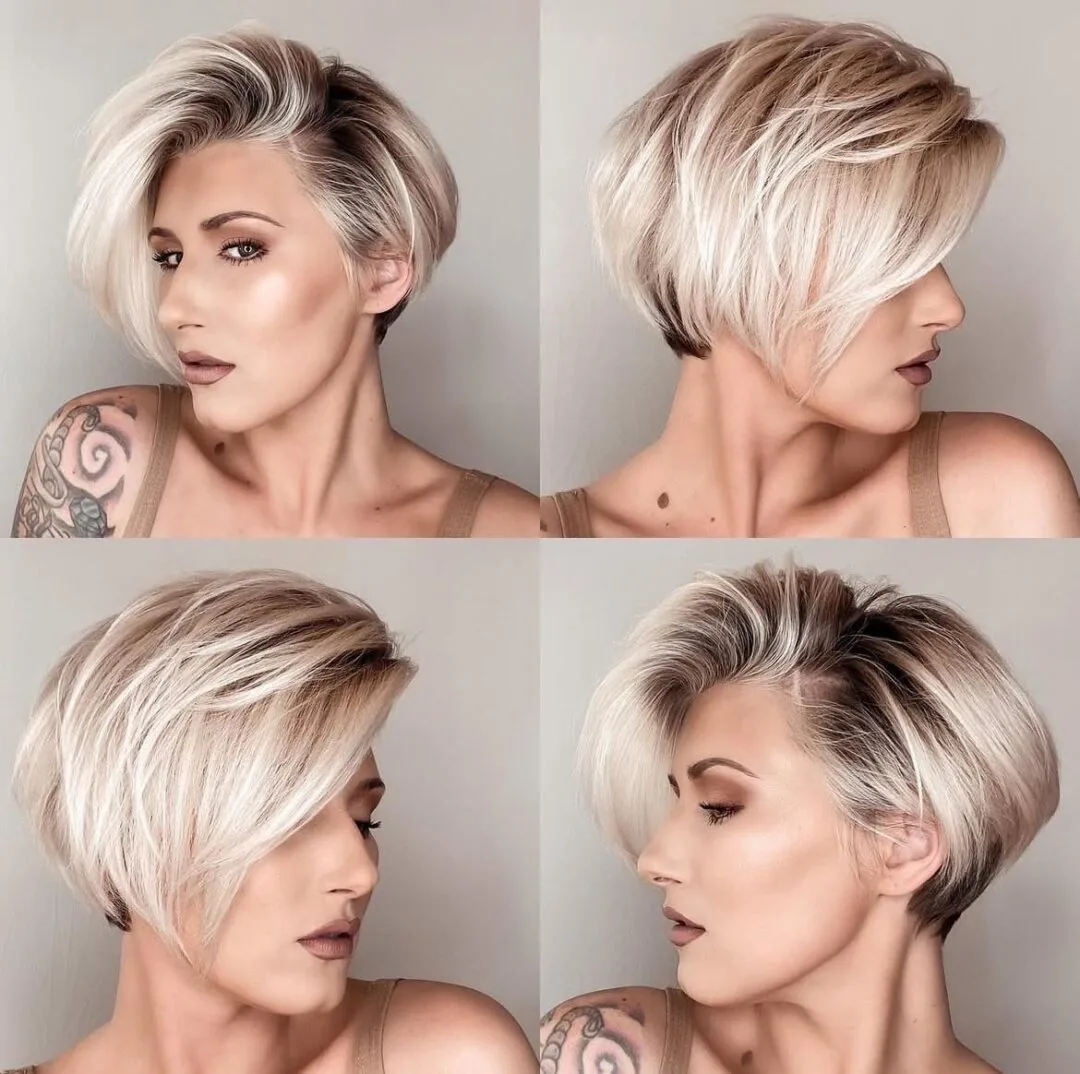
The bixie — half bob, half pixie — with a side part is the short cut for women who cannot choose between the two. Longer than a pixie, shorter than a bob, with a deep part that sweeps the top to one side, it is playful, modern and surprisingly easy to style. The part gives the bixie its shape; without it, the cut can look like a grown-out pixie instead of a style.
Best for: straight and wavy hair, oval and square faces. How to style: a little texturising cream through damp hair, swept to the heavy side with your fingers. Maintenance: trims every five to six weeks. Pairs well with: an undercut at the nape for extra edge, or soft layers for extra softness.
36. The Side Part Midi Cut
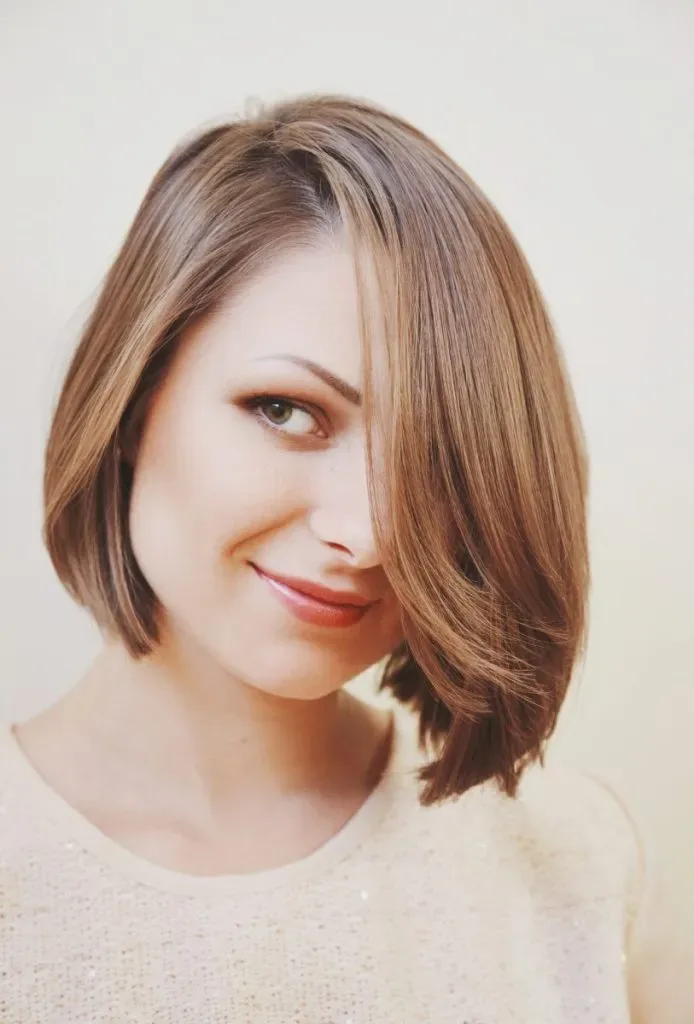
The side part midi — falling between the shoulders and the collarbone — is the most versatile length in this guide, because it is long enough to tie back and short enough to stay light. The side part gives the midi a shape that a centre part never does, the ends fall soft around the collarbone, and the cut suits almost every face shape and hair texture. It is the cut for women who cannot decide between a bob and long hair, and do not have to.
Best for: anyone who wants versatility without the commitment of long hair. How to style: blow-dry with a round brush for a smooth finish, or air-dry with mousse for soft waves. Maintenance is light — trims every eight weeks — and the grow-out is gentle, since the midi length hides the awkward stages.
What is a side part hairstyle?
A side part hairstyle is any hairstyle where the hair is parted to one side instead of down the middle, so most of the hair sweeps across the forehead to one side. It works on every length — pixies, bobs, lobs and long hair — and it instantly adds volume, direction and polish to a cut.
Which side should I part my hair on?
Part your hair on the side where it naturally falls. Wash your hair, comb it straight back while wet, let it fall forward, and see where it splits — that is your natural part. Most people find their hair parts more easily on one side, and working with that side means the part holds longer with less effort.
Does a side part suit a round face?
Yes — a side part is one of the most flattering choices for a round face. The diagonal sweep breaks up the symmetry of a round face, the volume on the heavy side adds height, and the longer pieces on one side visually lengthen the face, while a centre part tends to mirror the roundness.
Is a side part better than a middle part?
Neither is better in general — it depends on your face shape and hair. A side part adds volume, asymmetry and polish, and it flatters round, square and heart-shaped faces. A middle part is more symmetrical and modern, and it suits oval faces and very sleek styles. If your hair will not hold a middle part, a side part is the easier choice.
How do I keep my side part from falling flat?
Part your hair while it is damp, apply a root-lifting mousse at the crown, and blow-dry the roots upward on the heavy side. A bobby pin behind the ear on the smaller side anchors the part, and a light mist of hairspray keeps flyaways down without making the hair stiff.
Can I wear a side part with bangs?
Yes — side-swept bangs are made for a side part, because they continue the same diagonal line across the forehead. Curtain bangs work too when the part sits just off-centre. Ask your stylist to start the bangs at the part, not at the centre of the forehead, so the fringe flows with the sweep.
Does a side part work on thin hair?
Yes — a side part is one of the best tricks for thin hair. Sweeping most of the hair to one side creates a heavy, full-looking section on top, and the roots lift more easily than they do in a centre part. Keep the ends light and use a root-lifting mousse so the sweep does not collapse by lunchtime.
How do I switch from a middle part to a side part?
Part your hair in the new place while it is wet every time you wash it, blow-dry the roots in the new direction, and hold the part with a clip or bobby pin while the hair dries. It takes about two weeks for the roots to learn the new direction, so be patient and use a headband through the messy middle stage.
What is the best side part hairstyle for work?
A side part lob or a low ponytail with a side part are the two safest work choices — neat, low-maintenance and appropriate in every workplace. Both keep hair out of your face, look polished all day, and take under five minutes to style.
Does a side part make you look older or younger?
A side part usually makes you look more polished rather than older or younger — the effect depends on the cut. Soft, textured side parts with waves or layers tend to look youthful and fresh, while very sleek, deep side parts with straight hair can look more formal and mature. Choose the version that matches the impression you want.
Conclusion
The side part still wins because it is the simplest upgrade in hairstyling: no new cut, no new colour, no new products — just a different line through your hair, and suddenly the same cut looks intentional. The styles that work best share one thing: they let the part do the work, with the sweep giving the hair volume, direction and a focal point instead of letting it fall wherever it lands.
Start with your natural part, not the one you saw in a photo. Give a new part two weeks before you judge it. And pick the style that matches your life — a lob for the office, a pixie for wash-and-go mornings, Hollywood waves for the nights that matter. The part is free, the polish is instant, and the only thing it costs is thirty seconds with a comb.