The Blunt Collarbone Cut: Clean Lines, Maximum Impact
In the ever-evolving world of hair trends, some styles come and go with the seasons. Others, however, carve out a permanent place in the style hall of fame. Enter the blunt collarbone cut—a hairstyle that masterfully balances precision and wearability, edge and elegance. It’s not just a haircut; it’s a statement of intent. With one clean, decisive line resting at your collarbone, this cut delivers a powerful dose of sophistication without saying a word. It’s for the person who appreciates architecture in their aesthetic, who believes that less can indeed be more, but that what *is* there should be flawless. This is the definitive guide to understanding, asking for, and rocking the iconic blunt collarbone cut.
What Exactly Is a Blunt Collarbone Cut?
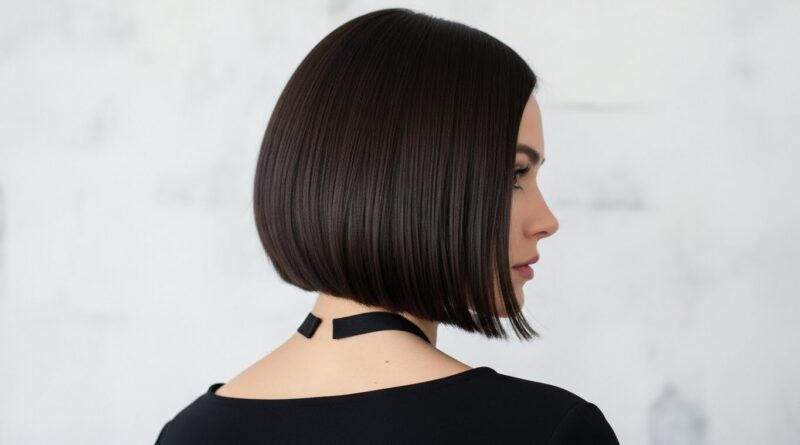
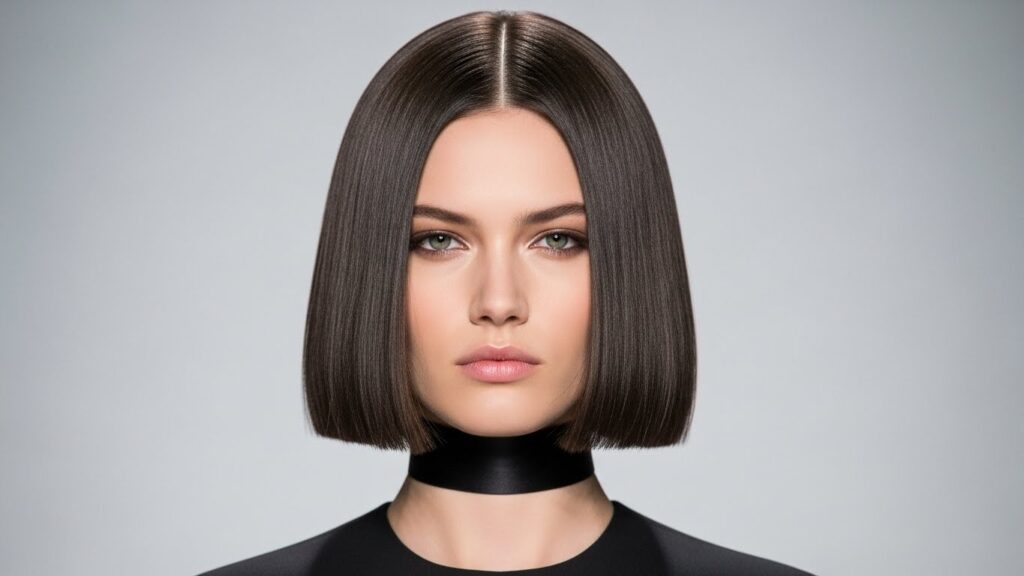
Let’s break down the name, because each word is intentional. “Blunt” refers to the cutting technique. Unlike layered cuts that remove weight and create movement through varying lengths, a blunt cut is achieved by cutting the hair straight across, with no layers (or very, very few). This results in a solid, weighty hemline that feels substantial and looks incredibly sharp. “Collarbone” is the sweet spot for length. It’s that magical point where hair meets the top of the shoulders, typically ranging from 14 to 16 inches from the crown. This length is universally flattering—it’s long enough to pull back into a ponytail, but short enough to feel fresh and modern. Combined, you get a haircut defined by its clean, graphic line and its perfectly proportioned length.
Why This Cut Packs Such a Powerful Punch
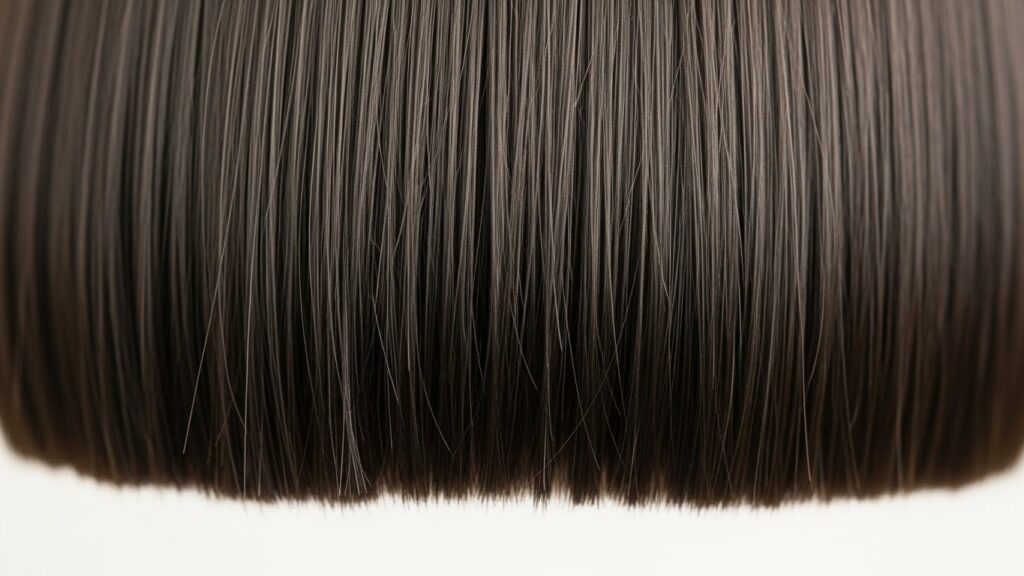
The impact of this style is no accident. It leverages several key principles of design. First, the power of a single line. Our eyes are drawn to clean, geometric shapes. The stark horizontal line created by the ends of the hair acts as a focal point, framing the face and drawing attention to the neck and décolletage. Second, it celebrates health and density. A blunt cut shows off the hair’s natural thickness and condition. Every strand ends at the same point, reflecting light uniformly and creating an illusion of incredible shine and vitality. In a world of wispy ends and broken layers, the blunt collarbone cut stands as a testament to strong, healthy hair. It’s confident, it’s polished, and it communicates a sense of put-togetherness with minimal effort.

Is the Blunt Collarbone Cut Right for You?
This is the most common question, and the answer is more inclusive than you might think. While it’s a star on straight and wavy hair textures, its adaptability is vast. For fine hair, a blunt cut can be a game-changer. It prevents ends from looking sparse and creates the illusion of much thicker, fuller hair. For thick hair, it provides a sleek, controlled shape that manages volume beautifully. When it comes to face shapes, its versatility shines. The length helps to soften strong jawlines, while the blunt line can add width to longer face shapes. The key to personalization often lies in the fringe or face-framing—adding a curtain bang or a slight angle at the front can tailor the cut to any features.
A quick note on commitment: A blunt cut requires more frequent trims (every 8-10 weeks) to maintain its precise line, as any growth or split ends will disrupt the clean effect. It’s a relationship with your stylist built on regularity.
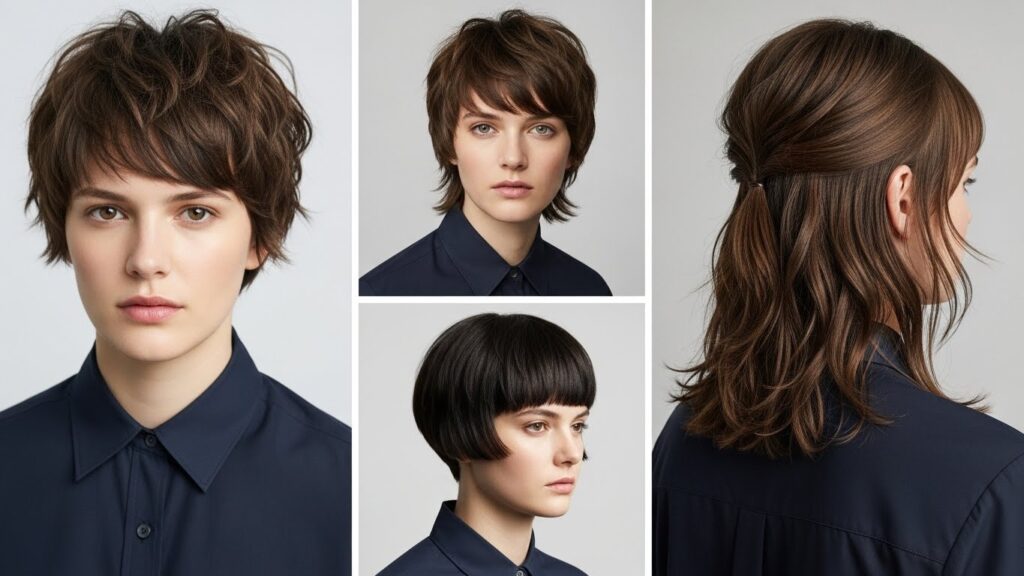
Styling for Maximum Impact: Effortless vs. Polished
The beauty of this cut is that it looks intentional, even on low-styling days. For an effortless, lived-in look, apply a texturizing spray or mousse to damp hair and let it air dry. The natural wave or bend will create a softer version of the blunt line that’s cool and relaxed. For the signature polished look that defines the style, a blowout is key. Use a round brush to smooth the hair, directing the ends under slightly to enhance the weighty, inward curve of the hemline. A flat iron can seal the deal, ensuring that iconic line is laser-straight.
Products are your allies. A heat protectant is non-negotiable. A shine serum or oil applied sparingly to the mids and ends will amplify the glass-like finish. For hold without crunch, a light-hold hairspray or a texture spray can maintain the shape while keeping movement.
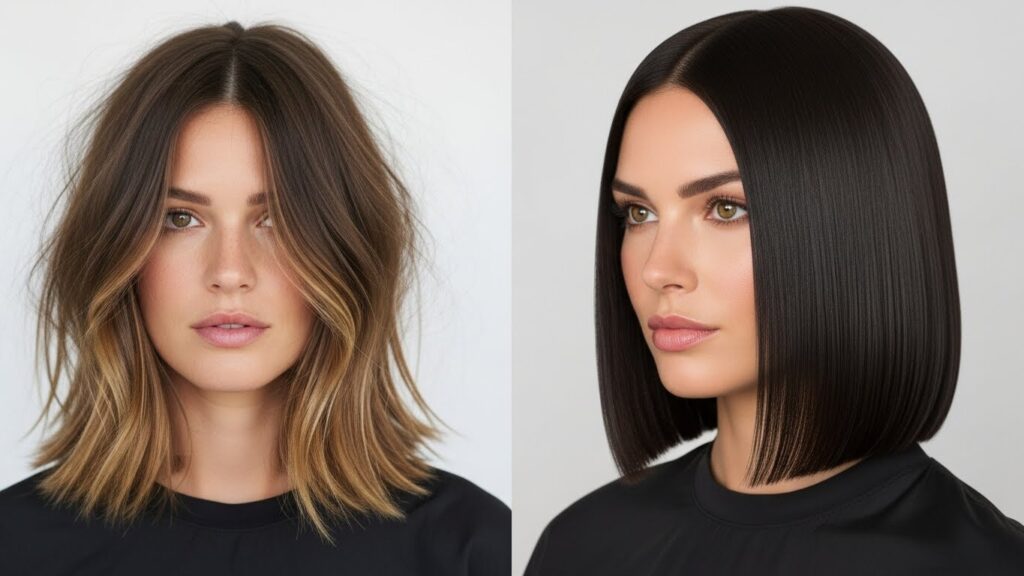
The Consultation: How to Ask Your Stylist for This Cut
Communication is crucial to avoid the dreaded “I said blunt, you heard layers” misunderstanding. Come prepared. Bring photos from multiple angles that show the length and the bluntness you desire. Use the correct terminology: say “I want a blunt cut, with no layers, hitting right at the collarbone.” Discuss your hair texture and daily routine with your stylist. A great stylist will advise if a micro-taper (an almost imperceptible softening of the very bottom edge) is needed for your hair type to prevent a choppy look, or if your hair’s density requires some internal thinning (not layering!) to reduce bulk without sacrificing the solid line.

Beyond the Basics: Modern Variations to Consider
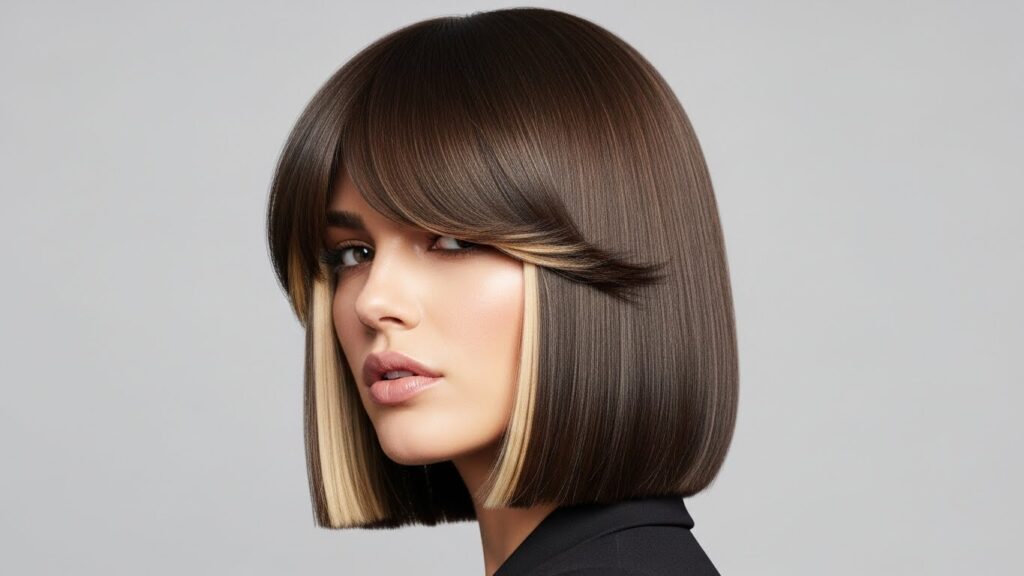
While the classic blunt cut is iconic, modern interpretations keep it feeling fresh. Consider a “blunt-ish” cut with invisible, internal layers for movement on top while keeping the perimeter solid. The blunt cut with curtain bangs is a match made in heaven, adding a soft, face-framing dimension. For a bolder take, a blunt collarbone cut with a heavy, disconnected fringe makes a dramatic graphic statement. You can also play with color to enhance the line—think of bold money pieces or balayage where the color ends perfectly in sync with the cut, making that line even more pronounced.
Embracing the Statement
The blunt collarbone cut is more than a passing trend. It is a testament to the enduring power of simplicity and precision. In a chaotic world, it offers a sense of order and clarity. It’s a haircut that doesn’t hide; it presents. It tells people you value craftsmanship, that you appreciate form and function, and that you possess a quiet confidence. It’s clean lines. It’s maximum impact. It’s the haircut that proves that sometimes, the most powerful statement is made not with volume or length, but with a single, perfect line.