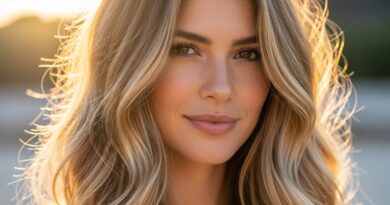
The Butterfly Cut: Face-Framing Layers That Create Movement
In the ever-evolving world of hair trends, a style occasionally emerges that captures the perfect blend of nostalgia, artistry, and wearability. Enter the Butterfly Cut—the layered haircut that’s taking social media and salons by storm. More than just a passing fad, this cut is a masterclass in creating effortless movement, soft volume, and breathtakingly beautiful face-framing effects. Imagine the weightless, fluttering layers of a 70’s shag meeting the face-framing precision of a modern long-layered cut. The result is a hairstyle that appears to dance around the face with every turn of the head, much like the delicate wings of its namesake.
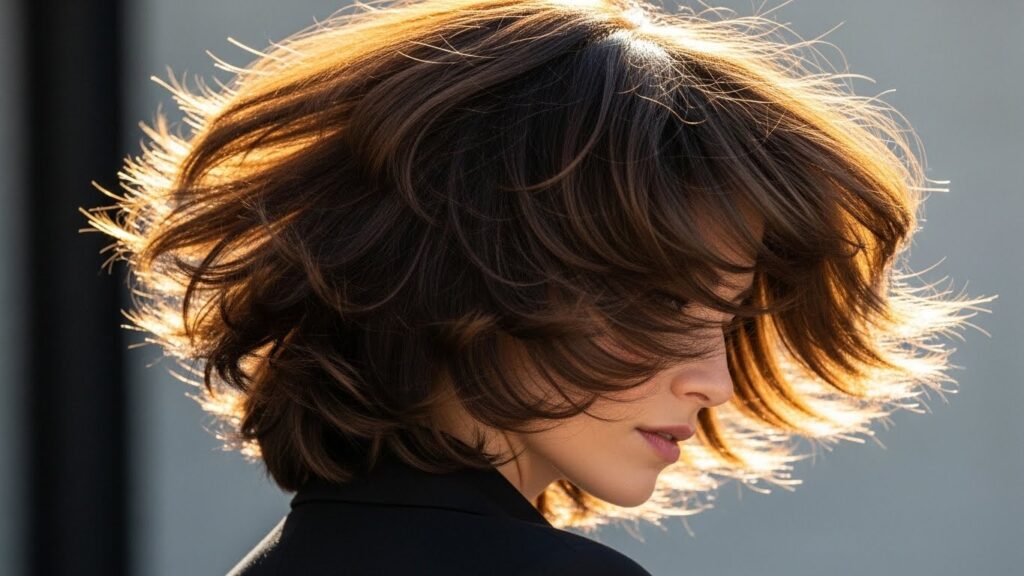
Decoding the Anatomy of a Butterfly Cut
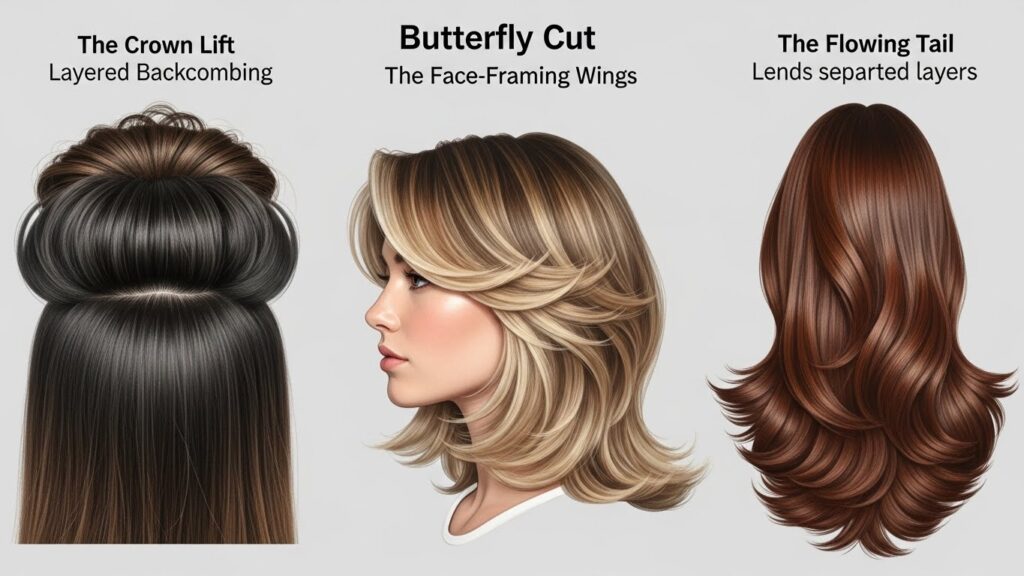
To understand the hype, let’s dissect the key components that define this iconic look. The Butterfly Cut isn’t a one-length-fits-all formula; it’s a blueprint for built-in movement.
The Crown Lift: The transformation begins at the top. Your stylist will focus on creating volume and lift at the crown through shorter, internal layers. This is the “body” of the butterfly, providing the structural support that prevents the hair from falling flat. Unlike some layered cuts that can leave the top heavy, this technique ensures volume starts where it should—at the roots.
The Face-Framing “Wings”: This is the signature element. Strategically cut layers, typically starting at the cheekbone or jawline, are designed to sweep around the front of your face. These pieces are cut with a soft, feathered technique to avoid harsh lines. They highlight the eyes, cheekbones, and jawline, offering a soft, romantic frame that enhances your natural features.
The Flowing “Tail”: Beneath the face-framing wings and crown layers, the hair graduates into longer, more seamless layers. This bottom section is often more textured than blunt, allowing it to move independently. The contrast between the shorter top layers and the longer bottom layers is what creates that iconic, fluttering silhouette—fullness on top that tapers into movement below.
Who is the Butterfly Cut For? Finding Your Flutter
The universal appeal of the Butterfly Cut lies in its adaptability. While it creates the illusion of abundance, it’s not exclusive to those with naturally thick manes.
Fine to Medium Hair: This cut can be a game-changer. By removing weight and adding strategic layers, it creates the illusion of thickness and body that fine hair often lacks. The texturizing prevents hair from clinging to the scalp, giving it a much-needed boost.
Thick or Wavy Hair: For those blessed with density, the Butterfly Cut is a brilliant way to manage volume without sacrificing length. It removes bulk from the mid-shaft and ends, reducing the potential for a triangular shape. For wavy hair, the layers encourage and define the natural wave pattern, resulting in a beautifully undone, effortless look.
Face Shape Versatility: One of its greatest strengths is its face-framing capability. The soft, adjustable layers can be tailored to flatter almost any face shape. For round faces, longer face-framing pieces can create a slimming effect. For square faces, layers starting at the jaw can soften angles. Oval and heart-shaped faces are, of course, beautifully accentuated by the classic placement.
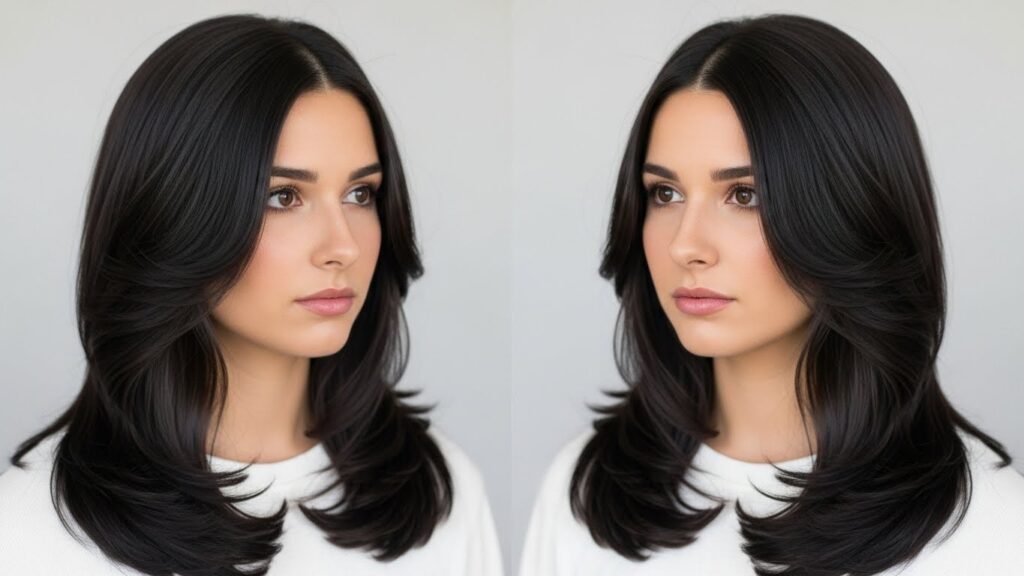
The Styling Ritual: How to Unleash the Movement
The Butterfly Cut is designed to be low-maintenance, but a few key styling steps will ensure it looks its most ethereal. The goal is to enhance the separation and movement, not flatten it.
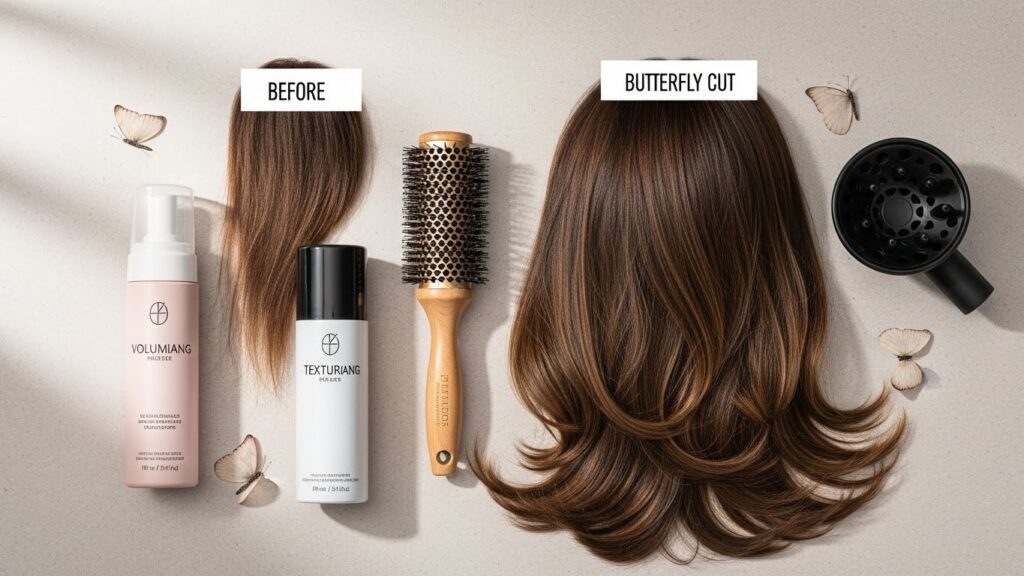
Start with a volumizing or texturizing shampoo and conditioner. When drying, rough dry your hair with a diffuser or your fingers until it’s about 80% dry, lifting at the roots. Then, using a medium-sized round brush, focus on blowing the face-framing layers outward or under, depending on your preference, to emphasize their shape. For the crown, direct the airflow at the roots for lift.
The real secret weapon? Texturizing spray. Once dry, lightly spritz a texturizing or sea salt spray onto the mid-lengths and ends. Scrunch gently with your hands. This enhances the separation between layers, giving that coveted “lived-in” yet polished feel. Avoid heavy oils or creams on the top layers, as they can weigh down the volume you’ve just created.
Butterfly Cut vs. The Layered Classics: What Sets It Apart?
It’s easy to see similarities with other popular cuts, but the devil—and the delight—is in the details.
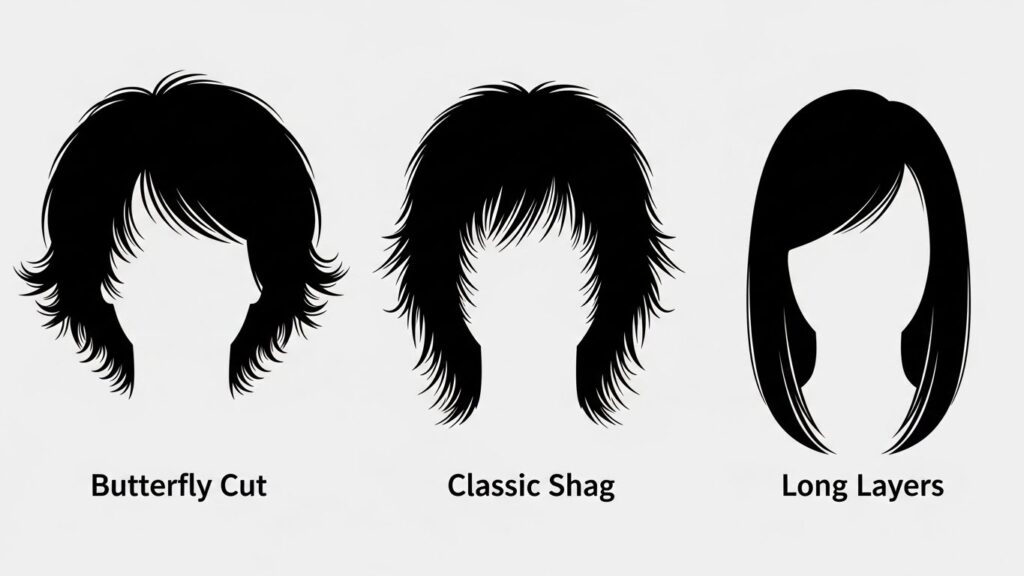
Butterfly Cut vs. The Shag: While the shag is a close relative, it’s generally edgier, with more uniform choppiness throughout and often a stronger fringe. The Butterfly Cut is typically softer and more romantic, with a clearer distinction between its short face-framing layers and its long, flowing bottom section. It’s a shag’s more refined, length-keeping cousin.
Butterfly Cut vs. Long Layers: Traditional long layers are often cut vertically to blend seamlessly. The Butterfly Cut uses more horizontal layering to create distinct planes of hair. This creates more dramatic volume at the crown and more pronounced face-framing, whereas standard long layers offer a more subtle, all-over blend.
Butterfly Cut vs. The Wolf Cut: The wolf cut is a more extreme, hybrid version of a shag and a mullet. It has a very distinct, heavy fringe and a much more dramatic taper from short top layers to long back pieces. The Butterfly Cut is far more balanced and wearable for everyday, lacking the mullet-inspired tail of the wolf cut.
Bringing the Vision to Life: Consultation with Your Stylist
Communication is key to landing your perfect Butterfly Cut. Don’t just walk in and say “I want the butterfly.” Come prepared.
Bring clear photos from multiple angles. Use descriptive words like “soft, face-framing layers,” “volume at the crown,” “weight removed from the mid-lengths,” and “feathered, not choppy, ends.” Discuss your hair’s natural texture and your daily styling routine. A good stylist will assess your hair’s density, growth pattern, and face shape to customize the cut. Be sure to talk about length—how much are you willing to take off the front layers versus the back? This collaborative approach ensures you leave the chair not just with a trending cut, but with your ideal version of it.

Maintaining the Magic: Upkeep and Trims
To keep your Butterfly Cut fluttering beautifully, regular maintenance is non-negotiable. The layered structure means that as it grows out, the shape can become muddled. Plan for a trim every 10-12 weeks. This isn’t about taking off length, but about resharpening the layers and removing any split ends that can hinder movement.
Between cuts, protect the health of your layers with weekly hydrating masks, focusing on the ends. When sleeping, consider a silk pillowcase or a loose braid to prevent tangling and breakage of those delicate face-framing pieces. With proper care, your Butterfly Cut will grow out gracefully, evolving into another beautiful layered style over time.
The Butterfly Cut is more than a haircut; it’s a celebration of movement, softness, and personalized beauty. It offers a timeless solution for those seeking volume, dimension, and a style that feels both intentional and effortlessly cool. By understanding its structure and committing to its simple styling ritual, you can unlock a look that brings dynamic, face-flattering motion to your everyday life. Ready to spread your wings?