The Micro Bob: Why This Ultra-Short Style Is Everywhere Right Now
Scrolling through your feed, you’ve seen it. On the red carpet, you’ve admired it. On the streets, you’ve done a double-take. It’s the Micro Bob, and it’s the haircut of the moment. Forget the classic chin-length bob—this is its rebellious, ultra-short younger sibling, landing somewhere between the jaw and the ears with an undeniable dose of attitude. But what is it about this specific, daring cut that has everyone from A-list celebrities to style mavens rushing to the salon chair? This isn’t just a fleeting trend; it’s a statement. It’s a declaration of confidence, a nod to retro glamour, and a surprisingly versatile modern hairstyle all rolled into one.
If you’ve been toying with the idea of a major chop or are simply captivated by its clean, architectural lines, you’re in the right place. We’re diving deep into the world of the Micro Bob, exploring its origins, its powerful appeal, and how you can make this head-turning style your own.
What Exactly Is a Micro Bob?
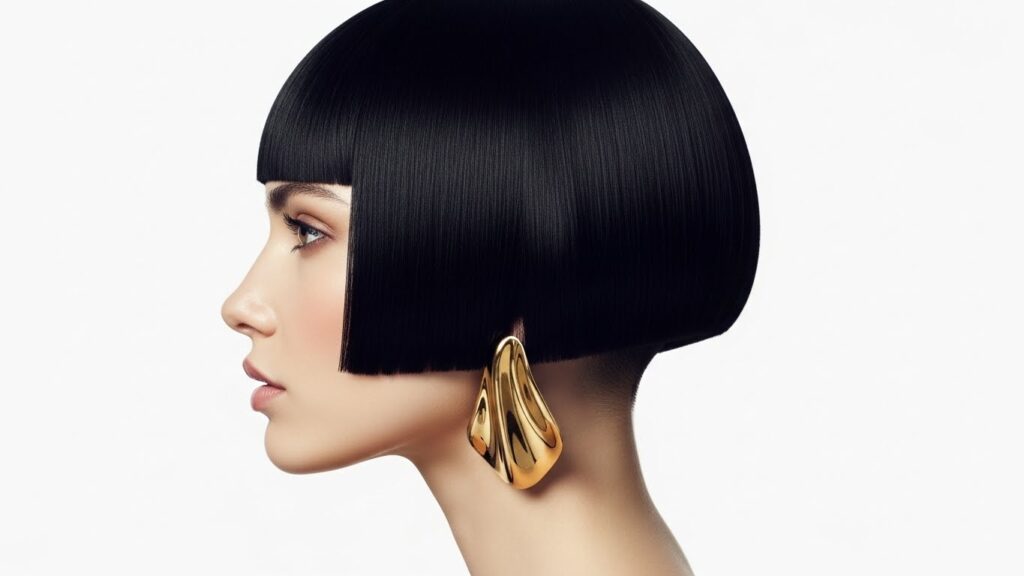
Let’s start with the basics. The Micro Bob is precisely what its name suggests: a miniaturized version of the classic bob. While a traditional bob typically grazes the chin or falls just below it, the Micro Bob takes things significantly higher. This cut lands dramatically above the jawline, often skimming the cheeks or sitting just at the earlobes. The effect is immediate and striking.
What defines this cut beyond its length is its shape. It’s not a shaggy, layered pixie. Instead, it often features a strong, blunt perimeter that creates a beautiful, helmet-like silhouette. This sharp line emphasizes the neck and collarbones, drawing attention to the wearer’s facial structure. It can be worn with a straight-across fringe (bangs) for a mod, geometric look, or with a softer, face-framing fringe for a touch of romance. The back is usually kept clean and neat, sometimes stacked for a little extra volume, creating a seamless and polished appearance from every angle.
A Brief History: The Micro Bob’s Iconic Pedigree
While it feels fresh and of-the-moment, the Micro Bob has a rich and revolutionary history. To understand its current power, we have to look back. The 1920s flapper era saw the first major shift towards short hair for women, with styles like the “Eton Crop” symbolizing a new, liberated femininity. It was a bold rejection of the long, cumbersome hairstyles of the Victorian era.
However, the true modern precursor emerged in the 1960s. It was Vidal Sassoon’s iconic five-point cut for model Grace Coddington that changed everything. This geometric, sharp, and impossibly chic bob was architectural. It wasn’t just a haircut; it was a piece of art. Then, of course, there was the inimitable Mia Farrow in Rosemary’s Baby (1968), whose gamine, ultra-short pixie became a symbol of fragile, otherworldly beauty.
These styles were more than fashion; they were statements of independence and modernity. The contemporary Micro Bob draws a direct line from these iconic moments, repackaging that same rebellious spirit for today’s woman.

The Allure: Why the Micro Bob Is Dominating 2024
So, why now? The resurgence of the Micro Bob isn’t accidental. It taps into several cultural and aesthetic currents, making it the perfect storm of a trend.
First, it’s the ultimate post-pandemic power move. After years of uncertainty, many people are embracing a “new era” mentality. What better way to physically manifest a fresh start than with a dramatic haircut? The Micro Bob is the aesthetic equivalent of burning the past and stepping out renewed. It’s a look that screams confidence and self-possession.
Second, we’re in the golden age of hair health and low-maintenance styling. Many people are recovering from the damage of constant heat styling, coloring, and extensions. The Micro Bob offers a clean slate. Chopping off old, damaged ends reveals healthier, shinier hair. While the cut itself requires regular trims to maintain its shape, the daily styling can be incredibly simple—a bit of product, a quick blow-dry, and you’re out the door.
Finally, there’s the celebrity effect. When style icons like Florence Pugh, Zoe Kravitz, and Jenna Ortega confidently debut their micro bobs, they normalize the boldness and showcase its versatility. They prove that this cut isn’t for one specific face shape or personality type; it can be adapted to suit anyone willing to take the plunge.
Face Shape and the Micro Bob: Finding Your Perfect Match
The most common fear about such a short cut is, “Will it suit my face?” The resounding answer is yes—with the right tailoring. The beauty of the Micro Bob is that it’s a blueprint, not a one-size-fits-all mold. A skilled stylist can adjust the weight, texture, and fringe to flatter any face shape.
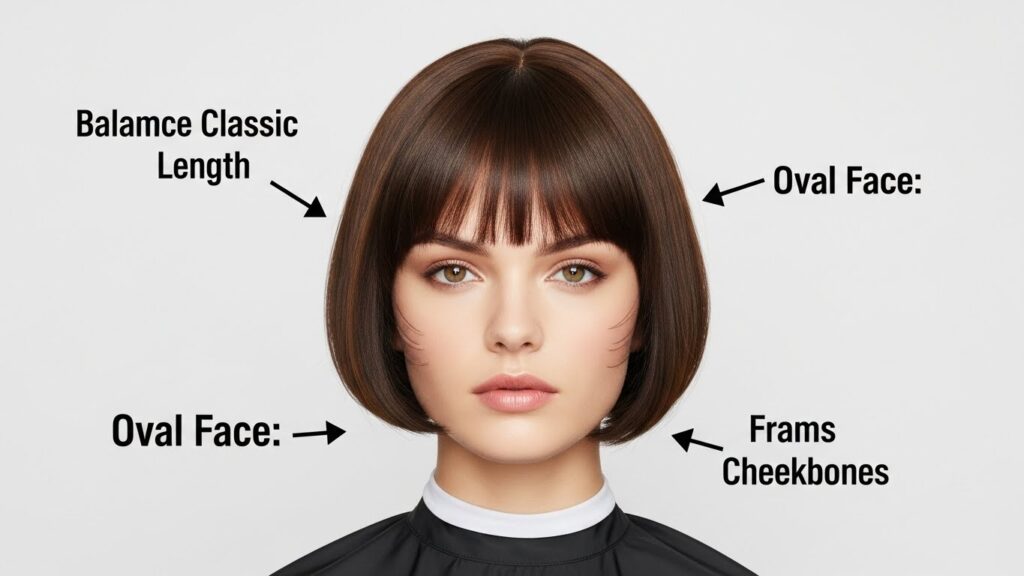
For Oval Faces: You’ve hit the jackpot. An oval face is the most versatile canvas and can carry almost any iteration of the Micro Bob. A severe, blunt cut will highlight your balanced proportions beautifully.
For Round Faces: The goal is to create length and definition. Opt for a Micro Bob that is slightly longer in the front than the back (an A-line or inverted bob) to elongate the face. Adding layers on top for height and keeping the sides softer can also help create a more oval appearance.
For Square Faces: You’ll want to soften a strong jawline. Avoid a blunt, heavy line that ends at the jaw. Instead, ask for textured ends, wispy layers around the face, or a side-swept fringe to break up the angularity.
For Heart-Shaped Faces: With a wider forehead and a narrower chin, your aim is to balance the top and bottom. A Micro Bob with a wispy, curtain fringe or face-framing layers that start at the chin can fill out the lower half of your face perfectly.
The key takeaway? Consultation is everything. Bring inspiration photos to your stylist and have an honest conversation about your face shape, hair texture, and lifestyle.
Styling Your Micro Bob: From Sleek to Textured
One of the Micro Bob’s biggest surprises is its styling versatility. Don’t mistake its short length for a lack of options.
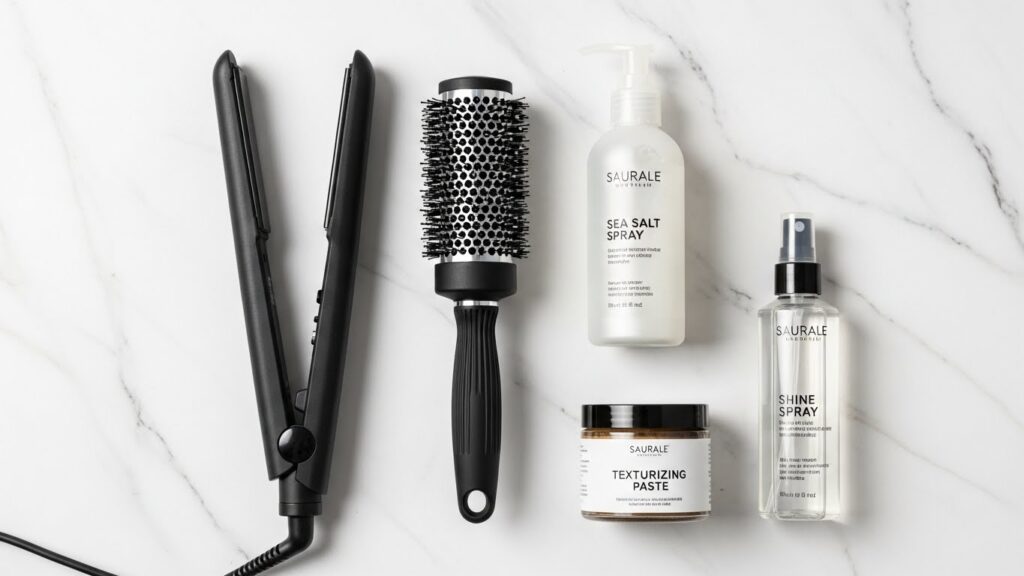
The Sleek and Polished Look: This is the quintessential Micro Bob. Achieve it by applying a heat protectant and blow-drying with a round brush, directing the hair down to smooth the cuticle. For a glass-like finish, go over it with a flat iron. A light mist of shine spray is the final touch.
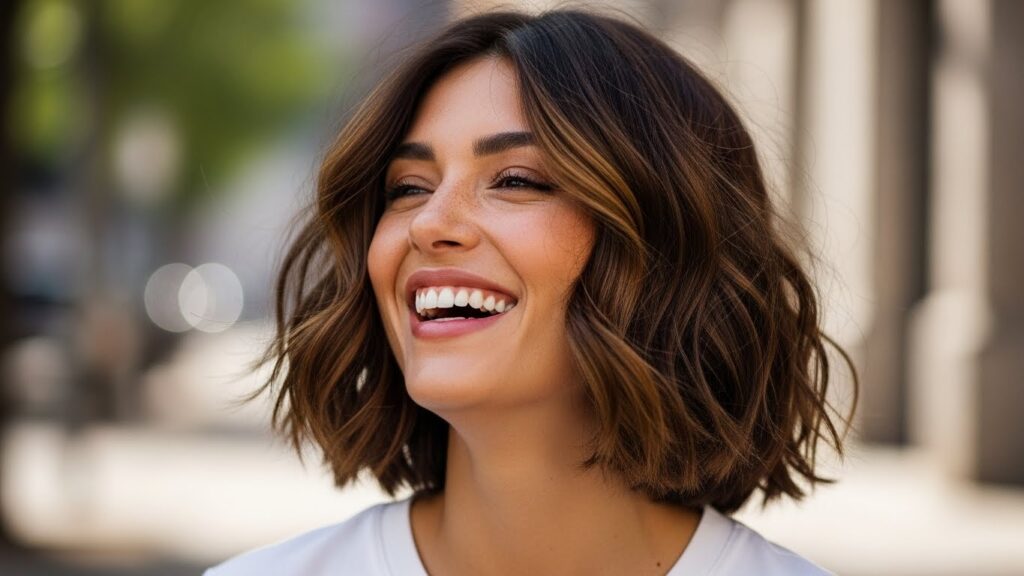
The Textured and Piecey Look: Got naturally wavy or straight hair? You can easily create this edgy, modern vibe. Work a texturizing paste or sea salt spray through damp hair. Scrunch with your fingers as you blow-dry or let it air dry. Use your fingers to break up the sections and create separation for that “lived-in” cool-girl effect.
The Voluminous and Curly Look: For those with natural curl or wave, the Micro Bob can be a revelation. It allows curls to spring up with incredible volume and body. Style with a curl-defining cream and diffuse dry. The result is a bold, joyful halo of curls.
Accessorize It: This cut is the perfect backdrop for statement earrings. Without long hair to compete with, your ear art can truly shine. Think large hoops, dramatic chandeliers, or minimalist studs.
Taking the Plunge: What to Know Before You Chop
Ready for the salon? Here are a few final things to consider before you say “chop it all off.”
Maintenance is Real: A Micro Bob requires commitment. To keep its sharp shape, you’ll need trims every 4-6 weeks. This is not a cut you can forget about for six months.
Embrace the Awkward Stage: If you decide to grow it out, there will be an awkward phase. It’s inevitable. Talk to your stylist about a growth plan—perhaps transitioning into a shag or a longer, layered bob as it grows.
It’s More Than a Haircut: Be prepared for a shift in how you are perceived and how you feel. This cut draws attention straight to your eyes, your smile, and your expressions. It can feel incredibly empowering, but it also leaves no room to hide. It’s a celebration of your features, a declaration that you, exactly as you are, are enough.