The Mixie Cut: When a Mullet Meets a Pixie
In the ever-evolving world of hair, trends don’t just get recycled; they collide, merge, and give birth to something entirely new and exhilarating. Enter the Mixie cut—the audacious love child of two of the most iconic and rebellious hairstyles in history: the unapologetic mullet and the sleek, daring pixie. This isn’t just a haircut; it’s a statement, a perfect storm of texture, attitude, and versatility that’s taking salons and streets by storm. If you’re yearning for a look that screams confidence, blurs gender lines, and offers endless styling play, you’ve just found your next hair destiny.
Deconstructing the Mixie: What Exactly Is It?
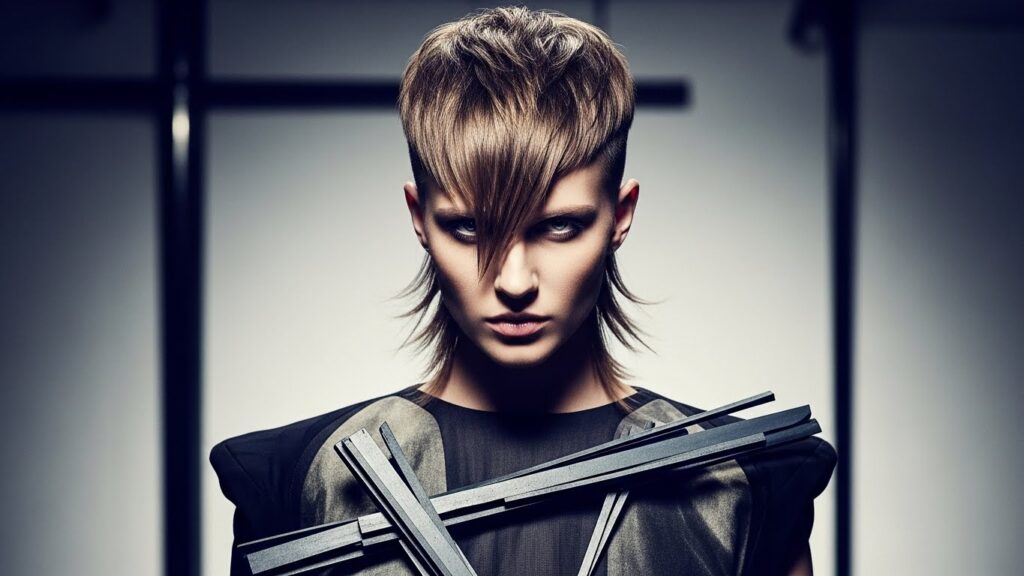
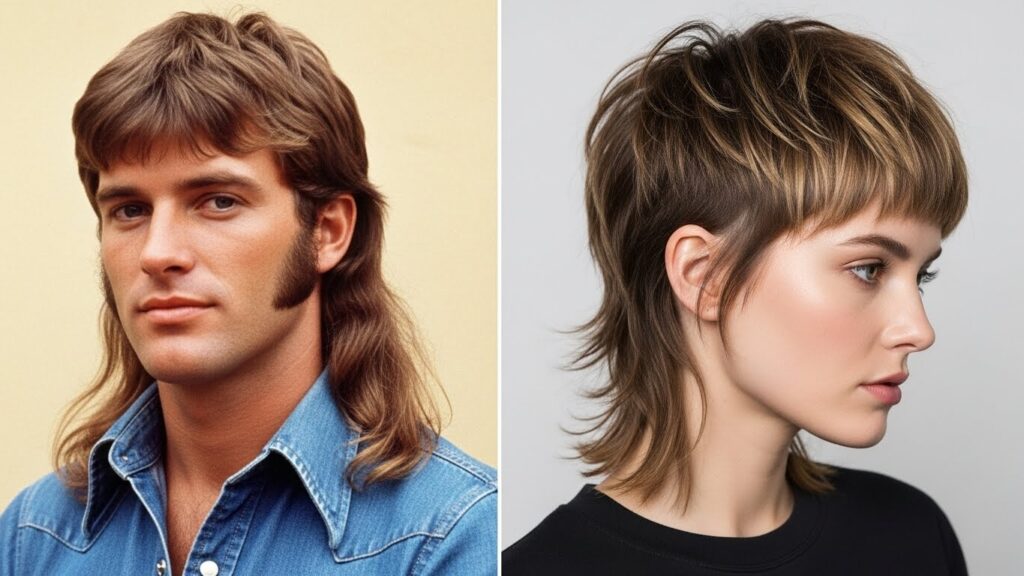
Let’s break down this genetic code. The Mixie cut, a portmanteau of “mullet” and “pixie,” strategically combines the key elements of both. From the pixie, it borrows the short, cropped, and often textured front and sides. Think eye-grazing bangs, cheekbone-framing layers, and a sense of clean, aerodynamic precision around the face. This is the “business” part of the equation.
From the mullet, it inherits the longer, layered, and noticeably disconnected back. This is the “party.” The length at the nape can vary from just grazing the collar to a more dramatic, shaggy statement. The magic lies in the disconnect—the stark, intentional contrast between the short top/sides and the liberated growth at the back. The result is a silhouette that is both polished and wild, structured and free, all at once.

A Brief History of Rebellion: The DNA of the Mixie
To appreciate the Mixie, you must respect its lineage. The pixie cut rose to fame in the 1950s and 60s, championed by icons like Audrey Hepburn and later Mia Farrow. It was a symbol of feminine defiance and modernist chic—a sharp break from long, traditional locks. The mullet, with its “business in the front, party in the back” ethos, became a counter-culture emblem in the 70s and 80s, worn by rock stars, athletes, and rebels, symbolizing a rejection of mainstream polish.
The Mixie is the natural evolution for a generation that refuses to be pigeonholed. It emerged from the alternative and queer scenes, where playing with gender norms and aesthetic boundaries is second nature. By fusing these two powerful statements, the Mixie creates a new language—one that speaks to non-binary beauty, artistic expression, and a fearless approach to personal style.
Who Is the Mixie Cut For? Spoiler: It Might Be You
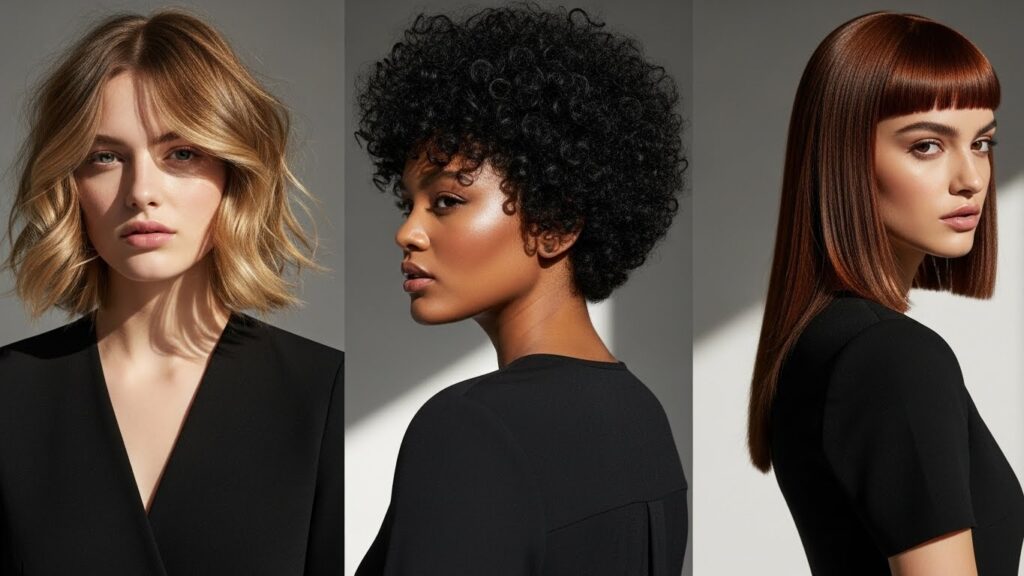
The most beautiful aspect of the Mixie is its shocking inclusivity. While it appears bold, its versatility in cutting and styling means it can be adapted to suit a wide range of personalities and face shapes.
It’s perfect for: The creative non-conformist, the person tired of conventional beauty standards, anyone with a love for low-maintenance yet high-impact style, and those with naturally straight to wavy hair that can hold texture. If you have an oval, square, or heart-shaped face, the short front can beautifully highlight your bone structure. For rounder faces, a longer, piecey fringe can create lengthening illusions.
Most importantly, the Mixie is for someone with attitude. It requires confidence, not necessarily in your appearance initially, but in your desire to make a striking visual declaration. It’s a haircut that, when owned, becomes a powerful part of your identity.
Chatting with Your Stylist: How to Ask for the Mixie
Walking into a salon and saying “give me a Mixie” might yield unpredictable results. Communication is key. Come prepared with photos from multiple angles. Use precise language: “I want a disconnected cut with a short, textured pixie on the top and front, graduating to a longer, layered mullet in the back.”
Discuss length preferences for the back (e.g., “just off the collar” or “down to my shoulder blades”). Talk about your fringe—blunt, side-swept, or wispy? Mention your daily routine; a good stylist will tailor the weight and texture to your styling willingness. This is a technical cut, so choosing a stylist experienced in modern, unconventional shapes is non-negotiable.

Mastering the Art of Styling Your Mixie
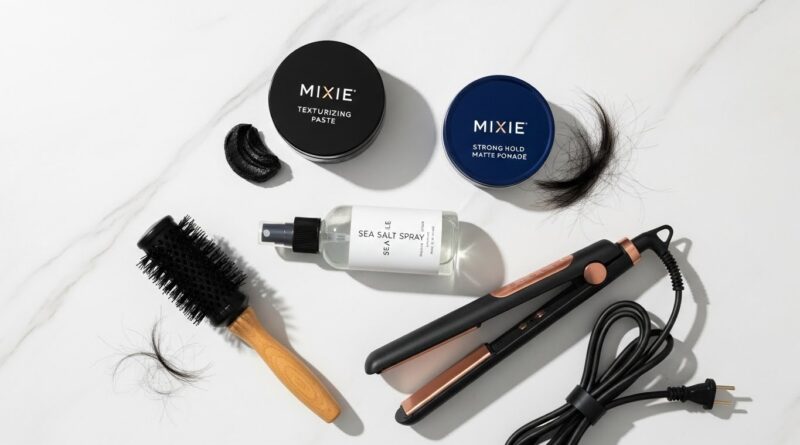
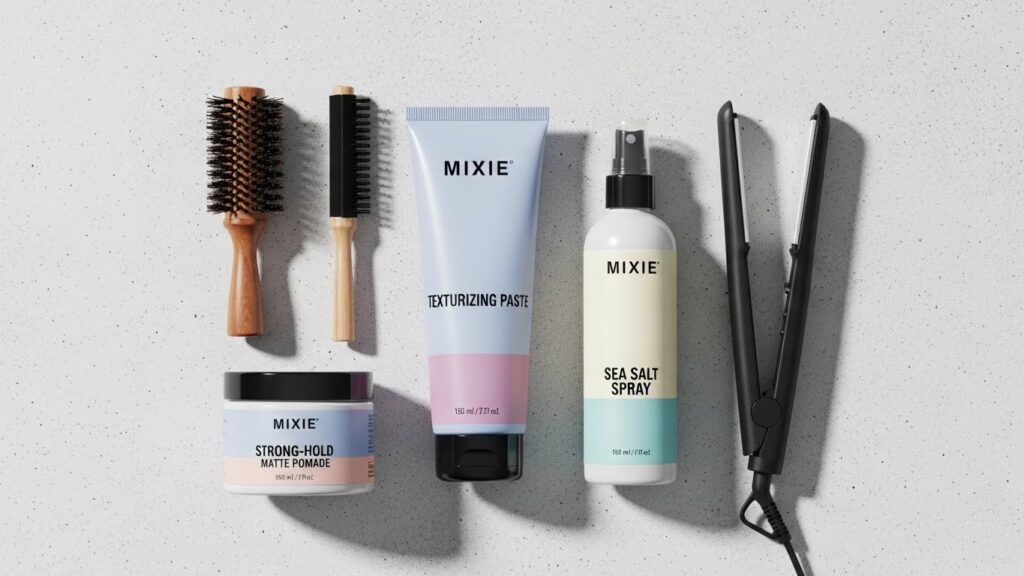
The fun begins after the salon. The Mixie’s texture is its best friend. A good texturizing paste or sea salt spray is essential. For a piecey, lived-in look, work a small amount of paste through the ends of your hair, focusing on the back layers and fringe. To embrace natural waves or curls, scrunch in a mousse or curl cream and let it air dry for a effortless, rock-and-roll vibe.
For a sleeker, more polished appearance, blow-dry the front smooth with a round brush for volume, and use a flat iron to add sharp, geometric lines. The contrast between a sleek top and a messy back is incredibly fashion-forward. Don’t forget the power of accessories—bold earrings shine against the short sides, and a bandana or scarf can add a retro touch to the longer back.
The Maintenance Lowdown: Keeping Your Mixie Sharp
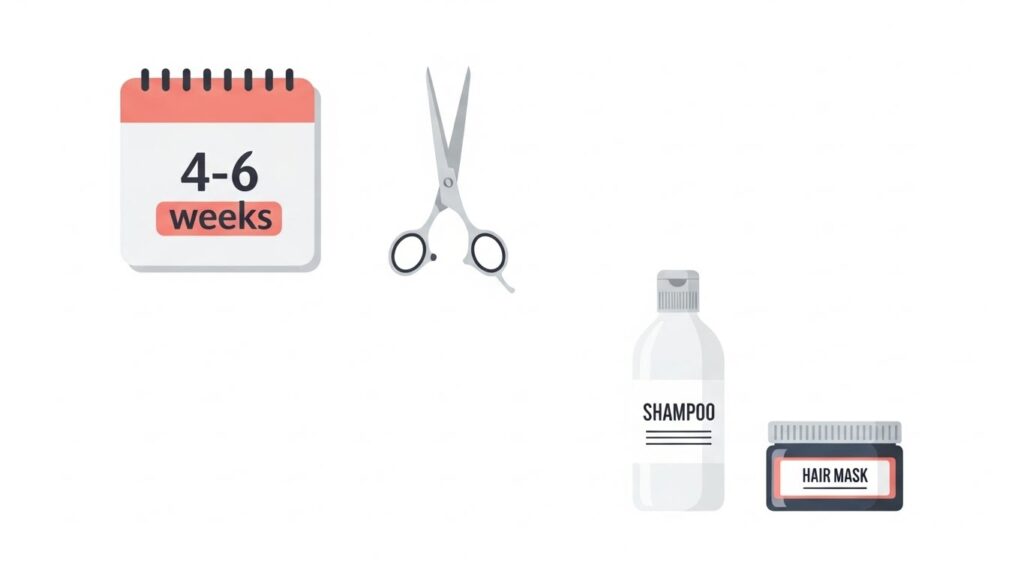
The Mixie is surprisingly low-maintenance in daily styling but requires disciplined upkeep to retain its shape. The disconnected lines can grow out looking messy rather than intentional. Plan for a trim every 4-6 weeks, primarily to maintain the sharp pixie sections and the shape of the back. The beauty of this frequency is that you can experiment quickly—grow it out a bit, then reshape it into something new.
Invest in a good dry shampoo to keep volume at the roots, and consider a moisturizing hair mask weekly, as shorter hair can sometimes be exposed to more frequent washing and heat styling. The health of your hair is paramount, as every layer is on display.
Beyond the Hype: Why the Mixie Is More Than a Trend
While it sits firmly in contemporary fashion, the Mixie cut represents something deeper. It is a hairstyle of autonomy. It allows individuals to present both polished and untamed facets of themselves simultaneously. It challenges the gender binary associated with hair length—it’s neither fully “masculine” short nor “feminine” long; it’s authentically both.
In a world of ever-blurring style categories, the Mixie stands as a testament to personalized beauty. It’s not just a haircut you get; it’s a haircut you build upon, style by style, day by day. It encourages play, demands confidence, and rewards the wearer with a look that is unmistakably and uniquely theirs.
So, is the Mixie cut for you? If you feel a stir of excitement at the thought of a haircut that’s a conversation starter, a confidence booster, and a blank canvas for creativity, then the answer is a resounding yes. It’s time to embrace the mix, and let your hair do the talking—in two distinct, harmonious voices.