
The Real Reason Your Ends Keep Splitting No Matter What You Trim
Hey, friend. Let me guess. You trim your ends every few weeks, you’re patient, you use the good scissors, and yet those tiny white dots or split ends just keep showing up. I’ve been there, and honestly, it feels like your hair is gaslighting you. But here’s the truth: trimming is only a tiny part of the picture. Most split ends are caused by what happens between trims, not by skipping them. And once you figure out the real reason, you can actually slow down the damage and make your haircut last longer. This post is your little roadmap to smoother ends, with real tips you can use tonight. No fluff, just the good stuff.
You’re Trimming Too Often? Wait, That’s Not It
I know, trimming feels productive. But if you’re snipping every three weeks just to “keep up,” you might actually be cutting away healthy length for no reason. Split ends happen because the hair fiber gets weak, not because you missed a trim day.
Think of it this way: a trim removes what’s already broken. It doesn’t stop the breaking. If you haven’t fixed your washing, styling, or sleeping habits, you’ll be chasing those splits forever.

The Real Culprit: Your Shampoo Habit
Here’s the thing about shampoo: it’s meant to clean your scalp, not strip your ends. If you’re lathering your whole head every single day, those ends are getting hammered with detergents that wash away natural oils.
Try this instead: shampoo your roots only, and let the suds rinse down gently. If your hair type allows, wash every other day or use a gentle co-wash. Your ends will literally thank you.

Heat Styling Without a Plan
I’m not going to tell you to never use heat. That would be a lie. But the real issue is using hot tools without any protection or strategy. High heat on wet hair? That’s a one-way ticket to split city.
Use a heat protectant every single time, even on quick touch-ups. Set your tool to a lower temperature, and avoid going over the same strand twice. Your ends are already fragile, so give them a break before the styling session.

Your Towel Is Sabotaging Your Hair
Raise your hand if you’ve ever wrapped your hair in a towel and gone about your day. We’ve all done it. But regular bath towels are rough and coarse, and they literally scrape the cuticle until it lifts and splits.
Switch to an old cotton t-shirt or a microfiber towel. Pat your hair gently, don’t rub. That tiny swap is a game changer, and it costs nothing. Your ends stay smooth because the cuticle isn’t being roughed up every single wash day.

Old Money Hair: The Cut That Hides Damage
Have you noticed everyone talking about old money hair? It’s that polished, blowout look that says “I woke up like this” but secretly took effort. The good news? This style actually protects your ends because it focuses on weight and shine rather than heavy layering.
If you’re dealing with constant splits, ask your stylist for a blunt or softly rounded shape. It keeps the healthy ends together and minimizes the friction that causes breakage. Plus, it honestly looks timeless and expensive.

Sleeping on the Wrong Pillowcase
Nighttime is when all that hidden damage happens. Cotton pillowcases absorb moisture and create friction while you toss and turn. Those little tugs ruin your ends much faster than you’d think.
Swap to satin or silk. It’s smoother, kinder, and keeps your hair’s natural moisture in. If you want extra protection, pile your hair on top of your head in a loose pineapple or braid. Wake up with fewer split ends, I promise.

The Quiet Luxury Bob: Why This Cut Saves Ends
The quiet luxury bob is everywhere as a 2026 hairstyle, and honestly, it’s perfect if your ends are wrecked. A bob cuts off the older, more fragile length and gives you a fresh start with a sharp silhouette.
But the real magic is maintenance. This bob sits above the shoulders, so it doesn’t rub against as many fabrics during the day. Less friction means less splitting. It looks chic, feels light, and gives your hair a reset without losing your style.

You’re Skipping the Hydration Step
Your ends are the oldest part of your hair, which means they’ve been through a lot. Without enough moisture, they become brittle and more likely to split. Drinking water helps, but your hair needs topical love too.
Use a leave-in conditioner or a few drops of hair oil on your ends after washing. Focus on the last two to three inches. It’s literally the difference between flexible, happy ends and dry, snapping ones. A little goes a long way, so don’t overdo it.

Romantic Goth Hairstyles: How They Protect Hair
You know what’s fun? The whole romantic goth hairstyles trend for 2026. Think soft waves, dark ribbons, and half-up styles with a moody twist. The great part? Many of these styles involve braids or low buns, which tuck your ends away from friction.
When your ends are protected inside a style, they aren’t rubbing against your coat or scarf. That extra layer of protection is like armor. Plus, this look is gorgeous and surprisingly low-maintenance. Your split ends stay hidden while they recover.

Dirty Haircuts: When Scissors Are the Enemy
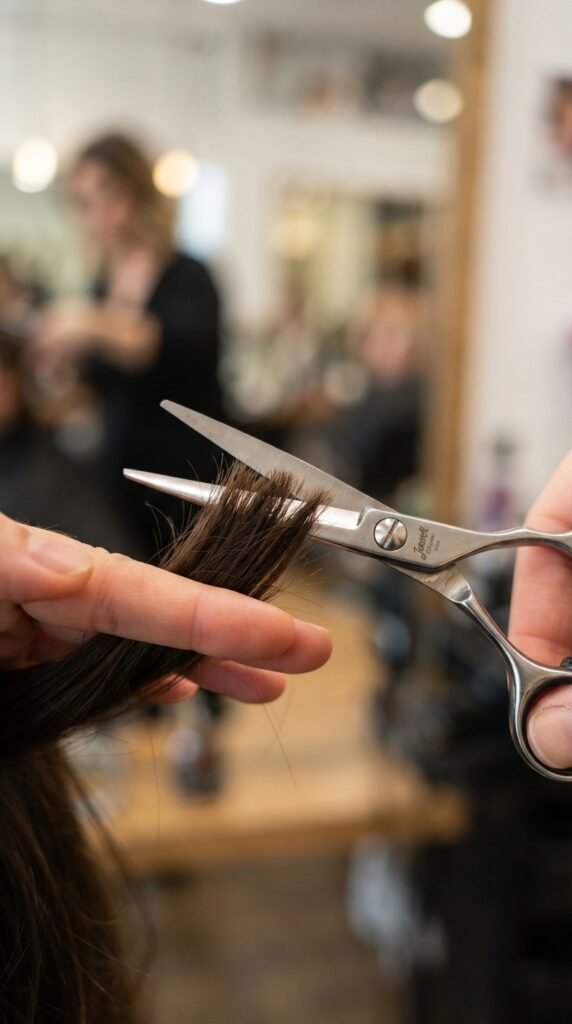
Here’s a weird one. If your stylist uses dull scissors, they’re not cutting your hair, they’re crushing it. The damaged ends then crawl upward and cause more splits. That’s why your trim might actually make things worse.
Always ask if your stylist uses fresh, sharp blades. And if you cut your own hair at home, invest in professional shears. Those kitchen scissors? Absolutely not. A clean cut is the first step to keeping your ends sealed and healthy.
Glitchy Glam Hair: The Trend That Ruins Ends
Okay, I love the creativity behind glitchy glam hair, but I have to be honest. Those choppy, uneven layers and lots of texture can make existing split ends more noticeable and even increase breakage if done too aggressively.
If you’re into the style, that’s cool. Just make sure your stylist doesn’t over-texturize the ends. Keep the shape but ask for a softer finish. You can get the edgy vibe without sacrificing your hair’s health. Trust me, you’re not missing out.

The Asymmetrical Lob: A Smart Solution
The asymmetrical lob is one of the smartest cuts if you want to grow out damage without losing style. The longer side keeps your length, while the shorter side removes old, fragile ends. It’s like a clever way to cheat the system.
Because the cut is angled, it reduces the amount of blunt weight at the bottom, which means less tangling and less stress on the ends. It’s modern, flattering, and has that “expensive haircut” energy. Definitely a top 2026 hairstyle for good reason.

You’re Not Protecting Hair from the Sun
You know sunscreen for your skin, right? Well, your hair needs protection too. UV rays break down the protein in your hair, and the ends are especially vulnerable because they’re the oldest. That’s why summer always brings a wave of split ends.
Use a UV protectant spray on your hair before heading outside, or wear a hat when the sun is strong. It’s simple, easy, and makes a bigger difference than you’d think. Your ends will stay smoother for way longer.

The Vampire Haircut: A Surprising Fix
Okay, vampire haircut sounds dramatic, but it’s really about sharp, face-framing layers that cut away the weakest parts of your ends. This style is all about sculpting the perimeter to remove damaged strands while keeping the length and volume intact.
If you’re seeing splits that travel upward, this cut actually removes them before they go further. It’s like a targeted reset that looks intentional and cool. Plus, the deep, dark color often paired with it makes your hair look extra shiny and healthy.

The Hime Cut: Cutting with Purpose
The hime cut is traditional Japanese-inspired style with blunt bangs and sharp side framing. It’s a great example of cutting with intention. Blunt edges mean no weak, wispy ends that split easily.
If you’re tired of seeing little forked ends, a blunt hime cut approach can be your best friend. The straight line seals the hair together, making it harder for damage to sneak in. It’s also super cute and gives your style a distinctive edge.

Your Diet Is Missing These Nutrients
Split ends are not just an outside problem. Your hair is made of protein, so if you’re not eating enough, or missing vitamins like biotin, iron, and omega-3s, your ends will show it. It’s like building a house with weak bricks.
Add eggs, salmon, nuts, and leafy greens to your plate. Drink enough water. Hair supplements can help too, but food comes first. Once your hair grows stronger from the inside, you’ll see less breakage at the ends. Simple math.

You Overdo It with Hair Masks
Hair masks are great, but too much of a good thing can backfire. Over-moisturizing can make your hair mushy and weaker, which actually leads to more split ends. Yes, that’s a real thing.
Stick to a mask once or twice a week, depending on your hair’s porosity. Focus on the mid-lengths and ends, not the roots. And always rinse thoroughly. This way your hair gets exactly what it needs without being overloaded.

The Way You Brush Matters More Than You Think
Brushing your hair from the roots down is like forcing a knot through a straw. It stresses the ends and causes snapping. You need to start from the bottom and gently work your way up.
Use a wide-tooth comb or a soft brush, especially when your hair is wet. And never pull through a tangle aggressively. Treat your ends like delicate fabric, because that’s honestly what they are. This one change will cut down splits significantly.

Chemical Treatments: The Silent Splitter
Bleach, perms, relaxers, and even some box dyes can seriously weaken your ends. The chemicals break down the protein structure, which is exactly what you don’t want when you’re fighting split ends. It’s not about never coloring your hair, but about being strategic.
Space out your treatments, and always use bond-building products. Let your stylist know you’re trying to preserve your ends. Sometimes a simple gloss instead of a full dye job is all you really need. Your hair will feel stronger.
The Real Fix: A Better Trimming Routine
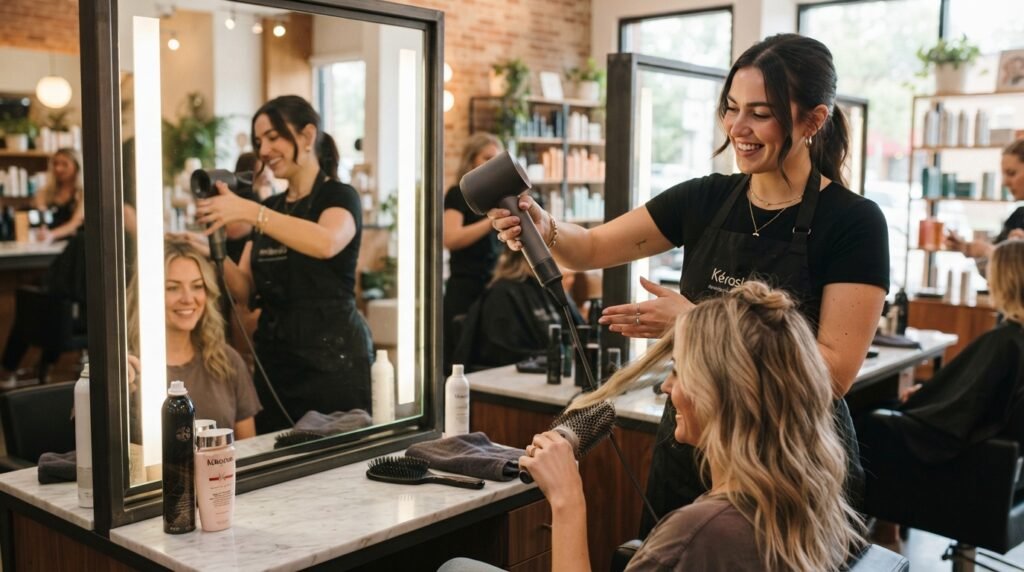
Alright, so trimming isn’t the bad guy. You just need the right routine. Instead of trimming every few weeks, go for a proper dusting every 8 to 12 weeks. Dusting means removing only the tiny split tips, not inches of length.
Make sure your hair is detangled and dry, or slightly damp, and use sharp shears. Ask your stylist to show you how. Combine this with all the little habits we talked about, and you’ll finally see progress. Your ends will thank you.
One Last Thing Before You Go
Listen, split ends are frustrating, but they’re not a life sentence. It takes a month to see a real difference when you change your habits. Be patient with your hair and yourself. Small consistent changes beat a dramatic haircut every time.
And remember, your hair is always growing. Even if you need to chop a couple inches now, that’s okay. You’re not starting over, you’re just resetting with a smarter plan. You’ve got this, and I’m cheering for you.
Save this post to Pinterest so you can find these tips later when you’re doing your next wash day. And tell me, what’s the one habit you think you’ll try first? I’d love to hear your thoughts in the comments below!