
What Makes a Shag Haircut Work on Fine Textured Hair
I used to think a shag haircut was off-limits for fine hair. I figured it would just hang there, stringy and sad, while everyone with thick, wavy hair got the cool-girl version.
Then my stylist talked me into one, and it completely changed how my hair moves. Fine hair does not need to hide under a blunt cut. It needs shape.
So here is the honest truth: a shag works on fine hair when it is cut, styled, and maintained the right way. It flops when it is cut too heavy, textured too hard, or layered in the wrong spots.
In this post I will walk you through exactly what makes it work. The cut details, the products, the styling steps, and how to ask your stylist for it. Quick read, real answers, no fluff.
Why a Shag and Fine Hair Are a Better Match Than You Think

Here is the thing about fine hair. It is not weak. It just does not have the weight or thickness to fake volume on its own. So when you cut it blunt and one length, gravity wins and everything sits flat against your head.
A shag flips that. It uses layers to remove weight, so the hair can actually lift and move. You are not creating volume out of thin air. You are giving your hair permission to do what it wants.
That is why a shag keeps showing up in 2026 hairstyles roundups for every hair type, not just thick waves.
The Real Problem With Fine Hair (It Is Not What You Think)
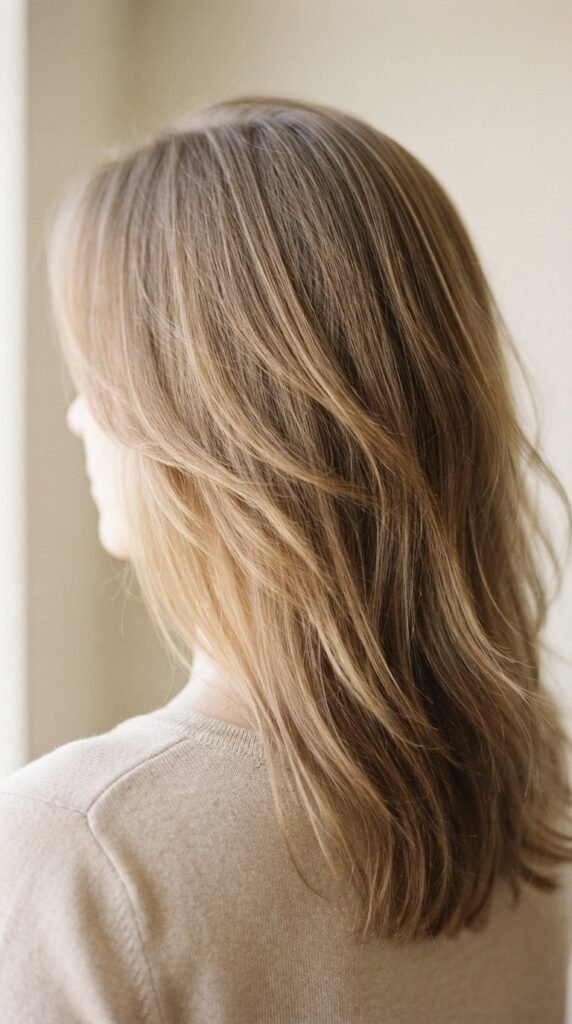
Most of us with fine hair think the issue is strand count. Usually it is not. It is weight, slip, and how fast our roots get oily.
- Fine hair slips out of styles easily
- Roots go flat within a few hours
- Too much product drags it down
- Blunt ends look heavy instead of full
A shag works around all four problems. Movement replaces hold. Layers replace weight. And when hair has shape, it reads thicker even when it is not.
The Cut Blueprint: Layers That Build Shape, Not Bulk
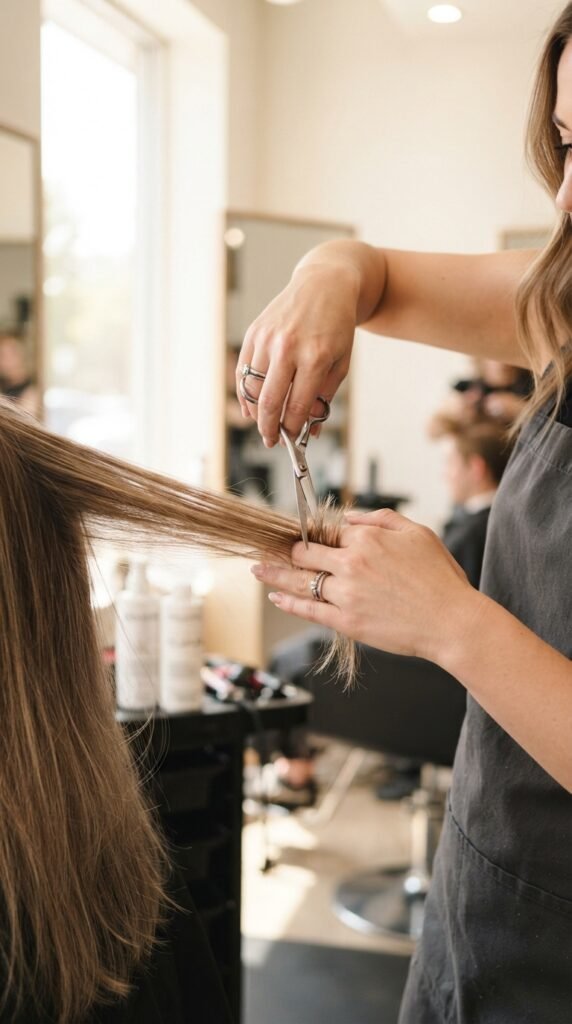
Ask for layers that are soft and gradual. You want invisible transitions, not staircase steps going down your head.
- Keep the interior layers light and blended
- Remove weight at the mid-lengths, not the ends
- Leave the perimeter slightly longer so it does not look chopped
- Skip heavy chunking anywhere near the crown
A good shag on fine hair creates a soft silhouette with air inside it. If your stylist removes too much, you lose that cushion and end up stringy.
Length Matters: Short Shag, Lob Shag, and Shoulder Shag
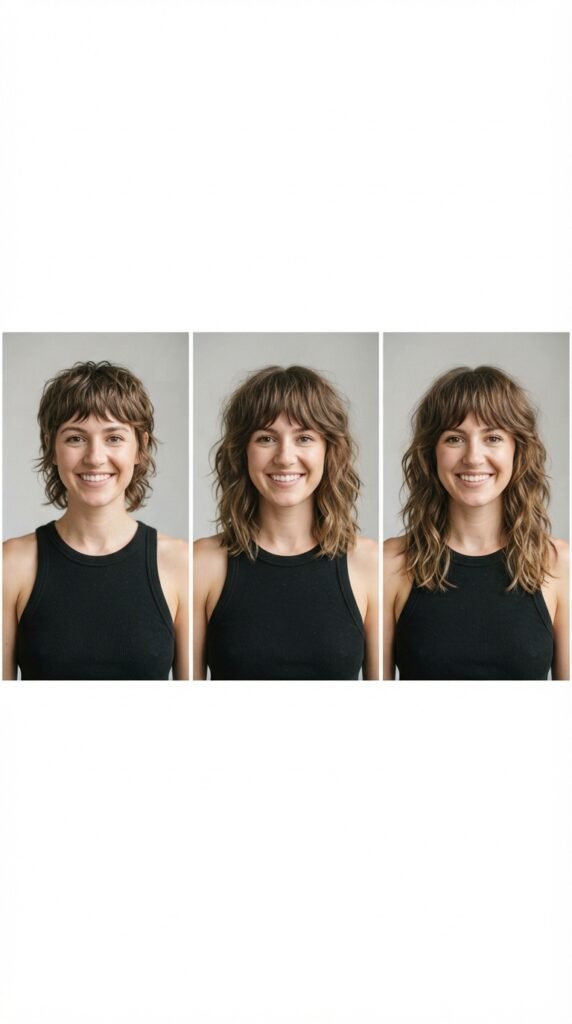
Length changes everything on fine hair. Here is a quick guide so you can pick your starting point.
- Short shag, chin to jaw: most volume, least weight, very bold
- Lob shag, collarbone: the sweet spot for most fine hair
- Shoulder shag: softest option, still lifts if the layers are right
If you are nervous, start at the collarbone. It gives you movement without losing all your length in one appointment.
Ask for a Soft Fringe (Skip the Choppy Baby Bangs)

Bangs can be great on fine hair. Just not thick, blunt ones. They eat up the volume you just created.
Ask for a soft, wispy fringe that connects into your face framing layers. Something you can push to the side on a flat day.
- Point cut, never blunt
- Long enough to tuck behind your ear
- Thin sections, not a solid wall
Curtain bangs are the easiest entry point. They add softness without stealing density.
Face Framing Pieces Do the Heavy Lifting

Face framing pieces are what make a shag look intentional instead of messy. On fine hair, they also create the illusion of width where you want it most.
Ask for pieces that start around your cheekbone or jaw and blend into the rest of the cut.
- Cheekbone start: softens the face
- Jaw start: adds angles and edge
- Chin length: great with a lob
Keep them subtle. Too many short pieces around the face will thin out the front and make the whole cut look uneven.
Razor vs. Point Cutting on Fine Hair
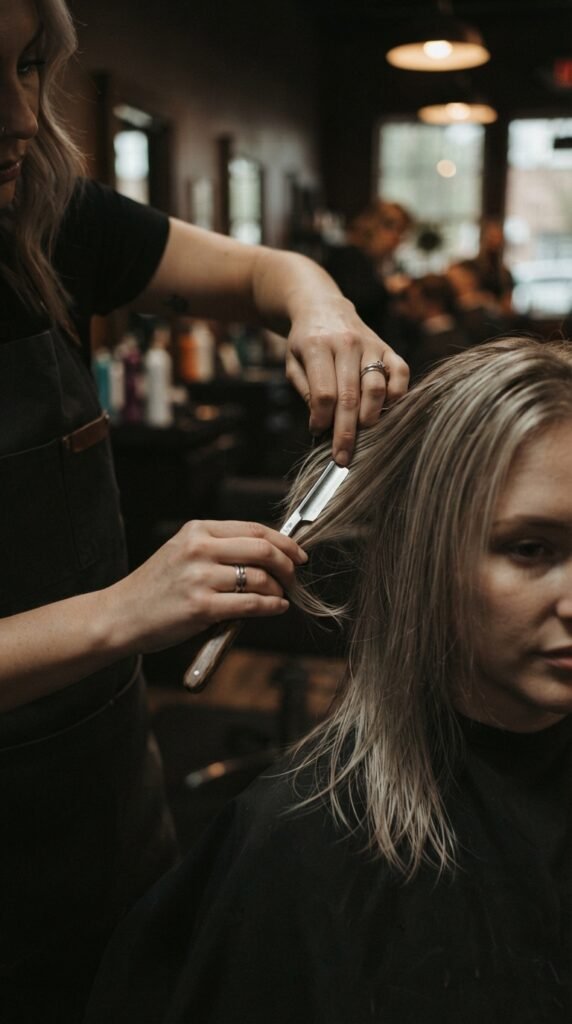
Both tools create texture. They behave very differently on fine strands.
- Point cutting: safest for fine hair, removes weight without fraying the ends
- Razor cutting: gorgeous softness, but it can shred fine ends if used near the bottom
- Slide cutting: a good middle ground when the blade is sharp
If you love the razor look, ask your stylist to use it on the mid-lengths only. That way you get movement without frizz and split ends a week later.
How to Talk to Your Stylist (A Simple Script)
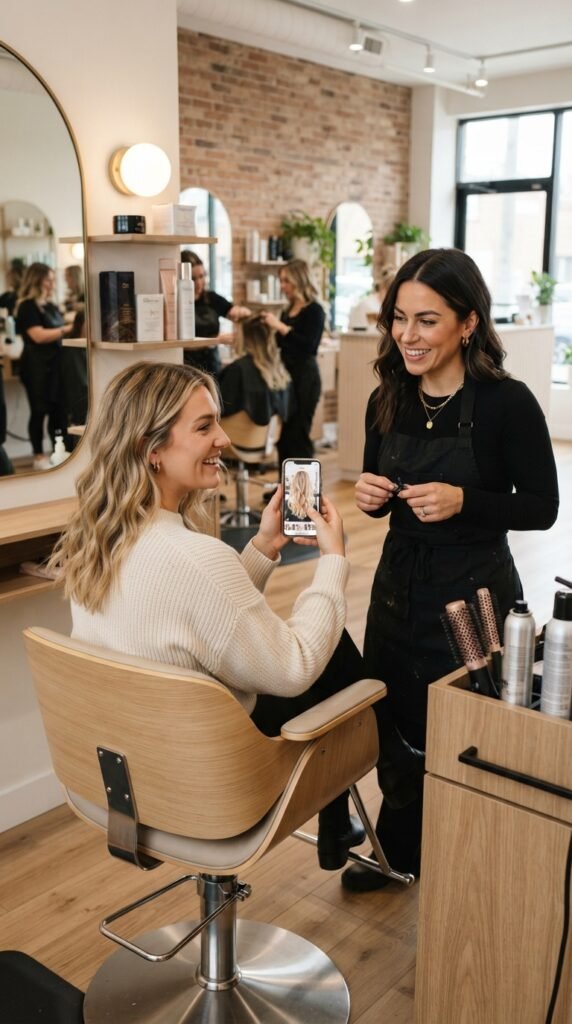
Bringing a photo helps, but words help more. Here is what I actually say now.
- “I have fine hair and I do not want to lose density.”
- “Can we keep the layers soft and blended instead of choppy?”
- “I want movement, not volume from teasing.”
- “Please leave the perimeter a little longer.”
- “I style it at home with texture spray and air drying.”
That last line matters most. Your stylist will cut for the way you actually wear your hair.
The Trim Schedule That Keeps a Shag Looking Sharp
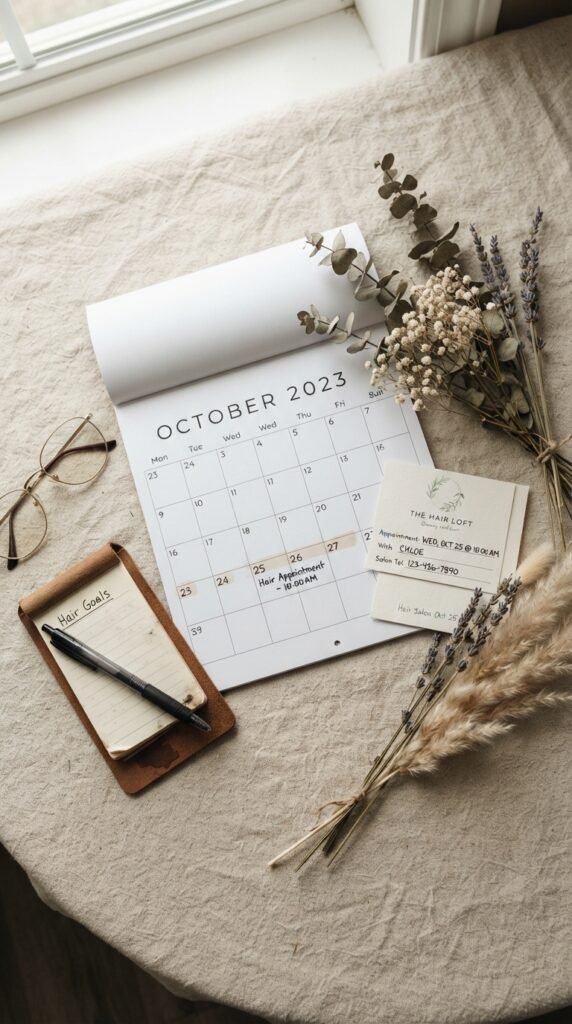
A shag is a cut that lives on its shape. When the shape grows out, it stops working.
- Every 6 to 8 weeks: refresh the layers and face framing
- Every 10 to 12 weeks: dust the ends if you are growing length
- Every 3 to 4 months: ask for a full shape reset
You can stretch trims with good styling, but fine hair shows grown-out layers fast. Book the next appointment before you leave the salon.
Why Texture Spray Beats Heavy Cream on Fine Hair
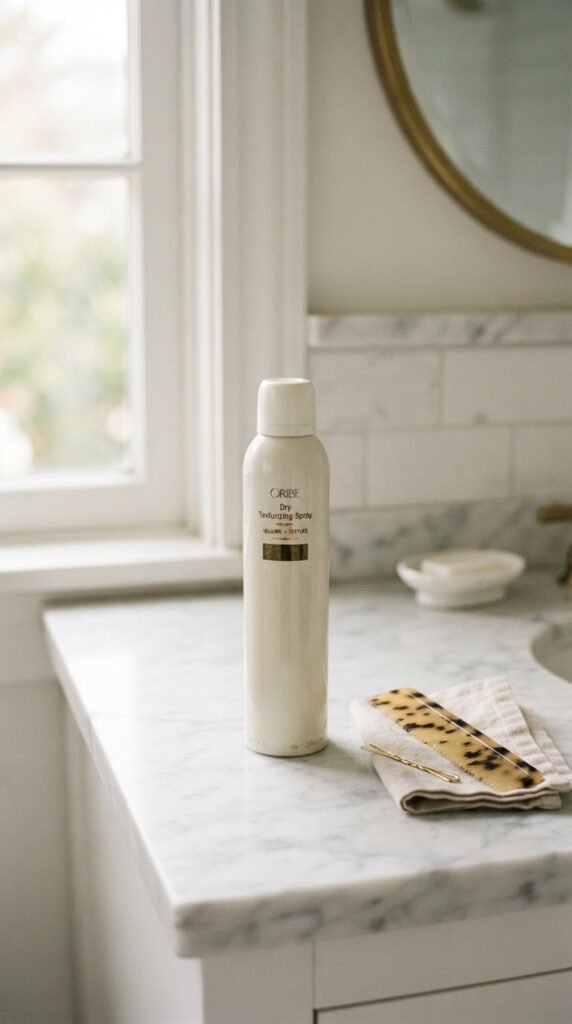
Cream and oil are not your friends here. They add moisture, which is fine, but they also add weight, which is not.
Texture spray gives you grip and a little grit. That grit is what holds the shape of a shag without making hair look greasy or flat.
- Spray at the roots for lift
- Spray at the mid-lengths for movement
- Skip the ends entirely
Sea salt sprays work too. Just look for one without a ton of oil in the formula.
The Product Lineup That Actually Works

You do not need ten products. You need four, maybe five.
- Volume mousse or root spray: for wet hair, before drying
- Texture spray: for dry hair, to build shape
- Dry shampoo: for day two and root lift
- Light hold hairspray: to lock shape without crunch
- Heat protectant: always, if you use a tool
Keep everything lightweight. If a product says nourishing butter on the label, it is probably not for you.
How to Fake Grit Without Weighing Hair Down

Some days your hair just wants to be silky. Silky means flat when you have fine hair.
Here is my quick fix. Spray texture spray into your hands, not your hair, then scrunch from the ends up. You get grit exactly where you want it and nothing at the roots.
- Use less than you think
- Build in thin layers and let it dry between
- Finish with a light mist of hairspray
If it looks crunchy, you used too much. Brush it out and start again.
Blow Dry Routine for a Fine Shag (Step by Step)
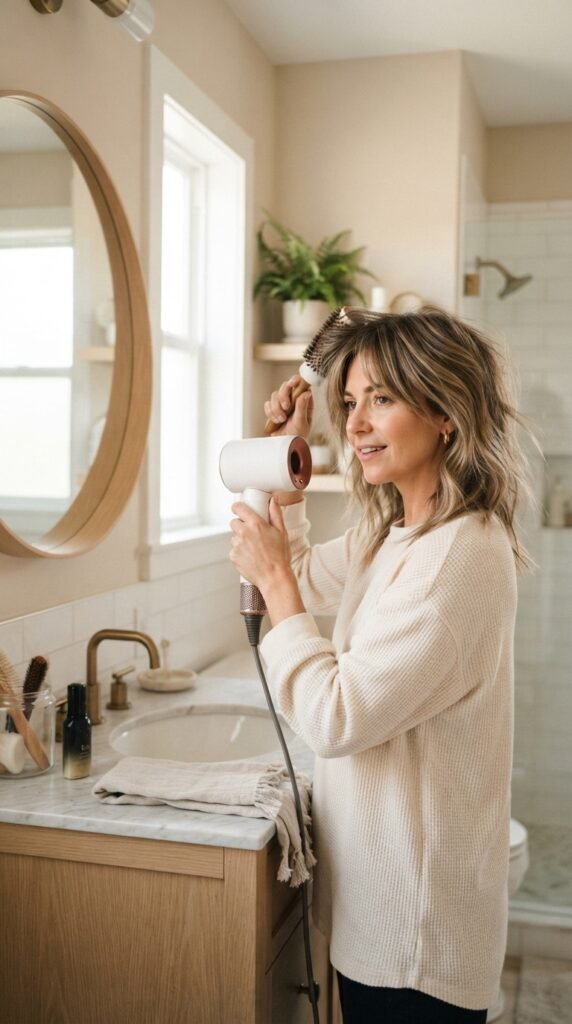
This takes about eight minutes once you get the hang of it.
- Start on damp hair, not soaking wet.
- Apply root lift spray at the crown and along your part.
- Rough dry upside down for 30 seconds.
- Flip back up and dry the roots with a round brush, lifting away from the scalp.
- Dry the mid-lengths with your fingers, twisting small sections for a soft wave.
- Skip the ends, or hit them with cool air only.
The goal is lift at the root and softness through the rest. Not perfect. Just alive.
Air Drying and Diffusing: What Works Better

Air drying is the easiest way to keep a fine shag from getting stringy. It lets your natural texture do the work.
Diffusing adds more definition and volume, but it can also make fine hair frizzy if you go too hot for too long.
- Air dry on low-effort days, scrunching as it dries
- Diffuse on low heat and low speed when you want more shape
- Always finish with cool air to set everything
Either way, do not touch your hair while it dries. Touching is what creates frizz.
60-Second Root Lift Tricks
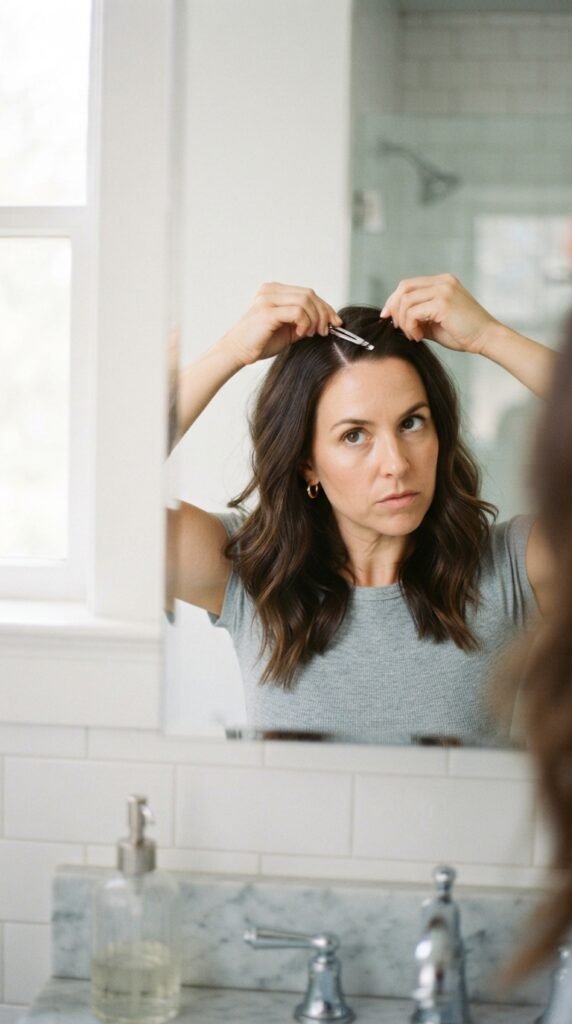
You do not need a blow dryer for root volume. You need 60 seconds and a little technique.
- Flip your part to the opposite side for two minutes, then flip back
- Use two clips at the crown while you do your makeup
- Hit the roots with dry shampoo, then massage with your fingertips
- Blast the part line with cool air from your dryer
These are the tricks that make a shag look freshly styled, even on day three hair.
Dry Shampoo Is Your Volume Weapon
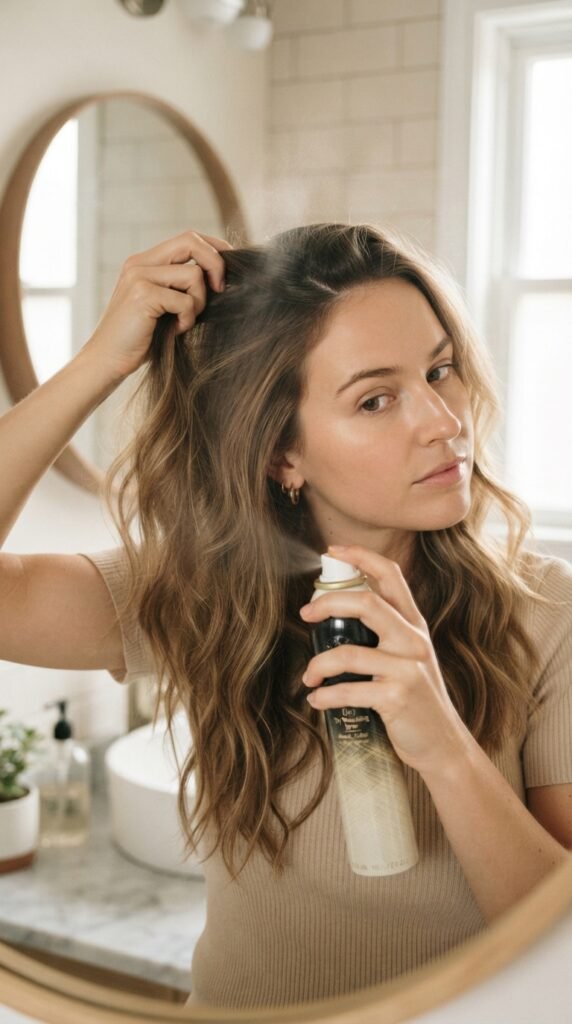
Fine hair gets oily at the roots fast, and oily roots kill a shag. Dry shampoo is not just for skipping washes. It is a styling tool.
Spray it in before your hair gets greasy, not after. Think of it as prevention, not a rescue mission.
- Section your hair and spray directly at the root
- Wait 30 seconds, then massage it in
- Brush through so there is no white cast
Do this at night and wake up with more lift in the morning. Simple and free.
Styling a Shag for Work (Quiet Luxury Energy)

A shag can absolutely look polished. It just needs a little taming.
For quiet luxury bob energy with a shag shape, blow dry smooth at the roots and let the ends keep their bend. Tuck one side behind your ear. Add a small clip or a simple pin.
- Smooth roots, textured ends
- Neutral tones, minimal shine
- One side tucked, one side down
That is basically old money hair with an edge. It reads expensive and takes five minutes.
Going Out: Romantic Goth Hairstyles and Vampire Haircut Vibes

When I want something moodier, the shag becomes the base for romantic goth hairstyles. All you need is definition and a little drama.
- Set small sections with a curling iron, then brush out for soft waves
- Add a deep side part and pin one side back
- Finish with a shine mist instead of hairspray
Ask a stylist for a vampire haircut if you want something sharper. It is basically a longer shag with strong face framing and a heavier fringe.
Feeling Bold: Glitchy Glam Hair and Hime Cut Energy
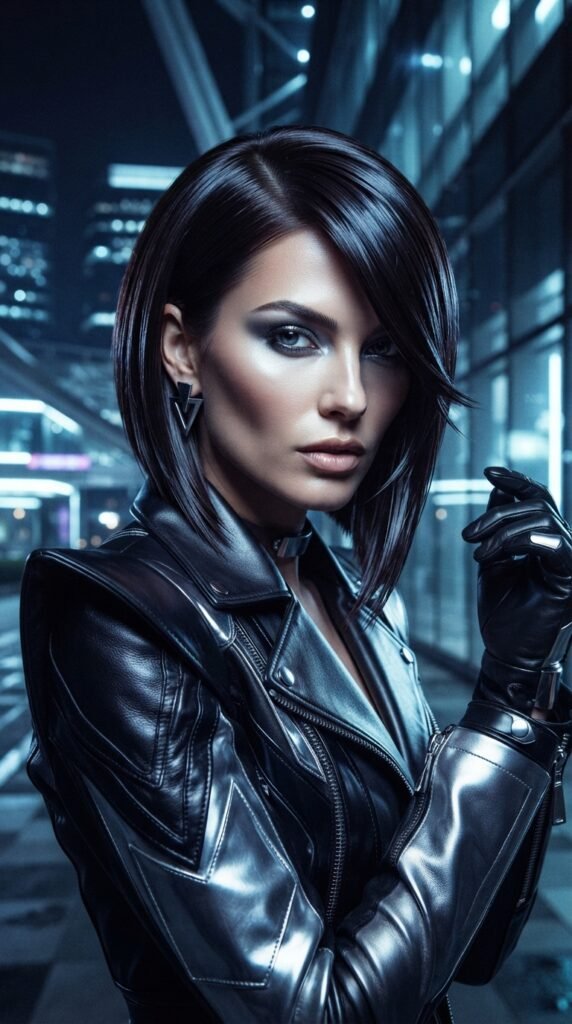
If you want your fine hair to look intentional and a little futuristic, try glitchy glam hair. It is glossy, sharply layered, and slightly uneven on purpose. Fine hair actually does this look well because it takes shine beautifully.
The hime cut is the other direction. Straight, blunt side pieces with longer length behind. It works best on fine, straight hair, and it is a strong contrast to a shag.
- Glitchy glam: sharp layers, high shine, messy on purpose
- Hime cut: blunt sides, sleek finish, zero frizz
You can borrow pieces of both without committing fully.
Why a Shag Plays Nice With an Asymmetrical Lob

An asymmetrical lob and a shag are a great pairing for fine hair. The uneven length adds visual width and the layers keep it from hanging flat.
- Keep the shorter side around the collarbone
- Add soft layers through the longer side
- Use face framing to connect the two lengths
This is one of my favorite cuts for fine hair because it looks fuller without extra thickness. Plus it grows out beautifully.
Color Tricks That Make Fine Hair Look Fuller

Color can do more for fine hair than any product. Dimension creates depth, and depth reads as thickness.
- Soft balayage: adds depth without a harsh line
- Face framing highlights: brightens and widens the front
- Single process dark: makes fine hair look denser at the root
- Gloss treatments: instant shine, zero weight
Skip heavy highlights that fry the ends. Fine hair does not recover from damage the way thicker hair does.
Mistakes That Flatten a Fine Shag
I have made almost all of these. Learn from me.
- Cutting layers too short near the crown
- Loading up on oil and leave-in cream
- Skipping trims for months
- Cutting blunt bangs that remove density
- Letting roots get oily before adding dry shampoo
- Over-texturizing with salt spray and nothing else
Every one of these kills the air inside the cut. A shag needs lightness to look like a shag.
Growing Out a Shag Without the Awkward Phase

If you are done with layers, you can grow a shag out gracefully. It just takes a plan.
- Ask for a shape reset every 8 weeks.
- Trim the longest layer and let the short pieces catch up.
- Move toward a soft lob as the layers grow.
- Wear it tucked, pinned, or half up during the transition.
You will pass through a lovable middle phase that looks a lot like a quiet luxury bob. Not a bad place to land.
A Few Last Words From Me
Fine hair does not have to mean boring hair. A shag works when the cut respects your density, the products stay light, and the styling takes five minutes, not fifty.
Start at the collarbone. Ask for soft, blended layers. Keep texture spray on your shelf and heavy cream off it. That is really the whole secret.
If you have been holding back because you think your hair is too fine for anything fun, this is your sign.
Save this post to Pinterest so you can pull it up the next time you are sitting in the salon chair. And tell me in the comments: is a shag on your list, or are you more of a soft lob girl?