Why Menopause Changes Your Hair Texture and What Actually Helps
One day, you look in the mirror and your hair seems like it belongs to someone else. It’s drier, frizzier, or maybe even thinner than you remember. Sound familiar? You’re not imagining things—menopause really does change your hair texture. Hormones shift, and your strands take the hit. The good news? You don’t have to just accept it.
In this post, I’m sharing the honest truth about why it happens and, more importantly, what actually helps. We’ll talk easy cuts, smarter routines, and the 2026 hairstyles that make you feel like yourself again. No complicated science, just real tips that work. Grab your coffee and let’s fix this hair thing together.
The Day My Hair Started Acting Like a Stranger
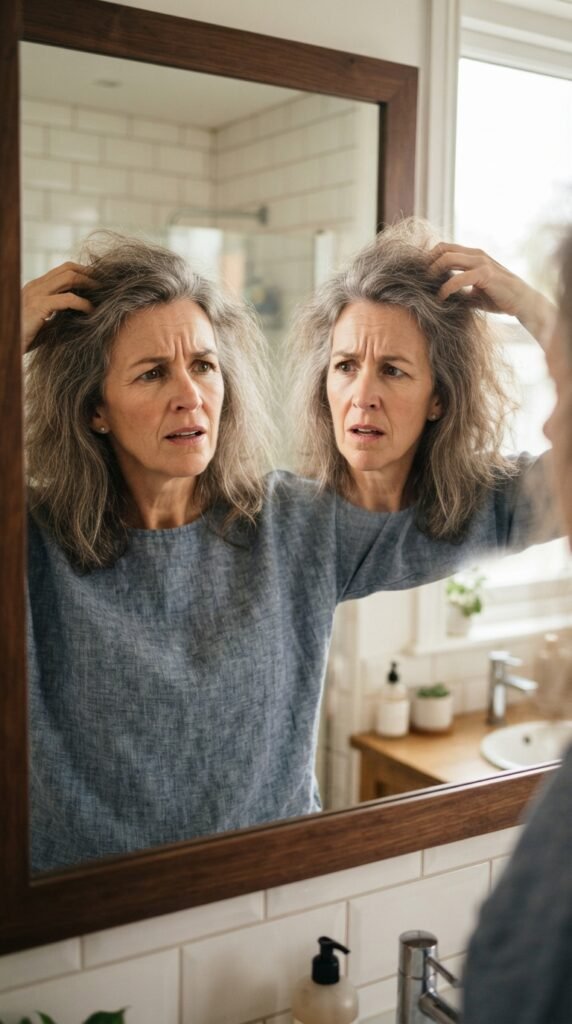
I remember standing in my bathroom after a shower, staring at a frizz ball that used to be my sleek bob. It felt like a betrayal. My hair had been my thing, and suddenly it was unruly, wiry, and honestly a little dusty-looking. If you’ve been there, take a breath. It’s not you—it’s hormones.
Menopause changes how your hair grows and how it feels. But the right routine and cut can completely turn it around. You don’t need a magic potion. You need a plan that works with your new texture, not against it.
Why Menopause Messes With Your Hair (The Simple Version)
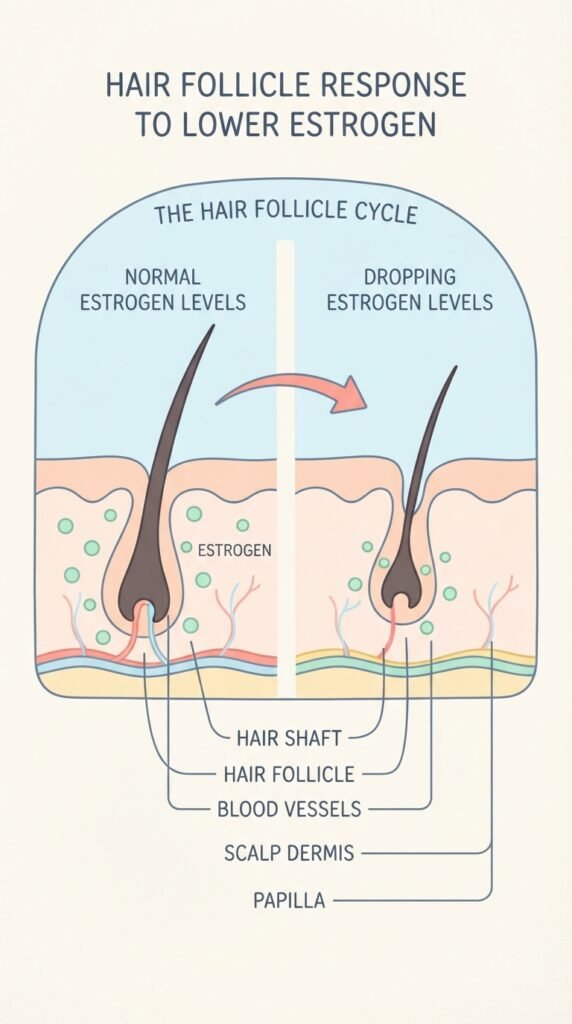
Estrogen and progesterone levels drop during menopause. That affects the growth cycle of your hair. Some follicles rest longer, so you might notice thinning. Other follicles get sensitive to hormones, and the hair they make becomes finer or coarser. It’s a total roll of the dice.
Also, your scalp produces less oil. That’s why everything feels so dry all of a sudden. Your hair strand’s shape can even shift, meaning what used to be straight now waves, or that wave is now straight. Wild, right?
The key is to stop fighting it and start working with the hair you’ve got today.
The Three Big Changes You’ll Notice
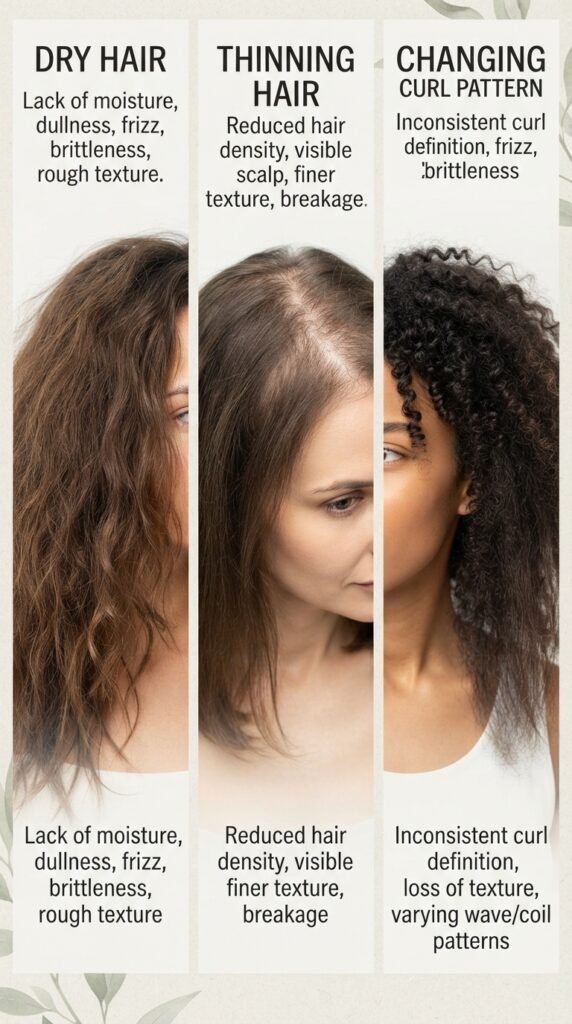
- Dryness and frizz: Your hair cracks break, so moisture isn’t staying in the strand.
- Thinning or shedding: Hair feels less full, especially around the temples and crown.
- Texture shifts: Your hair might suddenly be curly, wiry, or even puffier.
Don’t panic. This isn’t permanent. Many women find their hair settles into a new normal after a few years. And with the right products and cuts, you can look amazing in the meantime.
Understanding these changes is step one. Step two is doing something about it.
What Actually Helps: Your Hair’s New Best Friends
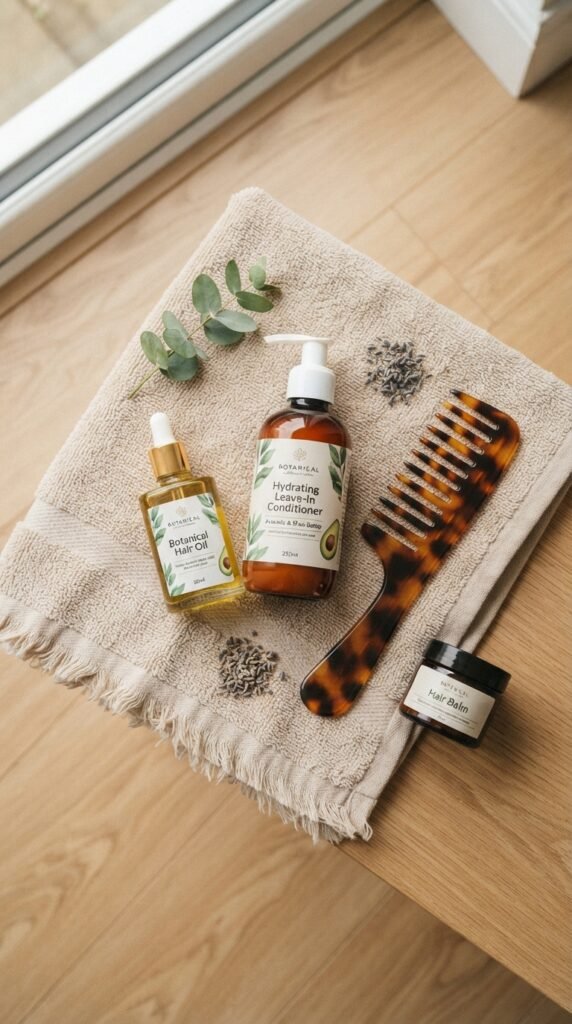
You don’t need a 15-step routine. Just a few smart products can make a huge difference. Think of these as your new go-to squad:
- Hydrating shampoo and conditioner: Look for words like “moisture” or “strengthening.”
- Leave-in conditioner: This is non-negotiable now. It seals in moisture.
- Hair oil: A few drops through the ends stops the frizz before it starts.
Apply leave-in on damp hair, then oil on dry ends. That’s it. You’ll feel the difference in a week.
Stop Washing Your Hair Like It’s 20
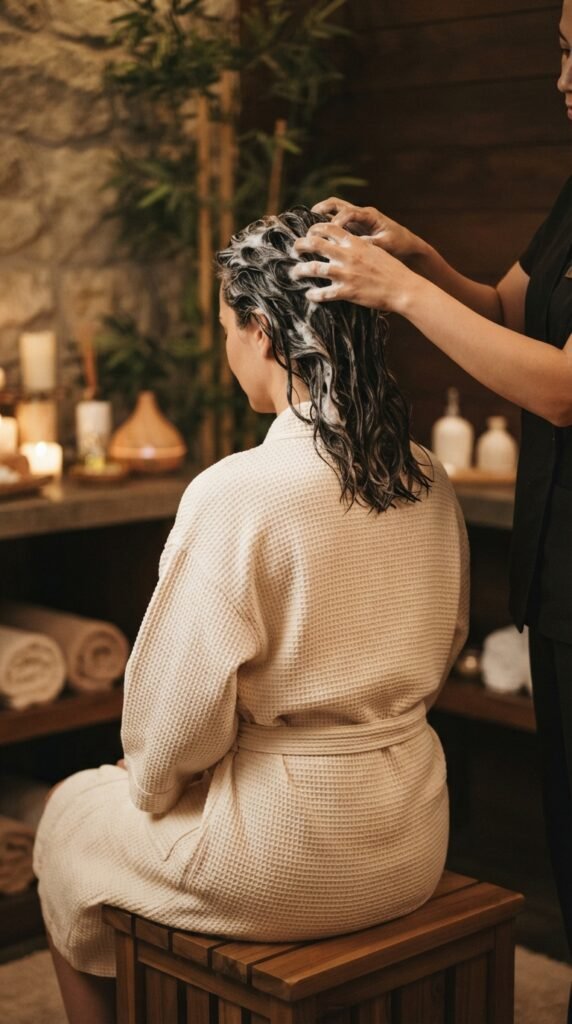
Harsh daily washing strips away the little oil your scalp does make. If you’re still scrubbing every morning, it’s time to change. Try washing every other day, or even every third day if your hair can handle it.
When you do wash, focus on your scalp, not the lengths. Let the suds run down as you rinse. And skip hot water—warm is better. It keeps your hair’s natural moisture where it belongs. Your future hair will thank you.
Dry shampoo between washes is your best friend. It keeps roots fresh without residue.
The Power of a Good Cut: Why Shape Matters More Than Ever
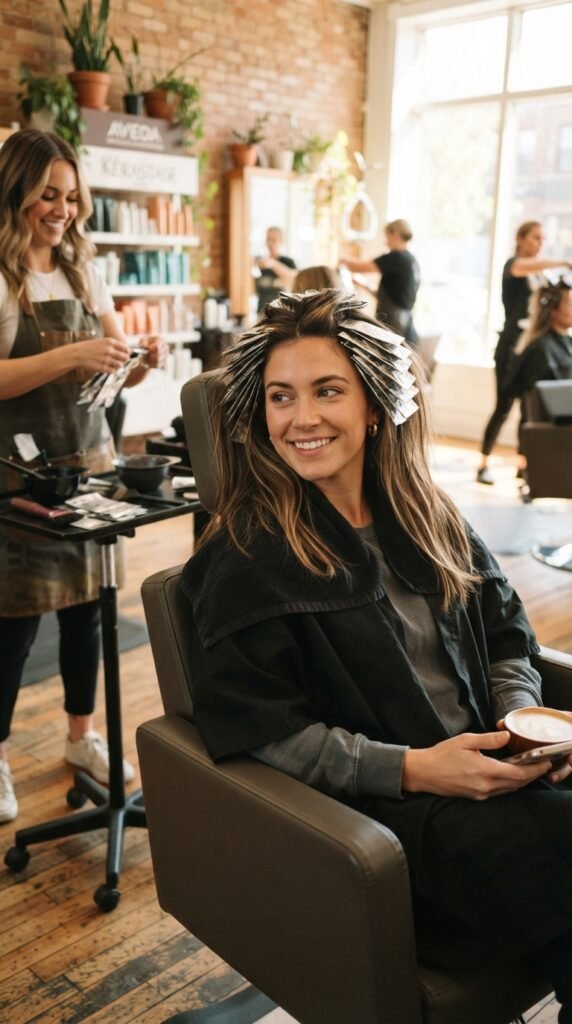
Trust me on this: a great haircut fixes 90% of texture issues. As hair changes, old layers can make it look stringy or flat. A stylist who listens can cut movement into the hair so it falls naturally.
Talk to your stylist about your hair’s new behavior. Tell them about the frizz and where it thins. They’ll recommend a shape that works with your growth pattern.
For most women, going a little shorter makes life easier. It helps the hair feel fuller and more intentional. Don’t be afraid to lose length for a better texture.
2026 Hairstyles That Embrace Texture
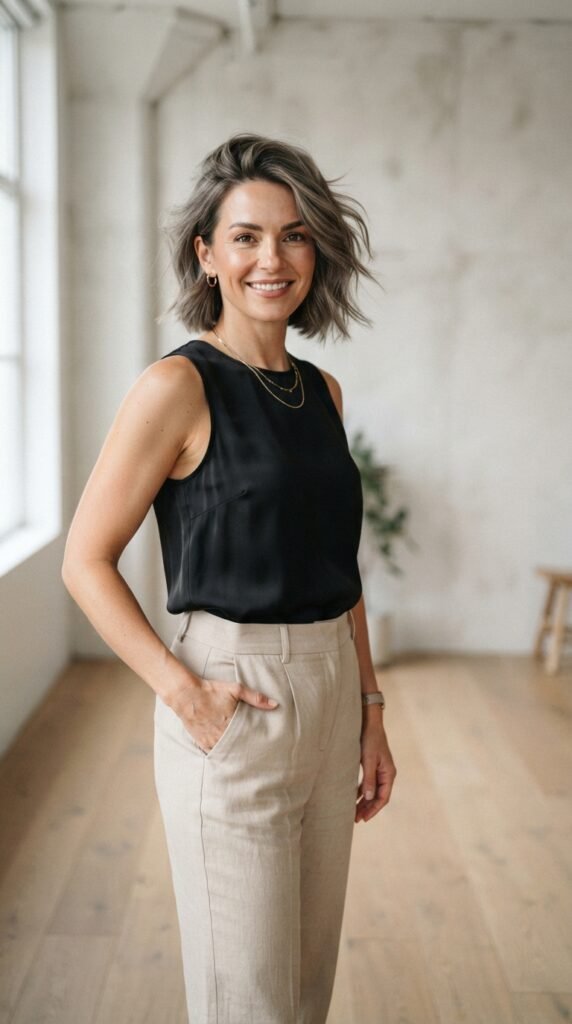
Good news: the 2026 hairstyle trends are totally on our side. There’s so much room for natural texture right now. No more fighting your strands into something they’re not.
This year’s cuts are all about movement, shape, and personality. Think soft layers, undone waves, and pieces that frame the face. You can still have your favorite bob or lob, but now it’s cut with more fluidity.
Even better, these styles work beautifully with menopause hair. They hide thin spots and make frizz look like a textured choice, not a problem.
Old Money Hair: The Effortless Chic You Need
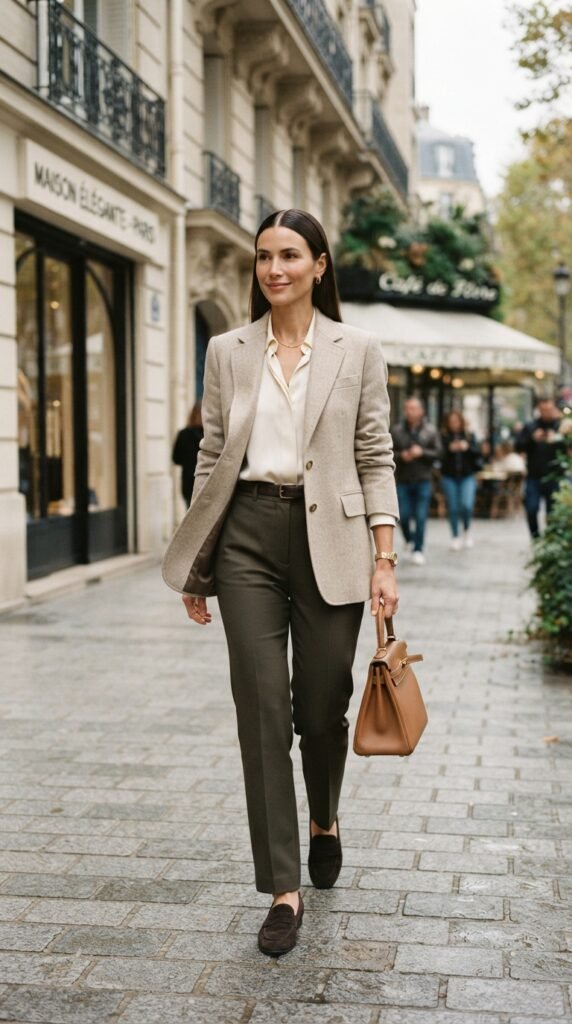
If you want to look polished without trying hard, old money hair is your answer. Think graceful, quiet richness. No crunchy hairspray, no complicated tools. Just clean, smooth, soft waves or a sleek straight finish.
This style works because it’s simple. A good cut and a little leave-in product are all you need. It’s forgiving when textures change because the overall vibe is “calm and collected.”
Add a center part and tuck it behind your ears. Done. You look put-together in seconds.
The Quiet Luxury Bob: A Total Game Changer
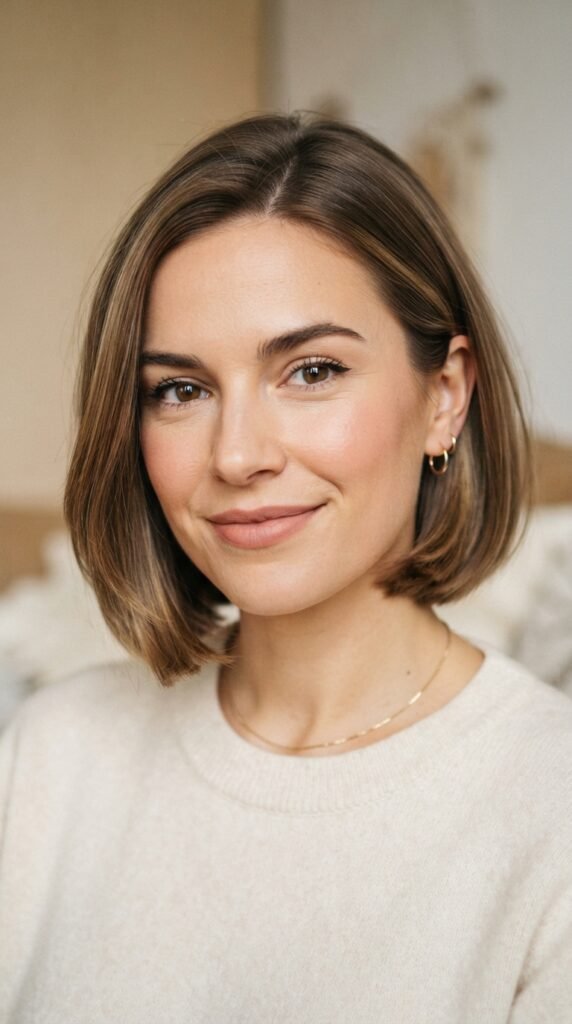
Oh my gosh, the quiet luxury bob is a lifesaver. It’s structured but not stiff. It hits right around the chin, and it’s cut to sit neatly without needing heat styling. Perfect for hair that just wants to behave.
This bob hides thinning ends and gives an instant lift to your face. It looks expensive, but actually it just looks clean and intentional. That’s the whole point of quiet luxury—no flashy vibe, just understated confidence.
If your hair has waves, even better. The bob picks them up and gives you sass with zero effort.
If You Love a Little Edge: Romantic Goth Hairstyles
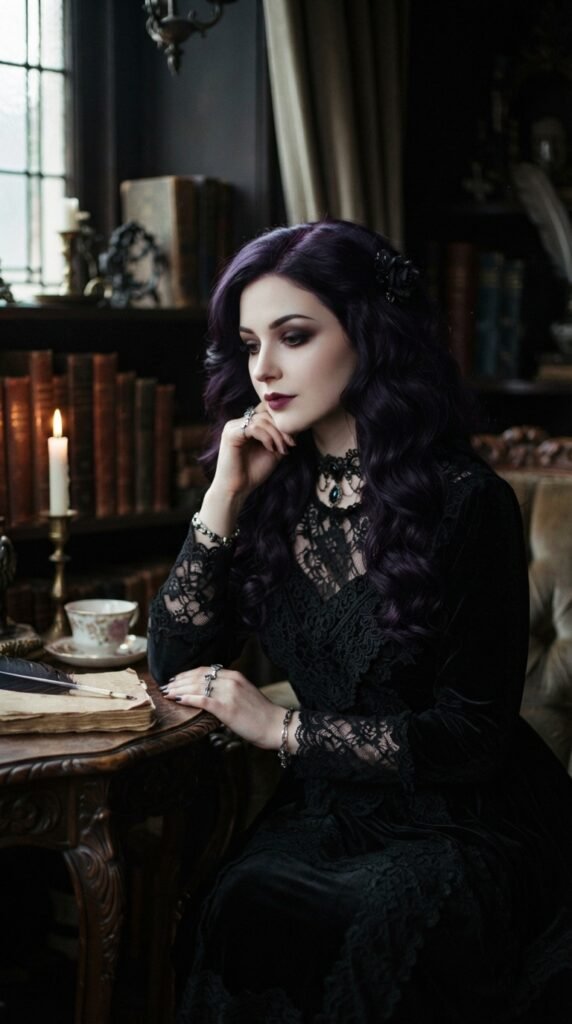
Maybe you’re not a basic bob person. That’s okay. Romantic goth hairstyles are having a moment, and they’re surprisingly flattering on mature hair. Think dark, deep shades, soft sweeping layers, and a little bit of mystery.
These styles usually work with long or medium lengths, and they love texture. Your natural frizz can read as intentional volume here. Pair the cut with a rich color like espresso or plum, and you’ll feel like a rock star.
It’s playful, a little dramatic, and totally you. Don’t let anyone tell you to age quietly.
Glitchy Glam Hair: When You Want to Play
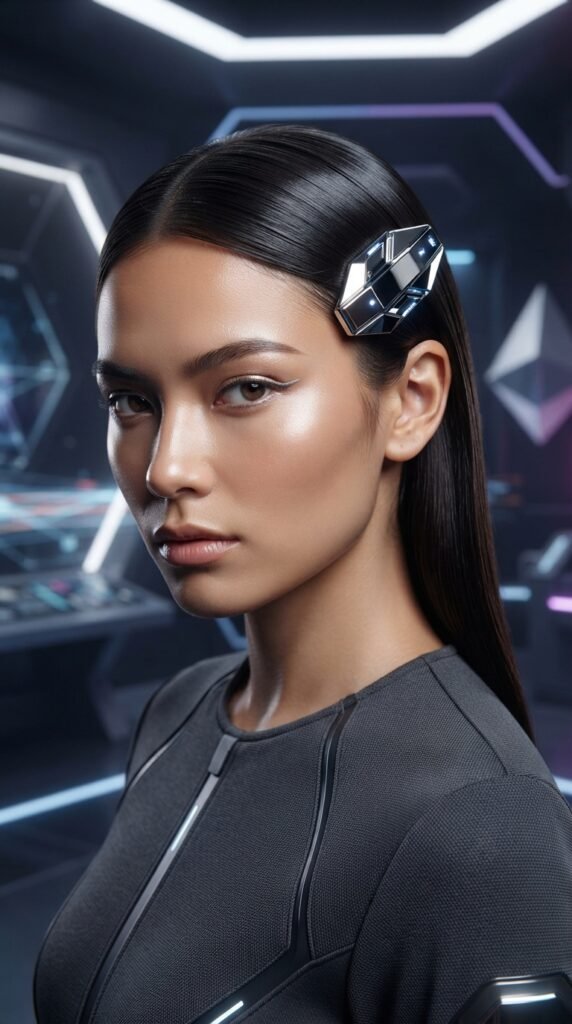
Feeling bold? Glitchy glam hair is a fun 2026 trend that plays with shine and interesting partings. It’s not about crazy colors—more about glossy pieces that catch the light in unusual ways. Think metallic-like strands without the harsh silver.
You can get this look with a shine spray and a parting that zigzags slightly. Or clip in a few jewelry-like accessories.
This style is a fun way to change your look without a big commitment. A date night or an event? Yes, please.
The Asymmetrical Lob: Slaying With Grace
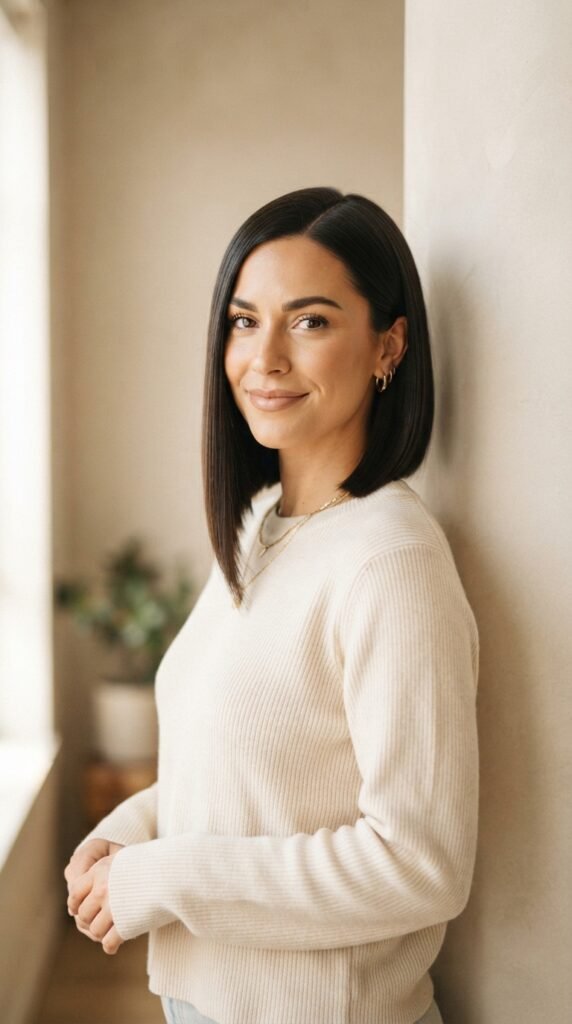
The asymmetrical lob is the secret to making menopausal hair look intentional. One side is a little longer than the other, giving your eye a place to land. It creates the illusion of more volume and structure.
This cut works beautifully with waves or straight styles. It’s also super low-maintenance. You can air-dry it and still look like you made an effort.
If you’re used to a classic bob, this is a stylish upgrade that still feels familiar.
The Vampire Haircut: Dark, Dimensional, and Perfect for Fall
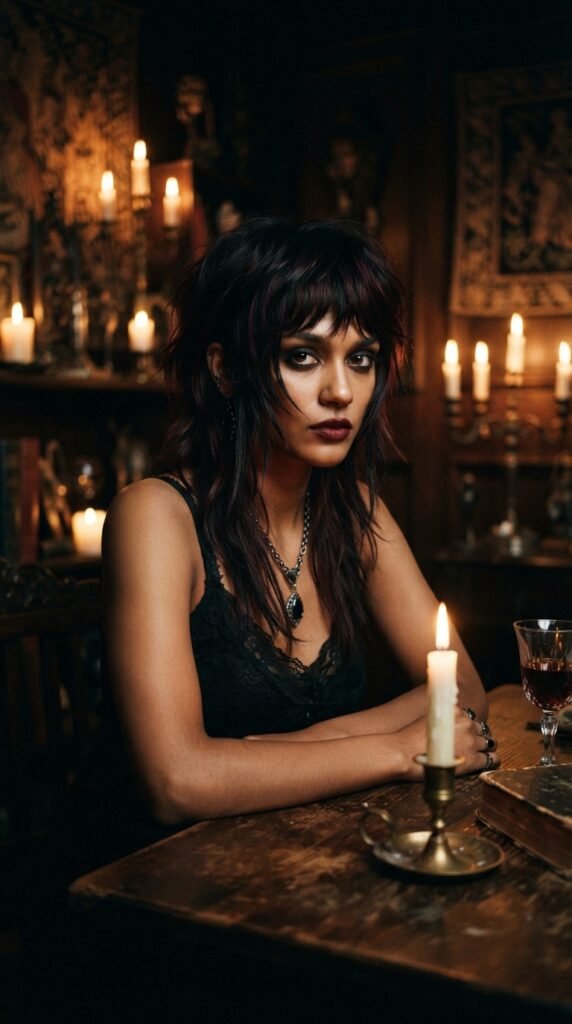
Okay, while the name sounds scary, the vampire haircut is actually gorgeous and modern. It’s all about long, face-framing layers that keep your length but add movement. Add a dark, dimensional color, and you’ve got instant depth.
This cut really helps if your hair has lost its old shine. Because layers take weight off, it helps the hair spring up and look fuller. The dimension hides any dry or frizzy patches too.
Plus, dark colors always photograph well. You’ll feel like you belong on a fantasy show—in the best way.
The Hime Cut: Not Just for Anime Fans
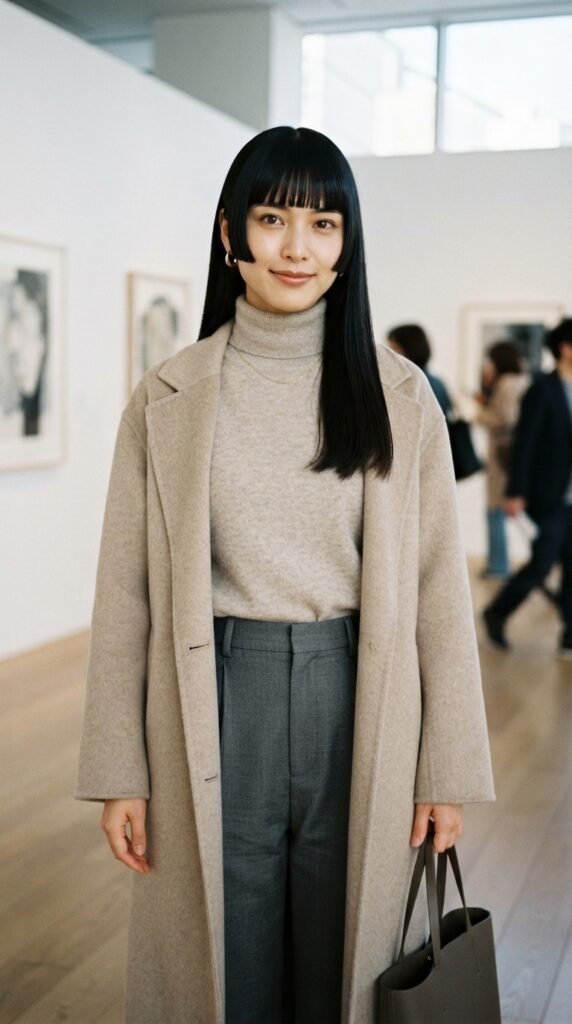
The hime cut might sound niche, but hear me out. It’s a blunt, straight-across fringe with short side pieces framing the cheeks. This cut is fantastic because it instantly hides temple thinning and draws attention to your eyes and cheekbones.
It looks strong, clean, and graphic. Pair it with a chin-length bob and you get a modern, chic look that isn’t costumey at all.
If you’re brave enough to try blunt bangs, this one’s a winner. It’s sharp but feminine.
How to Talk to Your Stylist (Without Tears)
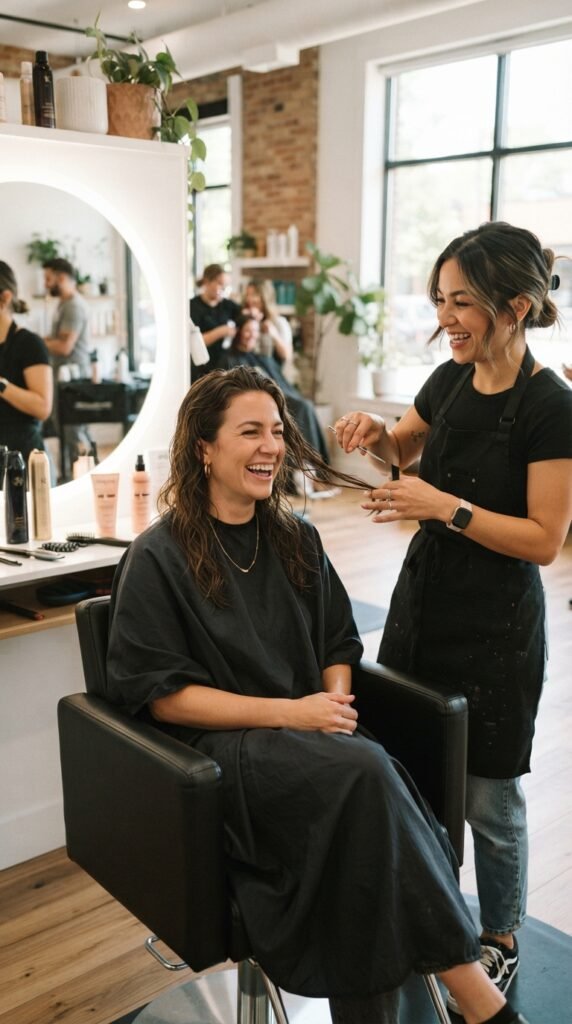
Going to the salon can feel intimidating when your hair is weird. But it’s the best place to get help. Be upfront with your stylist. Say, “My hair changed since menopause and I need a style that works with texture and volume loss.”
Bring reference photos of the hairstyles you love. Let them know how much time you want to spend styling each morning. Most stylists love brainstorming with you—they’re not mind readers.
A good stylist will also suggest products that suit your exact hair. It’s worth the visit.
Heat Styling: Do This, Not That
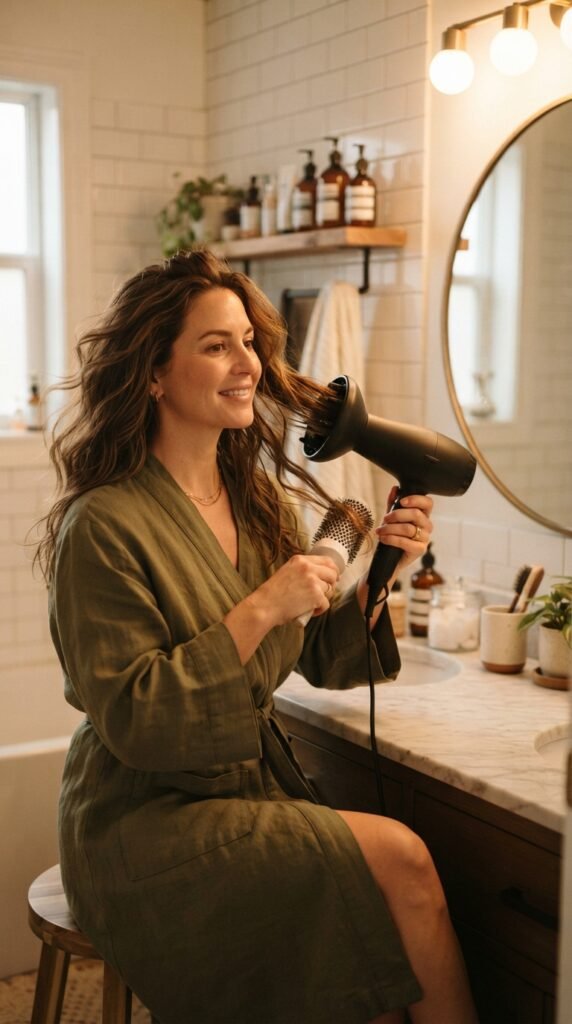
You absolutely can still heat-style, but do it smarter. Always use a heat protectant spray before any blow-dry or flat iron. And lower the temperature—medium heat is enough for menopause hair.
Let your hair air-dry most of the way before you blow-dry. This cuts down on heat exposure and reduces frizz. Also, use a wide-tooth comb to detangle, not a brush that breaks strands.
These small changes add up to softer, healthier-looking hair. You’ll still get your good styling days, but without the damage.
Products That Actually Work (No Magic Potions)
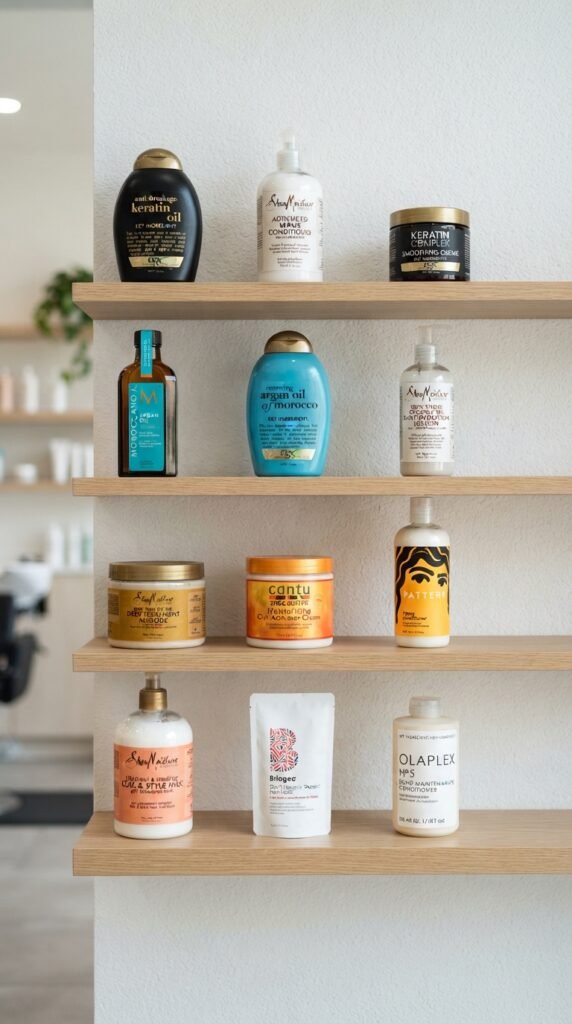
You don’t need a 50-dollar serum. You need the right ingredients. Look for products with shea butter, argan oil, keratin, or ceramides. These fill the gaps in the hair strand and make it feel thicker.
A weekly deep conditioning mask is a game changer. Keep it simple: apply, wait five minutes, rinse. Your scalp doesn’t need extra oils, but your ends crave them.
Also, wash with sulfate-free shampoo if your hair feels stripped. It’s the little label check that makes a big difference.
Add Some Texture With These Simple Hacks
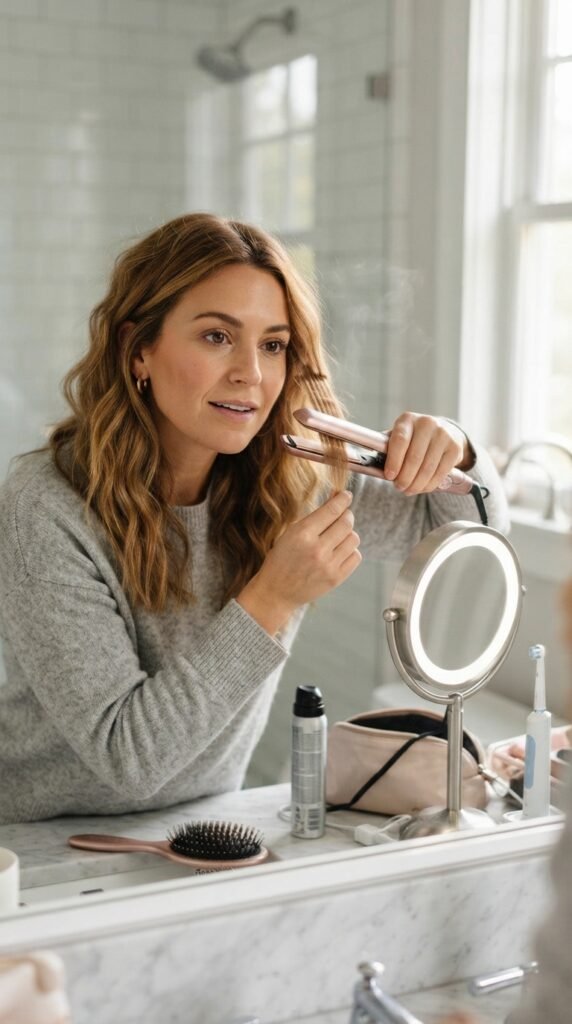
No time for a full styling session? Try a few tricks to add instant body. A touch of sea-salt spray from mid-length to ends gives you that undone look. Scrunch a little hair mousse into your roots before air-drying.
Or do a quick braid while your hair is damp, sleep on it, and wake up to easy waves. If you have a pair of flat irons, use them to crimp a few hidden sections for volume. It’s those tiny details that make a flat bob look fuller.
Play around—make texture your friend, not your enemy.
The Best Hair Accessories for This Season
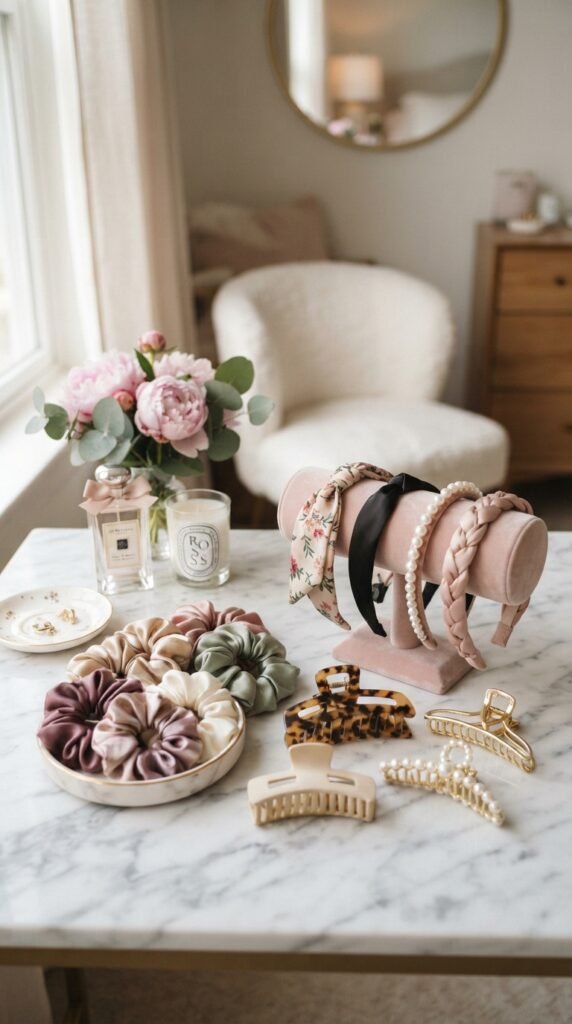
Hair accessories are the easiest way to feel polished without any heat. Look for silk scrunchies, because they don’t pull or break fine hair. Claw clips are perfect for a quick updo that hides a bad hair day.
As for headbands, choose padded or velvet ones. They add a soft, old-school glam vibe. You can throw your hair in a low bun and instantly look classy. This also gives your strands a break from pulling.
A little accessory upgrade makes the whole routine feel fun again.
My 5-Minute Morning Routine for Menopause Hair
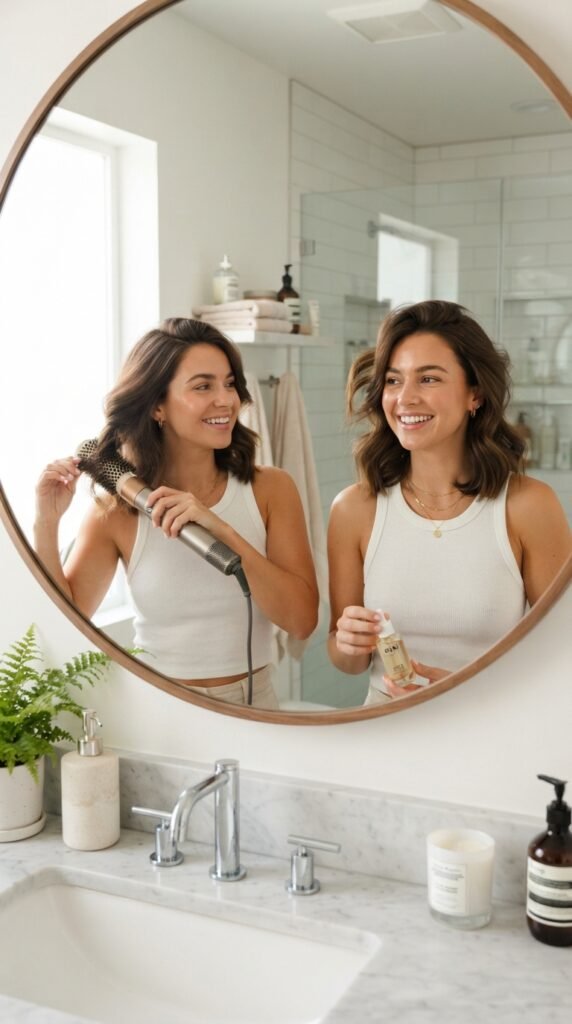
Here’s the simple routine I swear by. Start with a dry shampoo spray if your roots need it. Then apply 3 drops of hair oil to the ends, focusing on the dry spots.
- Use a paddle brush to smooth everything into place.
- Flip your head upside down and give a gentle shake for volume.
- Pinch the crown lightly to create a little lift.
- Either let it air dry or hit it with a diffuser for 30 seconds.
That’s it. Five minutes and you’re ready. Your hair will look softer, fuller, and most importantly, like you didn’t stress over it.
My Friend, We’ve Got This
Your hair doesn’t need to be perfect. It just needs to feel like you again. Whether you choose a quiet luxury bob, an asymmetrical lob, or lean into romantic goth vibes, the right cut and routine can make all the difference.
Give these ideas a week. Be patient with the products, and be kind to yourself in the mirror. Menopause hair is a phase, not a life sentence. You’re still the woman who owns every room—your hair just needed a little recalibration.
And if you want a little community along the way, I’m right here. We’re in this together.
Save this post to Pinterest so you can find these tips later—especially if you’re ready to screenshot a few haircut ideas for your next salon visit.
Now tell me: has your hair texture changed during menopause? What’s been the hardest part for you? Drop a comment below—I’d love to hear your story.