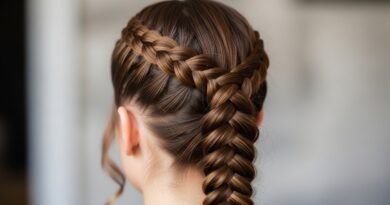
Why Natural Texture Is Having Its Moment And Why This Time It Is Here To Stay
Hey friend. Let’s talk about the hair you wake up with. The air-dried waves. The gentle bends. The frizz that used to annoy you. Natural texture is not a problem to fix anymore—it’s the whole vibe.
For years, sleek and smooth ruled. We reached for flat irons and heavy products to hide what we had. But 2026 hairstyles are asking for something real. Think movement, softness, and hair that moves like hair.
And this isn’t a quick trend cycle. It’s a shift in how we see beauty—and it’s refreshing. You don’t need a drastic change to join in. A few small tweaks can bring out your natural texture and change your whole look.
This post is your simple, no-nonsense guide to making textured hair work for you. Let’s dive in.
What Natural Texture Actually Means
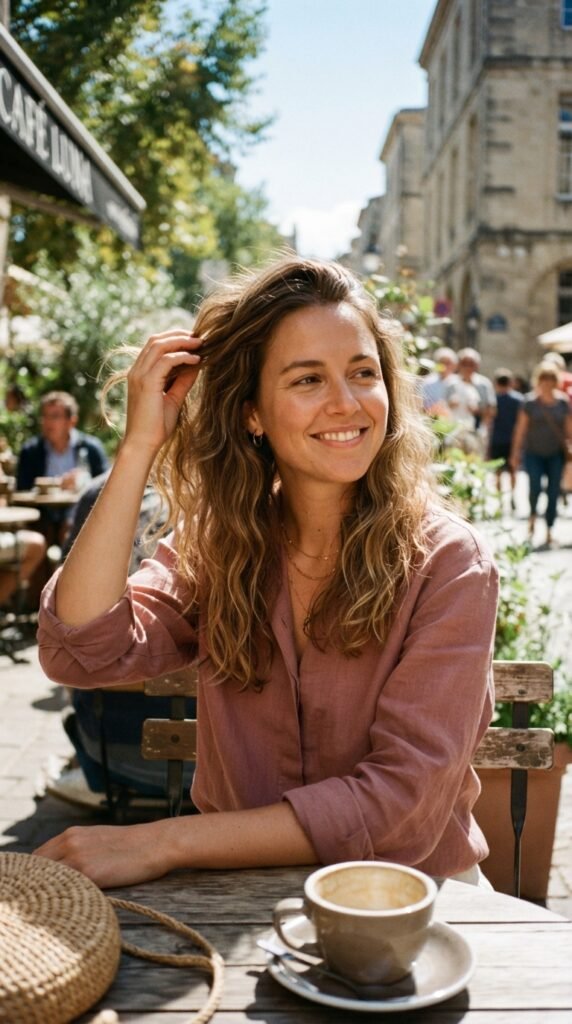
Natural texture is the pattern your hair makes on its own. It could be loose waves, tight coils, or that in-between bend that never decides. It’s what happens when you skip the heat and let your hair do its thing.
It’s not about having “perfect” curls. It’s about working with the shape and movement you already have. That’s why so many 2026 hairstyles are built around texture instead of against it.
- Wavy hair: soft S-curves
- Curly hair: defined spirals or loose ringlets
- Coily hair: dense, springy texture
- Straight-ish hair: subtle bend and body
Once you know your pattern, everything else gets easier.
Why This Moment Feels Different

We’ve seen textured hair trends come and go. Remember the “just rolled out of bed” waves? That was about a certain look, not about your actual texture. This time feels more personal.
Social media is filled with real women showing their air-dried curls and messy buns. Stylists are trained to cut hair in its natural state, not after a blowout. And brands are finally making products that genuinely work.
- More inclusive hair education
- Better curl-friendly ingredients
- Fewer “one-size-fits-all” beauty rules
This isn’t a costume. It’s just you, and that’s why it’s sticking around.
The 2026 Hairstyles Are All About Movement
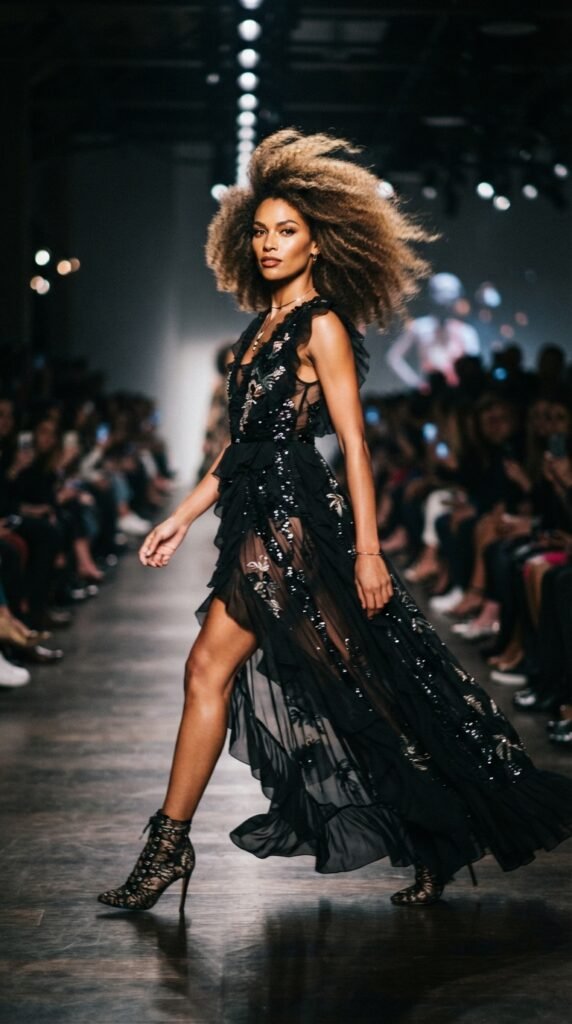
If you look at 2026 hairstyles, one thing stands out: movement. Hair is meant to swing, bounce, and shift as you walk. No more helmet-like finishes. Even polished styles have a little life in them.
Texture gives your hair a rhythm that a flat, sleek style simply can’t. It changes as you turn your head, catches the light, and feels like you—only more put-together.
That’s why cuts like the asymmetrical lob and quiet luxury bob are so popular right now. They’re designed to move with your natural pattern, not against it.
Textured hair is no longer a styling challenge. It’s the point.
Old Money Hair: Polished Doesn’t Mean Flat
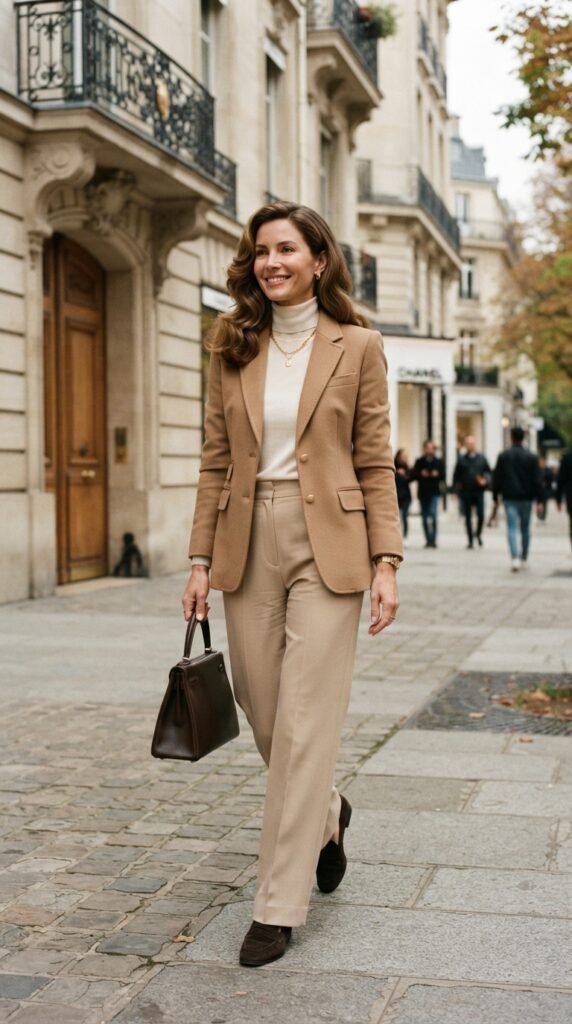
Old money hair gets a bad rap for being smooth and sleek. But the real version is simpler: healthy, shiny, and quietly expensive-looking. It doesn’t have to be bone-straight.
In fact, natural texture fits the old money aesthetic beautifully. Think glossy waves, a deep side part, and very little fuss. The goal is effortlessness, not flatness.
- Soft waves from a loose braid
- Low bun with face-framing pieces
- Air-dried hair with a silk scarf finish
When your hair is healthy, its natural shape looks luxurious. That’s the real old money energy.
Quiet Luxury Bob: The Cut That Loves Your Waves

The quiet luxury bob is everywhere for a reason. It’s a shorter cut with clean lines, but it looks best when it follows your natural texture. A blunt bob can feel harsh on waves; a softer, tailored bob lets them show.
This cut frames your face and gives you that expensive, “I woke up like this” feel. It works with loose waves, curls, and even that slight bend in almost-straight hair.
Ask your stylist for a bob cut on dry hair. That way, your hair’s true pattern decides the shape.
Also, it’s shockingly low-maintenance.
Romantic Goth Hairstyles: Texture With a Darker Side
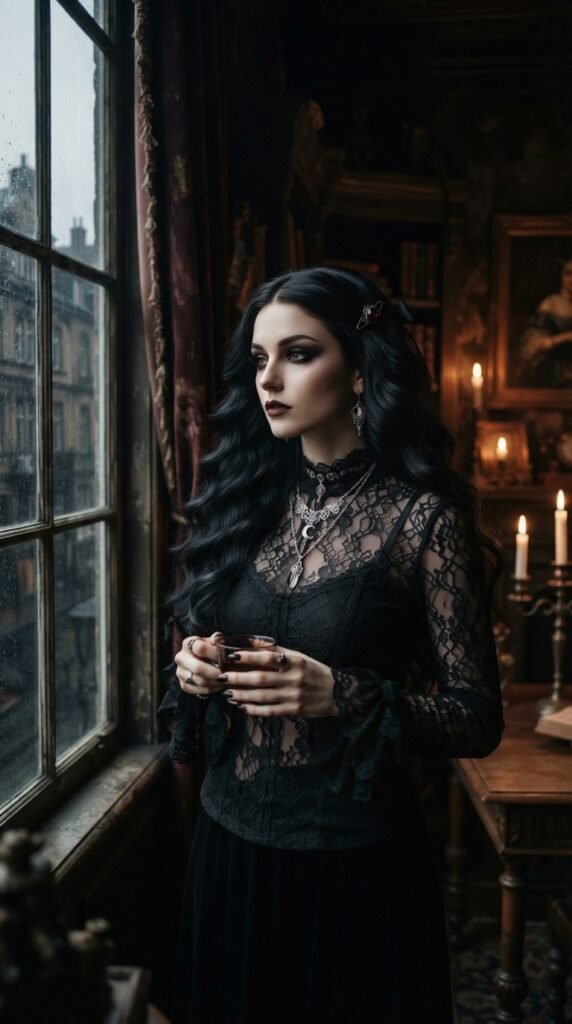
Romantic goth hairstyles are bringing drama back, and texture is the secret. Think long, layered waves with a slightly undone finish. Or half-up styles with loose strands framing the face. It’s moody, soft, and a little mysterious.
Natural texture makes gothic styles feel more human and less costume-y. The bits of frizz and movement add an ethereal quality that straight hair just can’t match.
- Mid-parted wavy hair
- Softly braided crown with tendrils
- Messy low ponytail with velvet ribbon
If dark romance is your vibe, your natural waves are your best accessory.
Glitchy Glam Hair: Beautiful Imperfection
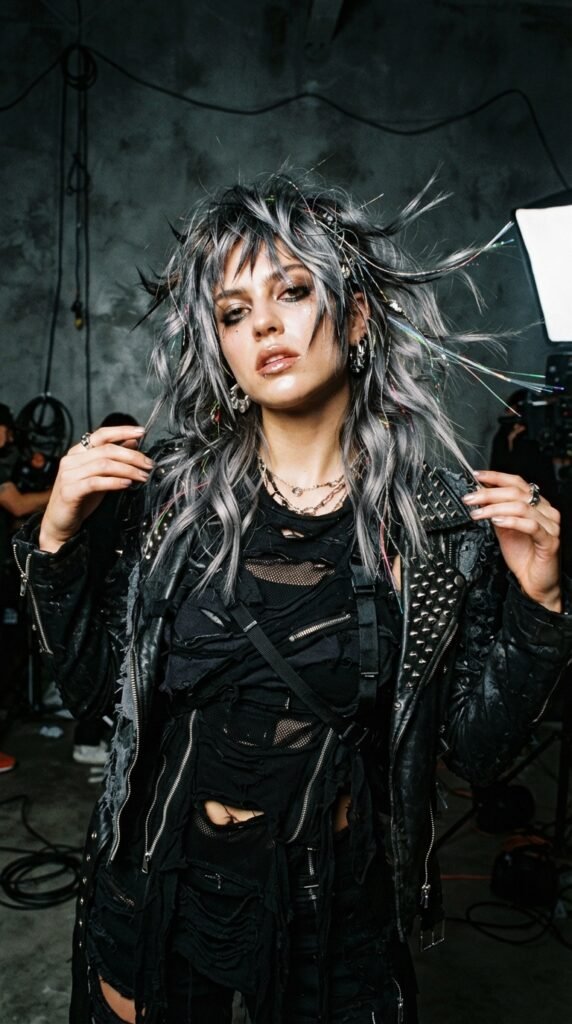
Glitchy glam hair is one of the coolest 2026 hairstyles. It’s not smooth, not messy—it’s somewhere in between. Think pieces that go in different directions, a wave that breaks the pattern, and shine that still feels raw.
This style celebrates the exact things we used to hide. A little frizz, a cowlick, a bend that doesn’t match the rest. When you stop fighting those details, they start to look intentional.
To get the look, let your hair dry most of the way, then twist small sections randomly. The “glitch” is what makes it glam.
Asymmetrical Lob: Easy Shape, Real Texture
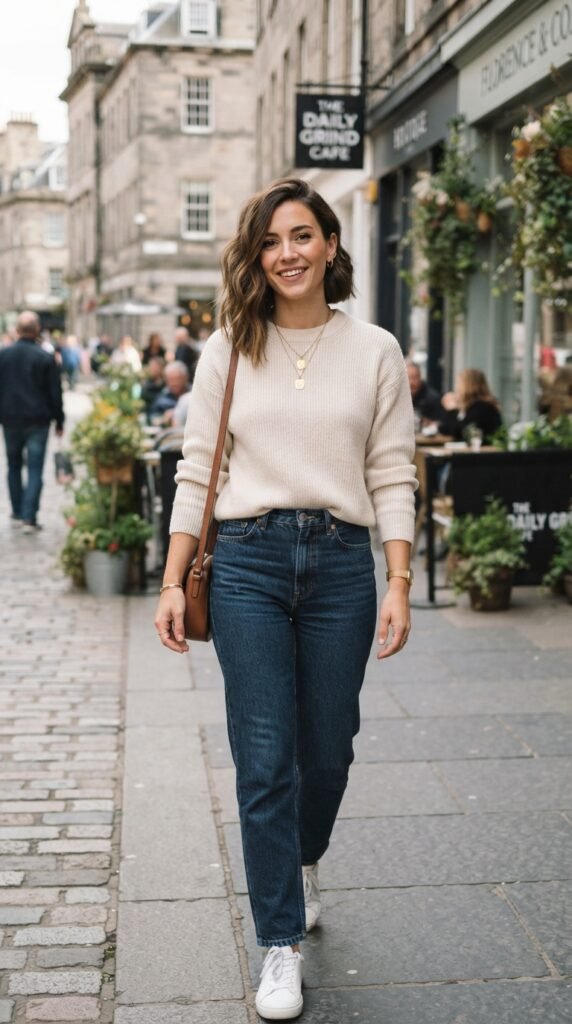
The asymmetrical lob is a great choice if you want shape without too much upkeep. One side is slightly longer than the other, which gives your natural texture room to shine.
This cut adds visual interest even on days when you don’t style it. The uneven lengths catch the light and make your waves look fuller.
- Ask for a lob that hits between chin and shoulder
- Keep the front sections longer for movement
- Get it trimmed every 8-10 weeks
It’s the ultimate “wash and go” cut for textured hair.
Vampire Haircut: Sharp Lines Meet Soft Waves
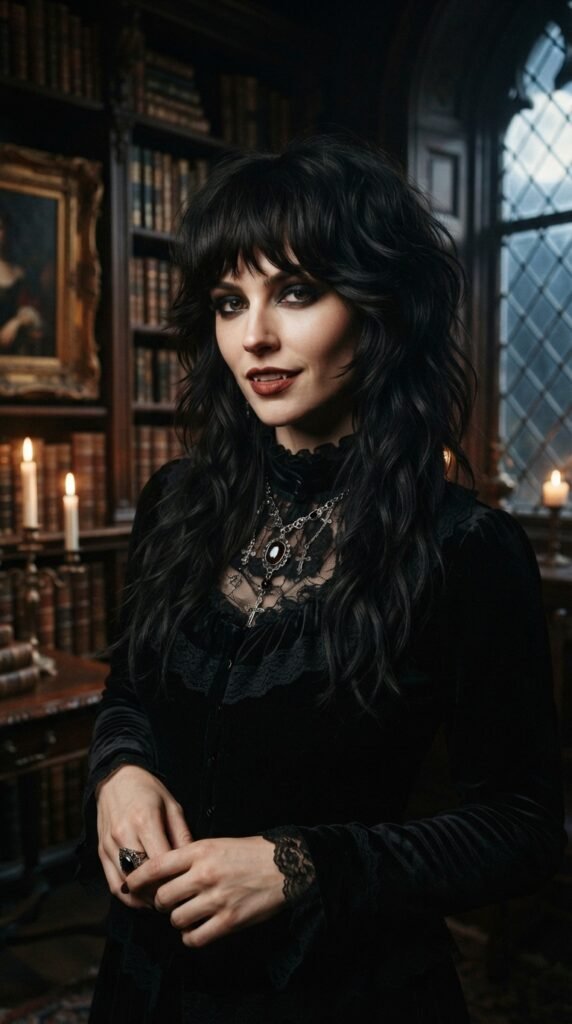
Yes, the vampire haircut is as cool as it sounds. It’s long, sharply layered, and has a bit of a bite. But here’s the plot twist: it works beautifully with natural texture.
The layers are cut to create movement around the face, so your waves have somewhere to go. It adds fullness, definition, and a dash of dark academia energy.
This cut is perfect if you like romantic goth hairstyles but want something more wearable. You can dress it down with jeans or lean all the way into the drama.
Either way, your texture stays the star.
Hime Cut: Surprisingly Perfect for Natural Waves

The hime cut is famously sleek, with blunt cheek-length pieces and a straight fringe. At first, it might seem like the opposite of natural texture. But if you choose the right stylist, it’s a total match.
When your hair is wavy or curly, the hime cut’s sharp outer pieces contrast beautifully with the soft texture in the back. It creates a striking mix of structure and looseness.
- Keep the front pieces a little longer
- Ask for invisible layers behind the fringe
- Let the back air-dry for softness
The result is a fresh, edgy look that still feels like you.
How to Bring Out Texture Without Heat
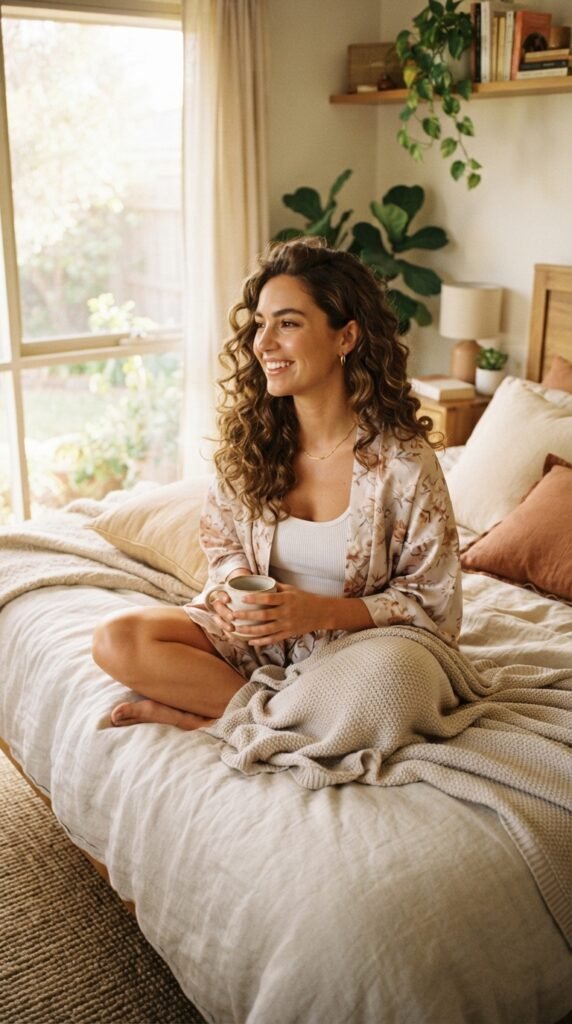
If you want your natural texture to shine, low heat is your friend. There are so many heatless ways to encourage your waves and define your curls.
- Braids: loose braids for soft waves, tight ones for more curl
- Twist-outs: twist damp hair in sections, let it set, then unravel
- Silk scrunchies: sleep in a loose bun for body
- Air-dry cream: helps define without crunchy residue
These methods protect your hair’s integrity and let your pattern develop over time. Plus, they’re easy to do while you watch TV.
The Best Products for Touchable Texture
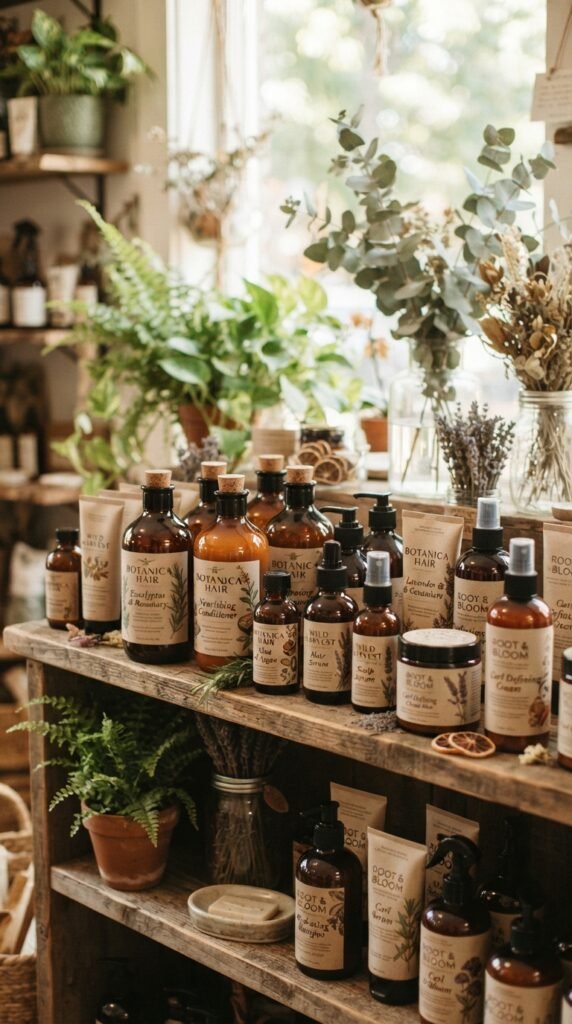
Texture-friendly products have come a long way. The goal isn’t stiffness—it’s soft, defined, touchable hair. Look for formulas that add moisture without weighing you down. The right products should make your hair look like yours, only a little more polished.
- Lightweight leave-in conditioner
- Sea salt spray for grit and lift
- Gel or mousse for curl definition
- Hair oil to seal ends
Start with a small amount and see how your hair responds. With textured hair, less product often looks better. You want your natural pattern to stay flexible, not glued in place.
A Simple Wash-and-Go Routine That Works
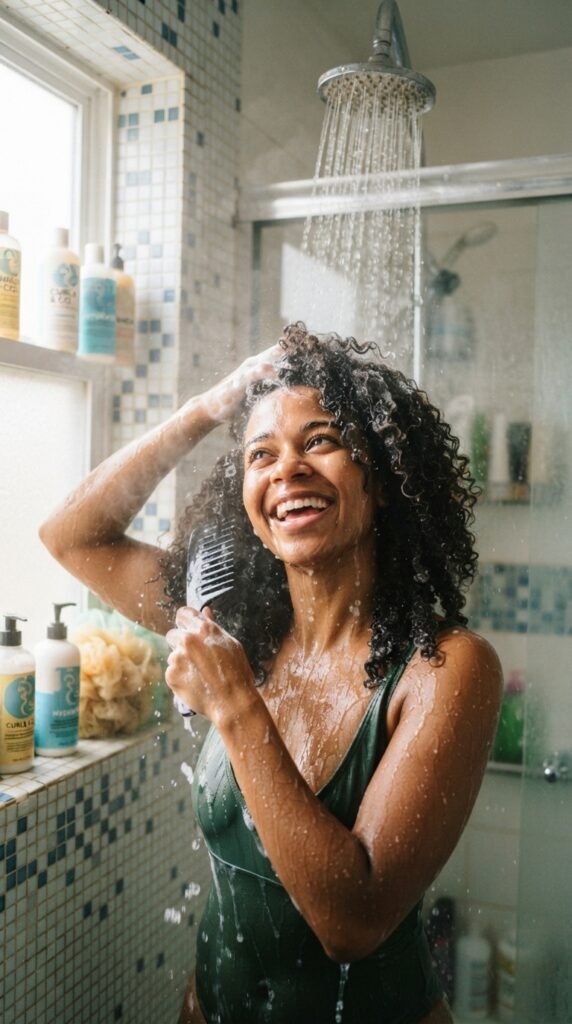
Wash-and-go doesn’t mean “do nothing.” It means working with your hair while it’s wet, then letting it dry on its own. Once you build a simple routine, it’s incredibly easy. And once you find what works, it saves you so much time.
- Shampoo and condition gently
- Apply leave-in while soaking wet
- Scrunch or rake through with fingers
- Let it air dry or use a diffuser
- Fluff the roots once dry
That’s it. You don’t need ten products. Just consistency and a little patience. Your hair will learn its new rhythm quickly.
Air Drying vs Diffusing: Let’s Settle It
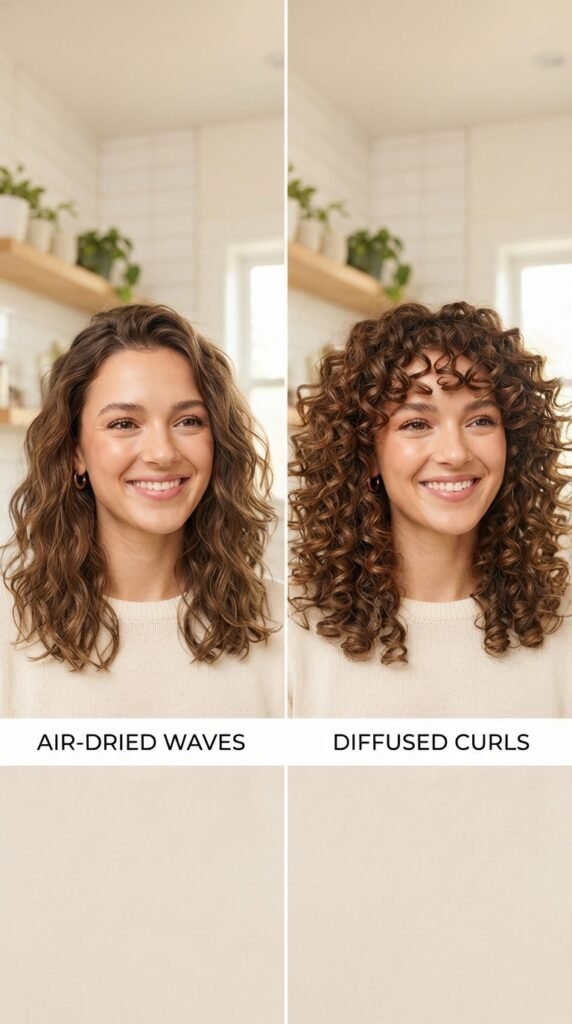
People ask this all the time. Which is better for natural texture? The answer: it depends on your hair type and the look you want.
Air drying gives you a more relaxed, boho finish. It’s also the gentlest option. Diffusing adds volume and defines curls faster, but needs a heat protectant.
- Fine hair: air dry for softness, diffuse for lift
- Curly hair: diffuse to reduce drying time
- Coily hair: diffuse on low speed to avoid shrinkage
Try both. Your hair will tell you what it loves.
How to Ask Your Stylist for a Texture-First Cut
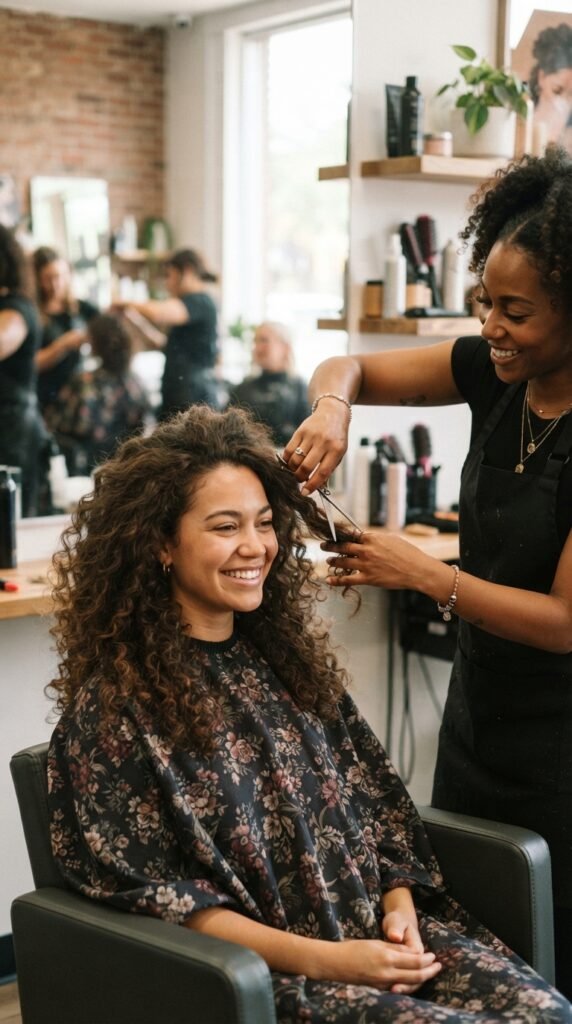
The old trick of cutting hair while it’s straight is over. For true natural texture, you want a stylist who is comfortable cutting dry hair. Here’s how to make sure that happens.
- Ask for a curly/texture specialist
- Request a dry cut or “cut to your natural pattern”
- Bring photos of your hair air-dried, not styled
- Talk about how much shrinkage you want
A good stylist will study your pattern, listen to your routine, and create a shape that works with your everyday life. Don’t be shy about telling them you plan to air-dry most days.
Mistakes That Kill Natural Texture
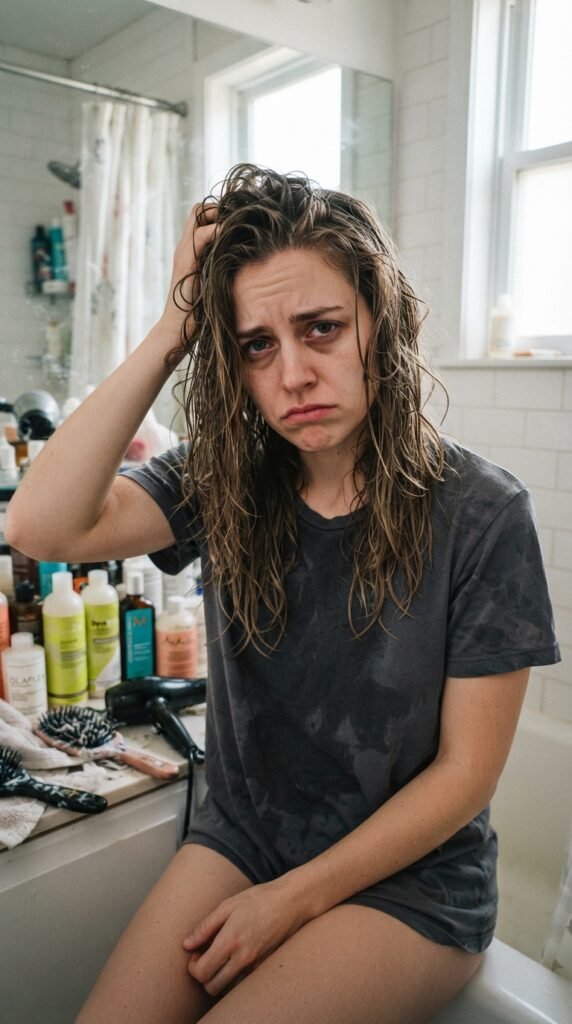
Sometimes we sabotage our waves without meaning to. I’ve been there. The good news is, most texture mistakes are easy to fix. A lot of us learned hair care from old-school advice that doesn’t work for textured hair.
- Over-washing your hair
- Using heavy butters on fine waves
- Touching your hair while it dries
- Brushing once it’s dry and frizzy
- Forgetting to trim split ends
Try removing one product from your routine and see what changes. Often, less truly is more. Also, check if your water is too hard. That can make texture look dull and frizzy.
Texture Works for Every Hair Type

This isn’t a trend for people with “good hair.” There is no good hair. Every texture has beauty, and every texture deserves a routine that supports it.
From fine, barely-there waves to dense, coily curls, natural texture looks best when it’s healthy. That means moisture, protection, and a cut that fits your pattern. Hydration and gentle handling matter more than labels.
Don’t compare your hair to someone else’s. Their texture has different needs. Your hair has its own language—learn it. That curiosity is where real hair growth begins.
Low-Maintenance Is the Whole Point
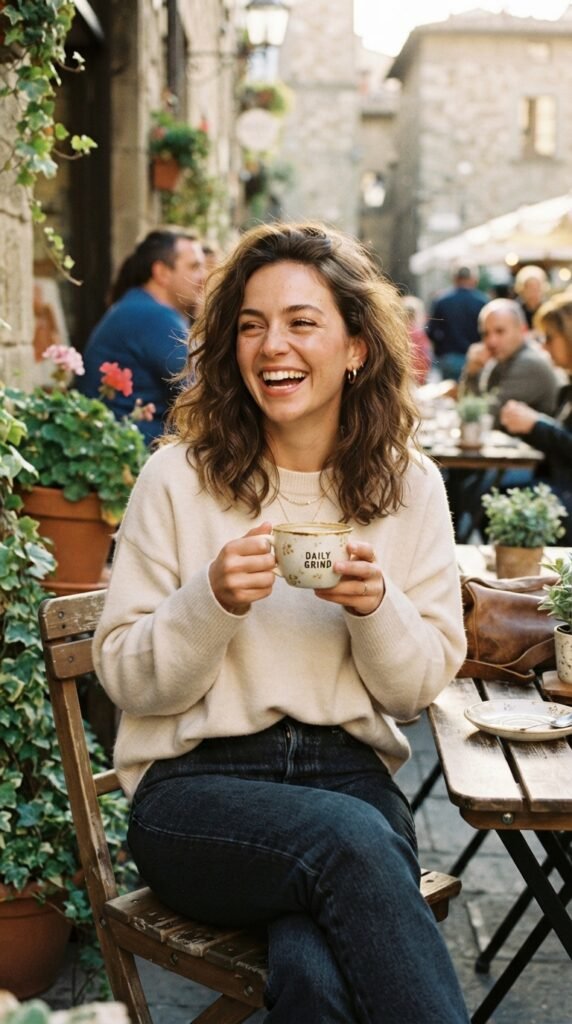
Most of us are tired of spending an hour styling our hair. Natural texture offers a way out. You can spend less time with hot tools and more time living. Your mornings get a lot more peaceful when you stop fighting your hair.
Think about it: air-dry, scrunch, go. That’s the dream. And with the right cut and products, it’s completely realistic.
- Fewer heat tools
- Fewer product layers
- Fewer bad hair days
Low-maintenance doesn’t mean messy. It means smart. It means working with your pattern, not against it.
The Emotional Side of Finally Letting Go
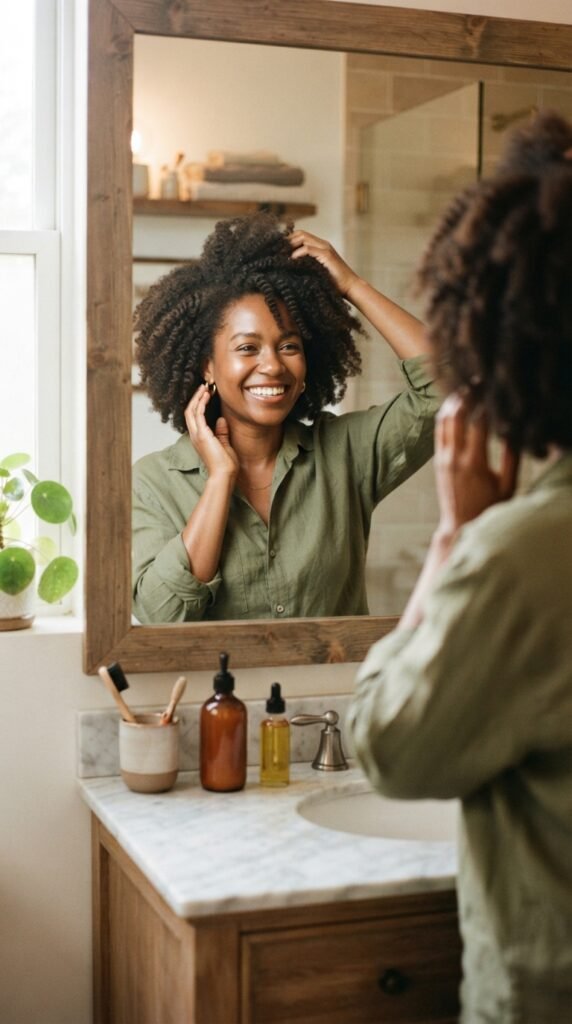
There’s something emotional about giving up straightening. For a lot of us, natural texture was hidden because we thought it wasn’t professional, pretty, or put-together enough. That’s changing. It’s a whole new relationship with the mirror.
When you finally let your hair dry into its true shape, it can feel scary. Then it feels free. And once you feel that, there’s no going back.
You’ll learn what your hair needs. You’ll stop dreading wash day. You’ll try products with fresh eyes. You’ll see yourself a little differently.
That’s powerful. And it’s yours.
Why Natural Texture Is Here to Stay
Trends fade when they’re just about a look. This time, natural texture is about identity, comfort, and self-acceptance. That’s not going away. It’s not a phase. It’s a shift in how we want to feel every day.
Brands are investing in texture. Stylists are getting certified. And everyday women are setting down the flat iron. Once you feel that freedom, you don’t go back. And honestly, why would we go back?
Natural texture fits every aesthetic, from old money hair to romantic goth hairstyles. It’s personal, adaptable, and real.
That’s why it’s here to stay.
Okay friend, let’s wrap this up. Natural texture isn’t about chasing a perfect curl pattern. It’s about working with what you have and enjoying your hair again. Whether you love a quiet luxury bob or a bold vampire haircut, your texture is your best styling partner.
Save this post to Pinterest so you can find it later. You can even pin your favorite section and take it to your next salon visit.
Now tell me—what does your natural texture mean to you? Are you trying a new cut or embracing your air-dried waves? Drop a comment below. I’d love to hear your story.