
This Japanese Hair Treatment Gave Me Glass Hair For Three Entire Months Straight
I have a confession to make. I spent way too much money on my hair this year—and I regret absolutely nothing. In fact, I’d do it again in a heartbeat.
A few months ago, I walked into a Japanese salon in LA and asked for the treatment everyone keeps calling “glass hair.” Three hours later, I walked out with hair so shiny and smooth it honestly looked fake. Not in a stiff, crunchy way. In a literal glass-like way.
And here’s the crazy part. That treatment kept my hair looking incredible for an entire season. Three months of no frizz, no dullness, no bad hair days. Today I’m breaking down everything about the process, the price, and the maintenance—so you can decide if it’s worth it for you.
Let’s get into it.
What Is the Japanese Glass Hair Treatment?

This treatment goes by a few names—Japanese hair straightening, silk press, or in the beauty world, the “glass hair” system. It’s a deep conditioning and sealing process that coats each strand with a protective layer of keratin and plant-based proteins. The result? Hair that reflects light like a mirror.
Unlike heavy chemical straighteners, this focuses on smoothing the cuticle, not changing your natural texture completely. You keep your waves and movement, but everything looks polished.
The key is the bond-building system. It fills in rough spots on the hair shaft and seals them flat, so the whole strand looks smooth and continuous from root to tip.
Why I Finally Said Yes
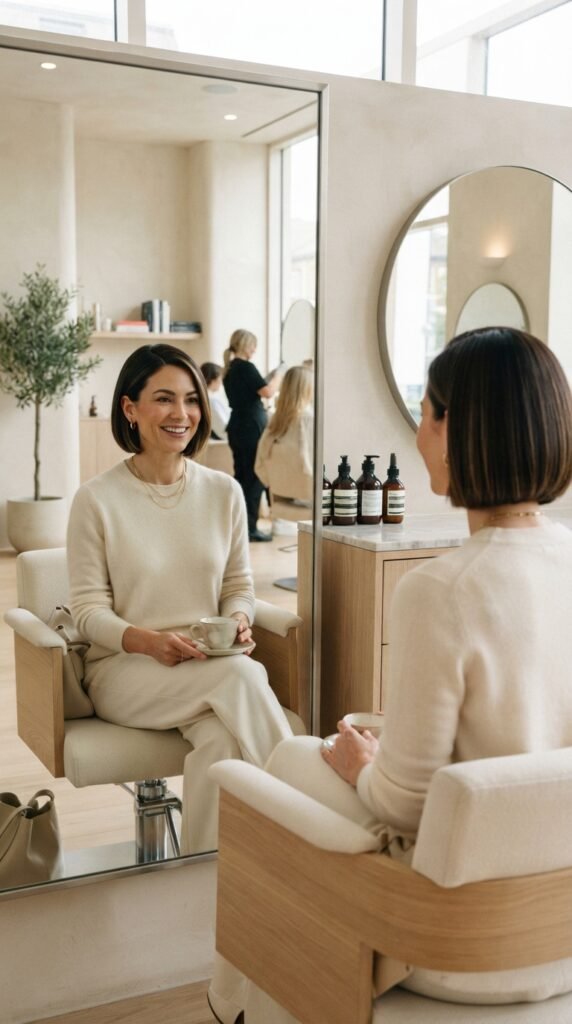
I had seen the viral videos for months—girls flipping their hair and it literally bouncing like liquid silk. I was obsessed but scared of damage. I had already committed to 2026 hairstyles like the quiet luxury bob, and I didn’t want to mess up my layering.
So I decided to do some research. I found a salon that specialized in Japanese treatments and had real before-and-afters. I asked tons of questions about damage, upkeep, and how long it lasts.
The stylist told me something that sold me completely. “You won’t lose your curl. You’ll just lose the frizz.” That’s when I booked.
The Salon Appointment: Step by Step
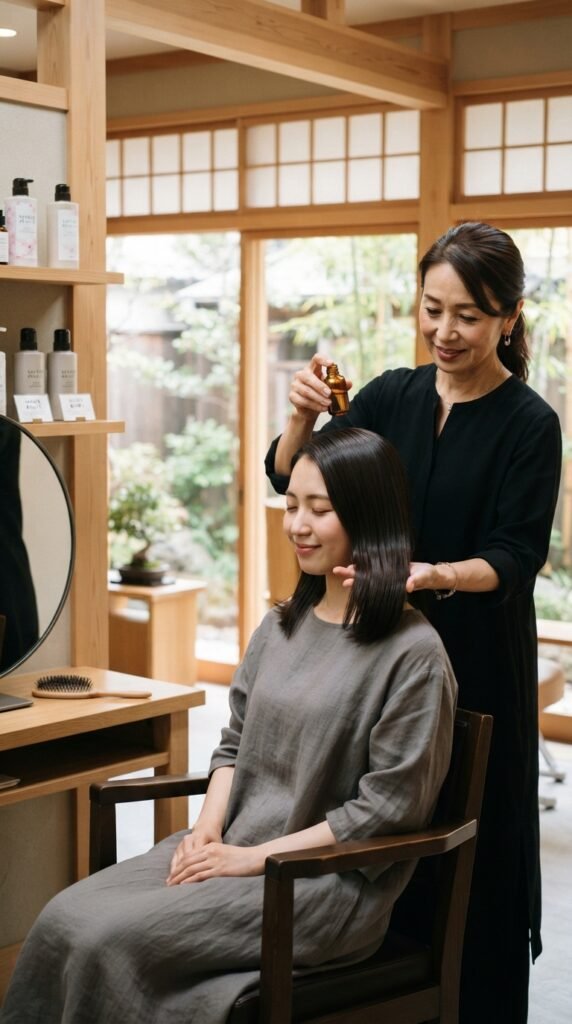
The whole process took about two and a half hours, way less than I expected. First, they washed my hair with a deep-cleansing shampoo to remove any buildup. That part felt amazing.
Then came the bond-preparation spray. The stylist worked it through my hair section by section, brushing everything smooth with a fine-tooth comb.
After a quick steam treatment, they applied the sealing serum and blow-dried everything gently. No flat iron needed at high heat. That made me feel much safer about my ends.
Here’s the simple breakdown: cleanse, bond, steam, seal, dry. That’s it. No harsh chemicals, no scary smells.
The Difference From a Standard Keratin Treatment
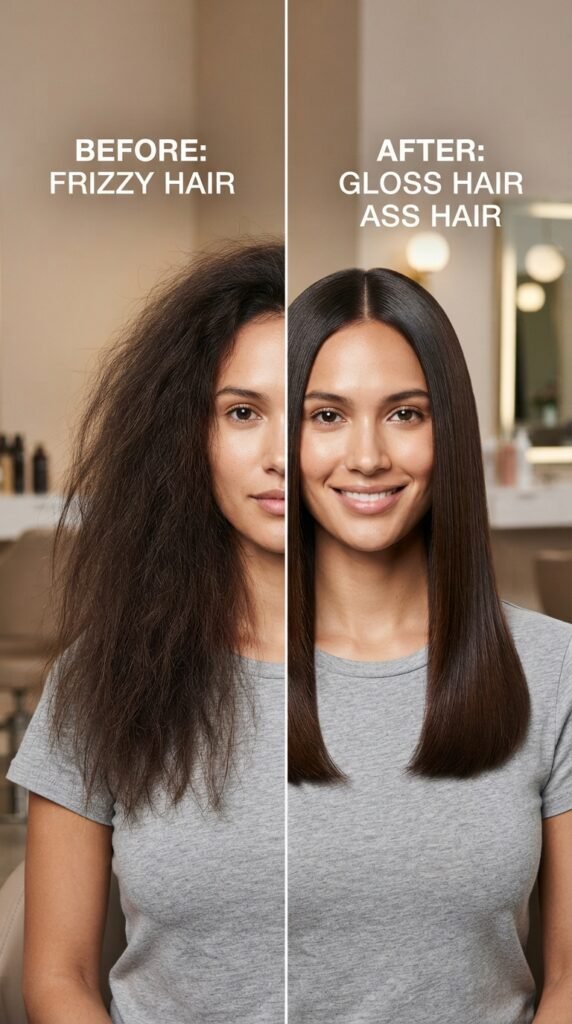
If you’ve tried Brazilian keratin before, you might think this is the same thing. It’s not. Keratin treatments rely on high heat to seal in protein, which can work but also wears off quickly.
The Japanese treatment uses a bond-building system that penetrates deeper. It’s more like repairing from the inside out. My stylist called it “internal glass.”
Also, with keratin, you often have to wait days before washing your hair. With this system, I could wash it the very next morning. Huge win for someone like me who can’t sleep in a sock bun.
For any 2026 hairstyles you’re dreaming of—like the asymmetrical lob or a romantic goth shag—this treatment gives you a smooth, glowing base.
How It Looks and Feels Right Away
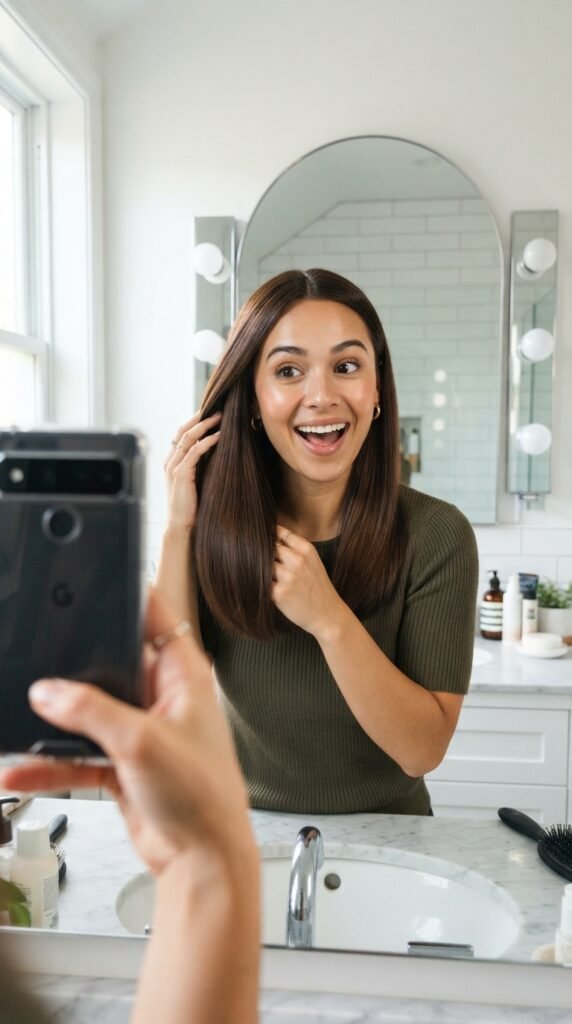
I need to be honest. The first moment I looked in the mirror, I gasped out loud. My hair had this mirror-like shine I had never seen before, not even in my best blowout days. It felt like silk that had been ironed.
The stylist had me touch it, and I was genuinely weirded out. It was so smooth that my fingers just slid right through. No snags, no rough spots, no static.
That night I went out to dinner, and my friend literally asked if I got a wig. It looked that good. I’ve never had a product or treatment give me such instant, visible results. Even my glossiest oils couldn’t do what this did.
The First Month: My Honest Diary
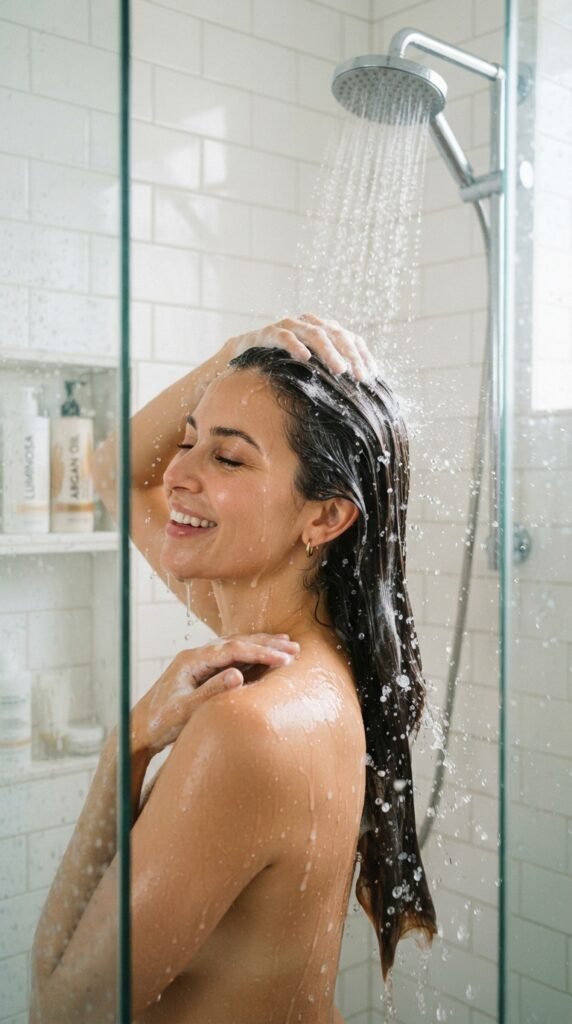
Week one: I kept touching my hair. It felt like I had just left the salon every single day. No styling needed, just a quick brush.
Week two: I washed my hair and let it air dry. It dried completely smooth. Not a single frizz puff. I actually texted my stylist to ask if this was a fluke. She laughed and said, “No, that’s the point.”
Week three: I used heat maybe twice, just a little bend at the ends. It still looked glossy.
Week four: I got a compliment from a stranger at the coffee shop. “Your hair looks like glass.” Sold.
The Second Month: Still Going Strong
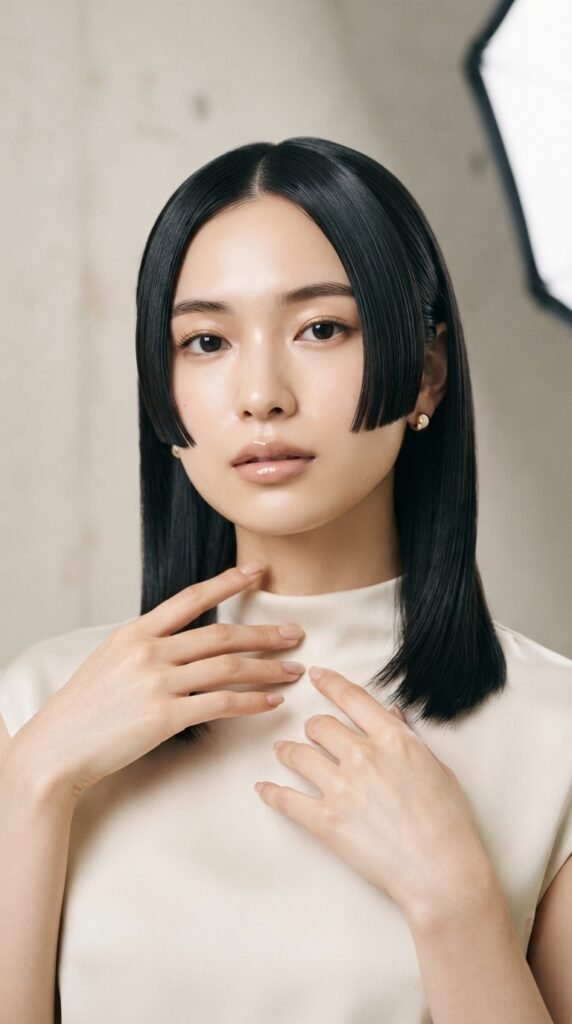
I honestly expected the glow to fade by now. Instead, my hair stayed smooth and shiny. The treatment had melted into my hair so well that washing and brushing just maintained it.
My favorite part was the morning routine. I could literally roll out of bed, give my hair two quick brush strokes, and walk out the door. Zero heat. Zero product.
I even started experimenting with 2026 hairstyles like a sleek hime cut-inspired look with a deep middle part. The glassy finish made the sharp lines look even more expensive.
If you love the old money hair trend—clean, glossy, perfectly nourished strands—this is exactly what that aesthetic is missing.
The Third Month: The Slow Fade

By the start of the third month, I noticed my natural texture slowly returning. A little wave here, a little lift at the roots. It wasn’t a bad thing—just a reminder that the treatment was doing its normal life cycle.
The best part? It didn’t turn into a weird crunchy transition. My roots grew in natural and blendable. No harsh line where the treatment stopped.
I just kept up with regular trims and a weekly mask, and the rest of my hair held the shine beautifully. The slow fade gave me time to plan my next appointment without any panic.
If you book this, expect a gentle, even fade—not a jarring break.
My Exact Washing and Styling Routine
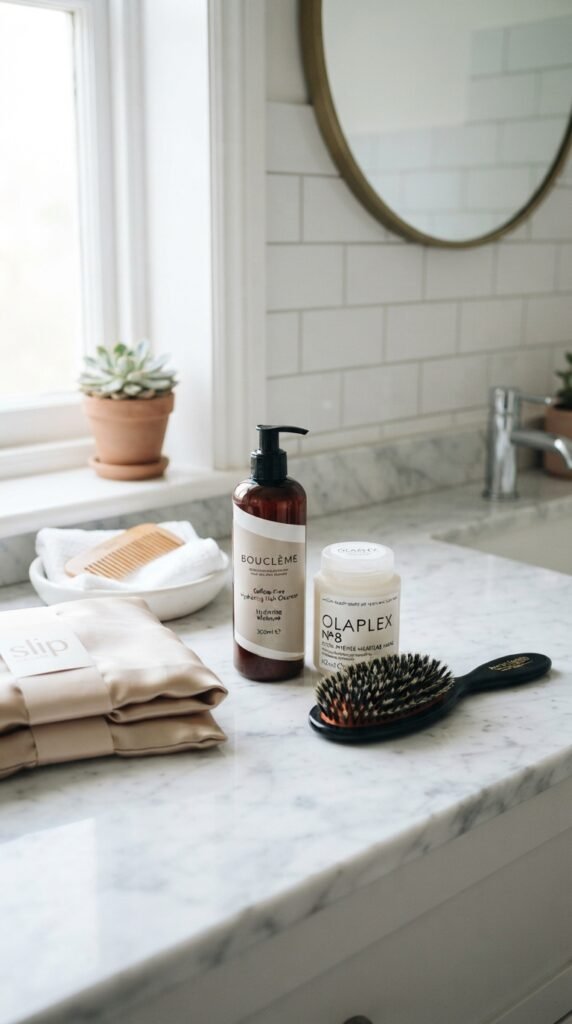
Keeping the glass look alive is way easier than I expected. The treatment calls for a small reset of your hair-care routine, but you don’t need a million products.
My routine:
- Wash every other day with a sulfate-free shampoo
- Apply a bond-building mask once a week
- Brush with a smooth boar-bristle brush
- Air dry or use low heat only
- Sleep on a satin pillowcase
That’s honestly it. No magic potions. The treatment does the heavy lifting; you just stay out of its way.
For nights out, I still use a curling wand on the mid-lengths, and the glassy shine pops right through.
The Products That Saved My Glass Hair
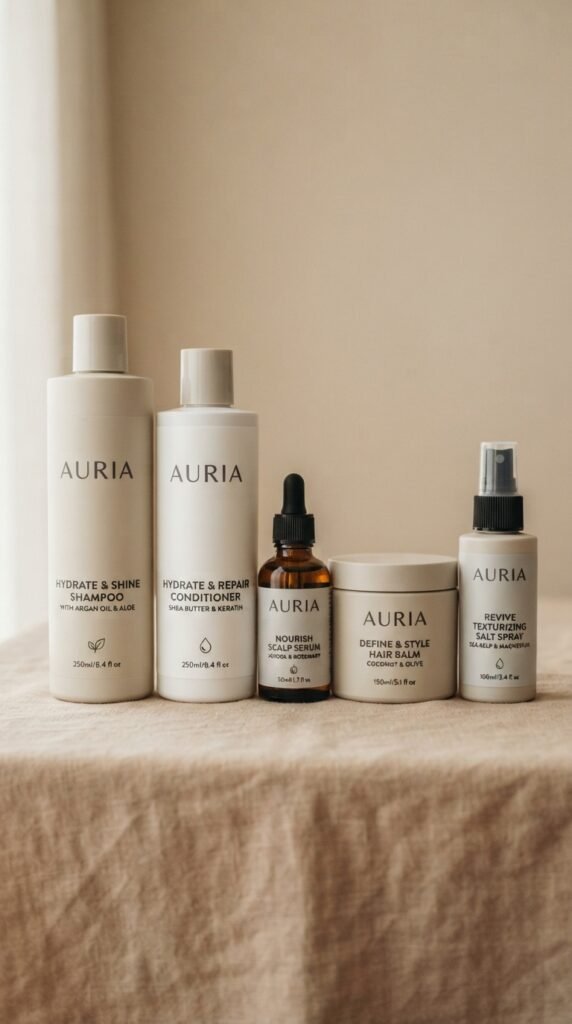
I’m not going to tell you to buy a whole shelf of expensive products. I used four things, all pretty affordable.
- A moisturizing micellar shampoo for sensitive scalp
- A silicone-free mask with rice water proteins
- A lightweight leave-in serum with hyaluronic acid
- A flexible hairspray for touch-ups
I applied the mask once a week and the serum every morning before brushing. That was it.
The trick is to let the treatment breathe. Too many products will build up and dull the shine. Trust me, less is more when your hair is already smooth.
This simple routine kept me from reaching for heat, which made my hair even healthier overall.
Can You Color Your Hair After This Treatment?

If you’re a regular colorist like me, you might worry. I waited three full weeks before my next gloss appointment, just to be safe.
My colorist actually noticed the difference right away. The treatment made my hair take color so evenly. No patchiness, no brassiness in spots.
One thing I’ll say: always tell your stylist you’ve had a bond treatment before they open any bleach. Your hair will behave differently and needs a gentler hand.
Also, if you’re looking at romantic goth hairstyles or glitchy glam hair ideas for 2026, the smooth base makes bold dark colors look extra striking. The shine makes any color look richer, honestly.
The Cost: Full Breakdown
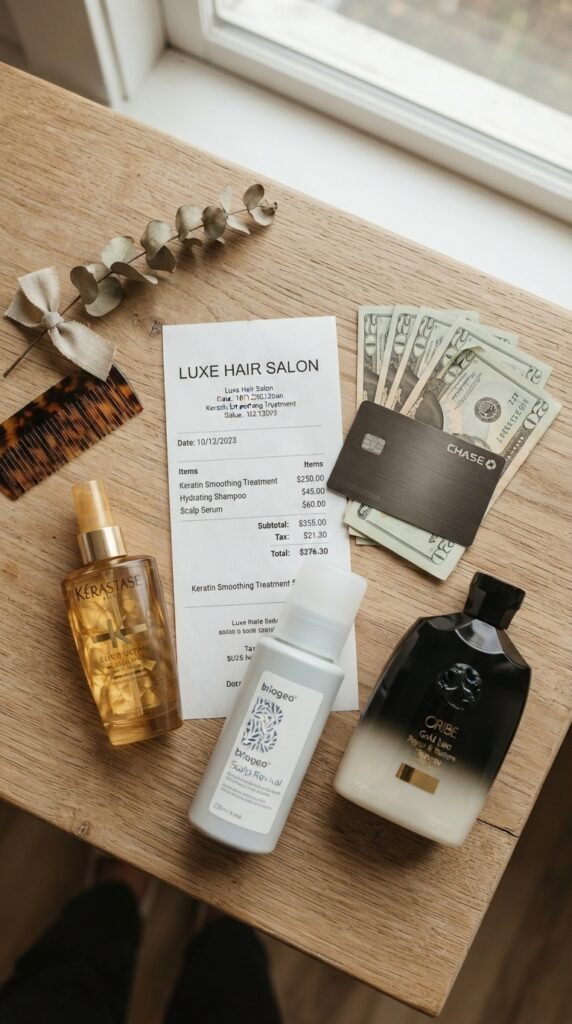
Let’s talk money. The treatment itself cost me around $280 at a mid-range Japanese salon. That’s not cheap, but it replaced six months of heat damage and products for me.
The breakdown:
- Japanese glass hair treatment: $280
- Initial in-salon nourishing add-on: $35
- The four products I bought: about $60 total
- The gloss I added at week three: $45
Total for the first season: around $420. Divided by 12 weeks, that’s about $35 a week for flawless hair.
Compared to smoothies, blowout bar visits, and self-tanner I skipped, I actually saved money.
Who Should Think Twice Before Booking

This treatment isn’t for everyone, and I want to be honest about that. If your hair is extremely bleached or overly damaged, bonding first is a must—otherwise it may not take well.
Also, if you have very fine hair, the smoothing coating can weigh it down if your stylist applies too much. Ask for a light hand.
And if you love big, voluminous, teased hair, remember this: glass hair is sleek and glossy. It can still get volume at the root, but the lengths will behave.
Oh, and if you’re between bleach sessions, wait until your hair is stronger before you book. Your stylist will thank you, and your hair will too.
Who Will Absolutely Love It
If you live for sleek blowouts, this is your dream treatment. Same for anyone who hates their morning frizz ritual.
You’ll love it if:
- You have wavy or curly hair that frizzes easily
- You’re tired of heat-styling every day
- You want to experiment with 2026 hairstyles that need clean lines
- You’re into the quiet luxury aesthetic and want hair that looks expensive with zero effort
- You travel and don’t want to pack a million hair tools
The low-maintenance payoff is real. Once your hair is glassy, every style looks intentional.
It even made me want to try the vampire haircut trend with sleek layers, just because I could. That’s the thing about glass hair—it gives you confidence to try things you’d normally skip.
How to Find a Legit Salon
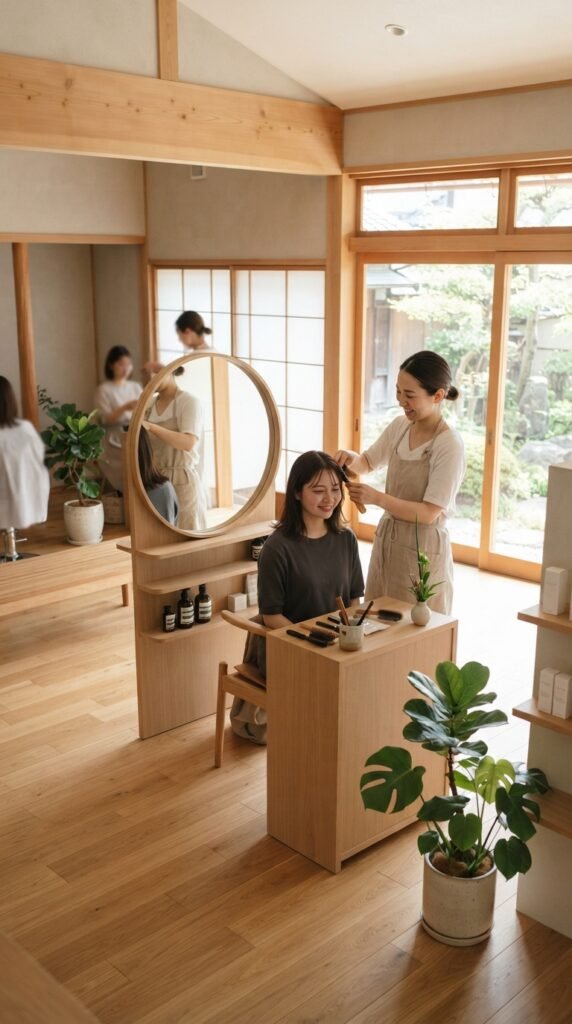
Biggest advice: do your research. Search for salons that specifically mention Japanese bond treatments or hair-smoothing systems.
Look for:
- Before-and-after photos on Instagram
- Stylists who specialize in Japanese techniques
- Reviews that mention “glass hair” or “silky finish”
- Consultations that ask about your hair history
Avoid places that promise miracle straightening at a suspiciously low price. Quality takes time and training.
Personally, I found my spot by looking at tagged photos on the salon’s Instagram page. That’s how you spot real clients, not stock images. A good salon will be happy to answer every question before you book.
Styling Ideas: What Glass Hair Pairs Well With
Glass hair is a chameleon. It looks amazing in so many styles right now.
Here’s what I tried:
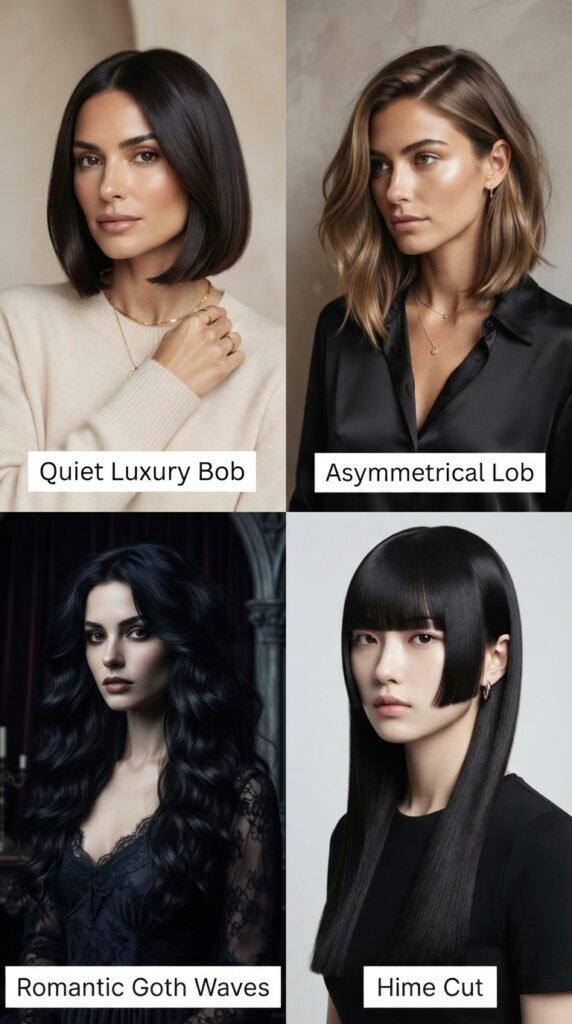
- A quiet luxury bob with a center part and tuck-behind-the-ears finish
- A sleek asymmetrical lob for a night out
- Loose romantic goth waves with a dark makeup look
- Extra-long straight locks with hime cut-inspired face-framing pieces
- A half-up half-down look with a small claw clip
You can honestly pull off any 2026 hairstyles with this treatment, because the shine becomes the main character.
The one style I avoided was heavy crimping or hard texture, since that works against the smoothness. Keep it sleek, keep it simple, and let the shine do the talking.
2026 Hairstyles That Work With Glass Hair
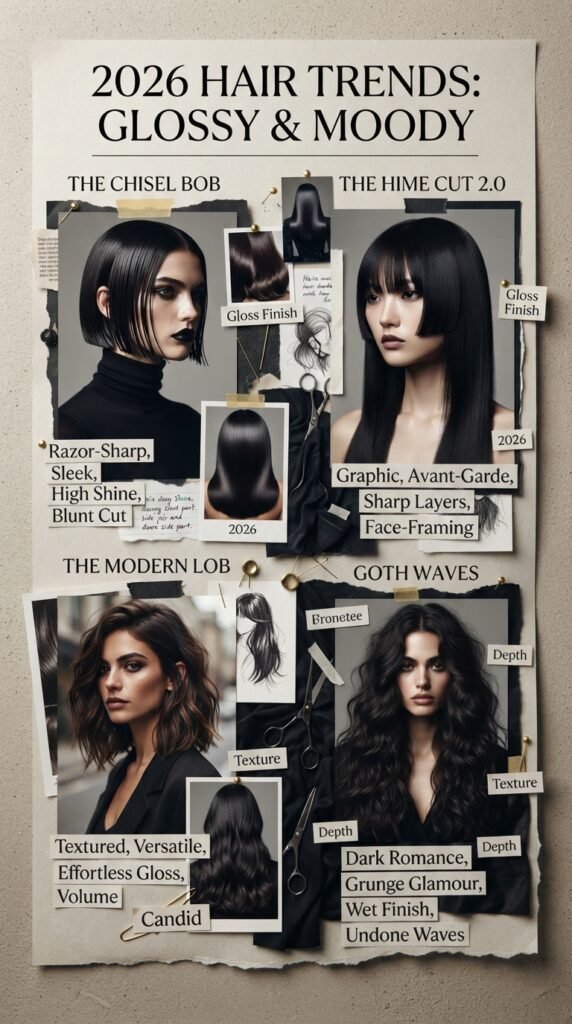
If you’re already planning your hair for next season, here’s your sign to try it with this treatment. Glass hair elevates every single look.
The trends I’m seeing and loving:
- Old money hair with soft, face-framing layers
- The quiet luxury bob in a chin-length cut
- Romantic goth hairstyles with dark, glossy tones
- Glitchy glam hair with sharp, irregular partings
- The asymmetrical lob for a modern take
- The vampire haircut with long wispy layers
- The hime cut with straight, blunt fringe
Honestly, the shinier your hair, the more high-fashion each of these feels. The glass effect makes even a simple cut look intentional and expensive.
The Old Money Hair Connection

I have to admit, this treatment basically unlocked the old money hair aesthetic for me. Old money hair is all about clean, healthy-looking hair with zero logos or flashy accessories.
Glass hair gives you that golden-girl shine. It reads as rich, calm, and effortless, even if you’re in a sweatshirt.
The no-frizz finish automatically makes you look put together. It almost feels like a cheat code.
I also love that this aesthetic fits perfectly with 2026 hairstyles—they all lean into polished, natural-looking hair.
If your goal is to look like you just came from an expensive spa day, this is the closest thing to it.
Maintaining the Look Between Treatments
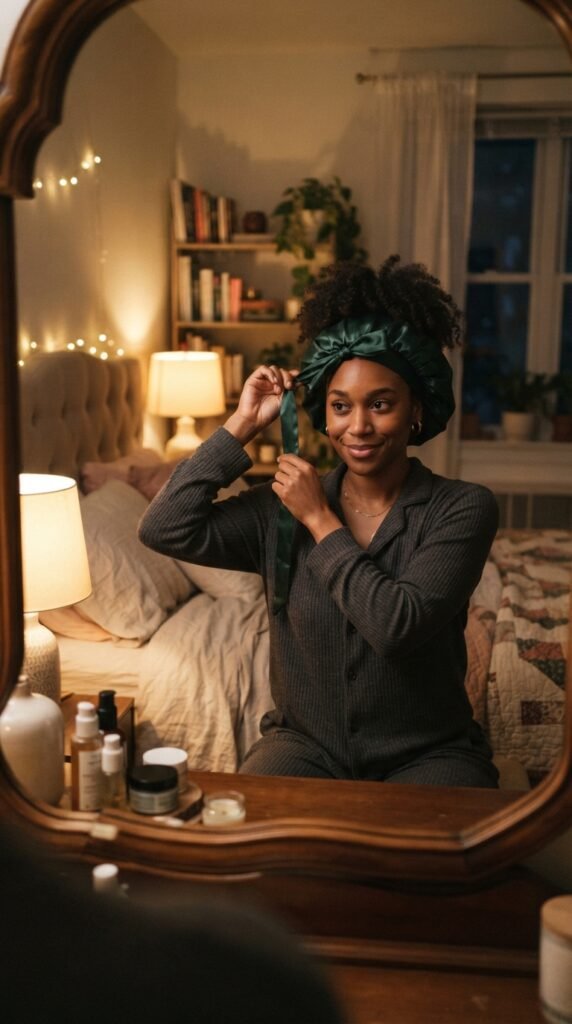
Between appointments, there’s a small but important routine. It’s mostly about protecting your sleep and your styling habits.
What I did:
- Used a wide-tooth comb before washing
- Air dried 80% of the time
- Always used a heat protectant when I did style
- Trimmed my ends every six to eight weeks
- Wore a satin bonnet at night (sexy, I know)
The biggest mistake you can make is over-shampooing. Let your natural oils support the smooth feeling.
If your roots start to show a little texture, just do a sleek blowout at the roots and let the rest stay natural. The treatment will carry you the rest of the way.
Will I Do It Again?
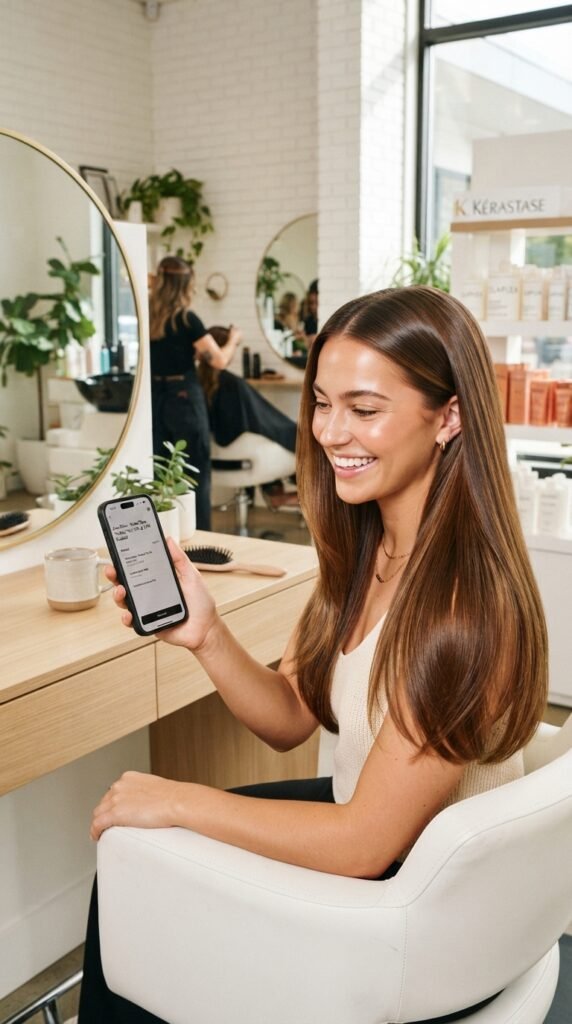
Oh, absolutely. I already booked my next appointment for next month. I’m going to keep this in my rotation all year.
It gave me back time in my mornings, saved my hair from heat damage, and made me feel confident in a way I can’t fully explain. Even on days I felt rough, my hair looked right.
If you’ve been tempted by the viral glass hair videos and wondering if it’s real, this is your sign. It’s worth every single dollar.
I can’t wait to keep trying new 2026 hairstyles with this money-maker as my base.
Okay, Over to You
I hope my experience helps you decide whether this treatment could be the hair refresh you’ve been dreaming about. It gave me three months of true glass hair, and I’d honestly do it again tomorrow.
If you book it or have questions, I’m always here. It’s a big decision, so ask me anything in the comments below.
Save this post to Pinterest so you have it for your next salon visit. And tell me below: would you try a glass hair treatment, or are you already saving for it? I’d love to know your hair type and what you’re planning for 2026.