Why the Curve Cut Feels Fresh Compared to Classic Layers
I asked for layers for about a decade straight. Same words at every appointment, same result. It looked great for four days and then just fell flat.
Then my stylist suggested a curve cut. Not a bob, not a lob, not a shag. A shape built on soft curves instead of stacked lines.
I said yes. I have not gone back since.
So today I am breaking down why the curve cut feels so much fresher than classic layers, who it flatters, exactly what to ask for at the salon, and how to style it at home in five minutes. No fluff, I promise. Let’s get into it.
What Is a Curve Cut, Exactly?
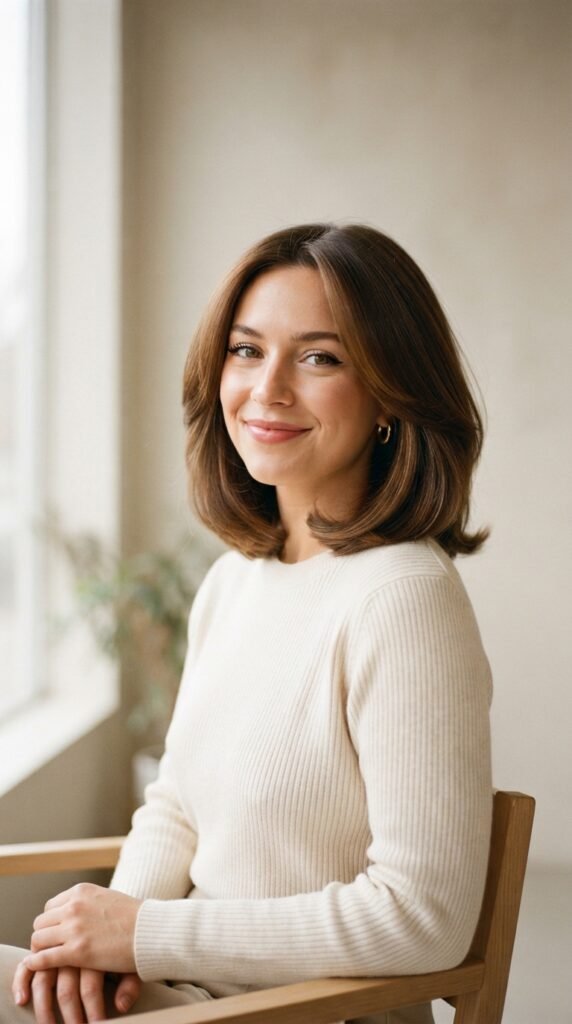
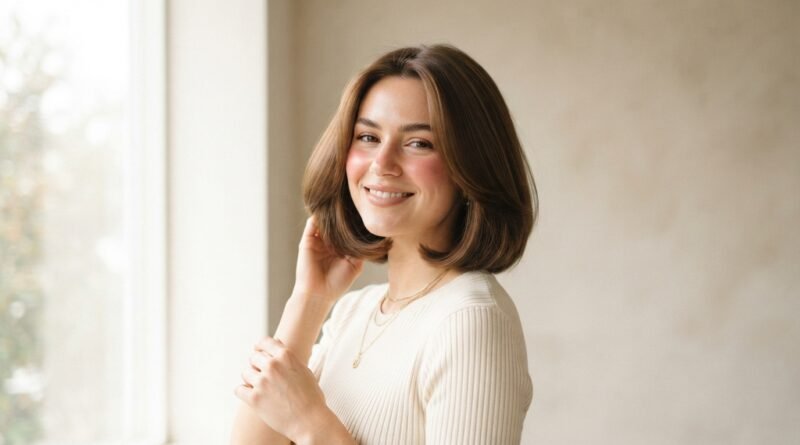
A curve cut is a haircut where the shape follows soft arcs instead of straight, stacked lines. Instead of chopping horizontal layers into your hair, your stylist carves one gentle curve from the crown down to the ends.
That curve usually sits around your jaw, your neck, and your collarbone. It moves with the way your hair naturally falls instead of fighting it every morning.
It is not a blunt bob and it is not a shag. Think of it as a bob or lob with built-in bend, so the shape does half the styling work for you.
Why Classic Layers Started to Feel Stale
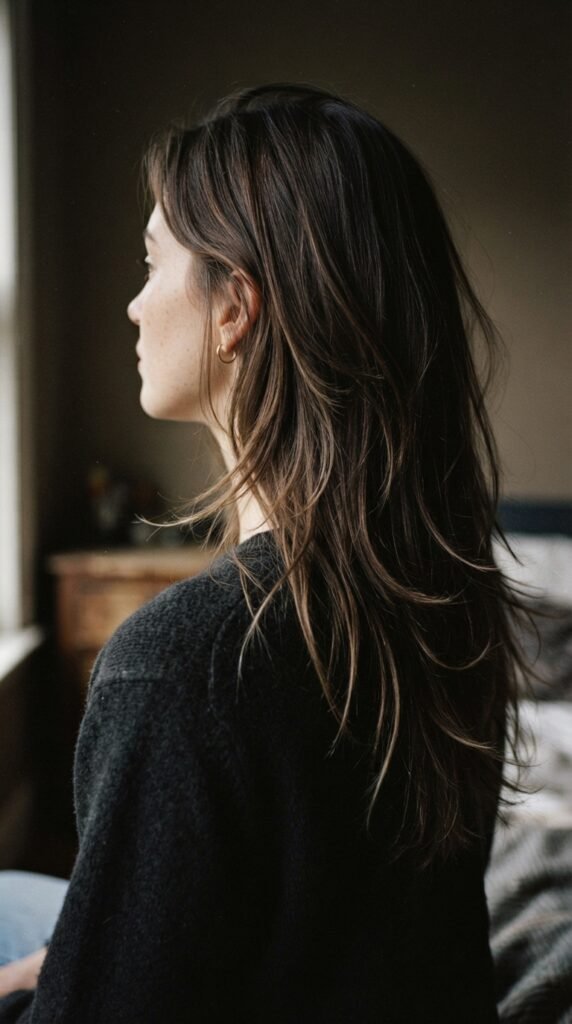
Here is my honest take. Layers have been the default answer in every salon chair since I was a teenager. They work, sure. But they also all blur together after a while.
The real problem is the grow-out. Regular layers create a shelf. A few weeks later that shelf drops, your ends thin out, and suddenly you have the stringy tail thing happening at the back.
Layers also sneak out of every ponytail and updo, which gets old fast. A curve cut does not do that.
Curves vs. Straight Lines: The Shape Difference
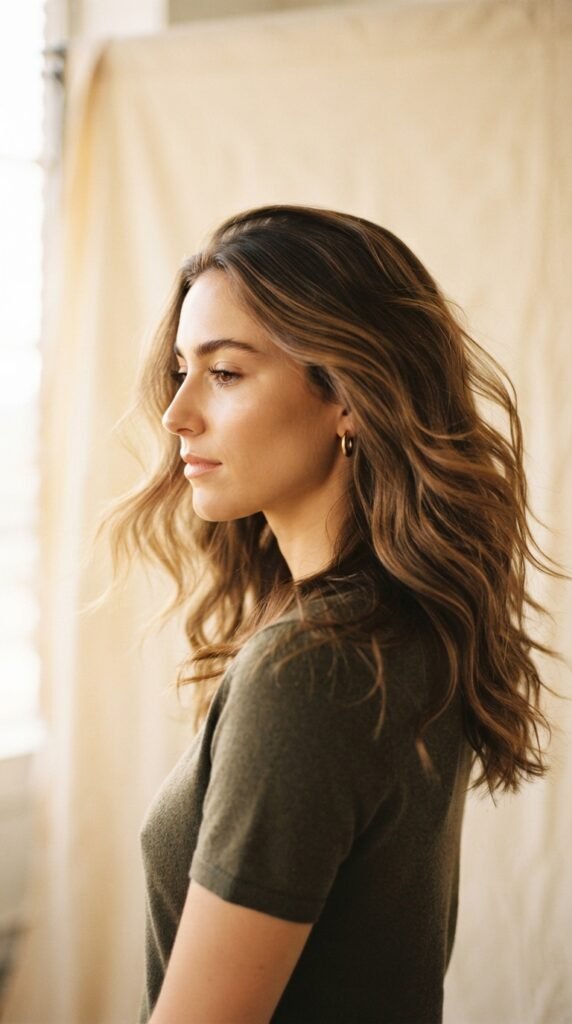
Straight layers create horizontal weight lines across your hair. Your eye reads them as steps, which is why grown-out layers can look bulky in some spots and thin in others.
A curve cut works on diagonals. The weight line slants instead of sitting flat, so your hair looks like it is flowing rather than stacked up.
That one change is why the same length of hair can look completely different. Diagonal movement reads as softness and volume. Horizontal steps read as heaviness. Once you see it, you cannot unsee it.
Why It Feels So Fresh for 2026 Hairstyles

2026 hairstyles are leaning hard into softness. Less heat, less structure, more natural movement. The curve cut fits that mood perfectly.
It also plays well with everything trending right now. You can wear it sleek and glossy for a quiet luxury finish, or tousled and lived-in for a weekend coffee run.
It does not fight your texture, it does not demand constant styling, and it grows out into something you still actually like. That combination is rare in a haircut.
The Grow-Out Is Genuinely Easier

This is my favorite part. Because there are no hard stacked lines, a curve cut grows out soft instead of choppy.
At week six it is a longer lob. At week ten it is a soft shoulder-length shape. It never hits that awkward shelf stage that sends you running back to the salon early.
That means fewer emergency appointments, fewer trims you did not budget for, and more months where your hair just quietly looks fine. For me, that alone made it worth switching.
It Plays Nicely With Your Natural Texture

Curve cuts were practically made for wavy hair. The bend in the cut matches the bend in your hair, so it dries into shape on its own with almost no effort.
Straight hair needs a little help. Two minutes with a round brush or a wand gets you there, and that is it.
Curly girls, ask your stylist to carve the shape with point cutting, never thinning shears. Thin ends plus curls equals frizz, and no amount of product will fix that.
Curve Cut vs. the Quiet Luxury Bob
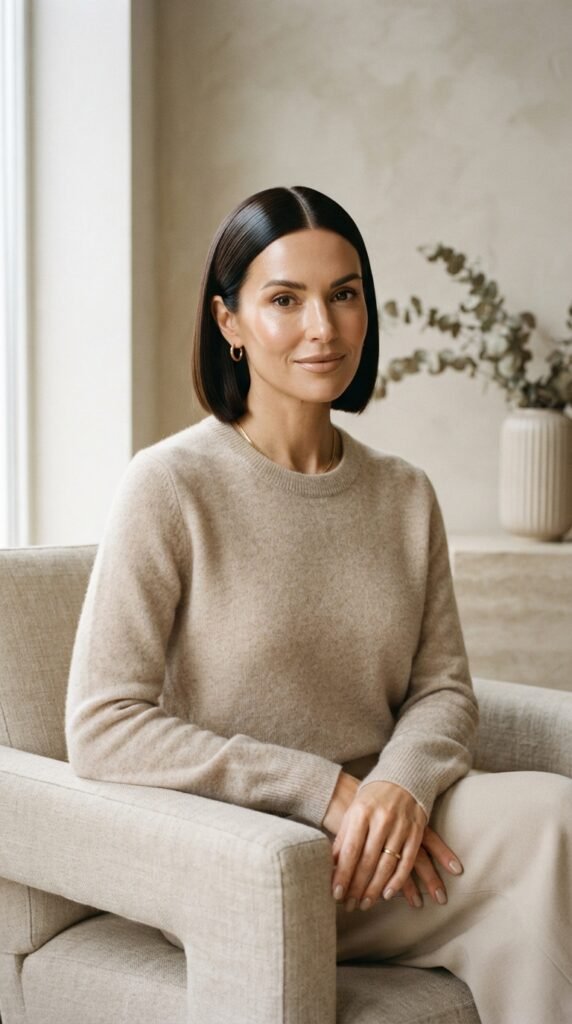
The quiet luxury bob is beautiful. Glassy, one length, blunt ends, very polished. It is also a real commitment that needs daily heat styling to look right.
A curve cut gives you the same expensive feel with way more forgiveness. The ends are soft instead of sharp, so it still looks intentional on a bad hair day.
If you love the quiet luxury bob but you know you will not blow-dry it every single morning, this is your middle ground. Same polish, way less pressure.
Old Money Hair Energy, No Blowout Required
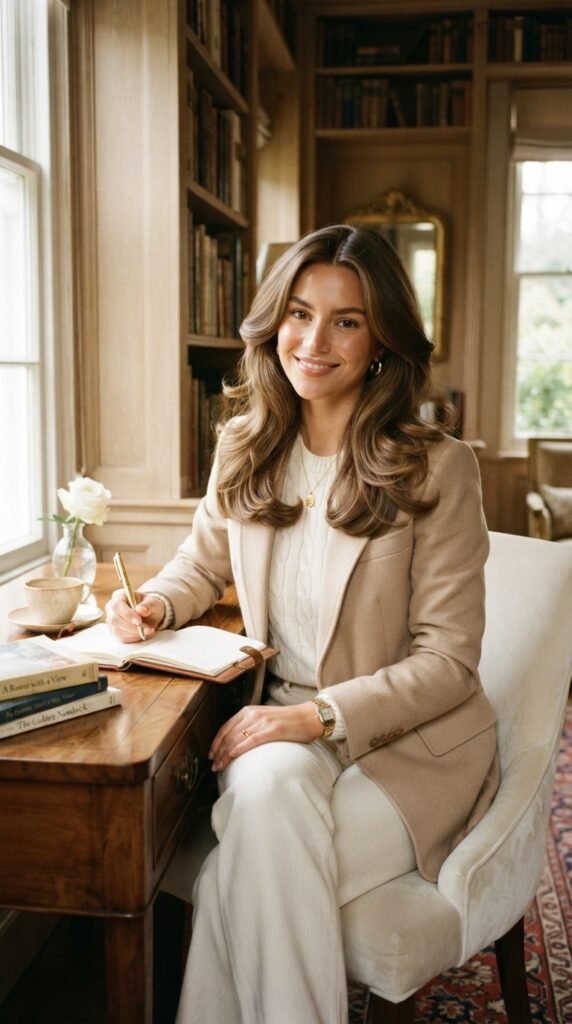
Old money hair is all about smoothness, bounce, and shine. It looks like you were simply born with good hair and never had to try.
The curve cut creates that gentle end bend that usually only comes from a round brush and twenty minutes of your morning. It is basically a shortcut.
Add a middle part, a small drop of shine serum, and you have the whole look in five minutes flat. Pair it with a knit sweater and people will assume you summer somewhere nice.
The Asymmetrical Lob Twist
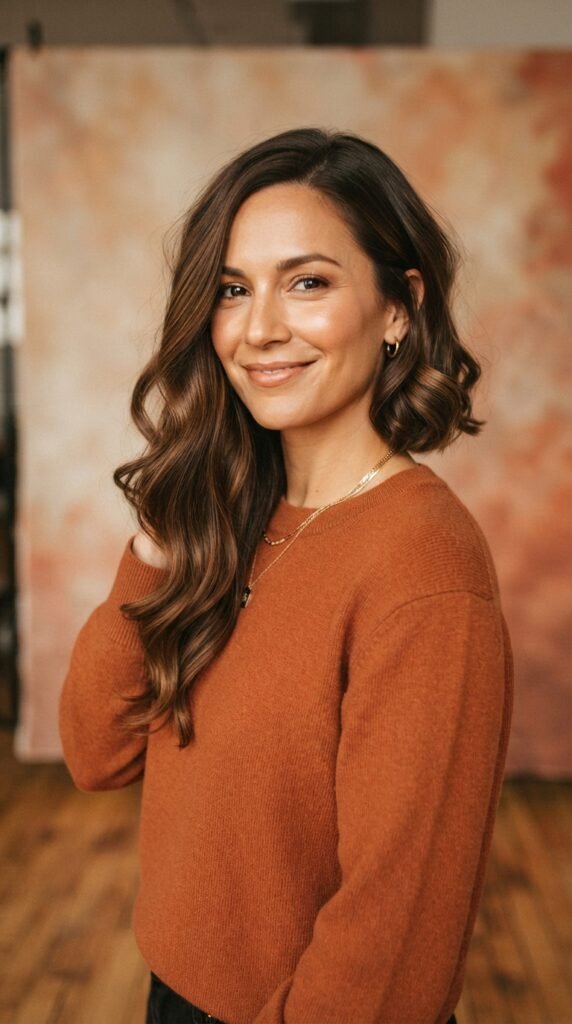
An asymmetrical lob is one of the easiest ways to make a curve cut feel modern instead of safe.
Ask for the curve to sit slightly lower on one side, usually a half inch to an inch. That creates a soft diagonal that frames the face without a single hard line.
It also grows out gracefully, which is more than I can say for most asymmetrical cuts I have tried. Nothing looks worse than a lopsided bob that has grown two inches out of shape.
A Softer Take on the Vampire Haircut
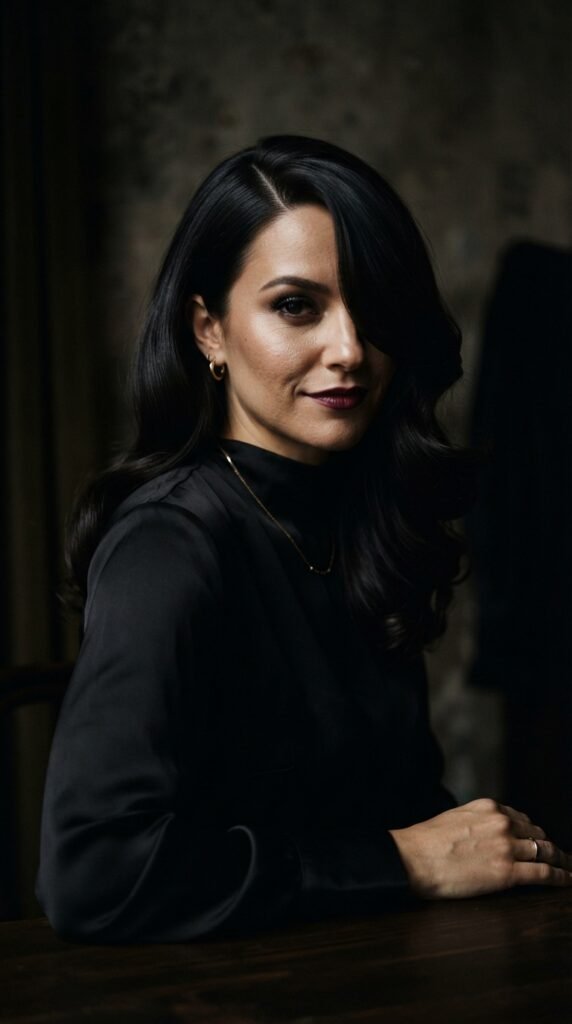
The vampire haircut is sharp, dark, and defined. Dramatic side part, sleek finish, strong shape. It is a whole mood.
If that feels like a lot for your everyday life, borrow the vibe instead of the entire look. Keep the deep side part and the dark gloss, then soften the perimeter with a curve cut.
You get the drama without the villain energy, which honestly suits most of us better on a Tuesday morning. It photographs beautifully too.
Romantic Goth Hairstyles, Reimagined
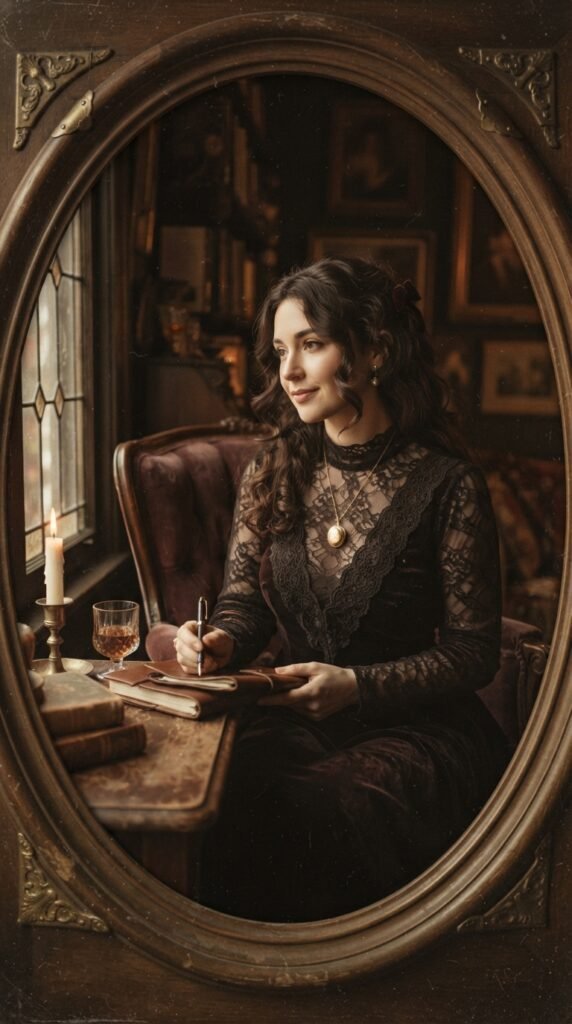
Romantic goth hairstyles are softer than people expect. Think soft waves, deep tones, vintage face framing, and a slightly undone finish rather than anything severe.
A curve cut is the perfect base for that. The rounded shape reads romantic on its own, and the soft ends keep the whole thing from feeling like a costume.
Add a face-framing piece on each side and you have that dreamy, moody finish with barely any styling. A little texture spray and you are done.
Glitchy Glam Hair Starts With a Good Base
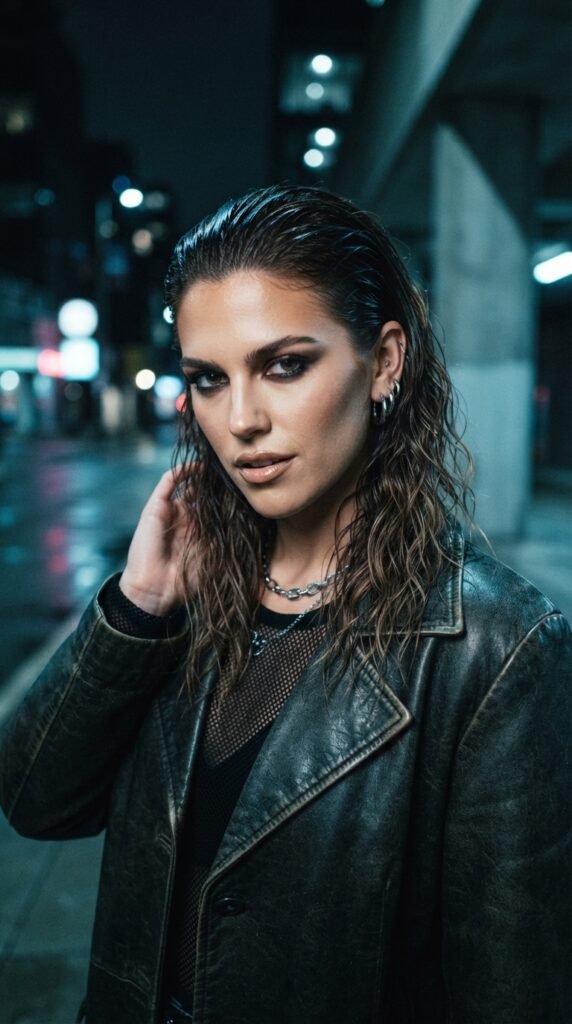
Glitchy glam hair is the fun one. High shine, wet-look roots, slightly mismatched texture, a little undone on purpose.
All of that only works if the underlying shape is solid. Without structure, it just looks like you forgot to finish your hair. A curve cut gives you shape that still moves.
Style it sleek on top, then rough up the ends with texture spray. That contrast is the entire trick, and it takes about four minutes.
Hime Cut Vibes, Dialed Way Down
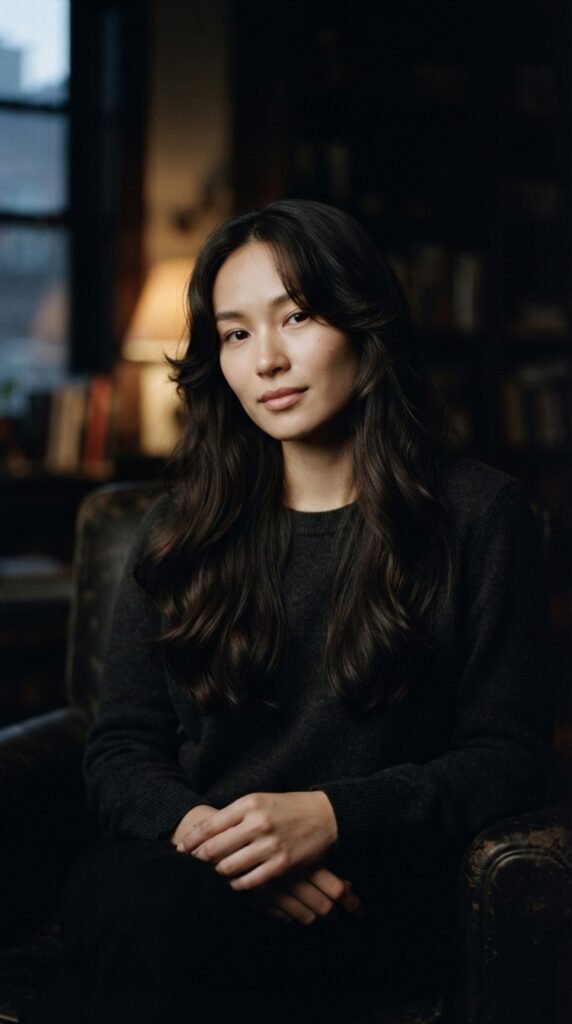
The hime cut is blunt side pieces paired with a longer back. It is striking, but it is also a serious commitment that takes years to grow out.
You can borrow the best part without the full chop. Ask for two soft face-framing pieces that curve toward your cheekbone instead of slicing straight down.
Same framing effect, way less dramatic, and it blends into the rest of your hair as it grows. It is the version of that trend you can actually live with.
Which Face Shapes It Flatters Most
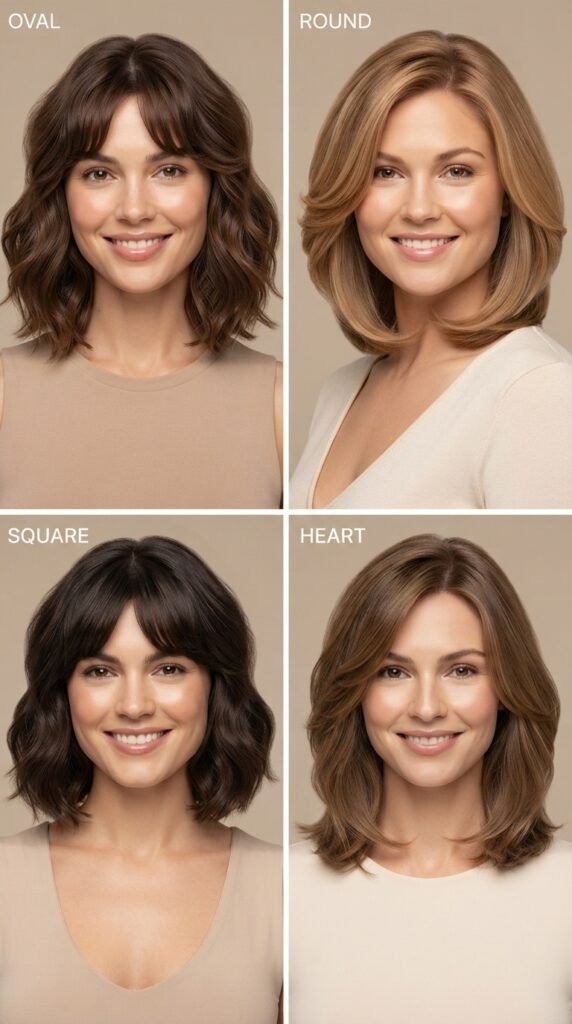
There is no face shape this cut cannot work with. It is really about where the curve sits.
- Round: the curve adds soft angles near the jaw without a hard line.
- Square: gentle arcs ease a strong jawline.
- Heart: curve the ends inward around the chin for balance.
- Oval: pretty much anything works, lucky you.
- Long: keep the curve wide around the collarbone to add softness.
Bring a photo that matches your face shape and your stylist can place the curve exactly right.
How to Pick Your Length
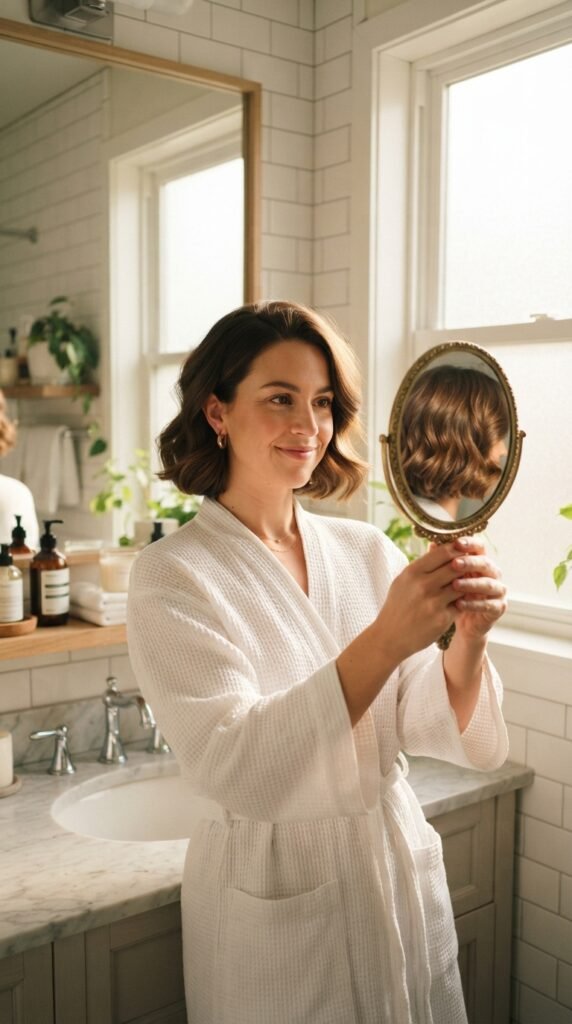
Length changes everything about how this cut behaves, so pick with your routine in mind, not just the photo you saved.
- Chin length: bold, more upkeep, amazing with a strong jawline.
- Collarbone: the sweet spot. Movement plus easy upkeep.
- Shoulder: grows out beautifully and works with almost every texture.
- Below the shoulder: the softest version, best for thick hair.
When in doubt, go one inch longer than you think you want. It always looks better a week later, I promise.
Exactly What to Tell Your Stylist
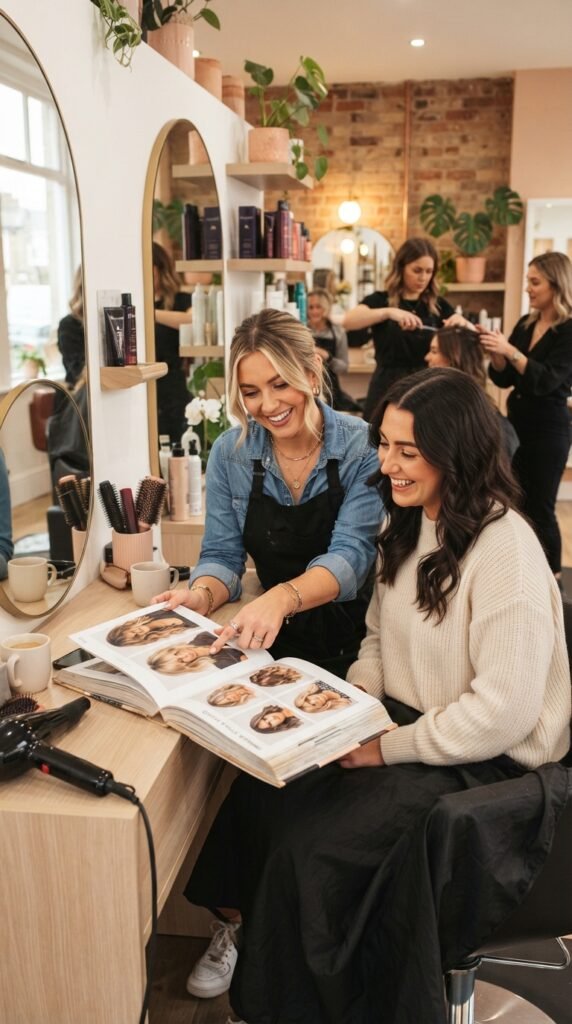
Bring two photos. One from the front, one from the side. Words can be interpreted ten different ways, but photos cannot.
Then say something like this:
- “I want soft curves, not stacked layers.”
- “Keep the perimeter blended. No hard shelf.”
- “Add a gentle face frame that curves toward my cheekbone.”
- “Point cut the ends so they stay soft.”
If your stylist nods and starts talking about diagonal sections, you are in very good hands.
Five-Minute Styling Routine at Home
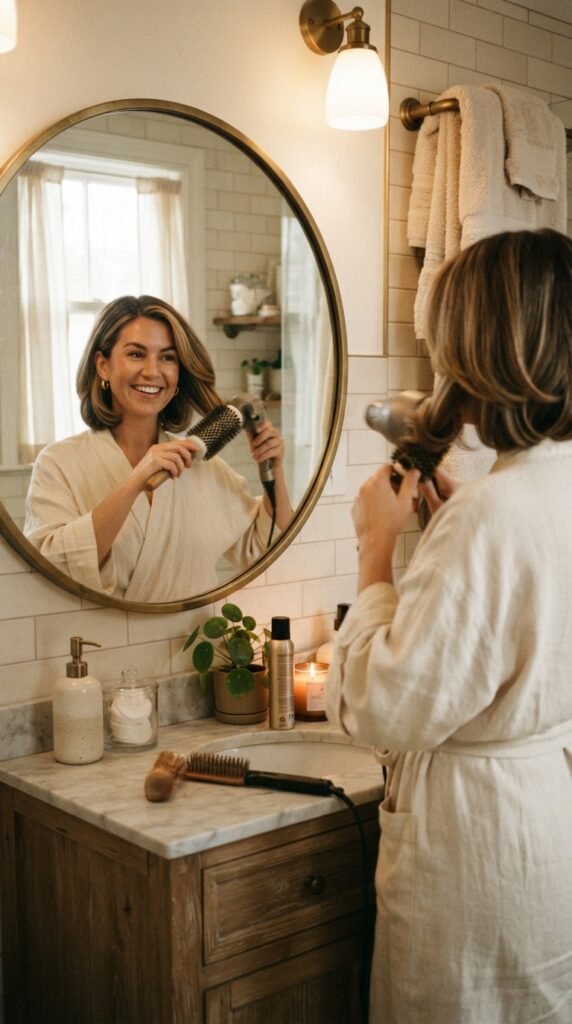
This is the routine I actually do, not the one I used to pin and never follow.
- Spray heat protectant on damp hair.
- Rough dry until about 80 percent dry, no brush.
- Split into two sections and round brush just the ends, curving them under or out.
- Finger-comb a tiny bit of shine serum through the mid-lengths.
- Finish with light texture spray at the roots only.
That is it. The shape does most of the work, which is the whole point of getting a good cut.
The Only Tools You Really Need
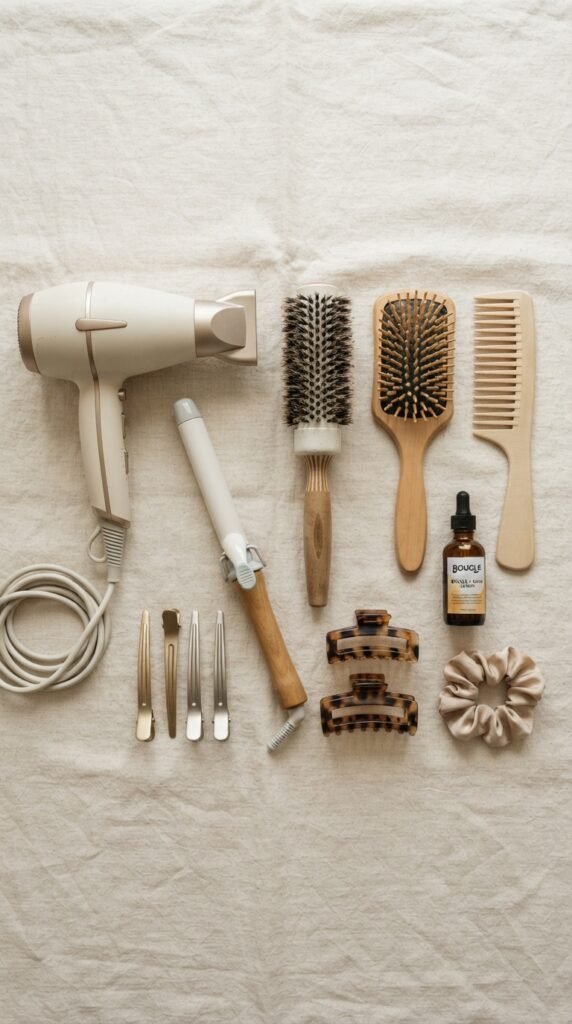
You do not need a drawer full of gadgets. I have tested almost everything and I keep coming back to the same few things every single week.
- A round brush, about 1.5 inches, for the ends.
- A 1.25 inch wand if you want more bend.
- A dryer with a concentrator nozzle.
- Two clips to section your hair.
That is the whole list. Everything else is optional, and honestly most of it just takes up counter space.
Products Worth Keeping in Your Cabinet
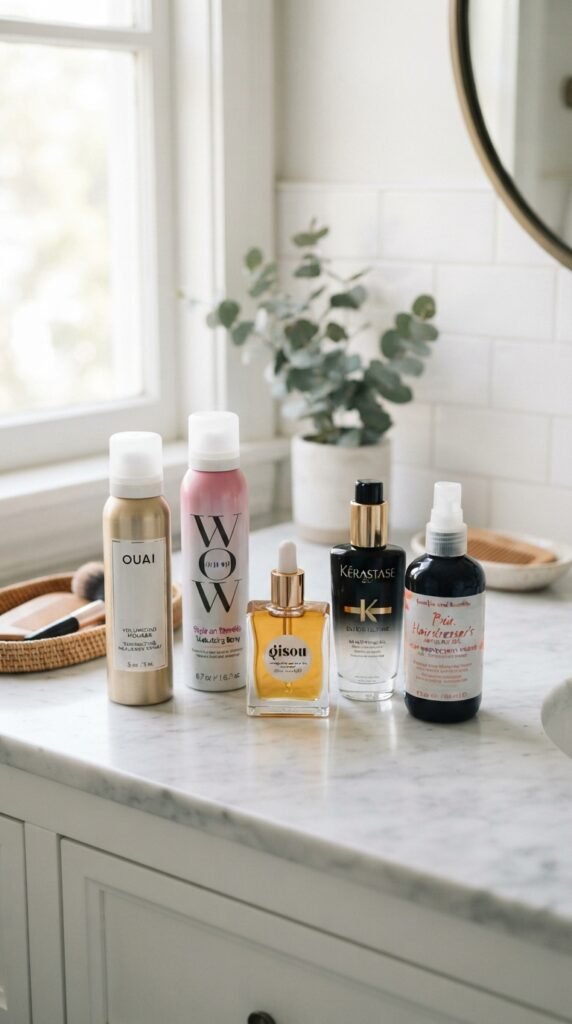
Product choice matters more than people think with this cut. The wrong texture can flatten the curve in an hour.
- Lightweight mousse for root lift.
- Heat protectant, always, no exceptions.
- Texture spray for the roots and ends.
- A single drop of shine serum, nothing heavier.
Skip heavy creams and thick oils. They weigh the curve down and make the shape look droopy by lunch, which defeats the purpose of a cut this low-effort.
Fine Hair Version
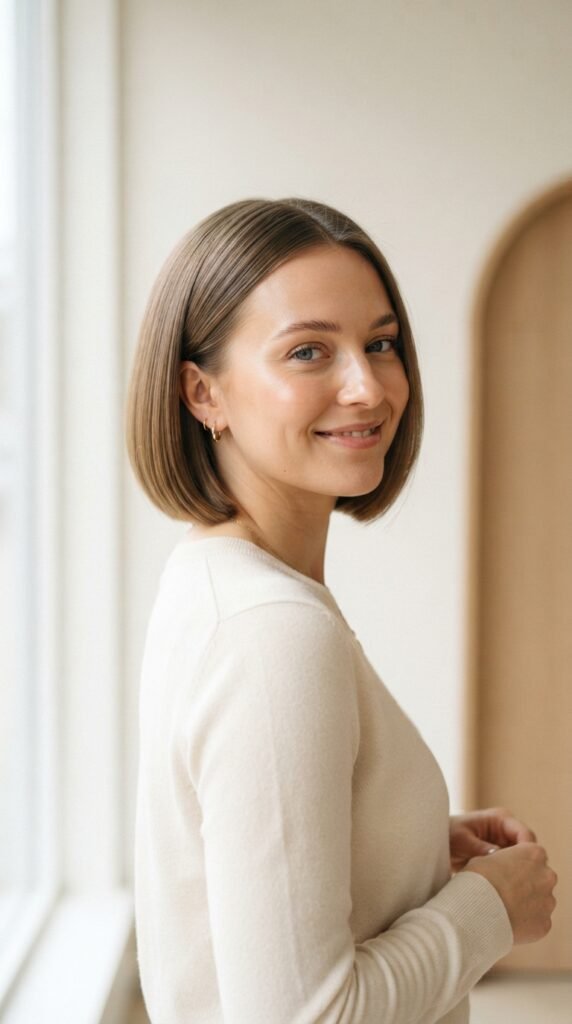
Fine hair loves this cut because the curve adds visual width without removing any weight.
Ask for minimal internal layers. Too many and your ends go see-through, which is the number one complaint I hear from fine-haired readers.
Blow-dry your roots upward for lift, then curve the ends under. Mousse is your friend here, heavy oil is not. Keep the length between chin and collarbone, because anything longer tends to hang flat on fine hair.
Thick and Curly Hair Version
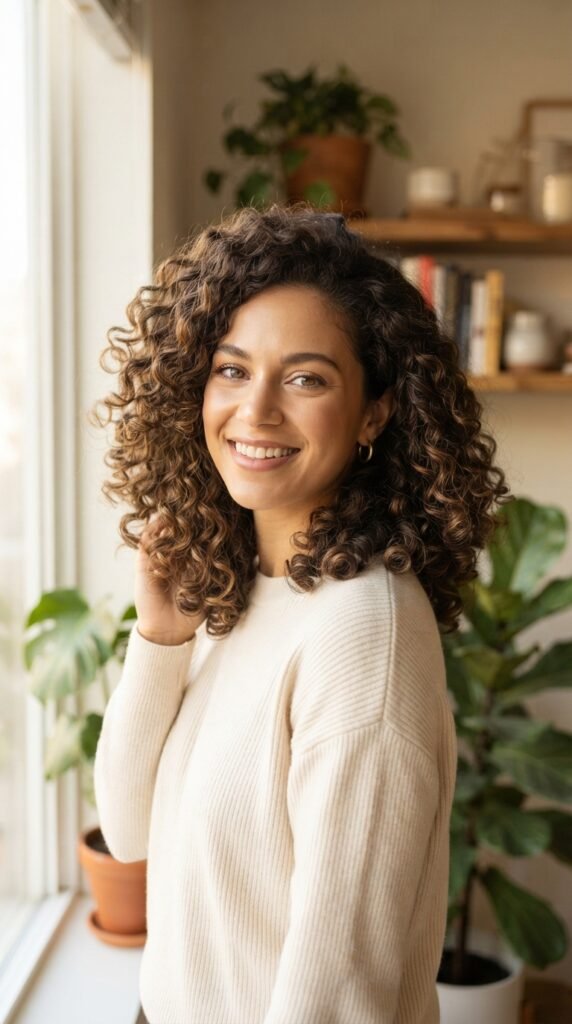
Thick hair needs the shape carved, not chopped. Ask your stylist to work with your curl pattern, section by section, instead of cutting it wet and hoping for the best.
Curly girls, get it cut dry if you can. It is the only way to see where the curve actually lands once your hair springs up.
Longer lengths work best here. Shoulder or below gives the curve room to show up instead of turning into a triangle, which is the classic curly haircut nightmare.
How to Keep the Shape Between Cuts
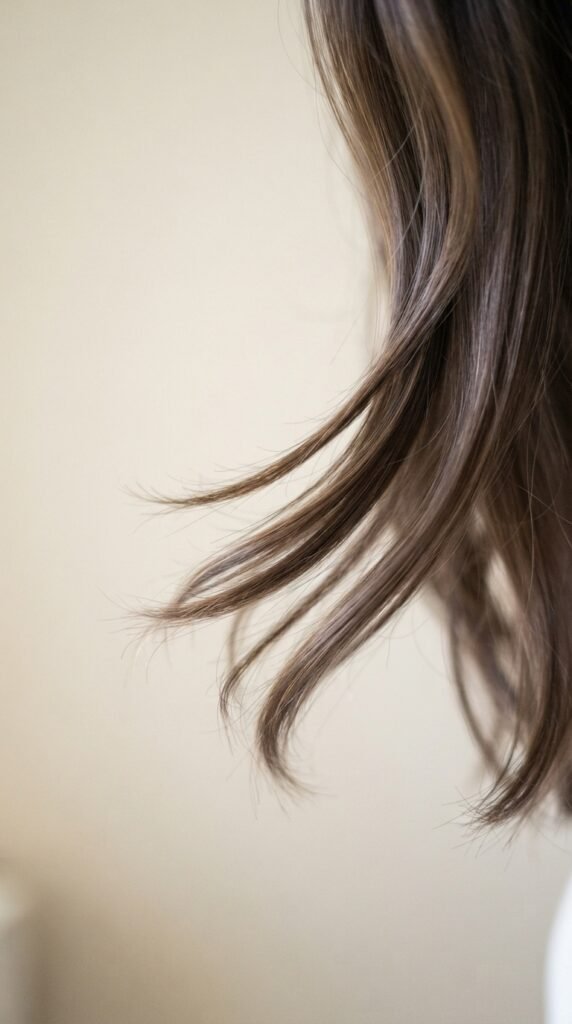
The good news is this cut holds its shape longer than layers, so you have real wiggle room between appointments.
- Trim every 8 to 10 weeks, or 12 if your ends are healthy.
- Ask for a dusting, not a reshape, if you are short on time.
- Sleep on silk or a satin pillowcase.
- Keep heat tools under 350 degrees.
Do those four things and your curve will stay soft instead of turning into a straight, heavy line at the bottom.
Five Mistakes to Avoid
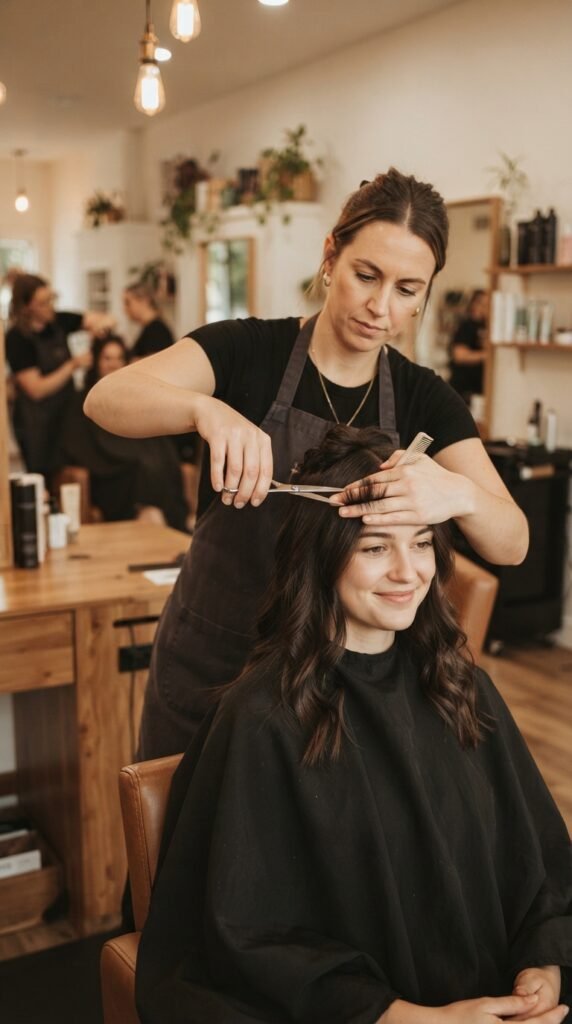
I have made most of these myself, so learn from my expensive lessons.
- Asking for “just a trim” at a new salon. Bring photos.
- Letting anyone thin your ends with shears.
- Over-layering the crown, which kills volume.
- Using heavy products that flatten the curve.
- Going shorter than your jawline if you want low upkeep.
Avoid these five things and your curve cut will look good for months instead of weeks.
So, Is It Worth It?
Yes, and I do not say that often. The curve cut gives you the polish of a bob with the forgiveness of layers, which is a combination that is genuinely hard to find.
It suits almost every face shape, works with natural texture, and grows out without a single awkward phase. That is rare.
If you have been stuck in a layer rut and nothing feels exciting anymore, this is the easiest, lowest-risk way out.
Wrapping This Up, Friend
The curve cut is one of those rare changes that looks expensive but demands almost nothing from you. You get softness, movement, and a shape that actually grows out nicely.
If your layers have been feeling tired, this is your sign to try something with a little more curve. Bring your photos, trust your stylist, and give it a week before you judge it.
Save this post to Pinterest so you can pull it up in the salon chair, and comment below with your hair type so I can tell you exactly what to ask for. I read every single one.
Hailey & Team