Why Your Hair Feels Straw-Like Even After Deep Conditioning Treatments
You’ve done everything right—slathered on conditioner, let it sit under a shower cap, maybe even used a heated mask. And yet, your hair still feels like straw the moment it dries. Frustrating, right? You’re not alone, and the fix isn’t more conditioner. It’s about finding the real culprit hiding in your routine. In this post, I’m going to walk you through the actual reasons why your hair stays rough and crunchy, plus the exact changes that will make it soft again. No fluff, just practical tips we can all use.
Let’s get your hair back to that smooth, bouncy, healthy feeling you’ve been chasing.
1. The Real Reason Your Hair Feels Like Straw
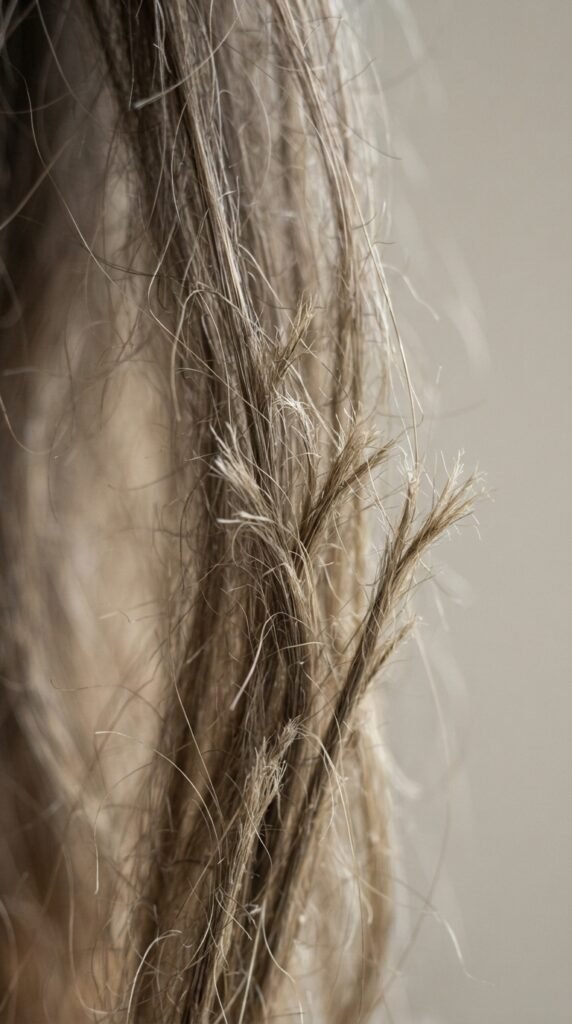
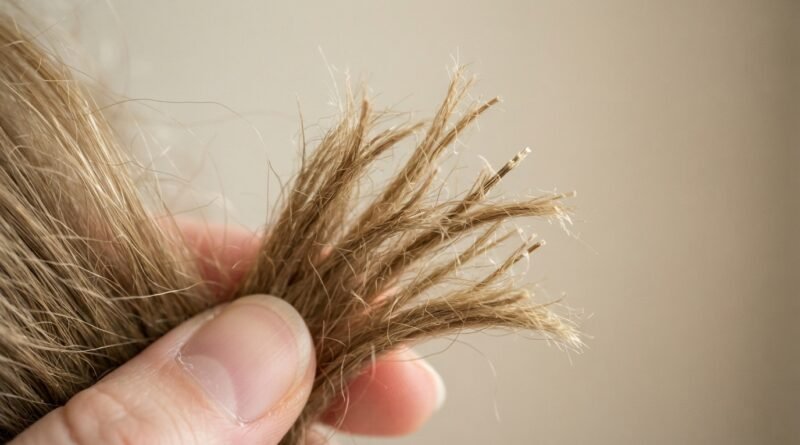
Straw-like hair happens when the outer layer (cuticle) is raised and rough. Instead of lying flat, it catches everything, making your hair feel coarse and look dull. The most common mistake? Thinking it just needs more moisture. Sometimes it needs protein, other times it needs balance.
Think of your hair like a tiny sponge. Too much water makes it mushy, too much protein makes it brittle. Straw is usually the brittle part. Let’s debug this together.
2. Protein Overload vs. Moisture Overload
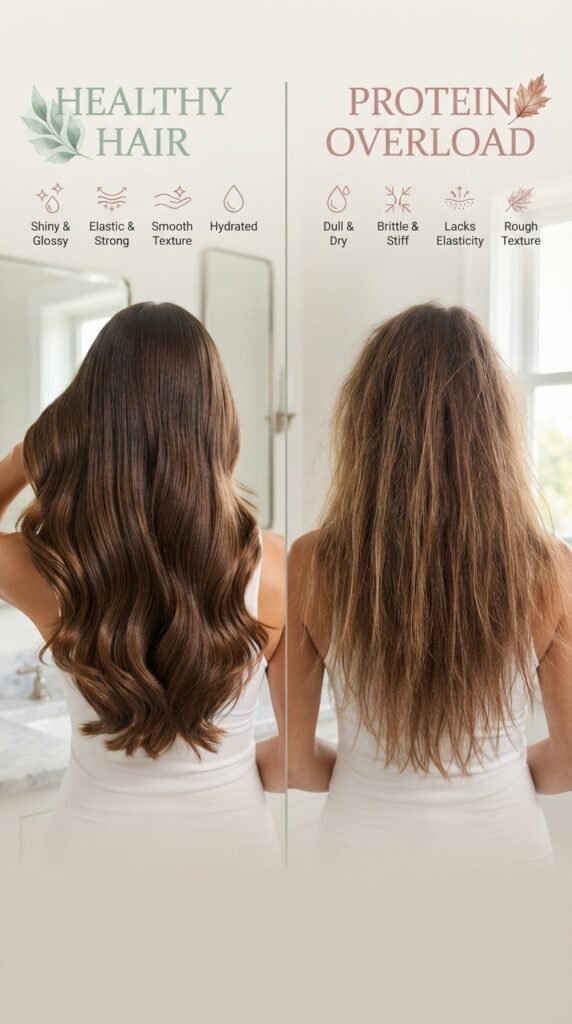
Protein overload is a huge culprit. If you’re using keratin treatments, bond builders, and protein-rich masks constantly, your hair can snap like dry hay. Moisture overload gives you limp, stringy hair, but straw is almost always that stiff, crunchy feeling.
Here’s how to tell: pull one strand gently. If it snaps instantly, it’s protein overload. If it stretches and then just breaks, it’s moisture loss. For straw-like texture, focus on balance—not more of the same.
3. Hard Water Is Silently Damaging Your Hair
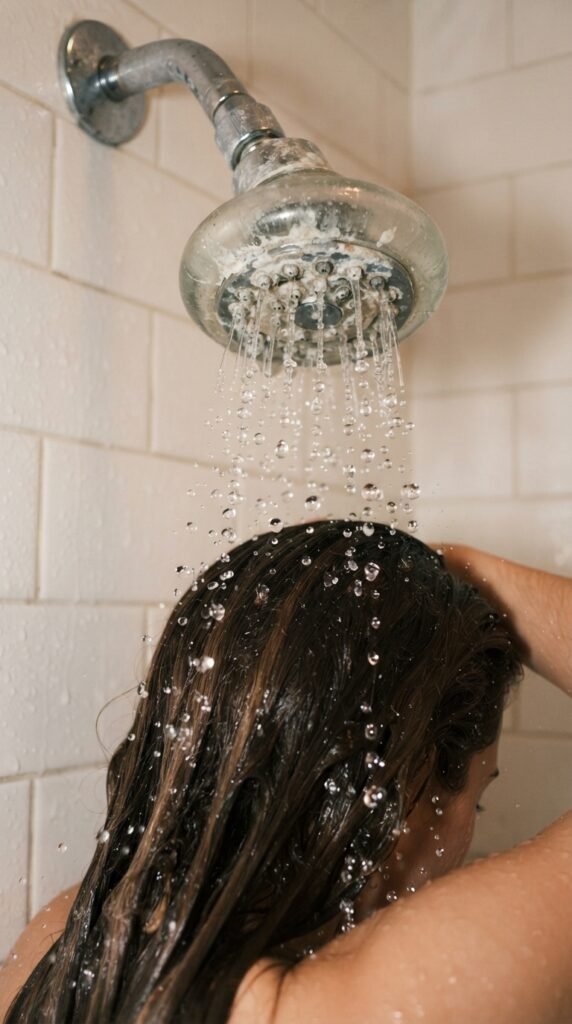
Hard water is packed with minerals like calcium and magnesium. These sit on your hair like tiny rocks, blocking conditioners from penetrating. No amount of deep conditioning will work if the cuticle is covered in hard water buildup.
Try a shower filter or a clarifying shampoo once a week. That alone will change everything for your straw-like strands. I know it sounds basic, but it’s true.
4. Product Buildup Is Blocking the Good Stuff
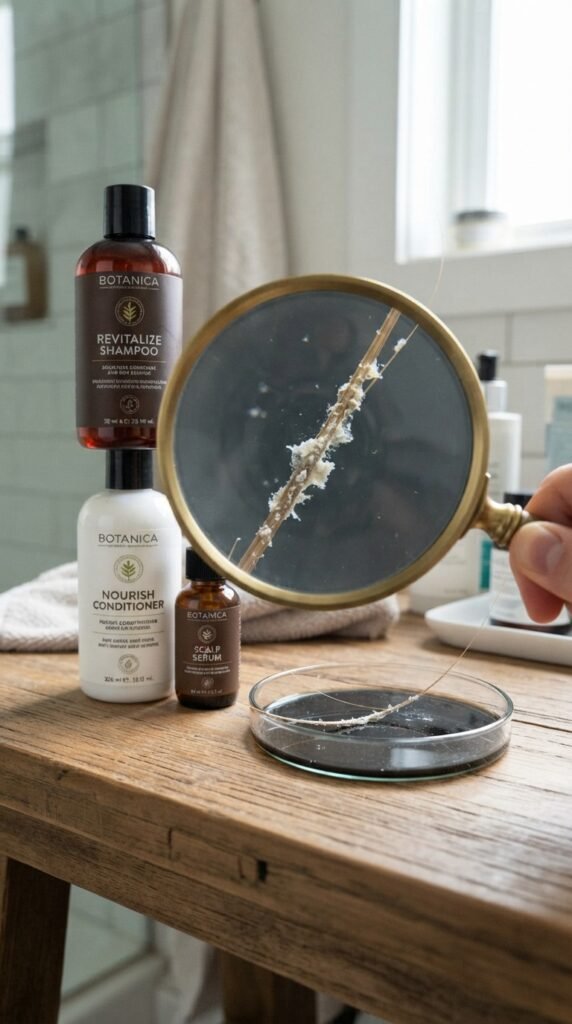
Heavy oils, silicone serums, and styling creams can leave a stubborn film on your hair. This buildup acts like a shield, preventing moisture from getting in. You’re deep conditioning, but nothing is absorbing.
Use a gentle clarifying treatment every two to three weeks. Look for words like “purifying” or “detox.” Then follow with a lightweight conditioner. Your hair will finally drink up the good stuff again.
5. Heat Styling Without Proper Prep
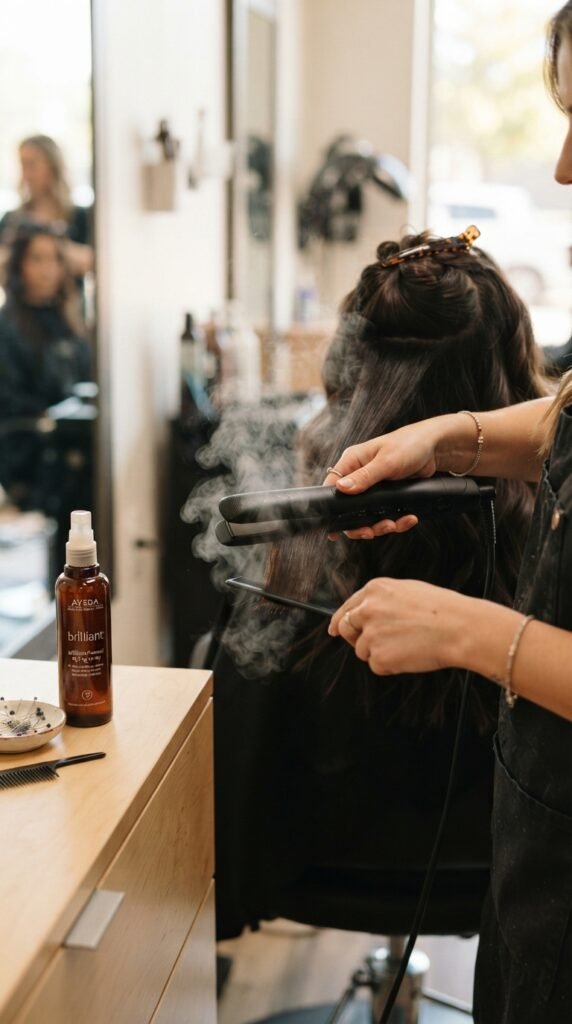
If you regularly use heat tools without a protectant, your hair’s moisture evaporates fast. The cuticle gets scorched, leaving that rough, straw-like feel. We all love a sleek look, but prep matters more than the tool.
Always apply a heat protectant on damp hair before drying, and lower the temperature. Your hair can’t rebuild and condition properly if you’re frying it daily.
6. You’re Deep Conditioning Wrong

Slapping on a mask for a few minutes isn’t deep conditioning. Your hair needs time, heat, and the right technique to actually absorb the product. Here’s what to do:
- Start with towel-dried (not soaking) hair.
- Apply the mask in sections, focusing on the mid-lengths to ends.
- Cover with a shower cap and leave for 15–20 minutes.
- Rinse with cool water to seal the cuticle.
Do this once a week, not every day.
7. The Old Money Hair Approach to Nourishment

Old money hair is all about understated, healthy, glossy strands. That look doesn’t rely on heavy products—it relies on consistent care. Think light oils, regular trims, and minimal heat damage. If your hair feels straw-like, ask yourself: am I prioritizing upkeep over style?
Try swapping your thick styling cream for a shine serum with a few drops of argan oil. That’s the old money secret. Simple, practical, and it keeps your hair looking expensive.
8. Why the Quiet Luxury Bob Needs a Break

The quiet luxury bob is everywhere for 2026 hairstyles, and I love it. But bobs mean more frequent heat styling to keep that sleek shape. That constant brushing and flat-ironing can turn your ends into straw very quickly.
If you’re rocking this cut, give it a rest from heat two days a week. Use a satin pillowcase and a tiny bit of leave-in conditioner every morning. Your bob will look just as polished with a fraction of the damage.
9. Romantic Goth Hairstyles Need Extra Care

Romantic goth hairstyles are dramatic, textured, and absolutely gorgeous. But they often involve backcombing, dry shampoo, and hairspray—all of which can lead to that straw-like crunch. The buildup alone is a nightmare for your cuticle.
Make sure you clarify your scalp and strands every week. And swap heavy hairspray for a flexible hold mist. You’ll still get the gorgeous moody waves without the dry, stiff feeling.
10. Glitchy Glam Hair? More Like Damaged Hair

Glitchy glam hair is a fun trend with metallic colors and bold visuals. But the salon processes required to get there can seriously damage your hair’s structure. Bleach and toner lift the cuticle, making your hair feel like straw instantly.
If you’re going for this look, use a bond repair treatment before and after coloring. And avoid further heat styling for at least a week. Your hair needs time to recover from the chemical stress.
11. The Asymmetrical Lob and Your Dry Ends

The asymmetrical lob is still one of the top 2026 hairstyles, and it looks great on everyone. But that longer side takes the brunt of the damage because it’s been through more trims, brushing, and product exposure. The shorter side always looks softer, right?
Focus extra conditioner on the longer section. Also, ask your stylist to trim it more often If you notice straw-like texture there. One split end can travel up the entire strand.
12. Vampire Haircut Is Trending, But Be Gentle

Vampire haircuts are all about sharp, edgy layers. Those layers expose more ends, which are naturally drier and rougher. That’s why you might notice straw-like texture after getting this cut—it’s just the old damaged ends showing.
Use a lightweight oil on the tips every night. And don’t over-brush. The fear of looking frizzy makes us aggressively brush, which breaks the cuticle further. Be gentle, and your vampire layers will stay sharp and shiny.
13. Hime Cut Styling Without the Straw Effect

The hime cut is gorgeous, with its blunt bangs and straight, precise lines. But maintaining that sharpness requires a lot of flat ironing. And that same heat is what leaves your hair feeling like straw.
Try using a heat protectant specifically for straight styles. And flat iron at the lowest heat setting that actually works for you. Finish with a drop of smoothing serum, not more heat.
14. How to Fix a Straw-Like Texture Fast

If you need help right now, here’s a quick DIY fix. Mash a ripe banana with one tablespoon of honey and two tablespoons of plain yogurt. Apply to damp hair, leave for 20 minutes, and rinse with cool water. That’s it.
This mask gives you instant slip and softness because it has natural moisture and protein in balance. Do this once, and you’ll feel a difference. Then follow with a good leave-in spray.
15. The 2026 Hairstyles That Hide Damage (and How to Prep)
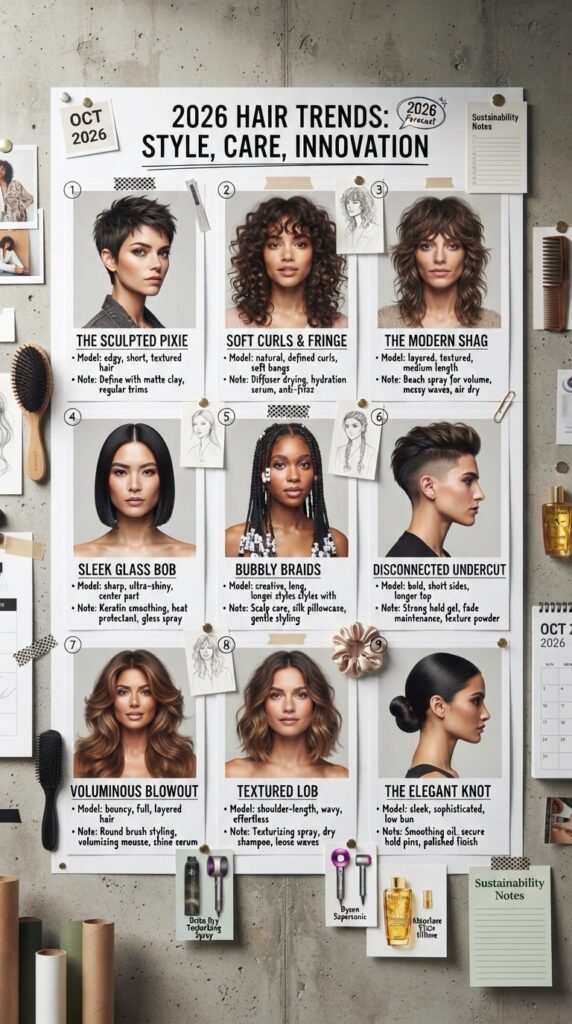
Not every trend worsens straw hair. Some 2026 hairstyles are actually more forgiving. Think air-dried waves, soft buns, or a baby braid headband. These styles let you give your hair a break from heat and tension.
If you have damage, try a “protective hairstyle” for a few days. It gives your cuticle time to lay flat and absorb good conditioners. When you finally wear it down, the texture will surprise you.
16. One Key Ingredient You’re Missing
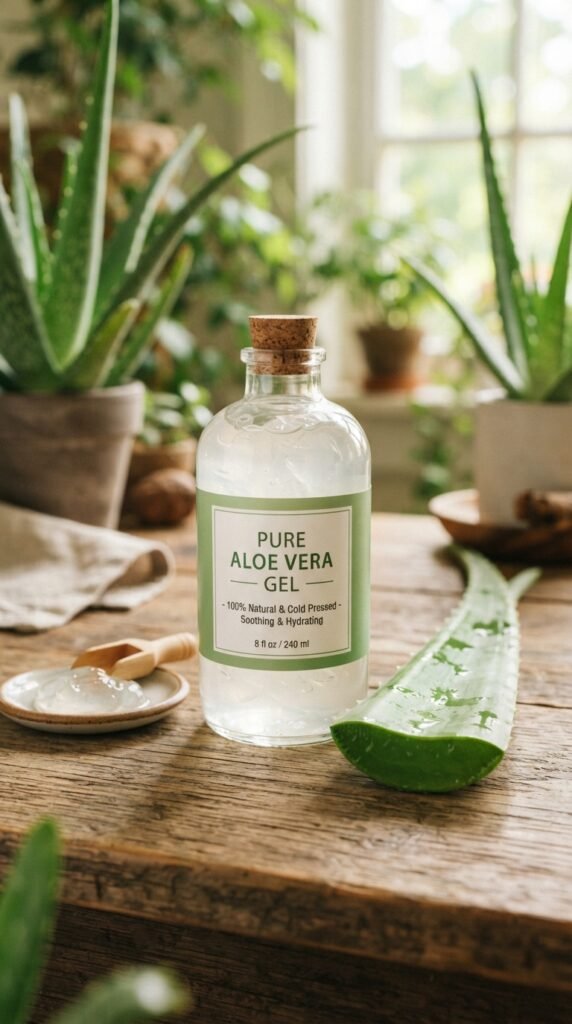
Aloe vera is my absolute hero for straw-like hair. It’s a humectant that draws moisture in, and it also has enzymes that work like a gentle exfoliator for the scalp. But most people skip it.
Look for a conditioner or leave-in product that has aloe vera juice high in the ingredients list. Or even use pure gel before your conditioner. It calms the frizz and smooths the cuticle like nothing else.
17. My Go-To Deep Conditioning Routine
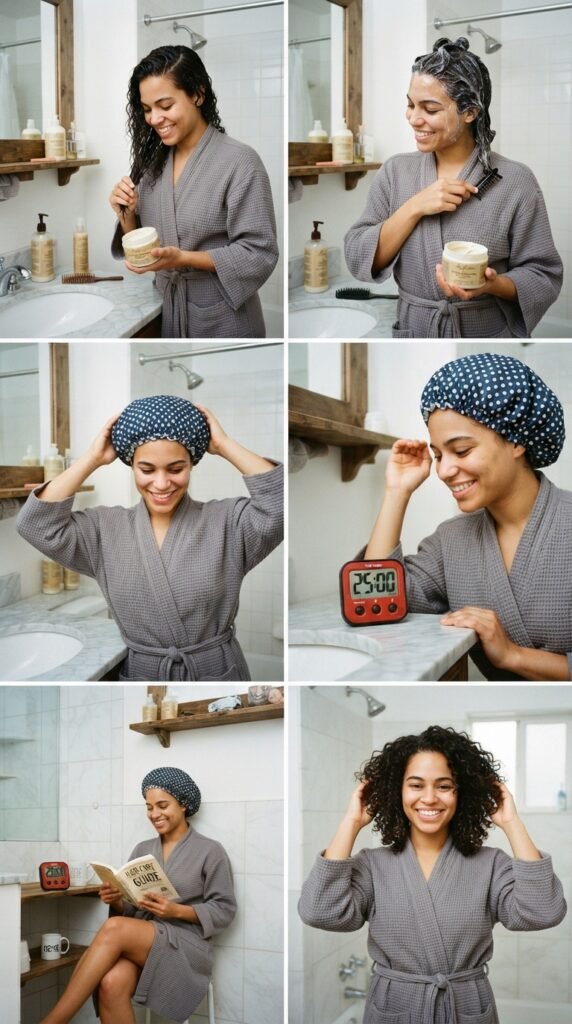
Let me share the exact routine I use on my own hair when it starts feeling rough.
- Clarify once a month to remove buildup.
- Use a protein treatment every 4–6 weeks, not weekly.
- Deep condition with a mask every week for 20 minutes.
- Always rinse with cool water and squeeze (don’t rub).
This simple balance fixes most straw-like issues. Stick with it for a whole month, and you’ll see a change.
18. When to See a Professional
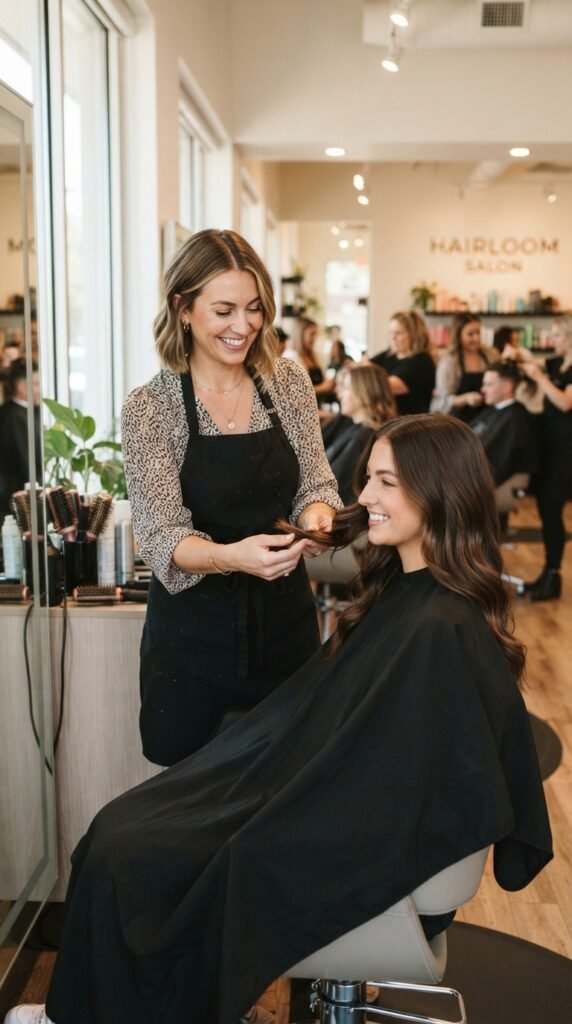
If you’ve tried everything—balance, masks, clarifying—and your hair still feels like straw, it’s time to call in a pro. You might have severe protein overload or damage that home care can’t fix. A stylist can give you a bond-building treatment and trim the worst of it.
Don’t feel bad. We’ve all been there. A good pair of scissors is sometimes the healthiest thing for your hair.
19. Maintenance Between Washes
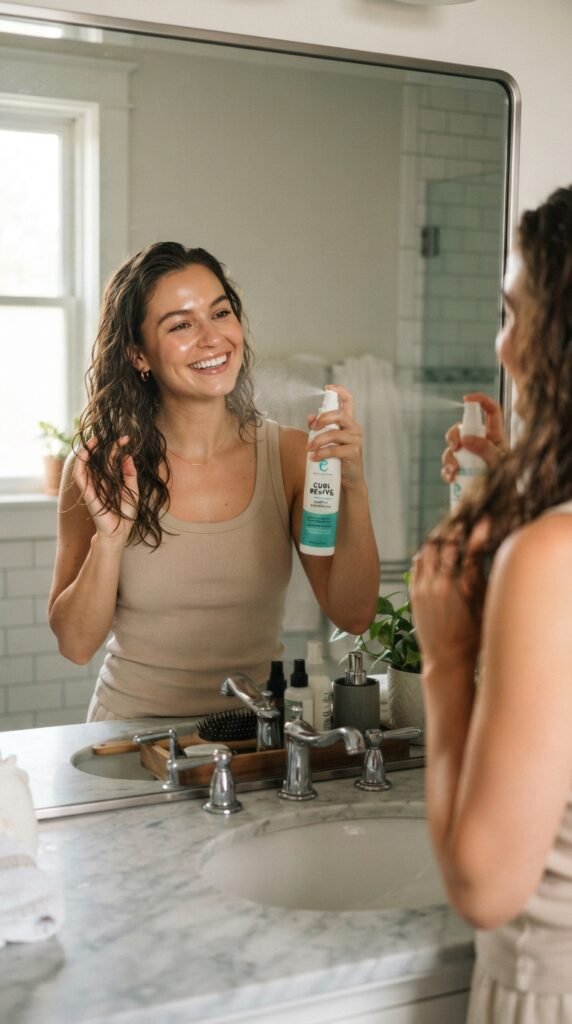
What you do on non-wash days matters just as much. Re-dampening dry hair with water without adding anything? That just re-lifts the cuticle. Instead, use a refreshing spray with a little bit of leave-in mixed in.
Also, use a microfiber towel or an old soft t-shirt to dry your hair. Regular towels are too rough and create friction, which leads to that straw sensation. Small swap, huge difference.
20. What Your Hair Is Trying to Tell You

Straw-like hair is your hair’s way of saying it’s overwhelmed. It’s not asking for more things—it’s asking for fewer harsh things. Listen to it
Cut back on experimentation for a bit. Use the same gentle shampoo and conditioner for a few weeks. Slow down the trend cycling. Sometimes the best thing you can do is nothing extra.
21. Simple Swaps for Soft Hair Every Day
Here are my favorite low-effort swaps to keep straw away between deep conditioning sessions:
- Use a silk or satin pillowcase.
- Brush with a wide-tooth comb, only when dry.
- Air dry at least half the time.
- Sleep in a loose braid to prevent tangling.
These aren’t fancy, but they protect your cuticle every single day. And that’s what makes all the difference.
You don’t need a million products to fix straw-like hair. You just need a little patience and the right balance. Start with clarifying and a weekly mask. Cut down on heat and heavy buildup. Your hair will soften up way faster than you think.
I believe in you, friend. Stick with it.
Save this post to Pinterest so you can find it the next time your hair feels dry and rough. And let me know in the comments—what’s the one thing you’ve tried that didn’t work for your hair? I’d love to hear your story.