Why Your Hair Needs Protein Treatments And How To Tell When It Is Time
Start with Introduction directly. No h1.
Hey friend, let’s talk about something your hair has been trying to tell you for a while. You’ve tried every conditioner, every leave-in, every oil. But your hair still feels stretchy, limp, or just… off. That’s when protein enters the chat.
Protein treatments are the missing piece in most hair routines. They rebuild your strands from the inside, so your hair can actually hold up to everything you ask of it. Whether you’re rocking a quiet luxury bob or a bold hime cut, protein might be exactly what you need.
In this post, I’ll show you the telltale signs your hair needs protein, how to use treatments without overdoing it, and the exact steps to get bouncy, resilient hair again. Let’s dive in.
Your Hair Is Begging for Protein

Your hair sends clear signals when it’s low on protein. The most obvious one? Stretchiness. Take one wet strand and gently pull it. If it stretches and then breaks with almost no snap, that’s a huge sign.
Other red flags include excess frizz that no amount of serum can tame, limp curls, or hair that feels mushy when wet. You might also notice more breakage than usual, especially on the ends.
Think of protein as the building blocks of your hair. Without it, your strands are like a tower of blocks missing every other piece.
What Protein Actually Does for Your Hair

Your hair is made of a protein called keratin. Over time, heat, chemicals, and even brushing wear down the protein bonds. When those bonds weaken, your hair loses its structure.
A protein treatment fills in those gaps temporarily. It coats and strengthens the cuticle, making hair feel smoother, thicker, and more elastic. The result? Less shedding, more shine, and styling that actually lasts.
It’s not a miracle fix, but it’s pretty close. For anyone with color-treated or heat-styled hair, protein is non-negotiable. It’s the difference between hair that looks good today and hair that stays healthy all year.
Protein vs. Moisture: Why Balance Matters
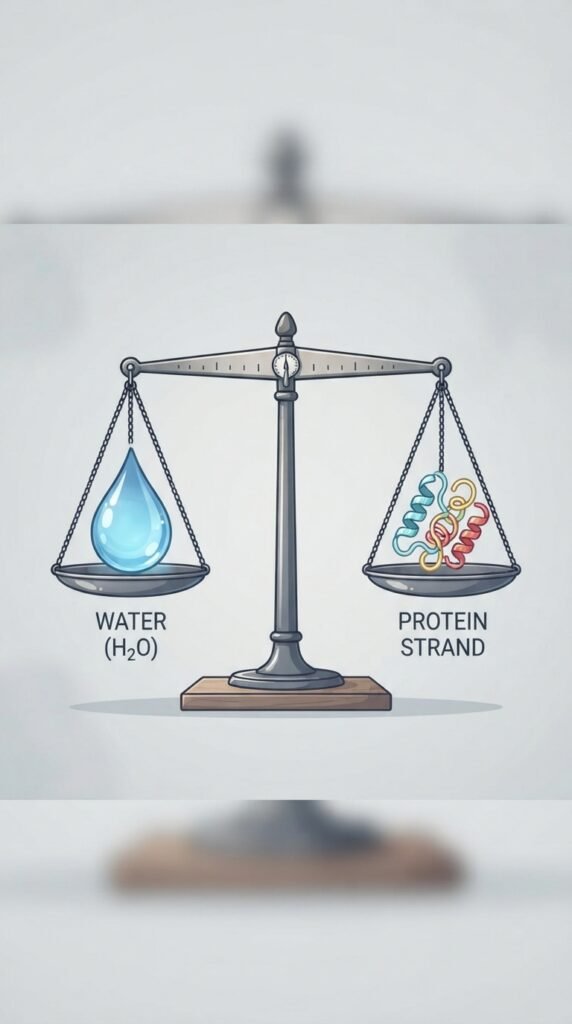
Hair needs both protein and moisture to thrive. Protein gives strength, while water gives flexibility. Too much protein makes hair rigid and brittle; too much moisture makes it weak and over-soft.
That’s why the two are always talked about together. You can’t just load up on protein and call it a day. Your hair’s needs change with the weather, your styling habits, and how recently you colored it.
A good rule of thumb: if your hair feels tangled and weak, try protein. If it feels dry and stiff, lean into moisture. Most routines benefit from alternating between the two.
The Over-Moisturized Hair Trap

Ever gone overboard with deep conditioners and hair masks? Your hair starts to feel too soft—almost like wet wool. That’s over-moisturization. It happens when the cuticle is plumped up but has no structure to hold it together.
Your curls lose their coil, your roots feel flat, and your hair just won’t hold a style. Sound familiar?
If your hair feels like it’s melting instead of bending, it’s probably screaming for protein. A single targeted treatment can bring those strands back to life in a way no moisturizing mask ever could.
Quick At-Home Protein Test
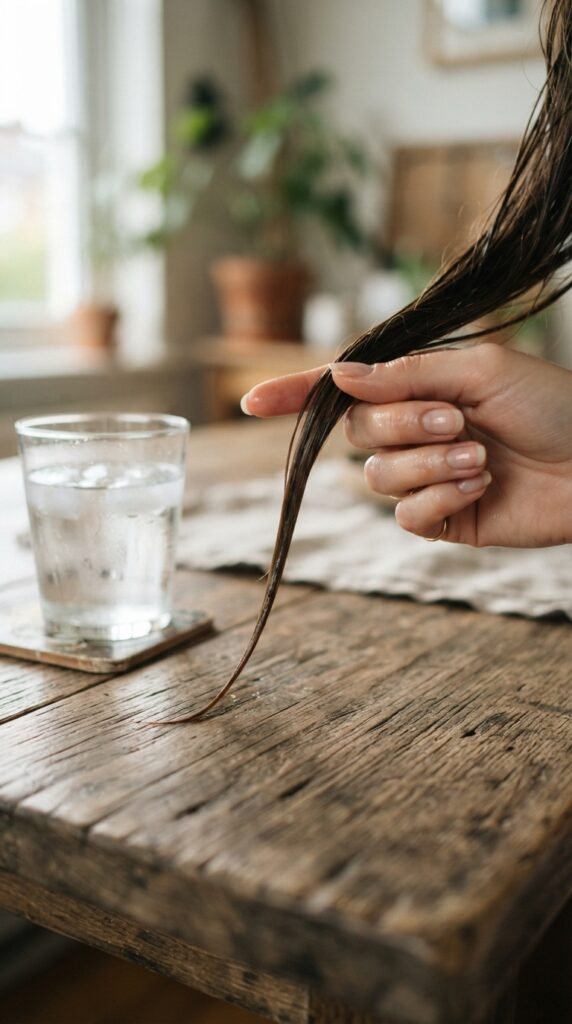
Not sure if it’s time for a protein treatment? Try this simple test at home. It takes less than a minute.
- Wet your hair thoroughly, then towel-dry until damp
- Grab one strand and gently pull it with both hands
- Watch how it behaves
If the strand stretches a lot and then snaps, you need protein. If it stretches and then slowly returns to normal, your protein and moisture are balanced. If it breaks immediately with no stretch, you’re likely already in protein overload.
That little stretch test is the easiest way to know your next move. No guesswork needed.
Hair Porosity and Protein Needs

Your hair porosity—how easily it absorbs and holds moisture—plays a huge role in protein needs. High porosity hair has gaps in the cuticle, so it loses moisture fast and often needs protein to fill those gaps.
Low porosity hair has tightly closed cuticles that repel moisture and protein. It needs lighter treatments and more patience.
Here’s a quick way to check: drop a strand in a glass of water. If it sinks right away, you’re high porosity. If it floats, you’re low porosity.
Knowing your porosity helps you choose the right protein treatments and avoid wasted products. It’s a game changer for your hair routine.
How Often Should You Do a Protein Treatment?
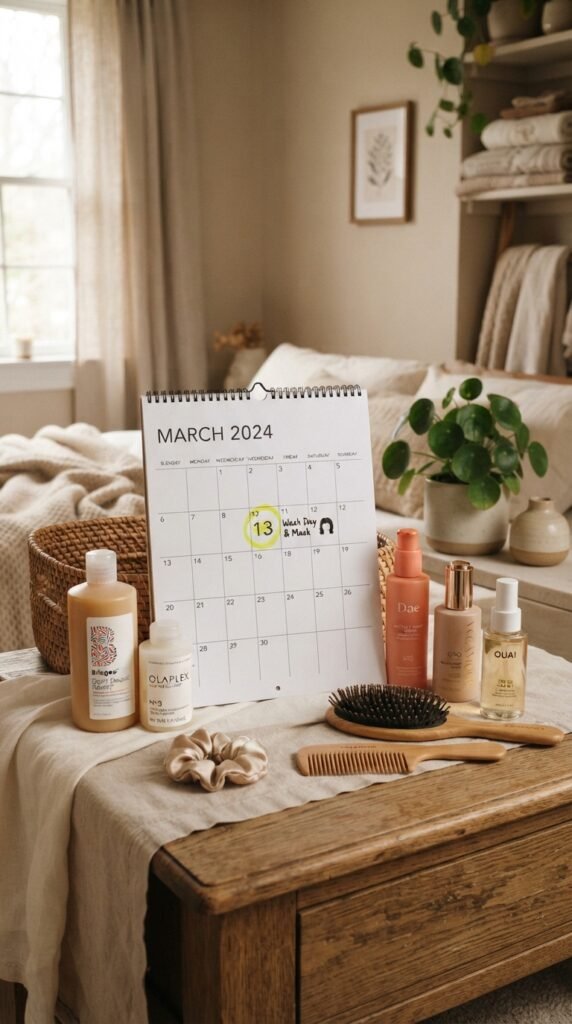
There’s no universal schedule for protein treatments. It depends on your hair type, how much heat you use, and whether you’ve been coloring your hair.
For most people, once every four to six weeks is enough. If you bleach or use hot tools daily, you might need one every two weeks. Those with low porosity hair can stretch it even further.
Listen to your hair. After a treatment, pay attention to how it feels. If it starts feeling stretchy again, wait a few days and then reapply. You’ll find a rhythm that works for you.
Best Protein Sources for Hair
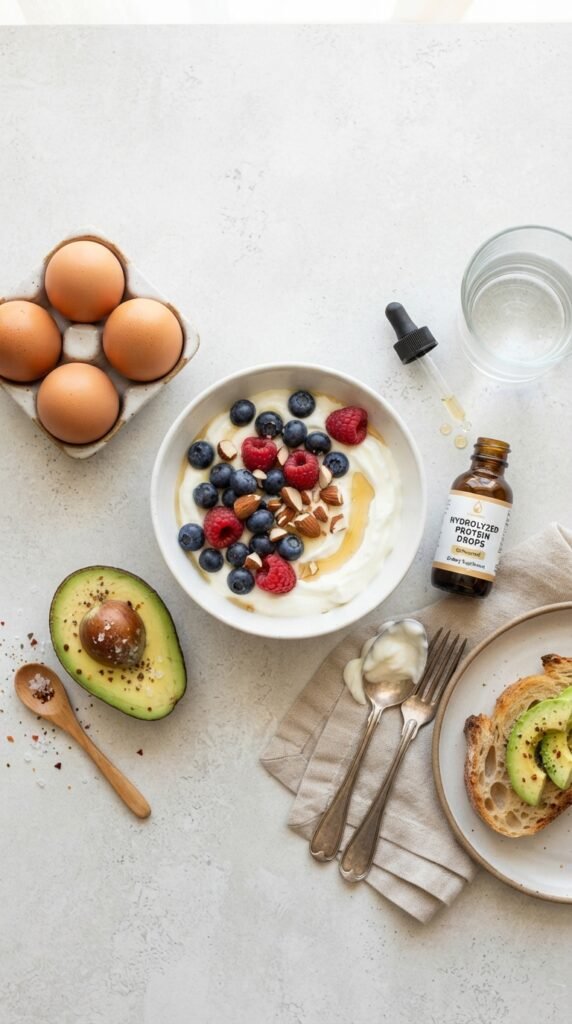
Protein can come from food, kitchen ingredients, or lab-made hydrolyzed proteins. The best ones for hair are hydrolyzed because they’re small enough to actually penetrate the strand.
Look for these on ingredient labels:
- Hydrolyzed wheat protein
- Hydrolyzed silk protein
- Keratin
- Collagen
- Soy protein
In your kitchen, eggs and Greek yogurt are classic DIY options. But store-bought treatments usually contain the hydrolyzed versions, which work faster and deeper than anything you’d mix at home.
DIY Protein Treatments That Work

Making your own protein treatment is simple and budget-friendly. My go-to? One egg, two tablespoons of plain yogurt, and a teaspoon of honey. Mix it well, apply to damp hair, and leave on for 20 minutes.
Another option is a gelatin treatment: dissolve one tablespoon of gelatin in warm water, add a splash of conditioner, and apply. It smells a little odd but works wonders.
Just be careful with egg rinses—use cool water so you don’t scramble it. And always follow with a moisturizing conditioner to keep the balance right.
Store-Bought Protein Treatments I Love
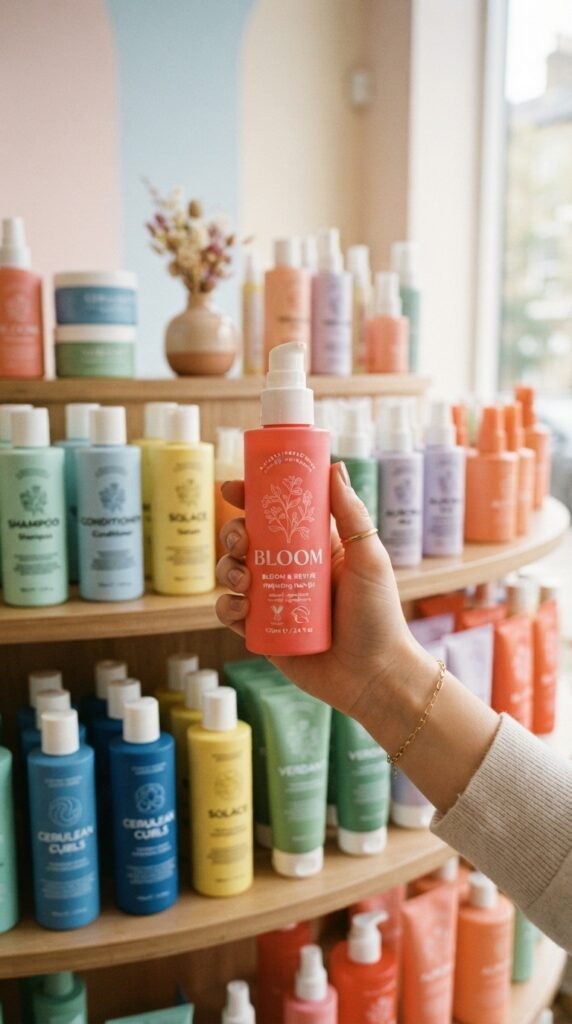
Sometimes you want something quick and reliable. My favorite store-bought protein treatments include:
- Aphogee Two-Step Protein Treatment for serious repair
- Olaplex No. 3 for bond building (technically a protein booster)
- SheaMoisture Manuka Honey & Yogurt Protein Treatment
These are all beginner-friendly and don’t require a chemistry degree. They come with clear instructions and work in under thirty minutes.
If you’re new to protein, start with a mild treatment before stepping up to hardcore options. Your hair will thank you.
Protein for Bleached Hair (Hime Cut, Vampire Haircut)
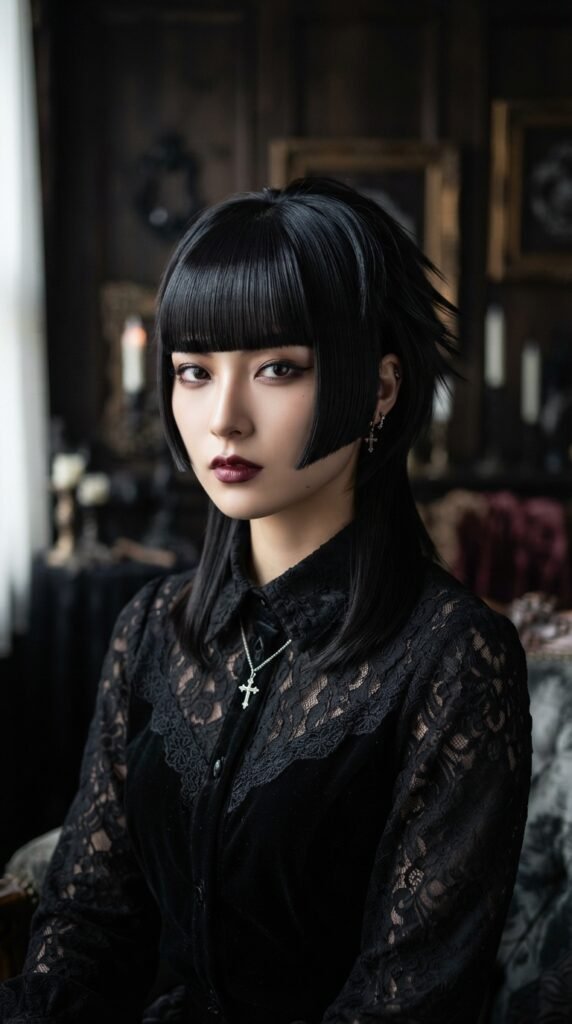
Bleached hair is porous, fragile, and desperate for protein. Trends like the hime cut and vampire haircut demand sharp, precise lines—but without strength, those beautiful lengths will just snap off.
If you’re rocking either of these styles, protein is your best friend. The bleach process strips away natural keratin, so you need to rebuild it continuously.
After every wash, use a leave-in protein spray or a weekly bonding treatment. This keeps the ends sharp and the style looking intentional, not damaged.
Protein for Old Money Hair and Quiet Luxury Bob

Old money hair is all about effortless shine and tidy movement. The quiet luxury bob is a major 2026 hairstyle trend that needs healthy strands to look expensive. And expensive hair always has balanced protein.
Those smooth, bouncy bobs you see on Pinterest? They’re not just well-styled—they’re well-built inside. Protein gives the hair enough memory to fall back into place without looking stiff.
Add a protein treatment every few weeks, especially if you use hot styling tools. Your bob will hold its shape and keep that rich, glossy finish.
Protein for Romantic Goth Hairstyles and Glitchy Glam Hair

Romantic goth hairstyles often feature heavy layers, dramatic volume, and dark color. And glitchy glam hair is that cool, distorted chrome effect that requires layers and layers of processing. Both are gorgeous, but both put serious stress on your strands.
The hair needs to stay strong enough to hold those intricate shapes and metallic finishes. Protein treatments give you that structure without weighing down the style.
If you’re experimenting with these edgy 2026 hairstyles, keep a protein spray in your bag. Touch up between washes to keep the look sharp.
Protein for Asymmetrical Lob and 2026 Hairstyles

The asymmetrical lob is everywhere in 2026 hairstyles. It’s modern, a little edgy, and super wearable. But because it often involves blunt cuts, the ends need extra strength to avoid looking ragged.
Protein helps maintain that blunt line and prevents the shorter side from curling inward weirdly. It also stops the ends from splitting, which is the fastest way to ruin a stylish lob.
Whether you’re growing out an old cut or trying a fresh design, a light protein treatment every few weeks keeps your lob camera-ready.
How to Apply a Protein Treatment (Step by Step)
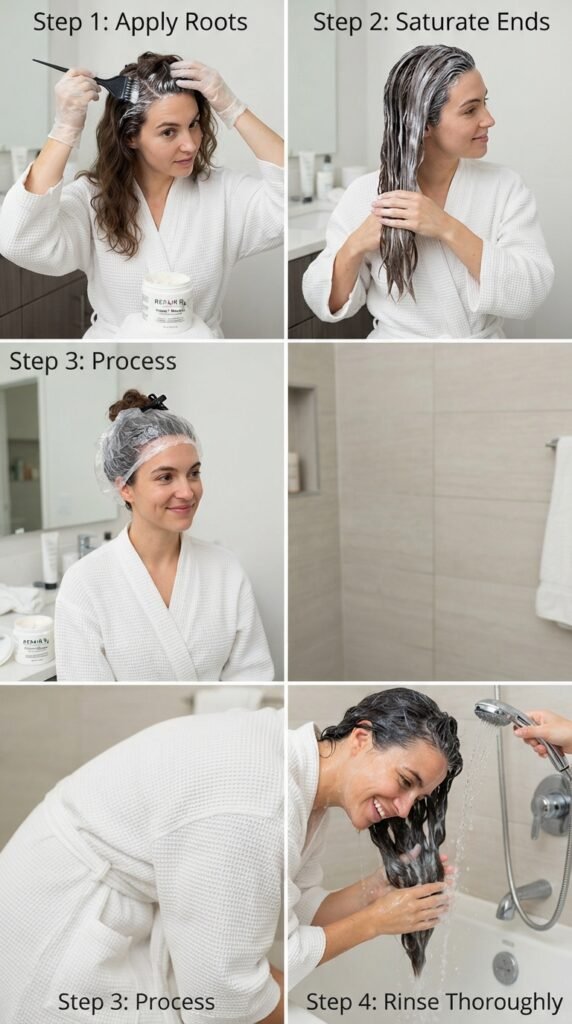
Applying a protein treatment is easy once you know the method. Here’s my simple routine:
- Shampoo with a clarifying or gentle sulfate-free shampoo
- Towel-dry until damp, not dripping
- Apply the treatment evenly, section by section
- Leave it on for the time on the box (don’t overdo it)
- Rinse with cool water
- Follow with a moisturizing conditioner
Don’t skip the conditioner step. It replenishes moisture and seals the protein in. The whole process takes about thirty minutes, and you’ll notice a difference right away.
What Happens If You Use Too Much Protein?
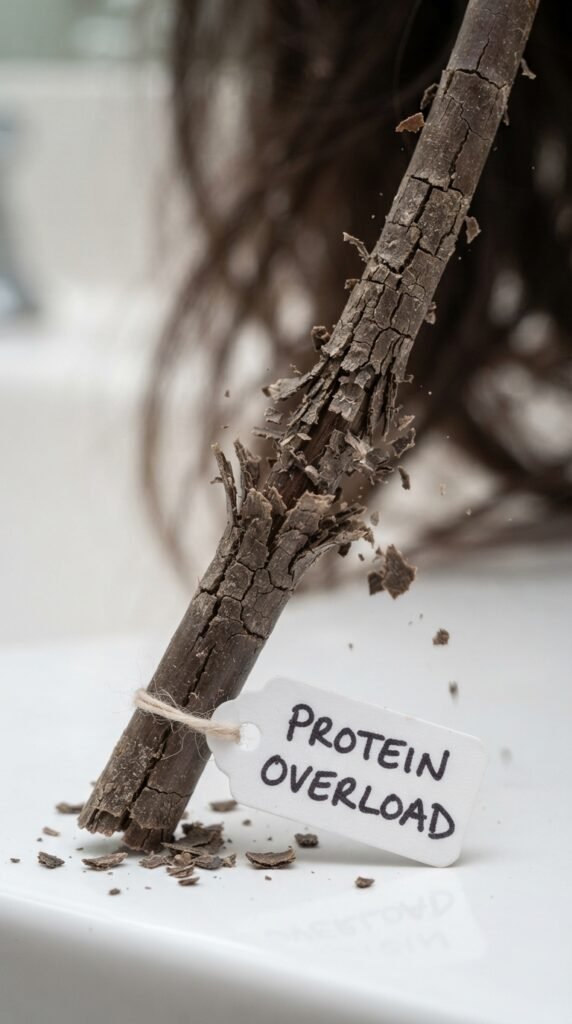
Yes, there is such a thing as too much protein. When you overdo it, your hair becomes stiff, brittle, and prone to snapping. It might feel dry no matter how much conditioner you use.
You’ll notice the ends feel rough and the hair doesn’t bend easily. That’s because the protein has built up around the cuticle, creating a hard shell that repels moisture.
If you suspect protein overload, stop all protein treatments for a while. Switch to a deep moisture mask and give your hair a break from heat and chemicals.
How to Fix Protein Overload

Fixing protein overload is all about reintroducing moisture. Use a rich, creamy conditioner and leave it on for at least ten minutes. You can also do a warm oil treatment to soften the strands.
Wash less often and skip heat styling for a week. Let your hair air-dry and try protective styles like loose braids or low buns.
Once your hair feels bouncy again, reintroduce protein slowly—maybe once a month instead of every week. Balance is the whole game.
Protein and Heat Styling

Heat styling directly breaks down protein bonds. That’s why your hair feels weaker after a few weeks of daily blowouts or curling wand sessions.
A protein treatment rebuilds those bonds, but it doesn’t make you immune to heat. You still need a heat protectant every single time. Think of protein as the repair and heat protectant as the prevention.
If you’re using hot tools for the old money bob or glitchy glam waves, your protein need automatically goes up. Don’t wait for visible damage to show up.
Protein Treatments for Curly and Coily Hair
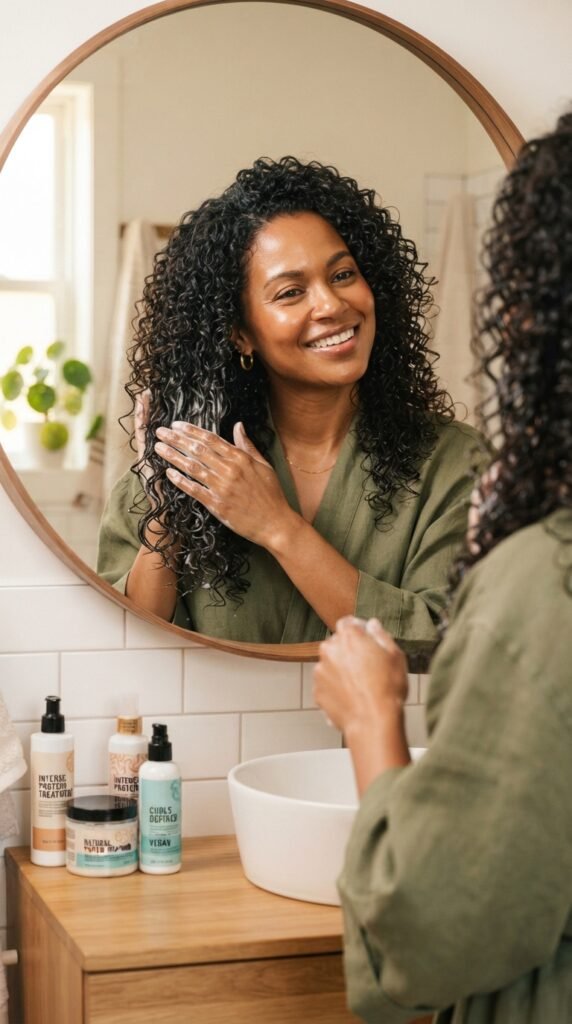
Curly and coily hair is naturally more fragile because the twists create weak points along the strand. Protein helps define curls and reduces breakage.
When curls go limp or lose their spring, a protein treatment can bring them back. It adds structure so your coils hold their shape without frizz.
That said, keep the balance. Many curly girls need less protein than straight-haired folks, especially if they already use protein-heavy styling products. Listen to your curl pattern—it’s the best guide.
When to Skip Protein Treatments

Not every hair crisis needs protein. If your hair feels strong, smooth, and normal, don’t add protein just to follow a trend. Too little damage means you can stick to regular maintenance.
Also, skip protein if your hair is very low porosity and seems to hate heavy treatments. In that case, light sprays or weekly balancing masks work better.
And if your hair is already breaking from chemical damage, protein alone won’t fix it. You’ll need to trim the damaged parts and give the healthy hair a solid routine first.
A Little Love for Your Hair
Your hair does so much for you—it frames your face, expresses your style, and puts up with all your experiments. It deserves a little care from the inside out.
Adding protein treatments to your routine isn’t complicated. It’s just about paying attention to what your strands tell you and responding with kindness.
Once you find that perfect balance, you’ll feel the difference every time you run your fingers through your hair. Trust me.
Save this post to Pinterest so you can come back to it the next time your hair feels off.
And tell me in the comments—when’s the last time you gave your hair a protein treatment? I’d love to hear what works for you!