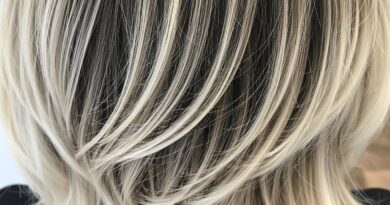
Why Hormonal Shifts Trigger Sudden Hair Thinning in Your Thirties
Hey friend, let’s talk about something that caught me off guard in my thirties: my hair suddenly started looking thinner. The shower drain told the story, and honestly, it felt scary. But after digging into the science and talking to experts, I realized this is super common. Hormonal shifts, especially as we navigate our thirties, can trigger unexpected shedding and thinning. The good news? You’re not alone, and there are simple, practical steps to help your hair feel fuller and healthier. In this post, I’m breaking down why this happens, what you can do about it, and which 2026 hairstyles actually make thin hair look amazing. Grab a coffee, take a breath, and let’s sort this out together.
Why Your Thirties Are Different

Your body goes through subtle hormonal shifts as you age. Estrogen and progesterone levels start to dip, and even a small change can affect your hair growth cycle. You might notice extra hairs in your brush or a wider part for the first time. It’s not in your head.
Your thirties also bring more stress, irregular sleep, and maybe a baby or two. All of these can throw your hormones off balance. Good news: understanding the cause makes it easier to tackle. You get proactive instead of panicked.
The Usual Suspects: Estrogen and Progesterone
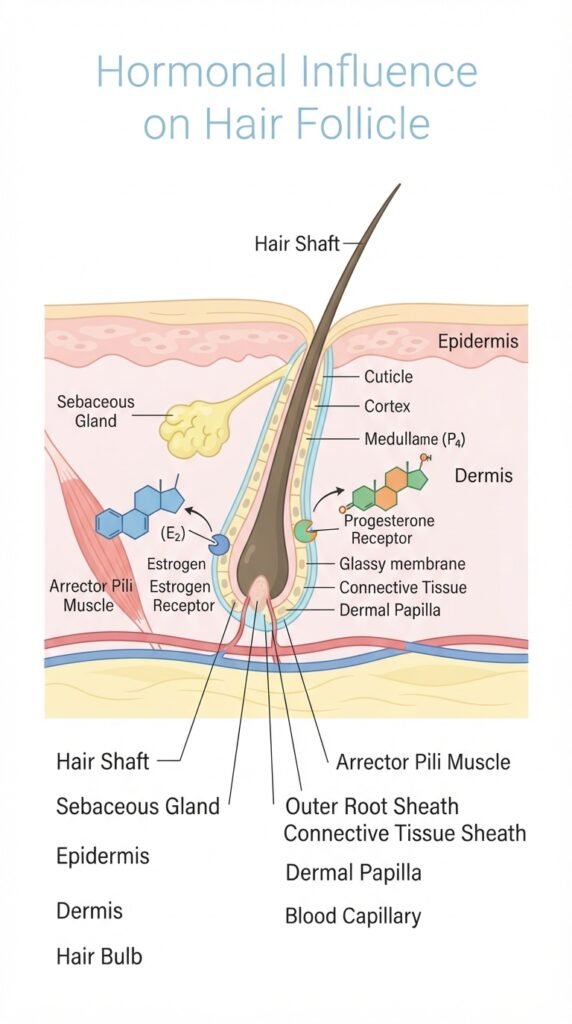
Estrogen is like your hair’s best friend. It helps hair grow faster and stay in place longer. When estrogen dips, more follicles take a rest. Progesterone plays a supporting role, too. If it drops, your hair can feel limp or break easily.
The result? You might see more shedding than usual. It’s often temporary, especially if your hormones simply adjust. Tracking your cycle or talking to your doctor can help you notice patterns and feel more in control.
Thyroid, Stress, and Hair Loss

Your thyroid is a quiet troublemaker. Hypothyroidism or hyperthyroidism can both cause thinning hair. Stress also messes with your cortisol levels, which can shut down hair growth temporarily. If you’ve been grinding your teeth or losing sleep, that’s a clue.
Ask your doctor for a thyroid panel and cortisol check. It’s a simple blood test that can rule out bigger issues. And if stress is your trigger, that’s fixable with small daily habits.
The First Signs You’ll Notice
- More hair in the shower drain or on your pillow
- Your ponytail feels thinner and smaller
- A wider part or more visible scalp at the crown
- Stray hairs on your shoulders throughout the day
Don’t panic. It might be a temporary phase. But if it lasts more than three months, schedule a checkup. Noticing early gives you the chance to act before your hair loses too much density.
When to See a Doctor or Dermatologist

Honestly, you should get bloodwork done if your thinning is sudden. It can check iron, vitamin D, thyroid, and sex hormone levels. Your doctor might also spot conditions like PCOS or alopecia that need specific treatment.
No shame in asking. Knowledge is power. A quick appointment can save you months of guessing and worrying. You’ll know exactly what to tackle, whether that’s more protein or a prescription topical.
Don’t Freak Out – It’s Often Temporary

Many women see a big shed and then everything grows back. Postpartum shedding is a classic example. Same with stress-induced telogen effluvium. Your hair might just be taking a pause before rebounding.
I know patience is hard. But most thinning in your thirties isn’t permanent. Once your hormones settle, your follicles get back on schedule. Give your body time and consistent TLC.
Feeding Your Hair From Within

Your hair needs good fuel. Start with a balanced plate full of healthy fats, fruits, and veggies. Think avocado, berries, and leafy greens. These help reduce inflammation and support follicle health.
What you eat shows up in your strands. If you’re living on coffee and toast, your hair will tell on you. Swap one snack a day for something with protein and vitamins. Small changes add up.
Protein: The Building Block Your Hair Begs For

Your hair is basically keratin, a protein. If you’re not eating enough, your body won’t send protein to your hair. It saves it for vital organs. So check your intake. Lean meats, eggs, beans, or Greek yogurt are all easy wins.
If you’re vegetarian or busy, a quality protein shake helps. Even one extra serving a day can support new growth. Trust me, your scalp notices the difference.
Iron and Other Vitamin Gaps
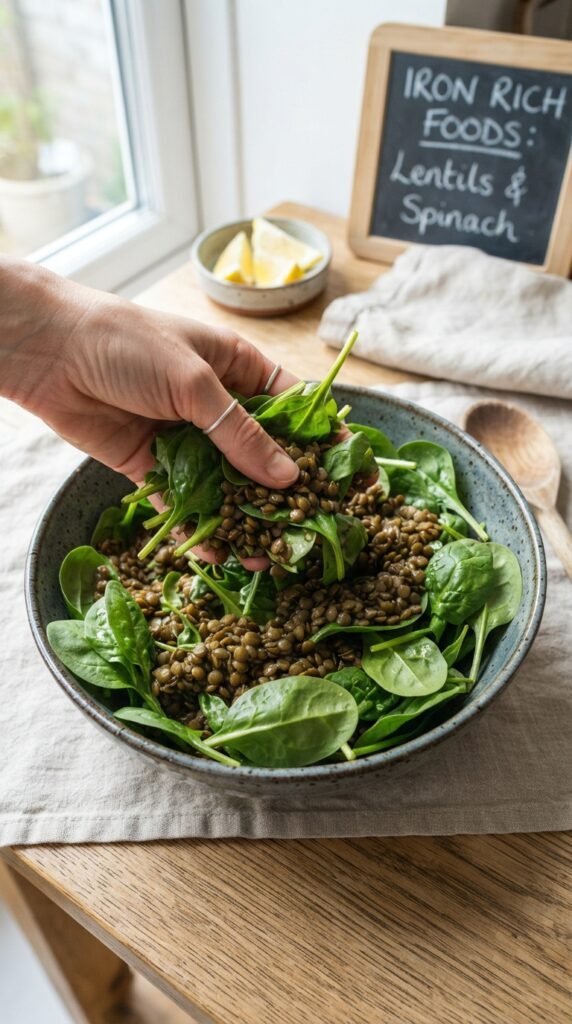
Low iron is a major cause of thinning hair in women. Symptoms include feeling tired and cold. Add spinach, lentils, and red meat to your plate. Pair them with vitamin C to help absorption.
Vitamin D and zinc also matter. If your bloodwork shows a deficiency, take a supplement as directed. Don’t overdo it without testing. Balance is key. Once your levels are normal, your hair gets what it needs.
Smart Hair Care Tweaks for Thinning Hair

Be gentle with wet hair. It’s extra weak when soaked. Use a wide-tooth comb instead of a brush. Skip tight ponytails and heavy accessories that pull at your roots.
Swap your regular towel for a microfiber one. Pat your hair dry, don’t rub. And let it air dry when you can. Heat styling is fine sometimes, but lower the temperature and always use a protectant.
Shampoo and Conditioner Swaps
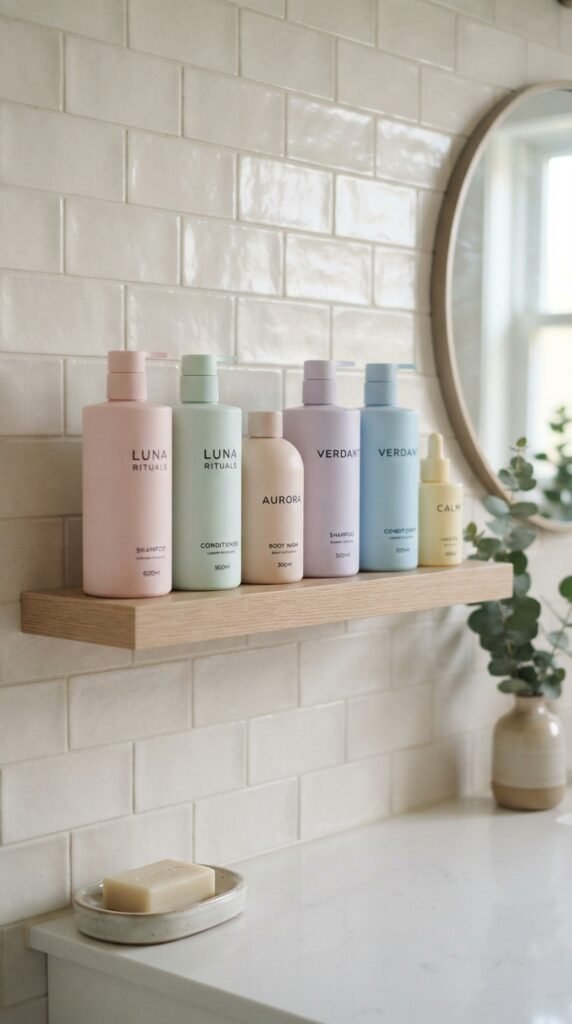
Look for volumizing or thickening formulas. They often add body without weighing hair down. Avoid harsh sulfates that strip your scalp. Your hair needs a clean but balanced base.
Massage your scalp while washing for about a minute. This boosts blood flow and helps follicles get oxygen. Finish with a light conditioner only on your mid-lengths and ends. That keeps roots from looking flat.
Scalp Care: The Key You’re Missing

Your scalp is the soil for your hair. If it’s clogged or dry, growth suffers. Add a gentle scalp scrub once a week. Or use a soft bristle brush to loosen dead skin and product build-up.
You can also treat yourself to a warm oil massage. Coconut or jojoba oil for 10 minutes before washing feels amazing. It calms stress and encourages circulation. Your hair will look shinier almost immediately.
Styling for Volume Without Damage

Flip your head and blow-dry from the roots. Use a round brush to lift while you dry. This gives instant bounce. For extra staying power, tease lightly at the crown with a fine-tooth comb.
Heat is okay if you protect first. Use a heat protectant spray every time. Then set your style with hairspray that offers flexible hold, not helmet stiff. Volume without stiffness keeps things natural and pretty.
The Best Haircuts for Thin Hair in 2026
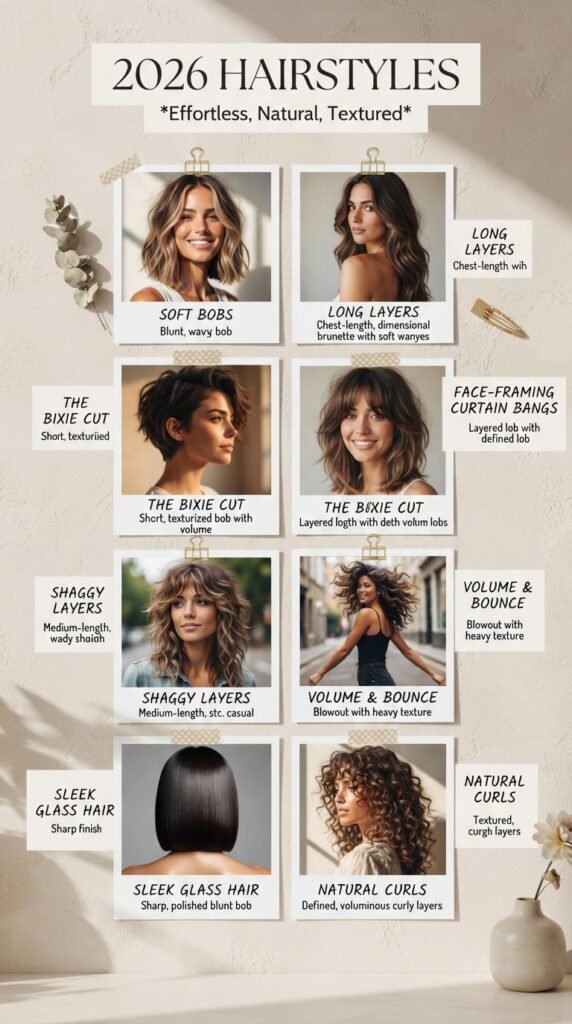
2026 is all about face-framing layers and clever cuts that create the illusion of density. The best colors and cuts add texture and movement. You don’t need to grow it long. You need a cut that works with your hair type.
Here are the trends to discuss with your stylist:
- Old money hair polish
- Quiet luxury bob
- Romantic goth layers
- Glitchy glam shine
- Asymmetrical lob
- Vampire haircut
- Hime cut
Each one has smart tricks for thin hair.
Old Money Hair for a Fuller Look

Old money hair is about polished, clean waves. It works well with thinner hair because it avoids harsh lines. A mid-length cut with subtle layers adds volume without looking overdone.
Think fresh blowout, not stiff curls. Use a curling wand to create gentle bends. Then brush through with a soft paddle brush. That classic shine makes your hair look healthy and thick in natural light.
The Quiet Luxury Bob Is Your Secret Weapon

The quiet luxury bob is everywhere this year. It’s a chin-length or jaw-skimming cut with blunt ends. Blunt ends instantly make your hair look denser. Plus, the clean line reads expensive and effortless.
It’s also low-maintenance. A quick blowout or two minutes with a flat iron keeps it looking polished. If you want to try something bold but safe, ask your stylist for this classic shape.
Romantic Goth Hairstyles for Fine Hair

Romantic goth hairstyles bring a dreamy, moody vibe. Think flowing, wispy layers with lots of soft movement. These styles embrace texture, which is perfect for fine hair because it adds surface interest.
Dark colors like espresso or blackberry create depth. That makes hair appear fuller than a single blonde shade. Add a velvet bow or a delicate clip to lean into the look. It’s playful, pretty, and surprisingly wearable.
Glitchy Glam Hair and Adding Visual Interest

Glitchy glam hair focuses on shine and multidimensional color. Subtle highlights or a glass hair finish reflect light. That natural gloss tricks the eye into seeing more density.
Use a shine serum or gloss treatment at home. You don’t need a salon visit. A swipe of serum on your ends helps. The key is keeping hair hydrated and smooth. When light catches every strand, thin hair never looks flat.
Asymmetrical Lob and Vampire Haircut Options
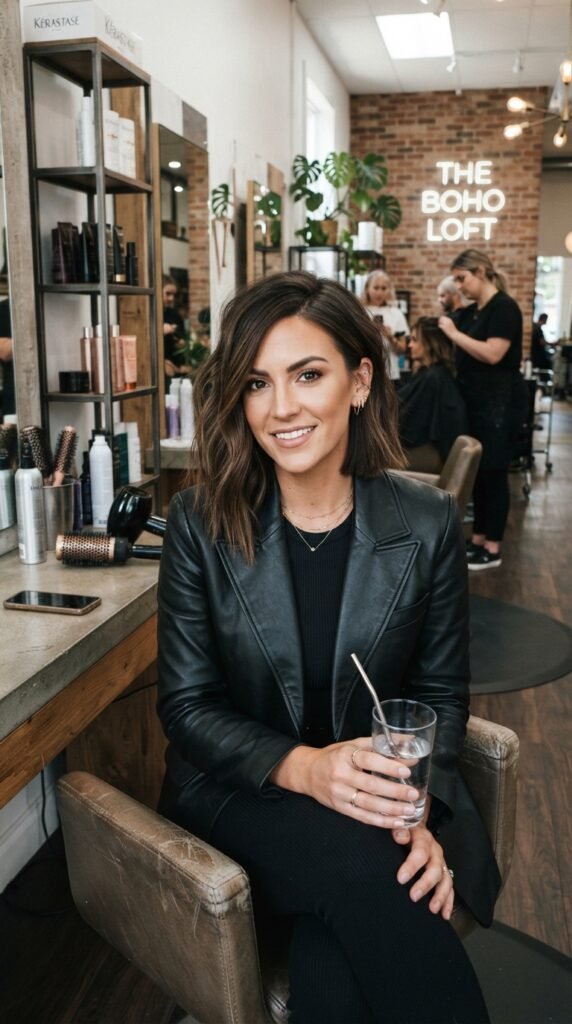
An asymmetrical lob gives you a modern, edgey look. The uneven lengths draw the eye sideways, away from thinner patches. It’s a smart way to add dimension without sacrificing length.
Another great choice is the vampire haircut. It features face-framing layers with a wispy feel. The layers cut at higher angles create soft volume around your cheekbones. It looks romantic and keeps fine hair from looking weighed down.
Hime Cut: A Bold Choice for Fine Hair
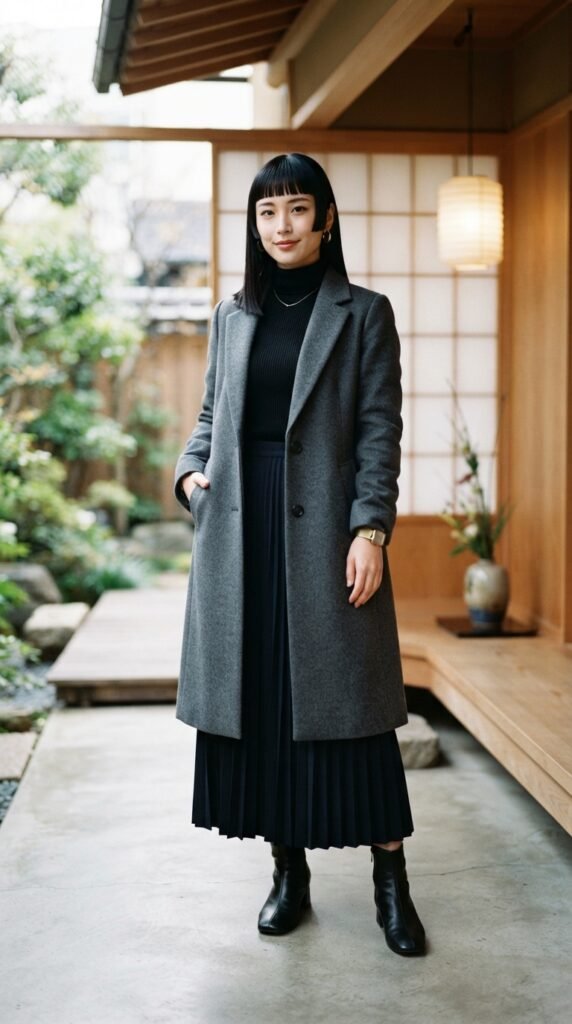
The hime cut is a bold, straight style with blunt bangs and distinct side pieces. It might sound risky, but it’s actually great for thin hair because the blunt lines create a thick appearance.
This cut works best if you’re willing to style it a little. Straighten the pieces lightly to keep that signature shape. It’s are statement that says you’re in control of your hair, even as it changes.
Quick Updos and Part Strategies

A deep side part can hide a thinning part instantly. Use a tiny bit of root powder to blend the gap. Then sweep your hair over. It’s a 10-second fix.
For busy days, a loose low bun makes you look put-together. Let two face-framing strands fall. Add a claw clip for a chic twist. Quick, pretty, and no harsh pulling that can stress roots.
Nighttime Routine to Protect Strands

A silk pillowcase reduces friction and prevents breakage. Switch to a loose braid or a pineapple updo for curly textures. Never go to bed with wet hair, it’s extra fragile.
Apply a small amount of leave-in oil to the ends. That’s all you need. You’ll wake up with less tangles and less shedding. Your hair deserves a gentle night’s rest too.
FAQs About Hormonal Thinning

Is it permanent? Usually not. Hormonal shifts like postpartum or perimenopause can cause shedding, but regrowth often happens once things level out.
How long until it grows back? Expect a few months, sometimes six. Hair grows about half an inch a month. Stick with your routine and be patient. And if it gets worse, check back with your dermatologist.
What I Want You to Remember
You are not broken, and you are not alone. Your hair is changing because your body is changing. That happens to almost every woman in her thirties. It doesn’t mean you’ve lost your glow. It means you’re growing through a new season.
Take small steps: eat more protein, switch your pillowcase, and pick a cut you love. Try the quiet luxury bob or old money hair. Keep your scalp happy and your stress low. These little wins add up to massive confidence.
Save this post to Pinterest so you can refer back to it. Then tell me in the comments: What’s your usual go-to style when your hair feels thin? I read every reply and would love to support you through this. We’re in it together. ♥