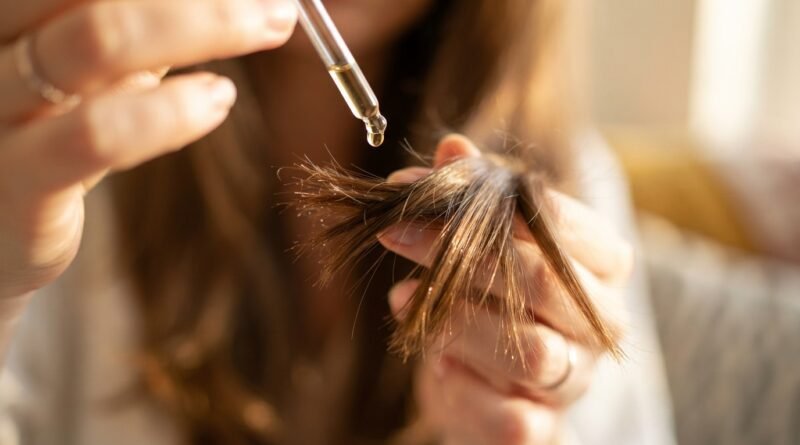
The Viral Slugging Method for Hair Is Actually Backed by Science
Okay, so you’ve heard of slugging for your face, right? That whole slather-on-the-occlusive trick that leaves you looking dewy and glowing. Well, hair slugging is the exact same energy, and it’s taking over my feed for a reason. It’s not just a pretty trend though — it’s actually backed by science.
Here’s the deal: your hair loses moisture just like your skin does. When you layer a hydrating product under a sealing one, you’re trapping all that goodness inside the cuticle. It’s simple, affordable, and honestly, a total game-changer.
By the end of this post, you’ll know exactly how to slug your hair without looking greasy, which products actually work, and why this technique is behind so many of the biggest 2026 hairstyles — from old money hair to the quiet luxury bob. Let’s get into it.
What Is Slugging for Hair, Anyway?
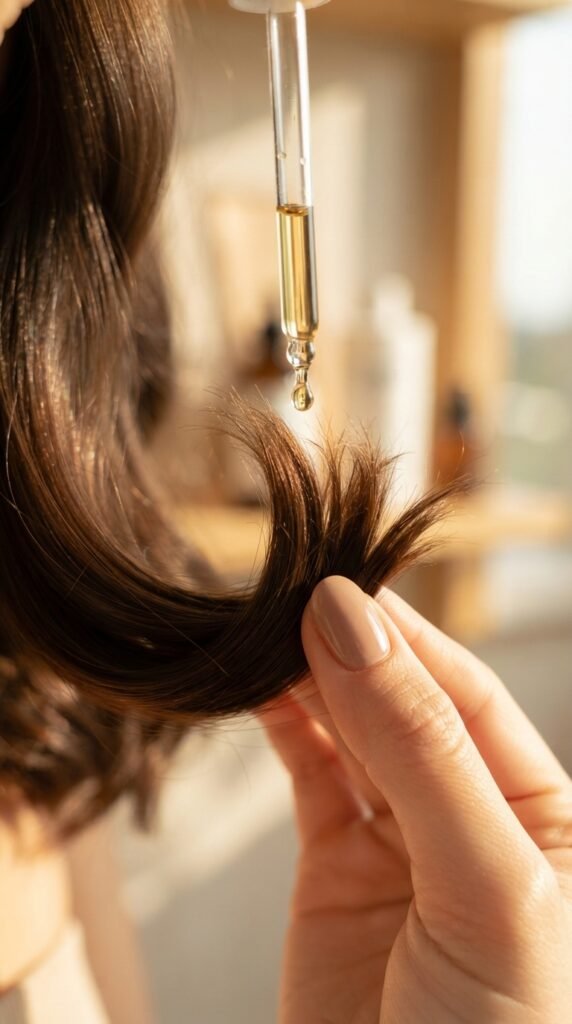
Slugging for hair is borrowed straight from skincare. You lock in moisture with an occlusive layer. It’s a fancy way of saying you’re sealing your strands so nothing hydrating can escape.
Instead of slathering jelly all over your scalp, you focus on the mid-lengths and ends. It’s the easiest way to get that expensive-looking shine.
- Seals the outer cuticle
- Locks in leave-in conditioners
- Reduces friction and breakage
It takes five minutes and zero special skills. If you can oil your ends, you can slug.
Wait, Is This Actually Backed by Science?
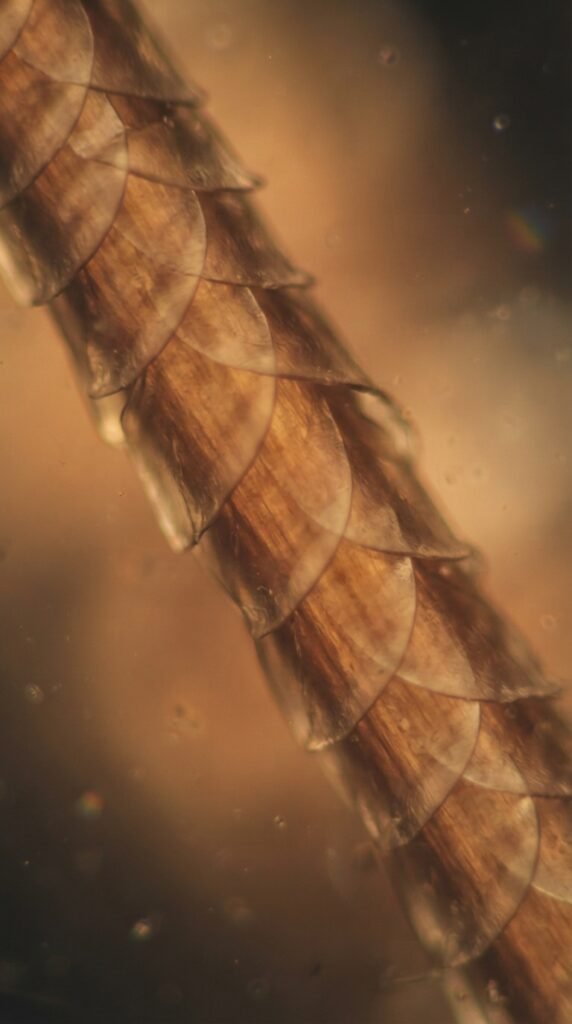
Yes. Your hair has a protective outer layer called the cuticle, and when it starts lifting, moisture escapes. That’s when you see frizz, dullness, and breakage.
Occlusive ingredients — like oils, butters, and balms — form a physical barrier over that cuticle. This barrier stops water from escaping and keeps the strand smooth.
This is the same principle dermatologists recommend for slugging your skin. The science just works for hair too. Think of it as a raincoat for your strands.
It’s not trendy nonsense. It’s basic moisture-retention science, and it shows up in your hair almost immediately. Your ends will look smoother after one use, and regular slugging actually helps you keep the length you’ve worked so hard to grow.
Why Your Strands Are Begging for Slugging Right Now
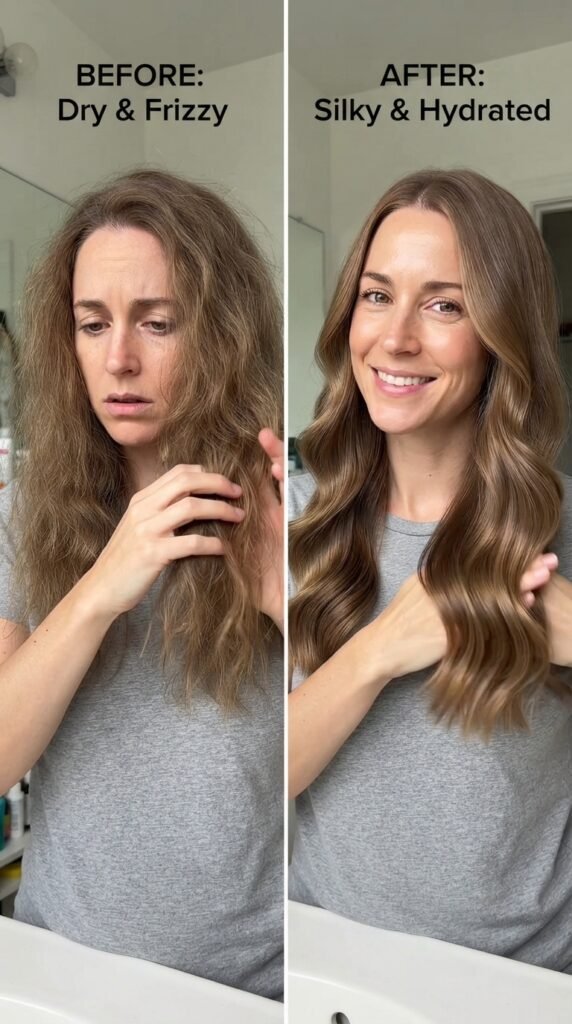
Heat styling, hard water, and even dry indoor air are working against your lengths every single day. If your hair feels stiff, looks dull, or snaps off easily, that’s a cry for help.
Slugging gives your hair a real recovery day. It’s a reset button that actually lasts longer than a basic conditioner.
You don’t need a fancy salon treatment. This is a DIY fix that delivers real results.
And honestly? The change is instant. Your hair looks smoother, feels softer, and catches the light in a way that screams expensive. Even if you love your current 2026 hairstyle, slugging will make it look like it was just cut yesterday.
Slugging vs. Deep Conditioning: What’s the Difference?
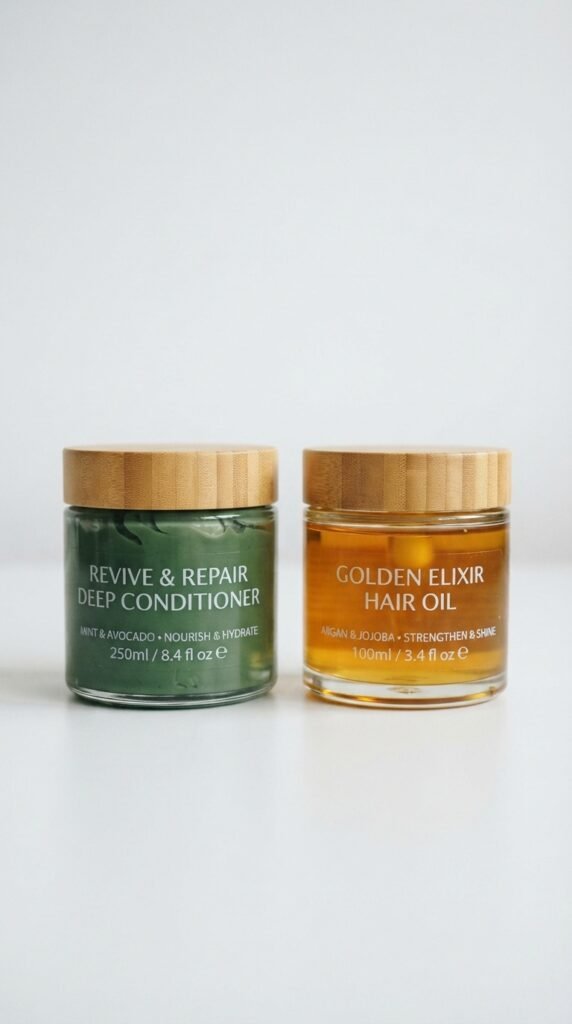
Deep conditioners work from the inside out. They penetrate the hair shaft and deliver nutrients where it counts.
Slugging works from the outside in. It protects the surface and locks everything in.
They’re even better together. Think of a deep conditioner as the glass of water and slugging as the lid on top.
- Deep conditioner: repairs and hydrates
- Slugging: seals, smooths, and adds shine
Use both in the same week and your hair will feel thicker, softer, and way more resilient. I’ve never found a salon mask that works as well as this combo honestly.
Who Should Try Hair Slugging (And Who Might Skip It)

Slugging is amazing for dry, textured, curly, or color-treated hair. If your strands drink up oil like a sponge, you’re a perfect candidate. It’s also a lifesaver if you spend a lot of time in the sun or swim.
If you have very fine or stick-straight hair, you need to be a bit careful. A heavy product can weigh you down and make you look greasy.
That doesn’t mean skip it. It just means you adjust the technique.
- Best for: curly, coily, thick, and damaged hair
- Try with caution: fine, straight, low-porosity hair
- Skip if: your scalp gets irritated by heavy occlusives
Knowing your hair type is half the battle.
The Best Slugging Products (Without the Grease)
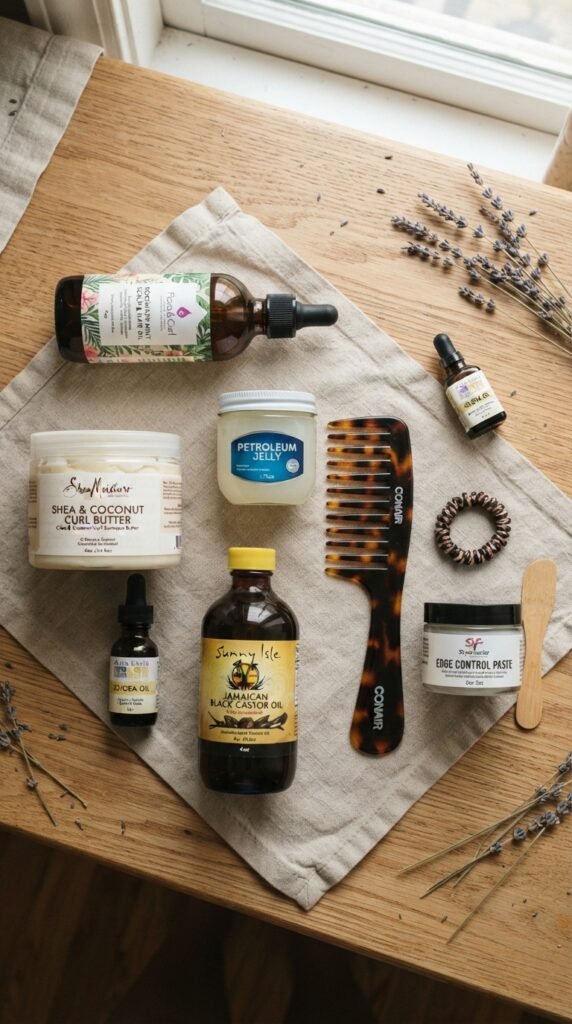
You don’t need the newest hyped product. Some of the best slugging heroes are sitting in your bathroom right now.
- Argan oil or jojoba oil for light sealing
- Shea butter for thicker, coarser hair
- A tiny dab of petroleum jelly for serious sealing on the ends
- Leave-in conditioner or aloe vera as the hydrating base layer
Just remember: more isn’t better. You want a thin, even coat. Otherwise, you’ll be in full grease-ball territory.
How to Slug Your Hair in 5 Simple Steps

- Start with clean, damp hair after a shower. Moisture is your straw.
- Apply a water-based leave-in or aloe product from mid-length to ends.
- Warm a pea-sized amount of oil or balm between your palms.
- Press it into your ends. Don’t rub aggressively.
- Style as usual, or let it air dry for a glossy finish.
That’s it. The trick is working in sections so every strand gets a little love. It’ll feel like a salon treatment, minus the price tag.
Curly and Coily Hair? This Is Your Secret Weapon

Curls lose moisture faster than any other hair type. The twists and turns of the curl pattern make it harder for your scalp’s natural oils to travel down the strand.
That’s why slugging is such a game-changer for curly and coily hair. It’s basically the final, sealing step of the LOC method — liquid, oil, cream.
After you apply your leave-in and cream, press a little oil or butter over the ends. This keeps every bit of hydration locked inside the curl.
The result? More defined curls, less frizz, and softness that lasts for days. It also makes day-two and day-three hair way easier to refresh.
Fine Hair? Here’s Your Slugging Cheat Code

Trust me, fine hair can absolutely do this. You just have to be smart about it.
First, skip the roots. Your scalp already makes enough oil there. Focus all the slugging action on the last two inches of your strands.
Second, pick a lightweight oil like argan or squalane. Heavy butters will flatten you.
Here’s my favorite hack: apply a tiny amount before bed, then wash it out in the morning. You get deep conditioning benefits with zero greasy aftermath. I do this once a week and it completely changed my ends.
Your fine hair will look bouncy, shiny, and way less likely to snap. It gives you the glass-hair finish without the heaviness.
How Slugging Fits Into 2026 Hairstyles
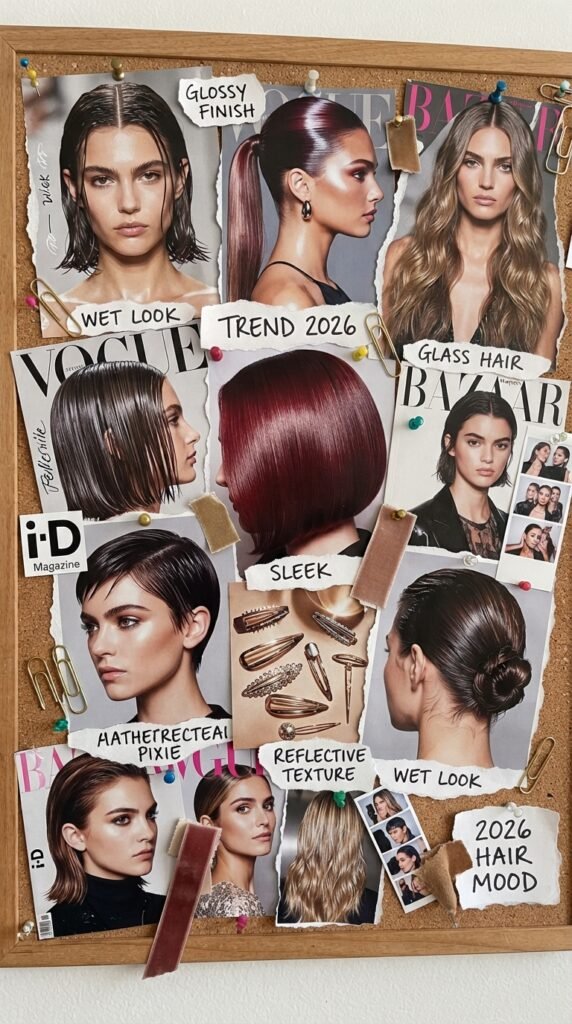
Every major 2026 hairstyles trend has one thing in common: shine. Whether you’re rocking sleek mermaid waves or a blunt cut, glossy hair is the goal.
Slugging is literally the technique behind that finish. It smooths the cuticle so light bounces off your hair evenly.
The best part is that it works with any haircut. You don’t need to change your look. You just seal what you already have with the right oil.
From romantic goth hairstyles to the vampire haircut, a single slugging session makes every style look richer and more expensive. Think of it as the universal finishing touch for hair.
Old Money Hair? Slugging Is Its Little Secret

Old money hair is all about understated luxury. It’s not loud or overly styled. It just looks healthy, expensive, and effortless. It pairs perfectly with a simple blazer and pearl earrings.
That glossy, smooth texture doesn’t happen by accident. The old money aesthetic relies heavily on hair that looks naturally glossy, and slugging delivers exactly that.
A tiny bit of oil pressed into your ends before a blowout gives you that reflective, salon-quality finish.
It’s the quiet detail that makes people wonder how you always look so put together. Spoiler: it’s a $12 bottle of oil. You don’t need a fancy hair mask or a celebrity stylist.
The Quiet Luxury Bob Needs Sealed Ends

The quiet luxury bob is one of the biggest 2026 hairstyles right now, and it only works if your ends look immaculate. A blunt bob highlights every split end and rough edge.
Slugging keeps those cut ends sealed, smooth, and perfectly defined. It’s the difference between a sharp designer bob and a sad, frayed one.
If you’re wearing this cut, make slugging part of your weekly routine. Just warm a tiny bit of balm between your fingers and press it into the perimeter. It takes less than a minute after styling.
Your blunt line will look sharper, shinier, and undeniably expensive.
Romantic Goth Hairstyles Love a Little Slugging

Romantic goth hairstyles are all about drama, texture, and a touch of mystery. Think Victorian-inspired waves with a dark, dewy glow. It’s a favorite look for the colder months, but honestly it works year-round.
Slugging is perfect here because it adds that soft, wet-looking sheen without making hair feel stiff or crunchy. You get that ethereal, just-stepped-out-of-a-romantic-novel energy.
Use a medium-weight oil and glide it through the lengths with your fingers. This smooths frizz while keeping the dark, moody vibe intact.
It also keeps dark hair color from looking dull or ashy between salon visits. That little bit of shine makes all the difference under low, candlelit lighting.
Glitchy Glam Hair Is Basically Slugging’s Cool Cousin

Glitchy glam hair is all about reflecting light in cool, unexpected ways. It’s glossy, dimensional, and unapologetically bold.
To really nail that look, your hair needs a smooth, sealed surface. Slugging provides exactly that base. It’s like priming a canvas before painting.
Once your moisture is locked in, your color and shine will pop way harder. Even subtle metallic or chrome details look more intense.
I like to press a tiny bit of shine serum over the finished style for the full glitch effect, but only on the ends, never the roots. That’s where slugging meets styling, and the result is very futuristic Barbie.
The Asymmetrical Lob Demands Polished Ends

The asymmetrical lob is one of the most wearable 2026 hairstyles out there, and it lives or dies by its ends. Those sharp, angled lines need to stay looking intentional. It’s the cut that says “I woke up like this, but better.”
Slugging smooths the cuticle and stops the ends from splitting apart or looking frayed. It keeps the whole silhouette clean.
A quick slugging session after every wash keeps your lob looking freshly cut, even on day three or four.
Use a boar-bristle brush to spread the product evenly and keep those angles precise. It’s honestly the best styling hack for short hair, period.
The Vampire Haircut Needs a Sharp Finish

Vampire haircuts feature deep, face-framing layers cut at sharp, dramatic angles. It’s edgy, mysterious, and perfect for anyone who wants a little bite. It’s one of the boldest 2026 hairstyles for good reason.
But those chunky layers reveal every bit of damage and dryness. Slugging the layers keeps them defined and gives that razor-sharp finish. Healthy hair is what makes this cut work.
The result is a haircut that looks intentional, not messy. Your layers will catch the light and move with a gorgeous, fluid swing.
Think of slugging as sharpening a blade. It just completes the entire look, especially when you pair it with romantic goth hairstyles.
The Hime Cut Is a Slugging Must
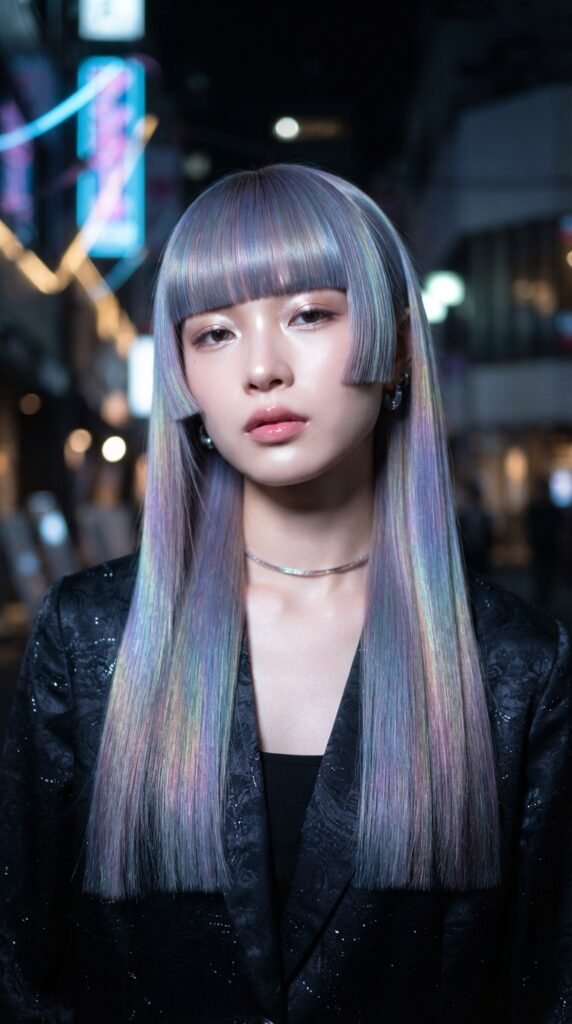
The hime cut is all about precision. Those straight, heavy bangs and long face-framing pieces need to lie completely flat and glossy. It’s a look that demands clean edges.
Frizz is the enemy of this look. Slugging the bangs and side pieces keeps everything sleek, smooth, and perfectly in place. You can also use a clean mascara wand to brush the balm through the sections.
It’s the best trick for anyone with a hime cut who wants that mirror-shine finish without loading up on stiff gel.
Just warm a tiny amount of balm between your palms and gently glide it over your bangs. You don’t need anything else.
6 Slugging Mistakes That Will Make You Look Greasy
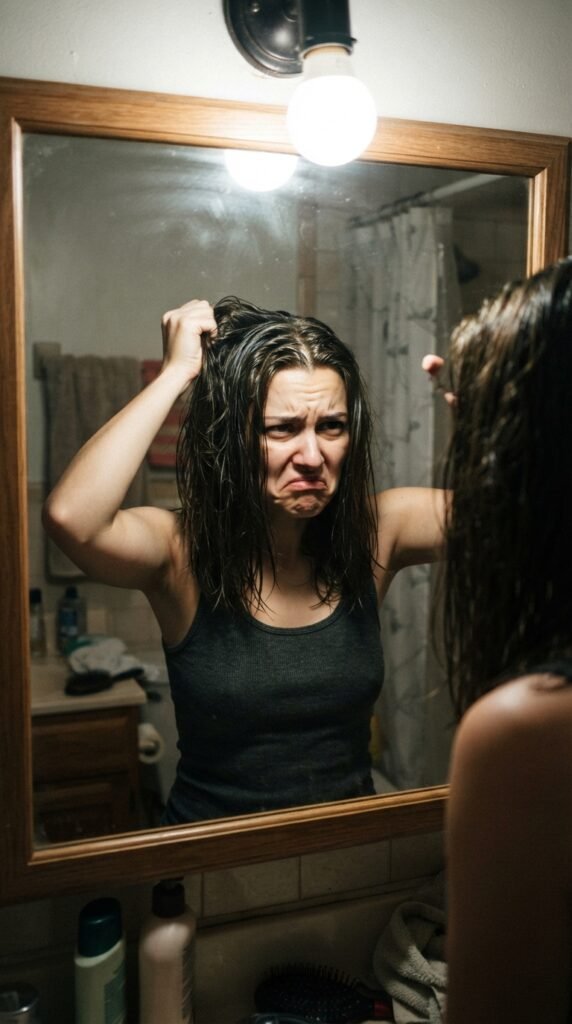
Slugging is amazing, but it’s easy to overdo it. Trust me, I’ve made every single one of these mistakes. Avoid these common slip-ups:
- Applying oil to dry hair without a hydrating base
- Using way too much product
- Saturating your roots and scalp
- Forgetting to emulsify the oil in your hands first
- Combing aggressively after sealing
- Choosing the wrong oil for your hair porosity
All of these lead to that heavy, stringy grease-ball look. Start with less than you think you need and build up gradually.
Your hair should feel soft and silky, never slick or wet after a few minutes.
How Often Should You Slug Your Hair?

For most hair types, once a week is the sweet spot. It gives your strands a full reset without any buildup. Mark it on your calendar, make it a ritual.
If your hair is very dry or damaged, you can do it twice a week. If your hair is fine or oily, once every other week is perfect.
Pay attention to how your hair responds — consistency matters way more than quantity. Your hair is the best barometer you have.
The goal isn’t to drown your strands, it’s to give them a gentle hug that keeps them healthy. Your favorite 2026 hairstyles will thank you for it.
My Sunday Night Slugging Ritual

Sunday nights are my time to reset. I wash my hair, let it air dry to about eighty percent, and then work a lightweight leave-in cream through the lengths. I usually do this while watching something on my phone, so it doesn’t feel like a chore.
Next, I warm a few drops of argan oil in my hands and press it into my ends. Then I braid my hair loosely and let it sleep overnight. No heat, no complicated tools, just five minutes.
By Monday morning, my hair is soft, frizz-free, and ready for whatever the week throws at it.
It’s honestly the most low-maintenance high-maintenance trick I own.
What to Expect After Your First Slug

Immediately after, your hair will feel softer and look shinier. Frizz will be visibly calmer, especially around your face.
By day two, you’ll notice fewer flyaways and easier styling. Your hair will hold curls or waves better because the cuticle is smooth.
Over time, consistent slugging reduces breakage and helps you retain length. This is how you keep a good haircut looking amazing for longer. Those little salon visits go a lot further when your hair is healthy underneath.
It’s not magic, it’s just science doing its thing. And honestly, it’s the closest thing I’ve found to a bottled hair transformation. Your mirror is going to love you.
A Few Parting Thoughts From My Desk
Slugging your hair might sound like a trend, but it’s really just smart, science-backed self-care. You don’t need a million products. You just need a little time, a little oil, and the knowledge that your hair deserves the same attention as your skin.
I’ve been doing this for months, and my ends have never looked better. My color stays fresher, my blowouts last longer, and I finally understand why glossy 2026 hairstyles are everywhere. It’s not a secret. It’s slugging.
Try it this week and tell me how it goes. I have a feeling you’ll be hooked after the first wash day.
Save this post to Pinterest so you have the routine ready for your next wash day. And drop a comment below: have you tried hair slugging yet, or are you about to? I genuinely want to hear how it works for your hair type!