
Best Transition Haircuts Moving From Heavy Lengths To Airy Layers
Hey friend, Hailey here. If your hair has been long and heavy for years, you already know the tug on your scalp, the knots, and the endless ponytails. You also know that cutting it all off in one go feels terrifying.
Here is the good news: you do not have to choose between your length and hair that finally moves. Transition cuts are the sweet spot, and they are everywhere right now.
In this post I am walking you through the best transition haircuts for going from heavy lengths to airy layers, including the quiet luxury bob, the asymmetrical lob, the hime cut, and the 2026 hairstyles everyone keeps asking about.
You will get exact names to ask for, who each cut suits, and how to keep it looking light at home. Let’s make the change feel easy.
Why Transition Cuts Beat One Big Chop

Going from waist-length hair to a full chop in one appointment is a shock to your whole look. Transition cuts remove weight gradually while keeping enough length that you still feel like you.
They also let your stylist see how your hair falls as it changes, so each appointment gets better than the last.
- You keep enough length to still braid or clip up
- Bulk comes out of the ends, not the top
- Movement shows up immediately
- Way less chance of regret
Think of it as a slow reveal instead of a big leap.
The Quiet Luxury Bob: The Softest First Step

The quiet luxury bob is the cut I recommend most for anyone nervous about losing length. It sits somewhere between your jaw and collarbone, with a clean line and the tiniest bit of softness at the ends.
It reads polished, expensive, and effortless all at once. That is the whole point of old money hair.
- Ask for a blunt-ish line with invisible layers
- Keep the front pieces just past the cheekbone
- Skip heavy texturizing near the roots
If you have been long forever, this is the gentlest landing spot.
The Asymmetrical Lob For Grown-Out Length
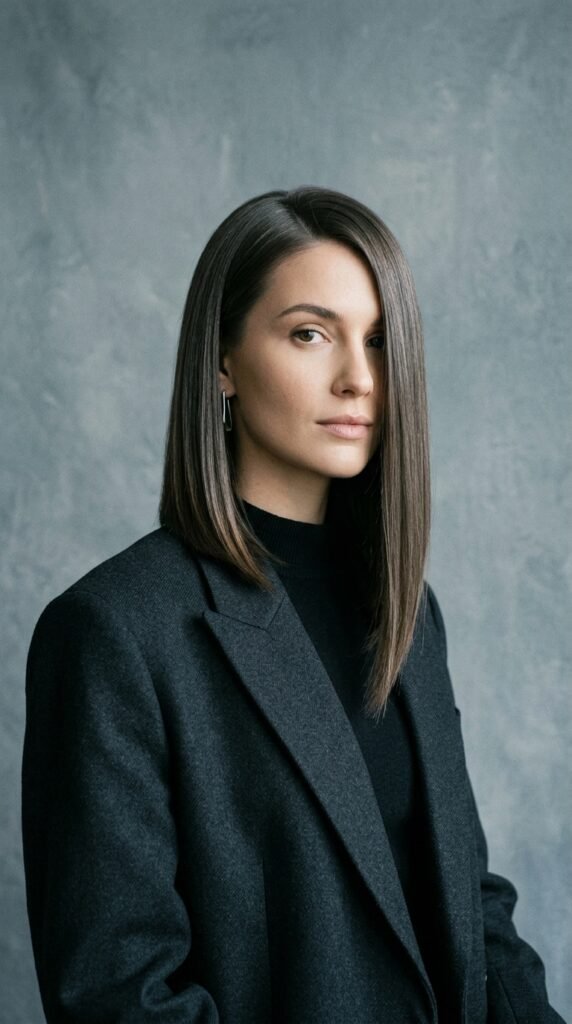
An asymmetrical lob keeps one side longer, which means you get a fresh shape without saying goodbye to all your length. It is one of my favorite transition cuts because it looks intentional, not like a grow-out.
It also works beautifully if your hair grows unevenly or you have a cowlick you have been fighting for years.
- Longer side can graze the collarbone
- Shorter side sits near the jaw
- Soft layers through the back for movement
Style it sleek for work, then rough it up for weekends.
The Hime Cut For A Clean, Intentional Line

The hime cut is having a real moment. It pairs blunt cheek-length side pieces with longer hair in the back, and it looks striking on almost any length.
For a transition, it is genius: you get a bold new shape up front while the back stays long enough for a braid.
- Side pieces hit around the cheek or jaw
- Back stays blunt and clean
- Works on straight, wavy, and coily hair
It reads intentional and a little bit otherworldly. If you love a strong line, try this one.
Long Layers With Face-Framing Pieces

This is the safest transition cut in the book. Your stylist keeps most of your length, adds long layers through the back, and carves out face-framing pieces that start around the cheekbone.
Suddenly your hair moves. It stops hanging like a curtain and starts doing that soft, bouncy thing you see in photos.
- Layers start below the chin, never above
- Ask for “long layers with a soft face frame”
- Keep the perimeter for length
Zero drama, maximum payoff.
The Butterfly Cut For Volume Without Weight

The butterfly cut is basically a modern take on the 90s blowout, and it is perfect for thick, heavy hair. Short layers up top create volume, long layers in the back keep the length.
Because the layers are placed strategically, you lose weight where it matters and keep the shape everywhere else.
- Ask for short-to-long layers through the crown
- Keep the longest layer near the collarbone or below
- Blow dry with a round brush to see the shape
It photographs beautifully and it grows out gracefully.
Curtain Bangs Meet Long Layers

If your hair feels flat and heavy on top, curtain bangs plus long layers will change your whole face shape. The bangs open up the middle of your face while the layers keep the ends from looking blocky.
This combo works on nearly every hair type and it is one of the easiest ways to fake a whole new haircut.
- Bangs should split in the middle and sweep outward
- Shortest point around the brow or cheekbone
- Blend the bangs into the layers, no hard line
Grow-out is painless, which is rare for bangs.
The Vampire Haircut For Drama With Movement

The vampire haircut is exactly what it sounds like: sharp, layered, a little dramatic, and full of movement. It usually mixes shorter, choppier layers near the top with longer pieces underneath.
On heavy hair, it is a great reset. You lose a lot of bulk but keep a lot of length, and the shape feels edgy without being extreme.
- Layers are choppy, not blended smooth
- Length stays past the shoulders
- Looks best with a little texture spray
Pair it with dark tones for full effect.
Romantic Goth Hairstyles With Soft Layering

Romantic goth hairstyles are softer than the name suggests. Think long lengths, gentle layers, and a little wave around the face. It is moody but wearable.
For a transition cut, the layers here are light and feathery, so your length still feels long while the weight lifts off your neck.
- Long, soft layers starting below the chin
- Slight U shape at the ends
- Loose curls or a textured blowout to finish
It is the kind of hair that looks good in every photo.
Glitchy Glam Hair For A Modern Edge

Glitchy glam hair is all about contrast: sleek in one area, chopped and layered in another. It sounds chaotic, but on heavy lengths it is a smart way to break up a block of hair.
You keep the long baseline but add sharp, uneven pieces that give the cut energy.
- Keep one section sleek and one textured
- Use uneven layers around the face
- Style with a flat iron for contrast
It is not for everyone, but if you are bored, it is fun.
Old Money Hair: Polished Layers That Never Age
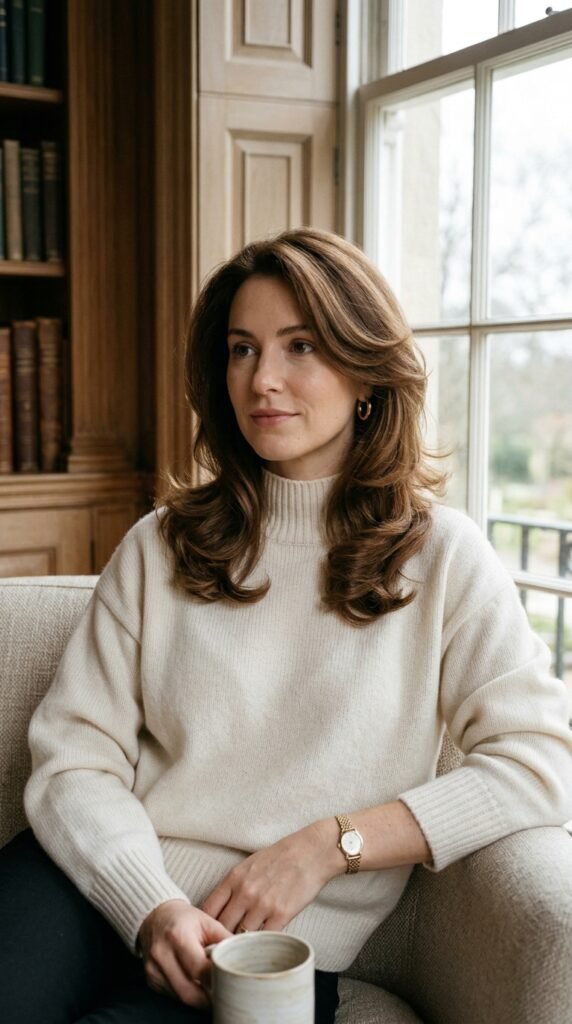
Old money hair is not about a specific cut. It is about condition, shine, and soft layers that look expensive without trying. It is a look, and a good stylist can build it into a transition cut.
The trick is keeping the layers invisible. You should not see steps, just movement.
- Long layers, blended and soft
- Healthy ends above everything
- Glossy finish, low-maintenance styling
This is the vibe that never goes out of style, which is exactly why it keeps trending.
The U-Shaped Cut For Thick, Heavy Hair

If your hair is thick and blunt, a U-shaped cut is a game changer. Instead of a straight line across the bottom, the ends curve softly upward, which makes the whole cut look lighter.
Add gentle layers and you get movement without losing the length you love.
- Ask for a soft U perimeter
- Light layers through the last few inches
- Keep the bulk out of the ends
It is flattering on almost every face shape and it grows out beautifully.
The V-Shaped Cut For Fine Hair

Fine hair needs a different approach. A V-shaped cut tapers the ends into a soft point, which creates the illusion of length and keeps everything from looking thin and stringy.
It is a great transition option because you can keep almost all your length while getting a fresh shape.
- Taper starts around the shoulders
- Keep layers minimal and long
- Avoid heavy texturizing on fine strands
It looks simple, but it makes a big difference in how your hair falls.
The Grown-Up Wolf Cut

The wolf cut has calmed down into something much more wearable. Instead of wild, choppy layers everywhere, the grown-up version keeps the texture but softens the edges.
On heavy lengths, it removes a ton of bulk and gives you that effortless, undone look.
- Layers should be texturized, not thinned out
- Keep the longest layer past the collarbone
- Embrace your natural texture
It works on wavy, straight, and curly hair. Just ask for softness.
The Soft Shag With Airy Ends

The shag is not going anywhere, and the soft version is perfect for a transition. It gives you layers, bangs, and texture all at once, but without the harsh 70s edges.
Because the layers are so airy, your hair stops feeling like a solid mass.
- Soft curtain bangs, not blunt
- Layers through the crown for lift
- Point-cut ends for a feathered finish
Style it with a sea salt spray and let it air dry.
The Collarbone Lob With Invisible Layers

A collarbone lob is the sweet spot between short and long, and it is one of the most requested cuts for 2026 hairstyles. The invisible layers are the secret: you cannot see them, but you feel them in the movement.
This cut suits almost everyone and it is easy to maintain.
- Length hits right at the collarbone
- Layers are blended, never stepped
- Looks great straight or wavy
If you want low effort with high polish, this is it.
Blunt Lob, Softened

A blunt lob is bold, but it can feel heavy if your hair is thick. The softened version keeps the strong line while removing bulk underneath so the ends still swing.
It is a great middle ground between a big chop and your long layers.
- Keep the perimeter blunt
- Remove weight from the under layers only
- Skip visible layers on top
It is clean, confident, and very photogenic.
2026 Hairstyles: The Transition Trends To Watch
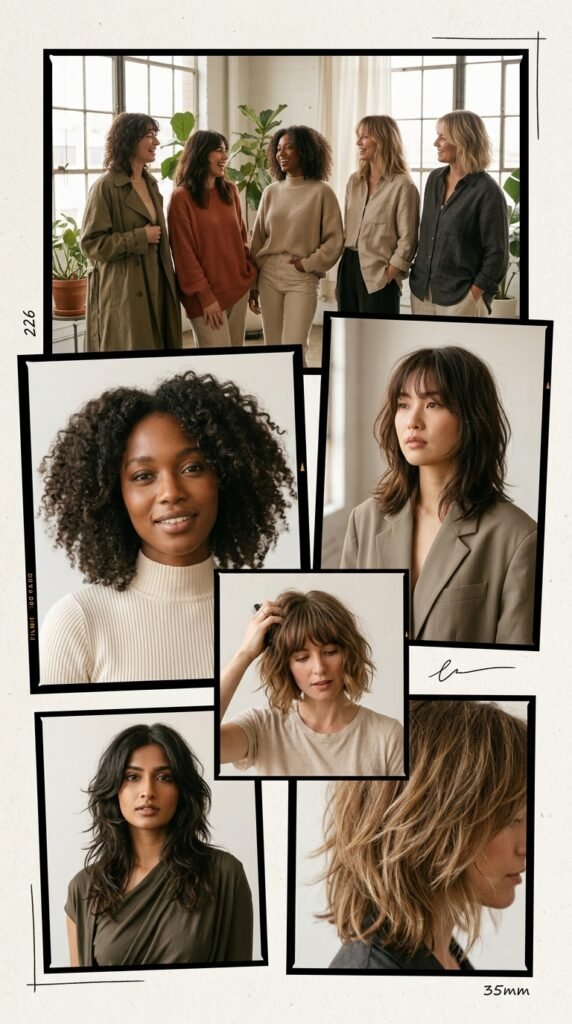
Here is what is trending for 2026 hairstyles when it comes to transition cuts. The theme is movement, softness, and low maintenance.
- Quiet luxury bob with invisible layers
- Asymmetrical lob with a soft face frame
- Hime cut side pieces with long backs
- Butterfly layers for thick hair
- Soft shags and grown-up wolf cuts
Notice a pattern? Nothing fussy. Everything looks better on day three than day one. That is the whole mood right now.
How To Ask Your Stylist For Airy Layers

The words you use matter more than you think. “Airy” can mean five different things to five different stylists.
- Say: “Keep my length, remove weight from the ends.”
- Ask for “long layers with soft blending, no visible steps.”
- Show two or three photos of hair that moves.
- Mention how you actually style it at home.
Also tell them what you hate. “I do not want it to look thin” is a very useful sentence.
How To Style Airy Layers At Home

Airy layers do not need much, but they do need a little intention. The goal is lift at the roots and movement at the ends.
- Rough dry until 80 percent, then round brush the top
- Use a light mousse or volumizing spray at the roots
- Point the dryer downward to smooth the cuticle
- Finish with a tiny bit of oil on the ends only
Skip heavy products. They flatten layers fast. A two-minute blow dry is usually all you need.
How Often To Trim While Transitioning

Trims are what make a transition work. Without them, your layers grow out and you are back to square one.
- Every 8 to 10 weeks for most hair types
- Every 6 to 8 weeks if you have split ends
- Every 12 weeks if your hair is very healthy
Ask your stylist to “dust” the ends and reshape the layers each time. You will keep your length and keep the shape. It sounds slow, but it is the fastest way to actually love your hair.
Products That Keep Layers Looking Light
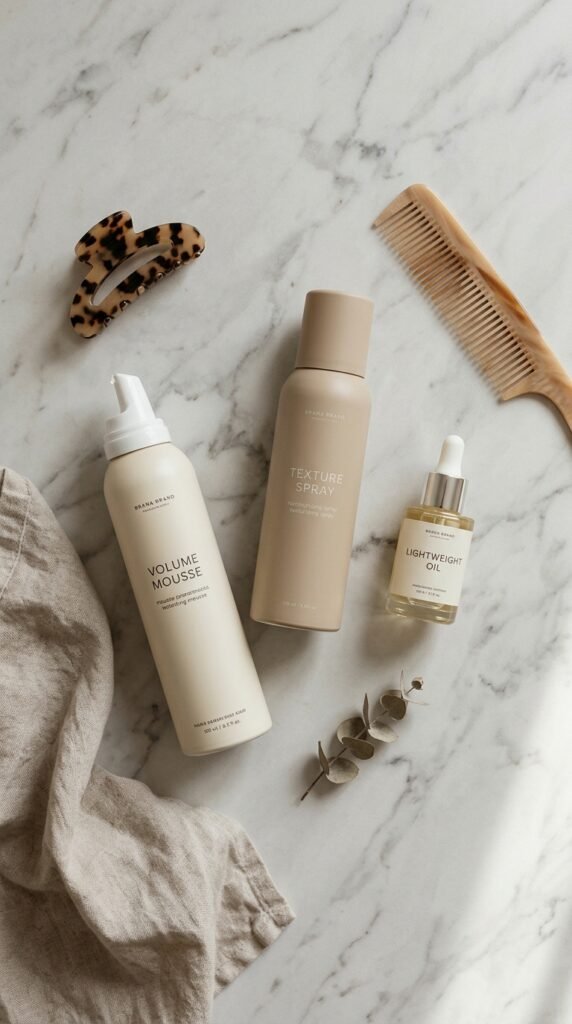
You do not need a cabinet full of products. You need the right three.
- A lightweight volumizing mousse for roots
- A texture or sea salt spray for the mid-lengths
- A dry oil or serum for the ends
That is it. Anything heavier will pull your layers down and undo the work your stylist did.
Also, wash your hair less often if you can. Day two hair holds layers so much better than fresh, slippery hair.
Which Transition Cut Fits Your Hair Type
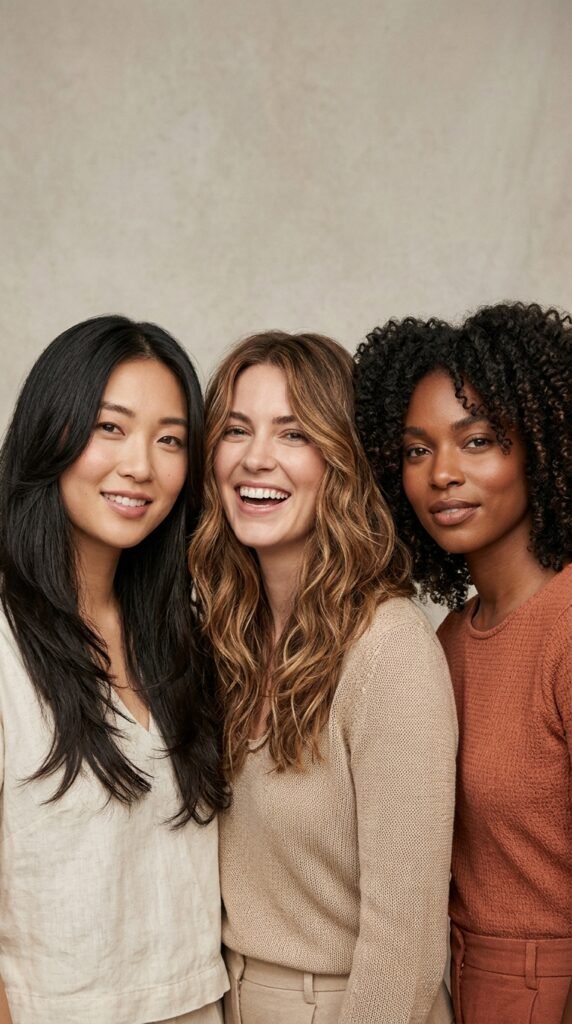
Not every cut works on every texture. Here is a quick cheat sheet.
- Fine hair: V-shaped cut, collarbone lob, minimal layers
- Thick hair: Butterfly cut, U-shape, grown-up wolf cut
- Curly hair: Soft shag, long layers, hime cut
- Wavy hair: Shag, curtain bangs, asymmetrical lob
- Straight hair: Quiet luxury bob, blunt lob, hime cut
When in doubt, bring your natural texture to the appointment, not a blown-out version of it.
Mistakes To Avoid When Going From Heavy To Airy

I have made most of these myself, so learn from my mistakes.
- Asking for layers when you actually want less weight
- Letting a stylist thin your ends with a razor on fine hair
- Cutting layers too short on top
- Skipping trims for six months
- Using heavy conditioner on your roots
Also, do not panic on day one. Airy layers always look best after a week and a wash or two.
What If You Miss Your Length

It happens. You get the cut, you love it, and two weeks later you miss your long hair. That feeling passes, I promise.
And here is the good part: airy layers actually grow out well. There is no harsh line, no awkward shelf of hair near your shoulders.
- Keep up with trims to maintain the shape
- Try braids, claw clips, and half-up styles
- Take monthly photos so you can see the growth
You are not losing your length. You are rebuilding it lighter.
A Final Thought Before You Book
Changing your hair after years of heavy length is a big deal, and it is okay to feel nervous about it. Just do not let nervous turn into another year of ponytails.
Start slow. Pick one cut from this list, bring photos, and tell your stylist exactly what you want to keep. The right transition cut does not erase your hair. It gives it room to move.
You deserve hair that feels like you, not just hair that is long.
Save this post to Pinterest so you have it ready at your next appointment, and tell me in the comments: which transition cut are you trying first? I read every single one and I am always here if you need a second opinion.