Hairstyles for a Dance Competition That Hold Through Every Routine, Quick Change and Final Bow
Competition day asks more of a hairstyle than any other day in a dancer’s year. One style has to survive the warm-up, the stage lights, a quick change between routines and the awards ceremony, and it has to look just as neat in the last photo as it did in the first. That is why choosing hairstyles for a dance competition is a practical decision, not just a pretty one, and why the best competition styles are built around hold, speed and the judges’ view.
This guide covers 38 competition-ready styles, from the classic ballet bun to the convertible bun that drops into a ponytail in under a minute. Before the styles, eight short guides walk through the rules judges apply, the quick-change kit to pack, sweat-proofing under hot lights, styles by dance genre, team uniformity, hair by length, what to ask a stylist, and a realistic hour-by-hour timeline for the day. Every style includes what it is, the mistakes that undo it, how to maintain it between routines, and what it costs in time and money.
A quick note on the photos: they come from public web search, including Pinterest, and are credited beneath each one. They are not verified licensed stock, so if any owner asks for a photo to be removed, it should be replaced. Use the styles here as a starting point, try your favourite at rehearsal first, and never test a brand-new style on competition day itself.
Competition Hair Rules and What Judges Actually Notice
Most competitions do not publish a hairstyle rulebook, but every judge notices hair. Flyaways, a slipping bun or a style that hides the face reads as unfinished, and in a close call it can cost you. Read your competition handbook first, then check with your teacher, because some events ban loose hair, glitter or oversized accessories outright.
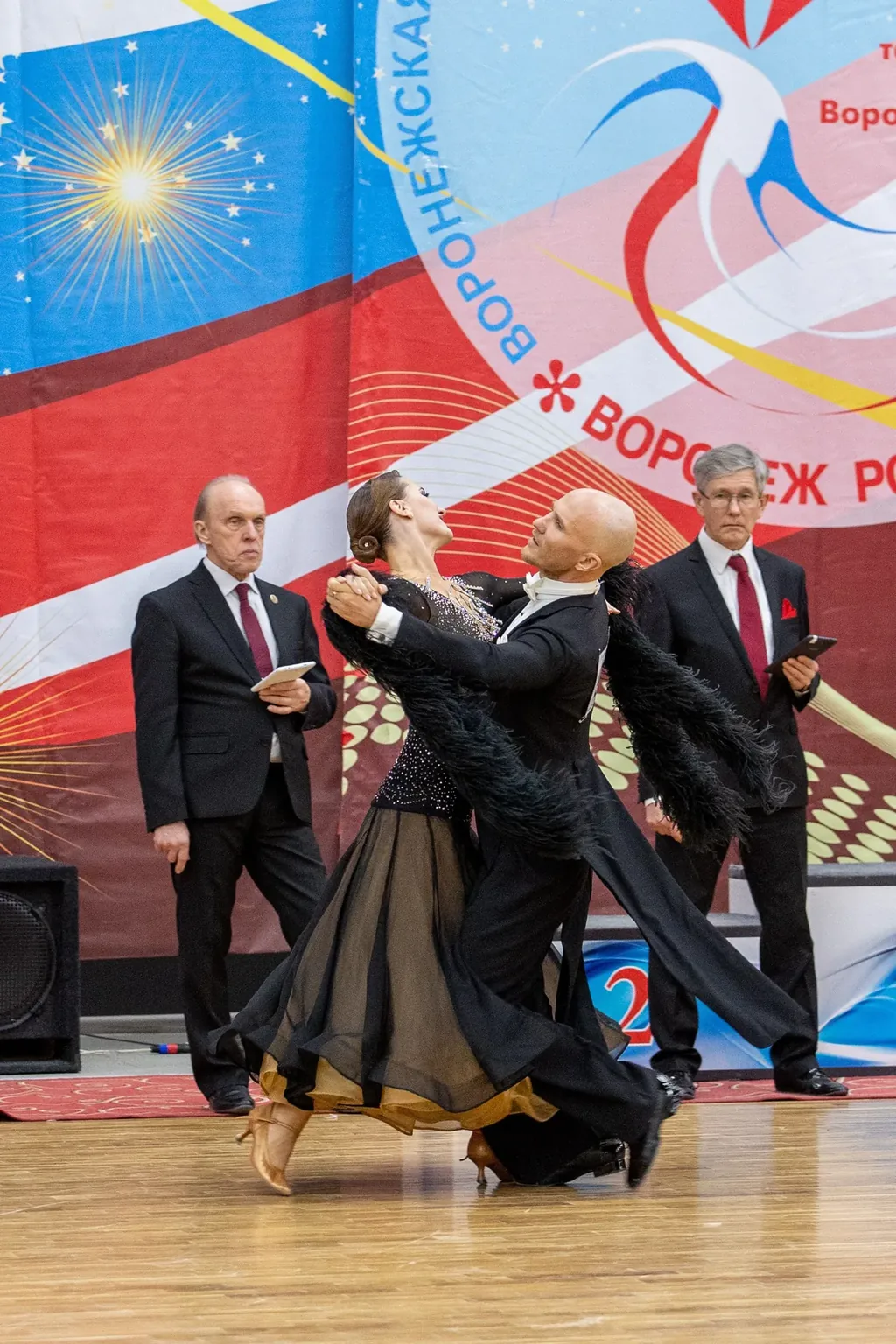
Judges look for a clean silhouette from every angle, hair that stays put through turns, and a style that matches the costume and the mood of the routine. A neat bun suits ballet, while a sharp ponytail suits jazz, but in both cases the face must stay visible. If the judges cannot see your expression, you lose part of your performance score.
When in doubt, choose the neater option. A simple, secure style done well always beats an ambitious style that falls apart halfway through the routine, and it photographs far better in the official stage shots too.
The Quick-Change Kit Every Dancer Needs Backstage
Between routines you may have under five minutes, so your kit has to be packed the night before and checked twice. Pack bobby pins in your hair colour, U-pins, a hair donut, two elastics per style, a brush, a comb, hairspray, gel, a small mirror, spare hair ties and a zip bag for used pins.
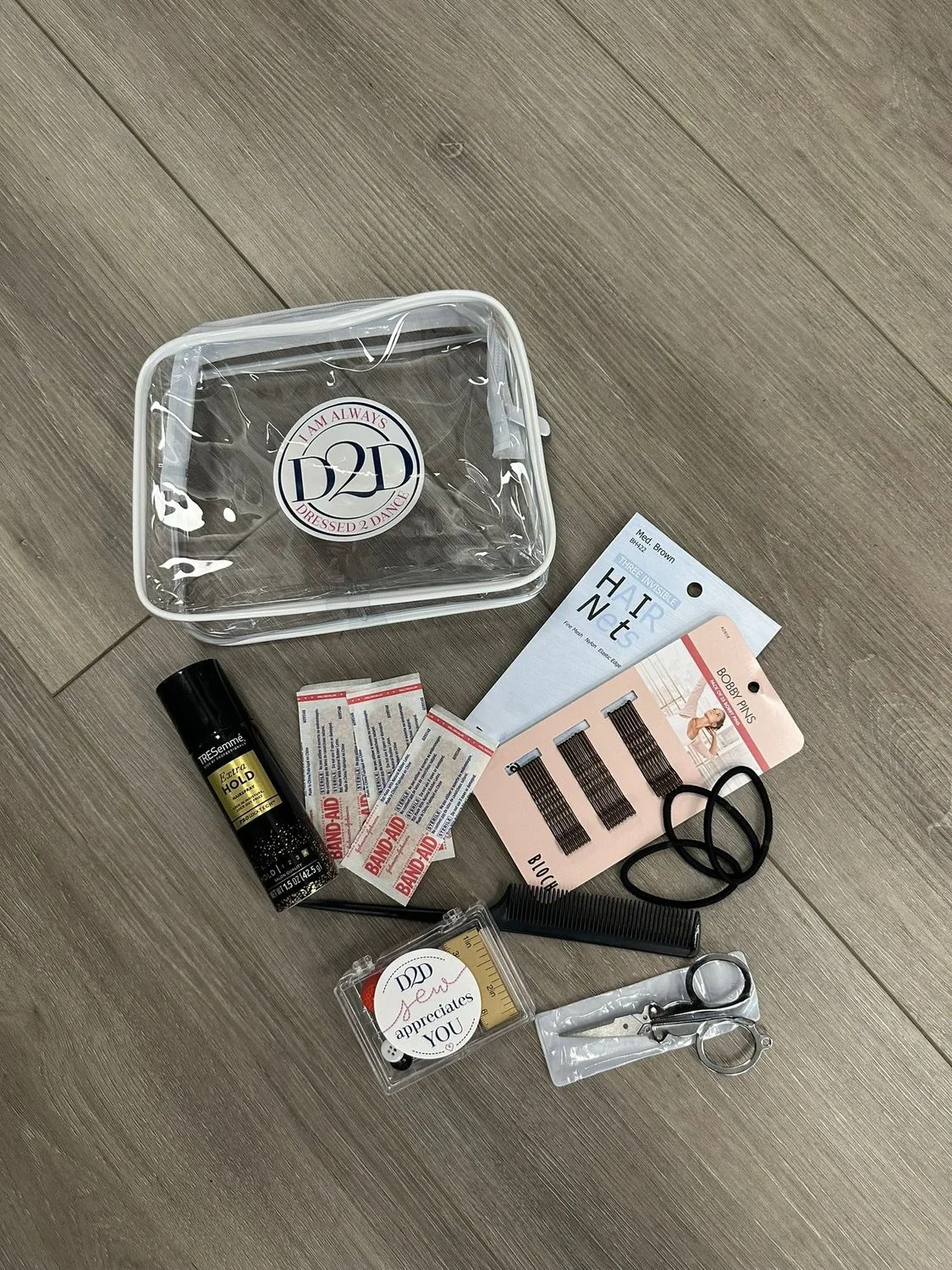
Lay the kit out in the order you will use it, and practise the change at home with a timer running. If a style needs a different parting or a new base, do the hard part before the first routine and only swap the finish, such as dropping a bun into a ponytail, when the clock is running.
Keep one spare of everything, including the accessory. Pins snap, elastics break and spray cans run out at the worst moment, and a borrowed pin from a teammate is never the same colour. A five-dollar backup kit is the cheapest insurance on competition day.
Sweat-Proofing Your Hair Under Stage Lights
Stage lights are hot, routines are long, and sweat is the enemy of every smooth style. The fix starts the night before: wash with a clarifying shampoo, skip heavy conditioner at the roots, and let the hair dry fully before you style it, because damp hair slips out of pins within minutes.
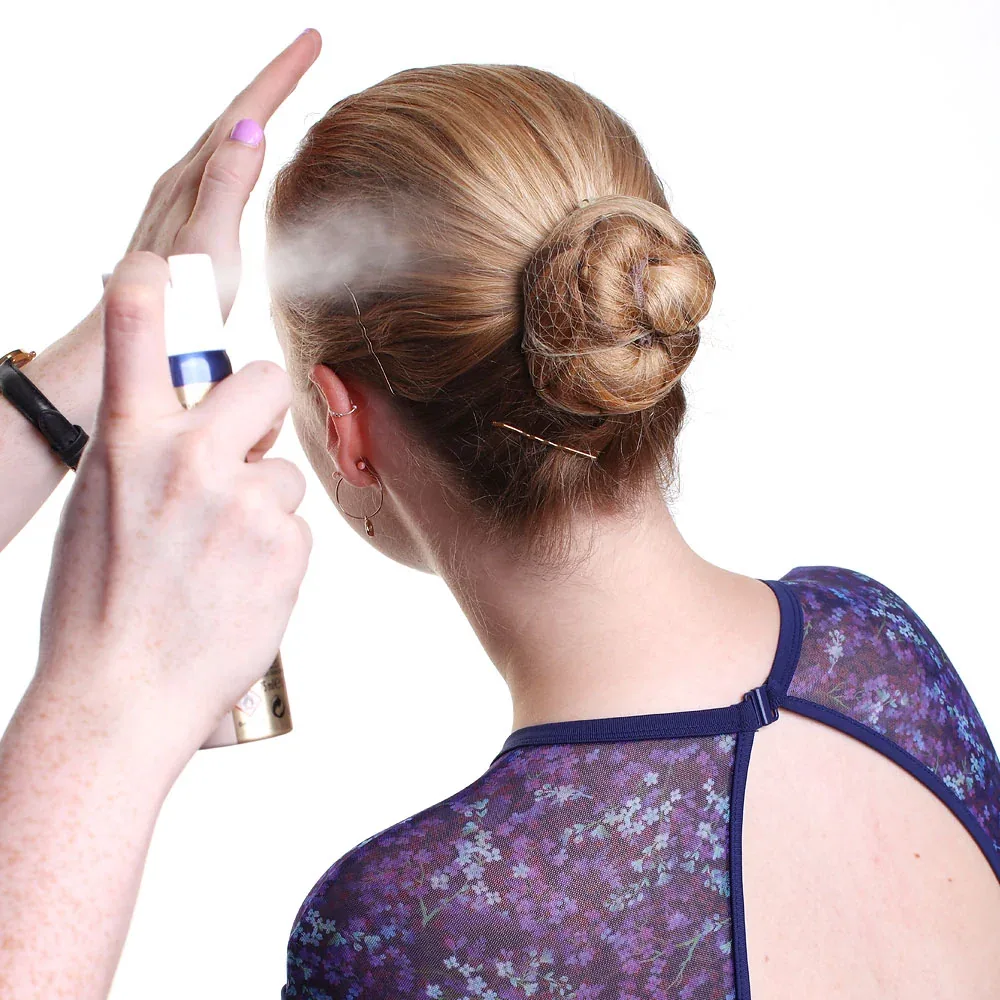
Work in layers rather than drowning the hair in one product. Gel at the roots for grip, a light mousse through the lengths, then a firm-hold hairspray once the style is set, with a second light mist after the dress rehearsal. Dry shampoo at the roots before styling absorbs sweat before it starts.
Carry blotting papers and a travel spray for touch-ups, and never re-brush a set style. Pat flyaways down with a toothbrush sprayed with hairspray, and if the nape is damp, a quick blast from a hand fan and a fresh pin will hold you until the awards ceremony.
Styles by Dance Style: Ballet, Jazz, Hip Hop and Contemporary
One hairstyle does not fit every discipline, and judges expect the hair to match the genre. Ballet wants a classic bun at the crown, centred and smooth, with a hairnet. Jazz suits a high ponytail or a slicked bun that swings with the movement. Contemporary allows softer, looser styles as long as the face stays clear.
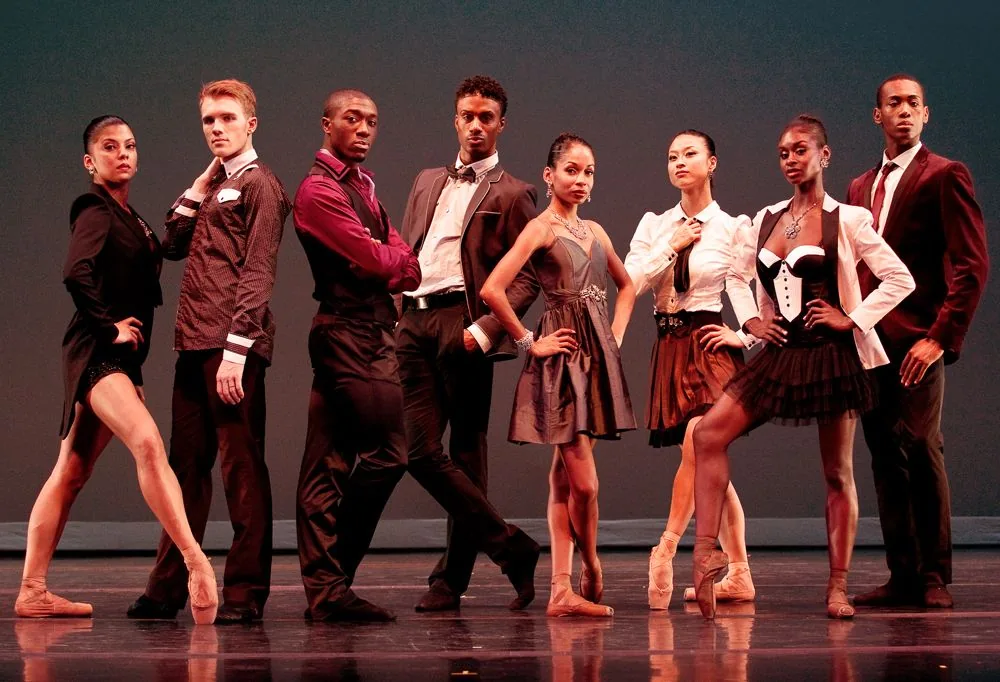
Hip hop is the freest of the four: braids, double buns, a high puff or a ponytail with attitude all work, and accessories are welcome. Tap and musical theatre sit between jazz and ballet, so a neat bun or a secure ponytail with a bow usually wins.
If you dance more than one style in a day, pick a base that converts. A high bun can drop into a ponytail for jazz, and braids can be coiled up for ballet, so plan the day around one strong foundation instead of starting from scratch every time.
Team Uniformity: Matching Hair Without Matching Heads
A team that looks identical from the back scores higher on presentation, so agree the style weeks before the competition, not on the morning. Pick one bun height, one parting and one accessory, then photograph it from the front, side and back so every dancer can copy it exactly.
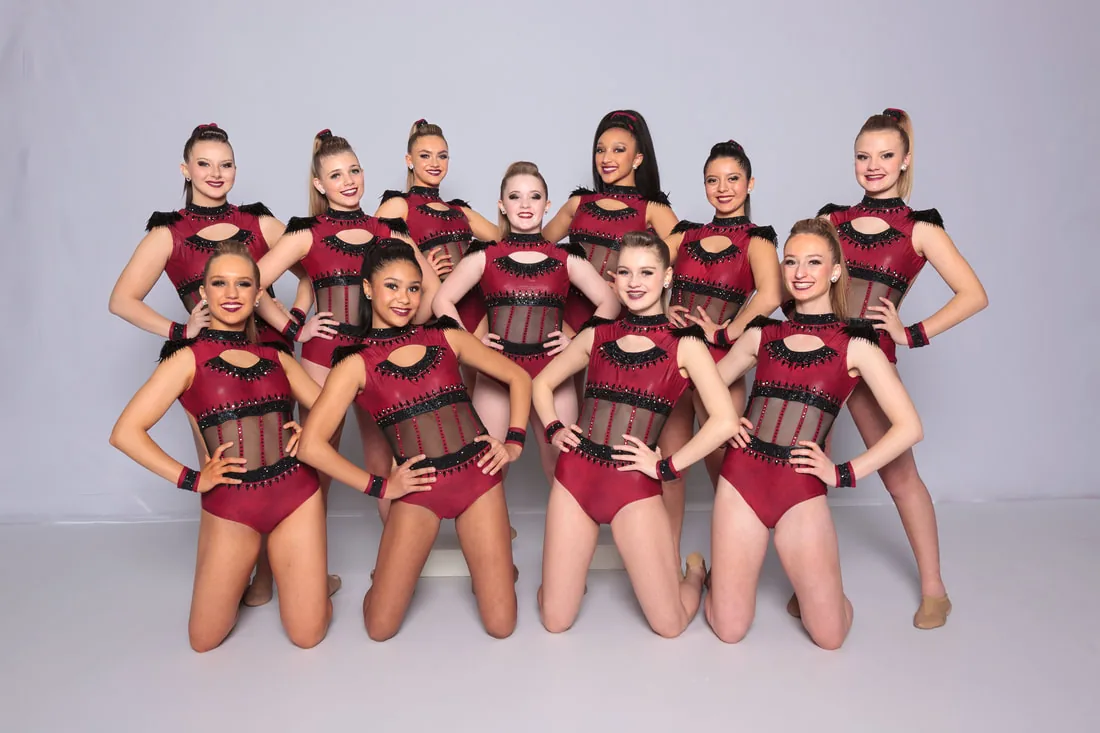
Different hair lengths and textures will not behave the same way, so set the result, not the method. A dancer with short hair may need a donut and extra pins to reach the same bun size, while curly hair may need gel instead of spray, and both are fine as long as the finished shape matches.
Do a full team check before you leave for the venue, with the teacher walking the line. Fix the outliers then, not backstage, and bring spare matching accessories, because one missing bow breaks the whole line in the group photo.
Competition Hair by Length: Short, Medium and Long
Short hair is not a disadvantage at competition, it just needs a different plan. A pixie or bob can be slicked back with gel and a sparkle clip, or pinned into a low mini-bun with a donut, and it holds better than long hair because there is less weight pulling it down.
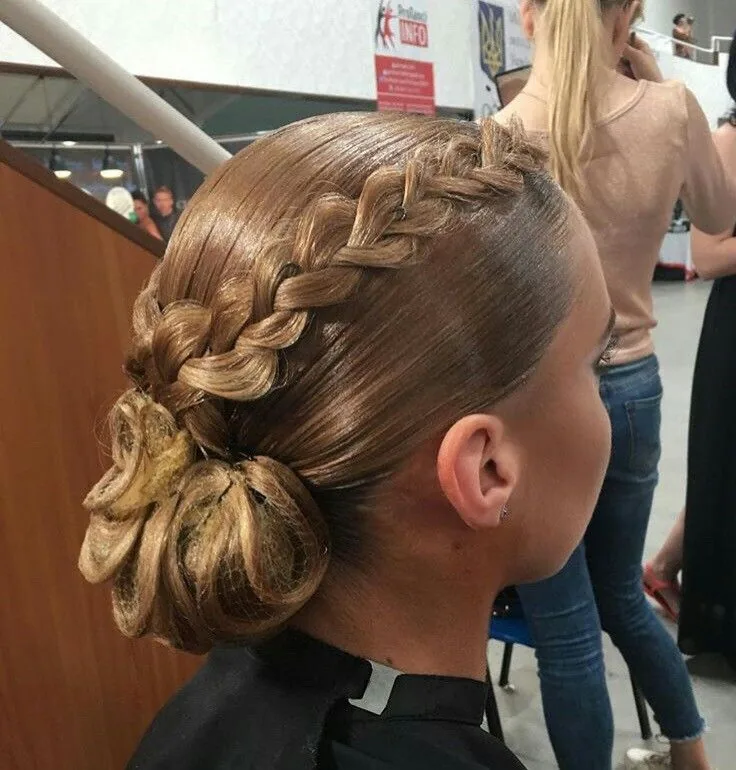
Medium hair is the easiest length to compete with. It reaches a full bun, a low ponytail or a braided crown without extensions, and it converts quickly between routines. Keep the layers pinned back, because loose face-framing pieces are the first thing to fall.
Long hair gives the most options and the most risk. Braid it, coil it or wrap it, but never leave it loose for a fast routine, and always anchor the weight with U-pins at the base. If the style feels heavy at rehearsal, it will feel twice as heavy under stage lights.
What to Ask Your Stylist Before Competition Day
Book your stylist at least two weeks ahead and bring photos of your costume, your routine style and the exact look you want. Ask how long the style takes, how it holds under sweat, and what happens if it rains on the way to the venue, because a style that only works in a salon chair is useless on stage.
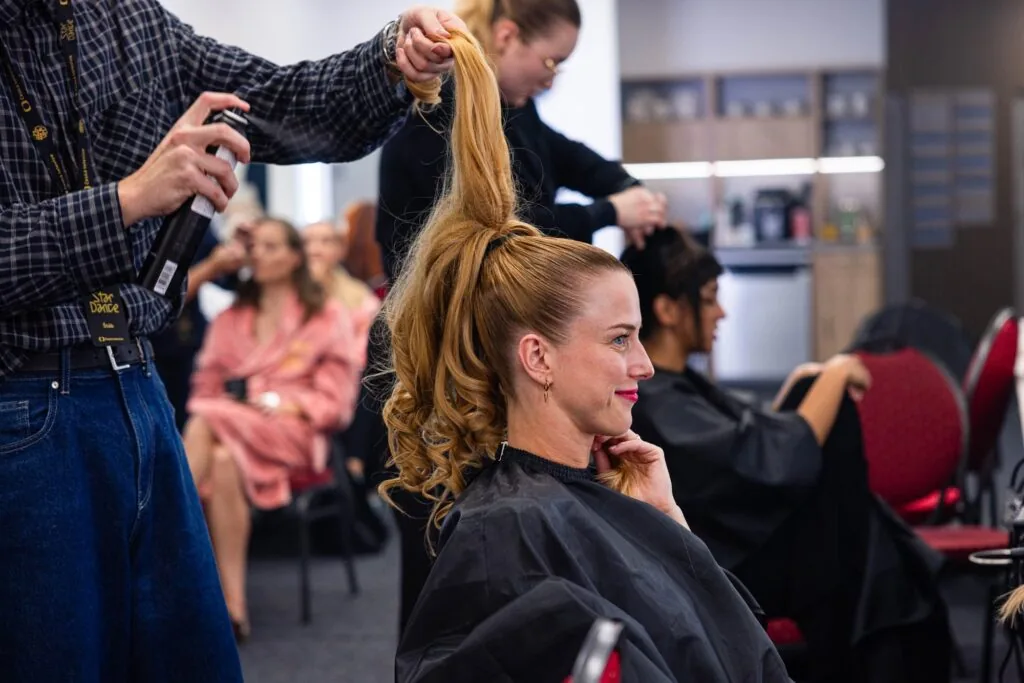
Ask for a trial run in costume, with a full spin and a jump test. A good stylist will watch the style move and add pins where it shifts, and will teach you the quick fix for each weak point so you can repair it backstage without them.
Agree the price, the timing and the backup plan in advance. Ask what products they use, whether you need to arrive with clean, dry hair, and what time to book so you are styled, dressed and at the venue with an hour to spare.
The Competition-Day Hair Timeline, Hour by Hour
Competition hair fails when it is rushed, so work backwards from your stage time. Wash and fully dry the hair the night before, pack the kit, and lay out the costume and accessories. On the morning, allow ninety minutes for hair and makeup combined, not thirty.
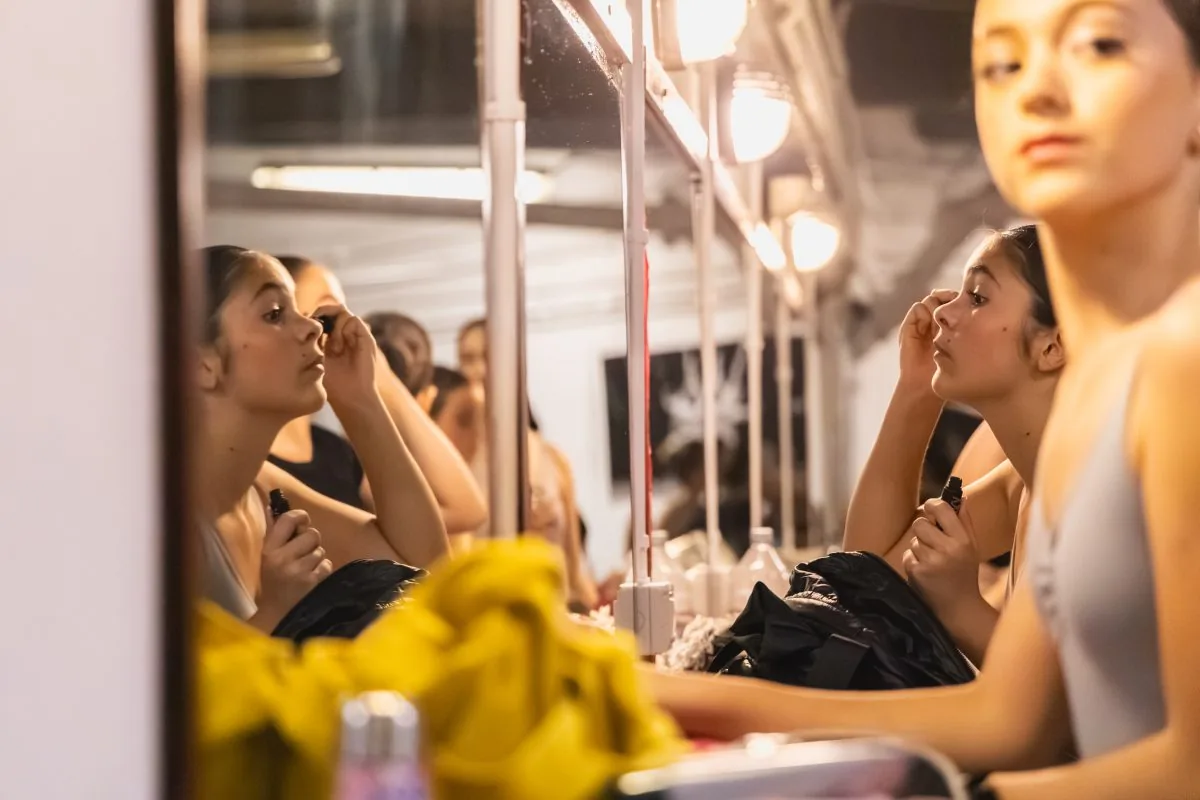
Style the hair first, before makeup and before the costume goes on, so spray does not land on the fabric. Do the base style, check it from every angle, photograph it, then dress and do a full movement test, including the fastest turn in the routine.
Arrive at the venue with the style finished and only touch-ups left. Check it again under the venue lights, fix flyaways, and then leave it alone. The dancers who keep touching their hair backstage are the ones whose buns loosen before they perform.
The Classic Competition Ballet Bun
The classic ballet bun is the safest hairstyle in competitive dance, and it is the one judges expect to see. It is smooth, centred, and completely out of the way, so nothing distracts from your lines, your expression or your technique.
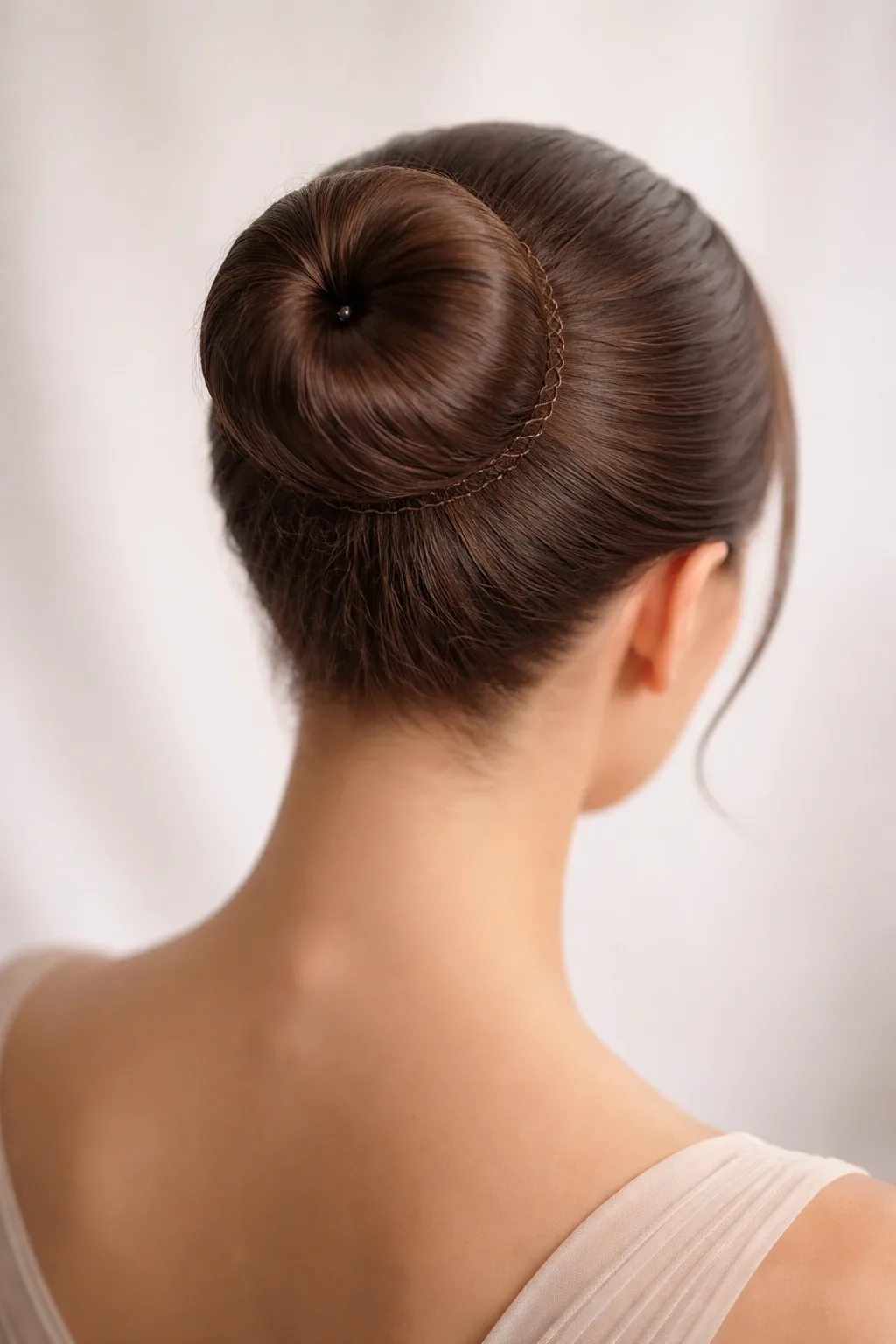
What it is: A tight bun set high on the crown, built over a hair donut or a coiled braid, smoothed with gel and finished with a hairnet and pins.
Common mistakes: Skipping the hairnet is the biggest mistake, because a bun without one loosens with every turn. Placing the bun too low also throws off the line of the neck.
Maintenance: Check it after every routine and re-pin the base if it has shifted. A light mist of spray and one fresh U-pin is usually enough to restore it.
Cost and time: About 10 to 15 minutes at home, or 20 to 30 dollars at a salon. A donut, pins and a hairnet cost under 10 dollars altogether.
Quick verdict: The gold standard for ballet and the fallback for every other style. If you only learn one competition hairstyle, learn this one.
The Slicked-Back High Bun
The slicked-back high bun is the ballet bun with extra polish, and it photographs beautifully under stage lights. Every strand is pulled back tight, so the face is fully open to the judges and the neck looks long in every pose.
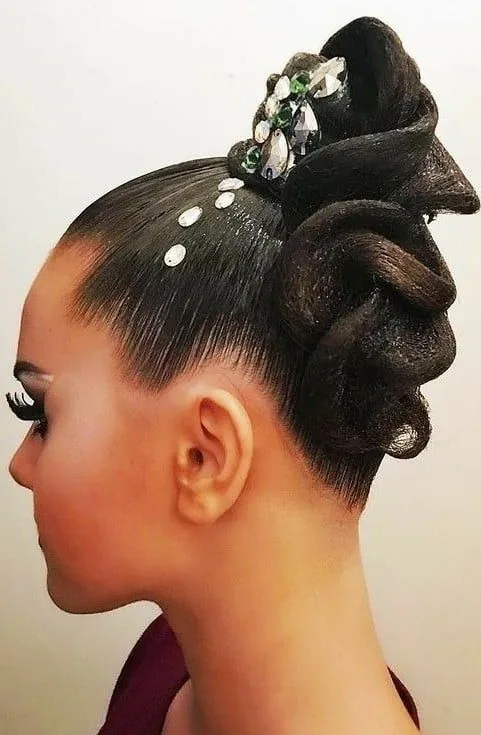
What it is: A high bun with a centre or side part, gelled flat at the roots, coiled tight and pinned, with no flyaways anywhere.
Common mistakes: Using too much gel makes the hair look wet and heavy, and brushing after the gel sets creates frizz. Apply gel to damp hair and smooth with a fine comb.
Maintenance: Keep a toothbrush and spray in your kit for the edges. A quick brush-down between routines keeps the slick finish without rebuilding the bun.
Cost and time: About 15 minutes at home. Gel, spray and pins cost under 15 dollars, and the style lasts all day.
Quick verdict: Best for jazz, lyrical and contemporary solos where the face has to read from the back row.
Double French Braids
Double French braids are the workhorse of competition hair: they survive spins, lifts and floor work, and they look neat from every seat in the theatre. They also convert easily, since the braids can be coiled into buns for the next routine.
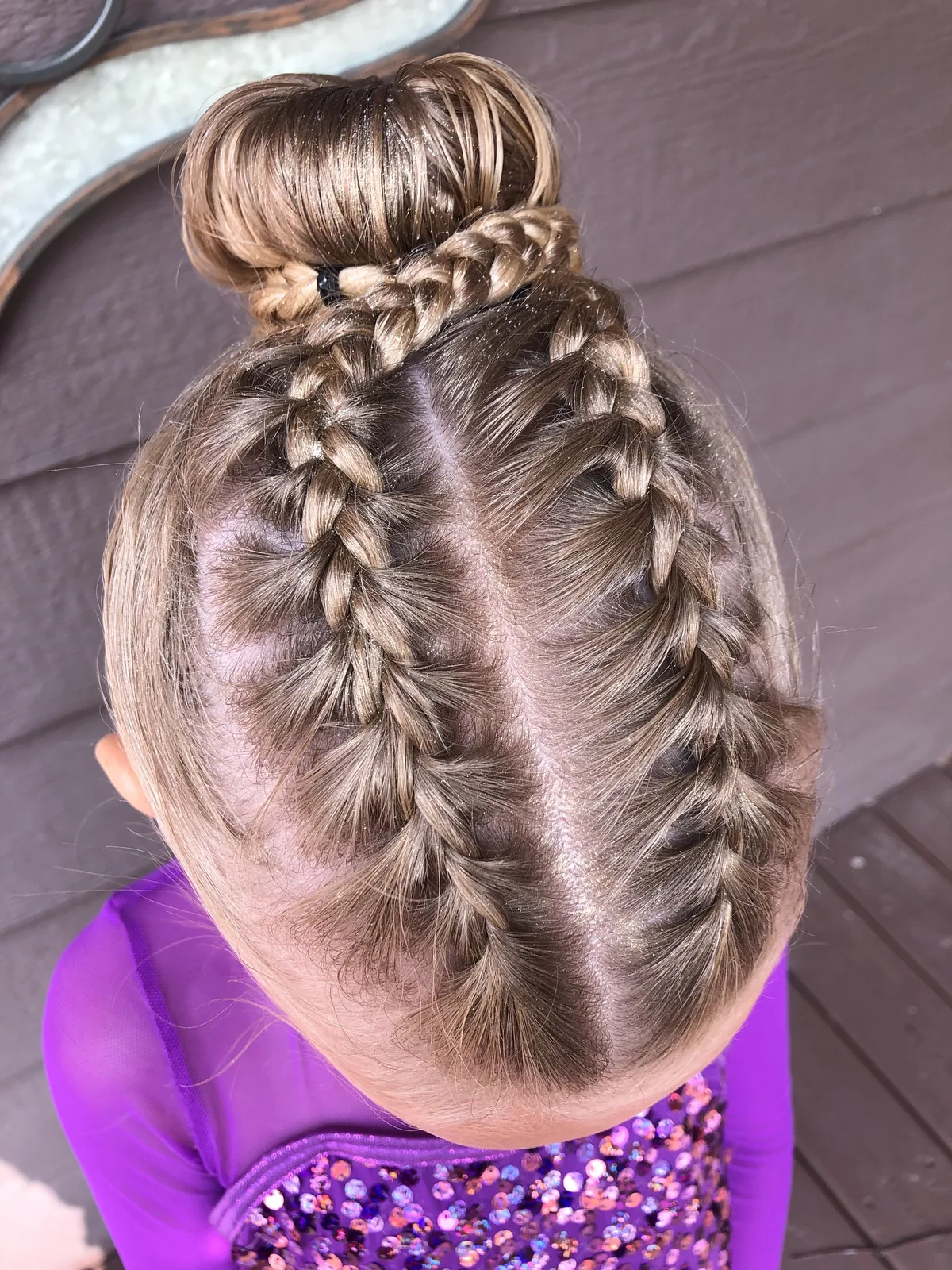
What it is: Two tight French braids running from the hairline to the nape, secured with elastics and tucked or coiled at the ends.
Common mistakes: Braiding too loosely at the crown is the classic error, because the braid slides within minutes. Keep the first three crosses tight and anchor with pins.
Maintenance: Braid the night before only if you sleep in a silk scarf, otherwise braid fresh in the morning. Re-spray the parting between routines.
Cost and time: About 20 to 30 minutes at home, or 25 to 40 dollars at a salon. No special tools beyond elastics and pins.
Quick verdict: One of the most reliable competition styles ever. Choose it when the routine is fast, physical or full of floor work.
The Braided Crown
The braided crown looks romantic on stage but it is built like a piece of engineering, wrapping the hair around the head so nothing can fall forward during a turn. It suits lyrical and contemporary routines where the costume is soft and flowing.
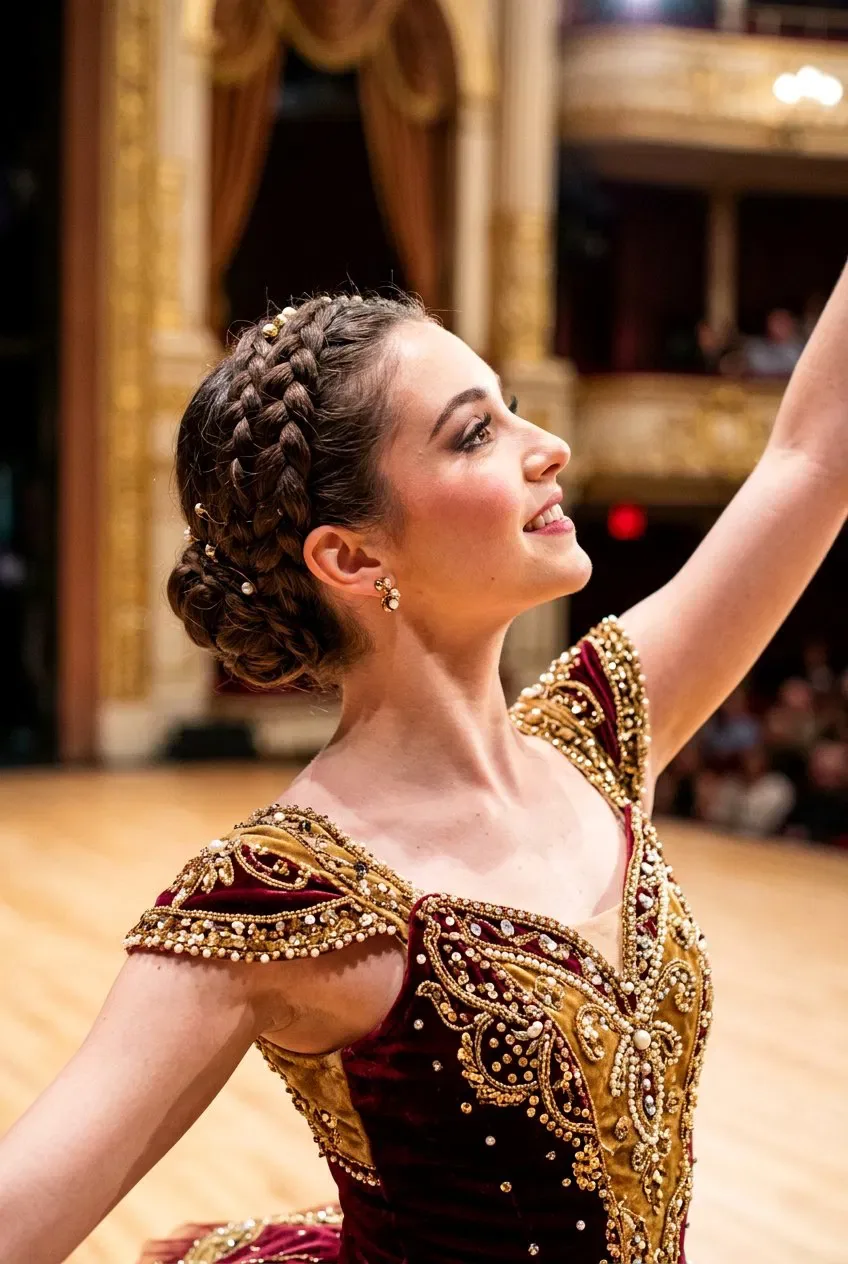
What it is: A Dutch or French braid worked around the hairline and pinned into a circle, with the ends tucked under and the rest of the hair coiled or left in a low bun.
Common mistakes: Leaving the braid too loose at the temples lets it slide down over the ears. Pin every few centimetres and finish with spray.
Maintenance: Check the pins at the nape after warm-up, because that is where the crown loosens first. A spare U-pin in your kit fixes it in seconds.
Cost and time: About 25 to 35 minutes at home, or 30 to 45 dollars at a salon. Practise it twice before competition day.
Quick verdict: Elegant, secure and photogenic. A strong pick for lyrical, contemporary and character routines.
The Sleek High Ponytail
The sleek high ponytail is the competition answer to jazz, hip hop and musical theatre, because it moves with the dancer instead of fighting her. It swings on turns, shows off the neck line, and reads clearly from the back of the hall.
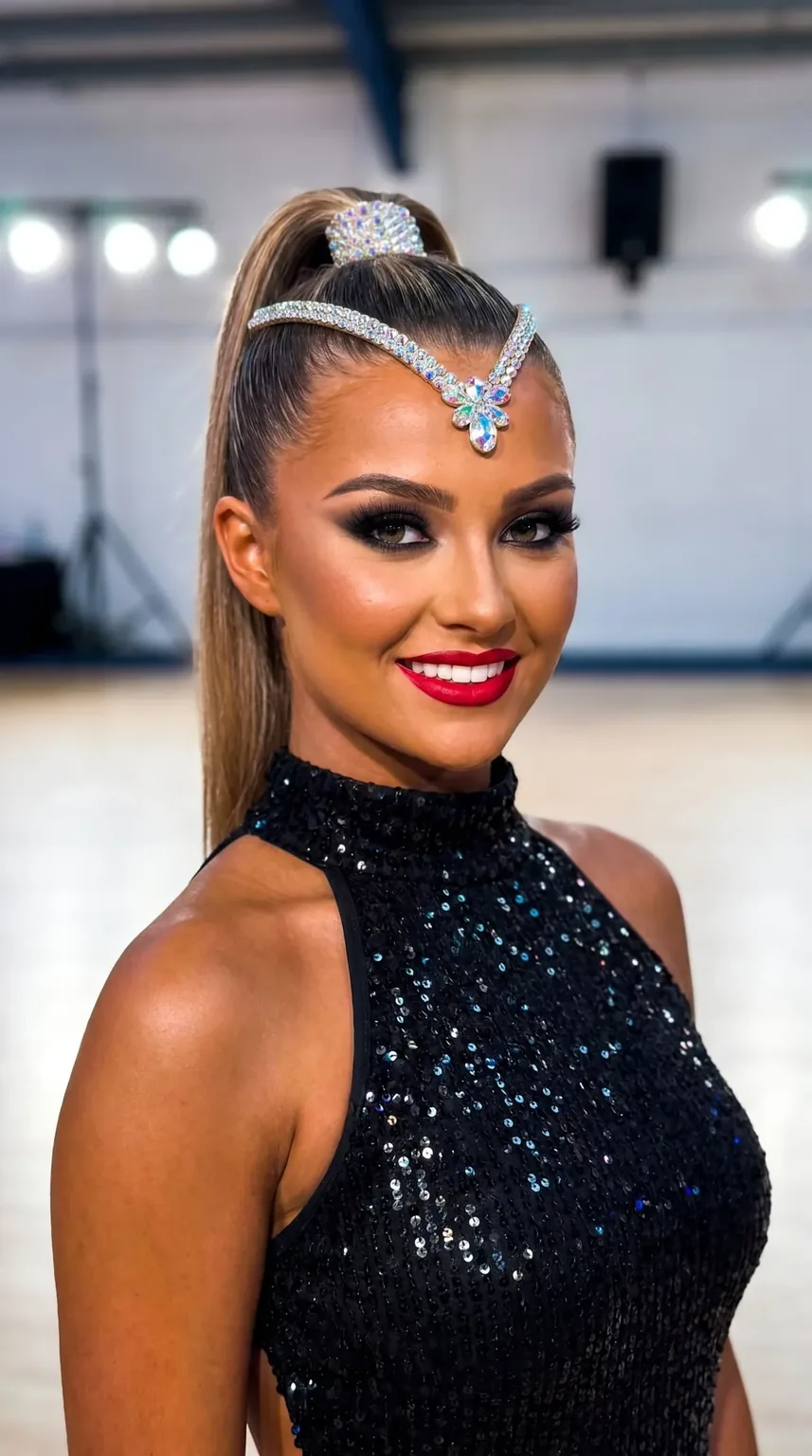
What it is: A ponytail set at the crown, smoothed flat with gel, wrapped at the base with a strand of hair, and sprayed into place.
Common mistakes: Placing the ponytail too low kills the energy of the style, and a visible elastic looks unfinished. Wrap the base every time.
Maintenance: Tighten the elastic between routines by pulling the ponytail through a second band, and smooth the crown with spray rather than a brush.
Cost and time: About 10 minutes at home. Under 10 dollars in products, and it converts to a bun in under a minute.
Quick verdict: High energy, low effort, and very forgiving. Perfect for jazz and hip hop, and a great quick-change base.
The Low Sleek Ponytail
The low sleek ponytail is the quiet, polished cousin of the high ponytail, and it suits slow, elegant routines where the hair should not bounce. It keeps the neck line clean and works beautifully with a backless or high-necked costume.
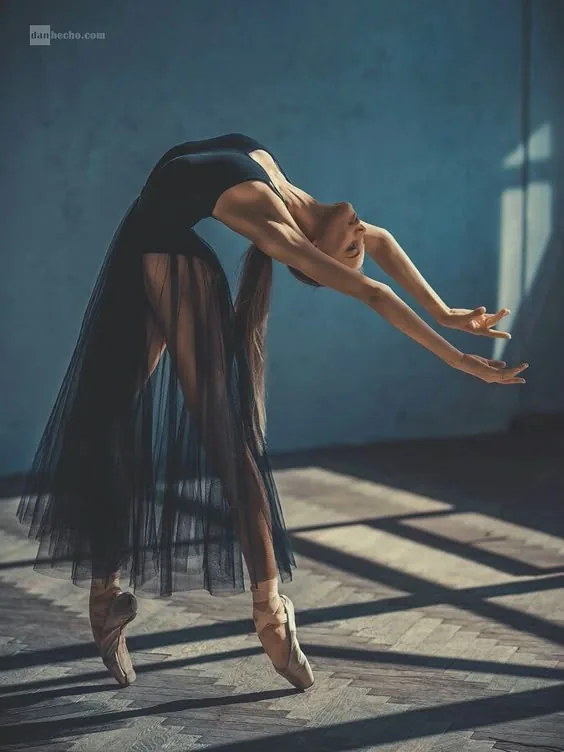
What it is: A ponytail at the nape, centre-parted, smoothed with gel and wrapped at the base, with the lengths left straight or gently curled.
Common mistakes: Letting the parting wander is the giveaway of a rushed job. Set the part with a tail comb and check it in a mirror from behind.
Maintenance: The nape is the weak point, so pin the sides above the elastic and spray the parting. A silk scarf over the style on the journey keeps it smooth.
Cost and time: About 10 to 15 minutes at home. Under 10 dollars in products, and it pairs well with a ribbon or a simple clip.
Quick verdict: Understated and elegant. Choose it for lyrical, ballroom and slow contemporary pieces.
The Bubble Braid Ponytail
The bubble braid ponytail brings fun and height to a competition routine without giving up any hold. Each bubble is anchored with an elastic, so the style survives jumps and turns far better than a loose ponytail ever could.
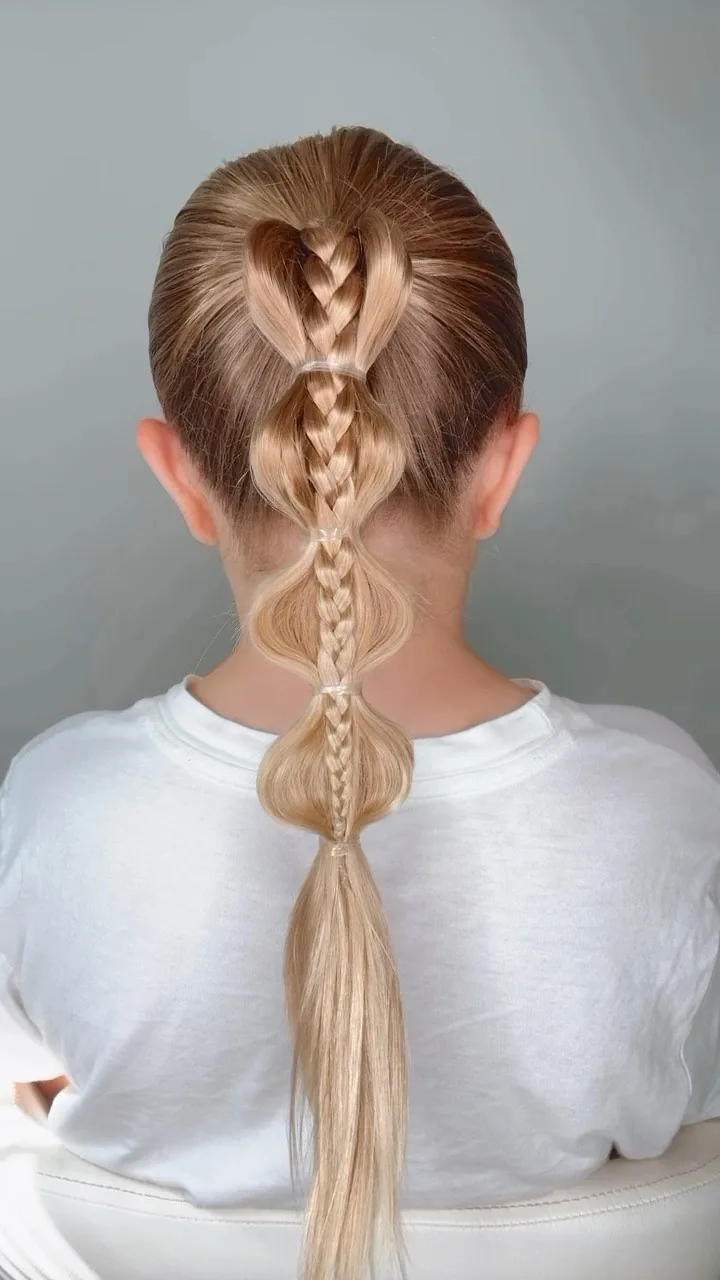
What it is: A high ponytail divided into sections with elastics, each section puffed out into a bubble, finished with a wrap at the base.
Common mistakes: Spacing the elastics unevenly makes the bubbles lopsided on stage. Measure the gaps with your fingers and keep them even.
Maintenance: Puff each bubble again before you go on, because they flatten under a jacket or in the car. A light mist of spray holds the shape.
Cost and time: About 15 to 20 minutes at home. Elastics cost a few dollars, and the style suits medium to long hair best.
Quick verdict: Playful, secure and very photogenic. A favourite for jazz, hip hop and character routines.
The Fishtail Braid
The fishtail braid looks intricate from the audience, but it is really just two sections crossed over and over, and it holds its shape through an entire routine. It is a beautiful choice for lyrical and contemporary solos.
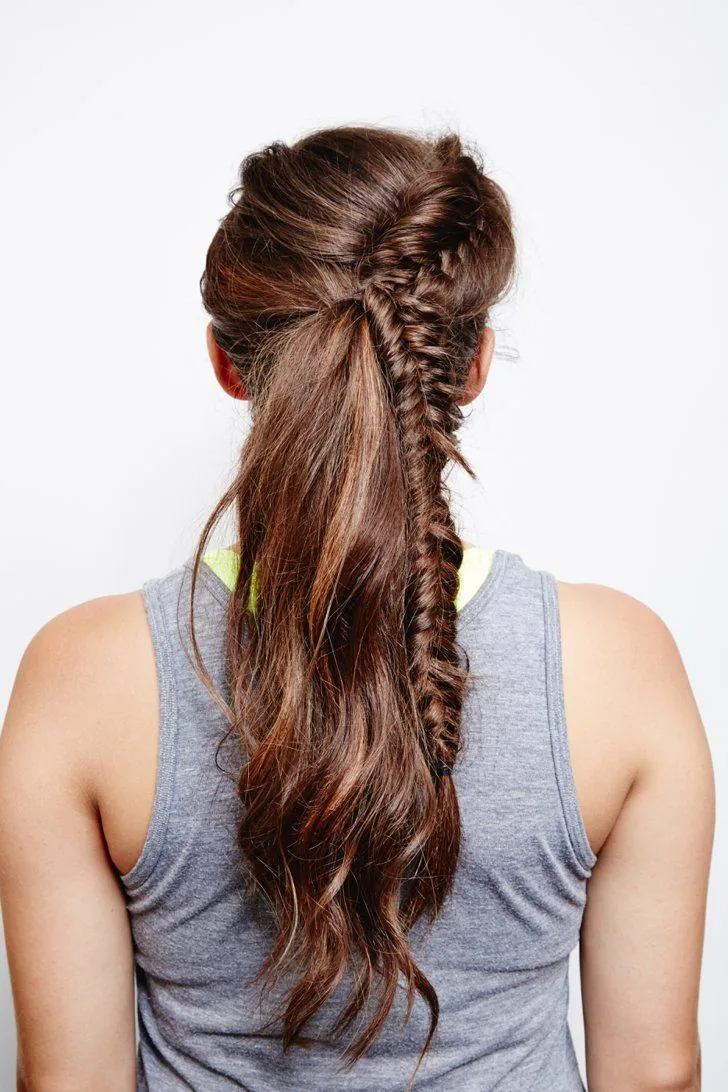
What it is: A long braid made by crossing small sections from each side, kept tight at the top and loosened slightly at the ends for texture.
Common mistakes: Starting the braid too low lets it swing and pull. Begin at the crown and keep the first few crosses tight, then relax the tension gradually.
Maintenance: Spray the braid once it is finished and pin any escaping pieces at the sides. Re-tighten the elastic between routines if it has stretched.
Cost and time: About 20 minutes at home, or 25 to 35 dollars at a salon. Works best on medium to long hair.
Quick verdict: Detailed, elegant and surprisingly tough. A lovely option when the costume is simple and the hair should shine.
The Dutch Braid Into a Bun
The Dutch braid into a bun combines the grip of a braid with the neatness of a bun, which is exactly what a long competition day demands. The braid locks the front hair down, and the bun keeps the weight off the neck.
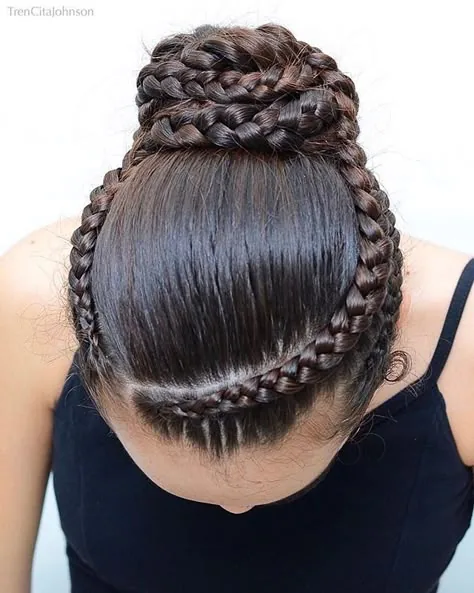
What it is: A Dutch braid from the hairline to the crown, then coiled into a bun and pinned, with the braid sitting proud of the head.
Common mistakes: Braiding too loosely at the hairline lets the whole style slide forward. Keep the tension firm for the first five crosses.
Maintenance: Check the bun base after warm-up and add a U-pin if it has dropped. The braid itself rarely needs attention once it is set.
Cost and time: About 20 to 25 minutes at home. No special tools beyond elastics, pins and spray.
Quick verdict: Two styles in one, and both of them secure. Ideal for ballet, lyrical and any routine with turns.
The Braided Top Knot
The braided top knot is a high bun with a braided edge, giving you the clean silhouette judges love plus a detail that reads from the back row. It is a strong choice for soloists who want to stand out without breaking the rules.
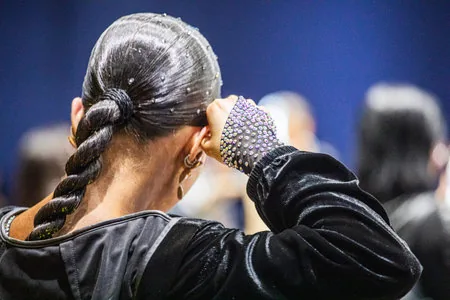
What it is: A high bun wrapped or edged with a braid, pinned tight, with the crown smoothed and sprayed.
Common mistakes: Wrapping the braid too loosely makes it slip down the bun within one routine. Pin the braid at both ends and in the middle.
Maintenance: A quick spray and a pin check between routines is all it needs. The knot itself is one of the most stable shapes in dance hair.
Cost and time: About 15 to 20 minutes at home, or 25 to 35 dollars at a salon.
Quick verdict: Neat with a twist, literally. A great soloist style for ballet, jazz and contemporary.
The Low Twisted Chignon
The low twisted chignon is pure elegance, and it sits low enough to balance a tiara, a headpiece or a high collar. It is a favourite for ballroom, character and classical routines where the costume does the talking.
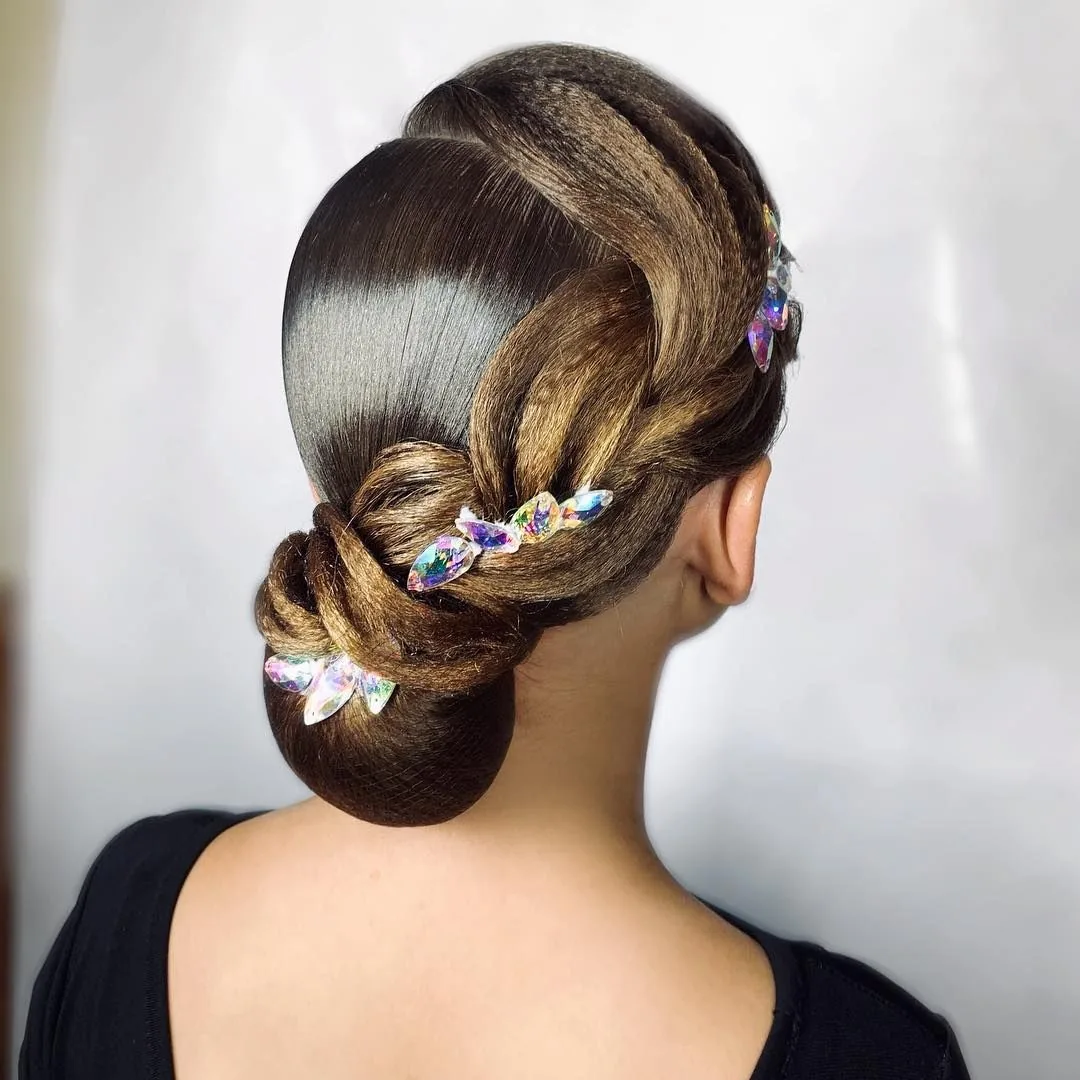
What it is: Hair twisted at the nape into a low roll, pinned flat, with a centre part and a smooth finish.
Common mistakes: Twisting in the wrong direction lets the chignon unwind during turns. Twist towards the centre and pin in a cross pattern.
Maintenance: The chignon loosens at the ends first, so check the tail pins after every routine. A hairnet over the roll adds invisible security.
Cost and time: About 15 minutes at home, or 30 to 45 dollars at a salon.
Quick verdict: Classic, calm and competition-safe. Best for ballroom, classical and character pieces.
The French Twist
The French twist is the most grown-up style on this list, and it earns its place at competitions because it never moves. Once it is pinned, it survives spins, lifts and quick changes without a second thought.
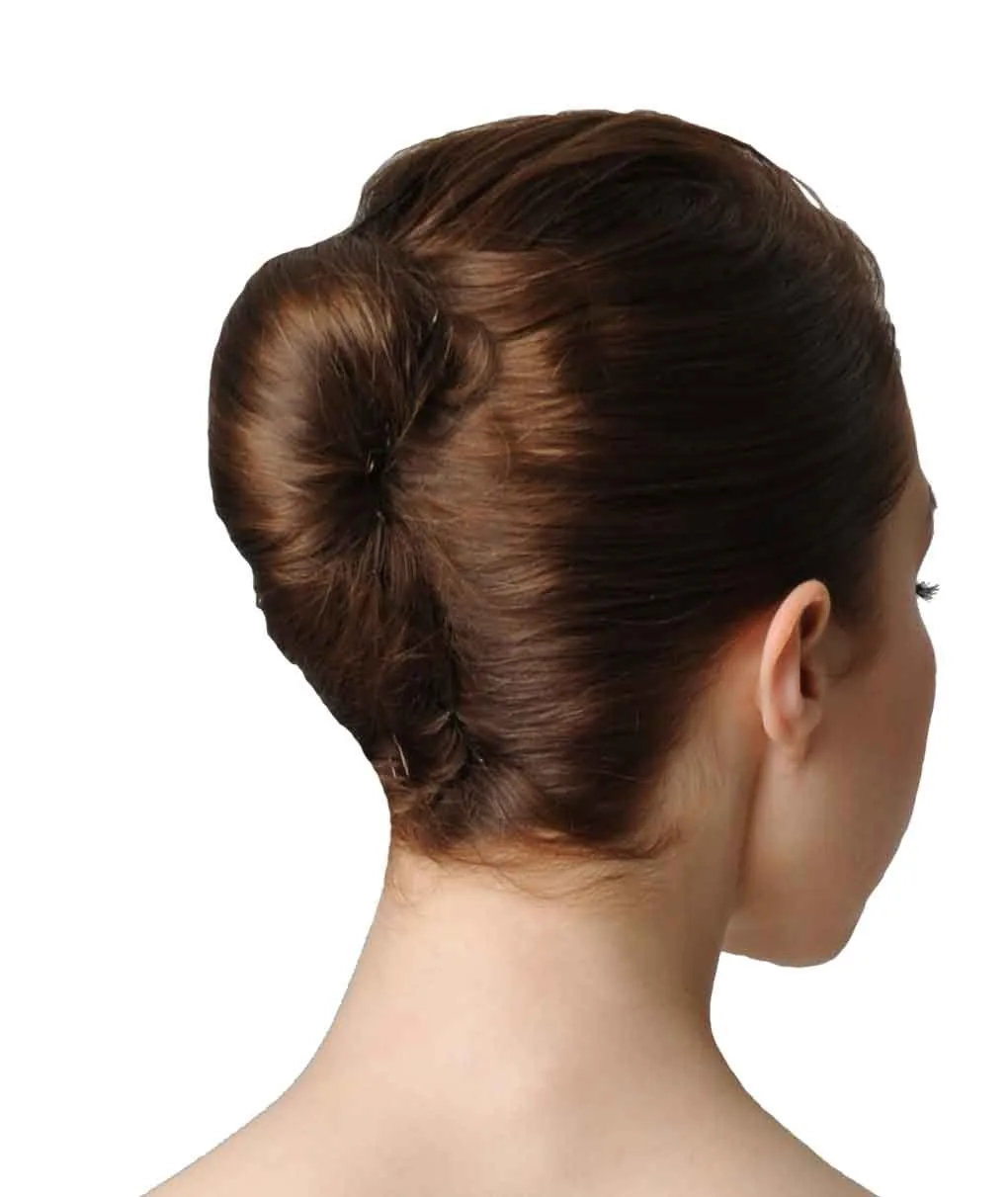
What it is: Hair swept up and folded into a vertical roll at the back of the head, pinned along the seam and sprayed.
Common mistakes: Leaving the seam unpinned is the mistake that unravels the whole style. Pin along the fold every few centimetres, top to bottom.
Maintenance: Check the top pin after warm-up, because that is where the twist opens first. Carry two spare pins in your costume bag.
Cost and time: About 15 to 20 minutes at home, or 35 to 50 dollars at a salon. Best on medium to long hair.
Quick verdict: Timeless and rock solid. Choose it for ballroom, classical and formal routines.
The Slicked-Back Low Bun
The slicked-back low bun is the low, calm version of the classic bun, and it suits dancers who want a clean line without height on top. It works with almost every costume and never competes with a headpiece.
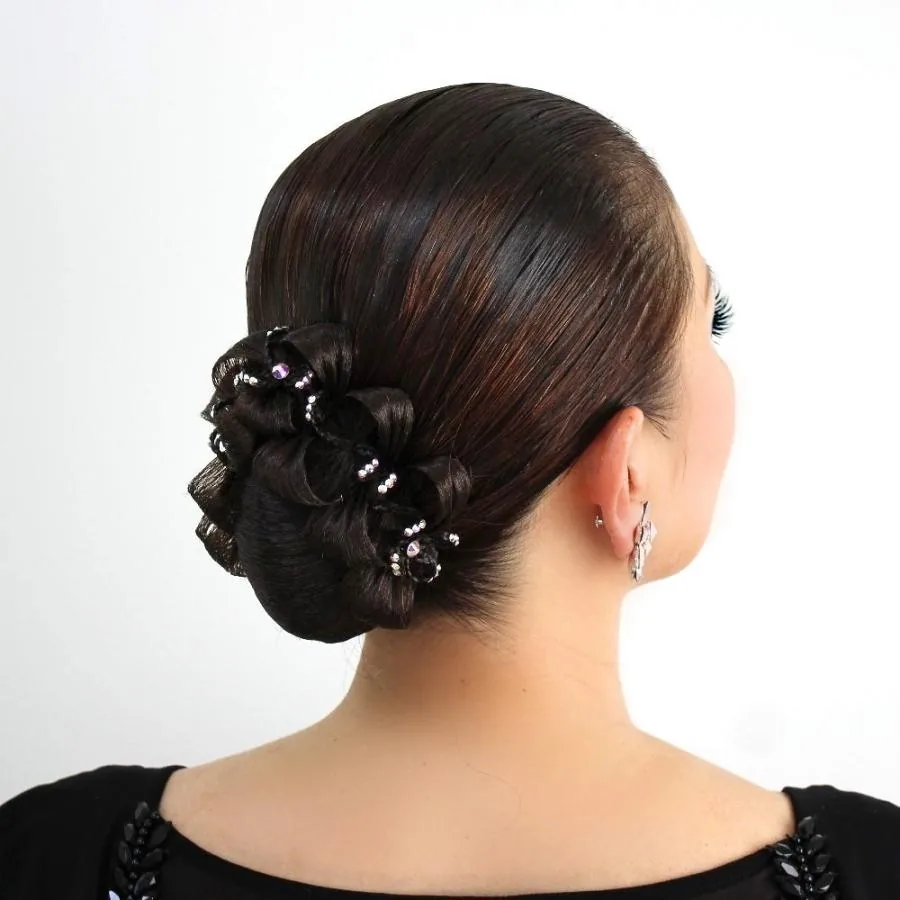
What it is: Hair gelled flat, centre-parted, gathered at the nape and coiled into a small bun with a hairnet.
Common mistakes: Forgetting the hairnet lets the bun soften and sag by the second routine. A net costs pennies and doubles the hold.
Maintenance: Smooth the crown with spray between routines and re-pin the base if it has dropped. The low position makes it easy to check in a mirror.
Cost and time: About 10 minutes at home. Under 10 dollars in products.
Quick verdict: Simple, cheap and dependable. A perfect team style when every dancer must match.
Half-Up Braids
Half-up braids keep the face clear while letting the lengths move, which suits lyrical and contemporary routines where the hair is part of the performance. The braids act as anchors, so the style holds far better than loose half-up hair.
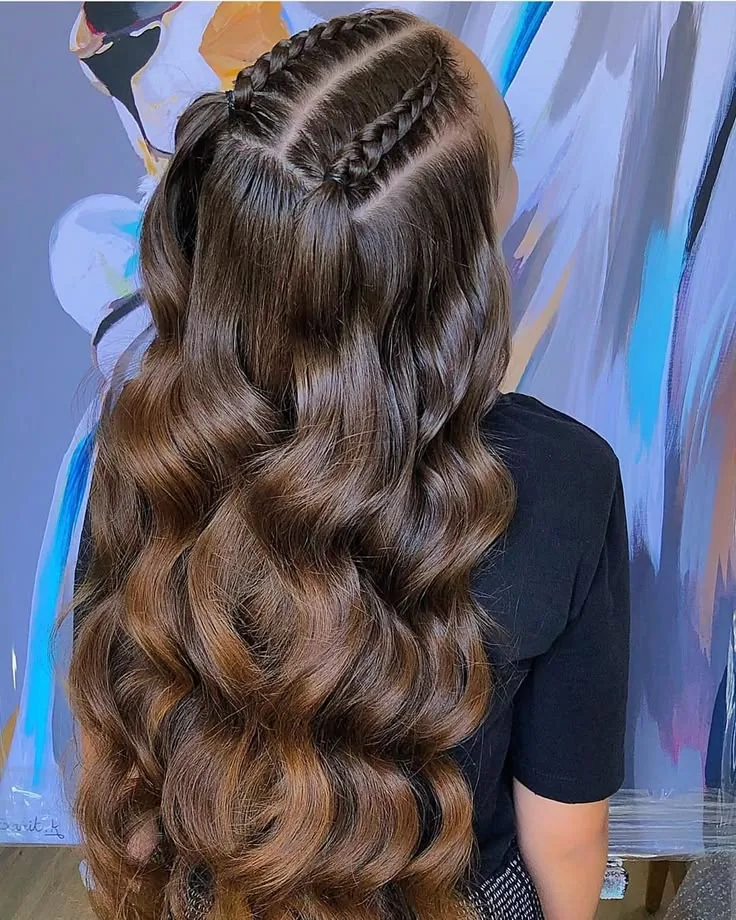
What it is: Two braids from the temples joined at the back, with the remaining hair left down, curled or straight.
Common mistakes: Leaving the joined braids unpinned lets them slide apart during turns. Cross the braids and pin the join firmly.
Maintenance: The loose lengths tangle under stage lights, so brush them gently between routines and re-curl the ends if they have dropped.
Cost and time: About 15 minutes at home. Works best on medium to long hair.
Quick verdict: Soft, romantic and stage-ready. Save it for lyrical and contemporary, not for fast jazz.
The Curly High Puff
The curly high puff celebrates natural texture and holds its shape brilliantly on stage, because the curls support each other. It is bold, joyful and completely competition-legal when it is secured properly.
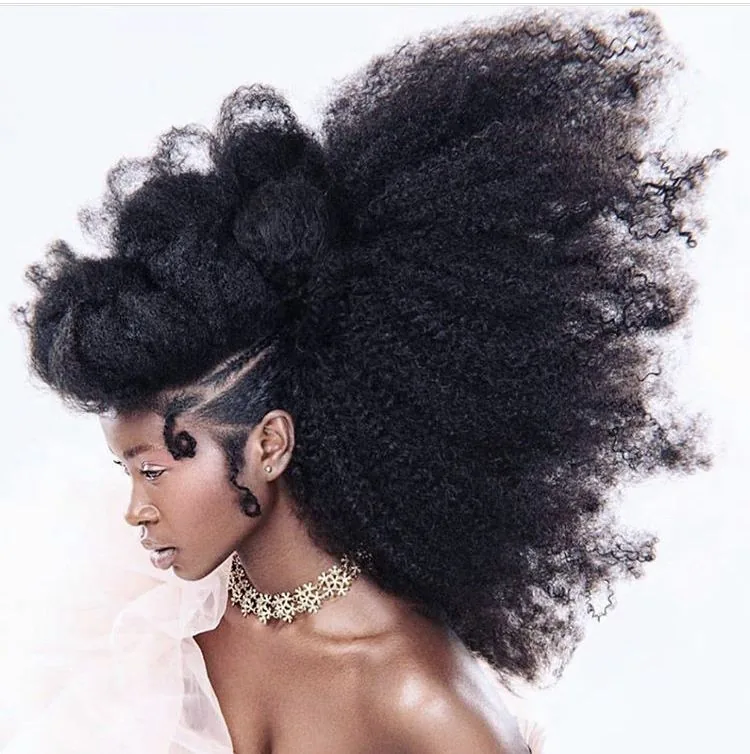
What it is: Natural curls gathered high and shaped into a round puff, with the edges smoothed and the base anchored with pins.
Common mistakes: Pulling the puff too tight flattens the curls and causes breakage. Gather with a soft band and shape with your hands, not a brush.
Maintenance: Mist the puff lightly with water and curl cream between routines to revive the shape, and smooth the edges with gel on a toothbrush.
Cost and time: About 10 to 15 minutes at home. Curl cream and gel cost under 15 dollars.
Quick verdict: Bold, beautiful and built for movement. A standout for hip hop, jazz and Afrobeat routines.
Voluminous Stage Curls Pinned Back
Big curls read beautifully from the back row, but only when they are pinned back from the face. This style gives you the volume of loose hair with the security of an updo, which is the best of both worlds.
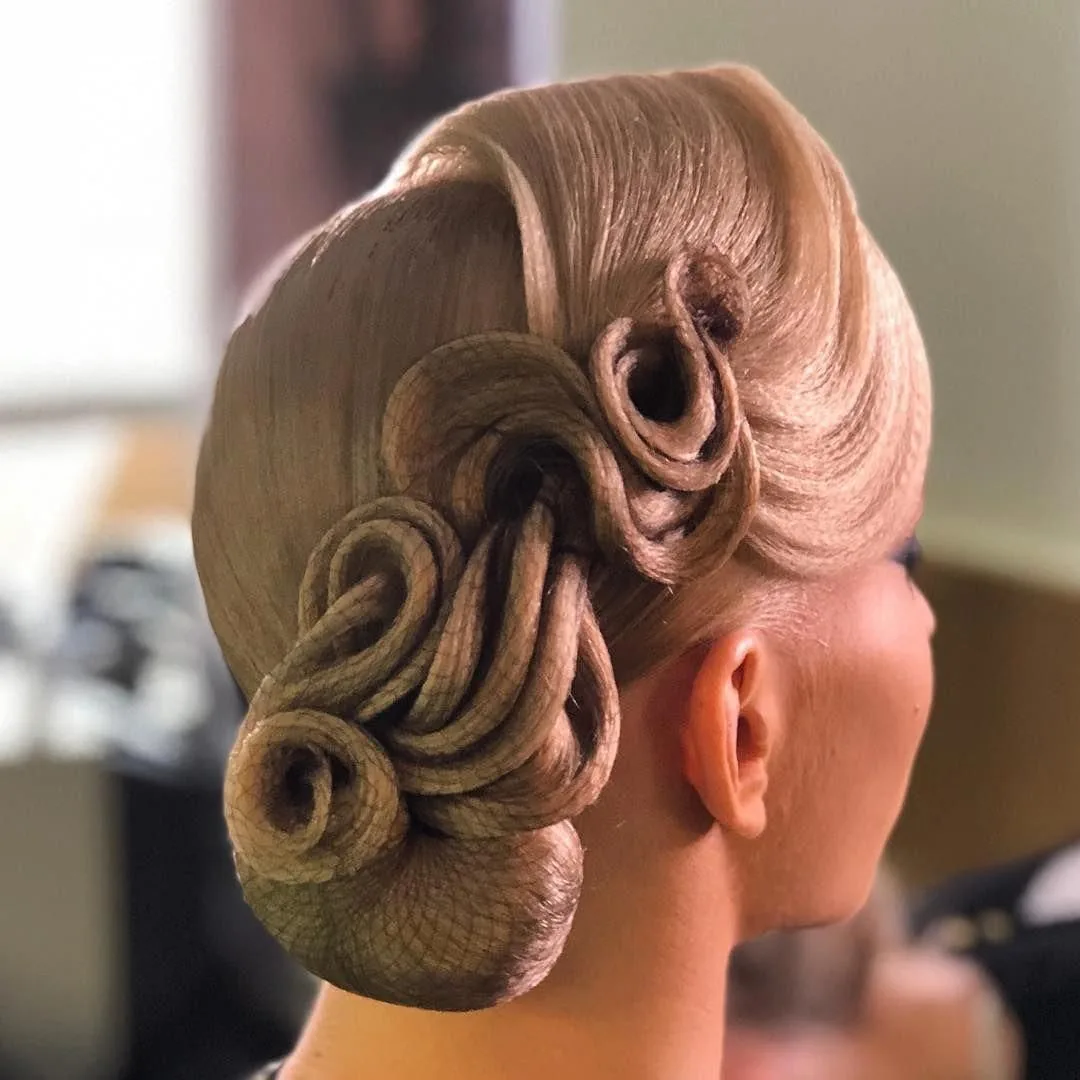
What it is: Hair curled in large sections, pinned back at the sides and crown, with the lengths left to fall over one shoulder or down the back.
Common mistakes: Curling without setting spray lets the curls drop before you reach the stage. Let each curl cool in your hand before you release it.
Maintenance: Re-curl two or three key pieces between routines rather than redoing the whole head. A light spray holds the volume without stiffness.
Cost and time: About 30 to 40 minutes at home, or 40 to 60 dollars at a salon. A curling iron and setting spray are essential.
Quick verdict: Glamorous and dramatic. Best for solos, duets and routines where the hair is part of the costume.
The Sleek Bob With a Sparkle Clip
A sleek bob is one of the easiest competition styles to maintain, because there is so little hair to go wrong. Add a sparkle clip and it becomes a stage look in seconds, with no pins, no spray and no stress.
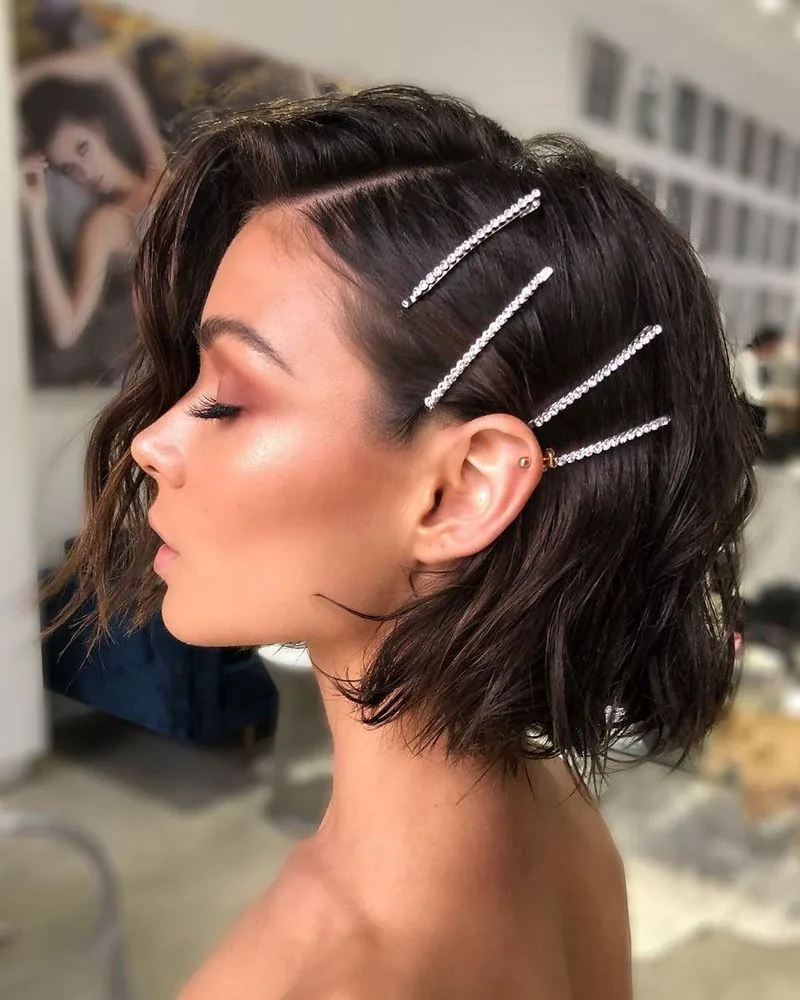
What it is: A straight bob smoothed flat, side- or centre-parted, with a rhinestone clip pinning back one side.
Common mistakes: Letting the bob fall over the face during turns is the only real risk. Pin the front section back firmly and spray the parting.
Maintenance: A quick flat-iron touch-up and a spray of shine mist between routines keeps the bob looking fresh all day.
Cost and time: About 10 minutes at home. A good clip costs 5 to 15 dollars.
Quick verdict: Effortless and elegant. The best choice for short hair at any competition.
The Pixie Cut With a Glitter Part
A pixie cut needs almost no styling, which is a gift on a long competition day, and a glitter part turns it into a deliberate stage look. It is sharp, modern and impossible to mess up mid-routine.
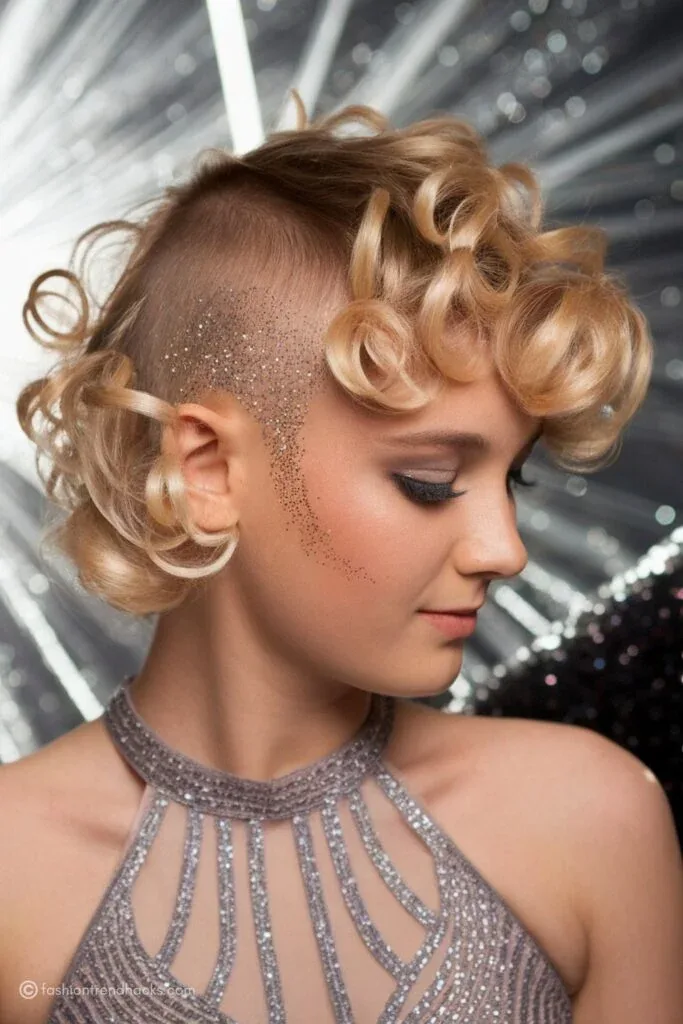
What it is: A short pixie smoothed with wax or gel, with a glitter gel line along the parting for stage sparkle.
Common mistakes: Using ordinary craft glitter is a mistake, because it sheds into the eyes. Use cosmetic-grade glitter gel made for hair and skin.
Maintenance: The pixie holds itself, so maintenance is just a quick finger-comb and a touch of wax at the crown between routines.
Cost and time: About 5 minutes at home. Glitter gel costs under 10 dollars.
Quick verdict: The lowest-maintenance style on this list. Perfect for hip hop, jazz and contemporary.
Long Waves With Secure Sides
Long waves look stunning on stage, but they only work in competition when the sides are secured. Pin the front sections back and the waves become a feature instead of a hazard that flies into your face on every turn.
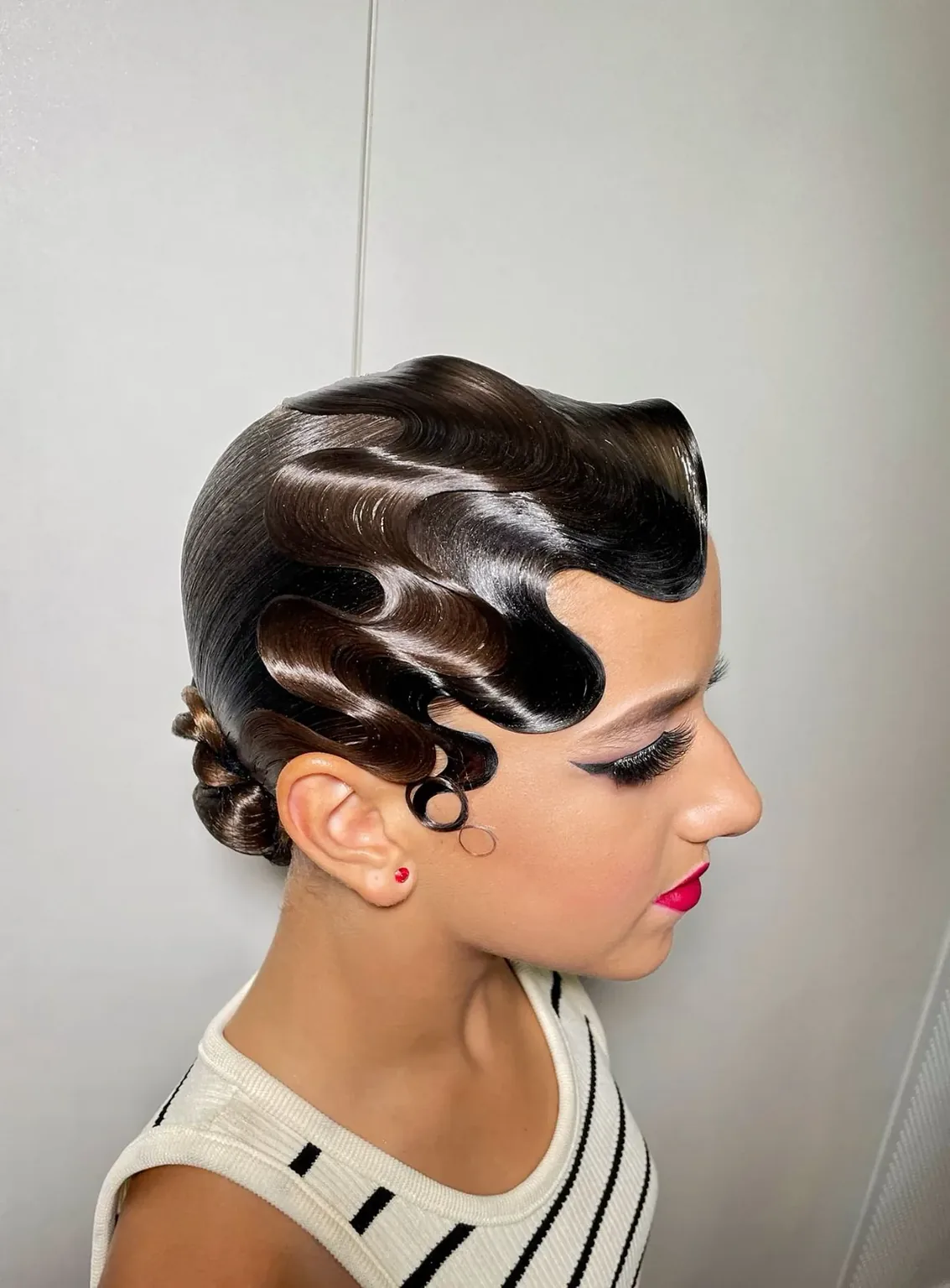
What it is: Hair waved in large sections, with the front pieces pinned back at the temples and the lengths left flowing.
Common mistakes: Skipping the side pins is the mistake that ruins this style. Two pins per side, crossed, will hold through the fastest routine.
Maintenance: Brush the waves gently from underneath between routines to revive them, and re-pin the sides before each performance.
Cost and time: About 25 to 35 minutes at home, or 40 to 55 dollars at a salon.
Quick verdict: Romantic and dramatic, with the security built in. Best for lyrical and contemporary solos.
The Side-Swept Chignon
The side-swept chignon moves the classic low bun to one side, which flatters the neck and suits costumes with an asymmetric neckline. It is elegant without being stiff, and it photographs from every angle.
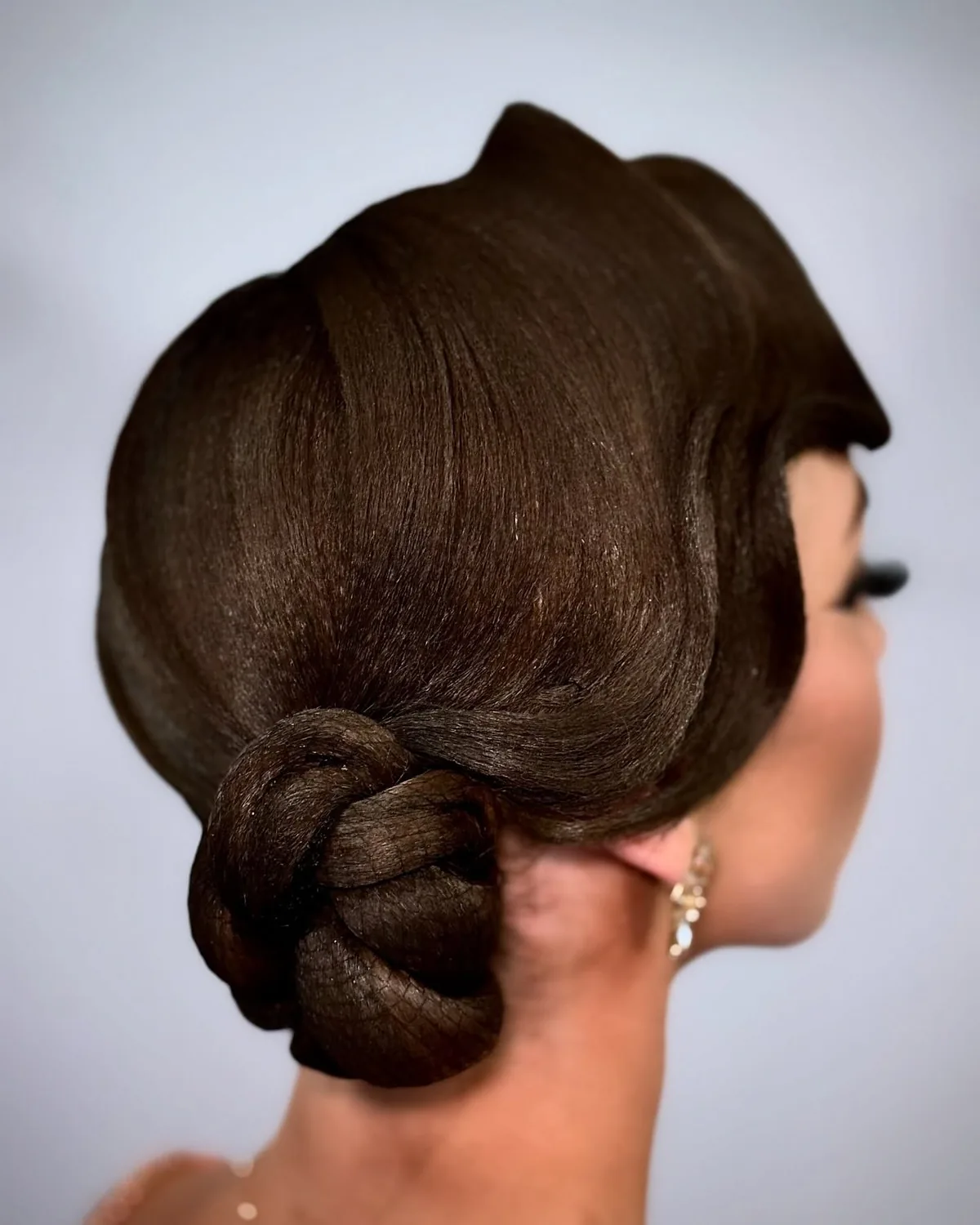
What it is: Hair swept to one side, twisted into a low roll at the nape, pinned flat and finished with spray.
Common mistakes: Placing the chignon too high makes it look like a mistake rather than a choice. Keep it low, at the nape, and anchor it with crossed pins.
Maintenance: Check the pins on the heavy side after warm-up, because the weight pulls there first. A hairnet over the roll adds security.
Cost and time: About 15 to 20 minutes at home, or 30 to 45 dollars at a salon.
Quick verdict: Graceful and a little different. A lovely pick for ballroom, lyrical and formal routines.
The Braided Low Ponytail
The braided low ponytail is the calm, controlled version of the braid family, and it suits slow routines where the hair should move gently rather than swing. It keeps every strand accounted for.
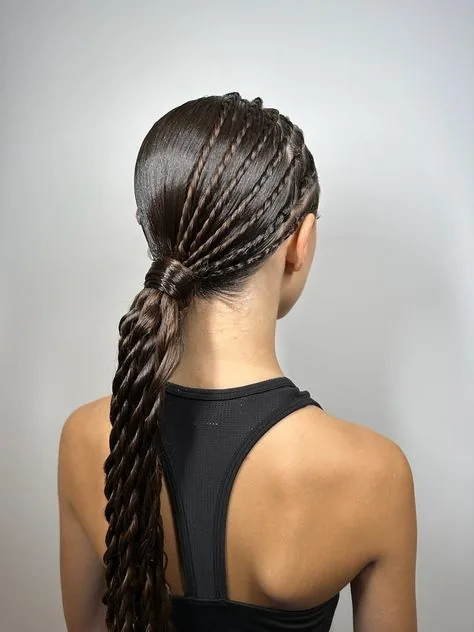
What it is: A low ponytail with a braid worked down its length, or braids from the sides joined into a low tail.
Common mistakes: Braiding the tail too loosely lets it unravel during floor work. Keep the tension even and tie the end with two elastics.
Maintenance: Re-tighten the elastic between routines and smooth the crown with spray. The braid itself needs almost no attention.
Cost and time: About 15 minutes at home. Under 10 dollars in products.
Quick verdict: Neat, calm and very secure. A good choice for lyrical, ballroom and contemporary.
The Milkmaid Braid
The milkmaid braid wraps the hair over the top of the head like a crown, keeping it completely off the face and neck. It is a charming choice for folk, character and storybook routines.
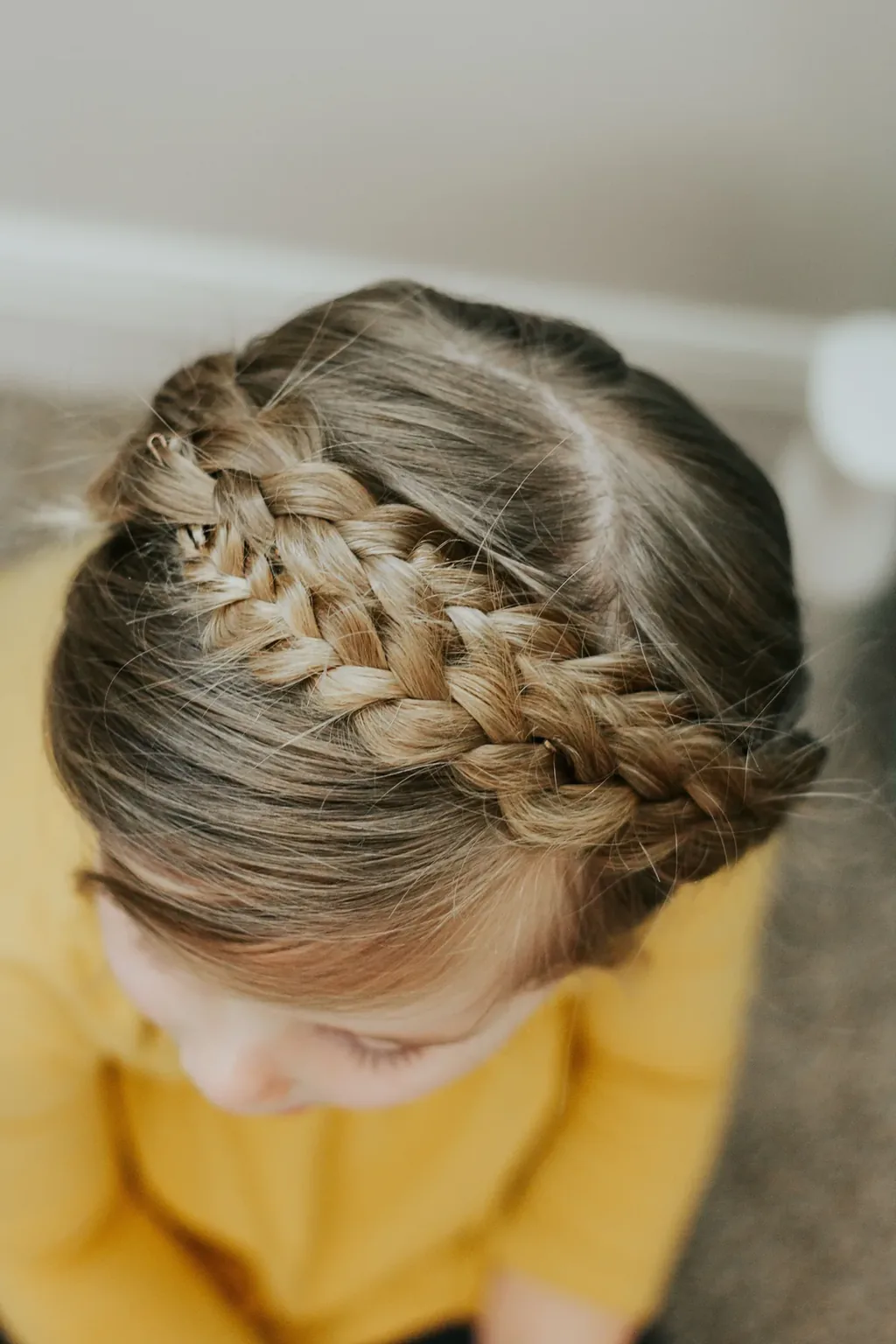
What it is: Two braids crossed over the crown and pinned, with the ends tucked under and the parting kept neat.
Common mistakes: Pinning the braids too far back lets them slide off the crown. Pin at the temples and above the ears, not just at the ends.
Maintenance: Check the temple pins after warm-up, because that is where the braid lifts first. A light spray over the crown holds the shape.
Cost and time: About 20 to 25 minutes at home, or 30 to 40 dollars at a salon. Works best on medium to long hair.
Quick verdict: Sweet, secure and full of character. Ideal for folk, character and themed routines.
The Ballerina Bun With a Hairnet
The ballerina bun with a hairnet is the competition standard for a reason: the net is invisible from the audience but it doubles the hold of the bun. No judge has ever marked a dancer down for wearing one.
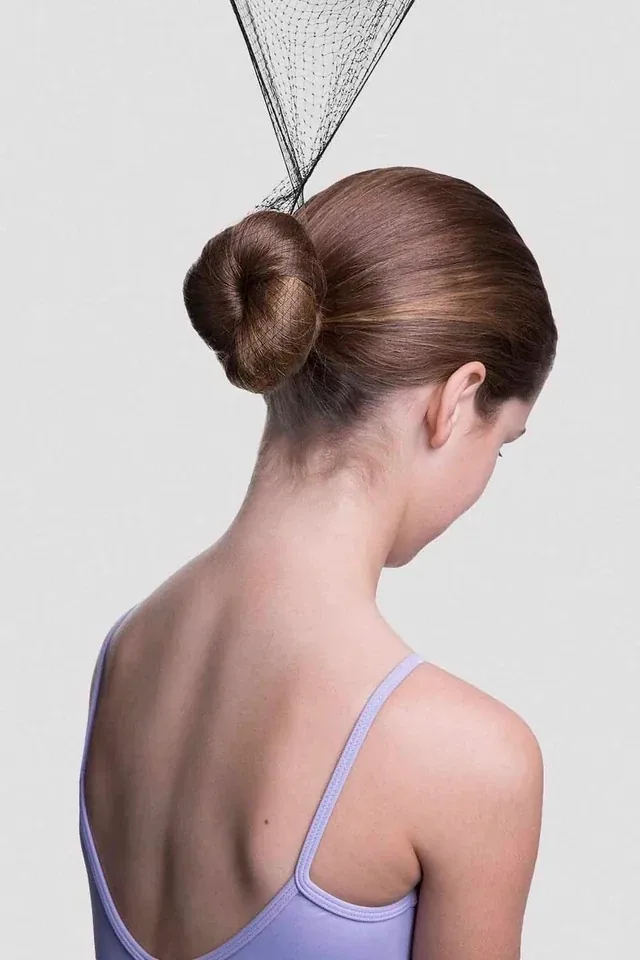
What it is: A classic bun covered with a fine mesh hairnet in the dancer’s hair colour, pinned at the base and sprayed.
Common mistakes: Using a hairnet in the wrong colour makes it visible on stage. Match it to the hair, not to the costume.
Maintenance: The net means the bun rarely needs attention, but check the pins at the base after each routine and replace any that have worked loose.
Cost and time: About 10 minutes at home. A pack of hairnets costs under 5 dollars.
Quick verdict: The most reliable bun in competitive dance. If your competition has a dress code, this is almost certainly the expected style.
The Low Bun With Pearl Pins
A low bun with pearl pins takes the simplest competition style and makes it stage-ready with one small detail. The pearls catch the light without breaking any rules about oversized accessories.
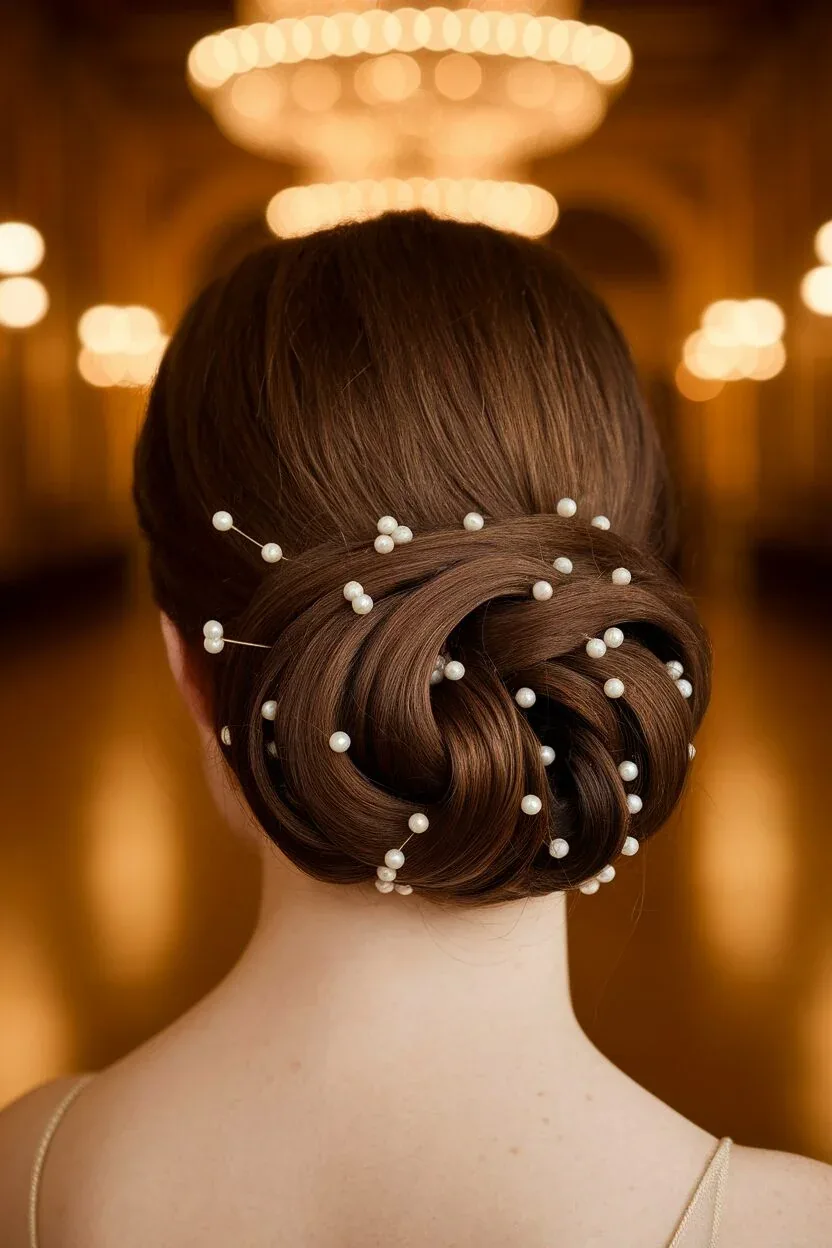
What it is: A low, smooth bun finished with two or three pearl pins placed along the top edge.
Common mistakes: Placing the pins too close together makes them look like a mistake. Space them evenly and keep them on the same side of the bun.
Maintenance: Pearl pins can work loose during turns, so push them in at an angle and check them between routines. Carry one spare.
Cost and time: About 10 to 15 minutes at home. Pearl pins cost 5 to 12 dollars a set.
Quick verdict: Simple with a touch of sparkle. Perfect for ballet, ballroom and classical routines.
The Braided Ballet Bun
The braided ballet bun adds texture to the classic bun, which helps it stand out in a long day of identical buns. The braid grips the hair as it goes, so the bun holds even better than a plain one.
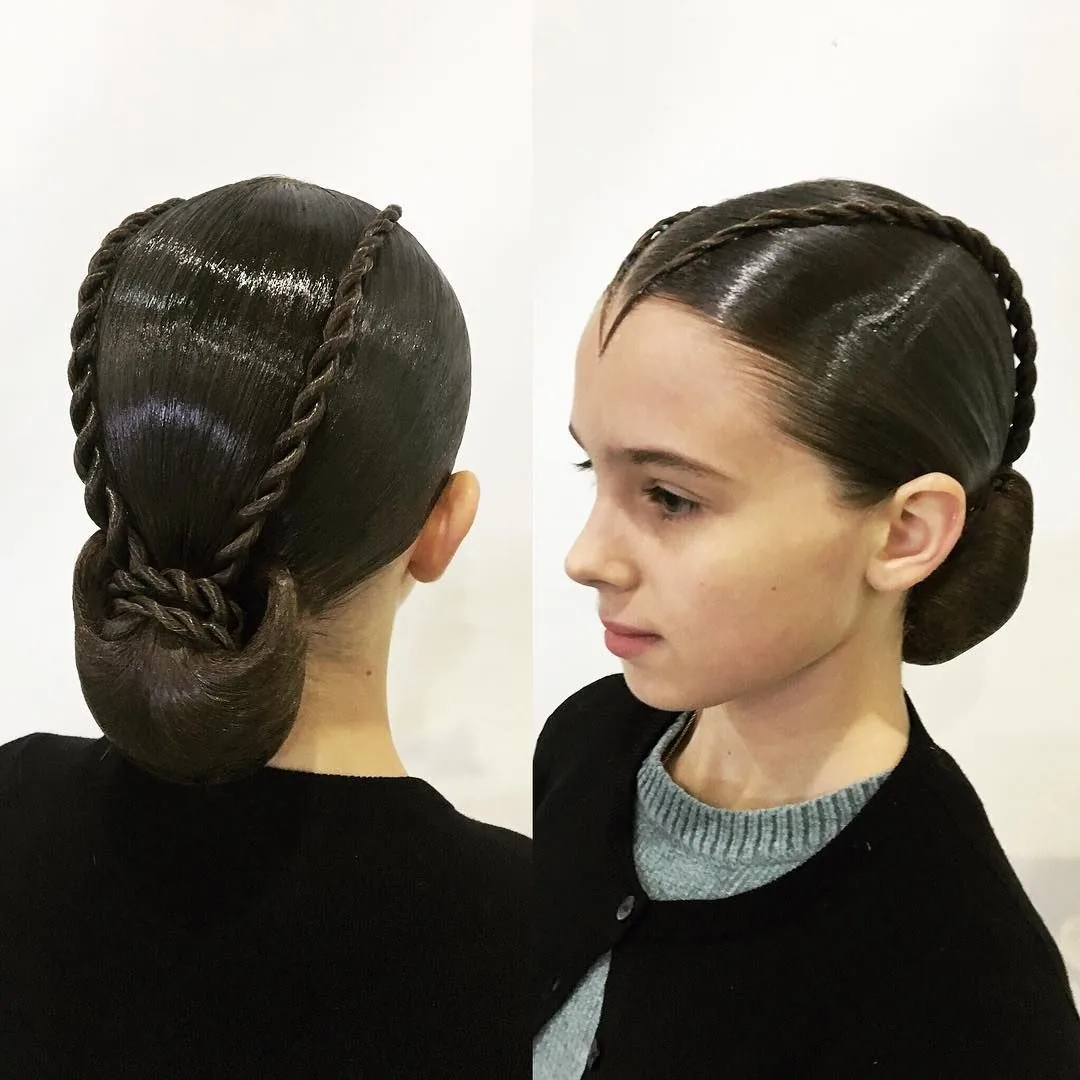
What it is: A braid coiled into a bun at the crown, pinned tight, with the crown smoothed and sprayed.
Common mistakes: Coiling the braid too loosely makes a wide, flat bun that sags. Coil it tight and pin every loop as you go.
Maintenance: The braided bun is very stable, so maintenance is just a spray and a pin check at the base between routines.
Cost and time: About 15 to 20 minutes at home, or 25 to 35 dollars at a salon.
Quick verdict: The classic bun, upgraded. A strong all-rounder for ballet and lyrical.
The High Top Knot With a Wrap
The high top knot with a wrap is bold, clean and very secure, with a scarf or ribbon wrapped around the base for colour. It suits jazz and hip hop, where the hair can be part of the costume.
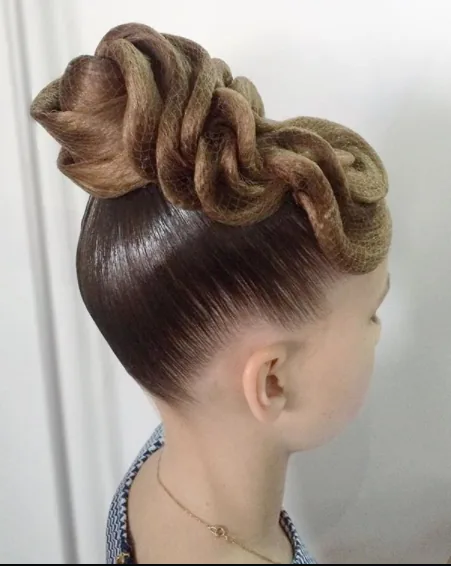
What it is: Hair pulled into a high knot, with a ribbon or scarf wrapped around the base and tied neatly at the back.
Common mistakes: Wrapping the fabric too loosely lets it slide down the knot mid-routine. Tuck the end under and pin it through the wrap.
Maintenance: Check the wrap between routines and re-tie it if it has loosened. The knot itself will hold all day.
Cost and time: About 15 minutes at home. A ribbon or scarf costs a few dollars.
Quick verdict: Bold and practical. A great team style when the wrap matches the costume.
The Side Braid Into a Low Bun
The side braid into a low bun is one of the prettiest secure styles in competition dance. The braid frames the face, the bun anchors the weight, and nothing moves, no matter how fast the routine gets.

What it is: A braid from one temple swept across to the opposite side, coiled into a low bun and pinned.
Common mistakes: Starting the braid too high makes it pull across the forehead. Start at the temple and keep the braid close to the hairline.
Maintenance: Check the bun pins after warm-up and smooth the braid with spray. The style rarely needs more than that.
Cost and time: About 20 minutes at home, or 30 to 40 dollars at a salon.
Quick verdict: Pretty, secure and flattering. A lovely choice for lyrical, ballet and contemporary.
The Textured Bun With a Braid Wrap
The textured bun with a braid wrap gives a modern, lived-in look while staying completely secure. The texture hides flyaways, and the braid wrap locks the bun in place.
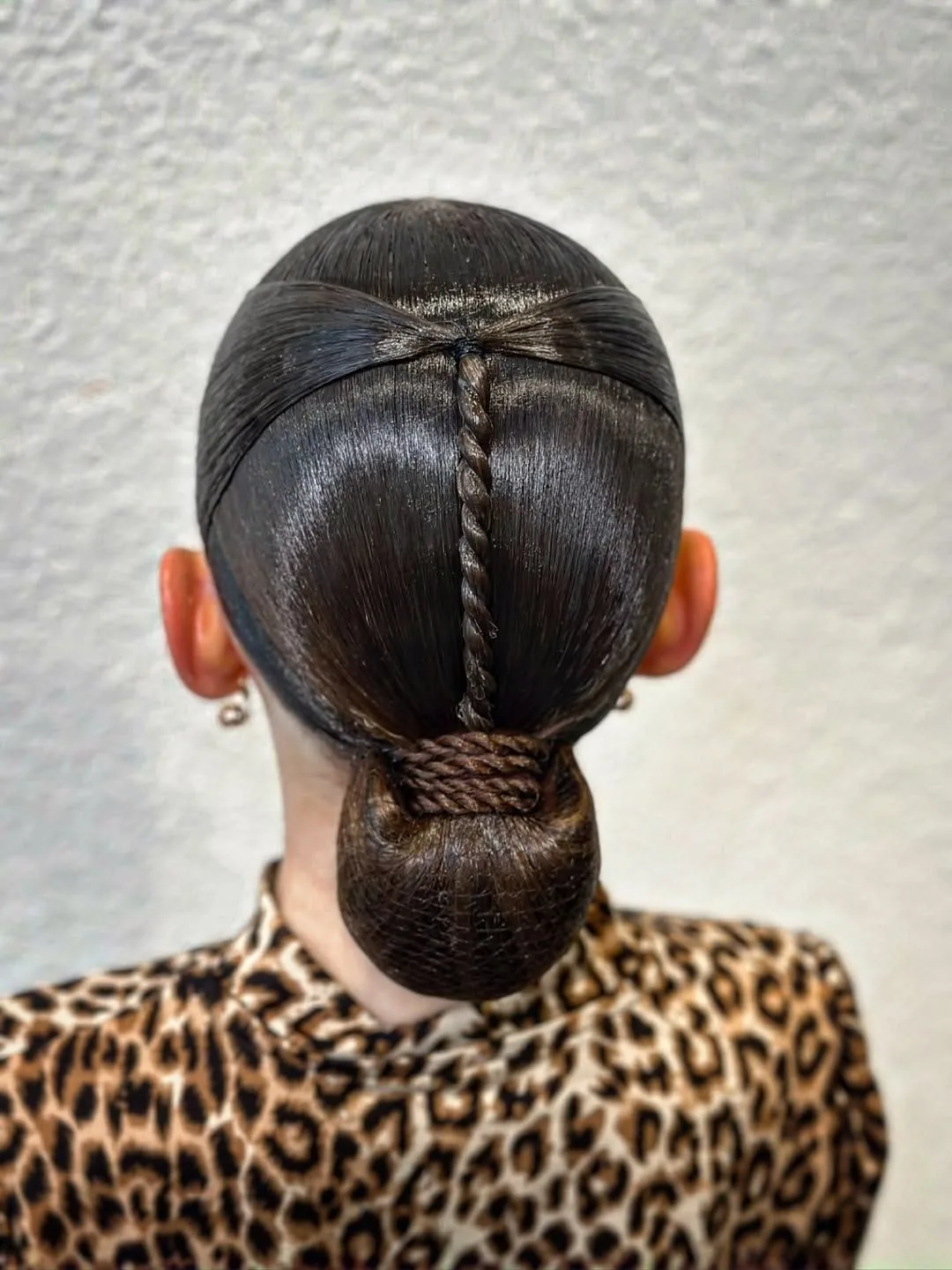
What it is: A slightly textured bun, built with a little backcombing, wrapped with a thin braid and pinned.
Common mistakes: Over-texturising makes the bun look messy from the audience. Keep the texture inside the bun and the surface smooth.
Maintenance: A light spray and a pin check is all it needs between routines. The braid wrap stops the bun from loosening.
Cost and time: About 15 to 20 minutes at home, or 25 to 35 dollars at a salon.
Quick verdict: Modern, secure and forgiving. A good pick for contemporary and jazz.
The Rope Braid Ponytail
The rope braid ponytail twists two sections around each other, which makes it stronger than a normal braid and much harder to pull apart. It is a smart choice for fast, athletic routines.
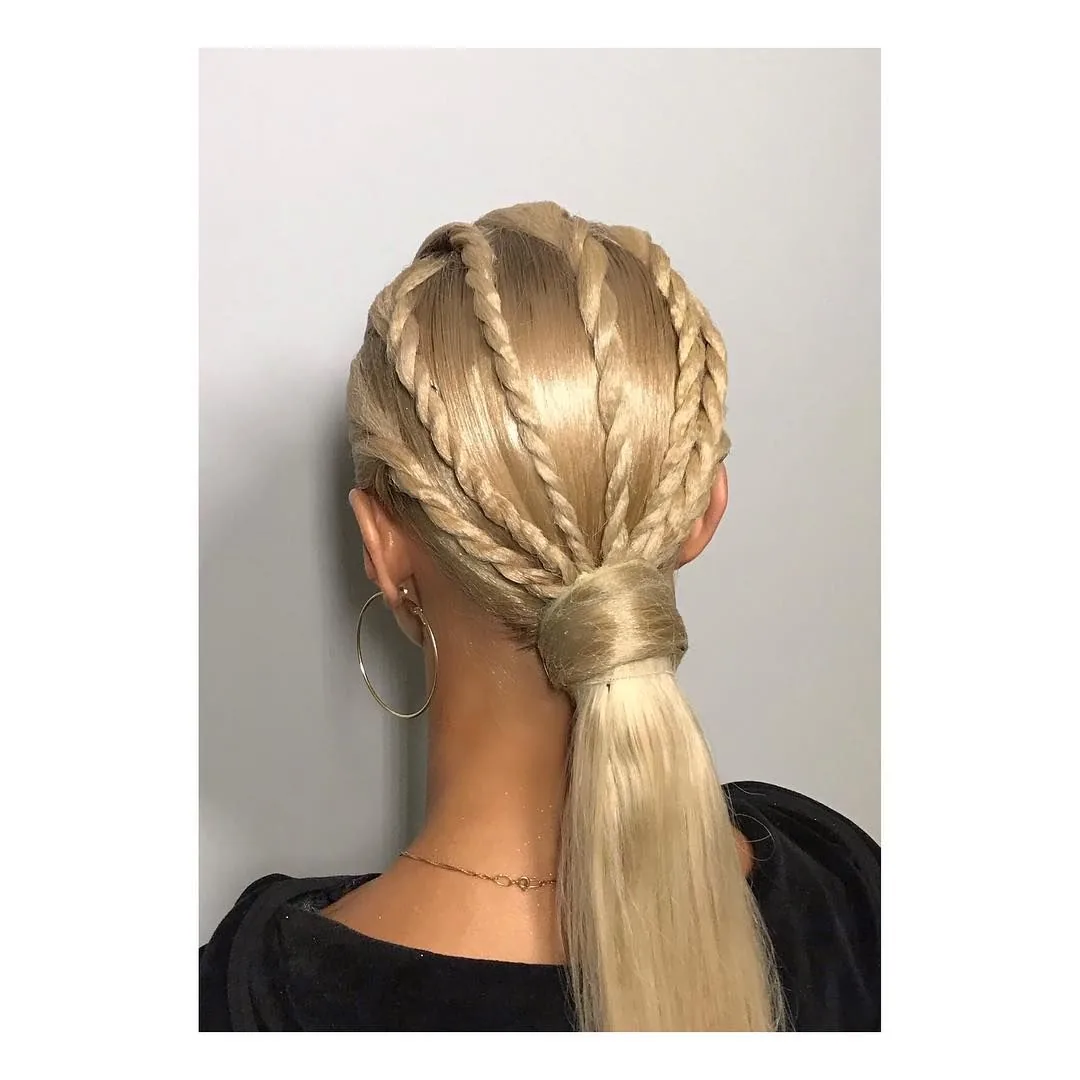
What it is: A high ponytail divided in two, twisted in opposite directions and wound together, secured with an elastic.
Common mistakes: Twisting both sections the same way lets the rope unwind. Twist each section one way, then wind them the opposite way.
Maintenance: The rope braid holds its shape well, so maintenance is just a spray and a check of the end elastic between routines.
Cost and time: About 15 minutes at home. No special tools beyond elastics and spray.
Quick verdict: Strong, simple and athletic. Ideal for jazz, hip hop and acro routines.
Double Buns
Double buns are playful, symmetrical and very secure, because the hair is split into two anchored points instead of one. They are a favourite for hip hop, jazz and team routines where the look needs to read from far away.
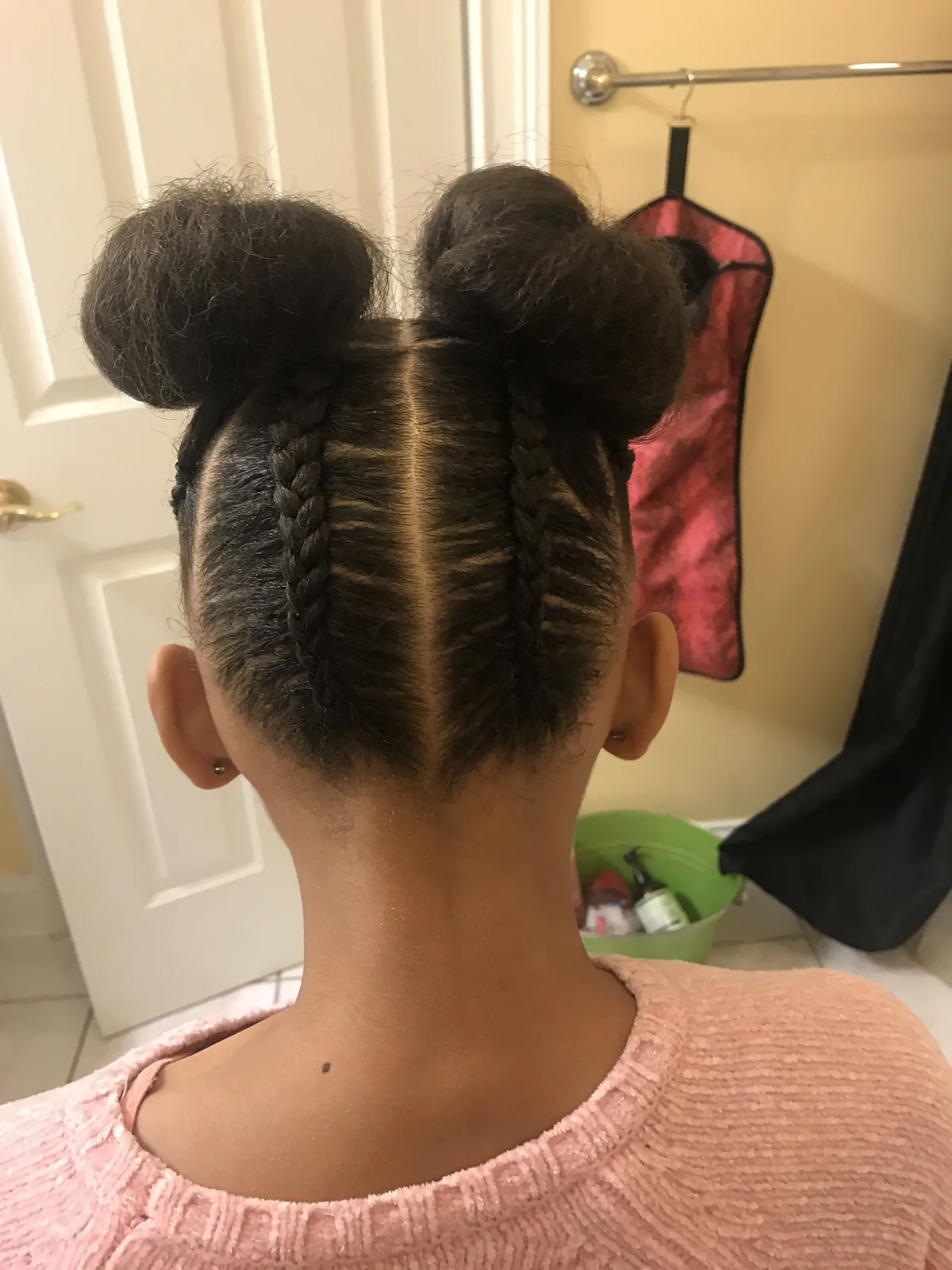
What it is: Two matching buns set high on either side of the head, smoothed, pinned and sprayed, with the parting kept dead centre.
Common mistakes: Placing the buns unevenly is obvious from the audience, so measure the parting and the bun height in a mirror before you pin.
Maintenance: Check both buns after warm-up, because one always loosens before the other. A spare pin and a quick spray fixes the low one.
Cost and time: About 15 to 20 minutes at home. Two donuts, if you use them, cost under 10 dollars.
Quick verdict: Fun, bold and very secure. A team favourite for hip hop and jazz.
The Slicked-Back Wet Look
The slicked-back wet look is a high-fashion competition style that suits ballroom and Latin routines, where a sharp, glossy finish matches the costume. It looks wet all day, which means sweat never shows.
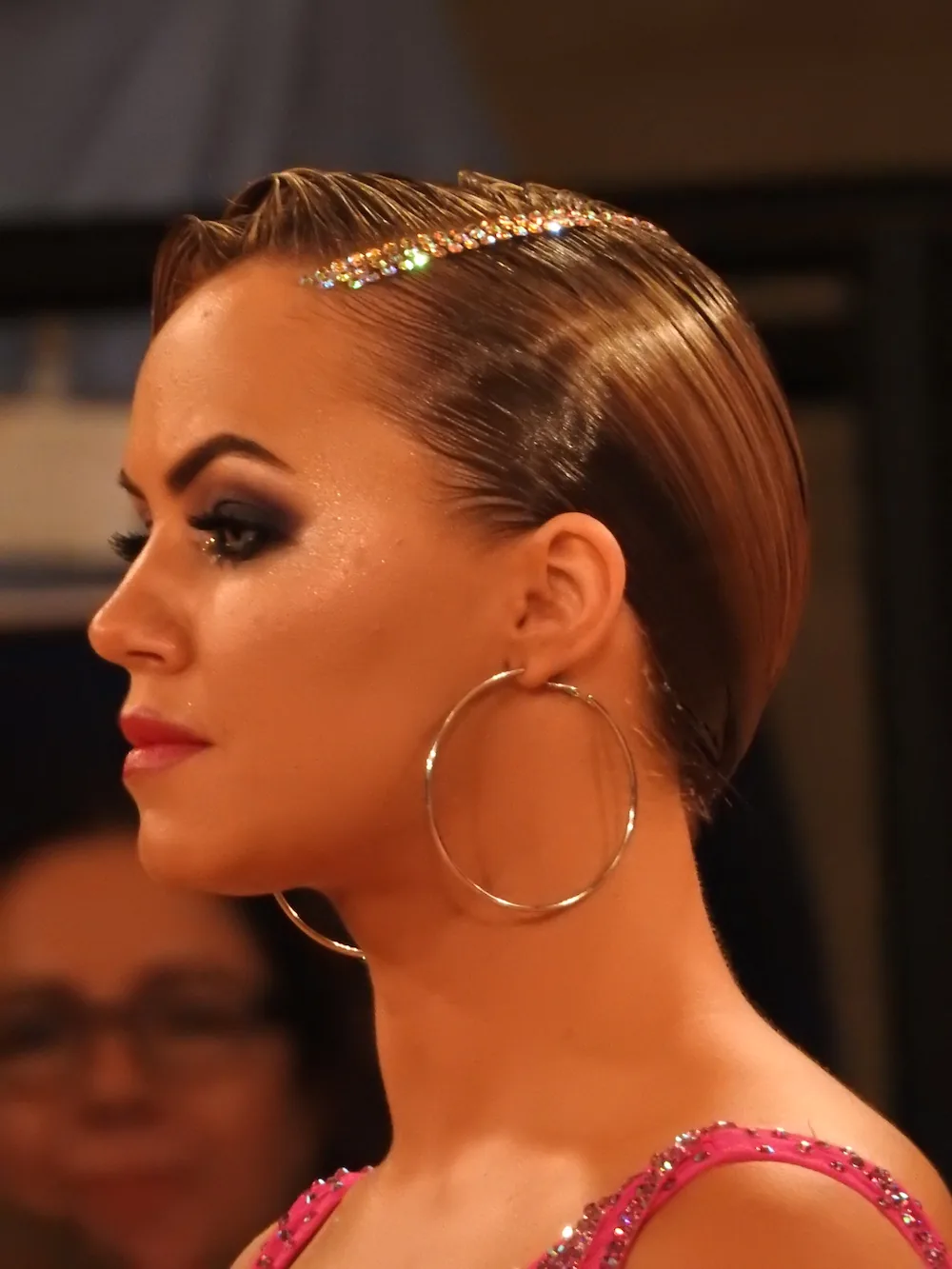
What it is: Hair combed straight back with strong gel, worn down or gathered into a low bun, with a high-shine finish.
Common mistakes: Using too little gel lets the style dry out and frizz under the lights. Work the gel through damp hair in layers and finish with a shine spray.
Maintenance: The wet look needs almost no maintenance, which is its secret weapon. A quick comb-through and a dab of gel between routines is enough.
Cost and time: About 10 minutes at home. Gel and shine spray cost under 15 dollars.
Quick verdict: Sharp, glossy and sweat-proof by design. A strong pick for ballroom and Latin.
The Braided Headband Half-Up
The braided headband half-up style keeps the hair off the face with a braid that acts as its own accessory. It is soft enough for lyrical routines and secure enough for a full competition day.
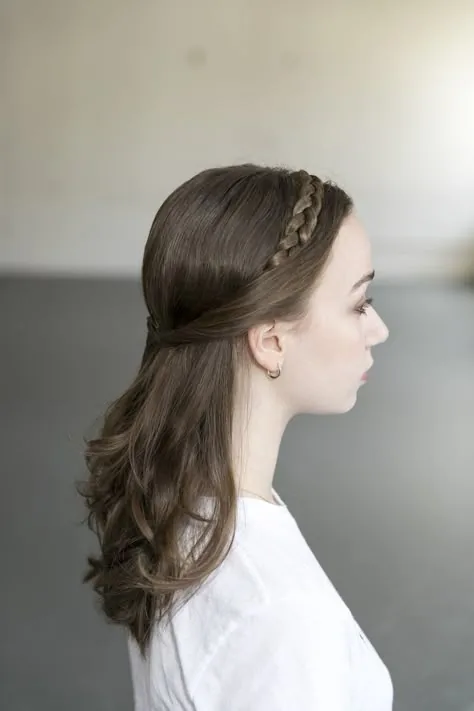
What it is: A braid worked across the hairline like a headband, with the rest of the hair left down, curled or straight, and the ends pinned behind the ears.
Common mistakes: Braiding the headband too loosely lets it slip down the forehead. Keep it tight against the scalp and pin both ends behind the ears.
Maintenance: Re-pin the ends between routines and brush the loose lengths gently. The headband braid itself rarely moves once it is set.
Cost and time: About 15 minutes at home. Works best on medium to long hair.
Quick verdict: Soft, pretty and practical. Best for lyrical and contemporary routines.
The Low Ponytail With a Ribbon
The low ponytail with a ribbon is a classic competition look that matches a team costume beautifully. The ribbon adds colour and polish, and it doubles as a quick way to check whether the ponytail has slipped.
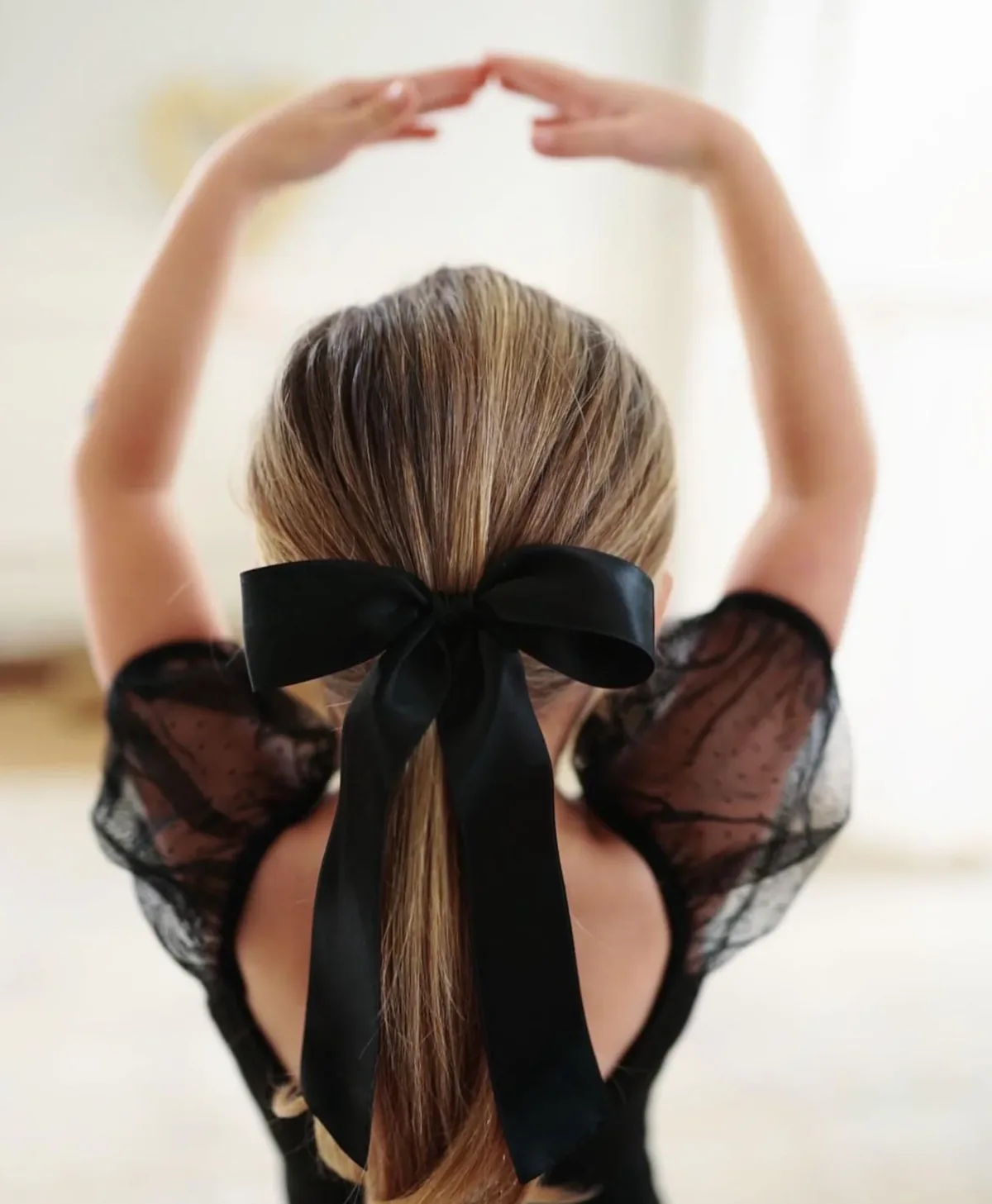
What it is: A low, smooth ponytail tied with a wide ribbon in the team or costume colour, bowed neatly at the base.
Common mistakes: Tying the ribbon over a loose elastic lets the whole ponytail drop. Secure the hair first, then add the ribbon as a finish.
Maintenance: Check the bow between routines and re-tie it if it has loosened. Carry a spare ribbon in the team colour.
Cost and time: About 10 minutes at home. Ribbon costs a few dollars.
Quick verdict: Classic, cheap and team-friendly. A lovely choice for jazz, lyrical and group routines.
The High Ponytail With a Braid Wrap
The high ponytail with a braid wrap hides the elastic and adds a detail that judges notice. It is a small upgrade that makes a simple ponytail look deliberate and finished.
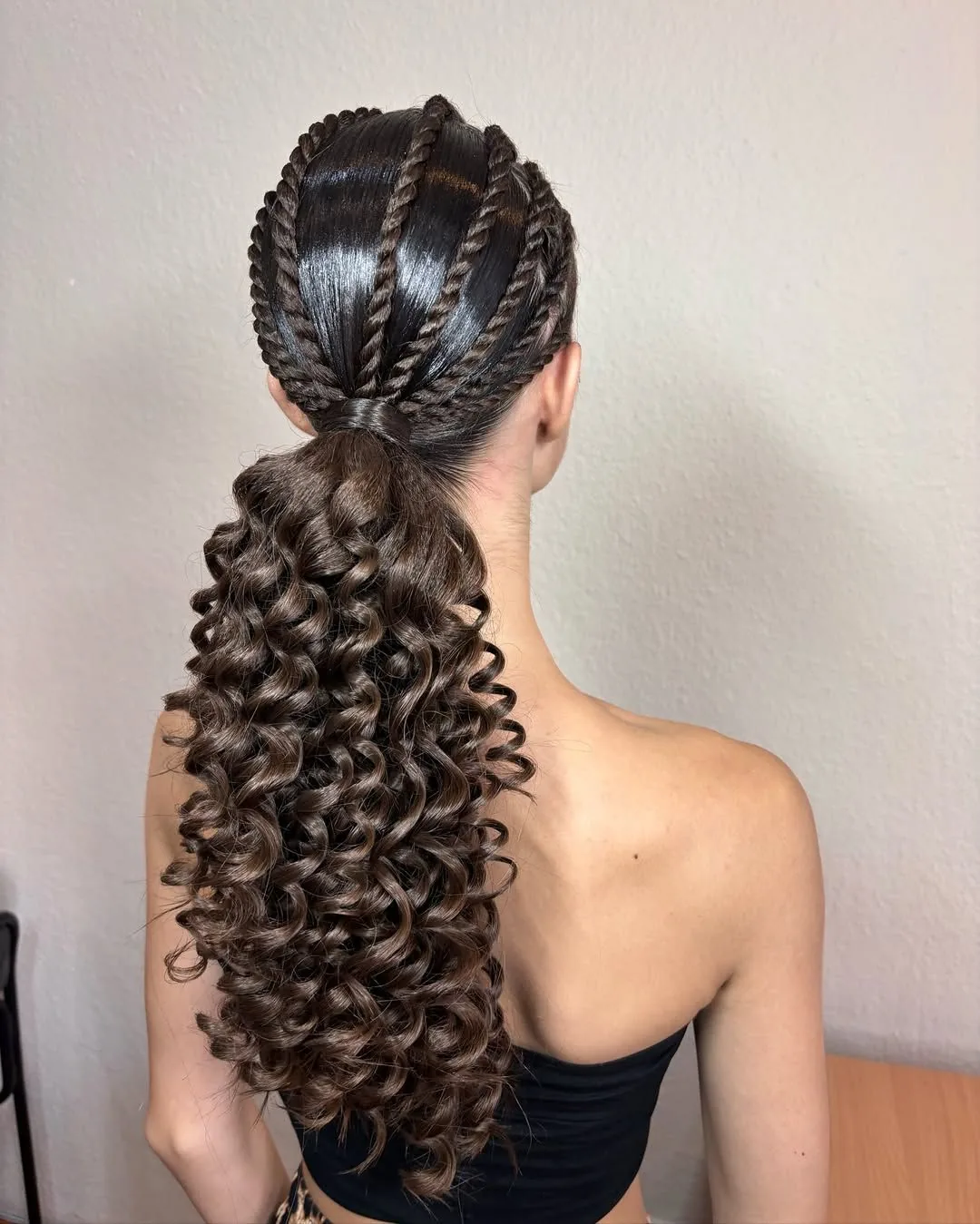
What it is: A high ponytail with a thin braid wrapped around the base and pinned underneath.
Common mistakes: Wrapping the braid too loosely lets it slide down the ponytail. Pin the braid at the top and bottom of the wrap.
Maintenance: Tighten the ponytail elastic between routines and smooth the crown with spray. The wrap rarely needs attention.
Cost and time: About 10 to 15 minutes at home. No extra cost beyond pins and spray.
Quick verdict: A simple upgrade with a big payoff. Great for jazz, hip hop and contemporary solos.
The Curly Low Bun
The curly low bun works with natural texture instead of fighting it, gathering the curls into a soft, secure shape at the nape. It is elegant, comfortable and very forgiving on a long day.
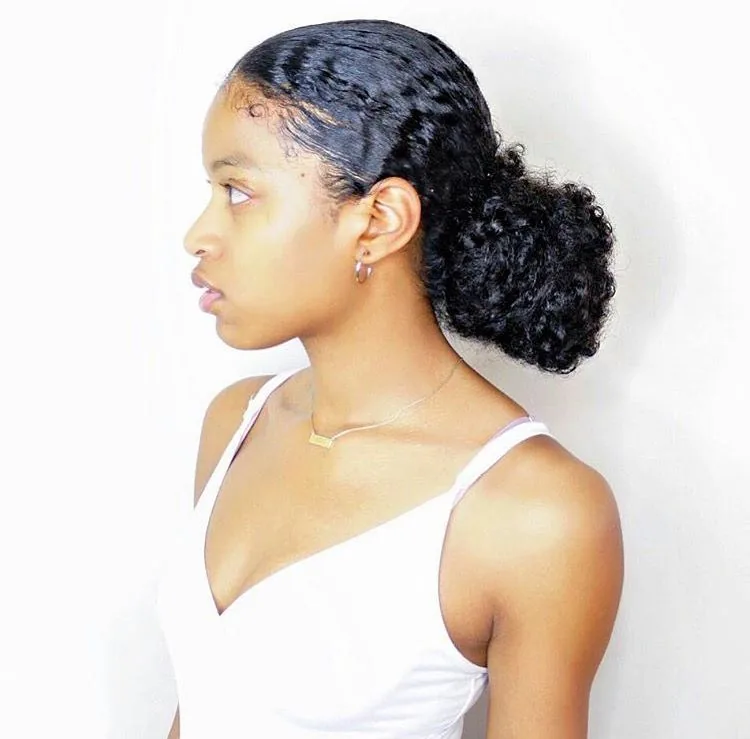
What it is: Natural curls gathered low, shaped by hand into a bun, pinned with U-pins and finished with curl cream.
Common mistakes: Brushing the curls out before gathering them creates frizz and doubles the work. Gather the curls with your fingers and smooth only the edges.
Maintenance: Mist the bun lightly with water and curl cream between routines to revive the shape, and smooth the edges with gel.
Cost and time: About 10 to 15 minutes at home. Curl cream and U-pins cost under 15 dollars.
Quick verdict: Natural, elegant and low-effort. A beautiful choice for lyrical, ballet and contemporary.
The Straight Sleek Bun With a Centre Part
The straight sleek bun with a centre part is the most symmetrical style in competition dance, and symmetry is exactly what judges look for in a team. It is clean, calm and impossible to fault.
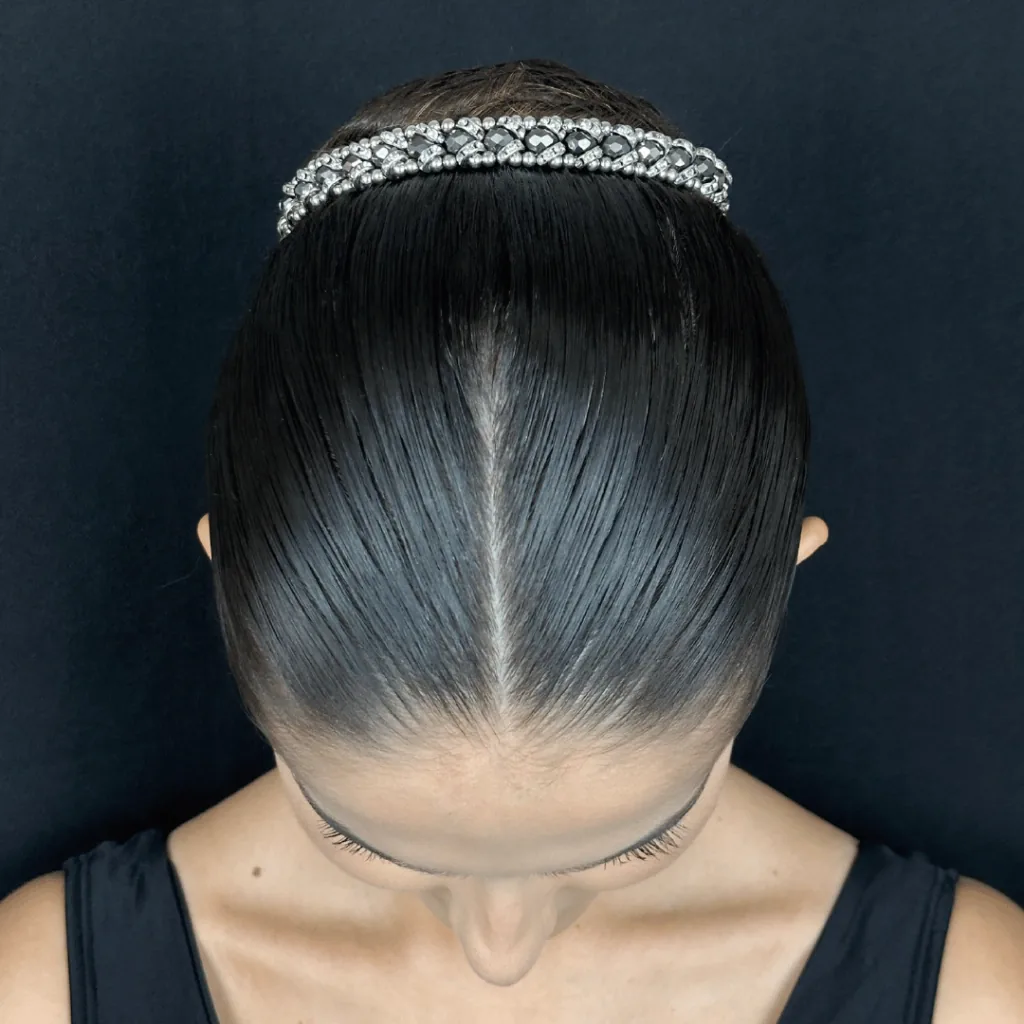
What it is: Hair parted dead centre, smoothed flat, gathered low or high and coiled into a tight bun.
Common mistakes: A wandering parting ruins the symmetry, so set it with a tail comb and check it from behind in a mirror before you pin.
Maintenance: Smooth the parting with spray between routines and re-pin the base if the bun has dropped. The style holds well all day.
Cost and time: About 10 to 15 minutes at home. Under 10 dollars in products.
Quick verdict: The neatest style on this list. The default choice for teams and for classical routines.
The Twisted Crown Updo
The twisted crown updo wraps twists around the head like a crown, giving you the romance of a braided style with half the effort. It holds well because every twist is pinned as it goes.
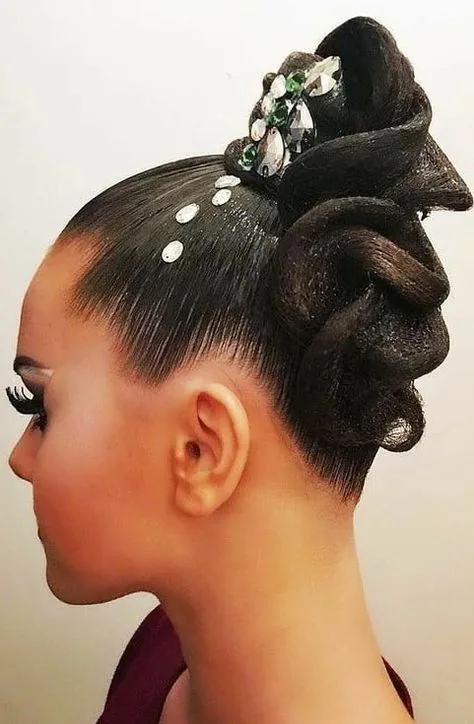
What it is: Two or more twists worked around the crown and pinned into an updo, with the ends tucked under.
Common mistakes: Leaving the twists unpinned at the back lets them unravel during turns. Pin every twist at both ends and in the middle.
Maintenance: Check the back pins after warm-up, because that is where the twists loosen first. A light spray over the crown holds the shape.
Cost and time: About 20 to 25 minutes at home, or 30 to 40 dollars at a salon.
Quick verdict: Romantic, secure and a little unusual. A lovely pick for lyrical and contemporary solos.
The Convertible Bun-to-Ponytail
The convertible bun-to-ponytail is the smartest style in this whole list for a dancer with two routines and five minutes between them. You perform the first routine in a bun, then drop it into a ponytail backstage without starting over.
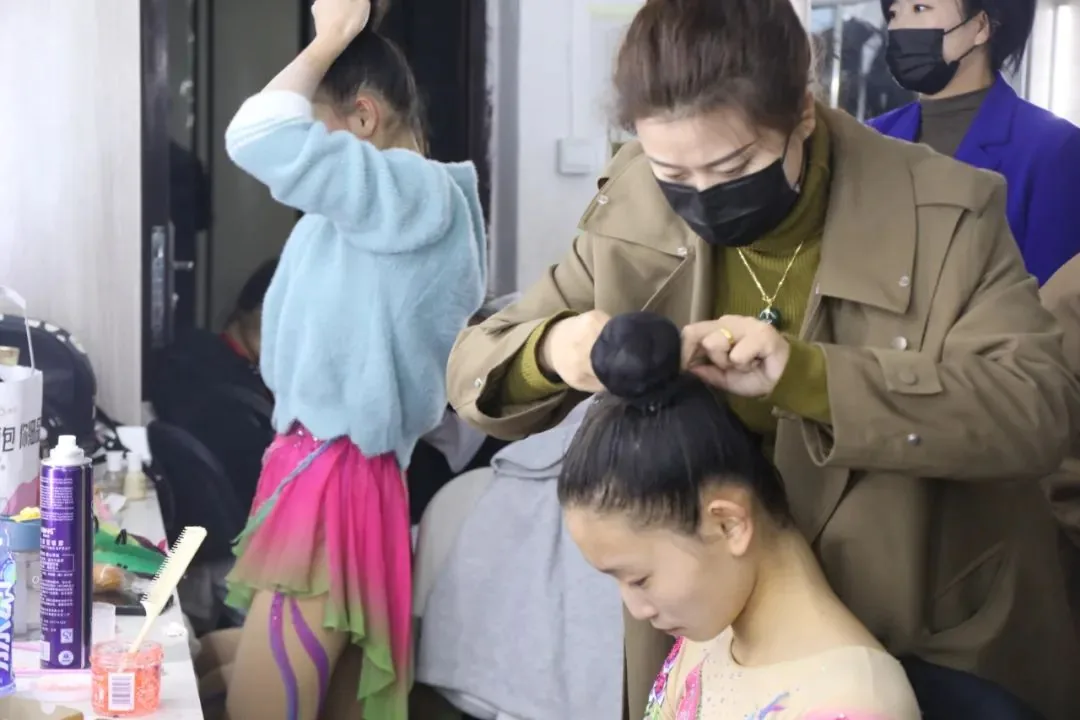
What it is: A high ponytail base pinned up into a bun with removable pins, so the bun can be released into a ponytail in under a minute.
Common mistakes: Pinning the bun with pins you cannot remove quickly defeats the whole point. Use large U-pins you can pull out in seconds, and practise the change with a timer.
Maintenance: Practise the change three times at home before competition day, and keep the ponytail elastic already on your wrist. The whole swap should take under sixty seconds.
Cost and time: About 15 minutes to set up at home, plus one minute per change. No extra cost beyond pins and an elastic.
Quick verdict: The ultimate quick-change style. If you dance two genres in one day, this is the one to learn.
What is the best hairstyle for a dance competition?
A slicked-back bun is the safest all-round choice, because it stays put, keeps the face visible and suits almost every genre. For jazz or hip hop, a high ponytail is just as reliable. The best style is the one you have practised, that matches your routine, and that survives a full spin test at rehearsal.
How do I keep my hair from falling out during spins?
Build the style in layers: gel at the roots, U-pins at the base, a hairnet over a bun, and firm-hold spray to finish. Do a spin test at rehearsal and add pins wherever the style shifts. Never rely on a single elastic or on hairspray alone.
Can I wear my hair down at a dance competition?
You can, but only if the sides are pinned back and the lengths are controlled, and only for slow lyrical or contemporary routines. For fast routines, turns or lifts, hair down is a risk: it flies into the face, hides expression and can cost presentation marks.
How many bobby pins do I need for competition hair?
Plan on 10 to 20 pins for a bun and 5 to 10 for a ponytail or braid, plus spares. Use pins in your hair colour, push them in against the direction of the hair, and cross two pins over each other at the points that take the most strain.
What hairspray holds best under stage lights?
A firm- or maximum-hold spray applied in two light layers holds better than one heavy coat, which flakes under hot lights. Spray from about 30 centimetres away, let the first layer dry, then mist again. Carry a travel-size can for touch-ups backstage.
How do I do a quick change between routines?
Choose a convertible base, such as a bun that drops into a ponytail, and practise the change with a timer at home. Pack your kit in the order you will use it, keep the next elastic on your wrist, and change only the finish, never the whole base, when the clock is running.
Do judges care about hair at a dance competition?
Yes, because hair is part of presentation. Judges notice flyaways, slipping buns and styles that hide the face, and a messy style can cost marks in a close result. Hair will not save a weak routine, but neat, secure hair never hurts a good one.
What hairstyle works for short hair at a dance competition?
A slicked-back pixie or bob with gel and a sparkle clip works beautifully, and a short bob can be pinned into a low mini-bun with a donut. Short hair holds better than long hair because there is less weight pulling it down, so it is an advantage, not a problem.
How early should I do my competition hair?
Style the hair at home, finished, about two hours before your stage time, and allow ninety minutes for hair and makeup combined. Arrive at the venue with only touch-ups left to do, and check the style once under the venue lights before you perform.
How do I get hairspray and gel out of my hair afterwards?
Wash twice with a clarifying shampoo, massaging the roots well, then condition the lengths only. If the hair still feels coated, a little diluted apple cider vinegar or a second clarifying wash will remove the residue. Never go to bed with competition products still in your hair.
Your Competition Hair, Ready for the Stage
The right hairstyles for a dance competition do more than look good in the warm-up photo. They hold through spins and lifts, survive a quick change, keep the judges’ view of your face clear, and still look neat when your name is called at the awards ceremony. Pick the style that fits your routine, your hair length and your team, practise it at rehearsal, and pack the kit that lets you fix it in under a minute.
Start with the classic bun if you want the safest choice, try the convertible bun-to-ponytail if you dance two genres in one day, and let the guides above set your timeline and your kit. Then stop worrying about your hair and focus on the dancing, because once the music starts, the best competition hair is the hair you forget about completely.