When the Air Is Wet and Your Hair Won’t Behave: Hairstyles for Humid Weather That Actually Hold
Humidity is the one weather you cannot negotiate with. You can straighten your hair perfectly at 8 in the morning, step outside into thick, wet air, and watch it swell, wave and frizz before you reach the end of the street. The roots go limp, the ends puff out, curls drop by lunchtime, and by afternoon there is a damp ring of sweat at the nape of your neck gluing stray hairs to your skin. It is not bad hair. It is hair doing exactly what hair does when the air is full of water.
The trick is to stop fighting the moisture and start working with it. The hairstyles in this guide are chosen for exactly that: braids that use the damp to hold tighter, buns that keep hair off a sweaty neck, twists that look better slightly undone, and cuts that let humidity add texture instead of chaos. Eight guides first explain why humidity frizzes hair, which products genuinely help, and the small timing and prep choices that make a style last. Then come 33 styles — from a five-minute claw-clip twist to cornrows that survive a whole tropical holiday — each one tested against the same question: will it still look good at 6 in the evening?
Why Humidity Frizzes Hair: What Moisture Actually Does to Each Strand
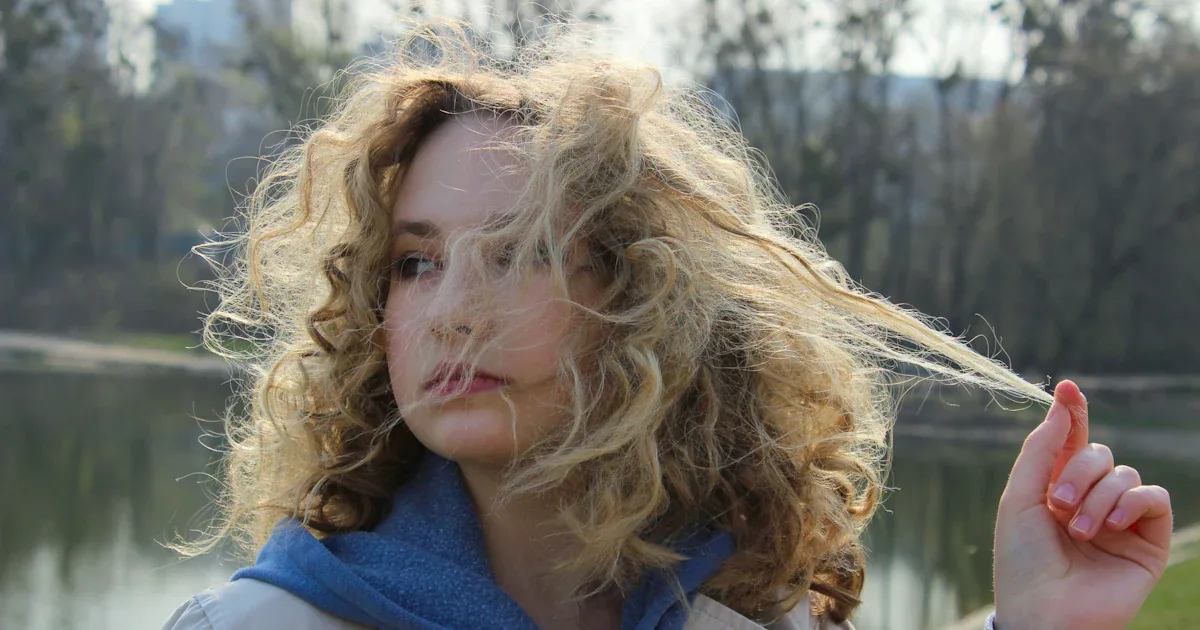
Every strand of hair is covered in tiny overlapping scales called the cuticle. When the air is dry, those scales lie flat and hair looks smooth. When humidity rises, water molecules slip under the lifted cuticle of porous hair, the strand swells, and the scales stick out in every direction. That roughness is frizz: not damage, but hair absorbing water faster than it can release it.
Best for: anyone who has ever wondered why the same style works in winter and fails in July. How it helps: once you know frizz is a moisture problem, not a styling failure, you stop adding more heat and start adding the right barrier. Quick verdict: hair that is already damaged, colour-treated or naturally curly is the most porous, so it frizzes first — and benefits most from the styles in this guide.
The other half of the story is hydrogen bonds. Heat styling breaks these bonds temporarily and resets them as hair cools into a straight shape. Humidity breaks them again, which is why a blowout reverts to waves in damp air. Styles that do not depend on hydrogen bonds — braids, twists, buns — simply do not have this problem, and that is why they dominate this list.
Anti-Humidity Products That Actually Work (and the Ones That Don’t)
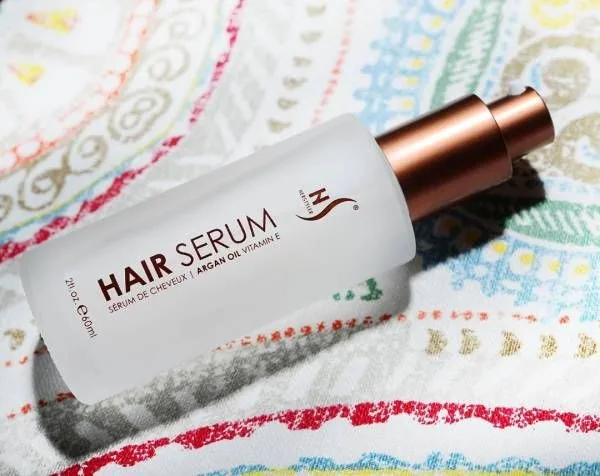
The products that genuinely beat humidity all do the same job: they seal the cuticle so water cannot get in. Silicones like dimethicone, light sealing oils, and anti-humidity sprays form a thin, flexible film around each strand. They are not glamorous, but they are the reason a sleek bun can survive a monsoon afternoon while an unprotected blowout cannot.
Pros and cons: a good anti-humidity serum adds shine and control for very little effort, but too much weighs fine hair down and makes roots look greasy by midday. Common mistake: piling on heavy oils before styling — oil and water do not mix, but a thick coat of oil traps sweat against the scalp and makes the nape feel sticky. Maintenance: one pea-sized amount of serum on damp lengths, plus a light spray over the finished style, is enough. What to skip: anything labelled volumising that contains no sealant — it will lift the roots and invite the frizz in.
Wash-Day Timing: When to Wash So Your Style Survives the Day

In humid weather, the day you wash matters almost as much as how you style. Freshly washed hair is at its lightest and slipperiest, which sounds good until the first gust of damp air — with no grip and no product build-up, it frizzes fastest. Hair washed the night before, or even second-day hair, holds a braid or a bun far better because it has a little natural texture to grip onto.
How to time it: if you need a sleek look, wash the night before, dry fully before bed, and style in the morning on dry hair with a sealing serum. If you want defined curls, wash in the morning and style while damp so the curl pattern sets as it dries. Who should avoid morning washing: anyone whose hair takes hours to dry — damp hair pinned up in humidity can stay damp all day and smell musty by evening. Quick verdict: for most humid-weather styles, day-old hair is your best friend.
Braids vs Buns in Moisture: Which One Holds Longer?
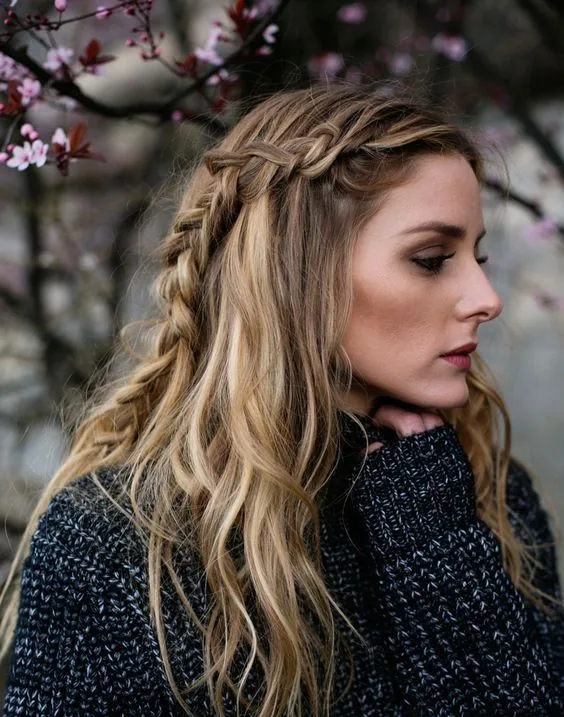
Braids and buns both keep hair contained, but they behave very differently in wet air. A braid locks every strand into a structure, so even as individual hairs swell, the shape stays put — and a braid actually looks better slightly loosened by humidity, with a soft, romantic halo instead of a frizzy mess. A bun hides the ends completely and keeps hair off the neck, which matters most when sweat is the problem, not just frizz.
Best for: braids win on long, thick or wavy hair that needs to stay neat for hours; buns win on the hottest days, for workouts, and for anyone whose neck sweats first. Time and cost: a braid takes five to ten minutes and no tools beyond an elastic; a polished bun takes about the same but needs pins and a spray. Common mistake: choosing a high, tight bun in extreme humidity and then wondering why the roots ache — a low, looser bun holds just as well and is far more comfortable. Quick verdict: braid for frizz control, bun for sweat control, and combine them — a braided bun — when you need both.
Sweat-Proofing the Hairline: Keeping Baby Hairs Down When You Perspire
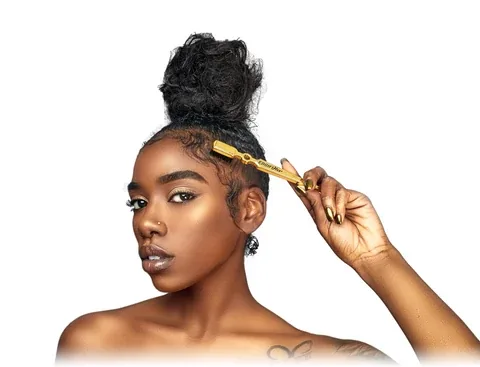
The hairline is where humidity wins first. Baby hairs are short, fine and close to the scalp, so they absorb sweat and frizz before the rest of your hair has even noticed the weather. The fix is a barrier, not more brushing: a light edge-control gel or a wax stick pressed onto the hairline seals those short hairs down, and a style that pulls them back — a braid, a bun, a headband — keeps them from springing free.
Common mistake: brushing the hairline repeatedly through the day, which only roughs up the cuticle and creates more frizz. How to do it instead: smooth once in the morning with a tiny amount of product, using a soft toothbrush or an old mascara wand, and then leave it alone. Time and cost: thirty seconds, one product you probably already own. Quick verdict: the hairline is a five-second job in the morning and a losing battle if you keep touching it.
Refreshing Second-Day Hair in Humidity: No Wash, No Problem
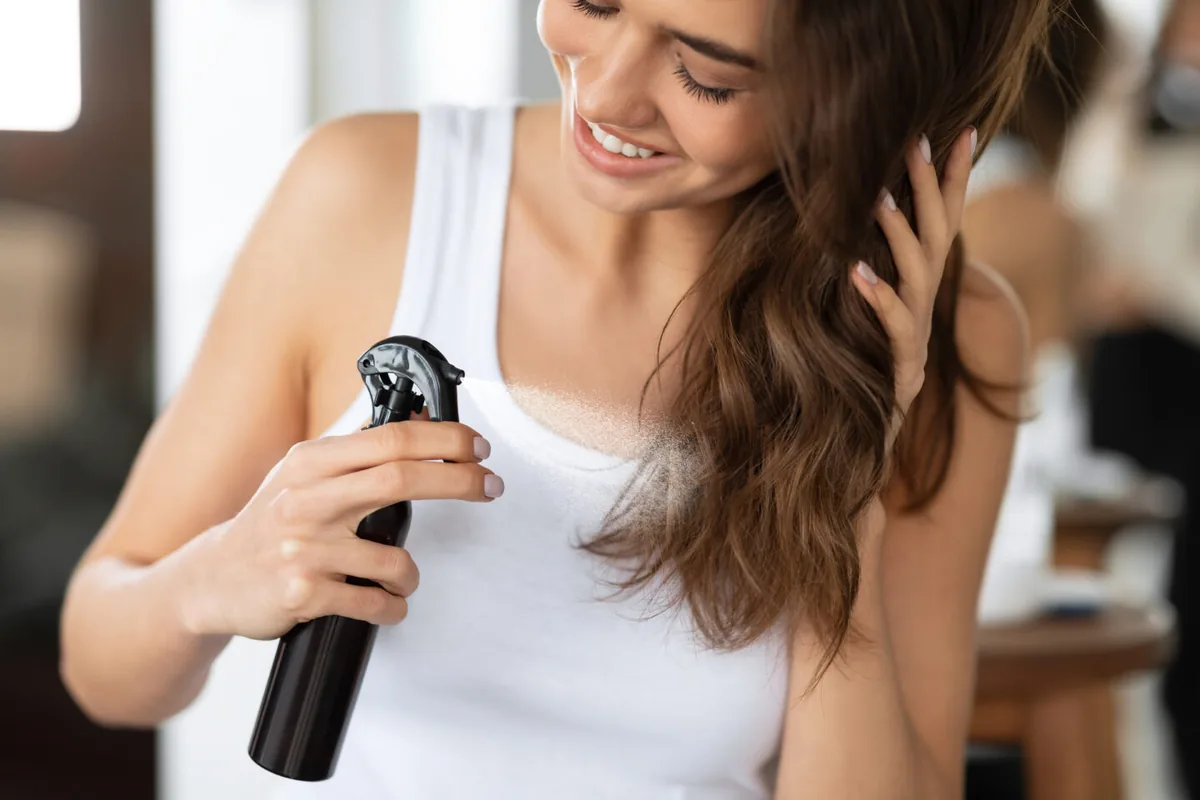
Second-day hair is often better than freshly washed hair in humidity — it has grip, texture and a little natural oil to weigh down flyaways. The problem is the flat roots and the stale smell that damp air makes worse. The refresh is simple: a light mist of water mixed with a drop of leave-in conditioner, scrunched or smoothed through the lengths, wakes the style up without a full wash.
Best for: anyone on day two or three who needs to look presentable fast. How to refresh: mist lightly, re-braid or re-twist the front sections, and finish with a drop of serum on the ends. What to avoid: dry shampoo piled on top of sweat — in humidity it clumps and shows white residue by midday. Pros and cons: refreshing takes five minutes and saves a wash, but it cannot rescue hair that is genuinely dirty; know when to wash and start over. Quick verdict: mist, re-style the front, serum the ends, go.
What to Avoid: Heavy Oils, Over-Brushing and Other Humidity Traps
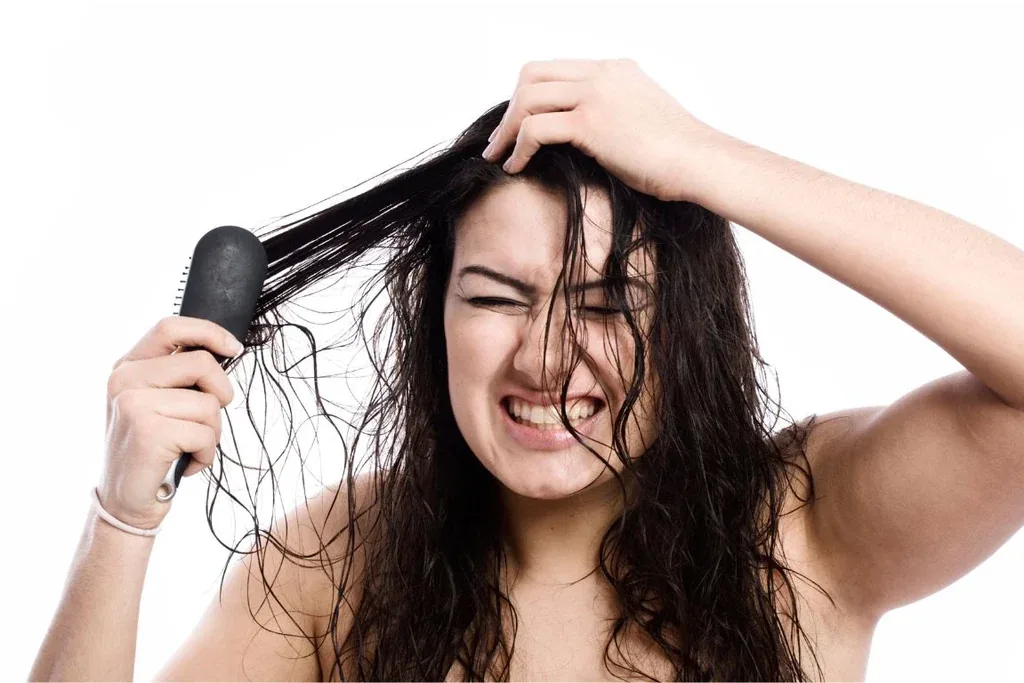
Some habits make humidity worse, and the worst offender is over-brushing. Every brush stroke lifts the cuticle and separates strands, which is exactly what frizz is — so brushing dry, frizzy hair in humid weather creates more frizz, not less. Brush before you style, then use fingers or a wide-tooth comb for the rest of the day.
Heavy oils are the second trap. A thick oil coat feels protective, but in humidity it traps sweat against the scalp, weighs the roots flat, and leaves hair looking greasy by noon. Use a light serum instead, and only on the lengths. Common mistake: re-straightening midday with a flat iron — the moment you step back outside, the humidity undoes it, and the extra heat only makes the cuticle more porous for tomorrow. Quick verdict: in humid weather, less manipulation always wins.
Packing a Hair Kit for Tropical Trips: Five Things That Earn Their Space
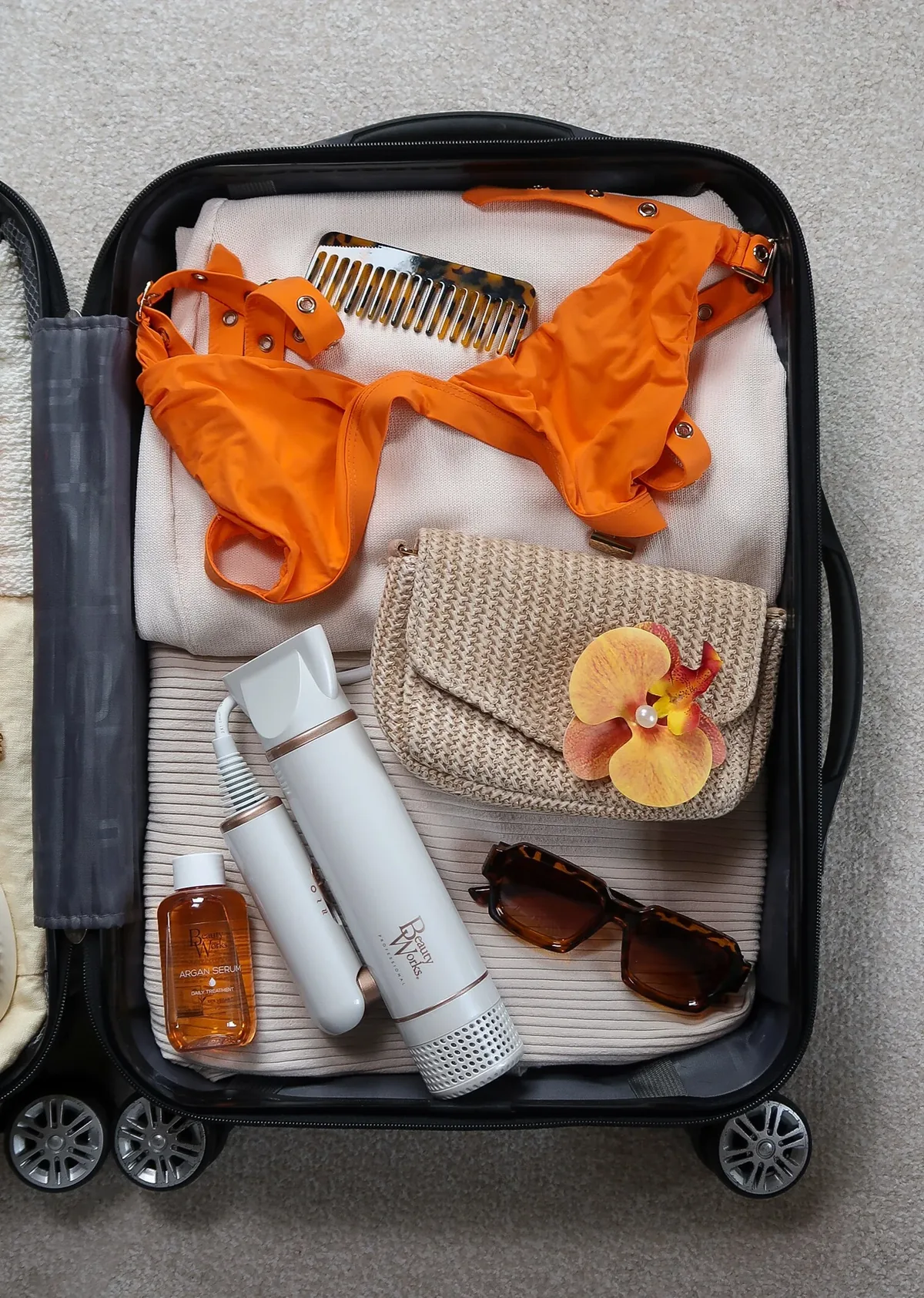
A tropical holiday is humidity at its most extreme, and your hair kit needs to be small, because everything else in the suitcase matters too. Five things earn their space: a wide-tooth comb, a handful of snag-free elastics, two large claw clips, a travel-size anti-humidity serum, and a silk scarf. That is the whole kit, and it covers every style in this guide.
How to use it: the serum goes on damp hair every morning, the elastics and clips handle braids and buns, the comb detangles without creating frizz, and the scarf wraps a bun or protects hair on a boat or a scooter ride. Time and cost: the whole kit costs less than one salon blowout and fits in a toiletry bag. Who should skip the extras: anyone tempted to pack a flat iron — leave it at home; the humidity will win, and the iron will only take up space.
The Sleek Low Bun: Your First Defence Against a Sticky Day
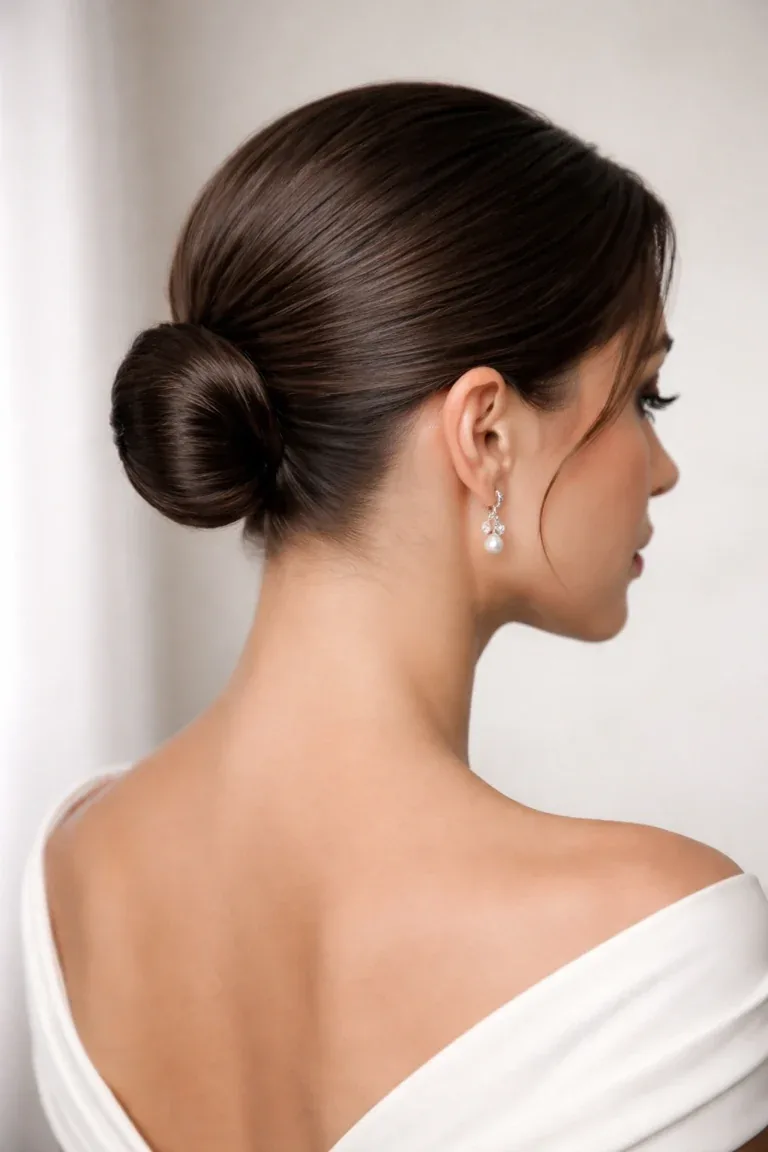
The sleek low bun is the humid-weather classic for a reason. It pulls every strand away from the face, pins the ends out of sight, and sits low enough that sweat at the nape never shows. In wet air, a low bun actually improves through the day: the slight damp softens any harsh edges and gives the style a polished, lived-in finish instead of a helmet look.
Best for: work days, formal events, and anyone with medium to long hair. How to style: brush hair back with a little gel or serum, gather at the nape, twist into a bun and pin. What to ask your stylist: how to place the bun so it flatters your neck length — lower suits long necks, slightly higher suits short ones. Quick verdict: if you only learn one humid-weather style, make it this one.
The High Ballerina Bun: Off the Neck and Out of the Humidity
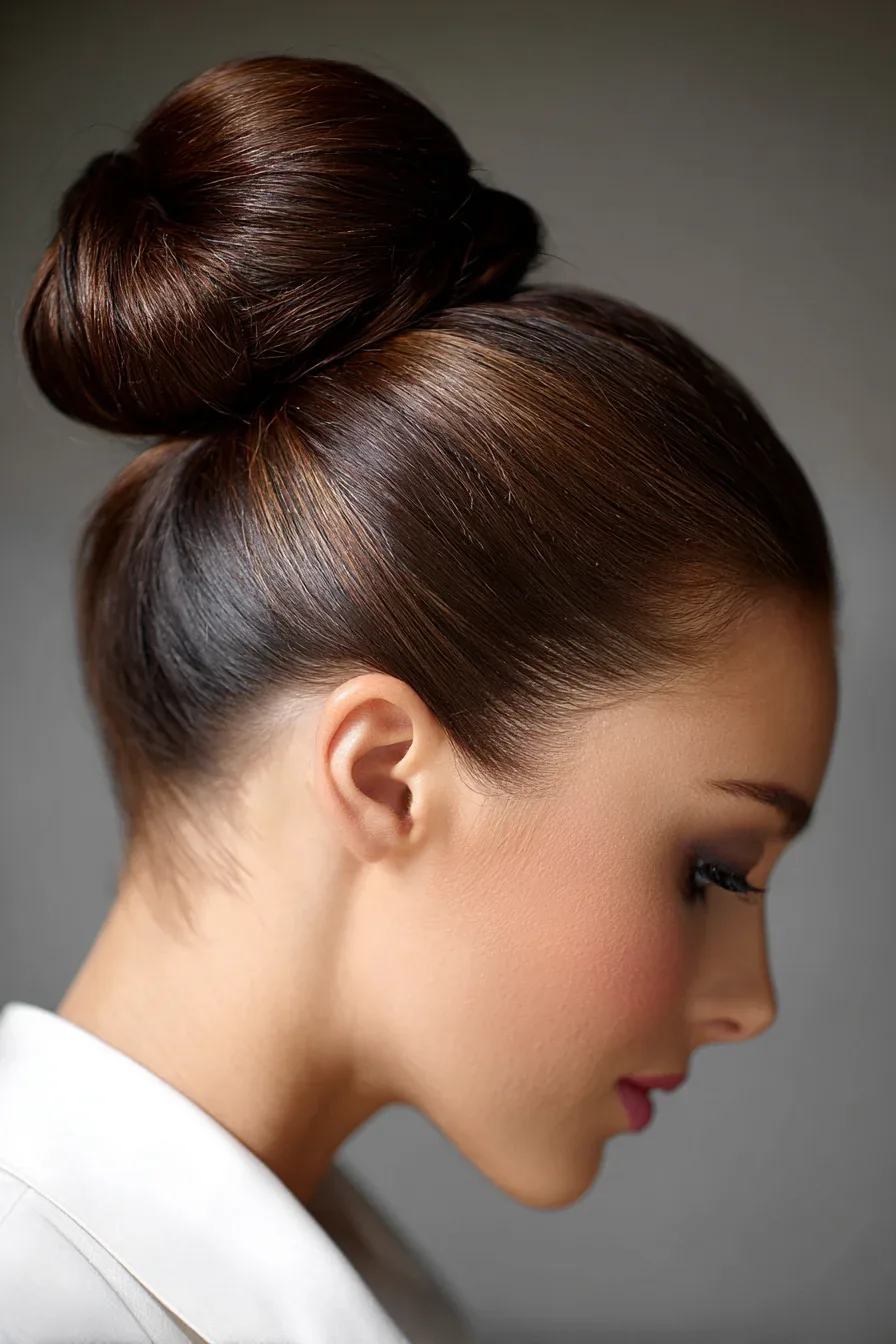
When the heat is the problem as much as the frizz, a high ballerina bun is the answer. Lifting all the hair off the neck lets air circulate, keeps sweat from soaking the ends, and stops that damp, clinging feeling at the nape. It is also one of the few styles that looks deliberately neat in humidity rather than accidentally messy.
Pros and cons: it is cool, secure and elegant, but a very tight high bun can pull at the hairline — keep it firm, not yanked. Common mistake: wrapping the bun too loosely so it sags by midday; anchor it with two crossed pins at the base and it will hold through a full day. Maintenance: almost none — a quick smoothing pass with a serum-damp palm is all it needs.
The Messy Top Knot: Letting Humidity Do the Texturing for You
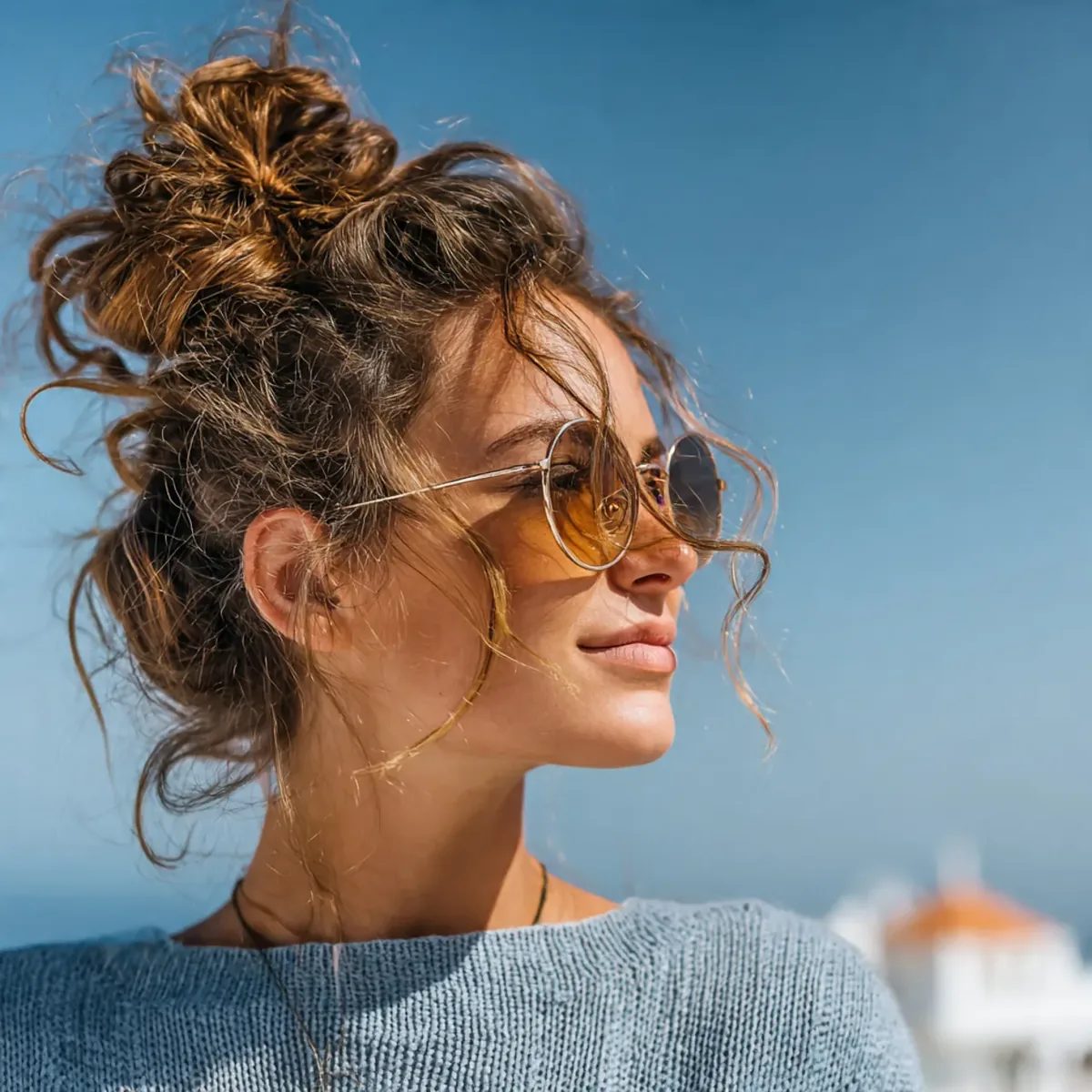
Here is the secret of the messy top knot: humidity is doing half the work. The damp air gives the knot its volume and the flyaways their softness, so a style that would look unfinished in dry weather looks effortless in wet weather. Instead of fighting the texture, you are letting it in on purpose.
How to style: gather hair high, twist loosely, wrap and pin, then pull a few pieces free at the front. Time and cost: three minutes, one elastic, two pins, nothing to buy. Who should avoid it: anyone heading to a formal event — this is a daytime, holiday and weekend style, not a wedding-guest look. Quick verdict: the laziest good-looking style in this whole guide.
The Classic French Braid: One Braid, Zero Frizz by Lunchtime
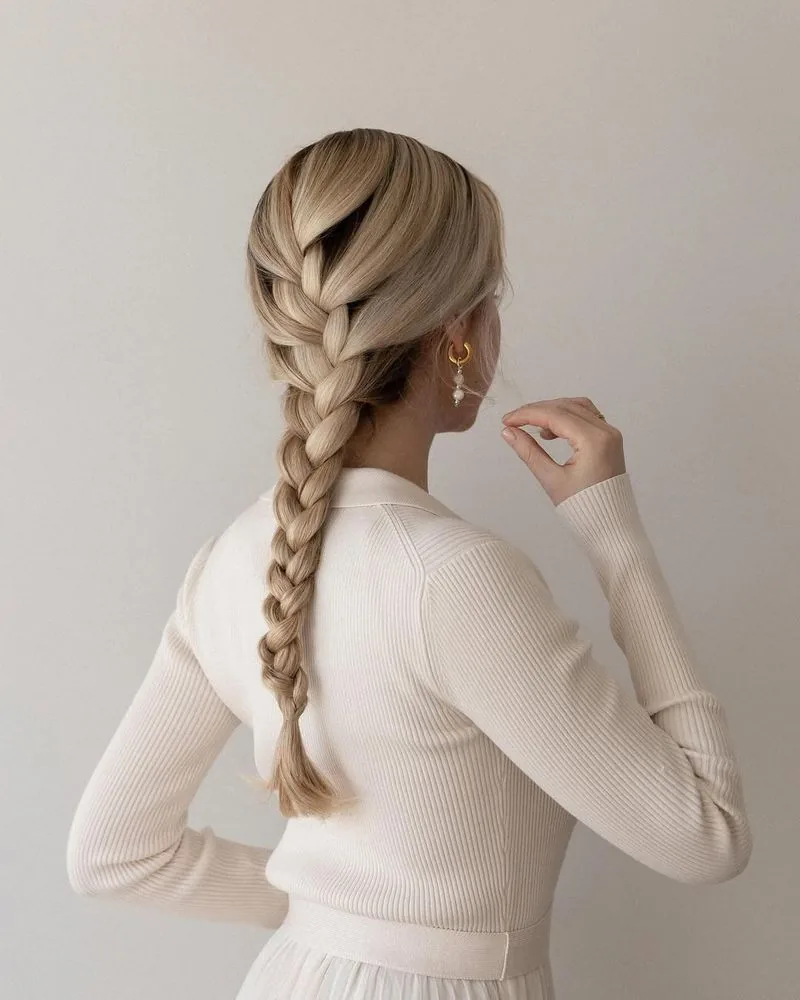
A French braid is humidity-proof engineering. Because each section is picked up and locked in as you go, the braid holds its shape even as individual strands swell with moisture. By afternoon the braid has loosened a fraction, which only makes it look softer and more romantic — the frizz that would ruin a blowout becomes a gentle halo around a braid.
Best for: long and medium hair, school runs, travel days, and anyone who wants a style that lasts from morning to night. How to style: start at the crown, add hair evenly on both sides, and keep the tension even so the braid sits straight. What to ask your stylist: whether a slightly off-centre part suits your face better than a dead-centre one. Common mistake: braiding too tightly at the hairline, which causes headaches in the heat — keep the first few crosses gentle.
The Dutch Braid Crown: A Braid That Frames Your Face Like a Headband
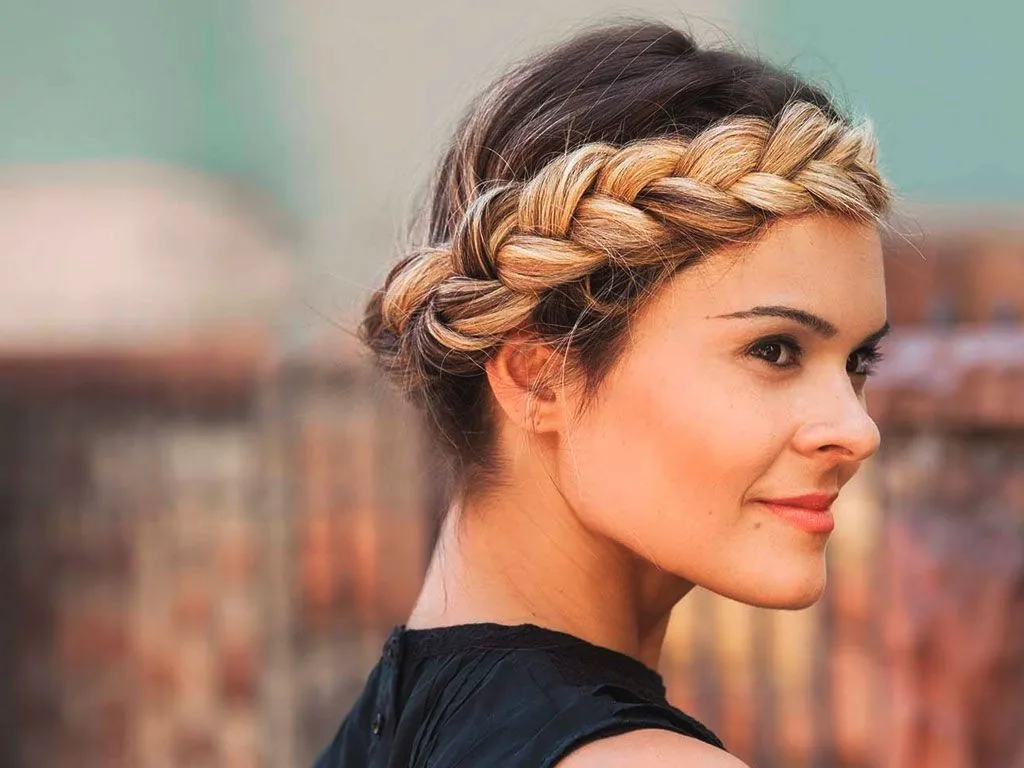
A Dutch braid crown runs along the hairline like a built-in headband, which makes it doubly useful in humidity: it keeps the front sections — the ones that frizz first — completely controlled, and it keeps sweat from dragging loose strands onto your forehead. It reads polished and a little bit special, even though it is just a braid worn in a circle.
Pros and cons: it stays neat for hours and photographs beautifully, but it takes practice to get the tension even all the way around. How to style: Dutch-braid along one side of the hairline, across the forehead and down the other side, then pin the tail underneath. Maintenance: a few pins and a light spray at the start of the day; nothing else needed. Quick verdict: the prettiest way to keep frizz off your face.
The Fishtail Braid: Loose, Boho and Better When It Gets Damp
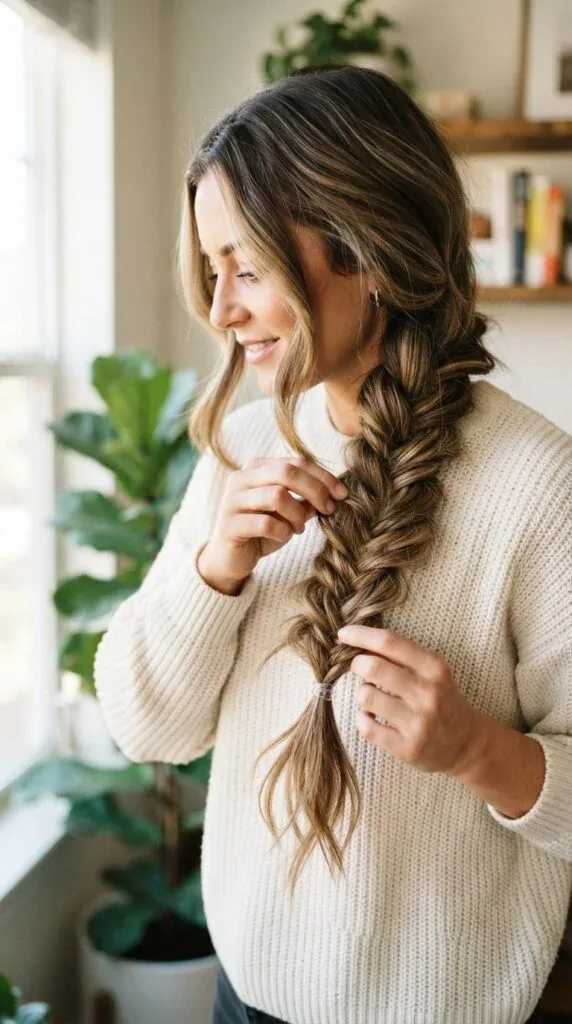
The fishtail braid is one of the few styles that genuinely improves as humidity rises. Its woven, slightly irregular texture is supposed to look soft and undone, so the extra volume and the wispy strands that damp air adds only make it look more intentional. A fishtail that has loosened by evening looks like you planned it that way.
Best for: medium to long hair, beach days, festivals and holidays. How to style: split hair in two, take small pieces from the outside of each side to the inside of the other, and keep the pieces small for a fine fishtail or chunky for a bold one. Time and cost: five to eight minutes once you know the pattern, and no products required. Who should avoid it: very short hair — you need at least shoulder length for the weave to show.
The Bubble Braid Ponytail: A Playful Style That Locks Frizz In
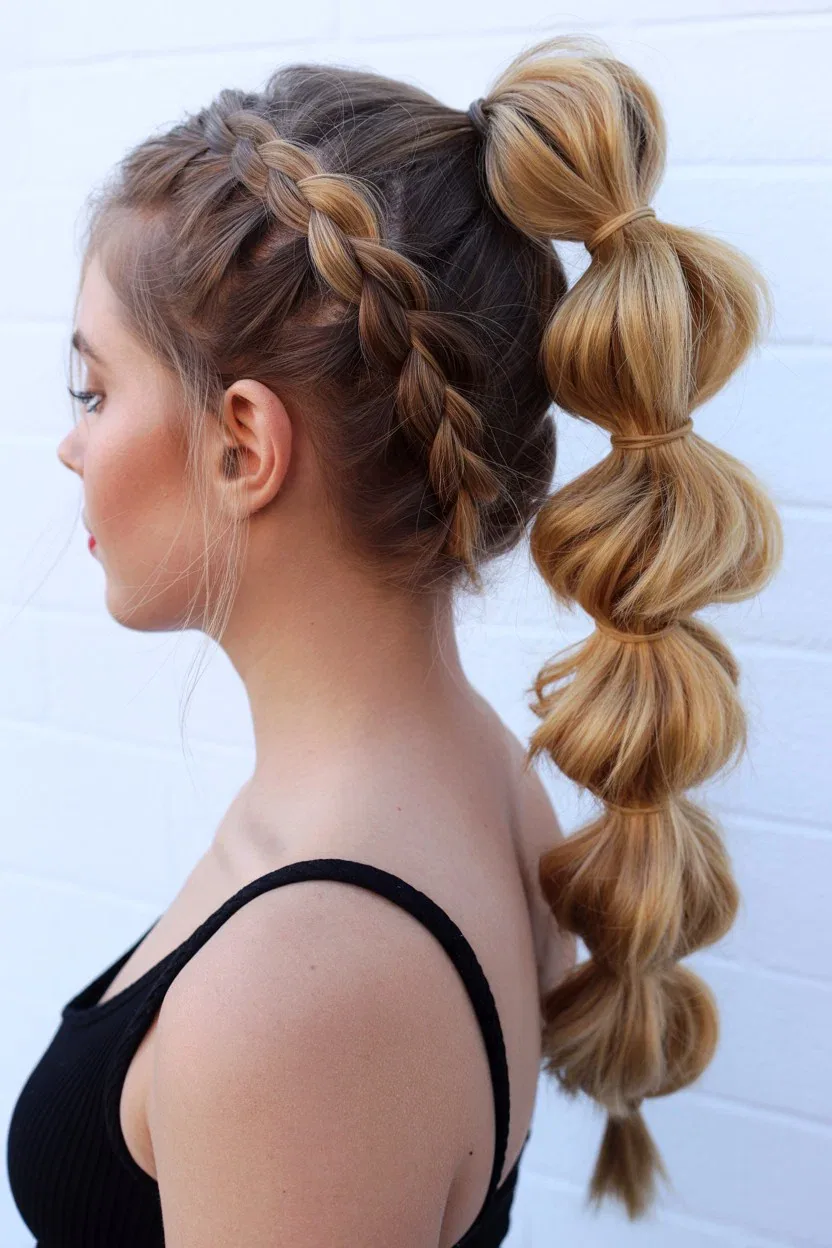
A bubble braid ponytail is a ponytail with elastics spaced down its length, each section puffed out into a bubble. Every elastic is a checkpoint that stops frizz and flyaways from travelling down the hair, so the style stays defined even when the air is soup. It is fun, young and surprisingly practical.
How to style: secure a ponytail, add elastics every few centimetres, and gently pull each section wider to form the bubbles. Common mistake: pulling the bubbles too hard and snapping fine hair — tug gently, a little at a time. Pros and cons: it is quick, needs no heat, and holds all day; the trade-off is that it is a casual look, best for daytime and holidays rather than the office.
The Low Ponytail with a Hair Wrap: Polished in Two Minutes Flat
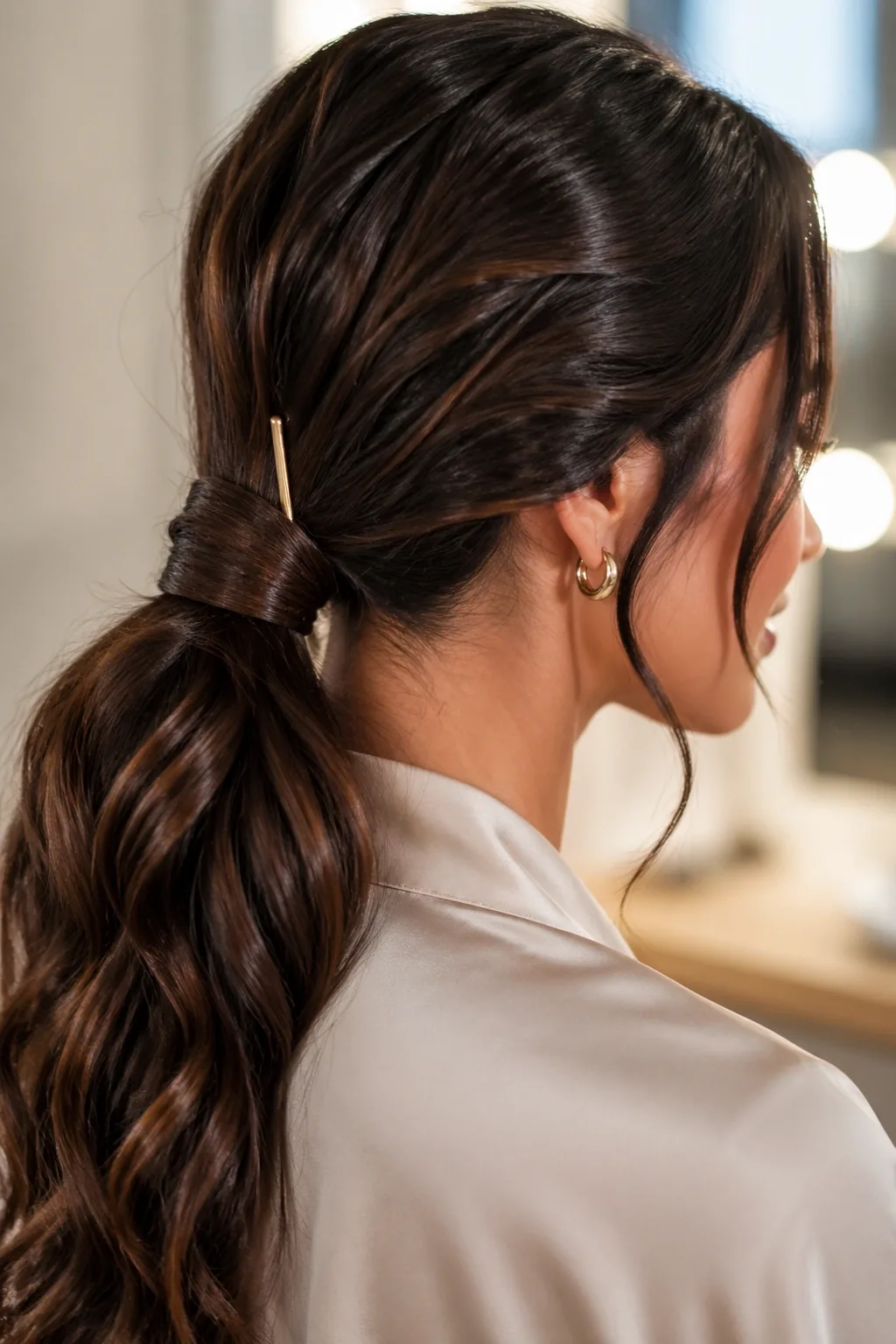
A low ponytail is the simplest humid-weather style there is, and wrapping a strand of hair around the elastic turns it from a gym look into a polished one. The low placement keeps the weight off the crown, so roots do not go limp as quickly, and the wrap hides the elastic completely.
Best for: everyone, every hair length from shoulder down, every occasion that is not black tie. How to style: gather at the nape, secure, then take a thin strand from underneath, wrap it around the elastic and pin. What to ask your stylist: how to hide the wrap pin so it never shows in photos. Quick verdict: two minutes, zero skill, and it looks like you tried much harder than you did.
The High Sleek Ponytail: Humidity-Proof Shine That Lifts Your Face
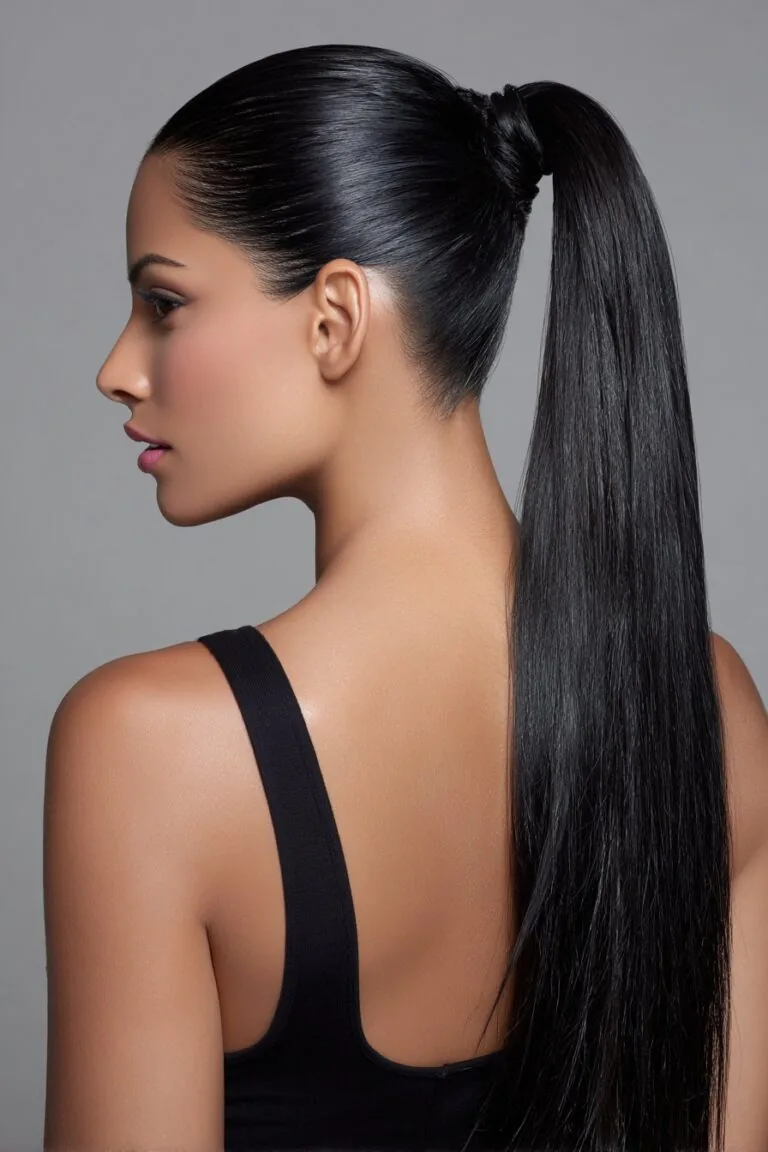
A high sleek ponytail works in humidity because it commits to the wet look. Instead of pretending the air is dry, you lean into shine: gel and serum smooth the crown, the ponytail swings free, and the damp air cannot ruin a style that is already glossy. It lifts the face, lengthens the neck and looks deliberate all day.
Pros and cons: it is striking and stays put, but it needs a strong elastic and a good gel to keep the crown smooth. Maintenance: carry a tiny amount of serum for a midday smoothing pass over the crown. Common mistake: placing the ponytail too far back so it drags down — position it at the crown, where the head curves, for lift that lasts. Who should avoid it: anyone with a very sensitive hairline, since a tight high pony pulls.
The Claw Clip Twist: The Five-Second Updo That Survives the Sweat
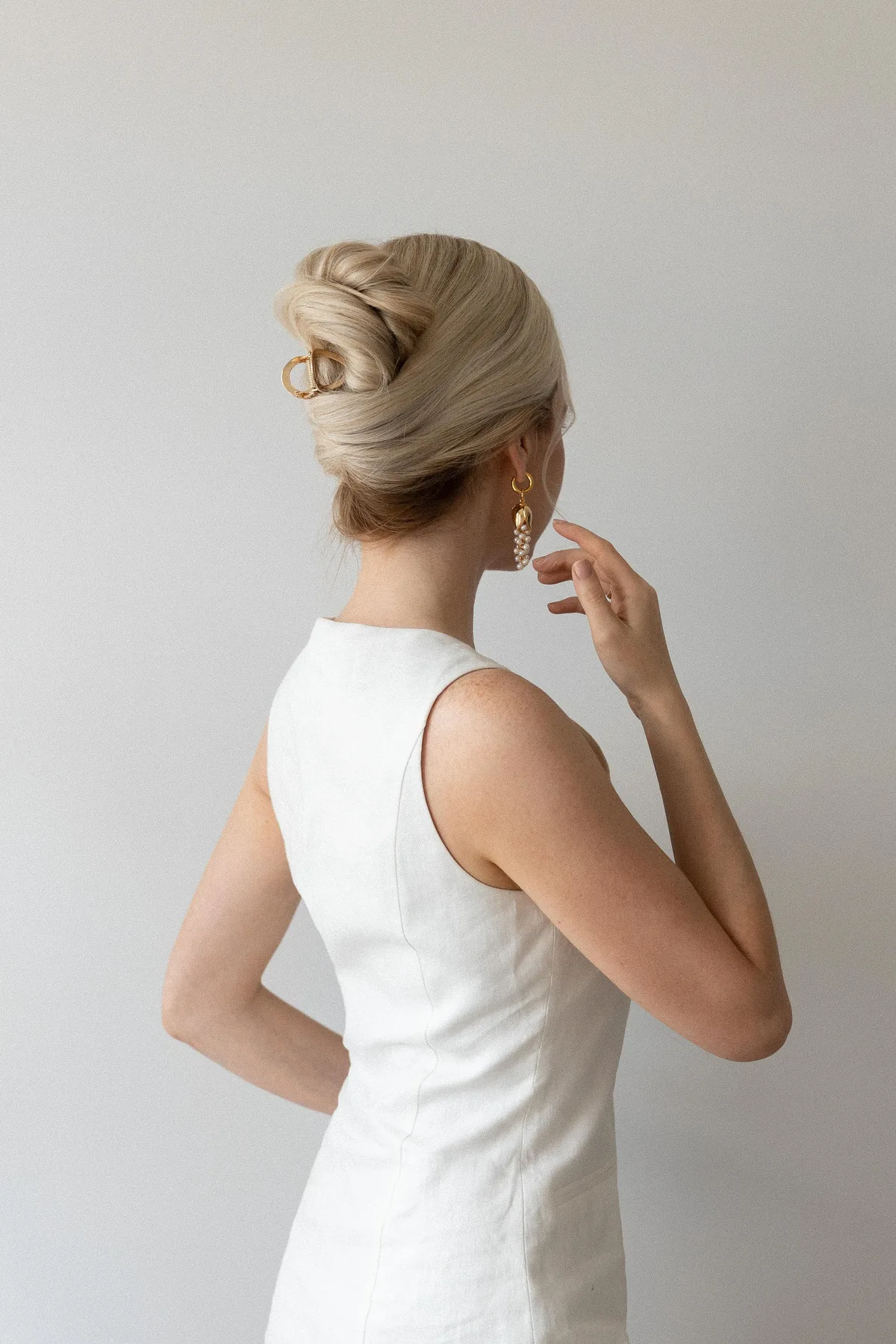
The claw clip twist is the humid-weather emergency plan. Twist the hair up, clip it, done — five seconds, no heat, no product, and the clip holds through sweat that would defeat pins. Because the hair is folded rather than pulled tight, there is no tension headache, and the ends tucked into the twist stay protected from the damp.
How to style: gather hair at the back, twist upwards, fold the ends in, and clamp the clip over the fold. Time and cost: under a minute, and a good claw clip costs less than a coffee. Best for: thick hair that eats bobby pins for breakfast — a large clip holds what pins cannot. Quick verdict: keep one in your bag all summer; you will use it more than any other tool you own.
The Half-Up Top Knot: Air at the Neck, Style on Top
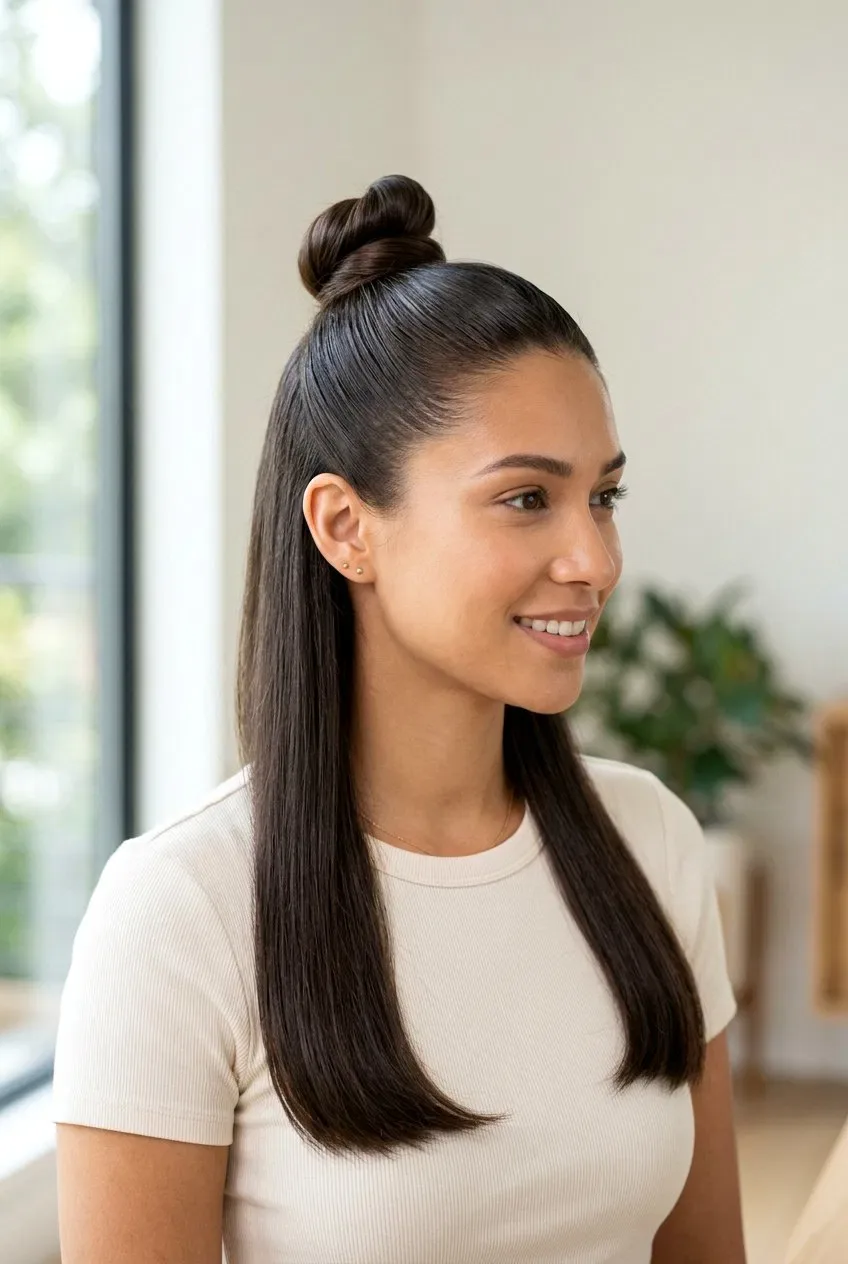
A half-up top knot is the compromise style for days when you want your hair down but the humidity will not allow it. The top section goes up into a small knot, keeping the front and crown controlled and off your face, while the rest falls free. The bottom layers may frizz a little — but with the top neat, the whole look reads intentional.
Best for: medium and long hair, casual days, and anyone growing out layers. How to style: section off the top third, twist it into a small knot and pin, then smooth the front with a touch of serum. Pros and cons: it is fast and flattering, but the loose bottom will still react to humidity — accept a little texture there and let the knot do the talking. Maintenance: re-pin the knot once midday if needed; that is all.
Boxer Braids: Two Braids That Stay Put Through Heat and Sweat
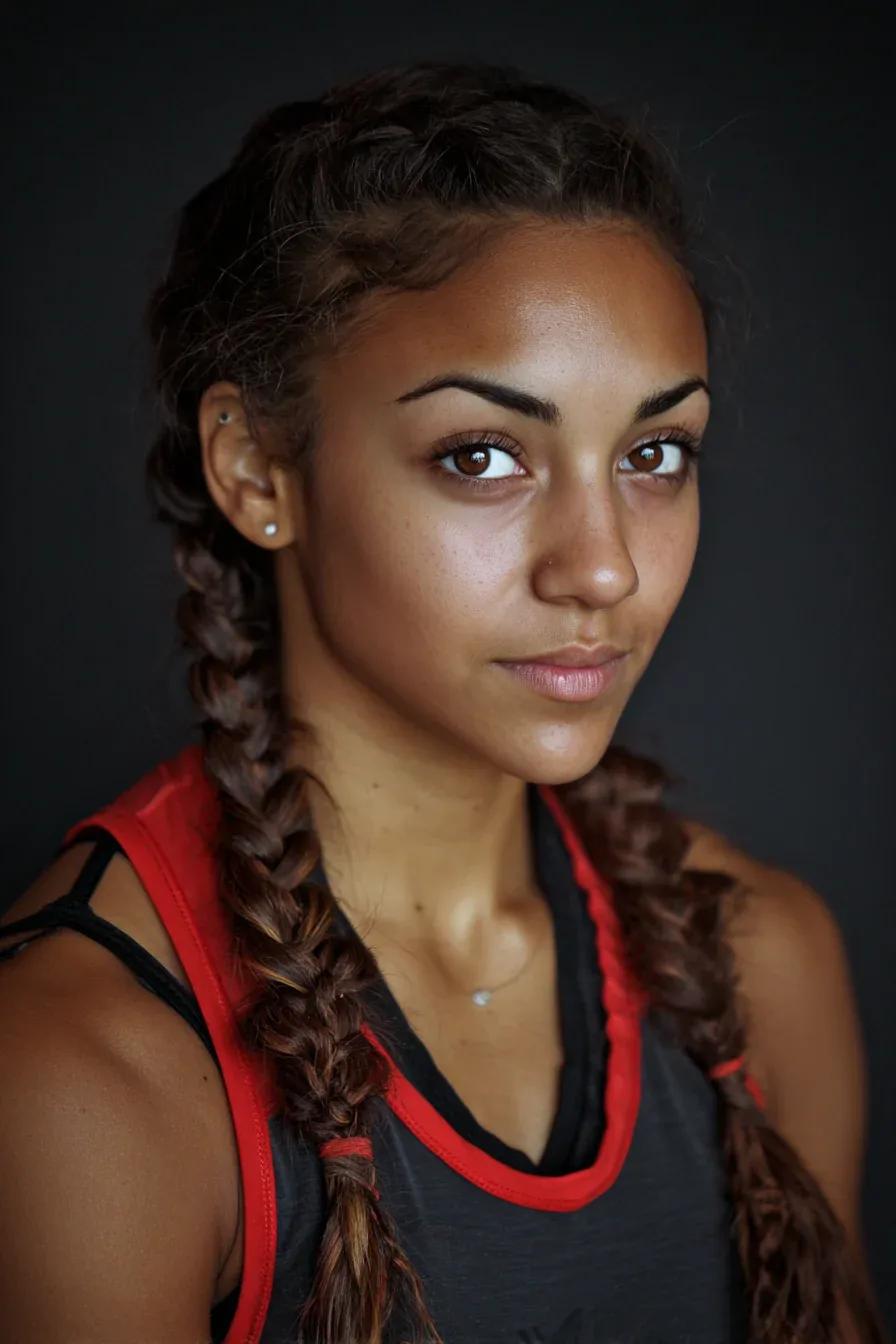
Boxer braids — two tight Dutch braids running from the hairline to the nape — are the most secure style in this guide. Because the hair is divided and locked in two separate structures, nothing can escape: no flyaways at the front, no damp ends at the back, no style sliding sideways as you sweat. They survive workouts, swims and full days in tropical heat.
Best for: active days, the gym, beach holidays and anyone with thick hair that defeats a single braid. How to style: part down the centre, Dutch-braid each side, and secure with small elastics. Maintenance: none — they hold for a day, and with a silk scarf at night, for two. Common mistake: making the part wobbly, which shows all day; take thirty seconds to part it straight with a comb.
The Side Braid: Frizz Hidden in Plain Sight

A side braid is the lazy person’s humidity hack. You sweep all the hair over one shoulder and braid it loosely, and the frizz that would ruin a sleek style simply disappears into the braid’s texture. The braid sits where you can see it, so you can check it without a mirror, and the weight of it over one shoulder keeps it from bouncing around in the heat.
Pros and cons: it is fast, flattering and easy to redo, but a loose side braid can slip over time — anchor the top with two pins and it will stay. How to style: sweep hair to one side, braid loosely, secure, then gently pull the braid wider for fullness. Time and cost: three minutes, one elastic. Quick verdict: the easiest braid in this guide, and one of the most forgiving.
The Rope Twist Ponytail: Two Strands, One Humidity-Proof Hold
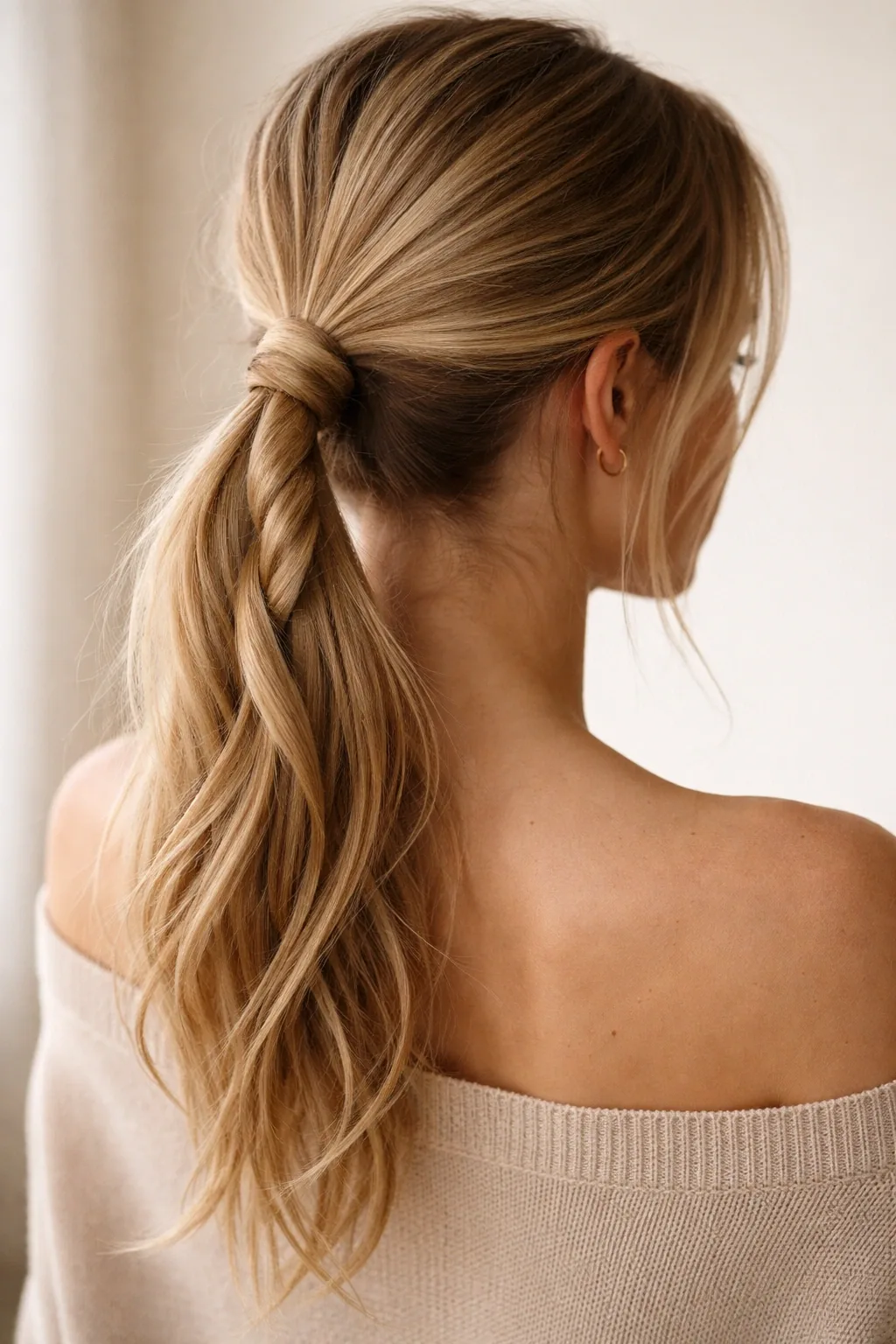
A rope twist ponytail is made by splitting a ponytail in two, twisting each half the same way, and then wrapping them around each other. The result is a tight, rope-like structure that humidity cannot loosen, because every twist locks the one before it. It looks far more complicated than it is — it is genuinely a two-minute style.
How to style: secure a ponytail, split it, twist both halves clockwise, wrap them anticlockwise around each other, and secure the end. Best for: medium to long hair, and anyone who finds braiding fiddly — twisting is easier than braiding. Who should avoid it: very fine hair, which can look thin in a rope twist; add a little texturising spray first for grip and volume. Quick verdict: maximum hold, minimum skill.
The Low Chignon: Quiet Elegance That Ignores the Weather
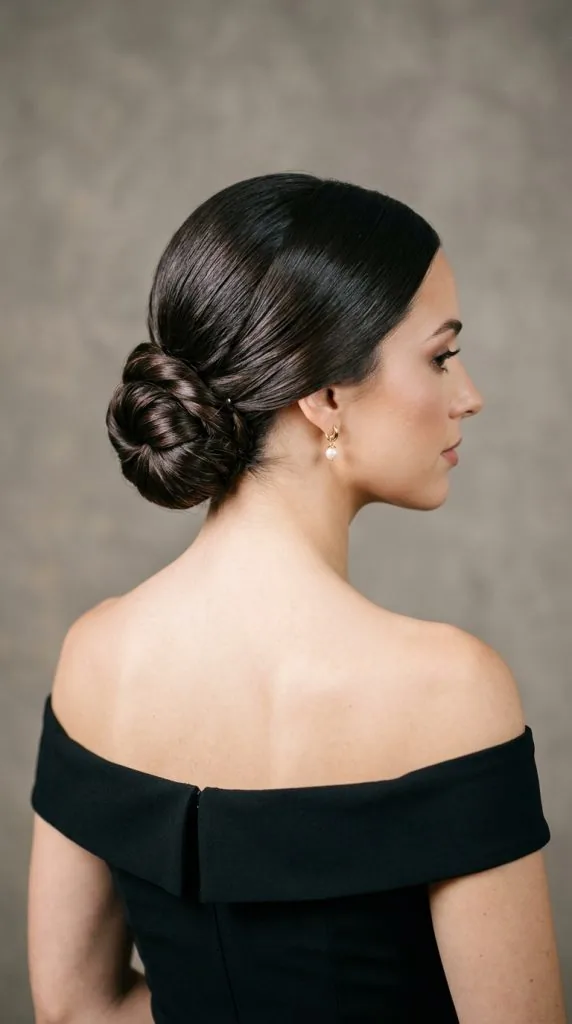
A low chignon is a bun with manners. The hair is twisted and folded low at the nape, pinned flat, and finished smooth — and because the whole style is pinned against the head, humidity has almost nothing to grab onto. It is the style to choose when the weather is awful but the occasion is not: weddings, dinners, anything where you need to look polished for hours.
Best for: formal occasions, and hair long enough to fold. How to style: gather low, twist, fold the twist up against the head, and pin in a criss-cross pattern. What to ask your stylist: whether a centre part or a side part suits the chignon on your face shape. Time and cost: ten minutes at home, or a quick salon visit for a big event. Common mistake: leaving the ends poking out — tuck them fully, or the humidity will find them.
The Braided Low Bun: A Braid and a Bun Working Together
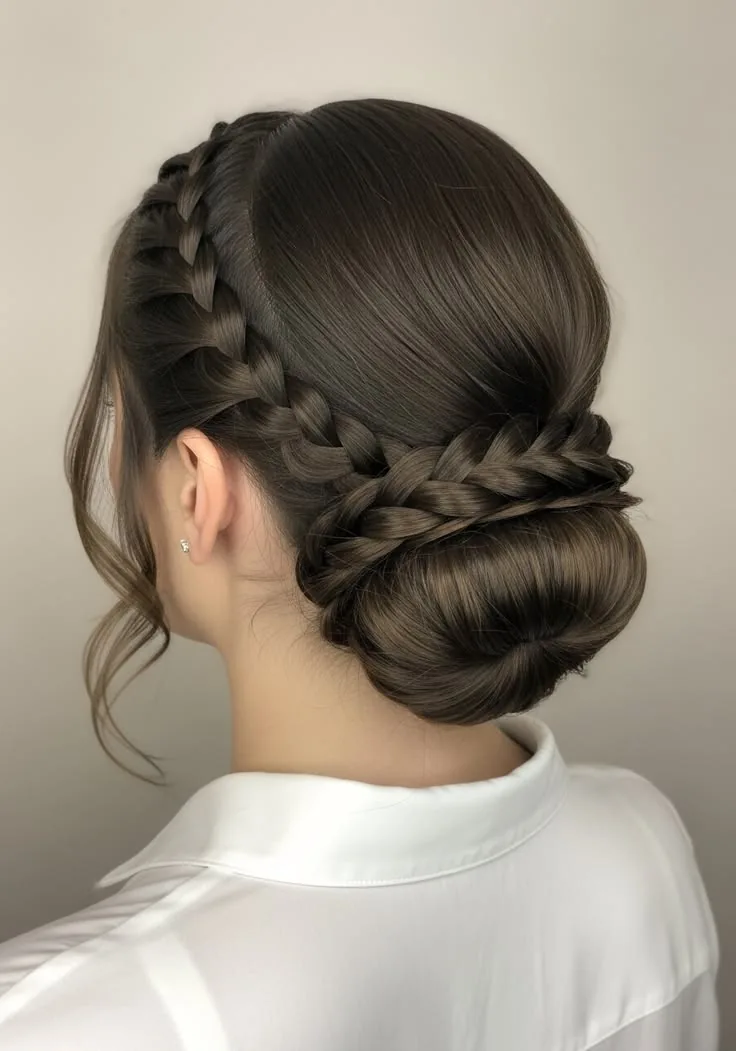
A braided low bun is what you get when you braid the hair first and then coil the braid into a bun. The braid controls the frizz, the bun controls the sweat, and together they create a style that is essentially weatherproof. It looks intricate and expensive, but it is just two simple steps in sequence.
Pros and cons: it holds longer than either a braid or a bun alone, and it looks beautiful from every angle; the only cost is a few extra minutes. How to style: braid a low ponytail, coil the braid around its base, pin, and smooth the front. Maintenance: nothing — check it once before dinner and it will still be there. Quick verdict: the most reliable formal style in this guide.
The Textured Pixie Cut: Short Hair That Loves Humidity

Short hair is the most underrated answer to humidity. A textured pixie has so little length that there is almost nothing to frizz, and the texture the damp air adds only makes the cut look fuller and more lived-in. You wash, add a little product, shake, and go — the whole routine takes five minutes.
Best for: anyone ready to cut, and anyone whose long hair has been a daily battle with the weather. How to style: work a pea-sized amount of matte paste through damp hair, piece out the ends with your fingers, and leave it. What to ask your stylist: for texture through the top and a slightly longer fringe, so the cut stays versatile. Time and cost: a trim every four to six weeks keeps the shape. Who should avoid it: anyone not ready for a short cut — this is a commitment, not a trial.
The Short Bob with an Anti-Frizz Finish: A Cut That Does the Work
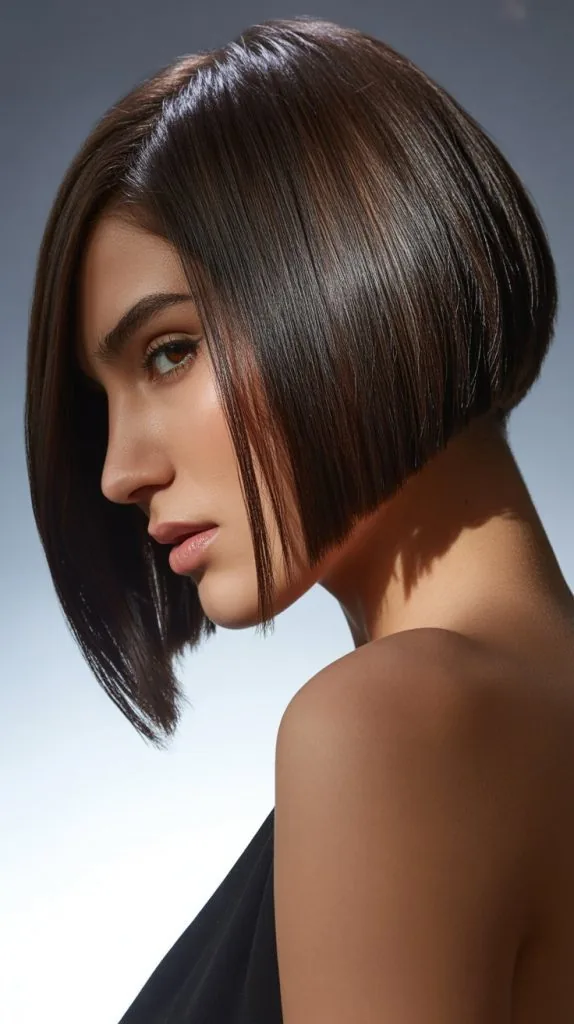
A short bob in humid weather works when the finish is right. The cut itself removes the weight that pulls roots flat, and a smoothing serum applied to damp hair seals the cuticle before the humidity can get in. The result is a bob that holds its shape all day instead of puffing into a triangle by noon.
How to style: apply serum to damp lengths, blow-dry with a round brush or simply air-dry, then tuck one side behind the ear. Common mistake: cutting a bob too short at the back in humid weather — without enough weight it flips out; ask for a slightly longer, blunt perimeter. Pros and cons: it is chic, cool and low effort, but it needs a trim every six weeks to keep the line clean. Quick verdict: the right bob makes humidity irrelevant.
The Curly Pineapple Updo: Keeping Curls Safe from the Damp
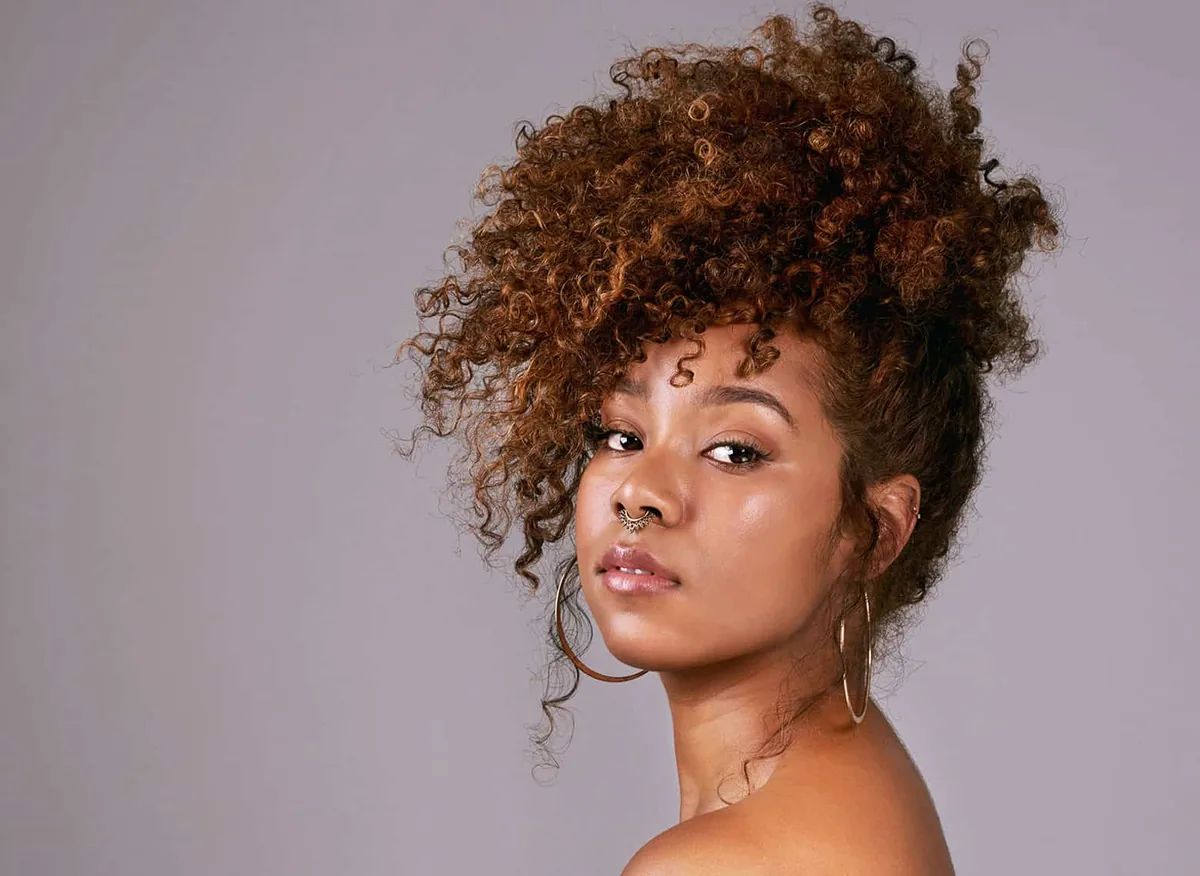
The pineapple is curly hair’s oldest humidity trick: gather all the curls into a loose, high ponytail right on top of the head, so the curls pile up like a pineapple top. The curls stay defined because they are not being pulled or brushed, the roots stay lifted, and the style takes thirty seconds.
Best for: curly and coily hair, especially on day two or three. How to style: flip your head forward, gather loosely with a satin scrunchie, and let the curls fall where they want. Maintenance: at night, pineapple again with a silk scarf and the curls survive to the morning. Who should avoid it: anyone who needs a formal look — the pineapple is joyful and casual, not sleek. Quick verdict: thirty seconds to save a whole day of curls.
The Defined Wash-and-Go: Letting Curls Be Curls in Wet Air
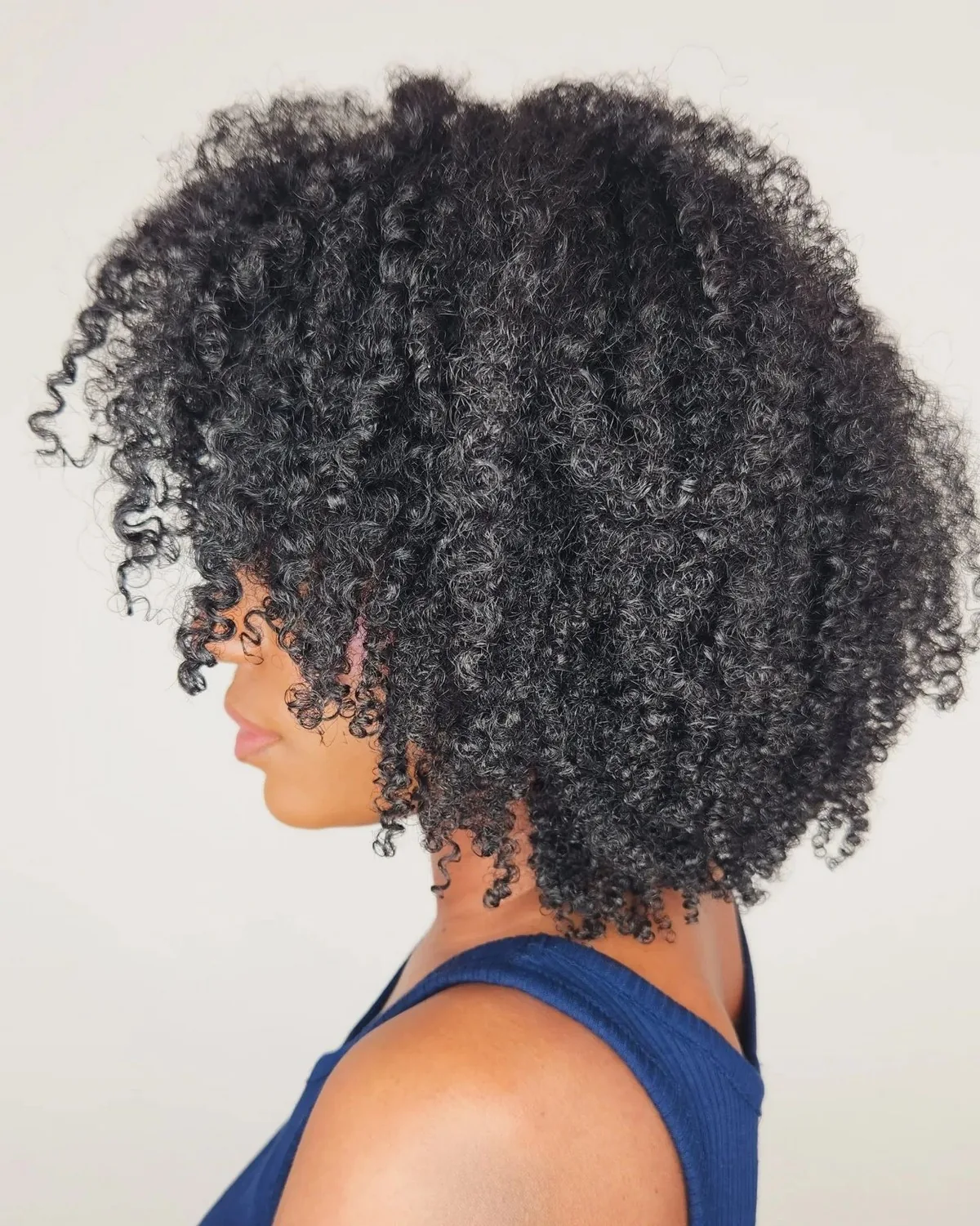
A wash-and-go sounds reckless in humidity, but for curly hair it is often the best option. Curls are supposed to absorb moisture — the problem is only when they absorb it unevenly. A good curl cream applied to soaking wet hair, scrunched in section by section, gives every curl the same definition, so the humidity adds volume evenly instead of frizz in patches.
Pros and cons: it is the most natural-looking option for curly hair, and it takes no heat at all; the trade-off is that it needs the right product, and the wrong one leaves hair crunchy or greasy. How to style: apply cream to wet hair, scrunch, and do not touch it while it dries — touching is what creates frizz. Common mistake: using too much product; start with less than you think you need and add more next time. Quick verdict: work with the curl, not against it.
The Silk Scarf Low Bun: A Scarf That Fights Frizz and Sweat at Once
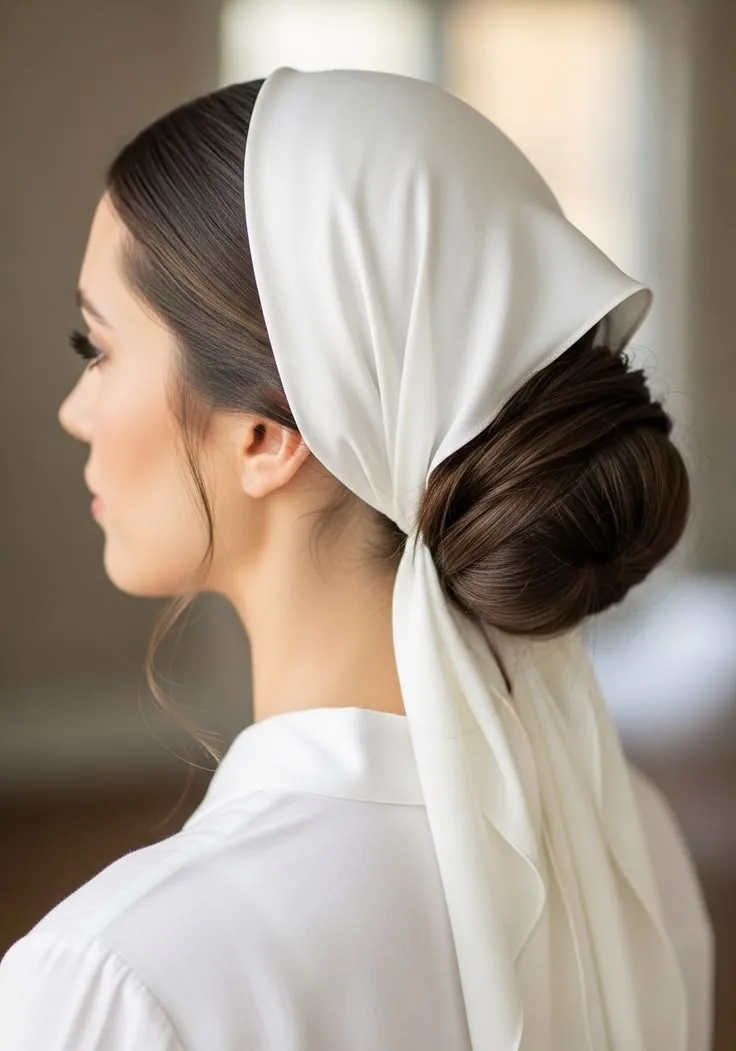
A silk scarf wrapped around a low bun does three jobs at once: it covers the hairline where frizz starts, it absorbs sweat before it reaches the hair, and it looks like a deliberate accessory rather than a weather defence. Silk is smooth, so it does not rough up the cuticle the way cotton does — your hair stays smooth underneath it.
How to style: make a low bun, fold the scarf into a band, wrap it around the hairline and tie it under the bun. Best for: holidays, bad hair days, and anyone who wants a style with personality. Time and cost: two minutes plus a scarf you probably already own. Who should avoid it: no one — but choose a scarf colour that suits your outfit, since it becomes part of the look.
The Sweat-Proof Headband Updo: Keeping the Front Neat All Day
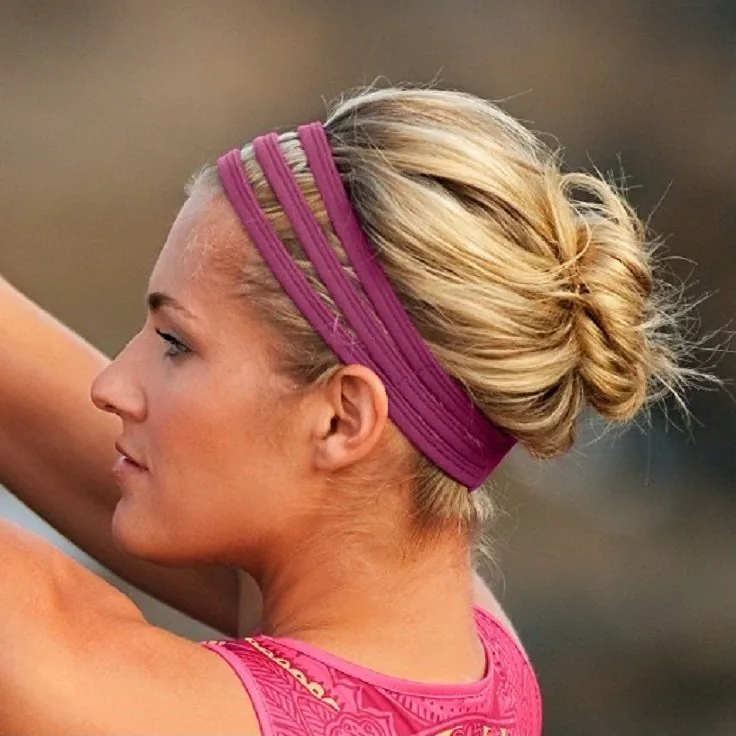
A wide headband is the simplest sweat management tool in hair. It sits across the hairline, absorbs perspiration before it reaches the front sections, and holds baby hairs flat — and when you pair it with a bun or a ponytail behind it, the whole style stays neat for hours. Choose a fabric band for workouts and a structured one for daytime.
Best for: workouts, hot commutes, and anyone whose hairline frizzes first. How to style: place the band a couple of centimetres behind the hairline, smooth the front sections over it, and gather the rest into a bun or ponytail. Common mistake: placing the band right on the hairline, where it slides off as soon as you sweat — set it back slightly and it anchors. Quick verdict: the cheapest humidity tool you will ever buy.
Space Buns: Two Little Buns That Beat the Heat Twice Over

Space buns are two small buns, one on each side of the crown, and they are far more practical than they look. Splitting the hair in half means each bun is light, secure and quick to make, and having all the hair off the neck keeps you cool. In humidity they hold beautifully, because each bun is small enough to pin firmly.
How to style: part down the centre, make two high ponytails, twist each into a bun and pin. Pros and cons: they are fun, cool and secure, but they are a youthful, casual look — best for festivals, holidays and weekends. Time and cost: five minutes, two elastics, four pins. Who should avoid it: formal occasions, unless you are deliberately going for playful.
The Low Twisted Bun: Soft, Romantic and Surprisingly Secure
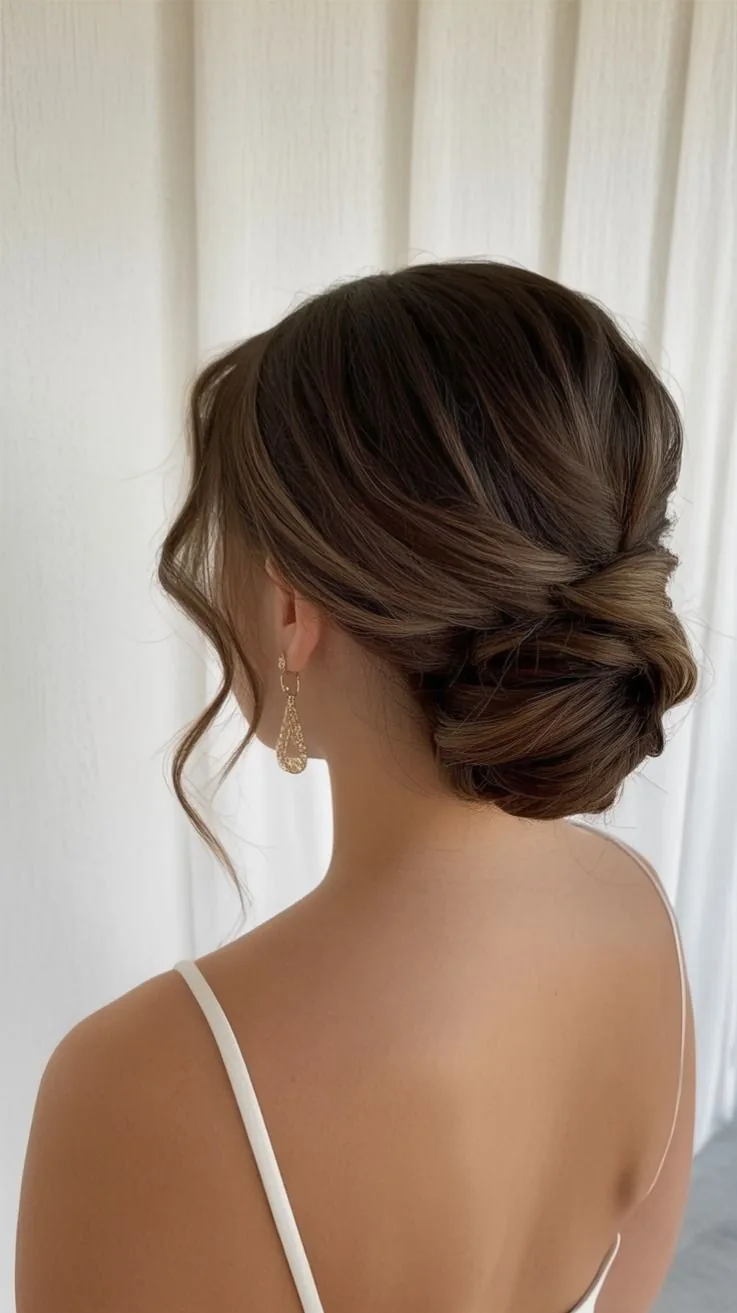
A low twisted bun is made by dividing the hair into two sections, twisting each one, and then wrapping the twists around each other at the nape. The twist structure grips itself, so the bun holds without being pulled tight — which means no headache, even on the hottest day. It looks soft and romantic, with a texture that humidity only improves.
Best for: weddings, date nights and any evening when the air is still thick. How to style: divide, twist each side towards the centre, wrap and pin. What to ask your stylist: how to leave a few face-framing pieces out without them frizzing — a touch of edge gel on those pieces is the answer. Maintenance: one check before you leave the house; it will hold for hours after that.
The French Twist: Old Hollywood Glamour That Loves Damp Air
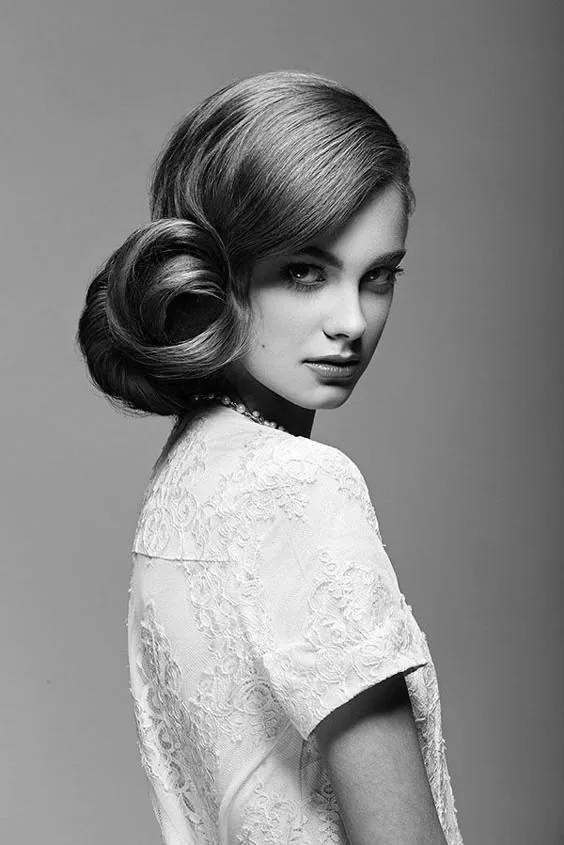
The French twist is a vertical roll of hair pinned up the back of the head, and it is one of the most humidity-resistant formal styles ever invented. Because the hair is folded in on itself, the ends are completely hidden, the surface is smooth, and there is almost nothing for damp air to catch. It has survived decades of summer weddings for exactly this reason.
Pros and cons: it is elegant, secure and timeless, but it takes practice — your first attempt will take fifteen minutes, your tenth will take five. How to style: gather hair low, twist upwards, tuck the ends in and pin along the fold. Common mistake: using too few pins; a French twist needs pins all along the roll, not just at the top and bottom. Quick verdict: learn it once, use it for every formal summer event for the rest of your life.
The Braided Headband Half-Up: A Braid That Holds the Front for You
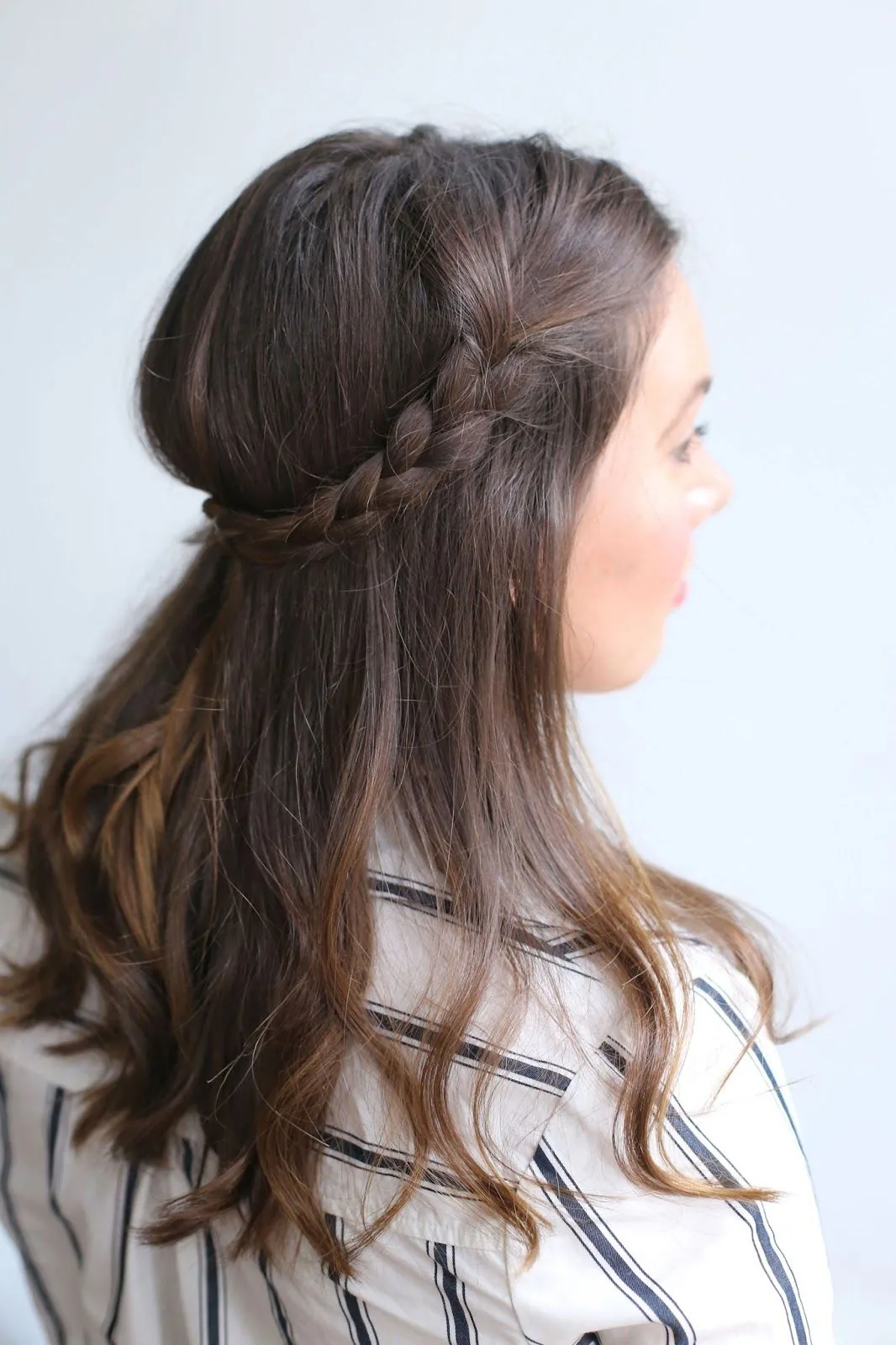
A braided headband half-up takes two small braids from behind each ear and pins them across the crown like a headband, while the rest of the hair stays down. The braids do the job of a headband — keeping the front sections controlled and off the face — but they look softer and more romantic, and they never slide off the way a real headband does when you sweat.
Best for: medium and long hair, daytime events, and anyone who wants their hair down without the frizz in their face. How to style: braid two small sections, cross them over the crown, pin behind the opposite ear, and let the rest fall free. Time and cost: five minutes, two elastics, two pins. Who should avoid it: very short hair — you need enough length for the braids to reach across.
The Wet-Look Slicked Back: Turning Damp Hair into the Style
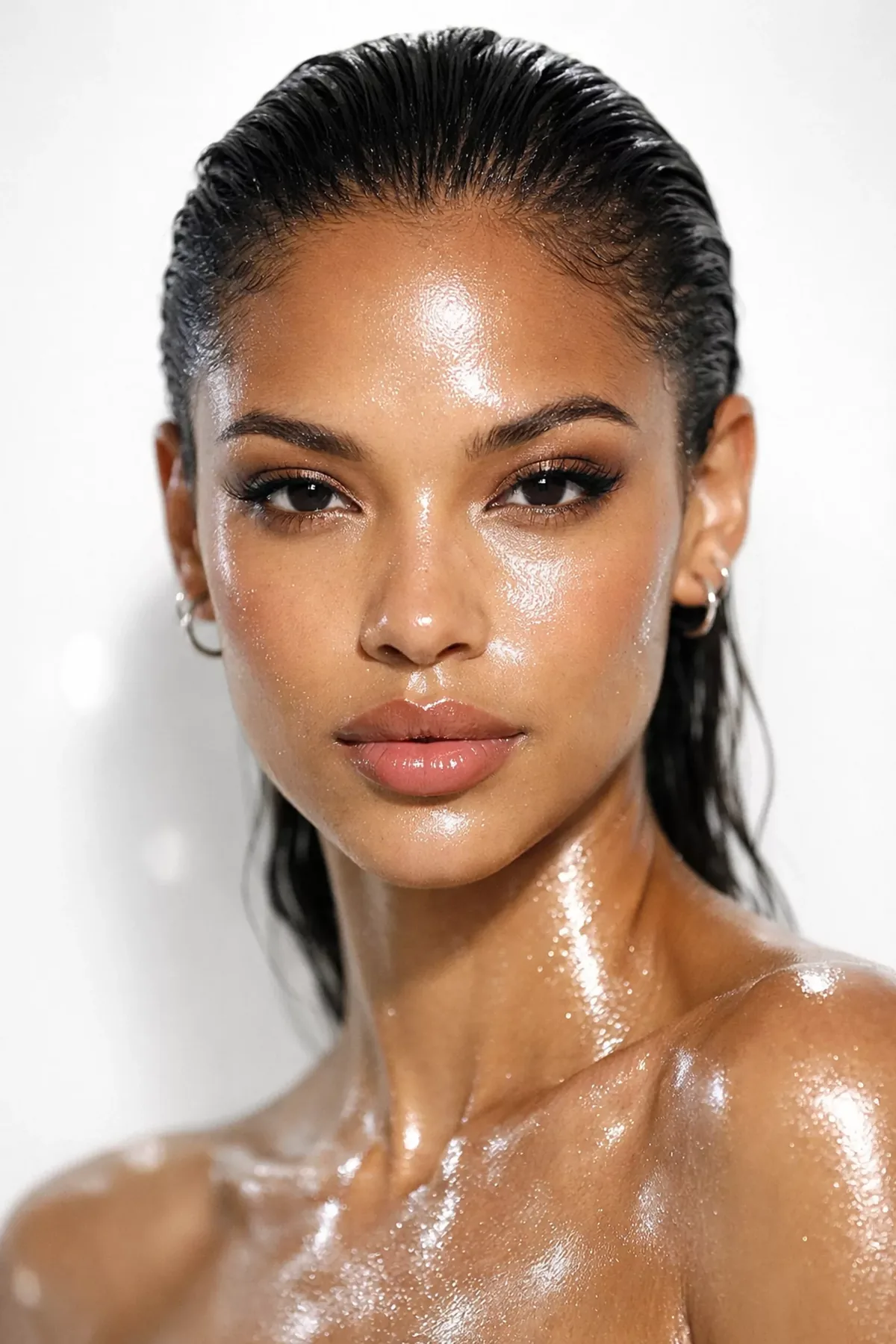
The wet look is the boldest answer to humidity: instead of hiding the damp, you make it the point. Gel combed back through the hair gives a glossy, sleek finish that looks deliberate and editorial — and since the style is already wet-looking, the actual humidity cannot ruin it. It is the only style in this guide that gets better the damper the air is.
How to style: apply gel to damp hair, comb straight back, and smooth the sides with your palms. Best for: evenings, parties, and anyone confident enough to wear a strong look. Pros and cons: it is striking and genuinely weatherproof, but it needs a good gel and it is not a look for the office. Common mistake: using too little product — the wet look needs enough gel to stay glossy, not just damp.
Bantu Knots: A Protective Style That Thrives in Humid Air
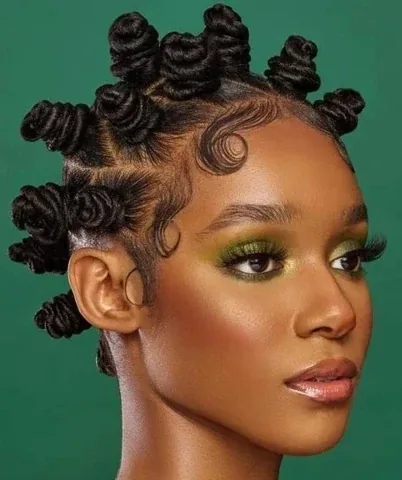
Bantu knots are small, coiled knots placed across the head, and they are one of the best protective styles for humid weather. The hair is sectioned, twisted and coiled into knots that keep every strand contained and protected from the damp, and the style lasts for days — not hours. When you take the knots out, you get defined, bouncy curls as a bonus.
Best for: natural and textured hair, holidays, and anyone who wants a style that lasts a whole trip. How to style: section the hair, twist each section and coil it into a knot, securing with a pin or by tucking the end. Maintenance: cover with a silk scarf at night and the knots hold for several days. Time and cost: thirty to sixty minutes to install, then days of no styling at all. Quick verdict: the longest-lasting style in this guide.
Cornrows: The Ultimate Humidity-Proof Style for Weeks, Not Hours
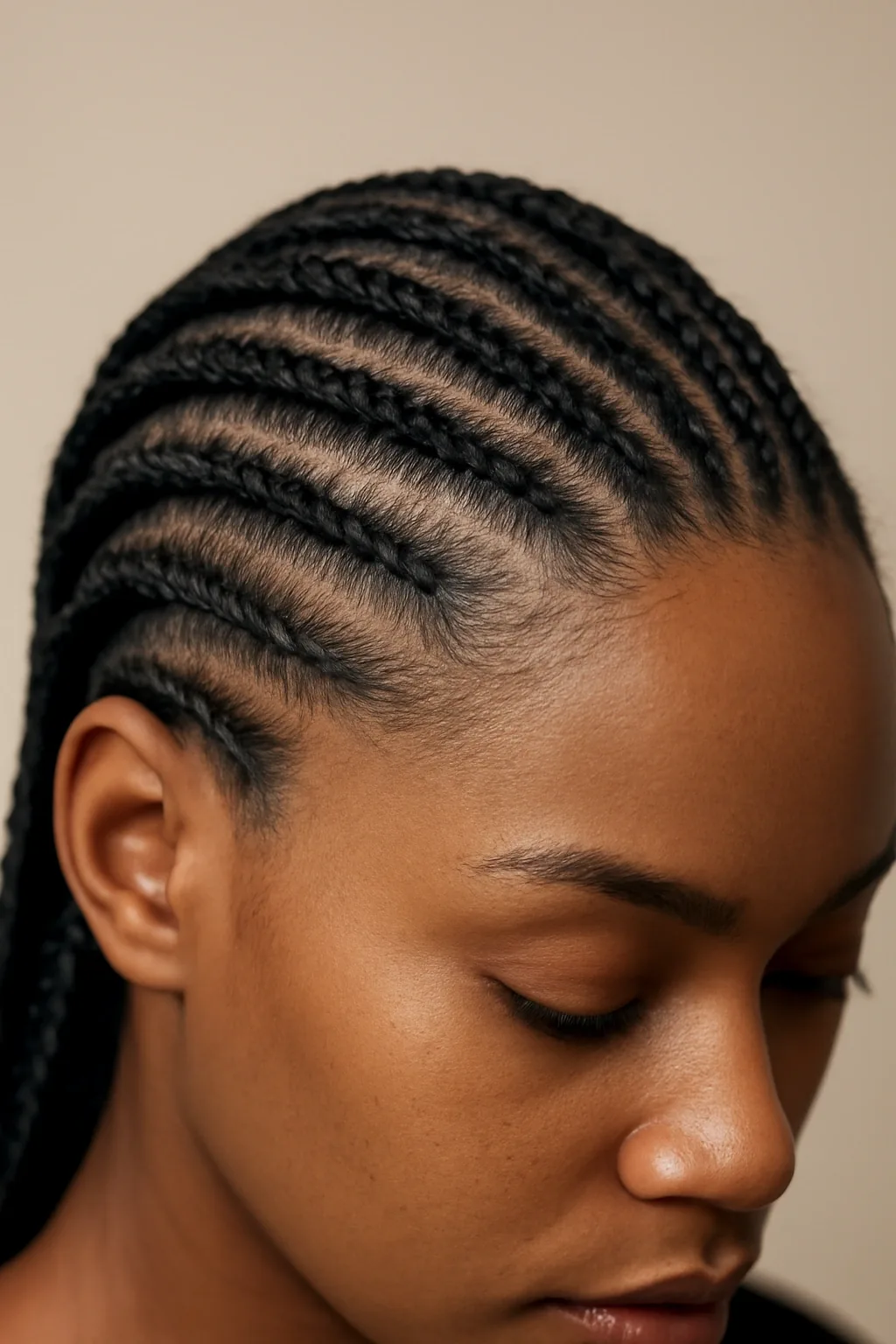
Cornrows are braided flat against the scalp in neat rows, and nothing in this guide lasts longer. Because the hair is braided tight to the head, humidity cannot lift it, sweat cannot loosen it, and frizz has nowhere to go. Cornrows can last two to four weeks with care, which makes them the best choice for a long tropical holiday or a whole humid season.
Pros and cons: they are the most durable and lowest-maintenance style here, but they need a skilled braider and should not be installed too tightly — tension at the hairline causes breakage. How to care for them: wash the scalp gently with diluted shampoo, moisturise the scalp lightly, and sleep in a silk scarf. What to ask your stylist: how many rows suit your head shape, and how loose is safe for your edges. Quick verdict: install once, forget about humidity for weeks.
The Beachy Braided Ponytail: Loose, Textured and Made for the Coast
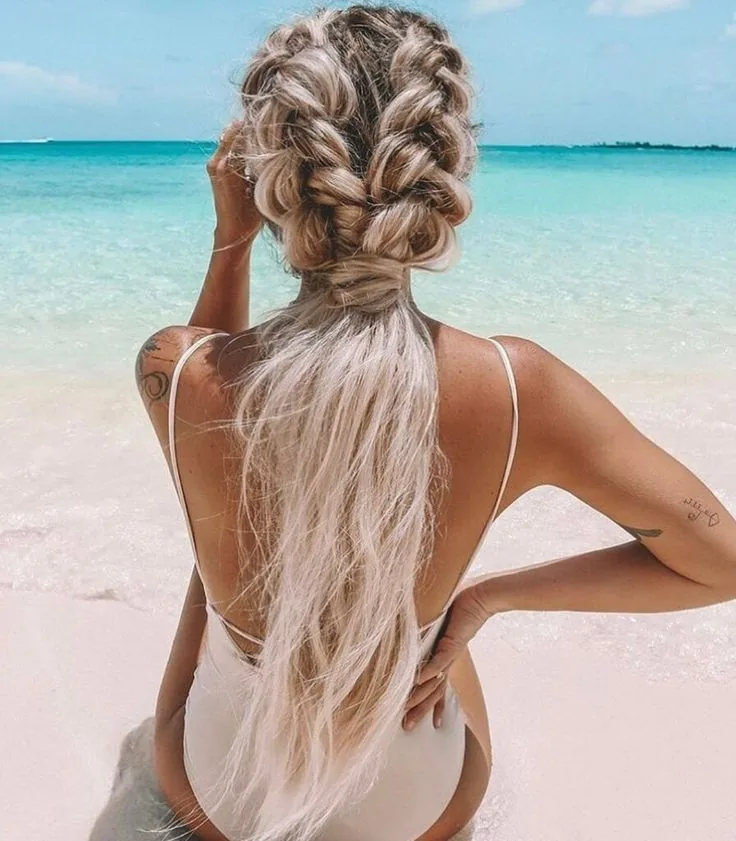
A beachy braided ponytail starts as a loose, low ponytail and ends as a relaxed braid, with a few pieces pulled free at the front. It is the style for the coast, where the air is salty as well as damp: the braid keeps the hair controlled, the loose texture looks like it belongs by the sea, and the salt air only adds to the effect.
Best for: beach days, coastal holidays, and anyone with wavy or textured hair. How to style: gather low, braid loosely, secure, and pull a few strands free around the face. Time and cost: four minutes, one elastic, no products needed. Common mistake: braiding too neatly — this style wants to look undone, so keep the tension loose and let the pieces fall where they want.
The Textured Lob: Shoulder Length That Works With the Weather
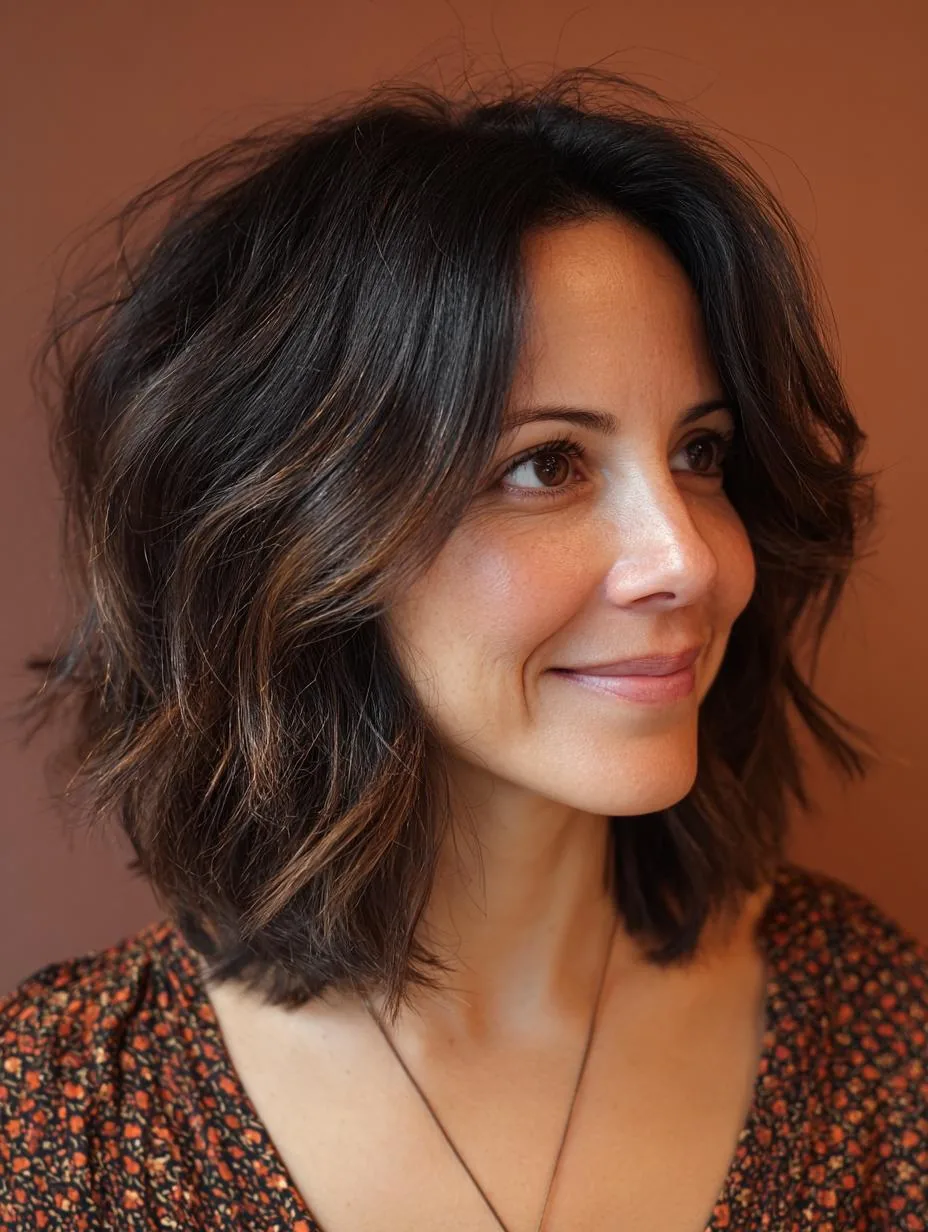
A textured lob — a long bob with layers cut into it — is the best mid-length cut for humid weather. The layers remove bulk, so the hair does not puff out into a triangle, and the texture gives the damp air something to work with instead of fighting against. It is long enough to tie back on the worst days and short enough to stay cool.
How to style: apply a little curl cream or sea-salt spray to damp hair, scrunch, and air-dry. What to ask your stylist: for long, soft layers rather than short choppy ones, so the cut grows out gracefully. Pros and cons: it is versatile, flattering and easy, but it needs a trim every eight weeks to keep the shape. Who should avoid it: no one — the lob suits almost every face shape and hair type.
The Pulled-Back Curly Puff: One Puff, Total Control
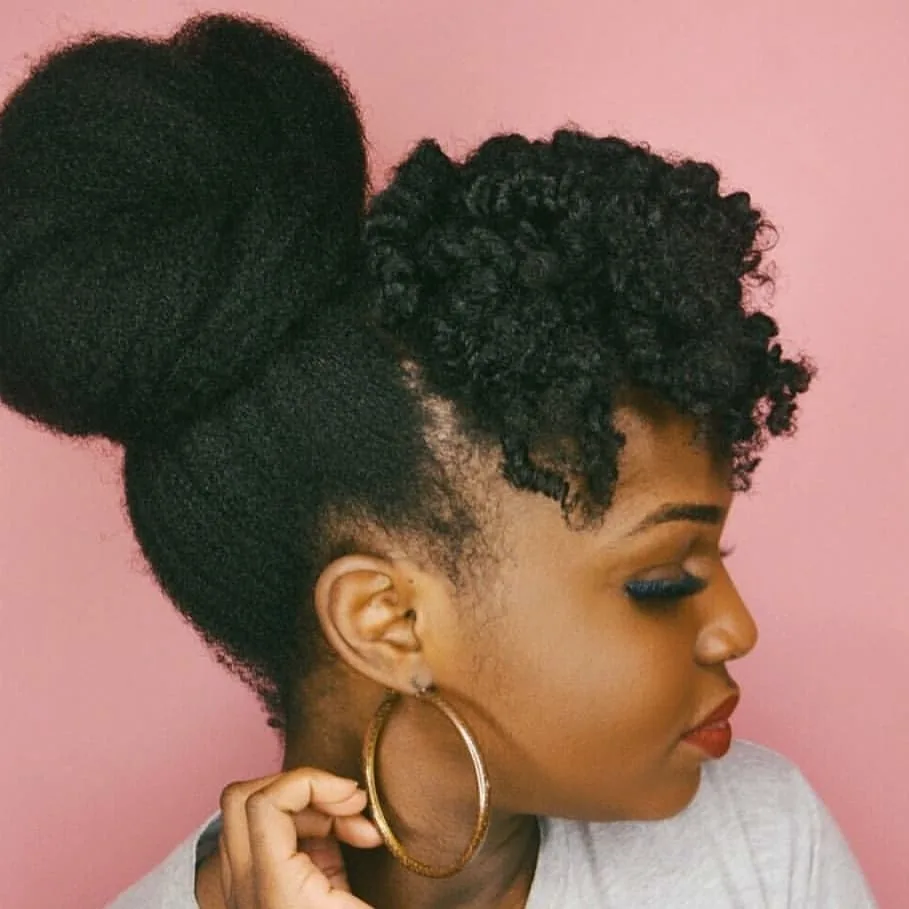
A curly puff gathers all the curls into a single high puff, held with a stretchy band, while the edges are smoothed down. It keeps the curls off the neck and out of the face, lets the curl pattern show at its best, and takes about two minutes. In humidity, the puff only gets fuller — which is the point.
Best for: curly and coily hair, quick mornings, and anyone who wants their curls visible but controlled. How to style: gather the curls high with a band, fluff the puff to the shape you want, and smooth the edges with a little gel. Maintenance: re-fluff once midday if the puff has flattened. Common mistake: pulling the band too tight — keep it firm but comfortable, or the edges will ache by evening.
Double Dutch Braids into a Low Bun: The All-Day, All-Weather Finish
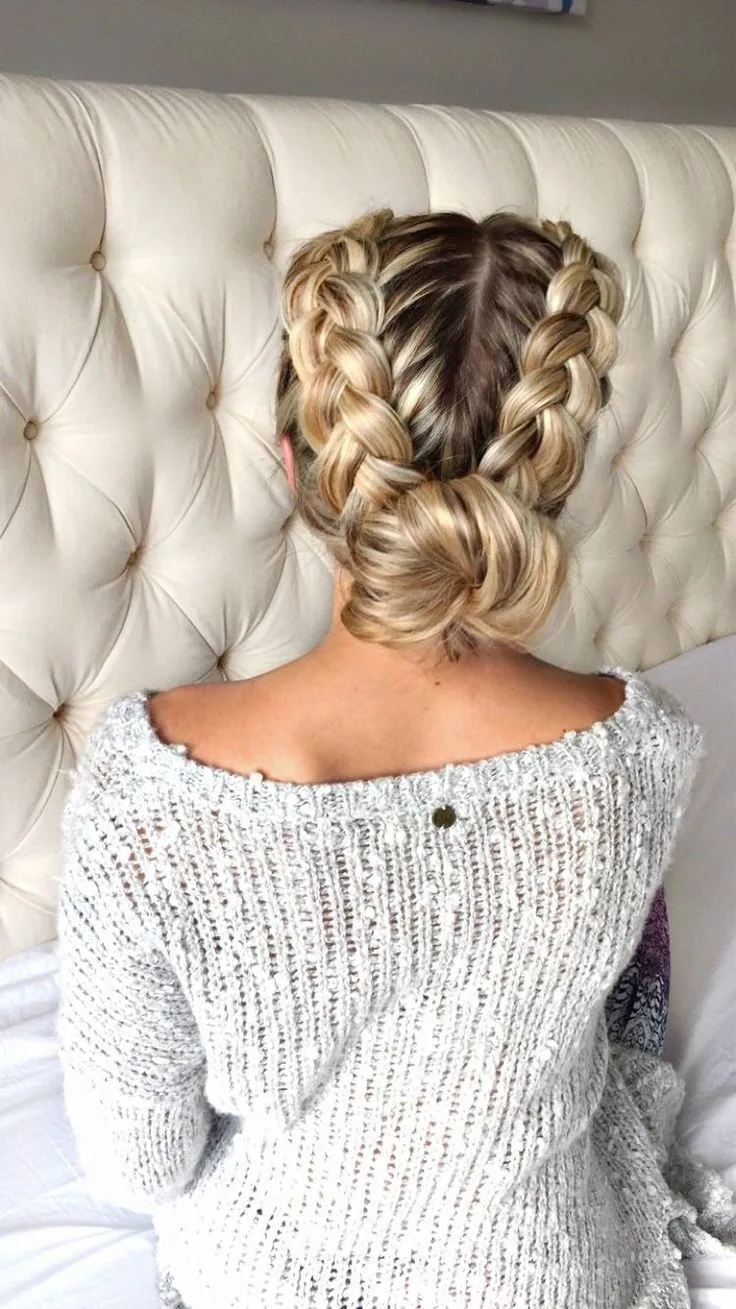
Double Dutch braids into a low bun is the combination style that ends this list, because it combines everything humidity demands: the braids lock the front and crown, the bun hides the ends, and the whole structure is pinned low and secure. It survives heat, sweat, rain and a full day out — and it looks like you spent far longer on it than you did.
How to style: Dutch-braid from each side of the hairline to the nape, join the two braids, twist them into a low bun and pin. Best for: the longest, hottest, most important days — weddings, travel days, festivals. Time and cost: fifteen minutes, two elastics, four pins. Quick verdict: if one style has to survive anything the weather can do, this is the one.
What is the best hairstyle for very humid weather?
A braid or a bun is the best hairstyle for very humid weather. Braids lock every strand into a structure that humidity cannot undo, and buns hide the ends and keep hair off a sweaty neck — a braided low bun does both at once.
How do I stop my hair from frizzing in humidity?
Seal the cuticle before you go out: apply a pea-sized amount of anti-humidity serum or a light sealing oil to damp lengths, then style into a braid or bun. Avoid brushing dry hair in humid weather, since brushing lifts the cuticle and creates more frizz.
Does humidity ruin a blowout?
Yes, humidity usually ruins a blowout within an hour or two. Heat styling resets hydrogen bonds into a straight shape, and moisture in the air breaks those bonds again, so the hair reverts to its natural wave or curl. Braids, twists and buns do not depend on those bonds, so they hold.
What hairstyle stays neat in humidity for curly hair?
A pineapple updo, a curly puff, or a defined wash-and-go works best for curly hair in humidity. These styles work with the curl pattern instead of fighting it, and a curl cream applied to soaking wet hair gives even definition so humidity adds volume rather than frizz.
Can I wear my hair down in humid weather?
You can, but it needs help: a smoothing serum on damp hair, a cut with long layers to stop the triangle puff, and a style that keeps the front off your face, like a braided headband half-up. Fully loose, freshly straightened hair is the style humidity defeats fastest.
How do I keep my hair from going flat at the roots in humidity?
Keep the roots dry and lifted: wash the night before, dry fully, and style on day-old hair, which has more grip. A low bun or a braid pulls weight away from the crown, and a little dry shampoo at the roots in the morning absorbs sweat before it flattens the hair.
What products should I avoid in humid weather?
Avoid heavy oils, which trap sweat against the scalp and weigh roots flat, and avoid volumising products with no sealant, which lift the cuticle and invite frizz in. Skip midday flat-ironing too — the humidity undoes it immediately and the extra heat makes hair more porous.
How do I protect my hair at the beach in humid weather?
Braid it before you go in the water, wear a wide headband or a silk scarf to keep sweat and salt off the hairline, and rinse with fresh water afterwards. A bubble braid ponytail or boxer braids are ideal beach styles because they stay put through swimming and drying.
How long do braids last in humid weather?
A single French or Dutch braid lasts a full day, boxer braids last one to two days, and cornrows last two to four weeks with care. Cover braids with a silk scarf at night to keep them neat, and avoid re-braiding over sweaty hair without washing first.
Should I wash my hair more often in humid weather?
Not necessarily — washing more often strips natural oils and can make hair frizzier. Wash when the scalp feels dirty or sweaty, refresh second-day hair with a light mist of water and leave-in conditioner, and use dry shampoo sparingly at the roots rather than all over.
Conclusion
Humidity is not a hair emergency — it is a weather condition, and like any weather, it rewards the right preparation. The hairstyles for humid weather that win in wet air are the ones that work with moisture instead of against it: braids that hold tighter as they loosen, buns that keep sweat off your neck, cuts that let humidity add texture instead of chaos, and protective styles that last for days or weeks at a time.
Start with the basics: seal the cuticle with a light serum, style on day-old hair when you can, and stop brushing dry hair in damp air. Then pick one or two styles from this list that suit your length and your day — a sleek low bun for work, boxer braids for a workout, a French twist for a wedding — and make them yours. The humidity is not going anywhere. Your frizz, on the other hand, just lost its best excuse.