Layered Bob Haircuts: How to Pick the Cut That Actually Moves, Lifts and Suits Your Face
Most bobs fail for one simple reason: they are cut as a shape, not fitted to the person wearing them. A layered bob done well is the opposite — it is a shape that moves. The layers decide where the volume sits, where the weight disappears, and how the cut behaves on a rainy Tuesday when you have ten minutes, not just under salon lights. Get the layers right and a bob can make fine hair look fuller, thick hair look lighter, and a face look more balanced without a single styling trick.
This guide is built around that fitting process rather than a catalogue of identical cuts. It opens with four practical guides — face shape, layer types, styling tools and trims — then the first 18 layered bobs, followed by four more guides on hair thickness, colour, the salon consultation and mistakes to avoid, and the remaining 18 bobs, each judged on a different angle: who it suits, how to style it, what it costs in time, where it goes wrong, or who should skip it. By the end you should be able to walk into a salon and describe the bob you want in the stylist’s own language.
How to Match a Layered Bob to Your Face Shape

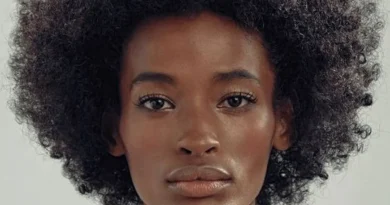
Start with length, not layers. A bob that ends at the chin shortens a round face visually, while one that grazes the collarbone stretches it; a square jaw softens when the longest layers fall just below the jawline, and a long face balances when layers start at the cheekbones rather than the crown.
Quick verdict: take three reference photos of your own face shape to the salon, not just one celebrity photo. Ask which length your stylist would choose for your jaw and forehead, and why — that answer tells you whether the cut is being fitted to you or copied from a trend.
Long Layers, Short Layers and Choppy Layers — What Each One Does
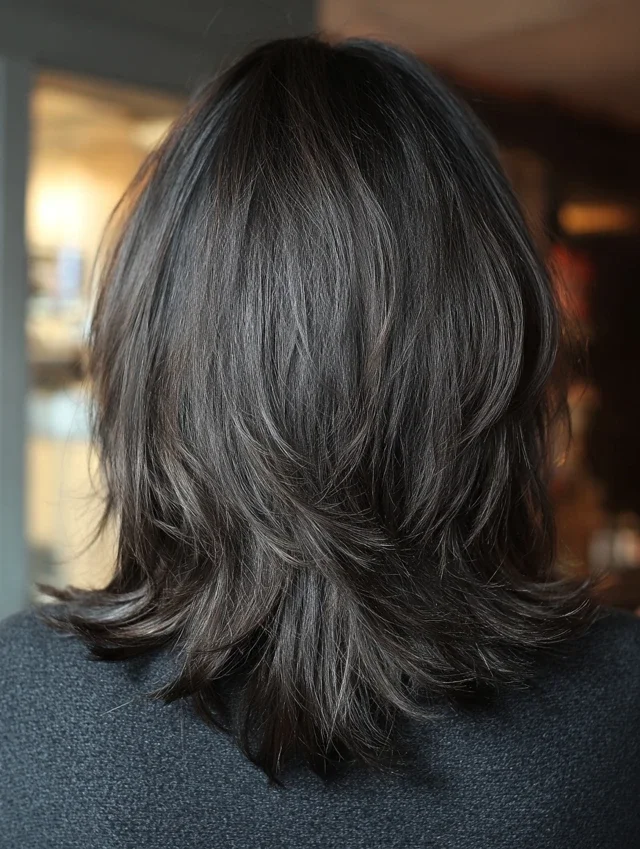
Long layers keep weight and swing, so they suit thick hair and longer bobs that you still want to tie back. Short, stacked layers build height at the crown and are the engine behind most voluminous bobs, while choppy, point-cut layers break up a blunt outline and give fine hair the illusion of texture.
Common mistake: asking for ‘lots of layers’ without saying where you want movement. Layers at the crown lift; layers at the ends thin out bulk. Point to the exact spot on your own hair where it falls flat or feels heavy, and let the stylist place the layers there.
The Styling Kit That Makes Layers Behave
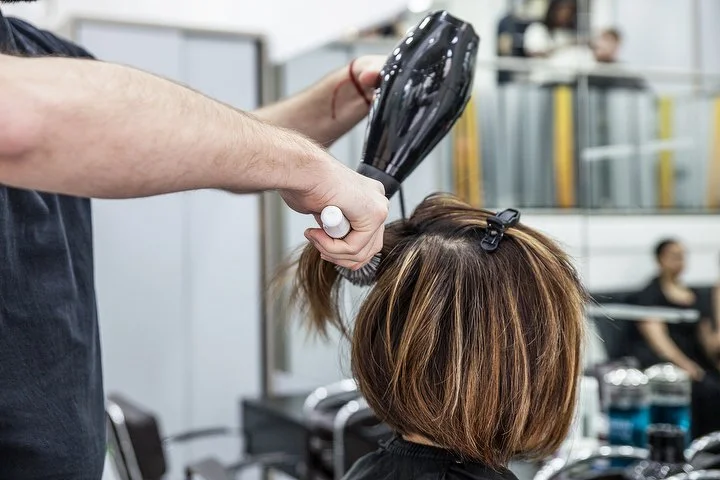
You do not need a drawer full of tools. A medium round brush, a blow dryer with a nozzle, a light volumising mousse and a flexible-hold spray cover most layered bobs, with a flat iron only for the sleek versions. Layers dry faster than one-length hair, which is part of their appeal on busy mornings.
Cost and time: a decent round brush and mousse cost far less than one salon blow-dry, and most layered bobs take 10 to 20 minutes to style once you know the routine. If a cut needs 40 minutes and three hot tools every day, it is the wrong cut for your routine, not a failure of your styling skills.
How Often a Layered Bob Really Needs a Trim
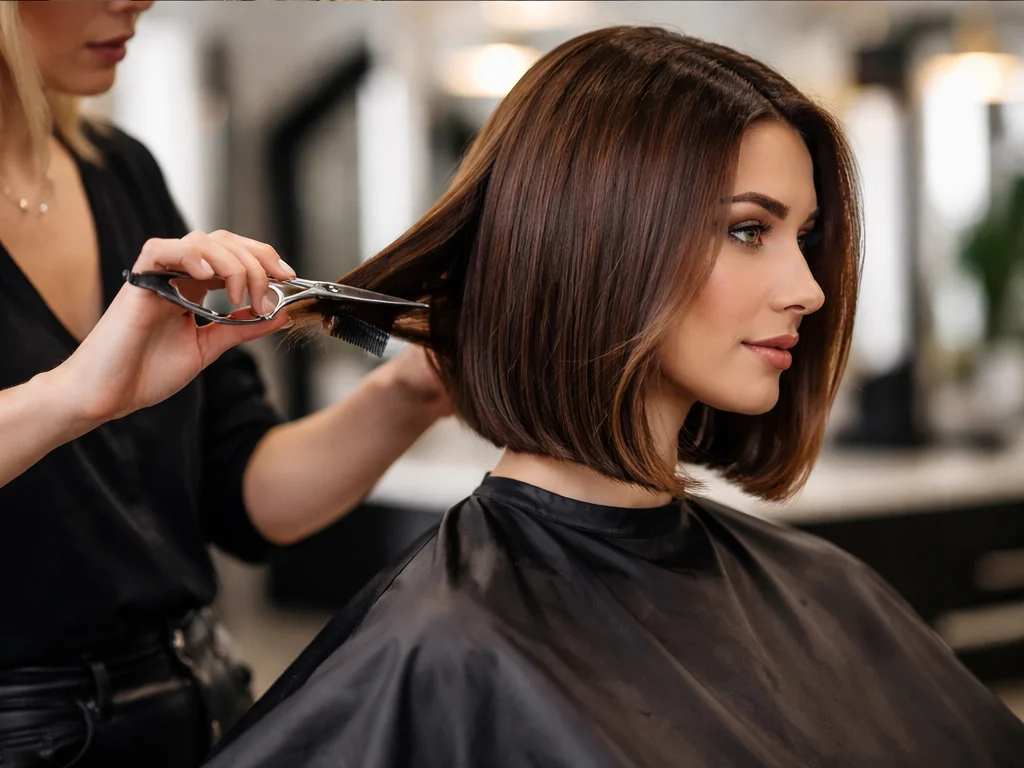
Layers grow out unevenly, so the shape goes first at the ends and around the face. Most layered bobs need a tidy-up every 6 to 8 weeks; short, stacked versions need it closer to every 5 to 6 weeks, while a long layered lob can stretch to 8 to 10 weeks if the ends are healthy.
Maintenance tip: book the next appointment before you leave the salon, and ask for a ‘shape refresh’ rather than a full restyle between big cuts. That keeps the layers crisp without losing length you are trying to grow, and it usually costs less than a full cut.
1. The Classic Chin-Length Layered Bob
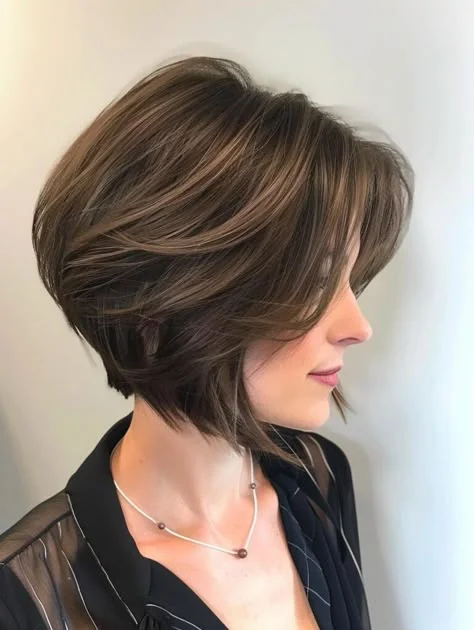
The classic chin-length layered bob is the reference point for the whole family: a clean jawline length with soft layers through the ends so the cut swings instead of sitting like a helmet. It suits straight and slightly wavy hair best, and it frames the face without hiding it.
Best for: oval and heart-shaped faces, and anyone trying a bob for the first time. How to style: blow-dry with a round brush, tucking the ends under, and finish with a light spray. What to ask: for layers that start at the cheekbone, not the crown, so the shape stays full.
2. A Jaw-Length Bob With Real Texture
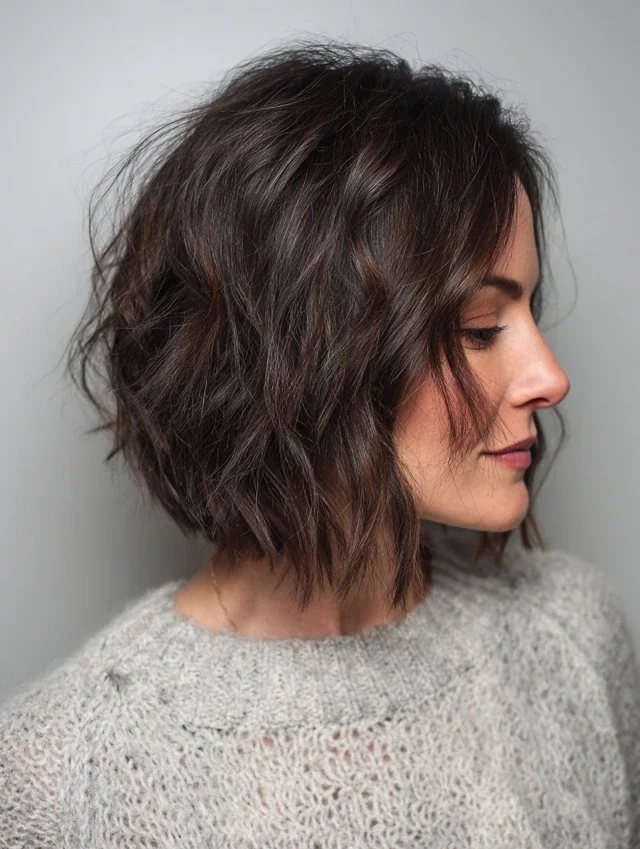
A jaw-length textured bob trades polish for movement. The ends are point-cut so they flick and separate naturally, which makes it forgiving on second-day hair and on hair that never quite holds a sleek blow-dry.
Pros: dries quickly, looks intentional even when messy, and grows out softly. Cons: it can look scruffy in very formal settings and needs texture spray to stop it falling flat. Quick verdict: choose this if you like a lived-in look more than a salon-perfect finish.
3. The Long Layered Bob — the Lob That Still Swings
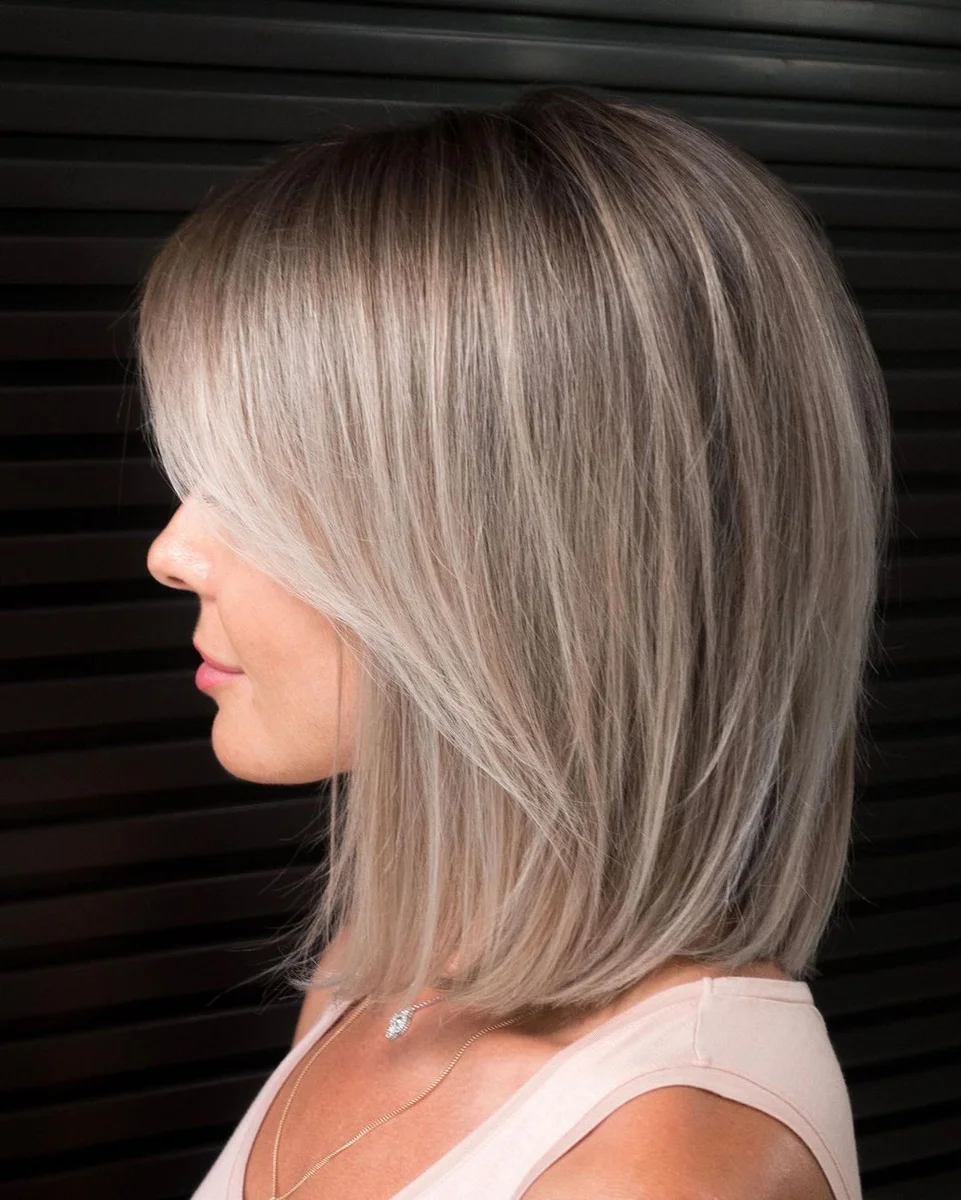
The long layered bob, or lob, sits between the chin and the shoulders and keeps enough length to tie back. Layers through the mid-lengths stop it looking heavy, while the front layers open up the face so it does not read as simply ‘long hair cut shorter’.
Maintenance: trims every 8 to 10 weeks, and about 15 minutes to blow-dry smooth. Who should avoid it: nobody in particular — this is the safest layered bob if you are nervous about going short, because the length gives you a fallback if you hate it.
4. The Choppy Layered Bob for Instant Edge
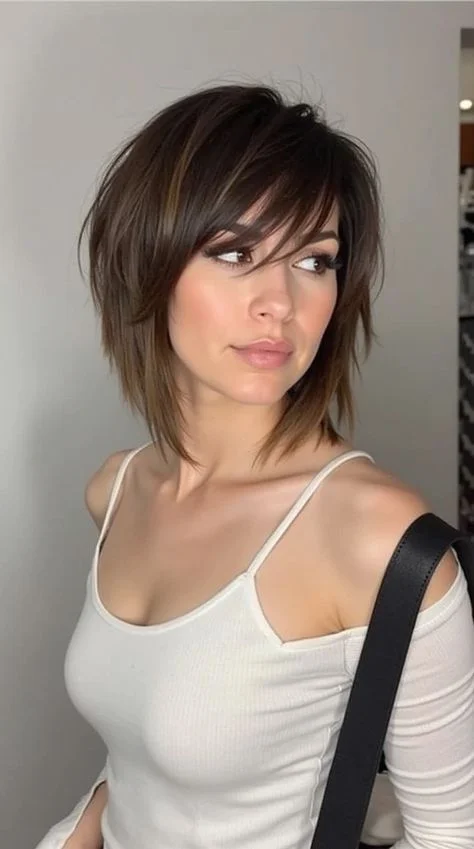
Choppy layers are cut with deliberate unevenness, so the bob has jagged, piecey ends and visible separation. It is the layered bob for people who find the classic version too neat, and it works especially well with a bit of natural wave.
Common mistake: choppy does not mean thin. If your stylist razors the ends too aggressively on fine hair, the bob loses its shape entirely. Ask for choppy texture through the last two inches only, keeping the interior full.
5. Soft Feathered Layers That Flatter Without Fuss
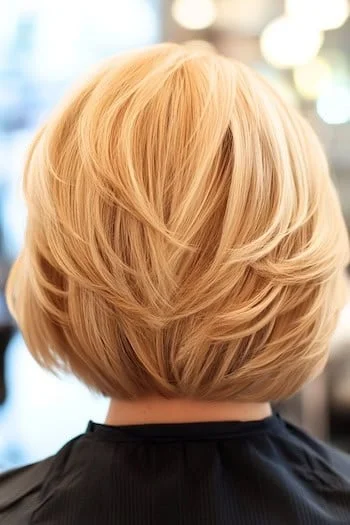
Feathered layers are cut at an angle so each layer flicks softly outward or inward, giving a light, airy outline. The effect is softer than a choppy bob and more forgiving around the face, which is why it suits mature hair and anyone who wants movement without an edgy finish.
How to style: a round brush and a flick outward at the ends is all it takes; heavy straightening irons flatten the feathering. Cost and time: roughly 10 minutes a day, and it holds up well between trims because the feathered ends disguise growth.
6. Curtain Bangs Meet a Layered Bob
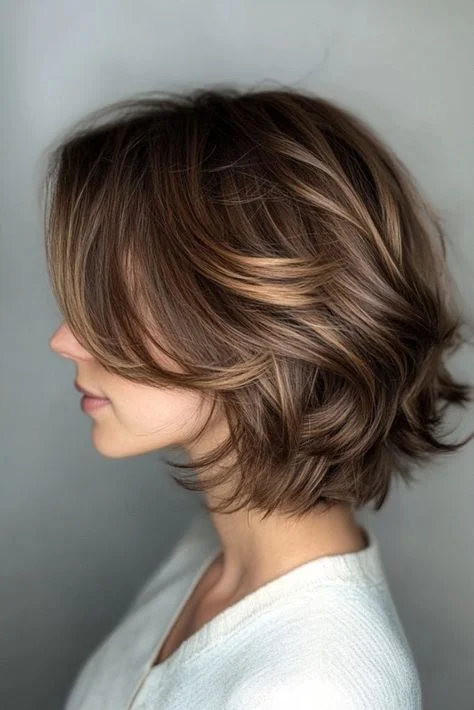
Curtain bangs part in the middle and sweep to each side, blending straight into the face-framing layers of a bob. The combination is popular because the bangs are not a separate commitment — they grow out into layers, so there is no awkward grow-out phase.
Best for: long and oval faces, where the sweeping fringe shortens the forehead visually. What to ask: for bangs that start at the cheekbone and blend into the shortest bob layer, so the fringe and the cut read as one shape rather than two styles stuck together.
7. Side-Swept Bangs on a Layered Bob
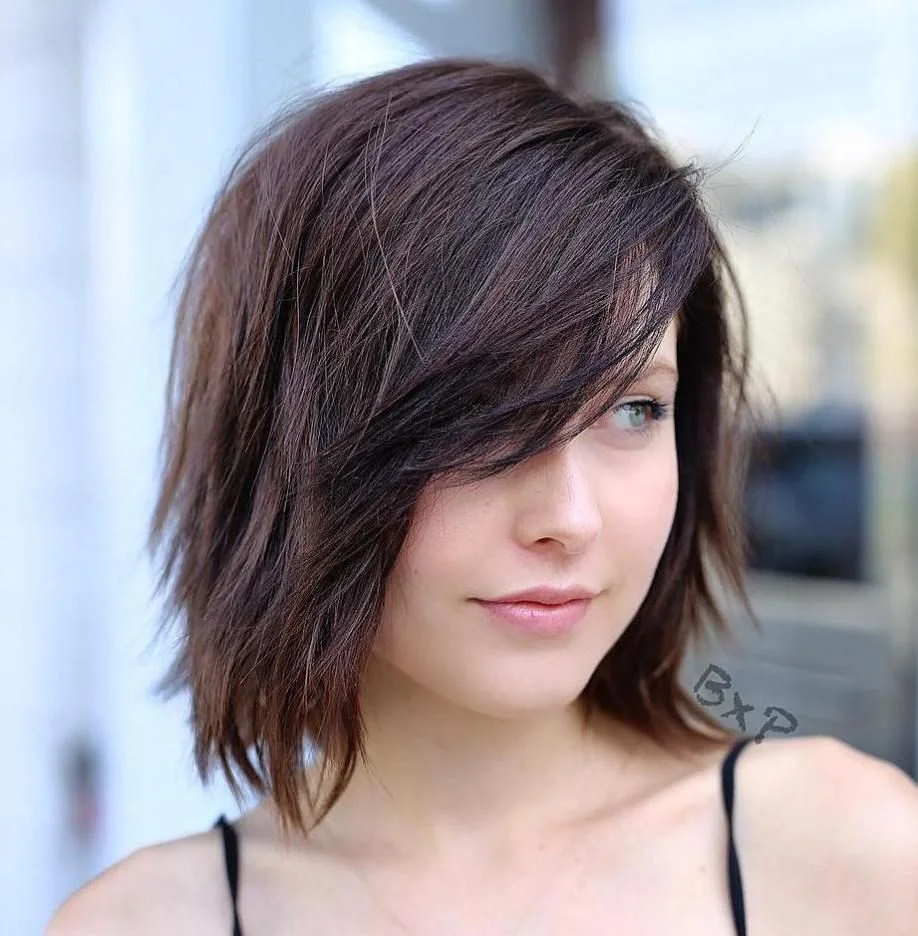
Side-swept bangs give a layered bob a softer, more grown-up fringe than a straight-across bang. They add asymmetry without an asymmetrical cut, and they are easy to pin back on days when you do not want hair near your eyes.
Pros: hides a high forehead, works with glasses, and needs almost no styling. Cons: on very fine hair the sweep can fall flat by midday, so a root spray or a small amount of mousse at the roots helps. Quick verdict: the lowest-risk fringe to pair with a bob.
8. Blunt Ends With Hidden Layers Inside
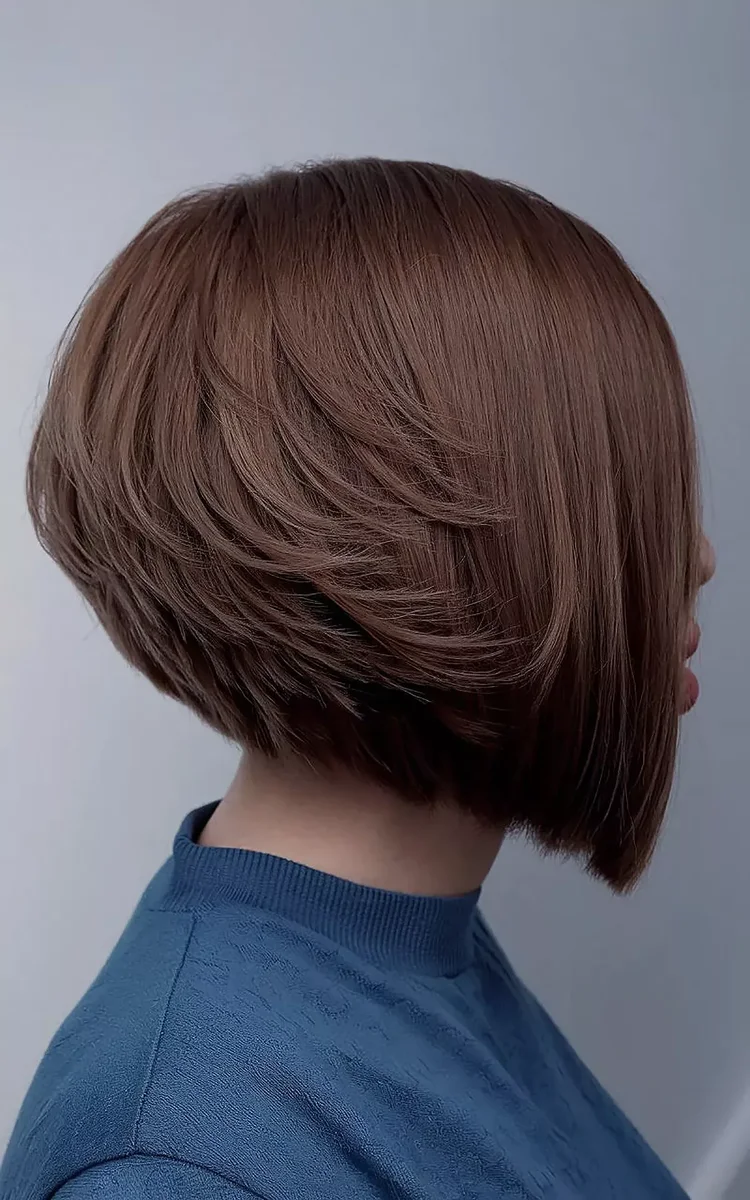
This cut looks blunt from the outside but hides layers underneath, so you get the strong, thick-looking outline of a blunt bob with the movement and lightness of a layered one. It is a clever compromise if you love blunt ends but hate how heavy they feel.
Who should avoid a fully blunt bob: thick-haired women whose blunt bobs puff out at the ends. Hidden layers solve exactly that problem. Ask your stylist to keep the outline blunt and remove weight only from the interior, so the perimeter stays strong.
9. The Asymmetrical Layered Bob
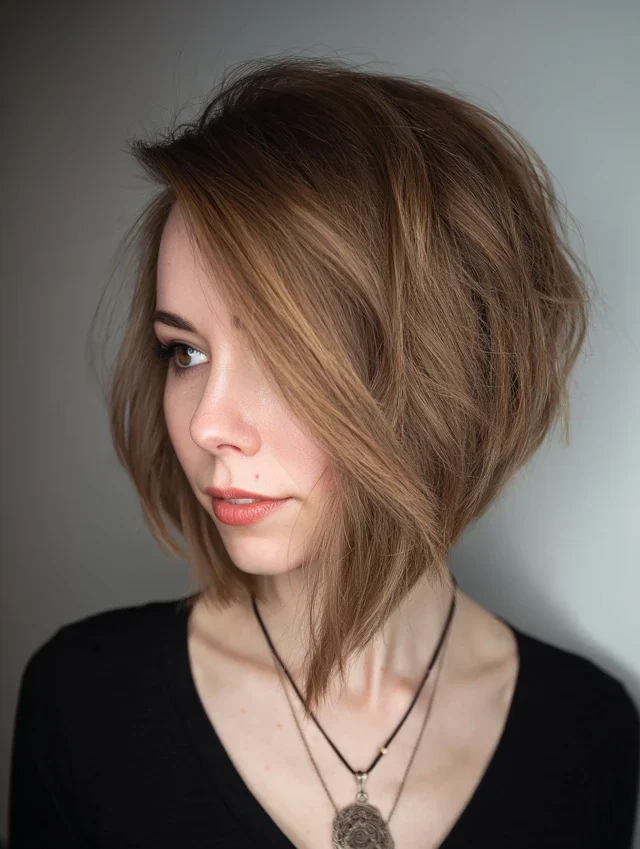
An asymmetrical bob is longer on one side than the other, and layers keep the longer side from looking heavy. The difference can be subtle — an inch or two — or dramatic, with one side grazing the jaw and the other touching the shoulder.
Maintenance: this cut shows uneven growth faster than a symmetrical bob, so plan trims every 6 weeks. Common mistake: going too extreme on the first try. Start with a small asymmetry; you can always go bolder at the next appointment, but you cannot put length back.
10. The Inverted, Stacked Layered Bob
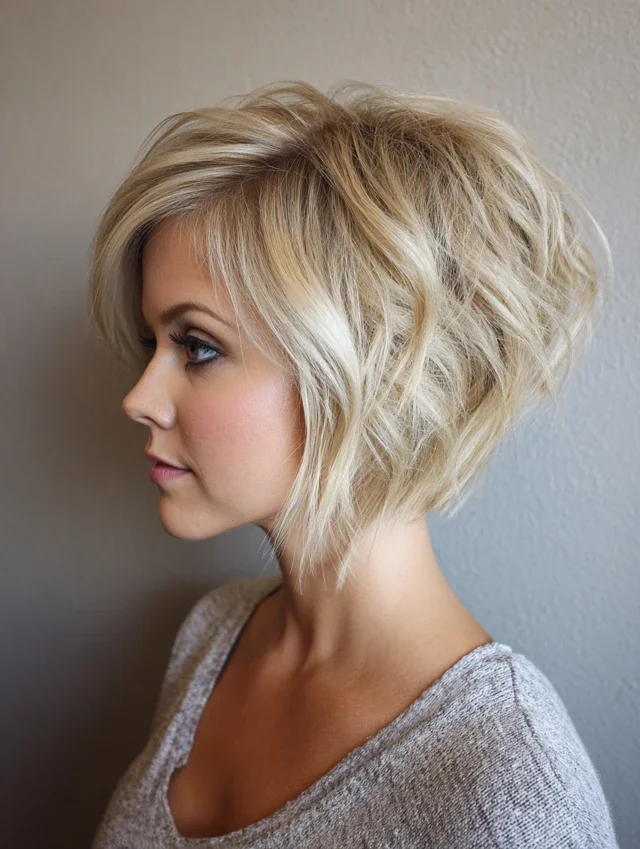
An inverted bob is shorter at the back and longer at the front, with stacked layers at the nape that build volume. Seen from behind it has a rounded, graduated shape; from the front, the long pieces frame the face and keep the cut looking modern rather than dated.
Best for: fine to medium hair that needs lift at the back, and round faces, where the longer front pieces slim the look. How to style: blow-dry the back sections upward with a round brush to keep the stack from collapsing flat.
11. Layers That Give Fine Hair Real Volume
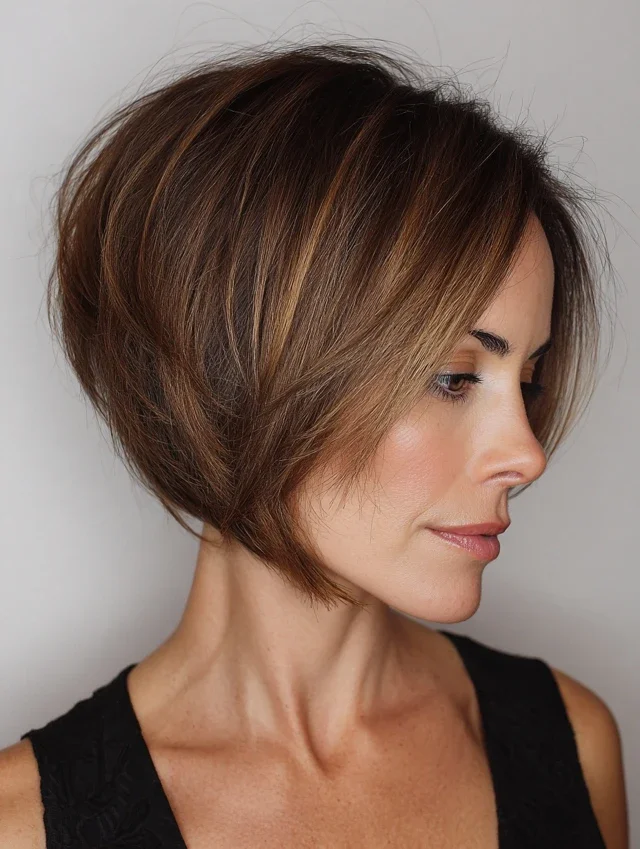
Fine hair often falls flat in a one-length bob because there is nothing to create lift. A few well-placed shorter layers at the crown, combined with a blunt-ish perimeter to preserve thickness, give fine hair body without making the ends look thin.
Pros: instant fullness and faster drying. Cons: over-layering is the enemy — too many short pieces leave fine hair wispy. What to ask: ‘Keep the ends thick, add lift only at the crown.’ That single sentence prevents the most common fine-hair bob mistake.
12. Layers That Take the Weight Out of Thick Hair
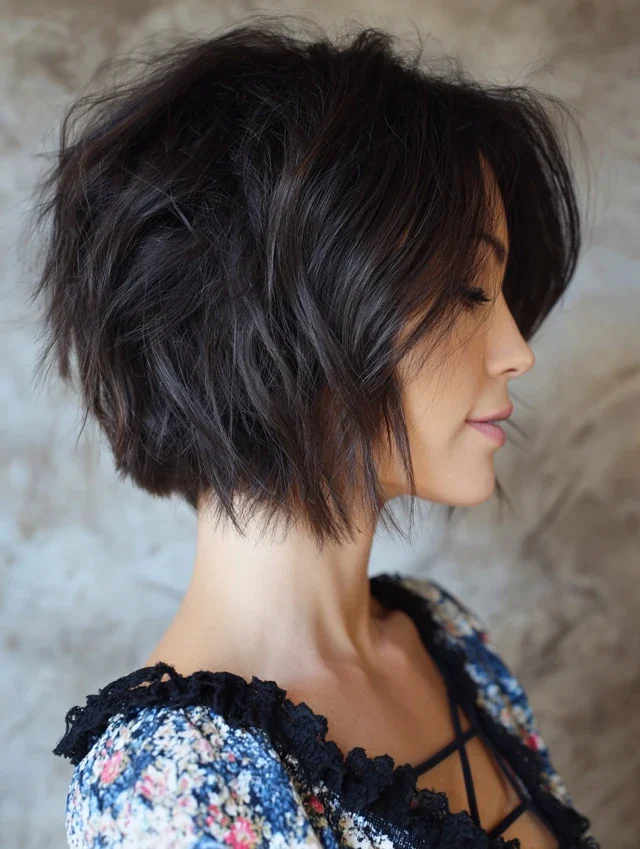
Thick hair in a bob can balloon outward, especially in humidity. Layers — particularly internal layers and texturised ends — remove bulk from the inside so the bob sits closer to the head while keeping its length and shape.
How to style: a smoothing cream on damp hair before blow-drying stops the puff, and a flat iron over just the ends (not the roots) keeps the shape sleek. Maintenance: every 6 to 8 weeks, because thick hair shows bulk returning sooner than fine hair shows flatness.
13. The Curly Layered Bob
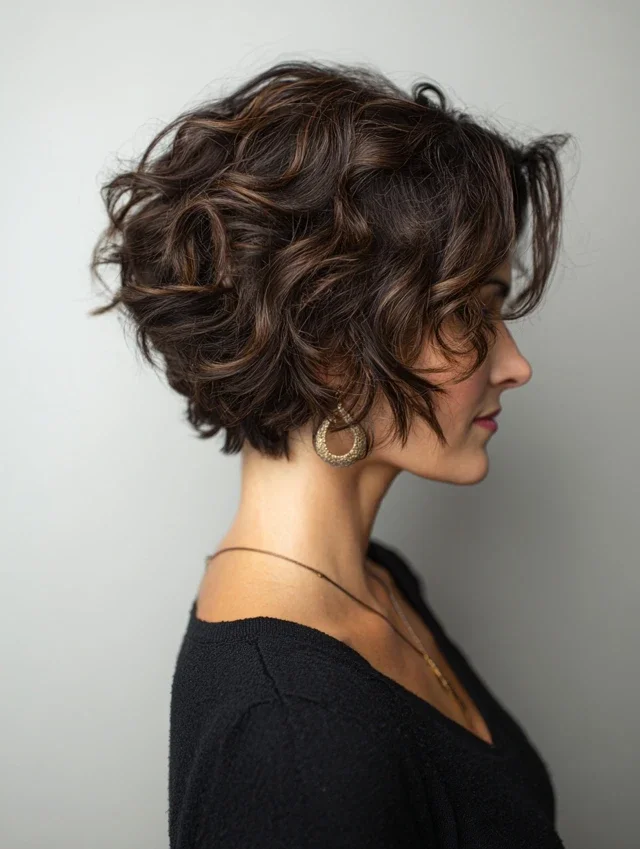
Curly bobs need layers cut to the curl pattern, not against it. Layers prevent the dreaded triangle shape — flat on top, wide at the bottom — by letting curls stack and spring at different lengths, so the bob has a rounded, balanced silhouette.
Common mistake: cutting curly hair wet to a bob length and watching it spring up several inches shorter when dry. Ask for a dry cut, or at least a dry finish check, and bring your hair in its natural, styled state so the stylist sees the real curl pattern.
14. The Wavy Layered Bob That Styles Itself
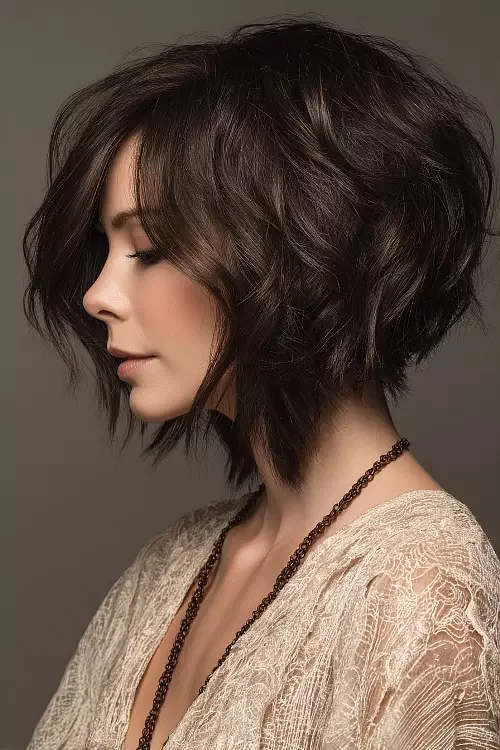
Natural wave and layers are a natural partnership: the layers let each wave form separately instead of clumping into one heavy mass. The result is a bob with built-in texture that needs little more than scrunching with curl cream and air-drying.
Cost and time: this is one of the cheapest bobs to maintain in daily time — often under five minutes. Who should avoid over-styling it: anyone tempted to straighten it daily. Constant heat undoes the wave that makes this cut work, so save the straightener for special occasions.
15. The Sleek, Straight Layered Bob
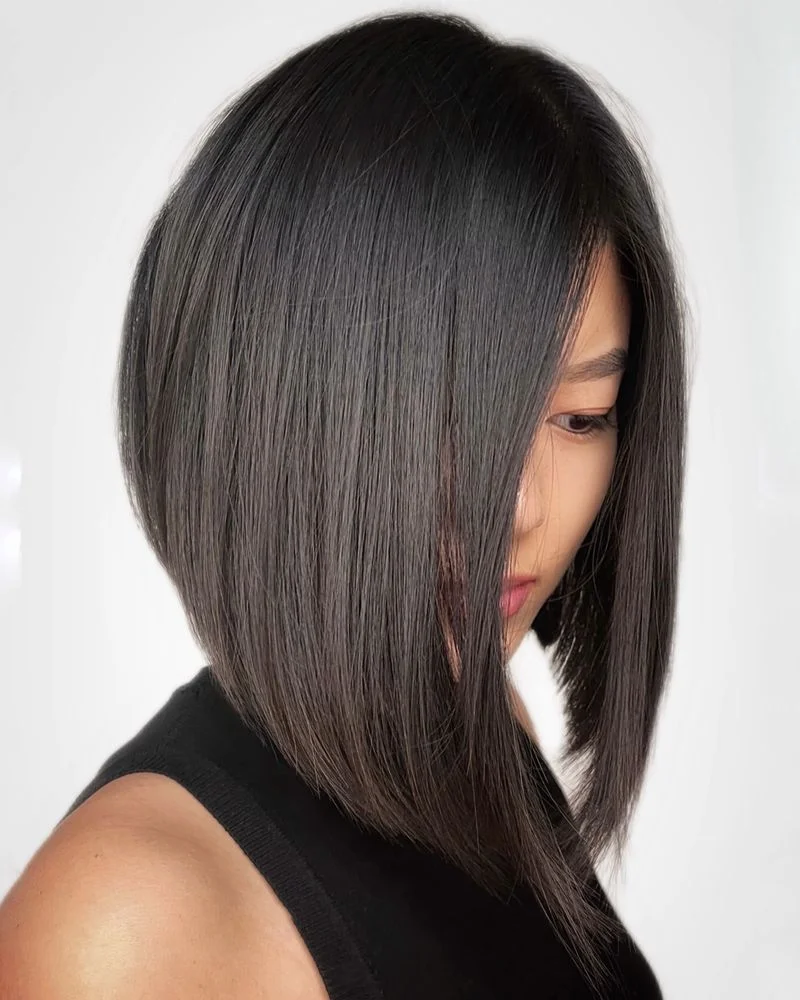
A sleek layered bob proves layers are not only for texture. On straight hair, subtle long layers stop a bob looking like a solid block, giving it swing when you move while keeping a polished, glossy finish that suits work and formal occasions.
Best for: straight, medium-to-thick hair with a healthy shine. How to style: blow-dry smooth with a paddle brush, then run a flat iron over the ends only. Quick verdict: choose this if you want a bob that reads ‘put together’ with minimal effort in the morning.
16. Balayage on a Layered Bob
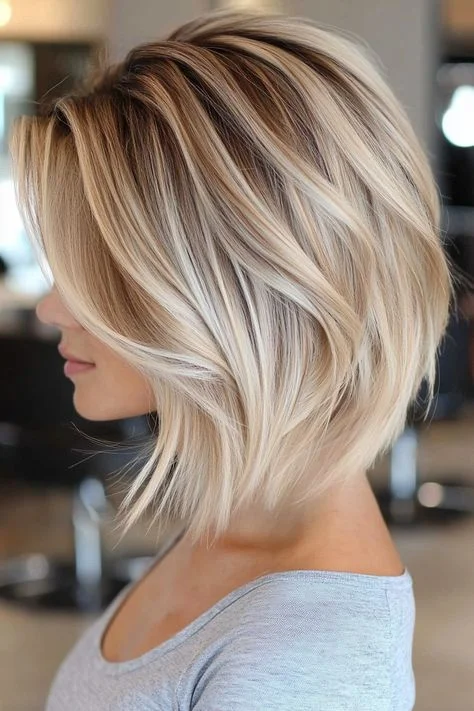
Balayage is painted on freehand, so the lighter pieces fall naturally along the layer lines of a bob. Each layer catches light at a different point, which makes the movement of the cut visible even in photographs — one reason this combination dominates salon portfolios.
Pros: grows out softly with no harsh root line. Cons: it costs more than a standard colour and takes longer in the chair, typically an extra hour. Ask for the lightest pieces through the top layers and around the face, keeping the underneath darker for depth.
17. Caramel Highlights That Warm Up a Brunette Bob
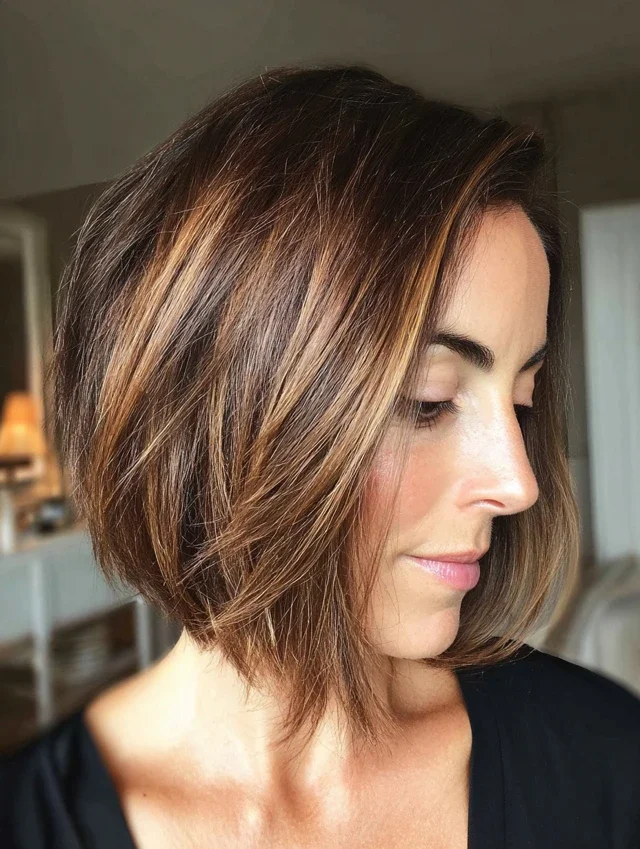
Caramel highlights on a brunette layered bob add warmth without a dramatic colour change. The golden tones sit mainly through the mid-lengths and ends, so the layers read as separate, dimensional pieces rather than one dark mass.
Maintenance: a gloss or toner every 8 to 10 weeks keeps caramel from turning brassy. Common mistake: highlights placed too close to the roots on a short bob, which grow out visibly within weeks. Keep them lived-in — starting a few inches down — for a lower-maintenance result.
18. A Layered Bob for a Round Face
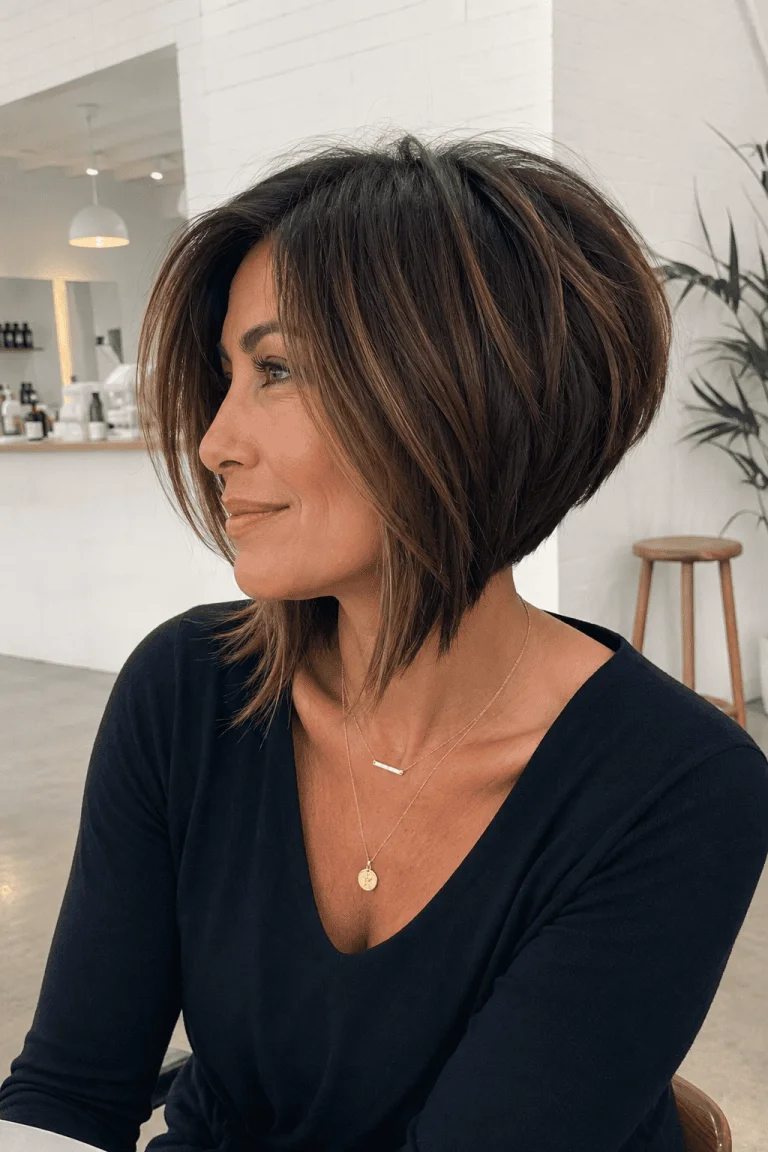
For a round face, the goal is length and angles: a bob that ends below the chin, layers that start below the cheekbone, and a side part that breaks up the symmetry of the face. Avoid a chin-length bob with volume at the cheeks, which widens rather than lengthens.
What to ask: for a longer front, a deep side part, and layers concentrated at the ends rather than the crown. Quick verdict: the long layered bob and the asymmetrical bob are the two safest starting points for a round face.