Wake Up With Great Hair: 41 Overnight Hairstyles for Women That Work While You Sleep
Mornings are hard enough without a hair battle, and that is exactly why overnight hairstyles for women have become the quiet secret of everyone who always seems to wake up looking put together. The idea is simple and a little bit wonderful: you do five or ten minutes of gentle braiding, twisting or wrapping before bed, you sleep on it, and you wake up with waves, curls or smooth, protected hair that would have taken forty minutes and a hot tool to make in the morning. No heat, no rushing, no standing in front of the mirror with a curling iron while your coffee goes cold, just hair that did its styling while you slept.
This guide gathers 41 overnight hairstyles for women that work while you sleep, from the classic braid waves everyone should know to sock curls, robe belt curls, bantu knots, twist-outs and silk bonnet tricks that protect the curls you already have. Eight guides first walk you through how heatless styling actually works, how to prep your hair before bed, why silk beats cotton, whether braids or twists suit you better, and how to refresh everything in five minutes flat. Whether your hair is long or short, straight, wavy or curly, there is a style here that fits your length, your texture and your mornings.
How Heatless Overnight Styling Actually Works
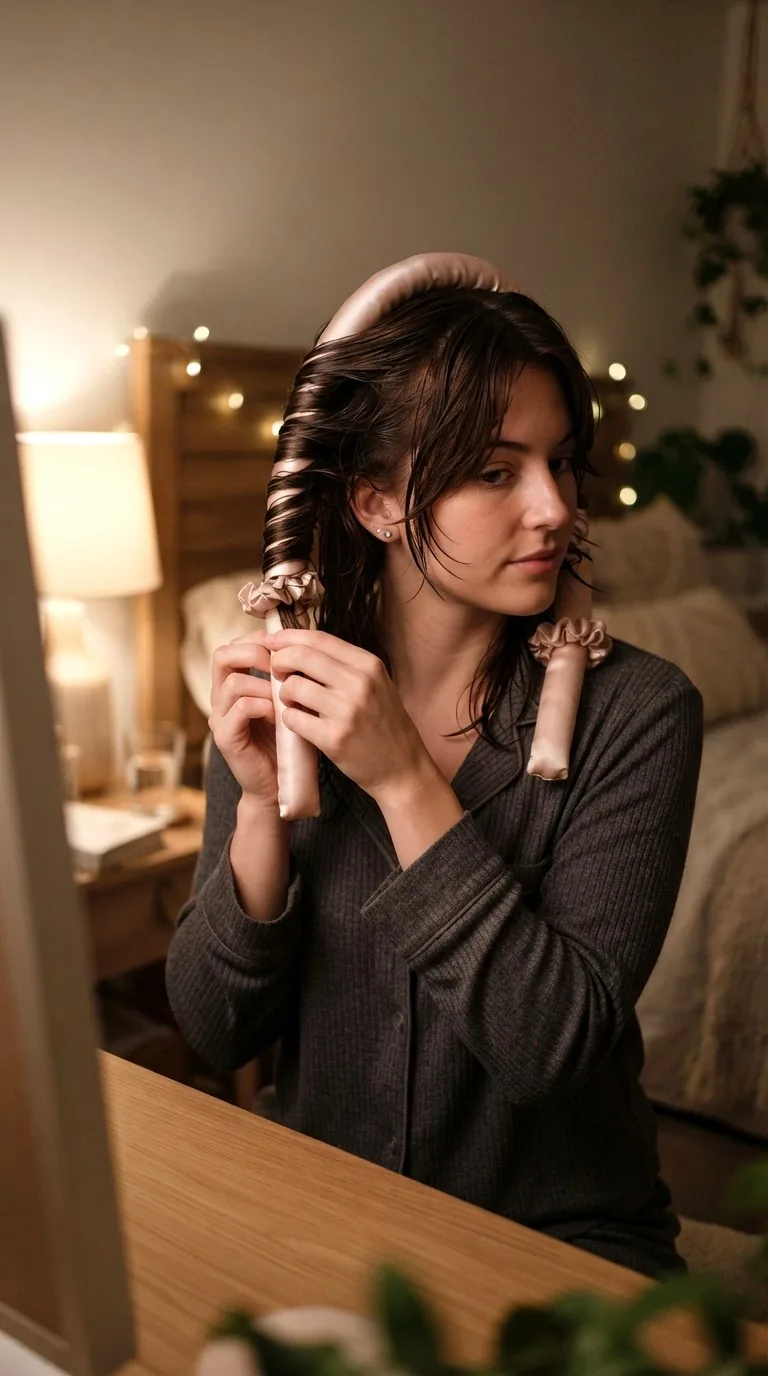
Overnight styling works because your hair holds a shape best while it dries and cools in a fixed position, and eight hours of sleep gives it far more setting time than any twenty-minute morning routine ever could. When damp hair is braided, twisted or wrapped around a soft rod and left alone, the hydrogen bonds inside each strand slowly reform around the new shape as the hair dries, which is why heatless waves can look just as defined as curled ones without a single hot tool touching your head. The trick is starting with hair that is about eighty percent dry rather than soaking wet, because hair that stays wet all night never fully sets and wakes up limp, while hair that is bone dry will not take the shape at all.
What you need is simple: a little leave-in conditioner or mousse, something soft to wrap the hair around, and a silk or satin cover to cut friction. Cost is almost nothing once you own a rod or a few silk scrunchies, and the time is five to ten minutes before bed against zero minutes of heat styling in the morning. Quick verdict: overnight styling is the easiest trade in haircare, a few minutes at night for a whole morning back, and it is kinder to your hair than any hot tool you own.
Prepping Your Hair Before Bed
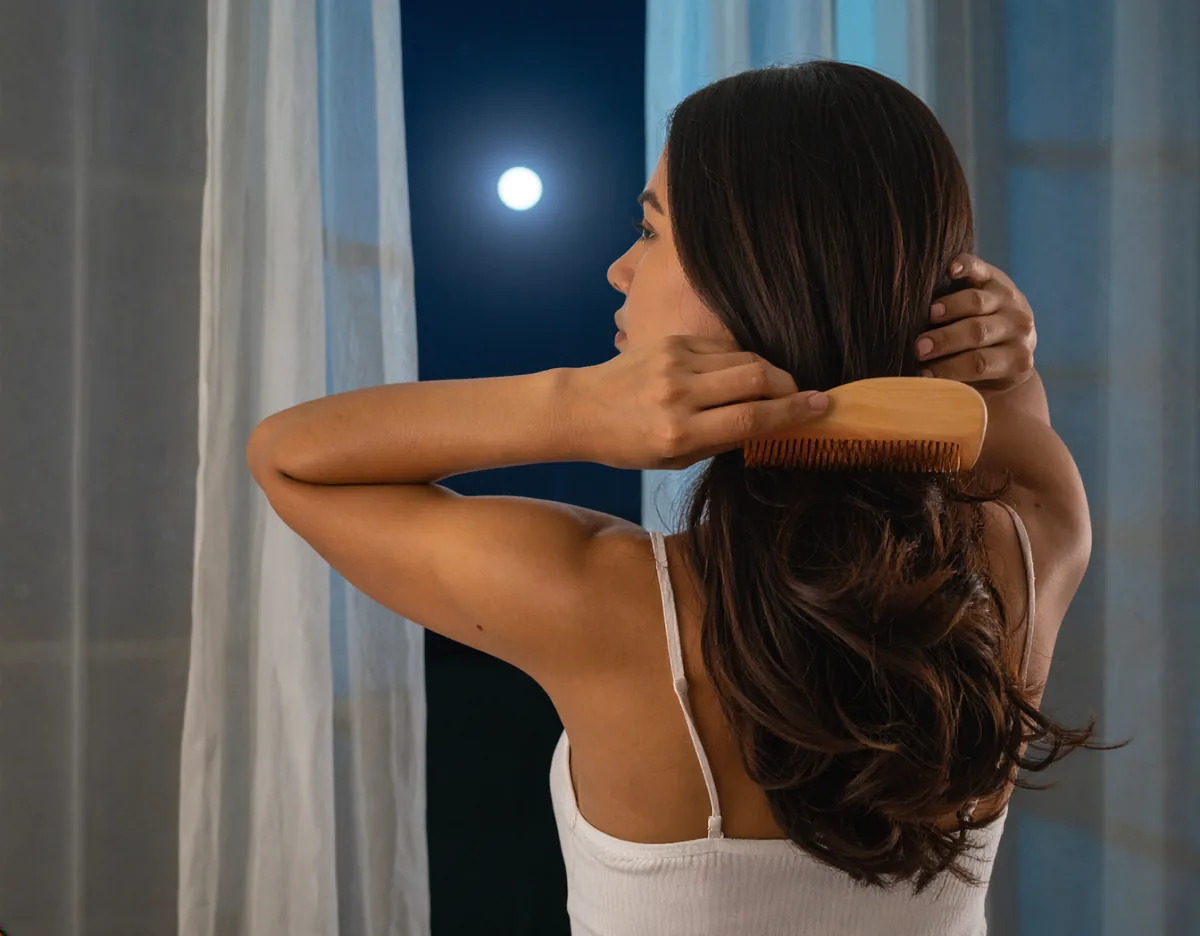
Good overnight hair starts before you ever pick up a braid, because hair that goes to bed tangled, dirty or soaking wet will wake up exactly that way, only worse. Begin by brushing gently from the ends upward to remove the day’s knots, then wash only if your hair genuinely needs it, since freshly washed hair that is still damp at bedtime is the most fragile hair you will ever handle. A pea-sized amount of leave-in conditioner or a light styling cream, worked through the mid-lengths and ends, gives the style something to hold onto, and a drop of hair oil on the very ends stops them drying out while you sleep.
The most common mistake is braiding sopping wet hair and wrapping it tight, which traps moisture against the scalp all night and can leave hair smelling musty and feeling weak at the roots. Instead, let hair air-dry to about eighty percent, braid loosely, and sleep on a silk pillowcase so the style is not rubbed flat by morning. Maintenance is minimal: a quick brush-out and a spritz of water or curl refresher, and you are done. Who should skip heavy prep? Anyone with very fine hair should use half the product they think they need, because too much cream flattens fine waves before they start.
Silk vs Cotton Pillowcases and Wraps
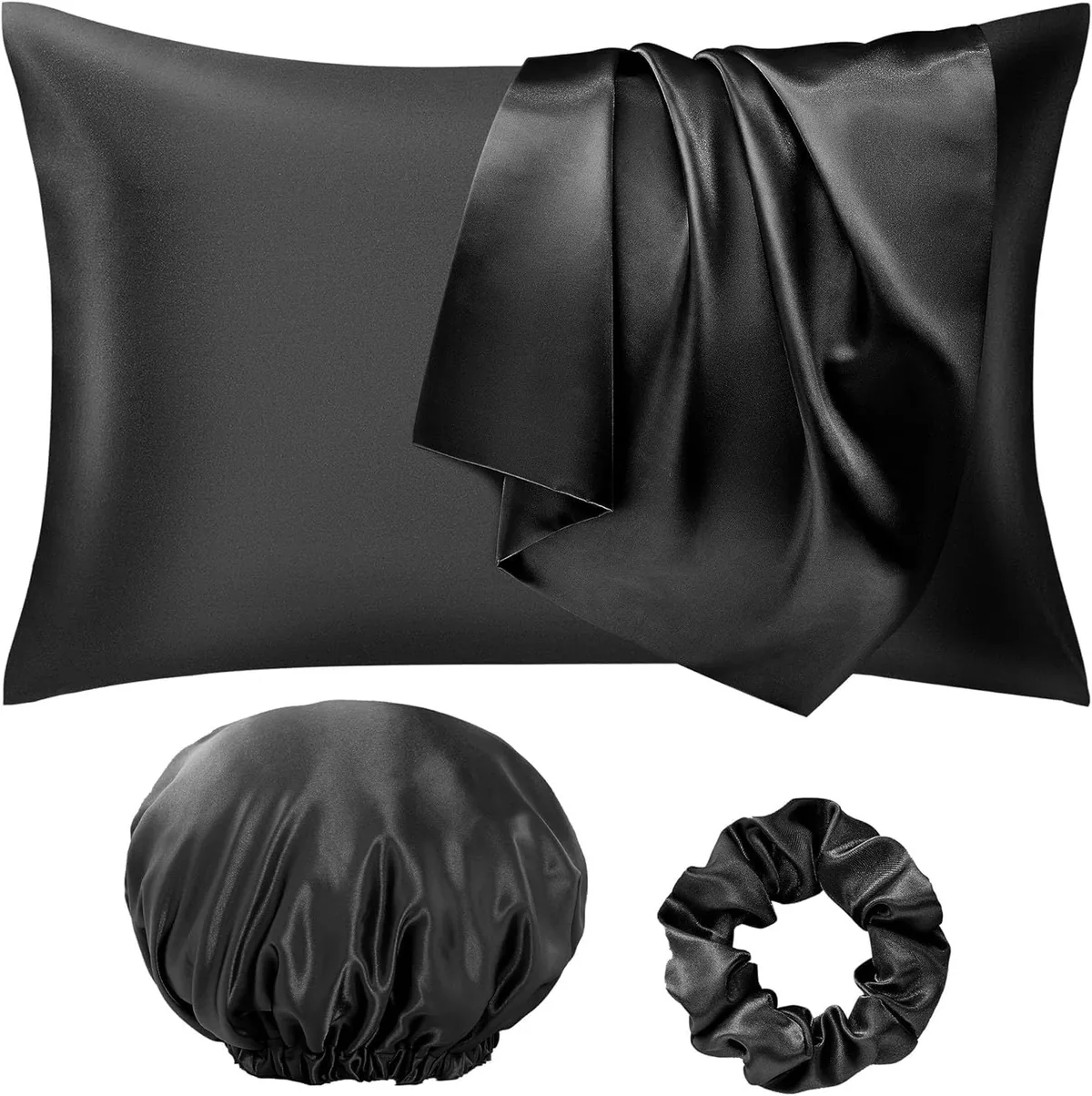
Your pillowcase is the one hair tool you use for eight hours every single night, and the fabric you sleep on matters more than most people realise. Cotton is absorbent, so it slowly drinks moisture out of your hair while you sleep, and its rough fibres catch on the hair cuticle and create the friction that causes frizz, tangles and breakage, especially at the nape where your head moves most. Silk and satin are smooth, so hair glides across them instead of catching, which keeps waves intact, stops curls from matting, and leaves far less frizz to fix in the morning.
Pros of silk: less frizz, less breakage, styles last longer, and it feels cooler in summer. Cons: real silk costs more and needs gentle washing, while cheap satin can be almost as smooth for a fraction of the price, so a satin pillowcase is the sensible starting point. A silk bonnet or wrap does the same job and also protects braids and twists from unravelling, which matters if you toss and turn. Maintenance is easy: wash satin weekly with your normal laundry and silk on a gentle cycle. Quick verdict: if you do overnight styles even twice a week, a satin pillowcase pays for itself in saved morning time within a month.
Braids vs Twists for Overnight Waves
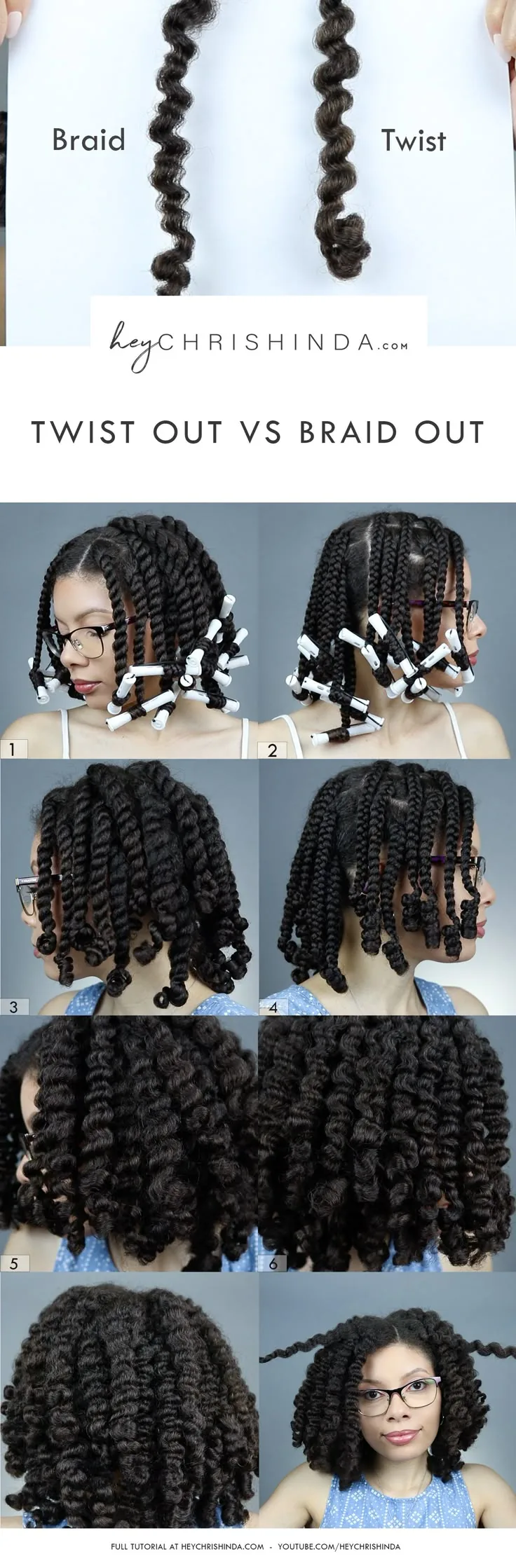
Braids and twists both create overnight waves, but they make very different waves, and choosing the wrong one is why so many people wake up disappointed. A classic three-strand braid presses the hair into a regular zigzag, which gives a crimped, beachy wave with lots of texture and volume, while a two-strand twist rolls the hair into a smooth spiral, which gives a softer, looser, more polished wave with far less frizz at the edges. Braids hold tighter and survive restless sleep better, so they suit thick or heavy hair that tends to fall flat, while twists are gentler on the strands and better for fine or fragile hair that braids can kink too sharply.
How to choose: if you want volume and texture, braid; if you want smooth, soft movement, twist. Try one of each on either side of your head for a night and compare them in the mirror, because your hair will tell you faster than any guide can. The common mistake is braiding too tightly, which creates harsh ridges instead of waves, so keep the tension even and loose, and always start the braid a little lower than you think you need. Who should avoid braids? Anyone with a tender scalp or very fine hair that snaps easily should twist instead, and anyone whose waves fall out by noon should braid, because the stronger set lasts longer.
The Morning Refresh Routine
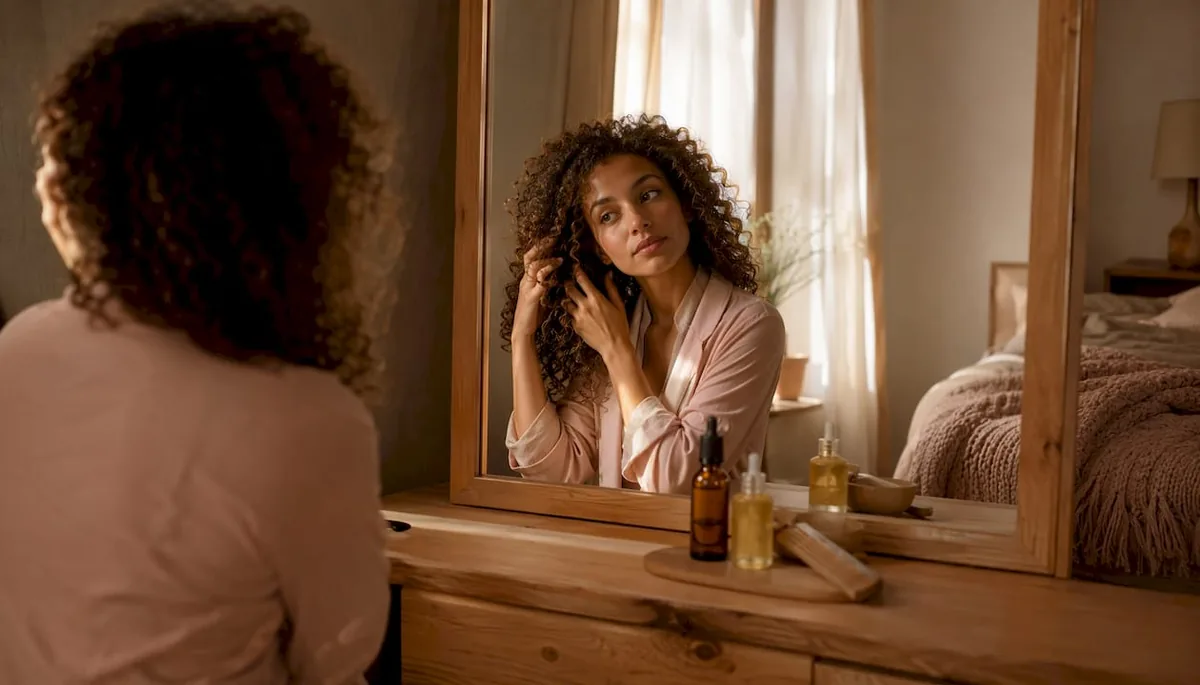
The morning after an overnight style is not a second styling session, it is a five-minute refresh, and treating it like one is the whole point of sleeping in your hairstyle. Start by undoing the braid, twist or rod slowly, working from the bottom upward, and never pull it apart while you are still half asleep, because yanking the set out is what turns defined waves into a puff of frizz. Let the waves fall and settle for a minute, then shake them out gently with your fingers, never a brush, and only then decide what they need: a little water misted through the roots for lift, a pea-sized drop of serum smoothed over the surface for shine, or a quick scrunch with curl cream if the ends look dry.
Step by step: undo, wait one minute, finger-comb, mist the roots, smooth the surface, and finish with a light-hold hairspray only if you need the style to last past lunch. Pros: the whole routine takes under five minutes and uses no heat at all. Cons: on very humid days even a perfect refresh can fall flat by mid-afternoon, so keep a silk scrunchie in your bag for a quick low bun rescue. Maintenance is nothing more than this routine itself. Quick verdict: if your overnight waves look good at 7 a.m. but gone by 10 a.m., the problem is almost never the overnight style, it is the refresh, so slow down and let the waves settle before you touch them.
Frizz Control While You Sleep
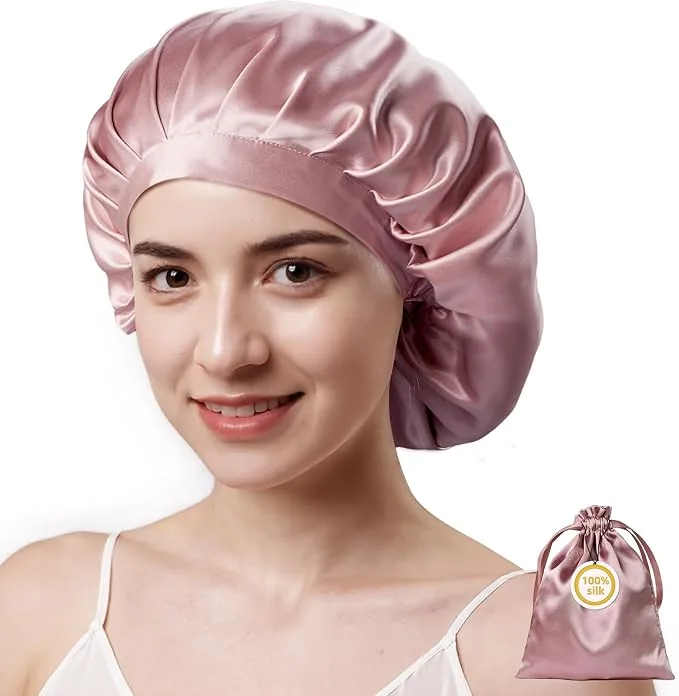
Frizz happens overnight for one reason, friction, and everything about frizz control while you sleep is about removing friction before it starts. Every time your head turns on a cotton pillowcase, the fabric grabs at the hair cuticle and lifts it, and by morning thousands of tiny lifted cuticles add up to a halo of frizz that no amount of morning serum can fully flatten. The fix is a smooth surface between your hair and your bed: a silk or satin pillowcase, a silk bonnet, or a loose silk scarf wrapped around the style, and hair that is contained rather than spread loose across the pillow, so it cannot rub itself into a tangle.
What you need is a satin pillowcase or bonnet plus a light leave-in conditioner on the ends before bed, which seals the cuticle down while you sleep. Pros: frizz drops dramatically from the very first night, and styles last a full day longer. Cons: bonnets can slip off restless sleepers, so look for one with a comfortable elastic band rather than a tight one. The common mistake is piling on heavy oil to fight frizz, which weighs waves down and leaves hair greasy by morning, so use a light serum and let the silk do the work. Who should avoid sleeping with loose hair? Anyone with curly or wavy hair that tangles easily should always contain it overnight, because a tangle takes far longer to fix than a bonnet takes to put on.
Scalp and Hair Health Overnight
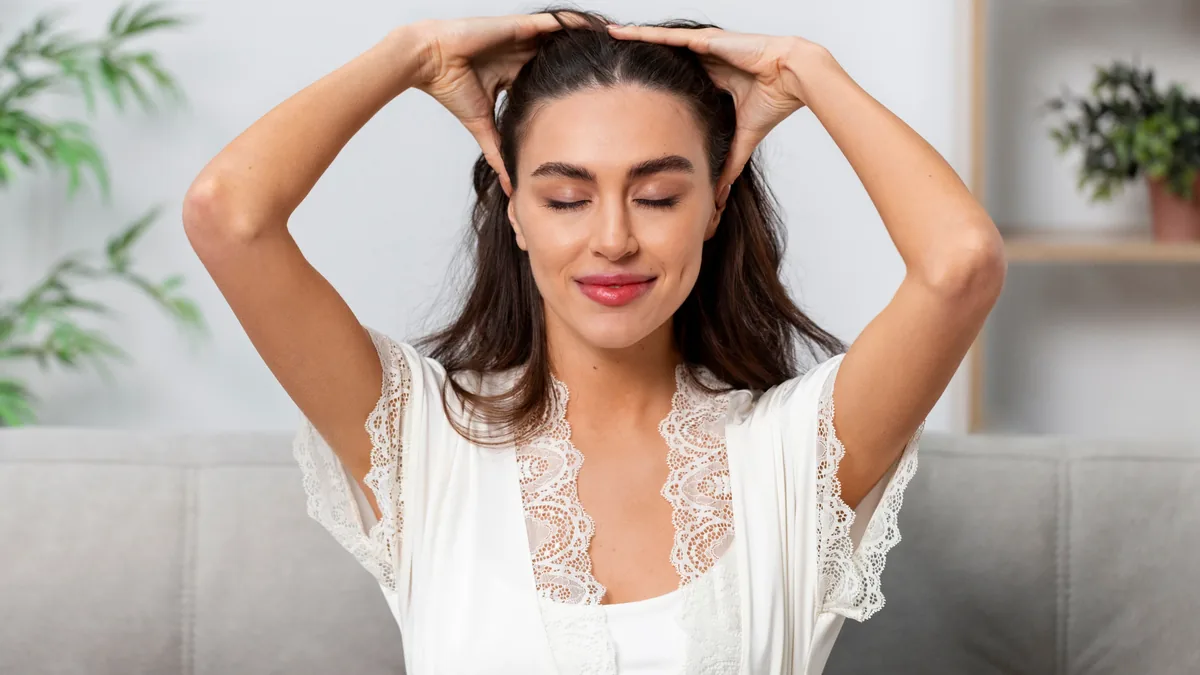
Night is when your hair and scalp recover, and a few small habits before bed make a real difference to how healthy your hair looks over months rather than days. A two-minute scalp massage with your fingertips, not your nails, boosts blood flow to the follicles and helps distribute the scalp’s natural oils down the hair shaft, which is exactly what conditioner tries to imitate. Sleeping with hair very wet or pulled into a tight, high ponytail does the opposite: wet hair stretches and snaps more easily, and constant tension at the same spot causes breakage and, over time, thinning around the hairline, so loose and mostly dry is the rule that protects your hair while you sleep.
Maintenance is simple and cheap: massage the scalp two or three nights a week, use a silk scrunchie instead of an elastic band, and never go to bed with hair dripping wet. Pros: healthier scalp, less breakage, and stronger hair over time, with no products to buy. Cons: results are slow, so do not expect a visible change in a week, expect it in a season. The common mistake is oiling the scalp heavily every night, which can clog follicles and cause itching, so a light oil once a week is plenty. Who should skip overnight oiling? Anyone with a flaky or sensitive scalp should keep oil off the scalp entirely and use it only on the ends.
Short Hair vs Long Hair Overnight
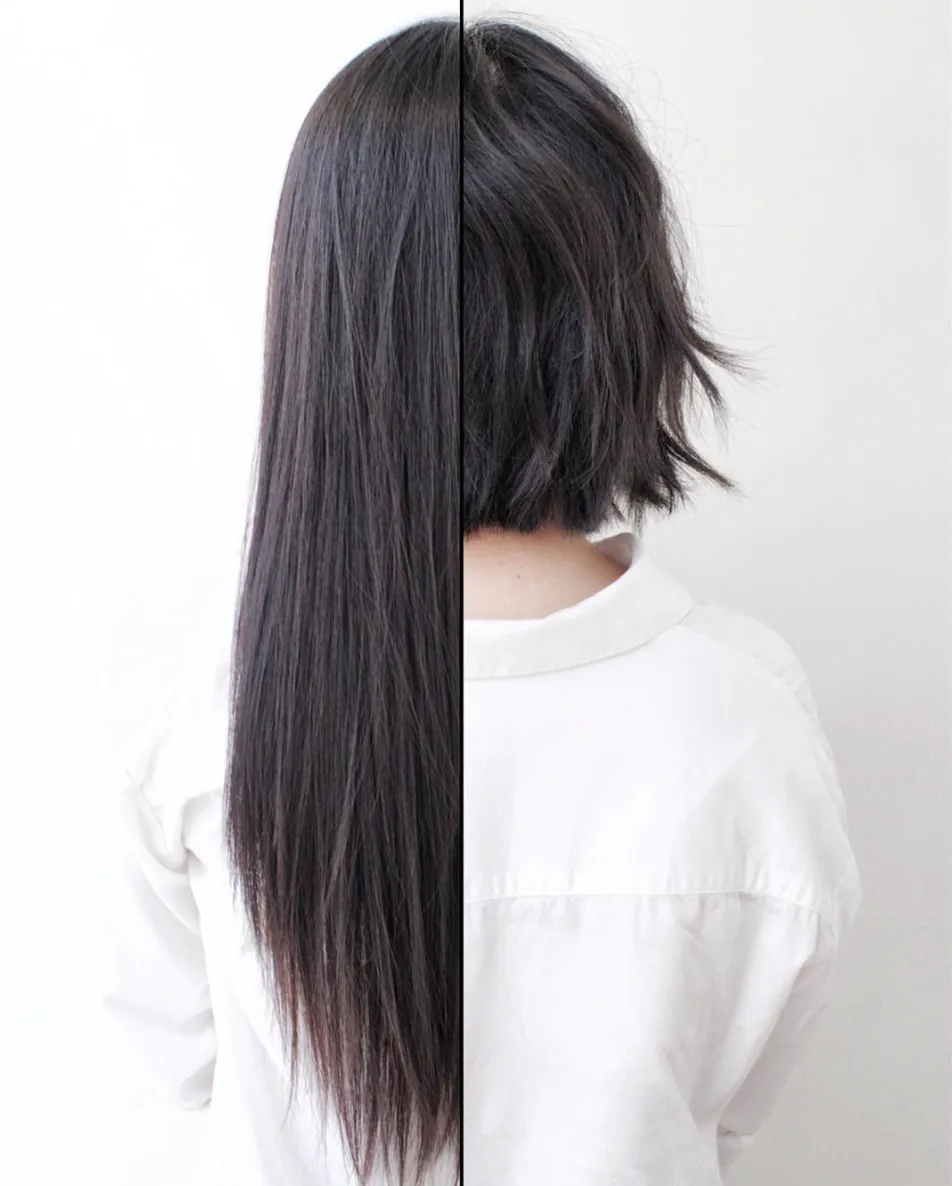
Short hair and long hair need completely different overnight strategies, and the styles that work beautifully on waist-length hair can be useless on a bob. Long hair has the length to braid, twist and wrap, so it holds a set easily and wakes up with waves that last all day, but it also tangles more, takes longer to dry, and needs containing, or it will mat at the nape by morning. Short hair cannot be braided into waves, so it relies on pin curls, a silk scarf wrap, or a soft headband tuck, and its advantage is speed: it dries fast, sets fast, and needs only a few pins to hold a shape overnight, but the shape is subtler and fades faster.
For long hair, a loose braid or a low bun is the safest overnight bet, and a silk bonnet keeps it contained. For short hair, try pin curls on the top layers and a silk scarf to keep them in place, or sleep on a satin pillowcase with the hair tucked behind the ears for a soft bend. Pros for short hair: five minutes of prep and almost no tangles. Cons: the result is gentle, not dramatic, so set your expectations accordingly. Quick verdict: overnight styling works at every length, but the technique has to match the length, so borrow the long-hair ideas for inspiration and the short-hair ones for your actual routine.
1. The Classic Three-Strand Braid Waves
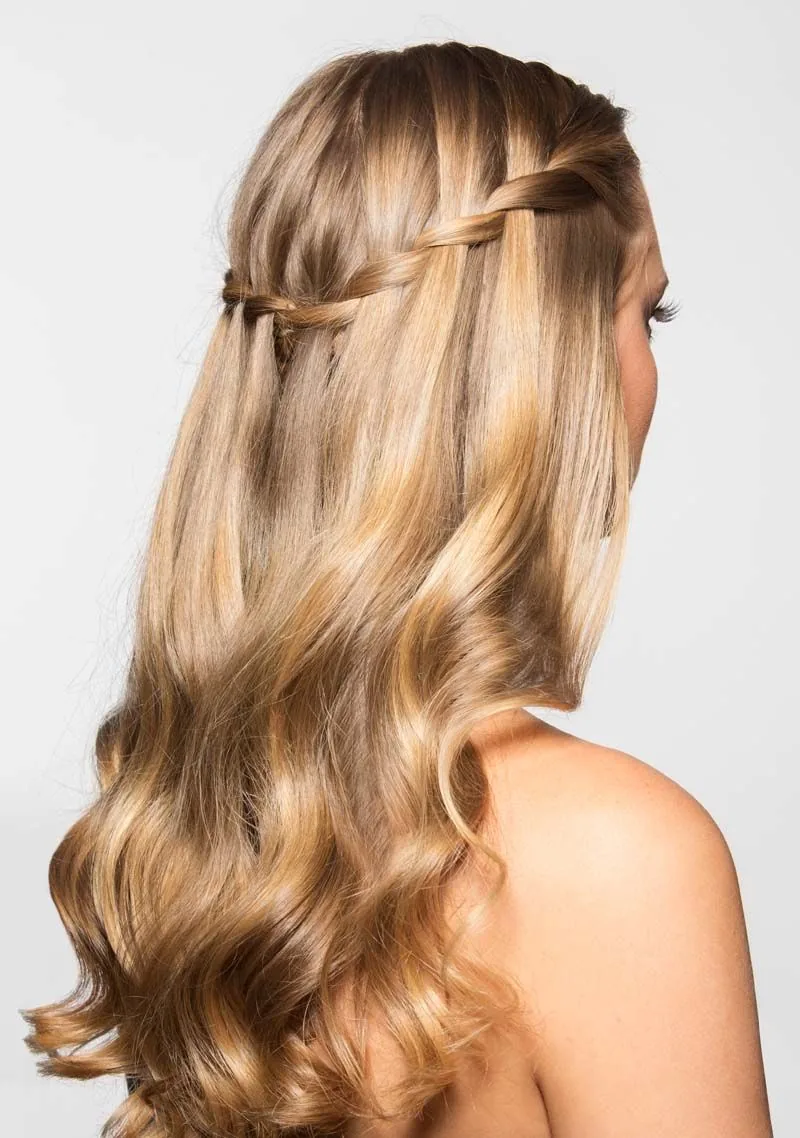
The classic three-strand braid is the oldest overnight trick in the book, and it still works because it is simple, comfortable to sleep on, and gives the kind of soft, beachy wave that looks like you spent an hour with a curling iron. One loose braid down the back presses the hair into a gentle zigzag as it dries, and by morning the wave pattern is even from root to tip, with natural volume at the crown and movement through the ends. It suits almost every hair type, from fine to thick, and it is the best first overnight style to try if you have never slept in a braid before. Start with hair about eighty percent dry, brush it smooth, and gather it low at the nape rather than high on the head, so the braid lies flat against the pillow. Braid loosely, keeping the tension even all the way down, and tie the end with a silk scrunchie or a soft fabric band instead of a tight elastic. Best for medium to long hair, straight or wavy textures, and anyone who wants reliable waves with almost no effort.
Pros: Reliable, comfortable to sleep on, and works on nearly every hair type. Cons: The wave can look crimped rather than smooth if the braid is too tight. Quick verdict: if you want reliable overnight waves with almost no effort, this is a strong place to start, and it is gentle enough to use several nights a week.
2. Loose French Braid Waves
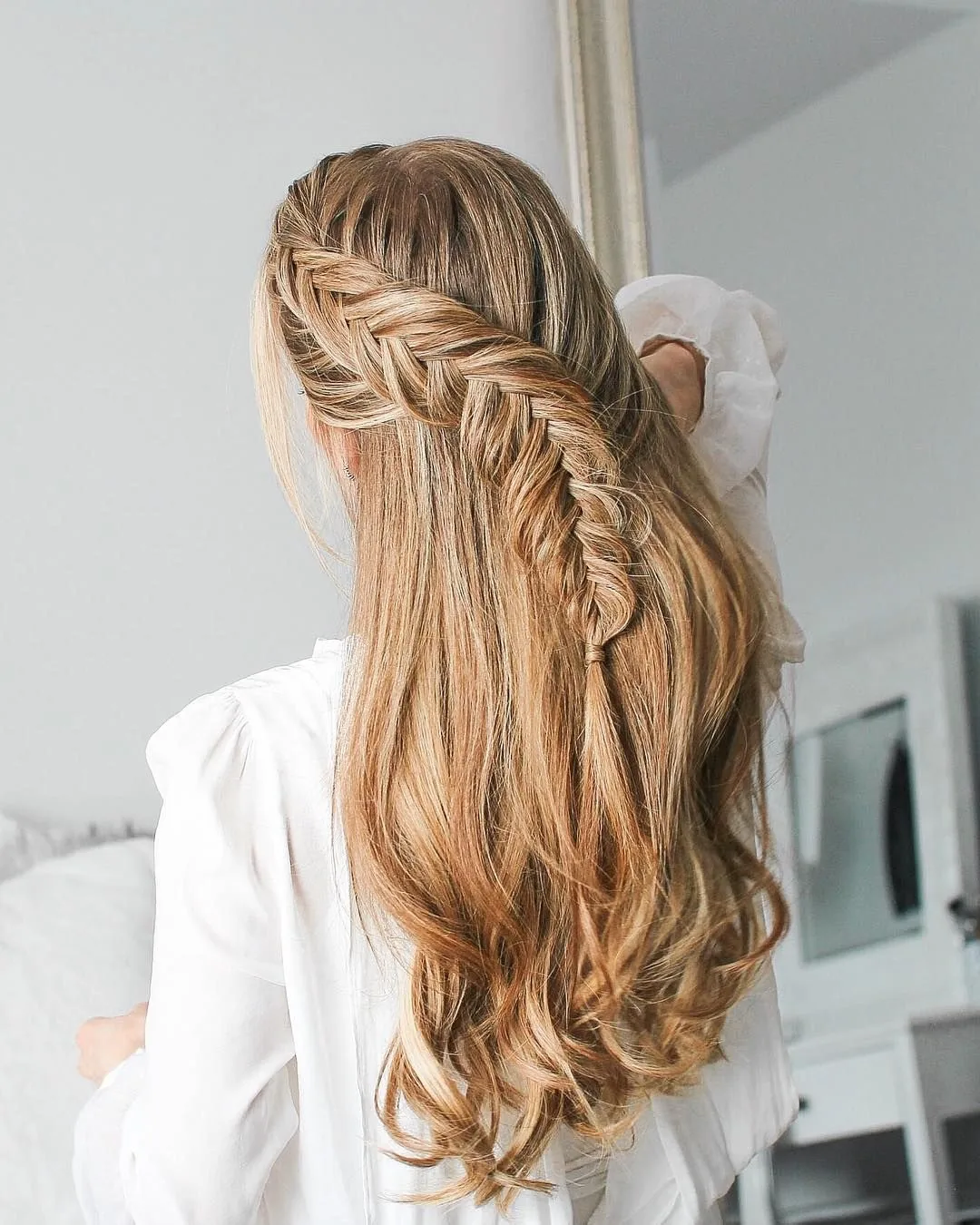
A loose French braid gives you waves that start higher up, at the crown rather than the mid-lengths, which makes it the overnight style to choose when your hair tends to fall flat at the roots. Because the braid picks up hair as it travels down the head, the wave pattern begins near the scalp and builds volume where flat hair needs it most, and the result is a full, bouncy wave that holds its shape well into the afternoon. It looks more polished than a single braid, almost like a salon blowout that has relaxed overnight into something softer. Begin at the crown with hair about eighty percent dry and braid loosely, adding small sections as you go and keeping the tension gentle so the braid sits flat enough to sleep on. Finish with a soft tie at the nape and tuck the end under a silk scarf if it pokes out. Best for medium to long hair that falls flat at the roots, and for anyone who wants volume as well as waves.
The most common mistake is simple: Pulling the braid tight at the crown causes a headache by morning and leaves ridges in the wave. Instead, keep the tension loose and even, start with hair that is about eighty percent dry, and let the style set gently overnight rather than forcing it. Sleep on a silk pillowcase so the braid does not rub flat, and undo it slowly from the bottom up.
3. Two Dutch Braids for Defined Waves
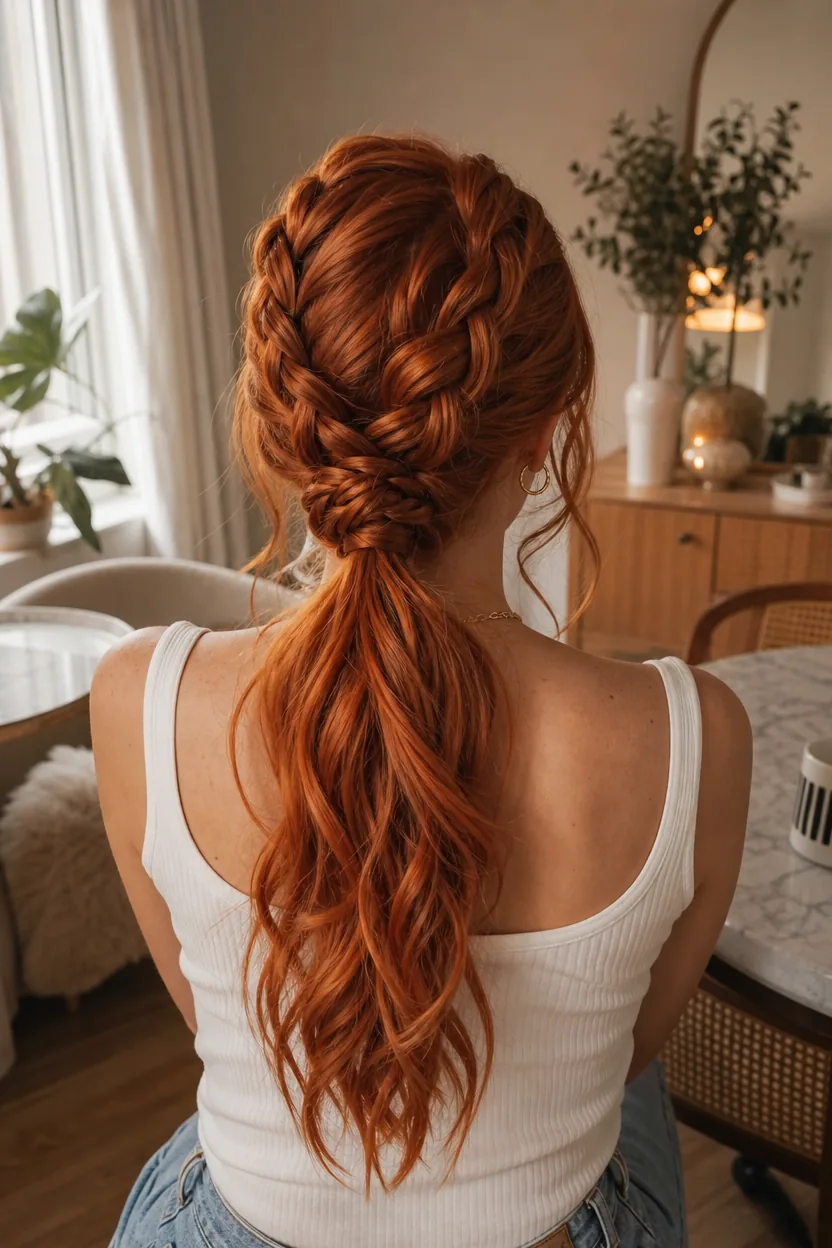
Two Dutch braids, one on each side of the head, are the overnight answer for anyone whose waves usually disappear before breakfast, because the underhand braiding technique presses the hair into a tighter, more defined pattern that holds far longer. Each braid works on half the hair, so the waves are more even and more pronounced than a single braid can manage, and the parting down the middle means the style lies flat on both sides, which makes it surprisingly comfortable to sleep on. The result is a defined, almost mermaid-like wave with real staying power. Part the hair down the middle while it is about eighty percent dry, then Dutch braid each side loosely, crossing the strands underneath rather than over the top. Tie each end with a soft scrunchie and sleep on a satin pillowcase. Best for thick or heavy hair, wavy textures that need help holding a shape, and anyone whose waves normally fall out fast.
Maintenance is minimal: Run a drop of serum over the surface after undoing the braids to soften the parting line. In the morning, undo the style from the bottom upward, let the waves fall and settle before you touch them, and finish with a drop of serum smoothed over the surface for shine.
4. Rope Twist Waves
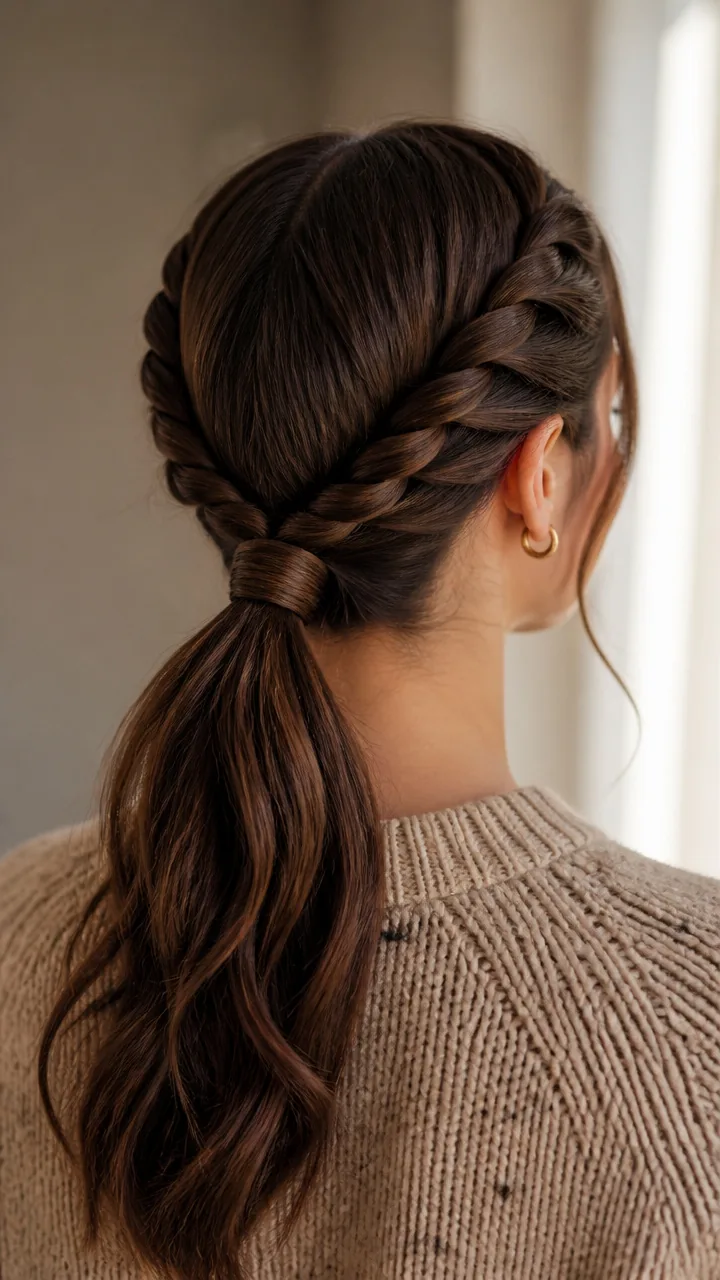
Rope twists make the softest, smoothest overnight waves of any braiding method, because two strands rolled around each other create a gentle spiral instead of a zigzag, and the wave that comes out in the morning looks like a polished salon wave rather than a beachy crimp. They are also kinder to the hair than braids, since there is less crossing and pulling at the strands, which makes them a good choice for fine or fragile hair that braids can kink too sharply. Two loose rope twists, one on each side, are all it takes, and they lie flat enough to sleep on comfortably. Divide damp hair into two sections, split each section into two strands, and twist each strand in the same direction before wrapping them around each other in the opposite direction. Secure the ends with a silk scrunchie. Best for fine to medium hair, anyone who dislikes the crimped look of braids, and wavy hair that needs smoothing rather than texture.
Cost and time are the best part of this style: a few minutes before bed, no heat tools, and nothing to buy except a soft tie or two if you do not already own them. A light mousse worked through damp hair before twisting gives the wave extra hold without stiffness. Who should avoid it? Anyone who needs a very polished, formal finish may want a stronger set, but for everyday hair this is more than enough.
5. Sock Curls
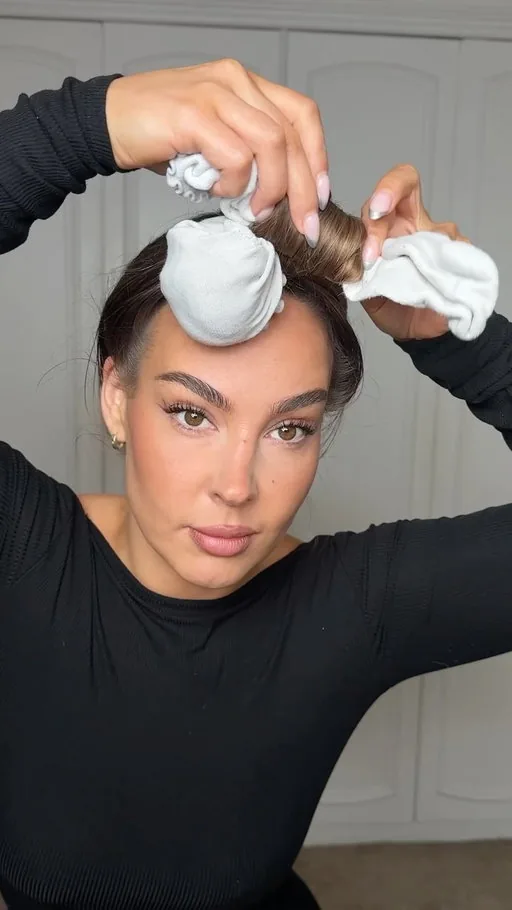
Sock curls are the internet’s favourite overnight trick for a reason: a clean sock, rolled into a soft tube, becomes a heatless curling rod that costs nothing and makes bouncy, defined curls while you sleep. Hair wrapped around the sock dries into a springy curl with a smooth finish, and because the sock is soft and light, it is far more comfortable to sleep on than foam rollers or hard curlers. The curls come out bouncy and full, more like a roller set than a braid wave, which makes sock curls the overnight choice for a special morning rather than an everyday wave. Take a clean, long sock, roll it into a doughnut shape, and pull a section of damp hair through the centre, then wrap the hair around the sock and roll it up toward the scalp. Use two or four socks depending on how tight you want the curls. Best for medium to long hair, anyone who wants real curls rather than waves, and special occasions when the morning look matters.
Who should skip it? Anyone with a very sensitive scalp or extremely fine hair that snaps easily should go gentler, and anyone who hates the feeling of something in their hair overnight should try a looser version first. Secure each sock with a silk scrunchie and a bonnet on top if you move a lot in your sleep.
6. Robe Belt Curls
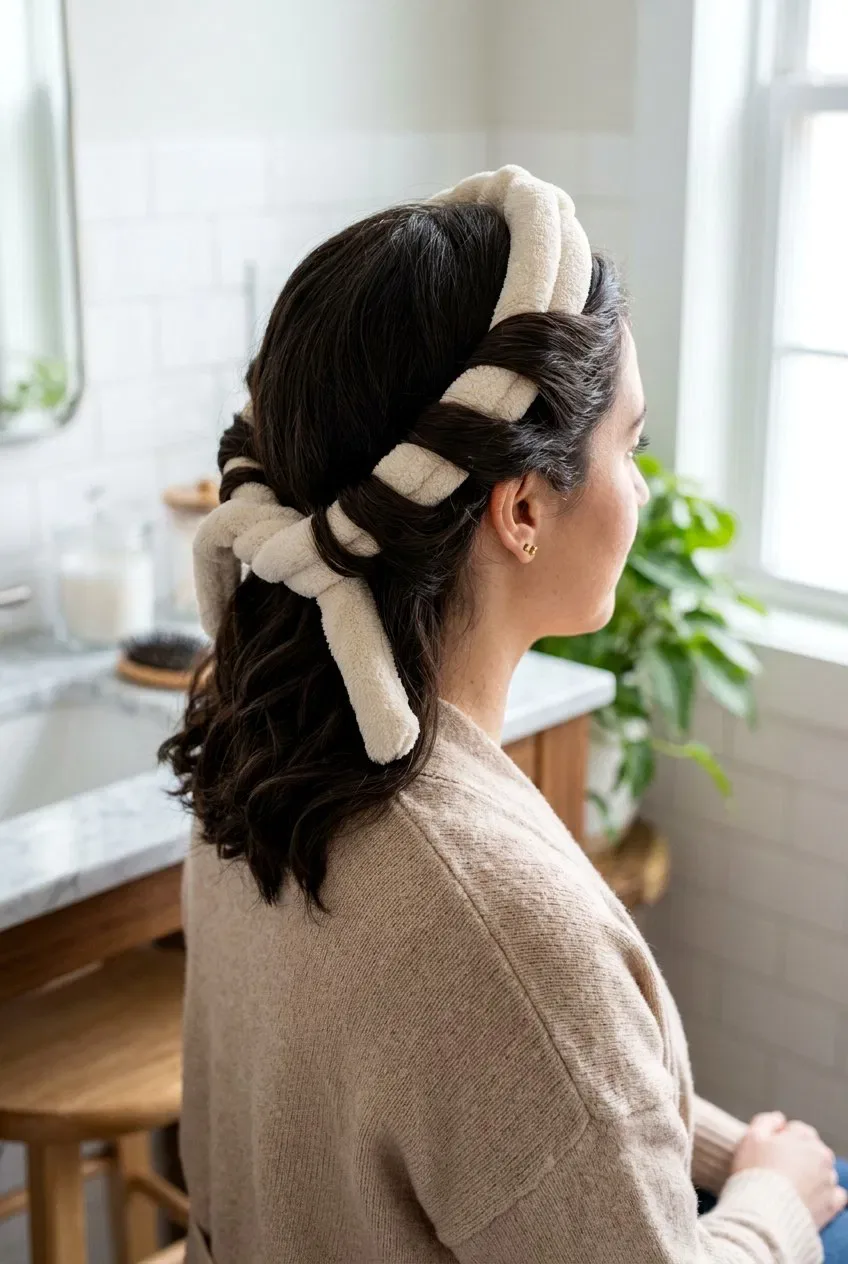
Robe belt curls, the heatless curling rod made from an ordinary bathrobe tie, became famous because they make big, bouncy, salon-looking curls with nothing more than a soft fabric belt and a night’s sleep. Hair wrapped around the belt dries into large, smooth curls with plenty of volume at the crown, and the result looks so much like a blowout that most people will never guess it was made in bed. The belt is soft and flat, so it is comfortable to sleep on, and the curls it makes are the most glamorous of all the overnight methods. Lay the robe belt across the top of your head like a headband and clip it in place, then wrap sections of damp hair around each side, working from the front to the back. Tie the ends at the nape and sleep on a silk pillowcase. Best for medium to long hair, anyone who wants blowout-style volume, and mornings when you want to look done without any heat.
What you need is simple: damp hair, a silk scrunchie, and a satin pillowcase or bonnet to keep the style safe while you sleep. Clip the belt firmly at the crown with a claw clip and wrap the front sections first, so they get the most setting time. Quick verdict: Big, bouncy, blowout-like curls with almost no effort and no heat at all. and that is a trade worth making on any busy morning.
7. Satin Heatless Curling Headband
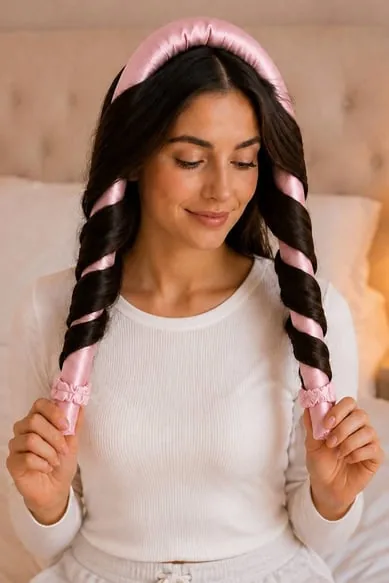
The satin heatless curling headband is the upgraded version of the robe belt, a soft, padded rod covered in silk that you wrap your hair around before bed and wake up to smooth, bouncy curls. It is lighter and more comfortable than a robe belt, it stays in place better, and the satin surface cuts friction so the curls come out shinier and less frizzy than with plain cotton. It is the overnight tool to buy if you plan to do heatless curls more than once a week, because it is faster to use and more reliable than anything improvised from the wardrobe. Place the rod across the top of your head, clip it in place, and wrap damp sections around each side, misting lightly with water as you go. Secure the ends with the attached scrunchies and sleep on your back or side. Best for medium to long hair, regular heatless curlers, and anyone who wants a comfortable, repeatable routine.
Pros: Comfortable, fast to wrap, and gives shiny, frizz-free curls. Cons: Costs more than a robe belt or socks, and the rod can feel bulky on very short hair. Quick verdict: if you want reliable overnight waves with almost no effort, this is a strong place to start, and it is gentle enough to use several nights a week.
8. Flexi Rods Overnight
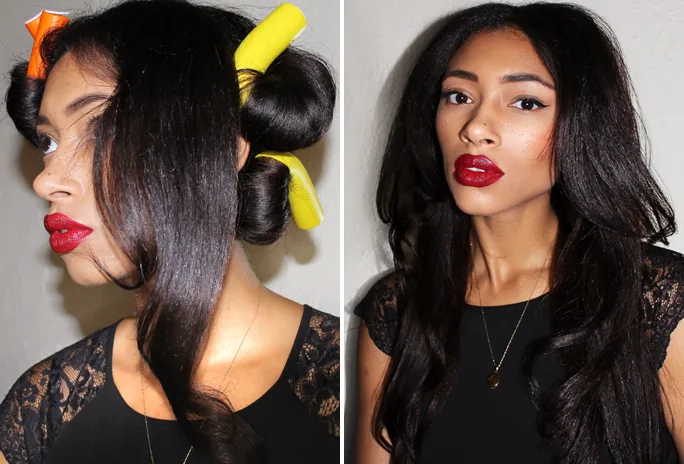
Flexi rods are soft, bendable foam rods that you wrap hair around before bed, and they are the overnight choice for tight, defined curls that actually last, especially on curly and coily hair that needs help holding a pattern. Unlike hard rollers, they bend to the shape of your head, so they are comfortable enough to sleep on, and unlike braids they create a true curl with a round shape rather than a wave. The curls come out springy and uniform, with a polished finish that looks intentional rather than accidental. Section damp hair, wrap each section around a flexi rod from the ends to the roots, then bend the rod ends together to lock it in place. Use larger rods for looser curls and smaller ones for tighter spirals. Best for curly, coily and thick hair, anyone who wants defined curls rather than waves, and styles that need to last more than one day.
The most common mistake is simple: Wrapping the hair unevenly around the rod gives a curl that is tight at the ends and straight at the roots, so keep the wrap even. Instead, keep the tension loose and even, start with hair that is about eighty percent dry, and let the style set gently overnight rather than forcing it. Apply a light curl cream before wrapping and undo the rods gently in the morning, separating each curl with oiled fingers.
9. Foam Rollers Overnight
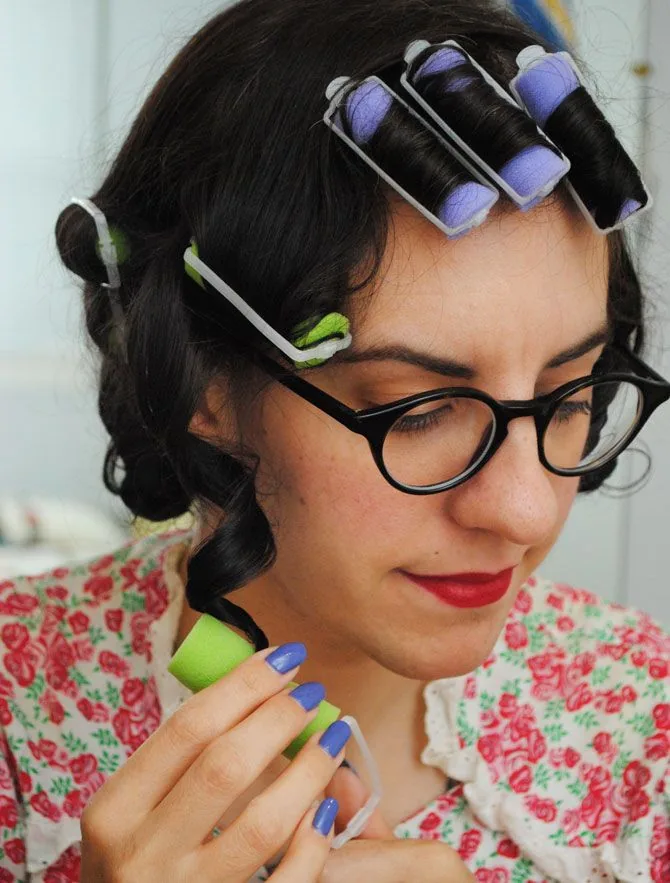
Foam rollers are the classic overnight curling tool, soft enough to sleep on and reliable enough to have survived every trend since the 1960s, and they still make some of the prettiest curls of any overnight method. Hair rolled onto a foam roller dries into a smooth, bouncy curl with a rounded shape and plenty of volume, and because you control the size of each roller, you can mix large rollers at the crown for lift with smaller ones at the ends for definition. The result is a polished, vintage-style curl that looks deliberate and holds well through the day. Roll damp sections onto foam rollers, starting at the ends and rolling up toward the scalp, then secure each roller with its clip or by bending it closed. Use larger rollers on top for volume and smaller ones underneath for curl. Best for medium to long hair, vintage-inspired looks, and anyone who wants reliable curls with a smooth finish.
Maintenance is minimal: Cover the rollers with a silk scarf to keep them in place and cut frizz while you sleep. In the morning, undo the style from the bottom upward, let the waves fall and settle before you touch them, and finish with a drop of serum smoothed over the surface for shine.
10. Bantu Knots for Overnight Curls
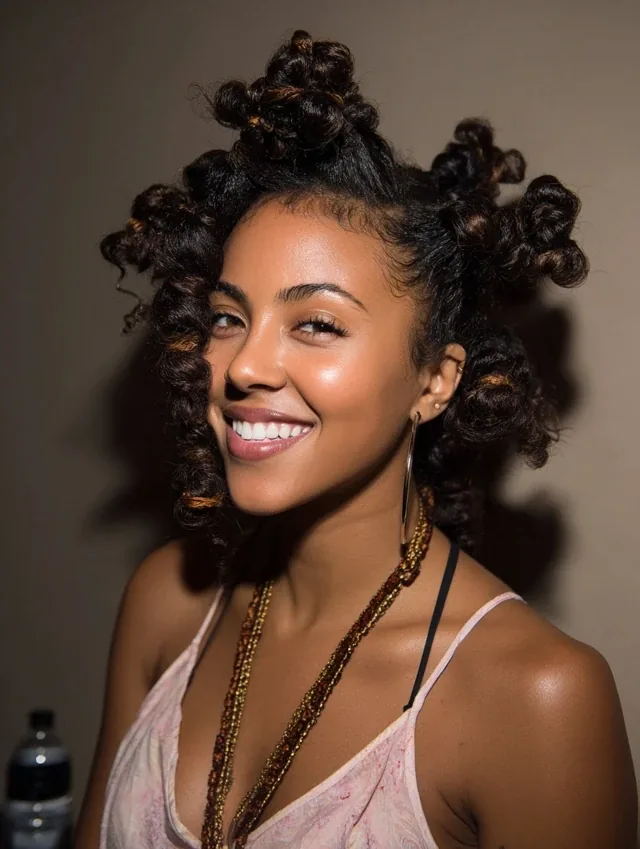
Bantu knots are small, coiled knots twisted close to the scalp, and sleeping in them is one of the best ways to get defined, springy curls on natural, curly and coily hair, because each knot sets a tight spiral that springs open into a full, bouncy curl in the morning. The curls are uniform and long-lasting, with a beautiful shape that holds for days, and the knots themselves are comfortable to sleep on once you get used to them, since they sit flat against the head. It is a protective style as well as a curling method, which is why it has been loved for generations. Divide damp hair into small sections, twist each section tightly, then coil it into a small knot against the scalp and tuck the end underneath. Use more knots for tighter curls and fewer for looser ones. Best for natural, curly and coily hair, anyone who wants defined curls that last several days, and protective styling.
Cost and time are the best part of this style: a few minutes before bed, no heat tools, and nothing to buy except a soft tie or two if you do not already own them. Moisturise each section with a little leave-in before twisting, and separate the curls with oiled fingers in the morning. Who should avoid it? Anyone who needs a very polished, formal finish may want a stronger set, but for everyday hair this is more than enough.
11. Pin Curls, Vintage Style
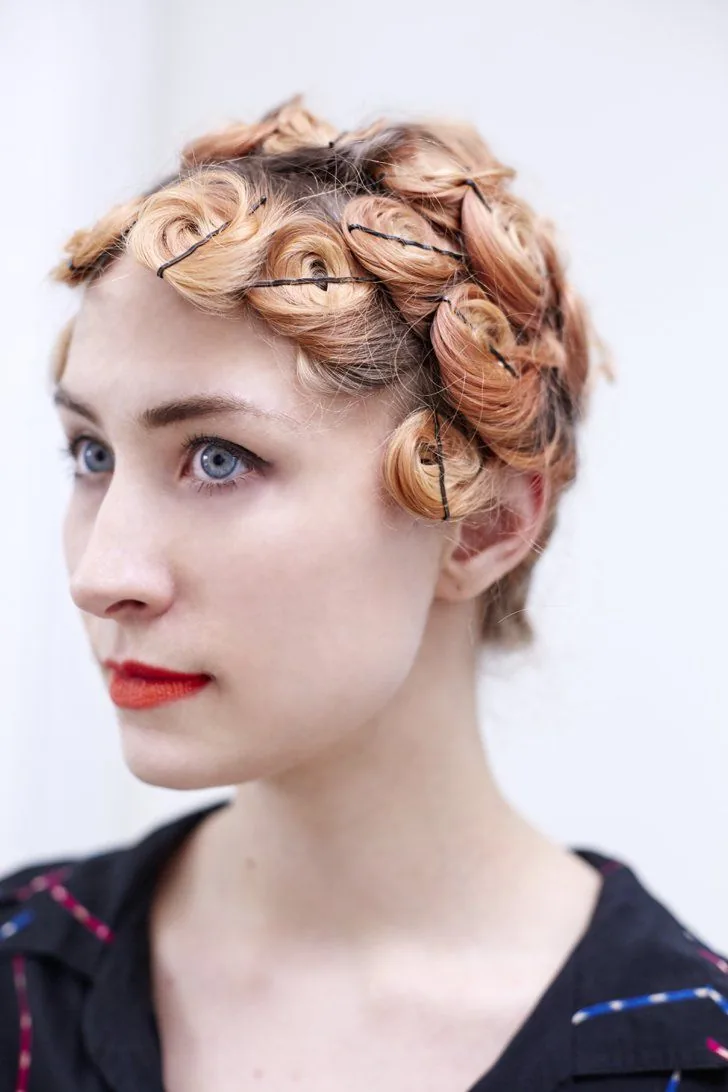
Pin curls are the original overnight curl, a small loop of hair pinned flat against the head that dries into a smooth, vintage wave with a polished, old-Hollywood finish. They are the overnight method for anyone who loves finger waves, victory rolls or a 1940s look, because no other technique gives quite the same smooth, sculpted curl, and they work on short hair as well as long, which most overnight methods do not. The curls come out soft and shiny, with a shape that brushes out into elegant waves rather than springing into ringlets. Take a small section of damp hair, roll it into a flat loop against the scalp, and pin it in place with two bobby pins crossed over each other. Work around the head in rows, keeping the sections even. Best for short to medium hair, vintage and retro looks, and anyone who wants smooth, sculpted waves rather than bouncy curls.
Who should skip it? Anyone with a very sensitive scalp or extremely fine hair that snaps easily should go gentler, and anyone who hates the feeling of something in their hair overnight should try a looser version first. Brush the curls out gently with a soft bristle brush in the morning for a smooth vintage wave.
12. Silk Scarf Wrap Waves
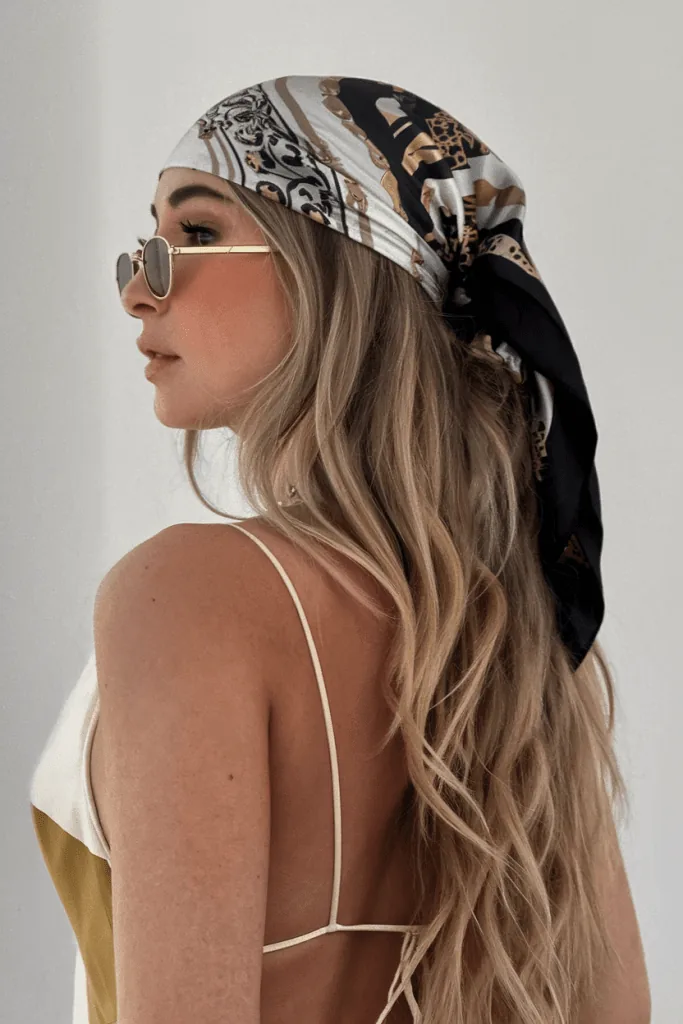
A silk scarf wrap is the gentlest overnight style there is, because it does not braid, twist or roll the hair at all, it simply holds it in a soft, loose shape while the silk protects it from friction all night. Hair wrapped loosely in silk wakes up smoother, shinier and less frizzy than hair left loose on a cotton pillow, and if you twist the hair once before wrapping it, you also get a soft, loose wave with almost no effort. It is the overnight choice for nights when you are tired, for hair that is already styled and just needs protecting, and for anyone whose scalp is too tender for braids. Brush the hair smooth, twist it once loosely, and wrap it in a large silk scarf, tying the scarf at the front or side so the knot does not dig into your neck. Best for all hair lengths, tender scalps, protecting a blowout overnight, and anyone who wants smoother hair with minimal effort.
What you need is simple: damp hair, a silk scrunchie, and a satin pillowcase or bonnet to keep the style safe while you sleep. Use a scarf large enough to cover all the hair, and tuck the ends in so they do not escape overnight. Quick verdict: The gentlest overnight option, protects blowouts, and cuts frizz dramatically. and that is a trade worth making on any busy morning.
13. The Pineapple Updo for Curls
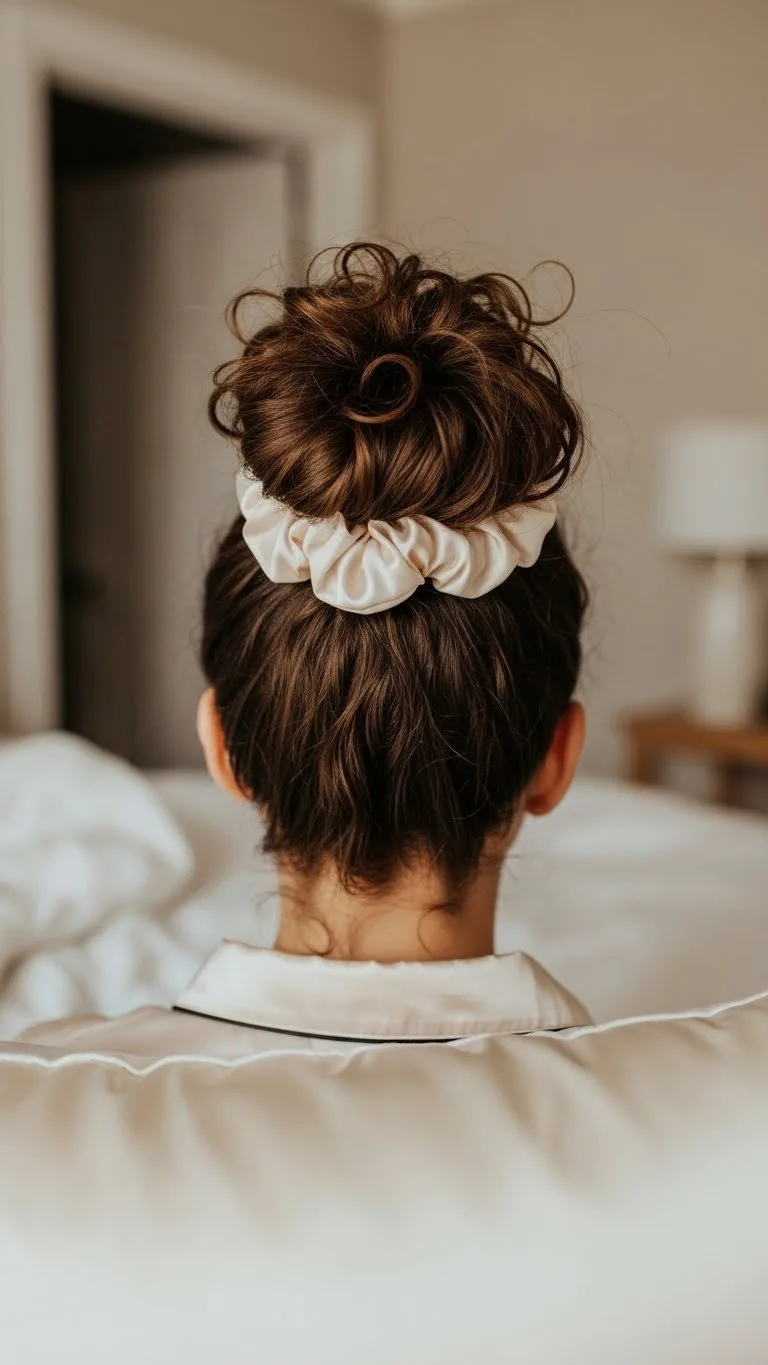
The pineapple is the overnight trick every curly-haired woman should know, because it protects curls while you sleep instead of trying to create them. Hair is gathered loosely into a high, soft ponytail at the very top of the head, like a pineapple, so the curls sit on top of the pillow instead of being crushed underneath your head all night, and they wake up with their shape, volume and definition almost exactly as they were. It takes thirty seconds, it needs nothing but a silk scrunchie, and it is the reason so many curly routines survive to day two and day three. Flip the hair forward, gather it loosely at the crown, and secure it with a silk scrunchie, leaving the curls to fall forward over the top of your head. Sleep on a satin pillowcase for extra protection. Best for curly and wavy hair, second and third-day curls, and anyone who wants to protect a curl pattern overnight.
Pros: Takes thirty seconds, protects curls perfectly, and extends a wash day by days. Cons: Does not create curls, it only preserves them, so it is useless on straight hair. Quick verdict: if you want reliable overnight waves with almost no effort, this is a strong place to start, and it is gentle enough to use several nights a week.
14. Loose Top Knot Waves

A loose top knot is the laziest overnight wave there is, and sometimes the laziest method is exactly right, because hair twisted loosely into a bun on top of the head dries into soft, tousled waves with volume at the roots and movement through the ends. It takes less than a minute, it keeps hair completely out of your face while you sleep, and the waves it makes are relaxed and natural, the kind that look like you woke up with good hair rather than styled it. It is the overnight style for busy mornings, for second-day hair, and for anyone who wants a little texture without any real effort. Gather damp hair high on the crown, twist it loosely, and coil it into a soft bun, securing it with a silk scrunchie rather than an elastic. Best for medium to long hair, second-day texture, and anyone who wants effortless waves with almost no prep.
The most common mistake is simple: Twisting the bun too tightly gives a kink at the crown, so keep it loose and soft. Instead, keep the tension loose and even, start with hair that is about eighty percent dry, and let the style set gently overnight rather than forcing it. Undo the bun and shake the waves out with your fingers, then add a little dry shampoo at the roots for lift.
15. Low Braided Bun Overnight
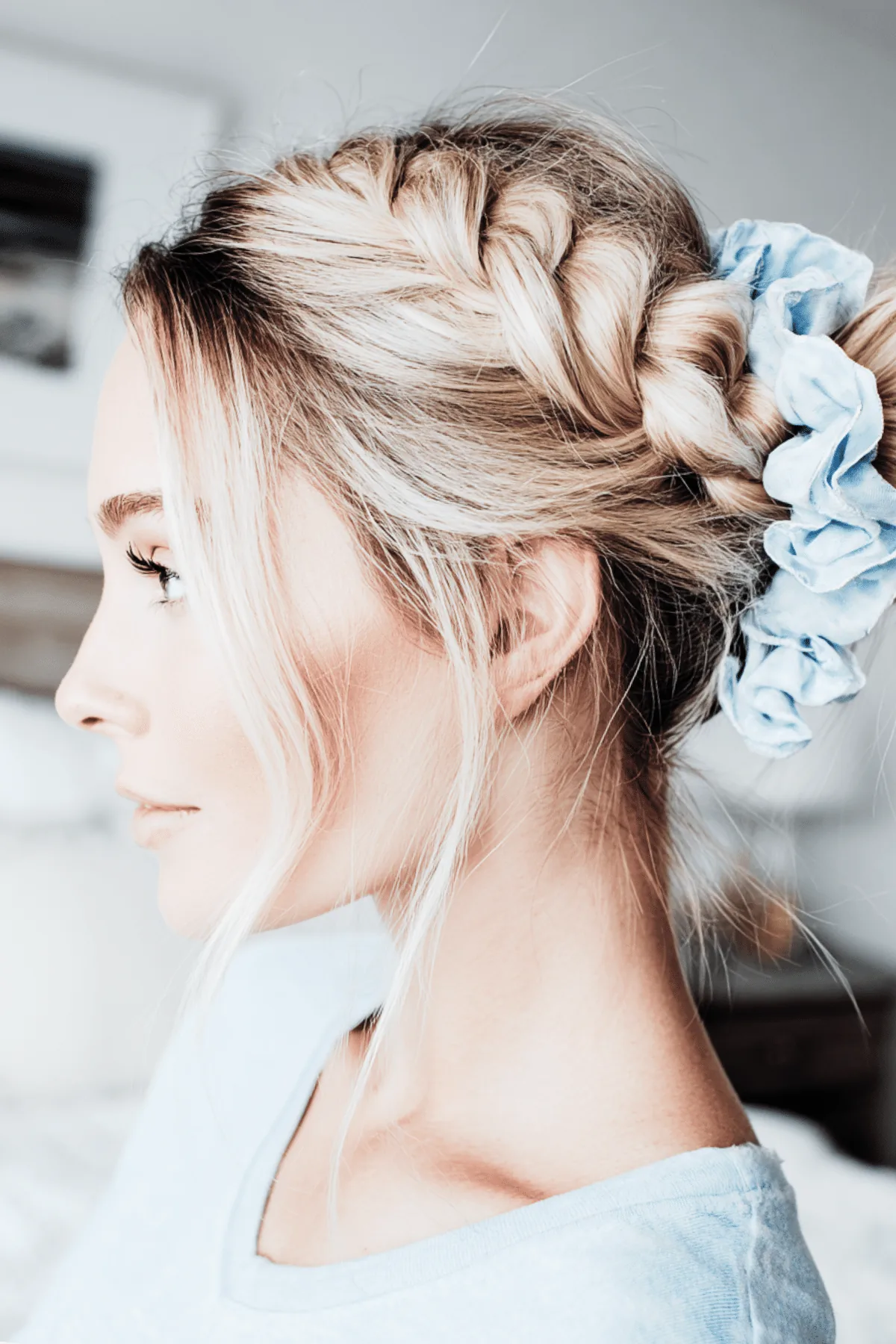
A low braided bun combines two overnight benefits in one style: the braid sets a wave through the lengths while the bun holds everything neatly at the nape, so you wake up with hair that is both protected and pre-styled. It is comfortable to sleep on because the bun sits low, below the pillow line, and the wave it creates is soft and even, with a gentle bend that looks polished enough for work and relaxed enough for the weekend. It is also one of the best overnight styles for keeping long hair tangle-free, since nothing is left loose to rub against the pillow. Braid the hair loosely from the nape down, then coil the braid into a flat bun and pin it with a few bobby pins, securing it with a silk scrunchie. Best for long hair, tangle-prone hair, and anyone who wants a protected style that also creates waves.
Maintenance is minimal: Undo the bun first, then the braid, and let the waves settle before finger-combing. In the morning, undo the style from the bottom upward, let the waves fall and settle before you touch them, and finish with a drop of serum smoothed over the surface for shine.
16. Twisted Crown Braid
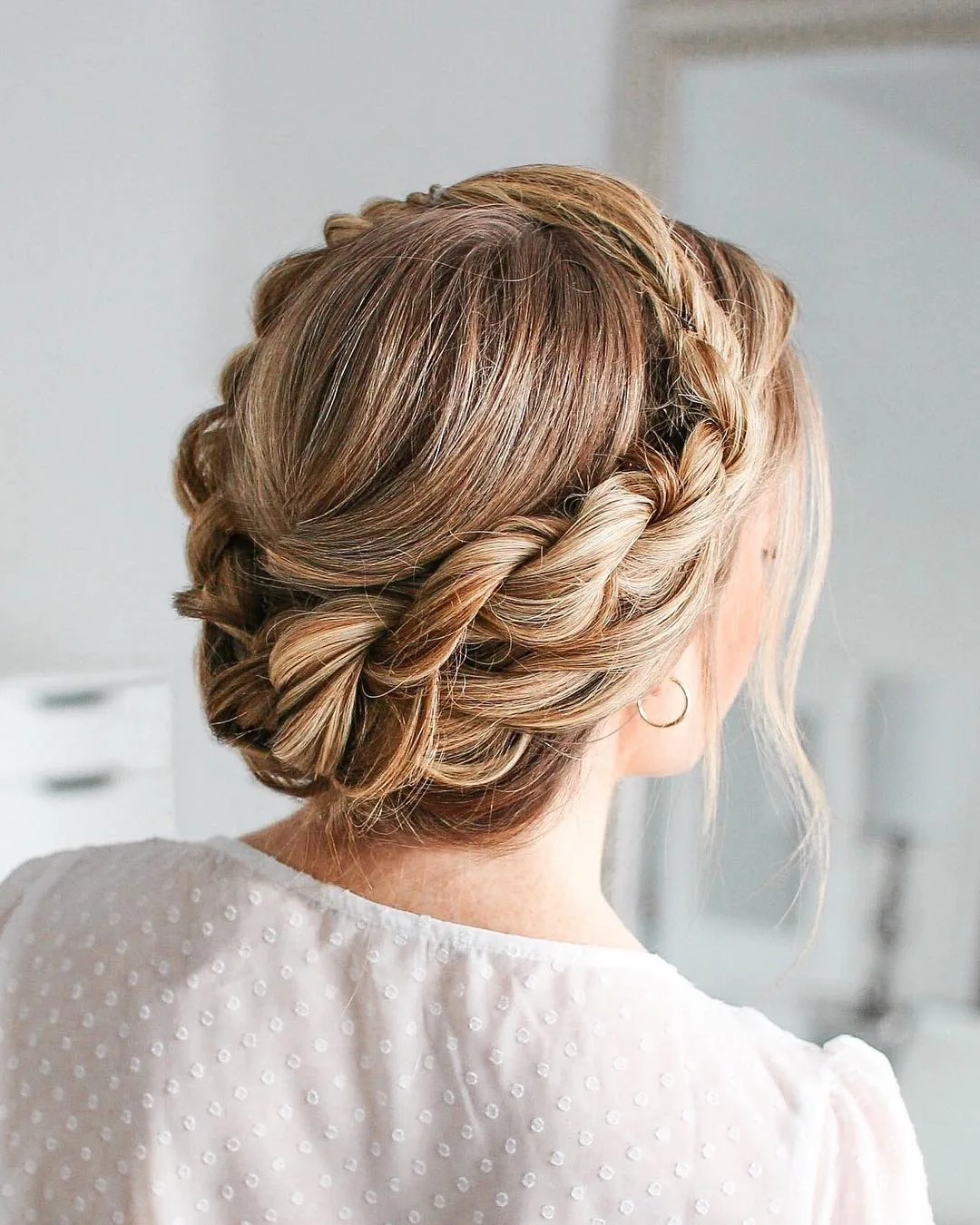
A twisted crown braid wraps two rope twists around the head like a halo, and sleeping in it sets a soft, face-framing wave while keeping every strand neatly off your face all night. The twists lie flat against the head, so they are comfortable to sleep on, and the wave they create starts right at the front, which frames the face beautifully in the morning. It is a romantic, feminine overnight style, and the morning result looks like you spent time styling your hair when all you did was sleep in it. Part the hair down the middle, twist each side into a rope twist from the front to the back, and pin the two twists together at the nape. Best for medium to long hair, romantic looks, and anyone who wants face-framing waves.
Cost and time are the best part of this style: a few minutes before bed, no heat tools, and nothing to buy except a soft tie or two if you do not already own them. Add a few drops of serum to the front sections in the morning for a polished finish. Who should avoid it? Anyone who needs a very polished, formal finish may want a stronger set, but for everyday hair this is more than enough.
17. Bubble Braid Overnight
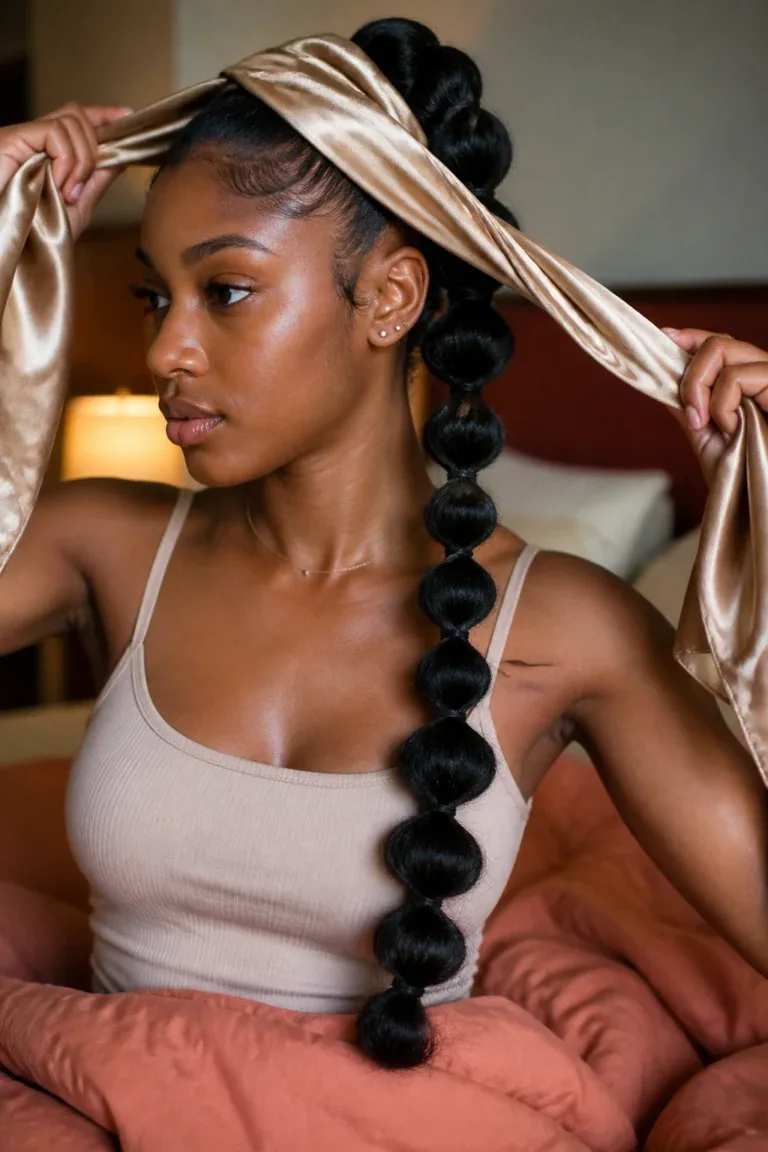
A bubble braid is made by tying a ponytail at intervals down its length and puffing out each section into a bubble, and sleeping in one sets a soft, bouncy wave with extra volume at every tie point. It is one of the most playful overnight styles, and it suits thick hair especially well, because the bubbles distribute the volume evenly instead of letting it all collect at the ends. The wave it creates is loose and full, with a fun, modern shape that works for casual days and looks surprisingly polished when it is brushed out gently. Gather damp hair into a low ponytail, tie small silk elastics every few inches down the length, and gently pull each section wider to form bubbles. Best for thick or long hair, playful looks, and anyone who wants volume as well as waves.
Who should skip it? Anyone with a very sensitive scalp or extremely fine hair that snaps easily should go gentler, and anyone who hates the feeling of something in their hair overnight should try a looser version first. Remove the ties from the bottom up and shake the waves out gently for the fullest result.
18. Fishtail Braid Waves
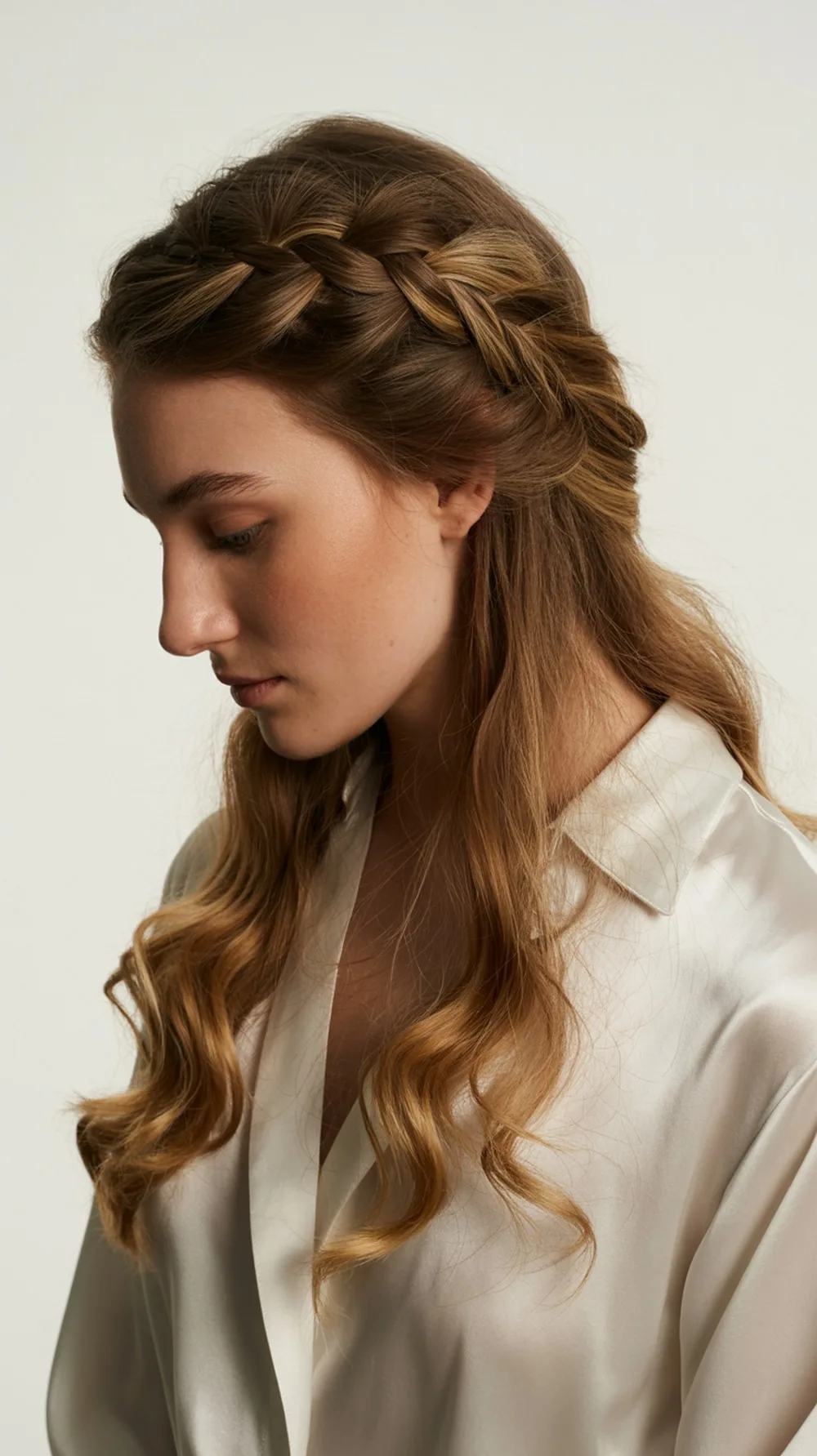
A fishtail braid makes a finer, more intricate wave than a classic braid, because its small, overlapping sections press the hair into a delicate, detailed pattern that looks like mermaid hair in the morning. The wave is more textured and more interesting than a three-strand braid, with a beautiful, almost crimped detail that catches the light, and it holds well on hair that usually drops its waves quickly. It takes a little longer to braid, but the result is worth it, especially for special occasions when the morning hair needs to look like a real style rather than a happy accident. Divide damp hair into two sections and cross small pieces from the outside of each section to the inside of the other, working loosely all the way down. Tie with a silk scrunchie. Best for medium to long hair, special occasions, and anyone who loves detailed, textured waves.
What you need is simple: damp hair, a silk scrunchie, and a satin pillowcase or bonnet to keep the style safe while you sleep. Mist the finished braid with a little water before undoing it to soften the texture. Quick verdict: Detailed, mermaid-like waves with excellent hold and a beautiful texture. and that is a trade worth making on any busy morning.
19. Milkmaid Braids for Soft Waves
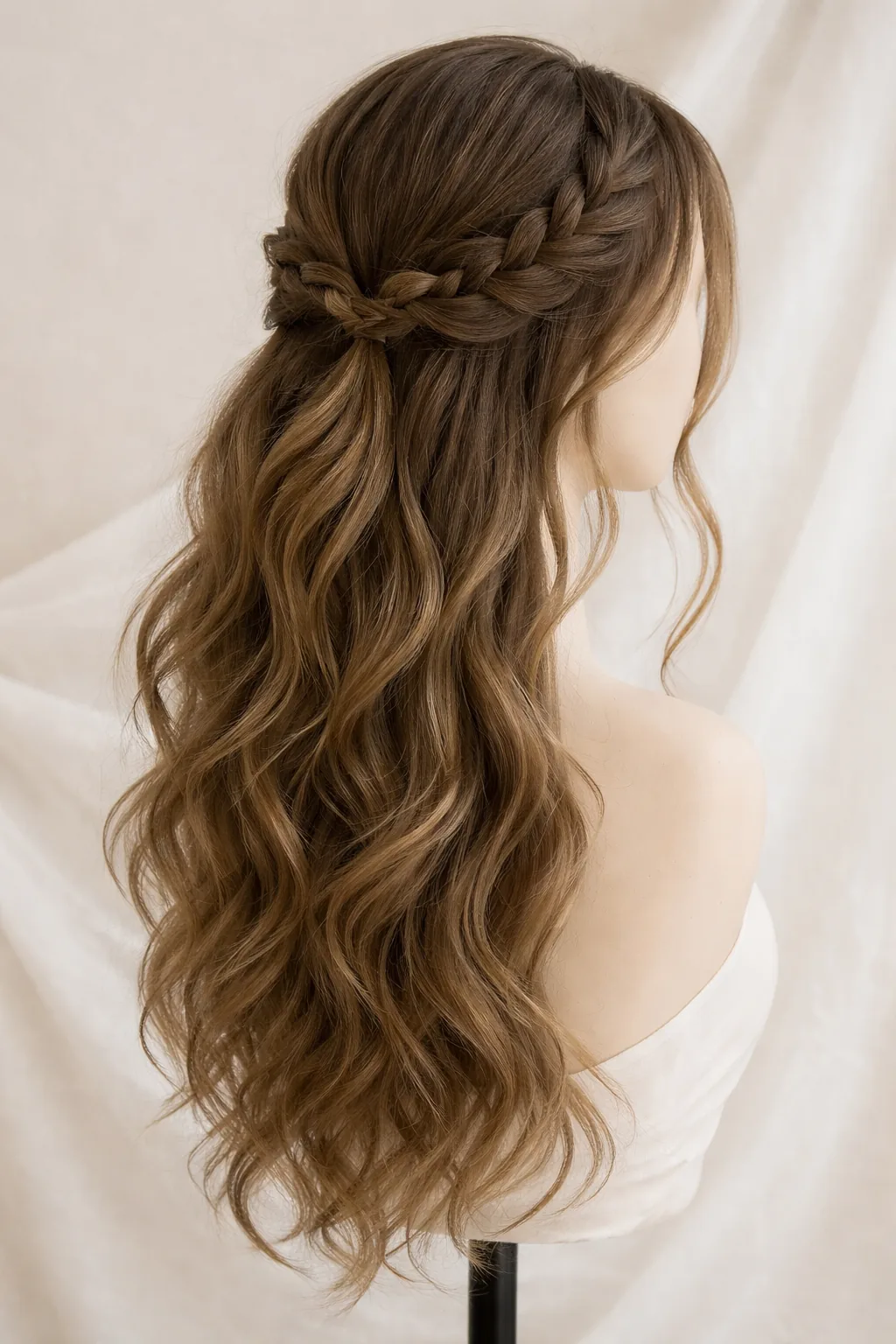
Milkmaid braids, two braids pinned up over the top of the head like a crown, set a soft wave while keeping the hair completely contained and comfortable all night. Because the braids sit on top of the head rather than underneath it, they never get crushed by the pillow, so the wave pattern stays even and the hair wakes up smooth and frizz-free. The morning result is a gentle, romantic wave with volume at the crown, and the style itself is so pretty that you could wear it out as it is, without ever undoing it. Braid each side of damp hair loosely, then cross the braids over the top of the head and pin them in place with bobby pins. Best for medium to long hair, romantic looks, and anyone who finds sleeping on braids uncomfortable.
Pros: Comfortable to sleep on, sets even waves, and doubles as a wearable style. Cons: The pins can dig in if you sleep on your side, so keep them flat against the head. Quick verdict: if you want reliable overnight waves with almost no effort, this is a strong place to start, and it is gentle enough to use several nights a week.
20. Twisted Rope Bun

A twisted rope bun takes the soft spiral of a rope twist and coils it into a low bun, which sets a smooth, polished wave while keeping the hair neatly protected overnight. It is the overnight style for anyone who wants waves without the crimped texture of a braid, because the rope twist creates a round, even wave that looks like it was made with a large-barrel curling iron. The bun sits low at the nape, so it is comfortable to sleep on, and the wave it makes lasts well into the afternoon. Twist damp hair into a rope twist, then coil it into a low bun at the nape and secure it with a silk scrunchie and a few pins. Best for medium to long hair, polished looks, and anyone who wants smooth waves rather than beachy texture.
The most common mistake is simple: Coiling the bun too tightly creates a sharp bend at the nape, so keep the coil soft and loose. Instead, keep the tension loose and even, start with hair that is about eighty percent dry, and let the style set gently overnight rather than forcing it. Let the waves fall and settle for a minute before touching them in the morning.
21. Space Buns Overnight

Space buns, two small buns on either side of the head, are a fun overnight style that sets a bouncy, playful wave with extra volume at the crown. Because the hair is divided into two sections, each bun sets its own wave pattern, and the result is full, lively waves with a youthful energy that suits casual days, festivals and weekends. They are also practical: the buns keep hair completely out of the way while you sleep, and they are comfortable enough to sleep on if you keep them soft and high rather than tight. Part damp hair down the middle, twist each side into a loose bun, and secure each with a silk scrunchie. Best for medium to long hair, playful and festival looks, and anyone who wants bouncy volume.
Maintenance is minimal: Soften the centre part with a little serum and finger-comb the waves together in the morning. In the morning, undo the style from the bottom upward, let the waves fall and settle before you touch them, and finish with a drop of serum smoothed over the surface for shine.
22. Low Twisted Chignon
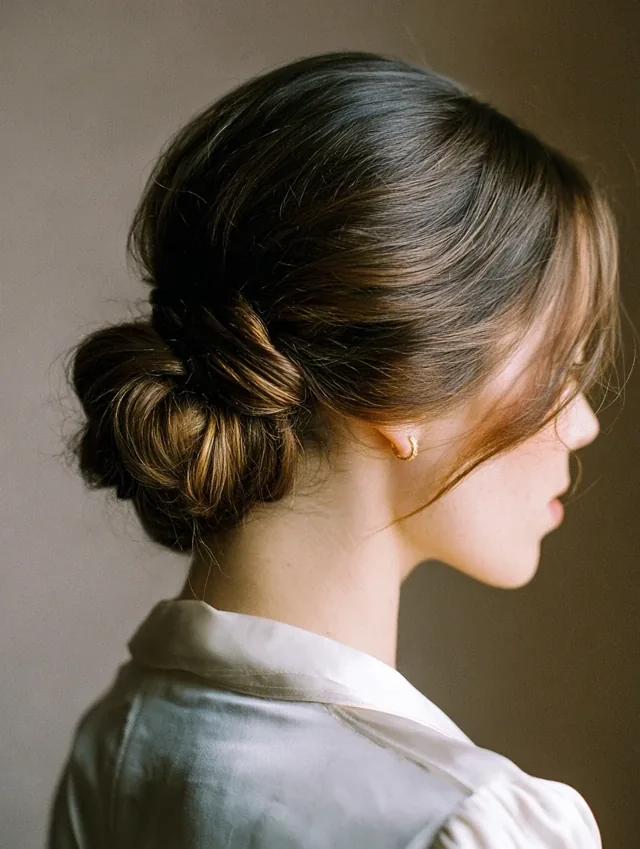
A low twisted chignon is the elegant overnight style, a soft twist coiled into a low bun at the nape that sets a smooth, sophisticated wave while you sleep. It is the style to choose when tomorrow is a work day, a lunch, or anything that calls for polished hair, because the wave it creates is refined rather than beachy, with a gentle bend that looks like a salon blowout. It sits low and flat, so it is one of the most comfortable overnight styles to sleep on, and it keeps long hair completely protected from tangles. Twist damp hair loosely, coil it into a low bun at the nape, and pin it with a few bobby pins. Best for long hair, work and formal mornings, and anyone who wants an elegant, polished wave.
Cost and time are the best part of this style: a few minutes before bed, no heat tools, and nothing to buy except a soft tie or two if you do not already own them. Smooth the surface with a drop of serum in the morning for a sleek, office-ready finish. Who should avoid it? Anyone who needs a very polished, formal finish may want a stronger set, but for everyday hair this is more than enough.
23. Silk Bonnet Waves
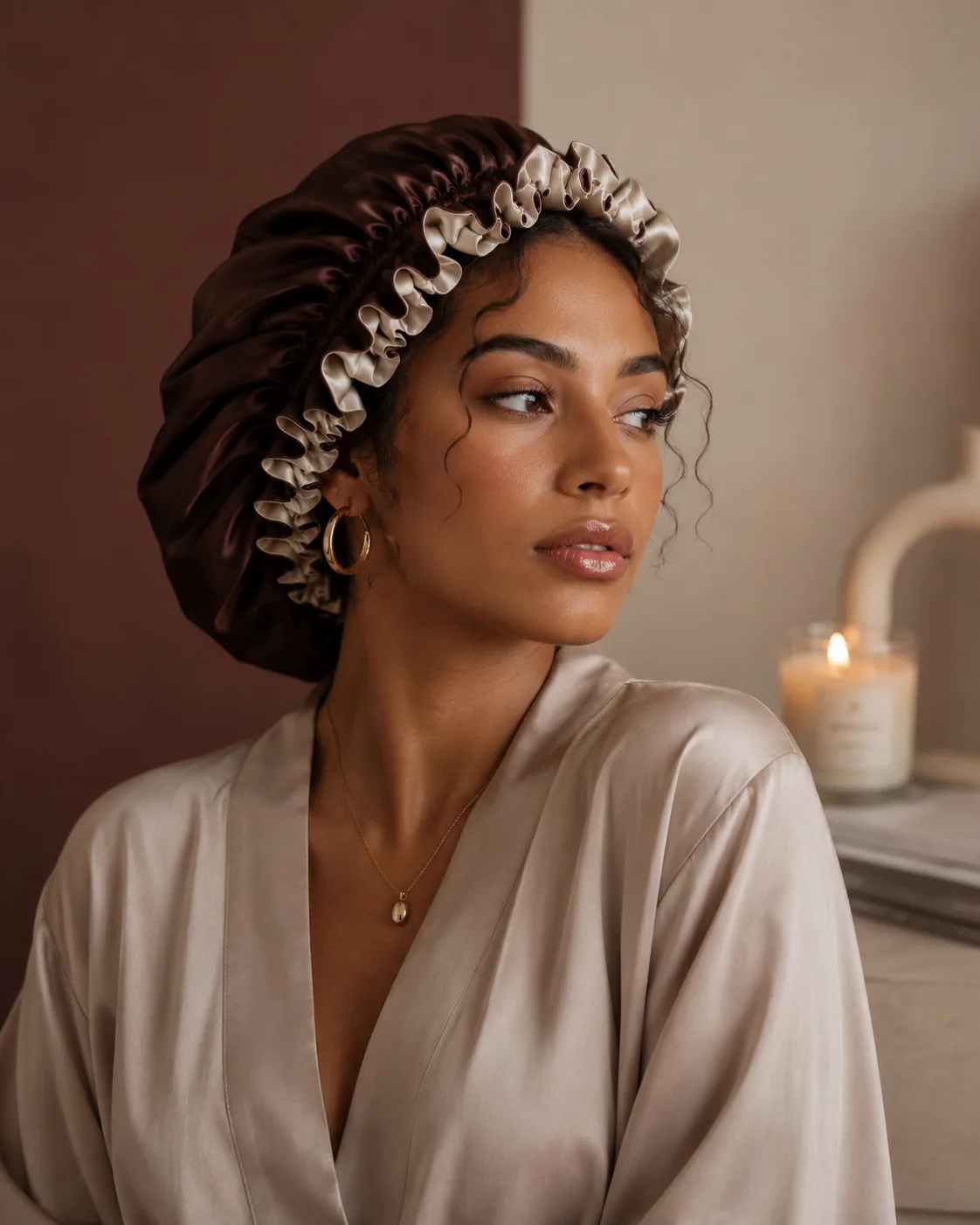
Silk bonnet waves are the overnight style for women who already have waves or curls and simply want to wake up with them intact, because the bonnet does not create the wave, it protects the one you already have. Hair tucked loosely into a silk bonnet is shielded from friction all night, so curls keep their shape, waves stay defined, and frizz never gets a chance to form. It is the simplest overnight routine there is, it takes seconds, and it is the reason so many women with wavy hair can stretch a wash day to three or four days without restyling. Gather the hair loosely on top of the head, tuck it gently into a silk bonnet, and make sure the elastic sits comfortably, not tightly, around the hairline. Best for wavy and curly hair, protecting a style overnight, and anyone who wants to extend a wash day.
Who should skip it? Anyone with a very sensitive scalp or extremely fine hair that snaps easily should go gentler, and anyone who hates the feeling of something in their hair overnight should try a looser version first. Refresh the waves in the morning with a light mist of water and a scrunch of curl cream.
24. Braid-Out for Natural Hair
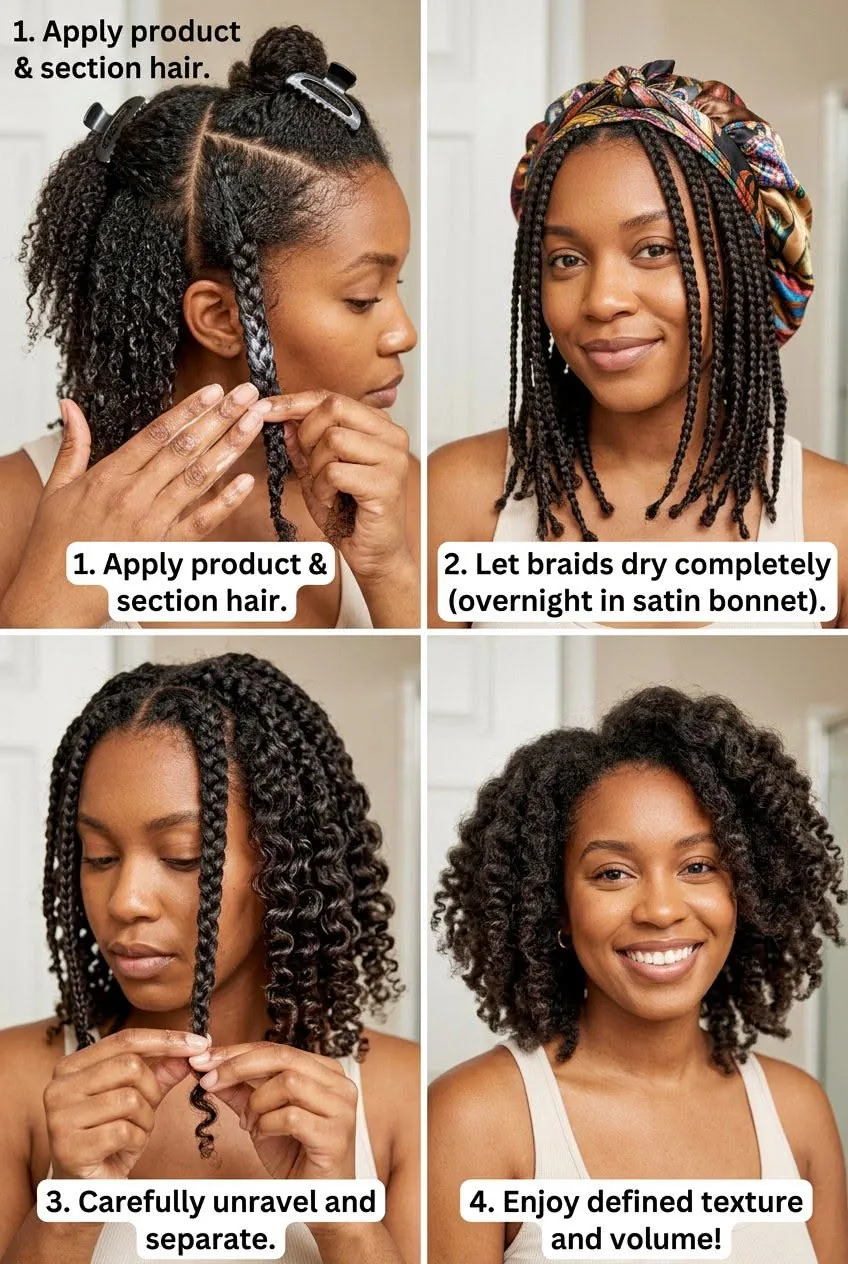
A braid-out is the overnight staple for natural hair, because braiding damp, moisturised hair into sections and unravelling it in the morning creates defined, stretched waves and curls with a beautiful, full shape. The braids stretch the natural curl pattern into a looser, longer wave, which gives volume without frizz and a style that holds for days. It is also a protective method, since the hair is contained and moisturised all night, and it works on every length from a short afro to waist-length natural hair. Moisturise damp hair with leave-in conditioner, divide it into even sections, and braid each section loosely, securing the ends with a soft band. Best for natural, curly and coily hair, defined waves, and protective styling.
What you need is simple: damp hair, a silk scrunchie, and a satin pillowcase or bonnet to keep the style safe while you sleep. Separate the waves with oiled fingers in the morning, never a brush, to keep the definition. Quick verdict: Defined, stretched waves with volume and a style that lasts for days. and that is a trade worth making on any busy morning.
25. Twist-Out Overnight
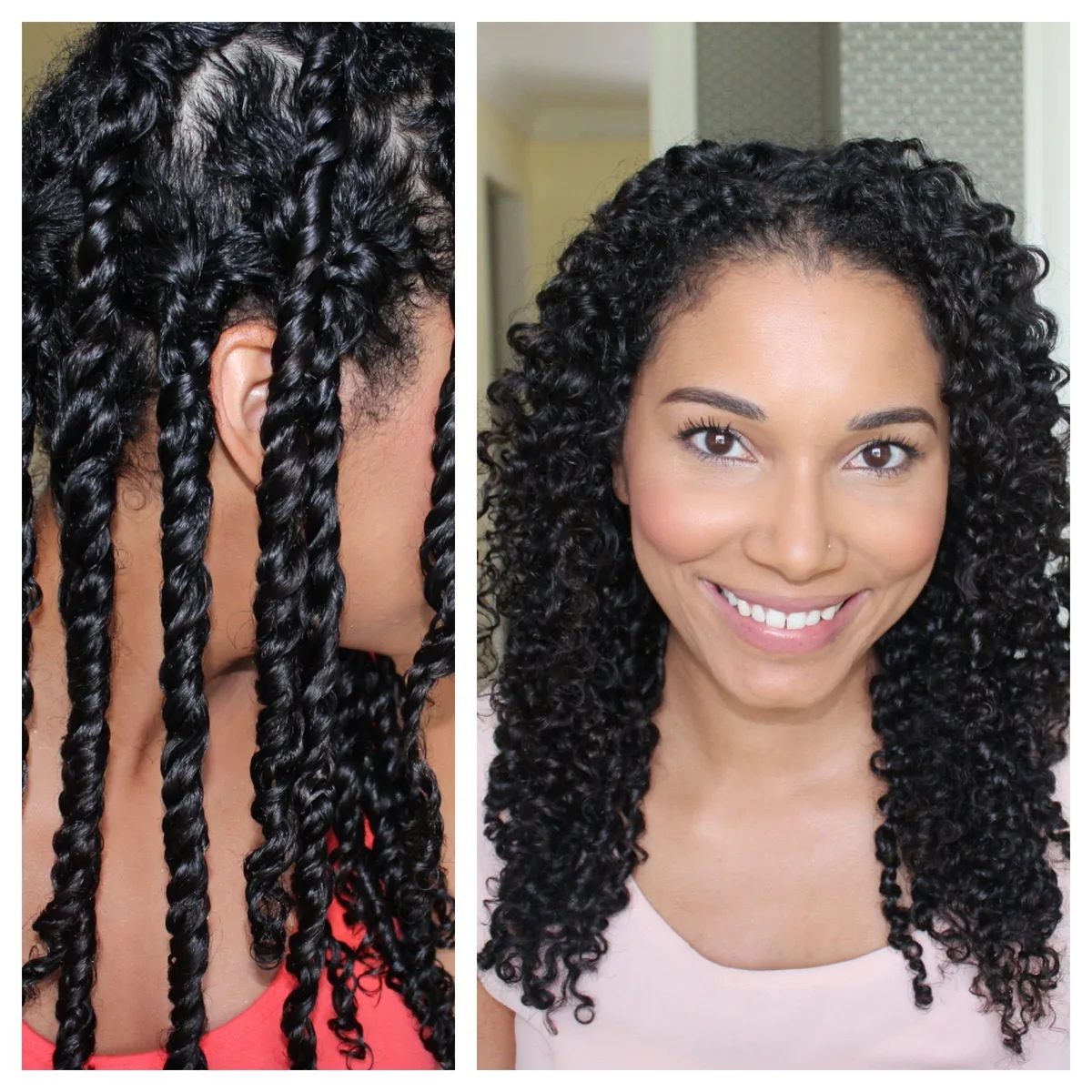
A twist-out is the softer cousin of the braid-out, and many women with natural hair prefer it because two-strand twists create a looser, more stretched curl with a smooth, shiny finish and less frizz at the edges. Hair twisted before bed dries into a defined spiral that springs open into a full, bouncy curl in the morning, and because the twists are gentler than braids, they are kinder to fragile hair and easier on a tender scalp. The result is a soft, touchable curl pattern that looks natural and lasts for days with a little morning refreshing. Apply leave-in conditioner to damp hair, divide it into sections, and twist each section in two strands, securing the ends with a small band. Best for natural, curly and coily hair, soft defined curls, and tender scalps.
Pros: Soft, defined curls with a smooth finish and very little frizz. Cons: The curls are looser than a braid-out, so they may not last as long on very fine hair. Quick verdict: if you want reliable overnight waves with almost no effort, this is a strong place to start, and it is gentle enough to use several nights a week.
26. Flat Twists Overnight
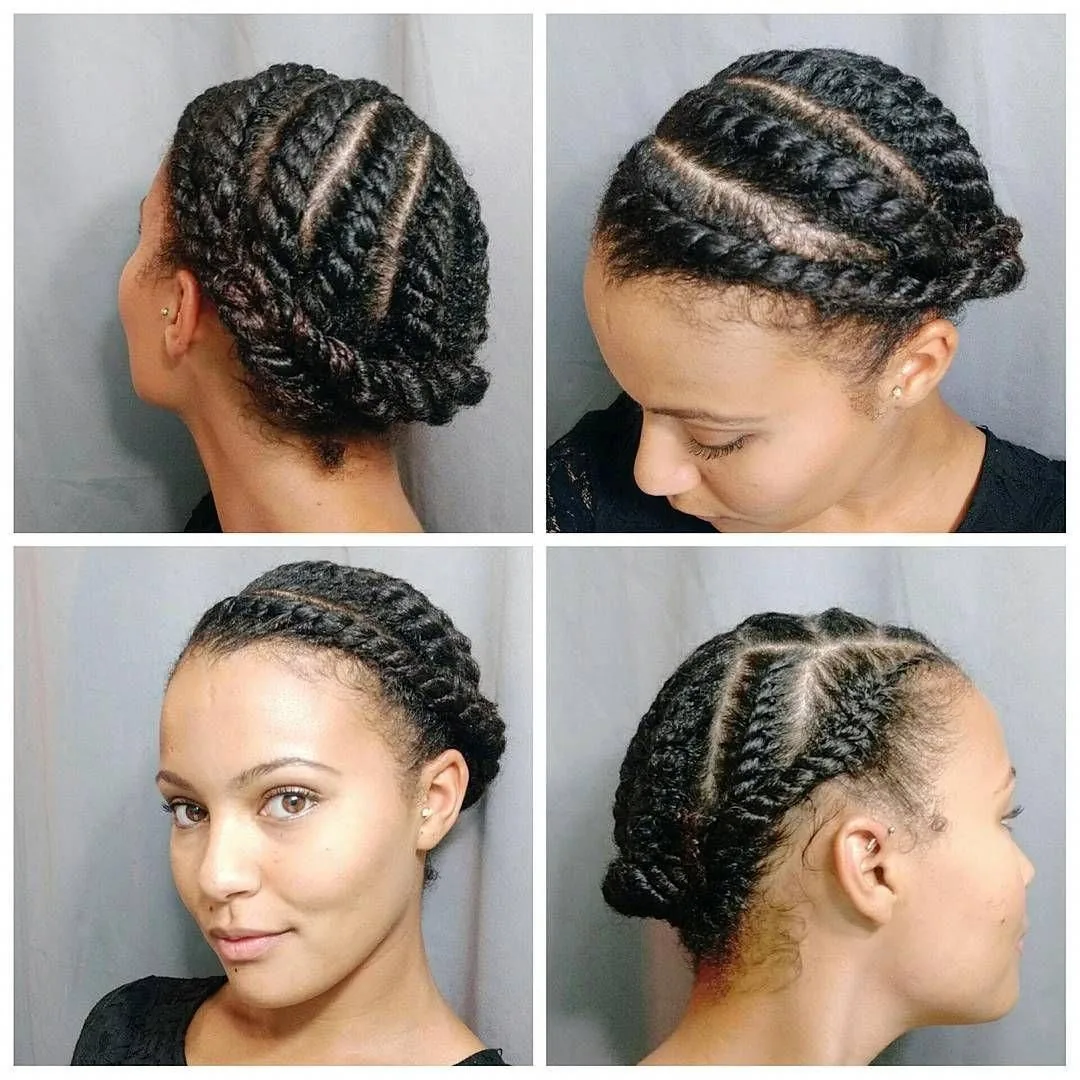
Flat twists are twists worked close to the scalp, like cornrows made from two strands, and sleeping in them sets a beautiful, defined wave pattern that starts right at the roots. They are a favourite overnight style for natural hair because they give root volume and a uniform wave, they lie completely flat so they are comfortable to sleep on, and they double as a protective style that keeps the hair neatly contained all night. The morning result is a full, defined wave with a lovely pattern that looks intentional and polished. Part damp, moisturised hair into sections and flat twist each one close to the scalp, adding hair as you go, then secure the ends. Best for natural and curly hair, root volume, and protective styling.
The most common mistake is simple: Pulling the twists too tightly at the hairline causes tension and breakage, so keep them gentle. Instead, keep the tension loose and even, start with hair that is about eighty percent dry, and let the style set gently overnight rather than forcing it. Undo the twists carefully from the ends and separate the waves with oiled fingers.
27. Sleep-In Cornrows for Waves
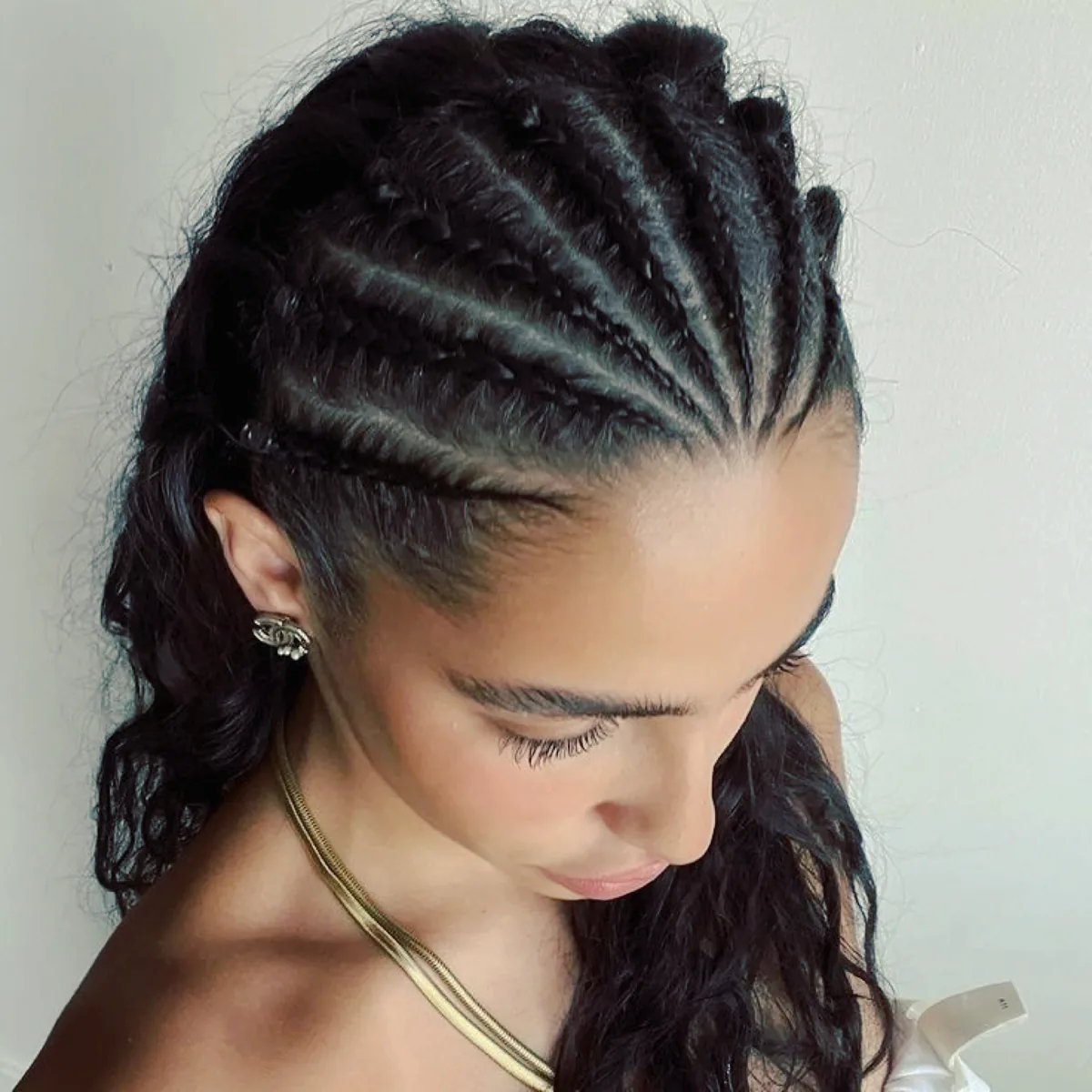
Sleeping in cornrows is a clever way to get a crimped, textured wave pattern that starts at the scalp and runs the full length of the hair, because each cornrow presses the hair into a tight, regular zigzag while you sleep. The waves are more defined and more textured than a single braid can make, with a beautiful, almost mermaid-like pattern that holds for days, and the cornrows themselves keep the hair completely protected and tangle-free overnight. It is a style that works especially well on thick, curly and coily hair that needs a strong set to hold a wave. Braid damp, moisturised hair into neat cornrows close to the scalp, keeping the tension even and comfortable, and secure the ends with soft bands. Best for thick, curly and coily hair, defined textured waves, and protective styling.
Maintenance is minimal: Cover the cornrows with a silk bonnet to keep the pattern crisp and cut frizz. In the morning, undo the style from the bottom upward, let the waves fall and settle before you touch them, and finish with a drop of serum smoothed over the surface for shine.
28. Headband Tuck Curls
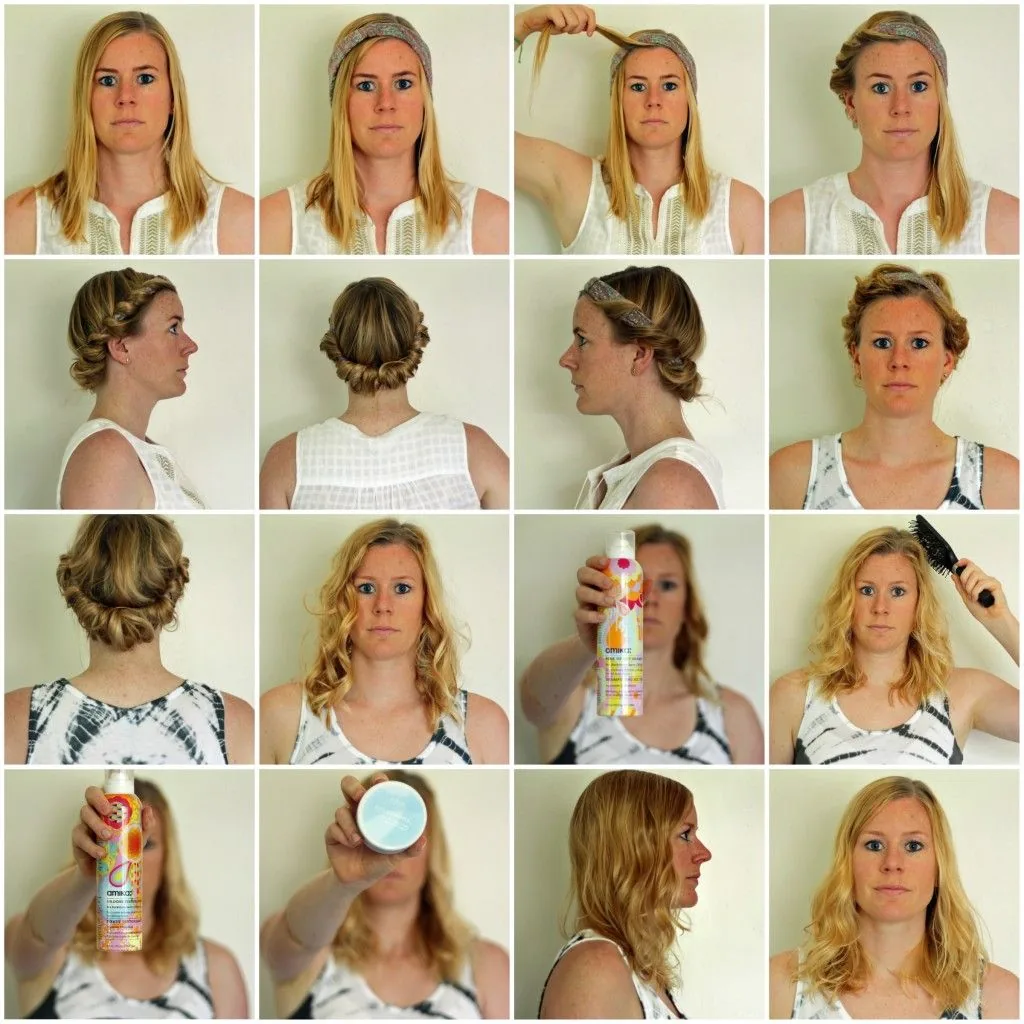
Headband tuck curls are made by wrapping hair up and around a soft fabric headband before bed, and they are one of the easiest overnight curls to learn, because the headband does all the holding and there is nothing to tie, pin or roll. The hair dries in a soft, rolled shape that opens into gentle, vintage-style waves in the morning, with a smooth finish and a pretty, face-framing bend at the front. It works on short hair as well as long, which is rare for overnight curls, and it is comfortable enough to sleep in every night. Place a soft fabric headband over the top of your head, then take sections of damp hair and tuck them up and over the band, working around the head. Best for short to medium hair, beginners, and anyone who wants gentle, vintage-style waves.
Cost and time are the best part of this style: a few minutes before bed, no heat tools, and nothing to buy except a soft tie or two if you do not already own them. Remove the headband slowly in the morning and let the waves fall before finger-combing. Who should avoid it? Anyone who needs a very polished, formal finish may want a stronger set, but for everyday hair this is more than enough.
29. Curling Ribbon Waves
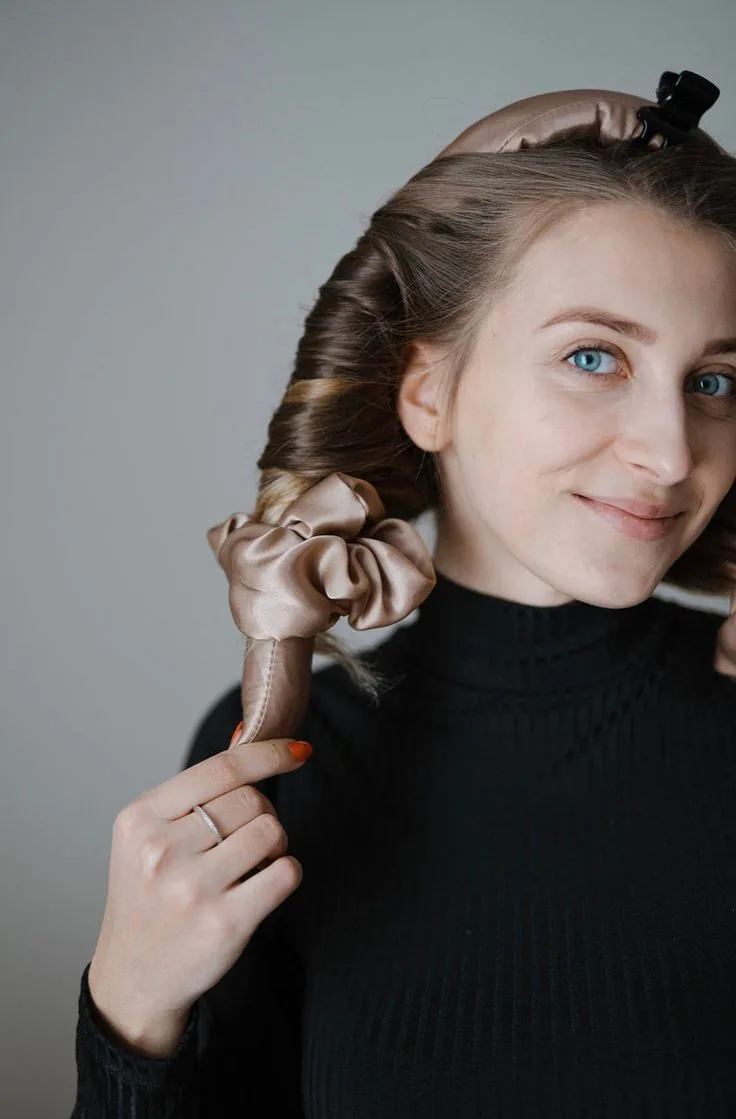
Curling ribbon waves use a long, soft fabric ribbon wrapped around the hair like a headband, and they make smooth, flowing waves that look like they were set with a large curling iron. The ribbon is lighter and more flexible than a rod, so it moulds to the shape of your head and is comfortable to sleep on, and because the hair wraps in large sections, the waves are big, soft and glamorous rather than tight or crimped. It is a beautiful overnight method for long hair, and the ribbon itself is so light you will forget it is there. Drape the ribbon across the top of the head, clip it in place, and wrap large sections of damp hair around each side, securing the ends with soft ties. Best for long hair, glamorous waves, and anyone who finds rods uncomfortable.
Who should skip it? Anyone with a very sensitive scalp or extremely fine hair that snaps easily should go gentler, and anyone who hates the feeling of something in their hair overnight should try a looser version first. Wrap the front sections first so they get the longest setting time.
30. Scrunchie Ponytail Waves
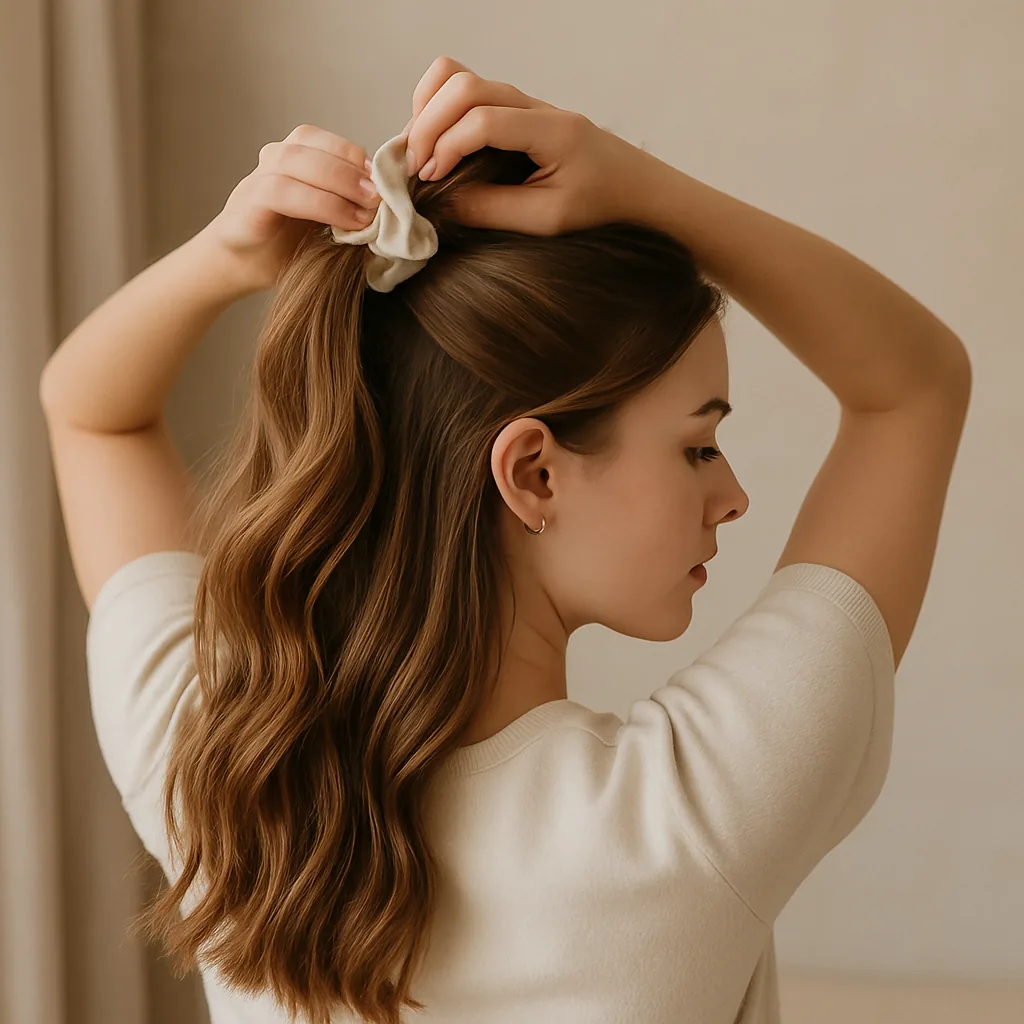
A scrunchie ponytail is the simplest overnight wave of all, because all it asks is that you gather damp hair into a high, loose ponytail with a silk scrunchie and go to sleep. The ponytail bends the hair at the tie point and lets the length fall in a soft curve, so you wake up with a gentle, natural wave and a little lift at the crown, and the silk scrunchie means there is no dent, no crease and no breakage. It will not give you curls, but for a busy morning it gives you just enough shape to look done, and it takes less than a minute. Gather damp hair high on the crown, secure it loosely with a silk scrunchie, and sleep on a satin pillowcase. Best for medium to long hair, busy mornings, and anyone who wants a little shape with zero effort.
What you need is simple: damp hair, a silk scrunchie, and a satin pillowcase or bonnet to keep the style safe while you sleep. Shake the ponytail out and add dry shampoo at the roots for instant lift. Quick verdict: Takes under a minute, leaves no dent, and gives a natural, gentle wave. and that is a trade worth making on any busy morning.
31. Loose Side Braid Waves
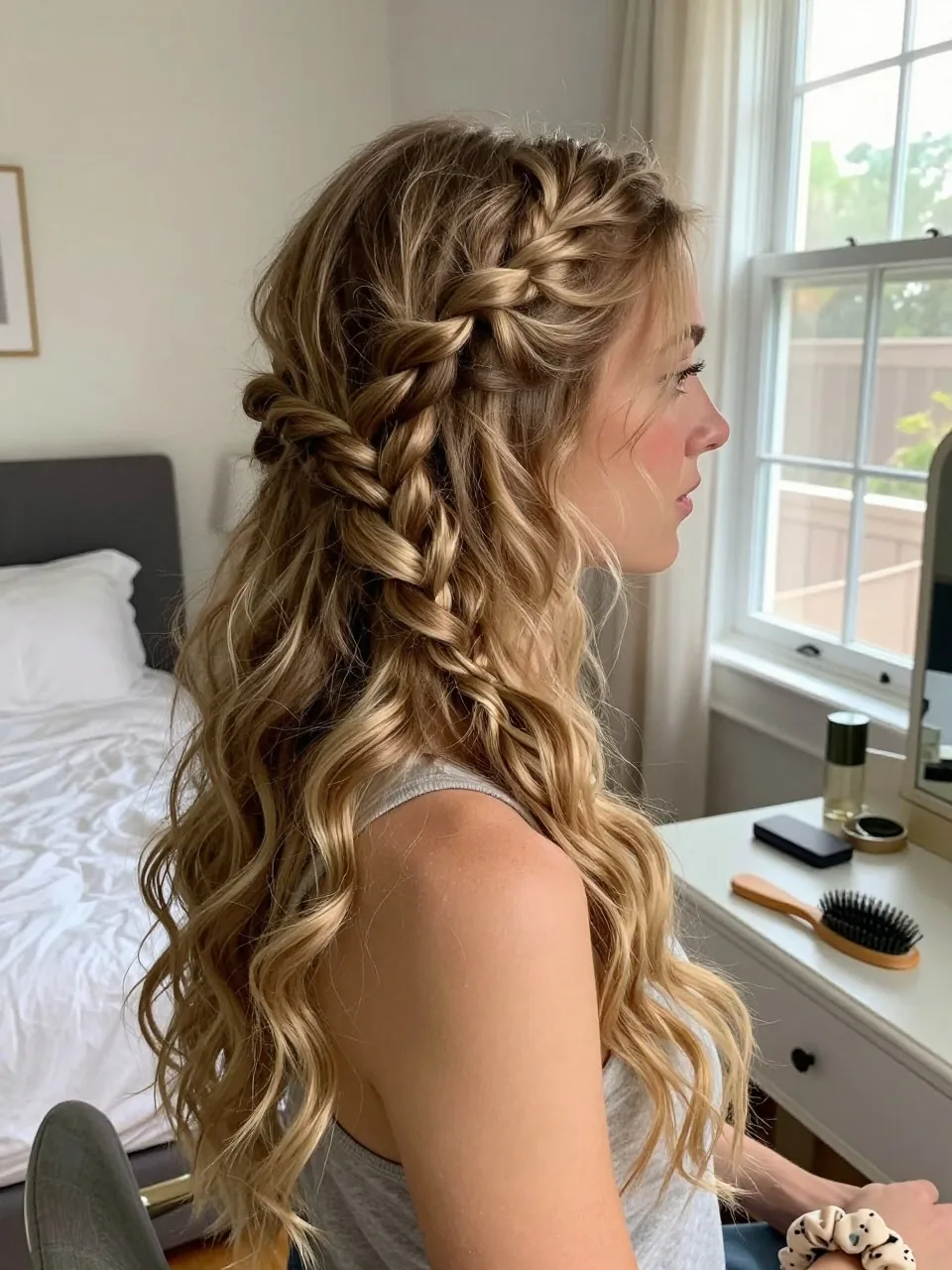
A loose side braid is the overnight style for side sleepers, because the braid falls over one shoulder instead of lying underneath your head, so it never gets crushed by the pillow and never leaves you sleeping on a lump. The wave it sets is soft and romantic, with a gentle sweep to one side that frames the face beautifully in the morning, and it is one of the most comfortable overnight styles there is. It suits almost every hair length from shoulder to waist, and it is the best choice if you always wake up on the same side. Sweep damp hair over one shoulder, braid it loosely, and tie the end with a silk scrunchie. Best for side sleepers, shoulder-length to long hair, and romantic, face-framing waves.
Pros: Perfect for side sleepers, comfortable, and gives romantic side-swept waves. Cons: The wave is stronger on the braided side than the other, so the result can look uneven. Quick verdict: if you want reliable overnight waves with almost no effort, this is a strong place to start, and it is gentle enough to use several nights a week.
32. Waterfall Braid Overnight
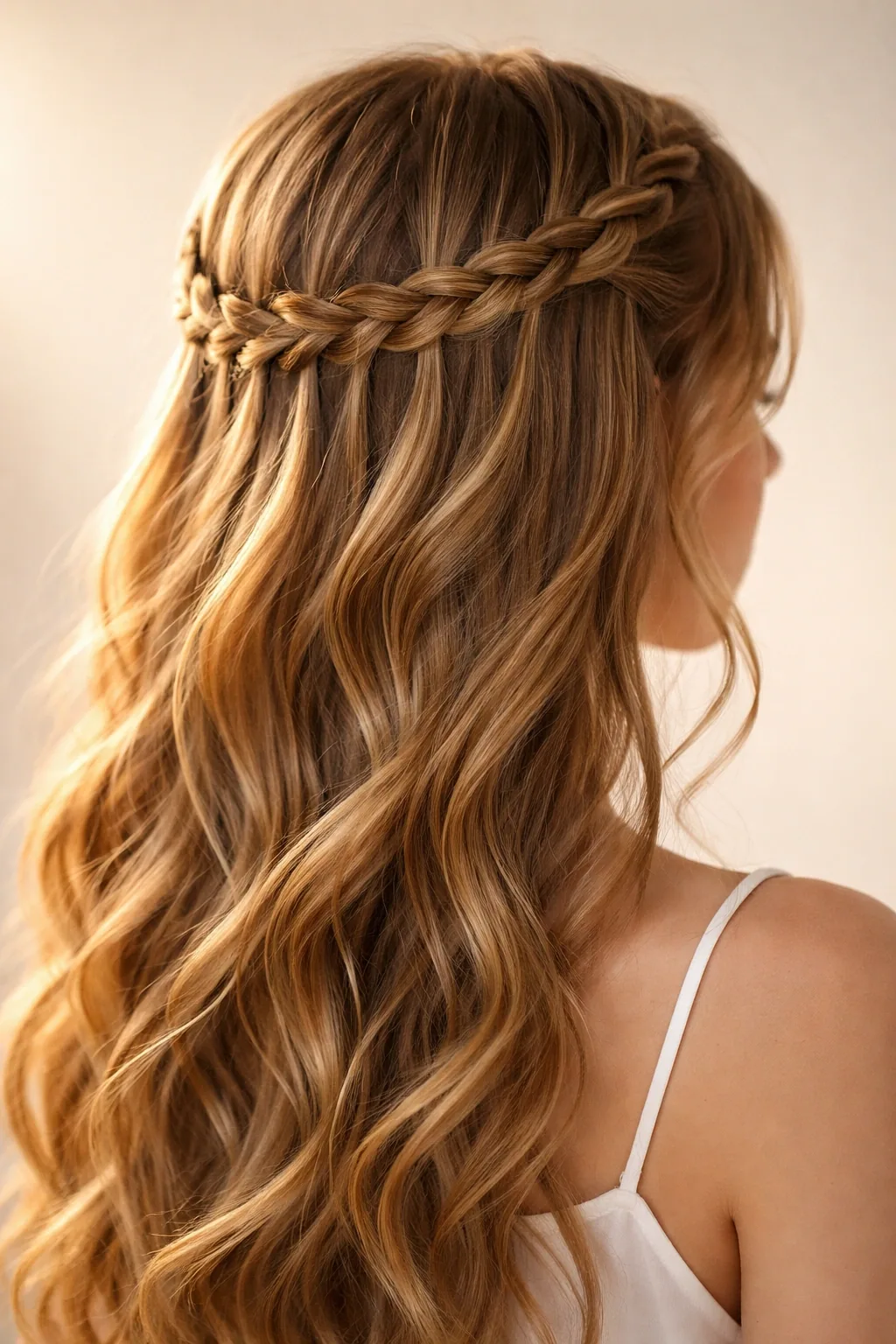
A waterfall braid lets strands fall free as it travels across the head, and sleeping in one sets a soft, cascading wave with a beautiful, flowing texture that looks like water running through the hair. The dropped strands create a wave that is looser and more natural than a regular braid, with movement that starts at the crown and flows down through the ends, and the morning result has a romantic, bohemian feel that suits weddings, parties and any day you want your hair to look effortlessly pretty. It is a little fiddly to braid, but the wave it makes is unlike any other overnight method. Braid damp hair across the back of the head, dropping the bottom strand each time and picking up a new one, keeping the tension loose. Best for medium to long hair, romantic and bohemian looks, and special occasions.
The most common mistake is simple: Braiding too tightly stops the strands from falling freely, so keep the waterfall loose. Instead, keep the tension loose and even, start with hair that is about eighty percent dry, and let the style set gently overnight rather than forcing it. Pin the braid at the ends with bobby pins so it cannot unravel while you sleep.
33. Braided Headband Overnight
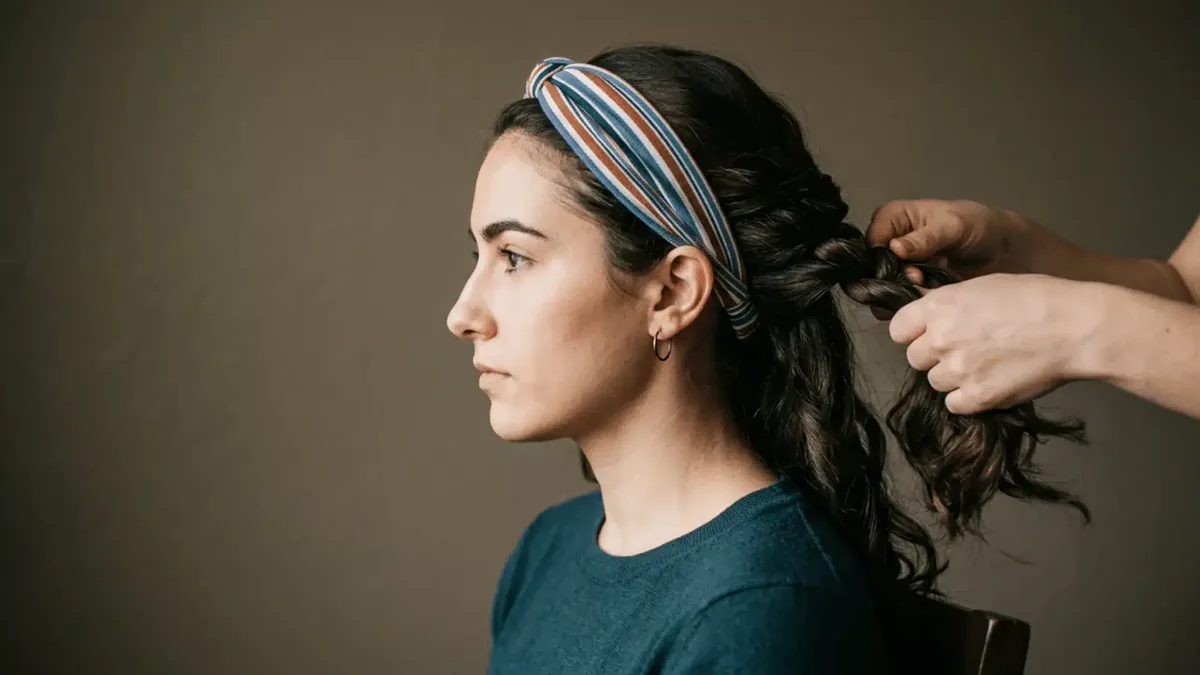
A braided headband is a small braid worked across the front of the head like a hairband, and sleeping in it sets a soft, face-framing wave right where it matters most, around the face. The rest of the hair can be left in a loose braid or a low bun, so you get waves everywhere, but the headband braid gives the front sections a special, polished bend that frames the face and makes the whole style look finished. It is a lovely overnight trick for anyone whose front layers always fall flat, because it gives those layers a shape to wake up with. Braid a small section from one side of the hairline across to the other, pin it behind the ear, and braid the rest of the hair loosely. Best for face-framing layers, front sections that fall flat, and anyone who wants a polished finish.
Maintenance is minimal: Let the front waves fall naturally in the morning and smooth them with a drop of serum. In the morning, undo the style from the bottom upward, let the waves fall and settle before you touch them, and finish with a drop of serum smoothed over the surface for shine.
34. Halo Twist Overnight
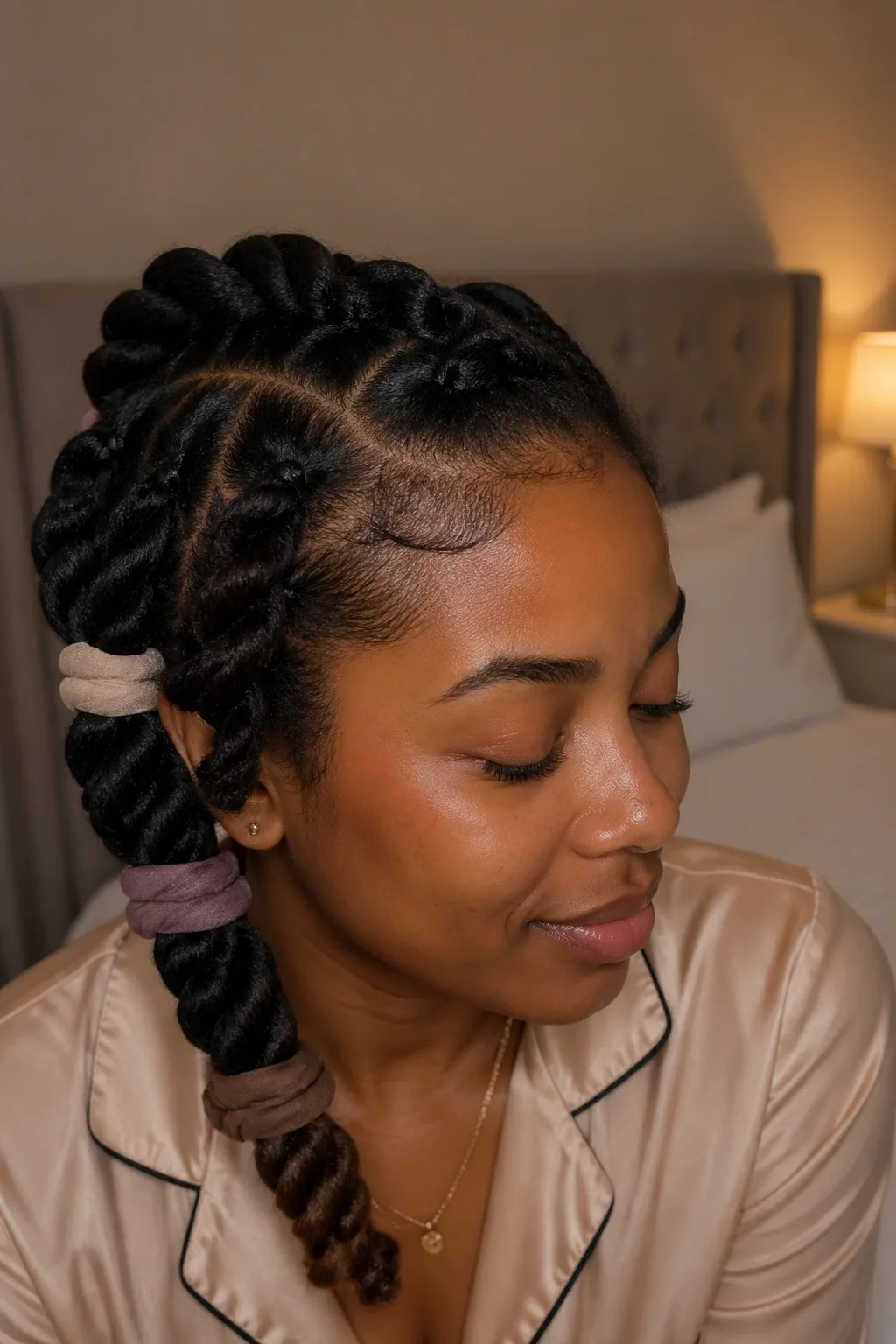
A halo twist wraps two soft twists around the head like a crown, and sleeping in it sets a gentle, even wave with a beautiful, romantic shape that frames the whole face. The twists lie flat against the scalp, so they are comfortable to sleep on, and because they run all the way around the head, the wave is even on both sides, which is something a single braid can never promise. The morning result is a soft, halo-like wave with volume at the crown and movement through the ends, and it looks like a style you chose rather than a style you slept in. Part damp hair down the middle, twist each side into a rope twist, and pin the twists together around the head like a halo. Best for medium to long hair, romantic looks, and anyone who wants even waves on both sides.
Cost and time are the best part of this style: a few minutes before bed, no heat tools, and nothing to buy except a soft tie or two if you do not already own them. Undo the twists from the back first so the front waves keep their shape. Who should avoid it? Anyone who needs a very polished, formal finish may want a stronger set, but for everyday hair this is more than enough.
35. Messy Bun Waves
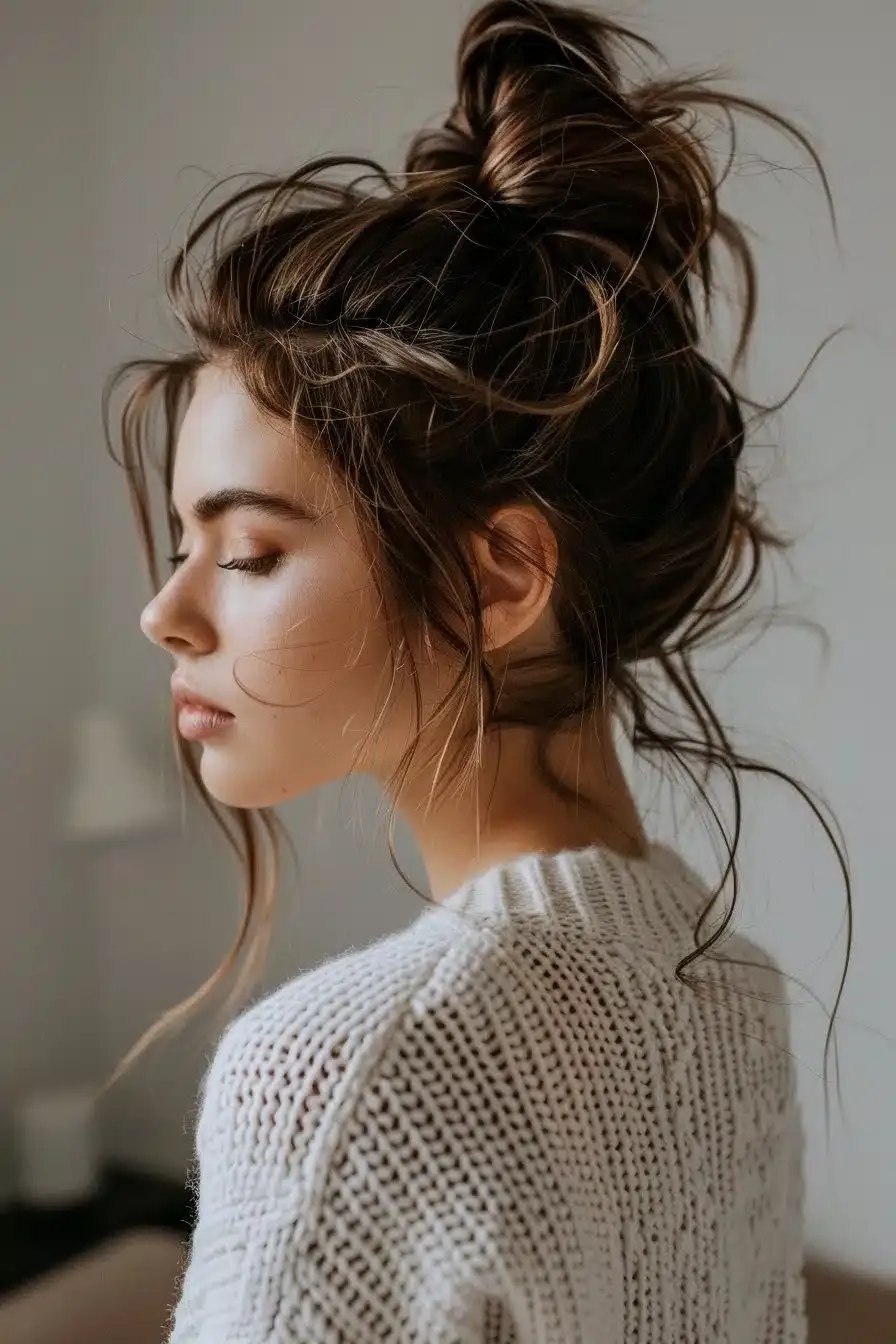
Messy bun waves are the overnight style for anyone who loves texture, because hair twisted loosely into a bun and left to dry overnight wakes up with tousled, lived-in waves that look like a beach day rather than a styling session. The bun creates volume at the crown and a soft, uneven wave through the lengths, and the imperfection is the point: the waves are not supposed to be uniform, they are supposed to look natural, effortless and a little bit undone. It is the fastest way to get texture overnight, and it works on second-day hair just as well as freshly washed hair. Gather damp or second-day hair into a high, loose bun, twist it once, and secure it with a silk scrunchie. Best for medium to long hair, textured and tousled looks, and second-day hair.
Who should skip it? Anyone with a very sensitive scalp or extremely fine hair that snaps easily should go gentler, and anyone who hates the feeling of something in their hair overnight should try a looser version first. Add a spritz of sea salt spray in the morning to boost the texture.
36. Overnight Blowout Wrap
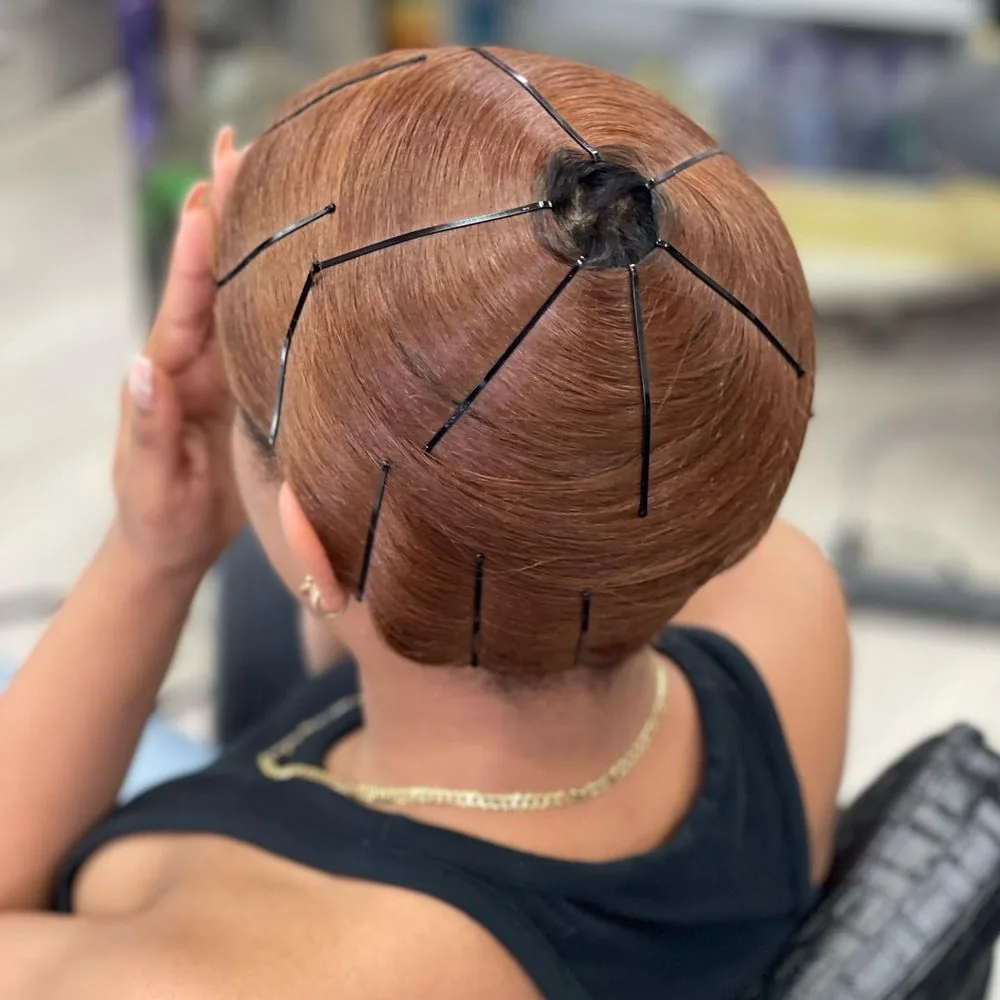
An overnight blowout wrap, also called a doobie wrap, is the technique of wrapping straightened or blow-dried hair smoothly around the head and pinning it flat, so it stays sleek, smooth and frizz-free while you sleep. It does not create curls, it preserves smoothness, and it is the overnight method for anyone with straight or blow-dried hair who wants to wake up with the same sleek finish they went to bed with. The wrap keeps the hair stretched and smooth, stops it from bending at the pillow, and protects the blowout for an extra day or two. Brush the hair smooth, wrap it around the head in one direction, and pin it flat with bobby pins, then cover it with a silk scarf. Best for straight or blow-dried hair, preserving a blowout, and anyone who wants sleek hair in the morning.
What you need is simple: damp hair, a silk scrunchie, and a satin pillowcase or bonnet to keep the style safe while you sleep. Unwrap slowly in the morning and brush through gently for a smooth, shiny finish. Quick verdict: Keeps blowouts sleek for days, prevents pillow bends, and cuts frizz completely. and that is a trade worth making on any busy morning.
37. Legging Curls Overnight

Legging curls are the viral overnight trick of using a soft pair of leggings as a heatless curling rod, and they work surprisingly well, because the long, soft fabric gives you a rod that is long enough to wrap all of your hair and soft enough to sleep on comfortably. Hair wrapped around the leggings dries into big, bouncy curls with a smooth finish, and the result looks so much like a salon blowout that it is hard to believe it was made from gym clothes. It is a fun, free method, and it is a good one to try if you do not own a heatless curling rod yet. Lay the leggings across the top of your head, clip them in place, and wrap damp sections around each leg, working from front to back, then tie the ends at the nape. Best for medium to long hair, anyone who wants to try heatless curls for free, and big, bouncy results.
Pros: Free, fun, and makes big, bouncy curls with a smooth finish. Cons: The leggings can slip if they are not clipped firmly, and the curls are very big. Quick verdict: if you want reliable overnight waves with almost no effort, this is a strong place to start, and it is gentle enough to use several nights a week.
38. T-Shirt Plopping Curls
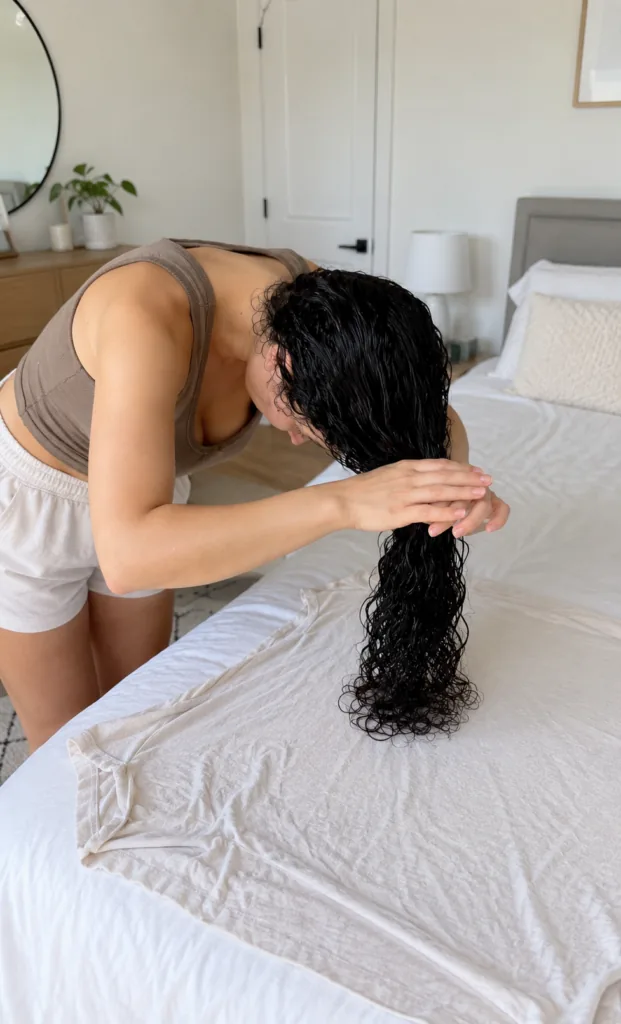
T-shirt plopping is the overnight method for curly hair that needs its curl pattern protected rather than created, because it piles the curls gently on top of the head inside a soft cotton T-shirt, so they dry in their natural shape instead of being stretched out by gravity or crushed by a pillow. The T-shirt absorbs excess water without the friction of a towel, which cuts frizz dramatically, and the curls wake up defined, bouncy and full, with their natural pattern intact. It is the gentlest way to dry curly hair overnight, and it costs nothing at all. Lay a clean cotton T-shirt flat, flip the damp curls onto the centre, and wrap the shirt around the head, tying it at the nape. Best for curly and wavy hair, protecting a natural curl pattern, and cutting frizz.
The most common mistake is simple: Using a rough towel instead of a soft T-shirt causes frizz, so always use cotton, never terry cloth. Instead, keep the tension loose and even, start with hair that is about eighty percent dry, and let the style set gently overnight rather than forcing it. Refresh the curls in the morning with a water mist and a scrunch of curl cream.
39. No-Style Silk Pillowcase Waves

No-style silk pillowcase waves are the overnight method for women who already have a natural wave and simply want to wake up with it looking its best, because a silk pillowcase protects the wave you have instead of trying to create one you do not. Hair left loose on silk does not rub, tangle or frizz the way it does on cotton, so natural waves keep their shape, the ends stay smooth, and the hair wakes up looking like it was styled rather than slept on. It is the easiest overnight routine there is, because it asks nothing of you except changing your pillowcase. Brush the hair gently, leave it loose or gather it in a very loose braid, and sleep on a silk or satin pillowcase. Best for naturally wavy hair, low-effort routines, and anyone who wants smoother mornings with no prep.
Maintenance is minimal: Add a drop of serum to the ends in the morning for shine. In the morning, undo the style from the bottom upward, let the waves fall and settle before you touch them, and finish with a drop of serum smoothed over the surface for shine.
40. Overnight Beach Waves with a Sea-Salt Braid
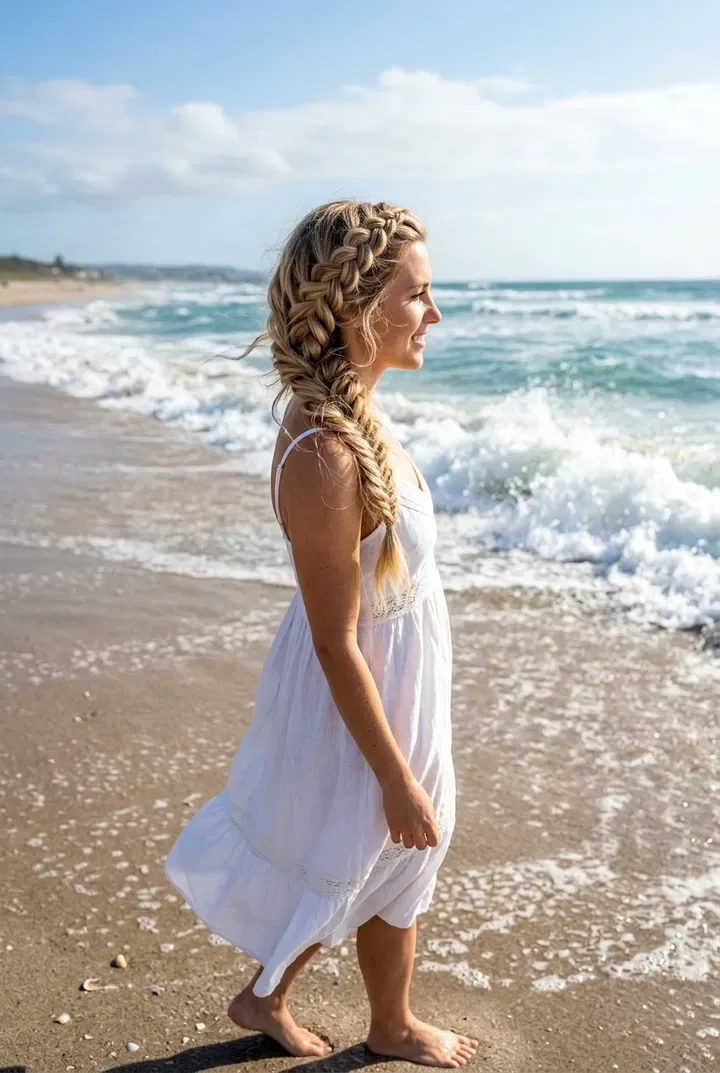
Overnight beach waves with a sea-salt braid are the closest you will get to waking up after a day at the coast, because a loose braid sets the wave while a light mist of sea salt spray adds the texture and grit that makes beach hair look like beach hair. The braid gives the wave its shape, the salt gives it the piecey, tousled finish, and together they make a relaxed, sun-kissed style that suits summer, holidays and any day you want your hair to look like you have been outside. It is a simple method with a big payoff, and it works on almost every hair type. Mist damp hair lightly with sea salt spray, braid it loosely in one or two braids, and tie with a silk scrunchie. Best for summer looks, relaxed and tousled texture, and anyone who loves beach hair.
Cost and time are the best part of this style: a few minutes before bed, no heat tools, and nothing to buy except a soft tie or two if you do not already own them. Scrunch the waves with a little curl cream in the morning to soften the salt texture. Who should avoid it? Anyone who needs a very polished, formal finish may want a stronger set, but for everyday hair this is more than enough.
41. Short Hair Overnight Waves
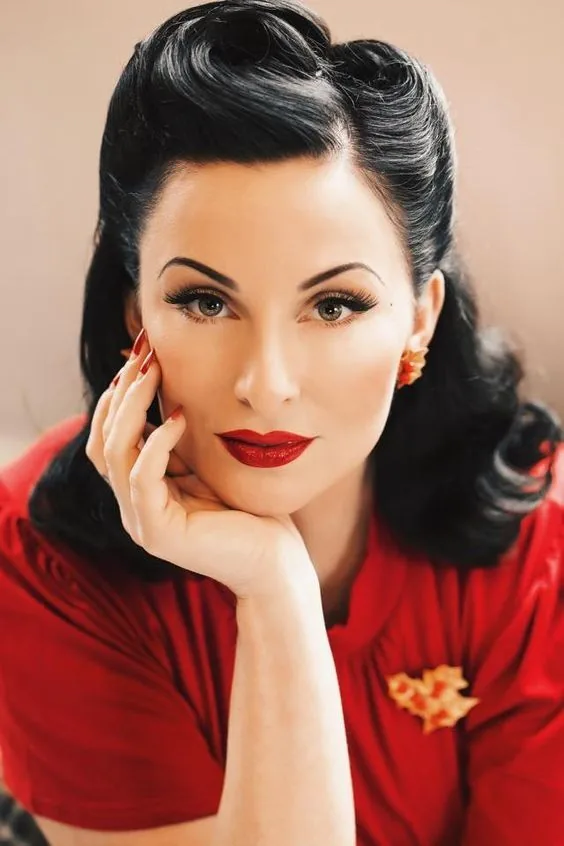
Short hair overnight waves prove that you do not need long hair to wake up with a style, because pin curls, a silk scarf wrap and a headband tuck all work beautifully on bobs and lobs. The trick with short hair is to work in small sections and keep everything soft, since a tight curl on short hair can look frizzy rather than wavy, while a gentle bend gives the bob a soft, lived-in shape that looks polished without trying too hard. The waves are subtler than on long hair, but they add movement, volume and a finished feel that makes a short cut look styled rather than just grown out. Set small pin curls on the top layers of damp hair, or tuck the hair around a soft headband, then cover it with a silk scarf. Best for bobs, lobs and pixie cuts growing out, and anyone with short hair who wants morning movement.
Who should skip it? Anyone with a very sensitive scalp or extremely fine hair that snaps easily should go gentler, and anyone who hates the feeling of something in their hair overnight should try a looser version first. Brush the waves out gently in the morning and finish with a light texturising spray.
Will sleeping in braids damage my hair?
No, sleeping in loose braids does not damage healthy hair, and it is far gentler than heat styling every morning. Damage only becomes a risk when braids are pulled very tight, tied with rough elastic bands, or done on soaking wet hair, which stretches and snaps more easily. Keep the braid loose, use a silk scrunchie, and start with hair that is about eighty percent dry, and braiding overnight is one of the safest ways to style your hair.
How long do overnight curls last?
Overnight curls usually last a full day, and on many hair types they hold into a second day with a quick refresh. Braid and twist waves tend to relax into soft waves by the afternoon, while sock curls, robe belt curls and flexi rod curls hold their shape longer because the set is stronger. A light-hold hairspray and a silk pillowcase both help the style last, and thicker hair generally holds overnight curls longer than fine hair.
Can I do overnight hairstyles on wet hair?
You can, but you should not start with soaking wet hair, because hair that stays wet all night never fully sets and can wake up limp, musty and weaker at the roots. The sweet spot is hair that is about eighty percent dry, damp enough to take a shape but dry enough to set properly overnight. If you have just washed your hair, let it air-dry for twenty to thirty minutes before braiding, twisting or wrapping it.
What is the best overnight hairstyle for fine hair?
The best overnight hairstyle for fine hair is a loose rope twist or a single loose braid, because both create soft waves without the sharp kinks that tight braids leave on fine strands. Fine hair should use very little product, a pea-sized amount of mousse at most, and avoid heavy oils or creams that flatten waves before they start. Sleep on a silk pillowcase to stop the waves rubbing flat, and mist the roots with dry shampoo in the morning for lift.
How do I keep overnight curls from going frizzy?
Frizz is caused by friction, so the fix is a smooth surface between your hair and your bed: a silk or satin pillowcase, a silk bonnet, or a loose silk scarf wrapped around the style. Use a little leave-in conditioner on the ends before bed to seal the cuticle down, undo the style slowly in the morning, and finger-comb rather than brushing, because a brush breaks the wave pattern apart and creates instant frizz.
Do overnight hairstyles work on short hair?
Yes, overnight hairstyles work on short hair, but the methods are different, because short hair cannot be braided into waves. Pin curls, a headband tuck, a silk scarf wrap and a loose twist all work well on bobs and lobs, and they give a soft bend and gentle movement rather than big curls. Work in small sections, keep everything soft, and expect a subtler result that fades faster than on long hair, but still looks styled.
Should I use product before bed for overnight styles?
A little product helps, but a lot hurts, so use less than you think you need. A pea-sized amount of leave-in conditioner or a light mousse worked through damp hair gives the style something to hold onto, and a drop of serum on the ends stops them drying out overnight. Heavy creams, oils and gels weigh waves down and leave hair greasy by morning, so keep it light and let the overnight set do the work.
Can I sleep comfortably in a heatless curling rod?
Yes, most people find a satin heatless curling rod comfortable to sleep on, because it is soft, light and padded, unlike hard rollers or curlers. It helps to sleep on your back or on a silk pillowcase so the rod does not press into your cheek, and to wrap the hair loosely rather than pulling it tight. If the rod feels bulky the first night, try a robe belt or a soft ribbon instead, which lie flatter against the head.
How do I refresh overnight waves in the morning?
Undo the braid, twist or rod slowly from the bottom upward, let the waves fall and settle for a minute, then shake them out gently with your fingers, never a brush. Mist the roots lightly with water for lift, smooth a pea-sized drop of serum over the surface for shine, and scrunch a little curl cream through the ends if they look dry. The whole refresh takes under five minutes and uses no heat at all.
Are overnight hairstyles good for hair health?
Yes, overnight hairstyles are generally good for hair health, because they replace daily heat styling with a heat-free set that works while you sleep. Sleeping in loose braids or twists also protects the hair from friction and tangling, which means less breakage over time, especially when you use silk scrunchies and a satin pillowcase. The only risk is tension, so keep every style loose, never sleep with soaking wet hair, and give your hair a rest night now and then.
Conclusion
Overnight hairstyles are the easiest upgrade in haircare, because they trade ten minutes before bed for a whole morning back, and they do it without a single hot tool touching your hair. Whether you choose a classic braid, a rope twist, sock curls, a robe belt, a twist-out or simply a silk bonnet to protect the curls you already have, the principle is the same: gentle tension, mostly dry hair, a smooth surface to sleep on, and a slow, patient undo in the morning. Start with one method, try it for a few nights, and pay attention to what your hair does, because your hair will tell you which style suits it best.
Once you find your method, it becomes a habit as automatic as brushing your teeth, and the mornings get easier every single day. Keep a silk scrunchie on your bedside table, a satin pillowcase on your bed, and a little leave-in conditioner in your bathroom, and you will wake up with great hair more often than not. Sweet dreams, and even better hair in the morning.