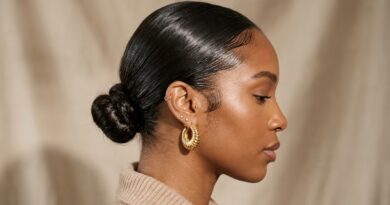
The Hidden Cause of Thinning Hair Doctors Rarely Mention to Women
Lately, you’ve been noticing more hair in the shower drain. Your part looks a little wider. Maybe your temples feel a bit bare. You’ve googled, you’ve asked around, and maybe you’ve even seen a doctor who said, “Your bloodwork is fine” or “It’s probably just stress.” But something still feels off.
Here’s what I wish someone had told me earlier: one of the most common causes of thinning hair in women is rarely mentioned during a regular appointment. It’s not hormones. It’s not your shampoo. It’s the everyday tension we put on our hair without ever noticing.
This post will uncover that hidden cause, how to know if it’s affecting you, and which 2026 hairstyles—like the quiet luxury bob and hime cut—can actually help your hair feel fuller. It’s practical, doable, and free of fluff. Let’s jump in.
The First Message Your Hairline Sends
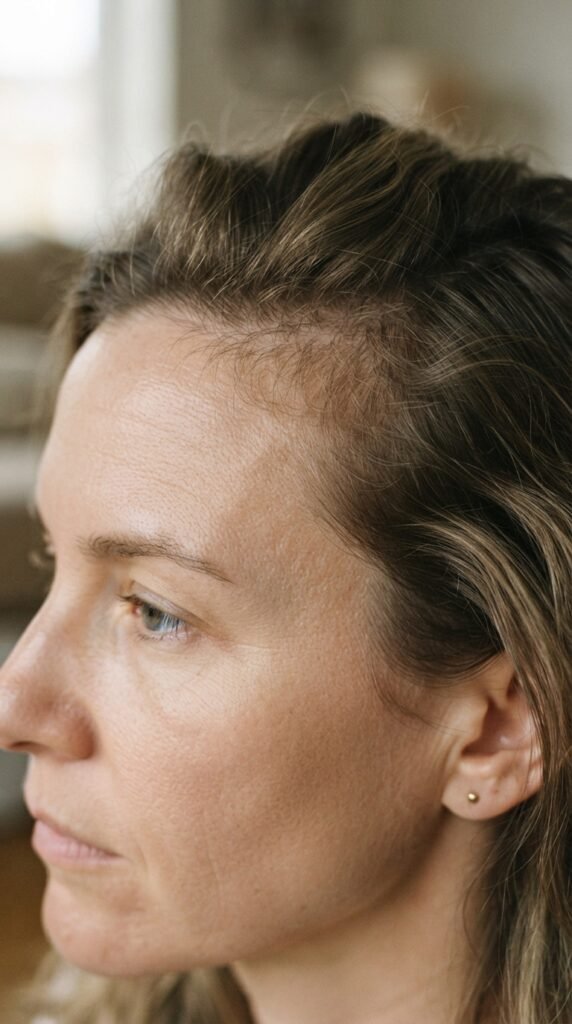
Your hairline is usually the first place to whisper that something’s off. You might see a few wispy baby hairs that never seem to grow into full strands. Or you might notice a tiny triangular patch just above your temple. These signs are easy to write off as breakage, but they’re often a clue.
Your hairline also carries a lot of tension if you often style your hair up. Make it a habit to look at your hairline from the side and from below, not just straight on. That’s where the truth tends to hide.
The Hidden Cause: It’s Probably Not Your Hormones

Doctors will often check your thyroid, iron, and vitamin D. Those are important. But there’s a huge culprit that rarely comes up in conversation: traction alopecia. It’s a fancy name for hair loss caused by long-term pulling on your follicles. The hairstyle you wear every day might be slowly stressing your roots without any pain.
Traction alopecia is well-known to hairstylists, but it’s not always on a doctor’s radar. Unless you specifically mention how you tie your hair, the connection can be completely missed. The good news? It’s one of the few causes of hair loss that’s fully in your control.
Why Your Doctor Likely Won’t Ask About It

Medical training focuses on internal causes first, and that’s reasonable. Most doctors see hair loss as a symptom of something deeper. They won’t ask how you tie your hair back unless you bring it up yourself.
The result is that subtle traction often goes unnoticed for years. Slow, gradual tension feels normal, so you don’t think to mention it. By the time the thinning is visible, your hairline has been pulling for a long time. That’s why it’s so important to be your own advocate.
A Quick Self-Check You Can Do at Home

Pull your hair back the exact way you wear it on a typical day, then look closely at your forehead. If your brows lift even slightly or your scalp feels tight, that’s too much tension. This simple test takes ten seconds and tells you a lot.
You can also snap a photo of your hairline under bright light. Review your part and your temples. Look for sparse patches you might have missed. It’s a small routine that leads to big awareness.
4 Everyday Habits That Strain Your Roots
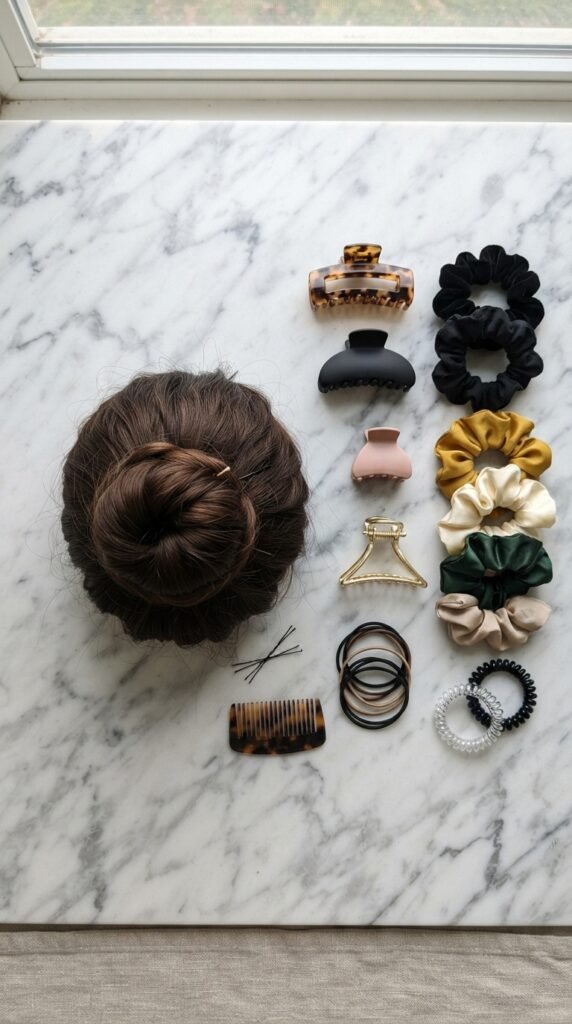
These habits feel completely normal, which is exactly why they cause trouble. They don’t hurt in the moment, but over years, the pressure really adds up. Each one adds a little stress to your follicle, especially when worn all day.
- Tight ponytails with thin elastics that dig into the scalp
- Sleek buns wrapped painfully high on the crown
- Half-up styles that pull from just one spot
- Heavy clips placed too close to the root
Swap them out without giving up style. Tiny tweaks make all the difference.
The Best 2026 Hairstyles for Thinning Hair
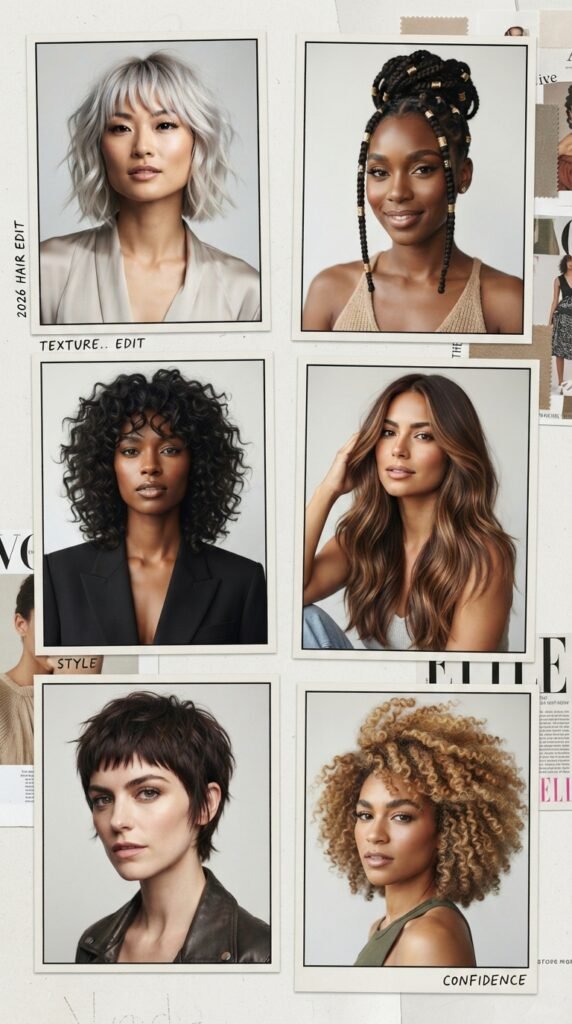
Here’s the good news: the top trends for 2026 are actually very gentle on hair. Old money hair is soft and bouncy. The quiet luxury bob sits at the chin with minimal styling. And the asymmetrical lob adds dimension without needing a tight elastic.
The low-tension look is officially in. You can be stylish and still protect your hairline. Even the edgier trends, like romantic goth styles, can be adapted to keep your follicles happy. That’s a win in my book.
Old Money Hair: Volume Without the Pull

Old money hair is all about soft, flexible, salon-style volume. It’s traditionally set with rollers or big loose waves instead of tight elastics. The hair is swept back loosely, not pulled. This style feels classic and expensive.
It also gives your roots a much-needed break while looking completely intentional. If you’re dealing with thinning, this is one of the smartest looks to bring to your stylist.
The Quiet Luxury Bob: A Smart Choice for Fine Strands

The quiet luxury bob is this year’s go-to for a polished look with almost zero strain. Its smooth line sits naturally at the chin, and there’s no heavy pulling at the roots. It looks high-end with very little effort.
It works beautifully with straight or slightly wavy hair. Ask your stylist to keep the ends soft and rounded so the weight doesn’t build up. This cut is simple, chic, and kind to thinning hair.
The Asymmetrical Lob: Disguise and Comfort

An asymmetrical lob gives you a modern, clean shape that hides a widening part nicely. The longer front and shorter back create instant visual interest, so your eye doesn’t land on any sparse area.
Best of all, the lob rarely needs a tight tie. You can air-dry it, tuck it behind your ears gently, and keep moving. It’s effortless in the best way.
Romantic Goth Hairstyles That Protect Your Roots

If you love romantic goth hairstyles, you’re in luck. This aesthetic leans into soft, flowing pieces and loose textures. Think gentle braids, delicate clips used loosely, and velvet ribbons that add interest without pulling.
The goal is an ethereal, lived-in feel. Nothing needs to be painfully slicked or tightly bound. That makes it one of the most forgiving trends for a recovering hairline.
The Vampire Haircut: Edgy but Gentle

The vampire haircut is one of the boldest trends of 2026, and it’s surprisingly low-tension. It relies on sharp inward-facing layers to create a pointed silhouette, not on styling tricks. The layers stack volume naturally.
If you want a recognizable, bold look without a ponytail, this might be your match. It’s dramatic, romantic, and very kind to fragile strands.
The Hime Cut: Statement Without Stress

The hime cut is another stunning 2026 favorite. Face-framing front pieces and clean lines make a strong statement while keeping tension off the roots. The back stays light and falls freely.
This cut is made to be worn loose. You can air-dry it or use a wide-tooth comb. No tight bands required, which gives your hairline a holiday.
Glitchy Glam Hair: When Creative Wins

Glitchy glam hair is the playful trend I can’t stop thinking about. It uses graphic part lines, odd splits, and color-blocked pieces. These creative details draw the eye and visually break up sparse spots.
This style is all about precision in the cut and color, not tension. You get a fun new look without pulling or heavy styling.
How to Wear a Ponytail the Healthy Way

If you still love ponytails, there’s a way to enjoy them safely. Use a spiral or silk scrunchie. Place the ponytail lower than your ear. And loosen it until you can slide a finger between the band and your scalp.
Try switching between a high and low position each week to change the stress point. This simple habit can protect your edges over time.
The Right Way to Sleep With Your Hair

Nighttime is a sneaky source of hair stress. Cotton pillowcases create friction that can snap fragile strands. Swap your pillowcase for silk or satin, or wrap your hair in a loose silk scarf.
Also avoid sleeping in a tight bun. A loose braid or a relaxed topknot at the crown gives your roots a chance to recover while you rest.
Two Minutes of Scalp Care a Day

A gentle scalp massage each night helps stimulate circulation around the follicle. It doesn’t need to be complicated. Use your fingertips and make slow circles over your whole scalp.
You can also reduce product buildup by going shampoo-free for a day or two. Heavy serums and dry shampoo residue can block hair follicles over time.
Can You Reverse Traction Alopecia?

In most cases, yes. When you stop the constant pulling, the follicle gets a chance to recover. If you catch it early, regrowth can happen without any medical treatment. It just takes time and consistency.
More advanced thinning might need a dermatologist, but removing tension is always the first step. That part is completely in your hands.
How Long Until You Notice a Difference

Everyone wants a timeline, so here it is. You’ll likely see less shedding within a few weeks. Tiny baby hairs around your hairline usually appear around the three-month mark.
Full density takes longer, and that’s okay. Don’t expect a whole new head of hair overnight. Give yourself the grace to let progress happen slowly. Progress is still progress.
A Simple 30-Day Routine to Try

If you’re not sure where to start, try this for one month:
- Wash with a gentle, sulfate-free shampoo two to three times a week.
- Air-dry and skip heat whenever you can.
- Use only low-tension styles for the next 30 days.
- Massage your scalp for two minutes before bed.
It’s not a miracle plan. It’s just a break for your follicles, and that’s exactly what they need.
When It’s Time to Call a Professional

Watch for a few red flags. If thinning continues even with loose styles, if you have round smooth patches, or if your scalp feels sore or itchy, it’s time to see a dermatologist or trichologist.
These signs might point to something that needs treatment. There’s no shame in asking for help. Catching it early makes a huge difference for your hair.
The Simple Act of Changing Your Part

Changing your part is a small but powerful trick. Wearing the same deep side part every day puts pressure on the same row of follicles. Instead, switch between a middle part, a deep side part, and a varied part each week.
This tiny shift redistributes tension and helps your hairline recover. It sounds too simple to work, but it genuinely does.
A Gentle Closing Note
I know how tender this topic feels. Hair loss is emotional, and the worry is real. If you’re reading this, you’ve probably been searching for answers for a while. The fact that you’re here means you care, and that’s the first step.
Please be kind to yourself as you try these changes. You don’t have to be perfect. Pick one small adjustment, like looser styles or a new part, and start there. That’s more than enough.
Save this post to Pinterest so you can find it again on your next wash day. I’ve gathered all the simple steps in one place, and it feels good to have them handy.
And now I’d love to hear from you: did any of these signs hit close to home? Do you usually wear your hair tighter than you realized? Drop a comment below. I read every single one, and I’m rooting for you.