Ultimate Guide To Scalp Health And Preventing Winter Dryness
Winter is beautiful right up until your scalp starts sending SOS signals. The tightness. The itch. The little flakes on your favorite black sweater. If that sounds familiar, you are in very good company.
Here is the good news: a dry winter scalp is almost always fixable, and you do not need a fancy routine to start feeling better. You just need a few small habit swaps and the right products.
In this guide I am walking you through everything: why cold air wrecks your scalp, the simple routine that actually works, how to wear 2026 hairstyles like the quiet luxury bob or asymmetrical lob without irritation, and what to do when flakes show up uninvited.
Let’s get your scalp happy before spring.
Why Winter Wrecks Your Scalp

Your scalp has it rough in winter. Indoor heat pulls moisture out of the air, hot showers strip oils, and wool hats trap sweat against your skin. Then you step outside into cold, dry wind and the cycle repeats.
Scalp skin is actually thinner and more sensitive than the skin on your face, so it reacts fast. Tightness shows up first, then itch, then flakes.
None of that means you are dirty or doing something wrong. It just means your scalp needs a little extra care from November through March.
Meet Your Scalp Barrier
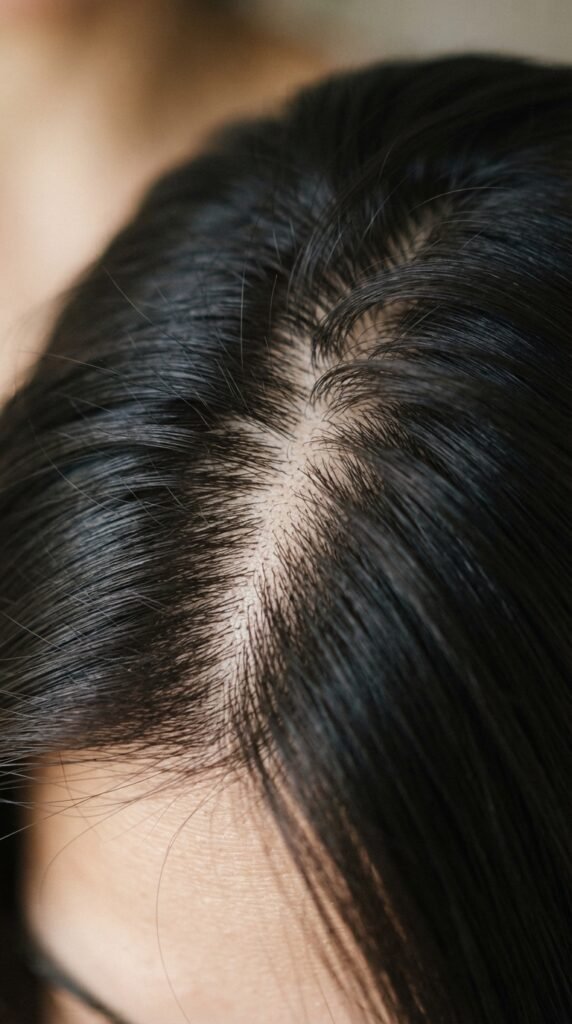
Your scalp has a protective barrier made of natural oils, healthy bacteria, and a slightly acidic pH. Think of it like a raincoat for your skin.
When that raincoat gets stripped, moisture escapes and irritants get in. That is when you feel itch, flaking, and that weird burning tightness after washing.
Everything in this post comes back to one goal: keep the barrier intact. Gentle beats aggressive every single time.
The 4-Step Winter Scalp Routine
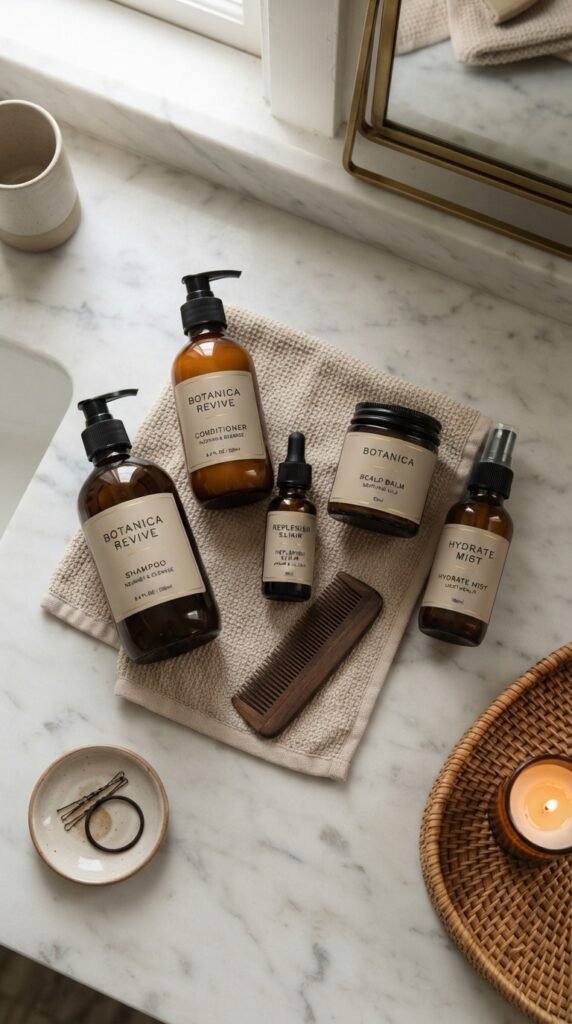
You do not need ten steps. You need four, done consistently.
- Cleanse gently, two to three times a week.
- Exfoliate once a week to lift buildup.
- Hydrate with a lightweight scalp serum or oil.
- Protect with a lined hat and a humidifier at night.
That is the whole framework. Everything else is a bonus. Give it two weeks and you will notice a real difference in how your scalp feels.
How Often to Wash in Winter
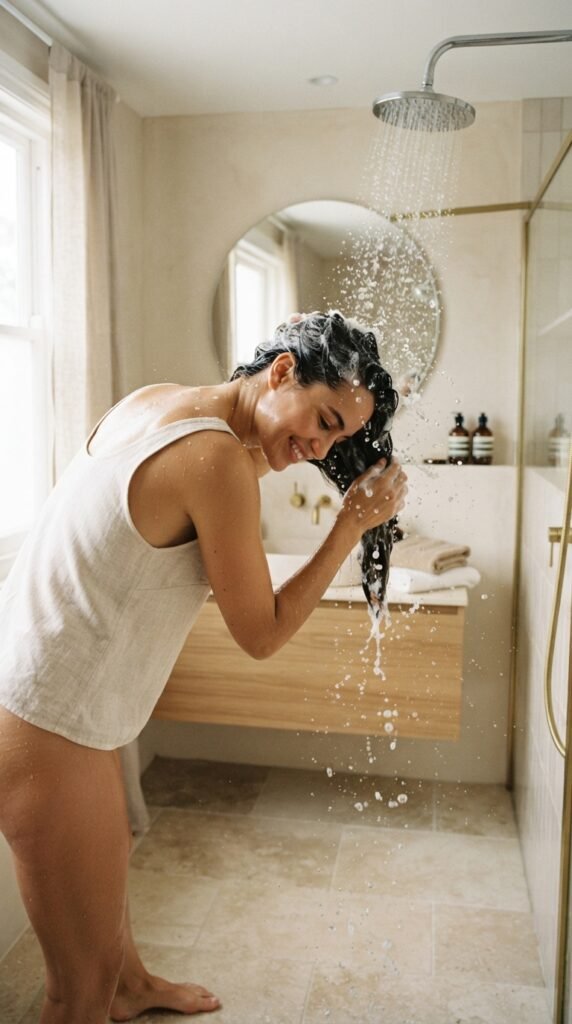
Most people can drop to two or three washes a week in winter. If your scalp is very dry, once or twice is fine.
If you work out, you do not have to fully wash every time. A quick rinse with lukewarm water and a little conditioner on the ends works great.
Watch your scalp, not the calendar. If it feels oily and itchy by day three, wash it. If it feels tight and dry, stretch it out. Your scalp will tell you what it needs.
Turn Down the Water Temperature

Scalding showers feel amazing and destroy your scalp. Hot water melts away the natural oils that keep your barrier strong.
Use lukewarm water for washing, then finish with a cool rinse on your scalp and ends. It closes the cuticle, adds shine, and calms irritation.
One tiny habit swap. Big payoff. Your hair will look glossier within a week.
Shampoo Swaps for Cold Weather
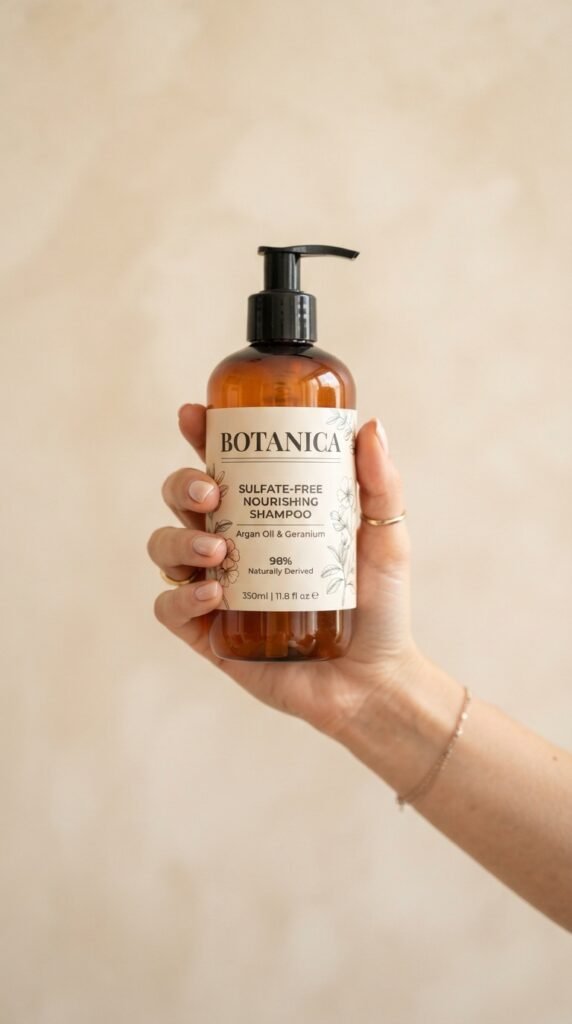
Winter is not the season for harsh clarifying shampoo every wash.
- Choose sulfate-free, creamy formulas.
- Shampoo your scalp only, not your ends.
- Condition from mid-length to tips.
- Keep a clarifying wash for once every two weeks.
If your scalp is flaky and sore, try a fragrance-free option for a few weeks. Simple really does work.
Dry Shampoo: Friend or Foe

Dry shampoo is fine. Layering it for five days straight is not.
Spray it at night before your roots get oily, not after. Shake it in, then brush it through so it does not sit on your scalp.
Never use it as a substitute for washing more than twice in a row. Buildup blocks follicles and makes flakes worse. If you are a heavy user, add one clarifying wash a week and your scalp will forgive you.
Gentle Scalp Exfoliation

Once a week, give your scalp a reset. Exfoliation lifts dead skin, product buildup, and flakes before they become a problem.
- Physical: a soft silicone brush or fine sugar scrub.
- Chemical: a low-strength salicylic or lactic acid scalp treatment.
Use light pressure and never scratch with your nails. Thirty seconds is plenty. Follow with a hydrating treatment, because exfoliating without moisturizing is like washing your face and skipping cream.
Oils That Feed Without Clogging
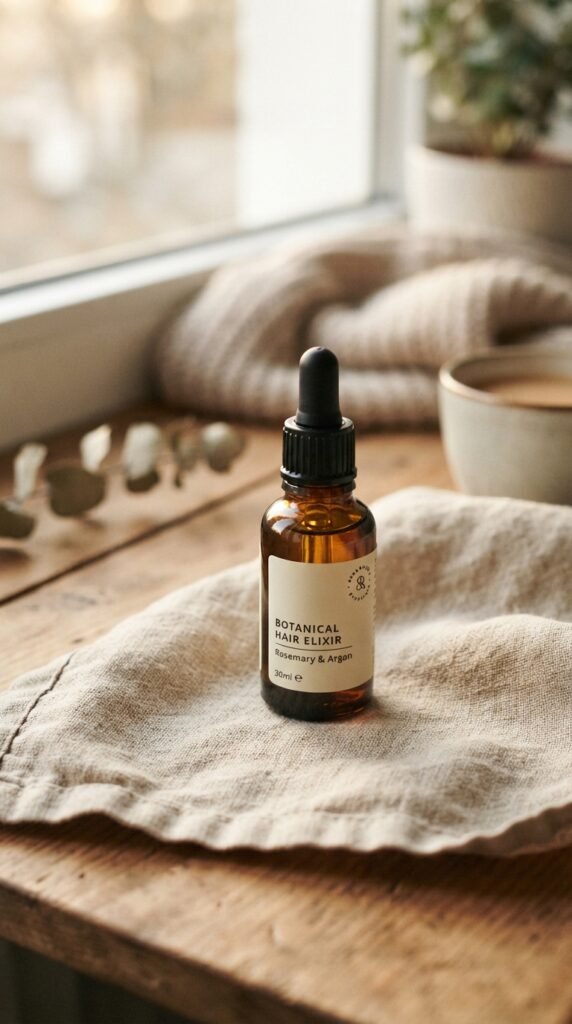
Scalp oils are magic when you pick the right one.
- Squalane — lightweight, absorbs fast.
- Jojoba — closest to your natural sebum.
- Argan — great for dry, tight scalps.
If you are acne-prone, skip heavy coconut oil on your scalp. Apply 20 minutes before washing, massage in, then shampoo out. Once or twice a week is the sweet spot.
The 10-Minute Scalp Massage

This is my favorite free treatment. Massage boosts blood flow, which feeds your follicles and helps oil spread evenly across your scalp.
- Use fingertips, never nails.
- Press in small circles for two minutes per section.
- Move from hairline, to sides, to crown.
- Finish at the nape of your neck.
Do it dry before washing or with a few drops of oil. It also lowers stress, which matters more than you think for hair health.
Heat Tools: Lower the Temp
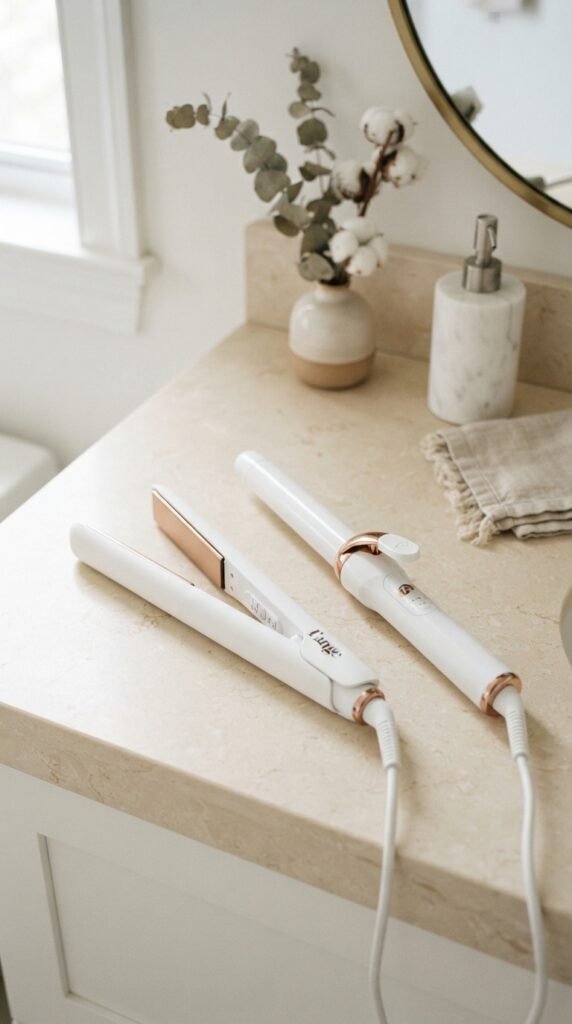
Dry scalp plus hot tools equals breakage. Keep your iron under 320 degrees and always use a heat protectant.
Never flat iron wet or damp roots. That is how you get steam damage and a burned scalp.
If your scalp feels sensitive, take a break from root styling altogether. A sleek low bun or claw clip look gives you the old money hair vibe without any heat near your skin.
Hat Hair Without the Flakes

Hats are non-negotiable in winter, but they can trap sweat and irritate your scalp. A few tweaks fix it.
- Choose silk or satin-lined beanies.
- Wash your hats every couple of weeks.
- Avoid tight bands across your forehead.
- Let your scalp breathe indoors.
Loose braids under a hat also prevent tangles and look effortlessly cute when you take it off.
Humidifiers: Quiet Luxury for Your Scalp

This is the most underrated winter purchase, period. Indoor heat drops humidity fast, and your scalp pays for it.
Aim for 40 to 50 percent humidity in your bedroom. Run it while you sleep and you will wake up with a calmer scalp and softer skin.
It also helps your throat, your sleep, and your hair texture. One small machine, so many wins. If you buy one thing this season, make it this.
Eat for Your Scalp

Healthy hair starts on your plate. Winter dryness often shows up when your diet is low in key nutrients.
- Omega-3s: salmon, walnuts, chia.
- Zinc: pumpkin seeds, eggs, chickpeas.
- Iron: lentils, spinach, red meat.
- Vitamin D: get it checked in winter, most of us are low.
Protein matters too. Hair is made of it. You do not need supplements unless a doctor says so, just real food most days.
Hydrate From the Inside Out
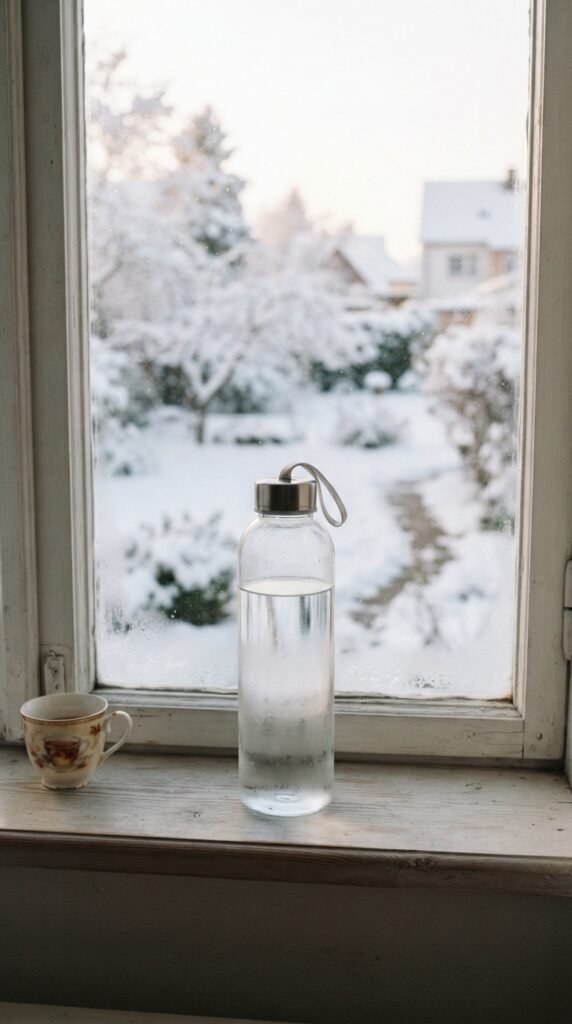
You have heard it a hundred times, but it is true. Dry scalp is often a hydration problem.
Aim for water throughout the day, not two giant glasses at night. Add electrolytes if you drink a lot of coffee or work out hard.
Cut back on alcohol and excess caffeine in winter. Both pull water from your system and show up as tight, itchy skin. Small changes, visible results.
Itchy Scalp vs Dandruff
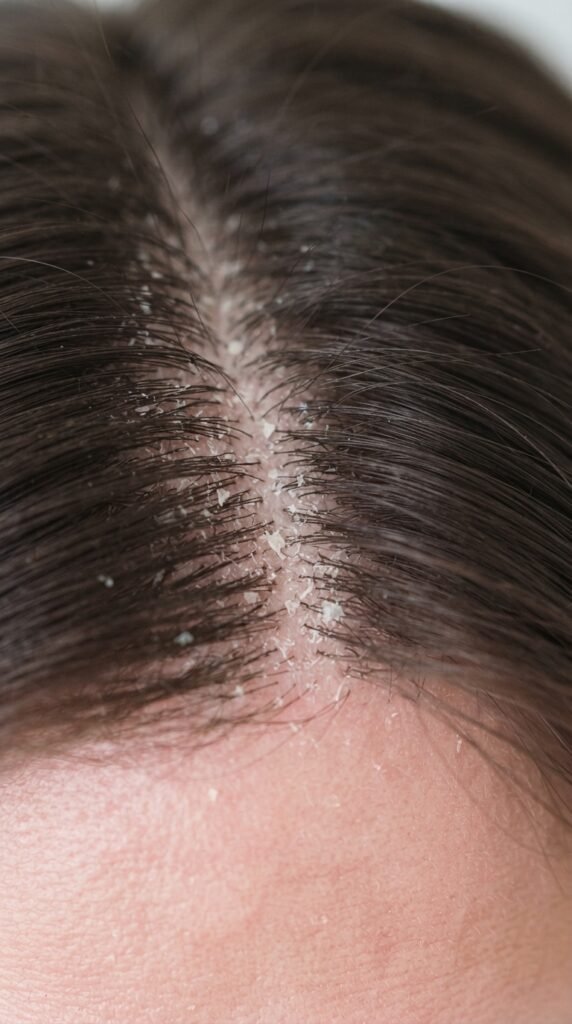
These are not the same thing, and treating them the same is why nothing works.
- Dry scalp: small white flakes, feels tight, worse in winter.
- Dandruff: larger yellowish flakes, greasy, itchy all year.
Dry scalp needs moisture and gentler washing. Dandruff needs an antifungal ingredient like zinc pyrithione or ketoconazole, used consistently.
If you guess wrong, you will keep going in circles. So figure out which one you have first.
When to See a Dermatologist

Sometimes a scalp needs a professional, and that is not a failure.
- Patches, sores, or bleeding.
- Sudden hair loss or thinning.
- Severe itching that keeps you up.
- No improvement after four weeks of care.
Book the appointment. Scalp conditions like psoriasis and seborrheic dermatitis are very treatable with the right prescription. Do not suffer through winter when help is one visit away.
Protective Winter Hairstyles

Some styles protect your scalp better than others in cold weather.
- Loose braids — great under hats.
- Hime cut — blunt sides, long back, keeps ends tucked and tidy.
- Asymmetrical lob — short enough to air dry fast, long enough to style.
Use silk scrunchies and avoid tight ponytails at the hairline. Tension plus cold wind equals breakage. Keep it loose and you will keep your length.
Sleek Styles That Hide Dry Ends

Dry ends are the giveaway of a rough winter. These 2026 hairstyles hide them beautifully.
- Quiet luxury bob — blunt, shiny, bluntly chic.
- Old money hair — low bun, center part, glossy finish.
- Sleek middle-part claw clip — five seconds, looks intentional.
Add a drop of lightweight oil to the ends and you are done. This is the easiest way to look expensive while your scalp recovers.
Romantic Goth Hairstyles and the Vampire Haircut

Winter is basically goth season, so lean in.
Romantic goth hairstyles look gorgeous on dry hair, especially soft waves with face-framing curtain bangs. The vampire haircut, with its sharp layers and collarbone length, is having a moment too.
One rule: skip backcombing and teasing. It rips your scalp and causes flaking. Use a texturizing spray and root clips instead, and you get the same drama without the damage.
Glitchy Glam Hair Without Damage

Glitchy glam hair is everywhere for 2026 and it is genuinely fun. Just protect your scalp while you play.
- Use temporary color wax or spray, not bleach.
- Keep glitter and gems off the scalp itself.
- Remove everything before bed.
- Wash gently the next morning.
Never bleach your roots in winter. Your barrier is already stressed and bleach will push it over the edge. Temporary is the move.
Your Cold Weather Scalp Survival Kit
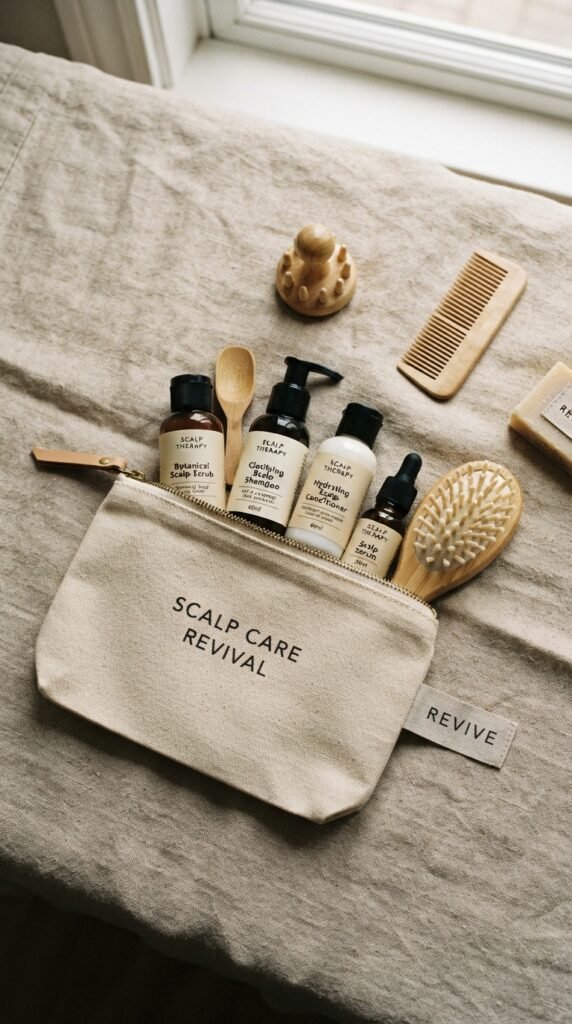
Keep these five things on hand and you can handle almost any winter scalp emergency.
- Gentle sulfate-free shampoo.
- Hydrating scalp serum or squalane oil.
- Soft silicone scalp brush.
- Silk-lined beanie.
- Travel-size dry shampoo for emergencies only.
That is it. No giant shelf required. Simple, repeatable, effective.
The 7-Day Winter Scalp Reset

Try this for one week and see how your scalp feels.
- Day 1: wash with gentle shampoo, no hot water.
- Day 2: 10-minute scalp massage.
- Day 3: oil treatment, 20 minutes, then wash.
- Day 4: humidifier on all night.
- Day 5: exfoliate gently.
- Day 6: no heat styling.
- Day 7: assess and repeat what worked.
Most people feel a difference by day four.
Quick Fixes Before a Big Night

Flakes showing up an hour before dinner? Breathe. Here is what to do.
- Do not scratch. It makes everything worse.
- Tap a little lightweight oil on the flaky area with a clean finger.
- Blow dry roots on cool to lift them.
- Part your hair somewhere new to shift the focus.
If you have time, a quick rinse with conditioner only works wonders. And keep a lint roller in your bag for your shoulders. Every scalp girl knows.
Scalp Myths to Drop in 2026

Let’s clear a few things up.
- Myth: flakes mean you are dirty. Truth: usually the opposite.
- Myth: oiling more fixes dryness. Truth: too much clogs follicles.
- Myth: you should wash daily in winter. Truth: most people should not.
- Myth: dandruff is seasonal. Truth: it is year-round.
Dropping these beliefs alone will save your scalp a lot of grief this season.
A Warm Little Send-Off
Your scalp is skin, and it deserves the same care you give your face. Gentle washing, real moisture, and a little patience go a long way.
Start with one habit this week. Turn down the shower temp or plug in a humidifier. Small wins stack up fast, and by the time spring rolls around your hair will thank you.
Save this post to Pinterest so you can find it the next time winter dry scalp shows up. And tell me in the comments: what is your biggest scalp struggle right now? I read every single one, and I would love to help you figure it out.