Braids That Actually Last: A Woman’s Guide to Braided Hairstyles for Work, Weddings and Weekends
Most braids fail for one boring reason: they were the wrong braid for the week you actually have. A tight cornrow set is wonderful for a holiday and miserable for a week of video calls if your scalp is tender on day two; a loose boho braid is perfect for a weekend and useless for a gym-heavy week. This guide starts from your life, not from a braid chart, and matches each style to how long it lasts, how much it hurts, and how much fuss it needs.
Inside are 41 braided hairstyles for women — everyday plaits you can do in ten minutes, protective styles that last for weeks, and updos for weddings and work — plus eight short guides on prep, tension, washing, maintenance and safe takedown. Every style notes a practical angle, from cost and time to who should skip it, so you can choose once and enjoy it instead of redoing it.
How to Prep Your Hair Before Any Braid
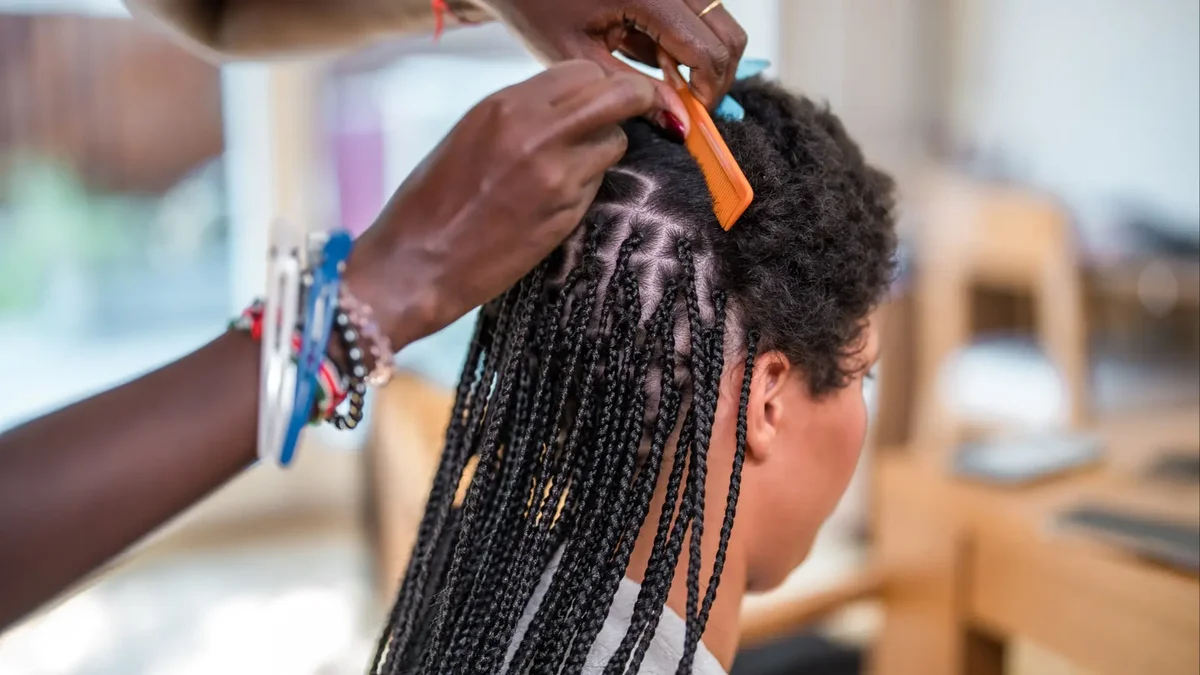
Clean, detangled, lightly moisturised hair braids far more smoothly than hair that is freshly washed and slippery or dry and tangled. Wash a day before if you can, detangle in sections with a wide-tooth comb, and add a light leave-in — heavy oils make sections slide apart.
Common mistake: braiding soaking-wet, product-heavy hair. It looks neat at first, then loosens as it dries and leaves the scalp itchy. Start with damp-to-dry hair, work in small sections, and keep a spray bottle nearby instead of soaking the whole head again.
Braid Tension: Tight Enough to Last, Never Painful
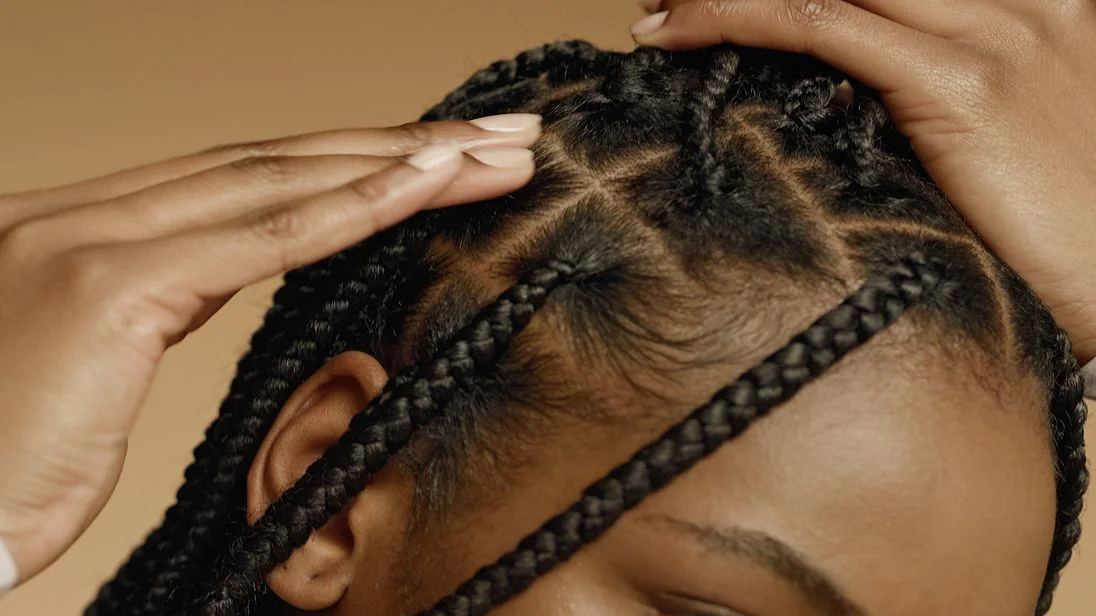
A braid should feel secure, not sore. If your forehead feels pulled, you get a headache, or you see small bumps along the hairline, the tension is too high — and tight braids do not just hurt, they can break hair at the edges over time.
What to ask your braider: ask for a looser hairline, knotless starts for box braids, and a check-in after the first few braids. If it still hurts after an hour, speak up on the spot; loosening one row early is far easier than repairing edges later.
How Long Braids Last — and the Routine That Keeps Them Neat
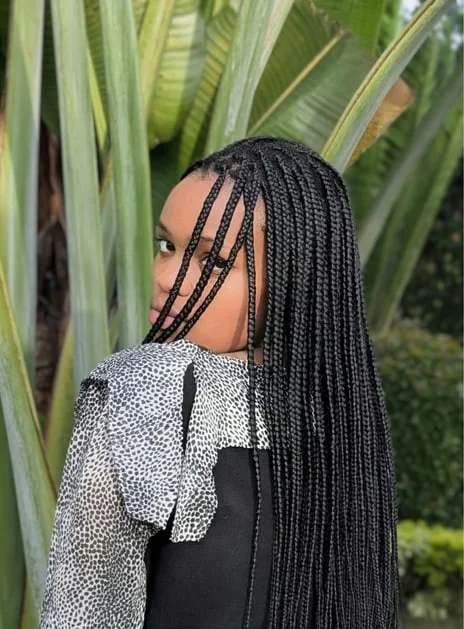
Most protective braids last two to six weeks depending on the style, your growth rate and how well you protect them at night. Simple plaits last a day; cornrows and box braids last weeks; micro braids can last longest but need the most careful care.
Maintenance in brief: wrap hair in silk or satin at night, oil the scalp two or three times a week, smooth flyaways with a little edge control or mousse, and resist redoing single braids too often — constant re-braiding stresses the same strands.
Washing Braids Without Frizz or a Soggy Week
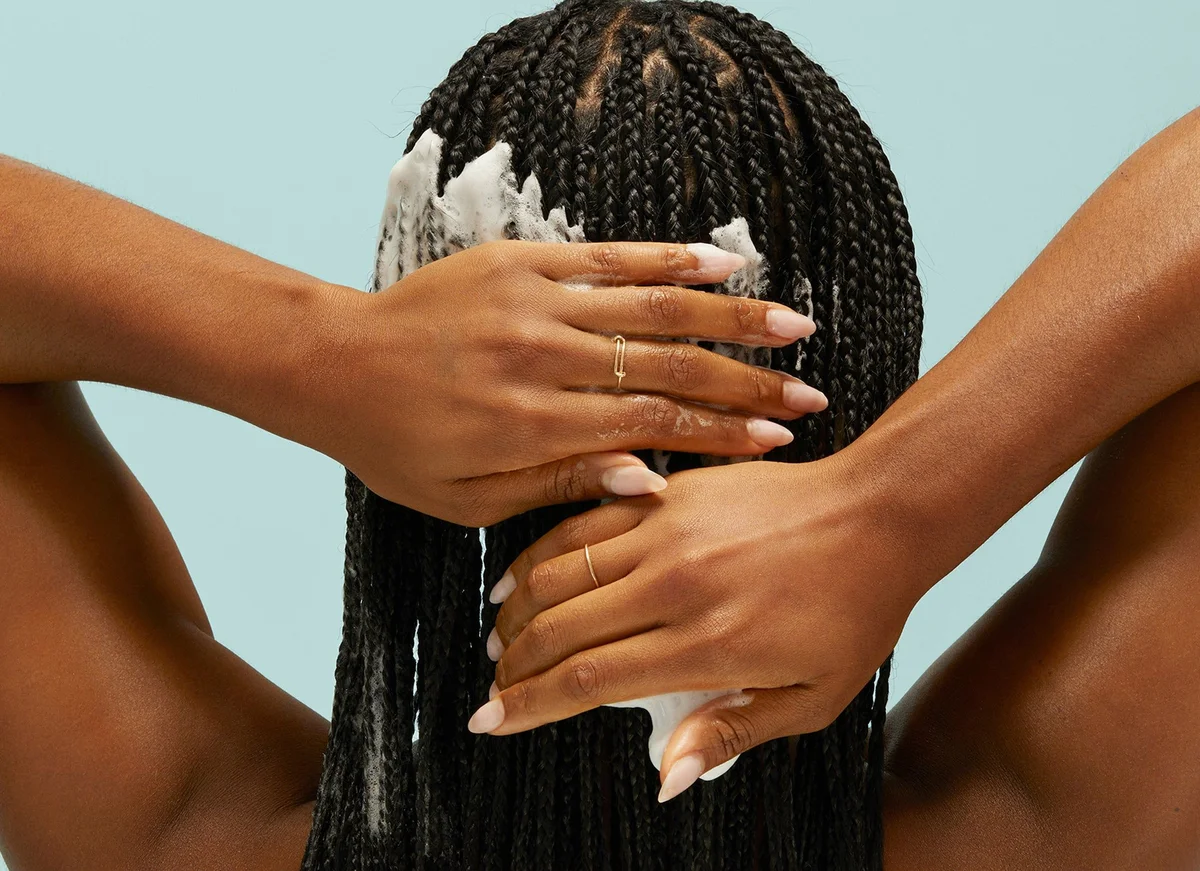
You can wash braids, and you should — a clean scalp itches less and braids last longer. Dilute shampoo, focus on the scalp with your fingertips, let the suds run down the lengths, and rinse thoroughly. Then dry braids fully; damp braids left wrapped up are what smell musty.
Pros and cons of washing weekly: cleaner scalp and less itch, but more frizz on looser styles. If frizz bothers you, wash every ten days, use a dry shampoo on the scalp between washes, and re-dip curly ends in warm water to refresh them.
Taking Braids Out Safely: The Takedown That Saves Your Hair
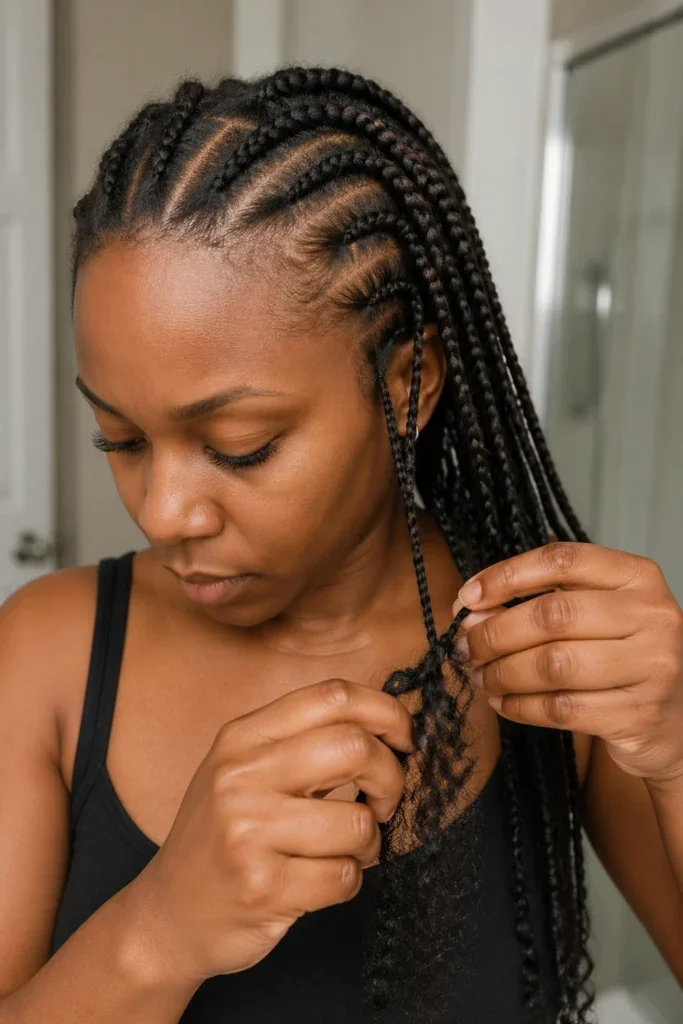
Takedown is where most braid damage happens, not during wear. Work one braid at a time, undo from the ends upward, detangle gently with conditioner on the hair, and expect shedding — hair that would have shed daily has been trapped in the braid for weeks.
Who should take extra time: anyone with fine, colour-treated or already fragile hair. Never rip through knots, never brush dry unbraided hair straight away, and give hair a deep-conditioning wash and a rest week before the next protective style.
One Braid, Three Occasions: Work, Wedding and the Gym
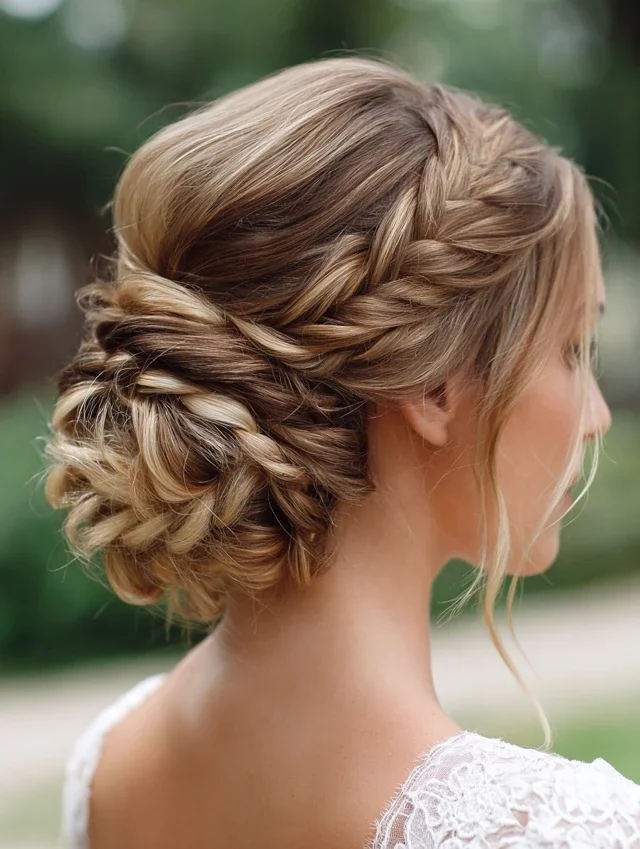
The same braid reads differently with a change of finish. For work, keep parts neat and ends tucked; for a wedding, loosen the braid slightly and add pins or flowers; for the gym, choose a style anchored at two points, like boxer braids, so nothing swings loose mid-workout.
Quick verdict: if you need one style to do everything this week, pick a low braided bun or double Dutch braids. Both look polished, survive movement, and can be dressed up in under two minutes with a clip or scarf.
Salon or DIY? Cost, Time and When to Pay a Professional
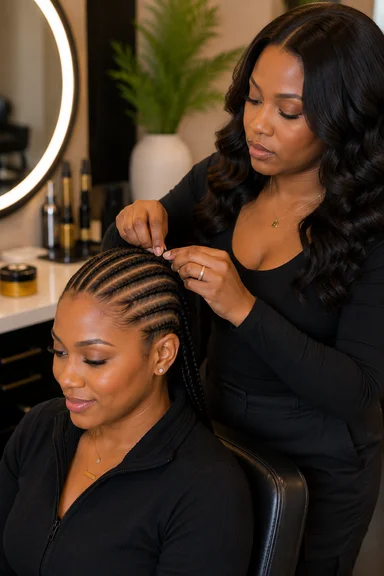
A simple French or Dutch braid costs nothing but ten minutes at home. Protective styles are a different calculation: box braids or cornrows can take three to eight hours in a salon and cost far more than a DIY attempt — but a professional parting and even tension are hard to match on your own head.
Cost and time guide: budget a full afternoon for a first salon protective style, and ask the price, the expected hours and whether hair is included before you sit down. DIY suits simple plaits, twists and updos; pay a pro for anything that must last weeks or sit close to the scalp.
Mistakes That Break Hair — and the Fix for Each One
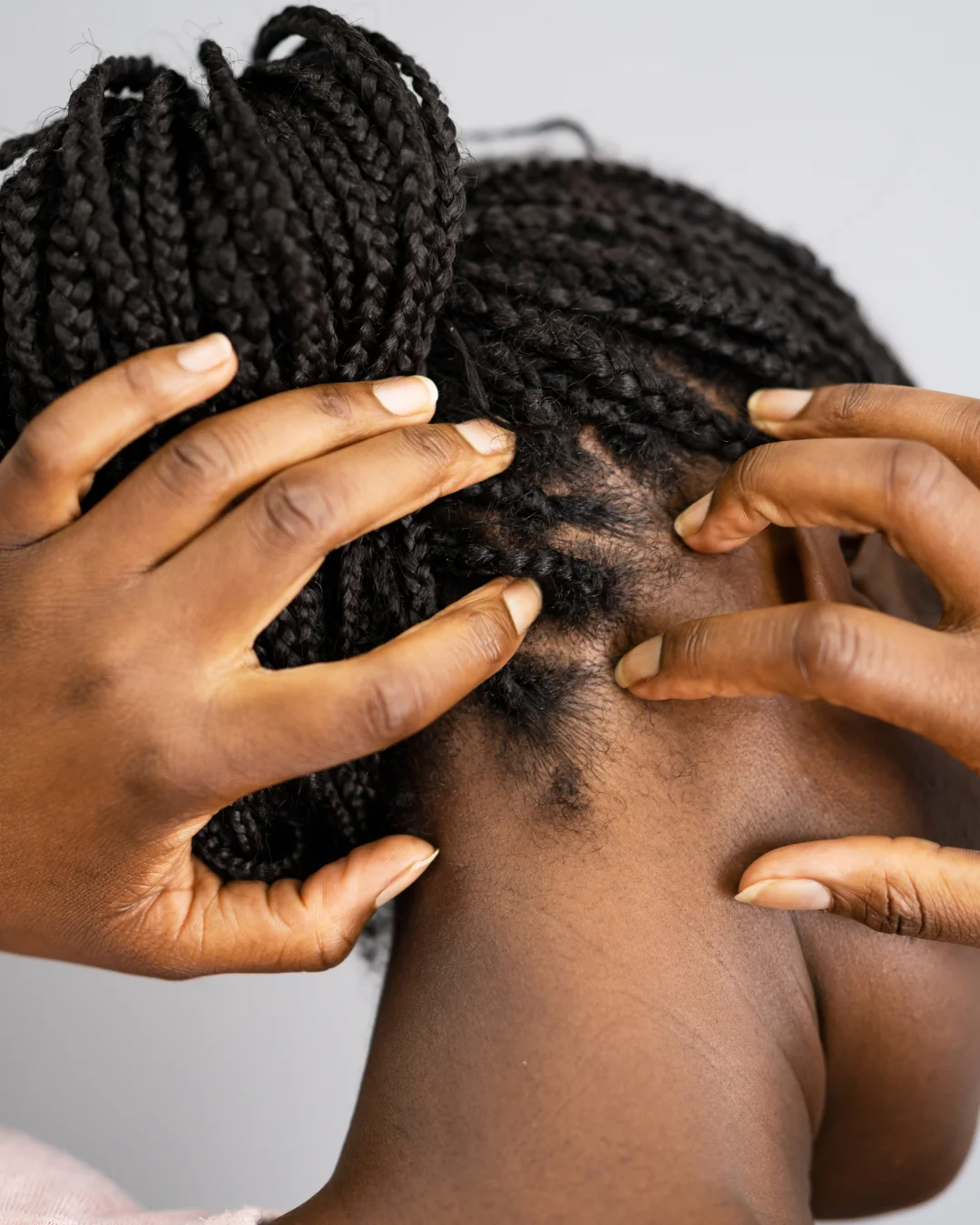
The biggest braid mistakes are all avoidable: braiding too tightly at the hairline, leaving a style in months past its life, skipping night protection, and ripping braids out dry. Each one shows up as breakage, thinning edges or a sore scalp — all warning signs, not badges of a long-lasting style.
Fixes that work: loosen the hairline, set a takedown date when the style goes in, sleep in silk, and detangle with conditioner during removal. If your scalp is sore for more than a day or two, take the style out — no hairstyle is worth losing hair over.
The Classic French Braid, Still the Easiest Polished Style
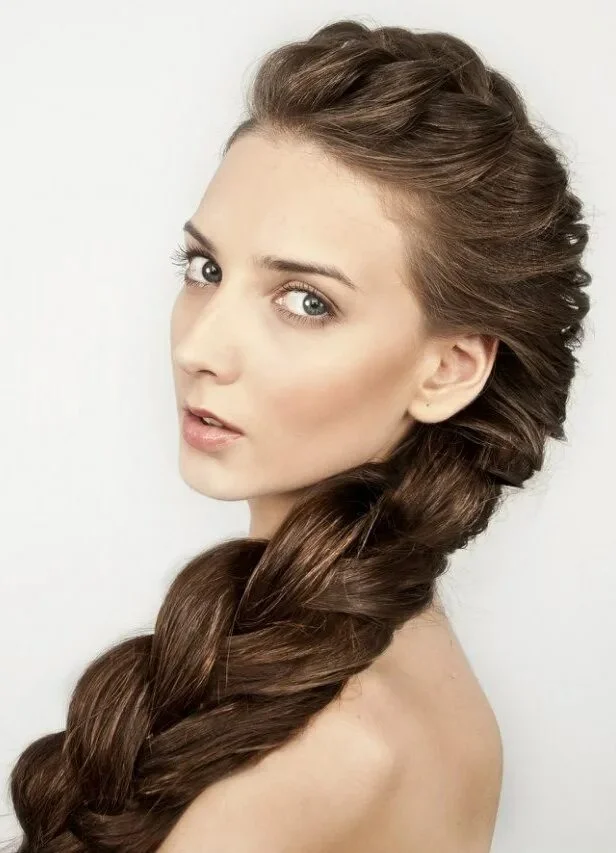
The French braid gathers hair from the hairline down, adding sections as you go, so every layer stays contained from front to back. It suits straight, wavy and lightly curly hair, works from shoulder length up, and looks tidy for hours without a single pin.
How to style it: start with a little cream for grip, keep the tension even rather than tight, and pull the braid apart gently at the end for softness. What to ask if a stylist does it: a looser front section if you dislike a scraped-back hairline.
The Dutch Braid: Bolder, Grippier, Better in Wind
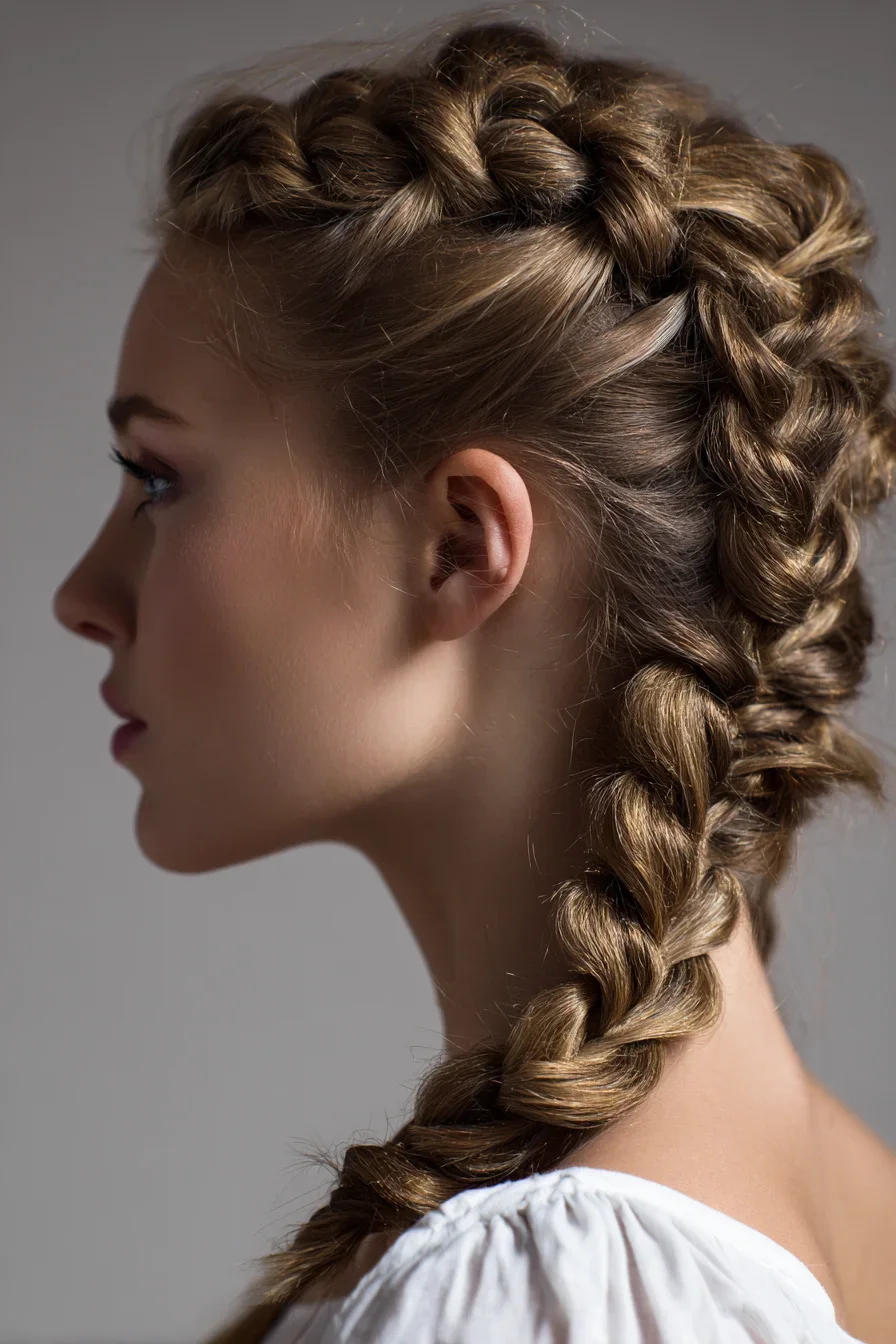
A Dutch braid crosses sections under instead of over, so the plait sits proudly on top of the hair. It looks more deliberate than a French braid, photographs beautifully, and grips slightly better — a real advantage on layered hair where shorter pieces slip out.
Best for: thick or layered hair, windy days, and anyone whose French braids loosen by lunchtime. Keep sections small at the nape, where the braid usually unravels first, and finish with an elastic wrapped twice so it cannot slide off.
The Fishtail Braid, Intricate Looks, Two Sections Only
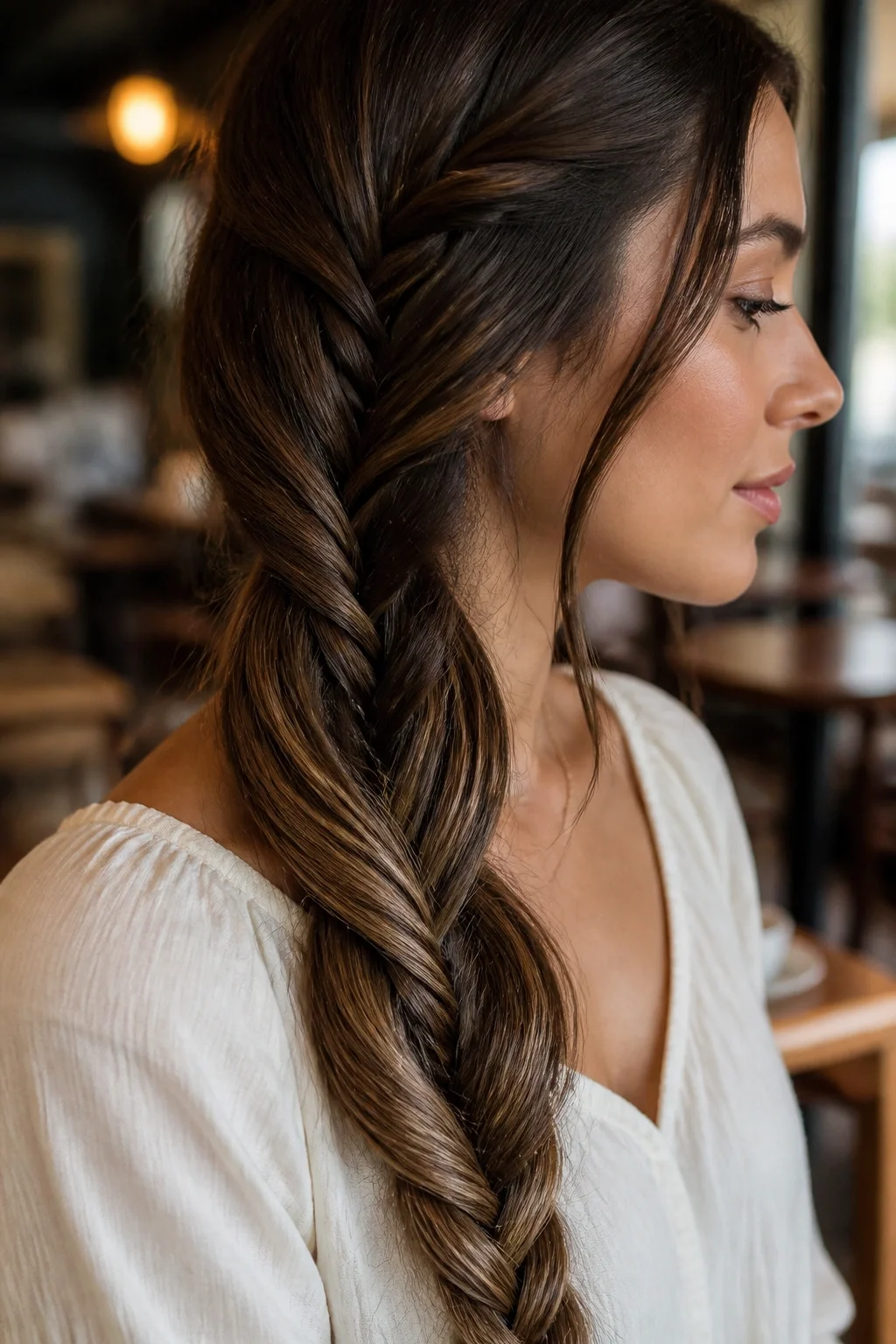
A fishtail uses only two sections, crossing small pieces from each side to the other. Done loosely and pulled apart afterwards, it looks bohemian and expensive; done tightly, it looks sleek enough for an evening out. Either way it takes longer than a three-strand braid, so allow extra time.
Pros and cons: stunning texture and great staying power, but slow to braid and fiddly on very short layers. Common mistake: taking pieces that are too large, which turns a fishtail into an ordinary braid — keep the pieces thin and even.
Box Braids: The Protective Classic That Lasts for Weeks
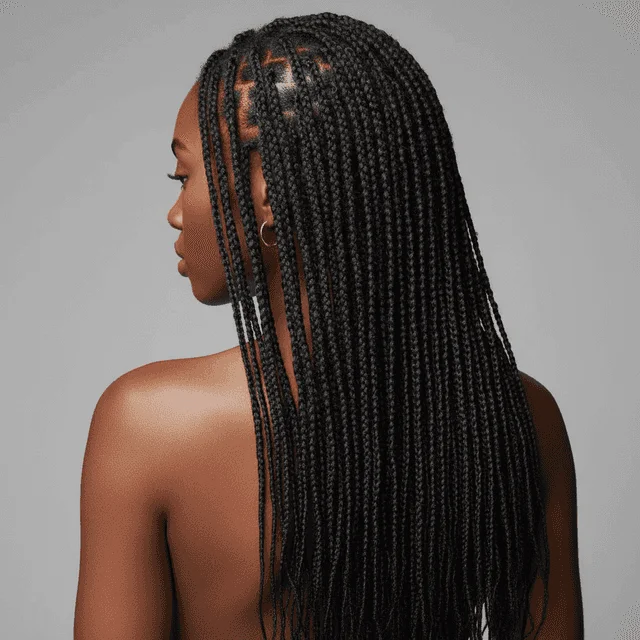
Box braids divide hair into square sections and braid each one down its full length, often with added hair for length and fullness. Installed before a holiday or a busy month, they remove daily styling entirely — wear them loose, tied up, or in a bun and they look finished.
Maintenance: wrap in silk at night, oil the scalp regularly, and wash carefully every week or two. Cost and time: expect several hours in a salon; the payoff is four to six weeks of low-effort hair, which makes the appointment worth planning around.
Knotless Box Braids, Kinder on Your Edges
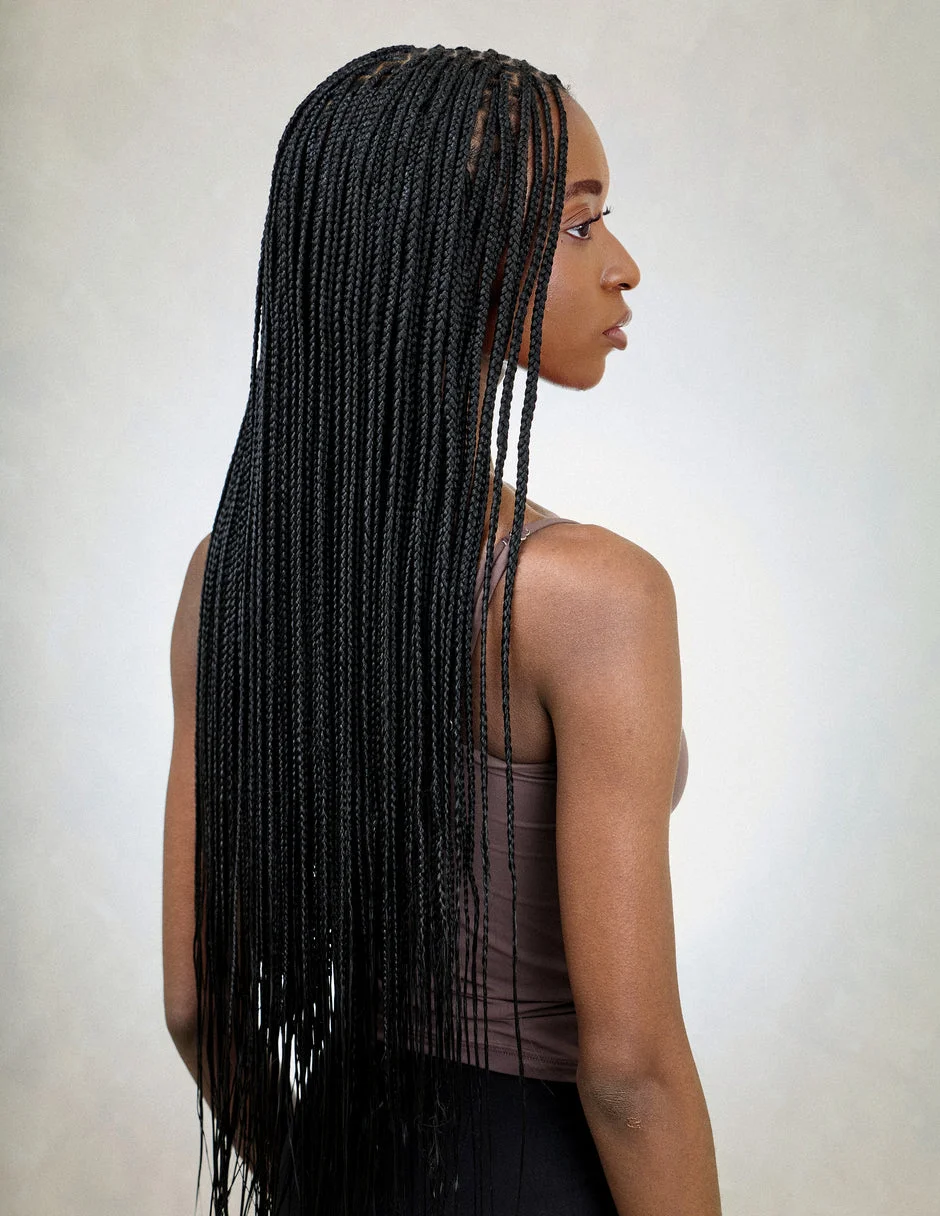
Knotless braids start with your natural hair and feed extension hair in gradually, so there is no tight knot at the root pulling on the scalp. They lie flatter, feel lighter, and are noticeably more comfortable in the first few days than traditional box braids.
Who should choose them: anyone with a sensitive scalp, fine edges, or a history of tension headaches from braids. They can cost a little more and take a little longer, but for comfort over weeks of wear, that trade is usually worth it.
Cornrows: Flat, Neat, and Brilliant Under Hats and Wigs
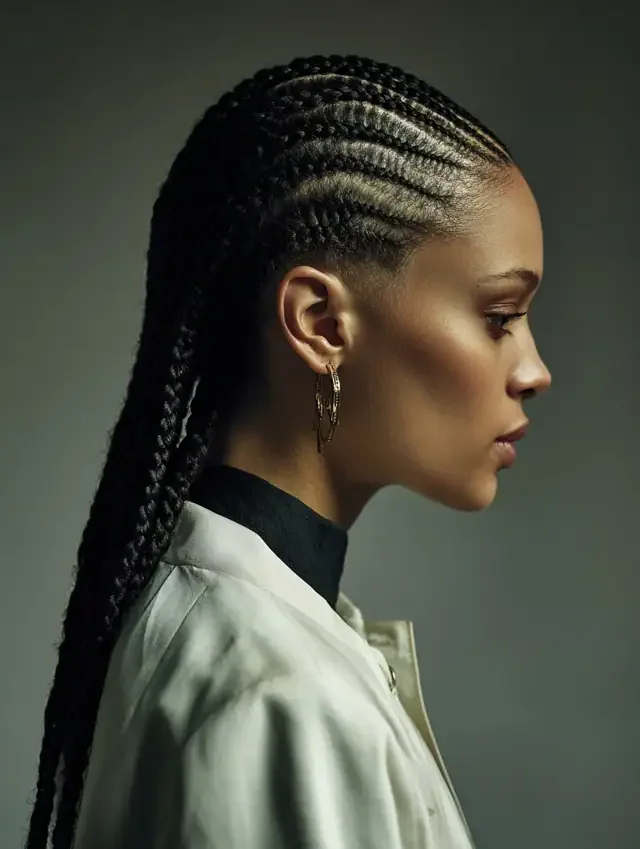
Cornrows braid hair flat against the scalp in neat rows, protecting the lengths from sun, wind and tangling for days or weeks. They are the foundation under wigs and weaves, a style in their own right, and one of the most secure options for swimming and sport.
Who should avoid very tight rows: anyone with a tender scalp or thinning edges — ask for medium tension and a straight, comfortable parting. With a satin scarf at night and light scalp oil, cornrows stay neat for two to four weeks.
Stitch Braids and Feed-In Cornrows, the Sharp-Parted Upgrade
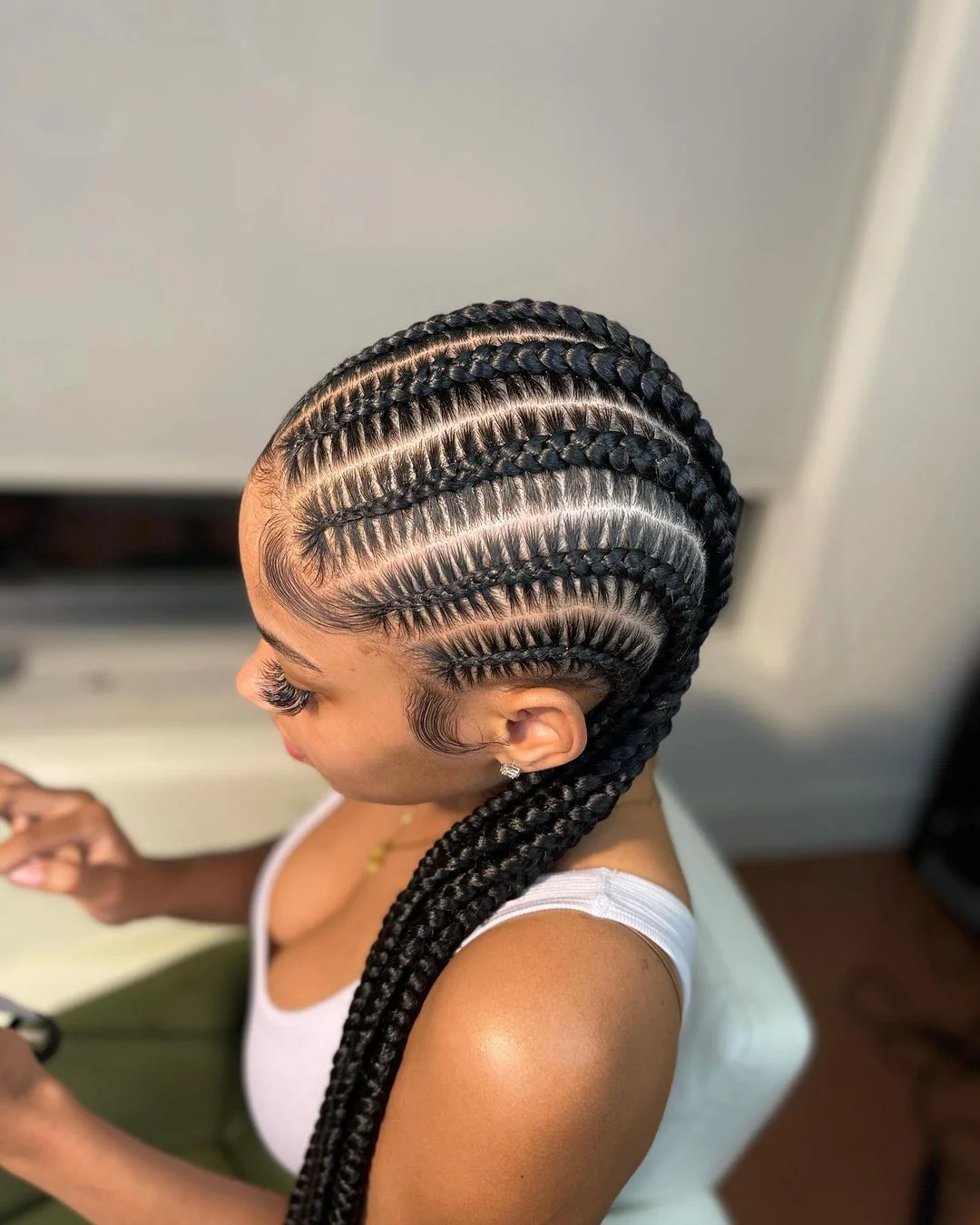
Feed-in braids add hair gradually so the braid starts thin at the hairline and thickens naturally, while stitch braids use a precise parting technique that creates clean, raised lines between rows. The result is sharper, sleeker and more sculptural than classic cornrows.
Best for: occasions, photos, and anyone who loves a crisp parting. Quick verdict: gorgeous, but this is a salon skill — the clean stitching is very hard to achieve on your own head, so book a braider who specialises in it.
Goddess Braids: Big, Soft Plaits With Curly Ends
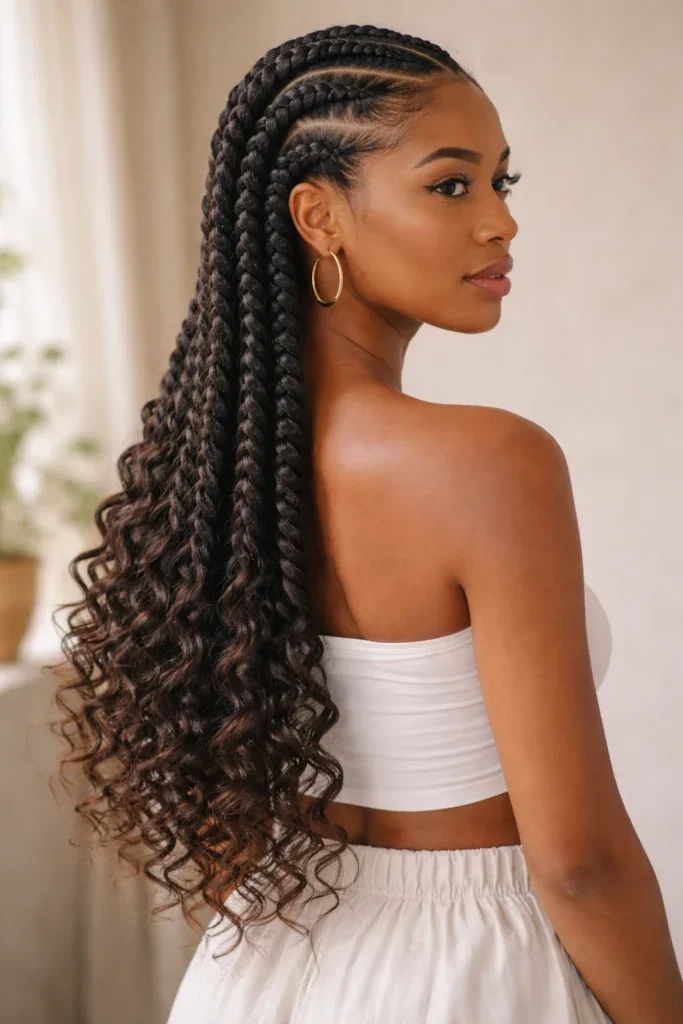
Goddess braids are large cornrows or box braids finished with loose, curly ends instead of braided tips. The curls soften the whole look, add movement, and make the style read romantic rather than severe — a favourite for weddings, holidays and special occasions.
Maintenance: refresh the curly ends by dipping them in warm water and applying a little curl cream; keep the braided sections protected at night as usual. Avoid heavy oils on the curls, which weigh them down and dull the bounce.
Boho Braids: Loose, Lived-In, and Made for Weekends
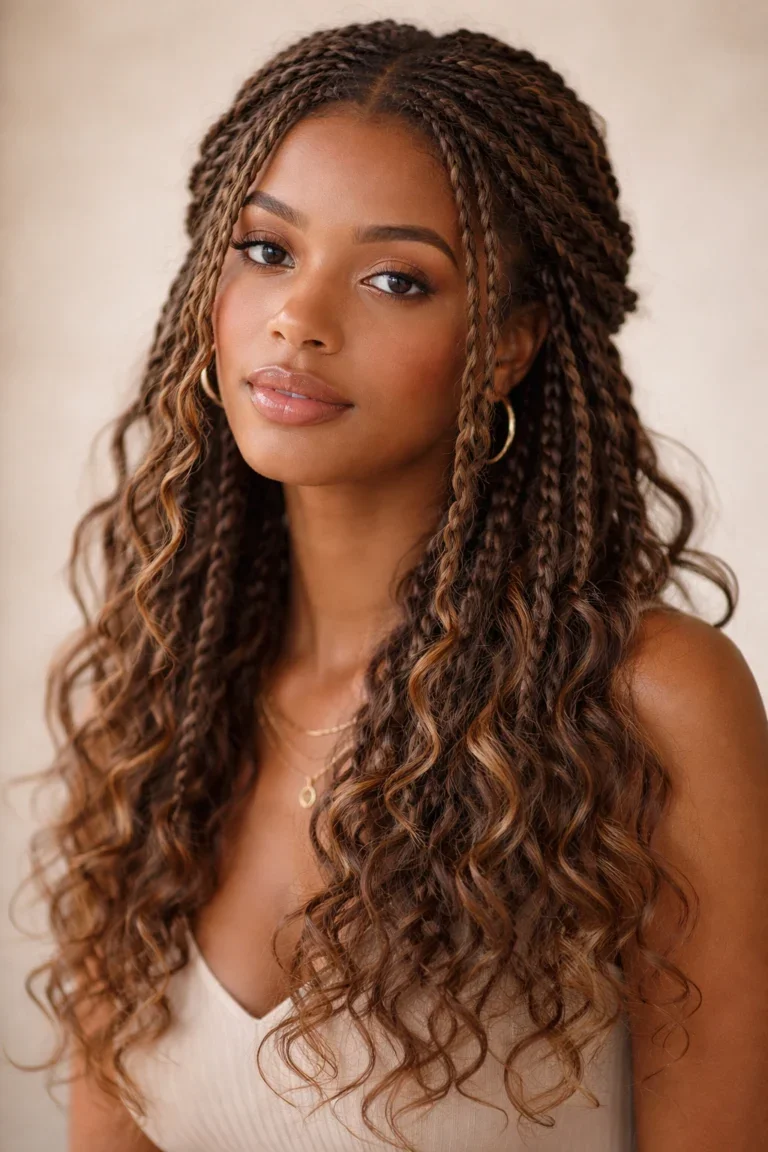
Boho braids leave pieces loose around the face and through the lengths, mixing braids with free curls or waves for a relaxed, festival-ready finish. They suit wavy and curly hair especially well, because the loose texture is already there.
Common mistake: pulling boho braids too tight, which defeats the point. Keep the tension soft, pull a few face-framing pieces free deliberately, and accept a little movement — this style is meant to look undone, not unravelled.
The Crown Braid: Your Own Hair as a Headband
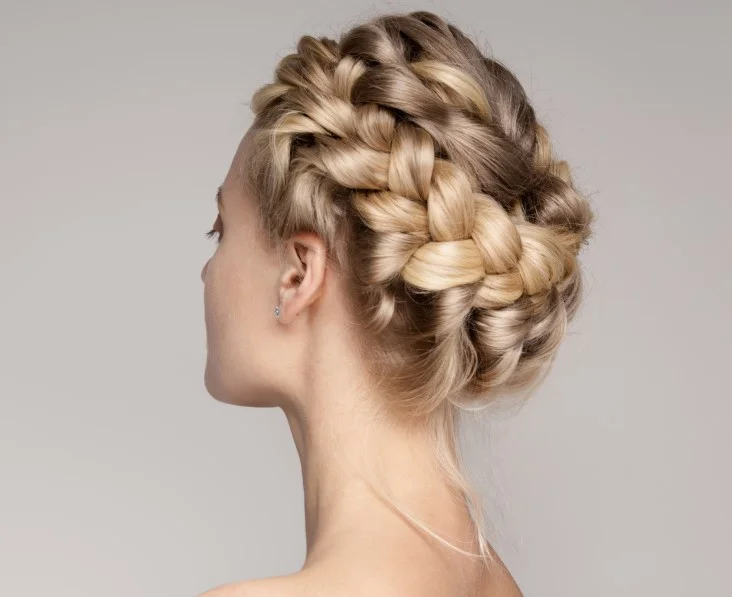
A crown braid runs around the head like a headband made of your own hair, keeping every strand off your face and neck. Braid from one side, across the front, pin it around to the other side and tuck the end underneath for a romantic updo that never needs adjusting.
Best for: long hair on hot days, weddings, and anyone who dislikes headbands slipping. What to ask a stylist: pins matched to your hair colour and a little flexible spray at the nape, where fine hairs escape first.
The Halo and Milkmaid Braid for Second-Day Hair
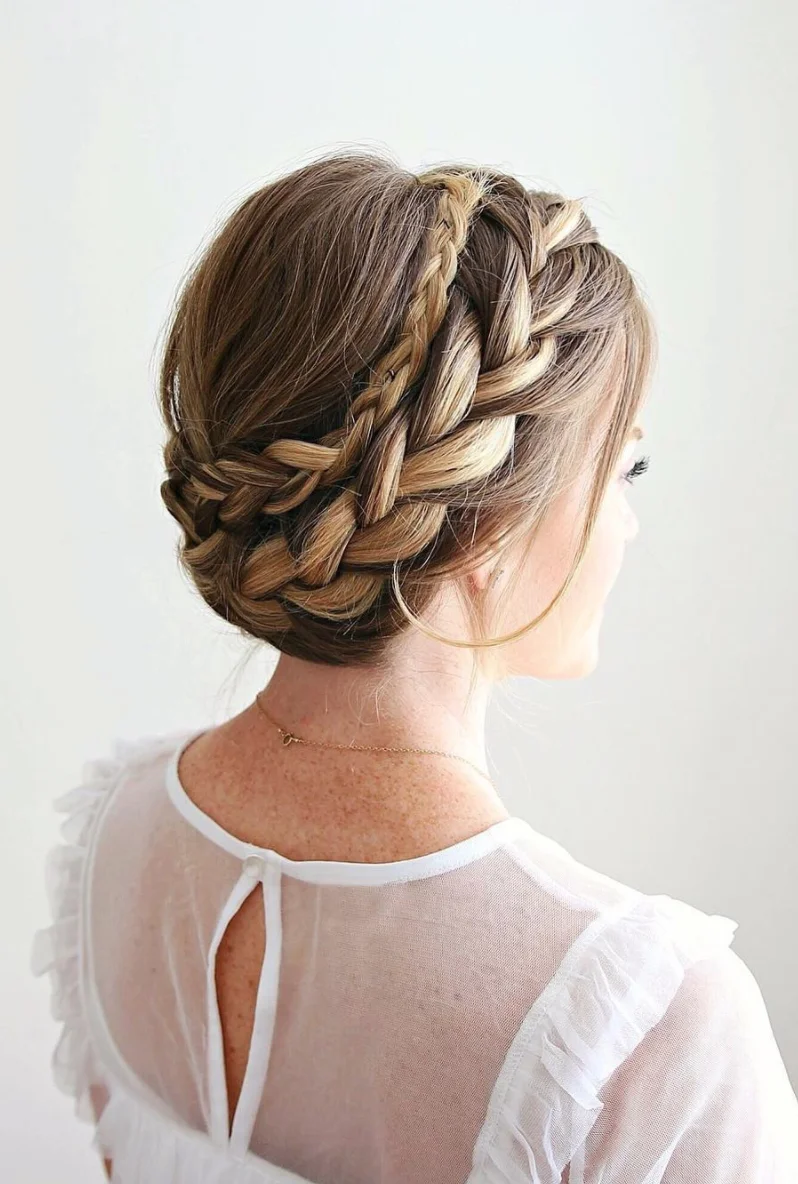
The milkmaid braid wraps two braids over the top of the head and pins them in place, giving a vintage, storybook updo. It is also a rescue style: it hides roots, frizz and second-day texture better than almost any other updo.
How to style it: braid two low pigtails, cross them over the crown, and pin securely. Pros: no heat, no washing needed, and it stays put all day. Cons: it needs enough length to wrap — chin-length hair will struggle without extensions.
The Side Braid, Swept Over One Shoulder
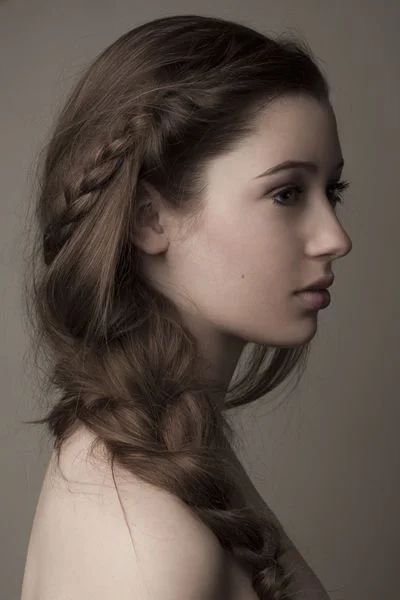
A side braid swept over one shoulder looks effortless, keeps hair from blowing across your face, and flatters almost every face shape. Braid loosely from behind one ear, bring it forward, and pull it apart slightly for volume.
Best for: windy days, boat trips, and evenings when you want hair visible from the front in photos. For a dressier version, add a ribbon or a few pins along the braid; for everyday, leave it plain and slightly messy.
Boxer Braids: Two Dutch Braids for All-Day Security
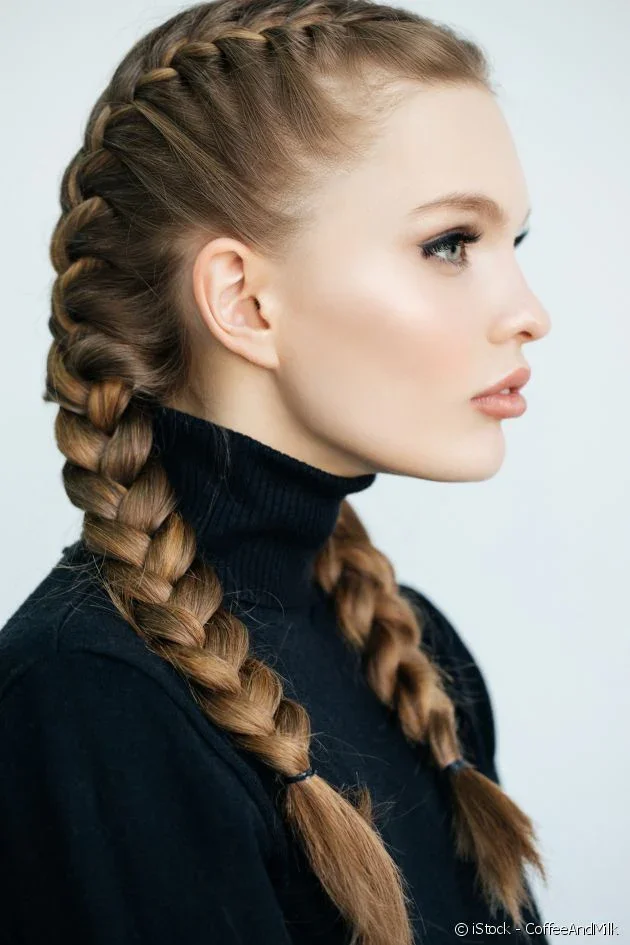
Two Dutch braids, one on each side of a centre part, are the most secure everyday braided style there is. They divide the hair so no section is too heavy, keep every strand off the face, and stay comfortable under a hat or swim cap.
Quick verdict: the style to choose for a full day of sport, swimming or travel. Cost and time: free at home in about fifteen minutes once you can Dutch-braid, and they give you braid waves the next day when you undo them.
The Braided Ponytail, High or Low, Always Polished
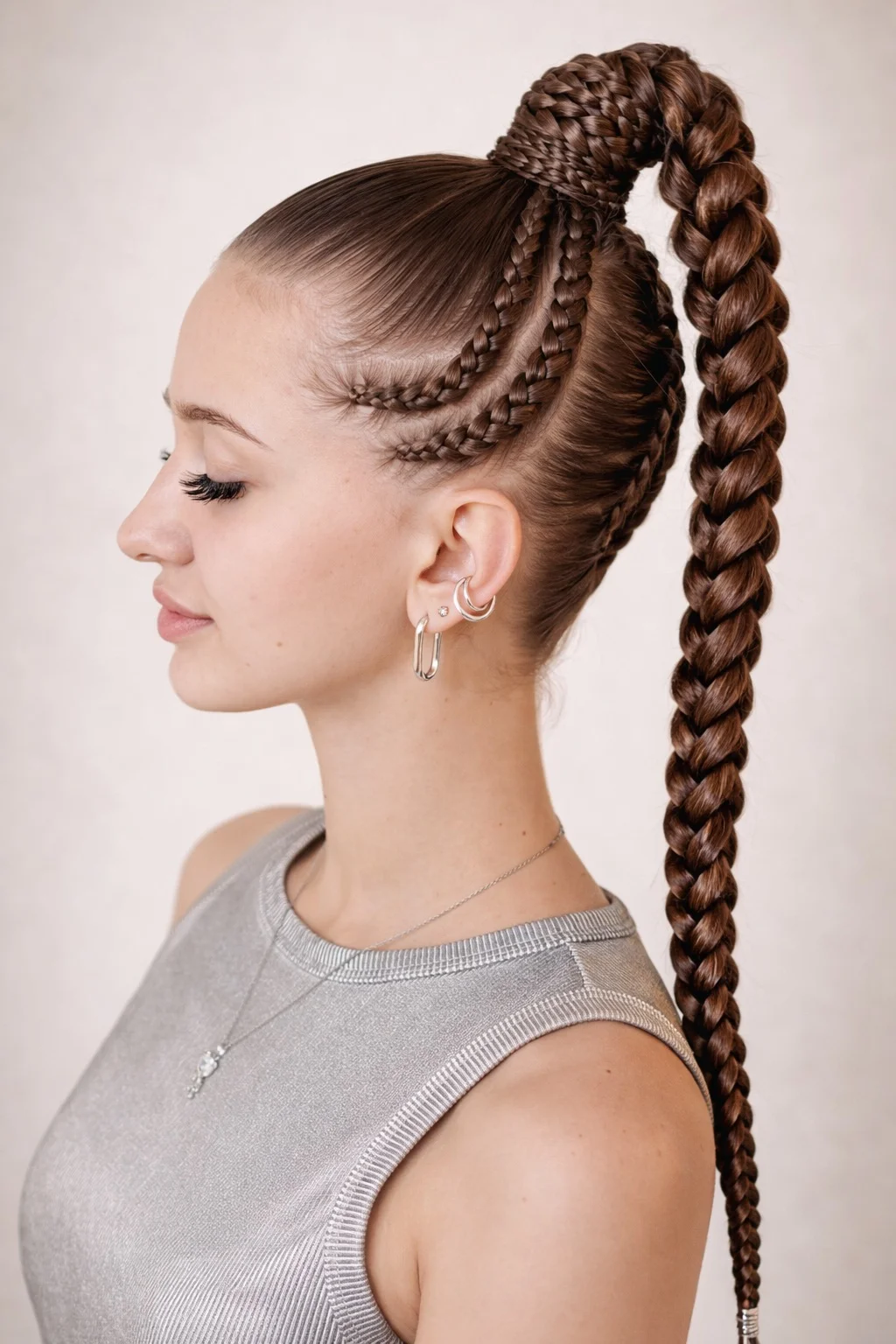
Tie a ponytail, braid the tail, and you have a style that is sporty, tidy and far more interesting than a plain ponytail. A high version reads energetic and youthful; a low version reads sleek and office-ready.
Maintenance: a braided ponytail survives wind, workouts and long days better than a loose one, because the braid contains the ends. Keep a spare elastic in your bag — a ponytail that slips is the only real failure mode here.
The Braided Bun That Will Not Budge
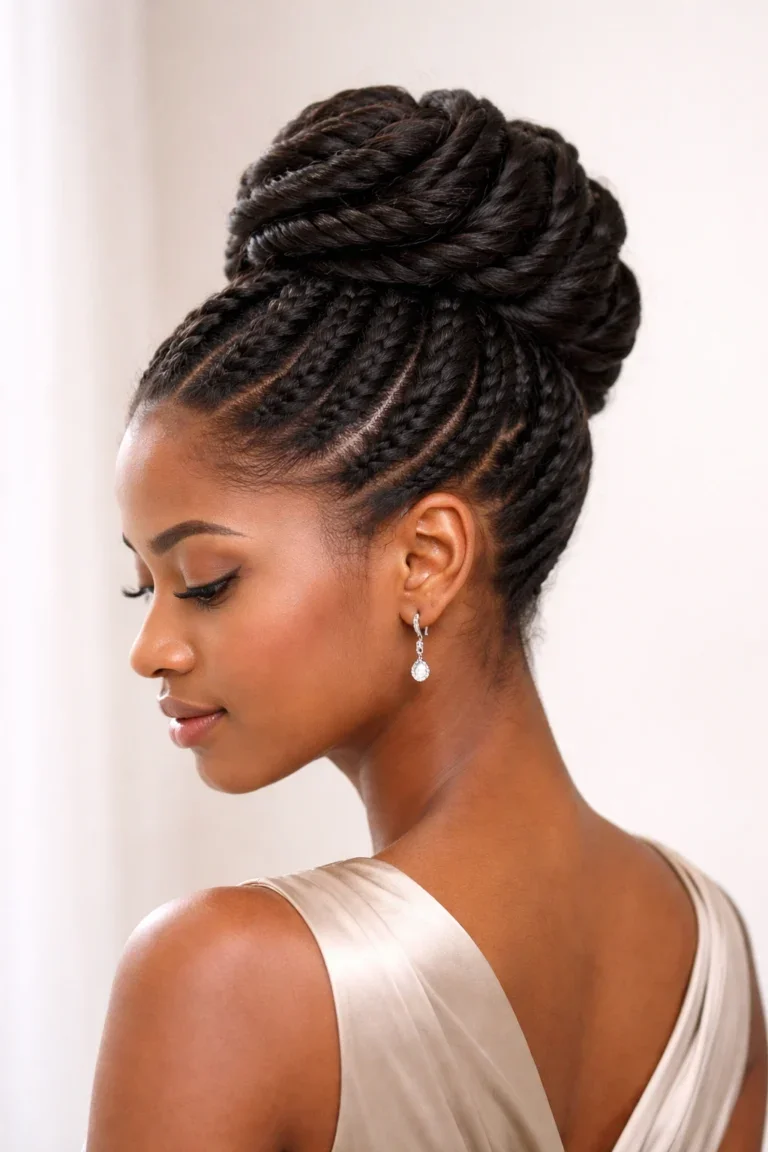
Braid a ponytail first, then wrap the braid into a bun and pin it. The braid gives the bun texture and grip, so it holds far better than a bun made from loose hair, and it looks more finished without any extra effort.
Best for: long days, formal events, and anyone whose buns usually collapse by midday. What to pack: a strong elastic for the ponytail, another for the braid end, and at least six pins, because a braided bun is heavier than it looks.
The Low Braided Chignon for Weddings and Work
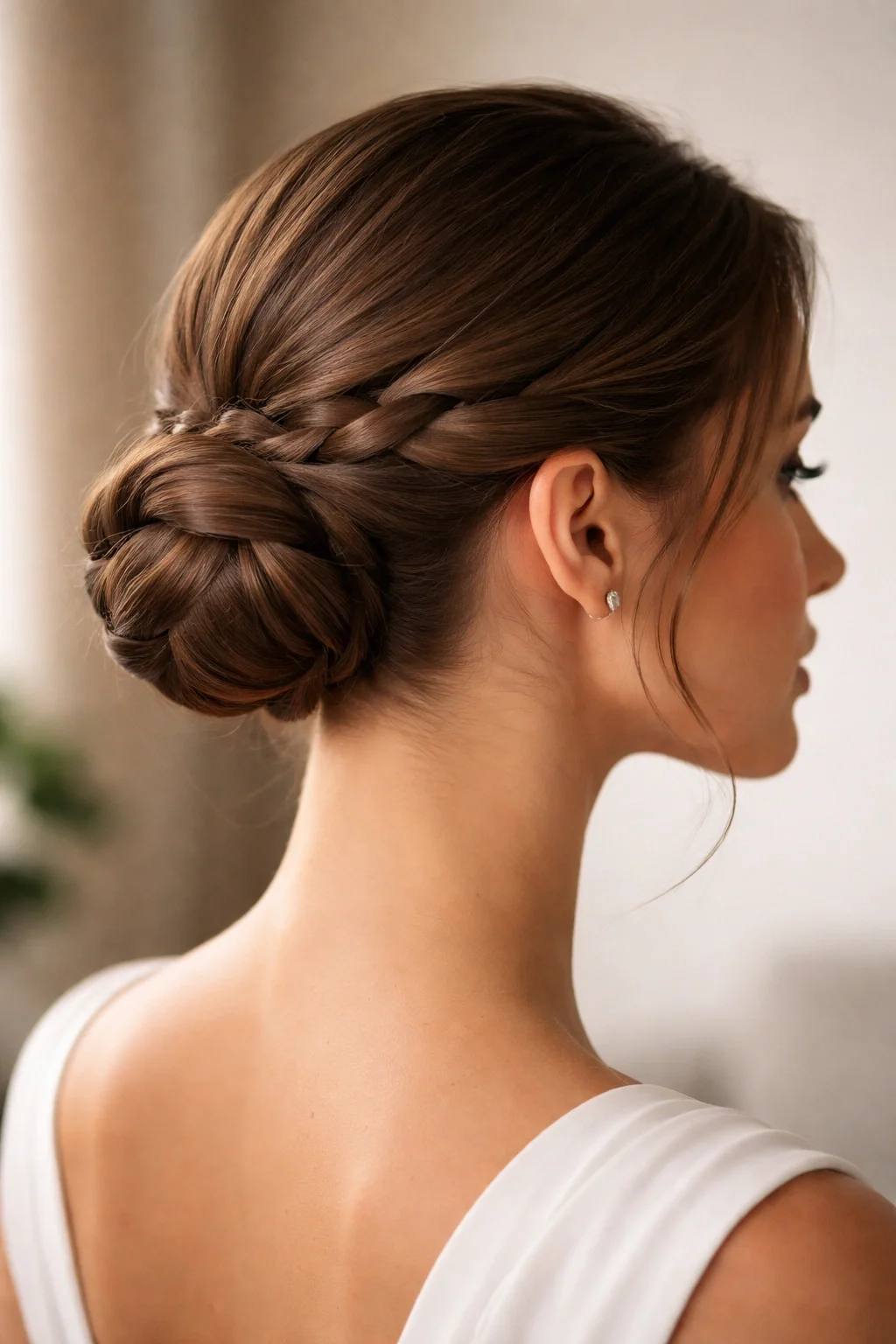
A low chignon is a smooth, twisted bun at the nape, made more interesting by braiding one or two sections into it. It is elegant without being stiff, suits offices and weddings alike, and keeps hair completely off the neck on warm days.
How to style it: braid the front sections back, gather everything low, twist and pin flat against the head. Leave the front soft rather than scraped back for a modern finish, and use flexible-hold spray so the style can move without breaking.
The Waterfall Braid for Loose Hair That Stays Put
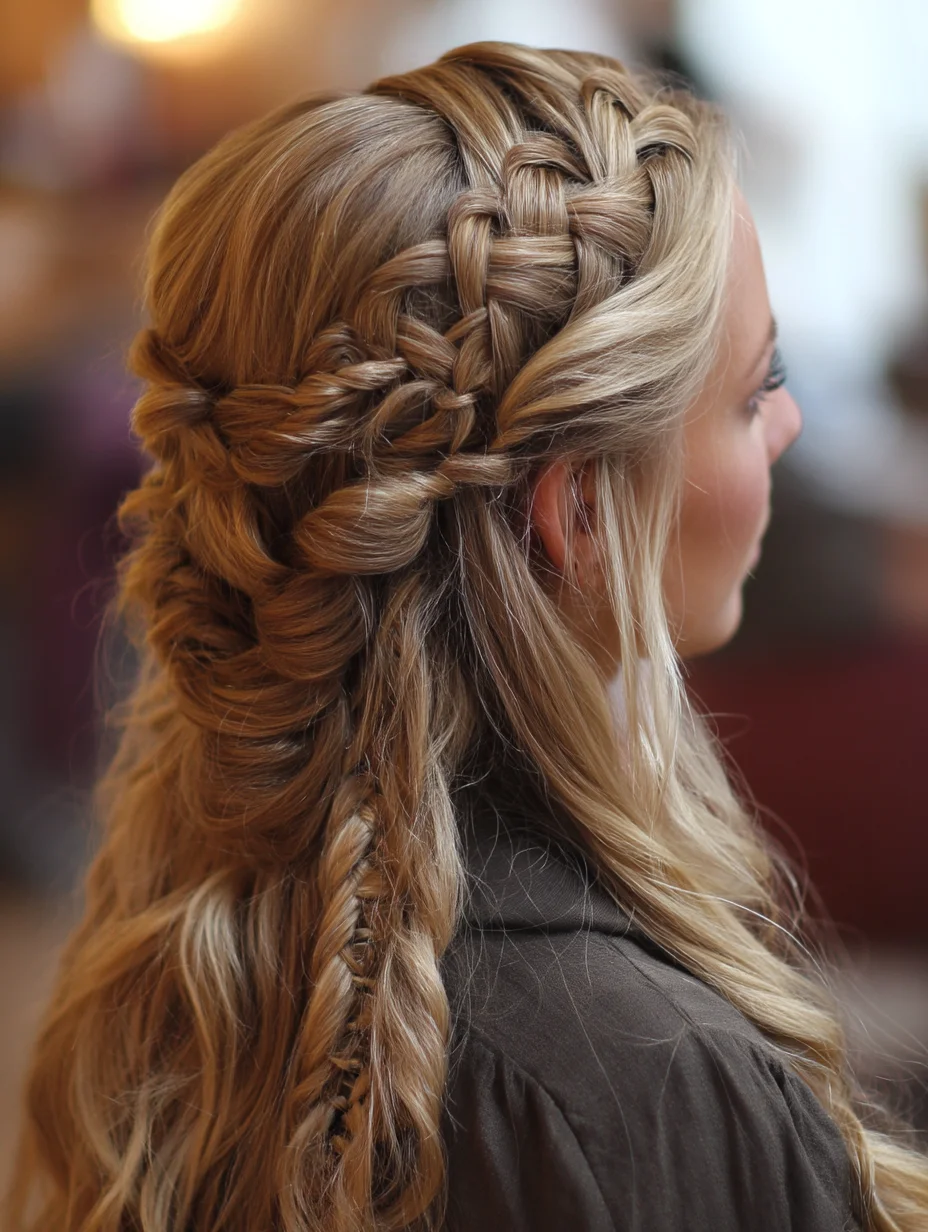
A waterfall braid lets strands fall through the plait as you go, so you keep the movement of loose hair with a braid holding the front back. It is prettier than a plain half-up style and far more secure than loose hair in a breeze.
Best for: wavy or curly hair, where the falling strands already have texture. Common mistake: dropping too many strands too quickly, which leaves the braid with nothing to hold — drop one strand per crossover and keep the rest in the plait.
The Rope Twist, Easier Than It Looks
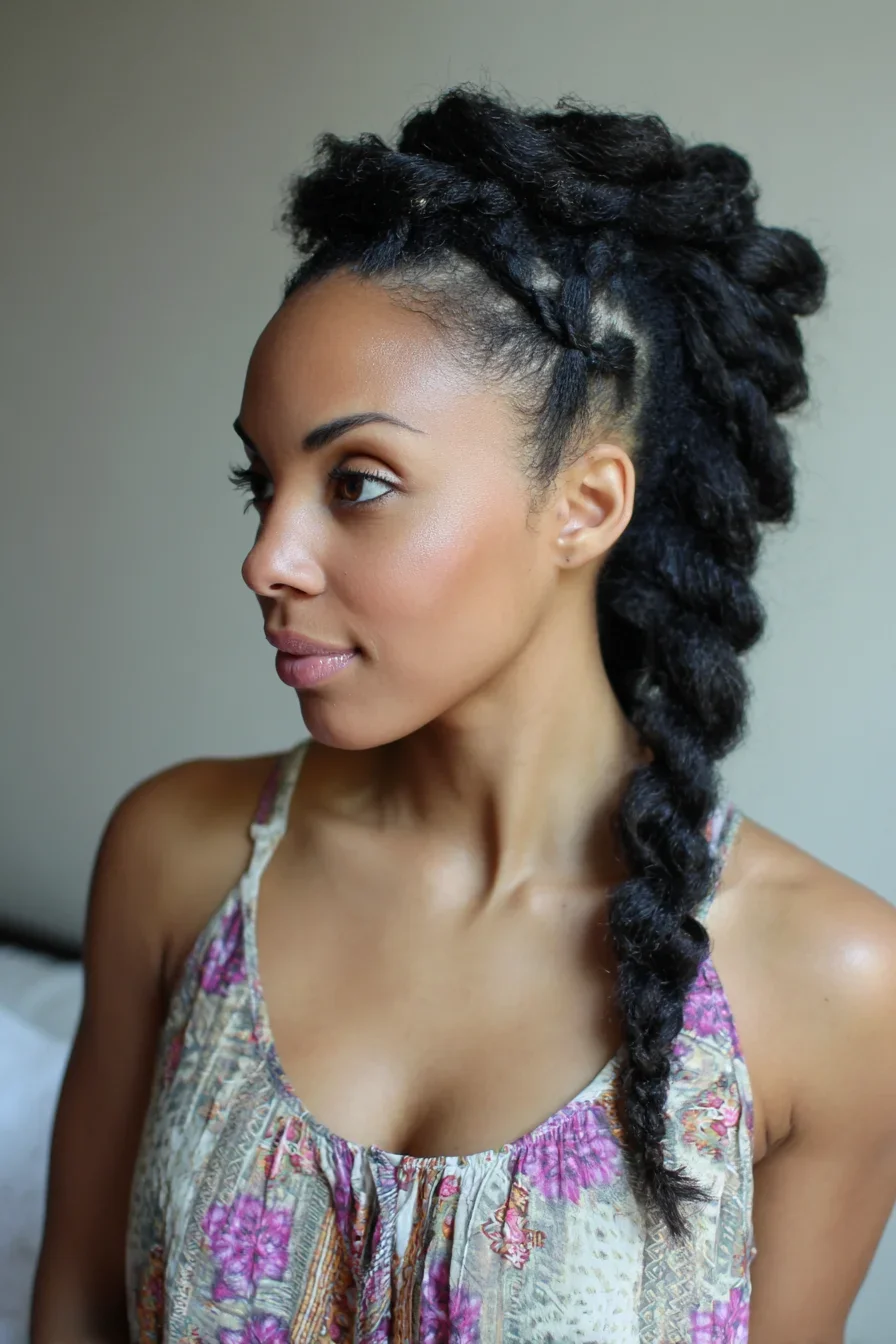
A rope twist uses two sections twisted in the same direction, then wound around each other in the opposite direction, which locks the twist in place. It looks polished, takes about three minutes, and holds far better than a plain ponytail.
Pros and cons: very quick and very secure, but it can unravel if you twist both sections the wrong way. Test it once slowly — twist right, wrap left — and it becomes a three-minute habit you will use constantly.
Senegalese Twists: Sleek, Light and Long-Lasting
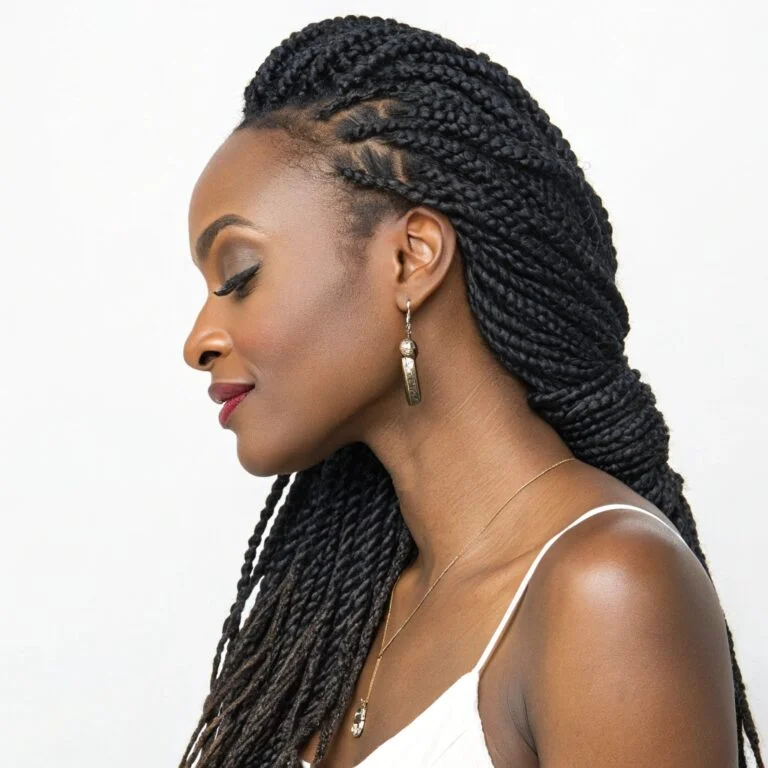
Senegalese twists are two-strand twists, usually with added hair, that fall sleekly and move beautifully. They are lighter than many braided styles, which makes them comfortable for weeks of wear, and they can be styled up or down just like loose hair.
Maintenance: moisturise the scalp, protect twists at night, and avoid re-twisting the same sections repeatedly. Who should avoid them: anyone who dislikes a style that needs gentle handling when wet — twists loosen faster than braids if soaked often.
Passion Twists: Soft, Springy, and Full of Movement
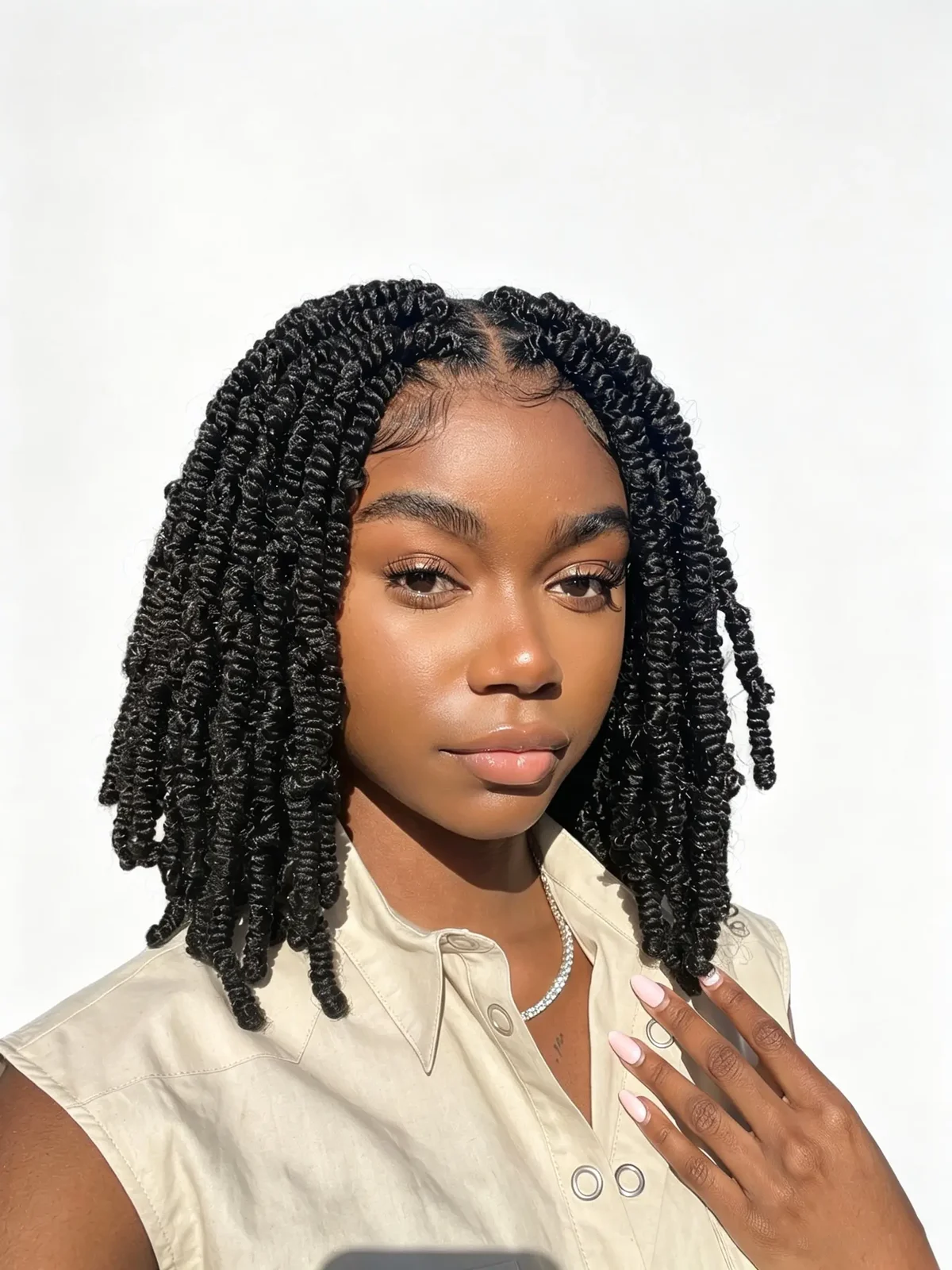
Passion twists use wavy, textured extension hair twisted loosely, giving a soft, bohemian result that looks like natural curls with structure. They are lighter and bouncier than many protective styles, and they frame the face beautifully.
Cost and time: a salon appointment of several hours, with two to six weeks of wear afterwards. Best for: holidays, special occasions, and anyone who wants a protective style that does not look severe or overly neat.
Butterfly Braids, the Textured Style Everyone Is Asking For
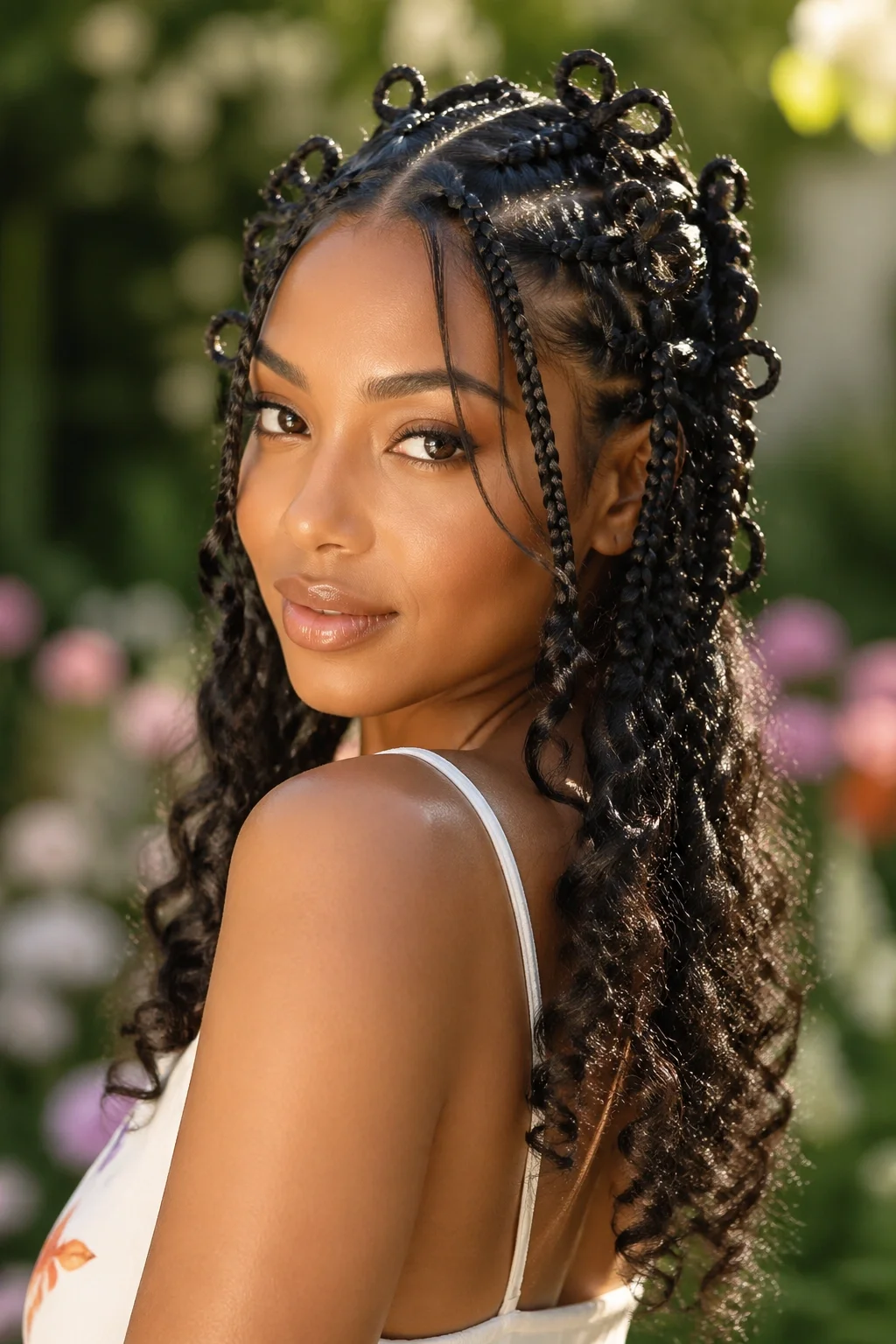
Butterfly braids — also called distressed braids — pull loops of hair out of a braid as you go, creating a winged, textured effect along its length. The result is fuller and more dramatic than a flat braid, and it photographs strikingly.
Quick verdict: a statement style, best done by a braider for even loops. Common mistake: pulling loops out unevenly, which makes one side look fuller than the other — step back and check symmetry halfway through.
Fulani Braids: Cornrows, a Centre Plait, and Beads
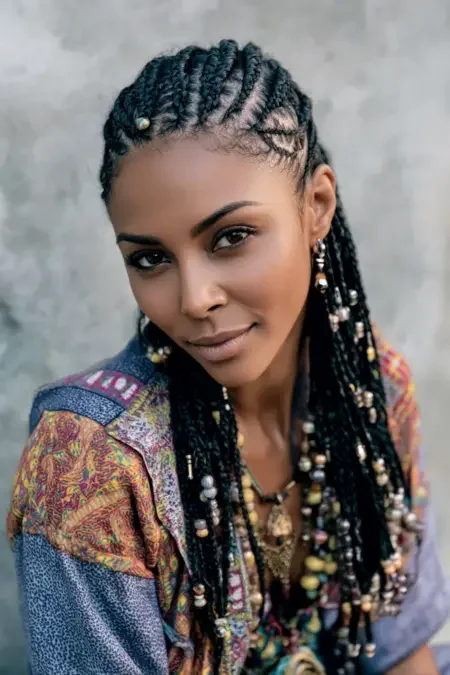
Fulani braids combine side cornrows with a central braid down the middle of the head, often finished with beads, cuffs or shells. The style is rich in West African heritage, visually striking, and endlessly customisable with accessories.
Best for: festivals, celebrations, and anyone who loves adorned hair. Keep beads light — heavy beads pull on braids and can cause breakage over weeks — and protect the style at night with a satin scarf.
Lemonade Braids, Swept to One Side
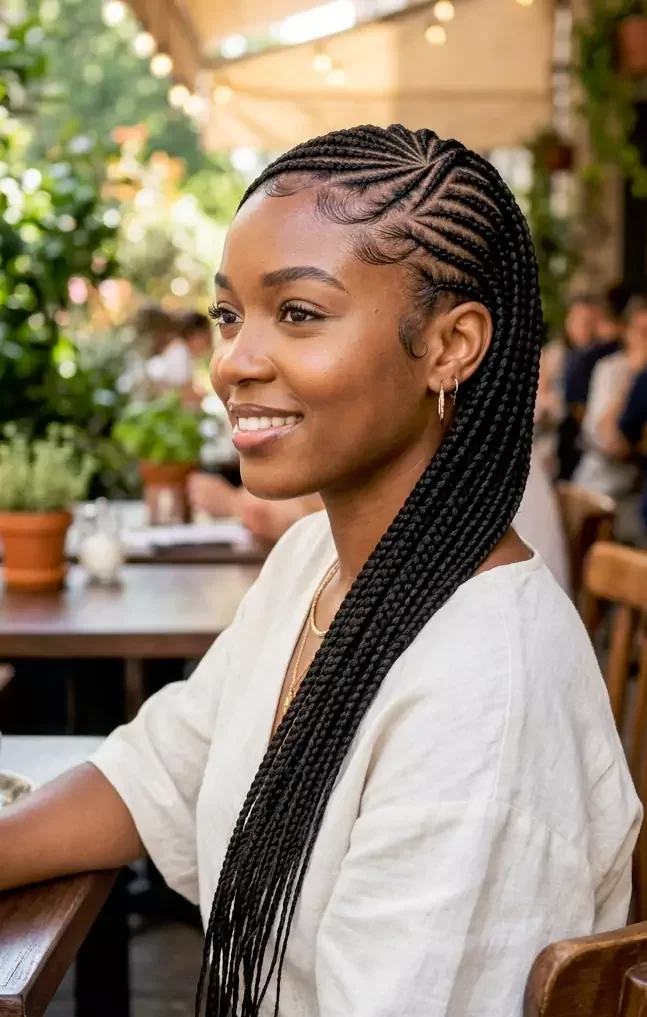
Lemonade braids are small cornrows braided to one side of the head, made famous by Beyoncé’s Lemonade era. The side sweep is flattering, asymmetric and modern, and it keeps hair completely off the face on one side.
Who should choose them: anyone who wants cornrows with a fashion edge rather than a classic straight-back look. They need a skilled braider for neat, even rows, and they last two to four weeks with normal protective care.
Tribal Braids With Beads and Cuffs
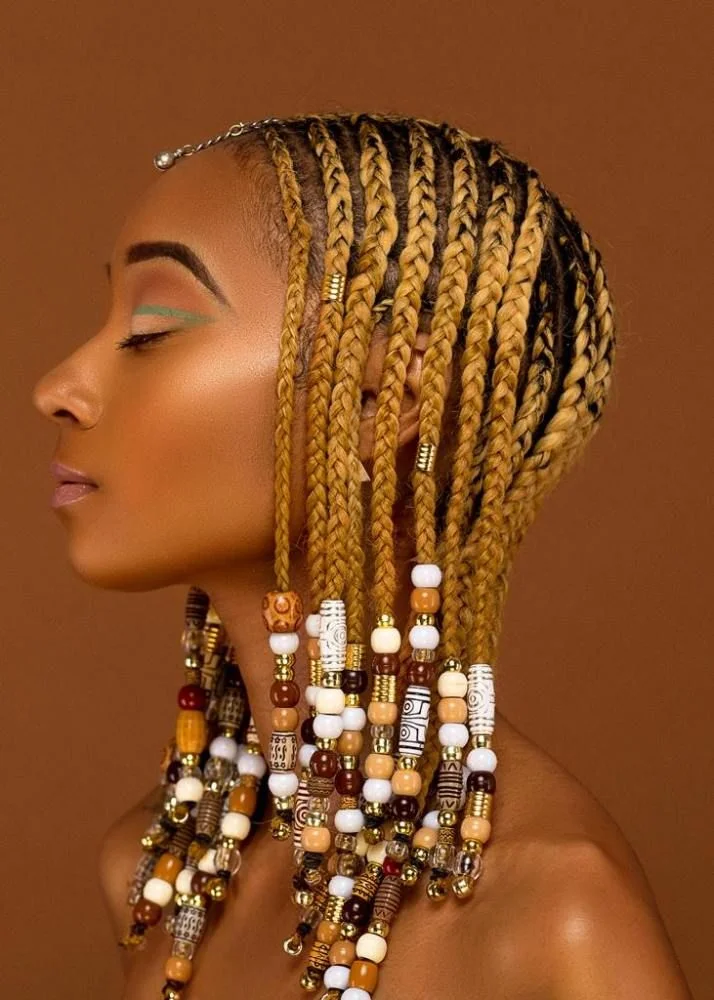
Tribal braids are a family of styles — cornrows in patterns, often with beads, rings and coloured thread woven in — rooted in African braiding traditions. Each pattern can be personal, from geometric parts to braids of different sizes in one style.
What to ask a braider: bring reference photos, agree the pattern and the accessories before starting, and confirm how long the appointment will take. Heavy accessories look wonderful but add weight, so keep them balanced across the head.
Jumbo Braids: Maximum Impact in Minimum Time
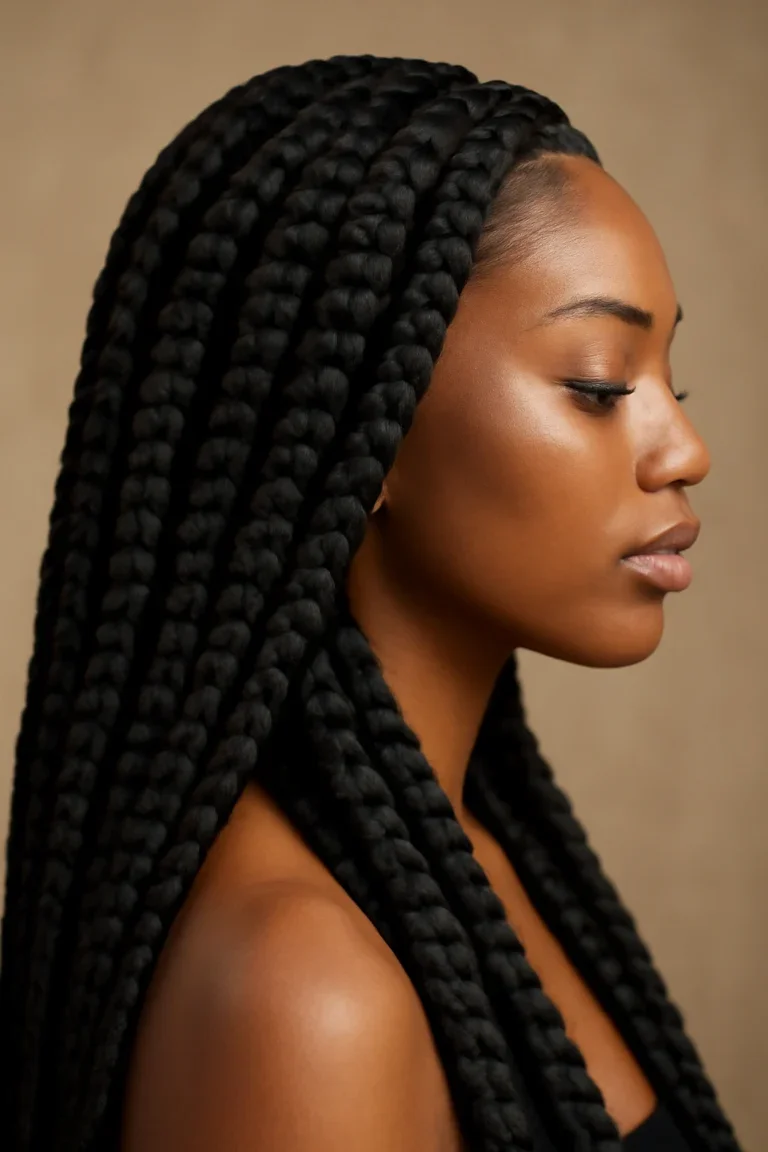
Jumbo braids use large sections, so a full head takes far less time to install than small box braids — sometimes under two hours. They are bold, dramatic and easy to style into buns and ponytails, though they are heavier than smaller braids.
Pros and cons: fast install and big visual impact, but more weight and less versatility for intricate updos. Who should avoid them: anyone with fine hair or a sensitive scalp, since large sections pull more on each root.
Micro Braids: Tiny, Versatile, and Not for Impatient Stylists
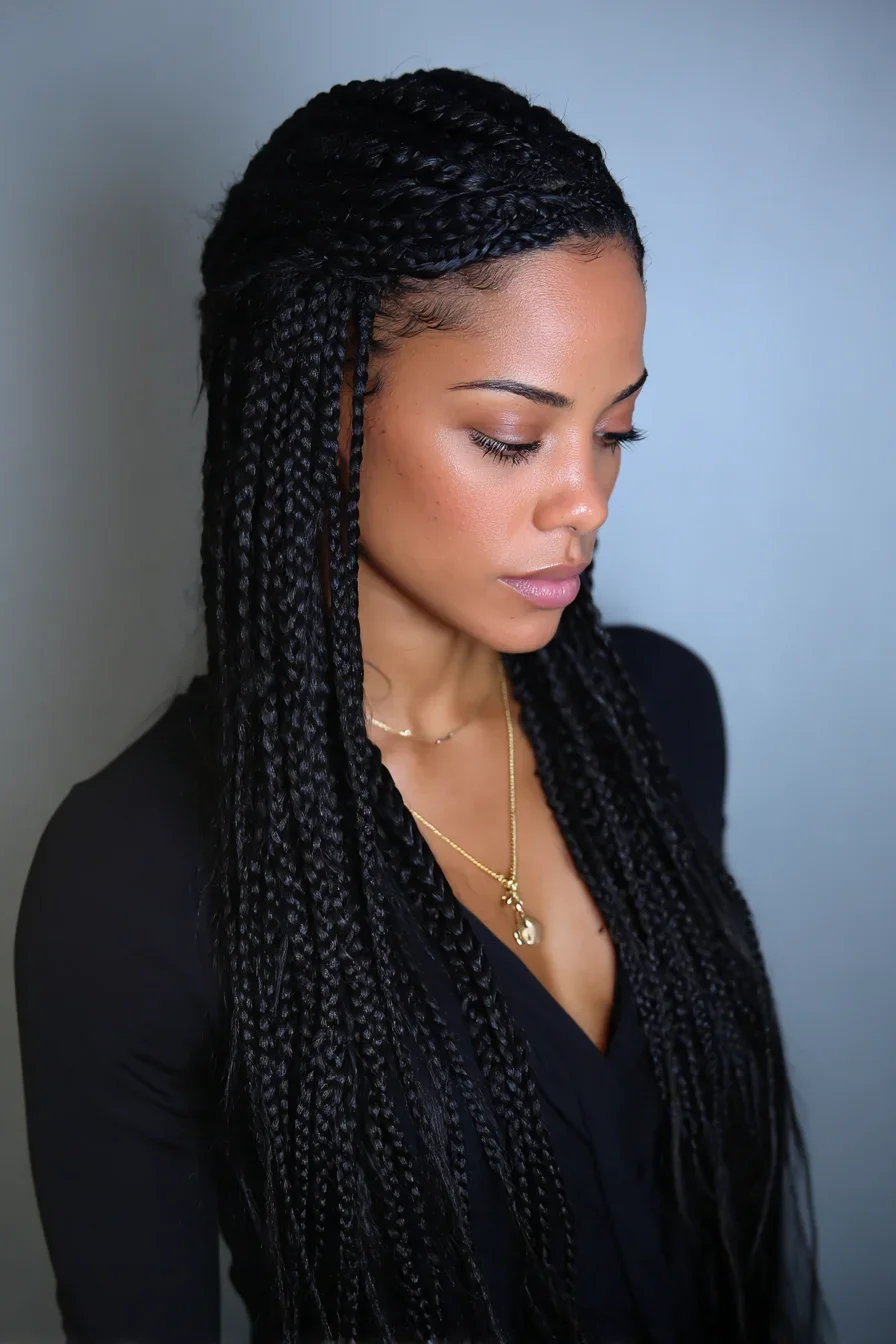
Micro braids are very small braids that behave almost like loose hair — you can part them, curl them, and style them in countless ways. They last for weeks and give unmatched versatility, but installation can take six hours or more.
Cost and time: this is the longest, priciest protective install in this guide, so only commit if you will wear them for weeks. Maintenance matters even more here: tiny braids tangle easily if neglected, so night protection is non-negotiable.
Tree Braids: Braids You Can Barely See
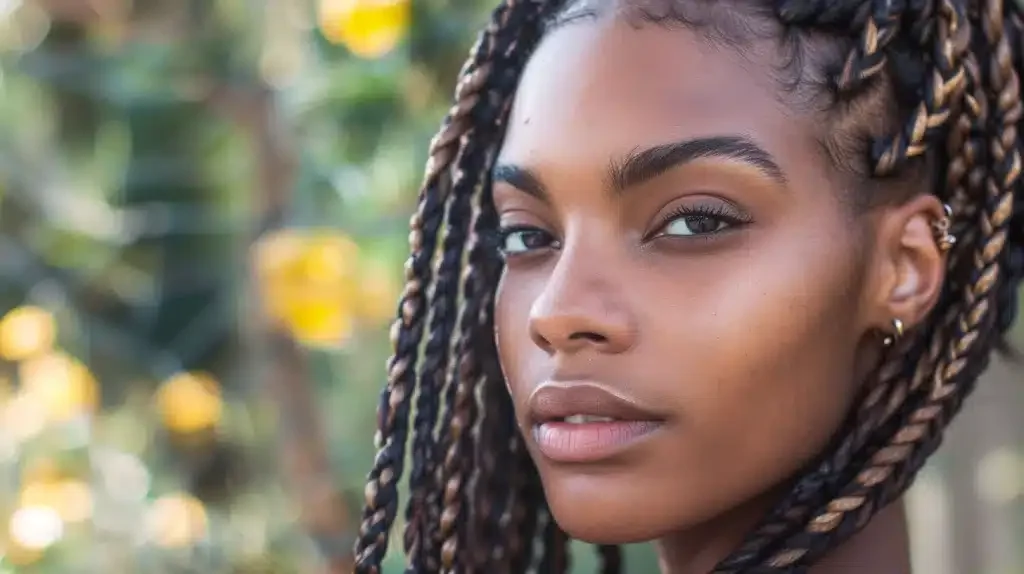
Tree braids cornrow a base and leave most of the hair free, so the style looks like loose hair with braided roots. They give length and fullness without a full weave, and the free hair can be curled, straightened or worn wavy.
Best for: anyone who wants added length but dislikes the look of obvious extensions. Common mistake: leaving tree braids in too long — the cornrow base grows out and tangles with the free hair, so plan a takedown within six to eight weeks.
Crochet Braids: Quick Install, Endless Styles
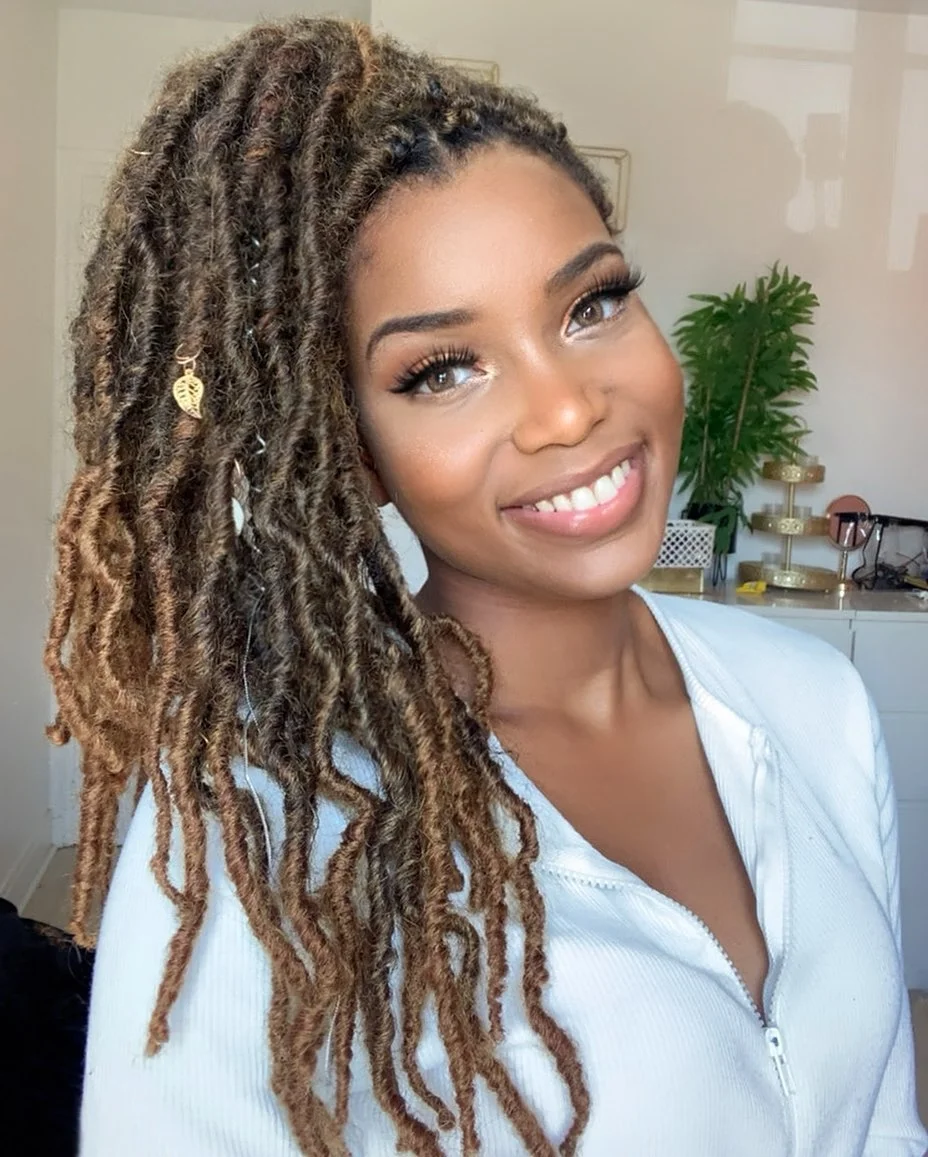
Crochet braids start with cornrows, then extension hair is looped through with a crochet hook. Installation is much faster than individual braids, the style options — curly, straight, wavy, bob-length — are huge, and the cost is usually lower.
Pros: speed, price and versatility. Cons: the cornrow base needs care, and very heavy crochet hair can strain the base if worn too long. Quick verdict: an excellent first protective style if you are unsure about committing to weeks of individual braids.
Braided Space Buns for Playful Days
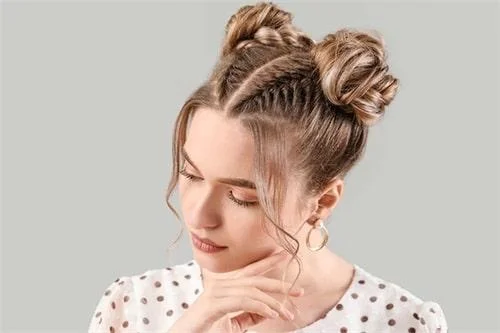
Two buns, one on each side of the crown, each made from a braid, keep all your hair up and off your neck while looking deliberately fun. They suit festivals, holidays and anyone who wants a style that will not budge.
Best for: medium to long hair, and for short hair with small buns and plenty of pins. What to pack: four elastics, a handful of pins, and texture spray for grip on freshly washed hair, which is too slippery for buns alone.
The Half-Up Braided Crown, Best of Both Worlds
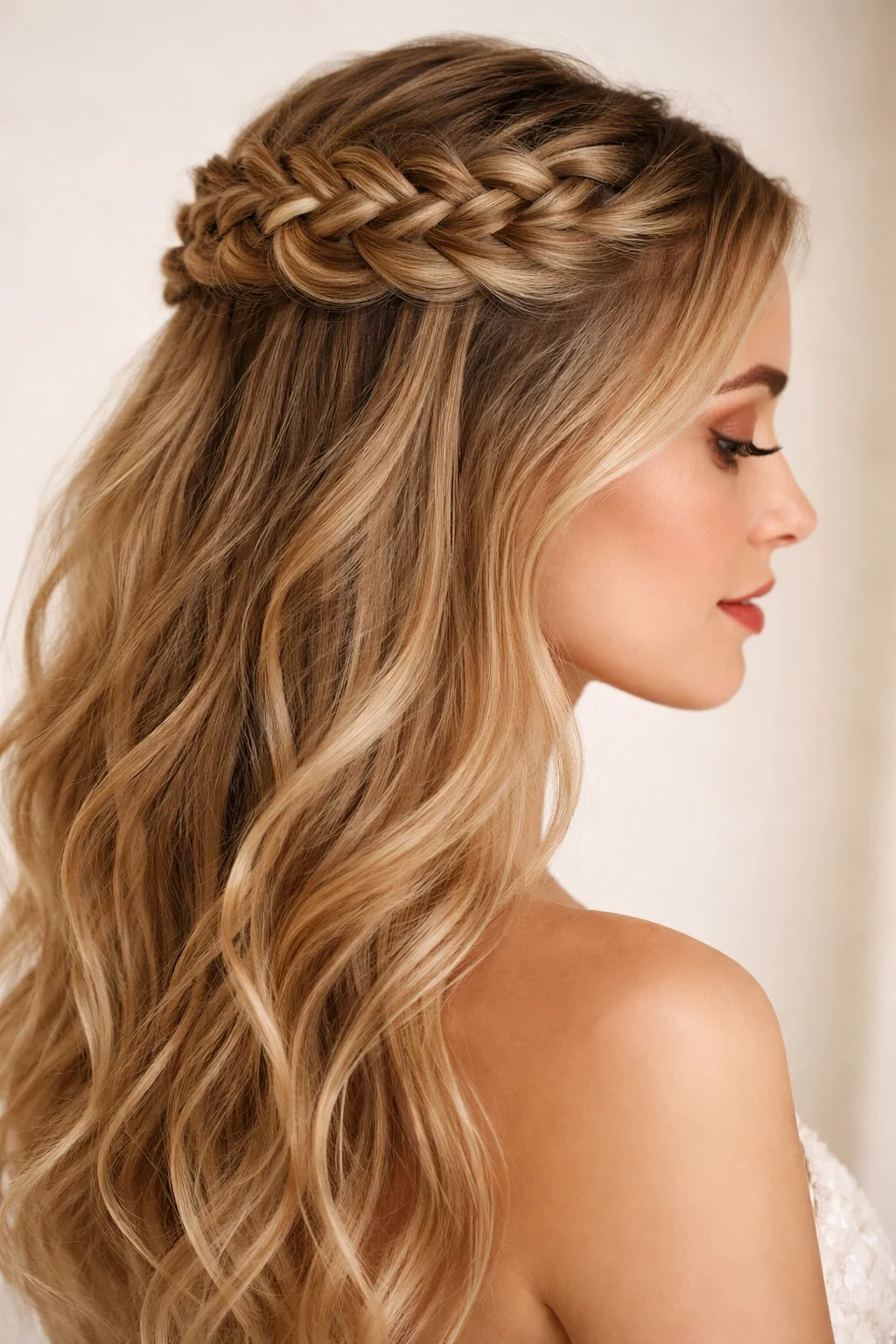
A half-up braided crown takes the top section into braids pinned across the head and leaves the rest down. You get hair off your face with the length and movement of loose hair at the back — ideal for days when you are in and out of events.
How to style it: braid two front sections, cross them at the back, and pin. Maintenance is minimal, and the style works on straight, wavy and curly hair alike, which is why it appears at so many weddings.
Front Braids and Braided Bangs for Instant Polish
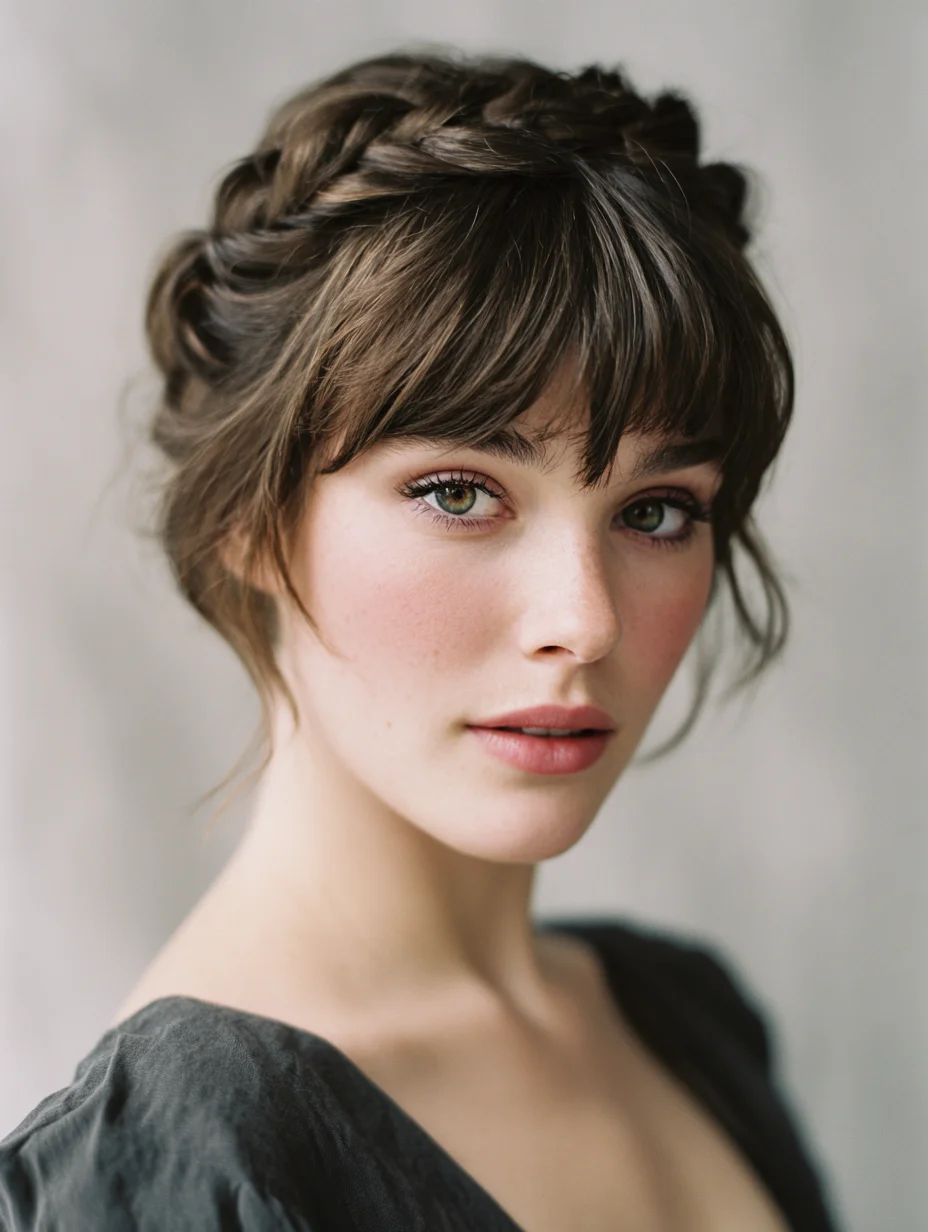
A small braid along the hairline — across the forehead, along a side part, or woven into bangs — instantly makes loose hair look intentional. It hides regrowth, tames a frizzy hairline, and takes under five minutes.
Best for: second-day hair, growing-out bangs, and anyone whose fringe misbehaves in humidity. Common mistake: braiding the front too tightly, which pulls the hairline — keep it soft and pin the end discreetly behind the ear.
The Side-Swept Braided Updo for Evenings
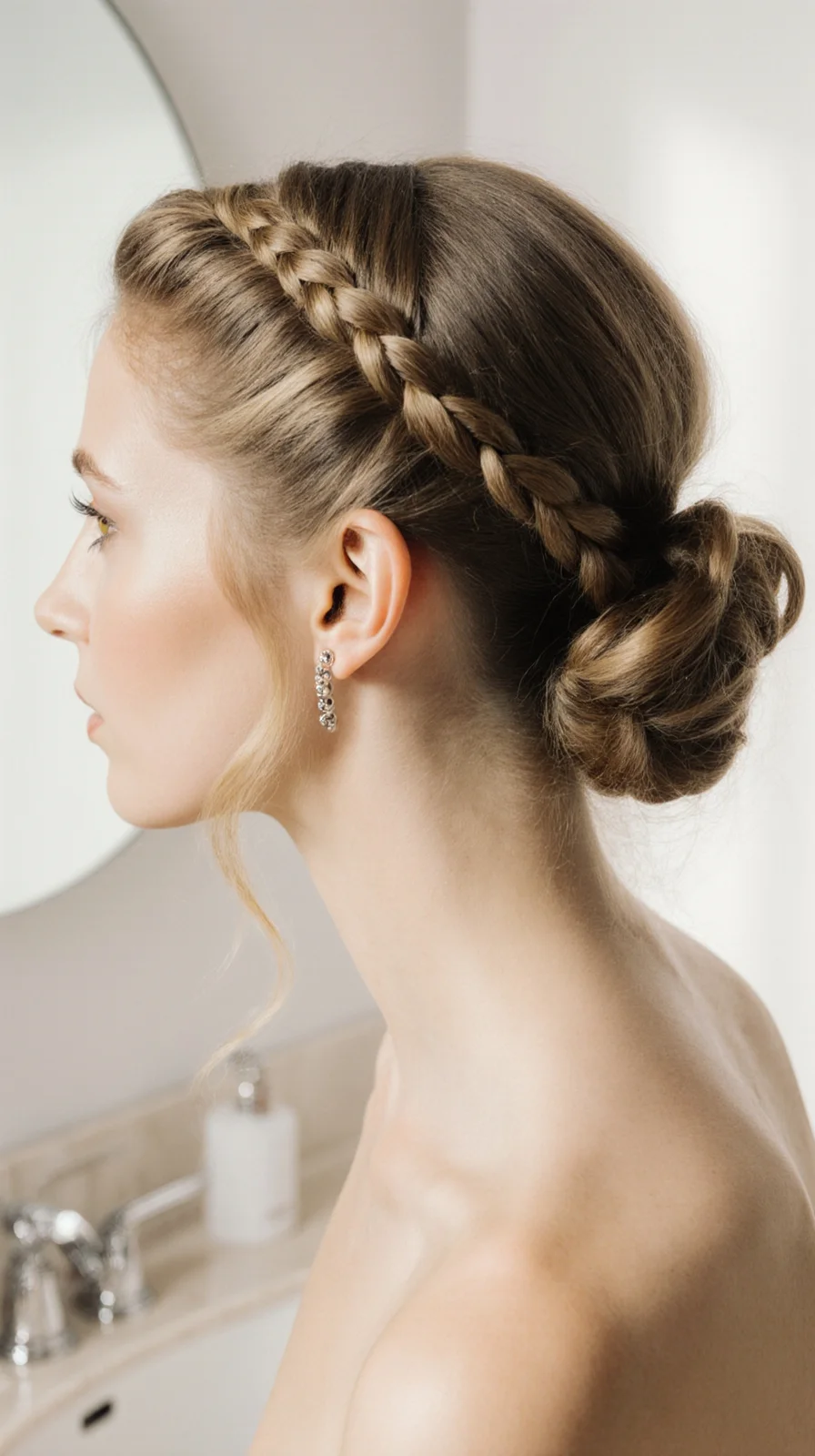
Sweep braids to one side and pin them into a low, asymmetric updo for a dinner or wedding look that is softer than a symmetrical bun. Loose pieces around the face keep it romantic rather than severe.
What to ask a stylist: a trial if the event matters, because asymmetric updos depend on your hair’s length and thickness. At home, practice once the day before — this is a style that rewards one rehearsal.
Braided Pigtails, Grown-Up and Practical
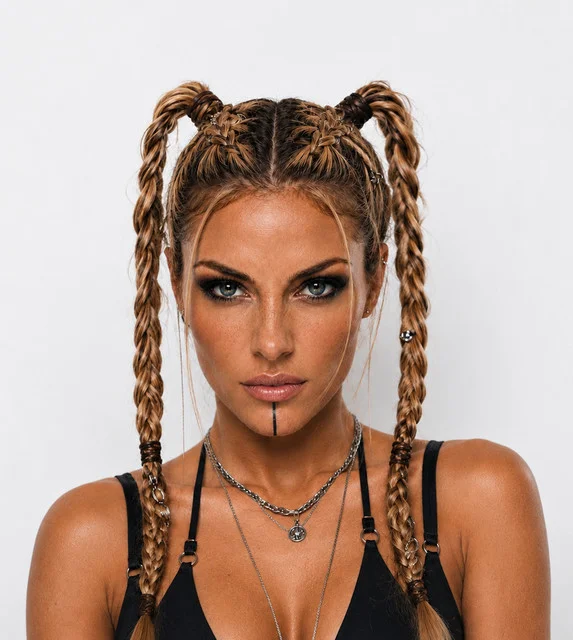
Two braids, one on each side, are not just for children: worn loosely with a centre or side part, they are practical for workouts, festivals and long travel days, and they give you perfect braid waves the next morning.
Quick verdict: the lowest-effort braided style in this guide, and one of the most useful. Keep the parting neat for a polished look or deliberately messy for a relaxed one — both work, and both take under ten minutes.
The Bubble Braid, Playful and Surprisingly Practical
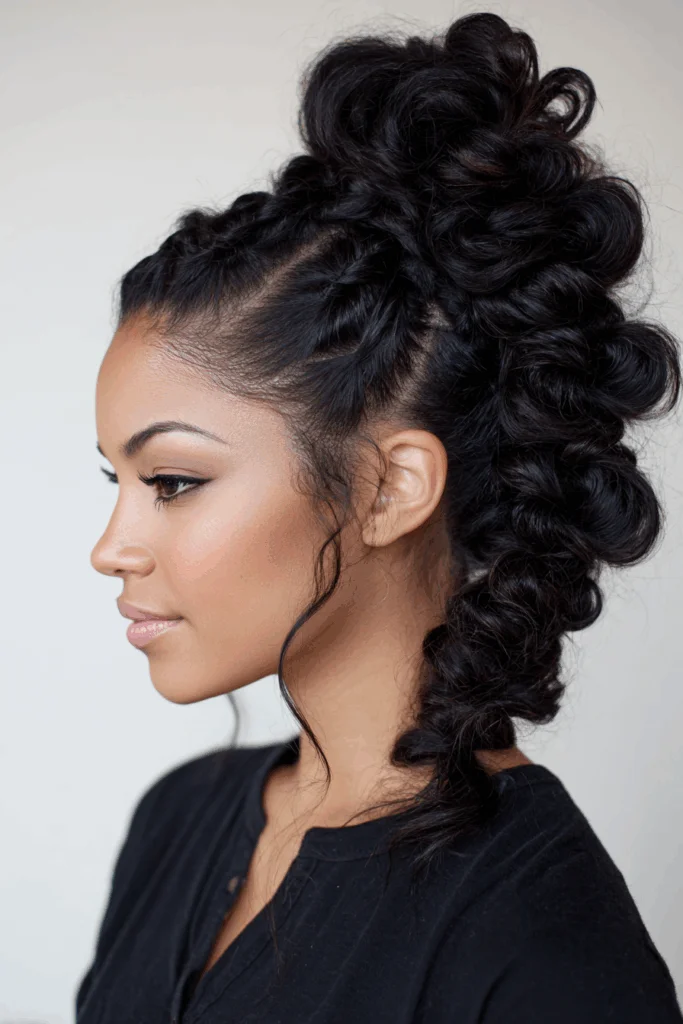
A bubble braid divides a ponytail — or a braid — into puffed sections with elastics spaced down its length. It looks fun, photographs well, and stops long hair tangling into one matted rope in wind, because each section is contained separately.
How to style it: use five or six small elastics and tease each bubble gently. On fine hair, backcomb each section lightly first, or the bubbles fall flat; on thick hair, they hold with almost no help at all.
The Pull-Through Braid for Fine Hair That Needs Volume
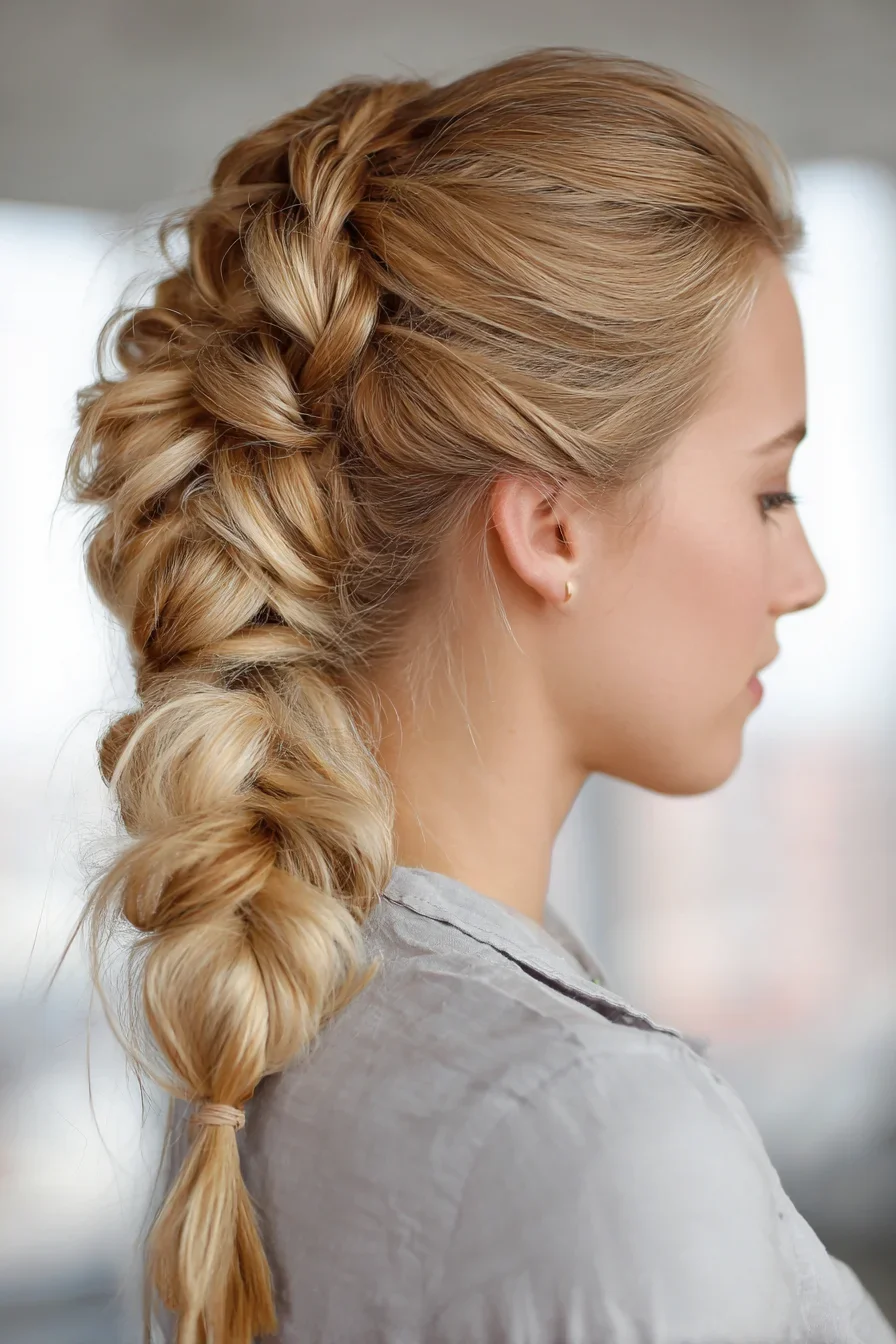
A pull-through braid is not a braid at all: it uses a series of ponytails looped through each other to create a thick, braid-like effect. Because it adds volume artificially, it is the best braid illusion for fine or thin hair.
Best for: fine hair, special occasions, and anyone who cannot braid well — if you can tie a ponytail, you can do this. Common mistake: pulling sections too tight, which flattens the volume; keep each loop loose and pancake it gently.
The Braided Headband, No Accessories Required
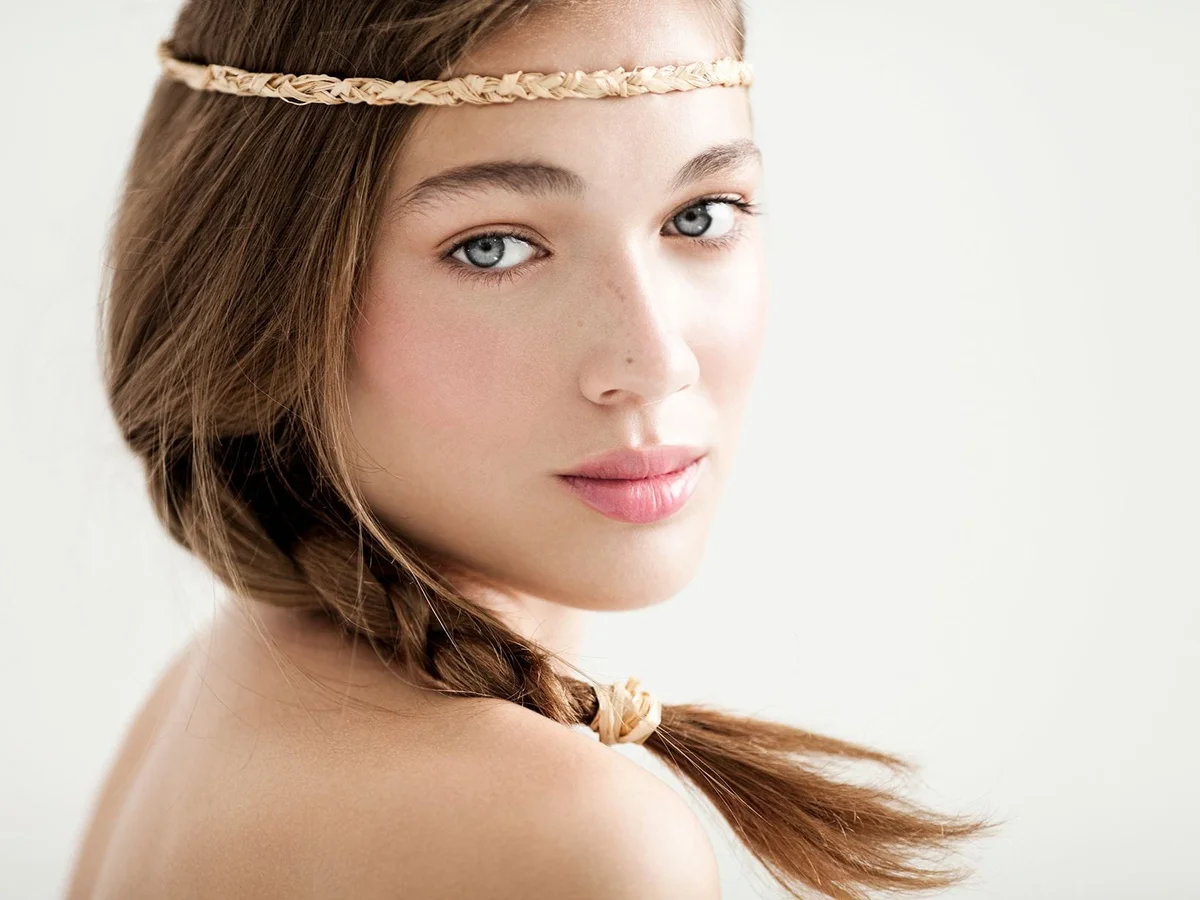
Braid a section from behind one ear across the forehead and pin it behind the other ear, and you have a headband made of hair. It keeps hair off the face, suits loose waves behind it, and needs no accessory that might slip.
Pros and cons: free, secure and pretty, but it needs enough front length to reach across. If your front layers are short, braid a slightly thicker section and pin it in two places so short pieces cannot escape.
The Wedding Braided Updo, Romantic and Photogenic
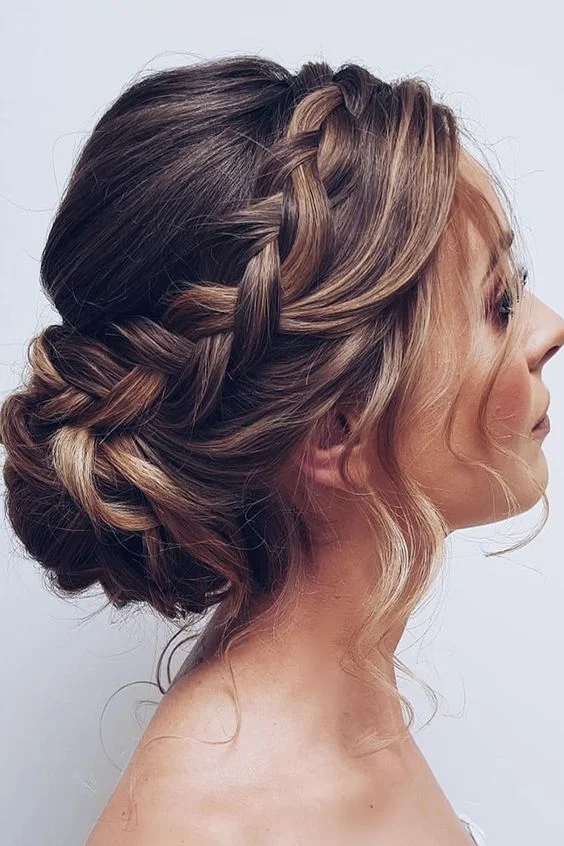
For a wedding, braids add texture that a plain bun cannot match: a Dutch braid into a low bun, a fishtail woven into an updo, or a crown braid with flowers all photograph with depth and detail. The texture also helps the style hold for a long day and evening.
Cost and time: book a stylist and a trial, especially for a bride — wedding updos are not the moment to test a new technique. Bring reference photos, your veil or headpiece, and allow an hour on the day for a braided updo.
Braids for Short Hair: Small Plaits, Big Effect
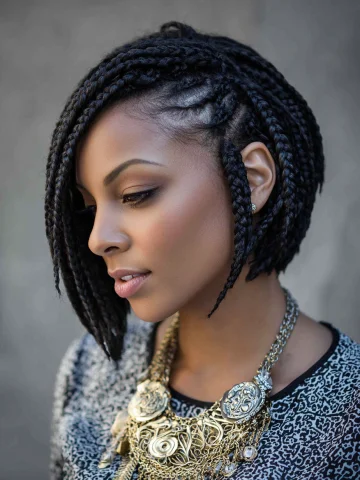
Short hair can absolutely be braided: front braids, side braids, crown braids and tiny accent plaits all work on bobs and lobs, and they add interest without needing length. Cornrows and feed-in braids also work beautifully on short natural hair.
Who should avoid long, heavy extensions on a short cut: anyone whose hair is still growing out a pixie — the weight can stress short roots. Instead, use small accent braids and accessories, which give the braided look without the load.
Braids for Very Long Hair: Keeping Length Under Control
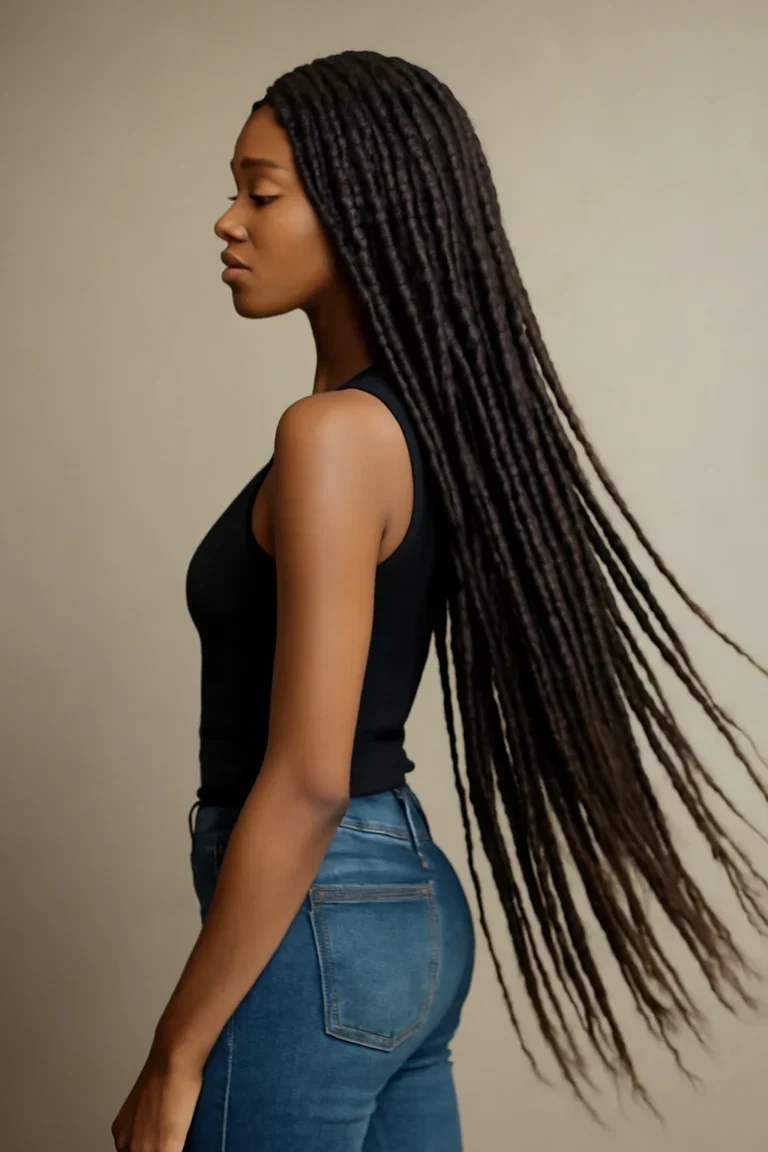
Very long hair benefits most from braids, because they protect the ends — the oldest, most fragile part of the hair — from tangling and breakage. A single long braid, box braids or a braided bun all keep length safe while looking intentional.
Maintenance: oil the ends regularly, sleep with the braid in a loose bun or silk wrap, and never tie a long braid too tightly at the same spot every day — vary the tie position to avoid a weak point forming.
Braids for Curly Hair: Working With Texture, Not Against It
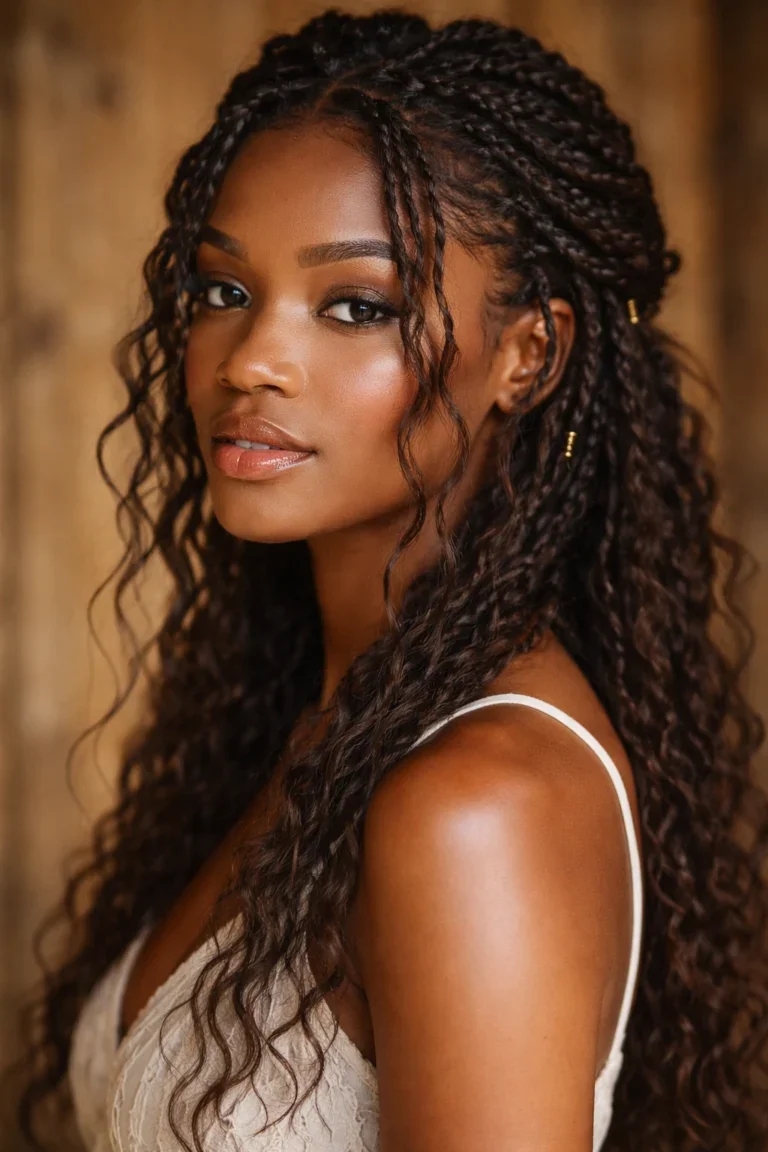
Curly hair braids beautifully, and braids in turn protect curls from tangling and frizz. Two-strand twists, flat twists and loose three-strand braids all work with the curl pattern, and undoing a braid gives you defined braid-out waves the next day.
Common mistake: braiding curly hair when it is fully dry and unmoisturised, which causes frizz and breakage. Braid on damp, conditioned hair, use a cream for slip, and let the style dry fully before undoing it for waves.
Braids for Fine or Thin Hair: Volume Without Damage
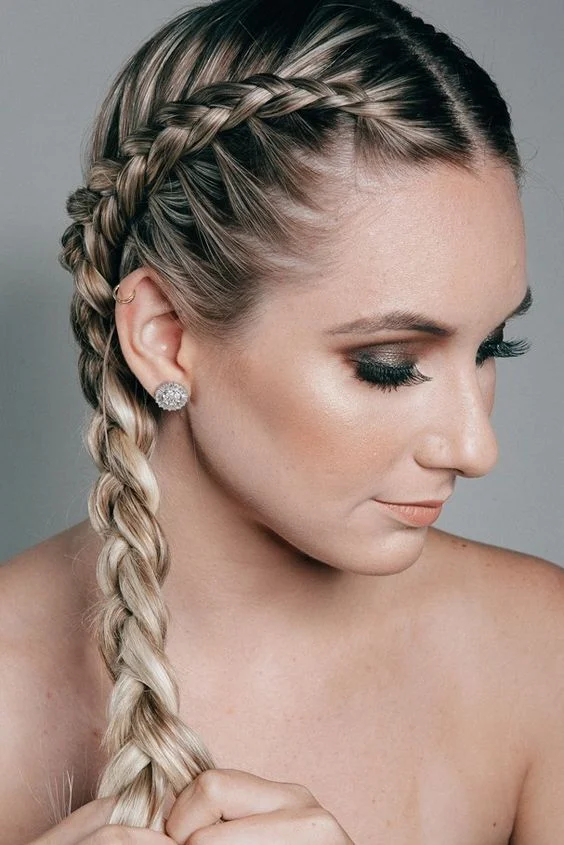
Fine hair needs braids that add volume without pulling: pull-through braids, loose Dutch braids, pancaked fishtails and soft side braids all create fullness without tension. Avoid micro braids, very tight cornrows and heavy extensions, which can stress fine roots.
Quick verdict: choose loose over tight, large sections over tiny ones, and always pancake gently for volume. With the right braid, fine hair can look thicker — with the wrong one, it can look thinner and feel sore, so tension matters more than technique here.
How long do braided hairstyles last?
Braided hairstyles last from one day for a simple French braid to four to six weeks for box braids, cornrows and other protective styles. Longevity depends on the style, your hair growth, and night protection with silk or satin.
Are braids bad for your hair?
Braids are not bad for your hair when installed with comfortable tension and removed carefully. Damage usually comes from braids that are too tight, left in too long, or ripped out dry — all avoidable with the guides above.
Can I wash my hair while it is braided?
Yes, you can wash braided hair. Dilute shampoo, focus on the scalp, rinse thoroughly, and dry braids fully afterwards. Washing every week or two keeps the scalp healthy and helps braids last longer.
How long does it take to get box braids done?
Box braids usually take three to eight hours in a salon depending on size and length, while knotless braids can take a little longer. Jumbo braids are fastest, often under two hours, and micro braids are slowest, sometimes over six hours.
What is the difference between box braids and knotless braids?
Traditional box braids start with a knot of extension hair at the root, while knotless braids feed hair in gradually with no knot. Knotless braids lie flatter, feel lighter, and are kinder to the scalp and edges.
Can women with short hair wear braids?
Yes, short hair can be braided with front braids, side braids, crown braids and accent plaits, and cornrows work well on short natural hair. Very long, heavy extensions are best avoided on very short hair to protect the roots.
How do I stop braids from hurting?
Braids should feel secure, not painful. Ask your braider for looser tension at the hairline, choose knotless starts for protective styles, and speak up during installation if you feel pulling or a headache — loosening early prevents edge damage.
How should I sleep with braids?
Sleep with braids wrapped in a silk or satin scarf or bonnet, or on a silk pillowcase. This reduces frizz, stops braids catching on cotton, and helps protective styles stay neat for weeks.
Can I exercise and swim with braids?
Yes, braids are among the best hairstyles for exercise and swimming, especially cornrows, boxer braids and box braids. Rinse with fresh water after swimming, dry braids fully, and re-oil the scalp if it feels dry.
How do I take braids out without breaking my hair?
Undo braids one at a time from the ends upward, detangle gently with conditioner on the hair, and never brush dry unbraided hair straight away. Expect normal shedding, then deep-condition before your next style.
Conclusion
The best braided hairstyle for you is not the most dramatic one in this guide — it is the one that fits your week, your scalp and your patience for maintenance. A loose French braid may serve you better than a six-hour protective install if you change styles often, and a knotless set may be worth every penny if you want weeks of effortless hair. Choose by comfort first, longevity second, and looks third, and your braids will look good for longer.
Start with one style from this guide, note how it feels on day one and day seven, and use that to choose the next one. Braiding is a skill that rewards practice, and the right braid — comfortable, neat, and suited to your life — is a style you will return to again and again.