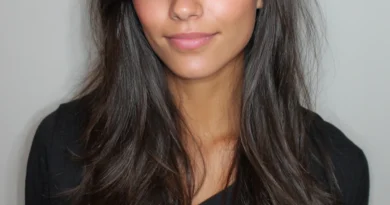
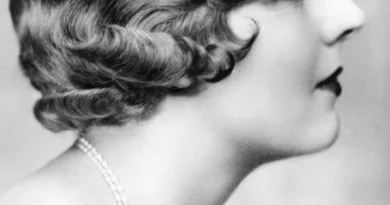
Your Widow’s Peak Is a Feature, Not a Flaw: Hairstyles for a Widow’s Peak That Work With It
A widow’s peak is the small V where your hairline dips down at the centre of your forehead — and if you have one, you have probably been told, at some point, that it is something to hide. It is not. It is simply the way your hair grows — an inherited trait as ordinary as a cowlick or a natural wave, and it is far more common than the haircut photos in most magazines would have you believe. The problem was never the peak. The problem was that most hairstyles were photographed on people who do not have one, so nobody showed you what works with it.
This guide does exactly that: 38 hairstyles for a widow’s peak that work with it, not against it — deep side parts, curtain bangs, soft layers, bobs, curls, braids and updos — plus eight short guides on the questions women actually ask: what a peak is, where to part your hair, whether to get bangs, which lengths flatter it, which tools help, how to talk to your stylist about it, how to tame cowlicks and flyaways, and how to grow out bangs or change your part. Each style comes with an honest note on styling time, maintenance and who should think twice, so you can choose with confidence — and stop fighting your hairline.
What Is a Widow’s Peak — and Why Do You Have One?
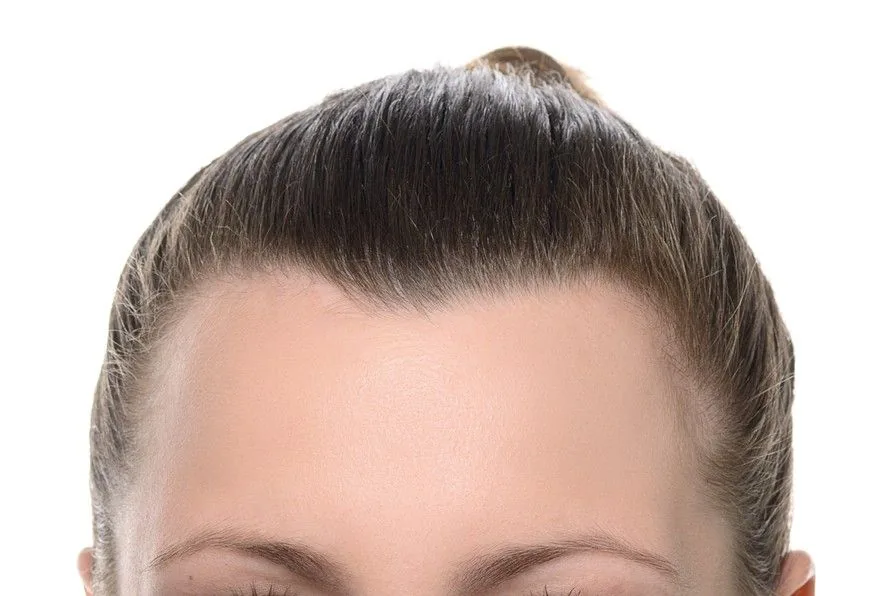
A widow’s peak is the small V-shaped point where your hairline dips down at the centre of your forehead. It is simply the way your hair grows — an inherited trait, like a cowlick or a natural curl, and it is far more common than most women think. Actresses, models and plenty of women you pass every day have one; the only reason it feels like a flaw is that most haircut photos are shot on models without one, so the peak rarely gets shown as the feature it is.
Quick verdict: there is nothing to fix here, only something to work with. A widow’s peak actually gives a haircut a natural focal point — a built-in parting cue and a frame for the face. The styles in this guide do not hide the peak under a wall of hair. They use side parts, soft bangs and layers that fall around it, so the peak reads as deliberate and stylish rather than something you are fighting every morning.
Parting With the Peak, Not Against It
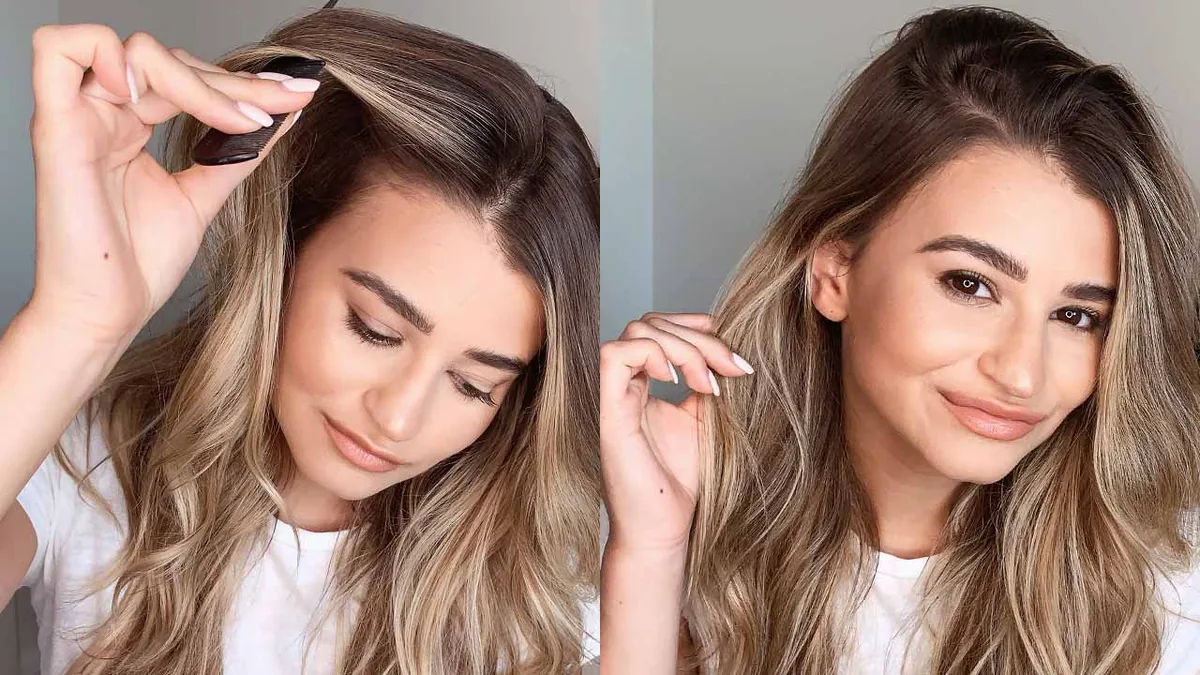
The single biggest styling decision with a widow’s peak is where you part your hair, and the peak itself is trying to tell you the answer. A centre part forces hair to split exactly where the peak points down, which can make the V look sharper and leave a gap on either side. A deep side part, on the other hand, sweeps hair across the peak, softens the point, and gives you instant volume on the heavier side. Most women with a widow’s peak find a side part feels like the hair finally agrees with them.
The common mistake is fighting your natural part every morning. Try this instead: let your hair fall where it wants to after a wash, and notice where it separates on its own — that is usually just off-centre, right where a side part belongs. If you do love a centre part, pair it with curtain bangs or face-framing layers, which break up the V and stop the part from drawing a straight line down to the peak. Either way, the rule is simple: the part should work with the peak, not across it.
Bangs or No Bangs? How to Decide for Your Peak
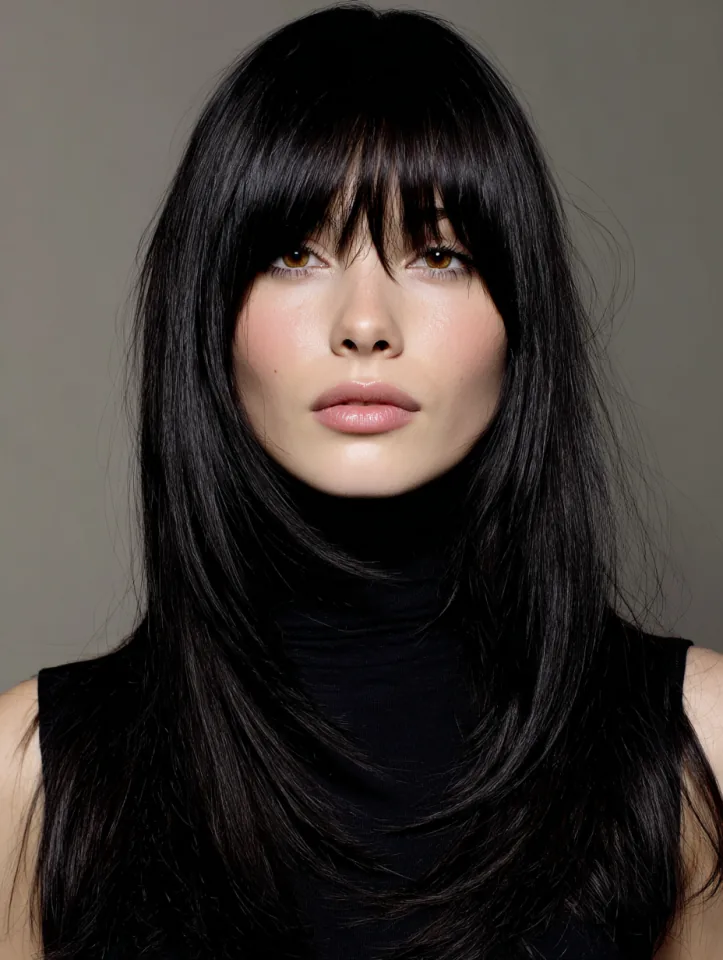
Bangs are the most-asked question about a widow’s peak, and the honest answer is that the right bangs are wonderful and the wrong bangs are a daily battle. Soft, wispy bangs and curtain bangs are the safest choices: they are cut light enough to blend over the peak instead of fighting it, and they grow out gracefully. A blunt, heavy, straight-across fringe is the risky one — the peak pushes the middle of the fringe down while the sides spring up, so the fringe never sits in a straight line.
Pros of bangs with a peak: they soften the point, hide a high forehead if you have one, and give the face an instant frame. Cons: a fringe on a peak needs a trim every four to six weeks, and it will need a quick blow-dry most mornings. Who should skip bangs: women with a strong cowlick at the peak who hate styling their hair daily, and anyone whose peak is very pronounced — in that case, long face-framing layers give you the same softening effect with none of the upkeep. If you are unsure, ask for curtain bangs first: they are the easiest fringe to grow out if you change your mind.
The Best Lengths for a Widow’s Peak
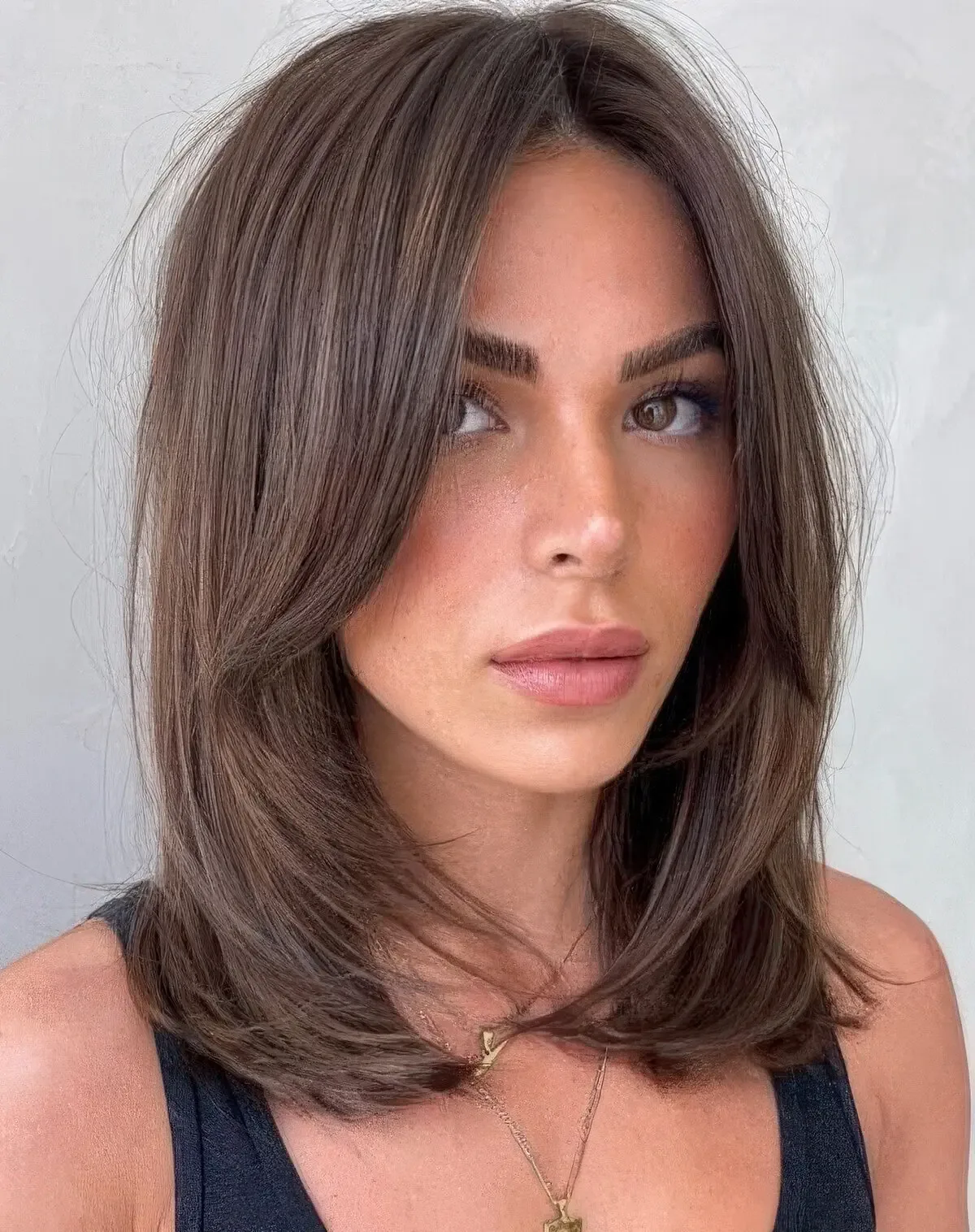
Length changes how a widow’s peak reads more than any single style choice. Shoulder-length hair and longer is the most forgiving: the weight of the hair pulls the front pieces down and around the peak, softening the V without any styling effort. A bob can work beautifully too, but it needs a side part or a fringe to do the softening, because short hair has less weight to drape over the hairline. Very short cuts like pixies are the trickiest — they expose the whole hairline, so the peak becomes the first thing people notice.
Best for: if you want the easiest life with a peak, grow your hair to at least shoulder length and add soft layers around the face. Maintenance is light at longer lengths — trims every eight to ten weeks — and the style forgives a bad hair day. Cost and time: longer hair costs nothing extra at the salon, but it does take longer to blow-dry. Who should avoid very short cuts: anyone who is not ready for the peak to be fully visible. A pixie with a long sweeping fringe can be stunning with a peak, but it is a confident choice, not a hiding one.
1. The Deep Side Part With Long Layers
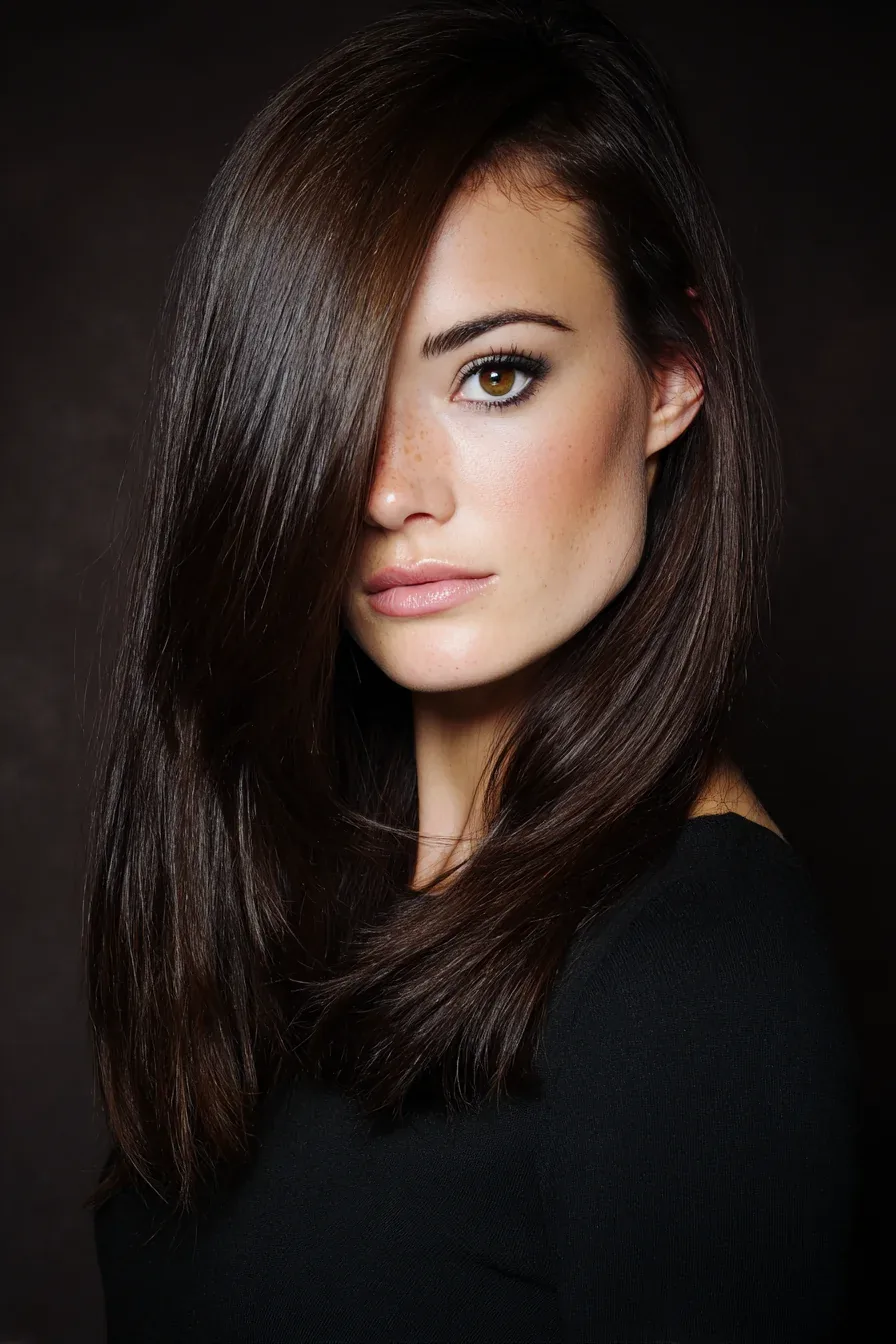
The deep side part with long layers is the single most reliable hairstyle for a widow’s peak, and it is where most stylists start. The part sits a few inches off-centre, so a sweep of hair crosses the peak and softens its point, while the long layers fall around the face and stop the hairline from being the first thing anyone sees. The weight of the longer length pulls everything down smoothly, so the style holds all day with almost no effort.
Best for: almost every face shape and hair type — straight, wavy or curly. How to style: blow-dry the front sweep over to the heavier side with a round brush, or let it fall naturally if your hair cooperates. What to ask: ask your stylist for long, blended layers starting at the cheekbone, and a part that sits on the side your hair naturally falls to. Quick verdict: if you try only one style from this list, try this one. It takes two minutes in the morning and it makes the peak look like a deliberate part of the cut.
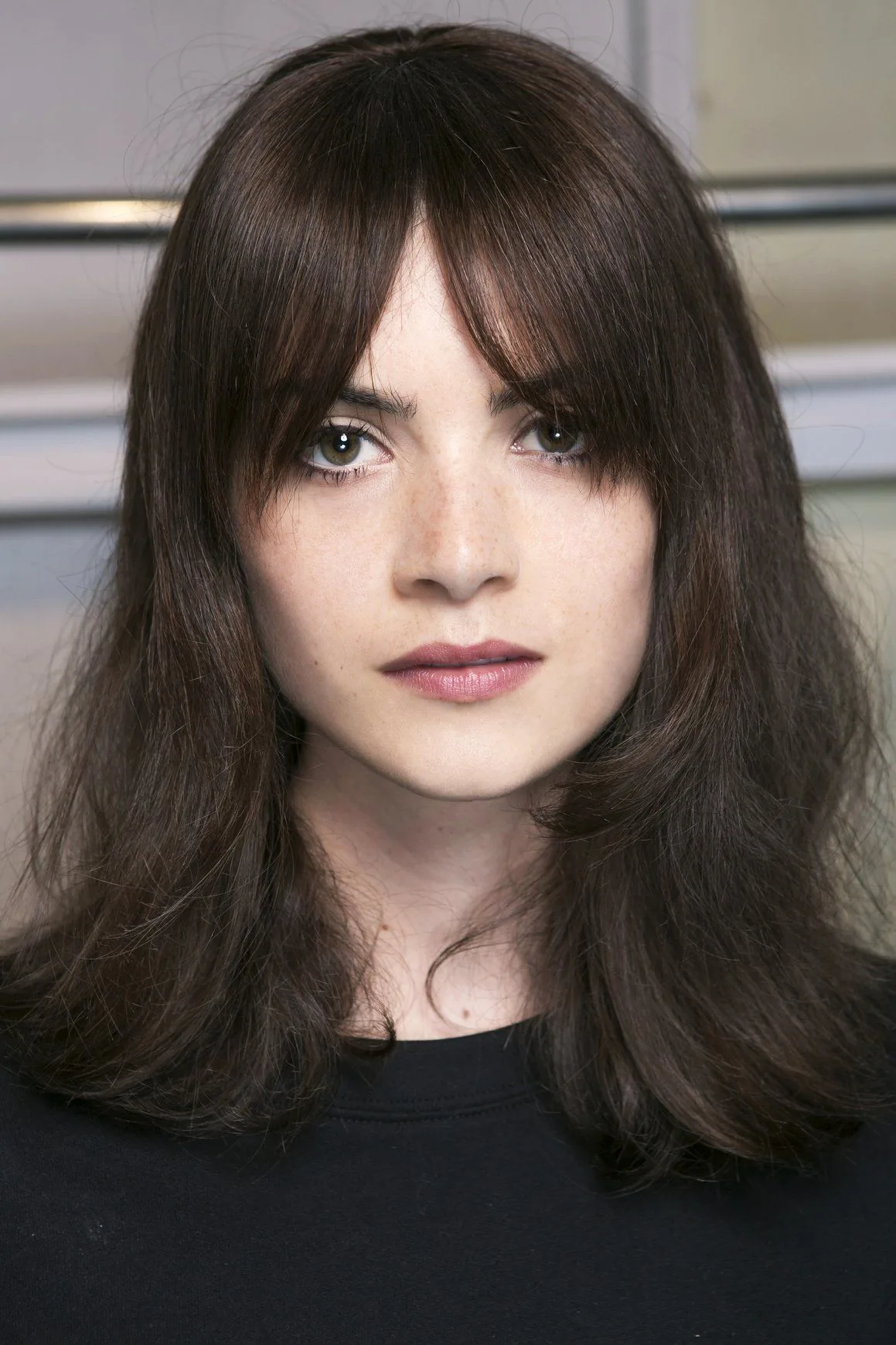
2. Curtain Bangs That Frame the Peak
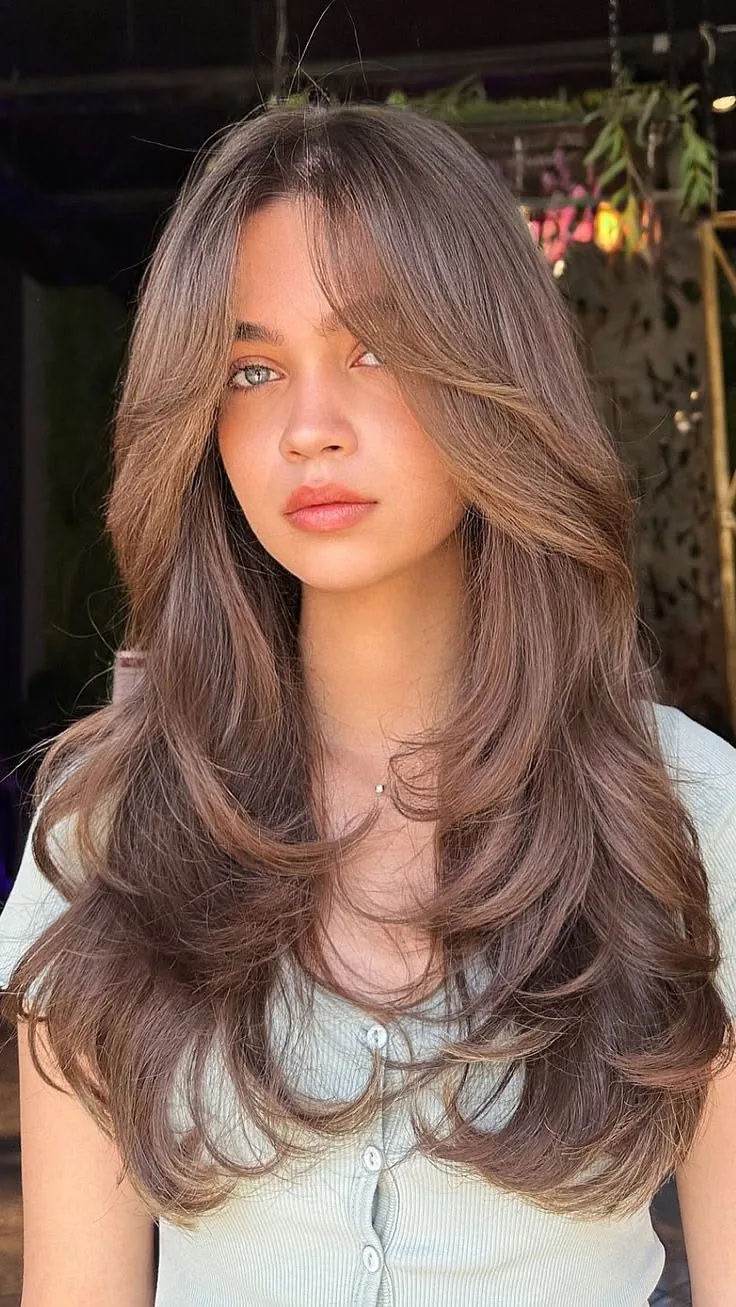
Curtain bangs parted in the middle are the softest way to wear a fringe with a widow’s peak, because they do not try to cover the peak — they frame it. The bangs split either side of the V, blending into face-framing layers, so the peak sits in the middle of a soft curtain instead of poking through a straight fringe. It is the fringe that grows out most gracefully, and the one most stylists recommend as a first fringe for a peak.
Pros: softens the peak without hiding it, suits almost every face shape, and needs no daily precision. Cons: it needs a centre part, so it will fight hair with a strong natural side part, and the bangs need a quick blow-dry most mornings. Common mistake: cutting curtain bangs too short — ask for them to graze the cheekbone on the first visit, not the eyebrow. Maintenance: a fringe trim every five to six weeks. Who should avoid it: women who hate styling a fringe at all, even an easy one.
3. Soft Wispy Bangs
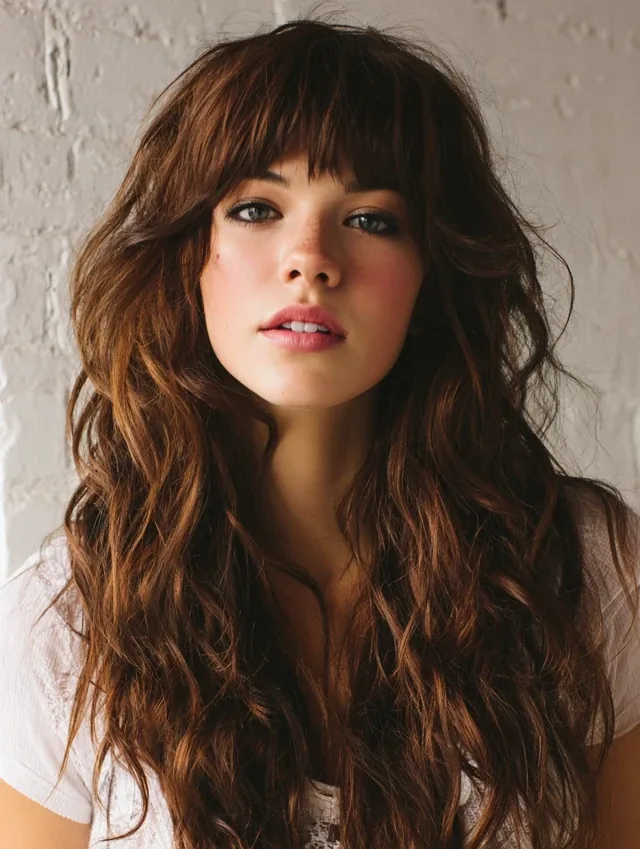
Soft, wispy bangs are the lightest fringe you can wear with a widow’s peak, and lightness is exactly why they work. A wispy fringe is cut thin and feathered, so it lies over the peak without being pushed into a point by it — the gaps in the fringe let the hairline show through in a soft, natural way instead of a hard V. It is the best fringe for women who want something across the forehead but dread the daily battle of a blunt fringe.
Styling time: about three minutes — a quick blow-dry with a round brush, or a pass with a straightener on low heat. The products it needs are minimal: a little texture spray to keep the wisps separated. Maintenance is light for a fringe: trims every five to six weeks. Who should avoid it: women with very thick, heavy hair at the front, where a wispy fringe can disappear entirely, and anyone with a strong cowlick at the peak — a wispy fringe has too little weight to hold a cowlick down.
4. The Side-Swept Fringe
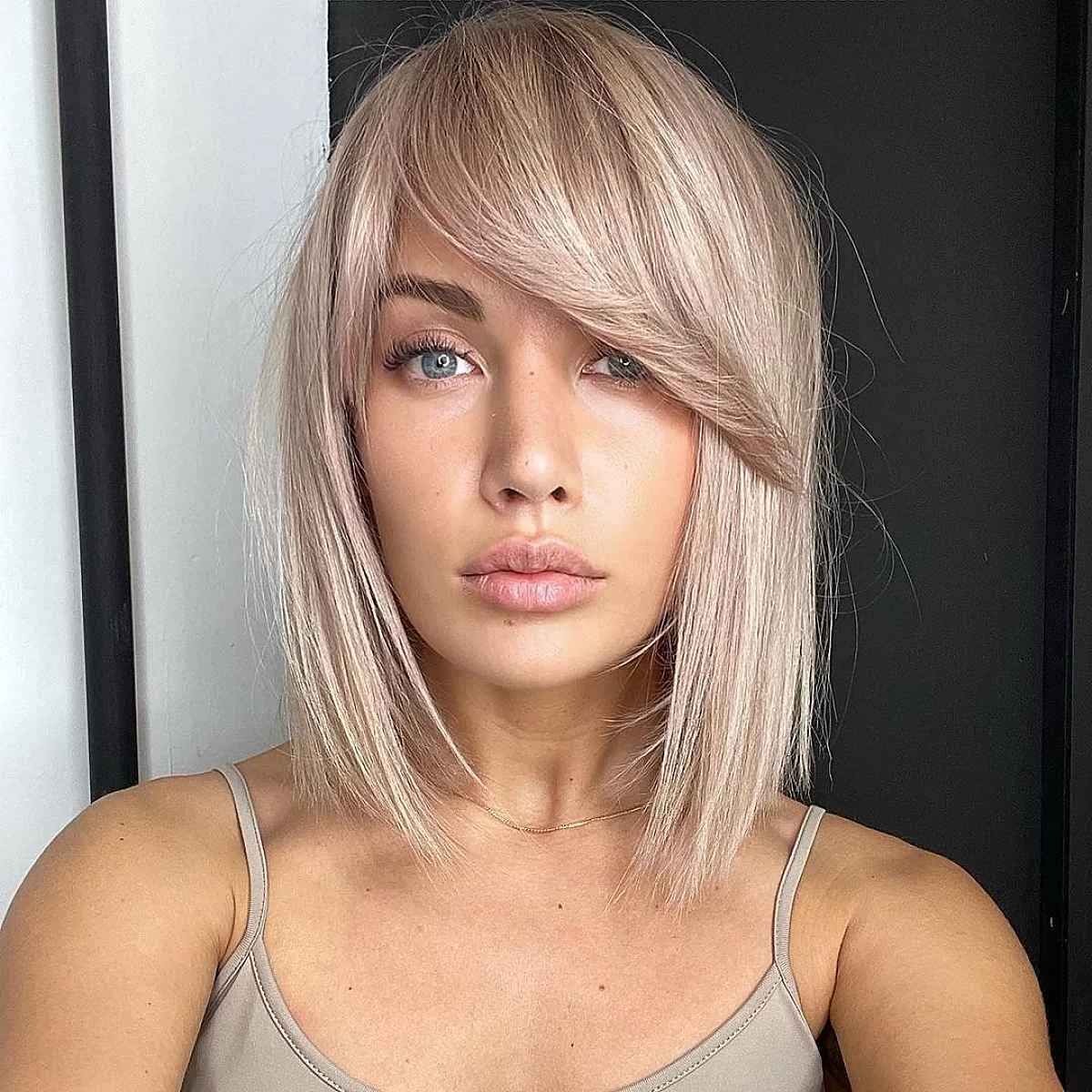
A side-swept fringe is the classic answer to a widow’s peak: the fringe sweeps diagonally across the forehead, crossing the peak and turning it into a soft diagonal instead of a sharp point. Because the fringe moves in the same direction as a side part, the two work together, and the whole front of the cut flows in one smooth line from the part down to the face-framing layers. It is the version to choose if curtain bangs feel too soft and a blunt fringe feels too severe.
Best for: round and square faces, where the diagonal adds length, and anyone with a strong natural side part. How to style: blow-dry the fringe across with a round brush, sweeping it toward the heavier side. What to ask: ask for the fringe to end at the cheekbone on the longer side, so it blends into your layers rather than stopping in a hard line. Quick verdict: the most versatile fringe for a peak, and the easiest to grow out — it simply becomes a face-framing layer.
5. The Middle Part With Face-Framing Layers
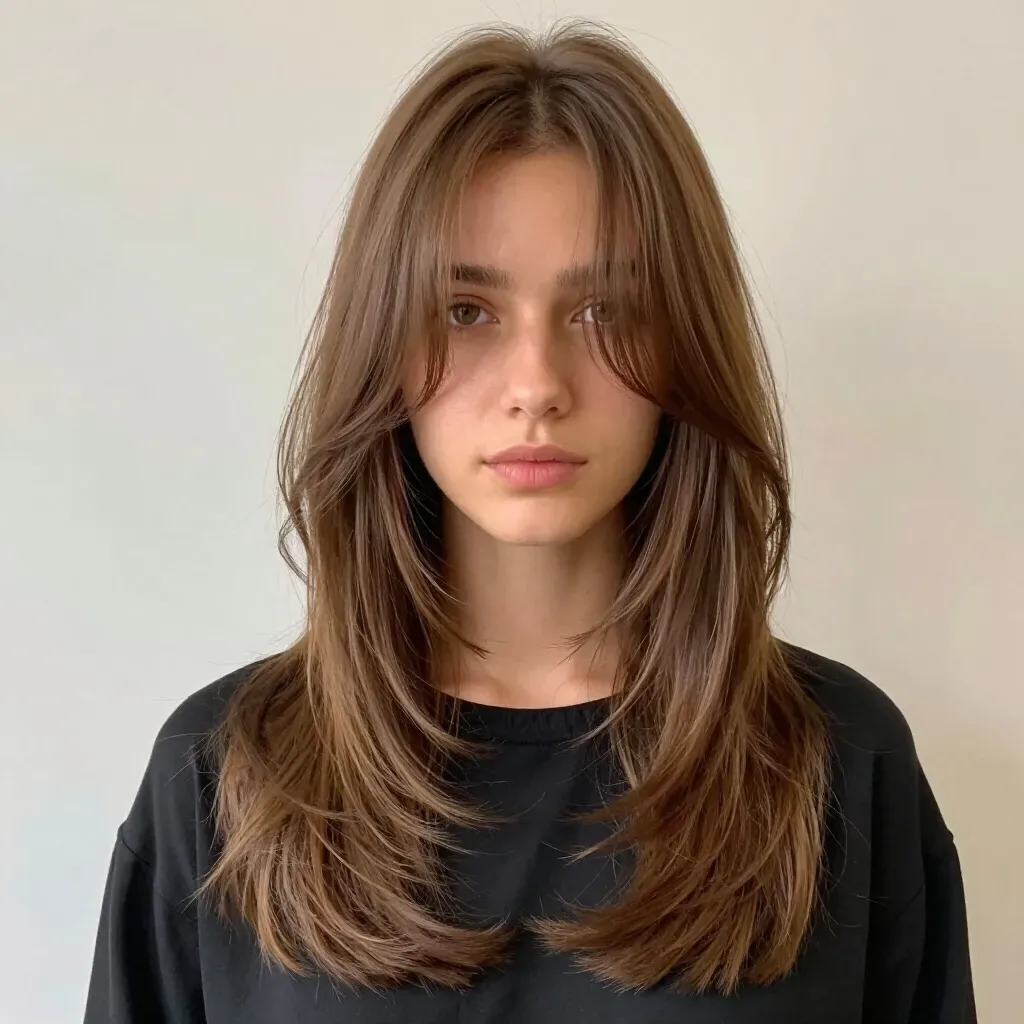
A middle part with face-framing layers is the boldest way to wear a widow’s peak, because it does not hide the V at all — it frames it. The layers start at the cheekbone and fall on either side of the face, drawing the eye to your features rather than to the hairline, and the peak itself reads as a natural, symmetrical point in the middle of the style. Done well, it looks deliberate and editorial; done badly, with no layers at all, the peak can dominate the whole look.
Pros: symmetrical, elegant, and it shows off your face rather than hiding it. Cons: it is the least forgiving parting for a very pronounced peak, and it needs layers to work — a one-length centre part with a peak is the one combination to avoid. Who should avoid it: women whose peak is very deep and who are not comfortable with it showing. Styling time: three minutes — the layers do most of the work. Common mistake: skipping the layers. Without them, the hair hangs flat and the peak is all anyone sees.
6. Long Layers That Fall Past the Peak
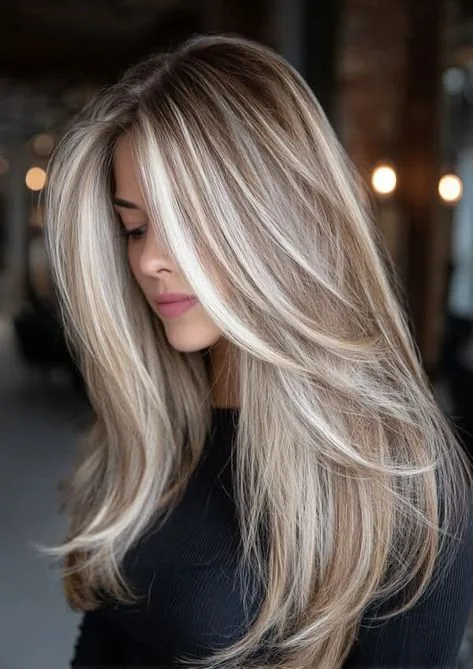
Long layers are the low-effort answer to a widow’s peak, because length and weight do the softening for you. When hair falls past the shoulders, the front layers drape down and around the peak, breaking up the V with movement instead of with a fringe or a part. It is the style for women who do not want to think about their peak at all — no bangs to trim, no part to maintain, just long hair that happens to flatter the hairline it grows from.
Styling time: five minutes with a round brush for a smooth finish, or two minutes air-dried with a little leave-in conditioner. Maintenance is the lightest on this list: trims every eight to ten weeks, and the layers hide the awkward stages of growing out. Cost and time: longer hair takes longer to dry, but it needs almost no product. Who should avoid it: very fine hair, which can look thin at longer lengths without a blunt cut underneath — ask for long layers over a blunt base, not short choppy ones.
7. The Textured Lob
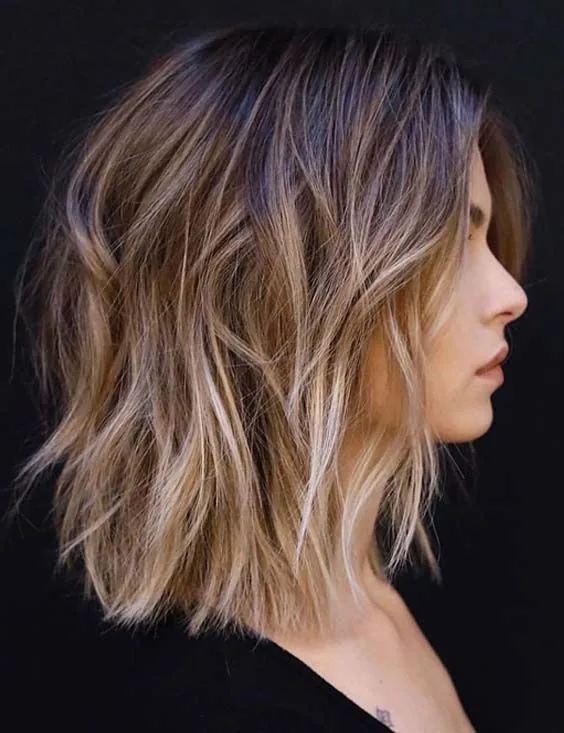
The textured lob — a long bob with soft, piecey layers — is one of the most flattering cuts for a widow’s peak, because it gives you the face-framing of long hair and the lightness of a bob at the same time. The front pieces end around the collarbone, long enough to sweep across the peak, and the texture breaks up the hairline so the V never reads as a hard line. It is the cut that photographs best on this list, because the movement around the face looks styled even on a rushed morning.
Quick verdict: pick this if you want a modern cut that works with a peak without trying. Styling takes two to three minutes — scrunch texture spray into damp hair and let it air-dry. Pros: low effort, hides bad hair days, and grows out gracefully. Cons: it can look untidy in a very formal setting, and the textured ends need regular trims to stop them looking split. Who should avoid it: women who want a sleek, polished bob, because this one refuses to look neat.
8. The Blunt Bob With a Side Part
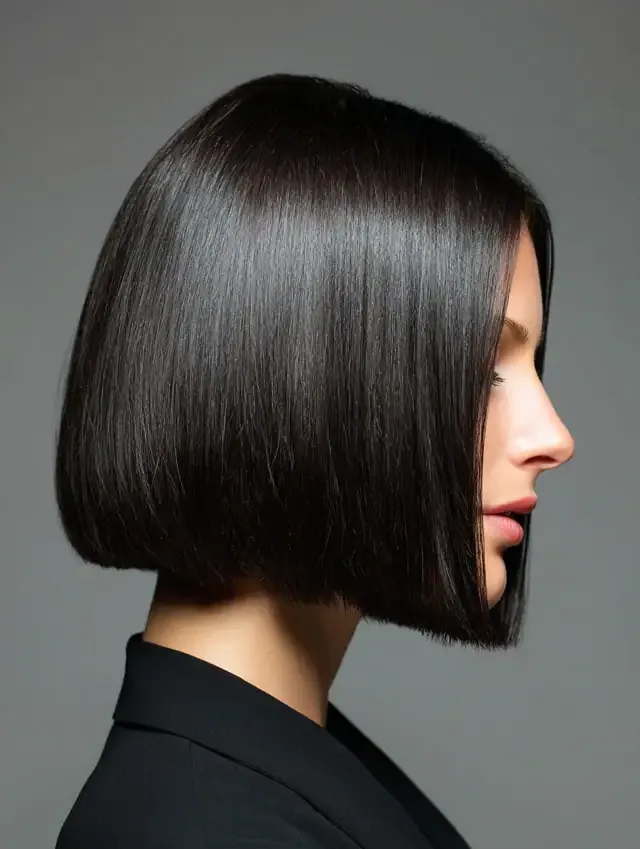
A blunt bob with a side part is the sharpest way to wear a widow’s peak, and it works because the side part does all the softening while the blunt ends do the framing. The clean line of the bob makes the hair look thick and deliberate, and the deep side part sweeps the front across the peak so the V never competes with the cut. It is the bob for women who like clean lines and do not mind a little daily styling.
Pros: makes fine hair look instantly thicker, looks expensive with almost no effort, and photographs beautifully. Cons: it shows every uneven strand, so it needs a precise cut and a trim every five weeks to stay sharp. Who should avoid it: very curly hair, where a blunt edge can look triangular, and anyone whose hair has a strong natural centre part that fights a side part. Styling time: five to ten minutes with a straightener for the full sharp effect.
9. The Shoulder-Length Shag
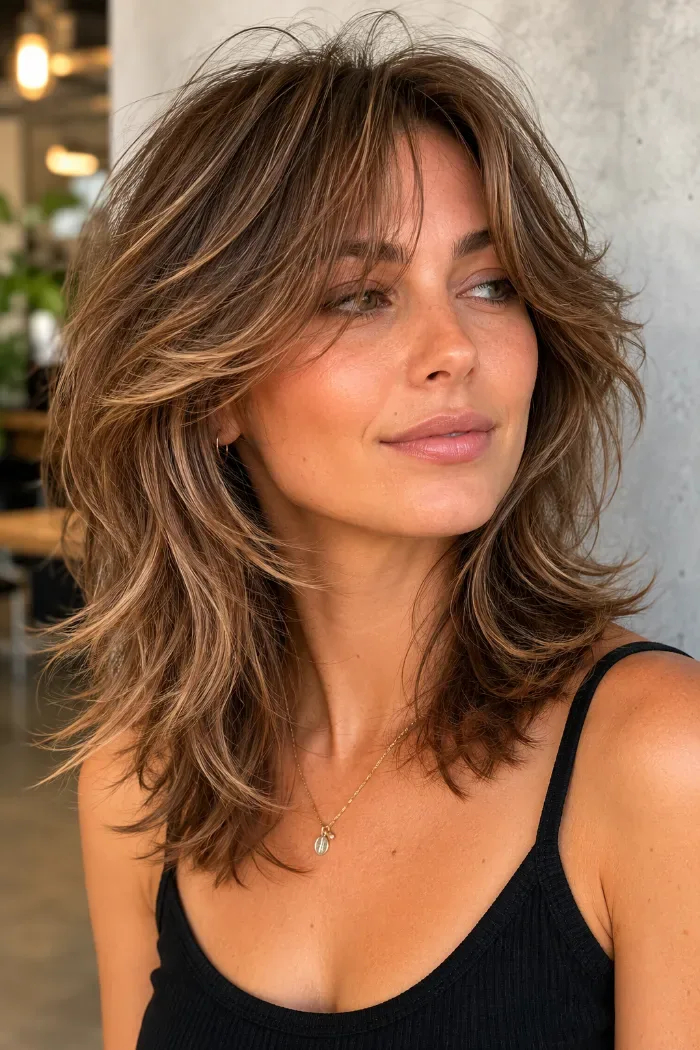
A shoulder-length shag is the carefree answer to a widow’s peak: layers everywhere, texture everywhere, and no single line for the eye to follow. The shag’s choppy layers and curtain-like front break the hairline into soft pieces, so the peak becomes one point among many rather than the only point. It suits wavy and curly hair best, because the texture of the cut and the texture of the hair work together, and it is one of the most forgiving cuts to grow out.
Styling time: two minutes — a little texture spray, scrunched through damp hair, then air-dry. Maintenance: trims every seven to eight weeks. Common mistake: asking for a shag with a blunt fringe on top of a peak — the two hard lines fight each other. Ask for a soft, curtain-style fringe or no fringe at all. Who should avoid it: women who want a sleek, office-polished look, because a shag is designed to look undone.
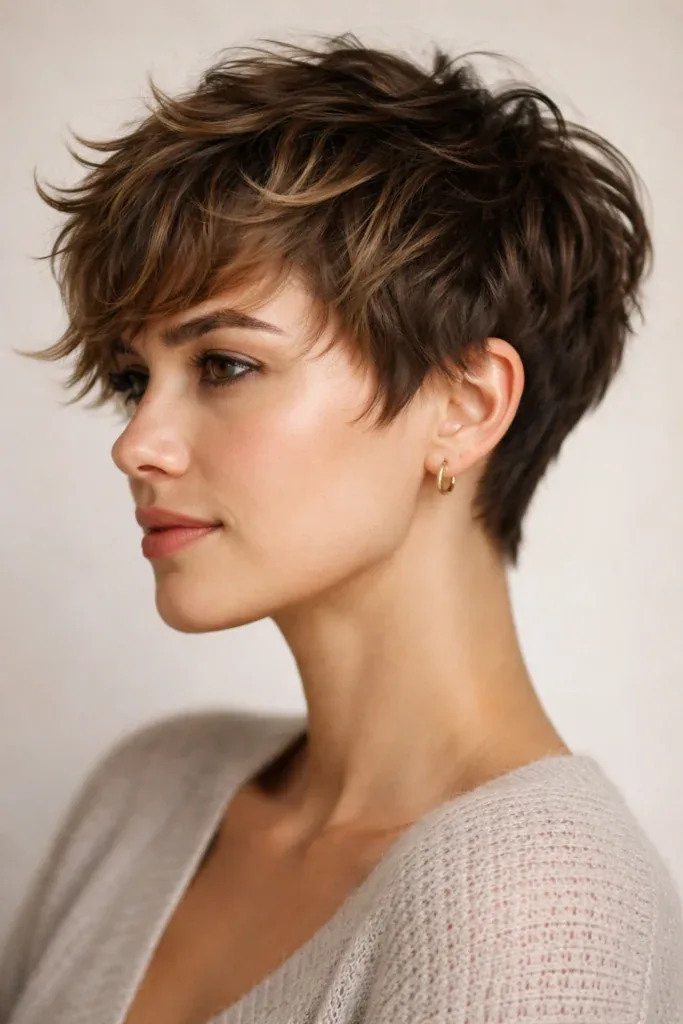
10. The Pixie With a Long Sweeping Fringe

A pixie with a long sweeping fringe is the boldest choice on this list, and it is also one of the most flattering — if you are ready for the peak to be visible. The short back and sides expose the hairline completely, but the long fringe sweeps across the forehead and turns the peak into a stylish diagonal, so the whole cut reads as confident and intentional. It is the pixie for women who have always wanted short hair and were told a peak made it impossible.
Pros: dries in minutes, uses almost no product, and looks striking. Cons: it needs a trim every four weeks to hold its shape, and the fringe needs styling every morning. Who should avoid it: anyone who wants to hide their peak — this cut shows it, proudly. Cost and time: short salon visits, but more of them. Quick verdict: the highest-confidence cut here. If you love short hair, a peak is not a reason to skip it; it is a reason to choose the right pixie.
11. Curly Hair With a Widow’s Peak
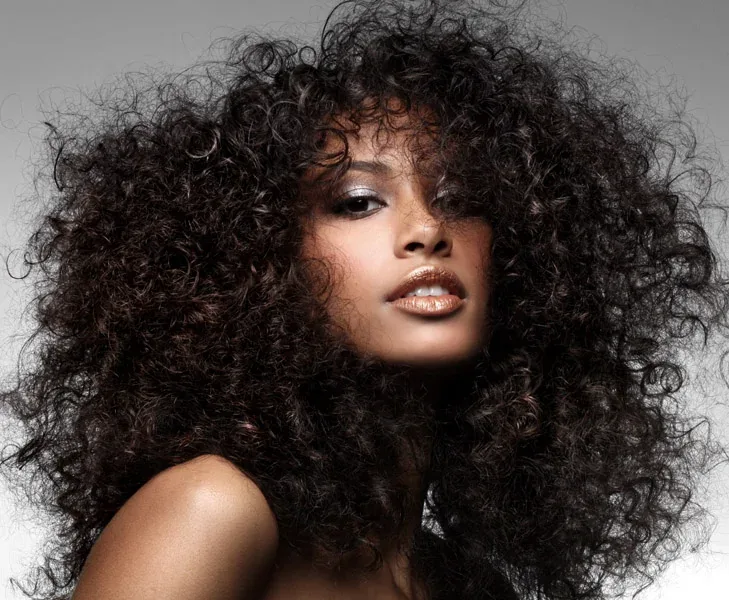
Curly hair and a widow’s peak are a natural match, because curls do the softening for you. The curls at the front fall in soft spirals around the peak, breaking up the V with movement, and the volume of curly hair means the hairline is never the first thing anyone notices. The key is a cut that respects the curl pattern — shaped dry, curl by curl — so the front pieces do not spring up shorter than planned and the peak does not end up exposed by a too-short curl.
Best for: natural curls of any length, from a curly bob to long curls. How to style: curl cream on soaking-wet hair, then hands off while it dries — touching curly hair while it dries is what creates frizz. What to ask: ask your stylist to cut your curls dry, and to leave the front pieces an inch longer to allow for shrinkage. Maintenance: a trim every eight to ten weeks, and a weekly deep-conditioning mask. Who should avoid a short curly cut with a peak: nobody, as long as the stylist understands curls.
12. Wavy Hair With Soft Layers
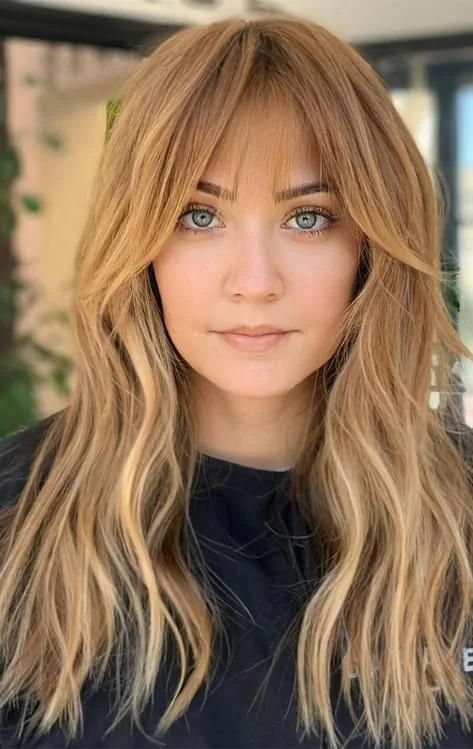
Wavy hair with soft layers is the easiest hairstyle to live with when you have a widow’s peak. Natural waves blur the sharpness of the V, add volume at the crown, and make the cut look lived-in from the moment you leave the salon. It is the version that looks best on second-day hair and on holiday, because the whole look is built on movement rather than precision, and the waves hide a growing fringe beautifully.
Styling time: two to three minutes — a little salt spray or texture spray scrunched through damp hair, then air-dry. If your waves need help, twist a few sections around a curling wand and leave the ends out. Maintenance is minimal: trims every seven to eight weeks. Who should avoid it: very straight hair, where the waves have to be created with heat every morning — in that case, a sleek straight style with a side part will save you time.
13. Sleek Straight Hair With a Deep Side Part
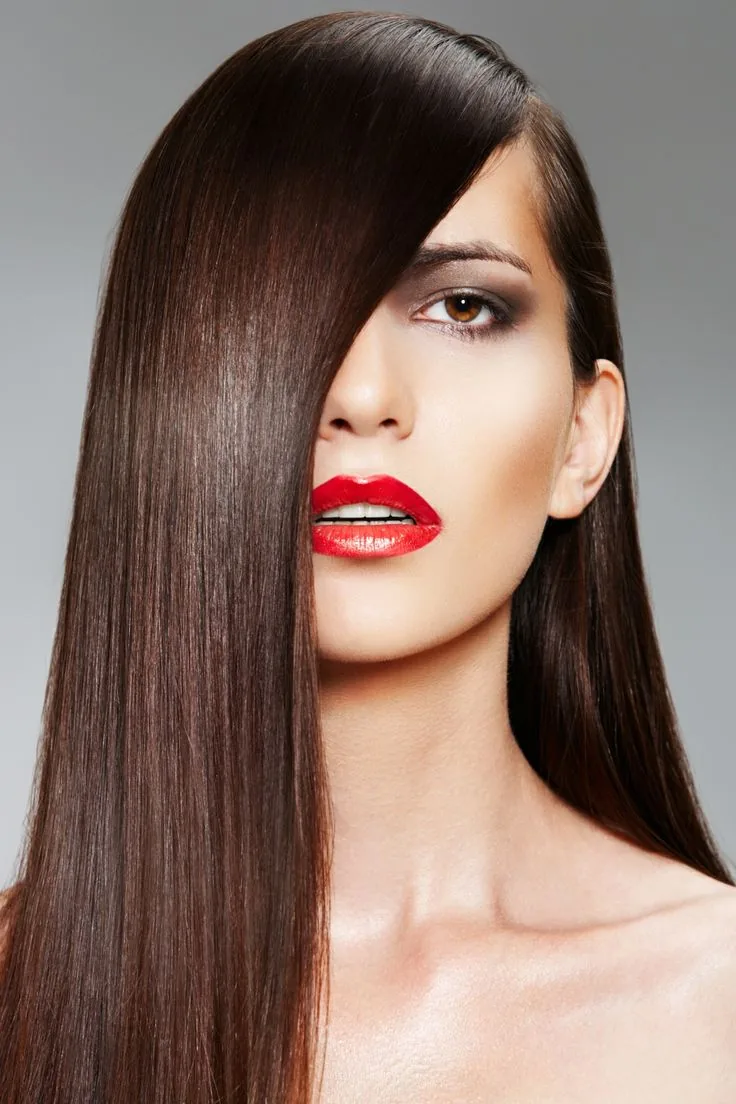
Sleek straight hair with a deep side part is the most polished way to wear a widow’s peak, because the smooth, shiny finish makes the sweep across the peak look deliberate. The deep part creates instant volume on the heavier side, the straight length draws the eye down past the face, and the whole style reads as clean and editorial. It is the style for women who like their hair to look finished, not tousled.
Styling time: five to ten minutes with a straightener or a round brush, plus a heat protectant every time. The products it needs are simple: a heat protectant, a smoothing serum, and a light hold spray. Maintenance: trims every five to six weeks to keep the ends sharp. Who should avoid it: women who want a wash-and-go cut, because this one needs heat to look its best, and naturally curly hair, which would need straightening every single morning.
14. The Half-Up Half-Down Hairstyle
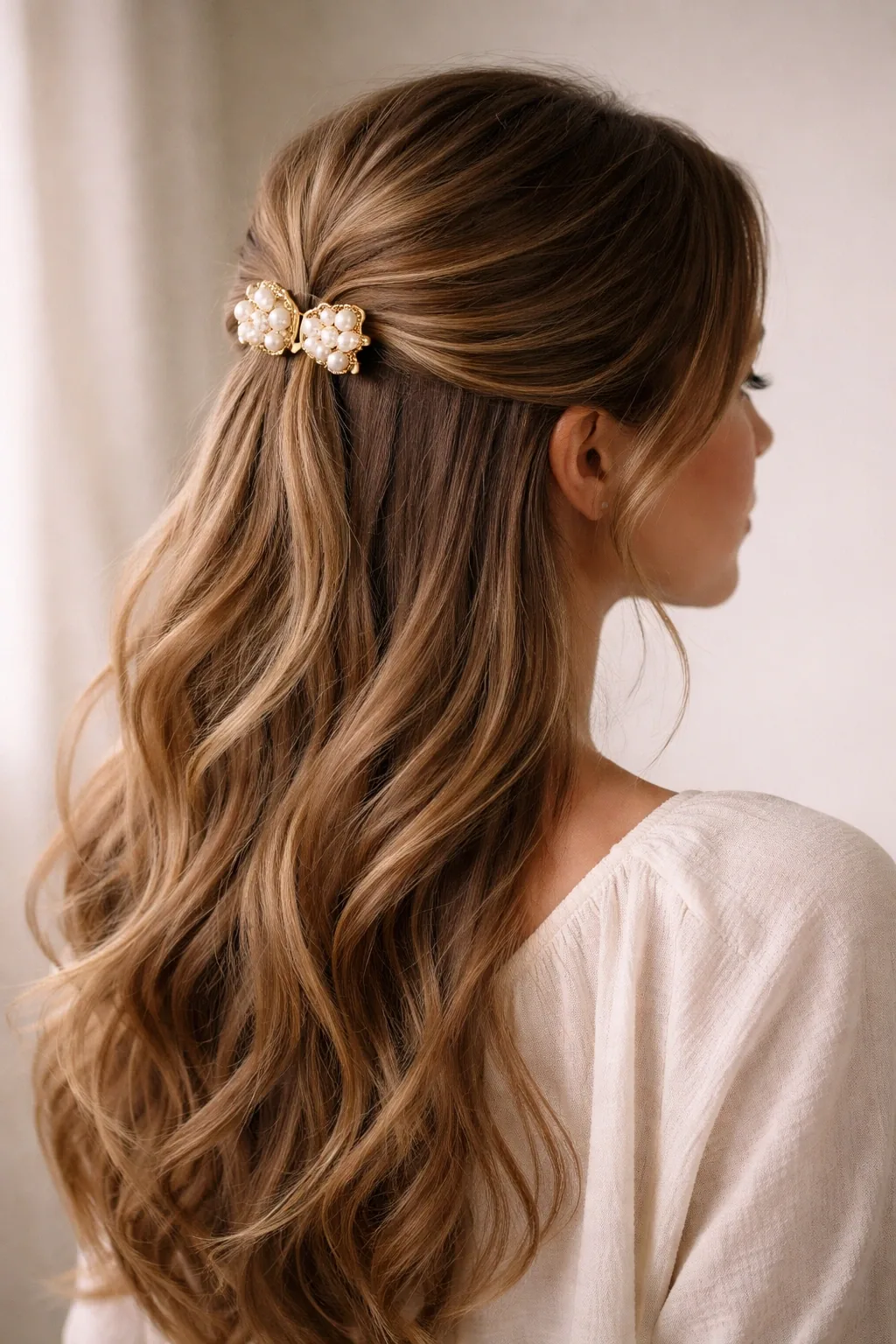
The half-up half-down style is the most versatile updo for a widow’s peak, because it does two jobs at once: the top half is pulled back and away from the face, while the bottom half falls loose and soft around the shoulders. The trick is to leave two face-framing pieces loose at the front — they sweep across the peak and soften it, while the pulled-back top adds height at the crown and makes the face look longer. It works for work, weddings and weekends alike.
Best for: long and medium hair, straight or wavy. How to style: gather the top half at the crown, secure it with a clip or an elastic, then pull two thin pieces loose at the front and let them fall. What to ask: nothing — this is a styling choice, not a cut, so it works with whatever haircut you already have. Quick verdict: the easiest occasion style on this list, and one of the few updos that flatters a peak instead of exposing it.
15. The Low Ponytail With Face-Framing Pieces
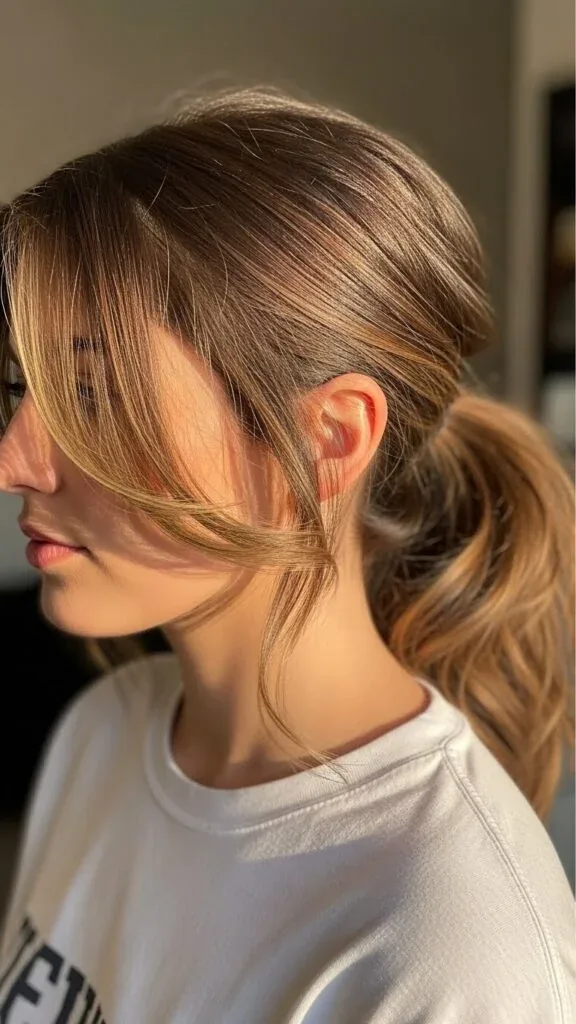
A low ponytail is the everyday style most women with a widow’s peak reach for, and it works — as long as you leave the face-framing pieces out. Pulled back tightly with no loose pieces, a ponytail exposes the whole hairline and makes the peak the first thing people see. With two soft pieces left loose at the front, the same ponytail softens the peak, frames the face, and looks effortlessly polished instead of severe.
Pros: takes thirty seconds, works for the gym, work and errands, and suits every hair type. Cons: a tight ponytail every day can cause breakage at the hairline, so vary your styles and keep the elastic loose. Common mistake: pulling the front pieces back too tightly — the loose pieces should fall naturally, not be scraped back. Styling time: under a minute. Who should avoid a high, tight ponytail with a peak: anyone who is self-conscious about the hairline — a low, loose ponytail with pieces out is always the kinder option.
16. The Messy Bun With Loose Strands
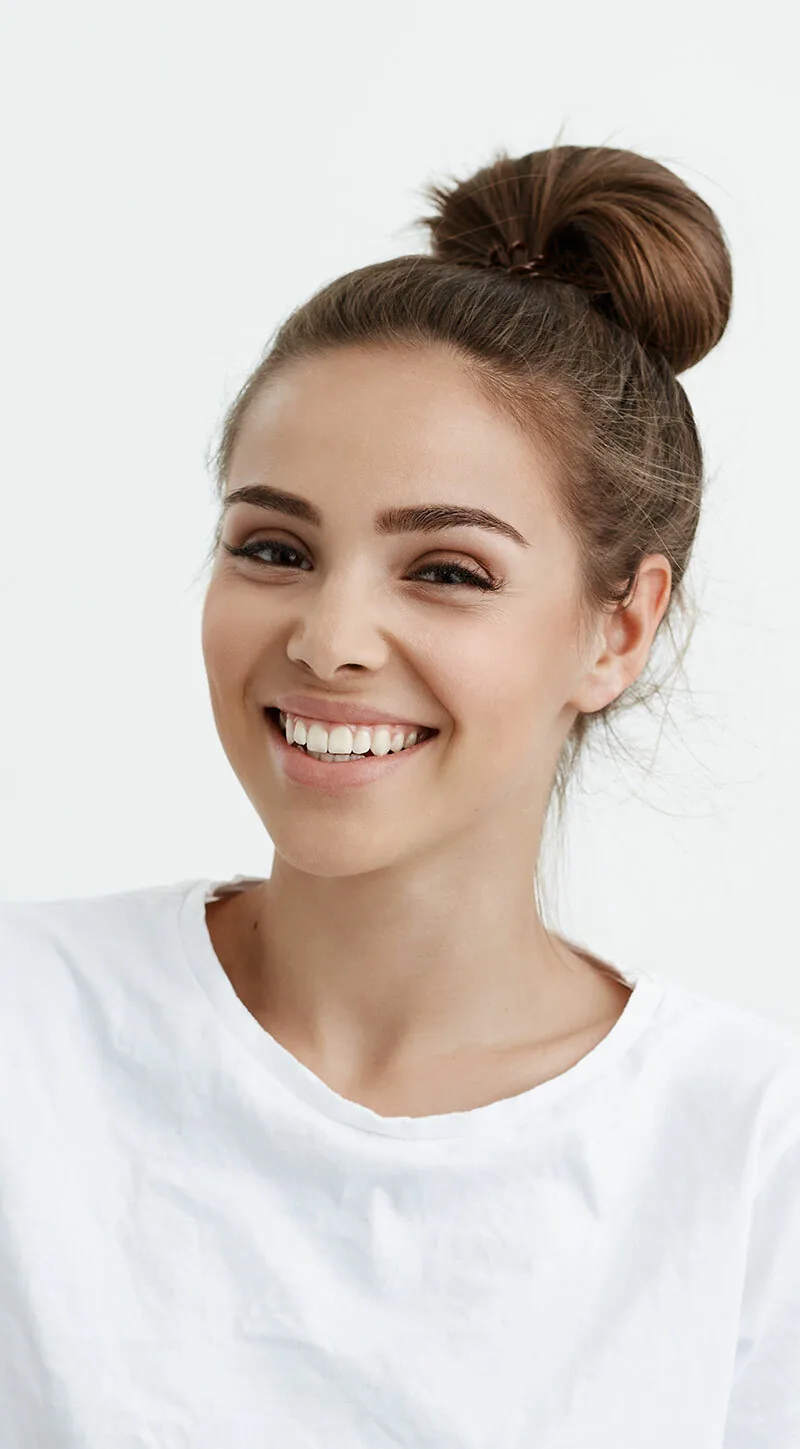
A messy bun with loose strands is the relaxed cousin of the low ponytail, and it flatters a widow’s peak for the same reason: the loose strands at the front soften the V while the bun itself adds height and ease. The messier the bun, the better it works — a perfectly neat bun exposes the hairline, while a soft, undone bun with pieces falling around the face makes the peak look like part of a deliberately casual style.
Styling time: two minutes — twist the hair up, secure it loosely, and pull a few strands free at the front. Maintenance: none, it is a styling choice. Who should avoid it: nobody — this is the most forgiving updo on the list. Quick verdict: the style to reach for on a bad hair day, a hot day, or any day you want to look put-together without trying. The loose strands are not a mistake; they are the whole point.
17. The French Twist With Soft Front Pieces
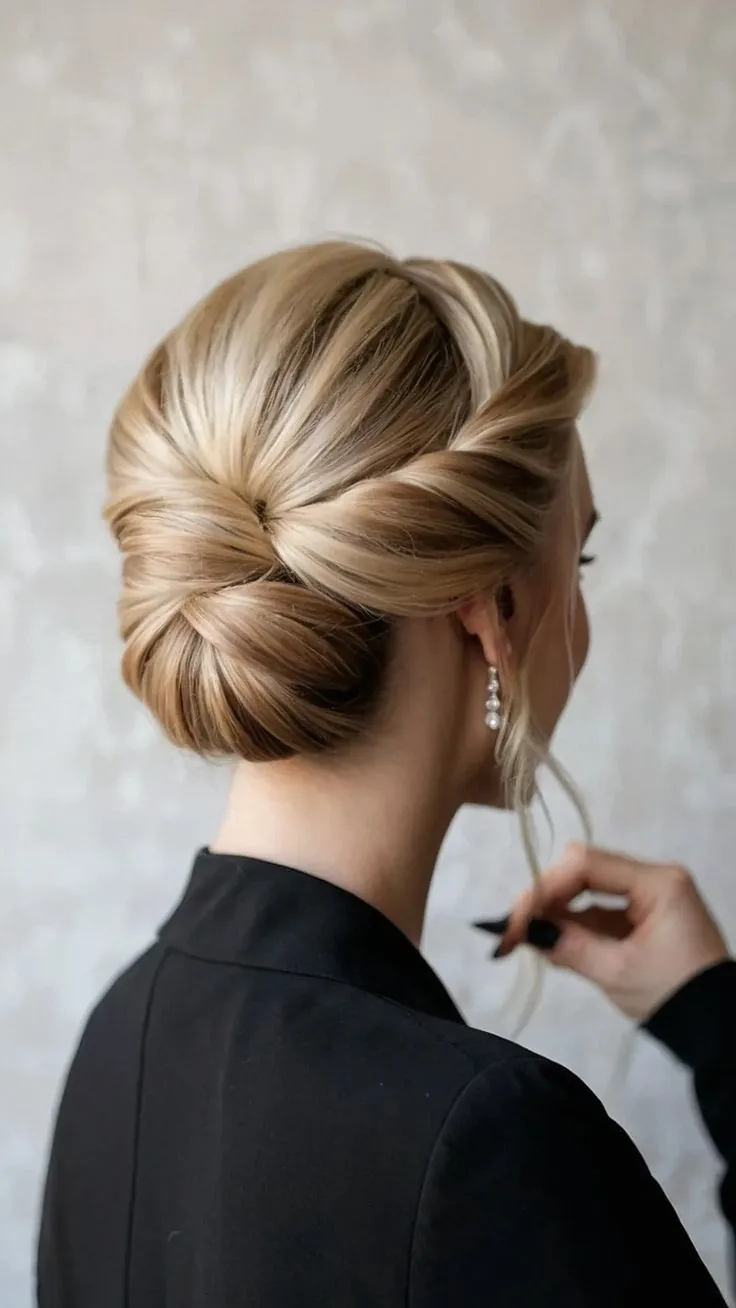
A French twist is the most elegant updo for a widow’s peak, because it is a classic that was made for soft front pieces. The twist itself is sleek and swept up at the back, while the front is left soft — a side part, a sweep of hair across the peak, and a few pieces curled loosely at the temples. The contrast between the polished back and the soft front is what makes the style work: the peak is framed, not exposed.
Best for: weddings, formal events and any occasion where you want to look polished. How to style: this one is worth a salon visit, or a good tutorial and a pack of bobby pins. What to ask: ask your stylist to leave the front soft and to sweep the part to the side — a centre part with a French twist can make the peak look severe. Cost and time: a salon French twist takes about thirty minutes. Who should avoid doing it themselves on the day of an event: anyone who has never tried one — practise first, or book it in.
18. The Braided Crown With the Peak Showing
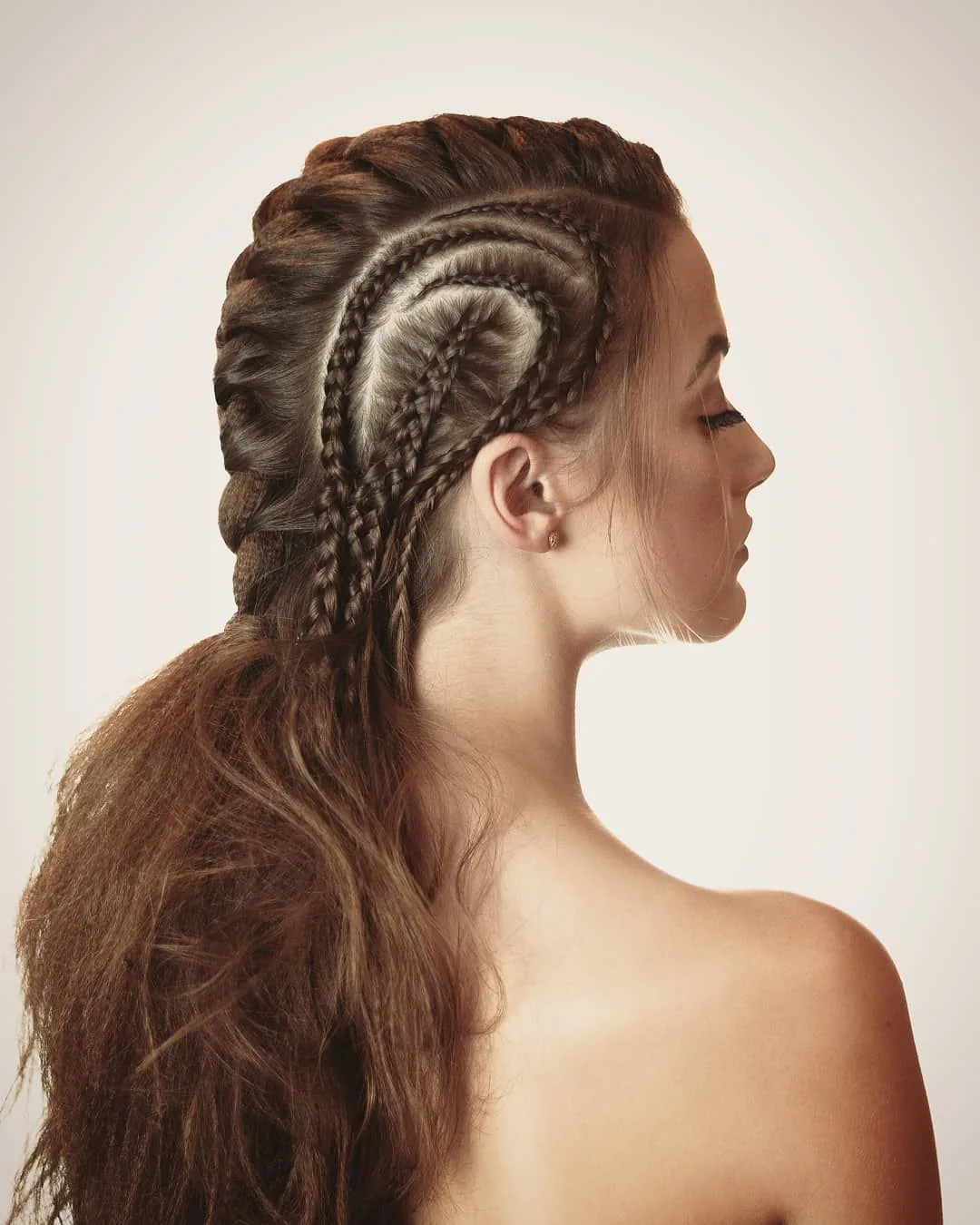
A braided crown is a romantic style that works beautifully with a widow’s peak, because the braid itself frames the face while the peak sits naturally at the centre. The braid runs along the hairline, and the peak becomes the middle point of the crown — a feature, not a flaw. Loose, soft braiding works better than a tight, scraped-back braid, because the softness around the face is what flatters the hairline.
Pros: keeps hair off your face all day, looks beautiful at weddings and festivals, and works on medium to long hair. Cons: it takes practice, and it needs enough length to braid around the head. Common mistake: braiding too tightly at the front — a tight braid pulls the hairline back and makes the peak look sharper. Keep the front braid loose and pull a few pieces out around the temples. Styling time: ten to fifteen minutes once you know how.
19. The Side Braid
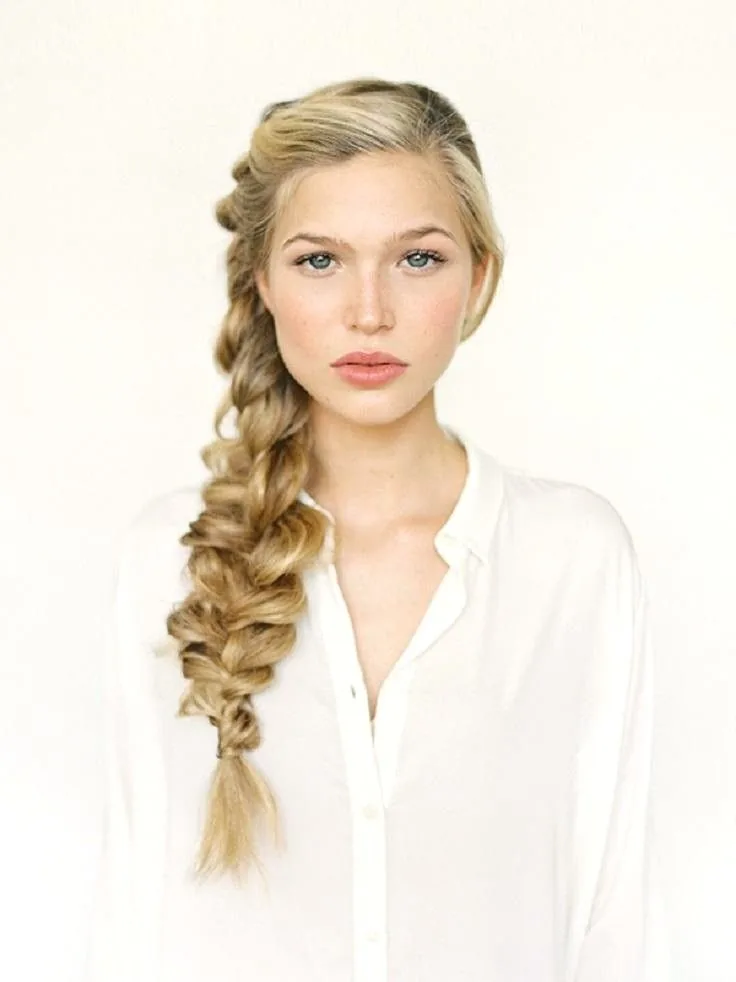
A side braid is the simplest braided style for a widow’s peak, and it works because the braid falls to one side — the same side as a side part — so the whole style moves in one direction across the peak. The braid sweeps the front hair diagonally, softening the V, and the loose, slightly undone finish keeps the style soft rather than severe. It is the braid for women who want something pretty without a lot of effort.
Styling time: three to five minutes. Best for: medium to long hair, straight or wavy. How to style: part your hair deeply to one side, gather it over the shoulder on the heavier side, and braid loosely, pulling a few pieces free at the front. What to ask: nothing — this is a styling choice. Quick verdict: the easiest braid on this list, and one of the best for a peak, because the diagonal sweep is exactly what a widow’s peak needs.
20. The Layered Bob
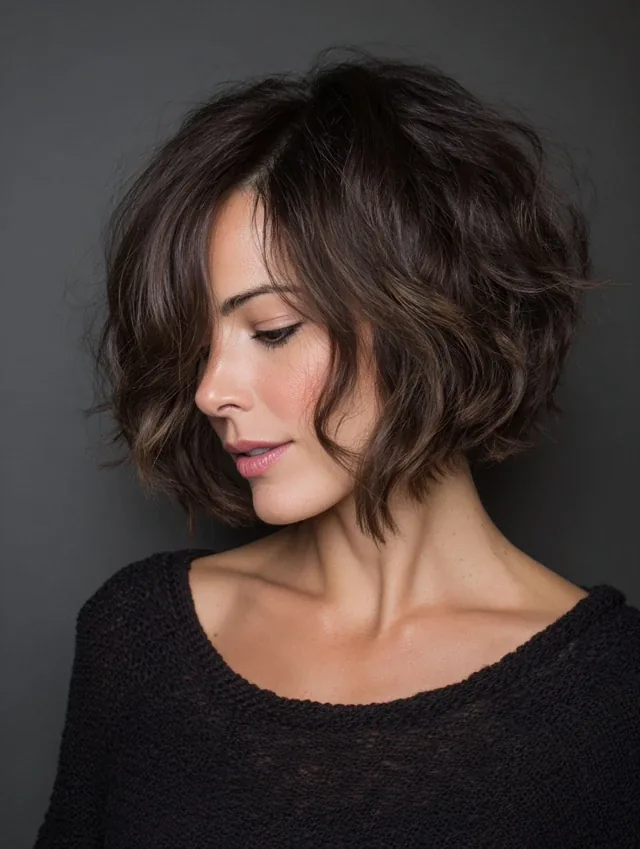
A layered bob is the softest bob you can wear with a widow’s peak, because the layers connect the short back to the longer front in a smooth gradient, and the face-framing pieces fall around the peak instead of stopping in a hard line. The layers add volume at the crown and movement at the ends, so the cut never looks flat or severe. It is the most wearable bob for women who want the shape of a bob without the sharpness.
Styling time: about five minutes with a round brush for a smooth finish, or two minutes air-dried with mousse for soft movement. Maintenance is forgiving: trims every seven to eight weeks, and the layers hide the awkward stages of growing out. Who should avoid it: very fine hair, where too many layers can make the ends look thin — ask for long, blended layers rather than short, choppy ones.
21. The Chin-Length Bob
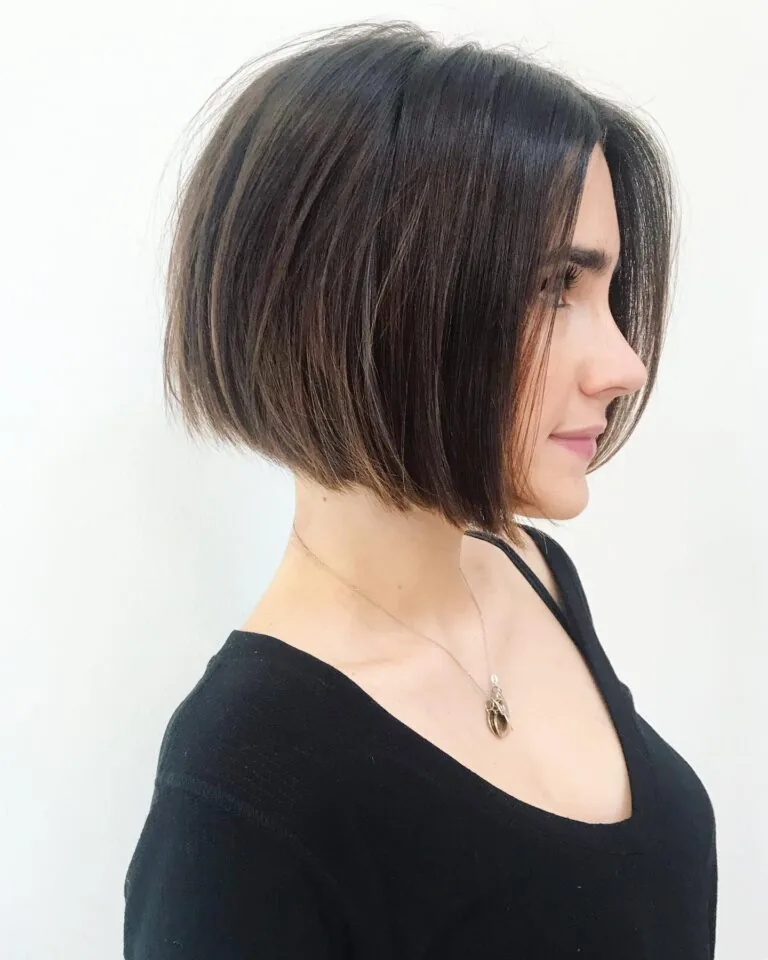
A chin-length bob is the boldest short version of a bob with a widow’s peak, and it works when the part is right. With a deep side part, the front pieces sweep across the peak and the chin-length ends frame the jaw, opening up the face and showing off the cheekbones. With a centre part, the same bob can make the peak the focus of the whole cut — so the part matters more here than in any other bob on this list.
Quick verdict: beautiful, but only with a side part. Styling takes under three minutes — a little wax or texture paste, finger-combed into place. The catch is maintenance: the short back needs a trim every four weeks to hold its shape. Who should avoid it: women who want to tie their hair up, because the back is too short for a ponytail, and anyone unsure about short hair — this cut leaves little to hide behind.
22. The Long Bob With Curtain Layers
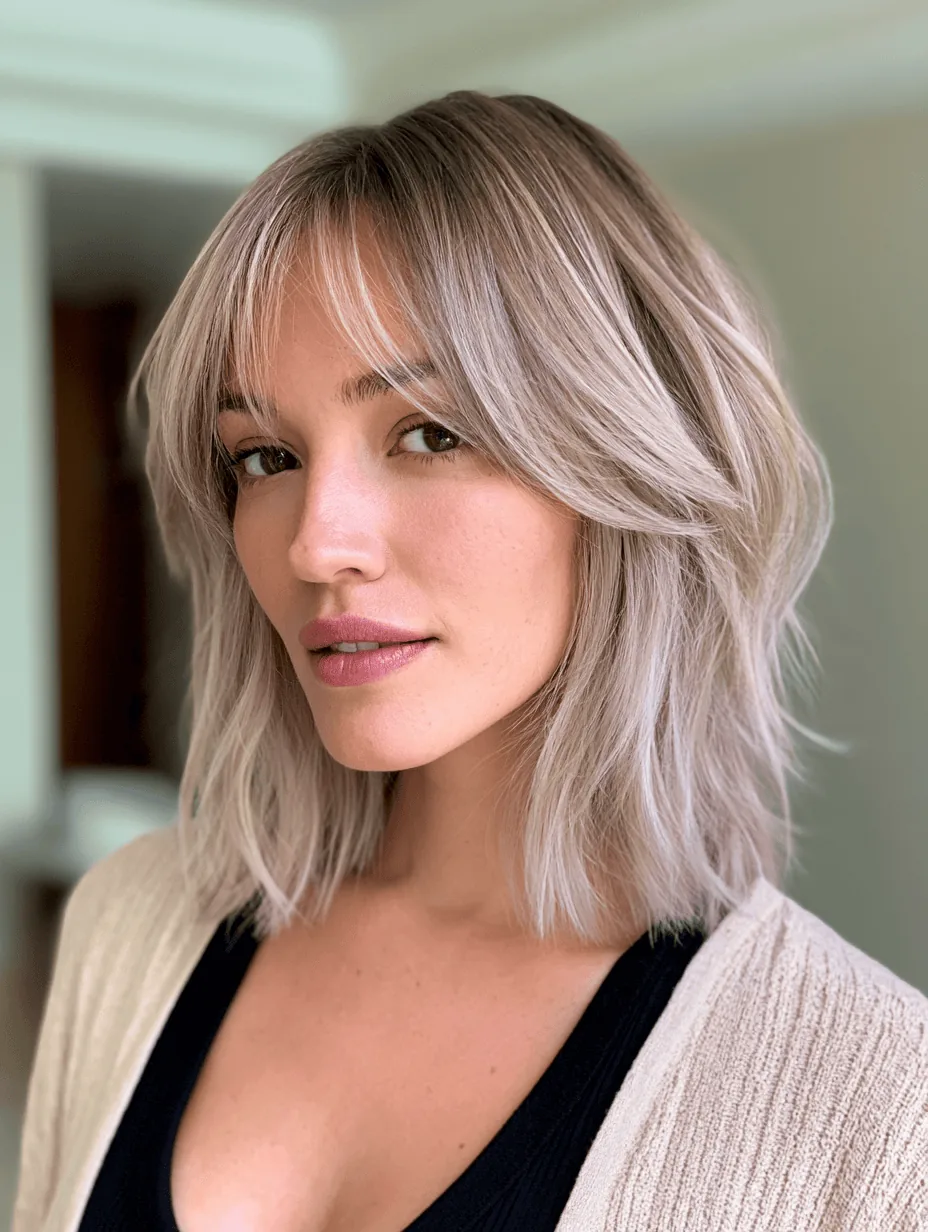
A long bob with curtain layers is the safest bob for a widow’s peak, because it keeps enough length to tie back while giving you the curtain fringe that softens the peak. The front pieces brush the collarbone, the curtain layers part in the middle and fall on either side of the V, and the whole cut reads as soft and modern rather than sharp. It is the bob for women making the move from long hair to short hair who do not want to lose the softening that length gives them.
Pros: the most versatile bob, easy to grow out, and it works on straight, wavy and curly hair. Cons: the angle is less dramatic at this length, so if you want a sharp statement, go shorter. Styling time: five to ten minutes, depending on whether you wear it straight or curled. Who should avoid it: very fine hair, which can look thin at longer lengths without layers.
23. Feathered Layers
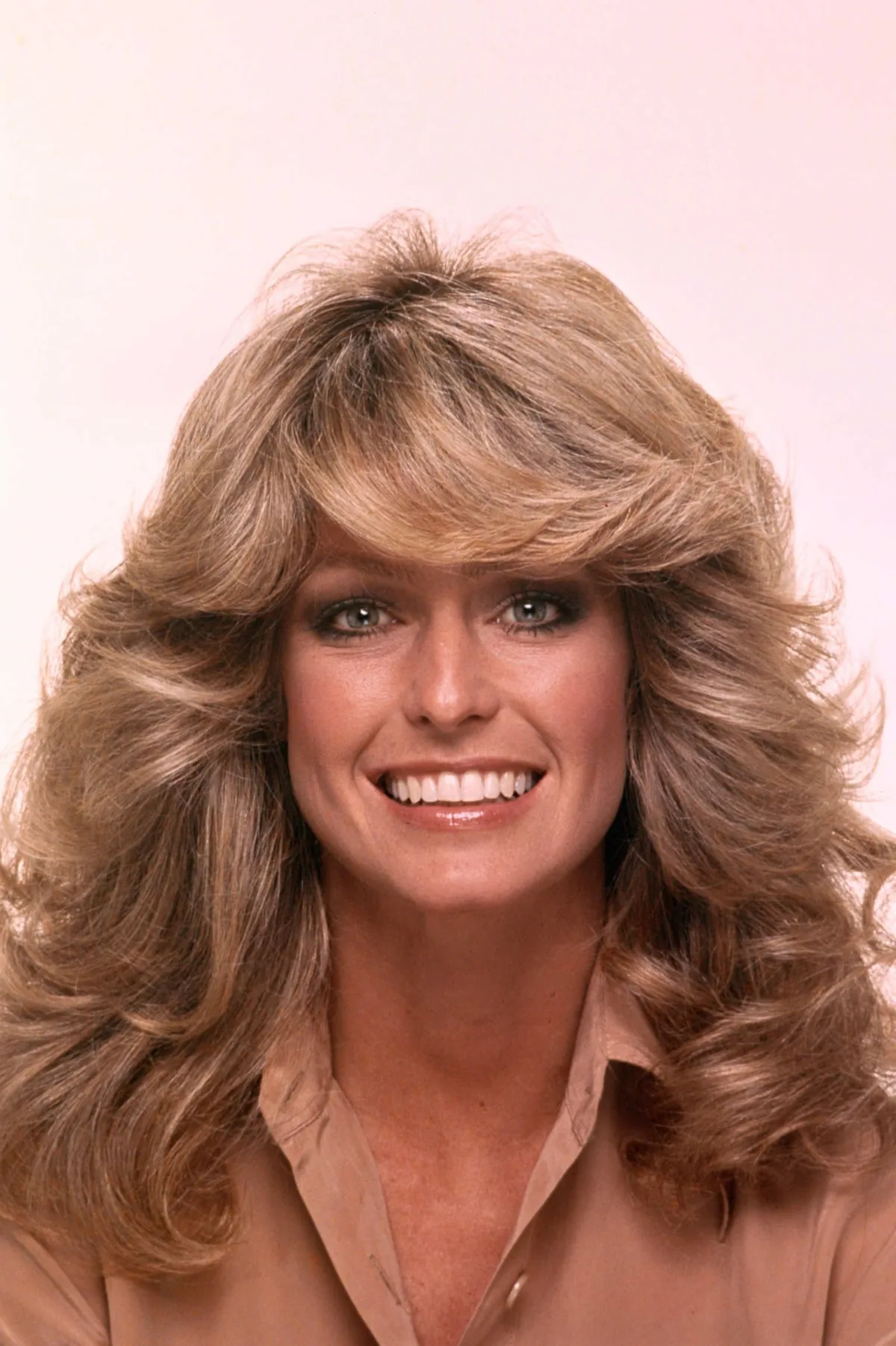
Feathered layers are the retro style that suits a widow’s peak surprisingly well, because feathering is all about soft, flicked-out ends that move away from the face. The feathered front pieces flick outward around the peak instead of falling straight down over it, so the V is broken up by movement and the whole style looks light and airy. It is the cut for women who love a seventies feel and want their hair to look like it moves.
Styling time: five minutes with a round brush, flicking the ends outward. Maintenance: trims every six to eight weeks. Common mistake: asking for feathered layers with a blunt fringe — the two textures clash. Ask for a soft, side-swept fringe or no fringe at all. Who should avoid it: very curly hair, where feathering can look frizzy rather than flicked. Quick verdict: a fun, flattering throwback, and one of the few cuts where the peak genuinely disappears into the movement.
24. The Voluminous Blowout
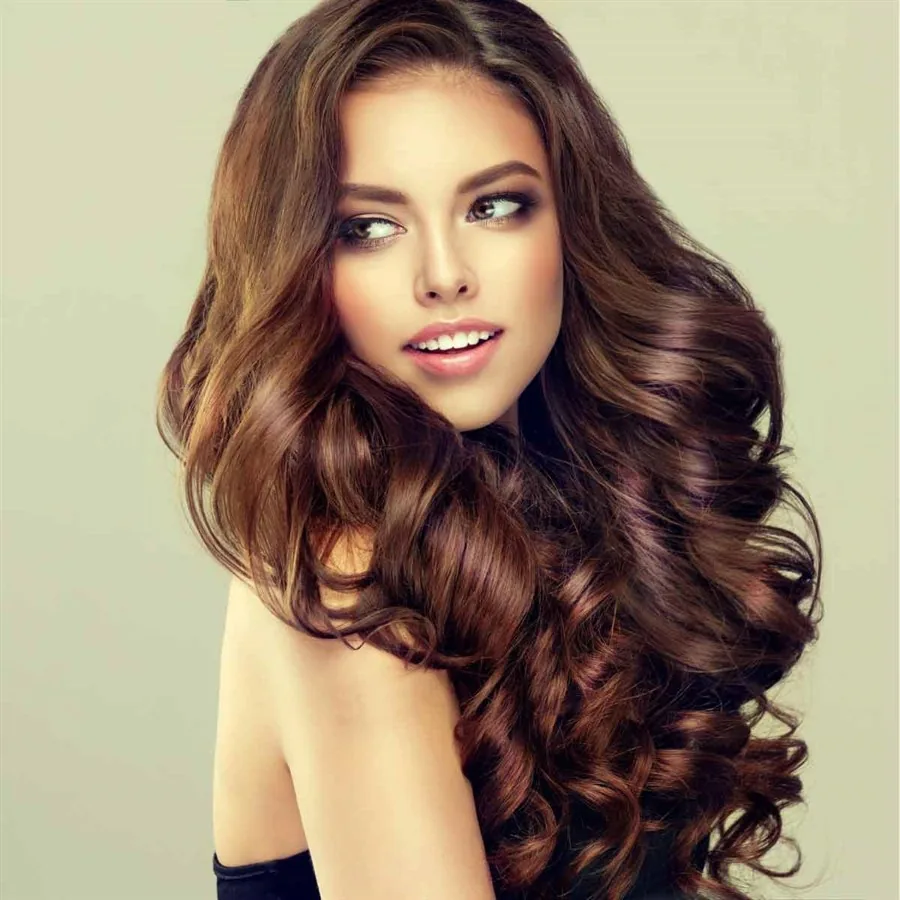
A voluminous blowout is the glamour option for a widow’s peak, because volume is the great softener. Big, bouncy hair with lift at the roots and movement through the lengths draws the eye to the volume and away from the hairline, and a side part with a big sweep across the peak completes the look. It is the style for a night out, a photoshoot, or any day you want your hair to be the outfit.
Styling time: fifteen to twenty minutes at home, or thirty minutes at the salon. The products it needs are simple: a root-lifting mousse, a large round brush, and a light hold spray. Pros: maximum glamour, and it makes even fine hair look full. Cons: it falls flat in humidity, and it needs heat styling every time. Who should avoid doing it daily: women with very fine hair that drops within an hour — save the blowout for occasions, and wear soft layers day to day.
25. Beach Waves
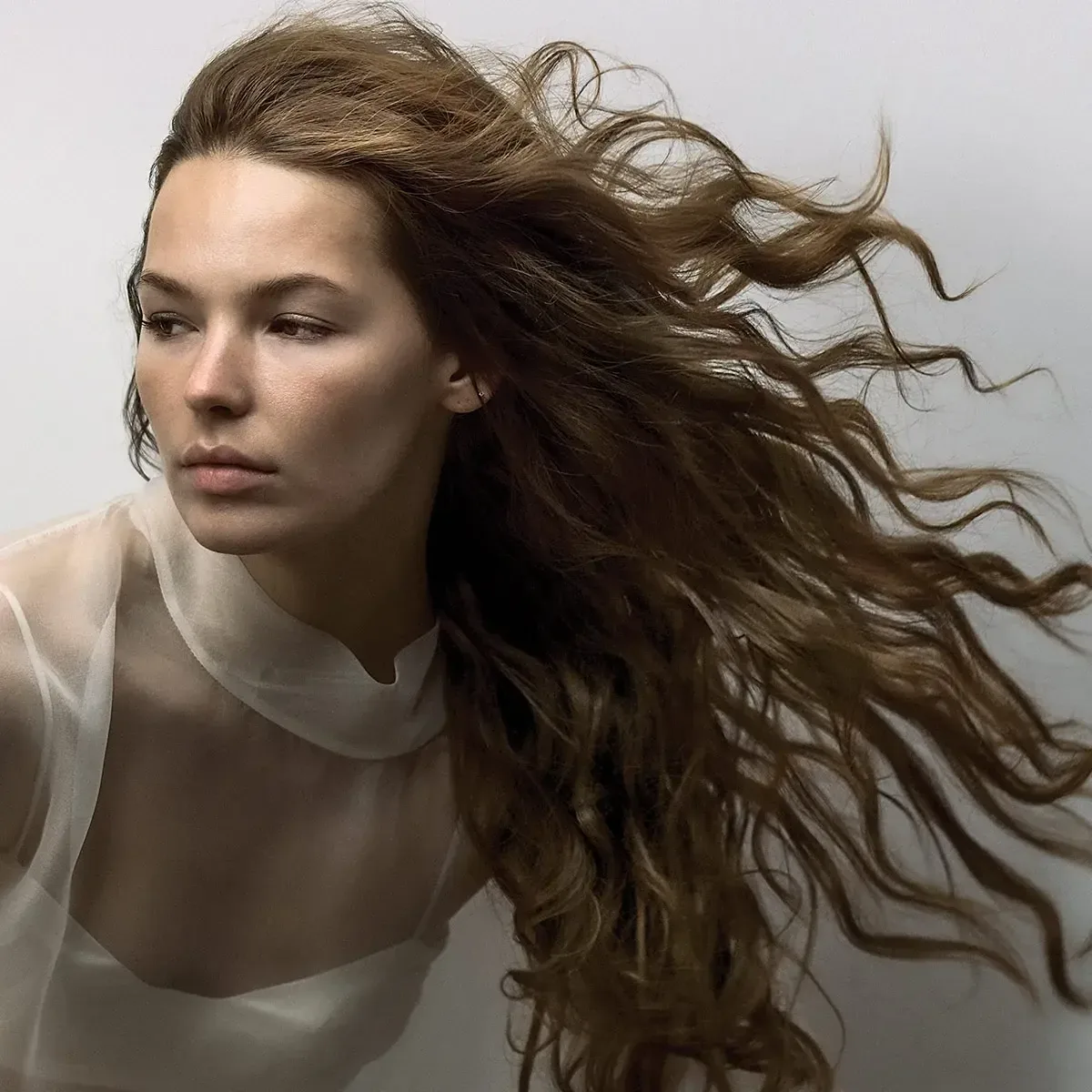
Beach waves are the most forgiving textured style for a widow’s peak, because waves do what layers do: they break up the hairline with movement. The soft, undone waves fall around the peak in pieces, so the V never reads as a hard line, and the whole style looks like it happened naturally — even when it took a curling wand and a bottle of salt spray. It is the holiday style that works just as well at home.
Styling time: five to ten minutes — curl sections away from the face with a large-barrel iron, leave the ends out, and shake it out with your fingers. Maintenance: none, it is a styling choice. Best for: medium to long hair, naturally wavy or straight hair that holds a wave. Who should avoid it: very short hair, which cannot hold a wave, and anyone who wants a polished, sleek finish — beach waves are designed to look undone.
26. The Slicked-Back Style
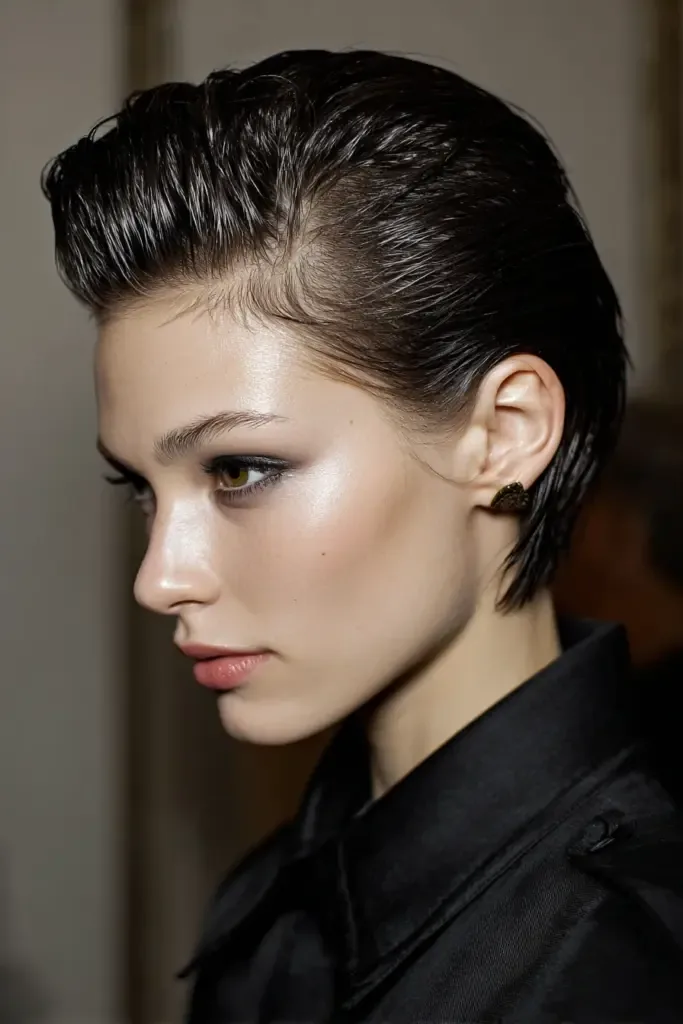
The slicked-back style is the one style on this list that shows the widow’s peak fully — and that is exactly the point. Slicked back with a little gel or pomade, the peak becomes a sharp, deliberate V at the centre of a polished, editorial look, the way it has been worn on runways for years. It is not a style for hiding a peak; it is a style for owning it, and it suits women who are confident about their hairline and want a look that is striking rather than soft.
Best for: a night out, a photoshoot, or any occasion where you want to look bold. How to style: apply a little gel or pomade to damp hair, comb it straight back, and let it set. What to ask: nothing — this is a styling choice. Quick verdict: the highest-confidence style here. If you have ever been told to hide your peak, this is the style that proves the opposite — a widow’s peak, slicked back, is a feature.
27. Vintage Finger Waves
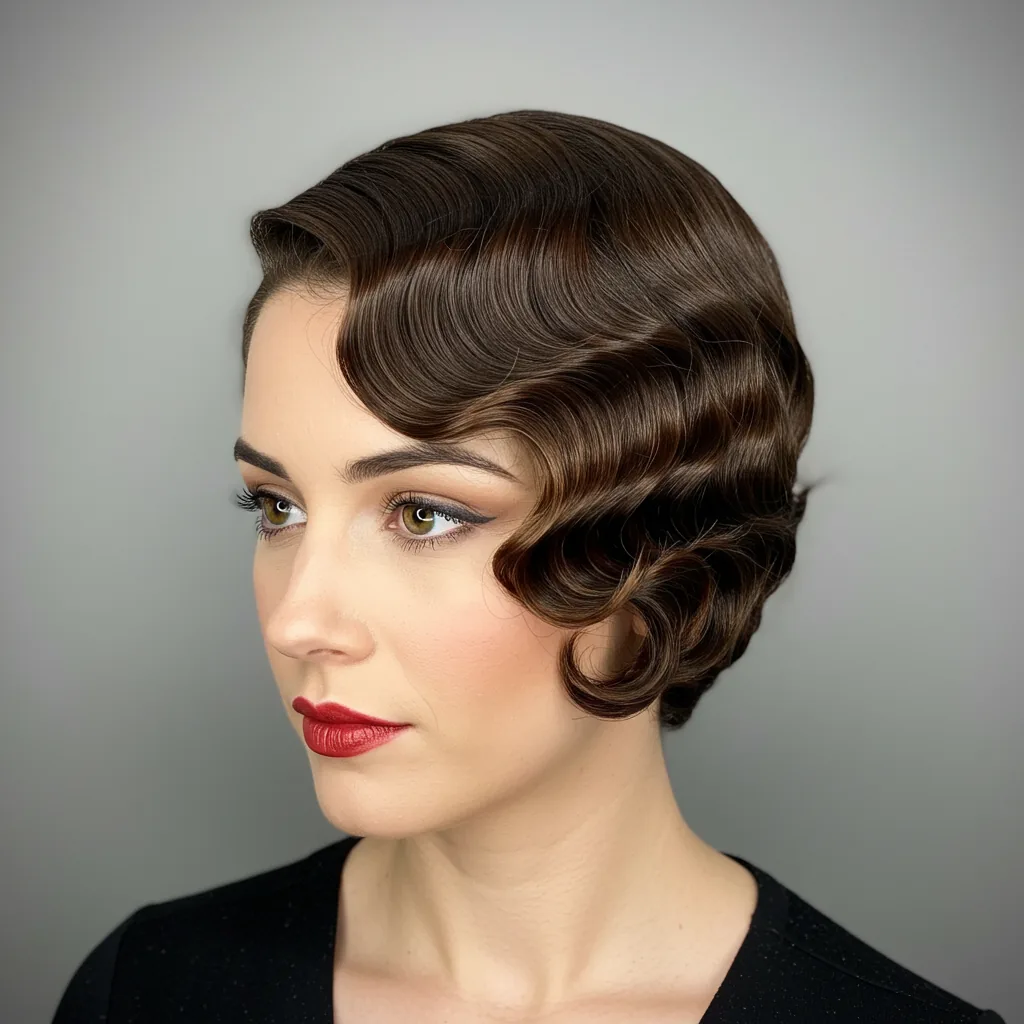
Vintage finger waves are the most glamorous retro style for a widow’s peak, because the waves are sculpted to follow the hairline — including the peak. The S-shaped waves frame the forehead in soft curves, and the peak sits naturally inside the wave pattern instead of fighting it. It is the style for a themed party, a wedding, or any occasion where you want old-Hollywood glamour, and it is one of the few vintage styles that genuinely suits a peak.
Pros: stunning, timeless, and it makes the peak look intentional. Cons: it takes time and skill — finger waves are not a five-minute style, and they need setting lotion and clips to hold. Styling time: thirty to forty-five minutes, or a salon visit. Who should avoid it: anyone who wants a wash-and-go style. This is an occasion look, and it is worth every minute it takes.
28. Retro Hollywood Waves
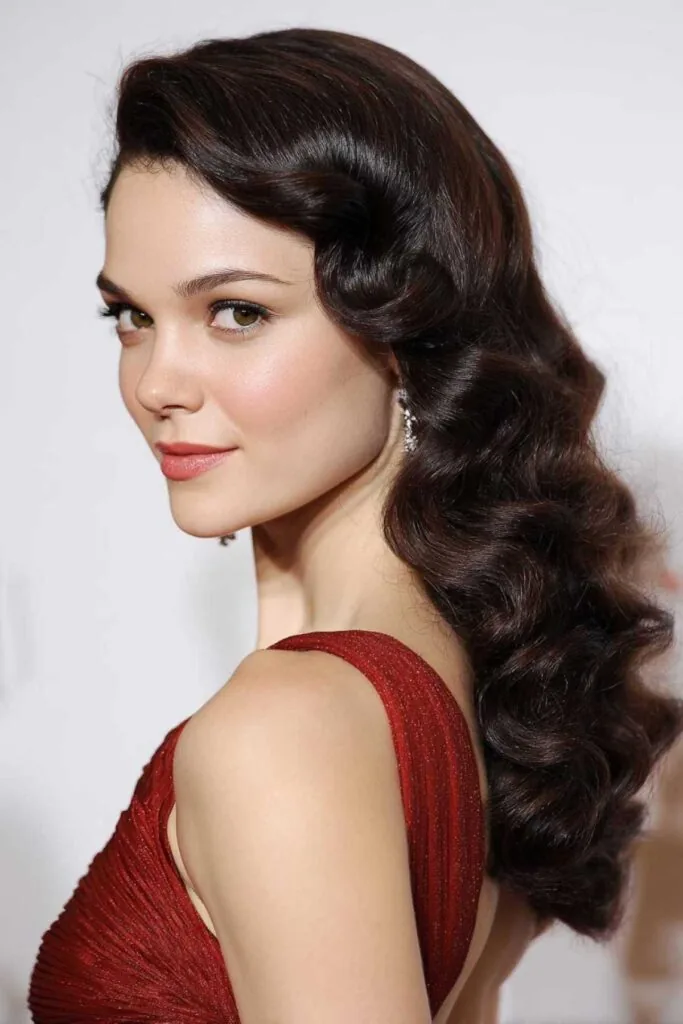
Retro Hollywood waves are the softer cousin of finger waves: big, glossy, uniform waves that fall over one shoulder, with a deep side part that sweeps across the peak. The side part is what makes this style work for a peak — it turns the V into a diagonal sweep, and the waves themselves add so much movement that the hairline is never the focus. It is the red-carpet style, and it works just as well for a wedding guest as it does for a photoshoot.
Styling time: twenty to thirty minutes with a large-barrel curling iron, plus a shine spray. Maintenance: none, it is a styling choice. Best for: medium to long hair, and any formal occasion. Common mistake: curling the waves in different directions — Hollywood waves all curl the same way, which is what gives them their smooth, uniform finish. Who should avoid it: very short hair, which cannot hold a Hollywood wave.
29. Soft Curls With a Side Part
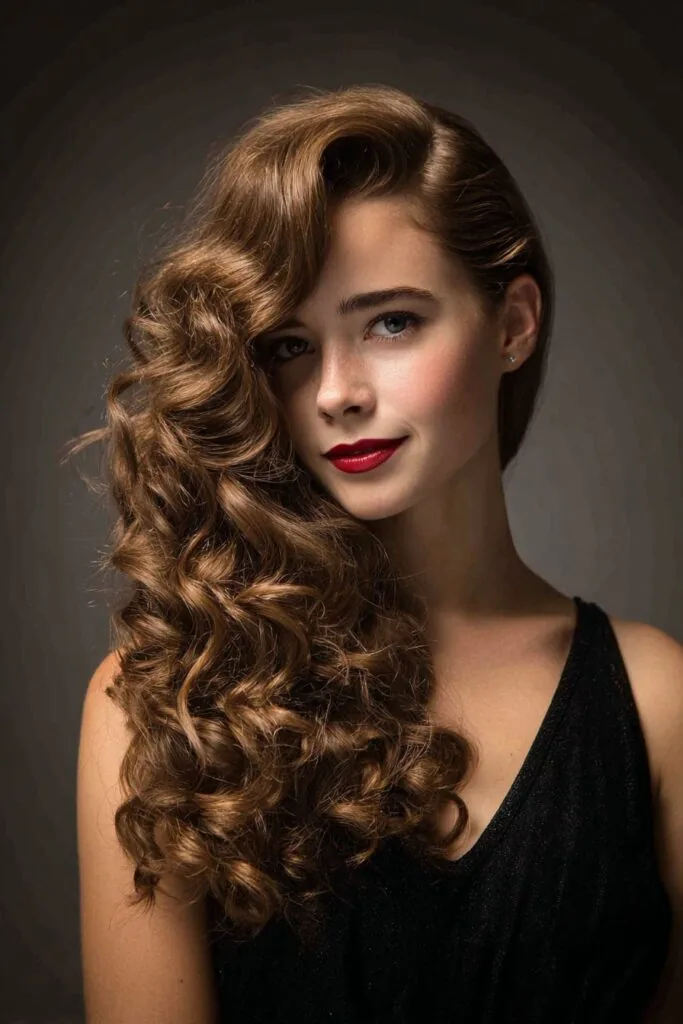
Soft curls with a side part are the romantic answer to a widow’s peak: the curls add volume and movement, and the side part sweeps the front across the peak so the V softens into a curve. The curls should be loose and brushed out, not tight ringlets — the softer the curl, the softer the peak reads. It is the style for date night, a wedding, or any evening when you want to look polished without looking overdone.
Pros: romantic, flattering on almost every face shape, and it works on naturally curly, wavy or straight hair with a curling iron. Cons: curls drop in humidity, so a light hold spray is essential. Styling time: ten to fifteen minutes. Who should avoid tight curls with a peak: nobody, but loose curls flatter a peak more than tight ones, because they move rather than framing the V in a hard line.
30. Straight Hair With Curtain Bangs
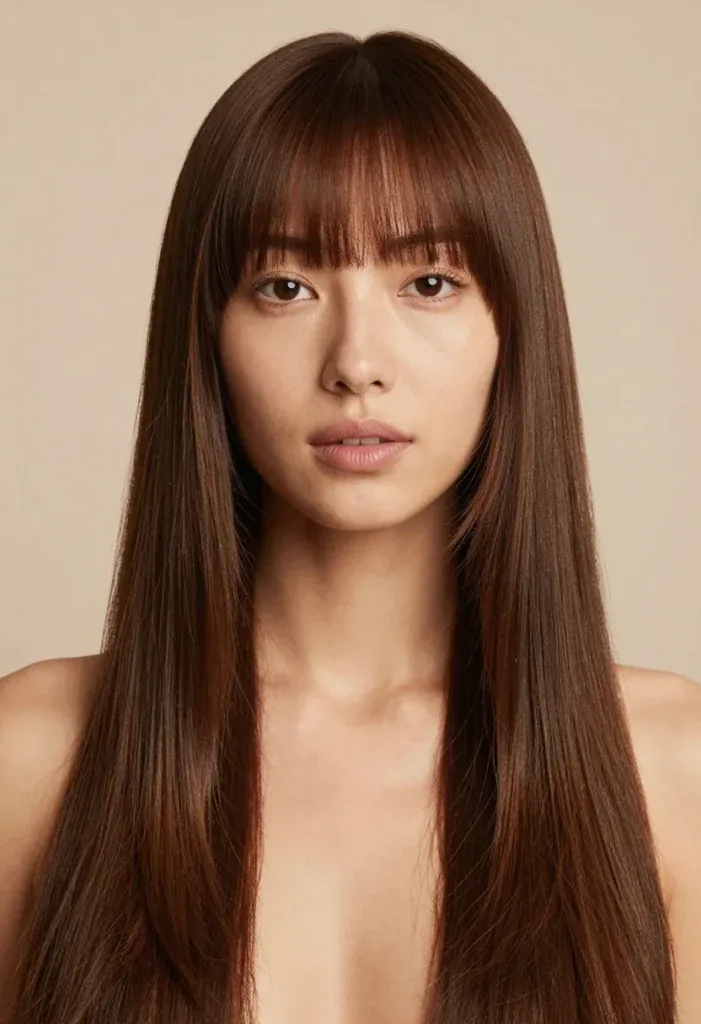
Straight hair with curtain bangs is the clean, modern answer to a widow’s peak, because the straight length shows off the cut while the curtain bangs do the softening. The bangs part in the middle and fall on either side of the peak, blending into the straight lengths, so the whole style reads as polished and deliberate. It is the version to choose if you love straight hair but want something across the forehead.
Styling time: five minutes — blow-dry the bangs away from the face with a round brush, and run a straightener over the lengths. Maintenance: a fringe trim every five to six weeks. Who should avoid it: women with a strong natural side part, because curtain bangs need a centre part to work. Quick verdict: the most polished straight style for a peak, and one of the easiest to maintain once the bangs are cut right.
31. Thick Hair With Thinned Front Layers
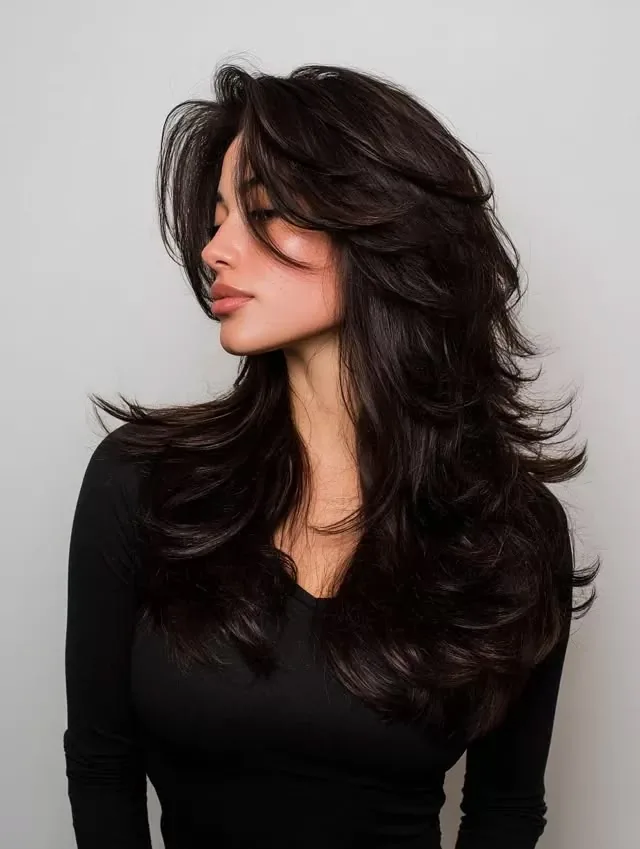
Thick hair and a widow’s peak can be a tricky combination, because thick hair at the front can fall in a heavy curtain that makes the peak look sharper by contrast. The answer is thinned front layers: the stylist removes bulk through the front sections, so the hair around the peak falls lightly instead of heavily, and the layers move instead of sitting in one solid block. The result is a cut that feels lighter, dries faster, and flatters the hairline.
Best for: thick, heavy hair of any length. How to style: a leave-in conditioner helps thick hair dry smoothly, and a little texture spray keeps the layers separated. What to ask: ask your stylist to thin the front layers, not just layer them — thinning removes weight, layering only changes the length. Common mistake: asking for a blunt front on very thick hair — the ends will puff out and the peak will look sharper by contrast. Maintenance: trims every six to eight weeks, with texturising at each visit.
32. Fine Hair With Blunt Ends
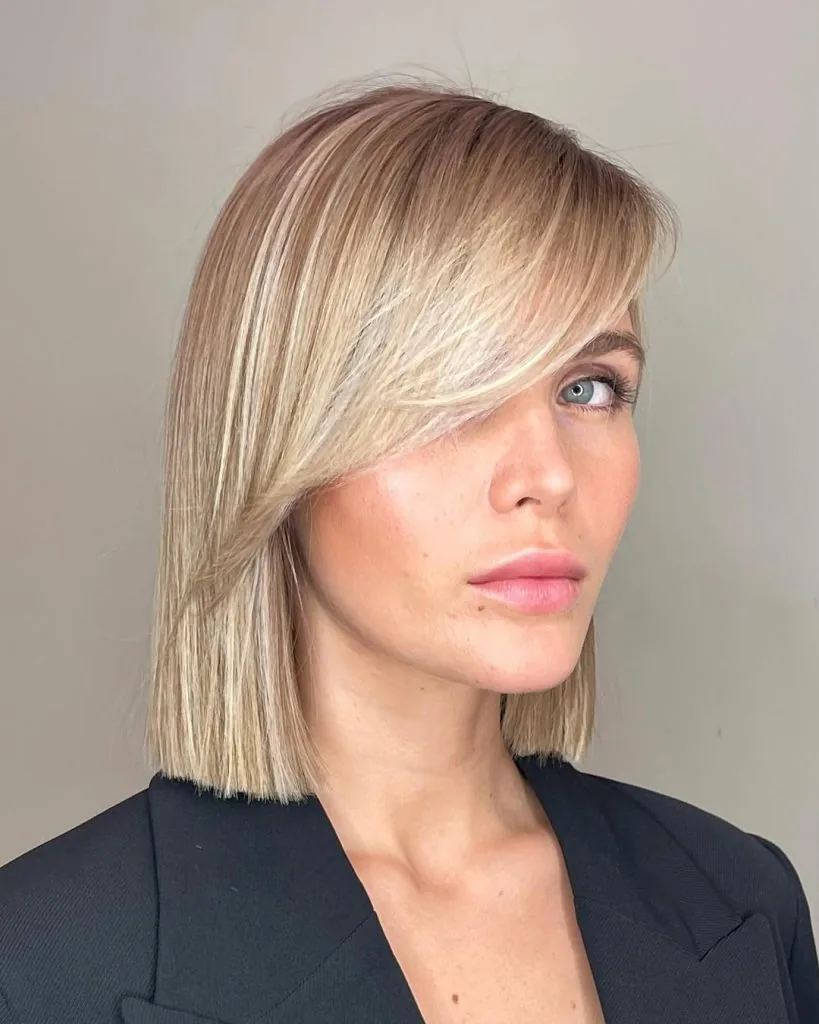
Fine hair with blunt ends is the best cut for a widow’s peak on fine hair, because the blunt edge makes the ends look full rather than wispy, and the clean line gives the style structure that fine hair usually lacks. Paired with a side part, the blunt cut sweeps across the peak and frames the face, so the hair looks thicker and the peak looks softer at the same time. It is the cut that makes fine hair look like it has twice as much of it.
Styling time: about five minutes — a root-lifting mousse at the crown, blow-dried with a round brush. The products it needs are light: mousse and a texturising spray, never a heavy cream. Pros: looks fuller instantly, dries fast, and holds its shape. Cons: it needs regular trims to keep the ends looking full. Who should avoid it: women who want a heavily layered, shaggy cut, because that much layering can make fine hair disappear.
33. A Widow’s Peak With Glasses

A widow’s peak with glasses is a combination that actually works in your favour, because glasses give the eye a second frame to look at. The frames draw attention to your eyes, while a side part or curtain bangs soften the peak — and the two frames, glasses and hair, balance each other. The styles that work best are the ones that keep hair off the frames: a side part, soft layers that fall behind the ears, or a low ponytail with face-framing pieces that sit in front of the glasses arms rather than tangling with them.
Best for: any frame shape, but especially frames that sit high on the face. How to style: keep the front pieces long enough to fall in front of the glasses arms, not behind them. What to ask: ask your stylist to check the cut with your glasses on — a cut that looks perfect without glasses can sit differently once the frames are in place. Quick verdict: glasses and a peak are not a problem to solve; they are two features that frame the same face, and they look good together.
34. Hairstyles for a Widow’s Peak for Women Over 50
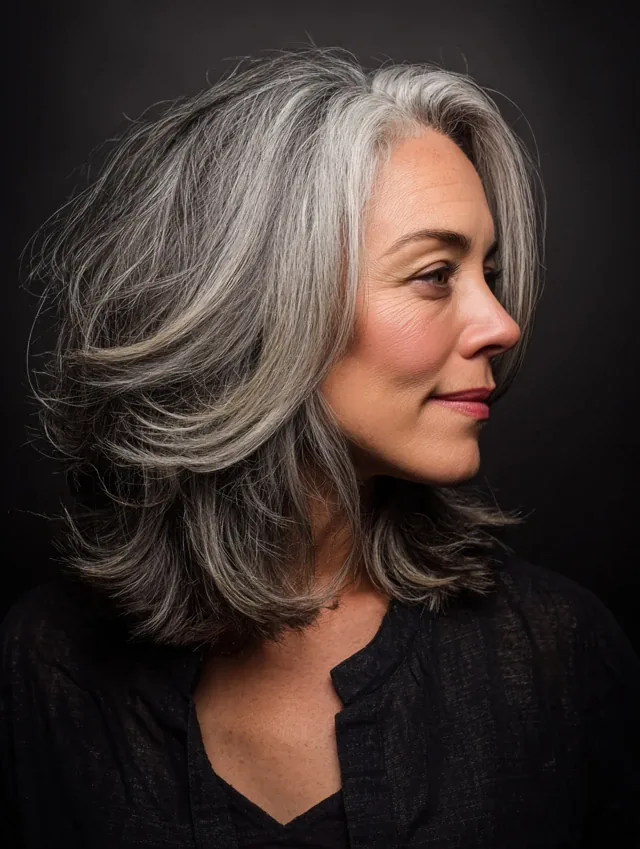
A widow’s peak for women over 50 is best worn with softness: a shoulder-length cut with layers, a side-swept fringe, and a little volume at the crown. The soft layers frame the face and soften both the peak and the jawline, the side part adds lift, and the longer front pieces draw the eye down rather than up to the hairline. A little root lift and a gloss finish complete the look, and the cut is forgiving if you skip a day of styling.
Styling time: five minutes with a round brush, and the cut is forgiving if you skip a day. Maintenance: trims every five to six weeks, and a gloss every couple of months keeps grey-blended or coloured hair shiny. Pros: youthful without trying too hard, easy to style, and it works on straight, wavy and curly hair. Cons: a very short, very steep cut can look harsh on mature skin — keep the angle gentle and the ends soft. Who should avoid a blunt fringe with a peak at this age: anyone whose peak is very pronounced, because a blunt fringe fights the peak every morning.
35. A Wedding Hairstyle With the Peak
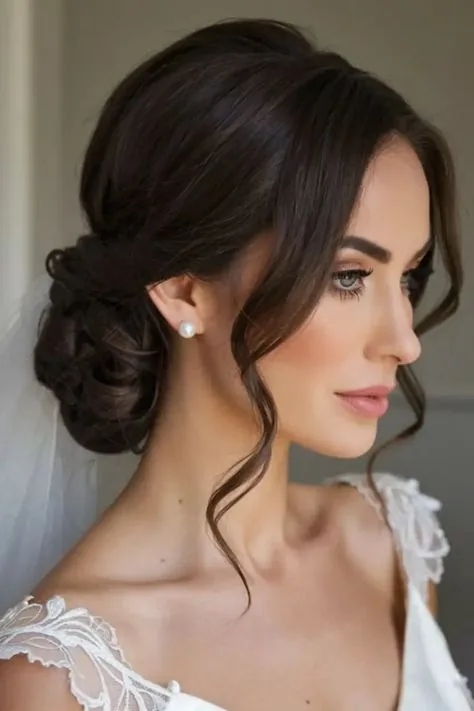
A wedding hairstyle with a widow’s peak should do what every good bridal style does: make the bride feel beautiful, not hidden. The most flattering bridal styles for a peak are soft updos with a side part and loose, curled pieces at the front — the peak is framed by softness, the updo adds height and elegance, and the whole look photographs beautifully from every angle. A veil or a hairpiece can sit just behind the peak, so nothing pulls the hairline back tightly.
Best for: brides, bridesmaids and wedding guests. How to style: this one is worth a salon trial — book a trial run a few weeks before the wedding, and bring photos of styles you like. What to ask: ask your stylist to leave the front soft and to sweep the part to the side. Cost and time: a bridal updo takes forty-five minutes to an hour at the salon. Common mistake: a tightly scraped-back bridal bun with no loose pieces — it exposes the peak and can look severe in photos. Softness is the rule for bridal hair with a peak.
36. A Prom or Occasion Updo
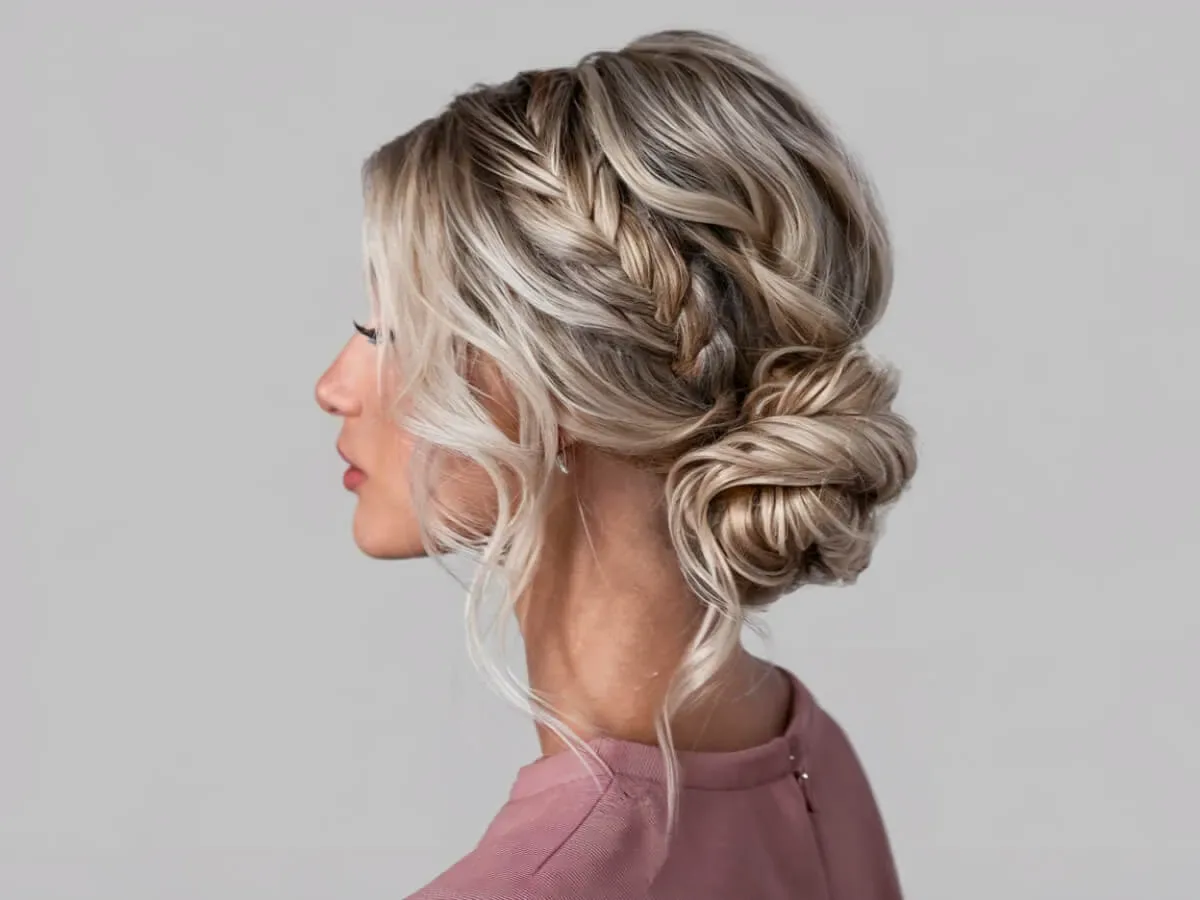
A prom or occasion updo with a widow’s peak follows the same rule as a wedding style: soft front, polished back. A low chignon with curled face-framing pieces, a braided updo with a side part, or a voluminous half-up style all work, because they all leave something soft at the front to frame the peak. The updo itself can be as dramatic as you like — height, braids, twists — as long as the front stays soft.
Styling time: thirty to forty-five minutes at the salon, or twenty minutes at home with practice. Pros: keeps hair off your face all evening, looks polished in photos, and suits any dress. Cons: it needs bobby pins and hairspray to hold, and it will need taking down carefully at the end of the night. Who should avoid a tight, scraped-back updo: anyone with a pronounced peak — the tightness makes the V look sharper. Quick verdict: choose the updo you love, then soften the front, and the peak will take care of itself.
37. The Low-Maintenance Wash-and-Go Cut
The low-maintenance wash-and-go cut for a widow’s peak is built for real mornings: a gentle side part, long blended layers, and a length that air-dries into shape without heat. The secret is in the cut — soft layers, a subtle part, and ends that are textured just enough to fall naturally instead of flipping out. It is the cut for women who want the flattering longer-front line but will not spend ten minutes with a straightener every day.
Quick verdict: the cut you will actually keep. Styling takes two minutes — a little leave-in conditioner or mousse on damp hair, then air-dry. Pros: wash-and-go, grows out gracefully, and trims can stretch to eight weeks. Cons: it will never look as sharp as a sleek style, and on very straight hair it can fall flat without a little mousse at the roots. Who should avoid it: women who want a razor-sharp line every day — that look needs heat, and this cut is designed to skip it.
38. Growing Out Bangs Around a Widow’s Peak
Growing out bangs around a widow’s peak is easier than growing out bangs on a straight hairline, because the peak gives the growing fringe a natural direction to follow. The trick is to sweep the growing bangs to the side, following your natural part, so they become face-framing layers instead of a fringe that hangs in your eyes. That middle stage lasts about two to three months, and it is the point where most people give up and cut the fringe back in again.
Two things make the grow-out bearable. First, regular small trims on the ends only — every eight weeks — keep the hair healthy without touching the growing fringe. Second, styling products do the heavy lifting: a little texture spray gives the growing layers grip, and clips, headbands and half-up styles hide the in-between lengths on bad days. If the front pieces are driving you mad, a side-swept fringe trim can buy you another month of patience without resetting the grow-out. Maintenance: almost nothing, just patience — and a side part.
Styling Tools and Products That Help With a Peak
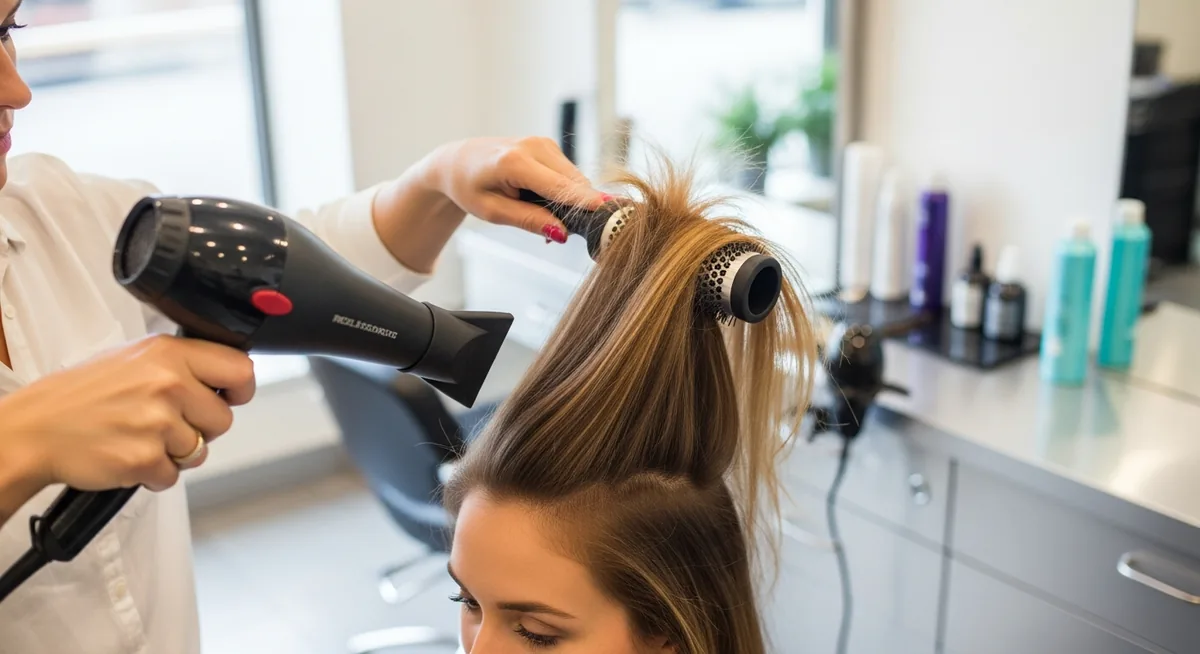
The right tools make a widow’s peak far easier to live with, and you do not need many of them. A round brush is the most useful: it lets you blow-dry the front sweep across the peak and give it a soft curve, instead of letting it fall straight down into a point. A flat iron on low heat can smooth a stubborn cowlick at the peak, and a little pomade or styling cream, warmed between your palms, can press down flyaways at the hairline without making the hair look greasy.
The common mistake is using too much product at the front. A pea-sized amount of pomade is enough; more than that, and the hair at the peak looks wet and the V looks sharper. The other mistake is blow-drying the front straight down — always blow-dry the front pieces across the peak, toward the side you part on, so the hair learns to fall that way. Over time, the hair actually starts to cooperate: a part that is blow-dried the same way every morning will eventually hold on its own.
How to Ask Your Stylist About Your Peak
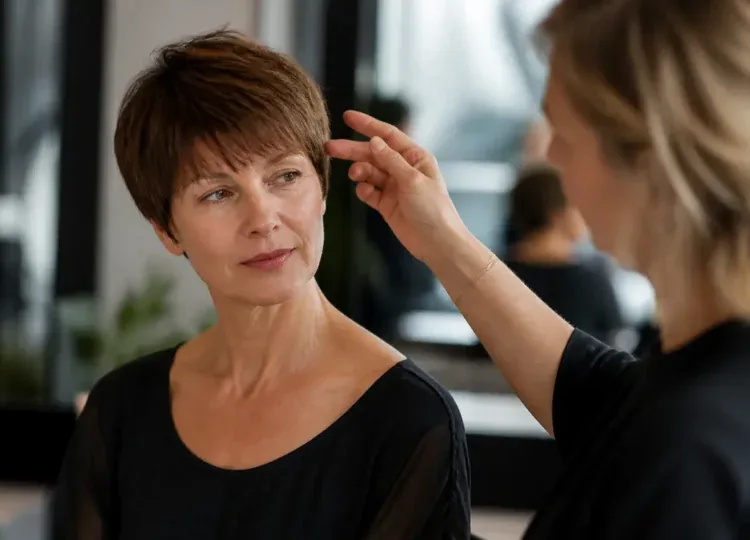
The words that cause peak regret are vague ones. Saying just “give me layers” leaves the part, the fringe and the front entirely open, and one stylist’s soft layers are another’s blunt fringe. Go in with two or three photos of women with a widow’s peak and hair like yours, and point at the exact things you like: where the part should sit, how long the front pieces should be, and whether you want a fringe or layers. Then say what you do not want — “no blunt fringe” is as useful as any photo.
Ask three questions before the scissors come out: where will you put my part, how will the front sit on my peak, and how often will I need a trim to keep this shape? A good stylist will also ask about your morning routine, because a fringe that needs ten minutes with a blow-dryer will not suit a five-minute person. If you are nervous, book the cut a little longer than you think you want — you can always go shorter at your next visit, and a first cut that is too short around the peak is the one regret that takes months to fix.
Hairline Cowlicks and Flyaways: Taming Tricks
A cowlick at a widow’s peak is the peak’s troublesome twin: a swirl of hair that grows in the opposite direction and refuses to lie flat. The trick is to work with the cowlick’s direction, not against it — part the hair on the side the cowlick wants to go, and the swirl becomes a natural lift instead of a daily fight. A little pomade on damp hair, pressed down with your palm while the hair dries, will hold most cowlicks flat for the day.
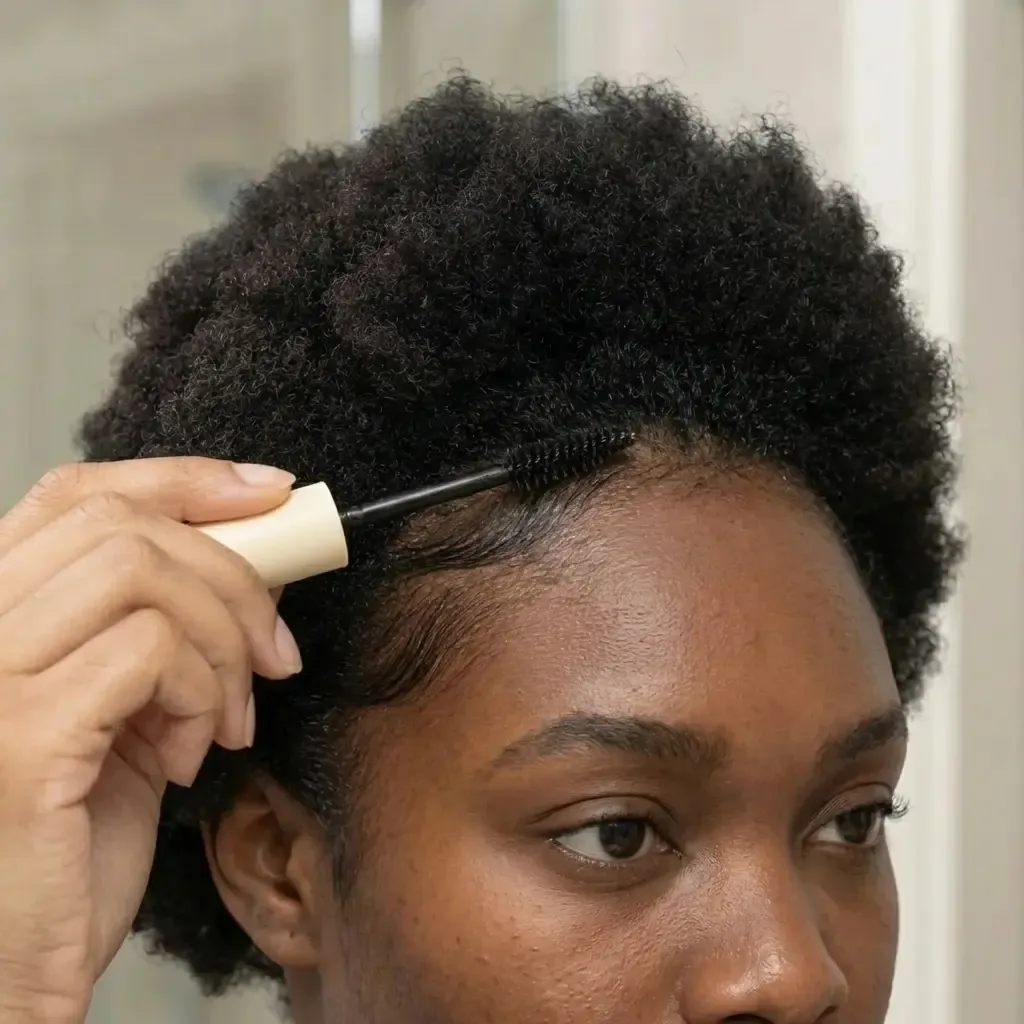
Flyaways at the hairline are a different problem, and they are usually a sign of new growth or dryness rather than a styling failure. A light hair oil on the ends, a silk pillowcase at night, and a weekly deep-conditioning mask will reduce them over time. The quick fix is a clean mascara wand or a toothbrush sprayed with hairspray, brushed gently over the flyaways to press them down without making the hair stiff. Never use a heavy gel at the hairline — it makes the peak look wet and draws the eye straight to it.
Growing Out, Changing Your Part, and Long-Term Upkeep
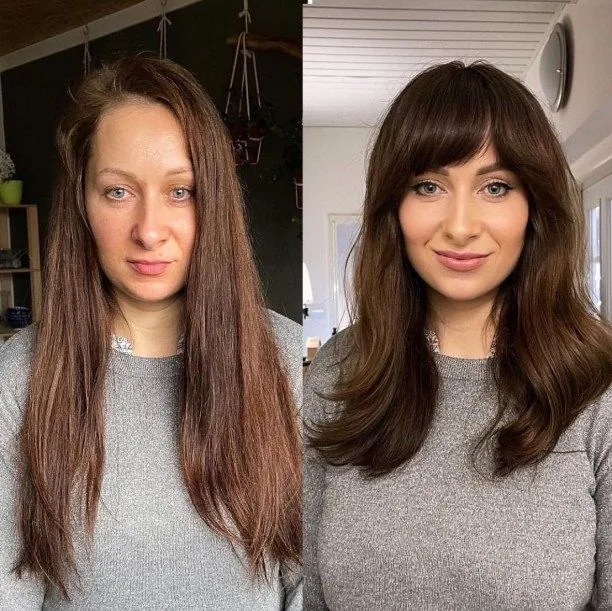
Changing your part with a widow’s peak takes patience, because the peak has been training your hair to fall one way for years. The trick is to retrain it gradually: after every wash, part the hair where you want it to go, blow-dry it in that direction with a round brush, and clip it in place for ten minutes while it cools. After two to three weeks of doing this daily, the hair starts to hold the new part on its own — and a little pomade at the roots will help it along.
Long-term upkeep for a peak is simple: trims every six to eight weeks to keep the shape, a fringe trim every four to six weeks if you have one, and a standing appointment booked before you leave the salon. The routine between trims is the same as for any hair: a shampoo that suits your hair type, conditioner on the longer front pieces, and a heat protectant before any hot tool. A widow’s peak does not need special products or special care — it just needs a part and a cut that work with it, and a stylist who has seen one before.
What is a widow’s peak?
A widow’s peak is a small V-shaped point where the hairline dips down at the centre of the forehead. It is an inherited trait — the way your hair grows — and it is very common. It is not a flaw or a problem to fix; it is simply a feature of your hairline, and many hairstyles work with it beautifully.
What hairstyles are best for a widow’s peak?
The best hairstyles for a widow’s peak are a deep side part with long layers, curtain bangs, a side-swept fringe, a textured lob, and soft face-framing layers. These styles sweep hair across the peak or frame it softly, instead of fighting it. The key is a part or a fringe that works with the peak, not across it.
Should I get bangs if I have a widow’s peak?
Yes, you can get bangs with a widow’s peak — but choose the right kind. Curtain bangs, wispy bangs and a side-swept fringe work well, because they are light enough to blend over the peak. A blunt, heavy, straight-across fringe is the risky choice, because the peak pushes the middle down while the sides spring up, so the fringe never sits straight.
Is a middle part bad for a widow’s peak?
A middle part is not bad for a widow’s peak, but it is the least forgiving parting, because it splits the hair exactly where the peak points down. It works well if you pair it with curtain bangs or face-framing layers, which break up the V. Without layers, a one-length centre part can make the peak the focus of the whole look — so add layers if you love a centre part.
Can I have a pixie cut with a widow’s peak?
Yes — a pixie cut works with a widow’s peak if it has a long sweeping fringe. The fringe sweeps across the forehead and turns the peak into a stylish diagonal, so the cut reads as confident and intentional. A very short pixie with no fringe exposes the whole hairline, so the peak becomes the first thing people notice — which is fine if that is what you want, but it is a confident choice.
How do I hide a widow’s peak?
You do not need to hide a widow’s peak, but if you want to soften it, a deep side part is the easiest way — it sweeps hair across the V and makes it look like a natural part of the style. Curtain bangs, a side-swept fringe, and long face-framing layers all soften the peak too. Avoid tightly scraped-back styles with no loose pieces, because they expose the whole hairline.
What hairstyles should I avoid with a widow’s peak?
Avoid a blunt straight-across fringe, a one-length centre part with no layers, and tightly scraped-back buns or ponytails with no loose pieces at the front. These styles either fight the peak or expose it completely. Almost every other style works — the peak is rarely the problem; the parting and the fringe are.
Does a widow’s peak mean my hairline is receding?
No — a widow’s peak is not a receding hairline. It is the natural shape of your hairline, present since birth, and it does not mean you are losing hair. A receding hairline changes over time and usually affects the temples as well. If your hairline is changing noticeably, or you are worried about hair loss, talk to a doctor or a dermatologist — but a stable widow’s peak on its own is nothing to worry about.
How do I style a widow’s peak in the morning?
Blow-dry the front pieces across the peak, toward the side you part on, using a round brush — this takes about two minutes and makes the biggest difference. A little pomade pressed down with your palm will hold down flyaways at the hairline. If you have bangs, a quick blow-dry with a round brush, or a pass with a straightener on low heat, will set them for the day.
How do I ask my stylist for a haircut with a widow’s peak?
Bring two or three photos of women with a widow’s peak and hair like yours, and point at what you like: where the part should sit, how long the front pieces should be, and whether you want a fringe or layers. Say what you do not want too — “no blunt fringe” is as useful as any photo. Ask where the part will sit, how the front will fall on your peak, and how often you will need a trim.
Conclusion
A widow’s peak is not a flaw to hide and it is not a problem to solve — it is a feature of your hairline, and the best hairstyles for it are the ones that treat it that way. A deep side part with long layers is the easiest place to start. Curtain bangs or a side-swept fringe will soften the point if you want a fringe. A textured lob, a layered bob, soft curls or a half-up style will all work with the peak instead of against it. And if you are feeling bold, a slicked-back style proves the point most clearly of all: a widow’s peak, worn with confidence, is a striking feature.
Start with the part, not the cut — sweep your hair to the side your peak wants to go, and let the layers and the fringe follow from there. Bring photos of women with a peak and hair like yours to your stylist, say what you do not want as well as what you do, and ask for the longer version first if you are unsure. Your peak has been there since the day you were born. It is time your haircut started working with it.