Wig Hairstyles for Women: Change Your Look in Minutes — Bobs, Curls, Pixies and Colour Without the Commitment
There is a particular freedom in a wig that no haircut can offer. You can be a bob girl on Monday, a long-haired mermaid on Friday and a copper redhead for a wedding on Saturday — then go back to your own hair on Sunday, completely untouched. No grow-out phase, no bleach damage, no regret sitting in the salon chair wondering what you have done.
That is why wigs have moved far beyond costume and occasion wear. Lace fronts melt into the hairline so convincingly that even hairdressers do a double take, glueless caps mean you can take one off as easily as a hat, and protective styling lets natural hair rest and grow underneath while you wear whatever length or colour you fancy on top. The trick is not owning a wig — it is choosing the right cap, the right density and the right style for your face, and learning the small habits that make it look like it grew from your scalp.
This guide covers all of it. First, eight practical guides on buying, fitting, securing and caring for a wig. Then 38 wig hairstyles for women — bobs, waves, curls, pixies, braids, updos and colours — each with honest advice on who it suits, how to style it and what to watch out for. Pick one, try it on, and see how quickly a whole new look can feel like yours.
Lace Front vs Closure vs Glueless: Which Cap Construction Suits You?
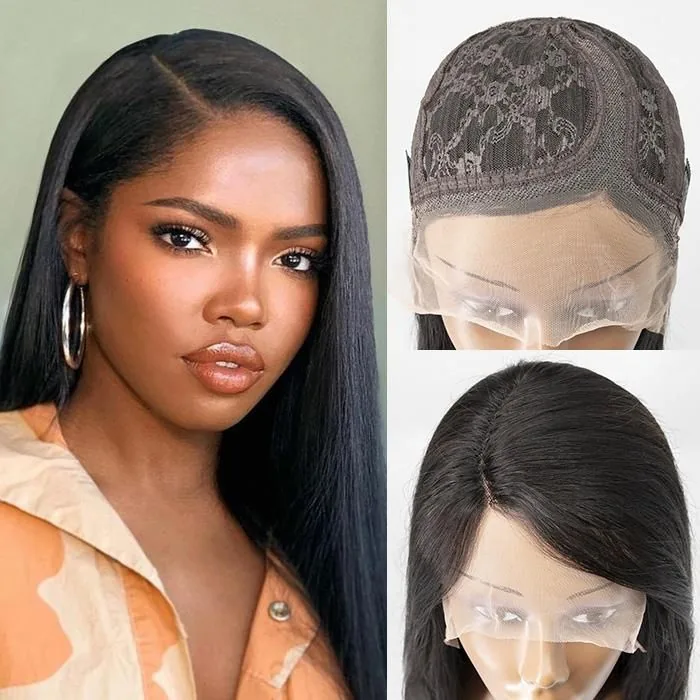
The cap is the part nobody sees — and the part that decides whether a wig looks real. A lace front has a sheer lace panel across the forehead, so the hairline can be parted anywhere along it and baby hairs can be laid down for a scalp-like finish. It is the most natural-looking option, but it needs a little skill: trimming the lace, laying the edges, and either glue, tape or a good elastic band to hold it.
A closure wig is simpler. The lace is a small square, usually 4×4 or 5×5, at the crown, and the rest of the cap is a sturdy wefted material. You get a realistic part in one fixed area, less lace to fuss with, and a lower price — a good choice if you mostly wear a middle or side part and want a wig you can throw on in two minutes. The trade-off is less styling freedom at the hairline.
Glueless wigs are the newest favourite, and for good reason. They come with adjustable straps, combs and an elastic band built in, so they stay put without adhesive. They are ideal if you have sensitive skin, wear wigs daily and want to take yours off at night, or you are a beginner who does not want to learn glue application yet. Best for: first-time wig wearers and anyone who wants a five-minute routine. What to ask your stylist: whether your head shape suits a lace front’s flexibility or a closure’s simplicity — and be honest about how much daily effort you are willing to give.
Choosing the Right Cap Size and Density (So It Fits Like It Was Made for You)
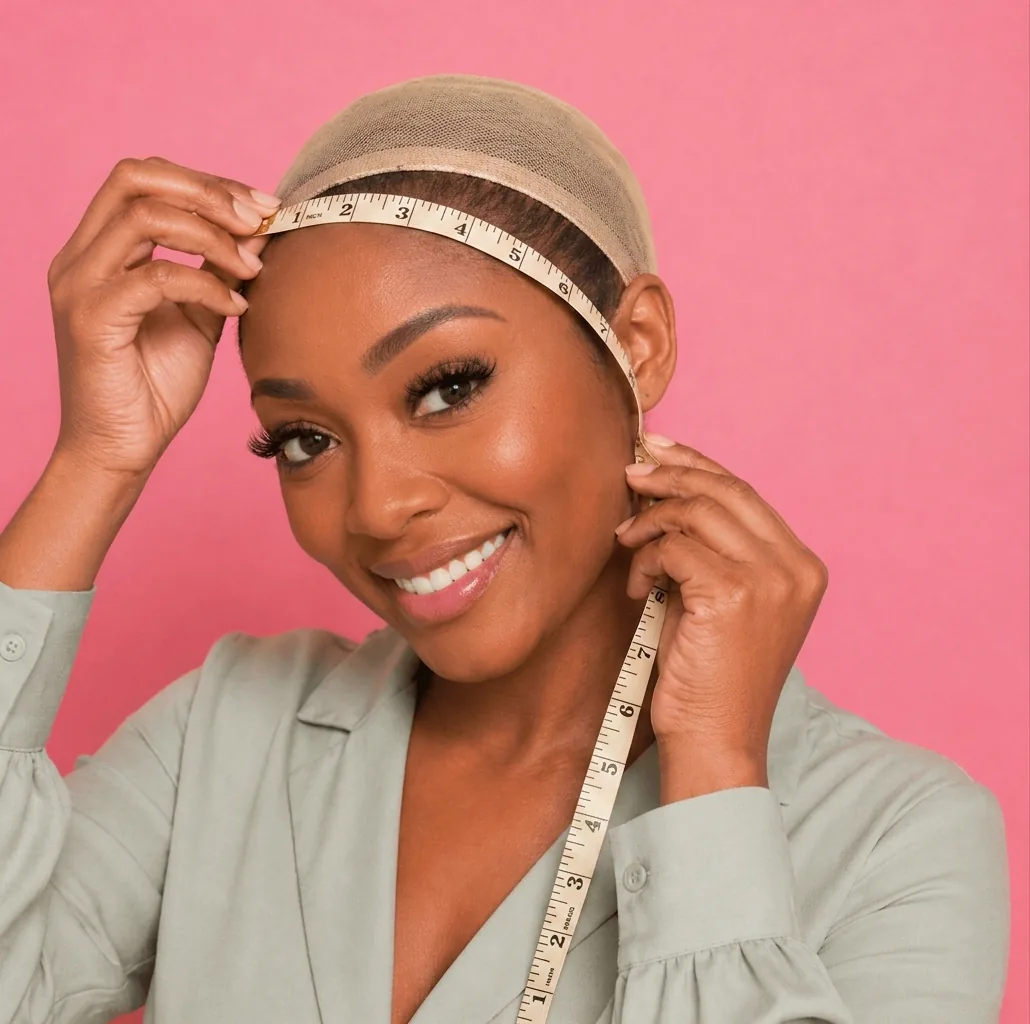
A wig that slides back by lunchtime is almost always a sizing problem, not a quality problem. Measure around your head just above your ears and eyebrows, then front to nape and ear to ear across the crown. Most adults fall into average (21.5–22.5 inches circumference), but petite and large caps exist for a reason — and an adjustable strap can only compensate for about half an inch.
Density is how thick the hair is, and it matters as much as length. A 130% density wig looks like a natural full head of hair and suits everyday wear, short bobs and anyone who wants believability. Go to 150% for glamorous volume and long waves, and 180% only for dramatic, statement styles — anything denser can look like a helmet rather than hair. Short styles need less density than long ones, because the same amount of hair packed into a shorter cut looks much fuller.
Common mistake: buying the thickest, longest wig available and wondering why it looks like a costume. Start at 130% density and shoulder length or shorter for your first wig. You can always add volume with styling; you cannot take bulk out of a wig that arrived too thick.
How to Make a Wig Look Natural: The 10-Minute Realism Routine
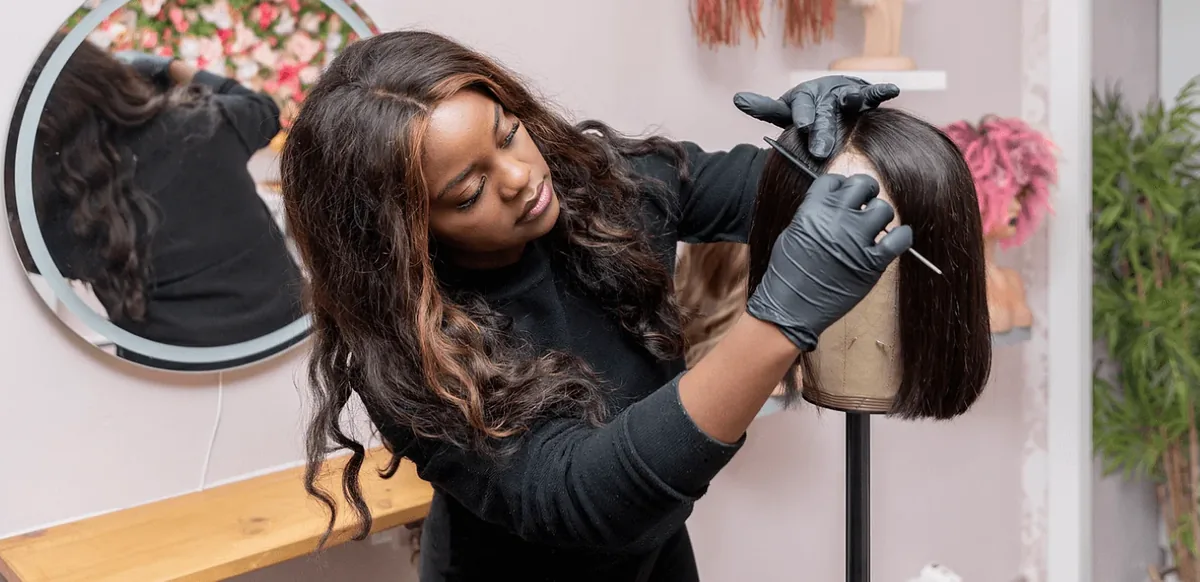
Realism lives in the details. First, pluck the hairline — a wig fresh from the factory has a perfectly straight, dense edge that no human hairline has. Tweezing a few hairs at random along the front, thinning the very first row, creates the slight irregularity real hairlines have. Go slowly; you can always pluck more, but you cannot put hair back.
Next, deal with the shine. Synthetic wigs in particular can have a plastic sheen under bright light. A light dusting of dry shampoo or a little baby powder brushed through the lengths takes the glare down instantly. Then lay the edges: a toothbrush, a little edge control gel and your own baby hairs (or the wig’s) pressed flat along the forehead sell the illusion better than any lace ever will.
Finally, match the part to your face and the colour to your skin’s undertone, not just your old hair colour. A wig one shade softer than your natural colour usually reads more natural than an exact match, and a middle part elongates a round face while a side part softens a square jaw. Quick verdict: ten minutes of plucking, powdering and edge-laying is the difference between ‘nice wig’ and ‘is that your real hair?’
Securing Your Wig All Day: No Slipping, No Sliding, No Worries
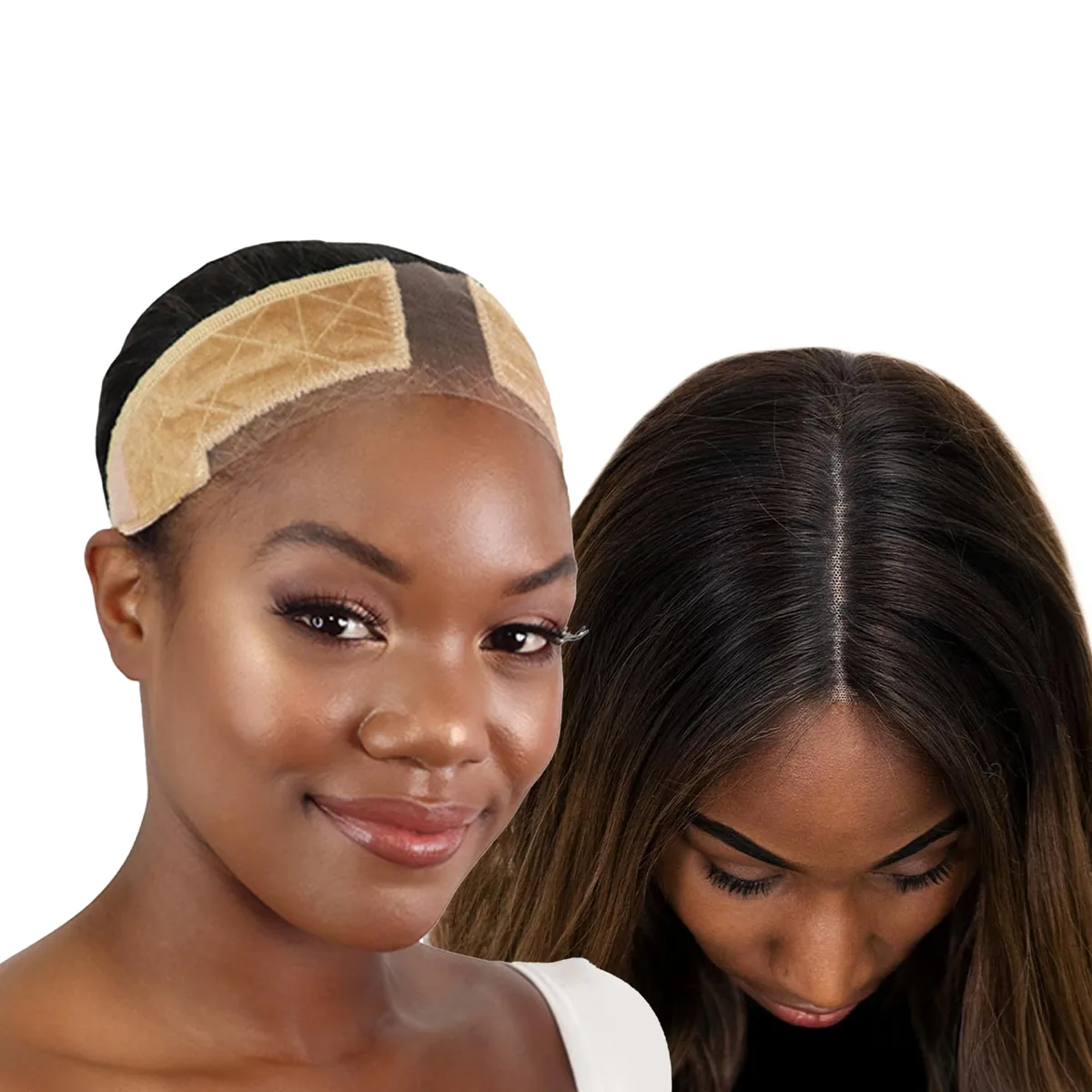
A wig that creeps backwards during a long day is the fear that keeps many women from wearing one at all — and it is entirely preventable. The simplest fix is a velvet wig grip band worn under the cap: the friction holds the wig in place without glue, and it also protects your edges from the cap rubbing. For extra security, sew in the combs that come with most caps, or add small wig clips at the temples.
If you want a hold that survives wind, dancing and a full workday, wig glue or tape is the professional route. Apply a thin layer along the hairline, wait until it turns tacky, then press the lace down and tie a scarf over the edges for ten minutes. Use a skin-safe adhesive made for wigs, patch-test first, and never use craft glue or eyelash glue — your scalp will not forgive you.
Pros and cons: grip bands are comfortable and glue-free but can shift with very heavy, long wigs; glue gives the most secure, most natural hairline but needs proper removal with an adhesive remover, never by pulling. Who should avoid glue: anyone with a sensitive or broken-out scalp — a well-fitted glueless cap with a grip band is the safer everyday answer.
Washing and Storing Your Wig So It Lasts Twice as Long
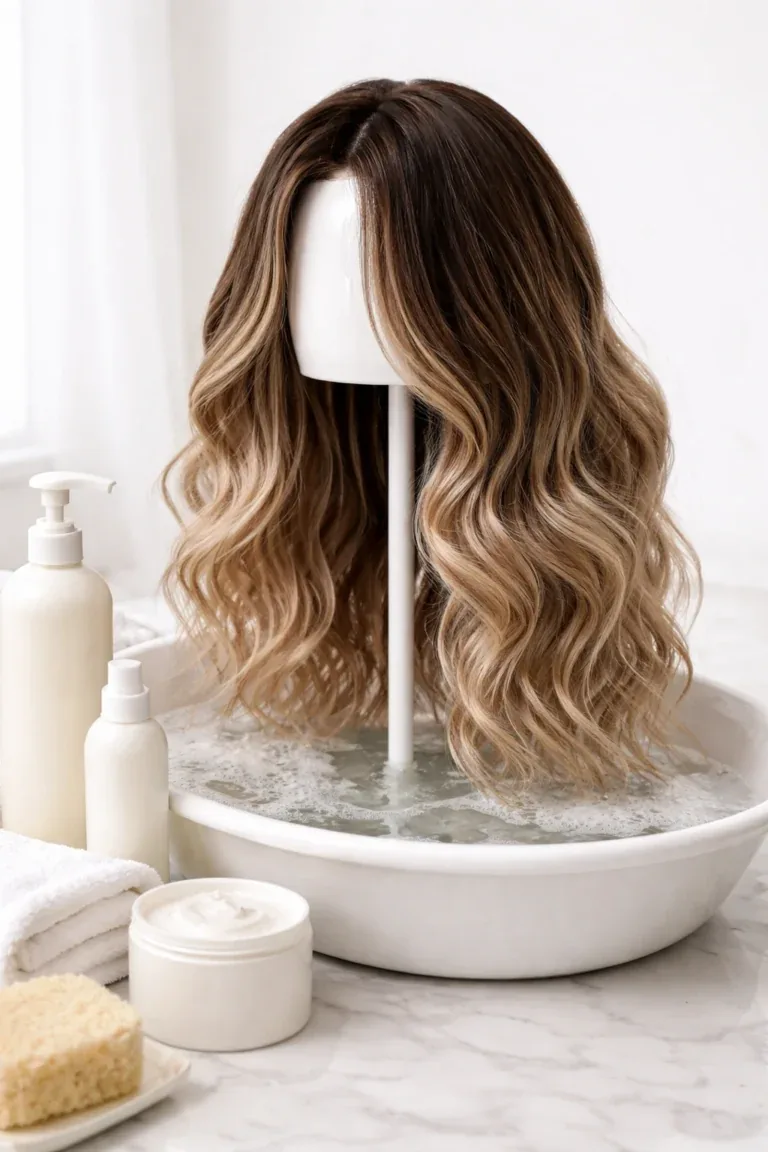
Wigs do not need washing as often as real hair — every 8 to 12 wears is enough for most, or sooner if you have used a lot of product or been sweating. Fill a basin with cool water and a capful of wig shampoo, submerge the wig and swish gently for a few minutes, then rinse in cool water. Never scrub, wring or twist it; press the water out with a towel instead.
Conditioner goes on the lengths only, never the roots or the lace, where it can loosen knots and make the cap slippery. Detangle with a wide-tooth comb or a wig brush, starting at the ends and working up, while the hair is still damp. Then let it air-dry on a wig stand or a tall bottle — never on a radiator, and never with a hot hairdryer on a synthetic wig, which can melt the fibres.
Storage matters just as much. Keep the wig on a stand or in a silk bag, away from sunlight, which fades colour and dries fibres out. Long wigs can be loosely braided before storing so they do not tangle into a nest. Maintenance: a five-minute wash routine and a proper stand can easily double a wig’s life — a synthetic lasting a year instead of six months, a human hair wig lasting years instead of one.
Heat Styling: What You Can and Cannot Do With Synthetic vs Human Hair
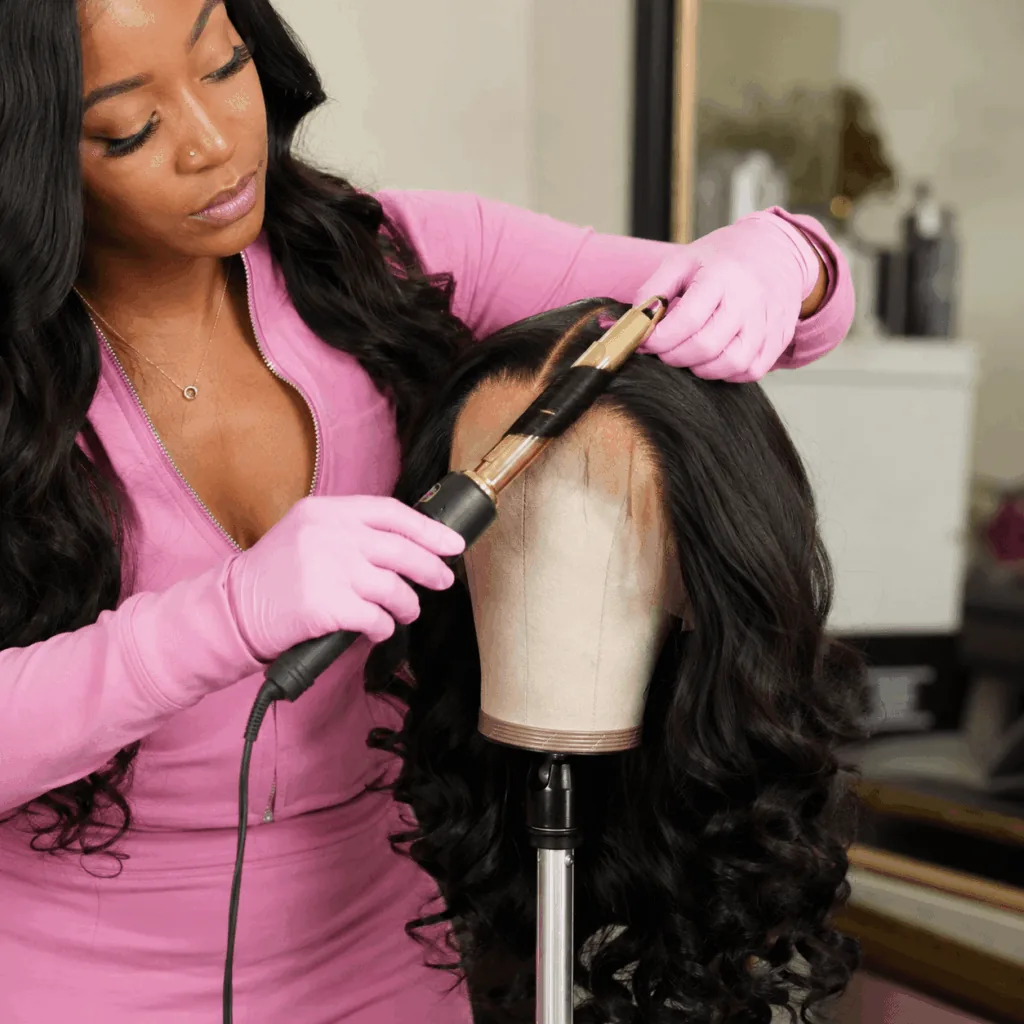
This is the rule that ruins the most wigs: most synthetic wigs cannot take heat. Standard synthetic fibres melt or frizz permanently above about 180°F (80°C), which is far below a normal flat iron setting. If your synthetic wig is heat-friendly (the label will say so), you can style it on the lowest heat setting with a heat protectant — but always test a hidden strand first.
Human hair wigs behave like your own hair, because they are hair. You can curl, straighten and blow-dry them, use hot tools at normal temperatures, and even colour them — though colouring a wig is best left to a professional, since the hair has already been processed once. The price is higher, but so is the freedom: a human hair wig can be restyled again and again, which is why one good one can replace three synthetics.
Time and cost: synthetic wigs cost far less and hold their style straight out of the box — wash, shake, wear. Human hair costs more and needs styling each time, just like real hair. Quick verdict: choose synthetic if you want one ready-made style at a low price; choose human hair if you love changing styles and want a wig that behaves exactly like hair.
Blending Edges and Baby Hairs: The Finishing Touch That Sells It

Baby hairs are the tiny, wispy hairs along the hairline, and they are the single best realism trick in wig wearing. If your wig comes with them, use a toothbrush or an edge brush with a little edge control gel to swoop them into soft curves along your forehead. If it does not, you can cut a few fine strands at the front of the wig and style them the same way.
The other half of blending is your own hairline. If you have leave-out — a strip of your own hair at the front — flat-iron it to match the wig’s texture so the join disappears. If you wear a wig with no leave-out, a little concealer or foundation dabbed onto the part and the lace knots makes the scalp showing through look like your own skin tone. Match the shade to your forehead, not your arm.
Common mistake: a hard, swooped baby-hair pattern that looks drawn on, or edges gelled into stiff spikes. Keep the swoops soft, uneven and small — real baby hairs are wispy, not sculpted. A light hand beats a heavy one every time.
Wig Care Mistakes That Ruin a Good Wig (and How to Avoid Them)
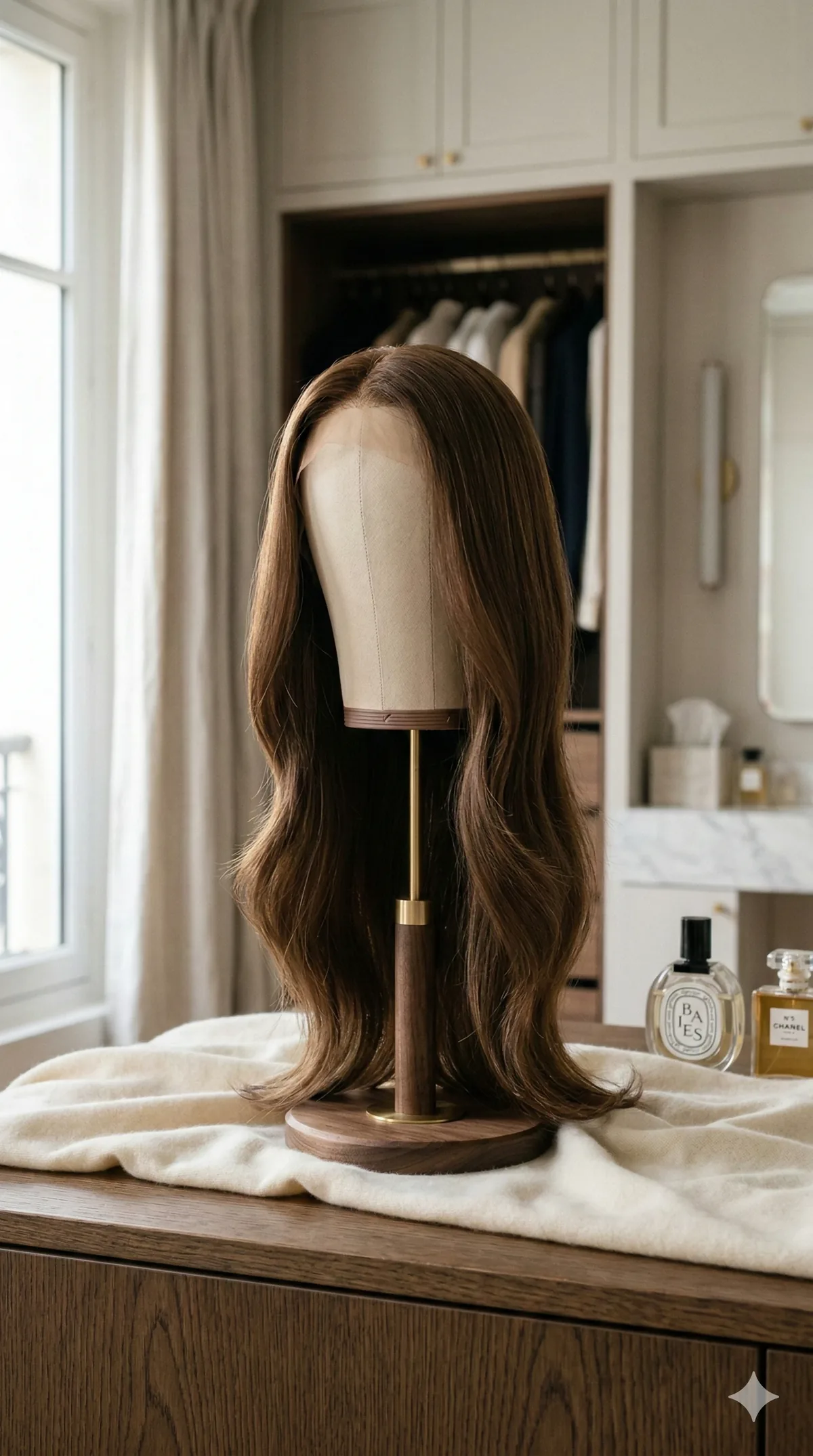
The most expensive mistake is also the most common: sleeping in a wig. Friction against a pillowcase tangles the hair, mats the nape and loosens the cap — and a synthetic wig can develop a permanent bird’s nest at the back in a single night. Always take your wig off to sleep, store it on a stand, and wear a satin bonnet over your own hair underneath.
Other classics: washing with hot water, which loosens knots and strips shine; brushing a curly wig with a fine brush, which turns defined curls into frizz; using regular shampoo with sulphates, which dries synthetic fibres; and leaving a wig in a hot car or in direct sun, which fades colour and warps the cap. Each one is a small habit, and each one costs real money when it shortens a wig’s life.
Maintenance checklist: cool water only, wig shampoo only, wide-tooth comb only, air-dry on a stand, store away from sun. Follow those five rules and a decent wig will repay you for months or years. Break them, and even a premium wig can look tired within weeks.
The Classic Bob Wig: Polished, Timeless and Impossible to Get Wrong
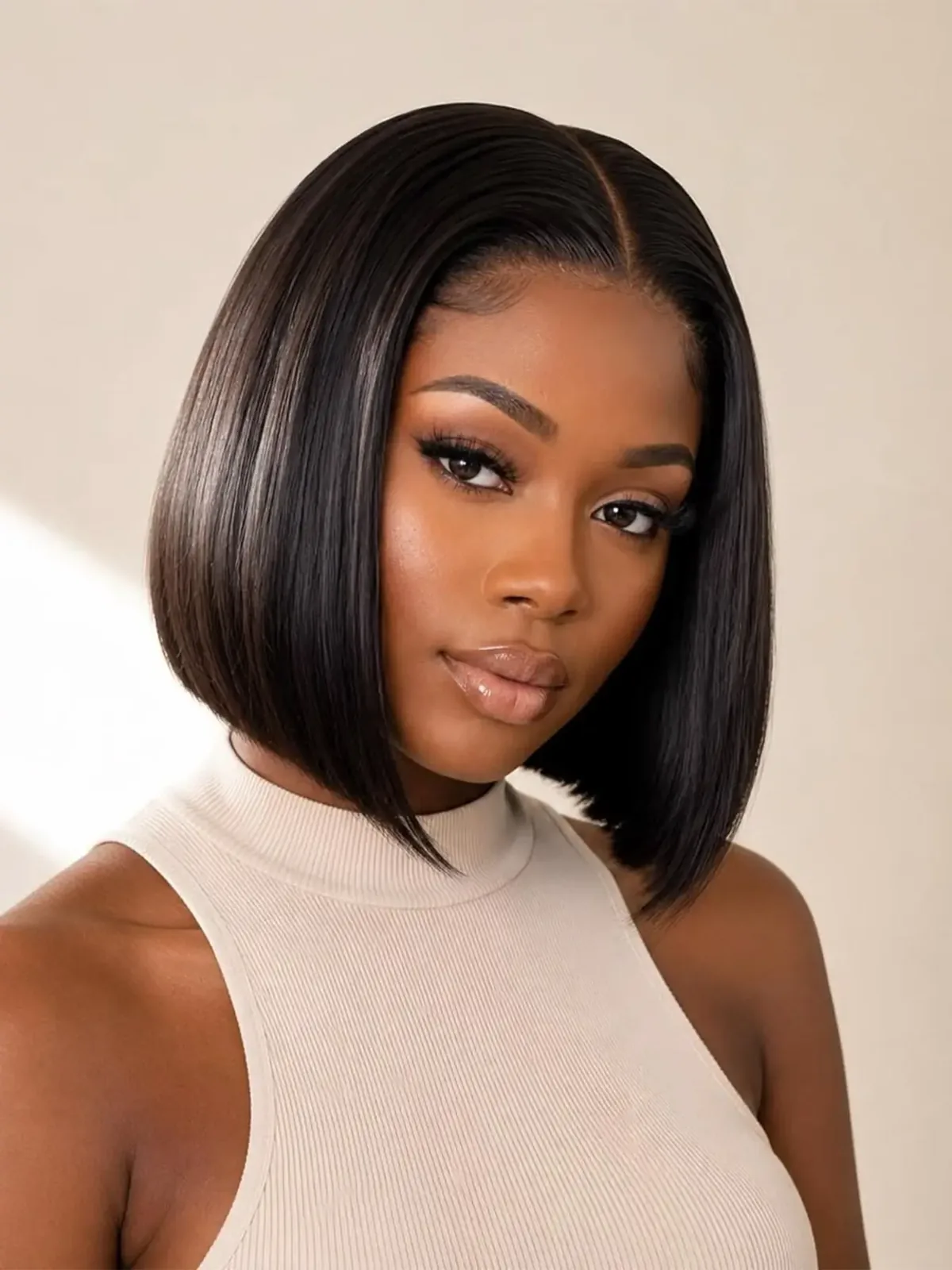
The bob is the wig world’s safest first buy, and for good reason. A chin-length bob with a neat middle part frames almost every face shape, reads polished in an office and elegant at dinner, and needs almost no styling — shake it out, part it, and you are done. It is the style to choose when you want to look put-together without thinking about your hair at all.
Best for: first-time wig wearers, round and oval faces, and anyone who wants a professional look with a five-minute routine. How to style: a quick pass with a flat iron on the ends gives a sharp, salon finish; tuck one side behind the ear for a softer, asymmetric feel. Maintenance: minimal — short lengths tangle far less than long wigs, and a bob holds its shape between washes.
The Long Layered Wig: Mermaid Length Without the Three-Year Grow-Out
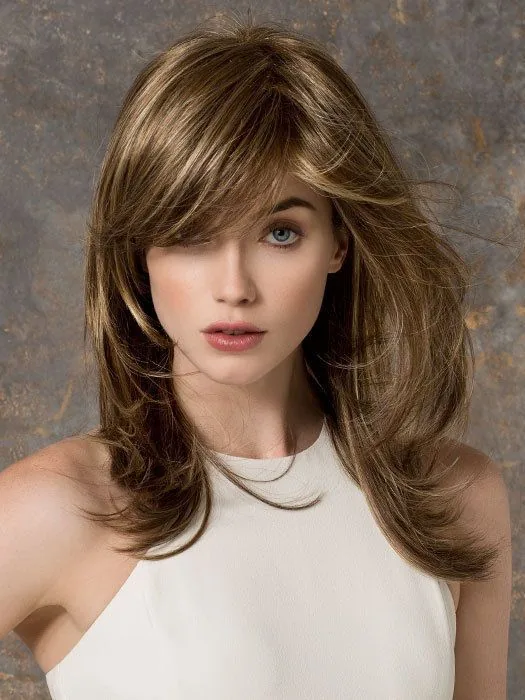
Long hair takes years to grow and minutes to put on — that is the whole appeal of a long layered wig. Layers stop the length from looking like a flat curtain: face-framing pieces soften the jaw, long layers through the back give movement, and the ends stay light instead of heavy and triangular.
The catch is weight and tangling. Very long wigs pull at the cap and tangle at the nape, especially under coats and scarves. A 22–24 inch length is the sweet spot for most women — long enough to feel dramatic, short enough to manage. Pros: maximum versatility, from ponytails to braids to loose waves. Cons: needs detangling most days and a secure grip band. Who should avoid it: anyone who hates maintenance — a shoulder-length style will make you much happier.
The Curly Afro Wig: Big, Bold Volume That Turns Heads
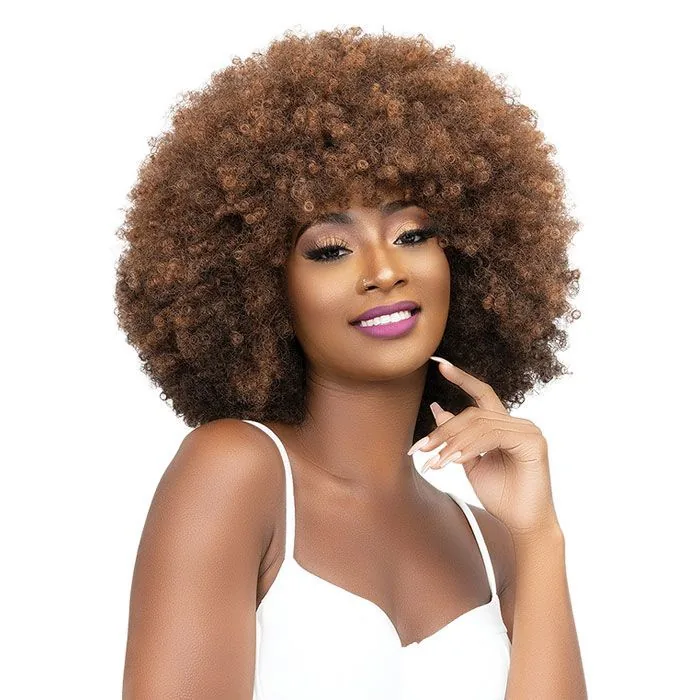
An afro wig is pure presence. Big, round, unapologetic volume that frames the face like a halo and needs no apology. It suits women who love a statement look, and it is one of the most forgiving styles to wear — volume hides a multitude of fitting sins, and the shape does the work for you.
How to style: pick the curls out gently with a wide-tooth comb or an afro pick for maximum volume, or leave them more defined for a tighter, neater shape. A little curl cream on the ends keeps the frizz soft rather than fuzzy. Common mistake: brushing it dry with a fine brush, which turns defined curls into a cloud of frizz. Detangle only when damp, and only with your fingers or a wide comb.
The Pixie Wig: Short, Sharp and Surprisingly Versatile
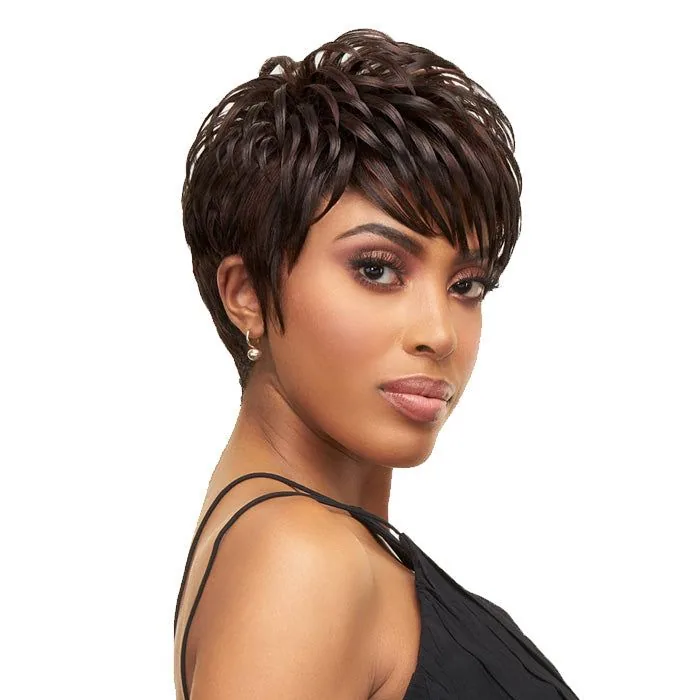
A pixie wig lets you try the boldest haircut there is with zero commitment. Short, textured, with a side-swept fringe or a piecey crown, it shows off cheekbones and earrings and makes getting ready absurdly fast — there is almost nothing to style, and it dries in minutes.
Do not assume short means one look. A pixie can be sleeked down for an evening, ruffled up with a little wax for a casual day, or swept to one side for a soft, feminine finish. Best for: oval, heart and square faces, and women who love earrings and bold lipstick. Quick verdict: the lowest-maintenance wig you can own — and the one most likely to make people ask where you got your hair cut.
The Blunt Cut Wig: Sharp Ends, Clean Lines, Instant Polish

A blunt cut is all about the ends: one clean, sharp line with no layers, no thinning, no softness. It looks expensive, graphic and deliberate — the hair equivalent of a perfectly tailored blazer. On a wig it is especially striking, because a factory-cut blunt edge is far sharper than most scissors can manage on real hair.
Best for: straight-hair lovers, fine hair textures (the blunt edge creates the illusion of thickness), and structured, minimalist style. What to ask your stylist: whether the length should hit the chin, the jaw or the collarbone — each length changes the whole mood. Maintenance: easy; the cut holds its shape, and a flat iron pass every few wears keeps the ends crisp.
The Beach Wave Wig: Effortless Texture That Looks Like a Holiday
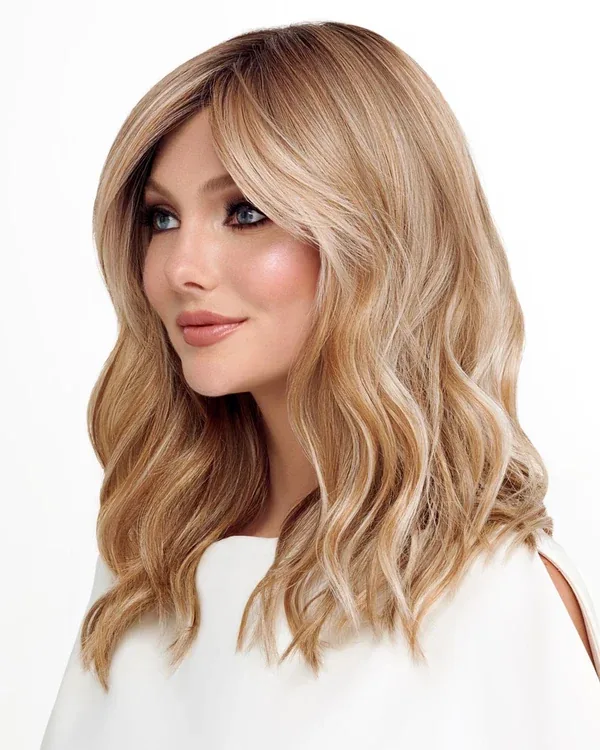
Beach waves are the look everyone wants and nobody’s real hair does on its own. Loose, tousled, slightly undone waves that suggest sea air and sunshine — on a wig, they come ready-made, and they stay put through humidity that would flatten a real blowout in minutes.
How to style: scrunch a little mousse through the lengths and let it air-dry for extra texture, or shake it out and go — the style is designed to look slightly messy. Pros: flattering on every face shape, forgiving of imperfect fitting, and the most versatile length for updos. Cons: the waves loosen over time on synthetic wigs, so a heat-friendly fibre or human hair holds the pattern longer.
The Straight Sleek Wig: Glass Hair Without the Flat Iron Battle
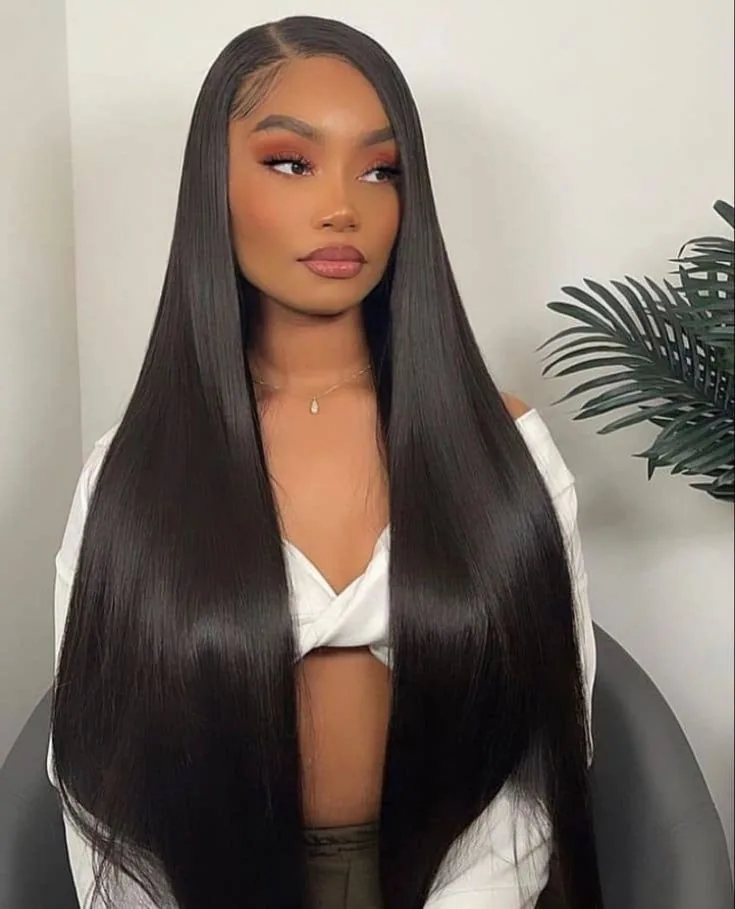
Glass hair — long, straight, impossibly shiny — is the hardest look to maintain on real hair and the easiest on a wig. A straight sleek wig arrives perfectly smooth, stays smooth in humidity, and needs nothing more than a brush-through each morning. It is the ultimate low-effort glamour.
The risk is the shine: cheap synthetic straight wigs can look plasticky under bright light. A light dusting of dry shampoo takes the glare down, and a human hair or high-quality heat-friendly synthetic looks far more believable. Best for: long faces, oval faces and anyone who loves a polished, high-fashion finish. Common mistake: wearing it bone-straight with a centre part every single day — a slight bend at the ends every now and then keeps it from looking like a sheet.
The Body Wave Wig: Soft, Bouncy Waves With Natural Movement
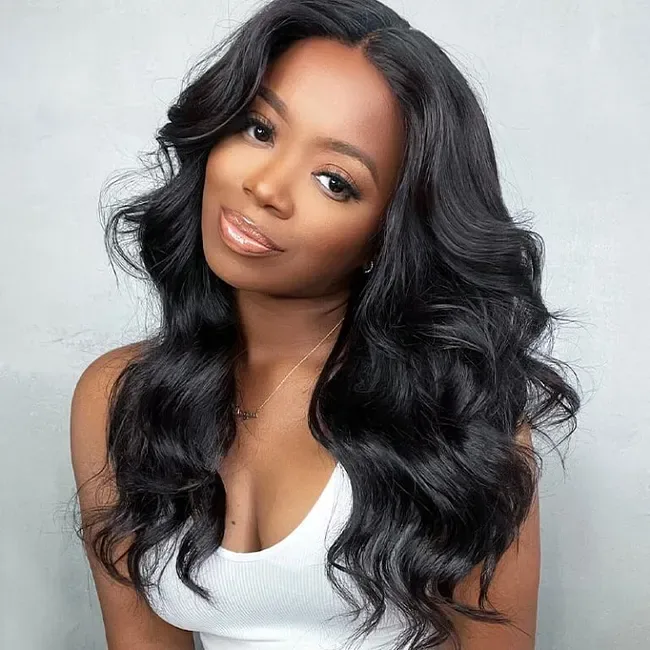
Body wave sits between straight and curly: soft, rolling S-waves that move when you do and catch the light beautifully. It is the most popular wig texture in the world for a reason — it looks like naturally wavy hair, it suits nearly everyone, and it photographs beautifully.
Best for: first-time buyers who cannot decide between straight and curly, and anyone who wants volume without frizz. How to style: a large-barrel curling iron refreshes the waves on a human hair wig; on synthetic, a gentle steam can revive a flattened pattern. Maintenance: moderate — brush the waves out gently with a wide-tooth comb, and braid loosely before storing to keep the wave pattern.
The Deep Wave Wig: Glamorous, Defined Waves for Special Occasions
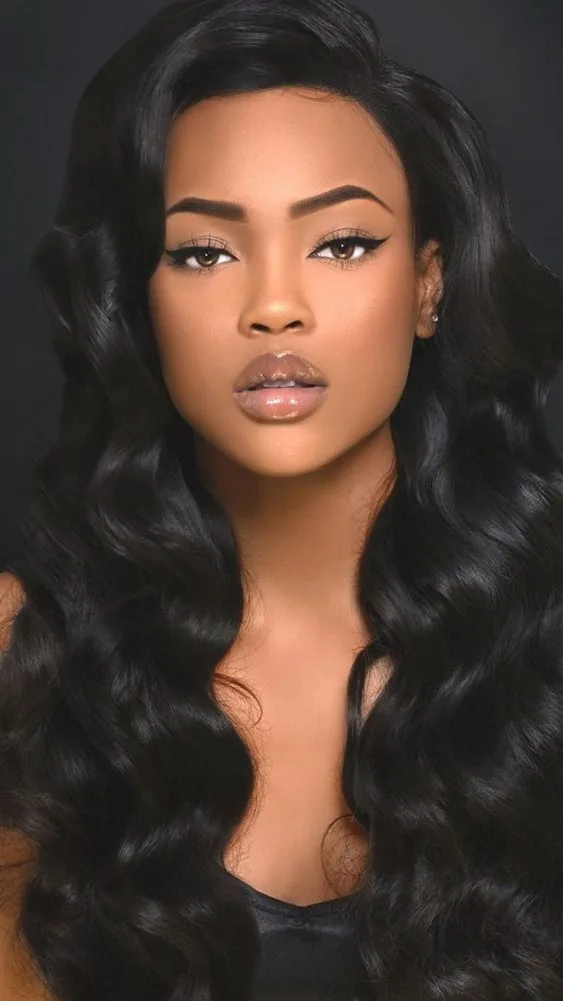
Deep wave is body wave turned up a notch: tighter, more defined, more dramatic. It is the red-carpet texture — the kind of waves that look like they took an hour with a curling iron, except they came out of the box that way. For weddings, parties and evenings out, it is hard to beat.
Pros: instant glamour, excellent volume, and a pattern that holds up well on human hair. Cons: deep wave tangles more easily than looser textures, and it needs regular detangling from the ends up. Who should avoid it: anyone wanting a wash-and-go weekday wig — save this one for occasions, and keep a looser wave for daily wear.
The Kinky Curly Wig: Tight, Springy Curls With Natural Texture
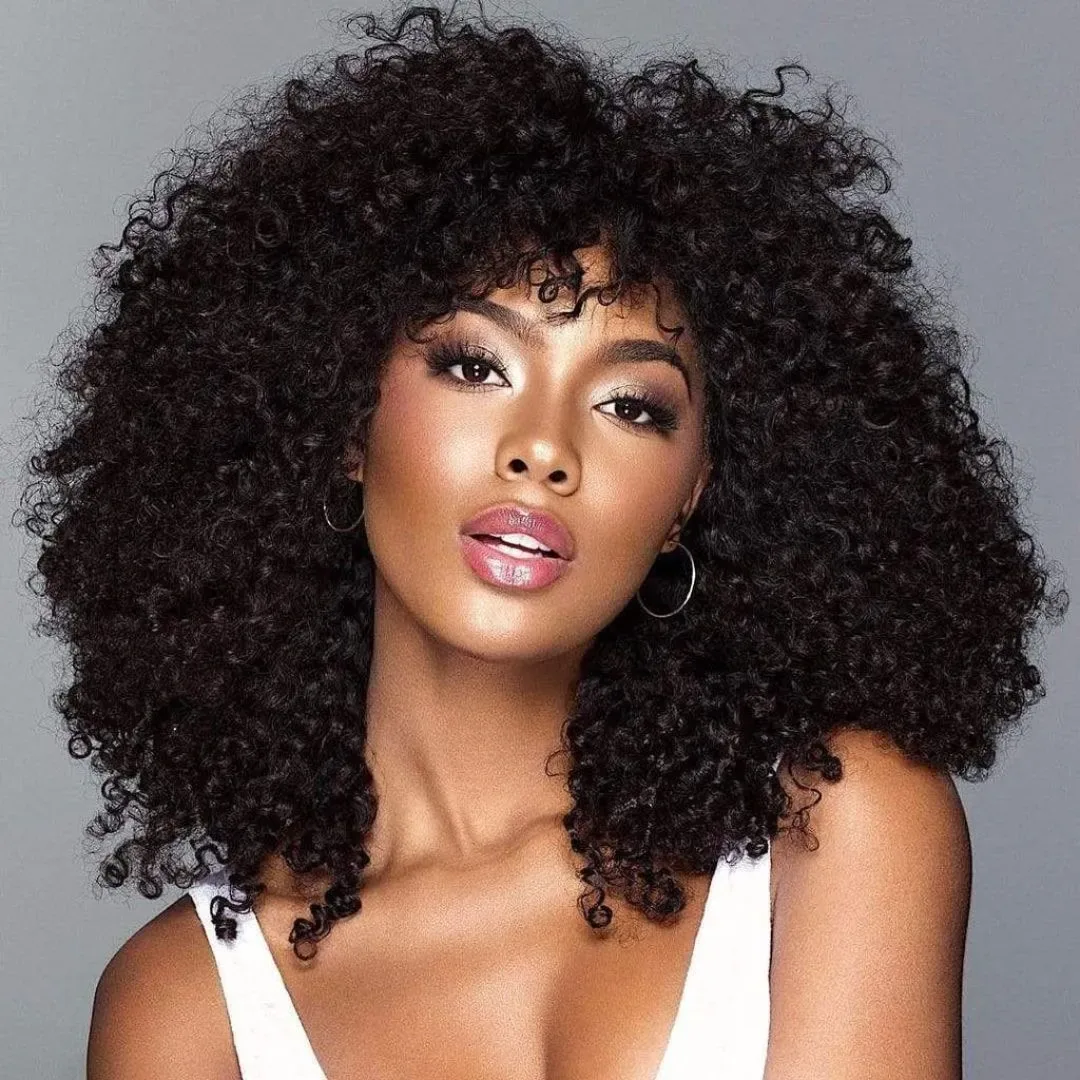
Kinky curly wigs mimic tight, springy natural curls, and they are a favourite for protective styling — your own hair rests safely underneath while you wear a full, textured look on top. The curls are dense and defined, with a soft, natural finish that blends beautifully with natural hair at the edges.
How to style: finger-detangle when damp with a little leave-in conditioner, and never brush dry — that is the fastest route to frizz. A pick at the roots adds volume without disturbing the curl pattern. Maintenance: more hands-on than straight styles; expect a quick refresh with water and curl cream most mornings. Quick verdict: if you love texture and volume, this is the most joyful wig you will own.
The Water Wave Wig: Romantic, Flowing Waves Like Ripples
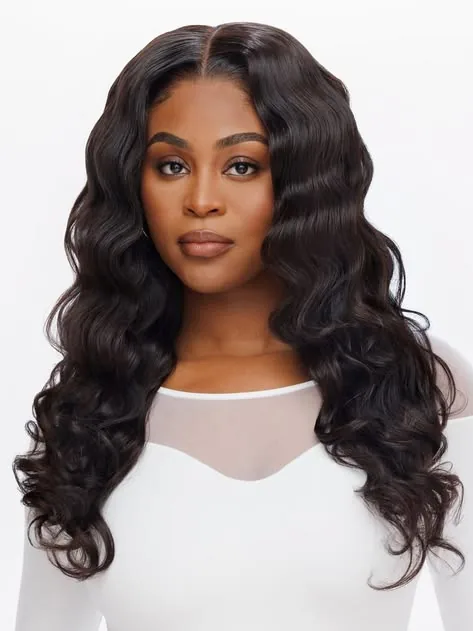
Water wave looks like its name: soft, flowing ripples, looser than deep wave and more romantic than body wave. It is the texture of a heroine in a period drama — feminine, flowing, and lovely in motion. It suits long lengths especially well, where the ripples have room to fall.
Best for: romantic occasions, photoshoots and anyone who loves a soft, feminine look. Common mistake: over-brushing, which breaks the ripple pattern into frizz. Use fingers or a wide-tooth comb only, and let the waves do their own thing. Time and cost: mid-range in price, and the style holds well between washes — a good value for a special-occasion wig.
The Loose Wave Wig: Relaxed Waves for Everyday Wear
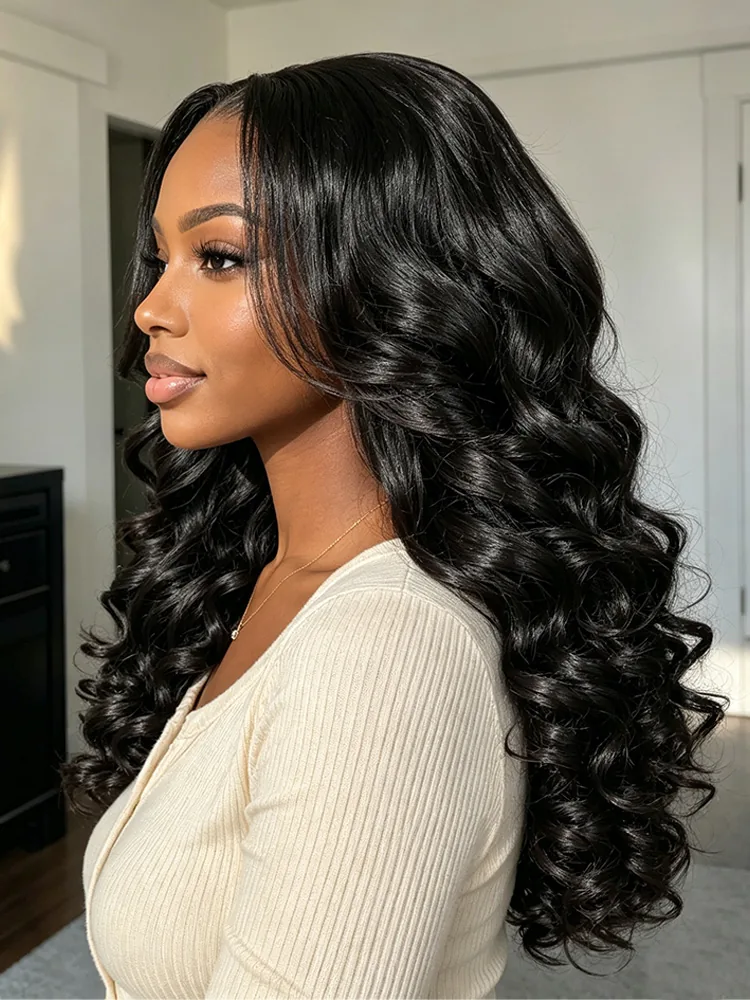
Loose wave is the weekday version of glamour: gentle, relaxed waves that look like your hair just happens to fall that way. It is the wig equivalent of a favourite pair of jeans — easy, flattering, and right for almost any occasion, from the school run to a work meeting.
Pros: the easiest wavy texture to maintain, the most forgiving of tangles, and the most natural-looking in daylight. Cons: if you love drama, it may feel too understated — but that is also its strength. Who should avoid it: nobody, honestly. If you are buying your first wavy wig and cannot decide, start here.
The Wavy Lob Wig: The Long Bob That Suits Everyone
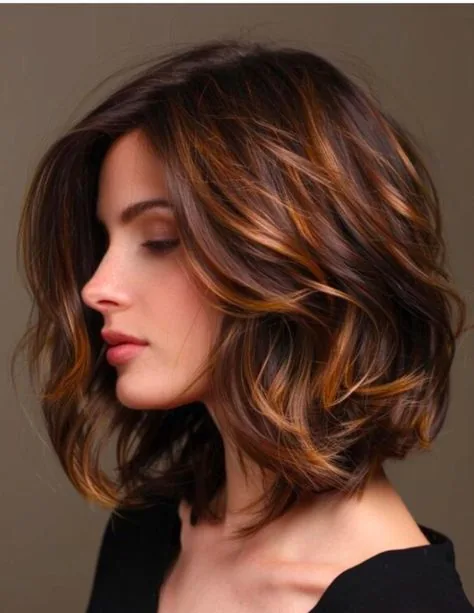
The lob — long bob — is the haircut that launched a thousand salon appointments, and the wavy version is its most wearable form. Falling just past the shoulders with soft waves through the lengths, it has the polish of a bob and the styling freedom of long hair. It suits round faces (the length elongates), square faces (the waves soften the jaw) and fine hair (the waves add body).
How to style: part it in the middle for a modern look or sweep it to the side for vintage glamour; both work with the same wig. Maintenance: low — the length is short enough to avoid serious tangling and long enough to tie back on a bad hair day. Quick verdict: if you only buy one wig this year, make it a wavy lob.
The Asymmetrical Bob Wig: One Side Longer, All Attitude

An asymmetrical bob — short at the back, sweeping longer across one side of the face — is the edgiest bob you can wear without a razor. It is architectural and modern, and it does something clever for the face: the diagonal line draws the eye across, slimming a round face and adding drama to a simple outfit.
Best for: women who love a fashion-forward look and want a bob with a point of view. How to style: flat-iron the longer side smooth and tuck the short side behind the ear to show off the shape. Common mistake: letting the longer side flip outwards — a quick smoothing pass keeps the line clean.
The Inverted Bob Wig: Stacked at the Back, Sleek at the Front
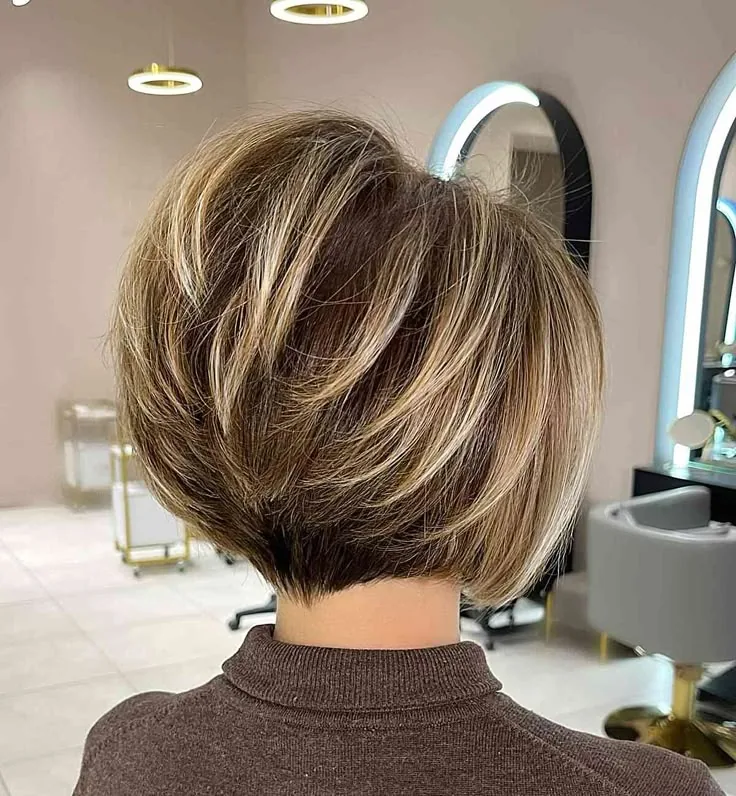
The inverted bob is shorter and stacked at the nape, graduating to longer pieces at the front. The shape gives volume at the crown and a sleek frame around the face — a flattering combination that works particularly well on fine hair, where the stacked back creates fullness that is hard to achieve otherwise.
Pros: built-in volume, a polished silhouette, and a style that looks freshly cut for weeks. Cons: the shape is fixed, so there is less room to restyle it into other looks. Who should avoid it: anyone who likes to tie their hair up often — the short back layers will escape a ponytail.
The Shoulder-Length Wig: The Do-Anything Length

Shoulder length is the most practical wig length there is. Long enough to tie back, short enough to never tangle badly, and flattering on every face shape. It is the length hairdressers recommend when a client says ‘I don’t know what I want’ — because it rarely goes wrong.
How to style: wear it straight for work, add a wave for the evening, or pull it into a low ponytail when you are in a rush — one wig, three looks. Maintenance: the easiest of all the longer styles; a quick brush and a wash every couple of weeks is all it asks. Quick verdict: the safest, most useful wig length you can own.
The Extra-Long Wig: Waist-Length Drama for Maximum Impact
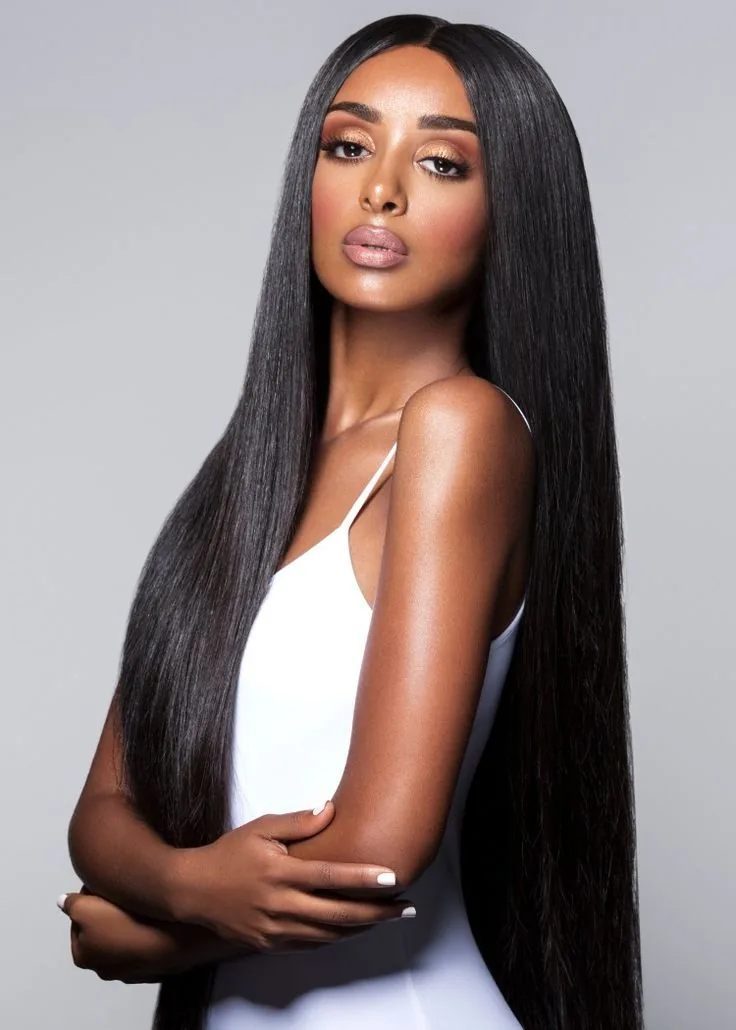
Waist-length hair is the stuff of fairy tales and Instagram — and it is almost impossible to grow and keep healthy in real life. An extra-long wig gives you that drama instantly: hair that moves when you walk, catches the light, and makes even a plain outfit look like an occasion.
Be honest about the upkeep. Extra-long wigs tangle at the nape, catch in bag straps and seatbelts, and need a grip band plus combs to stay secure under all that weight. Pros: unmatched drama and styling options, from braids to high ponytails. Cons: the highest-maintenance length there is. Best for: occasions, photos and days when you want to feel extraordinary — not for a rushed Monday morning.
The Short Bob With Bangs Wig: Retro Charm With a Modern Edge
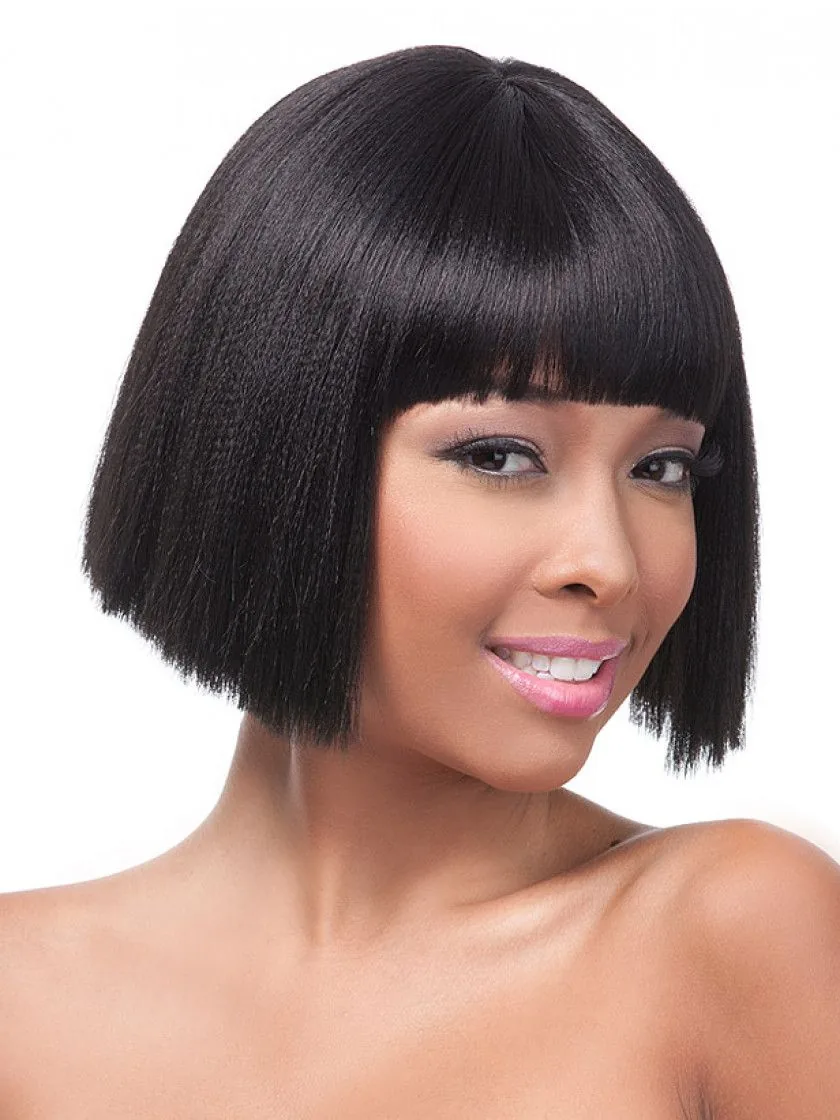
A short bob with a straight fringe is pure retro charm — part 1960s icon, part modern French girl. The fringe frames the eyes, the bob frames the jaw, and together they create a look that is both striking and surprisingly easy to wear. It is a brilliant choice if you have always wanted bangs but never wanted to commit to cutting them.
Best for: oval and long faces (the fringe shortens the face beautifully) and women who love a bold, graphic look. Common mistake: a fringe cut too long, which hides the eyes — trim it just above the brow, or have a stylist shape it for you. Maintenance: the fringe needs a quick straighten most mornings, but the rest of the wig is wash-and-go.
The Curtain Bangs Wig: Soft, Face-Framing Fringe That Grows Out Gracefully

Curtain bangs — parted in the middle, sweeping softly to each side — are the fringe for people who are afraid of fringes. They frame the face, soften the forehead and cheekbones, and blend into the rest of the hair so seamlessly that there is no awkward grow-out phase. On a wig, they are even easier: no trimming disasters, no commitment.
How to style: a round brush and a quick blow-dry (on human hair) or a gentle steam (on heat-friendly synthetic) gives the signature sweep. Pros: flattering on round, square and heart-shaped faces alike, and the most forgiving fringe there is. Who should avoid it: very fine, flat hair types — curtain bangs need a little volume to hold their shape.
The Side-Swept Bangs Wig: Old Hollywood Glamour in One Sweep
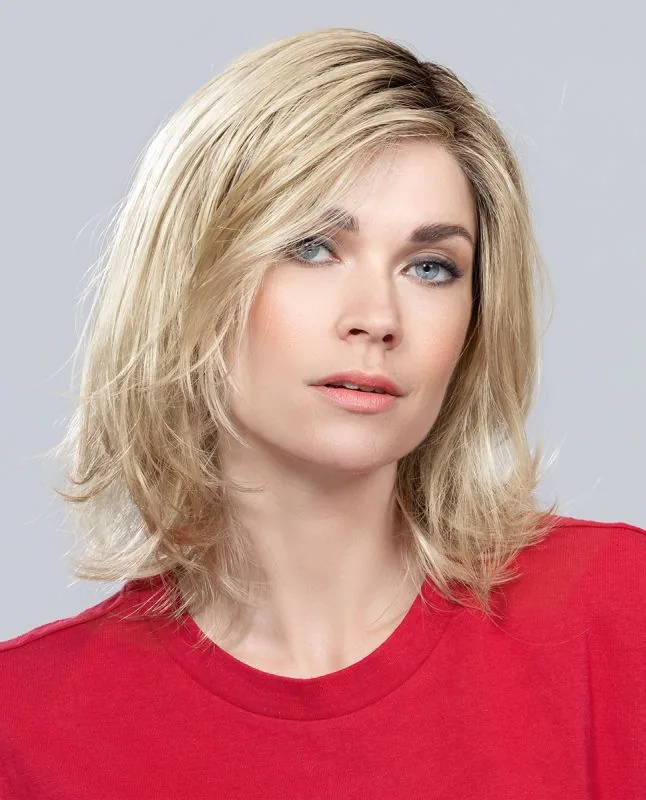
Side-swept bangs are the most glamorous fringe there is: a deep sweep across the forehead that feels like old Hollywood. They soften a high forehead, flatter a square jaw, and add instant polish to any length — from a bob to waist-length waves. They also hide a multitude of sins, including a lace front that is having an off day.
Best for: evening looks, special occasions and anyone with a broad forehead. What to ask your stylist: which side your hair naturally falls to — working with the natural sweep looks far better than fighting it. Quick verdict: the easiest way to make any wig look expensive.
The Middle Part Wig: Clean, Modern and Perfectly Balanced
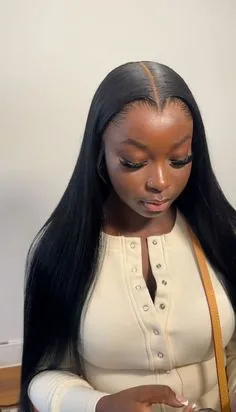
The middle part is the defining look of the moment: clean, symmetrical, modern. It elongates a round face, shows off a good lace front to perfection, and suits the sleek, straight styles that dominate right now. It is also the parting that shows off a wig’s realism most — a well-plucked middle part with a little concealer on the knots looks like a real scalp.
Best for: oval, round and heart-shaped faces, and anyone wearing a lace front. Common mistake: a ruler-straight part with no softness at the hairline — break it up slightly with a few baby hairs. Maintenance: almost none; the part is built into the cap.
The Side Part Wig: Classic Volume With a Soft, Feminine Fall
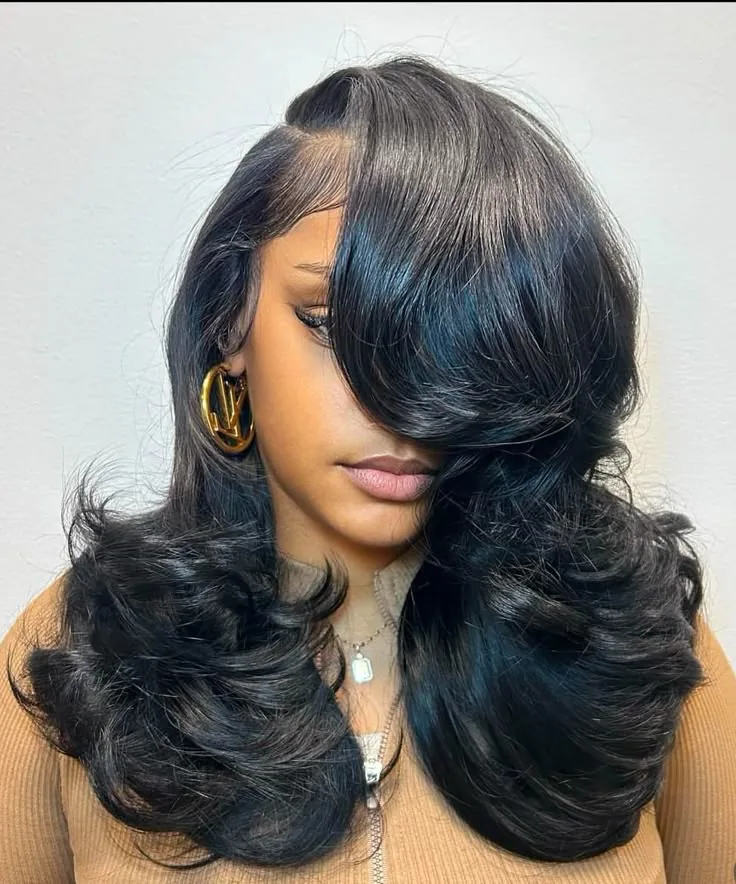
A deep side part is the oldest trick in the book for instant volume. Sweeping the hair to one side lifts the roots, creates a waterfall of hair over one shoulder, and softens the whole face. It is the parting of vintage glamour, and it works on every length from a pixie to a mermaid wig.
How to style: flip the part to the opposite side every few wears for a volume refresh — hair gets used to falling one way, and switching sides lifts the roots. Pros: maximum volume with zero effort, and very forgiving of a less-than-perfect lace line. Best for: fine hair and anyone who wants their wig to look fuller than it is.
The Half-Up Half-Down Wig: The Best of Both Worlds
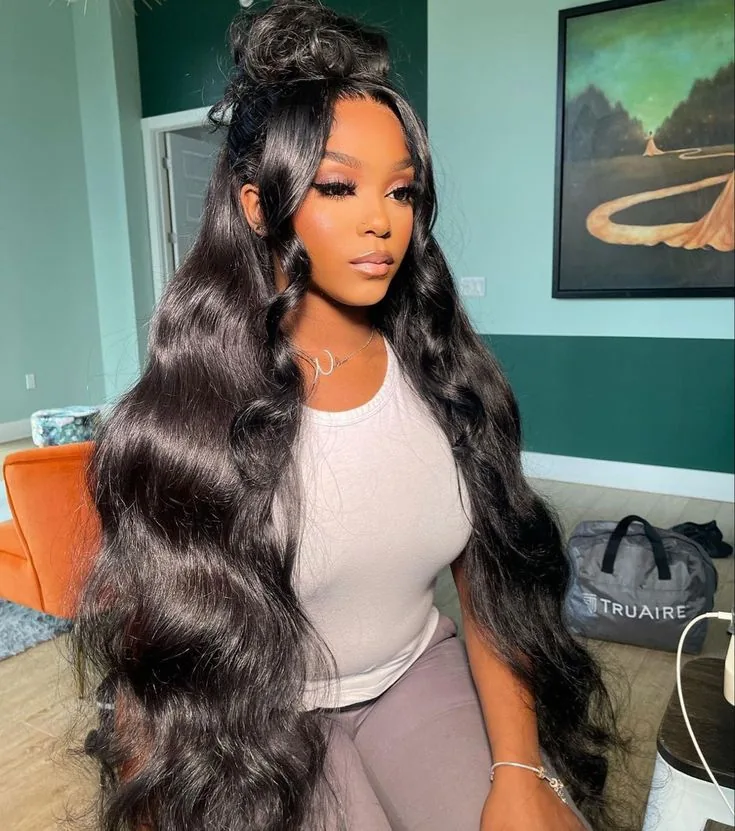
Half-up, half-down is the style that solves the eternal dilemma: hair up or hair down? You get the face-framing openness of loose hair with the neatness of an updo, and it works on almost every wig length from a lob to waist-length waves. It is also the easiest updo to do on a wig, because you are only gathering the top section.
How to style: gather the top third, secure with a small elastic, and wrap a strand around the band to hide it. A claw clip works too and is gentler on the cap. Best for: weddings, parties and days when you want to look done without trying hard. Common mistake: pulling the top section too tight, which can shift the cap — keep it loose and let the grip band do the holding.
The High Ponytail Wig: Sleek, Snatched and Full of Energy
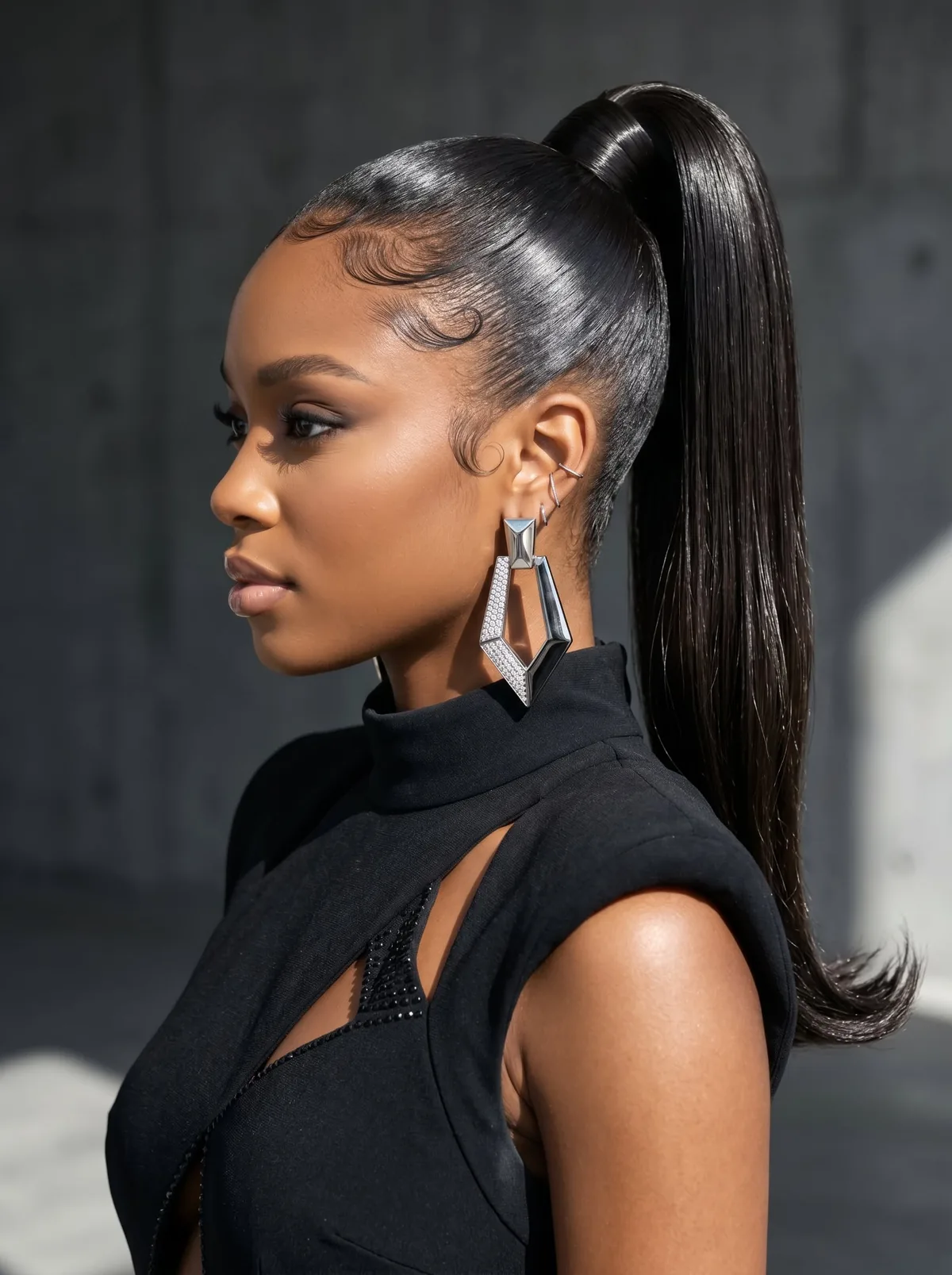
A high ponytail on a wig is pure energy: sleek, lifted, youthful, and the fastest way to look like you mean business. The key is a wig with a full lace or 360 lace cap, which lets you pull the hair up all the way around without exposing wefts at the nape.
Best for: gym days, hot weather and anyone who loves a snatched, polished look. How to style: brush the hair up smoothly, secure high on the crown, and wrap a strand around the elastic. Maintenance: the ponytail will need re-smoothing during the day as the cap settles — carry a small brush. Who should avoid it: anyone with a standard cap wig — the wefts at the back will show.
The Low Ponytail Wig: Understated Elegance for Every Day
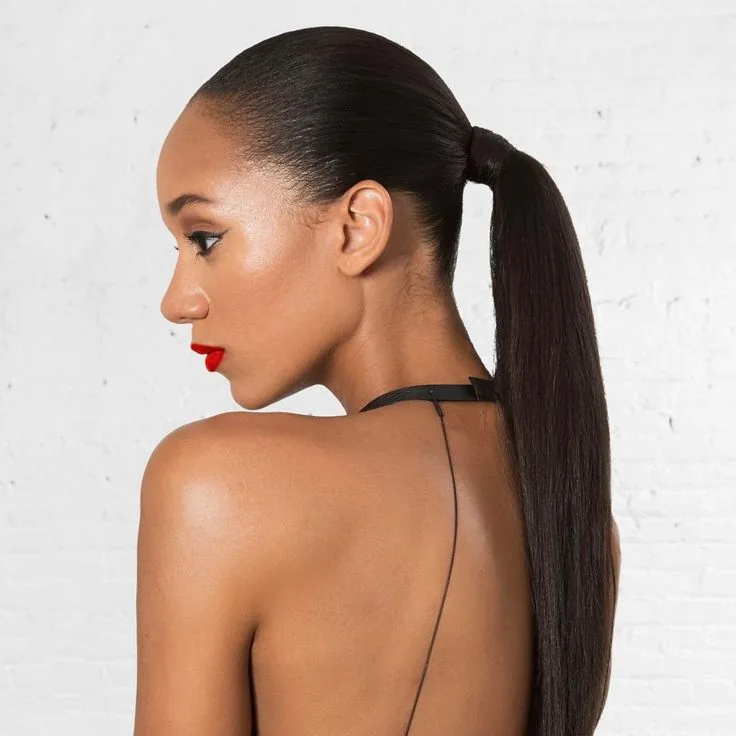
The low ponytail is the high ponytail’s calmer, more elegant sister: gathered at the nape, smooth and understated, it suits the office, a dinner and a wedding guest outfit equally well. It works on any cap type, because the nape stays covered, and it is the gentlest updo for your wig — no tension on the cap, no slipping.
Pros: effortless, secure, and kind to the wig’s construction. Cons: it can look plain if the hair is very straight — add a wave or a wrap of hair around the band for polish. Quick verdict: the updo to reach for when you want to look polished in ninety seconds.
The Messy Bun Wig: Casual, Cool and Done in Two Minutes
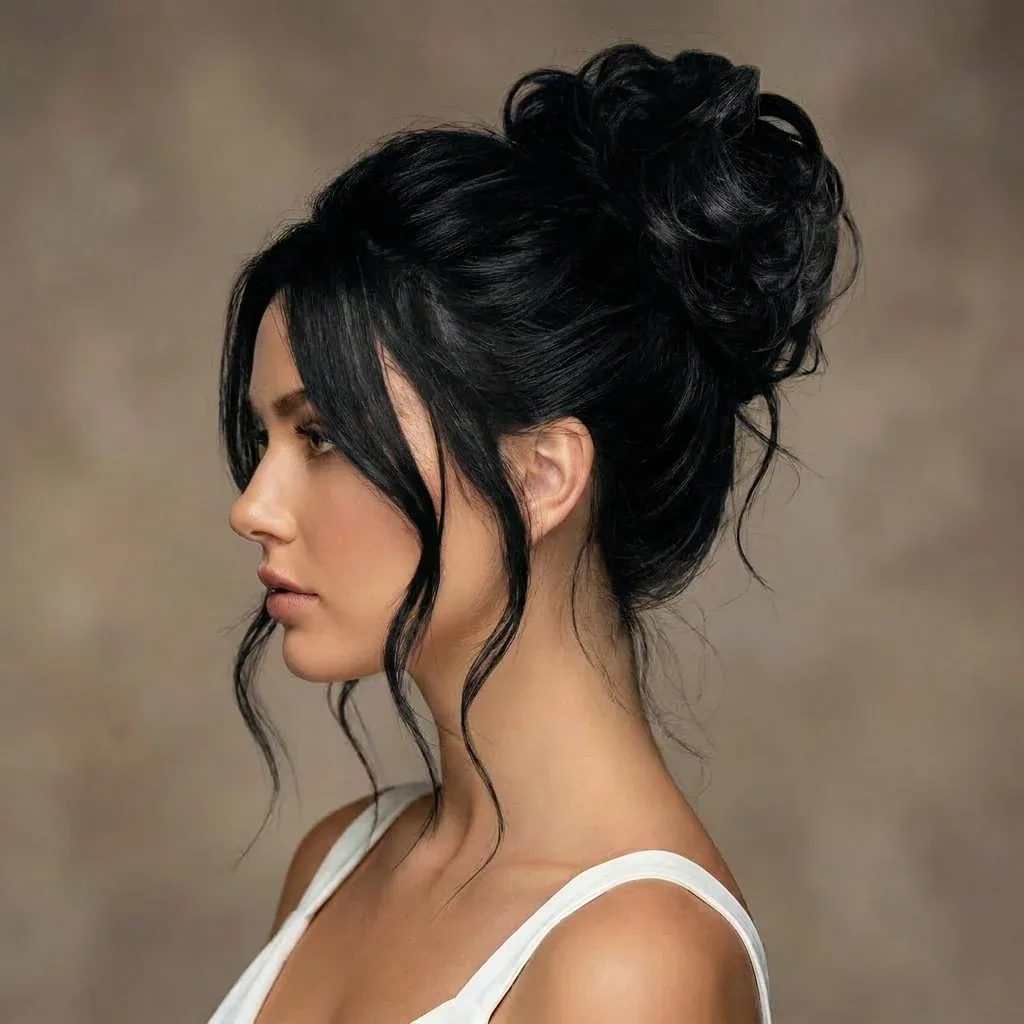
The messy bun is the official hairstyle of ‘I woke up like this’ — except on a wig, you actually did. Gather, twist, pin, pull out a few face-framing strands, and you have a look that is casual, cool and deliberately undone. It is the perfect style for weekends, errands and days when the wig’s curls have gone a bit flat.
How to style: the messier the better — perfection is the enemy here. A few bobby pins and a spritz of texturising spray are all you need. Best for: second-day wigs, curly textures and anyone who hates fussy styling. Common mistake: making it too neat — a messy bun that looks like a ballerina bun has missed the point.
The Sleek Bun Wig: A Ballerina Bun Without the Bobby Pin Battle
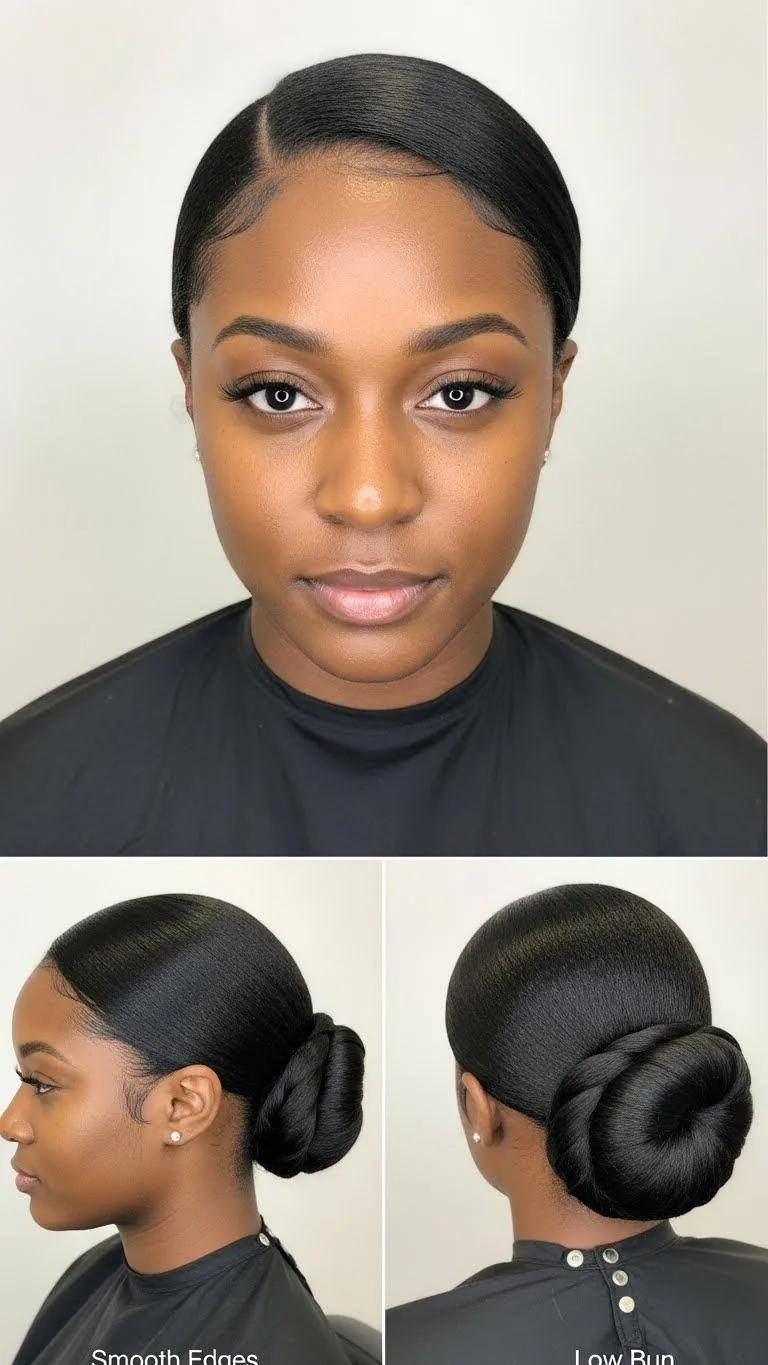
A sleek bun — low, smooth, perfectly in place — is the hairstyle of ballet dancers, bridesmaids and boardrooms. On real hair it takes twenty bobby pins and a prayer; on a wig, the hair is already smooth, so the bun comes together in minutes and stays put all day.
Best for: formal events, work presentations and hot weather. How to style: gather at the nape or crown, twist into a bun, pin, and smooth the edges with a little gel. A centre part gives a classic finish; a side part feels softer. Maintenance: almost none — the bun protects the lengths from tangling, which is a bonus for the wig’s lifespan.
The Braided Wig: Intricate Plaits Without the Arm Ache
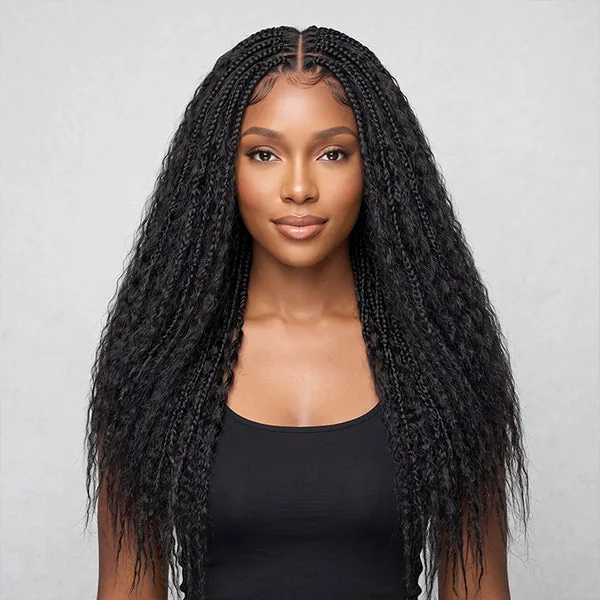
Braiding your own hair takes skill, patience and arms that do not get tired halfway through. A braided wig gives you the finished look — long, neat plaits, cornrows or a crown braid — with none of the effort, and it protects your own hair underneath at the same time.
Pros: protective styling, long-lasting (a braided wig can be worn for days with minimal restyling), and striking. Cons: braided wigs are heavier than most, so a secure grip band is essential. Who should avoid it: anyone with a sensitive scalp or neck — the weight adds up over a long day.
The Box Braid Wig: Long, Neat Braids That Last for Weeks
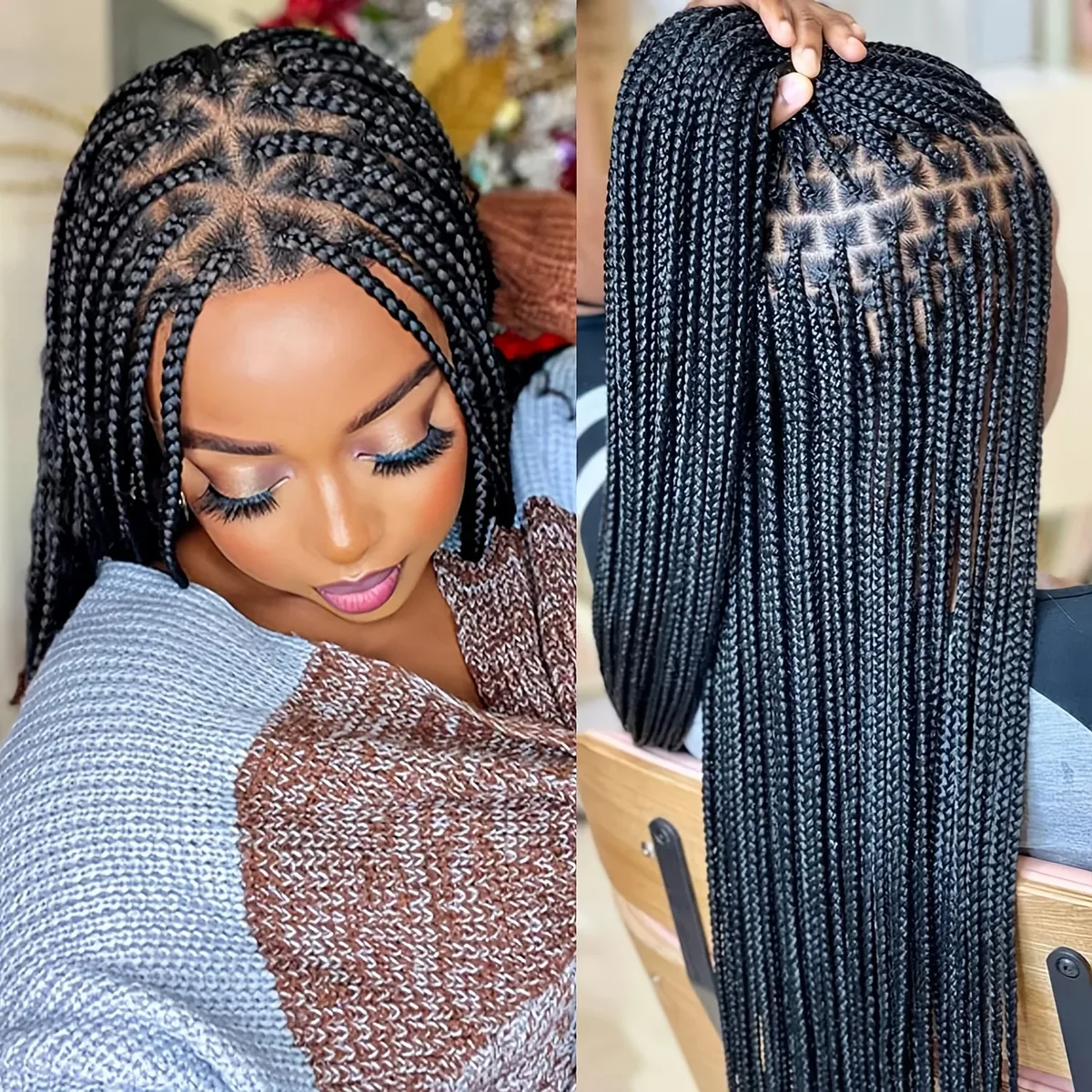
Box braids are a classic protective style, and a box braid wig delivers the look in minutes instead of the six hours a braider would need. The braids fall long and neat, can be styled into buns and ponytails, and hold their shape for weeks with almost no daily effort.
How to style: pull them into a high bun for a clean look, or let them fall loose for maximum impact. Maintenance: very low — the braids do not tangle, and a light oil on the scalp area keeps things comfortable. Time and cost: a box braid wig costs more than a simple wig, but it replaces hours of salon time and lasts for weeks of wear.
The Feed-In Braid Wig: Cornrows That Look Like They Grew There
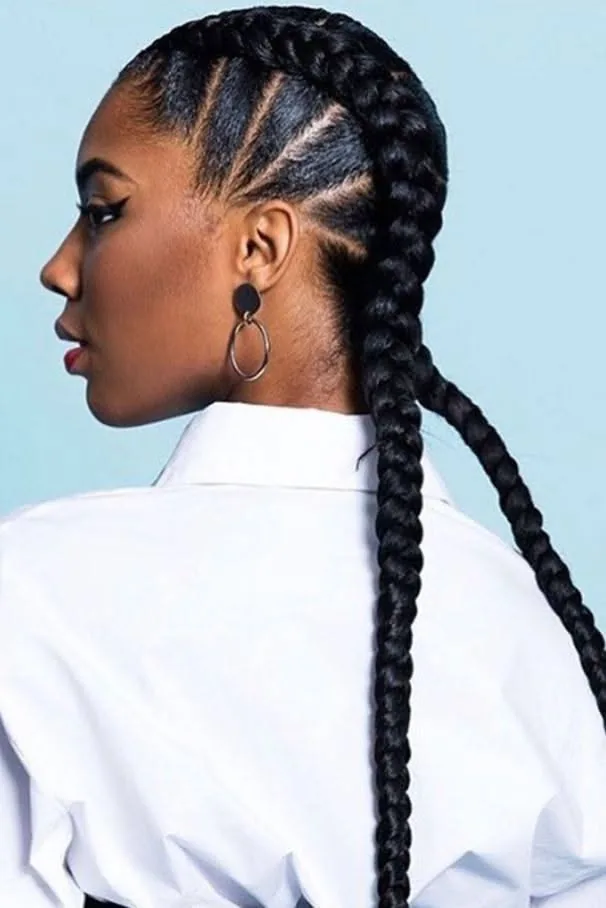
Feed-in braids — cornrows that start thin and gradually thicken — are the sleekest braided look there is, and a feed-in braid wig reproduces the effect without hours in a chair. The cornrows lie flat against the cap, so the wig sits close to the head and looks remarkably natural from every angle.
Best for: a neat, long-lasting protective style and anyone who loves a sculpted, geometric look. Common mistake: choosing braids that are too tight or too heavy for all-day wear — check the weight before you buy. Quick verdict: the braided wig that most convincingly passes as your own hair.
The Honey Blonde Wig: Warm, Sun-Kissed Colour That Flatters Everyone
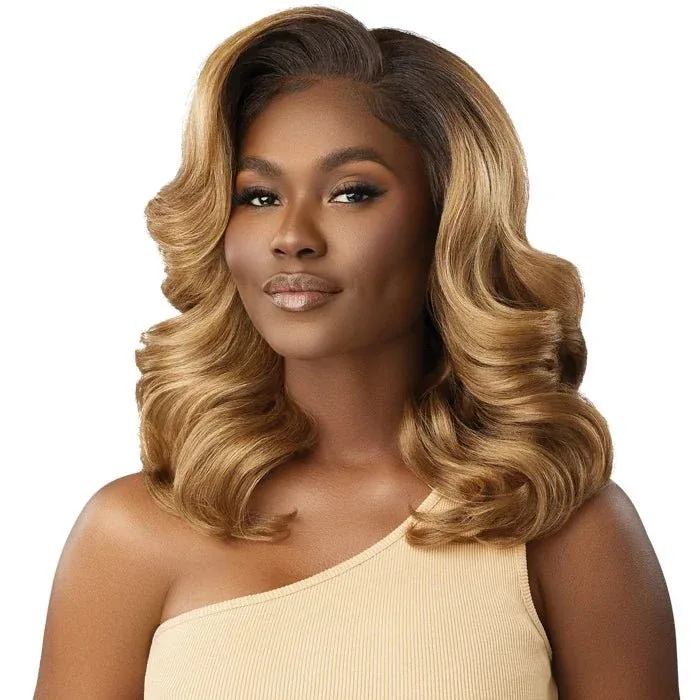
Honey blonde is the colour that flatters almost every skin tone: warm, golden, sun-kissed, never brassy. On a wig it is even better than on real hair, because there is no bleach damage, no root regrowth and no six-week salon appointment — just instant warmth.
Best for: warm and neutral skin tones, and anyone who wants to go lighter without the commitment. How to style: loose waves show off the dimension best; the colour catches the light differently in every wave. Maintenance: blonde wigs show tangling and dullness sooner than dark ones, so a colour-safe wig shampoo and a little shine spray keep it looking fresh.
The Copper Red Wig: Bold, Fiery Colour Without the Fading

Copper is the hair colour everyone talks about and almost nobody commits to — because real copper fades in weeks and stains everything it touches. A copper wig gives you the fire with none of the fading: rich, warm, head-turning auburn that stays exactly the same shade from the first wear to the last.
Pros: unforgettable, flattering on fair and medium skin, and the fastest way to change your whole look. Cons: it is a statement — there is no quiet way to wear copper. Who should avoid it: anyone who wants to blend in. This colour is for standing out, and it does the job brilliantly.
The Jet Black Wig: Glossy, Dramatic and Always in Style
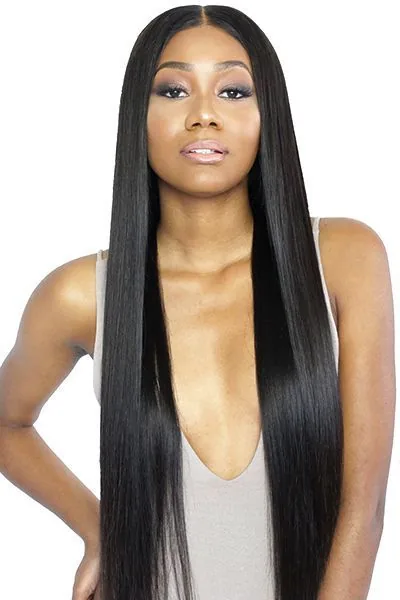
Jet black is the little black dress of wigs: glossy, dramatic, never out of style. It suits deep skin tones beautifully, makes pale skin look porcelain, and gives every style — from a blunt bob to waist-length waves — extra impact. It is also the most forgiving colour for a wig, because the depth of the shade hides a multitude of sins.
Best for: anyone who wants maximum shine and drama with minimum effort. Common mistake: pairing jet black with very heavy makeup — the colour is already a statement, so keep the rest of the look soft. Maintenance: easy; dark wigs show less dullness than blonde ones and hold their colour indefinitely.
The Balayage Wig: Hand-Painted Dimension, Zero Salon Hours
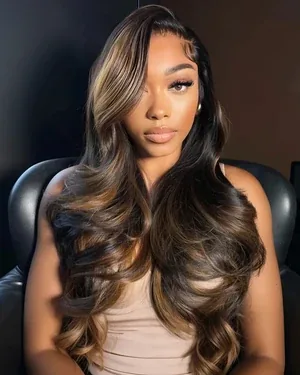
Balayage — soft, hand-painted highlights that melt from dark roots to lighter ends — is the most requested colour in salons and the most expensive to maintain. A balayage wig gives you the dimension for a fraction of the price, with no regrowth line, no toner appointments and no damage.
How to style: waves and curls show off the colour best, because the light catches each highlighted strand differently. Pros: the most natural-looking colour option, and it grows out gracefully — because it never grows out at all. Who should avoid it: anyone who prefers a single, solid colour — balayage is all about dimension.
The Pastel Pink Wig: Soft, Dreamy Colour for the Bold at Heart
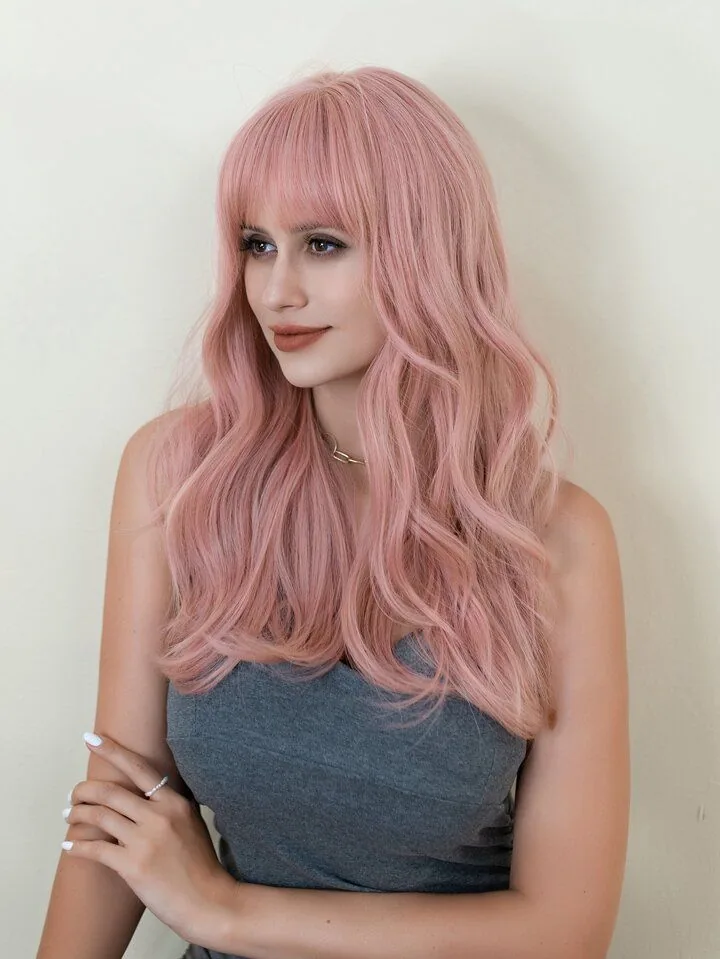
Pastel pink is the colour of daydreams: soft, romantic, a little bit rebellious. On real hair it takes bleach, toner and constant upkeep; on a wig it takes thirty seconds. It is the perfect way to try a fantasy colour for a party, a photoshoot or a whole pink era — and then go back to brown on Monday.
Best for: festivals, photoshoots, and anyone who wants to try a fantasy colour without the damage. Maintenance: pastel shades fade fastest in sunlight, so store the wig away from windows. Quick verdict: the most fun you can have with a wig — and the easiest colour to regret-free experiment with.
The Ombre Wig: Dark Roots, Light Ends, Endless Dimension
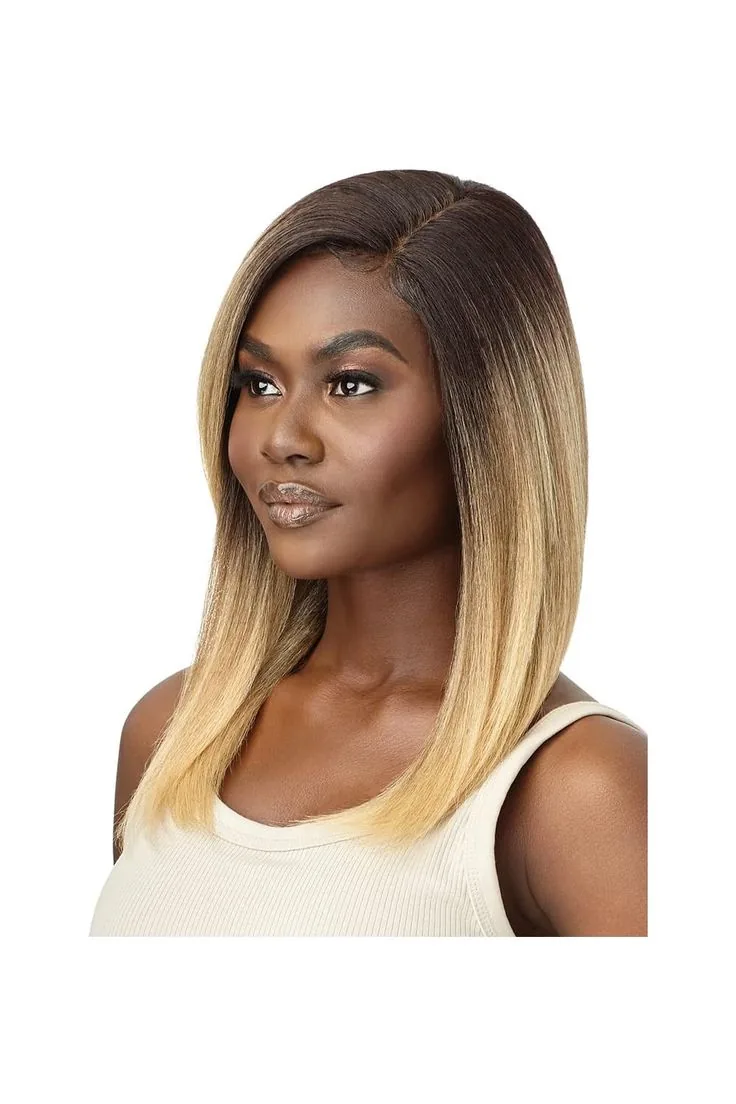
Ombre — dark at the roots, gradually lighter towards the ends — is the colour that made two-tone hair mainstream. It gives instant dimension, frames the face with the darker shade and lights up the lengths, and it is wonderfully low-maintenance because there is no harsh regrowth line to worry about.
Pros: dimensional, flattering on most skin tones, and the colour does the styling work for you. Cons: the transition can look stark on very straight, very long wigs — waves soften the blend. Best for: anyone who wants colour with depth but does not want to commit to a single shade.
The Grey and Silver Wig: Chic, Sophisticated and Completely Ageless
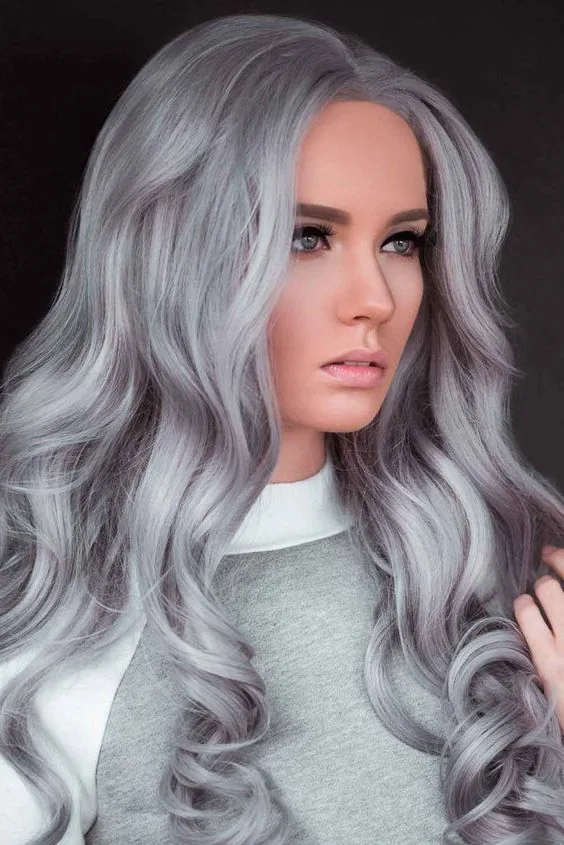
Silver hair has gone from a sign of age to a style statement, and a grey wig is the fastest way to join the trend. Whether it is a soft salt-and-pepper, a steely grey or a bright silver, the colour reads chic, confident and deliberate — and it suits every age, not just the one it is associated with.
How to style: soft waves or a sleek bob both work; the colour itself is the statement, so keep the cut simple. Common mistake: choosing a flat, dull grey — look for a wig with dimension and a little shine, which keeps the colour looking intentional rather than tired. Quick verdict: the most sophisticated colour choice on this list.
The Wedding Updo Wig: An Elegant Chignon for the Big Day
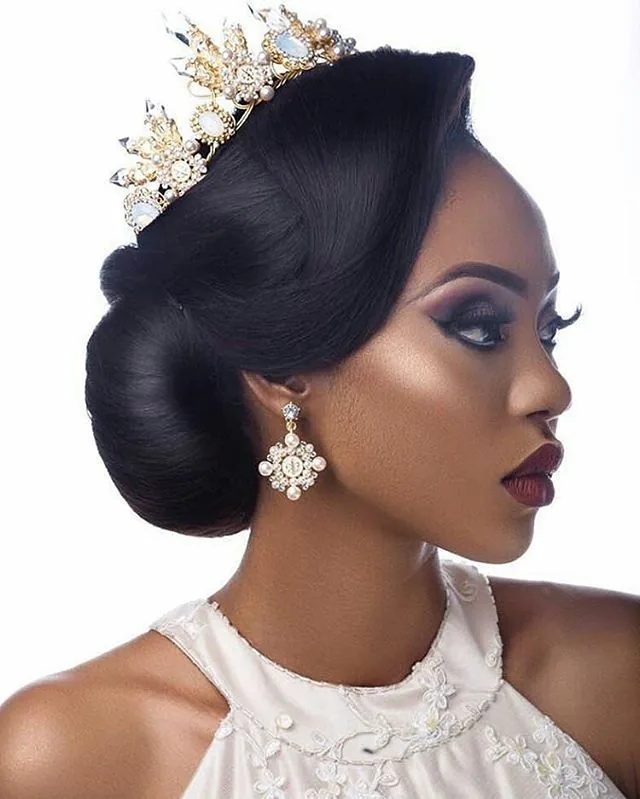
A wedding updo wig is the secret weapon of brides, bridesmaids and wedding guests who want an elegant chignon without a 6 a.m. salon appointment. The style is pre-formed — a low, soft chignon with face-framing tendrils — so it looks like hours of work and takes minutes to put on.
Best for: weddings, formal events and anyone who wants an updo that will not fall apart by the first dance. How to style: add a hair vine, a pearl pin or fresh flowers at the side for a bridal finish. Maintenance: the updo is built in, so there is almost nothing to restyle — just store it on a stand and keep the shape intact.
How long do wigs last?
A synthetic wig typically lasts 4 to 6 months with regular wear, while a human hair wig can last 1 to 3 years with proper care. How long yours lasts depends on how often you wear it, how you wash and store it, and whether you heat-style it. A wig worn occasionally and stored on a stand will outlast a daily-wear wig by a long way.
Can you sleep in a wig?
You should not sleep in a wig. Friction against the pillow tangles the hair, mats the nape and loosens the cap, and a single night can cause damage that takes hours to undo. Take the wig off before bed, store it on a stand, and wear a satin bonnet over your own hair.
How often should I wash my wig?
Every 8 to 12 wears is right for most wigs, or sooner if you have used a lot of styling product or been sweating. Wash in cool water with a wig shampoo, condition the lengths only, and let it air-dry on a stand. Over-washing strips shine and loosens the cap, so do not wash it after every wear.
Is a synthetic wig or a human hair wig better?
It depends on what you want. Synthetic wigs are cheaper, hold their style straight out of the box and need almost no styling — ideal if you want one ready-made look. Human hair wigs cost more but can be curled, straightened and coloured like real hair, and they last much longer. For a first wig, synthetic is a good low-risk start; for a daily-wear favourite, human hair is usually worth the investment.
How do I stop my wig from slipping?
Start with the right cap size, then add a velvet wig grip band under the cap — it creates friction that holds the wig in place without glue. Sew-in combs or wig clips at the temples add extra security, and for the firmest hold, a skin-safe wig glue or tape along the hairline will keep it secure all day.
Can you dye a wig?
Human hair wigs can be dyed, though it is best done by a professional since the hair has already been processed. Synthetic wigs cannot be dyed with normal hair dye — the fibres do not absorb colour. If you want a different colour on a synthetic wig, it is usually cheaper and easier to buy a second wig in the new shade.
How do I measure my head for a wig?
Measure around your head just above your ears and eyebrows, then from your front hairline over the crown to the nape, and from ear to ear across the top. Most adults wear an average cap (21.5–22.5 inches around), but petite and large caps exist — and an adjustable strap can only make up for about half an inch, so measure first.
Are glueless wigs secure enough for all-day wear?
Yes, for most people. Glueless wigs use adjustable straps, combs and an elastic band to stay in place, and with a wig grip band underneath they hold well through a normal day. For very active days, dancing or strong wind, glue or tape gives extra security — but a well-fitted glueless cap is secure enough for everyday wear.
Can you swim in a wig?
It is not recommended. Chlorine and salt water dry out and tangle wig fibres, and the water can loosen glue and shift the cap. If you do swim in a wig, wear a swim cap over it, rinse it in fresh cool water immediately afterwards, and expect to wash and restyle it before the next wear.
How should I store my wig?
On a wig stand or a tall bottle, in a cool, dry place away from direct sunlight, which fades colour and dries out fibres. Long wigs can be loosely braided before storing so they do not tangle. A silk or satin bag works for travel. Never store a wig crumpled in a drawer — it will take hours to detangle.
Conclusion
A wig is not a disguise — it is a shortcut. It lets you try the bob you have been thinking about for a year, the copper you would never dare to dye, the waist-length waves your hair will never grow, all without a single permanent decision. The women who love wigs most are not the ones who own the most expensive one; they are the ones who found the right cap size, learned the ten-minute realism routine, and picked a style that fits their actual life, not just their imagination.
Start simple: a shoulder-length or lob wig in a natural shade, at 130% density, with a glueless cap. Wear it for a week. Learn what you like — the length, the part, the way it moves — and then branch out. The bob, the curls, the colour, the updo: they are all waiting, and none of them requires a pair of scissors. Your hair, your rules, your look — changed in minutes, whenever you feel like it.